Entries

Argan Oil - Moroccan Gold in Skin and Hair Care
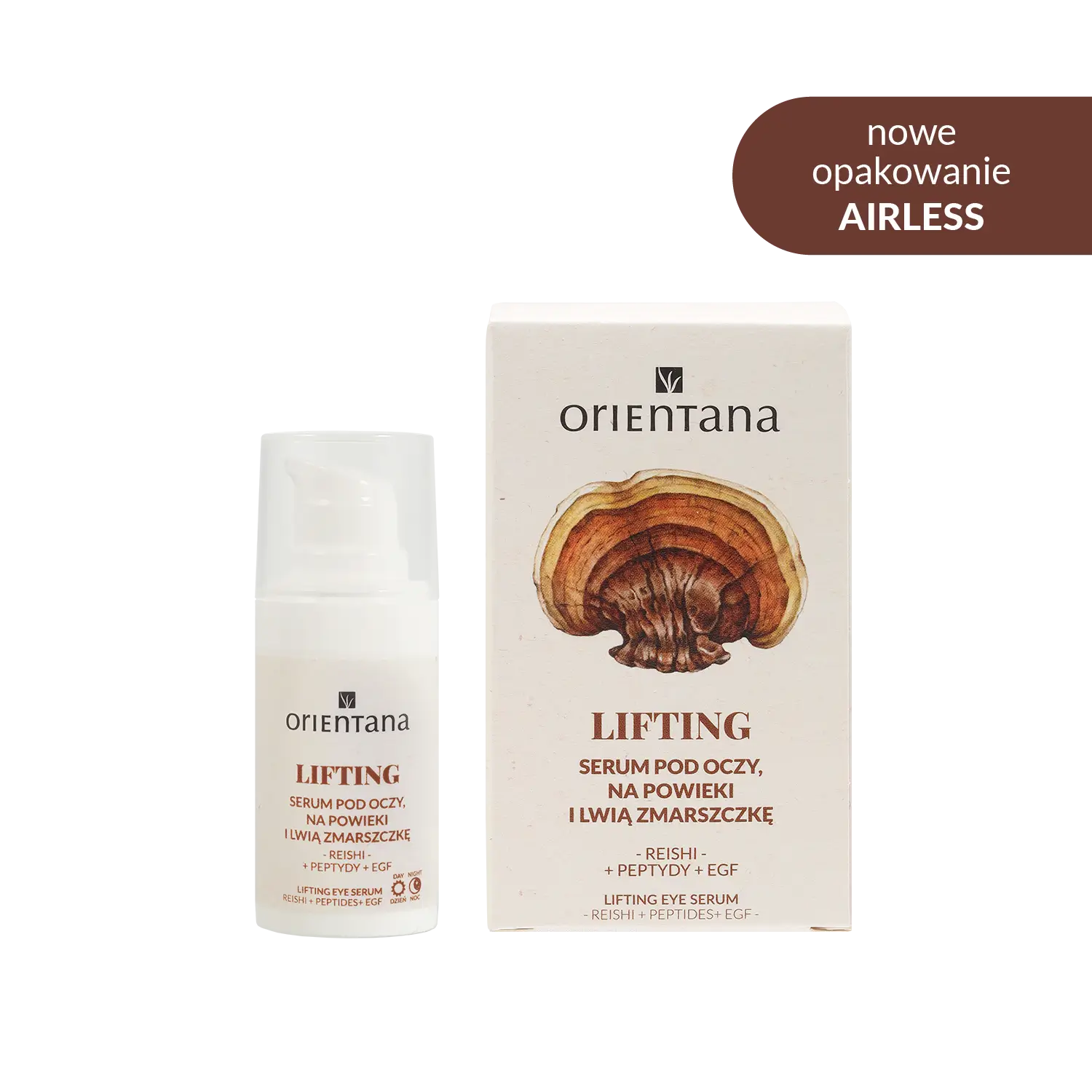
Argan oil, known as "Moroccan gold," has been highly regarded in folk medicine and cosmetics for centuries. Today, it is one of the most valuable vegetable oils, used in face, body, and hair care, as well as in anti-aging products. Its rich chemical composition ensures multi-directional action – it moisturizes, regenerates, protects against free radicals, and improves skin elasticity. In this article, we will take a closer look at its properties and applications, and also showcase two Orientana cosmetics in which argan oil plays an important role. What is argan oil and where does it come from? Argan oil is pressed from the seeds of the argan tree (Argania spinosa), which grows almost exclusively in Morocco. It is there that women have been using it for generations for skin and hair care, as well as an ingredient in their diet. The oil extraction process is time-consuming – it requires manual cracking of hard argan nuts and cold-pressing the seeds. No wonder that for centuries it was considered a luxury product. Chemical composition of argan oil - the secret to its effectiveness Argan oil contains an incredibly rich set of active ingredients that determine its unique skincare properties: • Fatty acids – primarily oleic acid (omega-9) and linoleic acid (omega-6). The former is responsible for elasticity and hydration, the latter regenerates the epidermis and supports the hydrolipid barrier. • Vitamin E – a powerful antioxidant that protects the skin from free radicals and premature aging. • Squalene – a natural component of sebum, it improves softness, elasticity, and protects against moisture loss. • Plant sterols – support the reconstruction of the lipid barrier, have a soothing effect. • Polyphenols – exhibit anti-inflammatory and antibacterial properties. Such a composition makes argan oil act both protectively and regenerating – it supports the skin with various care problems. Properties of argan oil Regular use of argan oil brings many benefits: • Strong hydration and protection – the oil prevents water loss from the epidermis, creating a delicate protective film on its surface. • Regeneration and nourishment – supports the skin's regeneration process, soothes irritations and roughness. • Anti-aging effect – vitamin E neutralizes free radicals, delaying the appearance of wrinkles. • Improved skin elasticity – argan oil smooths and firms, restoring a healthy look to the complexion. • Hair support – moisturizes, strengthens, and adds shine to strands, reduces breakage and frizz. How to use argan oil in skincare? For the face A few drops of oil can be applied directly to slightly damp skin after cleansing. It is best to use in the evening – the oil will regenerate the epidermis and provide comfort during sleep. It also works well in products such as creams and serums, as it then acts synergistically with other active ingredients. For the body Massaged into damp skin after a bath, it prevents dryness and soothes irritations. It can also be added to your favorite lotion to enhance its effect. For hair Used as a pre-shampoo mask, it strengthens hair structure, adds shine and smoothness. A small amount can also be rubbed into hair ends after styling to prevent splitting. For sensitive skin Thanks to sterols and polyphenols, argan oil soothes irritations – it is suitable for the care of dry, reactive, and redness-prone skin. Orientana cosmetics with argan oil Light cream for combination skin with Tremella mushroom extract This cream is an example of how argan oil can be used in a formula designed for combination skin. Argan oil regulates sebum secretion, and despite being an oil, it does not clog pores or increase skin oiliness. It contains linoleic acid, which restores balance to oily and combination skin, where this fraction is often deficient. It reduces overproduction of sebum – by providing appropriate lipids from the outside, the skin "calms down" and does not have to compensate for deficiencies with its own sebum production. The oil provides adequate hydration and elasticity without weighing down the complexion. Thanks to its light consistency, the cream works perfectly as a day product, also under makeup. Tremella extract additionally intensifies the moisturizing effect, and argan oil protects against moisture loss and premature skin aging. Reishi and EGF Peptides Eye and Eyelid Serum In this serum, argan oil works synergistically with Reishi mushroom extract and EGF peptides, which stimulate skin regeneration. Argan oil enhances the anti-aging effect, nourishes the thin skin under the eyes, and supports the reduction of fine wrinkles. The product is light, quickly absorbed, and perfectly addresses the needs of delicate skin around the eyes. Frequently asked questions about argan oil Is argan oil suitable for oily skin? Yes, the linoleic acid it contains helps regulate sebum production, so it can be beneficial even for oily and combination skin – provided it is used in reasonable amounts. Can argan oil be used under makeup? The oil itself can be too heavy, but in a light cream – as in the case of the Tremella cream – it will work great as a makeup primer. Will argan oil help with split ends? Yes, when rubbed into hair ends, it acts as a natural protective serum that prevents them from breaking and splitting. Can argan oil be used during pregnancy? It is a natural and safe ingredient, also recommended for pregnant women as support for dry skin or in the prevention of stretch marks. Can argan oil be used daily? Yes, argan oil can be incorporated into daily skincare. Dry and mature skin responds best to daily use, while for oily and combination skin, it is better to limit application to a few times a week or opt for light formulas containing argan oil, such as Orientana creams and serums. Is argan oil suitable for under the eyes? Argan oil is safe around the eyes, but it's best to choose ready-made formulas – for example, Orientana's Reishi and EGF Peptides Eye and Eyelid Serum, where the oil works in synergy with other ingredients and does not weigh down delicate skin. How does argan oil affect hair? It moisturizes, smooths, and adds shine. Applied as a pre-wash mask, it regenerates hair, and used in a small amount on the ends – it protects against splitting and breakage. Does argan oil have anti-wrinkle properties? Yes – vitamin E and polyphenols act as antioxidants, neutralizing free radicals and delaying skin aging. Regular use improves firmness and smoothness. Is argan oil comedogenic? Its comedogenic potential is low (2/5 on the scale), which means it rarely clogs pores. For problematic skin, it's worth using in small amounts or in products with a light consistency. Is argan oil safe during pregnancy? Yes, it is a natural and safe ingredient. It can help prevent skin dryness and support stretch mark prevention. How does argan oil differ from other vegetable oils? It contains a unique combination of oleic and linoleic acid, is rich in vitamin E and plant sterols. Compared to jojoba or coconut oil, it has a significantly stronger antioxidant and regenerating effect. Can argan oil be combined with retinol or AHA acids? Yes, argan oil effectively soothes any irritations caused by retinol or acids. It can be used as the last step in skincare to strengthen the hydrolipid barrier. How should argan oil be stored? Preferably in a dark bottle, tightly closed, in a cool place. Avoid direct light and high temperatures to preserve its properties. Can argan oil be used on nails? Yes – rubbed into the nail plate and cuticles, it nourishes and regenerates, preventing breakage and splitting. Will argan oil work as a makeup primer? The oil itself can be too heavy, but in the form of a light cream – e.g., Orientana's Light cream for combination skin with Tremella – it is perfectly suitable as a moisturizing primer under foundation. Is argan oil suitable for mature skin? Absolutely yes – it improves elasticity, has anti-wrinkle effects, firms, and protects against oxidative stress. That's why it is often an ingredient in anti-aging cosmetics. Does argan oil have anti-inflammatory properties? Yes – the polyphenols and sterols it contains have a soothing and anti-inflammatory effect, making it suitable for the care of sensitive or irritation-prone skin. Can argan oil be applied to the scalp? Yes, but in a small amount. Argan oil has soothing, moisturizing properties and can support scalp regeneration. It is best to gently massage the oil into the scalp before washing – it will improve microcirculation, strengthen hair follicles, and soothe irritations, e.g., after coloring. Does argan oil accelerate hair growth? The oil itself is not a growth activator, but it improves scalp condition, strengthens hair follicles, and reduces hair breakage. Healthier and stronger strands naturally grow faster and appear thicker. How to apply argan oil to hair ends? Rub 1–2 drops of oil into damp or dry ends. This acts as a natural serum – it protects against splitting and provides smoothness. Is argan oil suitable for colored hair? Yes, it's a great choice for colored hair. Argan oil regenerates, strengthens, and protects color from fading because it neutralizes free radicals and prevents dryness. Does argan oil weigh down fine hair? It can, if you use too much. For fine hair, it's better to apply only to the ends or choose cosmetics with argan oil in a light formula – e.g., conditioners, mists, or creams that do not cause an oily effect. Does argan oil protect hair from high temperatures? Yes – it creates a delicate protective layer that partially protects strands from the action of a hairdryer or straightener. However, it does not replace a professional heat protectant spray – it should be treated as additional support. Can argan oil be applied overnight to the entire hair? Yes, so-called hair oiling with argan oil is an effective regenerating treatment. Simply massage the oil into the strands (from mid-length to ends), wrap hair in a towel, and leave for a few hours or overnight, then wash thoroughly with shampoo. Does argan oil help with frizzy hair? Yes – it smooths the hair cuticle, reduces frizz, and adds shine. It works particularly well for curly and wavy hair that requires additional weight. To summarize Argan oil is one of the most versatile and effective vegetable oils. Its rich composition makes it perfect for both face and body, as well as hair care. It moisturizes, regenerates, and has anti-aging properties, protects against moisture loss, and strengthens the skin's natural barrier. The Orientana brand uses argan oil in its products – light cream with Tremella and Reishi eye serum with EGF peptides – so you can incorporate its extraordinary properties into your daily skincare routine in a modern, effective formula.
Learn more
Strobing - what is it and how to do it step by step?
Just a few years ago, the biggest trend in makeup was facial contouring – playing with light and shadow to sculpt features like a surgical facelift. Today, we're increasingly choosing something lighter, more natural, and more "skin-friendly": strobing. This technique, instead of "painting" new contours, emphasizes the skin's natural glow, making the face look fresh, healthy, and youthful. But there's one "but": strobing doesn't start with makeup. The foundation is skin care – well-hydrated, radiant, and energized skin. That's why, in this article, I'll show you not only what strobing is and how to do it, but also what skincare routine to adopt so that the glow effect is real, not just "painted on." What is strobing? Strobing is a makeup technique that involves highlighting strategic areas of the face. Unlike contouring, which uses bronzers and dark powders, here we work only with light. Effect: natural glow, skin looks fresh and healthy, makeup is lighter, more minimalistic. Strobing originated in the fashion world – on runways and photoshoots, where the effect of "wet," luminous skin reflecting flashlights was key. It quickly transitioned to everyday makeup – because who doesn't want to look younger and more radiant? Strobing vs. Contouring – What's the difference? Contouring = playing with light and shadow (highlighter + bronzer), a more "graphic" effect. Strobing = highlighting only, natural, fresh, "glass skin" effect. If contouring is like sculpting the face, strobing is like painting with light. How does strobing work? – playing with light in makeup Strobing uses the principle that light accentuates. If you highlight your cheekbones, they will appear higher. If you add radiance to the inner corner of your eye, your gaze will become fresher. If you apply highlighter to your Cupid's bow, your lips will seem fuller. Therefore, the key is skillfully selecting light points and adjusting the intensity of the highlighter to your skin type and occasion. Who is strobing best for? for people who prefer natural makeup, for dry and tired skin (adds radiance), for mature skin (optically rejuvenates), for anyone who wants to achieve a "healthy skin" effect. Cosmetics needed for strobing Highlighters Powder – long-lasting, good for evenings. Cream and liquid – more natural, blend into the skin, for example, Reishi Illuminating Booster Skincare base This is an absolute foundation – without it, even the best highlighter won't give a beautiful glow effect. Dry and dehydrated skin doesn't reflect light and looks tired. This is where Orientana skincare comes in: Reishi Illuminating Booster – has antioxidant properties and adds an immediate glow. Cosmetics with Vitamin C – brighten, neutralize free radicals, even out skin tone. HydroTremella Cosmetics – deeply moisturizes and provides a "plump skin" effect, meaning firm, luminous skin. Strobing step by step Skin preparation – skincare Cleansing – gentle gel [facial cleansing gel]. Toning – [toner-essence with gluconolactone] for freshness and softness of the skin. Illumination - [Reishi Illuminating Booster ] as a makeup base that acts as a natural "primer" with antioxidant power. Brightening, illuminating complexion - [vitamin C cream],[night cream with vit C], [mask with vit C]. HydroTremella – additional hydration that prevents highlighter from settling on dry patches. Foundation and concealer Choose light formulas – preferably BB/CC creams or light foundation. The goal is to even out skin tone, not to mask the skin. Highlighting strategic areas Apply highlighter to: tops of cheekbones, bridge of the nose, Cupid's bow, brow bone, inner corners of the eyes. Setting the look Light translucent powder only in the T-zone (if skin gets oily). Illuminating mist as a finish. Common strobing mistakes and how to avoid them ❌ Too much highlighter → "wet skin" effect instead of glow. ❌ Applying to dry, unconditioned skin → highlighter emphasizes dry patches. ❌ Using too cool/dark a shade → face looks unnatural. How does skincare affect the strobing effect? Hydration – key for the skin to reflect light. The HydroTremella series provides deep hydration after the first application. Barrier repair – Toner-Essence with Gluconolactone smooths and elasticizes, allowing highlighter to apply evenly. Antioxidant action – Reishi Illuminating Booster and vitamin C cosmetics neutralize free radicals, which are one of the main causes of dull, tired skin. Strobing is actually a reflection of skin condition – the better you care for it, the more beautiful it looks with makeup. Below I have gathered the most frequently asked questions What is strobing? It's a makeup technique that involves highlighting strategic areas of the face. What's the difference between strobing and contouring? Contouring = light and shadow, strobing = light only. Is strobing suitable for everyday use? Yes – in a light version, it's perfect for daily makeup. What highlighters should I choose for strobing? Cream and liquid for naturalness, powder for longevity. Can people with oily skin do strobing? Yes – provided they ensure a matte finish in the T-zone and highlight strategic points. Can strobing be done without foundation? Yes – given good skincare and even skin tone. How does skincare affect the strobing effect? Without hydration and antioxidants, highlighter will emphasize imperfections instead of adding glow. What Orientana cosmetics support the strobing effect? Reishi Illuminating Booster, vitamin C serum, HydroTremella, Yuzu ceramide mask. Does vitamin C really brighten skin? Yes – studies show a reduction in discoloration of up to 25–30% with regular use. Can booster and serum be used together? Yes – Reishi booster as a base, vitamin C serum as a treatment. What are the most common mistakes in strobing? Too much product, lack of skincare, wrong highlighter shade. Does strobing suit mature skin? Yes – highlighting rejuvenates, as long as we don't overdo the quantity. Can highlighter be applied to the entire forehead? No – only strategically, so as not to look sweaty. Is SPF needed for strobing? Yes – sun accelerates aging and negates the glow effect. Strobing is a makeup technique that proves less is more. Instead of heavy contouring – lightness, natural glow, and healthy, fresh skin. But remember: makeup is just the surface. For strobing to look truly good, you need proper skincare. It's what makes highlighter look natural and skin radiate even without makeup. That's why my pre-strobing routine always includes: Reishi Illuminating Booster – an antioxidant base that adds glow to the skin, Vitamin C cosmetics – brighten and even out skin tone, HydroTremella – moisturizes and gives the effect of firm, soft skin, Yuzu Ceramide Mask – rebuilds the barrier so makeup applies perfectly. Strobing is not just a makeup technique – it's a philosophy of self-care. Radiance starts with healthy skin, and makeup merely enhances what's best.
Learn more
Shaving irritation in men. Causes, care, and cosmetics that really work
Shaving is one of the most common grooming routines performed by men. While for many it is a daily routine, it is equally often associated with a problem: razor burn. Red, burning, itchy skin can ruin an entire day, and microscopic cuts and ingrown hairs are a source of discomfort.As a skincare specialist, I often hear questions: Is razor burn inevitable? How can I avoid it? What cosmetics soothe the skin? The answer is: they can be effectively prevented if proper skin preparation, shaving technique, and care based on natural ingredients are implemented. In this article, I will discuss the causes and mechanisms of irritation, and present a step-by-step skincare routine for men using Orientana cosmetics. What is razor burn? Razor burn is nothing more than micro-damage to the skin and hair follicles, which results from the friction of the razor blade against the epidermis. Symptoms appear almost immediately after shaving or within a few hours:• redness of the skin,• burning, feeling of tightness,• small red bumps (so-called razor bumps),• ingrown hairs,• dry, flaky skin surface. If irritation recurs regularly, it can lead to chronic inflammation of hair follicles, scarring, and discoloration. Why does skin react with irritation after shaving? There are many reasons, but the most common ones are:• Improper shaving technique – shaving against the grain, too much pressure on the blade, lack of proper skin hydration.• Dull razor blades – increase friction and the risk of nicks.• Lack of skin preparation – no cleansing and softening of the stubble before shaving.• Use of aggressive cosmetics – gels and balms with alcohol that dry out and damage the hydrolipid barrier.• Individual factors – sensitive skin, thick stubble, tendency to inflammation and ingrown hairs. How to prevent razor burn? Skin preparation The first step is always to cleanse the face. This removes sebum, impurities, and bacteria that can penetrate micro-damages after shaving. It is best to use mild cleansing gels that do not dry out the skin. Recommended product: Bamboo MEN Facial Cleansing Gel – contains bamboo and purple rice. Gently but effectively cleanses the skin without disturbing its natural barrier, while also soothing and reducing the skin's susceptibility to irritation. Shaving technique • Always shave with a sharp and clean razor.• Shave preferably in the direction of hair growth.• Avoid repeatedly passing the blade over the same area of skin.• After shaving, rinse your face with cool water – this will close the pores and calm the skin. Aftershave care After shaving, the skin is particularly sensitive, so it requires soothing and regeneration. This is the moment when the cosmetic has the greatest impact on reducing irritation. Recommended product: Soothing Bamboo and Tulsi Aftershave Balm – contains bamboo, which acts as an antioxidant and strengthens the skin, and tulsi (holy basil), known for its anti-inflammatory properties. The balm immediately reduces burning, redness, and accelerates skin regeneration. Further skin regeneration and protection Men's skin needs not only quick relief after shaving, but also daily protection against oxidative stress, loss of elasticity, and aging processes. Therefore, it is worth supplementing the care with an anti-wrinkle cream. Recommended product: Bamboo MEN Anti-Wrinkle Cream – combines moisturizing, regenerating, and antioxidant effects. Bamboo strengthens the epidermal barrier, and ginseng stimulates microcirculation and supports skin renewal. Skincare routine for men with razor burn Morning before shaving Start by cleansing your skin with Bamboo MEN Gel. This is an important step, because clean skin tolerates contact with the razor blade better. Then use shaving foam or cream to soften the stubble and reduce friction. After shaving Immediately after rinsing your face with cool water, apply Soothing Bamboo and Tulsi Aftershave Balm. You will feel immediate relief – redness and burning will be less intense. Evening regeneration In the evening, cleanse your face again with the gel, then apply the Bamboo MEN Anti-Wrinkle Cream. This is the best time for regeneration, because the skin intensely renews itself at night. Once a week For additional support, perform a gentle enzymatic or mechanical peel to remove dead skin cells and prevent ingrown hairs. After such a treatment, it is worth using a soothing balm. Frequently asked questions Is razor burn inevitable?No. Proper technique, a good quality blade, and proper care can greatly reduce the problem. Is aftershave balm enough if I don't use cream?Balm soothes and calms, but does not always provide long-term regeneration. Therefore, it is worth incorporating a cream (e.g., Bamboo MEN) into your routine, especially for dry or mature skin. Are Orientana products good for sensitive skin?Yes, because they are based on natural ingredients such as bamboo, tulsi, and ginseng. They are free from aggressive detergents and drying alcohol. How quickly should I apply aftershave balm?Preferably immediately after rinsing your face with cool water and patting the skin dry with a towel. This is a crucial moment when the skin is most susceptible to irritation. Can facial cleansing gel replace shaving foam?No – cleansing gel does not have the property of softening stubble and does not provide blade glide. Use it only as a skin preparation step. Is anti-wrinkle cream not "too heavy" for men's skin?On the contrary – men's skin is thicker and more exposed to oxidative stress. A cream with bamboo and ginseng is not greasy, yet it supports skin renewal and protection. What to do if I have ingrown hairs after shaving?Regularly use gentle peels and a soothing balm. You can also try changing your shaving technique – for example, always shave in the direction of hair growth. Important Razor burn in men is a common problem, but it doesn't have to be an everyday occurrence. The key is proper skin preparation, the right shaving technique, and conscious skincare.Orientana cosmetics – Bamboo MEN Gel, Soothing Bamboo and Tulsi Aftershave Balm, and Bamboo Anti-Wrinkle Cream – are a comprehensive trio that cleanses, soothes, and regenerates the skin. Thanks to them, shaving can cease to be a source of discomfort and become an element of conscious male facial care. If your skin reacts with redness and burning after every shave, try the natural routine with Orientana cosmetics and see for yourself that the problem of irritation can be effectively minimized. Check out eye creams for men.
Learn more
Free radicals - how do they affect the skin and how to protect yourself against them?
Did you know that as much as 80% of skin aging signs are a result of external factors, including free radicals caused by UV radiation and pollution? (Dermatoendocrinology, 2012). Free radicals are one of the most frequently discussed destructive factors for skin in dermatology and cosmetology. Their excess leads to so-called oxidative stress, which damages cellular DNA, harms collagen and elastin fibers, and weakens the skin's protective barrier. In this article, I explain step-by-step:• what free radicals are and how they are formed,• their impact on the skin,• how oxidative stress works,• what antioxidants are and why they are worth using,• which Orientana cosmetics neutralize free radicals,• what lifestyle habits help limit their excess. What are free radicals? Free radicals are atoms or molecules that have an unpaired electron in their orbit. This makes them extremely reactive – they "steal" electrons from other molecules, destabilizing them and causing a chain reaction of damage.In dermatology, they are referred to as the "silent enemy of youth." An excess of free radicals leads to loss of elasticity, wrinkles, discoloration, and chronic skin diseases. How free radicals are formed in the body The body produces free radicals naturally – for example, during cellular respiration. In small amounts, they perform defensive functions (e.g., fighting bacteria). The problem begins when their quantity exceeds the body's antioxidant capacity. Sources of free radicals: • UV radiation – according to studies by the Journal of Photochemistry and Photobiology (2015), as much as 50–80% of free radicals in the skin are formed under the influence of UV.• Air pollution (PM2.5, PM10) – increases the production of reactive oxygen species.• Smoking cigarettes – one puff of smoke contains billions of free radicals.• Stress and lack of sleep – increase the production of cortisol and free radicals.• Inadequate diet – highly processed foods, simple sugars, and trans fats. Free radicals and skin – mechanism of damage Free radicals cause: • lipid peroxidation – damage to cell membranes, leading to dryness and irritation,• degradation of collagen and elastin – wrinkles, loss of firmness,• DNA damage – impaired regeneration, risk of skin cancers,• melanin overproduction – discoloration and uneven tone,• intensification of inflammation – acne, atopic dermatitis, psoriasis. What is oxidative stress? Oxidative stress is a state in which the number of free radicals exceeds the skin's ability to neutralize them. According to research (Oxidative Medicine and Cellular Longevity, 2019), oxidative stress is one of the key mechanisms of photoaging and is responsible for premature wrinkles, dry skin, and loss of elasticity. Antioxidants – how do they neutralize free radicals? Antioxidants (antioxidants) are compounds that donate an electron to free radicals, stabilizing them and stopping the chain reaction.The most important antioxidants for the skin:• Vitamin C – neutralizes free radicals, brightens discoloration.• Vitamin E – stabilizes lipids in cell membranes.• Niacinamide – reduces inflammation and has antioxidant effects.• Plant polyphenols – e.g., from green tea, grapes, reishi.• Ashwagandha – an adaptogen, reduces oxidative stress.• Coenzyme Q10 – supports mitochondria and cellular energy. Orientana cosmetics neutralizing free radicals Serum Ampoule Ashwagandha + CICA + Niacinamide + adaptogens - antioxidant serum reducing oxidative stress, improving skin firmness. Serum Ampoule with vitamin C and tranexamic acid – strong antioxidant, brightens and supports even skin tone. Cream-mask for night and day with vitamin C - has an antioxidant effect at night while you sleep. Cream with Reishi adaptogen and Centella asiatica - helps neutralize free radicals and supports antioxidant protection. 👉 Rose Toner – soothes and supports daily antioxidant protection. Lifestyle and free radicals • Use UV filters daily – sun protection is the most important step.• Eat a Mediterranean diet – rich in antioxidants (berries, olive oil, green vegetables).• Avoid smoking and limit alcohol.• Sleep 7–8 hours a day.• Ensure regular physical activity – movement improves metabolism and neutralization of free radicals. Your questions and answers What are free radicals in simple terms? They are molecules with an unpaired electron that damage skin cells. Where do free radicals in the skin come from? Mainly from UV radiation and environmental pollution. Are free radicals always harmful? No – in small amounts, they support immune defense. The problem is their excess. How do free radicals destroy collagen? They break down collagen and elastin fibers, causing wrinkles. Do free radicals cause discoloration? Yes – they stimulate melanin overproduction. What cosmetic ingredients neutralize free radicals? Vitamin C, E, polyphenols, ashwagandha, reishi, niacinamide. Does a diet rich in vegetables reduce free radicals? Yes – it provides antioxidants. Is sunscreen an antioxidant? No, but it limits the formation of free radicals caused by UV. Do free radicals accelerate skin aging? Yes – they are responsible for over 70% of damage related to photoaging. What studies confirm the harmfulness of free radicals? Among others, Dermatoendocrinology (2012), Journal of Investigative Dermatology (2015). Does Orientana have cosmetics with antioxidants? Yes – serums with vitamin C, Ashwagandha, and Reishi. Do free radicals damage DNA? Yes – they can cause mutations and cellular regeneration disorders. Does stress increase the number of free radicals? Yes – cortisol intensifies oxidative stress. Do free radicals affect acne? Yes – they intensify inflammation and oxidative stress in acne-prone skin. How quickly do antioxidants work in cosmetics? The first effects are visible after several weeks of regular use. Does young skin need antioxidant protection? Yes – anti-aging prevention should start early. What fruits have the most antioxidants?Berries, pomegranate, grapes, blackcurrant. Does coffee have antioxidant effects? Yes – it contains polyphenols, but in excess, it can dehydrate the skin. Do free radicals damage hair? Yes – they weaken hair follicles and accelerate graying. What vitamins are most important in fighting free radicals? C, E, A, D, coenzyme Q10. Does SPF block all free radicals? No – it's worth combining it with antioxidants in cosmetics. Which Orientana cosmetics work best as antioxidants? Ashwagandha + CICA Serum, Vitamin C Serum, Reishi Serum. Can free radicals cause skin allergies? Indirectly – they weaken the skin barrier, increasing its sensitivity. Does exercise help reduce free radicals? Yes – moderate exercise improves oxidative balance. Are free radicals linked to skin cancers? Yes – DNA damage can increase the risk of mutations. Remember Free radicals are an invisible but extremely destructive factor in skin aging. Their excess leads to oxidative stress, accelerates the formation of wrinkles, discoloration, and loss of firmness. The most effective weapons are antioxidants – in diet and cosmetics. Orientana offers natural solutions: serums with ashwagandha, reishi, and vitamin C, which effectively neutralize free radicals and support healthy, radiant skin. Learn more - 6 antioxidant adaptogens.
Learn more
Chin breakouts - causes, effective care, and action plan (cosmetologist's guide)
Why the chin? "Chin breakouts" are one of the most common problems that bring people of all ages to the clinic. The lower part of the face (chin and jawline) is exceptionally sensitive to hormonal fluctuations, stress, and skincare mistakes. These breakouts can appear cyclically (e.g., before menstruation), take a long time to heal, recur, and leave post-inflammatory marks. Good news? With the right strategy (skincare + lifestyle), you can significantly reduce recurring imperfections and smooth skin texture. In this guide, you'll find a complete plan: from diagnosing the causes, through morning and evening skincare routines, to smart prevention. Additionally – ready-made recommendations for Orientana products that support the epidermal barrier and help control inflammation without aggression. What are chin breakouts and how to recognize them? We're talking about inflammatory and non-inflammatory acne lesions located mainly on the lower third of the face: chin, perioral area, jawline. Typical symptoms:• closed comedones (small white bumps) and open comedones (black dots),• pustules, inflammatory papules, sometimes painful nodules,• erythema/swelling in the active inflammatory phase,• post-inflammatory marks (darker spots) after healing.The frequency of recurrences and their cyclical nature (e.g., just before menstruation) is an important clue that hormones and/or stress may be at play. Why do chin breakouts occur? Hormones and cycle fluctuations Elevated androgens (or increased receptor sensitivity to androgens) intensify the activity of sebaceous glands. More sebum + keratinization disorders = higher risk of pore blockage and inflammation. Stress and cortisol Chronic stress increases cortisol levels, which destabilizes the skin barrier, promotes micro-inflammation, and can indirectly worsen seborrhea. High glycemic diet and excessive dairy In some individuals, highly insulinogenic products and certain dairy fractions can promote the worsening of lesions (mechanism: IGF-1, increased keratinization, and sebum). Skincare mistakes • overly aggressive washing (SLS, alkaline soaps),• too heavy, comedogenic formulas,• skipping toning and barrier repair,• lack of SPF (photo-stress = oxidative stress). "Maskne" and microbiome Masks, scarves, turtlenecks → friction, microclimate, and sweat → dysbiosis and pimples around the chin. Hand and accessory hygiene Phone, hands, makeup brushes – mechanical transfer of impurities and bacteria to the chin area. You have REAL INFLUENCE over at least the last four points! Vicious circle: sebum ↔ dryness ↔ micro-inflammation Aggressive face washing is one of the most common mistakes in caring for blemish-prone skin. Products with strong degreasing properties remove not only impurities but also natural lipids that protect the epidermis. As a result, the skin becomes dry, and the body defends itself by increasing sebum production. This "overreaction" mechanism leads to a vicious circle of oiliness and new inflammatory lesions. Excess sebum combined with incomplete exfoliation of the epidermis promotes the formation of so-called horny-sebaceous plugs. Clogged hair follicles create ideal conditions for bacterial growth and the development of inflammation. That's why chin breakouts often appear in series and are difficult to eliminate if the skincare routine relies solely on "drying" effects. Every inflammation is a micro-inflammation that further weakens the skin's hydrolipidic barrier. A damaged barrier means greater susceptibility to dryness, irritation, and the penetration of external irritants. The skin, trying to defend itself, produces even more sebum, which restarts the whole process. The conclusion is clear: to break this loop, you need to act thoughtfully and multifacetedly. Gentle cleansing that removes impurities without disrupting the protective barrier is crucial. Equally important is regulating sebum secretion, rebuilding the epidermal barrier, and supporting the skin's microbiome. Only such a holistic approach allows you to break free from the vicious circle of dryness and excessive oiliness, instead of leading to constant "sterilization" of the complexion. Ingredients that work (and how to combine them wisely) • Gluconolactone (PHA) – gently exfoliates, has antioxidant and moisturizing properties, friendly to sensitive skin.• Niacinamide – regulates sebum, has anti-inflammatory properties, brightens post-inflammatory marks, strengthens the barrier.• CICA (Centella asiatica / madecassoside/asiaticoside) – soothes, accelerates regeneration, reduces redness.• Adaptogens (e.g., ashwagandha, reishi) – support the skin's resistance to oxidative stress.• Aloe, polysaccharides – intense hydration, soothing irritation.• Vitamin C (stable derivatives) – antioxidant, brightens post-inflammatory hyperpigmentation (PIH).• Ceramides / lipids – complete barrier repair processes.• SPF – inhibits photo-stress and deepening of PIH. Unique ingredient - Turmeric (Curcuma longa) Turmeric is a powerful natural antioxidant and anti-inflammatory ingredient. Studies (Phytotherapy Research, 2020) confirm that curcumin reduces the production of pro-inflammatory cytokines and supports skin healing. It helps to reduce the formation of new acne lesions, accelerates skin regeneration, and evens out skin tone. In the care of chin breakouts, it works complementarily with niacinamide and PHA acids – it soothes, reduces redness, and supports a healthy epidermal barrier. Step-by-step skincare routine (morning and evening) Morning Cleansing - gentle gel (SLS-free, alkaline soap-free). Apply Soothing Date + Inulin Facial Cleansing GelWhy: cleanses without disrupting pH and microbiome; inulin supports balance. Toning - Moisturizing PHA Toner Essence – regulates, smoothes, reduces blackheads. Serum - product with turmeric as a serum under cream (focus on the chin) Orientana – Hydrocuration with TurmericWhy: intense hydration, soothing, and reduction of inflammation for breakout-prone skin. HydroTremella Sebum Regulating Cream - light, deeply moisturizing cream, with niacinamide and a pore-minimizing complex. or Sandalwood and Turmeric Face Cream – contains turmeric and sandalwood, known in Ayurveda for their cleansing and soothing properties - supports the fight against inflammation, evens skin tone, and does not weigh down the skin. Sun protection (SPF 30–50) – daily - Choose a light SPF formula – according to your tolerance. Evening Cleansing – the same Soothing Date + Inulin Facial Cleansing Gel (if you wear makeup or SPF cream, always: makeup remover oil + gel. PHA Toning – Orientana Moisturizing PHA Toner Essence Serum - apply Niacinamide, Centella, and Antioxidant Serum-Ampoule.Why: intensely moisturizes, supports soothing, and alleviates irritation after inflammatory changes. Spot treatment (optional) – Hydrocuration with Turmeric – if you use it, apply only locally and avoid excessive frequency. Sandalwood and Turmeric Face Cream – contains turmeric and sandalwood, known in Ayurveda for their cleansing and soothing properties - supports the fight against inflammation, evens skin tone, and does not weigh down the skin. or HydroTremella Imperfection Mask-Cream with tamanu oil and azelaic acid. Common mistakes – and how to avoid them • Over-cleansing ("cleaner" face after soap = more tight and reactive skin).• Multi-ingredient "acid cocktails" without barrier repair.• Squeezing – risk of scars and PIH.• Too heavy, comedogenic formulas for oily skin.• Lack of SPF – darker post-inflammatory marks and slower healing.• Frequent touching of the chin / resting face on hands / dirty phone. Diet, habits, and hygiene – real support • Lower glycemic load meals (whole grains, protein, good quality fats).• Moderate dairy – observe your skin (intolerances are individual).• Omega-3, zinc, selenium, vit. D, polyphenols (sea fish, nuts, green tea, berries).• Sleep and stress reduction – circadian rhythm and cortisol genuinely affect the skin.• Accessory hygiene – phone disinfection, washing pillowcases, cleaning brushes.• Moderation in alcohol/coffee (dehydrate, promote reactivity) – balance with water and an anti-inflammatory diet. When to see a dermatologist? • painful, deep, recurring nodules, cystic lesions,• increasing scarring or widespread post-inflammatory hyperpigmentation,• no improvement after 8–12 weeks of proper care,• suspicion of hormonal imbalances (in women: irregular cycles, hirsutism),• pregnancy/breastfeeding – selection of safe therapies.A dermatologist can introduce pharmacotherapy (topical or systemic) and combine it with conscious home care (as above). Recommended Orientana cosmetics for the "chin under control" routine • Cleansing: [facial cleansing gel]• Toning/regulation: [PHA Toner Essence]• Day serum [Hydrocuration with Turmeric]• Night serum [Antioxidant Serum Ampoule] Day cream [Sebum-regulating cream; Sandalwood and Turmeric Face Cream] Night cream [Imperfection mask-cream; Sandalwood and Turmeric Cream] What you ask about: Are chin breakouts always hormonal?Most often – yes, but not exclusively. We often have a mix: hormones + stress + skincare mistakes. What indicates "hormonal" changes?Cyclicality (worsening before menstruation), location on the lower part of the face, deeper papules/nodules. How long does it take to see improvement after changing the routine?First signs after 3–4 weeks; fuller evaluation after 8–12 weeks. Is gluconolactone (PHA) safe for sensitive skin?Yes – it's the gentlest group of acids, also moisturizing and antioxidant. Niacinamide and acne-prone skin – how does it work?Regulates sebum, reduces redness, has anti-inflammatory properties, and brightens PIH. Can I combine PHA with niacinamide and CICA?Yes – this is a great, balanced set for the chin. Do I need a separate "moisturizer"?Not always. If the serum provides comfort, you can stick with it; if needed, add a thin layer of light cream. Squeeze or not?No. The risk of scars and discoloration is too high. Does SPF worsen acne?A well-chosen one – no. Look for light, non-comedogenic filters. What about retinoids?Effective, but require a plan (tolerance, moisturizing, SPF). If in doubt – consult a dermatologist. Does a dairy-free diet always help?Individually. A 4–6 week test and skin observation is a reasonable path. Coffee and breakouts?By itself, it doesn't necessarily worsen, but excess + little water = dehydration and skin reactivity. Does makeup "suffocate" the chin?Heavy, occlusive formulas – yes. Choose light, non-comedogenic ones and always cleanse thoroughly. How to reduce "maskne"?Clean masks, breaks, gentle material, PHA + barrier and avoiding friction. Are milia the same as breakouts?No. Milia are compact keratin cysts, not inflammation. They require a different approach. What about zinc supplements?Zinc can help, but doses and duration should be consulted with a specialist. Why do I have more sebum after a "drying toner"?Because the skin defends itself against dehydration – it produces more oil. Focus on regulation, not "degreasing." Does vitamin C serum make sense for acne?Yes – antioxidation + brightening PIH. Choose stable forms and combine with SPF. How to care for post-inflammatory marks (PIH) on the chin?Niacinamide, PHA, vitamin C, high SPF; patiently and consistently. How many times a day should I wash my face?Usually 2x (morning and evening). After training – gentle refreshment. Will sonic brushes help with the chin?In some people – yes; in others, they will worsen irritation. If you use them, do so rarely and gently. Are "natural" cosmetics always better?The formula and tolerance matter. At Orientana, we focus on nature + modern ingredients, but a consistent plan is key. Is alcohol/strong antibacterial toners a good idea?No. Dryness = more sebum = recurrence of the problem. When to absolutely see a dermatologist?Deep, painful nodules, scarring, spreading inflammation, no improvement after 8–12 weeks of conscious care. Does turmeric really work on breakouts?Yes – it contains curcumin, which has anti-inflammatory and antibacterial properties, reducing the formation of lesions and supporting regeneration.Do cosmetics with turmeric stain the skin?No – cosmetic formulas are prepared so that turmeric works actively but does not leave yellow marks.Is turmeric safe for sensitive skin?Yes, it has a soothing and anti-inflammatory effect, and combined with sandalwood, it further soothes irritation.When should you reach for a cream or hydrocuration with turmeric?When you have skin with breakouts, redness, inflammation, or post-inflammatory marks from acne. Summary and quick checklist Chin breakouts are a multifactorial problem. Effectiveness comes from consistency and balance: gentle cleansing, smart exfoliation, sebum regulation, barrier repair, and SPF – plus a calmer lifestyle and hygiene habits. Checklist (for printing): • Gentle cleansing (morning/evening) - Orientana Date + Inulin• PHA Toning - Orientana Lotion with gluconolactone• Hydrocuration with turmeric - for breakout areas• Niacinamide serum at night – Antioxidant Serum-Ampoule• SPF 30–50 daily• Phone and hands away from the chin; clean pillowcases and brushes• Lower glycemic load, omega-3, green tea• 7–8 hours of sleep, stress reduction• Progress evaluation after 8–12 weeks; if needed – dermatologist See also related entries:• Skin microbiome – how to strengthen it?• Facial pores - how to reduce their visibility
Learn more
Epidermoid cysts - what are they, why do they form, and how to effectively care for skin prone to epidermoid cysts?
At the cosmetologist's office, I very often encounter patients with small changes under the skin that cause concern – most often, it turns out they are epidermoid cysts. Although they are benign lesions, in many cases they cause aesthetic discomfort, and when inflamed – also pain and swelling.According to dermatological data (Dermatologic Surgery, 2019), epidermoid cysts account for up to 20% of all benign skin tumors. Their presence is not dangerous, but it requires attention and a conscious approach to skin care. What are epidermoid cysts? Epidermoid cysts (also known as epidermal cysts) are small, round lumps under the skin, filled with keratinous and sebaceous material. They form as a result of a blocked hair follicle or sebaceous gland. Characteristic features: • spherical or oval shape,• size from a few mm to several cm,• skin color unchanged or slightly yellowish,• usually painless (until superinfection). What are the causes of epidermoid cysts? Keratinization disorders of the epidermis Most often, epidermoid cysts form as a result of excessive keratin accumulation. Epidermal keratinization is a natural process in which cells gradually die and slough off. However, when this process is disturbed, keratin accumulates in the hair follicle opening, leading to a blockage and cyst formation. This explains why epidermoid cysts have a characteristic white or yellowish, "cheesy" content. Overproduction of sebum Another factor contributing to the formation of epidermoid cysts is increased sebum secretion by the sebaceous glands. Sebum, combined with keratin, can effectively block the hair follicle opening. This phenomenon is observed especially in people with oily and combination skin, as well as during periods of intense hormonal changes. Genetic predispositions Genetic factors are also significant. Studies indicate that people who experience epidermoid cysts more frequently may have an innate predisposition to the formation of epidermal cysts. In practice, this means that even with proper skin care, their risk of developing lesions is higher. Skin microtraumas Even minor injuries, such as irritation after shaving, abrasions, or squeezing acne lesions, can damage hair follicles and lead to blockage of gland openings. This promotes the accumulation of keratin and sebum, and consequently, the formation of cysts. Therefore, dermatologists strongly advise against mechanically manipulating skin lesions. Acne and seborrheic dermatitis Epidermoid cysts appear more frequently in people with acne vulgaris and seborrheic dermatitis. Both of these dermatoses are associated with overproduction of sebum, chronic inflammation, and keratinization disorders, which creates a favorable environment for the formation of epidermal cysts. Hormonal factors Hormones, especially androgens, play an important role in regulating the function of sebaceous glands. Their excess leads to overproduction of sebum, thereby increasing the risk of hair follicle blockage and the development of epidermoid cysts. For this reason, these lesions are more often observed during puberty, in people with polycystic ovary syndrome (PCOS), or with endocrinological disorders. According to a publication in the Journal of the American Academy of Dermatology (2017), it is the overproduction of keratin and sebum that constitutes the key mechanisms for the development of epidermal cysts. The authors emphasize that understanding these processes is essential for proper diagnosis and differentiation of epidermoid cysts from other skin lesions. How to recognize an epidermoid cyst? • a hard or soft lump palpable under the skin,• sometimes a visible "dark spot" on the surface (blocked follicle opening),• usually grows painlessly over months or years,• in case of inflammation – redness, swelling, tenderness. Are epidermoid cysts dangerous? They are generally harmless and benign in nature. However, they can:• become superinfected with bacteria,• rupture and cause inflammation,• cause psychological and aesthetic discomfort. In rare cases, they require differentiation from skin cancerous tumors – therefore, any lesion that grows rapidly or changes appearance should be evaluated by a dermatologist. Treatment of epidermoid cysts • Surgical removal – the most effective method, the entire cyst with its capsule is excised to prevent recurrence.• Drainage – removal of the contents, but the cyst may regrow.• CO2 laser – used in aesthetic medicine, precisely removes the lesion.WARNING! Do not squeeze epidermoid cysts yourself, as this leads to infection and scarring. Skin care for skin prone to epidermoid cysts Although existing epidermoid cysts are removed surgically, proper care can reduce the risk of their formation. Familiarize yourself with the proposed care that limits the formation of epidermoid cysts. Skin cleansing Gentle gels without SLS and alkaline soaps. I recommend: Gentle Date + Inulin Face Wash Gel – cleanses without disrupting the hydrolipid barrier. Toning and regulation Moisturizing Toner Essence with Gluconolactone – gentle exfoliation and pH balance restoration. Thanks to the skin microbiome balance provided by this product, epidermoid cysts will not form. Sebum reduction HydroTremella Sebum Regulating Cream HydroTremella Mask for Imperfections Lifestyle and epidermoid cysts • Diet – limit simple sugars and trans fats, support a diet rich in zinc, vitamin A, and omega-3 fatty acids.• Skin hygiene – regular but gentle cleansing.• No squeezing of lesions – minimizes the risk of microtrauma and infection.• Stress reduction – stress aggravates inflammation and seborrheic problems. Frequently Asked Questions about Epidermoid Cysts (Q&A) Are epidermoid cysts cancerous?No – they are benign lesions, epidermal cysts. Do epidermoid cysts hurt?No, unless they become superinfected. What is the risk of complications with epidermoid cysts?Superinfection, rupture, scarring from improper removal.Can epidermoid cysts disappear on their own?Sometimes small lesions absorb, but usually they require removal. Do epidermoid cysts return after removal?If the entire capsule is not removed – yes. How to distinguish an epidermoid cyst from a milium?Milia are small, white keratin bumps; epidermoid cysts are larger and have a capsule. Can cosmetics dissolve an epidermoid cyst?No – cosmetics support prevention, they do not remove an existing cyst. Does diet affect the formation of epidermoid cysts?Yes – a diet rich in trans fats and sugars contributes to skin problems. Are epidermoid cysts contagious?No – they do not spread to other people. Can epidermoid cysts be removed in a beauty salon?No – only a dermatologist or surgeon. How long does an epidermoid cyst removal procedure take?Usually several minutes under local anesthesia. Does epidermoid cyst removal hurt?No – it is performed under anesthesia. Can epidermoid cysts form on the head?Yes – they often appear on the hairy scalp. How to care for the skin after epidermoid cyst removal?Follow the doctor's recommendations – hygiene, avoiding irritating cosmetics. Are epidermoid cysts more common in men or women?They occur in both sexes, although they are more frequently observed in adult men. Are epidermoid cysts hereditary?There is often a family predisposition. What cosmetic ingredients support skin prone to epidermoid cysts?Niacinamide, gluconolactone, adaptogens, soothing extracts. Do epidermoid cysts appear in children?Rarely, more often in adults. Does stress contribute to epidermoid cysts?Yes – it affects hormones and sebum production. Can you have many epidermoid cysts at once?Yes – multiple cysts can occur. Can epidermoid cysts be confused with acne?Yes – therefore, a dermatological consultation is important. Can using Orientana prevent epidermoid cysts?Yes – Date + Inulin gel, gluconolactone toner, and niacinamide serum support healthy skin balance. How long does the skin heal after epidermoid cyst removal?Usually 1–2 weeks, the scar is minimal. Are epidermoid cysts more common in people with oily skin?Yes – seborrhea and excessive keratinization contribute to their formation. Remember:Epidermoid cysts are common, benign epidermal cysts that form due to blocked hair follicles and sebaceous glands. Although not dangerous, they can cause discomfort and may require surgical removal. Home care does not remove epidermoid cysts, but it can prevent their formation. It is worth using cosmetics that regulate sebum secretion, support the microbiome, and strengthen the skin barrier. Check out Orientana cosmetics for blemish-prone skin and take care of healthy, clear skin every day. You might be interested in: Post about skin microbiome
Learn more
Healthy hair – how to care for it naturally?
Healthy hair is a calling card – it adds confidence, enhances beauty, and indicates the good condition of the entire body. However, keeping it in perfect shape is not easy – pollution, stress, diet, styling, and poorly chosen cosmetics can leave hair weakened, dull, and prone to damage. Fortunately, there are proven ways to restore its strength and shine. In this article, you will learn:• what healthy hair is characterized by,• what are the most common causes of its weakening,• how effective step-by-step care looks like,• why Orientana natural cosmetics can be the best choice. What does the term "healthy hair" mean? Healthy hair is hair that is:• strong and resilient – does not break when brushed,• shiny – reflects light thanks to smooth cuticles,• elastic – easy to style and does not frizz,• resistant to external factors – such as sun, wind, or pollution.Its condition is closely related to the hydrolipid barrier of the scalp, proper blood supply to the hair follicles, and appropriate care. Causes of hair weakening • Improper diet – lack of iron, zinc, protein, and B vitamins.• Stress and lack of sleep – cause increased hair loss.• Aggressive styling – dryers, straighteners, chemical dyes.• Poorly chosen cosmetics – containing SLS or silicones.• Pollution and smog – settle on hair and disrupt its breathing. How to care for hair daily – step-by-step care Cleansing the scalp and hair The basis of healthy hair is regular, gentle cleansing. Shampoo should not only wash but also support the balance of the scalp. At Orientana, you have a choice of as many as 4 natural shampoos. Natural Ginger and Lemongrass Shampoo - cleanses and refreshes, regulates sebum, and energizes. It is recommended for the whole family. Natural Jasmine and Terminalia Shampoo - excellent for delicate, thin hair that needs volume. Natural Neem and Green Tea Shampoo - regulates sebum secretion, helps fight dandruff. Trichological Moisturizing Shampoo - excellent for irritated scalp, moisturizes and rebuilds the hydrolipid barrier. Nourishing and regenerating lengths After each wash, it is worth applying a trichological product as a conditioner or mask - it will moisturize, rebuild, and smooth the hair. Trichological Lychee Conditioner Mask – smoothes hair, adds shine, and facilitates detangling. Once in a while, gently smooth hair with oil (a very small amount) Ayurvedic Hair Therapy – intensely regenerates dry and damaged hair. Ayurvedic Amla Hair Oil for Density - strengthens hair fibers, makes hair shiny. Strengthening roots and scalp Healthy hair starts with strong roots – that's why scalp care is so important. Hair lotions will help here. Ayurvedic Hair Lotion - contains plant extracts that stimulate growth and inhibit hair loss. Trichological Lychee Stimulation Hair Lotion - quinine, arginine stimulate hair growth and stop hair loss. Natural coloring Chemical dyes damage the hair structure. An alternative is Orientana natural hennas, which not only color but also nourish.Check out Orientana Natural Henna – available in many shades, strengthens hair and adds volume. Orientana cosmetics for healthy hair • SLS-free shampoos – gentle cleansing.• Masks and conditioners – regeneration and shine.• Ayurvedic lotions – strengthening of hair roots.• Hennas – natural coloring and nourishment. Diet and lifestyle and hair condition • Eat protein (plant and animal).• Drink at least 1.5–2 liters of water daily.• Ensure sufficient iron, zinc, biotin.• Reduce stress.• Sleep 7–8 hours a day. My clients often ask about: Can healthy hair fall out?Yes – we physiologically lose up to 100 hairs a day. Which cosmetics are best for hair growth?Plant-based hair lotions, e.g., Orientana Ayurvedic Hair Lotion or trichological lotions like Orientana TrychoLiczi Lotion. Does coloring always damage hair?Chemical dyes do, but Orientana henna additionally strengthens hair. How often should I use a hair mask?Usually 1–2 times a week. Does diet affect healthy hair?Greatly – iron or biotin deficiencies result in hair loss. Are SLS-free shampoos better?Yes – they do not irritate the scalp and are milder. How to protect hair from the sun?Wear a hat; there is no evidence that UVA/UVB filters work on hair. Does straightening damage hair?Heat damages the hair cuticle – use heat protection. How to improve hair shine?Use the Trichological Lychee Conditioner Mask – it gives hair a beautiful shine. Do hair lotions really work?Yes – they improve microcirculation and strengthen hair roots. Can henna be used on gray hair?Yes – Orientana henna covers hair well, but it should be done in two stages. What minerals are crucial for hair?Iron, zinc, silicon, selenium. Does stress affect hair loss?Yes – it raises cortisol and weakens hair follicles. How to care for hair in winter?Use conditioners, avoid dry air, wear a hat made of natural fibers. Is hair oiling good?Yes – but only with natural oils. Does colored hair need different care?Yes – it requires intense moisturizing and nourishment. Can hair be washed daily?If necessary – yes, but with a mild shampoo. How to recognize damaged hair?It is dull, brittle, and has split ends. Does keratin straightening harm hair?It can weaken them – use regenerating masks. Does Orientana have cosmetics for hair loss?Yes – lotions and oils. How quickly can hair condition be improved?The first effects after changing care are visible after 3–4 weeks. Does a vegan diet weaken hair?Not if adequate amounts of protein and micronutrients are provided. Can several Orientana products be used simultaneously?Yes – shampoo + conditioner + lotion is an ideal set. Does henna thicken hair?Yes – it coats them with a natural protective layer, which gives a volume effect. Healthy hair requires a holistic approach: proper diet, scalp and length care, and avoiding harmful factors. Orientana cosmetics – shampoos, conditioners, lotions, and natural dyes – are an excellent choice for people who want to enjoy beautiful, strong hair every day.I encourage you to check out the full offer of Orientana hair cosmetics.
Learn more
Skincare after 25 – how to support skin microbiome and delay signs of aging?
The moment one crosses the age of 25 is a time when the skin begins to undergo subtle but significant changes. Although it still looks young, natural regeneration processes slowly slow down, and the first fine mimic lines or loss of elasticity become more noticeable. Dermatological studies confirm that after the age of 25, collagen production decreases by an average of 1% per year, and the activity of fibroblasts – cells responsible for skin elasticity and density – gradually diminishes (Shuster et al., 1975). Therefore, skincare after 25 should focus not only on moisturizing or cleansing but primarily on protecting the skin's microbiome – a natural barrier composed of billions of microorganisms that maintain balance, immunity, and a youthful complexion. A disturbed microbiome can lead to many skin problems, and a healthy microbiome means healthy skin. In this post, I will explain step by step how to build a daily skincare routine for skin aged 25+, based on Orientana cosmetics that support the skin's microbiome and slow down the aging process. Why does skincare after 25 require a new approach? After the age of 25, natural biological aging processes occur in the skin. They are not yet dramatic, but this is when anti-aging prevention becomes crucial. Collagen decline – as mentioned, about 1% annually. After 30, this process accelerates, so it's worth acting early. Oxidative stress – free radicals damage skin structures. According to WHO research, over 80% of visible skin aging is due to environmental factors (sun, smog, lifestyle). Slowed regeneration – the cell renewal cycle, which takes about 28 days in teenagers, lengthens to up to 35 days after the age of 25. Disrupted hydrolipidic barrier – we increasingly experience dry skin and sensitivity. Therefore, the key is conscious, multi-stage skincare that supports the microbiome. Skin microbiome – what is it and why is it worth taking care of? The microbiome is the "invisible protective layer" of our skin – a complex of billions of bacteria, viruses, and fungi that work together to protect us from external factors. Functions of the microbiome: maintains appropriate skin pH (approx. 4.5–5.5), regulates inflammatory reactions and protects against irritation, supports skin immunity against pathogenic microorganisms, influences aging processes – studies show that a healthy microbiome can delay the appearance of wrinkles. According to research published in "Nature" (2018), the diversity of microorganisms on the skin is crucial for its health – the more diverse the microbiome, the lower the risk of acne, eczema, or accelerated aging. 5 steps of skincare after 25 for a healthy microbiome Make-up removal Product: Orientana Make-up Removing Oil removes make-up without disrupting the protective barrier, does not contain irritating detergents (SLS, SLES), rich in soothing and microbiome-supporting ingredients. Make-up removal is an absolute must – even the most expensive serum will not work if the skin is dirty. Make-up removal also means washing off SPF filters from the skin. Cleansing Product: Soothing Face Wash Gel Date + Inulin + Green Tea contains inulin – a natural prebiotic supporting the microbiome, gently cleanses without drying the skin, application tests showed that in 95% of users, regular use improves the feeling of comfort and hydration. Toning Product: Moisturizing Toner-Essence with Gluconolactone combines the function of toner and essence, gluconolactone: gently exfoliates, has antioxidant properties and supports regeneration, ideal for sensitive skin after 25, when natural renewal begins to slow down. Regular toning improves the effectiveness of subsequent skincare steps by up to 30% (cosmetological data). Serum Product: Hydro Tremella Elixir Serum with exosomes, highly moisturizing concentrated formula that works in the deeper layers of the skin, rich in tremella extract, exosomes, lactic acid, hyaluronic acid, and aloe vera, Serum acts as a "skin conditioner" – it supports its natural renewal. Serum intensively stimulates cell renewal, rebuilds the epidermal layer's integrity, and restores skin elasticity. Regular use provides a smoother surface, smaller pores, and a visible reduction in imperfections and wrinkles. Nourishment Product: Orientana Nourishing Face Cream Ashwagandha rich in natural oils and plant extracts, strengthens the hydrolipidic barrier, supports the microbiome and retains moisture in the skin. Nourishment is a good step because weak skin ages faster, and the microbiome becomes less resistant to external factors. Which ingredients support the skin microbiome? Inulin – a natural prebiotic, nourishes "good bacteria" on the skin. Gluconolactone – PHA acid, supports the hydrolipidic barrier and has antioxidant properties. Adaptogens (Ashwagandha, Reishi) – protect against oxidative stress and have anti-wrinkle effects. Plant oils (almond, sunflower, olive oil) – strengthen the protective barrier. Niacinamide – improves skin tone and reduces discoloration. Frequently asked questions Do you need to use anti-wrinkle cream after 25? Yes, but it doesn't have to be a classic "anti-aging" cream. A cream that supports regeneration, the protective barrier, and hydration is sufficient. How do I know if my microbiome is disrupted? Symptoms include: frequent irritation, excessive dryness, redness, and a tendency to breakouts. Is microbiome care also important for oily skin? Yes – microbiome balance helps regulate sebum and reduces the risk of imperfections. How often should serum be used after 25? Daily – preferably in the evening. Serum is a concentrated dose of active ingredients. Can the microbiome be rebuilt? Yes, by using gentle cosmetics with prebiotics and avoiding aggressive detergents. Do I really need to change my skincare routine after 25? Yes. This is the moment when the first signs of aging begin – the skin regenerates more slowly, and collagen production decreases. It's worth introducing ingredients that support the microbiome, antioxidants, and hydration. Is SPF cream necessary if I'm only 25? Absolutely. UV radiation accounts for over 80% of aging signs. Regular use of SPF slows down the appearance of wrinkles and discoloration. What active ingredients are best after 25? Niacinamide, gluconolactone, inulin, adaptogens (ashwagandha, reishi), vitamin C, hyaluronic acid. Gentle forms of plant retinol are also worth considering. Should skincare after 25 include serum? Yes – serum is a concentrated dose of active ingredients that works deeper than cream. It is one of the most important elements of anti-aging prevention. Do I need to use different cosmetics in the morning and evening? It depends, but I usually recommend stronger cosmetics for the night. What skincare mistakes do people aged 25+ make? overly aggressive cleansing that destroys the microbiome, skipping toning, lack of serum in the daily routine, experimenting with many strong ingredients at once. Is it worth using acids after 25? Yes, but gentle ones – e.g., PHA (gluconolactone). They remove dead cells, support the microbiome, and prepare the skin for better absorption of ingredients. How often should I exfoliate after 25? 1–2 times a week, depending on skin type. It's important not to overdo it – excessive exfoliation can weaken the microbiome. Does microbiome care help with adult acne after 25? Yes. Microbiome disturbances often exacerbate acne lesions. Gentle cosmetics with prebiotics help calm inflammation. Is it worth investing in eye cream after 25? Yes – the skin around the eyes is the thinnest and ages fastest. Mimic wrinkles can appear after the age of 25. Does 25+ skincare differ depending on skin type? The basic principles are the same (hydration, protection, microbiome), but the choice of cosmetic textures depends on the skin's needs – light formulas for oily skin, richer for dry skin. Does diet affect skincare after 25? Greatly. Excess sugar and dairy can exacerbate acne and inflammation. Antioxidants in the diet (vegetables, fruits, green tea) support a youthful appearance of the skin. Can I start using retinol after 25? Yes, but in gentle forms and low concentrations. Bioretinols (e.g., NovoRetin™) are a good choice as they work gently and support regeneration without irritation. Does the skin microbiome differ between men and women? Yes – studies show differences in the composition of microorganisms related, among other things, to hormone levels and sebaceous gland activity. Therefore, skincare should be individualized, but the principle of supporting the microbiome applies to both sexes. How long does it take to see results from 25+ skincare? The first effects (better hydration, smoother skin) are visible after 2–4 weeks. Reduction of wrinkles or improved firmness usually requires 8–12 weeks of regular care. Does stress affect the skin microbiome after 25? Yes. Chronic stress weakens the skin's immunity and can disrupt its microbiome. Therefore, it's worth incorporating adaptogens into skincare to reduce the effects of oxidative stress. Is it worth getting cosmetic treatments after 25? Yes, but as a supplement to your home routine. Good choices include moisturizing treatments, gentle exfoliation, and those that support the skin barrier – e.g., oxygen infusion or needle-free mesotherapy. Can microbiome care replace anti-aging cosmetics? It's more of a complement. A healthy microbiome strengthens the skin barrier and makes anti-aging ingredients (e.g., peptides, vitamin C, retinol) work more effectively. What are the 3 most important skincare rules after 25? Gentle cleansing and microbiome protection.Daily dose of antioxidants and hydration. Regular SPF use Summary and practical tips Skincare after 25 is not just about moisturizing – it's an investment in the future of your skin. Supporting the microbiome allows it to maintain its balance, immunity, and youthful appearance for years. 5 Orientana steps for 25+ skin: Make-up removal – [Make-up Removing Oil] Cleansing – [Soothing Face Wash Gel] Toning – [Toner-Essence with Gluconolactone] Serum – [Hydro Tremella Serum] Nourishment – [Nourishing Cream] My advice? Start today – your skin after 25 will reward you with a healthy glow and a slower aging process.
Learn more
Natural collagen – what is worth knowing?
Collagen is one of the most frequently repeated words in the world of cosmetology and aesthetic medicine. Not without reason – it is the most important structural protein in the human body, accounting for approximately 30% of all proteins and as much as 70-80% of the dry mass of the dermis. In recent years, particular attention has been paid to natural collagen – both in dietary supplements and cosmetics. What does this term mean? How does natural collagen work, and is it really better than synthetic substitutes? What is natural collagen? Natural collagen is a protein found in living organisms – in humans and animals. It is built of amino acids (glycine, proline, hydroxyproline), which form a characteristic triple helix responsible for its strength. In the human body, there are 28 types of collagen, of which the most important for the skin are: type I collagen – responsible for firmness and elasticity, type III collagen – gives the skin softness and suppleness, type IV collagen – builds the basement membrane of the skin. Natural collagen in cosmetics and supplements most often comes from marine fish (fish collagen is considered the most bioavailable), less often from cattle or pigs. There is also phytocollagen obtained from algae and yeast – ideal for vegans and for people who care about animal welfare. Why do we lose collagen with age? The skin aging process is inextricably linked to the decrease in the quantity and quality of collagen. Studies show that: after the age of 25, collagen production decreases by an average of 1–1.5% annually, during menopause, the rate of collagen loss in women accelerates to as much as 30% within the first 5 years, after the age of 60, the amount of collagen in the skin can be half that of youth. The degradation of collagen fibers is also influenced by external factors: UV radiation, smog, free radicals, stress, and a diet poor in protein and antioxidants. This is why the skin loses firmness, wrinkles appear, and wound healing becomes slower. Natural vs. synthetic collagen – differences and effectiveness Natural collagen differs from synthetic counterparts in structure and bioavailability: Natural collagen (animal or fish) – contains full amino acid sequences, which better supports tissue regeneration. Fish collagen has a bioavailability of up to 84%. Hydrolyzed collagen – subjected to enzymatic breakdown into peptides, which are more easily absorbed in the digestive tract. Synthetic collagen – produced in the laboratory, often used in medical biomaterials. In cosmetics, it primarily acts as a protective film rather than actual skin regeneration. Biotechnological collagen (phytocollagen) – produced by microorganisms (e.g., Pichia pastoris yeast) or obtained from algae. Phytocollagen is the latest achievement in cosmetic biotechnology. Natural sources of collagen in the diet Although collagen is a protein that cannot be directly supplied in plant form, diet can effectively support its synthesis. It is worth reaching for: fish and seafood, bone broths, eggs (especially the shell membrane rich in collagen), products with vitamin C (citrus, bell peppers, rosehip), silicon (millet, nettle), copper (nuts, cocoa). Studies show that consuming 10 g of hydrolyzed collagen daily for 3 months improves skin hydration and reduces the appearance of wrinkles by up to 20%. Natural collagen in cosmetics Collagen in cosmetics acts mainly on the surface – it creates an occlusive film, retains water, and smooths the epidermis. In combination with other active ingredients, it can stimulate fibroblasts to work. In cosmetology, we often find: marine collagen – intensely moisturizes, native collagen – forms a protective film, collagen amino acids – stimulate fibroblasts. It is worth choosing cosmetics that combine collagen with vitamin C, retinol, adaptogens, or hyaluronic acid – such formulas yield the best results. Supplements with natural collagen – do they work? Scientific studies confirm that supplementation with hydrolyzed collagen, especially fish collagen or a mixture of fish and porcine collagen, can improve skin elasticity and hydration, reduce the appearance of wrinkles, and strengthen hair and nails. The most absorbable is fish collagen in hydrolyzed form – it has the smallest molecular weight, allowing it to quickly penetrate into the bloodstream. Natural collagen and trends in beauty and anti-aging medicine The beauty world is moving towards biotechnology. More and more vegan alternatives to collagen are emerging, e.g., from yeast, which synthesizes a protein with properties similar to human collagen. In aesthetic medicine, collagen stimulators such as polylactic acid or platelet-rich fibrin are also used. Frequently Asked Questions (Q&A) Can natural collagen be used at any age? Yes. After the age of 25, it is worth supporting collagen synthesis – both through diet and skincare. Is vegan collagen available? Yes. Vegan alternatives include biotechnological phytocollagens from algae and yeast. How long does it take to see effects from collagen supplementation? The first effects appear after 8–12 weeks of regular use. Does natural collagen in cosmetics really work? Yes, but mainly on the skin's surface – it smooths and moisturizes. Deeper effects are achieved through supplementation and fibroblast stimulation. Can collagen be used during pregnancy? Natural collagen in cosmetics is safe. Supplementation should be consulted with a doctor. Does collagen only support the skin? No. It is also important for the health of joints, bones, blood vessels, and even the intestines. How much collagen does the body need daily? For visible anti-aging effects, 5–10 g of hydrolyzed collagen per day is recommended. Does a vegetarian diet promote collagen production? Yes, if it contains plenty of vitamin C, amino acids, and minerals – although collagen as a plant protein cannot be found. Does UV radiation really destroy collagen? Yes, sun exposure accelerates the degradation of collagen and elastin fibers, leading to photoaging. Does stress affect collagen? Cortisol increases inflammation and oxidative stress, which accelerate collagen loss. Can collagen in the skin be rebuilt? Yes, thanks to stimulators (retinol, vitamin C, peptides, PHA/AHA acids) and supplementation. Natural collagen is the foundation of youth – it is responsible for the firmness, elasticity, and healthy appearance of the skin. With age, its amount decreases, which is why it is worth supporting its production with a proper diet, supplements, and cosmetics. Natural collagen works effectively, especially in combination with other active ingredients. If you want to take comprehensive care of your skin, choose cosmetics with biotechnological collagen.
Learn more