Entries

How does sandalwood oil affect health?
Sandalwood oil is a natural essential oil obtained from sandalwood, particularly species such as Santalum album (white sandalwood) or other plants belonging to the Sandalaceae family. This oil has a long history of use in aromatherapy, cosmetics, and traditional medicine. Its distinctive scent was once experienced when smelling a sandalwood rosary. It was the only form available in Poland. Where does sandalwood oil come from? Sandalwood is native primarily to South Asia, including India, Indonesia, and Sri Lanka. The oil is extracted through steam distillation of finely ground sandalwood, yielding a thick, golden-yellow liquid with a distinctive, warm, and woody scent. The highest quality oil comes from white sandalwood (Santalum album), which must be at least 15-20 years old for its wood to contain sufficient aromatic oils. What does sandalwood look like? Sandalwood, particularly the species Santalum album (white sandalwood), is a medium-sized, evergreen tree with a distinctive appearance. It grows to a height of 4–10 meters. Trees grown in plantations are usually shorter to facilitate harvesting. The trunk is straight, and its bark is thin and smooth, light brown when young, darkening with age. The interior of the wood (known as the pith) has an intense aroma and a golden-yellow color, making it its most valuable part. Sandalwood is a semi-parasitic plant , its roots attaching to the roots of other plants to extract water and nutrients. It prefers dry, sandy soils but is adaptable to various conditions. Sandalwood is highly valued for its wood and essential oil. Unfortunately, due to overexploitation, many sandalwood species, including Santalum album, are protected. Controlled cultivation and plantations are currently the primary source of sandalwood oil to protect wild trees. Sandalwood oil - composition Sandalwood oil contains key active compounds such as: Sesquiterpene alcohols , including alpha-santalol (50-60%) and beta-santalol (20-25%), responsible for its medicinal properties and fragrance. Santalons and sesquiterpenes , which support relaxing and antibacterial effects. What are the aromatherapeutic properties of sandalwood oil? Sandalwood oil is one of the most valuable and oldest essential oils used in aromatherapy. What does sandalwood smell like? Sandalwood has a distinctive, deep, woody-balsamic scent and strong calming, relaxing, and spiritual properties. Sandalwood oil is valued for its relaxing and calming properties. It helps reduce stress and tension and improves sleep quality. It is also known for its mood-boosting properties. Sandalwood oil acts as a natural antidepressant. How to use sandalwood oil in aromatherapy? Aroma diffuser or burner : Add 5-10 drops of sandalwood oil to the water in the diffuser. It creates a soothing atmosphere in the room, perfect for relaxation, meditation or sleep. Aromatic bath : Add 5-8 drops of oil to warm water along with an emulsifier (e.g. milk or Epsom salt). A relaxing bath helps relax the body and mind. Aromatherapy massage : Dilute 2-3 drops of sandalwood oil in a carrier oil (e.g. almond, coconut). The massage has a relaxing and calming effect, perfect at the end of the day. Inhalation : Add 1-2 drops of oil to a tissue or to hot water and inhale the steam for a few minutes. It helps clear the mind and relieve emotional tension. Room spray : Mix a few drops of sandalwood oil with distilled water in a spray bottle. Diffuse in a room to create a calming atmosphere. Can everyone use sandalwood oil? Sandalwood oil is considered safe, but it should be diluted in a carrier oil before use. Pure essential oil should not be applied to the skin, as undiluted use can cause skin irritation. The oil itself is not dangerous, but pregnant or breastfeeding women and people with allergies should consult a doctor before use. To ensure the safety of sandalwood oil, we recommend purchasing it from a reliable source. We don't recommend purchasing it from Chinese platforms. Choose high-quality oils to avoid synthetic substitutes. Genuine sandalwood oil is an excellent choice in aromatherapy, indispensable in times of stress, tension, or a need for inner peace. Sandalwood oil in cosmetics Sandalwood oil is a valued cosmetic ingredient, known for its nourishing, regenerative, and aromatherapeutic properties. It is extracted from sandalwood, primarily from the Santalum album species (Indian sandalwood). Its use in cosmetics stems from its richness in natural active compounds, such as alpha-santalol and beta-santalol, which exhibit antiseptic, anti-inflammatory, and soothing properties. Properties of sandalwood oil in cosmetics Moisturizing and regenerating This oil intensely moisturizes dry and dehydrated skin, supporting its regeneration. It is especially recommended for those with mature and dry skin. Anti-inflammatory and soothing effect It soothes irritation, redness, and inflammation. It can be used on sensitive, acne-prone, and allergy-prone skin. Anti-aging The oil supports the production of collagen and elastin, helping to smooth wrinkles and improve skin firmness. Regulation of the function of the sebaceous glands Thanks to its cleansing properties, sandalwood oil helps reduce sebum production, which is beneficial for oily and combination skin. Antiseptic and antibacterial The oil effectively cleanses the skin, helping to fight acne and minor skin infections. Brightening and unifying skin tone Regular use of cosmetics with sandalwood oil can help reduce discoloration and improve skin tone. Sandalwood oil is valued for its long-lasting, intense scent and is often used as a base note in perfumes. SANDALWOOD and TURMERIC face cream 50 ml It intensively regenerates the skin while soothing inflammation and demonstrating anti-aging properties. It visibly improves skin elasticity and firmness, reduces the appearance of wrinkles, and subtly illuminates the complexion. Its beautiful scent uplifts the mood. SANDALWOOD and TURMERIC facial massage oil 30 ml A facial massage oil based on a traditional Ayurvedic recipe. It helps restore balance to problematic and combination skin. The product deeply moisturizes and effectively soothes irritations, while its soothing scent promotes relaxation and has aromatherapy properties. Traditional medicine Sandalwood oil has antiseptic properties . In Ayurvedic medicine, it is used to treat wounds, burns, and skin infections. Eastern medicine uses sandalwood oil to relieve urinary tract infections. It supports the respiratory system in cases of colds - it relieves coughs and colds. How to use sandalwood oil? Aromatherapy : A few drops in a diffuser to create a relaxing atmosphere. For the skin : Diluted in a carrier oil (e.g. jojoba, almond) it can be applied directly to the skin. In the bath : Adding a few drops to warm water has a relaxing and nourishing effect. For massage : Sandalwood oil combined with a carrier oil relaxes muscles and supports regeneration. West Indian Sandalwood Oil Amyris Balsamifera Bark Oil is an essential oil obtained from the bark of the Amyris balsamifera tree, also known as West Indian Sandalwood. It's important to note, however, that this isn't true sandalwood—the name is used because of the oil's similarity to sandalwood. Amyris oil is extracted from the bark of the tree through steam distillation. The wood of the Amyris balsamifera tree contains a high concentration of natural resins, which give it a distinctive, sweet, balsamic aroma. Amyris oil contains active compounds such as: Sesquiterpenes – natural organic compounds that support relaxation. Farnesol – a substance with antibacterial and calming properties. Caryophyllene – known for its anti-inflammatory effects. The properties of Amyris oil are identical to those of sandalwood oil. Here they are: Aromatherapy : It has a warm, woody, slightly sweet scent with balsamic notes. It helps with relaxation, relieving stress and improving mood. It may support better sleep by acting as a natural sedative. Cosmetics : Moisturizing and soothing – perfect for dry and sensitive skin. Anti-aging – helps reduce the signs of aging thanks to its antioxidant action. Used as a natural fragrance fixative in perfumes and cosmetics. Health : Antibacterial and antifungal – helps fight microorganisms. Anti-inflammatory – supports skin regeneration in case of minor irritations. Summary Fragrances have the unique power to influence our mood and well-being. By choosing the right aromas, we can reduce stress, improve concentration, or simply feel better every day. Aromatherapy is a simple and effective tool worth utilizing to care for your health and mental well-being. Try cosmetics with sandalwood oil for a feeling of relaxation and pleasure.
Learn more
Natural cosmetics Poland - best brands, stores, and a guide for conscious consumers
The phrase "natural cosmetics Poland" is appearing more and more frequently in search engines. Poles want to know exactly what natural cosmetics are, which Polish brands are worth choosing, and where to buy products that are truly based on plant ingredients. In recent years, Poland has become one of the leaders in the production of natural cosmetics in Central and Eastern Europe. Brands are emerging in our country that not only meet the local needs of consumers but also successfully export products to foreign markets. One of them is Orientana, a Polish brand inspired by Asia, which for years has been proving that naturalness and effectiveness can go hand in hand. What are natural cosmetics? Definition Natural cosmetics are products whose formulas are based mainly on ingredients of plant, mineral, or biotechnological origin inspired by nature. These can include oils, butters, hydrosols, herbal extracts, or clays. The most important thing is that such cosmetics are not dominated by synthetic additives, such as silicones, parabens, or mineral oils. Natural, organic, vegan – differences It is worth knowing that the terms used in the cosmetic industry are not synonymous. Natural cosmetics – based on ingredients of natural origin, but do not always have certifications. Organic cosmetics – must meet strict standards regarding the cultivation and processing of raw materials (e.g., ECOCERT, COSMOS). Vegan cosmetics – do not contain ingredients of animal origin, such as lanolin, honey, or snail mucus. The natural cosmetics market in Poland Dynamic development For several years, Poland has recorded one of the highest sales growth rates for natural cosmetics in the region. The average annual growth in value of this segment is estimated at 8–10%. More and more consumers are paying attention to the composition and ethics of brands, and not just to price or marketing. Why do Poles choose natural cosmetics? There are several reasons. First and foremost, growing ecological and health awareness, but also easier product availability – both in large drugstores and online stores. Customers also expect greater transparency, and Polish brands are quickly responding to this. Polish natural cosmetic brands Market leader – Orientana In the Polish natural cosmetics market, Orientana holds a special position – a brand that for over 15 years has combined Polish production with Asian inspirations. Its mission is to create effective, natural formulas based on plants and biotechnology that meet the needs of modern consumers. Orientana has gained recognition both in Poland and in foreign markets, becoming one of the leaders in the "clean beauty" segment. What makes Orientana cosmetics unique? Natural ingredients – the brand has always focused on plant and mineral ingredients, avoiding controversial additives such as silicones or parabens. Asian inspirations – recipes draw from Ayurveda, Traditional Chinese Medicine, and Japanese skincare rituals. Modern biotechnology – Orientana combines nature with innovation, using phyto-retinol, phyto-ceramides, and exopolysaccharides, which are plant equivalents of the most trending ingredients. Vegan and cruelty-free – the brand has never tested cosmetics on animals and does not use animal-derived raw materials whose acquisition would involve their death. Polish brand with global reach – Orientana products are exported to many countries and valued for their authenticity and high effectiveness. What distinguishes Polish natural cosmetics? Polish brands often win on innovation and price. Thanks to local production and market knowledge, they can create high-quality products that are available at a reasonable price. Additionally, they are increasingly introducing solutions that we previously only saw in premium cosmetics – for example, adaptogens, neurocosmetics, or biotechnological plant ingredients. Orientana – a Polish brand inspired by Asia History Orientana is a brand created from a passion for nature and travels across Asia. Its founder, Anna Wasilewska, noticed that in Asian countries, plant ingredients with strong skincare properties have been used for centuries. She decided to bring these inspirations to Poland, creating a brand that combines exotic ingredients with European quality standards. Characteristic ingredients Orientana is famous for using adaptogens and phyto-ingredients that are difficult to find in other Polish brands: Ashwagandha – reduces oxidative stress in the skin, Reishi – "mushroom of longevity," a powerful antioxidant, Tremella – a natural substitute for hyaluronic acid, Phyto-retinol – has anti-wrinkle properties, Phyto-ceramides – support the skin's protective barrier. Offer Orientana offers a full range of natural cosmetics: from face creams, through serums and toners, to hair cosmetics and body lotions. This allows customers to build a complete, natural skincare routine based solely on products from one brand. Which natural cosmetics do Poles choose most often? Face care Creams, serums, and toners are most popular. Poles eagerly reach for anti-wrinkle creams with natural extracts, as well as concentrated serums with vitamin C, niacinamide, or adaptogens. Hair care The growing popularity of natural shampoos without SLS and silicones is a clear trend. Hair tonics and scalp treatments stimulating hair growth have become bestsellers in many online stores. Body care Body butters, sugar scrubs, and massage oils are products that have gained a loyal group of users. Customers value them for their intense action and beautiful, natural scents. Where to buy natural cosmetics in Poland? Brick-and-mortar stores Natural cosmetics can be found in selected drugstores, pharmacies, and small shops. This is a good solution for people who want to check the scent and consistency of the product before purchasing. The downside, however, is the limited selection and often higher prices. Online stores This is currently the most convenient form of shopping. Online, you will find a full range of brands, the ability to compare prices, and access to reviews from other customers. Online shopping is also an opportunity to take advantage of promotions and loyalty programs. Official brand stores The most reliable source is the official stores of manufacturers. An example is Orientana.pl, where you will find all cosmetic lines, novelties, and limited editions, and you can be sure that the product is original and fresh. What to pay attention to when buying natural cosmetics? Ingredients Always read the full INCI lists. This is the only way to ensure that the product is truly natural, and not just "eco" for marketing purposes. Customer reviews Reviews on blogs, forums, and online stores will help avoid unsuitable purchases. Store authorization Buy from official brand stores or authorized distributors. This protects against fakes and guarantees product freshness. Do not buy cosmetics from Chinese platforms. Frequently Asked Questions Are Polish natural cosmetics better than foreign ones?Yes. Polish brands offer high quality, modern ingredients, and competitive prices, which allows them to successfully compete with foreign manufacturers. Are natural cosmetics in Poland expensive?No. You will find products in various price ranges – from affordable to premium. Many Polish brands offer great value for money. Is every cosmetic labeled "eco" truly natural?No. Greenwashing is a common problem. It is always worth checking the INCI composition and looking for opinions from independent users. Where to buy the best Polish natural cosmetics?Preferably in official brand stores, e.g., on Orientana.pl, where a full range and novelties are available. Summary Poland has become one of the most important natural cosmetics markets in Europe. The phrase "natural cosmetics Poland" today means not only a place of production but also a guarantee of quality, innovation, and a conscious approach to skincare. Brands like Orientana show that Polish cosmetics can be effective, ethical, and inspired by the best traditions of nature. If you want to fully benefit from the potential of Polish natural cosmetics, visit the official Orientana.pl store and choose products tailored to your skin's needs.
Learn more
Natural Cosmetics – Shops Worth Knowing. Where to Buy Safe and Effective Products?
Natural cosmetics have been conquering the skincare market in Poland and worldwide for several years. Customers are increasingly looking for products that are effective yet gentle and align with the "clean beauty" philosophy. However, the question arises: where is the best place to buy such products? Should one opt for large drugstores, specialized online stores, or perhaps directly from manufacturers' websites? In this article, we will examine the market for natural cosmetic stores, their strengths and weaknesses, what to look for when shopping, and why the official Orientana.pl store is one of the safest and most beneficial places for conscious customers. Why choose natural cosmetics? Natural cosmetics are not a fleeting trend, but a conscious skincare choice. They differ from conventional products in both their composition and production philosophy. Benefits for the skin Gentleness – natural formulas are less burdensome and better tolerated by sensitive skin. Effectiveness – plant extracts, oils, adaptogens, and biotechnological natural substances provide moisturizing, anti-wrinkle, and regenerating effects. Ingredient synergy – natural cosmetics often rely on multi-ingredient extracts that provide comprehensive action. Environmental benefits no animal testing, biodegradable ingredients, increasingly eco-friendly packaging. Example – Orientana For years, the Polish brand Orientana has been creating cosmetics inspired by Asia, based on plant ingredients and adaptogens. This is a good reference point for analyzing which stores offer truly natural products. Natural cosmetics – brick-and-mortar stores or online? Brick-and-mortar stores Many large cities have seen the emergence of drugstores and boutiques offering natural cosmetics. Advantages: you can touch the product, check its consistency, scent, and sometimes get advice from a consultant. Disadvantages: limited brand selection, often higher prices, lack of full ingredient descriptions on the shelf. Online stores The number of online stores offering natural cosmetics is growing dynamically. Advantages: wide selection, access to entire brand lines, easy price comparison, customer reviews, frequent promotions. Disadvantages: inability to check consistency or scent, waiting time for delivery. Some customers choose a solution that is often a combination of both forms – testing a product in-store, then shopping online, where the selection and price are more favorable. How to recognize a good natural cosmetics store? Not every store that advertises itself as "natural" actually offers only such products. Therefore, it's worth being vigilant. Transparency A reliable store provides full INCI ingredient lists for each product, not just a general description. Customer reviews Check if product reviews are available – this is often the best source of information. Education and advice A good store maintains a blog, guides, or offers consultations. This is a sign that it cares not only about sales but also about educating customers. Online stores with natural cosmetics in Poland Multi-brand stores These are large platforms that sell many brands simultaneously. They often have attractive promotions, but sometimes their offerings include "pseudo-natural" products that only pretend to be natural through catchy marketing. Own brand stores These stores offer only products from a single brand. Advantages: widest selection, access to all new products and limited editions, guarantee of authenticity. Example: the official Orientana.pl store – a full range of cosmetics for face, hair, and body, including the latest lines based on adaptogens and biotechnology. Why buy directly from the Orientana.pl store? Guarantee of authenticity Shopping directly from the manufacturer ensures that cosmetics are fresh, stored in appropriate conditions, and do not come from unauthorized distribution. Widest selection In the official store, you will find all lines: for face – gels, toners, serums, boosters, creams, masks, for hair – shampoos, conditioners, hair tonics, for body – lotions, butters, oils, for men – Bamboo Men line. Promotions and sets Orientana regularly offers promotions, gift sets, and a loyalty program for regular customers. Education On the website, you will find a blog and guides – e.g., stories of ingredients such as reishi or sandalwood, which helps to better understand the brand's philosophy. Frequently asked questions by customers Is every online store offering natural cosmetics trustworthy?No. Many stores include "greenwashing" products in their offer, which have little to do with nature. Therefore, always read the ingredients and check the brand. Is it worth buying natural cosmetics on Allegro or other marketplaces?Yes, but you need to be careful about unauthorized sellers. It is safest to buy from official distributors or directly from the manufacturer's store. How to distinguish a genuine natural cosmetic from a counterfeit?Check the INCI composition, ensure the seller is authorized by the brand and has verified reviews. Are prices in online stores lower than in brick-and-mortar stores?Usually yes – online stores often offer discount codes and free delivery above a certain amount. Is buying directly from the manufacturer safer?Yes, because you are guaranteed freshness, authenticity, and a full assortment. Does Orientana have brick-and-mortar stores?You can find the brand's cosmetics in selected drugstores, but the widest selection and access to all new products are available in the online store. Remember When choosing natural cosmetics, it is worth paying attention not only to the ingredients but also to where you buy them. A good store should be transparent, trustworthy, and offer products from verified manufacturers. The safest choice remains purchasing from the official brand store – such as Orientana.pl, where you will find the full range of natural cosmetics for face, hair, and body. If you want to ensure your purchases are conscious and ethical, choose trusted natural cosmetic stores. Your skin and the planet will thank you for it.
Learn more
Natural cosmetic - what is it, how does it work, and why is it worth choosing?
More and more people are reaching for natural cosmetics, seeing them as an alternative to conventional products full of synthetic additives. The "natural" trend is no longer just a fleeting fad – it's a conscious choice, based on concern for health, the environment, and ethics. Natural cosmetics are products made primarily from plant and mineral ingredients, and their formula is intended to support the skin's natural processes, rather than disrupt its balance. Natural cosmetics - what does it mean? Natural cosmetics are those where most ingredients come from nature – from plants, minerals, or water. You won't find silicones, artificial colors, or mineral oils – which are derived from petroleum – in them. Natural doesn't always mean organic. Natural cosmetics are made from natural raw materials, regardless of their exact origin. Organic cosmetics are products where the ingredients additionally come from certified organic farms, without pesticides and artificial fertilizers. How to identify natural cosmetics? A conscious consumer should always refer to the label. The INCI list (International Nomenclature of Cosmetic Ingredients) allows one to assess whether a given cosmetic truly meets the criteria of naturalness. If natural oils, hydrosols, and plant extracts are seen at the beginning of the list – that's a good sign.Natural cosmetics used to have shorter ingredient lists, but today they may contain more natural ingredients, e.g., those derived from biotechnology, and be even more beneficial for the skin. Natural cosmetics use milder preservatives, such as benzoic acid or sorbic acid, instead of synthetic parabens. Additionally, science is advancing, and today phenoxyethanol is already of natural origin, and we at Orientana use exactly that. Example: Orientana Rose Toner is a natural cosmetic dominated by rose water and plant extracts – without alcohol or artificial colors. Short ingredient list and mild preservatives. Key ingredients in natural cosmetics Plant oils and butters The foundation of natural cosmetics is plant fats. Shea butter, kokum butter, sesame oil, or rice oil nourish the skin, rebuild its hydrolipid barrier, and protect against transepidermal water loss. This keeps the skin soft, elastic, and more resistant to irritation. The Orientana brand uses these ingredients as the cosmetic base. Plant extracts and adaptogens Modern cosmetology readily uses adaptogenic plants, which support the skin in combating oxidative stress and environmental factors. Ashwagandha, Reishi, or Gotu kola (CICA) are ingredients with proven anti-inflammatory, antioxidant, and regenerating effects.In practice, they can be found, for example, in Orientana Ashwagandha + CICA + Niacinamide Serum, which combines the power of Ayurvedic tradition with modern research. Natural humectants and polysaccharides Aloe, trehalose, or polysaccharides from the Tremella mushroom (phytomucin) intensely moisturize, binding water in the epidermis. Thanks to them, the skin gains a healthy, radiant appearance and is less prone to dryness. Next-generation ingredients - peptides, ceramides, retinol Next-generation ingredients, such as peptides, ceramides, and retinol, are increasingly being sourced from natural sources or inspired by biotechnology. Plant peptides support intercellular communication and stimulate collagen synthesis, improving skin firmness. Phyto-ceramides from yuzu fruit or rice rebuild the hydrolipid barrier, providing protection and hydration without weighing down the skin. Plant-derived retinol equivalents, e.g., from mastic resin, offer anti-wrinkle and smoothing effects while being gentler than classic retinol. Thanks to such solutions, modern skincare combines effectiveness with naturalness and safety. Natural cosmetics vs. organic cosmetics – differences Although these terms are often used interchangeably, it is worth emphasizing that organic cosmetics represent a more demanding category. It means that all plant raw materials used in the product come from organic farming, without pesticides and artificial fertilizers.In practice – every organic cosmetic is natural, but not every natural cosmetic is organic. However, I want to assure you that as Orientana, we draw heavily from organic ingredients, as this is often the standard for our suppliers. Why choose natural cosmetics? Natural cosmetics work in harmony with skin physiology. They contain ingredients that our skin recognizes and easily incorporates into its structures – such as oils, plant ceramides, or natural antioxidants. As a result, they are milder and often better tolerated by sensitive or allergic skin. Additionally, choosing natural cosmetics is beneficial for the environment. This is very important to me! The compositions are biodegradable, and brands like Orientana have for years ensured they do not use ingredients obtained through environmental degradation (paraffin, mineral oils) or those that degrade the environment (microplastics). Natural cosmetics in facial skincare Daily facial care based on natural cosmetics helps maintain a healthy skin appearance. Gentle skin cleansing is provided by plant-derived ingredients – not aggressive like in conventional cosmetics – I'm referring to SLS/SLES here. Check out Orientana Natural Facial Cleansing Cosmetics For your daily skincare routine, you have a complete set of essential natural cosmetics Natural toners Natural Serum Natural Ampoules Natural boosters Natural face creams Natural face oils Natural face masks Natural eye creams Natural cosmetics in hair care Natural shampoos , conditioners and serums free from SLS and silicones allow hair to regain shine and strength. In body care, oils and plant extracts work perfectly, promoting hair growth, soothing the scalp, and preventing hair loss. Natural cosmetics in body care Orientana offers body butters, oils, mists, and creams made mostly from plant-based ingredients, free from silicones, PEGs, parabens, and synthetic preservatives. Dominant ingredients include rich plant fats and extracts – e.g., shea butter for intense moisturization, sweet almond oil for elasticity, and extracts of Japanese rose, jasmine, or lemongrass, which give products not only nourishing properties but also beautiful, subtle aromas. Thanks to this, daily body care with natural cosmetics becomes a ritual that respects the skin, the environment, and ethical values. Frequently Asked Questions (Q&A) Are natural cosmetics less effective than conventional ones?No – many natural ingredients have proven effects. Reishi extract acts as an antioxidant, phytoretinol from mastic resin supports skin renewal, and ceramides from yuzu rebuild the epidermal barrier. Do natural cosmetics have a shorter shelf life?Often, yes – due to milder preservatives. Therefore, it's worth paying attention to the PAO date (open jar symbol). Are natural cosmetics suitable for allergic skin?Yes, but it's worth remembering that natural ≠ hypoallergenic. Skin can react even to essential oils. Therefore, for sensitive skin, it's better to choose unscented natural cosmetics or those dermatologically tested. Are natural cosmetics expensive?The price depends on the type of ingredients. However, a natural cream or serum usually has a higher price because it has a higher concentration of active ingredients. It is often more effective than a drugstore equivalent. Can natural cosmetics be used during pregnancy?Most can, but it's worth avoiding essential oils with stimulating effects (e.g., clary sage). Orientana offers many natural products suitable for pregnant women. What are the most effective natural anti-aging cosmetics?Serums with adaptogens (Reishi, Ashwagandha), phytoretinol, cosmetics with vitamin C and phyto-ceramides – all these ingredients are found in modern natural cosmetics. A few words from me to conclude Natural cosmetics are a conscious choice – for the skin, health, and the planet. Thanks to the abundance of active plant ingredients, natural cosmetics can effectively moisturize, regenerate, and protect the skin from aging. It is worth choosing brands specializing in natural care, such as Orientana, which have been combining Asian tradition with modern biotechnology for years. Discover the full range of natural cosmetics at the Orientana store and see for yourself the great power of nature in daily care.
Learn more
Gotu Kola (Centella Asiatica) – action, properties and Orientana cosmetics for face and hair
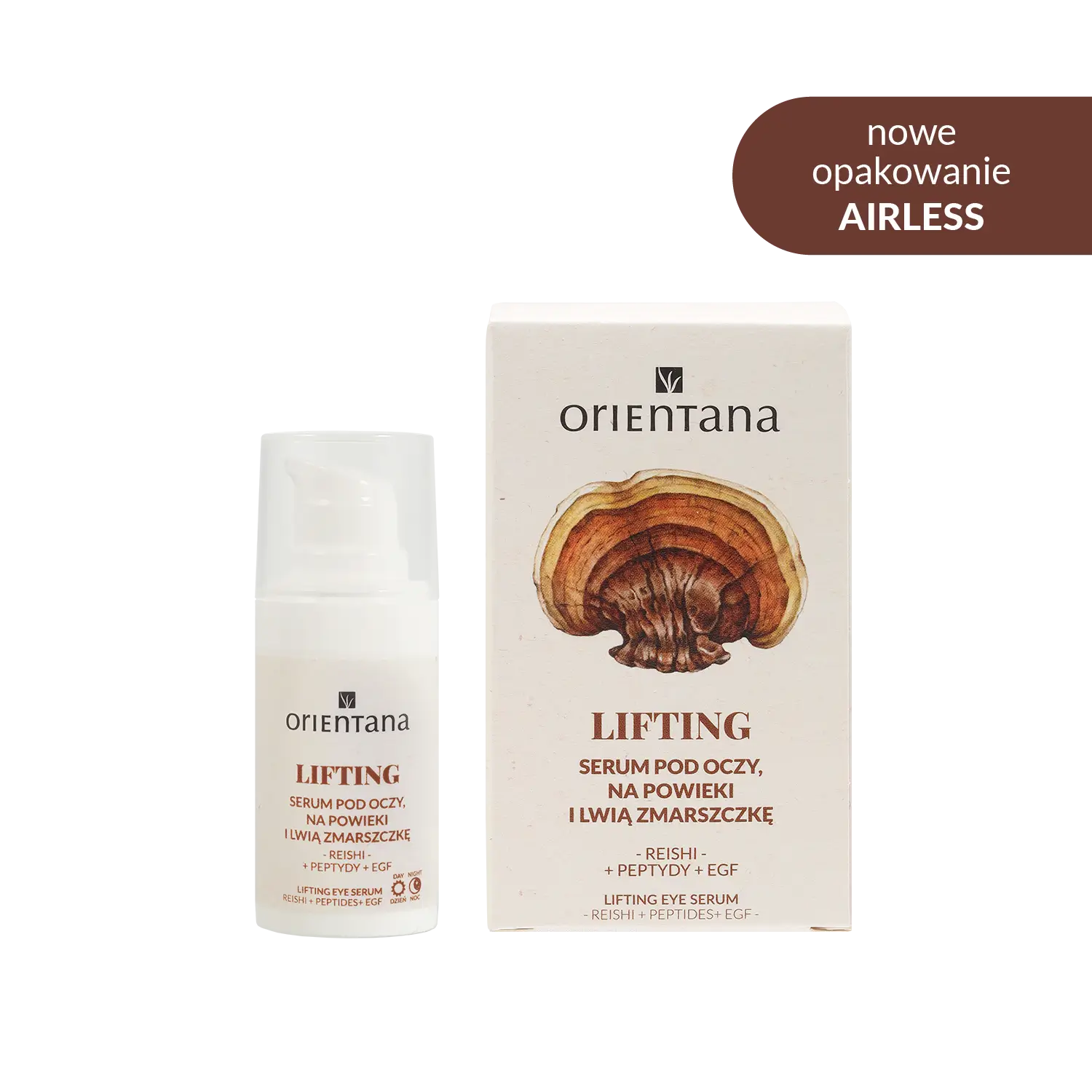
What is Gotu Kola? Gotu Kola, also known as Asian pennywort ( Centella asiatica ), is a plant with a remarkable history and rich health-promoting properties. Used for centuries in Ayurveda and traditional Chinese medicine, it has earned the nickname "the herb of longevity." In Asia, it was used both internally and externally – to heal wounds, improve concentration, and also as a means of supporting a long and healthy life. Contemporary cosmetology is increasingly using this ingredient, as exemplified by Orientana cosmetics, which combine traditional Asian recipes with modern methods of extracting plant active substances. Active ingredients and mechanism of action Gotu Kola's power lies in its unique composition. The most important are triterpene compounds – asiaticoside, asiatic acid, and madecassoside. These compounds are responsible for stimulating collagen synthesis and supporting skin healing processes. The plant also contains flavonoids with antioxidant properties, vitamins A, C, and K, and compounds that improve microcirculation. Thanks to this rich composition, Gotu Kola has found a permanent place in soothing, regenerative, and anti-aging cosmetics. According to a study published in the International Journal of Cosmetic Science in 2017, centella asiatica extract significantly increases the synthesis of type I and III collagen in dermal fibroblasts. Other clinical studies indicate that regular use of Gotu Kola preparations improves skin elasticity and accelerates the healing of micro-injuries , making it an ideal ingredient in dermocosmetics. Gotu Kola in facial care In facial care, centella asiatica works on several levels simultaneously. Primarily, it strengthens the skin's hydrolipid barrier , limiting transepidermal water loss. This leaves the skin more hydrated and more resistant to irritation. At the same time, the active ingredients in Gotu Kola soothe inflammation, reduce redness, and support the regeneration of skin irritated by cosmetic treatments or sun exposure. Orientana uses Gotu Kola extract in the form of light, easily absorbed creams and serums. These cosmetics are perfect for sensitive , irritated , and couperose-prone skin. Regular use of Gotu Kola products can produce visible results in just a few weeks – skin becomes calmer, more even-toned, and minor redness becomes less noticeable. Gotu Kola is also an ingredient in our eye and eyelid serum. This multi-tasking serum cares not only for the eye area and eyelids, but also for wrinkles and nasolabial folds. It instantly lifts and smooths the skin, brightens the eyes, and restores a fresh look. It reduces dark circles and puffiness, eliminating signs of fatigue. Gotu Kola in hair care Centella asiatica also plays a significant role in hair and scalp care. Its most important property is improved microcirculation, which directly improves the nourishment of hair follicles. This results in healthier and stronger hair growth. Additionally, the active ingredients in Gotu Kola have anti-inflammatory properties, which help soothe scalp irritation, reduce itching, and limit flaking. Orientan offers a unique oil – Gotu Kola Hair Therapy, which combines centella asiatica extract with a blend of Ayurvedic oils. This product is used as a scalp treatment – simply massage a few drops into the skin and leave on for at least an hour, preferably overnight. Regular use two to three times a week significantly improves hair condition, reduces hair loss, and gives it a healthy shine. Another hair care product is the Scalp Tonic . In addition to Gotu Kola, it contains amla, neem, aloe, and bhringraj. When rubbed into the scalp, it stops hair loss and promotes hair growth. How to use Gotu Kola cosmetics? In daily facial care, it's best to introduce products containing centella asiatica after cleansing. After using a toner or essence, it's worth using a centella serum or centella cream. This will allow the active ingredients to penetrate the skin more quickly, and the soothing effect will be more pronounced. When it comes to hair care, the optimal solution is to use Gotu Kola hair lotion at least twice a week. The effects appear gradually – the first reduction in hair loss can be noticed after just a few weeks, and an improvement in hair density and quality after about three months of regular treatment. Gotu Kola and other active ingredients Centella asiatica combines beautifully with other ingredients used in natural cosmetics. It works synergistically with niacinamide , improving the skin barrier and reducing redness. Combined with reishi, it increases skin firmness. Combined with many natural ingredients, Gotu Kola soothes, reducing irritation and redness that often accompany exfoliation treatments. Frequently Asked Questions about Gotu Kola There are many questions surrounding Gotu Kola, so below you will find comprehensive answers to the most frequently asked questions. Is Gotu Kola safe for sensitive skin? Yes, centella asiatica is one of the most well-tolerated cosmetic ingredients. It has soothing and anti-inflammatory properties, which is why it's used in dermocosmetics and products for hyperactive skin. Does Gotu Kola help reduce acne? Gotu kola extract has anti-inflammatory properties and promotes healing, making it a useful adjunct to acne treatment. It won't replace dermatological treatment, but it provides beneficial results as a complementary treatment. How does Gotu Kola affect wrinkles? Research confirms that Gotu Kola's active ingredients stimulate fibroblasts to produce collagen, which improves skin firmness and elasticity. Regular use of cosmetics containing this ingredient can reduce fine lines and delay the appearance of new wrinkles. Can Gotu Kola cosmetics be used in summer? Absolutely – centella asiatica extract has a soothing effect, making it ideal for use after sun exposure. It soothes irritations, supports regeneration, and strengthens the skin's barrier, which often weakens in the summer. Does Gotu Kola stop hair loss? Yes, the extract stimulates microcirculation in the scalp, which supports the nourishment of hair follicles. Clinical studies have shown that regular use of products containing Centella asiatica contributes to improved hair density and quality. How long do you need to use Gotu Kola cosmetics to see the results? The first effects, such as soothing skin and reduced irritation, can be seen after a few days. Anti-aging effects and improved hair condition are usually seen after at least 8–12 weeks of regular use. Is Gotu Kola an adaptogen? Yes, centella asiatica is classified as an adaptogen, a plant substance that increases the body's—and skin's—resistance to environmental stress. In cosmetics, it acts as a "protective shield" against pollution, UV radiation, and oxidative stress. Can Gotu Kola be combined with retinol or acids? Yes, it's even recommended. Thanks to its soothing properties, Gotu Kola reduces the risk of irritation caused by strong active ingredients. It's an ideal solution for those just starting retinoid treatments. Does Gotu Kola lighten discolorations? Research indicates that Centella asiatica extract evens out skin tone and may help reduce pigmentation spots. It produces the best results when combined with vitamin C or tranexamic acid. Gotu Kola , or Asian pennywort, is a versatile ingredient. It strengthens the skin's hydrolipid barrier, stimulates collagen synthesis, reduces irritation and inflammation, and supports healthy hair growth. Orientana cosmetics use it in both facial products and a unique Ayurvedic hair therapy. Regular use produces visible results—from soothing skin to stronger, healthier, and thicker hair.
Learn more
Non-comedogenic cream - what is it, how does it work, and which one to choose?
A non-comedogenic cream is the foundation of skin care for blemish-prone skin. Learn how it works and discover Orientana's non-comedogenic creams: HydroTremella, Reishi, and Snail Slime. Did you know that many skin problems – from blackheads to inflammation – result from improperly chosen skin care? A cream that is too heavy can clog pores and exacerbate imperfections. That's why in cosmetology, we increasingly emphasize the importance of non-comedogenic formulas – those that do not cause blackheads. In this guide: • I will explain exactly what a non-comedogenic cream is, • I will show why it is worth using, • I will look at ingredients that may promote or prevent comedogenicity, • and recommend three proven solutions from Orientana: HydroTremella sebum-regulating cream, Snail Slime cream, and Reishi creams. What does non-comedogenic cream mean? The term "non-comedogenic" comes from the word comedone (blackhead). A non-comedogenic cream is a cosmetic formulated not to block skin pores and prevent the formation of acne lesions. What affects the comedogenicity of a cream? Types of emollients Some heavy mineral oils and butters can clog pores, while light plant oils (e.g., jojoba, grapeseed) are safe. Consistency The lighter, faster-absorbing the formula, the lower the risk of comedogenicity. Additional active ingredients Sebum-regulating, soothing, and moisturizing. Who is non-comedogenic cream for? • Oily and combination skin – to prevent shine and imperfections. • Acne-prone skin – to support dermatological treatment and not overburden the skin. • Sensitive and dehydrated skin – because a non-comedogenic cream can be both gentle and moisturizing. • Mature skin with a tendency to imperfections – because even skin over 40 can suffer from blackheads. How to recognize a non-comedogenic cream • It has a light, gel, or fast-absorbing consistency. • It contains sebum-regulating ingredients (e.g., niacinamide, adaptogens). • It is not based on heavy mineral oils or paraffin. • It does not leave a greasy, occlusive layer, but still provides a feeling of comfort. Common myths about non-comedogenic creams "Non-comedogenic cream is only for oily skin." Untrue – dry and sensitive skin can also benefit from light, nourishing formulas that don't clog pores. "Non-comedogenic cream doesn't moisturize." This is a myth – non-comedogenic formulas can contain strong humectants (e.g., hyaluronic acid, Tremella, glycerin). "Natural oils always clog pores." Untrue – for example, jojoba, grapeseed, or almond oil are considered safe and non-comedogenic. Orientana non-comedogenic creams - natural care without the risk of clogged pores HydroTremella Sebum-regulating Cream • Contains Tremella fuciformis, a snow mushroom, a plant alternative to hyaluronic acid. • Intensely moisturizes while regulating sebum secretion. • Ideal for oily and combination skin – does not weigh down or clog. • Leaves skin matte yet supple. Orientana Snail Slime Cream • Snail slime is a hit in regeneration – it supports skin reconstruction, lightens discolorations, and has anti-inflammatory properties. • Its light consistency ensures it does not clog pores. • Especially recommended for acne-prone skin and post-acne scars. Reishi Creams • Contain Ganoderma lucidum (Reishi) – an adaptogen and powerful antioxidant. • Strengthen the skin barrier, protect against oxidative stress. • Good for both young and mature skin with a tendency to imperfections. • Available as day cream and eye cream, among others. These are just a few of the non-comedogenic creams in our offer. Check here and decide which cream meets your needs. How to use non-comedogenic cream in your skincare routine Morning: 1. Cleansing (gentle gel, e.g., Date + Inulin). 2. Toning (e.g., toner-essence with gluconolactone). 3. Regulating serum (e.g., Ashwagandha + CICA + Niacinamide). 4. Non-comedogenic cream (HydroTremella / Reishi / snail slime). 5. SPF 50 protection. Evening: 1. Double cleansing (oil + gel). 2. Regenerating serum. 3. Non-comedogenic cream tailored to skin needs. Your questions What does it mean for a cream to be non-comedogenic? It means it does not clog pores and does not promote the formation of blackheads. Is a non-comedogenic cream always light? Usually yes, but light does not mean "weak" – it can be intensely moisturizing. Is HydroTremella cream suitable for oily skin? Yes – it was developed to regulate sebum and balance combination skin. Is snail slime cream suitable for acne-prone skin? Yes – it supports the healing of inflammation, scars, and does not clog pores. Is Reishi cream suitable for mature skin? Yes – it has antioxidant properties and strengthens the skin, while being light and non-comedogenic. Does non-comedogenic mean hypoallergenic? No – these are two different concepts. Hypoallergenic = reduced risk of allergies, non-comedogenic = no risk of clogging pores. What ingredients can cause comedogenicity? Heavy mineral oils, paraffin, some waxes and plant butters in high concentrations. Can non-comedogenic cream be used in winter? Yes – it can be enriched with a serum or an additional protective layer. Is non-comedogenic cream sufficient as the only face cream? Yes, if it is well-suited to the skin's needs. Is HydroTremella cream suitable for use under makeup? Yes – it absorbs quickly, mattifies, and does not pill under foundation. Can snail slime cream be combined with retinol? Yes – it has regenerating and soothing properties, thus supporting the skin during treatment. Can Reishi creams be used morning and evening? Yes, depending on your needs, you have a choice of day and night cream. Are natural creams always non-comedogenic? No – it depends on the composition and concentrations of oils. Does non-comedogenic cream work on wrinkles? It can have anti-aging effects if it contains active ingredients, e.g., adaptogens or Tremella. How quickly will I see improvement after using a non-comedogenic cream? Usually after 2-4 weeks of regular use. Can HydroTremella cream be used on sensitive skin? Yes – it does not contain irritating ingredients, and Tremella has soothing properties. Are Reishi creams good for couperose skin? Yes – they have antioxidant properties and strengthen the barrier. Can non-comedogenic cream dry out the skin? No, if it contains humectants and emollients in the right proportion. Does snail slime cream really absorb quickly? Yes – it has a light, gel-cream consistency that leaves no greasy film. Is non-comedogenic cream suitable for men? Yes – especially HydroTremella and Reishi, as they are light and quickly absorbed. Can non-comedogenic cream be combined with an oil serum? Yes, provided the oil is chosen for the skin type and used in a small amount. Are Orientana creams vegan? Most are – the exception is the snail slime cream, which is not vegan but ethically sourced (without harm to animals). Non-comedogenic cream is a cosmetic that should be part of every conscious skincare routine – not only for acne-prone skin but also for combination, mature, or sensitive skin. Thanks to it, you can avoid the problem of clogged pores, while enjoying hydrated and healthy skin. Among Orientana's proposals, the following stand out: • HydroTremella sebum-regulating – for oily and combination skin, • Snail Slime Cream – for acne-prone skin, regeneration, and scars, • Reishi Creams – for skin requiring antioxidation and barrier strengthening. These are three different approaches to non-comedogenic care, united by one thing: lightness, effectiveness, and natural ingredients. Read also: Pores on the face: causes, care and real effects. Orientana snail slime cream - history, composition, and effectiveness of my bestseller
Learn more
Castor oil for eyelashes - a natural way to long and thick lashes
Thick, long, and dark eyelashes are a dream for many. And no wonder – beautiful lashes not only highlight the eyes but also make the face look younger and more expressive. Many women (and increasingly men too) reach for lash serums, cosmetic treatments, or extensions to improve their appearance. However, there is also a simple, homemade, and inexpensive method that has been popular for years – castor oil for eyelashes. Does it really work? How to use it without harming your eyes? What are the opinions and scientific facts? In this article, we will take a closer look at the properties of castor oil and its role in eyelash care. Castor oil – what is it and where does it come from? Castor oil (Latin: Ricinus Communis Seed Oil) is a vegetable fat obtained from the seeds of the castor bean plant. This is a tropical plant cultivated, among others, in India, Brazil, and Africa. The oil is produced by cold-pressing the seeds and then purifying them. Its main component is ricinoleic acid – an unsaturated fatty acid responsible for many of its cosmetic and medicinal properties. It also contains other fatty acids, vitamin E, and protective ingredients. For centuries, castor oil has been used in folk medicine – both orally and externally. Today, it is most commonly used in cosmetics and personal care. Why is castor oil used for eyelashes? Natural eyelashes are exposed to many factors that weaken their condition: makeup removal and rubbing with a cotton pad, frequent use of an eyelash curler, mascaras that dry them out, lack of proper care, stress or an unsuitable diet. Castor oil has a reputation as a simple, inexpensive, and natural way to regenerate them. Easily available in pharmacies and drugstores, it quickly became a popular homemade eyelash serum. How does castor oil work on eyelashes? Strengthening hair follicles Ricinoleic acid acts on hair follicles, strengthening them and improving blood circulation. This allows eyelashes to grow stronger and be less prone to falling out. Moisturizing and elasticity The oil creates a delicate film on the surface of the eyelashes, protecting them from moisture loss. This makes them more resilient and resistant to breakage. Protection against brittleness Regular use makes eyelashes thicker and less brittle. This effect is particularly noticeable in people who use mascara daily. How to use castor oil on eyelashes step by step Choose the right oil – preferably cold-pressed, unrefined, 100% natural. Thoroughly cleanse your face – remove makeup and ensure your eyelashes are dry and free of cosmetics. Application – use a clean mascara wand or a cotton swab. Apply a thin layer of oil to your eyelashes, from the roots to the tips. Best time – apply in the evening, just before bedtime. Regularity – to notice effects, use daily for at least 4–6 weeks. Note: avoid contact of the oil with the eye – it can cause irritation and a burning sensation. Effects of use – what to expect? Effects may vary depending on individual predispositions and eyelash condition. After a few weeks, eyelashes often appear shinier and more elastic. After 2–3 months of regular treatment, they may become denser and slightly longer. However, the oil does not act like a magical "growth accelerator" – it supports the natural hair growth cycle but does not radically change it. Castor oil for eyelashes – opinions and scientific facts User opinions: many people claim that the oil has actually improved the condition of their eyelashes, reduced brittleness, and made them darker and more visible. Scientific research: there is no conclusive evidence that castor oil accelerates eyelash growth. Its effectiveness is mainly based on its moisturizing and protective properties. Possible side effects and precautions Skin irritation around the eyes (especially in people with contact allergies). Redness, itching, or watery eyes if the oil gets into the eye. Risk of infection with unhygienic application. Always perform an allergy test on a small patch of skin before starting treatment. Alternatives to castor oil in eyelash care Argan oil – rich in vitamin E and fatty acids. Almond oil – light, well-absorbed, recommended for sensitive eyes. Coconut oil – forms a protective layer, protects against protein loss. How to achieve a radiant gaze and big eyes? Not only eyelashes adorn the eye. Also bright, radiant skin around the eyes and a lifted upper eyelid. Try Check out other eye cosmetics. Frequently Asked Questions Does castor oil actually accelerate eyelash growth?There is no scientific research that unequivocally confirms this. However, thanks to its strengthening and moisturizing properties, eyelashes can appear healthier and denser. How many times a week should I use castor oil on my eyelashes?Preferably every evening. Regularity is key to results. How long does it take to see the first effects?Usually, the first results are visible after 3–4 weeks. Full results after about 2–3 months. Is castor oil safe for eyes?Yes, provided it does not get into the eye. In case of irritation, rinse eyes immediately with water. Can castor oil be used on eyelashes while wearing false or extended eyelashes?This is not recommended – the oil can weaken the adhesive and accelerate the shedding of false eyelashes. Can castor oil be combined with other oils?Yes, it is often mixed, for example, with argan or almond oil to improve consistency and ease of application. What to do if the oil irritates the eyes?Discontinue treatment and choose lighter oils or ready-made serums specifically designed for eyelash care. Remember Castor oil for eyelashes is a natural, inexpensive, and readily available way to improve the condition of your lashes. Although there is no scientific evidence that it accelerates their growth, regular use can make them stronger, more elastic, and less prone to breakage. This is a solution especially for people who prefer natural care methods over expensive treatments. However, it is important to remember about hygienic application and observing skin reactions. Read about eye care - Do you really need under-eye patches? If you have problems with puffiness under your eyes - check out how to deal with it.
Learn more
Do you wash off toner? Everything you need to know about proper toner application
You’ve probably wondered more than once: do you wash off toner after applying it to your face? This is one of the most common questions that comes up when discussing skincare. It’s no wonder – in a world full of micellar waters, essences, hydrosols, and mists, it’s easy to get lost. The answer is simple: you never wash off toner. It's a cosmetic meant to stay on the skin and work even before you apply serum or cream. In this article, I will explain to you: why toner is important in daily skincare, how to use it correctly, what mistakes we most often make, which natural toners are worth choosing Do you wash off toner? Basic rules Short answer: no, you don't wash off toner. Its role is to remain on the skin and support its natural regeneration processes. We often confuse toner with micellar water – and that's a mistake. Micellar water is used for makeup removal, and micelles bind impurities and makeup. That's why you should always rinse it off with water. Toner – restores the skin's proper pH, refreshes, and moisturizes. It should stay on the face to work. If you rinse toner with water, you deprive your skin of valuable ingredients – plant extracts, vitamins, humectants. Why is it worth using toner? Restores pH balance After washing the skin with gel or foam, the pH can be slightly disturbed. Toner restores natural balance and makes the skin ready for subsequent cosmetics. Moisturizes Thanks to ingredients like hyaluronic acid or gluconolactone, toner acts as a light moisturizing layer. Ideal especially for dry and sensitive skin. Soothes Thanks to ingredients such as aloe, rose and pandan extract, toner soothes redness, calms and pacifies the skin. Enhances the effect of serum and cream Toner acts as a "primer" – it ensures that active ingredients from subsequent stages of care are better absorbed. Gives a feeling of freshness A few sprays of toner is a quick way to refresh your face during the day, especially in hot weather or in an air-conditioned office. Orientana Toners – effective care without rinsing Orientana Moisturizing Toner-Essence This is a combination of toner and essence – two steps in one. It contains date extract (soothes, moisturizes, has antioxidant properties) and gluconolactone (PHA – gently exfoliates, strengthens the skin barrier), hyaluronic acid - moisturizes. How it works? Refreshes, smooths, soothes and prepares the face for subsequent stages of care. For whom? For all skin types, including sensitive. How to use? On cleansed face, by patting with your hand or spreading with a cotton pad. No rinsing! Soothing Rose Toner A toner based on natural rose hydrosol, which is a floral water with nourishing properties. The damask rose extract contained in it – moisturizes, soothes, supports elasticity and has antioxidant effects. How it works? Refreshes, soothes irritation, strengthens the skin's natural barrier. For whom? For all skin types, including dry, couperose and sensitive. How to use? As a toner in the morning and evening or during the day as a refreshing mist. Soothing and Smoothing Toner Developed for sensitive and dehydrated skin that needs soothing, smoothing and rebalancing after cleansing. The formula is based on aloe, valued for its soothing and moisturizing properties - it reduces redness, soothes the skin and supports its natural balance. Collagen peptides smooth the skin's structure, improving its softness and appearance, while niacinamide helps reduce irritation and strengthens the skin's protective barrier. How it works? Smoothes, soothes the skin, strengthens the skin barrier. For whom? For all skin types, including dehydrated and sensitive. How to use? As a toner in the morning and evening or during the day as a refreshing mist. Common mistakes in using toner Rinsing toner with water – negates its effect. Applying to dirty skin – toner does not replace cleansing. Confusing it with micellar water – two different cosmetics, different uses. Applying cream too quickly – it's worth giving the toner a moment to absorb. How to use toner step by step? Cleanse your face with gel or foam. Apply toner (I recommend using your hand, for the sake of the planet, give up cotton pads). Wait a moment for it to absorb. Apply serum and cream. Tip: On hot days, you can carry toner in your bag and use it as a refreshing mist. What you ask about Do you wash off toner after application?No, it always stays on the skin. Can toner be used morning and evening?Yes, it's a basic skincare step. Is toner different from micellar water?Yes – micellar water removes makeup and needs to be rinsed off, toner has a nurturing effect and stays on the skin. Is toner suitable for men?Of course – it soothes, refreshes, and calms the skin after shaving. Can toner be applied over makeup during the day?Yes, for example, Orientana rose toner works great as a refreshing mist. Can toner be patted in with hands instead of using a cotton pad?Yes – it's a more ecological and gentler method. Can toner replace cream?No – toner prepares the skin, and cream provides nourishment and protection. Can toner be used for acne-prone skin?Yes – especially those without alcohol, which soothe and support the skin barrier. Is rose toner suitable for couperose skin?Yes – rose has strengthening and soothing properties. Can children and teenagers use toner?Yes, provided gentle formulas are chosen. Do you wash off toner? The answer is no. Toner always stays on the skin to work and prepare it for subsequent steps in your skincare routine. It's a simple step that enhances the effects of the entire routine. It's worth choosing proven, high-quality formulas – such as those found in Orientana face toners. Take care of your skin today!
Learn more
Corneotherapy - a modern approach to skin care
Modern cosmetology increasingly emphasizes the importance of the epidermal barrier. Just a few decades ago, the focus was primarily on aesthetic effects – smoothing wrinkles, removing discoloration, or cleansing the skin. Today, we know that a healthy, intact, and well-functioning epidermal barrier (stratum corneum) is the foundation upon which the condition of the entire skin depends. In this context, corneotherapy – a term coined by American dermatologist Albert Kligman – is gaining increasing popularity. This approach assumes that by rebuilding and protecting the stratum corneum, we can effectively support the skin not only in anti-aging care but also in the treatment of dermatoses and prevention. What is corneotherapy? The term "corneotherapy" comes from the Latin word corneum (horny). It is a scientific approach to skincare that treats the stratum corneum as a key element in skin therapy. Albert Kligman – the creator of the concept – showed that the stratum corneum is not a dead barrier but an active biological structure that acts as a guardian of skin homeostasis. Its damage leads to dryness, inflammation, and accelerated aging. Research confirms that: damage to the epidermal barrier increases TEWL (transepidermal water loss) by as much as 40–60% (Journal of Dermatological Science, 2018), barrier reconstruction using lamellar lipids improves skin hydration by +35% in 2 weeks (International Journal of Cosmetic Science, 2019). How does corneotherapy work? – epidermal barrier reconstruction The philosophy of corneotherapy is based on three pillars: Protection and reconstruction of the lipid barrier – by providing ingredients analogous to natural ones (ceramides, cholesterol, free fatty acids). Maintaining proper hydration levels (NMF) – thanks to humectants such as glycerin, hyaluronic acid, Tremella. Supporting repair processes and reducing inflammation – thanks to ingredients such as niacinamide, CICA, adaptogens (Reishi, Ashwagandha), turmeric. Corneotherapy vs. hydrolipid barrier and skin microbiome The stratum corneum and the hydrolipid film form the skin's first line of defense. This is where it is decided whether the skin will remain smooth and resilient, or become dry, reactive, and prone to inflammation. The hydrolipid barrier consists of approx. 50% ceramides, 25% cholesterol, and 15% free fatty acids. Disruption of this balance (e.g., by detergents, retinoids, oxidative stress) leads to micro-cracks and excessive TEWL. A damaged barrier also weakens the skin microbiome – beneficial bacteria lose balance, and pathogens can more easily cause inflammation. Therefore, in corneotherapy, ingredients that support the microbiome – such as prebiotics, CICA, or adaptogenic extracts like Reishi – are as important as lipids. Indications for corneotherapy Corneotherapy is used in daily care, but it is particularly recommended for: dry and dehydrated skin, atopic dermatitis, psoriasis, rosacea (as support for dermatological therapies), skin after aesthetic treatments (thulium laser, chemical peels, tissue stimulators), sensitive, reactive, and couperose skin, prevention of premature skin aging. Key ingredients used in corneotherapy Ceramides - rebuild intercellular cement, limit TEWL. Tremella – a biotechnological humectant that increases skin hydration by up to +49% after 1 hour of application (Acta Biomaterialia, 2021). Reishi - adaptogen and antioxidant, reduces oxidative stress and inflammation. Ashwagandha, CICA, niacinamide – anti-inflammatory action, barrier improvement, reduction of irritation. Gluconolactone (PHA) – gently exfoliates and supports regeneration without compromising the barrier. Turmeric – a phytochemical antioxidant and soothing ingredient. Corneotherapy in practice – how to build a skincare routine Step 1: Cleansing Gentle formulas without SLS/SLES. Example: Orientana Soothing Facial Cleansing Gel (Date + Inulin). Step 2: Toning and moisturizing Gentle toners without alcohol, with added PHA. Example: Orientana Toner-Essence with Gluconolactone. Step 3: Regeneration and barrier reconstruction Serums and creams with ceramides, adaptogens, and humectants. Example: Ceramide Serum, Sandalwood and Turmeric Cream, Reishi Day Cream. Step 4: Sun protection SPF 50 as a mandatory step in corneotherapy. The role of the cosmetologist in corneotherapy Skin diagnosis – assessment of the barrier and selection of care. Individual approach – different strategies for atopic dermatitis, acne, couperose skin. Combination with treatments – corneotherapy can be part of pre-care and post-care for treatments. Corneotherapy and natural and biotechnological cosmetics Corneotherapy does not exclude nature – quite the opposite. Its effectiveness depends on ingredients that are biocompatible with the skin. Biotechnological ingredients mimic the natural structures of the skin. Plant extracts (Reishi, Ashwagandha, CICA, turmeric) support balance and soothe inflammation. Orientana combines both approaches, creating cosmetics that align with the philosophy of corneotherapy. Frequently asked questions about corneotherapy What is corneotherapy in simple terms? It is skincare aimed at strengthening and rebuilding the skin's protective barrier. Is corneotherapy a skin treatment? It is not a medical treatment, but it can support dermatological therapies. Who is corneotherapy intended for? For everyone, especially for people with sensitive skin, acne-prone skin, and skin after treatments. What are the differences between ordinary skincare and corneotherapy? Ordinary skincare focuses on aesthetic effects, corneotherapy – on restoring skin health from the ground up. What cosmetics can be considered corneotherapeutic? Those that support the barrier: serums and creams with ceramides, Tremella, Reishi, CICA, niacinamide. Does corneotherapy work for acne? Yes – it strengthens the barrier, reduces inflammation, and prevents excessive keratinization. Can I use corneotherapy at home? Yes – thanks to appropriate dermocosmetics and natural cosmetics. What ingredients are key in corneotherapy? Ceramides, cholesterol, free fatty acids, Tremella, niacinamide, CICA. Is corneotherapy safe for sensitive skin? Yes – it is one of the main indications. How quickly will I see results? Comfort improves after just a few days, and after 2–4 weeks, the skin barrier becomes stronger. Does corneotherapy exclude retinol and acids? No, but it requires careful introduction and combination with barrier cosmetics. Is there research confirming the effectiveness of corneotherapy? Yes – for example, Kligman's work and newer publications from the International Journal of Cosmetic Science. Is corneotherapy a fleeting trend? No – it is a well-established approach that is gaining the status of a standard in cosmetology. Do Orientana cosmetics fit into corneotherapy? Yes – for example, cosmetics with ceramides, HydroTremella, and Reishi creams support the skin barrier. Does corneotherapy help with wrinkles? Yes – a healthy barrier slows down the aging process and protects against loss of elasticity. Is corneotherapy suitable for men? Yes – it works universally, regardless of gender. What mistakes do we make that weaken the skin barrier? Aggressive cleansing, lack of SPF, overuse of acids and retinoids. Does diet affect the effectiveness of corneotherapy? Yes – a diet poor in omega-3 fatty acids and vitamin D worsens the condition of the barrier. Does corneotherapy work for atopic dermatitis and psoriasis? It can support therapy, reducing dryness and irritation. Is corneotherapy expensive? No – many barrier products (e.g., with ceramides) are available at reasonable prices. How often should corneotherapeutic creams be used? Daily, morning and evening. Is SPF an element of corneotherapy? Yes – photoprotection is one of the pillars of barrier protection. How does corneotherapy affect the microbiome? It strengthens the environment for beneficial bacteria, reduces the risk of colonization by pathogens. Can corneotherapy replace visits to a dermatologist? No – it is a supplement, not an alternative to medical therapy. What cosmetics are best to start with? Gentle cleansing gel, PHA toner, Yuzu ceramide cream, and SPF 50. Corneotherapy is one of the most important approaches in modern cosmetology. Instead of focusing only on superficial effects, it focuses on rebuilding and protecting the epidermal barrier – which is crucial for skin health. Natural and biotechnological cosmetics perfectly fit its philosophy. It is this combination of science and nature that makes corneotherapy not only a trend but the future of skincare.
Learn more