

Type: Body care
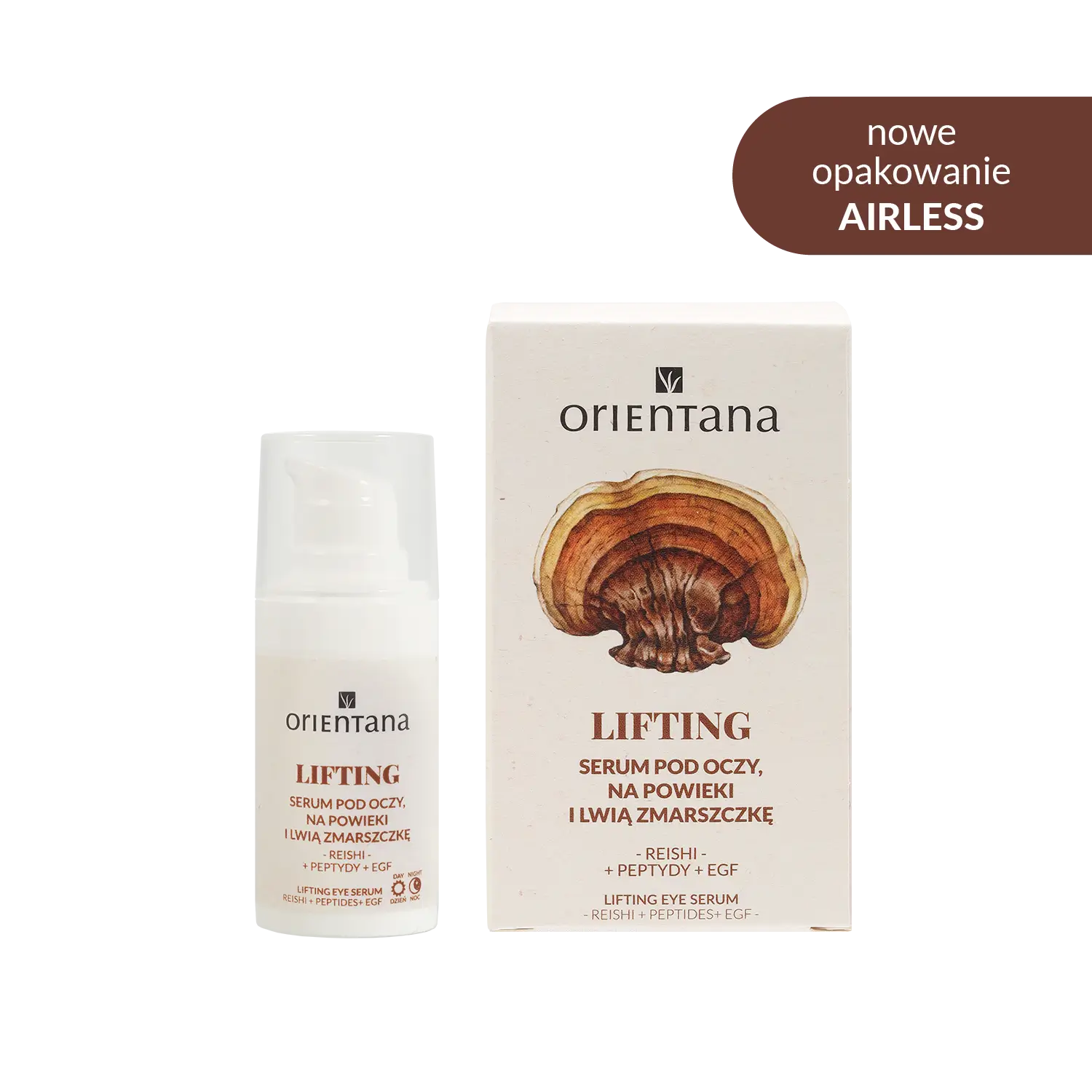
Anti-cellulite oil 3% Pro-Slim Amino Complex 50 ml
Type: Body care
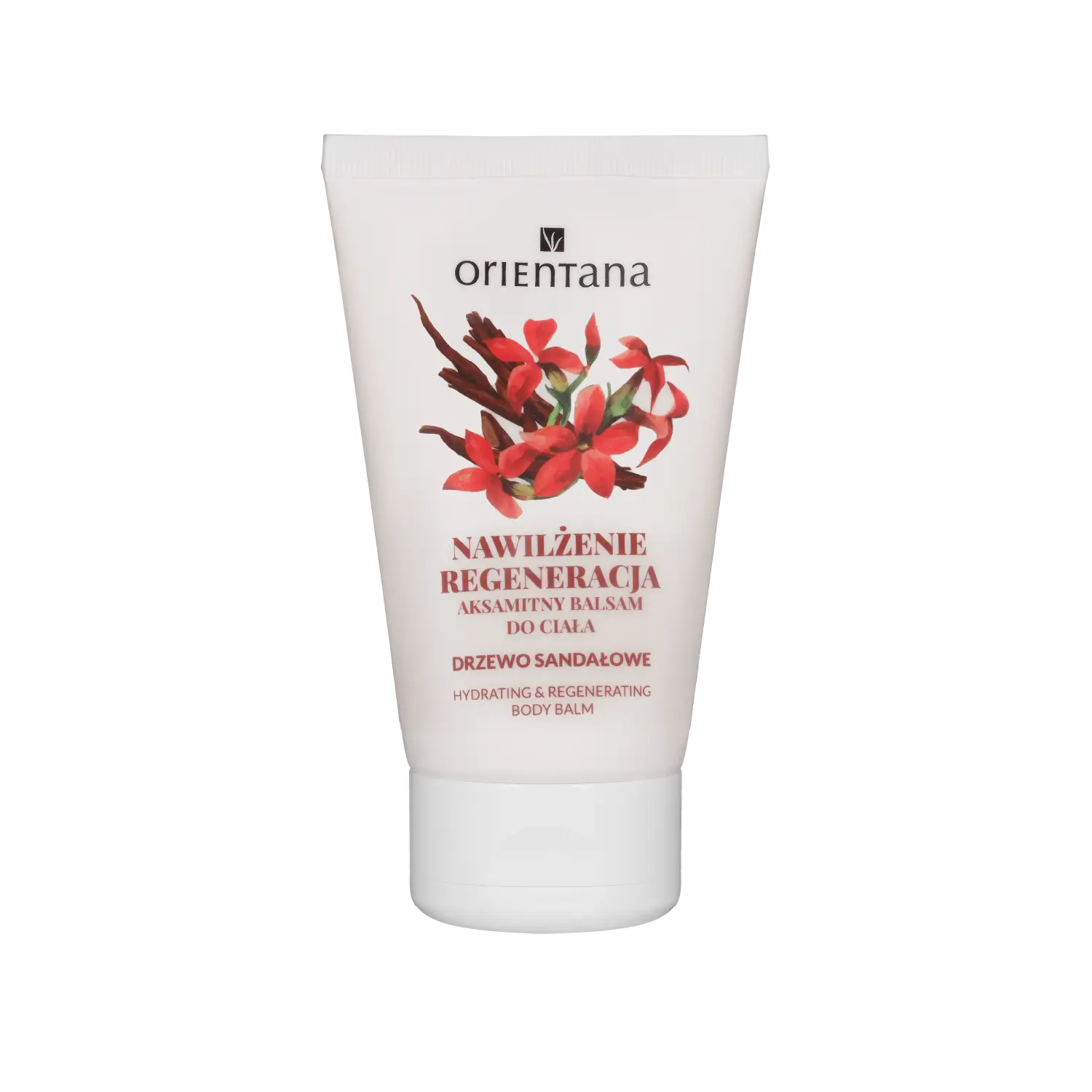
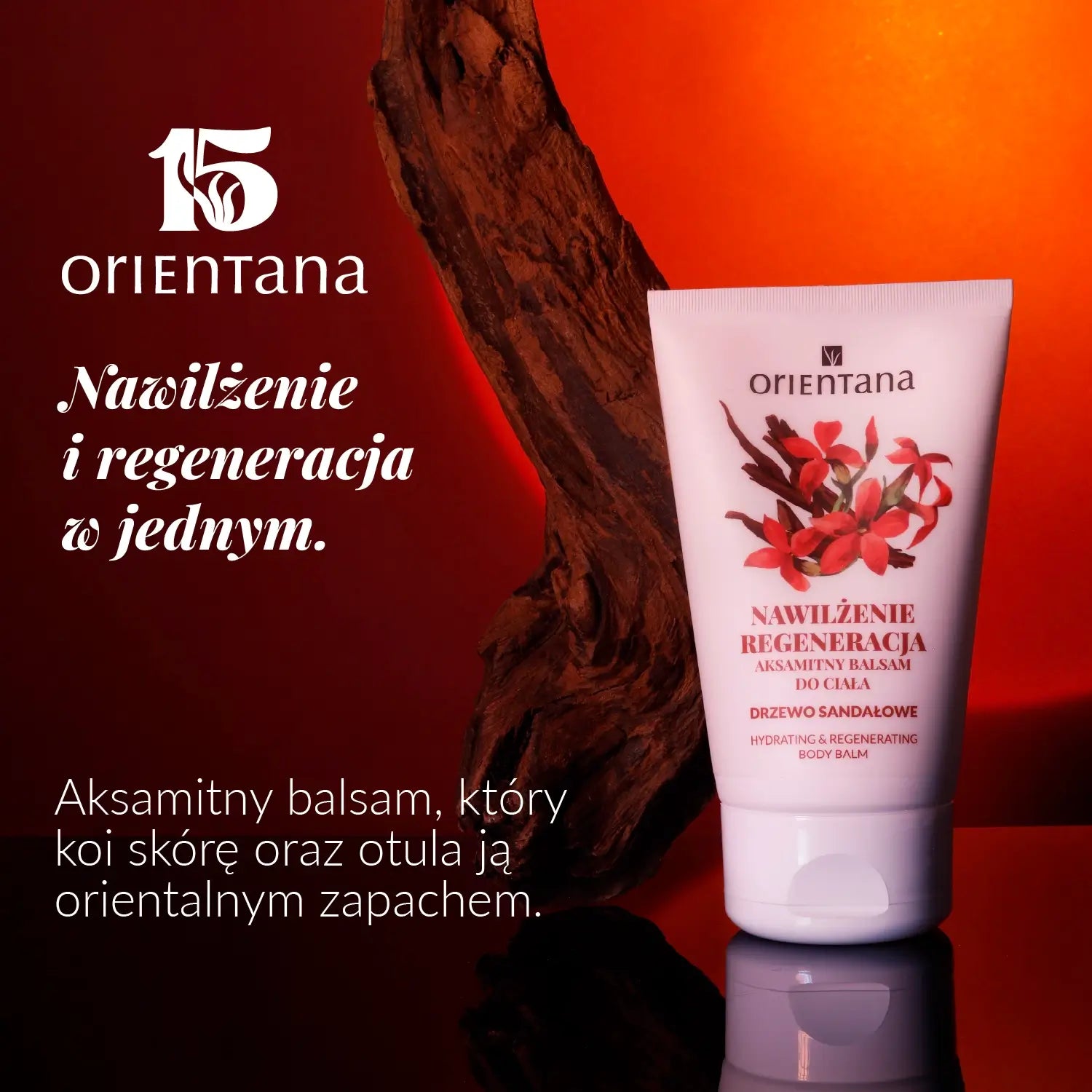
Moisturizing and regenerating sandalwood balm 125 ml

Type: Mists & Sprays
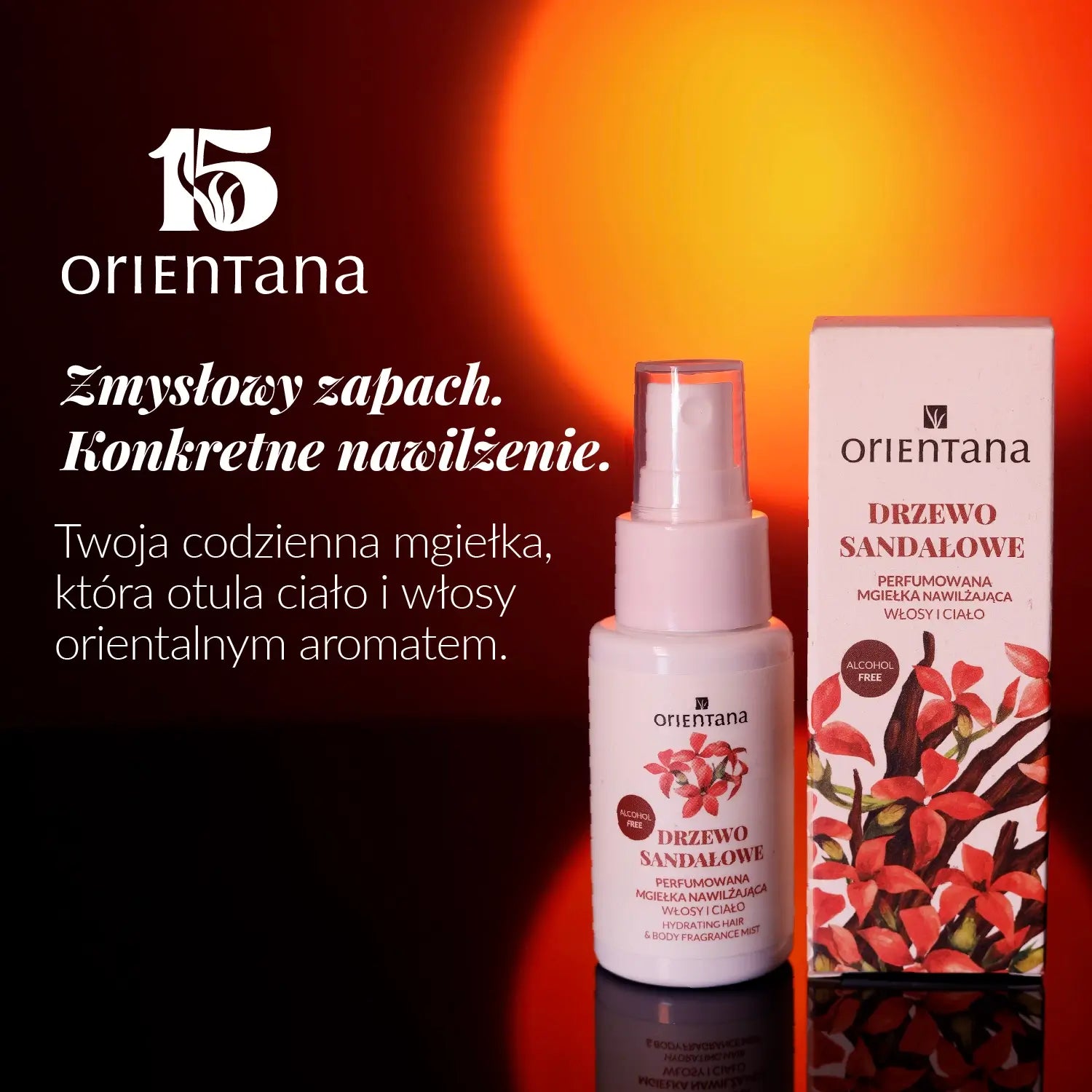
Sandalwood hair and body mist 50 ml
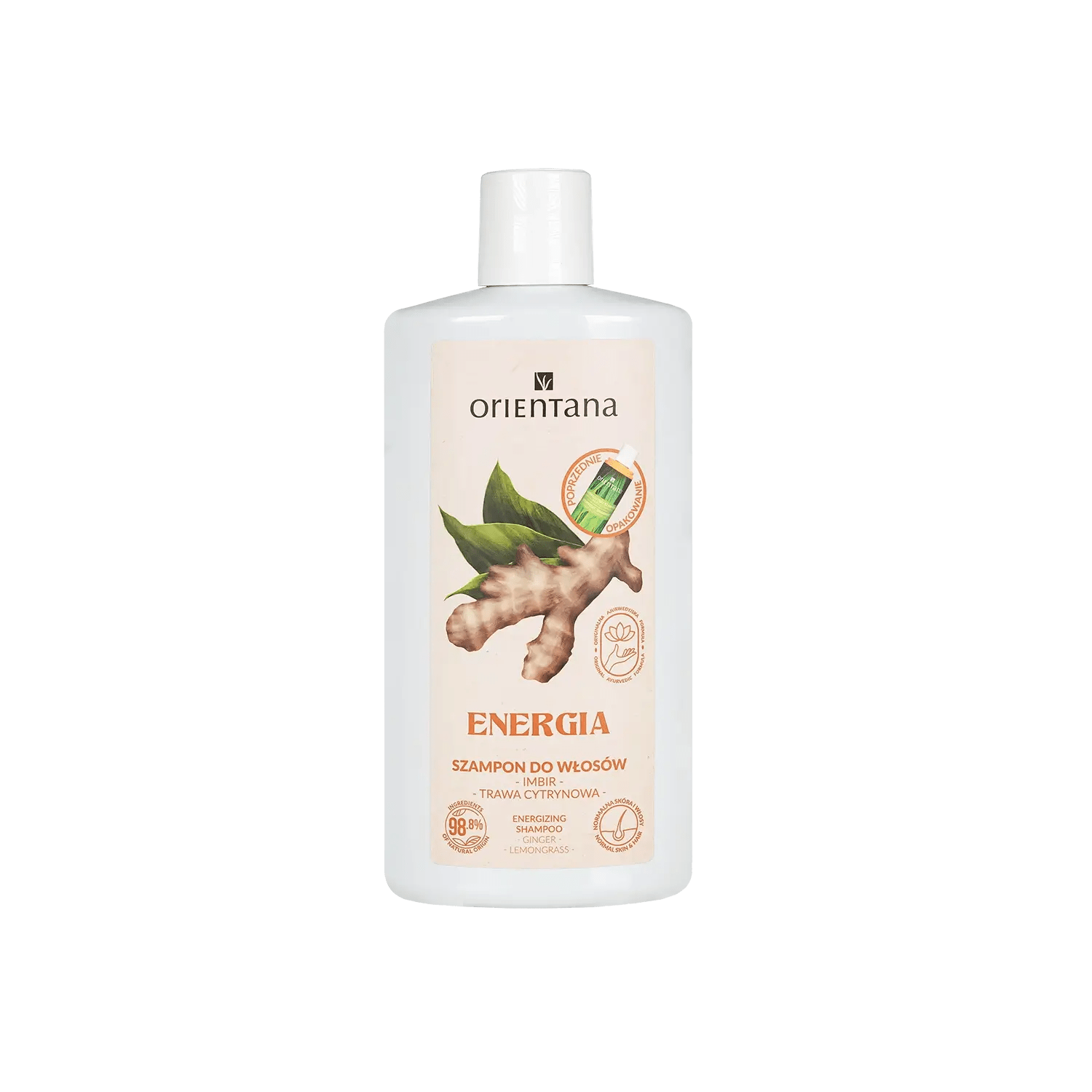
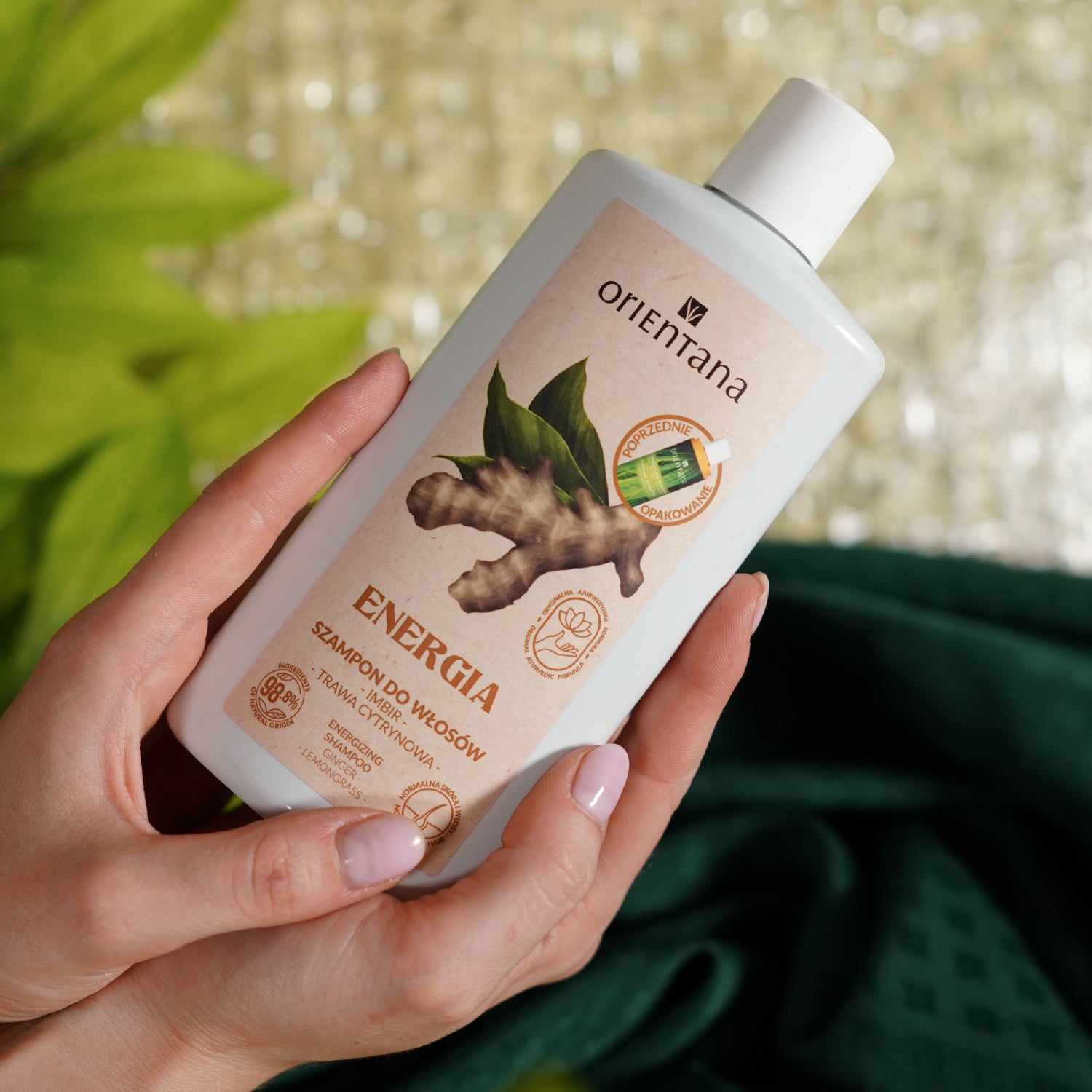
Type: Hair shampoos
Ayurvedic Ginger and Lemongrass Shampoo 210ml
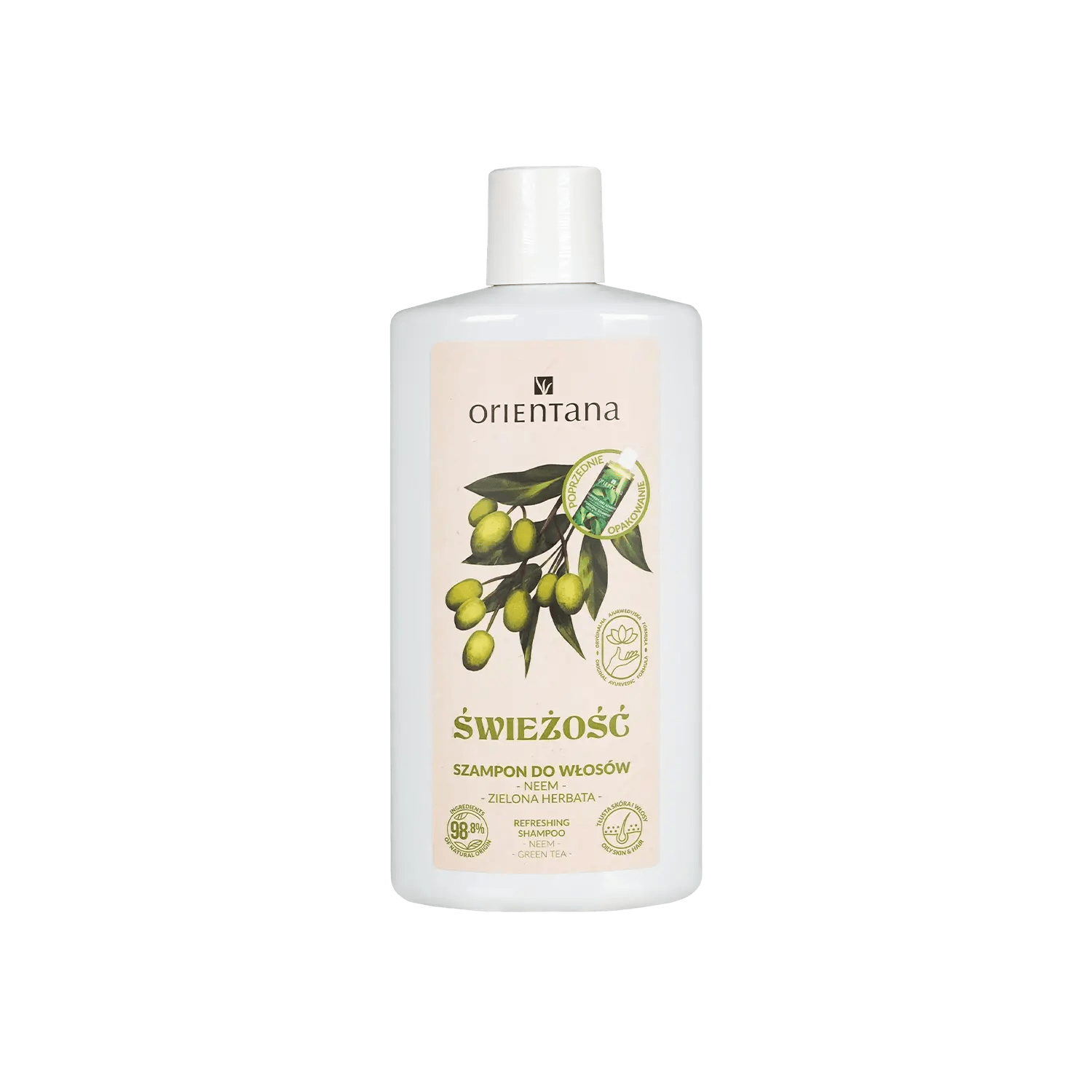
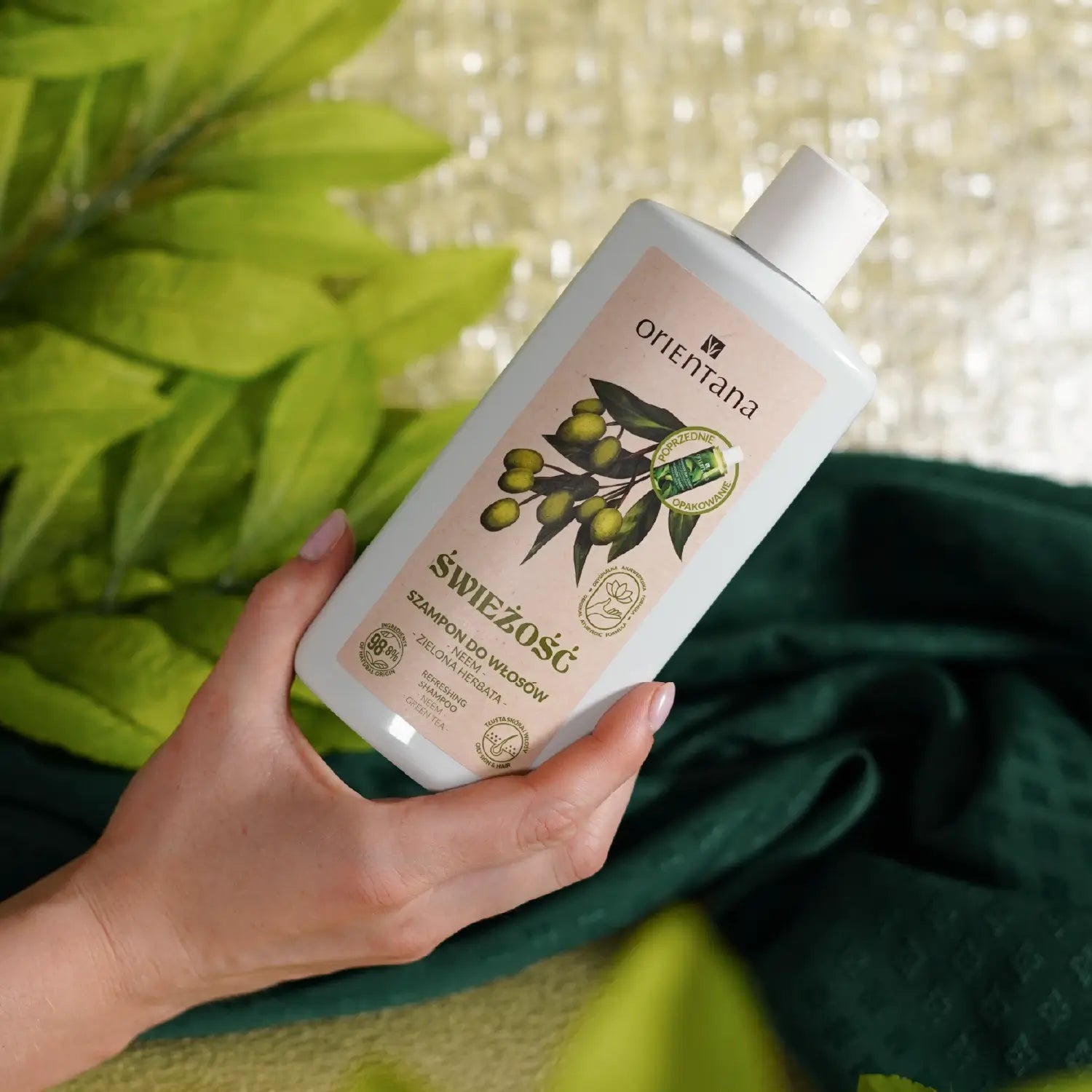
Type: Hair shampoos
Neem and Green Tea - Ayurvedic Shampoo 210 ml
Type: Body care
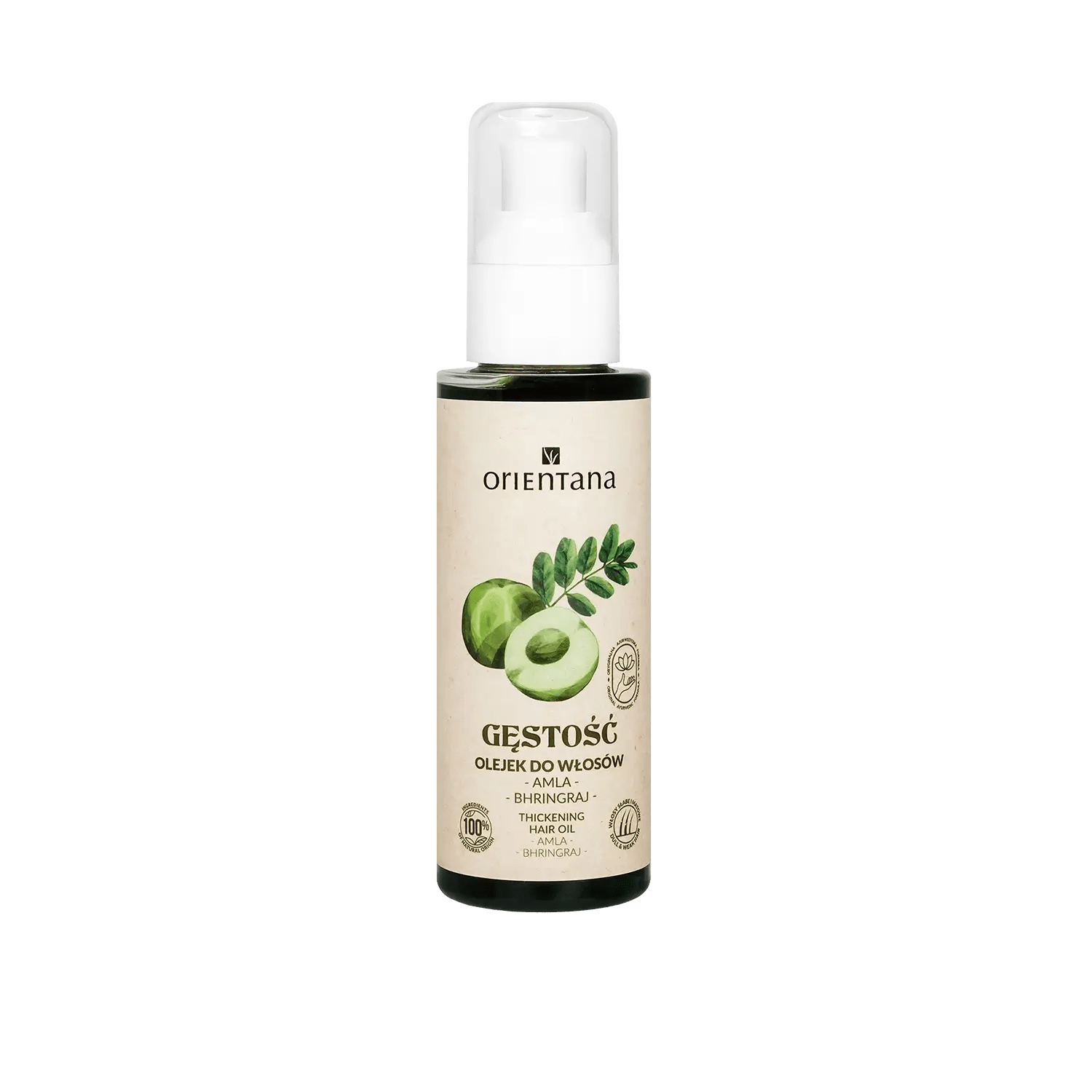
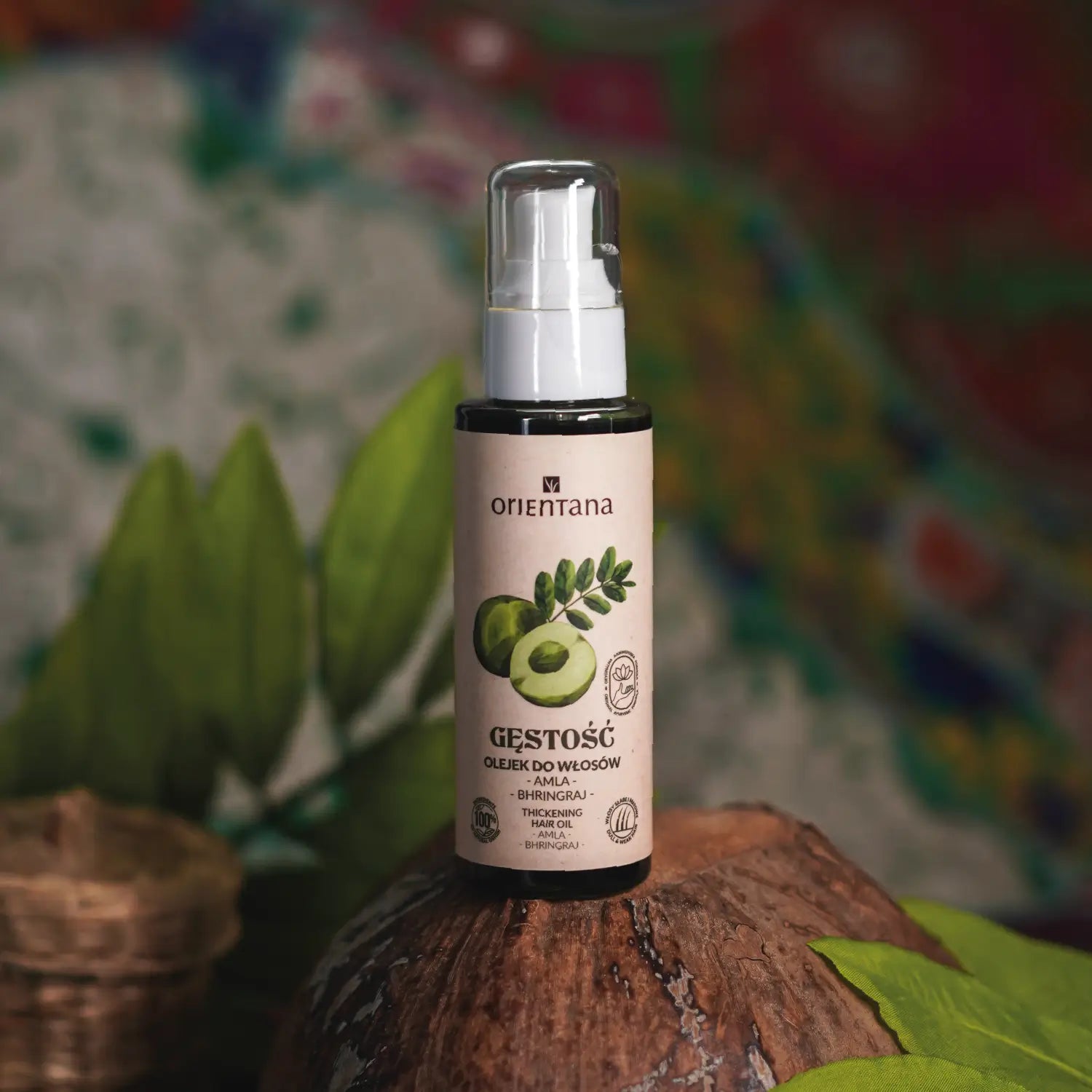
Ayurvedic hair oil amla and bhringraj 105 ml
Type: Body care
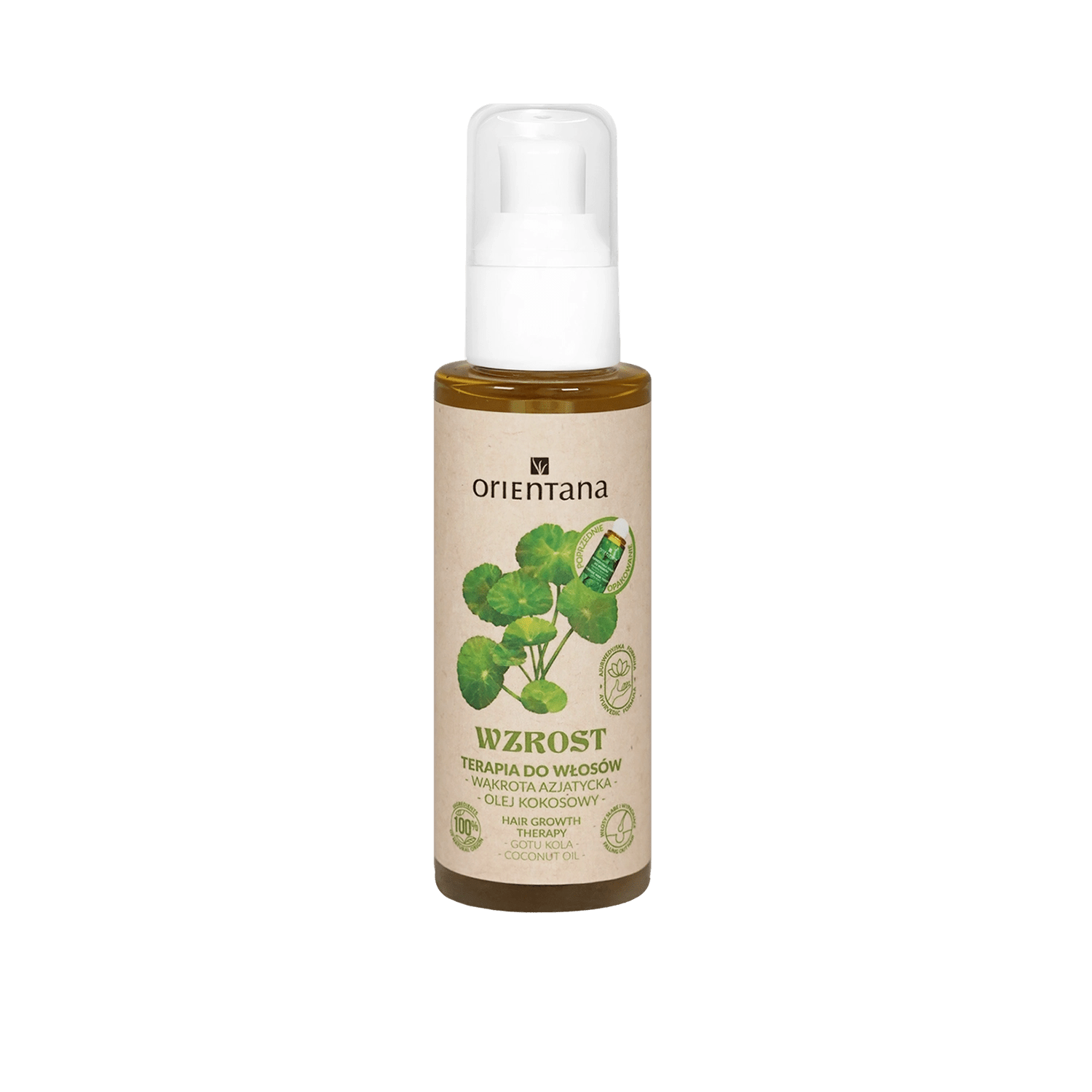
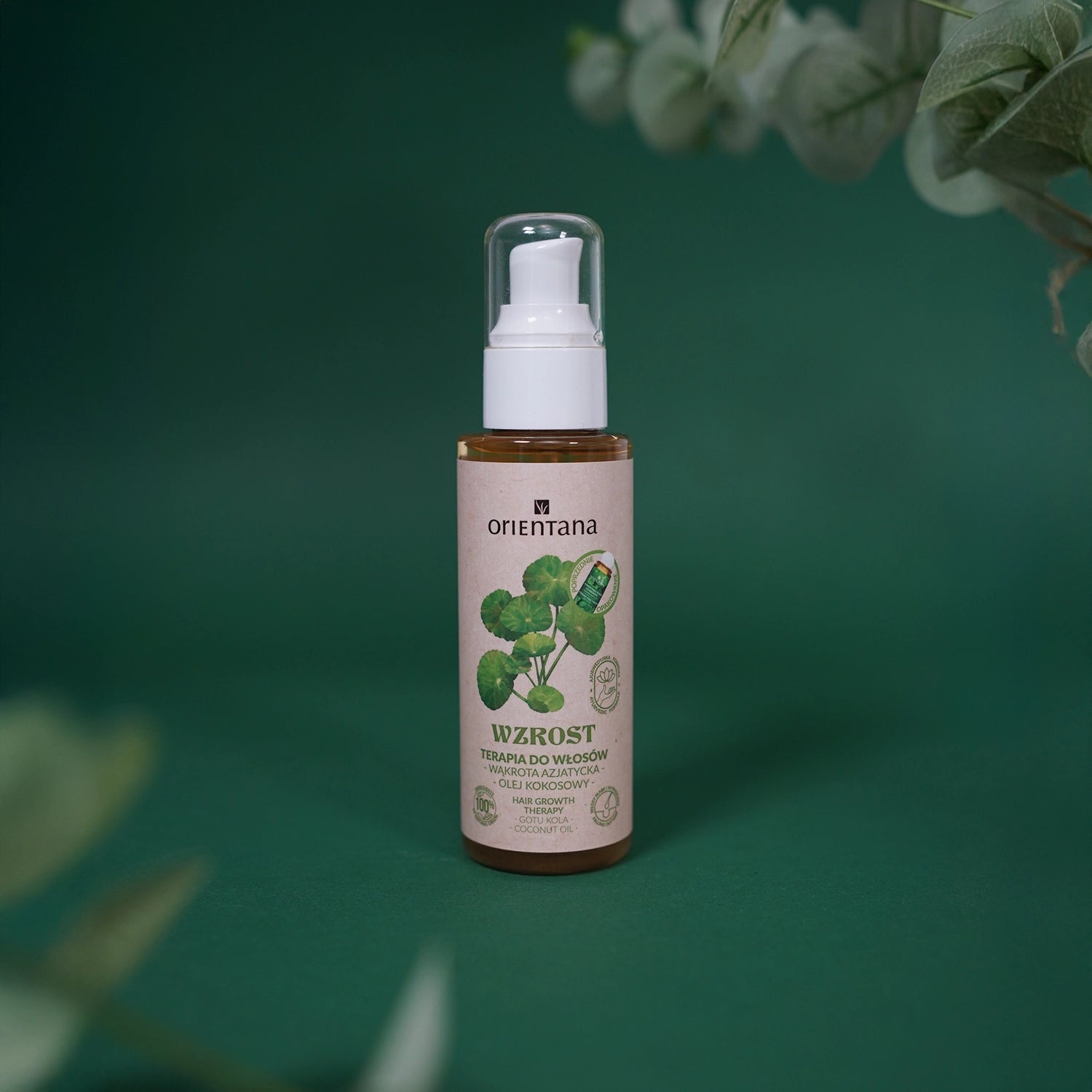
Ayurvedic hair therapy GOTU KOLA 105 ml


Type: Face creams
Sandalwood and Turmeric Face Cream 50 ml


Type: Face creams
Nourishing ashwagandha face cream 40 ml

Type: Face oils
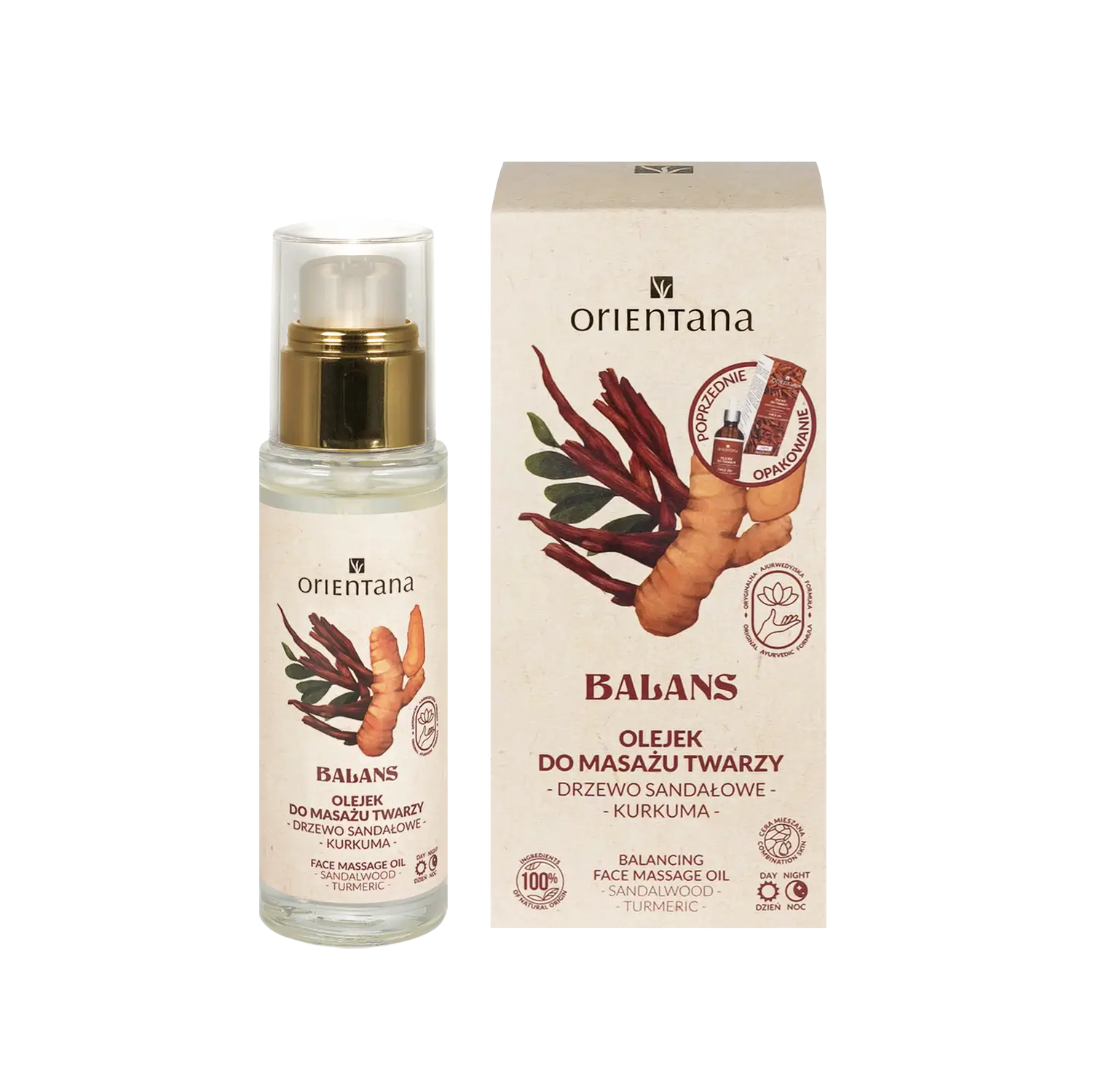
Sandalwood and Turmeric Facial Massage Oil 30ml
Type: Body care
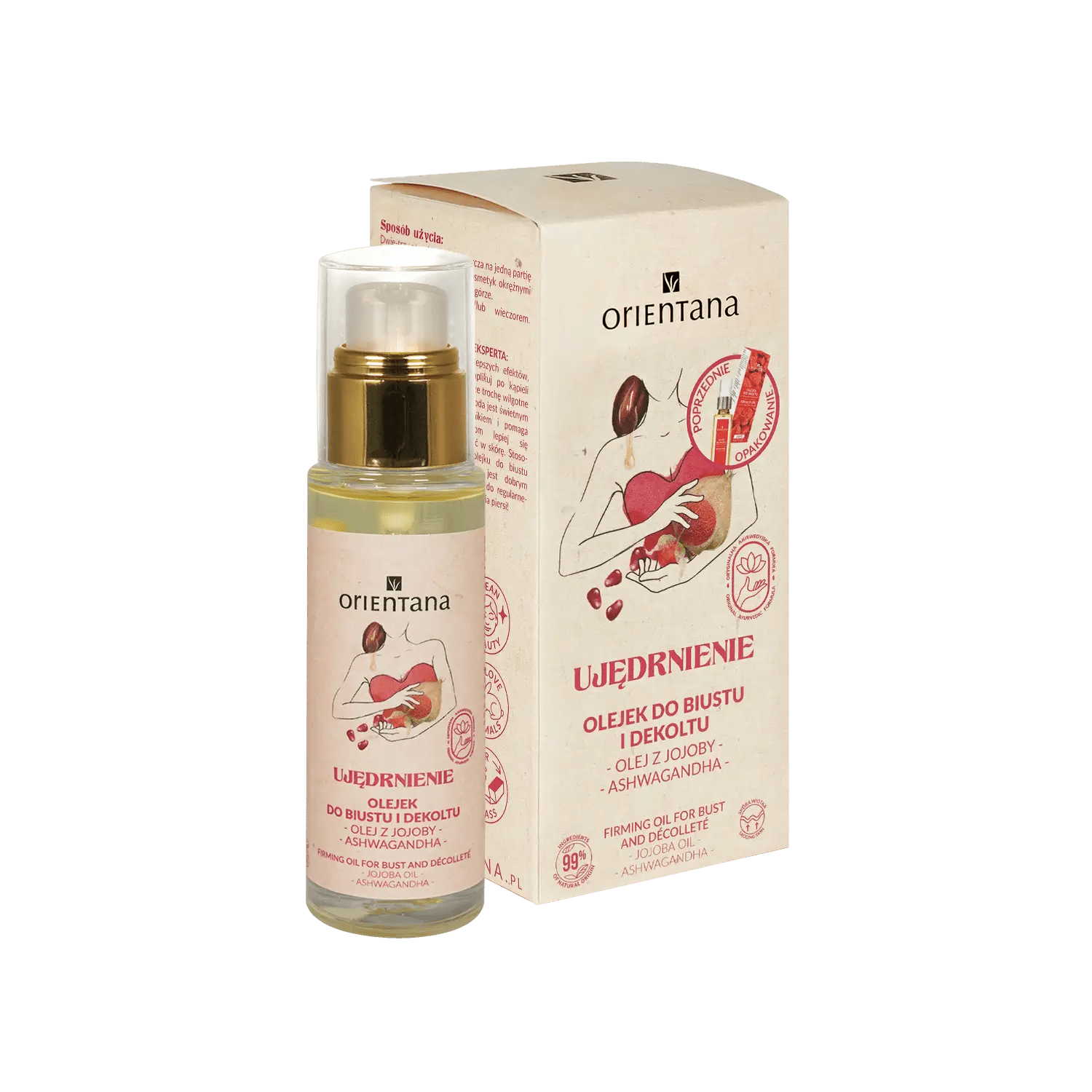
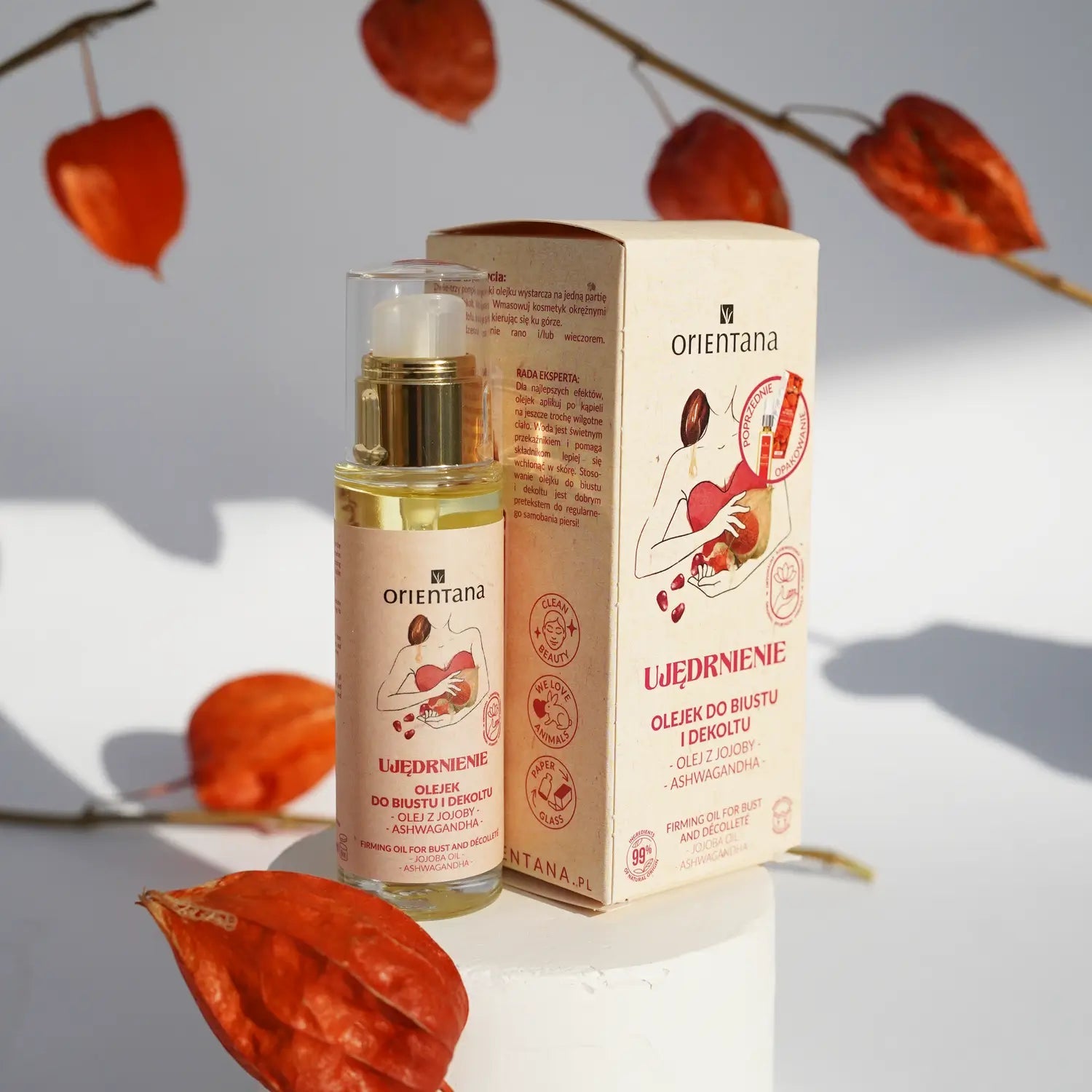
Bust and neckline oil 16 AYURVEDA PLANTS 30 ml


Type: Face oils
Rose facial massage oil 30 ml


Type: Hair dyes
BIO HENNA natural dye for long hair DARK CHOCOLATE 100 g


Type: Hair dyes
BIO HENNA natural dye for long hair HAZELNUT 100 g


Type: Hair dyes
BIO HENNA natural hair dye MAHOGANY RED 100 g


Type: Hair conditioners
BIO HENNA Natural Conditioner for long hair COLOURLESS CASSIA 100 g


Type: Hair dyes
BIO HENNA Natural dye for long hair EBONY BLACK 100 g


Type: Hair dyes
BIO HENNA natural dye for long hair CARAMEL BROWN 100 g

Receive rewards
In the OrientKlub+ loyalty program!

The effectiveness of Ayurveda
High-quality natural ingredients!

Free delivery
For purchases over 159 PLN to pickup points!

Gift in a package
FREE samples with every order!

Full offer of Orientana brand
Guaranteed effective!

Many payment methods
Pay conveniently and securely!
Ayurveda is an ancient Indian system of medicine, whose name comes from Sanskrit and means "knowledge of life." For thousands of years, it has been based on a holistic view of health, viewing the human being as a unity of body, mind, and emotions. In this approach, health is not merely the absence of disease, but a state of harmony between the body's internal processes and the external environment.
That's why Ayurvedic skin and hair care focuses not only on masking symptoms but also on addressing the root causes of problems. Skin and hair are seen as a natural "mirror" of one's internal health—their appearance reflects nutrition, digestive quality, stress levels, and the balance of vital energies.
The growing interest in Ayurveda in cosmetology and trichology stems from the need for conscious, personalized care based on plant-based ingredients and centuries-old traditions. This approach perfectly aligns with the philosophy of the Orientana brand, which has been creating natural formulas inspired by Ayurveda and Asian beauty rituals for years.
Ayurveda's holistic approach to healthy skin and hair
Ayurveda believes that beauty is the natural result of inner balance. When the body functions harmoniously, skin is radiant, supple, and well-hydrated, and hair is strong and lustrous. However, when imbalances occur, dryness, hypersensitivity, acne, hair loss, and loss of density occur.
Three biological energies (doshas) play a key role:
- Vata - associated with movement, lightness and dryness,
- Pitta - responsible for metabolism and heat,
- Kapha - responsible for structure, hydration and stability.
Each person has an individual constitution (prakriti), a unique combination of these energies. Ayurvedic care always begins with observing the dominant characteristics of the skin and hair and adapting rituals to the body's actual needs.
Agni and Ama - the foundation of healthy skin and strong hair
Ayurveda places enormous importance on digestion, referred to as Agni , or digestive fire. A strong Agni allows for the efficient absorption of nutrients, which are then transferred to the skin and hair follicles. A weakened digestive fire, on the other hand, leads to the formation of Ama , or undigested waste and toxins.
The accumulation of Ama may manifest itself in the following ways:
- earthy skin tone,
- tendency to breakouts,
- roughness and loss of shine,
- weakening of hair follicles.
That is why in Ayurveda, cleansing the body and strengthening digestion are treated as one of the pillars of skin and hair care.
How dosha disorders affect skin and hair
Excess Vata
It manifests itself as dry, thin skin, flaking, and a tendency to premature wrinkles. Hair becomes brittle, dull, and prone to hair loss.
Excess Pitta
This leads to hypersensitivity, redness, inflammation, and acne. Hair can thin, gray faster, and fall out at the roots.
Excess Kapha
The skin is oily, heavy, and prone to blackheads and clogged pores. The hair is thick, but quickly becomes greasy and loses volume.
Recognizing the dominant features allows you to select the appropriate herbs, rituals and cosmetic ingredients.
Ayurvedic herbs in skin care
In Ayurvedic recipes, a special place is occupied by plants with anti-inflammatory, antioxidant and regenerative properties:
- Turmeric - brightens, soothes inflammation and supports regeneration.
- Sandalwood - has a soothing and cooling effect.
- Ashwagandha - an adaptogen that slows down the aging process.
- Neem - strongly cleansing and antibacterial.
See cosmetics with Ashwagandha
Ayurvedic herbs in hair care
- Bhringraj – strengthens the bulbs and supports growth.
- Amla – adds shine and elasticity.
- Shikakai – gently cleanses the scalp.
- Brahmi – soothes the scalp and reduces stress.
- Fenugreek (methi) – strengthens and thickens hair.
Check out natural hair lotions and oils.
Ayurvedic care rituals
Abhyanga - oil body massage
Nourishes the skin, improves circulation and calms the nervous system.
Shiro Abhyanga - head massage
Strengthens hair bulbs, improves microcirculation and supports hair growth.
Ubtan - herbal cleansing paste
Gently exfoliates and brightens the skin.
Nasya - nose oil therapy
Supports the condition of facial skin and scalp.
Diet and lifestyle in Ayurveda
Beautiful skin starts on the plate. Ayurveda recommends:
- fresh, seasonal products,
- regular meals,
- spices supporting digestion (turmeric, ginger, cumin),
- adequate amount of sleep and stress reduction.
Yoga and meditation help maintain hormonal balance and reduce the negative effects of stress on skin and hair.
Daily Ayurvedic facial care
- Gentle cleansing
- Toning (e.g. rose tonic)
- Nourishment with serum or oil
- Moisturizing with cream or oil
See Orientana Ayurvedic face cream .
Ayurvedic hair care
- gentle washing with herbs or a gentle shampoo,
- regular oiling of the scalp,
- herbal lotions,
- head massage.
Check out Orientana natural hair cosmetics
Orientana and Ayurveda
For years, Orientana has been creating natural cosmetics inspired by Ayurveda and Asian beauty rituals, combining traditional knowledge with modern cosmetology. This makes skincare not only effective but also conscious and enjoyable.
Questions
What is Ayurveda?
Ayurveda is a system of health knowledge originating in India that treats the human being as a unity of body, mind and emotions.
What is Ayurvedic skin care?
It involves supporting the skin's natural regeneration processes through herbs, oils, rituals and attention to internal balance.
What is Ayurvedic hair care?
It focuses on strengthening the scalp, hair follicles and reducing the causes of hair loss through oiling, massages and herbs.
What are doshas in Ayurveda?
Doshas are three biological energies: Vata, Pitta and Kapha, which influence the appearance of the skin, hair and the overall functioning of the body.
How does Ayurveda explain skin problems?
As a result of internal imbalance, digestion or accumulation of toxins.
What is Agni?
Agni is the digestive fire responsible for the proper absorption of nutrients.
What is Ama?
Ama is the accumulation of undigested waste and toxins in the body, which can manifest itself on the skin.
Does Ayurveda help with acne?
Yes, through cleansing herbs, diet and rituals that support the body's balance.
Is Ayurveda good for sensitive skin?
Yes, because it is based on gentle, soothing plant ingredients.
Can Ayurveda help with dry skin?
Yes, with moisturizing oils and rituals and support from within.
What herbs are most commonly used in Ayurveda?
Among others ashwagandha, neem, amla, brahmi, turmeric and bhringraj.
How does ashwagandha work in skincare?
Supports skin regeneration and helps protect it from oxidative stress.
How does neem work on the skin?
It has cleansing, antibacterial and soothing properties.
How does amla work on hair?
Strengthens hair follicles and gives hair shine.
What is abhyanga?
This is a full-body oil massage used in Ayurveda.
Is hair oiling an Ayurvedic ritual?
Yes, this is one of the basic care practices.
How often should you perform Ayurvedic rituals?
It is best to do it regularly, even in simple, home-made forms.
Does Ayurveda fit into modern care?
Yes, it perfectly complements modern cosmetology.
How to start Ayurvedic care?
From the introduction of simple rituals and natural cosmetics.
Is Ayurveda only for a specific skin type?
No, it is flexible and individually adjustable.
Does Ayurveda help with hair loss?
Yes, through scalp massages and herbs that strengthen the hair follicles.
Does diet matter in Ayurveda?
Yes, it is one of the key elements of healthy skin.
Does Ayurveda help slow down skin aging?
Yes, thanks to the antioxidant effects of many herbs.
Are Ayurvedic cosmetics natural?
They are usually based on plant ingredients and oils.
Can you combine Ayurveda with Orientana cosmetics?
Yes, Orientana cosmetics are inspired by Ayurveda and Asian care rituals.