Entries
Why is it worth using Orientana toner?
What is a face toner and what is it for? A face toner is a cosmetic product used after cleansing the skin, the main purpose of which is to restore proper pH, hydrate, and prepare the skin to absorb active ingredients from serums or creams.Unlike micellar water, which removes makeup and impurities, toner acts as a bridge between cleansing and proper skincare. What are the benefits of using Orientana toner? 1. Hydration and skin soothing Orientana toners are based on natural plant extracts that help maintain optimal hydration, reduce feelings of tightness, and soothe irritations. 2. Strengthening the hydrolipidic barrier The hydrolipidic barrier is the skin's natural protective shield. Orientana toners contain ingredients that support its regeneration, protecting against water loss and irritation. 3. Preparing the skin for subsequent skincare steps Using toner improves the absorption of active ingredients from serums and creams, making the entire skincare routine more effective. How does Orientana Essence Toner differ from Soothing Japanese Rose and Pandan Toner by Orientana? Orientana Essence Toner – toner and essence in one Formula: date extract, gently exfoliating and moisturizing gluconolactone, rice proteins. Action: deep hydration, soothing, hydrolipidic barrier reconstruction. For whom: all skin types, including sensitive and dry. Additional benefit: multifunctionality – can act as both a toner and an essence, saving time in skincare. Soothing Japanese Rose and Pandan Toner – delicate freshness Formula: Japanese rose extract with antioxidant and moisturizing properties, pandan with soothing effects. Action: reduction of irritation, refreshment, support for couperose skin. For whom: sensitive, couperose, tired skin, in need of soothing. How to use Orientana toner? Step 1 Thoroughly cleanse your skin with a gel or foam, and if you use SPF cream or makeup, first use a cleansing oil in the initial cleansing step. Step 2 Apply toner to your hands and gently pat it into your skin. Do not use cotton pads; there is no need, and you are more zero-waste this way. Step 3 Wait a moment, then apply serum or cream. How often should toner be used? Daily - morning and evening. Why is using toner particularly important in Poland? Climatic conditions in Poland – dry air in winter (heating), air conditioning in summer, fluctuating temperatures, and air pollution – weaken the skin's protective barrier. Regular use of toner, especially a natural one, helps to prevent dryness, soothe the effects of smog, and prepare the skin for regeneration. Frequently Asked Questions about Orientana Toners 1. Can Orientana Essence Toner replace an essence?Yes. Its formula combines the functions of a toner and an essence, allowing for a shorter skincare routine. 2. Is Japanese Rose and Pandan toner good for couperose skin?Yes. Japanese rose extract and pandan have soothing properties and support the protection of delicate capillaries. 3. Can Orientana toner be used daily?Yes. Both products are safe for use morning and evening. 4. Are Orientana toners suitable for sensitive skin?Yes. Both formulas were developed with sensitive and delicate skin in mind. 5. Do I need to use cream after Orientana toner?Yes. Toner prepares the skin to absorb active ingredients from the cream, but it does not replace a moisturizing cream itself. You now know that toner is an essential element of healthy and effective skincare. Orientana Essence Toner provides intensive hydration and multifunctional action, while Soothing Japanese Rose and Pandan Toner provides soothing and freshness to sensitive skin. Regular use of toner is a simple step that brings long-term benefits – from better hydration to a radiant complexion. Both of these toners can be used during pregnancy and breastfeeding.
Learn moreCare for natural makeup – how to prepare the skin with Orientana cosmetics?
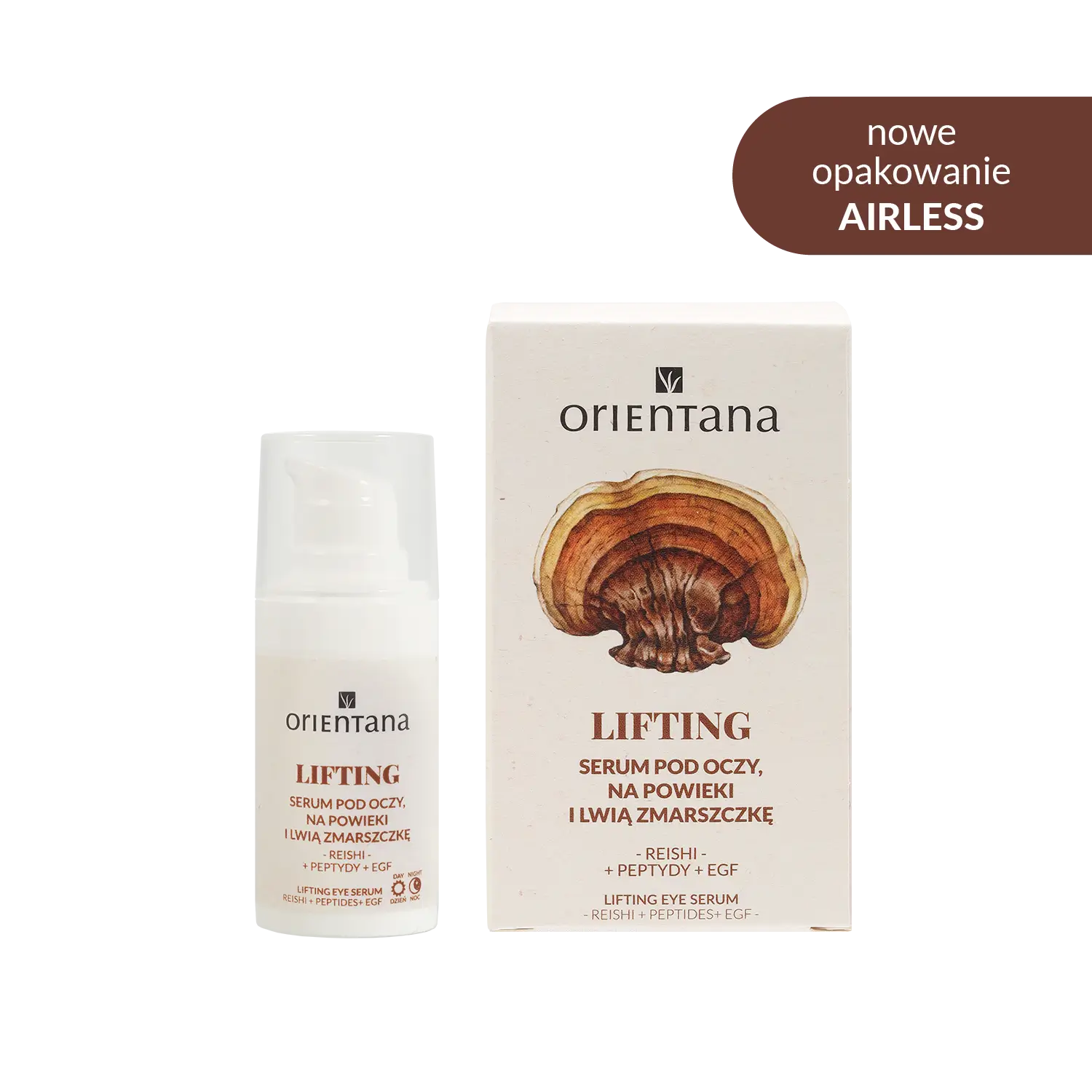
More and more women and men are choosing natural makeup that doesn't cover up the skin but subtly highlights its best features. This trend responds to the desire for an authentic, light, and healthy look. However, to achieve this effect, the right foundation or concealer isn't enough. Care for natural makeup is crucial—proper skin preparation through cleansing, toning, moisturizing, and nourishing. Natural cosmetics are a perfect fit for this ritual. They are based on plant extracts, adaptogens, and innovative biotechnological ingredients that strengthen the skin and give it a radiant appearance. Thanks to them, the complexion becomes not only more beautiful but also healthier – and natural makeup looks fresh all day long. Why is care for natural makeup crucial? Natural makeup is a style that enhances rather than conceals. A base that's too heavy, dry skin, or lack of hydration can have the opposite effect – instead of freshness, a tired look, accentuated wrinkles, and dry skin can appear. Care for natural makeup: prepares the skin to accept color cosmetics, balances the level of hydration and lubrication, makes the foundation blend better and last longer, adds radiance and freshness to the skin. Orientana cosmetics, thanks to the combination of natural extracts and modern ingredients (e.g. gluconolactone, adaptogens, polysaccharides), work comprehensively, making them a great choice in your daily routine. Basic steps for natural makeup care Cleansing – the first and most important step Gentle yet effective cleansing is essential. Overly aggressive cleansers can damage the hydrolipid barrier, while overly light cleansers won't remove impurities. Recommended Orientana cosmetics: A gentle facial cleanser containing date extract and gluconolactone. It cleanses without irritating, and has smoothing and moisturizing properties. KANTOLA facial cleanser - with Japanese gourd extract, rich in natural sugars that moisturize the skin, panthenol and babassu oil esters. Toning and refreshing The tonic restores the skin's natural pH, refreshes and prepares it for the next steps. Recommended Orientana cosmetics: Moisturizing tonic essence – works multi-dimensionally: tones, moisturizes, and brightens. Thanks to the presence of gluconolactone, it supports skin renewal. Soothing Tonic Japanese Rose - has a toning and soothing effect. Serum – concentrated power of assets A serum is a product that addresses specific skin needs: hydration, soothing, regeneration, and brightening. Therefore, it's worth taking a closer look at your skin and assessing its condition. Serums are always applied under creams; they are more potent products. To ensure proper absorption, the skin must be prepared with thorough cleansing and toning. Recommended Orientana cosmetics: Ashwagandha Hydration Ampoule Serum – with hyaluronic acid and trehalose Ashwagandha Brightening Ampoule Serum - with vitamin C and tranexamic acid. Ashwagandha Antioxidation Serum-Ampoule - with Cica (Centella) and Niacinamide. Ashwagandha Rejuvenation Serum-Ampoule - with peptides and coenzyme Q10. Eye care The skin around the eyes is thin and sensitive. The right product will smooth and brighten the eyes. Recommended Orientana cosmetics: Eye and eyelid serum - with Reishi, EGF and biomimetic peptides Snail slime eye cream - highly moisturizing Face cream - makeup base This light yet nourishing cream leaves skin supple and allows makeup to spread evenly. Recommended Orientana cosmetics: Hydrotremella Sebum-Regulating Cream – intensely moisturizes, smooths, and creates a plump skin effect. - For combination and normal skin. Reishi Day Cream - Firms, moisturizes, and brightens. - Mature skin Snail Slime Cream - regenerates, moisturizes and brightens - dry skin, all skin types. Orientana cosmetics that perfectly prepare your skin Orientana is a Polish cosmetics brand that has been developing natural, Asian-inspired skincare for 14 years. All of its cosmetics have never been tested on animals and are based on plant-based active ingredients, modern biotechnology, and proven effectiveness. To prepare your skin for makeup, I recommend only 4 steps: facial wash gel (cleansing) tonic (skin preparation and toning), serum (action on unwanted symptoms) cream (moisturizing, nourishing and makeup base). The most common mistakes in pre-makeup care Skipping cleansing – applying makeup to skin with residual sebum or impurities causes the foundation to wear off faster and the skin to look tired. Not washing off cosmetics thoroughly in the evening – the accumulation of product residue in pores causes them to become clogged and makes it difficult to evenly distribute makeup. Lack of toning - giving up tonic causes the skin to have an imbalanced pH, which may make it more susceptible to irritation and dryness. Lack of hydration – dry skin “drinks” the foundation, resulting in spots, streaks and highlighted dry patches. Using creams that are too heavy – rich occlusive formulas can roll under makeup and cause the skin to shine. Lack of eye care – omitting this area causes the concealer to highlight wrinkles and create a tired effect. Using cosmetics that are not suited to your skin type – for example, using mattifying products on dry skin can lead to even greater dryness. Applying too many layers of cosmetics – excessive amounts of serums, creams and oils cause the makeup to slide across the skin and lose its staying power. Not waiting after applying the cream – if you apply foundation immediately on top of the cream that has not been absorbed, the effect may be lumpy. Using irritating cosmetics just before applying makeup – e.g. strong acid peels, which can cause redness and burning of the skin. Skipping sun protection (SPF) – not using a filter is not only a mistake in skincare, but also in makeup – the skin ages faster and pigmentation becomes more visible even under natural makeup. Using oils just before applying makeup – instead of moisturizing, they can cause the foundation to thicken and run off the face. Lack of regular exfoliation – accumulated dry skin is most visible under light makeup, which instead of beautifying, highlights unevenness. Overusing mattifying powder – trying to mattify the skin at the skincare stage (e.g. with powder creams) takes away the skin's natural glow, and natural makeup loses its freshness. Ignoring seasonal skin needs – using the same cosmetics in summer and winter, without adapting to weather conditions, makes the skin look unhealthy and prevents makeup from holding. Frequently asked questions about makeup care How to prepare your skin for natural makeup? The most important steps are cleansing, toning, a moisturizing serum, and a light cream. Skin should be fresh, smooth, and properly hydrated. Natural makeup looks best on healthy and well-groomed skin. Is care for natural makeup different from everyday care? Yes, because pre-makeup care focuses on immediate smoothing and hydration. You can reach for heavier creams and oils in the evening, but it's better to use lighter formulas in the morning. Which cream is best for natural makeup? The best moisturizer is a lightweight one that doesn't leave a greasy residue. For example, Orientana's Hydrotremella Cream provides intense hydration and plumps skin. Can I apply makeup immediately after applying the cream? This is not recommended. It's a good idea to wait 2-5 minutes for the cream to absorb. This will prevent the foundation or BB cream from rolling. Which serum is best to use before makeup? Ideally, choose one that provides quick hydration and smoothing, while also addressing the skin blemishes we want to eliminate. We recommend the Serum Ampoules from Orientana. Is it worth using toner before makeup? Yes. Toner restores the skin's natural pH and increases the absorption of serums and creams. A great choice is the Tonic-Essence from Orientan, which acts as a toner and essence in one. What to do if foundation highlights dry patches? This is a sign that the skin hasn't been exfoliated or moisturized enough. It's worth introducing gentle exfoliation (e.g., gluconolactone found in Orientana gel and toner) or using a micro-exfoliating cream with vitamin C. Is it necessary to use serum and eye cream before makeup? Yes. The skin under the eyes is very thin, and lack of proper care causes concealer to accumulate in wrinkles. Orientana's eye serum with Reishi, EGF, and biomimetic peptides smooths and brightens the area. An eye serum alone is sufficient for younger skin; mature or dry skin requires a cream-based serum. How to avoid makeup from rolling? Use lightweight creams and serums, don't overdo it, and always wait a moment before applying foundation. Orientana cosmetics absorb quickly and create a natural base. Can natural makeup be applied to oily skin? Yes, but oily skin needs products that regulate sebum production, such as those with niacinamide and CICA. Orientan's Ashwagandha Antioxidant + CICA + Niacinamide Ampoule Serum works great as a base. It's worth using HydroTremella Sebum-Regulating Cream over the serum. How to prepare dry skin for natural makeup? Dry skin requires intense hydration and nourishment. The best combination is the Hydrotremella serum and Orientana snail cream, which provide softness and elasticity. What are the most common mistakes in pre-makeup care? lack of skin hydration, using heavy creams just before makeup, skipping eye care, inappropriate cosmetics for your skin type. Cosmetologist recommendations Experts always emphasize that natural makeup looks best when the skin is well-cared for. Using cosmetics based on plant extracts and biotechnological ingredients—such as Tremella, Ashwagandha, or Reishi—improves skin condition long-term, not just temporarily. It's important that the active ingredients aren't too aggressive or irritating. Natural makeup care is a daily ritual that allows you to enjoy healthy, smooth, and radiant skin. By choosing Orientana cosmetics, you're choosing naturalness, effectiveness, and safety. Thanks to them, your skin will not only look beautiful but also be in excellent condition every day. Check out Orientana facial care cosmetics and discover your natural makeup routine.
Learn morePhytohormones - natural support for the skin and body
Phytohormones are a topic that has been increasingly appearing in recent years in conversations about health and in the world of cosmetology. These natural plant compounds, also known as plant hormones, have the ability to mimic or modulate the action of human hormones – especially estrogens. Thanks to this, they can support the body's balance, improve skin condition, and counteract symptoms associated with aging or menopause. In cosmetics, phytohormones are primarily valued for their anti-aging properties: they can improve skin elasticity, increase hydration levels, and reduce the visibility of wrinkles. They are also increasingly used in combination with other active ingredients, creating formulas aimed at people looking for natural and effective alternatives to synthetic solutions. In this article, we will take a closer look at what phytohormones are, what types occur in nature, how they affect the skin and body, and in which products they can be found. You will also learn which plants are their best source and why they are becoming such an important trend in modern skincare. What are phytohormones? Phytohormones, also known as plant hormones or phytoestrogens (when referring to compounds with estrogen-like activity), are natural substances found in plants that have the ability to interact with the human body. Their chemical structure resembles human hormones, allowing them to bind to receptors in cells and influence biological processes such as regeneration, metabolism, and skin aging. In the natural world, phytohormones regulate plant growth and development – they are responsible for flowering, fruit ripening, and responses to environmental stress, among other things. In the human body, they act somewhat differently, but still incredibly beneficially – especially in the context of health and skin care. Why are phytohormones important? Natural support for hormonal balance – especially during menopause or when estrogen levels decline. Anti-aging potential – they protect collagen and elastin, which translates into firmer and more elastic skin. Strong antioxidant properties – they neutralize free radicals, slowing down the aging process. Safety of use – phytohormones are milder than synthetic substitutes and well-tolerated in skin care. Where can they be found? Phytohormones occur naturally in many plants, especially in: soy and other legumes, chasteberry red clover, flaxseed, ginseng, licorice. Thanks to modern extraction technologies, they are now widely used both in diet (supplements, plant products rich in phytoestrogens) and in natural cosmetics, where they act as active ingredients with rejuvenating and strengthening properties. Types of phytohormones and their sources Phytohormones are a broad group of plant compounds that differ in chemical structure and mode of action. The most well-known are phytoestrogens, but it is worth remembering that there are also other plant substances with effects similar to human hormones. Below we present their main types and natural sources. Phytoestrogens These are the most commonly described and studied phytohormones. Their chemical structure resembles estrogen – a female sex hormone, allowing them to bind to estrogen receptors in human cells. Action of phytoestrogens: alleviate menopausal symptoms (hot flashes, mood swings), support bone and cardiovascular health, improve skin elasticity and density, have anti-aging and antioxidant effects. Sources of phytoestrogens: Soy and its derivatives (tofu, soy milk, tempeh) – rich in isoflavones, Red clover – contains isoflavones with strong estrogenic effects, Flaxseed – a source of lignans, supporting hormonal balance, Licorice – contains glabridin with phytoestrogenic activity, Ginseng – affects vitality and skin condition. Phytosterols These are plant compounds with a structure similar to cholesterol, which play an important role in skin care and metabolic health. Action of phytosterols: rebuild the skin's hydrolipid barrier, support healing and regeneration, reduce transepidermal water loss (TEWL), have anti-inflammatory and soothing effects. Sources of phytosterols: vegetable oils (pumpkin seed oil, rapeseed oil, sunflower oil), nuts and seeds (sesame, pistachios), grain sprouts. Other bioactive compounds with phytohormonal activity Although phytoestrogens and phytosterols are most commonly discussed, there are also other active plant substances that exhibit regulatory effects: Triterpenes – e.g., from ginseng or licorice, support skin regeneration and have anti-aging effects. Plant saponins – improve microcirculation and have immunomodulatory effects. Coumestans – found, among others, in bean sprouts, act similarly to isoflavones. Phytohormones are a diverse group of plant compounds – from phytoestrogens supporting female hormonal balance, to phytosterols caring for a healthy skin barrier, to triterpenes and saponins with regenerative properties. Their richness makes them applicable both in diet and in anti-aging cosmetology, becoming a natural support for health and beauty. Phytohormones and skin – mechanism of action Phytohormones play an increasingly important role in modern cosmetology. Their ability to mimic or modulate the action of human hormones, especially estrogens, makes them particularly valued in the care of mature skin requiring regeneration. Their mechanism of action is multi-layered – from influencing skin cells to protecting against external factors. Effect on collagen and elastin One of the most important effects of phytohormones is the stimulation of fibroblasts, which are cells responsible for collagen and elastin production. Estrogens naturally stimulate fibroblasts, but their level declines with age – especially after menopause. Phytoestrogens bind to estrogen receptors in the skin and partially replace their action. Result: improved skin density, elasticity, and reduced sagging. Regulation of aging processes Skin aging is associated with hormonal imbalance and increased oxidative stress. Phytohormones: inhibit collagen degradation by influencing matrix metalloproteinases (MMPs), act as antioxidants, neutralizing free radicals, support regenerative processes, restoring a healthier appearance to the skin. Improved hydration and hydrolipid barrier Phytohormones – especially phytosterols – strengthen the skin's natural protective barrier. Reduce water loss (TEWL). Support lipid synthesis in the stratum corneum. Soothe irritation and accelerate regeneration. As a result, the skin becomes better hydrated, more elastic, and resistant to external factors. Anti-inflammatory and soothing action Many phytohormones (e.g., soy isoflavones, ginseng triterpenes) have anti-inflammatory properties. Reduce micro-inflammations that exacerbate skin aging (inflammaging). Support healing and soothe irritation. May support the care of sensitive and couperose skin. Protection against photoaging Studies indicate that phytoestrogens and lignans show photoprotective effects: reduce DNA damage to cells caused by UV radiation, limit the formation of hyperpigmentation, support skin regeneration after sun exposure. Phytohormones have a multi-directional effect on the skin: they strengthen its structure, improve hydration, protect against free radicals and photoaging. Thanks to this, they are a key ingredient in cosmetics for mature, tired, or environmentally stressed skin. It is precisely their mechanism of action that makes phytohormones considered a natural anti-aging ally. Phytohormones in cosmetics – what effects do they bring? Phytohormones are increasingly becoming a key ingredient in modern anti-aging formulas. Their presence in natural and dermo-cosmetics is no coincidence – these compounds genuinely affect skin function, supporting it in regenerative and protective processes. Reduction of wrinkles and improvement of skin firmness Phytoestrogens from soy or red clover stimulate fibroblasts to produce collagen and elastin. Effect: reduction of wrinkles, improvement of skin tension and elasticity. Cosmetics with these compounds are especially recommended for mature skin with a tendency to sag. Strengthening hydration and the hydrolipid barrier Phytosterols found in plant oils rebuild the natural lipid layer. They reduce transepidermal water loss (TEWL), which translates into deeper and long-lasting skin hydration. Thanks to this, the skin becomes more resistant to external factors. Protection against oxidative stress Phytohormones act as powerful antioxidants – neutralizing free radicals that accelerate aging. In combination with vitamin C, E, or polyphenols, they strengthen protection against so-called environmental stressors (pollution, UV radiation). Support in skin care during menopause During this period, there is a rapid drop in estrogen levels, which manifests as dry, thin, and less elastic skin. Cosmetics with phytohormones alleviate the effects of estrogen deficiency, improving skin comfort and slowing down its aging processes. Reduction of discoloration and evening out skin tone Some phytohormones, such as isoflavones, inhibit excessive melanocyte activity. Effect: brighter, more radiant complexion and reduced visibility of post-sun or hormonal discoloration. Soothing and anti-inflammatory action Ginseng or licorice extracts soothe micro-inflammations and redness. They are recommended for sensitive and couperose skin, as they reduce the risk of irritation. Densorphin™ – an innovative ingredient in Orientana cosmetics Densorphin™ is a modern, 100% natural active ingredient based on a concentrated extract from chasteberry fruit (Vitex agnus-castus), also known as "monk's pepper tree." The raw material was developed by the Swiss company Mibelle Biochemistry and has gained significant recognition in the cosmetic industry due to its unique effect on the skin – it stimulates the production of β-endorphins and DHEA (dehydroepiandrosterone), which are key substances for youthful skin appearance and well-being. Mechanism of action Stimulation of β-endorphins – referred to as "happiness molecules." Densorphin™ activates receptors responsible for endorphin synthesis in keratinocytes and fibroblasts. As a result, the skin not only functions better but also regenerates faster and shows greater resistance to environmental stress. Increased DHEA levels – a steroid hormone whose amount in the skin drastically decreases with age, especially after 40–50 years of age. DHEA is responsible for skin density and elasticity, and its restoration inhibits aging processes. Effect on collagen and elastin – in vitro and in vivo studies have shown that Densorphin™ stimulates fibroblasts to produce collagen, reduces the activity of metalloproteinases (enzymes degrading skin's supporting fibers), and improves tissue elasticity. Effects proven by clinical trials Increased skin density – after just 28 days of using a cream with 2% Densorphin™, ultrasound studies showed an average increase in skin density of 17.9% (body) and 4.4% (face) compared to the initial state. Improved elasticity – in a study involving 30 people aged 52–76, skin elasticity increased by an average of 7.1% after 4 weeks of use. Visible reduction of wrinkles – after one month of use, a several percent reduction in wrinkle depth around "crow's feet" was observed compared to placebo. Lifting and firming effect – the skin becomes more compact, regains youthful volume and better tension. Application in Orientana cosmetics In Orientana products, Densorphin™ has been used as a new-generation phytohormone, ideal for mature, tired skin, as well as during menopause and andropause. By acting at the level of endorphins and skin hormones, this ingredient supports: anti-aging care – wrinkle reduction and improved firmness, rebuilding of skin weakened by a drop in age-related hormones, improved skin well-being – by activating β-endorphins, it affects not only appearance but also skin comfort. Why is Densorphin™ unique? it combines phytohormonal and neurocosmetic action, it works quickly – first effects are visible after just one month, it is certified (COSMOS, Ecocert), natural, and preservative-free, effective for both women and men over 50 years of age. Densorphin™ is an ingredient that perfectly fits Orientana's philosophy – combining nature with innovative biochemistry. Thanks to the unique combination of stimulating β-endorphins and DHEA, it represents a breakthrough in mature skin care, offering densification, firming, and wrinkle smoothing in a short time. Most important plants rich in phytohormones The plant world abounds in natural compounds with phytohormonal activity. These are the basis of many modern natural cosmetics, including Orientana products, which combine traditional plant knowledge with the latest achievements in biochemistry. Below, we present the most important plants that provide valuable phytohormones. Soy (Glycine max) Soy is the richest source of isoflavones, compounds with estrogen-like effects. Action: increases skin elasticity, improves its density and hydration, reduces wrinkles. In cosmetics: used in anti-aging preparations, especially for mature skin and during menopause. Red clover (Trifolium pratense) Red clover is valued for its high content of isoflavones and coumestans. Action: supports women's hormonal balance, alleviates menopausal symptoms, protects the skin from loss of firmness. In cosmetics: an ingredient in creams and serums for thin, dry skin with visible wrinkles. Flaxseed (Linum usitatissimum) Flax is a wealth of lignans, which exhibit estrogen-like activity. Action: moisturizes, smooths, and improves the skin's hydrolipid barrier. In cosmetics: often used as flaxseed oil – soothes irritation, alleviates dryness, and has regenerative effects. Ginseng (Panax ginseng) Ginseng contains triterpene saponins with strong adaptogenic and phytohormonal effects. Action: stimulates cellular metabolism, improves microcirculation, has rejuvenating effects. In cosmetics: Orientana uses Korean ginseng in preparations that energize and improve skin condition. Licorice (Glycyrrhiza glabra) Licorice is a source of flavonoids and phytoestrogens. Action: exhibits anti-inflammatory, antioxidant, and brightening properties. In cosmetics: used in products that reduce discoloration and soothe irritation. Chasteberry (Vitex agnus-castus, also known as "monk's pepper tree") This is a plant with extremely interesting properties, which in recent years has found application in neurocosmetology and anti-aging care. From its fruits, an extract commercially known as Densorphin™ is obtained. Action: stimulates the production of β-endorphins (happiness neurotransmitters), which improves skin comfort and accelerates its regeneration, increases the synthesis of DHEA – a hormone crucial for skin density and elasticity, reduces wrinkles and improves skin tension after just 28 days of use, has a firming and densifying effect, especially in mature skin care. In cosmetics: Orientana uses chasteberry extract (Densorphin™) in products for mature skin to provide a visible lifting and smoothing effect. The most important plants rich in phytohormones are soy, red clover, flax, ginseng, licorice, and chasteberry. Each of them provides different bioactive compounds that support skin health and beauty. Chasteberry, in particular, stands out as a new generation phytohormone ingredient that not only improves skin appearance but also impacts its well-being through endorphin activation. Phytohormones in diet – how they support the body? Phytohormones are not only ingredients in cosmetics. Their action can also be utilized internally – through a diet rich in plants containing phytoestrogens, phytosterols, or other compounds with hormone-like activity. Regular consumption of such products can support hormonal balance, bone and heart health, as well as the condition of skin and hair. Hormonal balance during menopause and andropause A decrease in estrogen and androgen levels in middle-aged women and men leads to a range of symptoms: hot flashes, sleep problems, fatigue, or deterioration of skin quality. Phytohormones – especially phytoestrogens from soy, red clover, and flaxseed – can partially replace the action of estrogens, alleviating menopausal symptoms. Studies indicate that women who consume more isoflavones (e.g., in the Japanese diet) less frequently experience bothersome menopausal symptoms. Support for bone and cardiovascular health Estrogen deficiency accelerates bone mass loss, increasing the risk of osteoporosis. Phytoestrogens can inhibit this process by supporting calcium metabolism and bone mineralization. Phytosterols present in nuts, seeds, and vegetable oils help lower "bad" LDL cholesterol levels, thereby protecting the heart and blood vessels. Effect on metabolism and weight A diet rich in phytohormones supports maintaining stable blood sugar levels. Soy isoflavones can improve cellular insulin sensitivity. Thanks to this, phytohormones promote maintaining a healthy body weight and reduce the risk of developing insulin resistance. Skin and hair condition from within Phytoestrogens act synergistically with collagen and elastin – supporting their production, which translates into firmer skin and stronger hair. The antioxidant properties of phytohormones (especially lignans from flaxseed) slow down the aging process from within. Best sources of phytohormones in the diet Soy and its derivatives – tofu, tempeh, soy milk (isoflavones). Red clover – in the form of teas and supplements (isoflavones). Flaxseed – freshly ground seeds as an addition to yogurts or salads (lignans). Licorice – infusions or natural extracts (glabridin). Chasteberry – traditionally used in hormonal phytotherapy, also in supplements supporting women's balance. Phytohormones in the diet have a multi-directional effect: they alleviate symptoms of menopause and andropause, support the heart and bones, stabilize metabolism, and care for the skin and hair from within. Including products such as soy, flax, red clover, or chasteberry in the daily menu can provide natural support for the body at every stage of life. Frequently Asked Questions (FAQ) about phytohormones Are phytohormones safe?Yes, phytohormones are derived from natural plant sources and are generally considered safe in cosmetics and diet. Unlike synthetic hormone therapies, their action is milder and more balanced. Do cosmetics with phytohormones act like hormone replacement therapy (HRT)?No – phytohormones do not replace classical hormone therapy, but they can support the skin and body in a natural way. In cosmetics, they primarily act topically, improving skin elasticity, firmness, and density. Who should use cosmetics with phytohormones?They are particularly recommended for people: during menopause and andropause, with mature, sagging, and inelastic skin, with signs of photoaging and wrinkles, seeking a natural alternative to potent synthetic substances. Do phytohormones help with wrinkles?Yes, studies show that phytohormones – e.g., soy isoflavones or Densorphin™ from chasteberry – stimulate fibroblasts to produce collagen and elastin, which leads to wrinkle smoothing and improved skin tension. How quickly can the effects of using cosmetics with phytohormones be seen?The first effects, such as better hydration and smoothing, are visible after a few weeks of regular use. Clinical studies on Densorphin™ showed an improvement in skin elasticity and density after just 28 days. Can phytohormones be used by men?Yes – although their role in female skin care is often mentioned, phytohormones also support men's skin, especially during andropause (a decrease in androgen levels). Are phytohormones found exclusively in natural cosmetics?No, phytohormones are present in both natural cosmetics and dermo-cosmetics. However, in natural products, they are obtained in an environmentally friendly way, often from certified plant extracts. Phytohormones are natural, plant-based compounds of extraordinary power that support the skin and body in processes of regeneration, hydration, and rejuvenation. Their particular role emerges when hormone levels in the body decline – during menopause, andropause, or with natural aging. In cosmetics, phytohormones: densify and firm the skin, reduce wrinkles, improve elasticity and hydration, protect against free radicals and photoaging. In the diet, they support hormonal balance, bone, heart, and metabolic health, and also slow down aging processes from within. A particularly interesting ingredient is chasteberry (Vitex agnus-castus), whose Densorphin™ extract has been used in Orientana cosmetics. Thanks to its ability to stimulate β-endorphins and DHEA, it provides a visible lifting effect and improves skin quality within a month. In summary – phytohormones are one of the pillars of the future of skin care. Their plant origin, safety, and proven effectiveness make them not only a fashionable trend but primarily real support in caring for health and beauty.
Learn moreHydrogen purification - what is it and what are its effects?
Are you wondering what hydrogen cleansing is? It's one of the most popular treatments in recent years, combining deep skin cleansing with anti-aging benefits. Using active hydrogen, the treatment not only removes impurities and sebum but also neutralizes free radicals—the main culprits behind skin aging. Hydrogen purification – what is this treatment? Hydrogen cleansing (hydrogen hydropeeling) is a non-invasive and painless cosmetic treatment that combines skin care with anti-aging technology. It involves injecting microscopic hydrogen particles into the skin, which neutralize free oxygen radicals and support cellular regeneration. How does active hydrogen work on the skin? Hydrogen is the smallest and strongest antioxidant: Neutralizes free radicals – reduces oxidative stress, slowing down skin aging. Improves cellular metabolism – supports regeneration and repair processes. Soothes inflammation – helpful for acne and irritations. Strengthens the skin's protective barrier and protects against smog and environmental stress. Stages of hydrogen purification The procedure usually involves several steps: Make-up removal and initial cleansing of the skin. Hydrogen peeling – application of a stream of water saturated with hydrogen. Infusion of active substances (e.g. acids, vitamins, antioxidants). Optional: ultrasonic waves or microcurrents that enhance the penetration of ingredients. Effects after the procedure deep pore cleansing, reducing the number of blackheads, improved firmness and hydration, evens out skin tone, lightening discolorations, reduction of inflammation, the effect of fresh, radiant skin after just 1 visit. Who is hydrogen hydropeeling intended for? The treatment is recommended: people with oily and acne-prone skin, with enlarged pores and impurities, mature skin with signs of aging, people exposed to oxidative stress (smog, stress, UV radiation). Contraindications to the procedure Although hydrogen cleansing is safe and gentle, there are contraindications: active infections and skin inflammations, cancer and autoimmune diseases, pregnancy and breastfeeding, fresh scars and wounds, skin diseases (e.g. psoriasis in the active phase). How often should hydrogen purification be performed? One-time use – to refresh the skin, e.g. before an important event. In a series – 4–6 treatments every 2–3 weeks for a therapeutic effect. For maintenance purposes – once a month as a maintenance treatment. How to care for your skin after hydrogen cleansing? To fully utilize the treatment's potential, home care is crucial. Skin absorbs active ingredients better after hydrogen purification, so it's worth choosing natural formulas rich in antioxidants and soothing ingredients. Orientana cosmetics supporting the effects of hydrogen purification Gentle cleansing – Facial cleansing gel After treatment, it's important to maintain skin balance and avoid harsh detergents. This gel is SLS-free, and thanks to date extract and gluconolactone: gently washes, moisturizes and soothes, supports the skin microbiome. Toning and Renewal – Tonic Essence Tonic-essence with date extract and soothing rice, restores the proper pH and prepares the skin for further care steps. Antioxidant Protection – Ashwagandha Serum + CICA + Niacinamide After a hydrogen cleanse, skin needs support against free radicals. This serum combines an adaptogen (ashwagandha) with CICA and niacinamide, resulting in: soothing irritations, evens out the color, reduction of imperfections. Moisturizing and protective barrier – Hydro Tremella cream A deeply moisturizing, sebum-regulating, soothing, and smoothing cream. Perfect for combination, oily, and sensitive skin. Eye care – Reishi Eye and Eyelid Serum After the treatment, it's also worth taking care of the delicate skin around the eyes. Reishi extract has anti-aging properties, reduces dark circles, and improves skin elasticity. AQ – Frequently Asked Questions Does hydrogen purification hurt? No – the treatment is completely painless and relaxing. How long does the hydrogen purification treatment take? Approximately 45–60 minutes. Can hydrogen purification be performed in summer? Yes, this is a year-round treatment – safe even during the high sun exposure season. After how many treatments are the effects visible? The first results are noticeable immediately, and full improvement is achieved after a series of treatments. Do you need to avoid the sun after the treatment? There are no such restrictions as after classic chemical peels, but it is always worth using a cream with SPF.
Learn moreHarmful ingredients in hair cosmetics - a list worth knowing
Every day, I'm asked which hair products are worth choosing and which ingredients should be avoided. For years, I've been guided by the principle: care should be effective yet gentle —without harsh detergents, synthetic additives, or substances that weigh down hair instead of nourishing it. That's why I dedicate so much attention to education and creating natural recipes at Orientana. In this post, I've compiled a list of harmful ingredients in hair care products , most commonly found in drugstore shampoos and conditioners. This list isn't meant to scare you, but to make you aware that making informed choices really does make a difference—for both the health of your hair and scalp. Why is it worth checking the ingredients of hair cosmetics? For years, I've been a proponent of natural, stress-free hair care . I believe that healthy hair isn't the result of marketing promises, but rather the regular use of chemical-free cosmetics. Unfortunately, many popular products still contain ingredients that: they provide a short-term effect (e.g. silicone smoothness), but over time they weaken the hair, may irritate the scalp and intensify dandruff or itching, they disturb the natural balance - instead of regenerating, they cause dryness or greasiness, are not indifferent to the environment - yes, I pay attention to that too! For me personally, this last point is just as important as hair health. Conscious consumer choices are not only about caring for yourself, but also for the planet. Therefore, checking labels isn't a whim—it's an investment in long-term beauty and responsible care. Harmful ingredients in cosmetics – a list to avoid I know from experience that reading labels can be overwhelming. That's why I've prepared a specific list of ingredients to avoid in hair care products. These are the ingredients most often responsible for dryness, irritation, loss of shine, and weakened hair. Parabens Where are they found? - preservatives used in many shampoos and conditioners. Why do I avoid them? They can disrupt hormonal balance and cause allergic reactions. For me, that's reason enough to replace them with safe, naturally derived preservatives that don't harm the skin or the environment. Silicones (e.g. Dimethicone, Cyclopentasiloxane) Where are they found? - in conditioners, masks and hair serums. Why do I avoid them? They create a false impression of smoothness and shine by forming a coating around the hair. In the long run, this coating blocks the penetration of nutrients and makes the hair heavy and dull. I prefer natural oils and extracts that actually nourish the hair from the inside out. SLS and SLES (Sodium Lauryl Sulfate, Sodium Laureth Sulfate) Where are they found? - in shampoos as foaming detergents. Why do I avoid them? These are strong cleansers that remove not only dirt but also natural sebum and the skin's protective layer. The result? Irritation, dryness, and excessive oiliness. I choose gentle, plant-based cleansers that effectively cleanse without damaging the scalp's barrier. PEGs (Polyethylene glycols) Where are they found? - in conditioners, masks and styling agents. Why I avoid them? They're used as emulsifiers and softeners, but they can irritate and increase the penetration of other chemicals into the skin. I prefer natural emulsifiers that work with the skin's physiology. Phthalates Where are they found? - most often in perfumed hair products. Why do I avoid them? They are suspected of having toxic effects on the endocrine and reproductive systems. Instead, I choose safe fragrances based on natural essential oils. Formaldehyde and its donors (DMDM Hydantoin, Imidazolidinyl Urea) Where are they found? - in some conditioners and styling products. Why do I avoid them? They can be irritating, allergenic, and are considered potentially carcinogenic. For me, there's no room for such compromises in skincare. As you can see, most of these ingredients only provide superficial results —instead of regenerating, they have a short-term effect and, over time, can worsen the condition of your hair. Therefore, my philosophy is simple: the less aggression and artificial stress, the better for your hair and scalp . How do harmful ingredients affect hair and scalp? When I consciously choose cosmetics, I always consider their real long-term impact on hair . I know that many drugstore products offer quick results: instant smoothing, intense shine, or instant volume. But these effects are short-lived and come with long-term problems. Weakness and brittleness of hair Harsh detergents (SLS, SLES) strip away the natural lipid layer that protects hair from moisture loss. The result? Hair becomes brittle, fragile, and dull. I know firsthand that even the best conditioner won't do the trick if we destroy this basic protective barrier every day. Dry scalp SLS, SLES, PEGs, and parabens can irritate the scalp. This often leads to itching, dandruff, and even inflammation. Instead of balance, we experience discomfort and the need to "rescue" the skin with additional products. Hair becomes greasy faster It's a paradox – the stronger the shampoo containing SLS, the faster the hair becomes oily. Why? Because the scalp, deprived of natural lipids, begins to produce excess sebum to protect itself. The result is a vicious cycle: daily washing, lack of volume, and hair that feels flat after just a few hours. The illusion of smoothness and shine Silicones create a tight seal on the hair, providing immediate smoothness. However, over time, the hair becomes increasingly "empty" inside, as no nutrients can penetrate the silicone barrier. It's a bit like makeup without care: a pretty effect for a moment, but no long-term support. Loss of volume and "heavy hair" Artificial polymers and silicones cling to hair, making it heavy and lacking its natural flow. Instead of lightness and healthy movement, we end up with hair that's difficult to style and looks dull more quickly. Potential health risks Some preservatives raise concerns not only about beauty but also about health. They can penetrate the body and disrupt its natural balance. For me, this is a line I don't want to cross in my skincare routine. MY OPINION: That's why I choose products without aggression —with natural plant-based detergents, extracts, and oils that actually nourish and support hair from the inside , instead of just masking the problem. This keeps hair light, vibrant, and beautiful for longer. Natural alternatives to controversial substances I always say that care doesn't have to mean compromise. You can create hair products that are gentle, effective, and safe by consciously harnessing the power of nature. That's why at Orientana, I select every ingredient to work in harmony with your hair and scalp. Instead of SLS and SLES - mild plant-based cleaning agents Cocamidopropyl Betaine (from coconut oil) - effectively cleanses but does not destroy the hydrolipid barrier. Decyl Glucoside (from glucose and fatty alcohols) - ideal for sensitive and irritated skin. Thanks to them, the hair is clean and the scalp remains balanced. Instead of silicones - vegetable oils and butters Jojoba oil - regulates sebum secretion, moisturizes without the "heavy" effect. Mango butter - smoothes, adds softness and elasticity. Coconut oil - penetrates the hair structure, strengthening it from the inside. The smoothness and shine effect is natural and the hair really becomes healthier. Instead of PEGs - natural emulsifiers Lecithin - supports hair regeneration and has antistatic properties. Polyglyceryl-6 Laurate - biodegradable emulsifier safe for skin and the environment. Thanks to them, conditioners and masks have a velvety consistency, without the risk of irritation. Instead of parabens - natural preservatives Benzoic acid and sorbic acid - effectively protect the product and at the same time are well tolerated by the skin. Plant ferments - increasingly act as preservatives and additionally support the scalp microbiome. Instead of formaldehyde – plant extracts with protective properties Amla extract – strengthens hair follicles and stimulates hair growth. Gotu kola extract (Asiatic pennywort) – soothes irritations and supports microcirculation of the scalp. Pectins – strongly moisturizes and improves hair structure. Modern natural ingredients in hair care In my approach to creating cosmetics, I prioritize ingredients that are not only safe but, above all, have proven moisturizing, regenerative, and protective properties . In recent years, biotechnology and phytoengineering have provided us with incredibly inspiring solutions. These solutions address the need for conscious hair care, free from unnecessary burdens and aggression. Probiotics These are living microorganisms that support the scalp's microbiome. They strengthen the skin's protective barrier, reducing irritation and dandruff. Probiotics restore balance, which directly impacts the health of hair follicles and the condition of hair. Prebiotics These nutrients support probiotics—a kind of "fuel" for good bacteria. Used in hair care products, they support the scalp's natural immunity and prevent the growth of harmful microorganisms. This allows hair to grow in a healthier environment. Postbiotics Modern ingredients derived from probiotic fermentation. They are more stable than probiotics alone, while retaining their beneficial properties: they strengthen the microbiome, soothe irritation, and support scalp regeneration. Gluconolactone It belongs to the PHA (polyhydroxy acid) group. It gently exfoliates dead cells while deeply moisturizing. In hair and scalp care, it acts as a gentle enzymatic exfoliant , supporting renewal and adding radiance. Ideal for sensitive skin. Panthenol (provitamin B5) It's a classic in modern hair care, yet still irreplaceable. It moisturizes, soothes, and smooths hair, making it soft, flexible, and more resistant to damage. It also has a soothing effect on the scalp, which anyone struggling with irritation will appreciate. Vegequat® Vegequat® is a modern, plant-based conditioning ingredient that combines coconut fatty acids and hydrolyzed wheat proteins . This composition acts as a natural protective shield, shielding hair from the harmful effects of both mechanical factors (e.g., hot air from hairdryers and straighteners) and chemical factors (coloring, permanent waves). In hair cleansing products, it improves the quality of the lather , making it thicker and more stable, which increases the comfort of application. Additionally, Vegequat® gives hair softness, elasticity, and makes combing easier without weighing it down. FiberHance™ BM Solution An innovative ingredient that strengthens the internal structure of hair. It penetrates the hair's core and creates additional bonds in the keratin structure, making hair stronger and less prone to breakage. It's an alternative to silicones that truly works from the inside out. Baicapil™ A complex of natural extracts (including Baikal skullcap, soybean sprouts, and wheat) that stimulates hair growth and inhibits hair loss. This modern solution, based on phytotherapy and scientific research, is a true natural response to the problem of thinning hair. Quinine Long known in traditional hair care, it's now making a comeback as an ingredient with proven effectiveness. It stimulates microcirculation in the scalp, strengthens hair follicles, and accelerates hair growth. Perfect for those who dream of thicker hair. Acticire® MB A natural complex of three plant waxes (mimosa, jojoba, and sunflower). It creates a light, protective layer on the hair, preventing moisture loss and leaving it soft and shiny. This ingredient acts as a "plant-based alternative to silicones," but without the heaviness. It's ingredients like these that demonstrate that modern hair care can be natural, effective, and environmentally friendly . Instead of aggression and burden, they offer intelligent support —restoring, protecting, and strengthening hair from the inside. How to choose safe hair cosmetics? - a practical checklist I know that drugstore shelves can be overwhelming, and labels full of complicated chemical names don't make choosing easy. That's why I've prepared a simple checklist that will help you determine, step by step, whether a hair product is truly safe and valuable. Check the list of ingredients (INCI) Avoid: SLS, SLES, parabens, silicones, PEGs, formaldehyde donors . Look for: mild plant detergents (Decyl Glucoside, Coco-Glucoside), natural oils and butters, plant extracts, probiotics, prebiotics, gluconolactone, panthenol . My rule: the shorter and more understandable the ingredient list, the better for your skin and hair. Look for modern natural ingredients Safe and effective care means not only the absence of “bad” ingredients, but also the presence of modern active substances: Baicapil™ – for hair growth and hair loss reduction, FiberHance™ – to rebuild the internal structure of the hair, Vegequat® – for softness and easy combing, Acticire® MB – for protection and shine, Gluconolactone and D-panthenol – for hydration and regeneration. Check out the brand philosophy Are cosmetics not tested on animals ? Does the brand focus on natural recipes and an ethical approach ? Do the ingredients have documented research? These are the questions I always ask myself when working on a new formula. Choose cosmetics tailored to your hair needs Dry and damaged hair – choose oils, butters, Acticire®, panthenol . Oily hair – use mild detergents, probiotics, and plant extracts . Hair loss – look for Baicapil™, quinine, ginseng . Lack of volume – choose restorative ingredients like FiberHance™ . Thanks to this checklist, you will avoid marketing traps and choose cosmetics that really care for your hair without aggression, without burden and in harmony with nature . Conscious hair care isn't a passing fad, but a lifestyle. For years, I've been choosing cosmetics that don't burden my hair and scalp with chemical aggression , instead utilizing the power of nature and modern plant-based ingredients. The list of harmful substances in hair care products may seem long—parabens, silicones, SLS and SLES, PEGs, phthalates, formaldehyde donors, and artificial fragrances—but a little mindfulness is all it takes to avoid them. Instead, we have a wealth of modern natural ingredients , such as probiotics, gluconolactone, D-panthenol, Baicapil™, FiberHance™, and Vegequat®, which truly support hair from the inside out. Remember that healthy, vibrant hair is the result of a conscious choice – without compromise and without unnecessary burdens. Astringent: Harmful Ingredients in Hair Care Products You Should Avoid Parabens – controversial hormonal preservatives SLS and SLES – aggressive detergents that dry out the scalp Silicones – they only give an illusion of smoothness PEGs – may irritate and facilitate the penetration of chemicals Phthalates – suspected of having a toxic effect on health Formaldehyde and its donors – irritants, potentially carcinogenic Synthetic fragrances and dyes – unnecessary additives that burden the skin The principle I follow at Orientana: less aggression, more nature. This allows for hair to be light, shiny, and truly healthy. FAQ – Harmful Ingredients in Hair Cosmetics 1. What are the most harmful ingredients in hair cosmetics? The most frequently mentioned include SLS and SLES , parabens, silicones, PEGs, phthalates, formaldehyde donors, and synthetic fragrances and dyes. These can dry out hair, irritate the scalp, and weaken hair follicles. 2. Do silicones really harm hair? Silicones themselves aren't toxic, but they create a false impression of smoothness and shine by creating a tight seal on the hair. In the long run, they block the access of nutrients, leaving the hair feeling "empty." Instead, it's worth using natural oils and butters (e.g., jojoba, mango, coconut). 3. Why is it worth avoiding SLS and SLES in shampoos? These are strong detergents that effectively remove dirt, but also strip away the scalp's natural lipid layer. This can lead to irritation, dryness, and even excessive oiliness. Gentle plant-based cleansers , such as Decyl Glucoside or Coco-Glucoside, are a better choice. 4. Are parabens carcinogenic? The research is divided – parabens are approved for use in cosmetics as safe ingredients, but there are concerns about their impact on hormonal balance. For me, this is reason enough to avoid them and choose safe natural preservatives like benzoic acid or sorbic acid. 5. How to recognize harmful ingredients in cosmetics? It's best to check INCI labels. Avoid terms like: Sodium Lauryl Sulfate, Parabens, Dimethicone, PEG- , DMDM Hydantoin, Parfum (synthetic) . It's a good idea to stick to the rule: shorter and simpler ingredients = safer cosmetics . What natural ingredients are worth choosing instead of harmful ones? Instead of silicones → vegetable oils, mango butter, Acticire® MB Instead of SLS/SLES → gentle detergents made of coconut and glucose Instead of synthetic quats → Vegequat® For hair strengthening → Baicapil™, FiberHance™, quinine For hydration → D-panthenol, gluconolactone, probiotics and prebiotics If you want to use conscious natural care, like me, start using Orientana cosmetics.
Learn morePopularity vs. Safety of Peel-Off Masks
Peel-off masks are one of the most searched beauty trends of 2024, with over 2 million searches per month in Poland. Peel-off masks promise immediate cleansing and blackhead removal , but are they really safe? Social media has exploded with videos showing the satisfying process of removing a peel-off mask, complete with visible "impurities." However, dermatologists warn : what we perceive as success may be a sign of skin damage . In this article you will learn: Why peel-off masks harm the skin What are the side effects of exfoliating masks ? Which alternatives to peel-off masks are safe? When to consult a dermatologist Here are the key facts 78% of dermatologists warn against the regular use of peel-off masks Main threats: damage to the skin barrier, micro-injuries, vascular problems Most vulnerable: sensitive, dry and mature skin Safe alternatives: enzyme peels, clay masks When to see a dermatologist: redness lasting >48 hours after treatment How Do Peel-Off Masks Work? Harmful Effect Mechanism Ingredients and Mechanism of Action Peel-off masks contain sticky ingredients: Polyvinyl alcohol (PVA) Gelatine Cosmetic adhesives Activated carbon (in black masks) Once applied and dried, they form a flexible film with strong adhesion. The problem: when removing the mask, it "pulls out" not only impurities but also: Natural protective oils Ceramides and lipids Upper layers of the epidermis Delicate hairs Major Threats: Why Peel-Off Masks Harm Your Skin Damage to the Skin's Protective Barrier The hydrolipid film is the skin's natural "shield" consisting of: Sebum (natural oils) Ceramides Cholesterol Fatty acids Peel-off masks damage this barrier by: Mechanical "pulling out" of lipids Disturbance of skin pH Removal of bacterial microflora Consequences: Increased transient water loss (TEWL) by 40-60% Chronic inflammation Disturbances of skin homeostasis Micro-injuries and mechanical damage Peel-off masks act like very aggressive duct tape. Each use causes hundreds of micro-injuries invisible to the naked eye. Alarming statistics: 89% of users have micro-injuries after the treatment 34% of people develop contact dermatitis 23% of cases require dermatological intervention Blood Vessel Problems Delicate capillaries are particularly vulnerable to: Cracking when peeling off the mask Formation of spider veins Permanent pore enlargement Highest risk areas: Nose (where the skin is thinnest) Cheeks Beard Eye area Scientific Research: What Do the Experts Say? According to a study published in the Journal of Dermatological Science (2023): 67% of peel-off mask users experienced irritation 45% of people noticed a deterioration in their skin condition after a month of use Micro-injuries occur in 89% of respondents after a single use. Effects on Different Skin Types: Who Is Most At Risk? I have prepared for you an assessment of the impact of peel-off masks on skin type: Dry Skin: Deepening Problems Risk: ⭐⭐⭐⭐⭐ (5/5) Why peel-off masks are harmful to dry skin: Removing natural emollients Dryness deepened by 45% Increased skin flaking Symptoms after use: Skin tightening for 3-7 days White flakes (peeling) Burning and itching Oily Skin: Paradoxical Effects Risk: ⭐⭐⭐⭐ (4/5) Myth: "The mask will remove excess sebum" Reality: Skin produces 60% more sebum in response to aggression Vicious circle mechanism: The mask removes sebum The sebaceous glands respond by overproducing The skin becomes more oily More blackheads and pimples Sensitive Skin: Highest Risk Risk: ⭐⭐⭐⭐⭐ (5/5) Absolute contraindications: Rosacea Atopic eczema Psoriasis Contact dermatitis Potential complications: Prolonged inflammation Post-traumatic hyperpigmentation Permanent damage to the skin barrier Mature Skin: Accelerate Aging Risk: ⭐⭐⭐⭐ (4/5) Why this is especially harmful: Weaker regeneration (decreases by 50% after the age of 40) Less skin elasticity Increased risk of post-traumatic discoloration Long-Term Consequences: What happens after months of use? Regular use of peel-off masks can accelerate skin aging by up to 2-3 years by chronically damaging collagen. Mechanisms of accelerated aging: Chronic micro-injuries → activation of metalloproteases Collagen damage → loss of elasticity Pigmentation disorders → uneven skin tone Weakening of the barrier → faster degradation Debunking the Myths: What Marketing Hides From You Myth #1: "Pore Cleansing" Truth: Pores don't work like a vacuum cleaner What you really see on the mask: 60% - natural skin secretions (sebum) 25% - dead skin cells 10% - vellus hair 5% - actual impurities Scientific facts: Real blackheads are too deep (2-3mm) Sebum has a protective function "Cleaned" pores fill up again in 6-8 hours Myth #2: "Skin Detoxification" The skin doesn't need to be detoxified by masks. It has its own excellent cleansing mechanisms. Natural skin detoxification processes: Dead cell exfoliation (28-day cycle) Sebum secretion with toxins Lymphatic activity Night regeneration Safe Alternatives: How to cleanse your skin without damaging it 1. Enzymatic Peels: Gentle and Effective Why they are better: They dissolve dead cells instead of "pulling them out" They do not damage the protective barrier Suitable for all skin types Best enzymes: Papain (from papaya) - gentle exfoliation Bromelain (from pineapple) - anti-inflammatory Ficin (from figs) - regenerating How to use: 1-2x a week On cleansed, damp skin 5-10 minutes of exposure Wash off with lukewarm water. I recommend: Kali Musli Enzyme Peeling 2. Oil Cleansing Method: Oil Cleansing Principle of operation: "Like dissolves like" The best oils: Jojoba oil - similar to human sebum Grape seed oil - light, non-comedogenic Tsubaki oil - anti-inflammatory, protective Sesame oil - supports natural skin protection. Technique: Apply oil to dry skin Massage for 2-3 minutes Add some water (emulsion) Wash off with lukewarm water Use a gentle cleansing gel I recommend: How to care for your skin without harming it - alternative masks 1. HydroTremella Imperfection Soothing Mask: Tremella + Tamanu Oil + Azelaic Acid (50ml) This creamy mask is like a soothing compress for skin that needs soothing, regenerating, and restoring balance. Thanks to the power of tamanu oil, which has antibacterial and anti-inflammatory properties, it supports the healing of blemishes and acne scars, while intensely moisturizing, normalizing sebum production, and helping to reduce imperfections. Active Ingredients: Tremella Mushroom - nature's natural hyaluronic acid that can retain up to 500 times its weight in water Tamanu oil - an exotic treasure from Polynesia with a powerful regenerating effect Azelaic acid - gentle but effective in the fight against imperfections Effects you'll love: The skin becomes smooth and even after the first use Imperfections become less visible The skin tone becomes more even and the natural protective barrier is strengthened. A feeling of comfort and relief for long hours Perfect for acne-prone and combination skin, and anyone who dreams of clean, balanced skin. 2. Hello Daktyl - Vitamin Night Cream-Mask (40ml) More than just a mask, it's an overnight treatment that transforms your sleep into a spa experience. This vitamin cream and mask in one provides intense hydration and nourishment, with visible results after just one night. It perfectly regenerates, moisturizes, and nourishes the skin overnight, leaving it feeling cared for and comfortable. Active Ingredients: Date extract - rich in simple sugars and phenolic acids, has strong moisturizing, soothing and nourishing properties Panthenol (Provitamin B5) - soothes irritations, moisturizes, firms and supports skin regeneration Niacinamide (Vitamin B3) - helps keep skin firm and elastic EFA complex (Vitamin F) and Mango Butter - smooth the skin's surface and strengthen its barrier functions Effects you'll love: Intensive regeneration while you sleep - you wake up with rejuvenated skin Deep hydration that lasts all day long The skin becomes soft as silk and radiates health Feeling cared for and comfortable all night long For all skin types that need intensive night-time regeneration and deep hydration. 3. Hello Papaya - Brightening Mask with Vitamin C (40ml) This creamy mask is like a dose of sunshine for your skin! This brightening mask with a creamy formula brightens discolorations and intensely moisturizes and nourishes the complexion. Thanks to modern active ingredients, the skin regains a healthy glow, elasticity, and an even tone. Active Ingredients: Ethylated Vitamin C - a stable form of vitamin C with strong brightening and antioxidant properties Papaya extract - enzymatically exfoliates dead skin cells, improving its appearance Tranexamic acid - known for its depigmenting properties, helps fight discoloration Squalane - a natural emollient that restores smoothness and elasticity Effects you'll love: Reduction of discoloration and even skin tone A healthy, natural glow after just one use Intensive hydration and nourishment The skin becomes smooth, elastic and radiant Regular use helps reduce discoloration and moisturize Perfect for skin with discoloration, uneven skin tone, or simply for anyone who dreams of radiant, healthy, glowing skin. Why are Cream Masks the Best Choice? In summary, cream masks are better for our skin. Below is a quick summary of the most important ones. Gentleness and Effectiveness There is no need to tear them off - they wash off easily with water They do not damage the skin's protective barrier Intensively moisturizes while working Comfort of Use A relaxing care ritual Can be used daily or as needed Perfect for an evening moment just for yourself Natural Beauty Orientana is a guarantee of natural ingredients of the highest quality Formulas based on Asian herbs and modern cosmetology No compromise on safety and effectiveness Choose your favorite mask and discover the power of natural care that really works! When to Go to the Dermatologist: Red Flags Symptoms Requiring Immediate Consultation Urgent (within 24 hours): Severe pain and burning Extensive redness Facial swelling Difficulty breathing (allergy) Requiring consultation (up to 48 hours): Redness lasting >48 hours Itching and rash Skin peeling Increased sensitivity to touch Scheduled consultation: Visible spider veins Post-traumatic discoloration Deterioration of skin texture Frequent irritations Special Risk Groups Absolute contraindications: Rosacea and other vascular diseases Atopic eczema Psoriasis Active inflammation Taking retinoids Pregnancy and breastfeeding Relative contraindications: Very sensitive skin Recent aesthetic treatments Sun exposure Taking photosensitizing medications Professional Treatments: Safe Alternatives Diamond Microdermabrasion How it works: Controlled exfoliation with diamond crystals Advantages: Precise intensity adjustment Even action Depth control Post-treatment care Cost: PLN 150-300 per treatment Frequency: Every 2-4 weeks HydraFacial: Modern Technology Stages of the procedure: Purification - removal of impurities Exfoliation - gentle AHA/BHA Extraction - painless removal of blackheads Moisturizing - serums with hyaluronic acid Advantages: No pain or discomfort Immediate effects No recovery period Suitable for all skin types Frequently Asked Questions Can peel-off masks be used occasionally? Answer: Even occasional use carries a risk of damage. One application can cause micro-injuries lasting 2-3 weeks. How long does it take for the skin to regenerate after a peel-off mask? Answer: It takes 14-28 days for the protective barrier to fully regenerate, provided proper care is provided and no additional trauma is sustained. Are there safe peel-off masks? Answer: No. Any mask that works by mechanically peeling off carries a risk of damage. Safe alternatives are washable masks. What to do if your skin is irritated after the mask? Answer: Do not apply any active products Use gentle, moisturizing creams Avoid the sun If symptoms persist for >48 hours, consult a dermatologist. Are DIY gelatin masks safer? Answer: No. Gelatin can be even more aggressive than commercial formulas. Additionally, there is a risk of bacterial infections. If you are interested in topics related to facial skin care, read: Worth Reading Facial Cleansing - The Most Common Mistakes and Problems in Skin Care The skin's hydrolipid barrier – how does it work and how to rebuild it?
Learn moreAvocado oil – properties, uses and Orientana cosmetics
Avocado oil is one of the most valued natural plant oils in dietetics and cosmetics. Obtained from the pulp of ripe avocados, it boasts an exceptionally rich nutritional composition and versatile benefits. It's no wonder it has become a key ingredient in many natural cosmetics, including Orientana products, which draw on the benefits of Ayurveda and Asian skincare traditions. The composition of avocado oil – a wealth of vitamins and fatty acids Avocado oil is called “green gold” due to its high nutrient content: Vitamins A, E, D and K – support skin health, protect against free radicals, support regeneration and elasticity. Fatty acids – primarily monounsaturated oleic acid (omega-9, approx. 70%), as well as omega-6 and omega-3 acids in smaller amounts. Antioxidants and phytosterols – lutein and phytosterols have anti-inflammatory properties, support eye health and slow down the skin aging process. Health benefits of avocado oil Regular consumption and use of avocado oil has a positive effect on the body: supports the cardiovascular system by lowering the level of "bad" LDL cholesterol, has anti-inflammatory properties and strengthens immunity, regulates lipid metabolism and helps maintain normal cholesterol levels, supports the digestive system by protecting the gastric mucosa. Avocado oil in skin care Avocado oil is a true beauty elixir for the skin. Moisturizing and regenerating – intensely moisturizes and nourishes, strengthens the hydrolipid barrier, preventing dryness. Soothes irritations – supports the fight against acne, eczema and skin inflammation. Anti-aging – neutralizes free radicals, thus slowing down the aging process, reducing the visibility of wrinkles and improving skin elasticity. 👉 Example: in the Nourishing Eye Cream with Ceramides, Hydro Tremella Avocado oil supports the regeneration of the delicate skin around the eyes and protects it from drying out. Other Orientana creams with avocado oil: Avocado oil in hair care Strengthens hair follicles , supporting natural hair growth. Protects against drying out and mechanical damage. Gives hair elasticity, shine and softness . Supports the fight against dandruff thanks to its anti-inflammatory properties. How to use avocado oil? In the diet – great for salads, smoothies, and sauces. Refined avocado oil has a high smoke point, making it also suitable for frying. In skin care – as a facial serum, an addition to creams or an ingredient in lotions. In hair care – you can use it as an oil for oiling or add a few drops to your favorite mask. Choosing the right oil – unrefined, cold-pressed, is the richest in active ingredients and the best in care. 👉 If you're looking for ready-made cosmetics containing avocado oil, reach for Orientana products – including shampoo, hair balms, and face and eye creams. You'll find them all in the avocado cosmetics category. Avocado oil is a natural ingredient worth incorporating into your daily skincare routine and diet. It nourishes, regenerates, and protects—both internally and externally. Orientana avocado cosmetics combine its extraordinary properties with Ayurvedic skincare philosophy, guaranteeing effectiveness confirmed by tradition and modern research. Avocado Oil Frequently Asked Questions (FAQ) Does avocado oil clog pores? No, avocado oil is a low-comedogenic oil, so it rarely clogs pores. Quite the opposite – thanks to its vitamins and fatty acids, it helps regulate sebaceous glands and supports the treatment of acne-prone skin. In Orientana cosmetics, such as the Hydro Tremella eye cream, avocado oil supports regeneration without weighing down the skin. Can you use avocado oil on your face every day? Yes, avocado oil can be used daily – alone or as an ingredient in creams and serums. Regular use improves skin elasticity, protects against free radicals, and supports natural regeneration. Orientana avocado products are formulated to be safe even for sensitive skin. How does avocado oil work for hair? Avocado oil intensely moisturizes and nourishes hair , preventing brittleness and dryness. It strengthens hair follicles and enhances natural shine. Is avocado oil suitable for dry skin? Yes, avocado oil is ideal for dry and dehydrated skin . It contains vitamin E and oleic acid, which intensely nourish and retain moisture. That's why it's often found in Orientana creams and lotions designed for skin in need of hydration. Does avocado oil help with wrinkles? Yes. Thanks to its antioxidant content and vitamins A, D, and E, avocado oil has anti-aging properties, reduces free radicals, and supports collagen production. Regular use smooths fine lines and slows the skin's aging process. In Orientana cosmetics, avocado oil often works in conjunction with other anti-aging ingredients, such as snail slime and adaptogens. Can avocado oil be used around the eyes? Yes, avocado oil is safe for the delicate skin around the eyes. It moisturizes, strengthens, and protects against loss of elasticity. That's why it's included in the Orientana eye care line , which improves firmness and minimizes signs of fatigue. How to use avocado oil in hair care? Avocado oil can be used for hair oiling , added to masks, or applied as a serum to hair ends. Regular use leaves hair elastic, smooth, and shiny. In Orientana's ready-to-use formulas, it's combined with plant extracts to further enhance its nourishing effects. Is avocado oil better refined or unrefined? For cosmetic purposes, unrefined, cold-pressed oil is recommended because it retains more vitamins, antioxidants, and fatty acids. This is the oil you'll find in Orientana natural cosmetics.
Learn moreAre sheet masks good for skincare?
Sheet masks are one of the most recognizable elements of Asian skincare, taking the global cosmetics market by storm. Their colorful packaging, quick moisturizing effect, and convenient application have made them a must-have in many skincare routines. However, behind this spectacular success lie questions that conscious consumers are increasingly asking: Do sheet masks really work, can they harm the skin, and what impact do they have on the environment? In this post, we examine sheet masks from the perspective of their drawbacks and limitations —both skincare and environmental. We'll explain when using them can do more harm than good, and we'll also suggest alternatives if you care about healthy skin and mindful skincare . What are sheet masks and how do they work? Sheet masks are disposable cosmetic products designed to quickly moisturize and nourish the skin. They consist of a sheet of material—usually cotton, cellulose, or hydrogel—impregnated with a serum containing active ingredients. Their mechanism of action is based on the occlusive effect , which physically limits the evaporation of moisture from the skin's surface. In practice, this means that the ingredients contained in the serum are better able to absorb into the epidermis—but only up to a certain point. The most common ingredients in sheet masks are: humectants (e.g. glycerin, sodium hyaluronate) – attract water to the epidermis, mild plant extracts – e.g. aloe, green tea, preservatives and fragrances that extend shelf life. It is worth noting, however, that the concentration of active substances in such products is often low – they often focus on superficial effects, providing the so-called wow effect , but without long-term results. Disadvantages of sheet masks – what is worth knowing? While sheet masks may seem like a quick and easy way to improve skin condition, they're not without their drawbacks . A growing number of dermatologists and cosmetologists are emphasizing that frequent use may not only fail to deliver the desired results but may even worsen the condition of your skin—especially if you have problematic, sensitive, or acne-prone skin. Low content of active ingredients Most masks are based on water, glycerin, and simple extracts. They often lack ingredients with proven biological benefits, such as retinoids, ceramides, peptides, or adaptogens, or contain them in minimal, ineffective concentrations. Risk of skin wetting and maceration Using a mask for too long (over 15–20 minutes) can lead to skin maceration , a disruption of the skin's protective barrier. As a result, the skin becomes more sensitive, susceptible to irritation, and loses its ability to regenerate. Clogged pores and acne-prone skin problems The occlusive layer and moist environment promote the growth of anaerobic bacteria, which can lead to a rash of blemishes. For people with acne or seborrheic skin, sheet masks may exacerbate problems rather than alleviate them. Strong fragrances and preservatives Due to the need to extend the shelf life of the product, many masks contain: synthetic fragrances (e.g. linalool, limonene), preservatives with irritating potential (e.g. phenoxyethanol, parabens, PEGs). For sensitive or atopic skin, this may mean a risk of redness, stinging or allergic reactions. No long-term effects While the immediate effect (moisturized, radiant skin) can be spectacular, it's usually short-lived. To achieve real, lasting results, you need cosmetics with a high concentration of active ingredients—not disposable masks. Sheet masks and the environment – an ecological perspective Although sheet masks are often associated with a pleasant skincare ritual, their environmental impact is increasingly being criticized . From a sustainable skincare perspective, they are one of the most problematic cosmetic products. Disposable = lots of waste Each sheet mask is: separate plastic or laminate packaging , often not recyclable, soaked fabric that goes into the trash after use. When used regularly (e.g. 2-3 times a week), we generate up to several dozen unnecessary wastes per month. Not biodegradable Although some masks are advertised as “eco” or “biodegradable”, in practice: home conditions do not allow for composting , Most sheets contain synthetic fibers, preservatives and fragrances that interfere with organic decomposition . High carbon footprint Sheet masks are most often produced in Asia (Korea, China, Japan), so their: production and transport generate large amounts of CO₂ , water and energy consumption is disproportionate to the care benefits . That's why more and more people are giving up using them, choosing zero-waste alternatives or reusable products . What can replace sheet masks? Effective and conscious alternatives. Conscious skincare doesn't have to mean sacrificing results—quite the opposite. If you're looking for effective results and a smaller environmental footprint, it's worth exploring alternatives that offer more than just a fleeting glow . Cream masks in a jar or tube You can find suggestions here . Efficient – one package is enough for a dozen or several dozen applications. Concentrated – contain more active ingredients, such as adaptogens, ceramides, PHA acids, algae. Long-term effect – they not only moisturize, but also regenerate, soothe and firm the skin. 💡 Orientan example: Cream-mask with Tremella – intensively moisturizes and smoothes the skin, acts on blackheads and skin inflammation. Hello Papaya cream-mask - brightens discolorations, gives the skin radiance and moisturizes. Boosters and essences – an everyday alternative to the “mask” effect Light formulas that can be used daily. Concentrated doses of active ingredients – without the need to apply a mask. They do not generate waste – you use them like a serum or toner. 💡 Orientan example: Reishi Brightening Booster – works like a “mask without a mask”, reduces fatigue, adds radiance, improves microcirculation. Choose consciously – for your skin and the planet Sheet masks may be effective, but their effectiveness often ends when the packaging is thrown away. If you're looking for deep care, real results, and a smaller environmental footprint , look for alternatives that work long-term— no disposables or compromises . Bet on: cream masks with adaptogens, boosters and essences for everyday use, cosmetics that really strengthen the skin barrier. Check out our line of natural masks and essences with Reishi, Tremella, Ashwagandha and Rhodiola ➝ 👉 See Orientana products Take care of your skin – and the future of our planet. ♻️
Learn moreHow to burn an Orientana candle?
The candle should be burned in a controlled and safe manner to avoid wax tunneling and fire hazards. It is recommended to burn it for 2-4 hours until the entire top layer of wax has melted. The wick should be 3-4 mm long, which prevents smoking and "mushrooming." Place the candle on a stable, heat-resistant surface, away from drafts, children, and pets. Never leave it unattended or burn it for more than 4 hours at a time. Source: National Candle Association
Learn more