Entries

Epidermoid cysts - what are they, why do they form, and how to effectively care for skin prone to epidermoid cysts?
At the cosmetologist's office, I very often encounter patients with small changes under the skin that cause concern – most often, it turns out they are epidermoid cysts. Although they are benign lesions, in many cases they cause aesthetic discomfort, and when inflamed – also pain and swelling.According to dermatological data (Dermatologic Surgery, 2019), epidermoid cysts account for up to 20% of all benign skin tumors. Their presence is not dangerous, but it requires attention and a conscious approach to skin care. What are epidermoid cysts? Epidermoid cysts (also known as epidermal cysts) are small, round lumps under the skin, filled with keratinous and sebaceous material. They form as a result of a blocked hair follicle or sebaceous gland. Characteristic features: • spherical or oval shape,• size from a few mm to several cm,• skin color unchanged or slightly yellowish,• usually painless (until superinfection). What are the causes of epidermoid cysts? Keratinization disorders of the epidermis Most often, epidermoid cysts form as a result of excessive keratin accumulation. Epidermal keratinization is a natural process in which cells gradually die and slough off. However, when this process is disturbed, keratin accumulates in the hair follicle opening, leading to a blockage and cyst formation. This explains why epidermoid cysts have a characteristic white or yellowish, "cheesy" content. Overproduction of sebum Another factor contributing to the formation of epidermoid cysts is increased sebum secretion by the sebaceous glands. Sebum, combined with keratin, can effectively block the hair follicle opening. This phenomenon is observed especially in people with oily and combination skin, as well as during periods of intense hormonal changes. Genetic predispositions Genetic factors are also significant. Studies indicate that people who experience epidermoid cysts more frequently may have an innate predisposition to the formation of epidermal cysts. In practice, this means that even with proper skin care, their risk of developing lesions is higher. Skin microtraumas Even minor injuries, such as irritation after shaving, abrasions, or squeezing acne lesions, can damage hair follicles and lead to blockage of gland openings. This promotes the accumulation of keratin and sebum, and consequently, the formation of cysts. Therefore, dermatologists strongly advise against mechanically manipulating skin lesions. Acne and seborrheic dermatitis Epidermoid cysts appear more frequently in people with acne vulgaris and seborrheic dermatitis. Both of these dermatoses are associated with overproduction of sebum, chronic inflammation, and keratinization disorders, which creates a favorable environment for the formation of epidermal cysts. Hormonal factors Hormones, especially androgens, play an important role in regulating the function of sebaceous glands. Their excess leads to overproduction of sebum, thereby increasing the risk of hair follicle blockage and the development of epidermoid cysts. For this reason, these lesions are more often observed during puberty, in people with polycystic ovary syndrome (PCOS), or with endocrinological disorders. According to a publication in the Journal of the American Academy of Dermatology (2017), it is the overproduction of keratin and sebum that constitutes the key mechanisms for the development of epidermal cysts. The authors emphasize that understanding these processes is essential for proper diagnosis and differentiation of epidermoid cysts from other skin lesions. How to recognize an epidermoid cyst? • a hard or soft lump palpable under the skin,• sometimes a visible "dark spot" on the surface (blocked follicle opening),• usually grows painlessly over months or years,• in case of inflammation – redness, swelling, tenderness. Are epidermoid cysts dangerous? They are generally harmless and benign in nature. However, they can:• become superinfected with bacteria,• rupture and cause inflammation,• cause psychological and aesthetic discomfort. In rare cases, they require differentiation from skin cancerous tumors – therefore, any lesion that grows rapidly or changes appearance should be evaluated by a dermatologist. Treatment of epidermoid cysts • Surgical removal – the most effective method, the entire cyst with its capsule is excised to prevent recurrence.• Drainage – removal of the contents, but the cyst may regrow.• CO2 laser – used in aesthetic medicine, precisely removes the lesion.WARNING! Do not squeeze epidermoid cysts yourself, as this leads to infection and scarring. Skin care for skin prone to epidermoid cysts Although existing epidermoid cysts are removed surgically, proper care can reduce the risk of their formation. Familiarize yourself with the proposed care that limits the formation of epidermoid cysts. Skin cleansing Gentle gels without SLS and alkaline soaps. I recommend: Gentle Date + Inulin Face Wash Gel – cleanses without disrupting the hydrolipid barrier. Toning and regulation Moisturizing Toner Essence with Gluconolactone – gentle exfoliation and pH balance restoration. Thanks to the skin microbiome balance provided by this product, epidermoid cysts will not form. Sebum reduction HydroTremella Sebum Regulating Cream HydroTremella Mask for Imperfections Lifestyle and epidermoid cysts • Diet – limit simple sugars and trans fats, support a diet rich in zinc, vitamin A, and omega-3 fatty acids.• Skin hygiene – regular but gentle cleansing.• No squeezing of lesions – minimizes the risk of microtrauma and infection.• Stress reduction – stress aggravates inflammation and seborrheic problems. Frequently Asked Questions about Epidermoid Cysts (Q&A) Are epidermoid cysts cancerous?No – they are benign lesions, epidermal cysts. Do epidermoid cysts hurt?No, unless they become superinfected. What is the risk of complications with epidermoid cysts?Superinfection, rupture, scarring from improper removal.Can epidermoid cysts disappear on their own?Sometimes small lesions absorb, but usually they require removal. Do epidermoid cysts return after removal?If the entire capsule is not removed – yes. How to distinguish an epidermoid cyst from a milium?Milia are small, white keratin bumps; epidermoid cysts are larger and have a capsule. Can cosmetics dissolve an epidermoid cyst?No – cosmetics support prevention, they do not remove an existing cyst. Does diet affect the formation of epidermoid cysts?Yes – a diet rich in trans fats and sugars contributes to skin problems. Are epidermoid cysts contagious?No – they do not spread to other people. Can epidermoid cysts be removed in a beauty salon?No – only a dermatologist or surgeon. How long does an epidermoid cyst removal procedure take?Usually several minutes under local anesthesia. Does epidermoid cyst removal hurt?No – it is performed under anesthesia. Can epidermoid cysts form on the head?Yes – they often appear on the hairy scalp. How to care for the skin after epidermoid cyst removal?Follow the doctor's recommendations – hygiene, avoiding irritating cosmetics. Are epidermoid cysts more common in men or women?They occur in both sexes, although they are more frequently observed in adult men. Are epidermoid cysts hereditary?There is often a family predisposition. What cosmetic ingredients support skin prone to epidermoid cysts?Niacinamide, gluconolactone, adaptogens, soothing extracts. Do epidermoid cysts appear in children?Rarely, more often in adults. Does stress contribute to epidermoid cysts?Yes – it affects hormones and sebum production. Can you have many epidermoid cysts at once?Yes – multiple cysts can occur. Can epidermoid cysts be confused with acne?Yes – therefore, a dermatological consultation is important. Can using Orientana prevent epidermoid cysts?Yes – Date + Inulin gel, gluconolactone toner, and niacinamide serum support healthy skin balance. How long does the skin heal after epidermoid cyst removal?Usually 1–2 weeks, the scar is minimal. Are epidermoid cysts more common in people with oily skin?Yes – seborrhea and excessive keratinization contribute to their formation. Remember:Epidermoid cysts are common, benign epidermal cysts that form due to blocked hair follicles and sebaceous glands. Although not dangerous, they can cause discomfort and may require surgical removal. Home care does not remove epidermoid cysts, but it can prevent their formation. It is worth using cosmetics that regulate sebum secretion, support the microbiome, and strengthen the skin barrier. Check out Orientana cosmetics for blemish-prone skin and take care of healthy, clear skin every day. You might be interested in: Post about skin microbiome
Learn more
Healthy hair – how to care for it naturally?
Healthy hair is a calling card – it adds confidence, enhances beauty, and indicates the good condition of the entire body. However, keeping it in perfect shape is not easy – pollution, stress, diet, styling, and poorly chosen cosmetics can leave hair weakened, dull, and prone to damage. Fortunately, there are proven ways to restore its strength and shine. In this article, you will learn:• what healthy hair is characterized by,• what are the most common causes of its weakening,• how effective step-by-step care looks like,• why Orientana natural cosmetics can be the best choice. What does the term "healthy hair" mean? Healthy hair is hair that is:• strong and resilient – does not break when brushed,• shiny – reflects light thanks to smooth cuticles,• elastic – easy to style and does not frizz,• resistant to external factors – such as sun, wind, or pollution.Its condition is closely related to the hydrolipid barrier of the scalp, proper blood supply to the hair follicles, and appropriate care. Causes of hair weakening • Improper diet – lack of iron, zinc, protein, and B vitamins.• Stress and lack of sleep – cause increased hair loss.• Aggressive styling – dryers, straighteners, chemical dyes.• Poorly chosen cosmetics – containing SLS or silicones.• Pollution and smog – settle on hair and disrupt its breathing. How to care for hair daily – step-by-step care Cleansing the scalp and hair The basis of healthy hair is regular, gentle cleansing. Shampoo should not only wash but also support the balance of the scalp. At Orientana, you have a choice of as many as 4 natural shampoos. Natural Ginger and Lemongrass Shampoo - cleanses and refreshes, regulates sebum, and energizes. It is recommended for the whole family. Natural Jasmine and Terminalia Shampoo - excellent for delicate, thin hair that needs volume. Natural Neem and Green Tea Shampoo - regulates sebum secretion, helps fight dandruff. Trichological Moisturizing Shampoo - excellent for irritated scalp, moisturizes and rebuilds the hydrolipid barrier. Nourishing and regenerating lengths After each wash, it is worth applying a trichological product as a conditioner or mask - it will moisturize, rebuild, and smooth the hair. Trichological Lychee Conditioner Mask – smoothes hair, adds shine, and facilitates detangling. Once in a while, gently smooth hair with oil (a very small amount) Ayurvedic Hair Therapy – intensely regenerates dry and damaged hair. Ayurvedic Amla Hair Oil for Density - strengthens hair fibers, makes hair shiny. Strengthening roots and scalp Healthy hair starts with strong roots – that's why scalp care is so important. Hair lotions will help here. Ayurvedic Hair Lotion - contains plant extracts that stimulate growth and inhibit hair loss. Trichological Lychee Stimulation Hair Lotion - quinine, arginine stimulate hair growth and stop hair loss. Natural coloring Chemical dyes damage the hair structure. An alternative is Orientana natural hennas, which not only color but also nourish.Check out Orientana Natural Henna – available in many shades, strengthens hair and adds volume. Orientana cosmetics for healthy hair • SLS-free shampoos – gentle cleansing.• Masks and conditioners – regeneration and shine.• Ayurvedic lotions – strengthening of hair roots.• Hennas – natural coloring and nourishment. Diet and lifestyle and hair condition • Eat protein (plant and animal).• Drink at least 1.5–2 liters of water daily.• Ensure sufficient iron, zinc, biotin.• Reduce stress.• Sleep 7–8 hours a day. My clients often ask about: Can healthy hair fall out?Yes – we physiologically lose up to 100 hairs a day. Which cosmetics are best for hair growth?Plant-based hair lotions, e.g., Orientana Ayurvedic Hair Lotion or trichological lotions like Orientana TrychoLiczi Lotion. Does coloring always damage hair?Chemical dyes do, but Orientana henna additionally strengthens hair. How often should I use a hair mask?Usually 1–2 times a week. Does diet affect healthy hair?Greatly – iron or biotin deficiencies result in hair loss. Are SLS-free shampoos better?Yes – they do not irritate the scalp and are milder. How to protect hair from the sun?Wear a hat; there is no evidence that UVA/UVB filters work on hair. Does straightening damage hair?Heat damages the hair cuticle – use heat protection. How to improve hair shine?Use the Trichological Lychee Conditioner Mask – it gives hair a beautiful shine. Do hair lotions really work?Yes – they improve microcirculation and strengthen hair roots. Can henna be used on gray hair?Yes – Orientana henna covers hair well, but it should be done in two stages. What minerals are crucial for hair?Iron, zinc, silicon, selenium. Does stress affect hair loss?Yes – it raises cortisol and weakens hair follicles. How to care for hair in winter?Use conditioners, avoid dry air, wear a hat made of natural fibers. Is hair oiling good?Yes – but only with natural oils. Does colored hair need different care?Yes – it requires intense moisturizing and nourishment. Can hair be washed daily?If necessary – yes, but with a mild shampoo. How to recognize damaged hair?It is dull, brittle, and has split ends. Does keratin straightening harm hair?It can weaken them – use regenerating masks. Does Orientana have cosmetics for hair loss?Yes – lotions and oils. How quickly can hair condition be improved?The first effects after changing care are visible after 3–4 weeks. Does a vegan diet weaken hair?Not if adequate amounts of protein and micronutrients are provided. Can several Orientana products be used simultaneously?Yes – shampoo + conditioner + lotion is an ideal set. Does henna thicken hair?Yes – it coats them with a natural protective layer, which gives a volume effect. Healthy hair requires a holistic approach: proper diet, scalp and length care, and avoiding harmful factors. Orientana cosmetics – shampoos, conditioners, lotions, and natural dyes – are an excellent choice for people who want to enjoy beautiful, strong hair every day.I encourage you to check out the full offer of Orientana hair cosmetics.
Learn more
Epidermal barrier - how to care for it in autumn skincare?
Autumn is a time when the skin has to contend with exceptionally harsh conditions. Lower temperatures, cold wind, humidity dropping below 40%, and dry air in heated rooms cause even healthy complexions to react with dryness and irritation. During this period, the epidermal barrier – the skin's natural protective shield – becomes particularly important. As a cosmetologist, I emphasize that autumn skin care is not just about using a richer cream. The key is to rebuild and strengthen the epidermal barrier – this way, we protect the skin from water loss, increased reactivity, and accelerated aging. In this article, I will explain why the epidermal barrier is particularly vulnerable to damage in autumn and what active ingredients support its function. I will also describe, step by step, what a skincare routine for the colder months should look like. The best cosmetics for rebuilding the hydrolipid barrier can be found on this page. What factors weaken the epidermal barrier in autumn? In autumn, the skin experiences a real "thermal shock." On one hand, we have low temperatures and strong wind; on the other, dry air in heated rooms. This contrast causes: skin dryness – humidity in heated homes drops to as low as 20–30%, whereas 45–55% is optimal for skin health, weakening of the hydrolipid mantle – wind and cold remove lipids from the epidermis surface, increased reactivity – redness and irritation appear, accelerated water loss (TEWL) – the skin loses its ability to retain moisture. Therefore, autumn is the time when we should switch to more nourishing cosmetics, richer in lipids and regenerating ingredients. Symptoms of a damaged epidermal barrier As a cosmetologist, I often meet patients who don't realize their problem is a weakened epidermal barrier. The symptoms are very characteristic: a feeling of skin tightness, especially after washing, redness and easy irritation, dry, rough surface, excessive reactivity to cosmetics that previously caused no discomfort, in some cases – greater susceptibility to breakouts and inflammation. If you notice these symptoms in autumn, it's a sign that you need to strengthen and rebuild your epidermal barrier. How to rebuild the epidermal barrier in autumn? Gentle cleansing In autumn, you should avoid aggressive cleansing agents containing SLS or SLES. Recommended solution: Orientana Soothing Facial Cleansing Gel Date + Inulin. contains inulin – a natural prebiotic supporting the microbiome, gently cleanses without disturbing the hydrolipid barrier, application tests confirmed improved hydration in over 90% of users. Toning and soothing A toner should not only restore proper pH but also have a regenerating effect. Recommended solution: Hydrating Toner-Essence with Gluconolactone (Orientana). gluconolactone (PHA) supports barrier reconstruction and has an antioxidant effect, the toner-essence prepares the skin for subsequent stages of care, increasing the absorption of active ingredients. Concentrated serum Serum is a key element of autumn skincare when the skin needs intensive regeneration. Recommended solutions: Reishi Retinol Serum - for night In this serum, retinol supports cell renewal, reduces discoloration and fine wrinkles, while Reishi mushroom strengthens the protective barrier and acts as an antioxidant, preparing the skin for the colder months. Autumn is less sunny, which reduces the risk of skin irritation from the sun. Additionally, the retinol used in this Orientana serum is not aggressive, does not irritate, and allows for daily use without skin acclimatization. Recommended solution: Ashwagandha + CICA + Niacinamide Serum It contains niacinamide and soothing ingredients (Centella Asiatica / CICA), which help rebuild and strengthen the epidermal barrier damaged by sun and wind in summer. Additionally, the adaptogens and antioxidants present in it protect the skin from oxidative stress (e.g., from pollution and colder air), preventing dryness and irritation. Recommended solution: Reishi Ceramides Serum - for day This is very good support for the epidermal barrier – ceramides rebuild skin lipids, reduce trans-epidermal water loss (TEWL), and Reishi extract has anti-inflammatory and antioxidant effects. In autumn, when air humidity drops and the skin is exposed to extreme temperatures and wind, this serum helps maintain hydration and elasticity, preventing dryness, flaking, and irritation. Nourishing and richer creams In autumn, it's worth reaching for richer creams with nourishing ingredients. Recommended solutions: Nourishing Face Cream – provides lipid protection for the entire day, intensely nourishes, and strengthens the protective barrier. Thanks to natural oils and adaptogens, it helps restore elasticity and a healthy appearance to the complexion after summer damage. Sandalwood Face Cream – is an excellent choice because it soothes irritations caused by temperature changes and dry air, has properties that reduce imperfections, and helps calm the skin. Additionally, the rich formula with shea and cocoa butter intensely nourishes and strengthens the epidermal barrier, protecting against moisture loss typical of colder months. Hello Date Vitamin Cream-Mask - helps rebuild the epidermal barrier in autumn because, thanks to a rich blend of mango butter, vegetable oils, and essential fatty acids, it supports skin lipid regeneration and reduces water loss. Additionally, ingredients such as niacinamide, panthenol, and sodium hyaluronate soothe irritations, moisturize, and protect the skin from dryness typical of colder, windier days. Active ingredients supporting the epidermal barrier In autumn, it is worth paying attention to cosmetics rich in ingredients such as: Ceramides – a natural component of the epidermal barrier, responsible for the "integrity of the wall" Plant oils (almond, sunflower, olive, argan) – replenish lipids in the stratum corneum Panthenol and allantoin – have soothing and regenerating effects. Niacinamide – strengthens the barrier and reduces skin hypersensitivity. Gluconolactone – a gentle PHA acid, rebuilds the barrier and has antioxidant properties. Retinol - stimulates cell renewal, supports the reconstruction of the skin barrier when the skin is exposed to cold and lower humidity. Adaptogens - strengthen the skin's resistance to oxidative stress and changing weather conditions, helping to maintain the balance of the epidermal barrier and protect the complexion from irritation. Frequently Asked Questions (Q&A) Does the epidermal barrier regenerate on its own? Yes, but this process can take several weeks. With proper care using ceramides, niacinamide, or tremella, we can accelerate it by up to twofold. How long does it take to rebuild the epidermal barrier? On average, 4–6 weeks, depending on the extent of damage. Can acids be used in autumn? Yes, but preferably gentle ones (PHA, lactic acid, mandelic acid). Too aggressive exfoliation weakens the barrier. Is a ceramide serum enough to rebuild the barrier? Ceramides are crucial, but the best results are achieved by combining them with other lipids, humectants, and prebiotics. How to distinguish dry skin from a damaged epidermal barrier? Dry skin is a skin type, while a damaged barrier is a temporary condition. If your skin was previously normal or combination, and suddenly became dry and irritated – that's a sign of a barrier problem. Why does skin dry out faster in autumn? In autumn, air humidity drops, and heating further dries out the skin. Low temperature and wind weaken the epidermal barrier, causing the skin to lose more water (TEWL – transepidermal water loss). What should a facial skincare routine look like in autumn? Gentle cleansing without SLS, moisturizing toning, serum with antioxidants or ceramides, richer protective cream, and definitely UV filter cream – also in autumn. Is it worth changing to a more nourishing cream in autumn? Yes, in autumn, the skin needs richer formulas. It's worth choosing creams with ceramides, shea butter, plant oils, or phytomucins (e.g., from tremella). What ingredients are best for skin care in autumn? Ceramides, niacinamide, adaptogens (ashwagandha, reishi), retinol and hyaluronic acid, as well as antioxidants such as vitamins C and E. Do you need to use UV filter cream in autumn? Yes – UVA radiation is active all year round, even on cloudy days, and is responsible for photoaging of the skin. Can exfoliating acids be used in autumn? Yes, autumn is the ideal time for gentle PHA acids (e.g., gluconolactone), AHA (e.g., mandelic acid), or BHA. The risk of post-sun discoloration is then lower. How to care for the epidermal barrier in autumn? Avoid aggressive cleansing, use cosmetics with ceramides, plant oils, and prebiotics (e.g., inulin). How to recognize a damaged epidermal barrier? Symptoms include dryness, tightness, irritation, redness, and sometimes a greater tendency to imperfections. Does autumn care differ depending on skin type? Yes. Dry skin needs richer creams, while combination and oily skin need light but moisturizing formulas with a balance between water and lipids. What serum is worth incorporating into your facial care in autumn? Serum with niacinamide, adaptogens, vitamin C, ceramides, or tremella. These help prepare the skin better for winter conditions. Does skin need more hydration or oiling in autumn? Most often, both. Autumn cosmetics should combine humectants (e.g., hyaluronic acid, tremella) and emollients (e.g., ceramides, plant oils). What facial care mistakes do we make in autumn? The most common mistakes are giving up UV filters, using too light summer creams, aggressive cleansing, lack of regenerating serum, and too strong exfoliation without barrier rebuilding. Can chemical peels be performed in the salon in autumn? Yes, autumn and winter are the best times for treatments with acids, retinol, and laser – the risk of post-sun discoloration is then minimal. How to protect skin from drying out in heated rooms? It's worth using air humidifiers, drinking water, and choosing cosmetics that combine humectants with emollients in your skincare routine. Does diet affect skin condition in autumn? Yes – it's worth taking care of omega-3 and omega-6 fatty acids, vitamins C, E, and A, and antioxidants from vegetables, fruits, and nuts. Can acids and retinol be combined in home care in autumn? It's possible, but it should be done carefully – preferably alternately and always supplementing with regenerating care (ceramides, panthenol, trehalose). What Orientana cosmetics will work well in autumn? Gentle cleansing cosmetics, Hydrating Toner-Essence with Gluconolactone, Retinol Serum, Ceramide Serum, Antioxidant Serum, Opdycke Creams. Can light creams be used in autumn? Yes, but it's worth combining them with a richer serum or oil to replenish lipids in the skin's protective barrier. Does acne-prone skin require different care in autumn? Yes – acne-prone skin also needs barrier strengthening. Light emulsions with ceramides and niacinamide that won't overload the skin will be best. How long does skin adaptation to a new autumn routine take? Usually about 3–4 weeks, which is the natural cell renewal cycle of the skin. My advice - Why is it worth taking care of the epidermal barrier in autumn? The epidermal barrier is the foundation of healthy and youthful skin. In autumn, when external conditions become more demanding, strengthening and regenerating it is especially important. Gentle cleansing, hydration and lipid protection, barrier-supporting ingredients (ceramides, inulin, niacinamide, tremella), a routine adapted to the season – this is the key to healthy skin in autumn. Take care of your epidermal barrier now, and your skin will reward you with smoothness, radiance, and resistance to winter challenges.
Learn more
Skincare after 25 – how to support skin microbiome and delay signs of aging?
The moment one crosses the age of 25 is a time when the skin begins to undergo subtle but significant changes. Although it still looks young, natural regeneration processes slowly slow down, and the first fine mimic lines or loss of elasticity become more noticeable. Dermatological studies confirm that after the age of 25, collagen production decreases by an average of 1% per year, and the activity of fibroblasts – cells responsible for skin elasticity and density – gradually diminishes (Shuster et al., 1975). Therefore, skincare after 25 should focus not only on moisturizing or cleansing but primarily on protecting the skin's microbiome – a natural barrier composed of billions of microorganisms that maintain balance, immunity, and a youthful complexion. A disturbed microbiome can lead to many skin problems, and a healthy microbiome means healthy skin. In this post, I will explain step by step how to build a daily skincare routine for skin aged 25+, based on Orientana cosmetics that support the skin's microbiome and slow down the aging process. Why does skincare after 25 require a new approach? After the age of 25, natural biological aging processes occur in the skin. They are not yet dramatic, but this is when anti-aging prevention becomes crucial. Collagen decline – as mentioned, about 1% annually. After 30, this process accelerates, so it's worth acting early. Oxidative stress – free radicals damage skin structures. According to WHO research, over 80% of visible skin aging is due to environmental factors (sun, smog, lifestyle). Slowed regeneration – the cell renewal cycle, which takes about 28 days in teenagers, lengthens to up to 35 days after the age of 25. Disrupted hydrolipidic barrier – we increasingly experience dry skin and sensitivity. Therefore, the key is conscious, multi-stage skincare that supports the microbiome. Skin microbiome – what is it and why is it worth taking care of? The microbiome is the "invisible protective layer" of our skin – a complex of billions of bacteria, viruses, and fungi that work together to protect us from external factors. Functions of the microbiome: maintains appropriate skin pH (approx. 4.5–5.5), regulates inflammatory reactions and protects against irritation, supports skin immunity against pathogenic microorganisms, influences aging processes – studies show that a healthy microbiome can delay the appearance of wrinkles. According to research published in "Nature" (2018), the diversity of microorganisms on the skin is crucial for its health – the more diverse the microbiome, the lower the risk of acne, eczema, or accelerated aging. 5 steps of skincare after 25 for a healthy microbiome Make-up removal Product: Orientana Make-up Removing Oil removes make-up without disrupting the protective barrier, does not contain irritating detergents (SLS, SLES), rich in soothing and microbiome-supporting ingredients. Make-up removal is an absolute must – even the most expensive serum will not work if the skin is dirty. Make-up removal also means washing off SPF filters from the skin. Cleansing Product: Soothing Face Wash Gel Date + Inulin + Green Tea contains inulin – a natural prebiotic supporting the microbiome, gently cleanses without drying the skin, application tests showed that in 95% of users, regular use improves the feeling of comfort and hydration. Toning Product: Moisturizing Toner-Essence with Gluconolactone combines the function of toner and essence, gluconolactone: gently exfoliates, has antioxidant properties and supports regeneration, ideal for sensitive skin after 25, when natural renewal begins to slow down. Regular toning improves the effectiveness of subsequent skincare steps by up to 30% (cosmetological data). Serum Product: Hydro Tremella Elixir Serum with exosomes, highly moisturizing concentrated formula that works in the deeper layers of the skin, rich in tremella extract, exosomes, lactic acid, hyaluronic acid, and aloe vera, Serum acts as a "skin conditioner" – it supports its natural renewal. Serum intensively stimulates cell renewal, rebuilds the epidermal layer's integrity, and restores skin elasticity. Regular use provides a smoother surface, smaller pores, and a visible reduction in imperfections and wrinkles. Nourishment Product: Orientana Nourishing Face Cream Ashwagandha rich in natural oils and plant extracts, strengthens the hydrolipidic barrier, supports the microbiome and retains moisture in the skin. Nourishment is a good step because weak skin ages faster, and the microbiome becomes less resistant to external factors. Which ingredients support the skin microbiome? Inulin – a natural prebiotic, nourishes "good bacteria" on the skin. Gluconolactone – PHA acid, supports the hydrolipidic barrier and has antioxidant properties. Adaptogens (Ashwagandha, Reishi) – protect against oxidative stress and have anti-wrinkle effects. Plant oils (almond, sunflower, olive oil) – strengthen the protective barrier. Niacinamide – improves skin tone and reduces discoloration. Frequently asked questions Do you need to use anti-wrinkle cream after 25? Yes, but it doesn't have to be a classic "anti-aging" cream. A cream that supports regeneration, the protective barrier, and hydration is sufficient. How do I know if my microbiome is disrupted? Symptoms include: frequent irritation, excessive dryness, redness, and a tendency to breakouts. Is microbiome care also important for oily skin? Yes – microbiome balance helps regulate sebum and reduces the risk of imperfections. How often should serum be used after 25? Daily – preferably in the evening. Serum is a concentrated dose of active ingredients. Can the microbiome be rebuilt? Yes, by using gentle cosmetics with prebiotics and avoiding aggressive detergents. Do I really need to change my skincare routine after 25? Yes. This is the moment when the first signs of aging begin – the skin regenerates more slowly, and collagen production decreases. It's worth introducing ingredients that support the microbiome, antioxidants, and hydration. Is SPF cream necessary if I'm only 25? Absolutely. UV radiation accounts for over 80% of aging signs. Regular use of SPF slows down the appearance of wrinkles and discoloration. What active ingredients are best after 25? Niacinamide, gluconolactone, inulin, adaptogens (ashwagandha, reishi), vitamin C, hyaluronic acid. Gentle forms of plant retinol are also worth considering. Should skincare after 25 include serum? Yes – serum is a concentrated dose of active ingredients that works deeper than cream. It is one of the most important elements of anti-aging prevention. Do I need to use different cosmetics in the morning and evening? It depends, but I usually recommend stronger cosmetics for the night. What skincare mistakes do people aged 25+ make? overly aggressive cleansing that destroys the microbiome, skipping toning, lack of serum in the daily routine, experimenting with many strong ingredients at once. Is it worth using acids after 25? Yes, but gentle ones – e.g., PHA (gluconolactone). They remove dead cells, support the microbiome, and prepare the skin for better absorption of ingredients. How often should I exfoliate after 25? 1–2 times a week, depending on skin type. It's important not to overdo it – excessive exfoliation can weaken the microbiome. Does microbiome care help with adult acne after 25? Yes. Microbiome disturbances often exacerbate acne lesions. Gentle cosmetics with prebiotics help calm inflammation. Is it worth investing in eye cream after 25? Yes – the skin around the eyes is the thinnest and ages fastest. Mimic wrinkles can appear after the age of 25. Does 25+ skincare differ depending on skin type? The basic principles are the same (hydration, protection, microbiome), but the choice of cosmetic textures depends on the skin's needs – light formulas for oily skin, richer for dry skin. Does diet affect skincare after 25? Greatly. Excess sugar and dairy can exacerbate acne and inflammation. Antioxidants in the diet (vegetables, fruits, green tea) support a youthful appearance of the skin. Can I start using retinol after 25? Yes, but in gentle forms and low concentrations. Bioretinols (e.g., NovoRetin™) are a good choice as they work gently and support regeneration without irritation. Does the skin microbiome differ between men and women? Yes – studies show differences in the composition of microorganisms related, among other things, to hormone levels and sebaceous gland activity. Therefore, skincare should be individualized, but the principle of supporting the microbiome applies to both sexes. How long does it take to see results from 25+ skincare? The first effects (better hydration, smoother skin) are visible after 2–4 weeks. Reduction of wrinkles or improved firmness usually requires 8–12 weeks of regular care. Does stress affect the skin microbiome after 25? Yes. Chronic stress weakens the skin's immunity and can disrupt its microbiome. Therefore, it's worth incorporating adaptogens into skincare to reduce the effects of oxidative stress. Is it worth getting cosmetic treatments after 25? Yes, but as a supplement to your home routine. Good choices include moisturizing treatments, gentle exfoliation, and those that support the skin barrier – e.g., oxygen infusion or needle-free mesotherapy. Can microbiome care replace anti-aging cosmetics? It's more of a complement. A healthy microbiome strengthens the skin barrier and makes anti-aging ingredients (e.g., peptides, vitamin C, retinol) work more effectively. What are the 3 most important skincare rules after 25? Gentle cleansing and microbiome protection.Daily dose of antioxidants and hydration. Regular SPF use Summary and practical tips Skincare after 25 is not just about moisturizing – it's an investment in the future of your skin. Supporting the microbiome allows it to maintain its balance, immunity, and youthful appearance for years. 5 Orientana steps for 25+ skin: Make-up removal – [Make-up Removing Oil] Cleansing – [Soothing Face Wash Gel] Toning – [Toner-Essence with Gluconolactone] Serum – [Hydro Tremella Serum] Nourishment – [Nourishing Cream] My advice? Start today – your skin after 25 will reward you with a healthy glow and a slower aging process.
Learn more
Natural collagen – what is worth knowing?
Collagen is one of the most frequently repeated words in the world of cosmetology and aesthetic medicine. Not without reason – it is the most important structural protein in the human body, accounting for approximately 30% of all proteins and as much as 70-80% of the dry mass of the dermis. In recent years, particular attention has been paid to natural collagen – both in dietary supplements and cosmetics. What does this term mean? How does natural collagen work, and is it really better than synthetic substitutes? What is natural collagen? Natural collagen is a protein found in living organisms – in humans and animals. It is built of amino acids (glycine, proline, hydroxyproline), which form a characteristic triple helix responsible for its strength. In the human body, there are 28 types of collagen, of which the most important for the skin are: type I collagen – responsible for firmness and elasticity, type III collagen – gives the skin softness and suppleness, type IV collagen – builds the basement membrane of the skin. Natural collagen in cosmetics and supplements most often comes from marine fish (fish collagen is considered the most bioavailable), less often from cattle or pigs. There is also phytocollagen obtained from algae and yeast – ideal for vegans and for people who care about animal welfare. Why do we lose collagen with age? The skin aging process is inextricably linked to the decrease in the quantity and quality of collagen. Studies show that: after the age of 25, collagen production decreases by an average of 1–1.5% annually, during menopause, the rate of collagen loss in women accelerates to as much as 30% within the first 5 years, after the age of 60, the amount of collagen in the skin can be half that of youth. The degradation of collagen fibers is also influenced by external factors: UV radiation, smog, free radicals, stress, and a diet poor in protein and antioxidants. This is why the skin loses firmness, wrinkles appear, and wound healing becomes slower. Natural vs. synthetic collagen – differences and effectiveness Natural collagen differs from synthetic counterparts in structure and bioavailability: Natural collagen (animal or fish) – contains full amino acid sequences, which better supports tissue regeneration. Fish collagen has a bioavailability of up to 84%. Hydrolyzed collagen – subjected to enzymatic breakdown into peptides, which are more easily absorbed in the digestive tract. Synthetic collagen – produced in the laboratory, often used in medical biomaterials. In cosmetics, it primarily acts as a protective film rather than actual skin regeneration. Biotechnological collagen (phytocollagen) – produced by microorganisms (e.g., Pichia pastoris yeast) or obtained from algae. Phytocollagen is the latest achievement in cosmetic biotechnology. Natural sources of collagen in the diet Although collagen is a protein that cannot be directly supplied in plant form, diet can effectively support its synthesis. It is worth reaching for: fish and seafood, bone broths, eggs (especially the shell membrane rich in collagen), products with vitamin C (citrus, bell peppers, rosehip), silicon (millet, nettle), copper (nuts, cocoa). Studies show that consuming 10 g of hydrolyzed collagen daily for 3 months improves skin hydration and reduces the appearance of wrinkles by up to 20%. Natural collagen in cosmetics Collagen in cosmetics acts mainly on the surface – it creates an occlusive film, retains water, and smooths the epidermis. In combination with other active ingredients, it can stimulate fibroblasts to work. In cosmetology, we often find: marine collagen – intensely moisturizes, native collagen – forms a protective film, collagen amino acids – stimulate fibroblasts. It is worth choosing cosmetics that combine collagen with vitamin C, retinol, adaptogens, or hyaluronic acid – such formulas yield the best results. Supplements with natural collagen – do they work? Scientific studies confirm that supplementation with hydrolyzed collagen, especially fish collagen or a mixture of fish and porcine collagen, can improve skin elasticity and hydration, reduce the appearance of wrinkles, and strengthen hair and nails. The most absorbable is fish collagen in hydrolyzed form – it has the smallest molecular weight, allowing it to quickly penetrate into the bloodstream. Natural collagen and trends in beauty and anti-aging medicine The beauty world is moving towards biotechnology. More and more vegan alternatives to collagen are emerging, e.g., from yeast, which synthesizes a protein with properties similar to human collagen. In aesthetic medicine, collagen stimulators such as polylactic acid or platelet-rich fibrin are also used. Frequently Asked Questions (Q&A) Can natural collagen be used at any age? Yes. After the age of 25, it is worth supporting collagen synthesis – both through diet and skincare. Is vegan collagen available? Yes. Vegan alternatives include biotechnological phytocollagens from algae and yeast. How long does it take to see effects from collagen supplementation? The first effects appear after 8–12 weeks of regular use. Does natural collagen in cosmetics really work? Yes, but mainly on the skin's surface – it smooths and moisturizes. Deeper effects are achieved through supplementation and fibroblast stimulation. Can collagen be used during pregnancy? Natural collagen in cosmetics is safe. Supplementation should be consulted with a doctor. Does collagen only support the skin? No. It is also important for the health of joints, bones, blood vessels, and even the intestines. How much collagen does the body need daily? For visible anti-aging effects, 5–10 g of hydrolyzed collagen per day is recommended. Does a vegetarian diet promote collagen production? Yes, if it contains plenty of vitamin C, amino acids, and minerals – although collagen as a plant protein cannot be found. Does UV radiation really destroy collagen? Yes, sun exposure accelerates the degradation of collagen and elastin fibers, leading to photoaging. Does stress affect collagen? Cortisol increases inflammation and oxidative stress, which accelerate collagen loss. Can collagen in the skin be rebuilt? Yes, thanks to stimulators (retinol, vitamin C, peptides, PHA/AHA acids) and supplementation. Natural collagen is the foundation of youth – it is responsible for the firmness, elasticity, and healthy appearance of the skin. With age, its amount decreases, which is why it is worth supporting its production with a proper diet, supplements, and cosmetics. Natural collagen works effectively, especially in combination with other active ingredients. If you want to take comprehensive care of your skin, choose cosmetics with biotechnological collagen.
Learn more
Eye Cream for Men - How to Choose Effective Skincare?
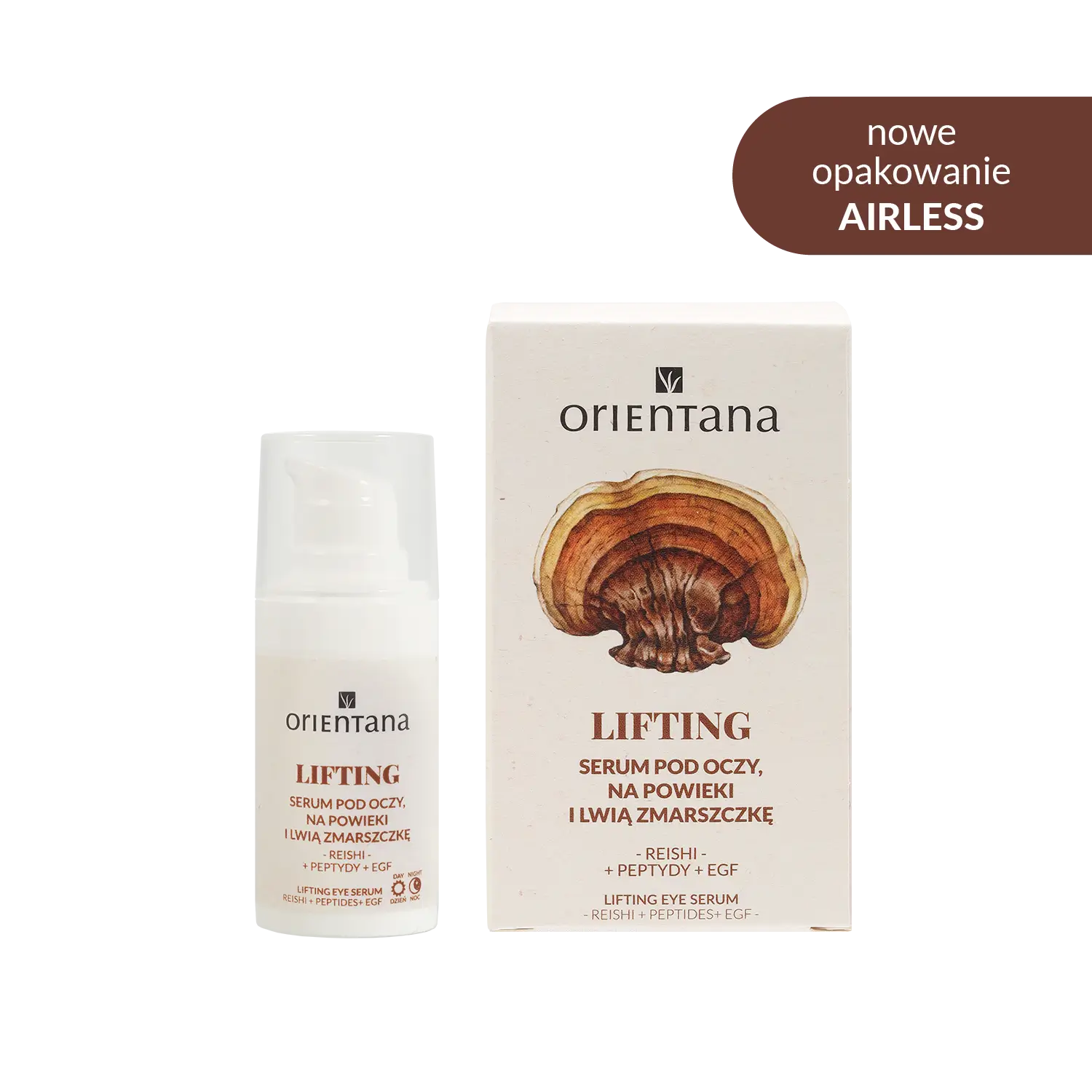
Eye care is a topic that, just a dozen years ago, was almost completely overlooked in men's toiletry bags. Men mostly limited themselves to the basics: soap, face cream, sometimes aftershave balm. Today, the situation is different. Awareness of skin care is growing, and more and more men are reaching for specialized cosmetics, including eye creams. Why? Because the eyes and the area around them are one of the first places where signs of fatigue and aging appear. The skin under the eyes is extremely thin and delicate – for both women and men. This makes it lose moisture faster, wrinkle more easily, and be more prone to dark circles or puffiness. The difference is that men's skin is generally thicker and produces more sebum, but around the eyes, this doesn't matter; there, care is essential for everyone. In this article, we will answer the questions: Do men need special eye creams? What to look for when choosing a cosmetic? Which natural and effective Orientana products will work best? You will also learn how to apply eye cream to make it truly effective. To convince you about eye care, I invite you to read Do eye cosmetics do anything? Facts, ingredients, and effectiveness of care. Why should men use eye cream? Many men believe that under-eye skin care is a woman's domain. This is a myth. The skin in this area does not distinguish between genders - it requires protection, nourishment, and regeneration. Key reasons: Signs of fatigue - long hours in front of the computer, stress, lack of sleep, and stimulants quickly affect the appearance of the eyes. Dark circles and bags - a common problem in men that can add years and make the face look tired. Wrinkles - men often notice them later than women, but when they appear, they are deeper and harder to smooth out. Prevention - it's better to prevent than to cure. Regular use of eye cream slows down the skin's aging process. What under-eye skin problems do men experience? Dark circles under the eyes Often associated with overwork, stress, lack of sleep. In men, they can be more visible due to thicker blood vessels and a tendency to retain water in the body. Puffiness and bags Morning puffiness after a sleepless night, excess salt in the diet, or hours spent in front of a screen - all contribute to the formation of under-eye bags. Expression lines and crow's feet Men have stronger facial expressions, especially around the eyes and forehead, which contributes to wrinkle formation. Dry skin Whether a barber or an office worker, every man is exposed to dry skin around the eyes. Air conditioning, wind, sun exposure, and improper care only exacerbate the problem. Active ingredients in eye creams - what to look for? Snail mucus - a natural regenerating elixir, rich in collagen, elastin, glycolic acid, and vitamins. It moisturizes, smooths, and reduces dark circles. Ceramides - rebuild the skin's hydrolipid barrier, protect against water loss, and strengthen the delicate tissue around the eyes. Reishi - an adaptogenic mushroom, called the "elixir of immortality." A powerful antioxidant that neutralizes free radicals and slows down aging. Peptides - stimulate the production of collagen and elastin, improving the firmness and elasticity of the thin skin around the eyes. Caffeine - stimulates microcirculation, reduces puffiness and dark circles. Natural oils (almond, sunflower, olive oil) - nourish and protect against moisture loss. Aloe - soothes irritation and moisturizes. Best eye creams and serums for men from Orientana Moisturizing Eye Cream with Snail Mucus This cream is an excellent choice for men who want to quickly improve the appearance of the skin under their eyes. Thanks to snail mucus, it has regenerating, moisturizing, and smoothing properties. It reduces the visibility of dark circles and makes the gaze look fresher. For whom: men with signs of fatigue, people with dry skin, men seeking a regenerating cosmetic. Eye Cream with Ceramides Ceramides are natural "building blocks" of the skin, strengthening its protective barrier, preventing moisture loss, and smoothing fine wrinkles. The cream is ideal for men with the first signs of aging. For whom: men over 30, people with visible wrinkles, men with sagging skin around the eyes. Reishi Eye and Eyelid Serum This is a cosmetic for the demanding - it works more intensely than a cream, and its light consistency is quickly absorbed. Reishi is a powerful antioxidant that reduces wrinkles, improves skin tension, and has anti-aging properties. Peptides have anti-wrinkle effects, lift the upper eyelid, and firm the skin around the eyes. For whom: men 35+, people with visible signs of aging, men seeking an intensive anti-aging treatment. How to apply eye cream - practical tips for men Step 1: Skin cleansing - before applying the cream, it's good to wash your face with a gentle gel. Step 2: Application - apply a small amount of eye cream, gently patting with your fingertips. Do not rub vigorously. Step 3: Regularity - use morning and evening, preferably throughout the year. Step 4: Combining with serum - for better results, you can combine Reishi serum with a moisturizing or ceramide cream. If your problem is under-eye bags, read how to get rid of them. Frequently asked questions Do men need special eye creams? No. The ingredients are important, not the label. Orientana products are unisex and work perfectly for both women and men. When should you start using eye cream? It's best to start after the age of 25 - that's when the skin's aging processes slowly begin to show. Can eye cream remove dark circles? It can significantly reduce them, but sleep, diet, and hydration are also key. Which cream will be best for a man 40+? Reishi Serum, due to its antioxidant and anti-aging properties, and Snail Mucus Eye Cream. Can eye cream be used morning and evening? Yes, for best results, twice a day is recommended. Can eye cream be used on the eyelids? Yes, if the manufacturer specifies it. Reishi Serum is also intended for eyelids. How long does it take to see results? First results (hydration, fresher look) are visible after a few days. Wrinkle smoothing after several weeks of regular use. Natural under-eye care for men - cosmetologist's opinion Eye cream is a basic skin care element that should be in every man's toiletry bag. The skin in this area is particularly susceptible to wrinkles, dark circles, and signs of fatigue, and a properly selected cosmetic can work wonders. Orientana offers natural, effective, and unisex products that perfectly meet the needs of men's skin. Thanks to them, every man can enjoy a fresh look, a younger appearance, and healthy skin around the eyes - without compromises or unnecessary complications. If you want to check out other cosmetics for men - Check here.
Learn more
Age spots – how do they form and how to get rid of them?
Age spots (also called liver spots or lentigines) are a common problem in mature skin. They most often appear after the age of 50, although they are increasingly affecting younger people, especially those over 30, especially those who frequently expose their skin to the sun. These are flat, clearly demarcated discolorations, ranging in color from light brown to dark brown, and sometimes even grayish. They are most commonly found on the face, hands, arms, and décolleté—where the skin is most exposed to UV radiation. While age spots don't pose a health risk, they are a source of aesthetic discomfort for many people. It's important to know their causes, how to recognize them, and, above all, how to effectively prevent them and minimize their appearance. How do age spots form? The main culprit is UV radiation. As we age, melanocytes—the cells responsible for melanin production—function less efficiently. As a result, they produce excess melanin in certain areas, resulting in the formation of dark spots. Risk factors include: Age – the older the skin, the greater the likelihood of discoloration. Light phototype – people with light skin are more susceptible. Frequent exposure to the sun and solarium – UVA and UVB radiation accelerates the process of discoloration. Lack of sun protection – especially on the hands, which we often skip when applying sunscreen. How to recognize age spots? These are flat, oval spots ranging in diameter from a few millimeters to several centimeters. They are uniform in color and have distinct boundaries. However, if the lesion: grows quickly, has irregular edges, bleeds or itches, A dermatological consultation is then necessary to rule out melanoma and other skin cancers. How to reduce the visibility of age spots? There are many methods, from home care to specialized dermatological treatments. Cosmetics for age spots Cosmetology offers active ingredients that help lighten discolorations: Snail slime It supports skin regeneration and has a brightening effect. Regular use of cosmetics with snail slime, such as Orientana Snail Slime Hand Cream , helps improve skin tone, moisturizes, and reduces the appearance of discoloration. Based on these results, it can be estimated that: With daily, regular use of a snail slime product (e.g. at least once, preferably twice a day) for 8-12 weeks, you can achieve a visible improvement in skin tone - reduced discoloration , even skin tone, better hydration and smoothing. Higher concentrations of the active ingredient typically work faster and more intensely, but can be more irritating – so a good formula (with soothing ingredients like allantoin) is important to avoid irritation. This formula is provided by the Snail Slime Hand Cream. The skin of the hands, often dry, thin and exposed to external factors, also responds well to regenerating and moisturizing ingredients – snail slime + compounds such as allantoin/glycolic AHA acid can work synergistically. Clinical studies show that cosmetics containing snail slime in concentrations such as 8-10% used daily for 8-12 weeks can result in a 40% reduction in irregular pigmentation, visibly smoothing the skin and improving firmness and elasticity. Already 24 hours after application of products with a concentration of 5-10%, a significant improvement in skin hydration and a reduction in transepidermal water loss (TEWL) were observed. Orientana Hand Cream with Snail Slime , when used regularly (e.g. several times a day), can similarly support hand regeneration, even out skin tone and reduce discoloration – although the effects depend on the frequency of use and other ingredients in the formula. Azelaic acid and AHA (e.g. lactic acid) They gently exfoliate and brighten. Azelaic acid is an ingredient that is gaining increasing popularity in cosmetology, especially in products designed to treat sun spots, age spots, and sun-induced blemishes. With regular use (e.g., once or twice daily), you can notice an even skin tone and a reduction in discoloration within 4-8 weeks. Studies have shown that cosmetics containing tranexamic acid may be as effective as some other depigmenting agents in reducing melasma and sun spots. Vitamin C It has antioxidant properties and inhibits the formation of new spots. It's a powerful antioxidant that inhibits the action of free radicals generated by UV radiation and oxidative stress—two main factors that accelerate the development of discoloration. Vitamin C (especially in stable, well-formulated forms) helps inhibit the enzyme tyrosinase, which is involved in melanin synthesis, reducing pigment production in the skin. Recommended product: Ashwaganha Serum Ampoule Vitamin C + Tranexamic Acid - an effective alternative in the fight against age spots If you're looking for strong support for skin with discoloration, the Ashwa Serum with Vitamin C and Tranexamic Acid is an excellent complement to regenerative creams, such as the Orientana Snail Slime Hand Cream. This is a face serum in an ampoule form, but it can also be used to enhance the effectiveness of the Snail Slime Hand Cream. It's best applied topically, directly to age spots. Thanks to carefully selected active ingredients, the serum offers intensive anti-discoloration action, evens out skin tone, and provides antioxidant protection. For whom is the Ashwagandha Brightening Ampoule Serum particularly recommended? For those with more visible sun/age spots who want to act faster. For those who have already used regenerating cosmetics (e.g. creams with snail slime) and want to enhance the depigmentation effect. For mature, gray skin with uneven tone. For people who are ready to systematically use active ingredients and take care of UV protection, because without SPF even the best serum will not bring lasting results. Dermatological treatments Chemical peels – controlled exfoliation of the epidermis. Laser therapy and IPL – precise removal of discolorations. Cryotherapy – freezing lesions with liquid nitrogen. Microdermabrasion – mechanical exfoliation of dead skin. How to prevent age spots? Prevention is the key to maintaining an even skin tone. Daily SPF 30–50 protection – also in autumn and winter. Protective gloves and a hat – an additional barrier against the sun. A diet rich in antioxidants – vitamin C, E, beta-carotene. Hydration – at least 1.5–2 liters of water per day. Limit smoking and alcohol – these substances accelerate skin aging and promote discoloration. Frequently Asked Questions about Age Spots (FAQ) Are age spots the same as discoloration? Age spots are a type of discoloration. They are primarily caused by long-term sun exposure and the aging process. Unlike melasma or post-inflammatory hyperpigmentation, they are usually oval, well-defined, and appear primarily on the face, hands, arms, and décolleté. At what age do age spots most often appear? Statistically, most people notice their first age spots after the age of 50 , but they can appear after 30–40 years in people who expose their skin to the sun intensively. Are age spots dangerous? No, these are benign lesions that pose no health risk. However, any new skin lesion that grows, itches, bleeds, or has an irregular shape should be consulted with a dermatologist. Why do age spots appear more often on the hands than on other parts of the body? Because hands are constantly exposed to the sun, most people forget to apply SPF. The skin on the backs of the hands is also thinner, making it more susceptible to photoaging. Can age spots be completely removed? Yes, dermatological treatments (laser, IPL, chemical peels, cryotherapy) can significantly reduce their appearance and sometimes eliminate them completely. However, for long-lasting results, daily sun protection is essential. What cosmetics help with age spots? The most commonly used active ingredients are: vitamin C – has a brightening and antioxidant effect, tranexamic acid – inhibits the overproduction of melanin, retinoids – accelerate cell renewal, AHA and azelaic acids – exfoliate and brighten, snail slime – supports regeneration and evens out skin tone. Do whitening creams work on age spots? Yes, but they require regular use for at least several weeks. For best results, combine home care with professional treatments. Does diet affect age spots? Yes. A diet rich in antioxidants (vitamin C, E, beta-carotene, polyphenols) helps protect the skin against free radicals and may reduce the risk of new discolorations developing. Do age spots only appear in people with fair skin? No, they can occur in any skin type, but people with fair skin are more susceptible because they have less natural protection against UV radiation. Will age spots disappear on their own? No, once discoloration occurs, it usually doesn't disappear on its own. However, it can be significantly lightened with cosmetics and dermatological treatments. How long does it take to treat age spots? The effects of skincare are visible after 6–12 weeks of regular use . Laser treatments or peels can produce faster results but often require a series. Can age spots be removed with home remedies? Home remedies (e.g., lemon masks, apple cider vinegar) can gently brighten the skin, but they aren't as effective as modern cosmetics and treatments. Furthermore, they can irritate the skin and worsen the problem. Can age spots recur after removal? Yes. Even after effective treatment, they can reappear if the skin isn't protected with a UV filter. Therefore, daily sun protection is key. Does using SPF really prevent age spots? Yes. Studies show that regular use of SPF 30–50 sunscreens reduces the risk of photoaging and discoloration by up to 40–50% compared to people who don't use sunscreen. Can you use serum for age spots on your hands? Yes. Although serums (e.g., vitamin C or tranexamic acid) are most often used on the face, they can also be applied to the hands. Combined with a moisturizing cream (e.g., snail slime), this provides a more effective result. Discover other cosmetics with snail slime: Click.
Learn more
Sodium Lauryl Sulfate – why can't you find it in Orientana cosmetics?
What is SLS and why is it important? Sodium Lauryl Sulfate (SLS) is an anionic surfactant – a highly effective "degreaser" that foams strongly and aggressively dissolves sebum. For years, it was a standard ingredient in shampoos, shower gels, and toothpastes. At the same time, SLS has a high irritating potential: it disrupts the hydrolipid barrier, increases transepidermal water loss (TEWL), and is sometimes used by dermatologists as a standard for irritation in patch tests. Orientana designs formulas to effectively cleanse without damaging the skin barrier and without unnecessary risk to sensitive skin. Therefore, they do not use SLS (or SLES). Instead, they use gentle, plant-based surfactants and ingredients that support the microbiome and hydration. Below, you'll find reliable data, comparisons, and specific INCI information. What is SLS and how does it work? SLS is sodium lauryl sulfate – a classic anionic surfactant. It lowers the surface tension of water and emulsifies fat, making it an excellent detacher of dirt and sebum from skin and hair. Literature reports a wide range of SLS concentrations in consumer products (from <1% to several dozen percent in industrial concentrates), and higher concentrations correlate with increased irritating effects. What the research says: irritation, TEWL, microbiome The standard "irritant" benchmark. In dermatology, 1% SLS is the recognized concentration for patch testing to assess skin reactivity—precisely because it predictably causes redness and dryness. Increased TEWL after SLS. Studies show a concentration-dependent increase in TEWL and epidermal proliferation after SLS exposure, which is a marker of impaired barrier function. The skin microbiome. Even 0.5% SLS under occlusion (24 hours) alters barrier parameters (TEWL, hydration) and modifies bacterial diversity (16S rRNA). This is an additional argument for choosing gentler cleansing systems in everyday cosmetics. MDPI Conclusion: SLS works effectively, but it is easy to “overload” the skin, especially with frequent, daily contact (washing hands, body, scalp), which can be problematic for sensitive skin. SLS vs SLES and other sulfates – facts, not myths SLES (sodium laureth sulfate) is an ethoxylated derivative of SLS, considered in the literature to be milder; however, it may still cause symptoms of dryness in reactive skin. Various sulfate salts (e.g., ammonium lauryl sulfate) have a profile similar to SLS in terms of irritation potential – differences result from factors such as concentration, formulation, and method of use. Law and safety: is SLS “banned” in the EU? No. SLS is not banned in EU cosmetics. Safety assessments (CIR/Expert Panel) indicate that sulfates are safe in typical rinse-off products, but upper limits (around 1%) are established in leave-on products due to the risk of irritation. In other words, it's not "systemic toxicity," but rather a problem of local irritation at unfavorable concentrations/circumstances. Why Orientana Doesn't Use SLS (and SLES) Orientana's formula philosophy is to effectively cleanse without disrupting the barrier and while respecting the microbiome. For this reason, the brand consciously avoids SLS/SLES, choosing cleansing systems with documented gentleness, and also adding ingredients that buffer the sensation of tightness (e.g., betaine) and prebiotic polysaccharides (e.g., inulin). Mild surfactants used in Orientan (examples from INCI): Sodium Cocoamphoacetate – a very mild cleansing and foaming substance. Coco-Betaine – a classic, soothing co-surfactant; reduces the irritating potential of anionic systems. Caprylyl/Capryl Glucoside – non-ionic glucoside from plant raw materials; dissolves impurities well without “zero degreasing”. Disodium Cocoyl Glutamate / Sodium Cocoyl Glutamate – anionic, very mild amino acid surfactants (glutamic acid derivatives). You'll find these ingredients in our Soothing Facial Cleansing Gel, among others. The effect in practice: effective cleansing + better skin comfort after rinsing (less tightness, less risk of increased TEWL in the daily routine). Orientana cleansing and washing cosmetics without SLS/SLES Soothing facial wash gel Facial cleansing foam All hair shampoos How to Read INCI to Avoid SLS (Simple Guide) Look for the names in the ingredients: Sodium Lauryl Sulfate (SLS) and Sodium Laureth Sulfate (SLES). Generally, current cosmetics law doesn't allow the labeling "SLS/SLES-free" on packaging, making it difficult to communicate the more microbiome-friendly ingredients of cleansing products. The ban is EU-wide, and unfortunately, Orientana cannot label its products "SLS/SLES-free." Pay attention to the formula as a whole: pH, moisturizing additives (glycerin, betaine), prebiotics (inulin) and PHA (e.g. gluconolactone) can significantly improve the skin's feeling after washing. FAQ – most frequently asked questions about SLS Is SLS “toxic”? No. The problem is local irritation at certain concentrations and conditions of use. Therefore, SLS is used in studies as a positive irritation control. What are the tangible effects of SLS irritation? Increased transepidermal water loss (TEWL), dryness, erythema, and pruritus. This phenomenon depends on the concentration and contact time. Is SLES much better than SLS? Typically gentler, but still may not be suitable for reactive skin; the entire formula and usage practice (frequency, contact time, pH, co-surfactants) are important. Is SLS banned in the EU? No. It is permitted; safety ratings (CIR) indicate safety in rinse-off products and limits for leave-on use (~1%). Orientana's decision to eliminate SLS is pro-skin, not legal. Should sensitive people avoid SLS? If you have sensitive/reactive skin, atopic dermatitis or a tendency to dryness – yes, consider avoiding and choose glucoside/amino acid systems and moisturizing additives. What are the practical, gentle alternatives in Oriental? Natural ingredients: Sodium Cocoamphoacetate, Coco-Betaine, Caprylyl/Capryl Glucoside, (Di)Sodium Cocoyl Glutamate + soothing ingredients (e.g. betaine, inulin, gluconolactone). Can low sulfate be OK? In some market formulas, reduced sulphate concentrations and good co-surfactants improve tolerance, but Orientana's philosophy is to not use SLS/SLES at all, because mild alternatives provide similar effectiveness without unnecessary risk. Is sodium lauryl sulfate carcinogenic? No. This is a myth often repeated online. SLS is not carcinogenic and is not classified as a carcinogen in the EU or the US. The problem is its local irritation, not systemic toxicity. Can SLS be used daily? This is not recommended for sensitive or dry skin. Regular contact with SLS can disrupt the hydrolipid barrier and increase water loss through the skin. Dermatologists recommend choosing gentle cleansers for daily care. Are SLS and SLES the same? No. Sodium Laureth Sulfate (SLES) is a derivative of SLS that, thanks to the ethoxylation process, has a milder effect. However, it can still irritate reactive skin, which is why natural brands—including Orientana—do not use either SLS or SLES. Is SLS only found in cosmetics? No. SLS is also widely used in household products: dishwashing liquids, cleaning products, and laundry detergents. This demonstrates how powerful this detergent is and why it shouldn't be a daily skincare ingredient. Does SLS harm hair? It can dry out the hair fiber and irritate the scalp. Frequent use of shampoos containing SLS can cause hair to become dull, rough, and brittle. That's why Orientana uses gentle glucosides and amino acid surfactants that cleanse effectively without damaging the hair structure. Can children use cosmetics with SLS? This is not recommended. Children's skin is thinner and more susceptible to dryness. Therefore, cosmetics for children should be free of harsh detergents and contain only gentle cleansing ingredients. Why do manufacturers still use SLS? SLS is very inexpensive to produce and produces a rich lather, which consumers associate with "thorough cleansing." These are the main reasons for its popularity. Premium and natural brands are increasingly abandoning this compromise, opting for gentler and more expensive alternatives. Can you be allergic to SLS? Yes. While irritation is the most common cause, some people may develop contact dermatitis after exposure to SLS. This manifests as redness, itching, and peeling of the skin. Are “SLS-free” cosmetics really gentle? Not necessarily. It depends on the entire formula – the type of other surfactants, pH, and skincare additives (e.g., glycerin, betaine, inulin). Therefore, it's worth choosing brands that clearly declare their philosophy of creating gentle formulas, such as Orientana. Which Orientana cosmetics are SLS-free? All – facial cleansing cosmetics , hair cleansing cosmetics. Word from a trichologist: SLS (Sodium Lauryl Sulfate) is an effective detergent, but with a high irritating potential: it increases TEWL and is a pattern of irritation in dermatological tests. It is not banned in the EU; safety depends on the concentration and type of product – in rinse-off products it is sometimes acceptable, in leave-on products limits are recommended. PubMed Orientana consistently does not use SLS/SLES, focusing on mild surfactants (glucosides, amino acids, amphoteric) and barrier and microbiome support. Sources Wilhelm, K. P., Freitag, G., & Hölzle, E. (1994). Irritant patch testing with sodium lauryl sulfate: inter- and intrandividual variations and the influence of body region. Contact Dermatitis, 30(3), 149–153. → studies showing the use of 1% SLS as a standard irritation control. Effendy, I., & Maibach, H. I. (1995). Sodium lauryl sulfate-induced irritation in the human epidermis: an overview. Contact Dermatitis, 33(1), 1–7. → classic study confirming concentration-dependent increase in TEWL and disruption of the epidermal barrier. Held, E., Agner, T., & Frosch, P. (2001). Effects of long-term exposure to water and detergents on skin barrier function. Contact Dermatitis, 45(2), 101–105. → shows that repeated contact with SLS increases water loss and irritation. Nawaz, S., et al. (2020). Effect of sodium lauryl sulfate on the skin microbiome and barrier function in human volunteers. Skin Pharmacology and Physiology, 33(4), 221–229. → evidence that even 0.5% SLS under occlusion changes the skin microbiome and barrier parameters. Cosmetic Ingredient Review (CIR) Expert Panel. (2010, updated 2015). Final Report on the Safety Assessment of Sodium Lauryl Sulfate and Ammonium Lauryl Sulfate. International Journal of Toxicology, 29(Suppl 3), 151S–161S. → safety rating: safe in rinse-off products, restrictions for leave-on. Fiume, M. M., et al. (2015). Safety Assessment of Sodium Lauryl Sulfate and Related Salts. Cosmetic Ingredient Review, Washington DC. → updated safety opinion on SLS/SLES in cosmetics. Ananthapadmanabhan, K.P., et al. (2004). Cleansing without compromise: the impact of cleansers on the skin barrier and the technology of mild cleansing. Dermatologic Therapy, 17, 16–25. → comparison of mild surfactants (glucosides, amino acids) with SLS.
Learn more
Blackheads – What Are They and How to Get Rid of Them? The Complete Skin Care Guide
Blackheads are one of the most common skin problems faced by both teenagers and adults. They can appear as black dots or white lumps, appearing on the nose, chin, or forehead, and impact aesthetics and quality of life. While they don't always cause inflammation, they often initiate the development of acne. In this post I will explain: what are blackheads and why do they appear, what is their epidemiology like in Poland and Europe, what home and professional methods are the most effective, what natural cosmetics, including those with gluconolactone and Hydro Tremella, support the fight against this problem. What are blackheads? A blackhead is a clogged hair follicle filled with excess sebum, dead skin cells, and impurities. They are divided into two basic forms: Open comedones (blackheads) – a black dot is visible on the skin's surface. The dark color is due to oxidation of melanin and lipids, not the presence of dirt. Closed comedones (whiteheads) appear as small, light-colored lumps beneath the skin's surface. They can lead to inflammation. Although they are often associated with teenagers, they are also increasingly occurring in adults – especially women. How common are blackheads? Statistics Poland, Europe, and the world. Poland In a cross-sectional study from 2025 involving several thousand people, 32.7% of Poles reported acne (including blackheads). It is one of the most common dermatoses, alongside dandruff and hair loss. In another online survey covering adolescents and young adults from several EU countries, 42.2% of respondents in Poland declared acne. Europe In the same study, the percentage was as high as 73.5% in the Czech Republic and Slovakia. The average for the seven countries studied was 57.8%. Data from the Global Burden of Disease (GBD) analysis show that the highest incidence of acne is in Western Europe, with a peak between the ages of 15 and 19. Women in this group had approximately a 25% higher incidence than men. Global data The ALL Project (Pierre Fabre) confirms the high prevalence of skin diseases, including acne, and significant psychosocial consequences (e.g., sleep problems ~41%, fatigue ~50%). You can safely cite these data in the "impact on quality of life" section. How do blackheads form? Blackheads appear as a result of complex biological and environmental processes. There is no single cause—usually several factors combine to clog the sebaceous glands. Excessive sebum production Sebum is a natural mixture of lipids that protects the skin and maintains its hydrolipid barrier. In people prone to acne and blackheads, the sebaceous glands overwork, producing too much sebum. The main stimulating factor is androgenic hormones (e.g., testosterone and its derivatives). This is why, during puberty, when androgen levels rise dramatically, so many people experience an increase in skin problems. Too much sebum clogs pores and, combined with the remains of epidermal cells and impurities, creates a plug – a blackhead. Disturbed keratinization Keratinization is the natural process of skin cell death and exfoliation. In people with acne-prone skin, this process is slowed or abnormal. Dead cells do not fall off evenly but accumulate around the openings of hair follicles. They form a layer that, when combined with sebum, blocks pores. This is why blackheads can appear even with proper skin hygiene and facial washing. Disturbed keratinization is also why PHA acids, such as gluconolactone, are so effective – they help dissolve dead cells and restore the skin's natural exfoliation rhythm. Diet Epidemiological studies indicate that a diet with a high glycemic index ( products that quickly raise blood sugar levels, e.g. sweets, white bread, sweetened drinks) promotes the intensification of acne lesions and the formation of blackheads. Some publications also show a link between excess dairy (especially milk) and acne. It likely affects levels of insulin-like growth factor (IGF-1), which stimulates the sebaceous glands. This doesn't mean that everyone has to completely eliminate dairy or sweets - but it's worth observing your skin and noting whether certain products aggravate the problem. Stress and hormones Mental stress increases the secretion of cortisol, a hormone that indirectly stimulates the sebaceous glands . Hormonal fluctuations , such as those experienced during puberty, pregnancy, or the menstrual cycle, can increase sebum production and promote the formation of blackheads. This explains why, for many women, the problem worsens before menstruation. Environmental pollution Smog, dust, and air pollution settle on the skin's surface, increasing the number of micropollutants at the pores. Combined with excess sebum, they create a plug that is difficult to remove. In cities, the problem of blackheads is often exacerbated by exposure to environmental factors. Improper care Paradoxically, both a lack of proper hygiene and overly aggressive skincare can lead to blackheads. Heavy, comedogenic cosmetics clog pores. On the other hand, using too strong detergents, e.g. washing products with Sodium Laureth Sulfate, dries the skin – which stimulates the sebaceous glands to produce even more sebum. It is optimal to use mild cleansers and moisturizing creams (e.g. from the Hydro Tremella series), which support the skin's protective barrier without weighing it down. How to recognize a blackhead Blackheads may look similar, but their type determines further care and the risk of complications. Open comedones (blackheads) They appear as small, dark dots on the skin's surface —most often on the nose, chin, and forehead. The dark color is the result of oxidation of melanin and lipids contained within the comedone—it is not "dirt." Open comedones are usually easier to clean because their contents are exposed to the environment and are softer. If not cared for properly, they can lead to enlarged pores and uneven skin texture. Closed comedones (white) They appear as small, clear lumps beneath the skin's surface . They are often firmer to the touch than open comedones. They form when sebum and dead cells become trapped beneath the thin layer of epidermis, without contact with air. Closed comedones are more susceptible to developing inflammation because they provide a favorable environment for bacterial growth. They usually require longer-term care, with exfoliating acids (e.g., gluconolactone) and regular moisturizing being helpful. Why does the distinction matter? Open comedones can be supported by cleansing , masks and surface acids. Closed comedones require patience, gentle exfoliation and products that regulate the keratinization process. This distinction is crucial because improper care (e.g. intensive squeezing of closed comedones) increases the risk of inflammation and acne scarring. Home remedies for blackheads Herbal steamers – help open pores and facilitate cleansing. Clays – absorb sebum, cleanse the skin. Enzymatic peels – gently dissolve dead cells. A balanced diet and hydration – limit excessive sebum production. Cosmetics for blackheads - active ingredients Fighting blackheads isn't just about removing existing lesions, but also, and above all, preventing their formation . The key is choosing cosmetics containing active ingredients that work on several levels: regulating sebum production, accelerating the exfoliation of dead skin cells, cleansing pores, and maintaining the balance of the skin's microbiome. Below you will find the most important ingredients whose effectiveness is confirmed by numerous dermatological studies. BHA acids – salicylic acid (H3) How does it work? Salicylic acid is the only beta-hydroxy acid (BHA) used in cosmetics. It's fat-soluble, allowing it to penetrate pores and dissolve sebum and dead skin cells accumulated there. Why is it effective? It's the most important ingredient in cosmetics for open blackheads. Regular use reduces the number of blackheads and smooths the skin's surface. Additional benefits: anti-inflammatory and antibacterial, soothes inflammation. Note: Use with caution – too high concentrations may cause irritation, especially in sensitive skin. AHA acids – fruit acids How do they work? Glycolic, lactic, and mandelic acids are alpha-hydroxy acids (AHAs). They exfoliate dead cells from the skin's surface, smoothing it and preventing pore clogging. Why are they useful? They work well on closed comedones because they accelerate the epidermal renewal process. Additional benefits: lightens acne discolorations and improves skin tone. Note: They can be irritating, so it's best to introduce them gradually and always use sun protection. PHA acids – gluconolactone What are they? Polyhydroxy acids (PHAs) are a new generation of exfoliating acids, much gentler than AHAs or BHAs. Gluconolactone is especially recommended for people with sensitive, dry or vascular skin. How does it work? It gently exfoliates dead cells, has antioxidant properties (neutralizes free radicals), binds water to the skin, improving its hydration, and supports the reconstruction of the hydrolipid barrier. Why is it important for blackheads? It helps keep pores clean without causing irritation. Ideal for long-term use and when combined with other active ingredients. Product example: Orientana Moisturizing Tonic-Essence with Gluconolactone – a great option for skin prone to blackheads that requires gentle but effective exfoliation. Retinoids and retinol How do they work? Retinoids (vitamin A derivatives) are the gold standard in dermatology for treating acne and blackheads. They accelerate cell renewal, normalize the keratinization process, and reduce the risk of clogged pores. Effect: reducing the number of blackheads, smoothing the skin and improving its elasticity. Additional advantages: they have an anti-wrinkle effect, so they combine anti-acne and anti-aging functions. Note: May cause skin irritation and peeling in the first few weeks of use. Therefore, we recommend Retinol H10, which is more stable and non-sensitizing. Niacinamide (vitamin B3) How does it work? It regulates sebum production, strengthens the skin's hydrolipid barrier, and has anti-inflammatory properties. Why is it helpful? With regular use, it reduces sebum production, which reduces the tendency for pores to become clogged. Additional benefits: lightens acne discolorations, improves skin tone and elasticity. Combination: works great with PHA and AHA acids and moisturizing ingredients such as tremella or hyaluronic acid. Clays How do they work? They act as a natural "magnet" for sebum and toxins, absorbing excess sebum and impurities from the skin's surface. Types: green (most cleansing), white (most gentle, recommended for sensitive skin), pink, red. Why do they help with blackheads? Regularly used clay masks unclog pores and reduce the appearance of blackheads. Note: do not allow the mask to dry completely on your face - you can moisten it with hydrolate to prevent it from drying out the skin. Supporting substances Zinc – has anti-inflammatory properties, regulates sebum secretion. Sulfur – has keratolytic and antibacterial properties. Probiotics and prebiotics – support the balance of the skin microbiome, which reduces the risk of inflammation. Antioxidants (e.g. vitamin C, plant extracts) – reduce oxidative stress, which intensifies inflammatory processes in the skin. Why does combining ingredients give the best results? Skin with blackheads requires multidimensional care: exfoliation (BHA, PHA, AHA), sebum regulation (niacinamide, zinc), moisturizing and rebuilding the barrier (tremella, hyaluronic acid), anti-inflammatory effect (retinoids, antioxidants). Using a single ingredient is often not enough. Therefore, in practice, the best results are achieved with a well-planned skincare routine, combining, for example, a toner with gluconolactone, a serum with niacinamide, and a moisturizing cream (e.g., Hydro Tremella). Orientana cosmetics supporting the care of skin with blackheads Moisturizing tonic-essence with gluconolactone Gluconolactone (PHA) gently exfoliates, does not irritate, and binds water in the epidermis. Recommended for people who have sensitive skin and do not tolerate strong acids well. When used regularly, it helps cleanse pores, reducing the risk of blackheads. Hydro Tremella series: serum, cream, mask Tremella (snow mushroom) – a plant-based ingredient with strong moisturizing properties, compared to hyaluronic acid. Hydro Tremella Serum – a light formula that does not burden the skin, perfect under cream. Hydro Tremella Cream – protects the hydrolipid barrier, prevents excessive sebum production. Hydro Tremella Mask – intensive treatment for blackheads and highly moisturizing, used 1-2 times a week. Thanks to proper hydration, the Hydro Tremella series supports skin balance, which is crucial in the fight against blackheads. Professional blackhead treatments Manual cleansing – performed by a cosmetologist. Chemical peels – AHA/BHA acids, retinoids. Microdermabrasion – exfoliates dead skin cells. LED light (blue) – has anti-inflammatory properties. How to prevent blackheads? Daily but gentle cleansing. Regular exfoliation with mild acids (e.g. gluconolactone). Moisturizing the skin to avoid stimulating the sebaceous glands to overproduce sebum. Avoiding comedogenic cosmetics. Healthy diet and stress reduction. Frequently Asked Questions (Q&A) Can blackheads be squeezed out? It is not recommended as it may lead to inflammation and scarring. How often should I use gluconolactone? It is a mild acid so it can be used daily, for example in a facial cleanser. Is Hydro Tremella suitable for oily skin? Yes – it is a light formula, does not burden pores, and provides adequate hydration. Does diet affect blackheads? Yes, high GI foods and dairy can exacerbate the problem in some people. Are blackheads the same as acne? Blackheads are a form of non-inflammatory acne (also known as comedonal acne). Not all acne necessarily involves inflammation – for many people, blackheads and whiteheads are the main problem. However, if not properly cared for, they can develop into inflammatory lesions. Why do I have blackheads even though I wash my face twice a day? The problem of blackheads isn't just a hygiene issue. The main causes include overproduction of sebum, abnormal keratinization of the epidermis, hormonal and genetic factors. Washing your face is just one part of your skincare routine – exfoliation (e.g., with PHA or BHA acids) and moisturizing are also necessary. How long does it take to remove blackheads? Visible improvement can be seen after 4–8 weeks of regular care. Stubborn closed comedones may require longer treatment—even several months. Consistency and patience are key, as the skin needs time to normalize its keratinization and sebum secretion processes. What cosmetics are best for blackheads? Products with BHA (salicylic acid), PHA (gluconolactone), retinoids, and niacinamide are effective. Clay masks are also helpful. It's important to also moisturize—for example, with a cream from the Hydro Tremella line—because dehydrated skin produces even more sebum. Do sunscreens cause blackheads? Not all. Older formulas with heavy chemical filters or fatty oils could be comedogenic. Nowadays, lightweight SPF creams are available that don't clog pores. Furthermore, sun protection is crucial when using acids and retinol. What home remedies help with blackheads? The most popular include herbal steam baths, clay masks, gentle enzymatic peels, and proper skin hydration. However, it's worth remembering that home remedies are no substitute for cosmetics with active ingredients. Why do blackheads appear mainly on the nose and chin? This is the so-called T-zone, which is characterized by the highest activity of the sebaceous glands. Excess sebum and narrowed hair follicles contribute to the formation of hair plugs in these areas. Do blackheads disappear on their own? For some people, blackheads may disappear on their own after puberty when hormones stabilize. However, for many, the problem persists into adulthood. Therefore, it's worth implementing a skincare routine to control their number and prevent inflammation. Can stress worsen blackheads? Yes. Stress increases cortisol levels, which stimulates the sebaceous glands to produce more sebum. This can result in an increased number of blackheads and inflammation. How often should you use acids for blackheads? It depends on the type of acid and skin tolerance: PHA (e.g. gluconolactone) – can be used daily, even on sensitive skin. BHA (salicylic acid) – usually 2–4 times a week. AHA (glycolic acid, lactic acid) – 1–3 times a week, depending on the concentration. It's best to start with a lower frequency and gradually increase it. Can natural cosmetics help with blackheads? Yes, many natural ingredients, such as clays, plant-derived niacinamide, plant polysaccharides (e.g., tremella), and biotechnologically produced PHAs, support the skin's fight against imperfections. It's important that these formulas are lightweight and non-comedogenic. Cosmetologist's advice: Blackheads are a common dermatological problem, affecting up to one-third of Poles and over half of European youth. Although they are a common symptom of acne, proper care, diet, and lifestyle can effectively reduce their number. In skincare, it's worth reaching for gentle PHA acids (gluconolactone) and moisturizing products like Hydro Tremella, which help restore skin's balance. For severe symptoms, professional cosmetic treatments and dermatologist consultations are also helpful.
Learn more