Type: Body care
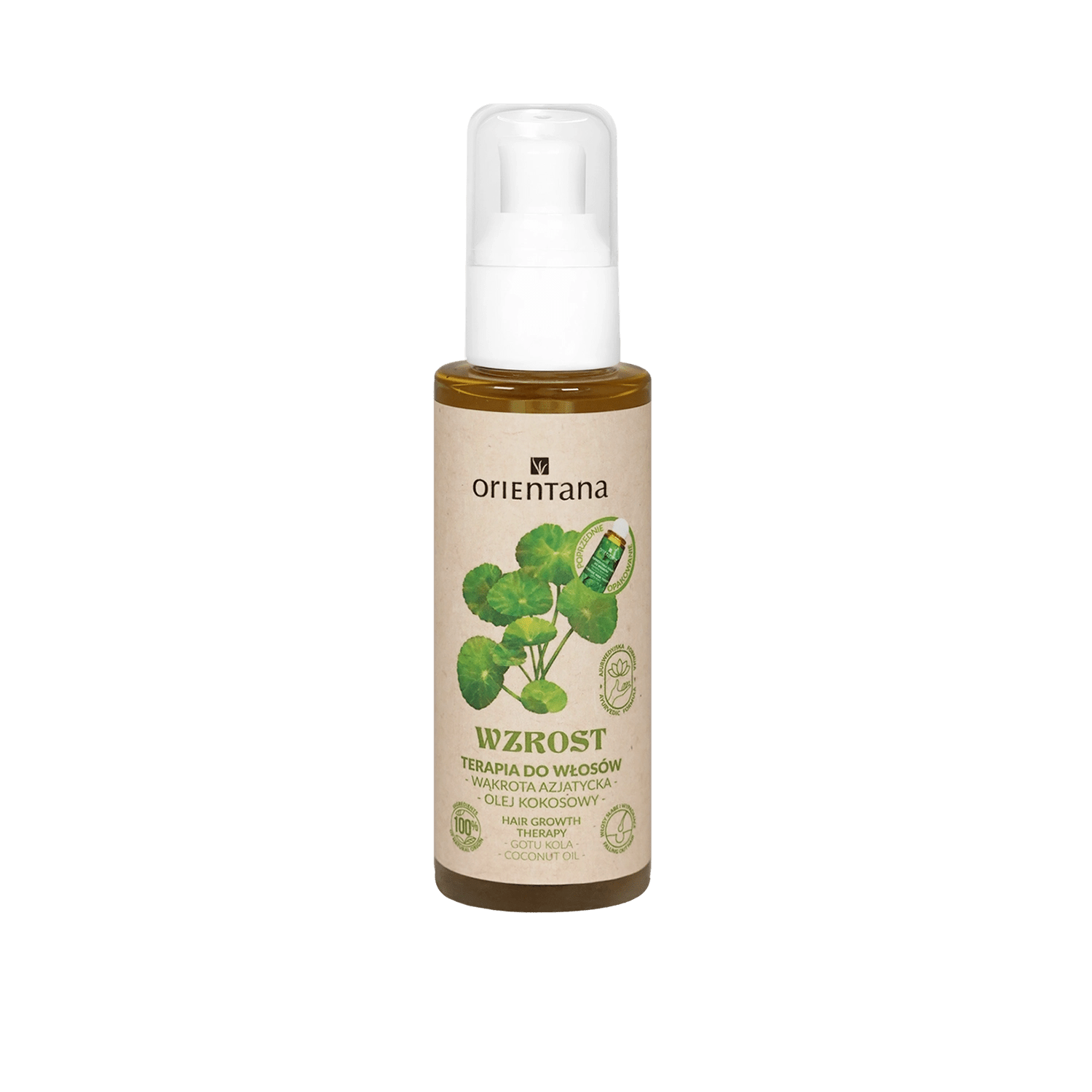
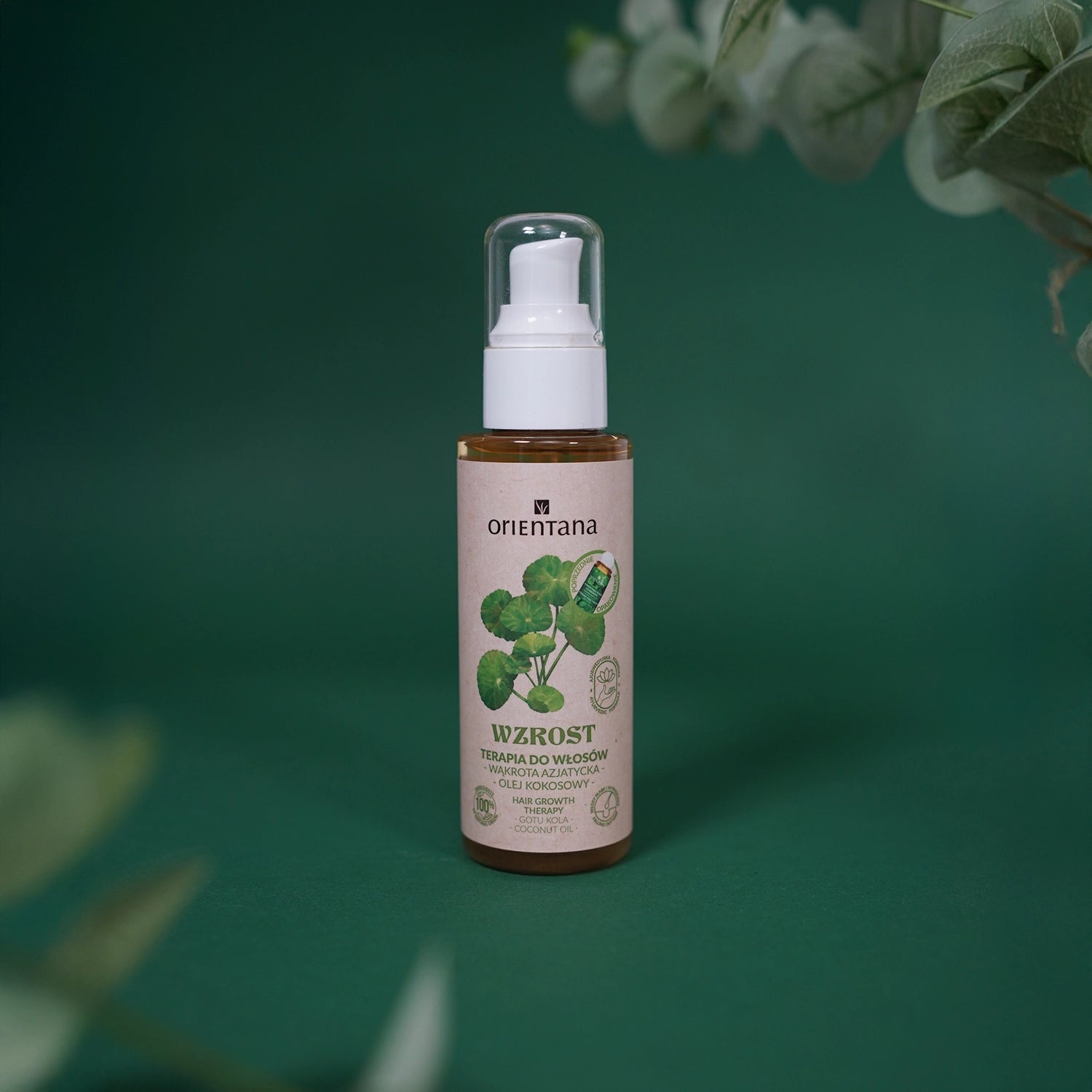
Ayurvedic hair therapy GOTU KOLA 105 ml
Type: Body care
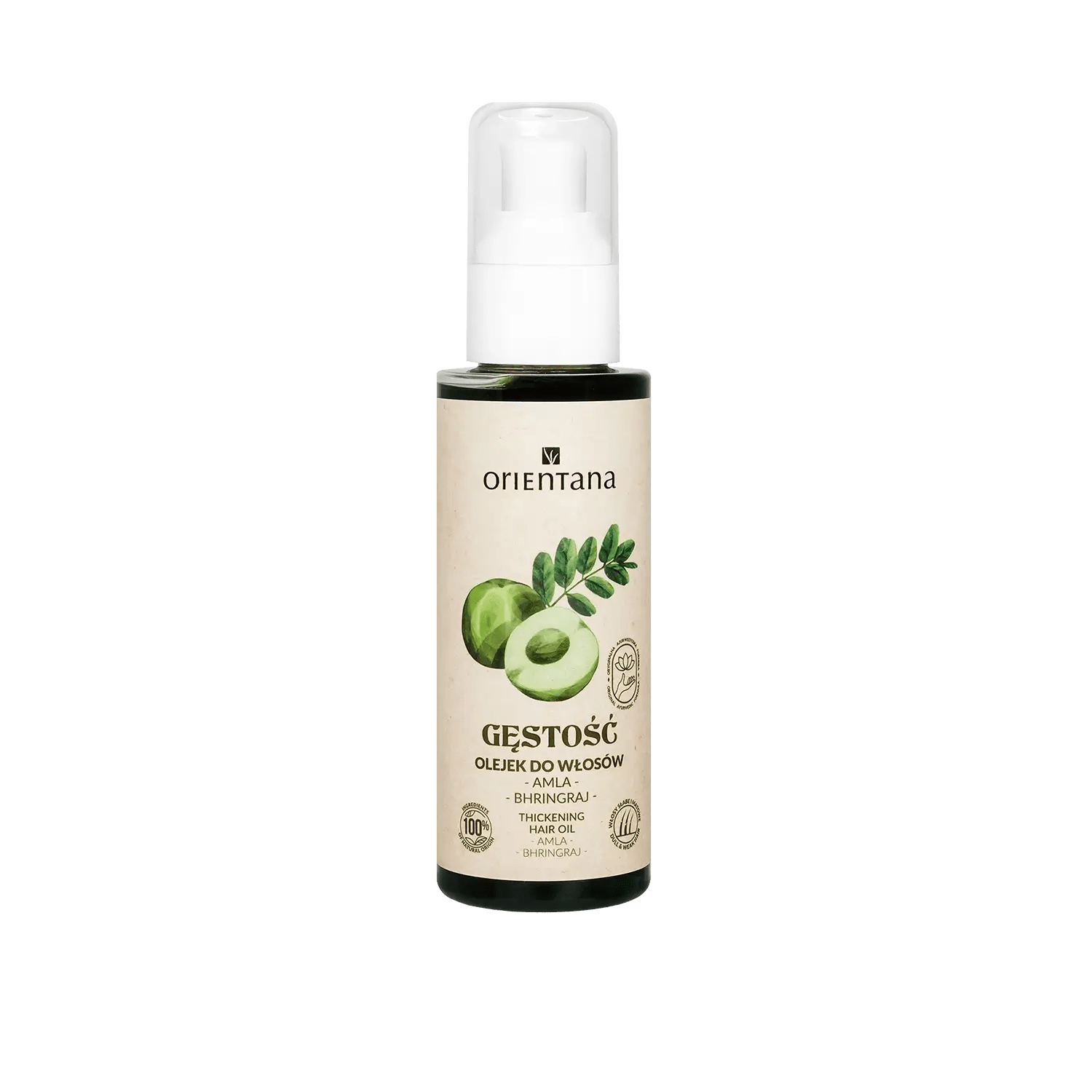
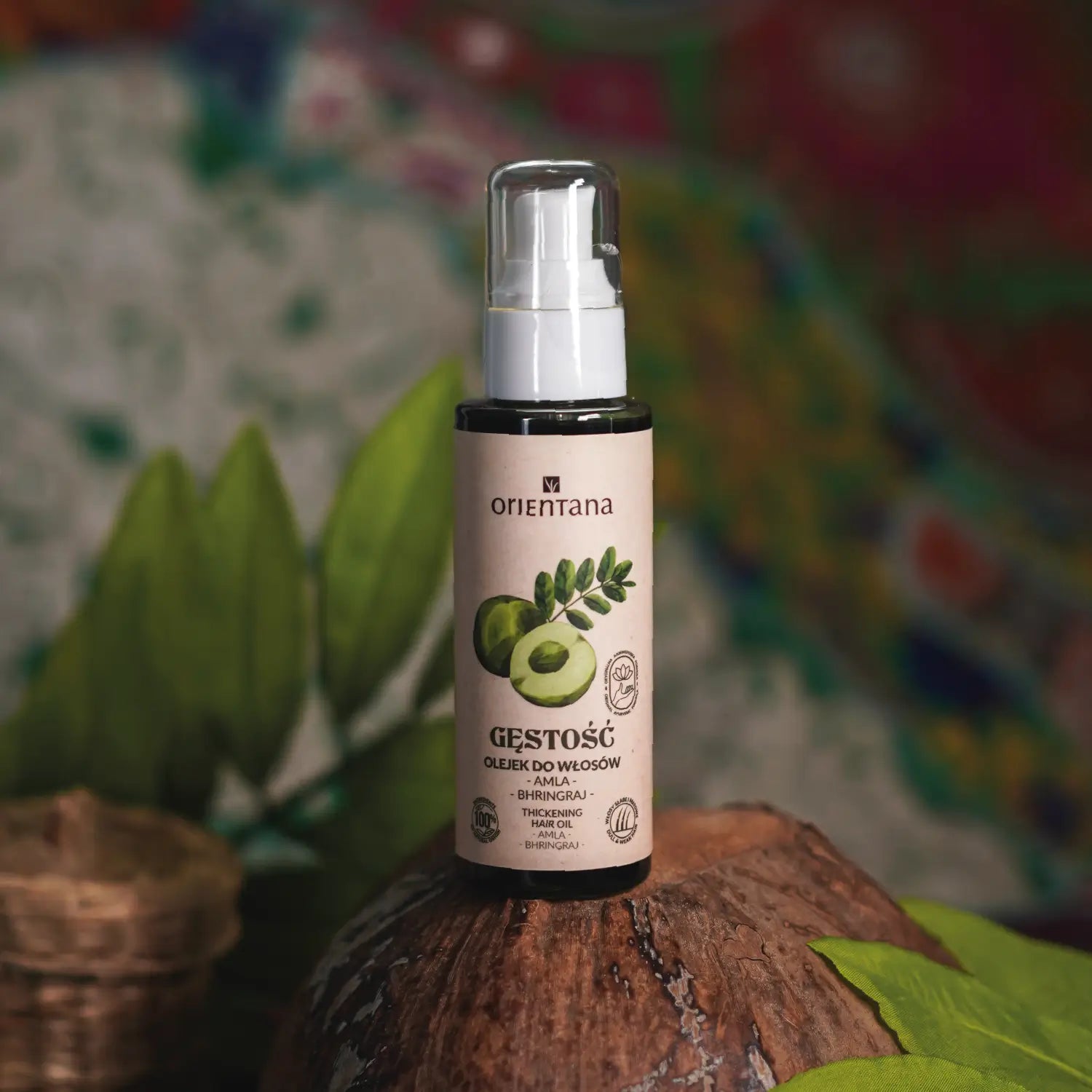
Ayurvedic hair oil amla and bhringraj 105 ml
Type: Hair shampoos
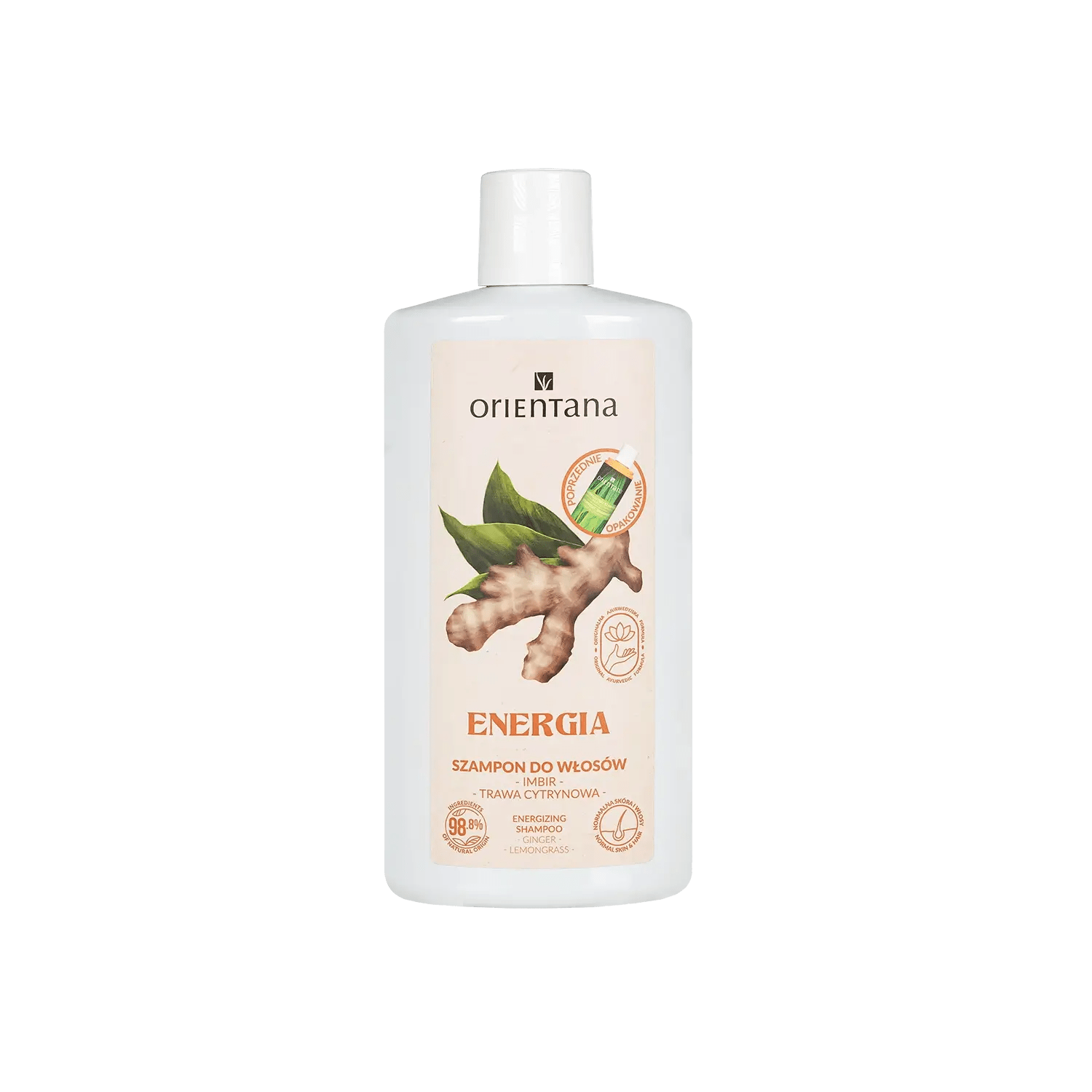
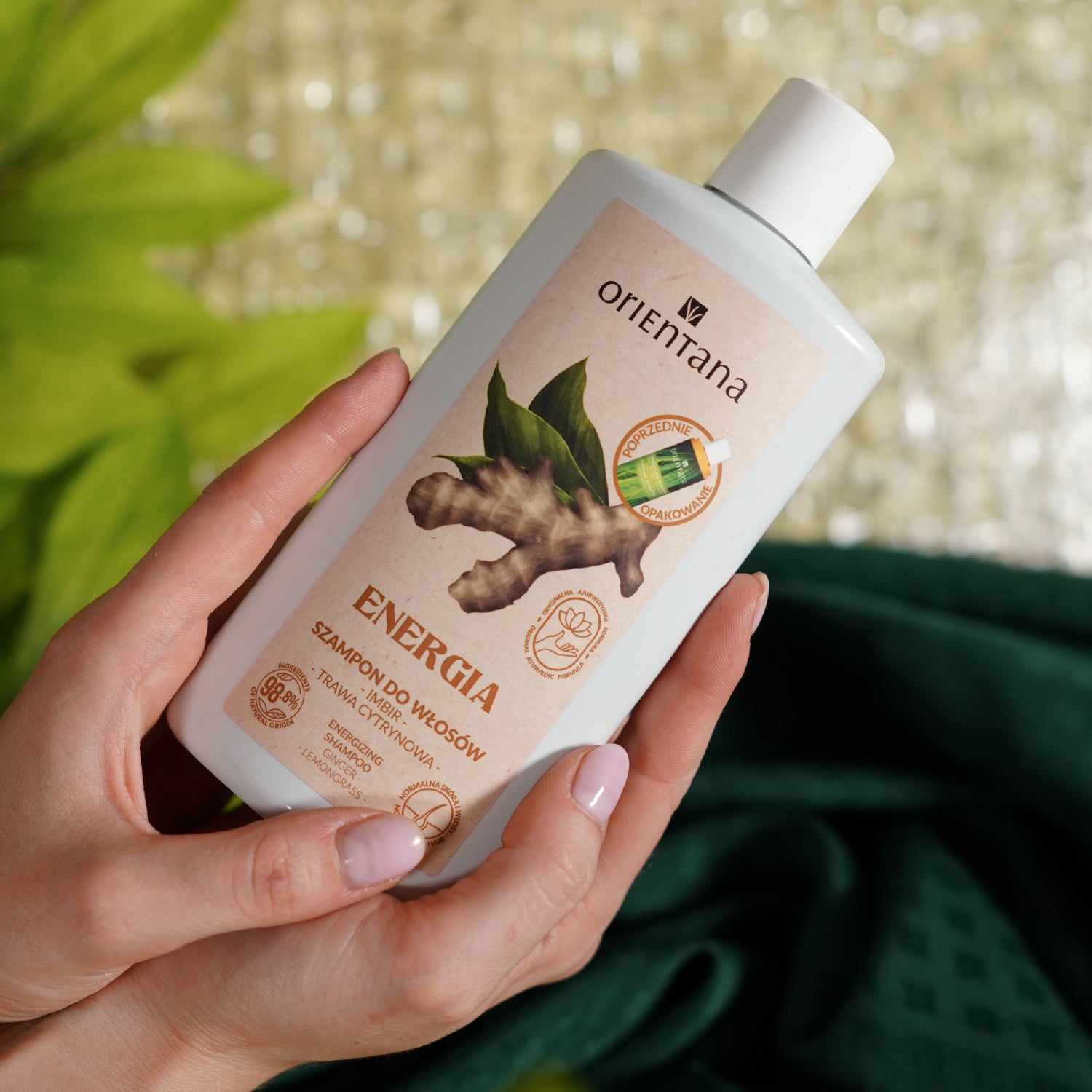
Ayurvedic Ginger and Lemongrass Shampoo 210ml


Type: Hair dyes
BIO HENNA natural dye for long hair DARK CHOCOLATE 100 g


Type: Hair dyes
BIO HENNA Natural dye for long hair EBONY BLACK 100 g


Type: Hair dyes
BIO HENNA natural dye for long hair CARAMEL BROWN 100 g


Type: Hair dyes
BIO HENNA natural dye for long hair HAZELNUT 100 g


Type: Hair dyes
BIO HENNA natural hair dye MAHOGANY RED 100 g


Type: Hair conditioners
BIO HENNA Natural Conditioner for long hair COLOURLESS CASSIA 100 g

Type: Mists and sprays
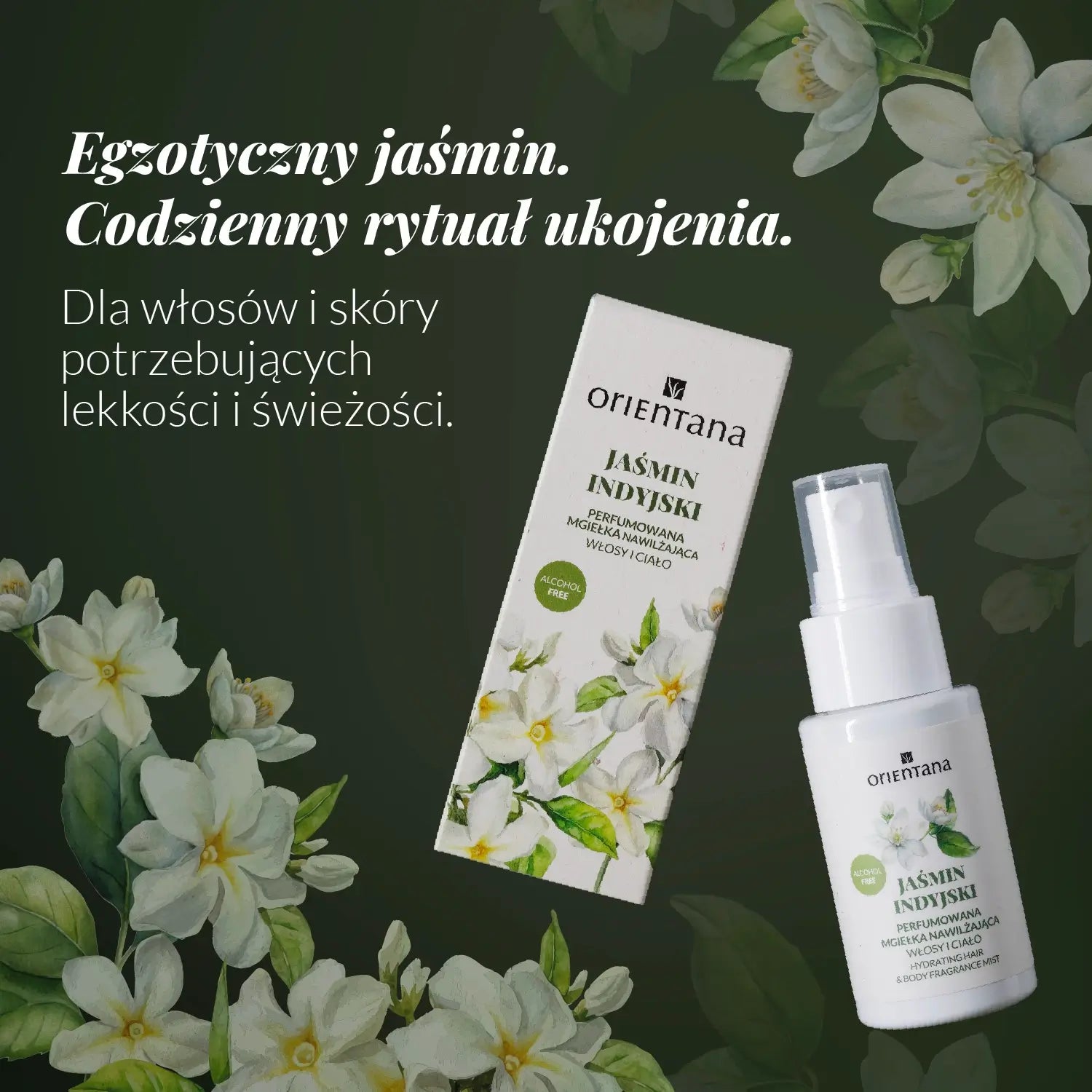
Indian Jasmine Hair & Body Mist 50 ml
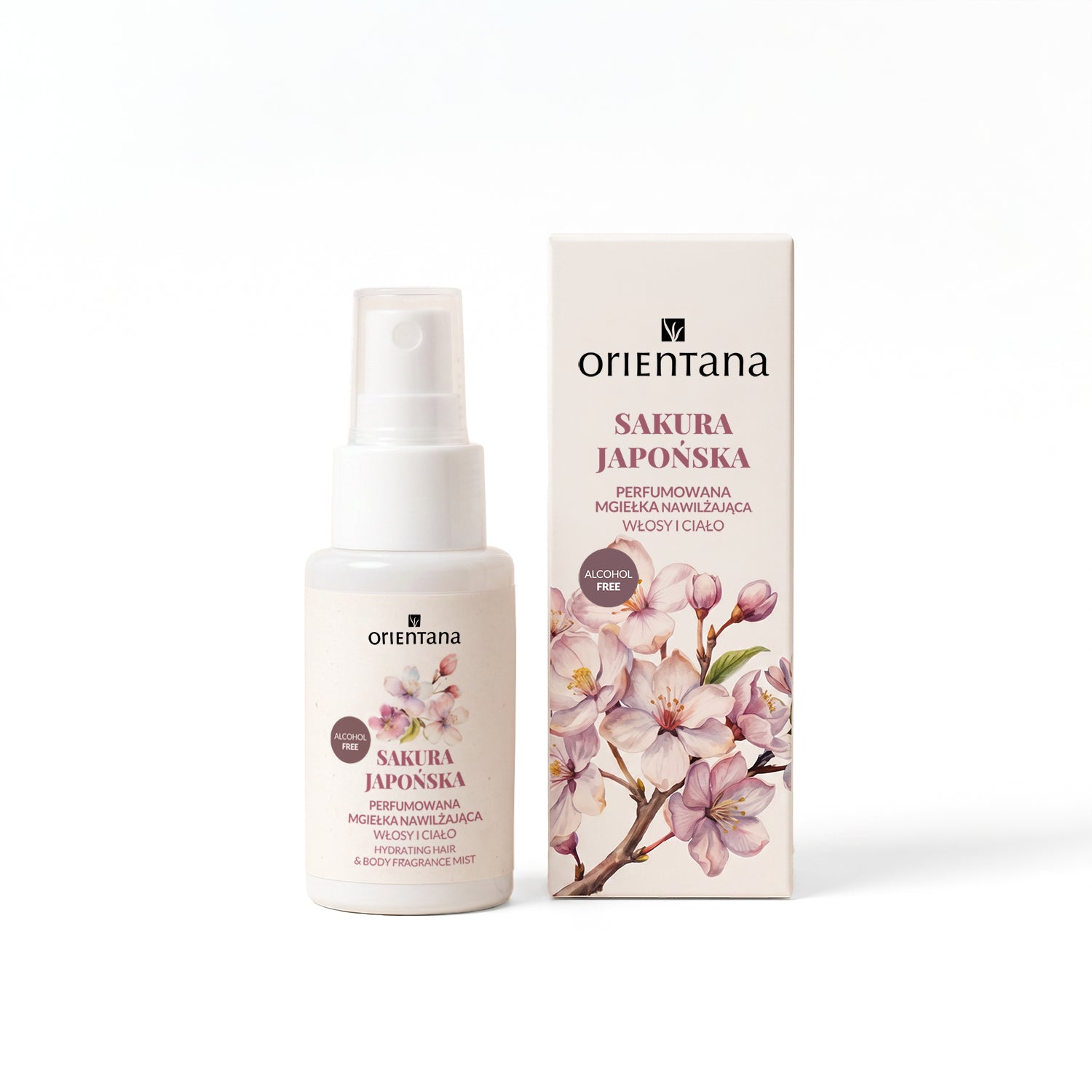
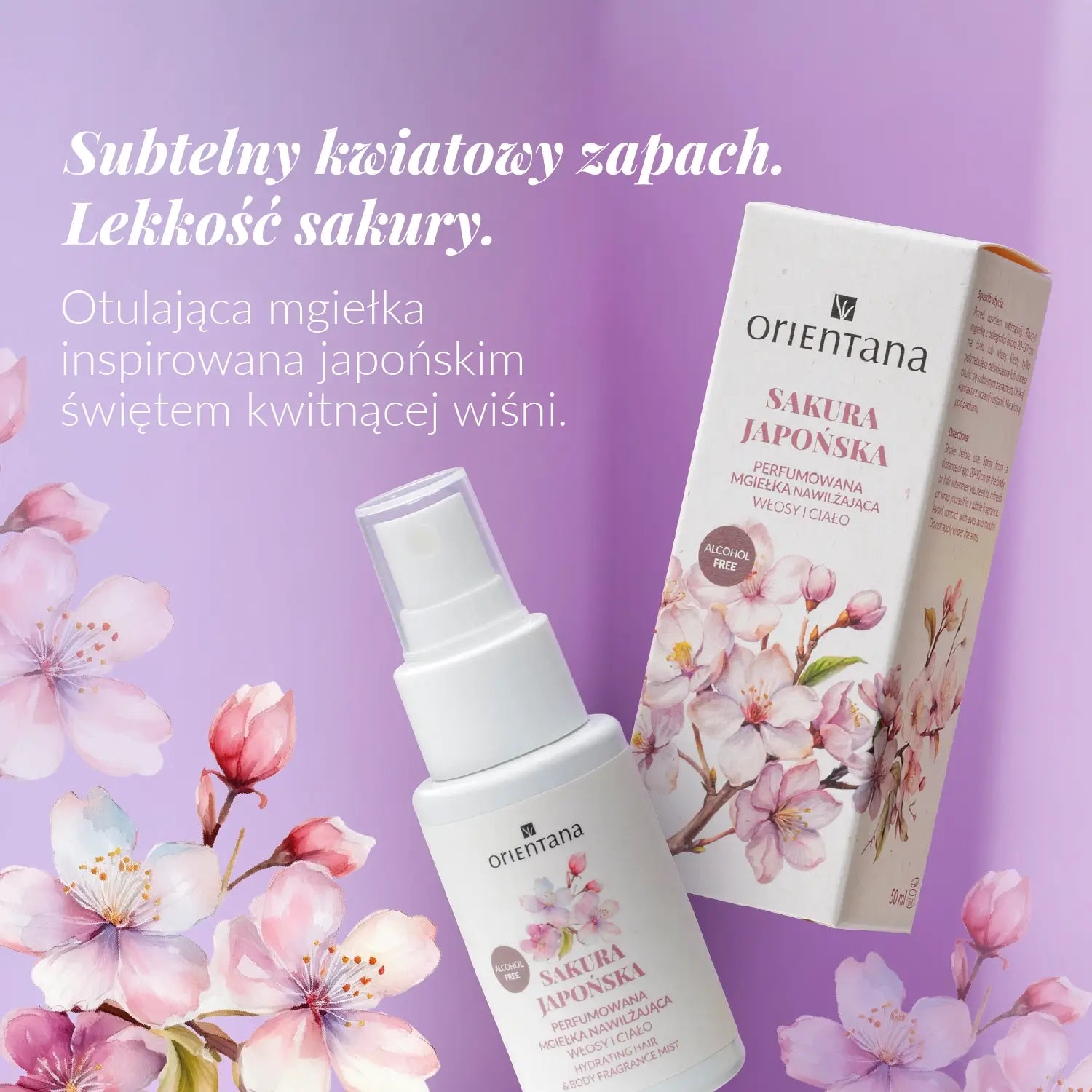
Type: Mists and Sprays
Japanese sakura mist for hair and body 50 ml
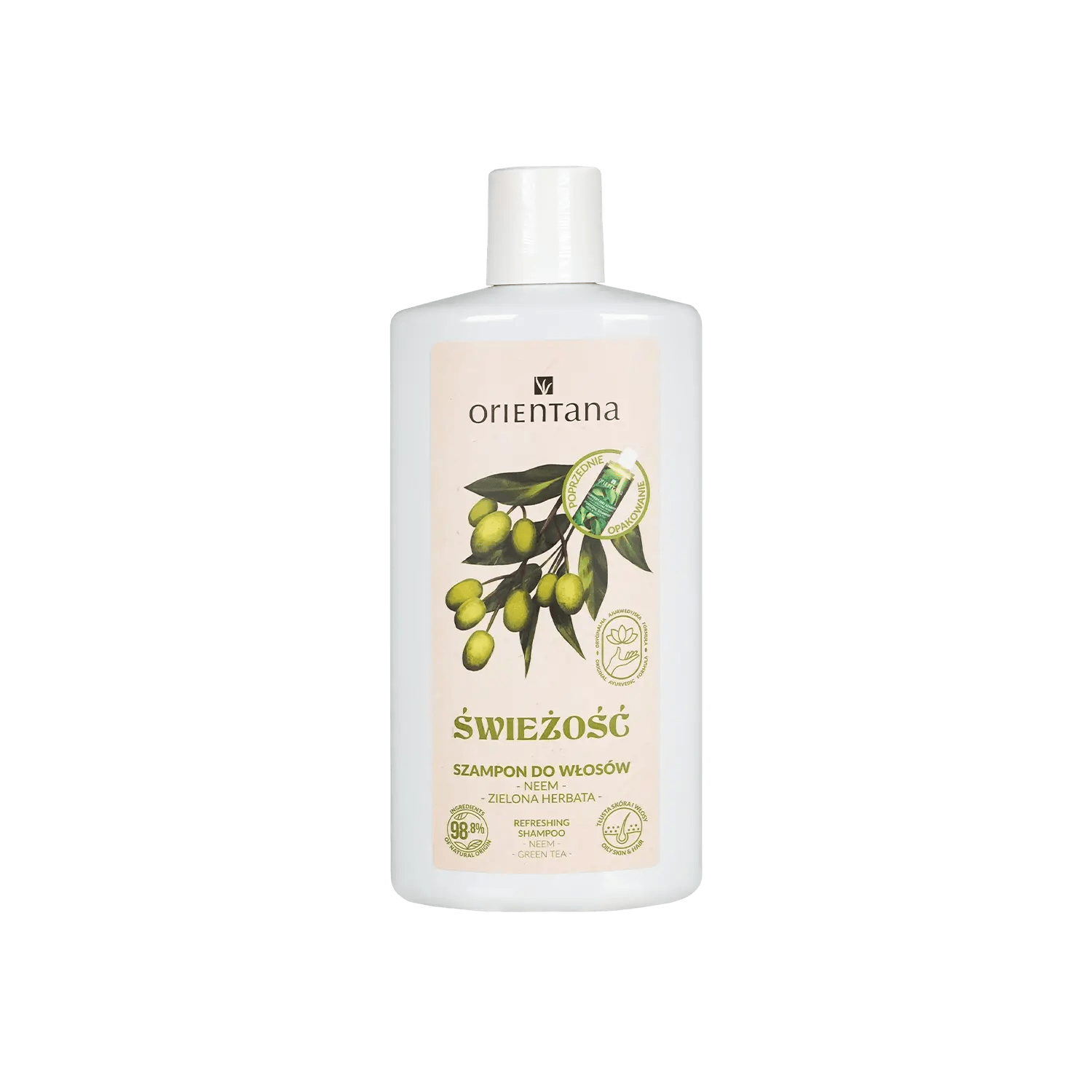
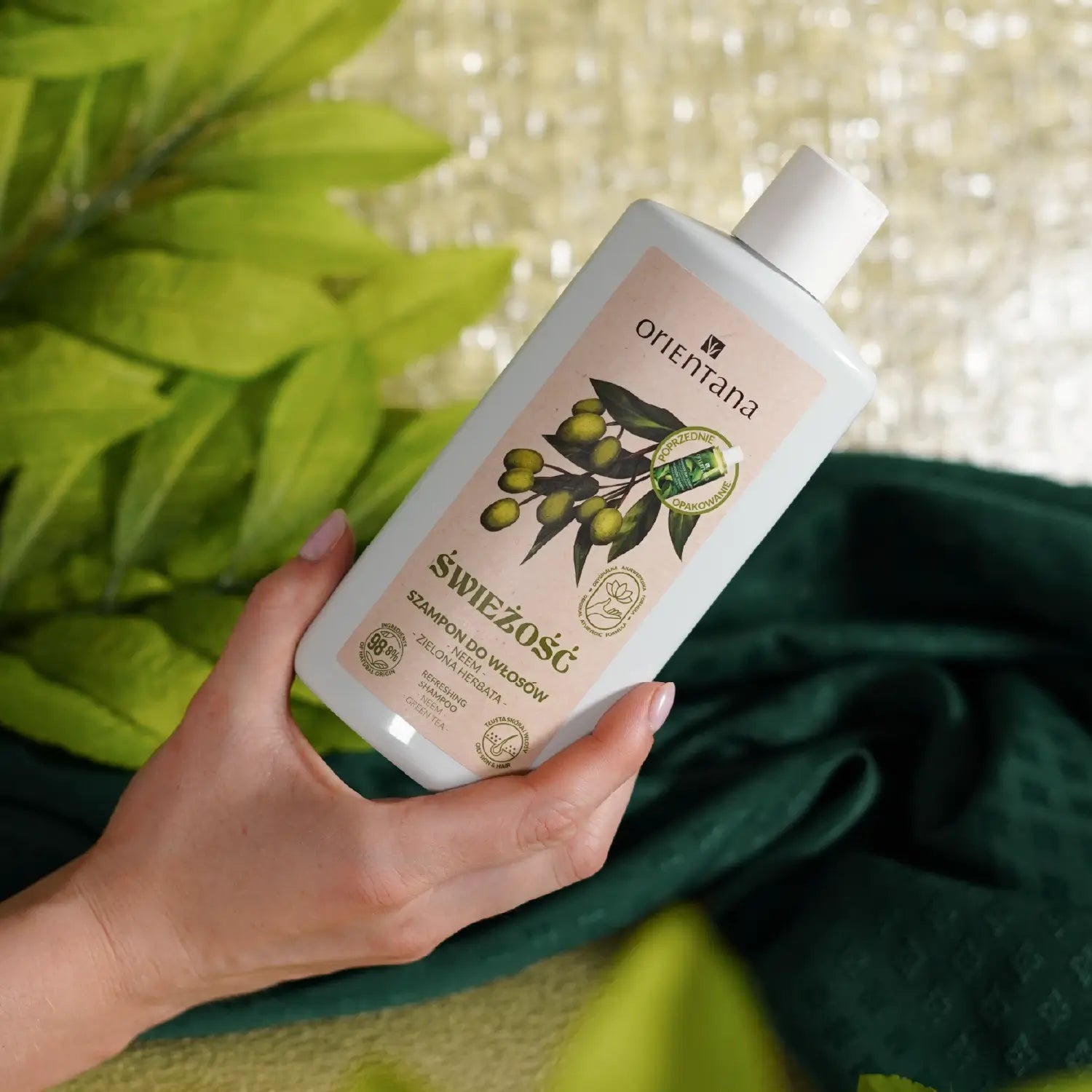
Type: Hair shampoos
Neem and Green Tea - Ayurvedic Shampoo 210 ml
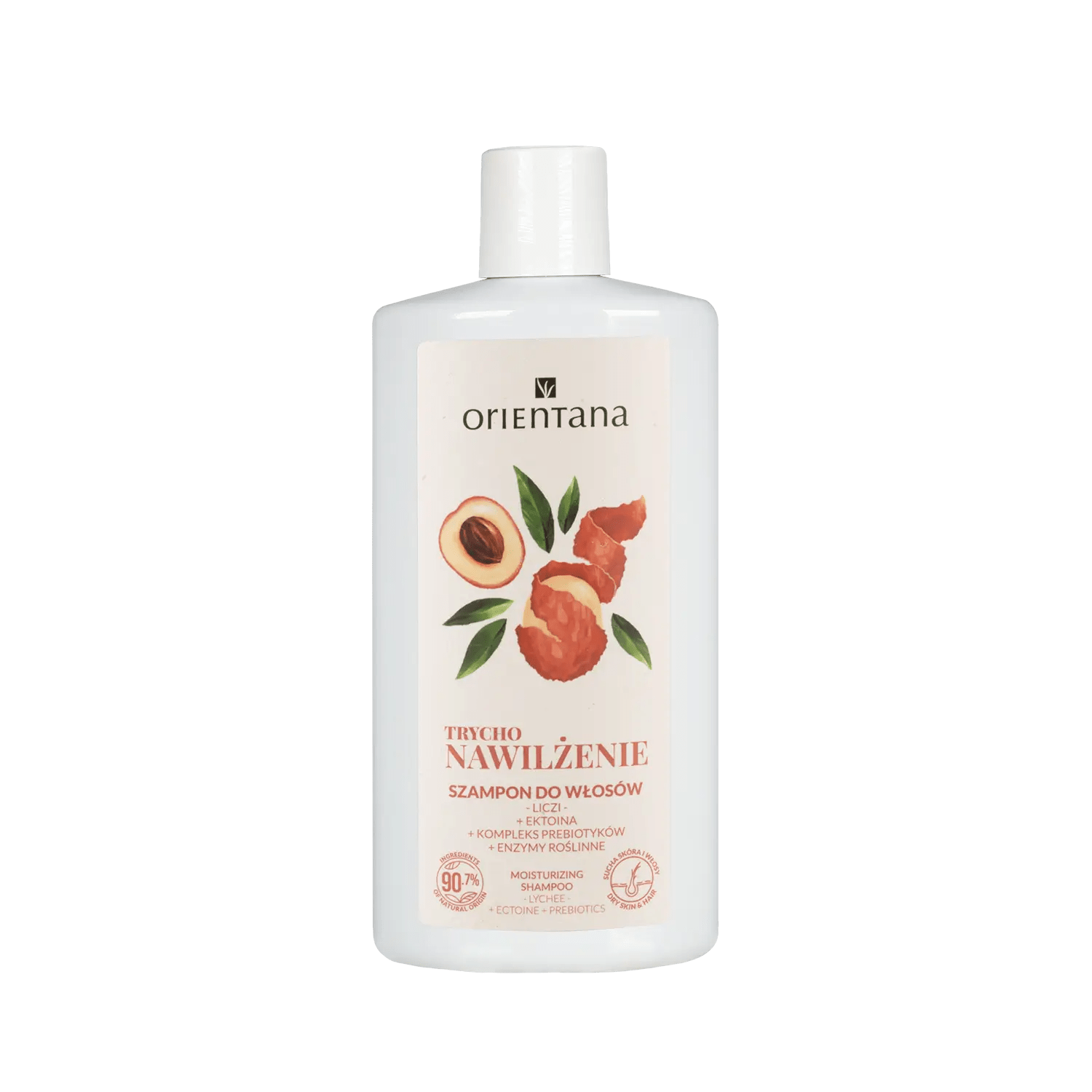
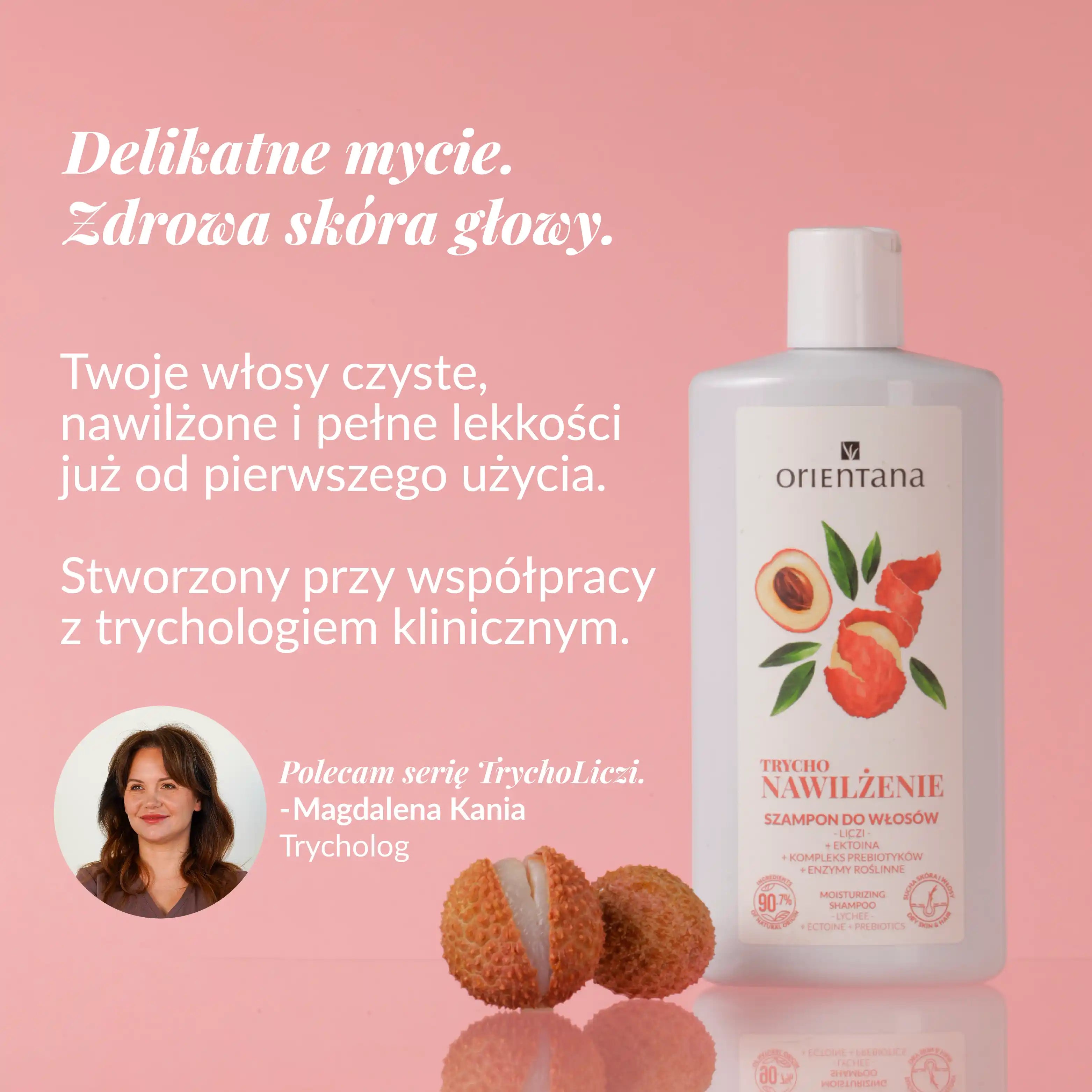
Type: Hair shampoos
Moisturizing trichological shampoo with lychee, ectoin, prebiotics, and enzymes, 200 ml.
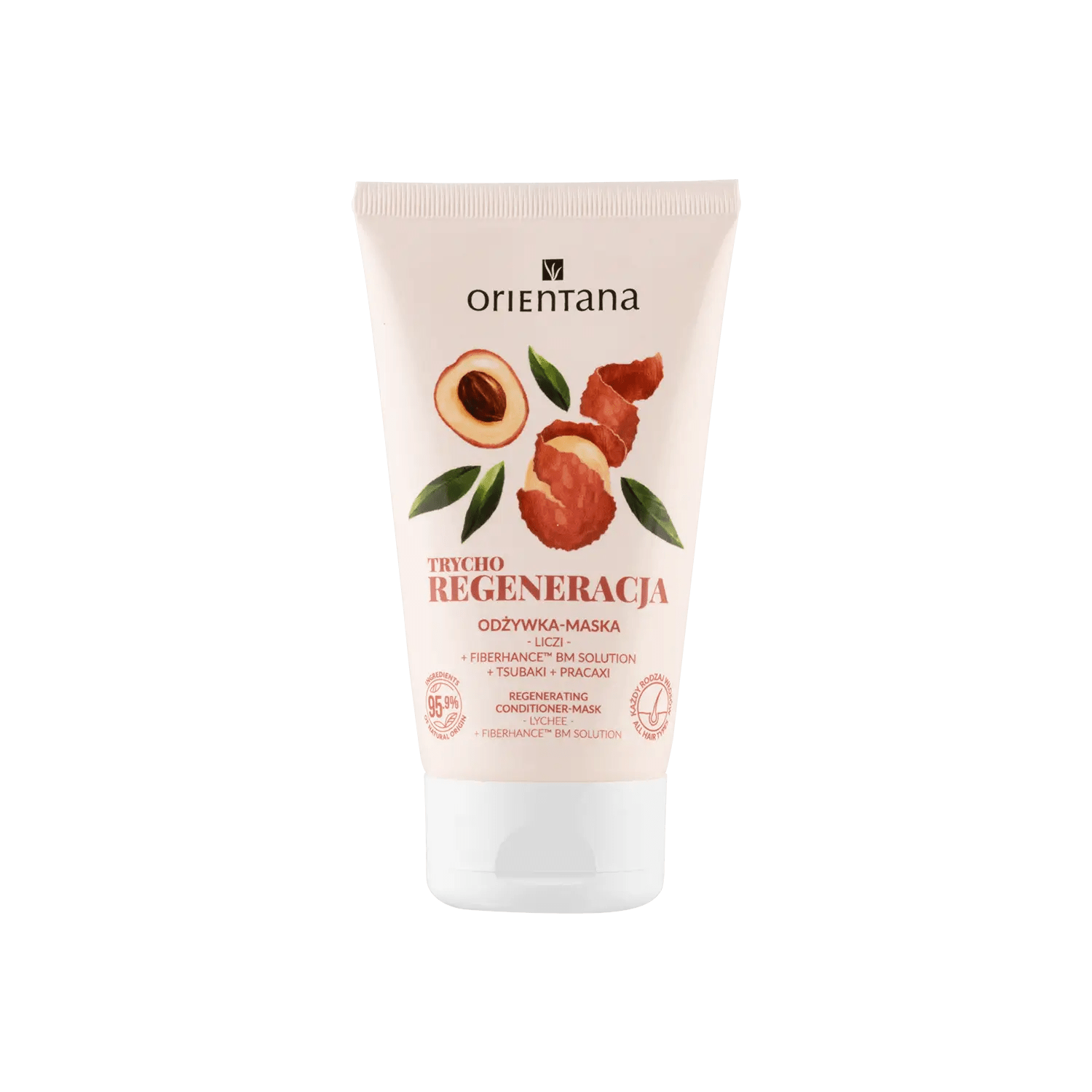
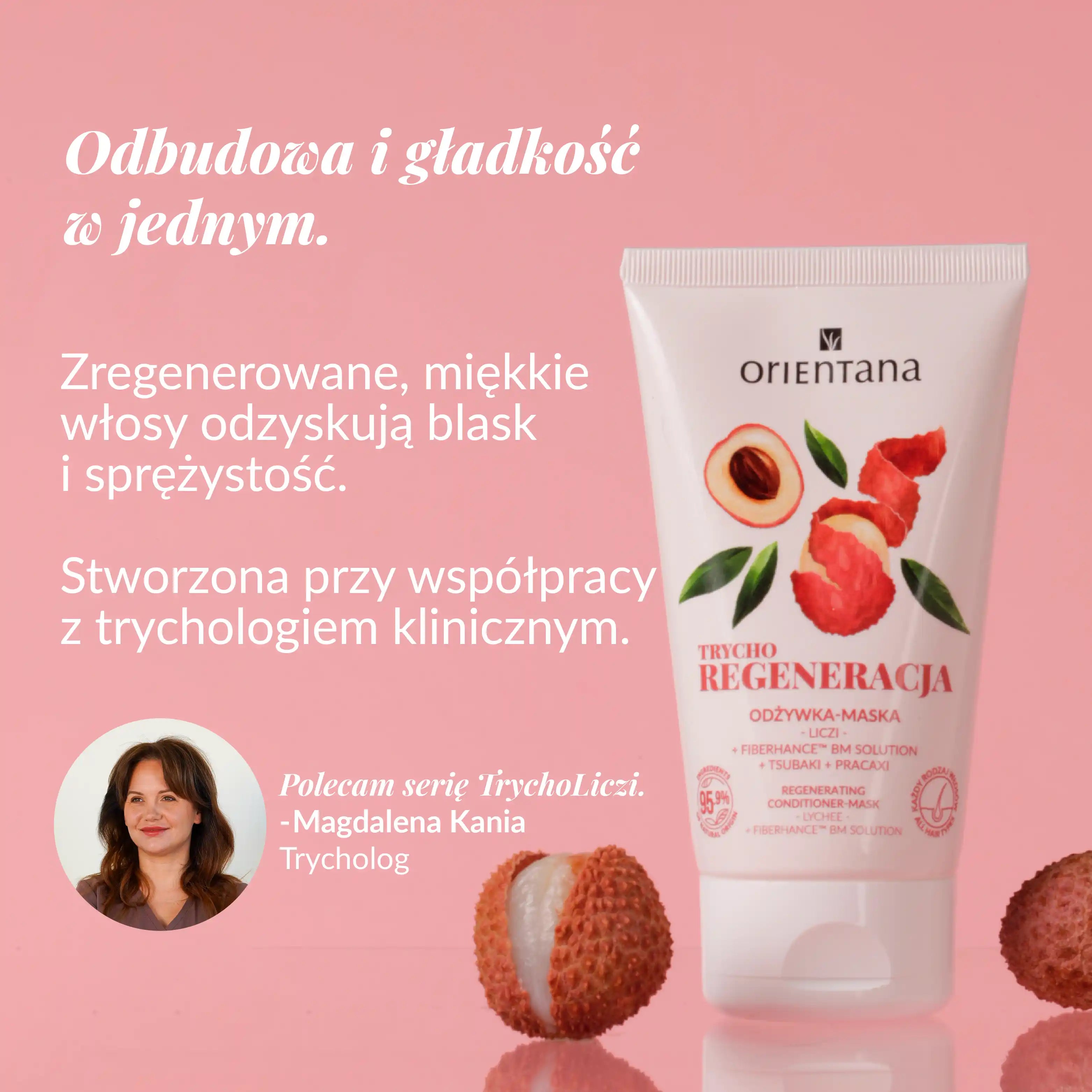
Type: Hair conditioners
Trichological hair conditioner-mask regenerating fiberHance™ bm solution tsubaki pracaxi 125 ml
Type: Hair oils and treatments
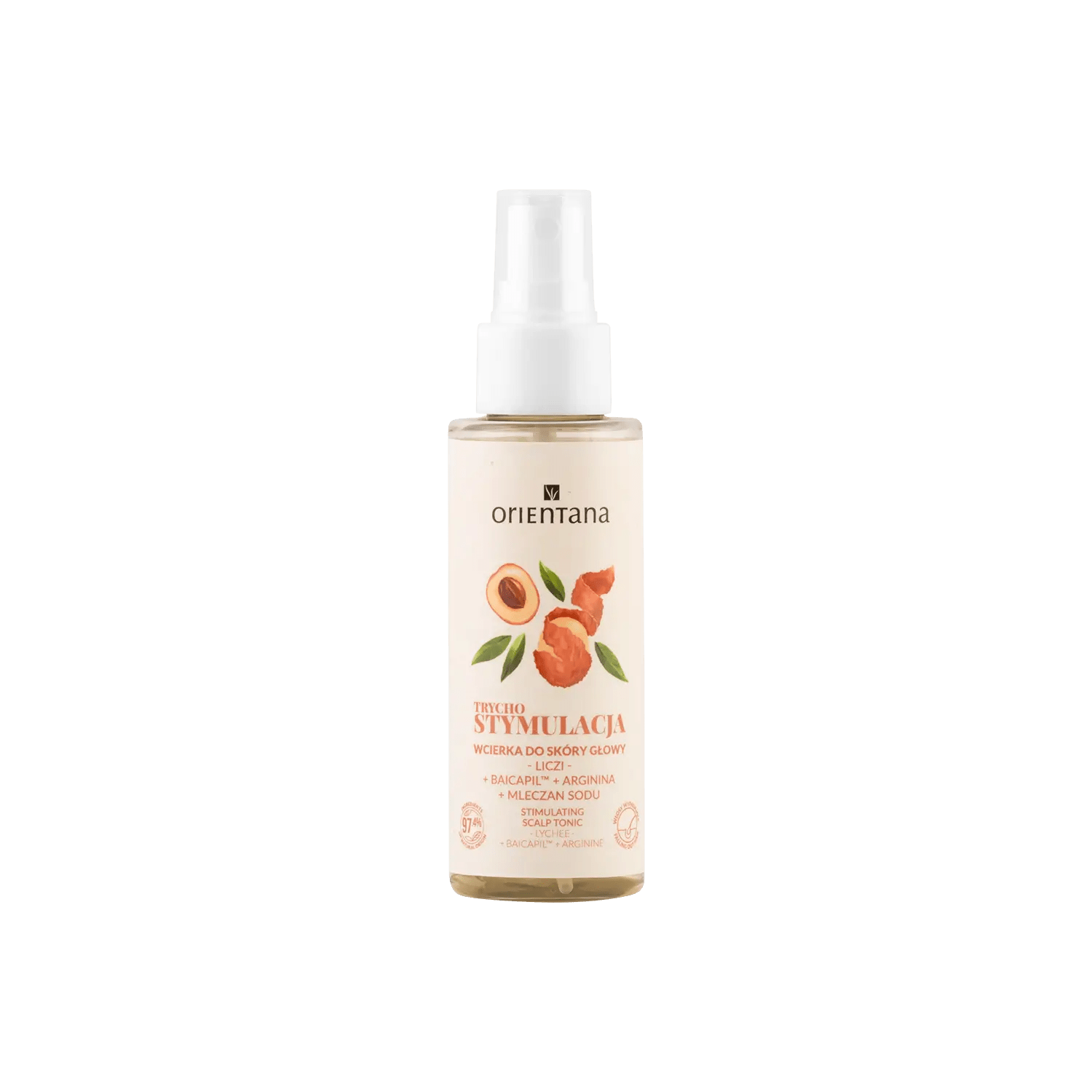
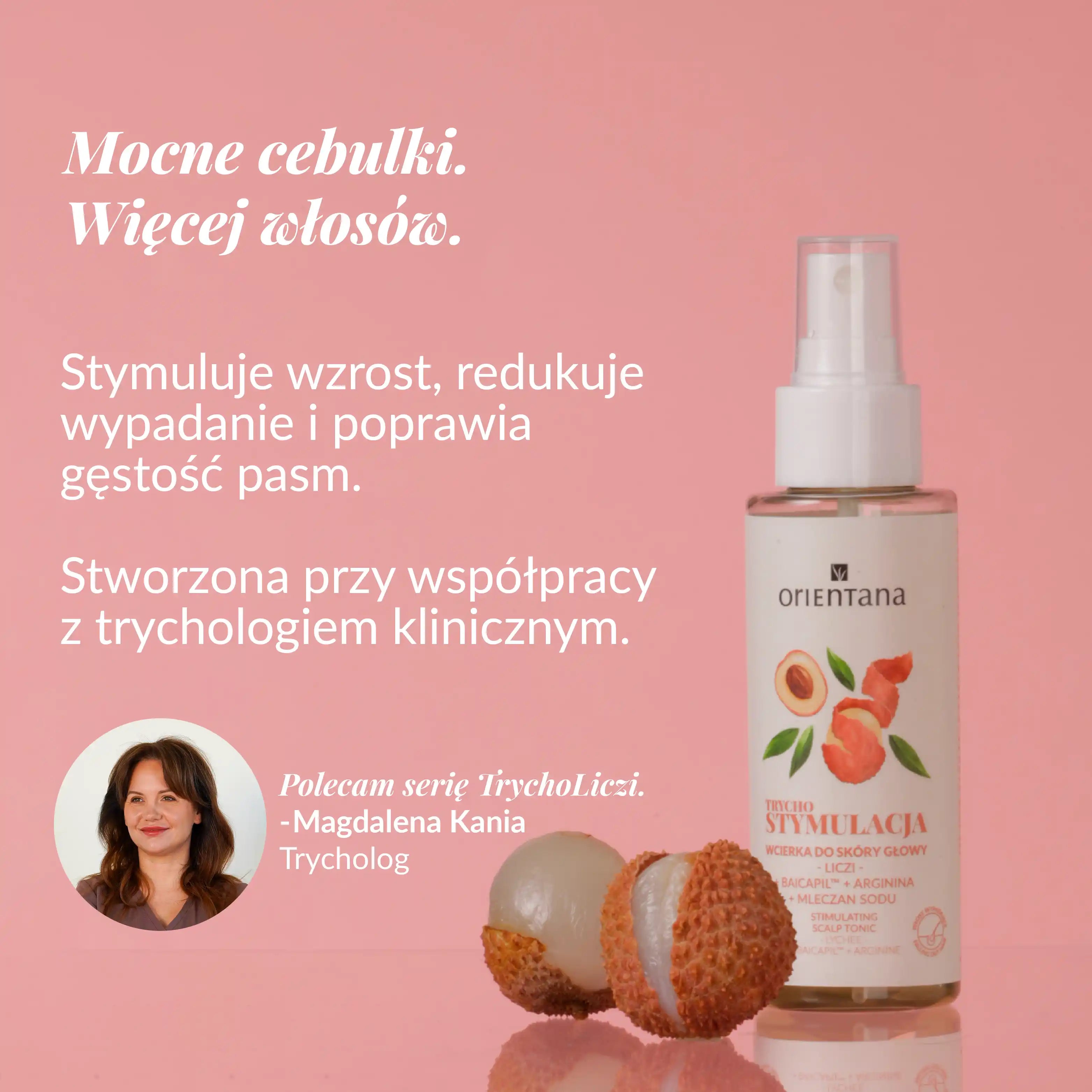
Trichological hair rub lychee arginine baicapil sodium lactate 100 ml
Type: Hair oils and treatments
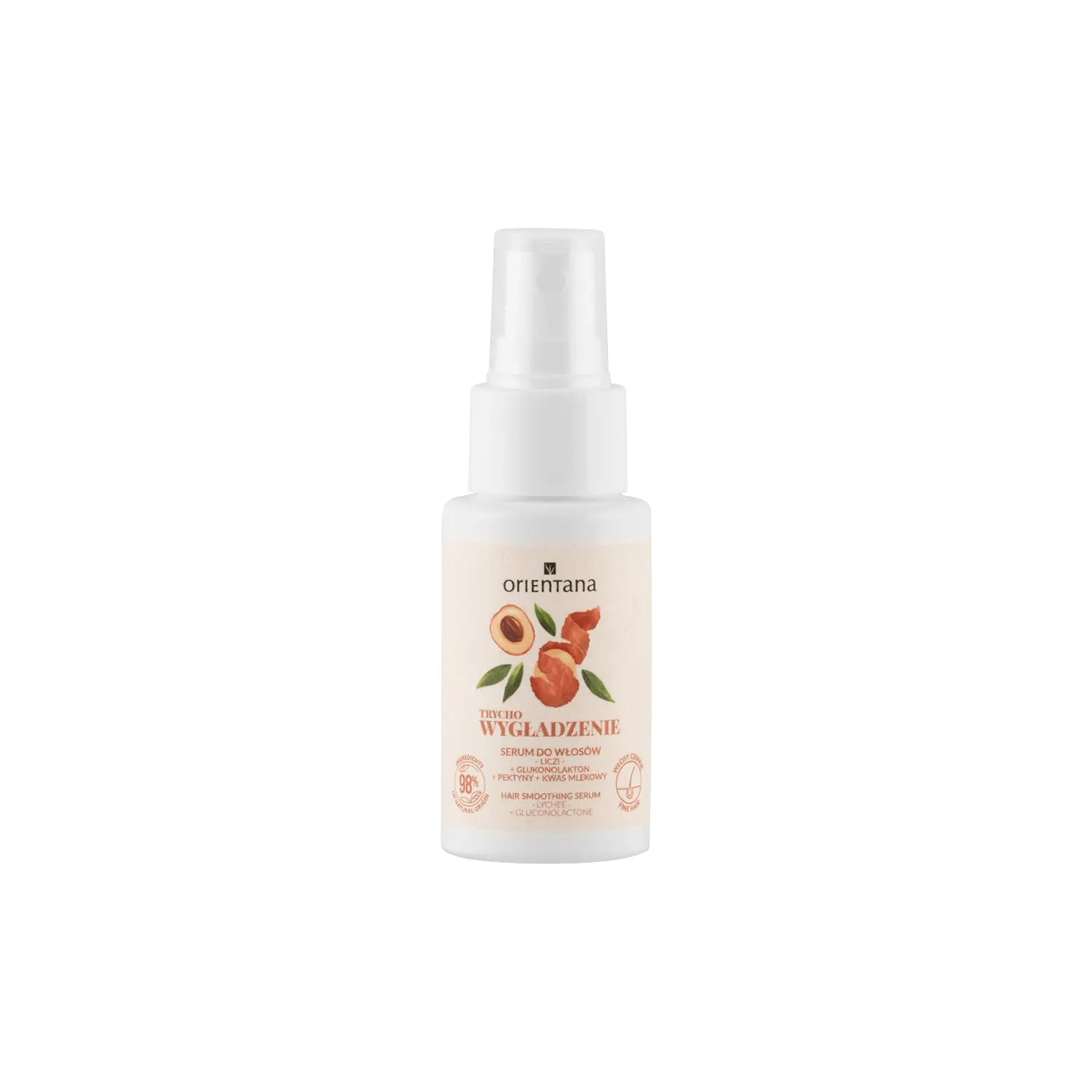
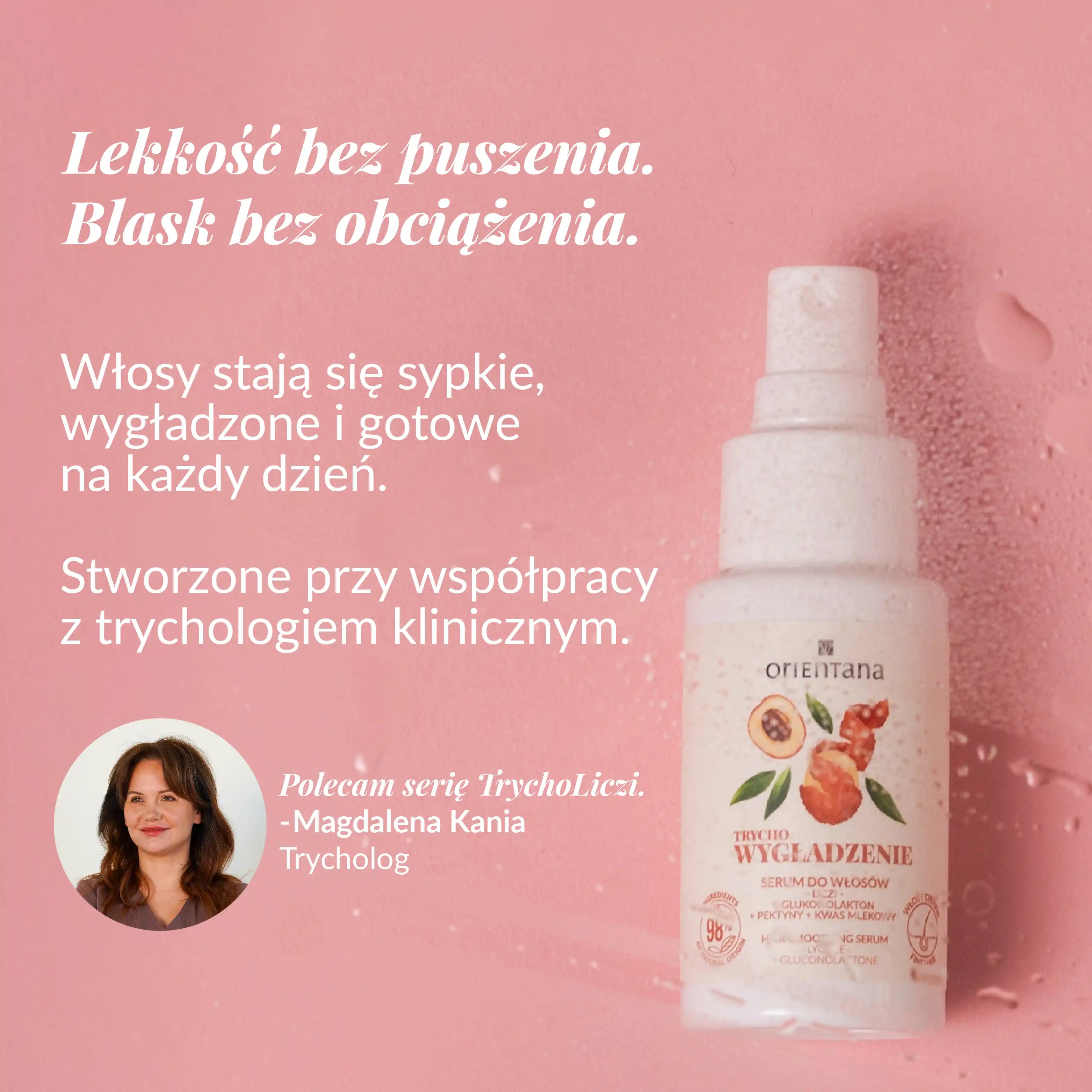
Trichological smoothing hair serum lychee gluconolactone pectin lactic acid 50 ml

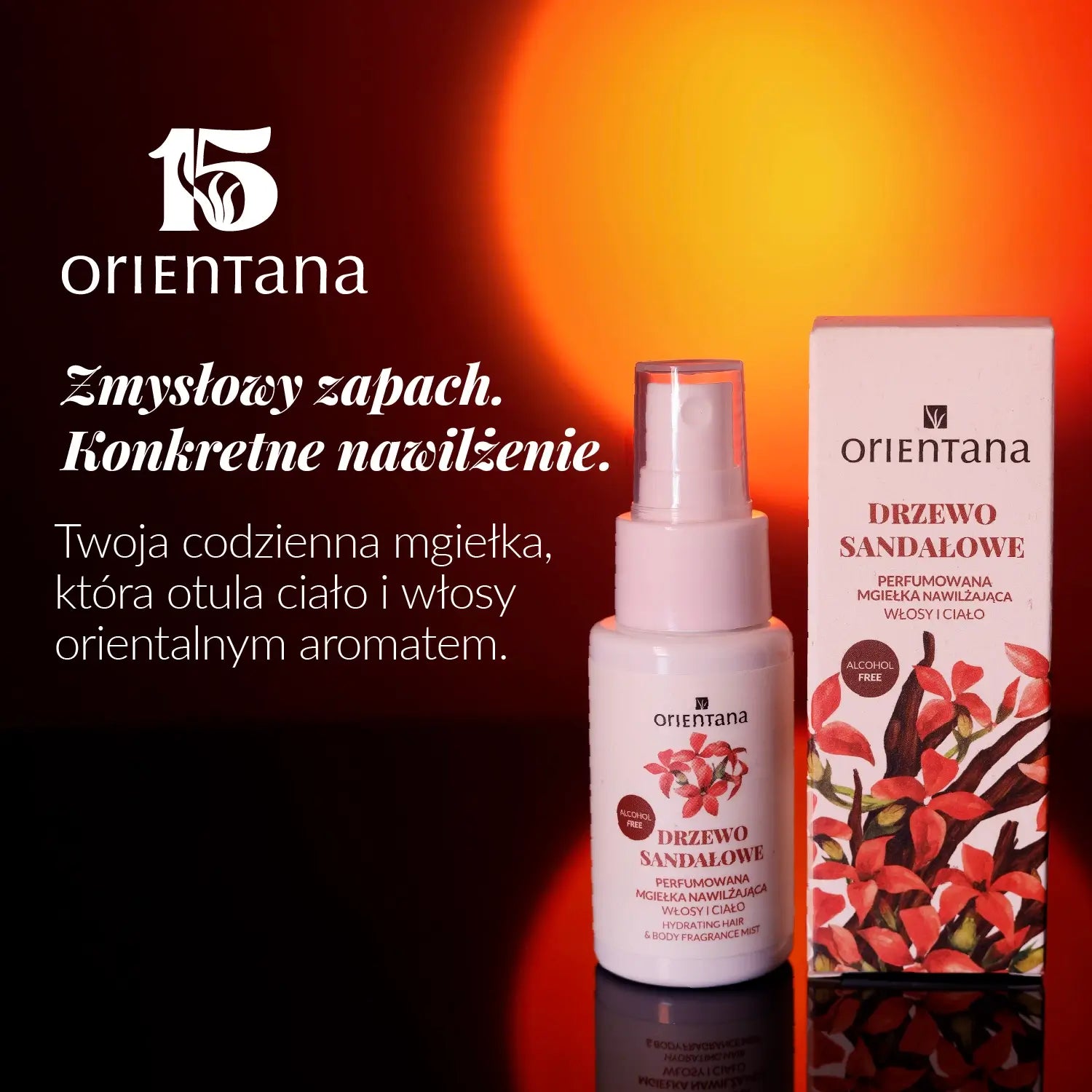
Type: Mists & Sprays
Sandalwood hair and body mist 50 ml

Receive rewards
In the OrientKlub+ loyalty program!

The effectiveness of Ayurveda
High-quality natural ingredients!

Free delivery
For purchases over 159 PLN to pickup points!

Gift in a package
FREE samples with every order!

Full offer of Orientana brand
Guaranteed effective!

Many payment methods
Pay conveniently and securely!
Washing the scalp - the foundation of care
Washing your hair is the first and most important step in addressing the needs of your scalp. A properly selected shampoo not only removes impurities but also supports a balanced microbiome, regulates sebum production, and prepares the scalp for subsequent care steps.
Nutrition and care for long hair (conditioners, masks, serums)
Although conditioners, masks, and serums are primarily used on the lengths and ends of hair, their role in scalp care is indirect, yet crucial. Well-nourished hair is less susceptible to breakage and stress on the follicles, promoting scalp balance.
Lotions and tonics - acting directly on the needs of the scalp
Lotions are cosmetics designed to address the root of the problem. They address scalp needs such as weakened hair follicles, excessive hair loss, lack of volume, or slowed growth.
Oiling hair and scalp - deep regeneration
Oiling is a ritual that addresses the deep needs of the scalp: dryness, tightness, a compromised hydrolipid barrier, or weakened hair follicles. Orientana hair oils are based on traditional recipes inspired by Ayurveda.
Coloring and care - henna (plant dyes)
Orientana's natural henna dyes are a response to the scalp needs of those who want to color their hair without harsh chemicals. Plant-based pigments not only provide color but also strengthen the hair and support the health of the scalp.
Hair mists - light care and protection
Hair mists act as a light support for daily care. They help protect hair from external factors and indirectly support scalp comfort without weighing it down.
How to build a skincare routine tailored to your scalp needs
Effective hair care always begins with understanding the current needs of the scalp. It's not about systematically matching cosmetics to hair type, but rather about consciously observing the skin: its response to washing, its moisture level, its tendency to become oily, the presence of itching, irritation, or excessive hair loss.
The first step in any routine should be proper scalp cleansing. Shampoo should be chosen not based on hair length, but rather on the needs of the scalp—different for dry skin, oily skin, or skin with a disrupted microbiome. Only then can further care be built.
The second step is to support the scalp with products that work directly at the source, such as lotions and toners. These address the scalp's needs related to weakened hair follicles, hair loss, and slowed growth. Regularity and patience are more important here than intensity.
Another element of the routine is hair care for the length of the hair – conditioners, masks, and serums. Although these aren't applied to the scalp, they have a huge indirect impact. Healthy hair doesn't weigh down the follicles, break, or cause mechanical irritation to the scalp.
Oiling the scalp and hair should be considered a complementary ritual. It helps address the scalp's deeper needs, such as dryness, tightness, or a weakened hydrolipid barrier. It's crucial to choose the right oil and frequency for your individual scalp needs.
Henna or herbal dyes should always be incorporated into your hair routine consciously. After coloring treatments, the scalp's needs may change, often requiring more soothing and regenerative care.
Scalp, microbiome and biological balance
The scalp's microbiome is an ecosystem of microorganisms that naturally inhabit the scalp and protect it from external factors. Disturbances in this balance can lead to itching, excessive oiliness, sensitivity, or hair loss. Therefore, scalp needs often stem not from a single issue but from a microbial imbalance.
Overly aggressive washing, frequent changes in cosmetics, harsh detergents, and stress can disrupt the scalp's microbiome. Care based on gentle cleansing, plant-based ingredients, and adaptogens supports the skin's natural defenses and allows it to return to balance.
Scalp and hair loss - a relationship that cannot be ignored
Hair loss is often a sign that the scalp's needs are not being adequately addressed. Disturbed sebaceous gland function, chronic inflammation, or weakened microcirculation directly impact the condition of hair follicles.
Supporting the scalp with appropriate cosmetics, regularly using hair lotions and taking care of its biological balance can have a real impact on reducing hair loss and improving its density in the long term.
Scalp Problem and Need - The Key Difference
In hair care, we often talk about scalp problems like dandruff, oiliness, and hair loss. However, effective hair care begins with understanding the scalp's needs that underlie these symptoms. Oiliness may indicate a need to regulate sebum production, while dryness may indicate a need to rebuild the hydrolipid barrier, not more vigorous cleansing.
Focusing on the needs of the scalp allows us to address the cause, not the symptoms, and build long-term care.
The most common mistakes in scalp care
One of the most common mistakes is selecting products solely for hair type, ignoring the needs of the scalp. Another problem is overly aggressive cleansing or washing too infrequently, which can disrupt the skin's natural balance.
Another common mistake is not caring for the scalp between washes, skipping hair lotions, or improper oiling. Conscious hair care relies on regularity and matching cosmetics to the scalp's current needs.
FAQ – scalp needs
How to recognize the needs of the scalp?
Scalp needs can be identified by observing symptoms such as excessive oiliness, dryness, itching, hair loss, or lack of volume at the roots. Each of these signals indicates different care needs.
Is scalp care different from hair care?
Yes, the scalp requires a different approach than the length of the hair. Scalp care products should support its biological balance, while hair care focuses on smoothing and protecting the hair shaft.
Does every scalp need a scalp lotion?
Not every type, but lotions are especially recommended when the needs of the scalp include weakened hair follicles, hair loss or slowed growth.
Is oiling good for all scalp types?
Oiling can be beneficial for most scalps, as long as the oil is well chosen and used in moderation.
Does henna affect the condition of the scalp?
Yes, natural henna can support the scalp, strengthen the hair and improve its structure when used correctly.
How often should you wash your hair so as not to disturb the needs of your scalp?
The frequency of washing depends on the individual needs of the scalp, not on the type of hair itself.
Do scalp problems affect hair loss?
Yes, scalp imbalances can directly affect the condition of hair follicles and the hair growth cycle.
Are natural cosmetics effective for the scalp?
Properly formulated natural cosmetics, such as Orientana products, can effectively meet the needs of the scalp without overloading it.
Do the needs of the scalp change with age?
Yes, with age, sebaceous gland activity, microcirculation, and the rate of scalp regeneration change. This means that the scalp's needs may shift toward greater hydration, strengthened hair follicles, and gentler cleansing.
Does stress affect the condition of the scalp?
Stress has a direct impact on the scalp's needs, disrupting microcirculation and the skin's biological balance. It can exacerbate hair loss, itching, and excessive oiliness.
Can you combine lotions with scalp oiling?
Yes, lotions and oiling can complement each other. The key is to maintain the correct order and frequency to avoid overloading the scalp.
How do the needs of the scalp change after henna dyeing?
After henna coloring, the scalp often needs additional soothing and regeneration. It's worth reaching for gentler shampoos and cosmetics that support the skin's protective barrier.
Does the scalp microbiome matter in hair care?
Yes, a balanced scalp microbiome is crucial for hair health and skin comfort. Microbiome imbalances can lead to a variety of skin issues.
Does washing your hair frequently harm your scalp?
Frequent washing does not harm if it is tailored to the needs of the scalp and performed with gentle cosmetics.
Can oiling burden the scalp?
Oiling can be stressful on the scalp if the wrong oil is chosen or used too frequently. Therefore, it's important to tailor your routine to your scalp's individual needs.
Can the needs of the scalp change seasonally?
Yes, changes in temperature, humidity and sun exposure affect the needs of the scalp, so it is worth modifying your care depending on the season.