



Type: Face serums
Brightening serum-ampoule ashwagandha vitamin C tranexamic acid 30 ml


Type: Face creams
Sandalwood and Turmeric Face Cream 50 ml


Type: Face serums
Rejuvenating serum-ampoule ashwagandha peptides coenzyme Q10 30 ml
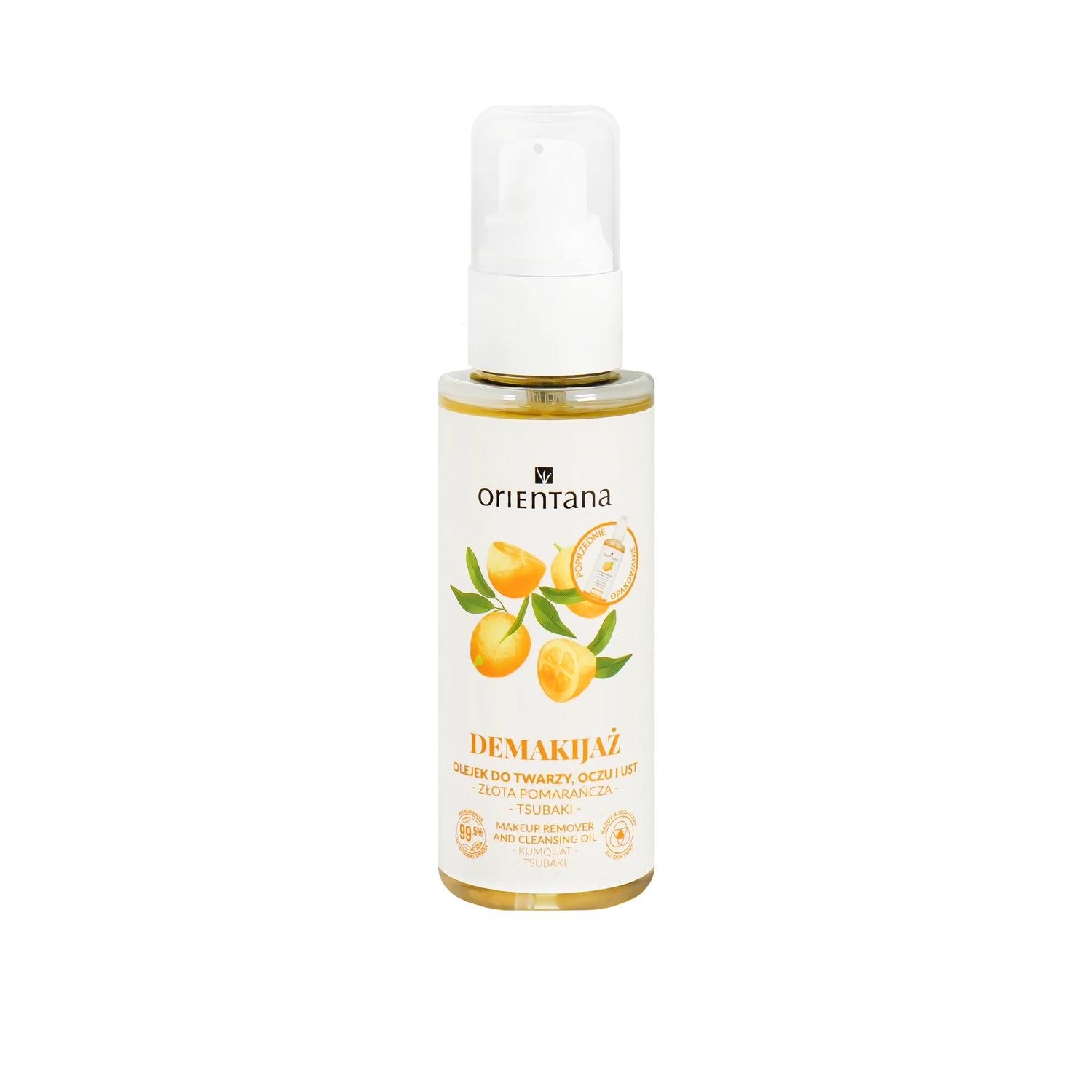

Type: Face oils
Face, eye and lip makeup remover oil with golden orange and tsubaki 100 ml
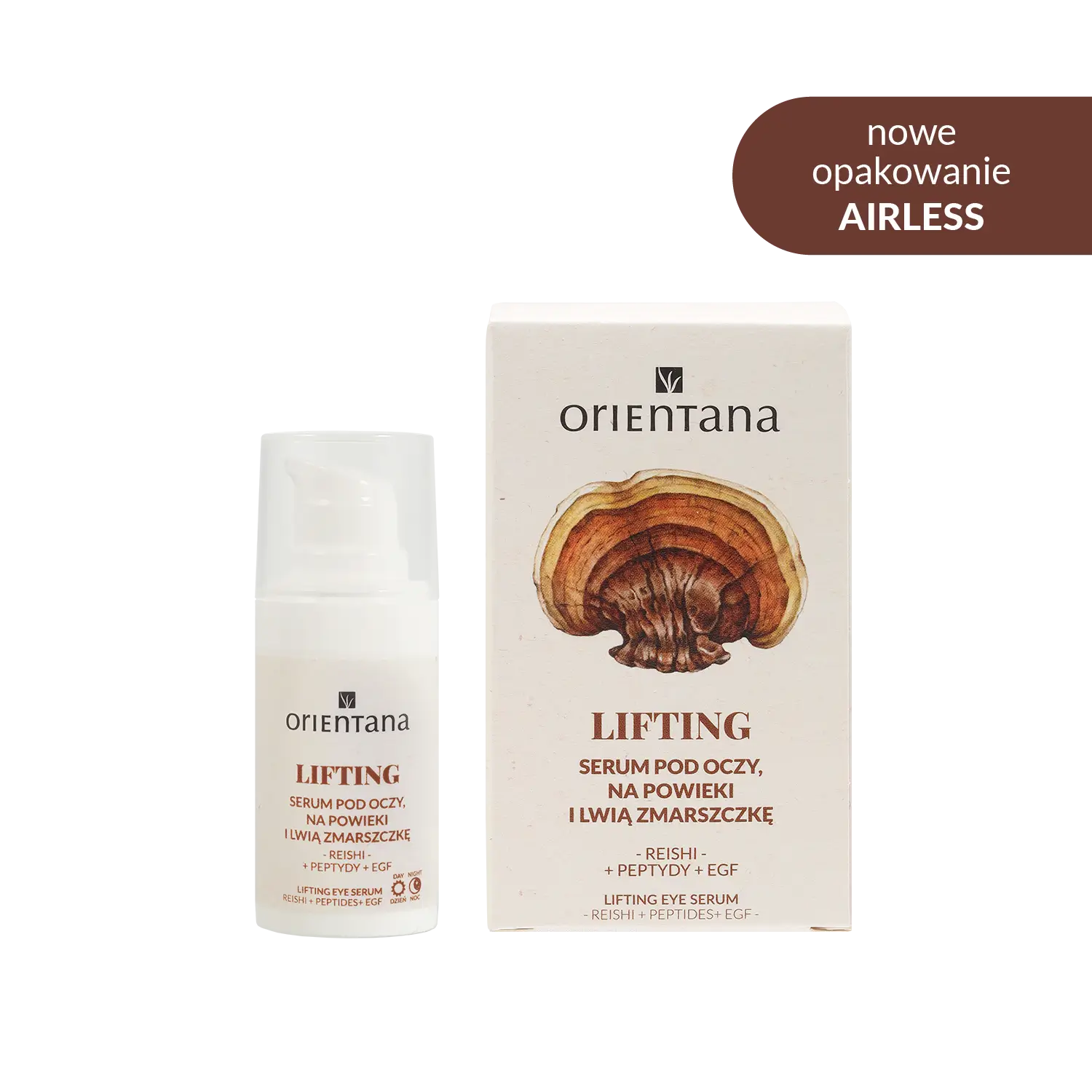

Type: Eye care
Reishi and EGF Peptides Eye and Eyelid Serum 15 ml
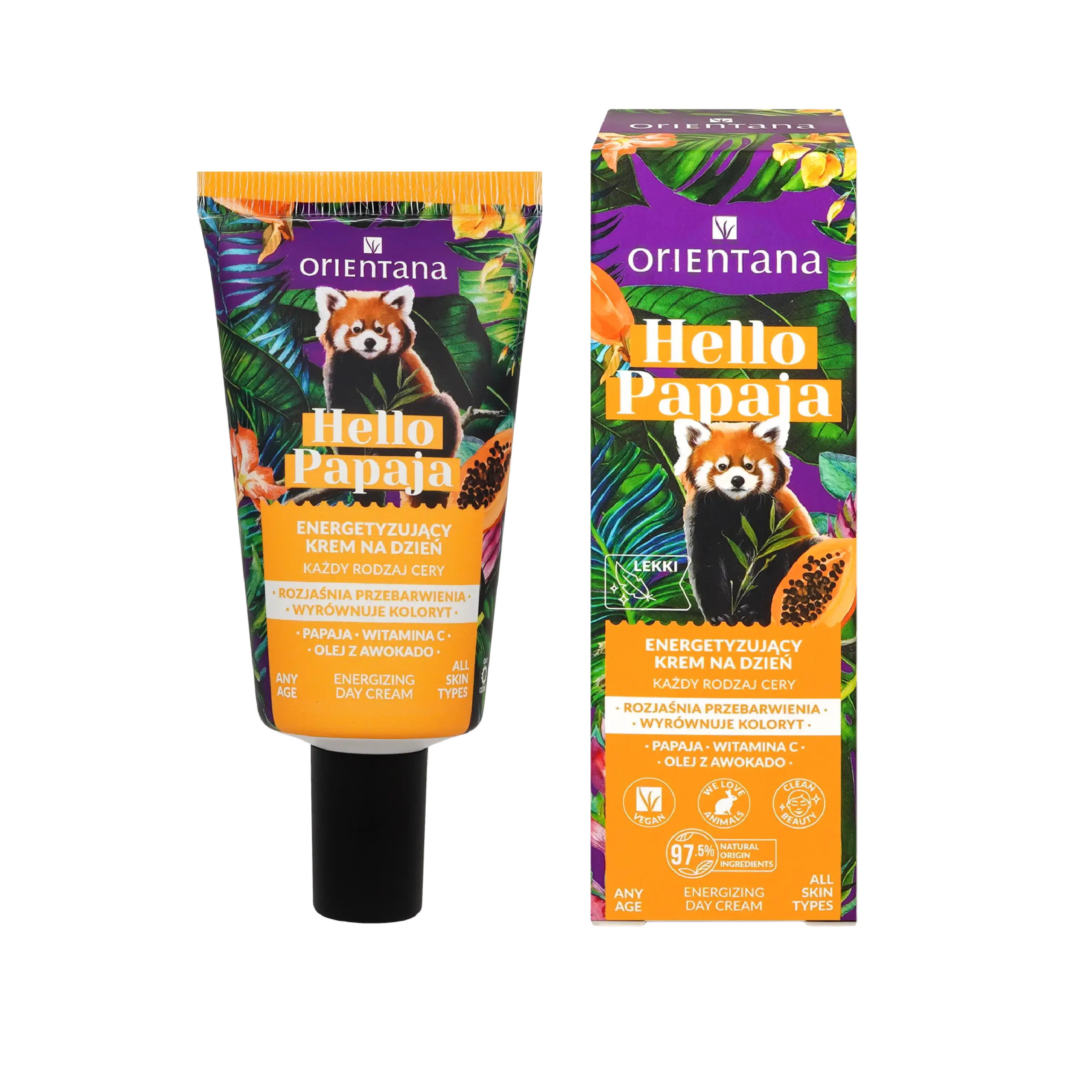
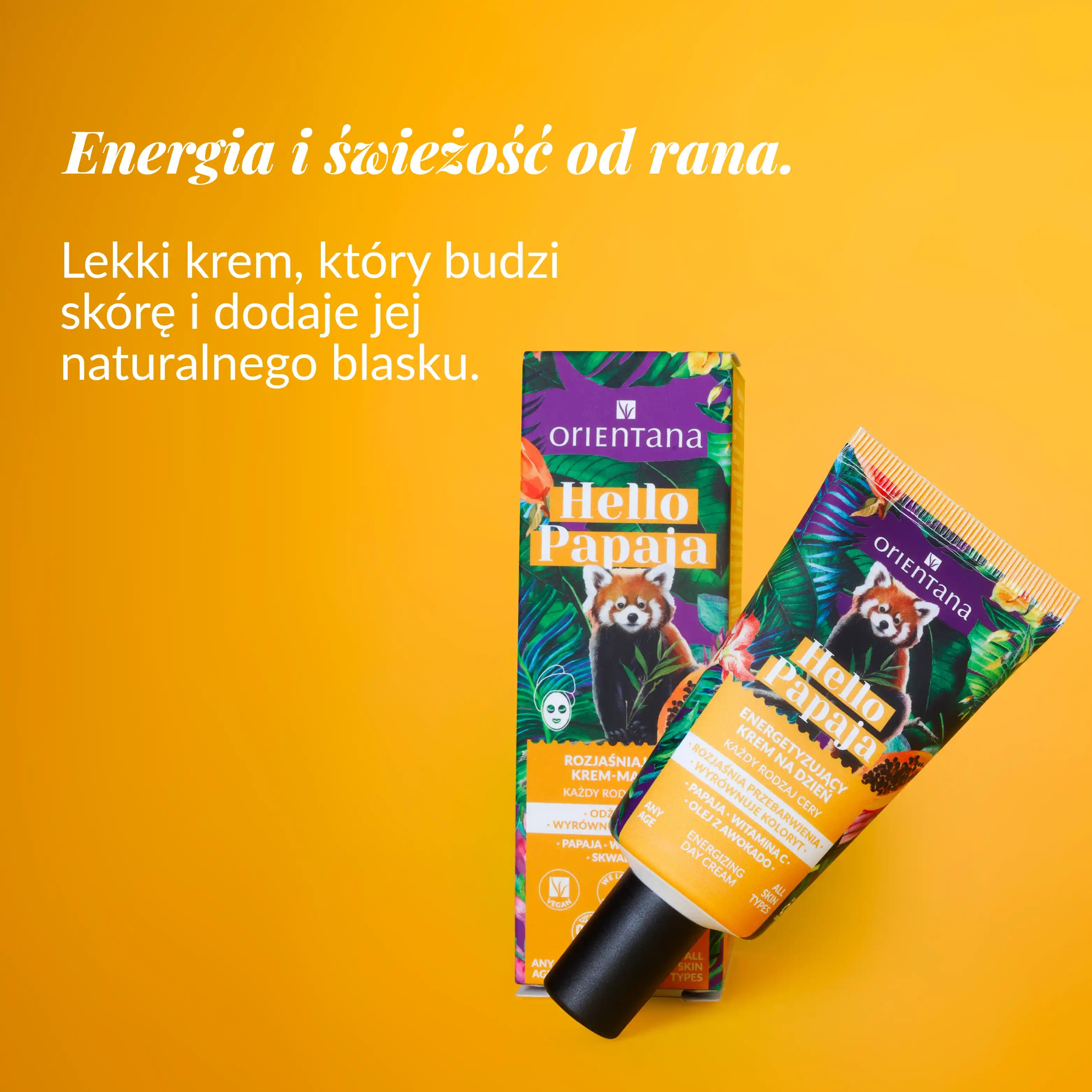
Type: Face creams
Energizing cream with vitamin C 40 ml

Type: Face creams
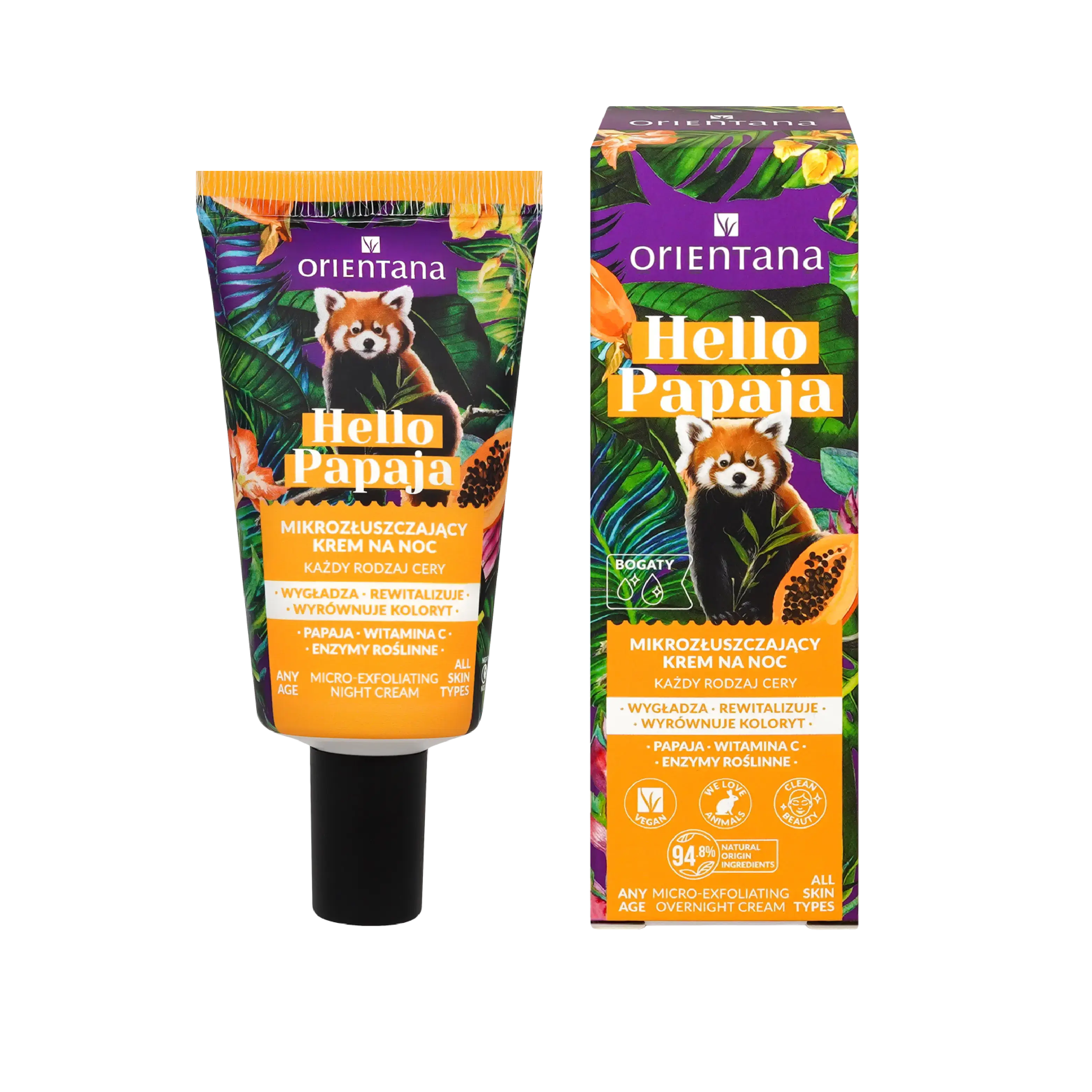
Delicate micro-exfoliating night cream with vitamin C and enzymes 40 ml
Type: Eye care
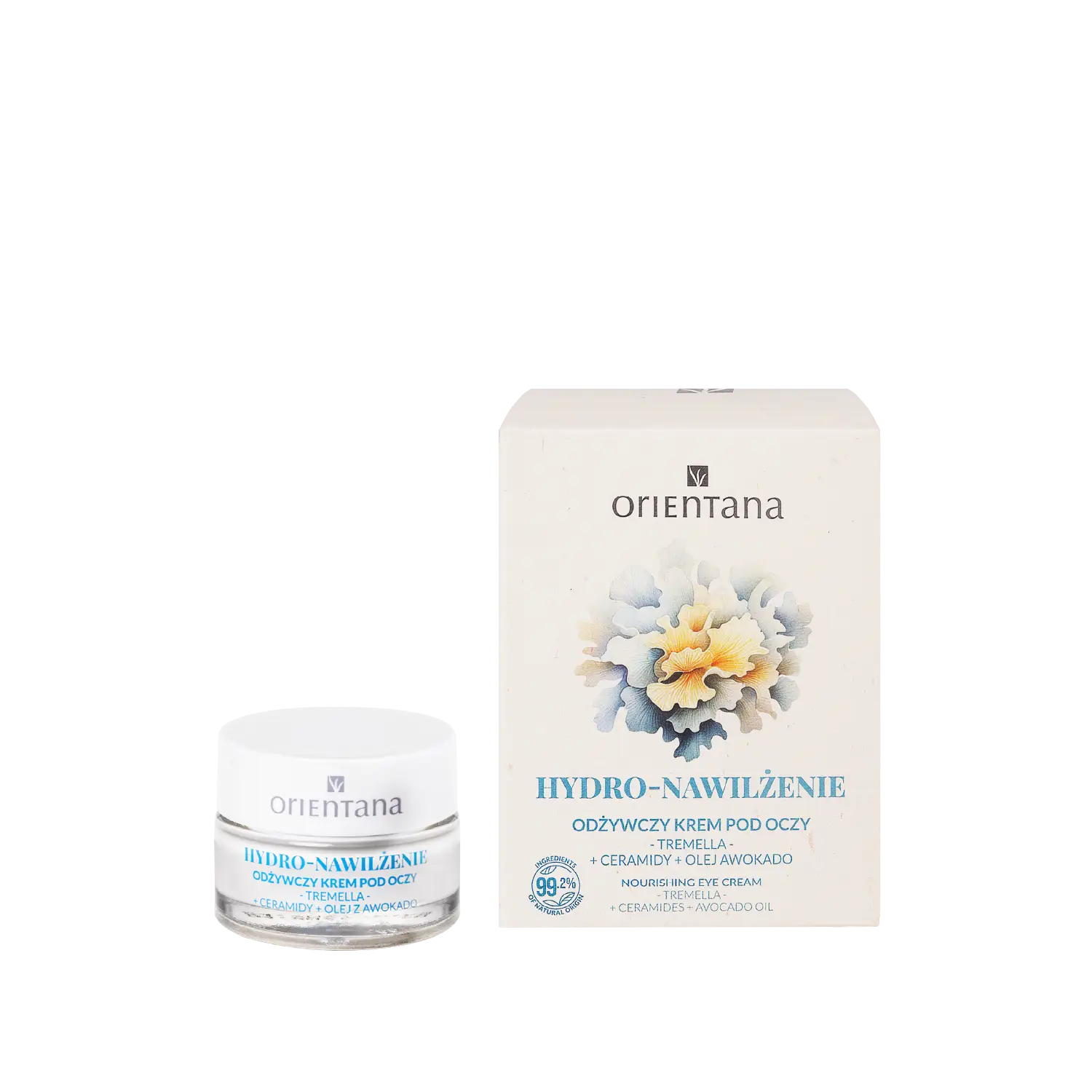
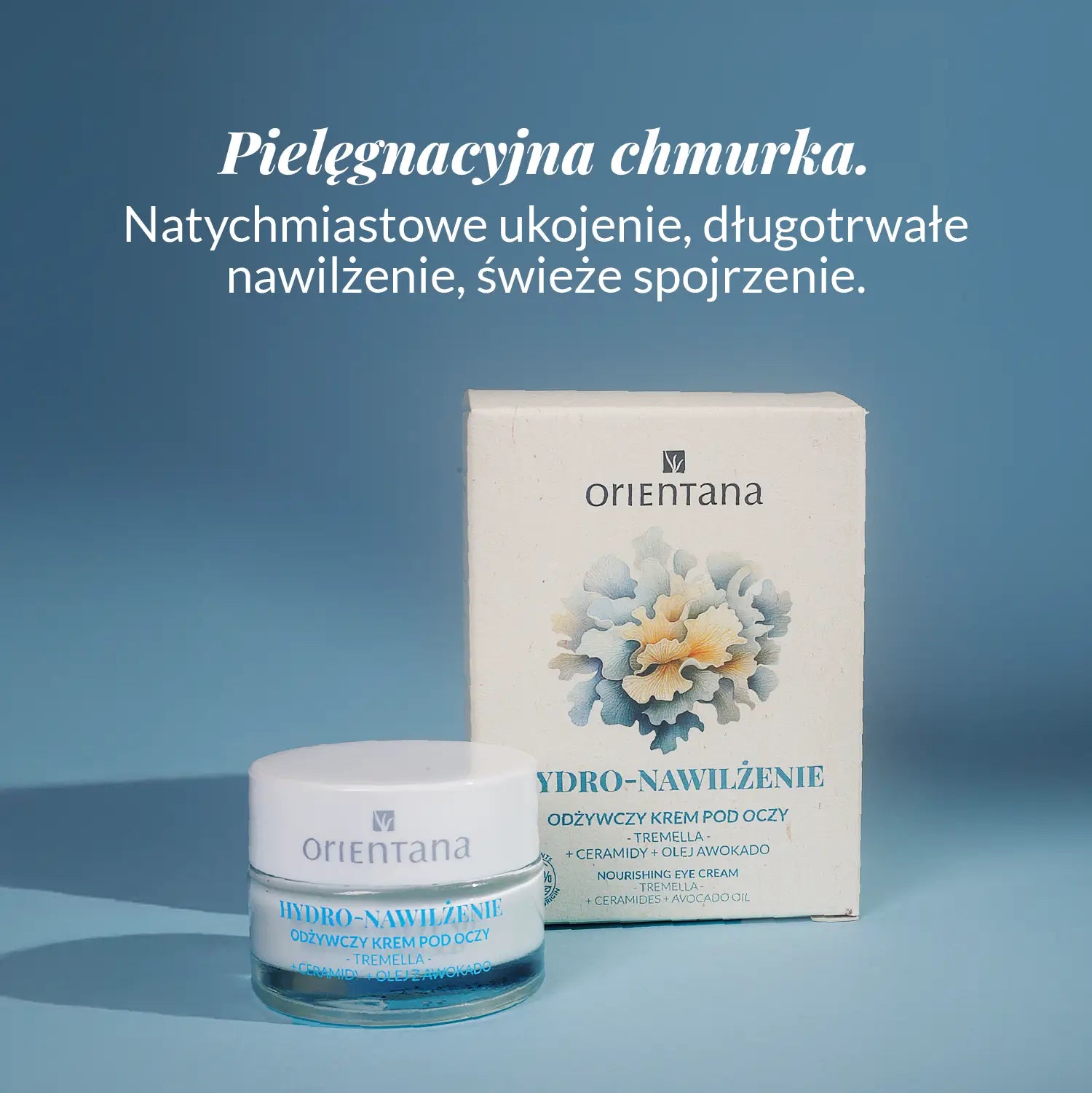
Nourishing Eye Cream with Ceramides, Tremella and Avocado Oil 15 ml

Type: Facial essences and toners
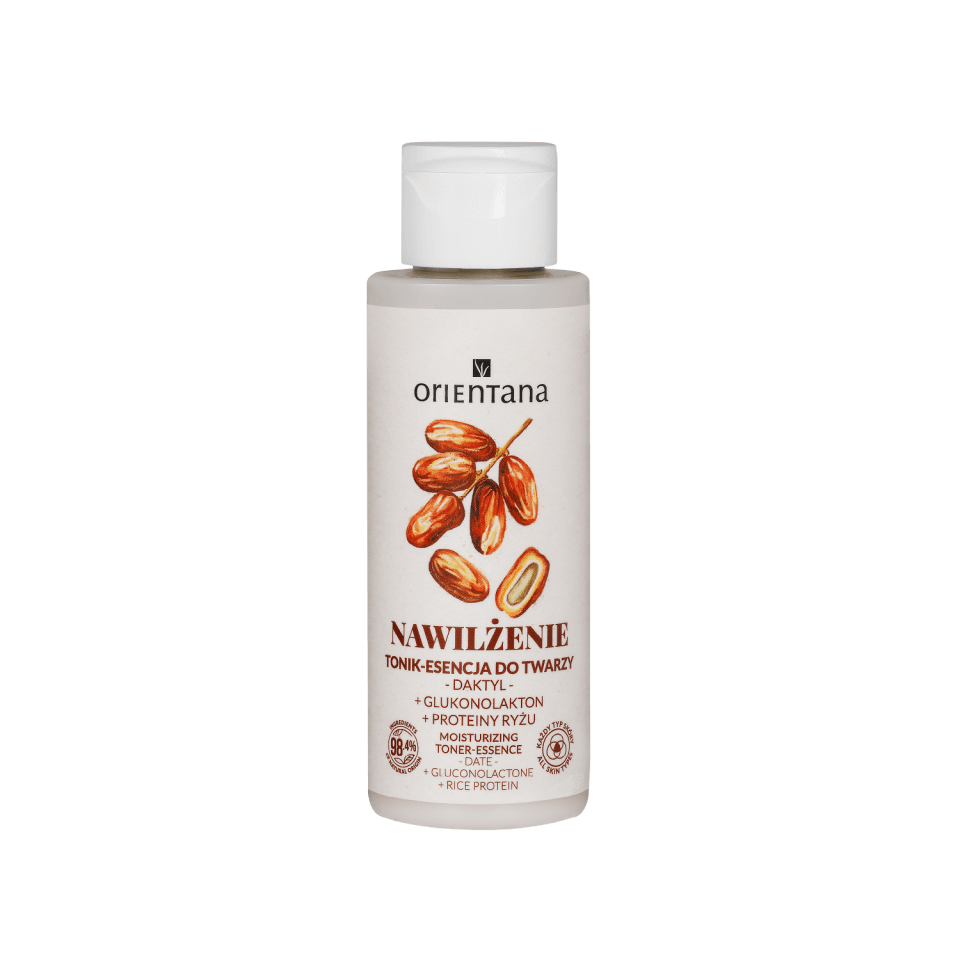
Moisturizing toner-essence with gluconolactone, 100ml
Type: Facial cleansing gels and foams
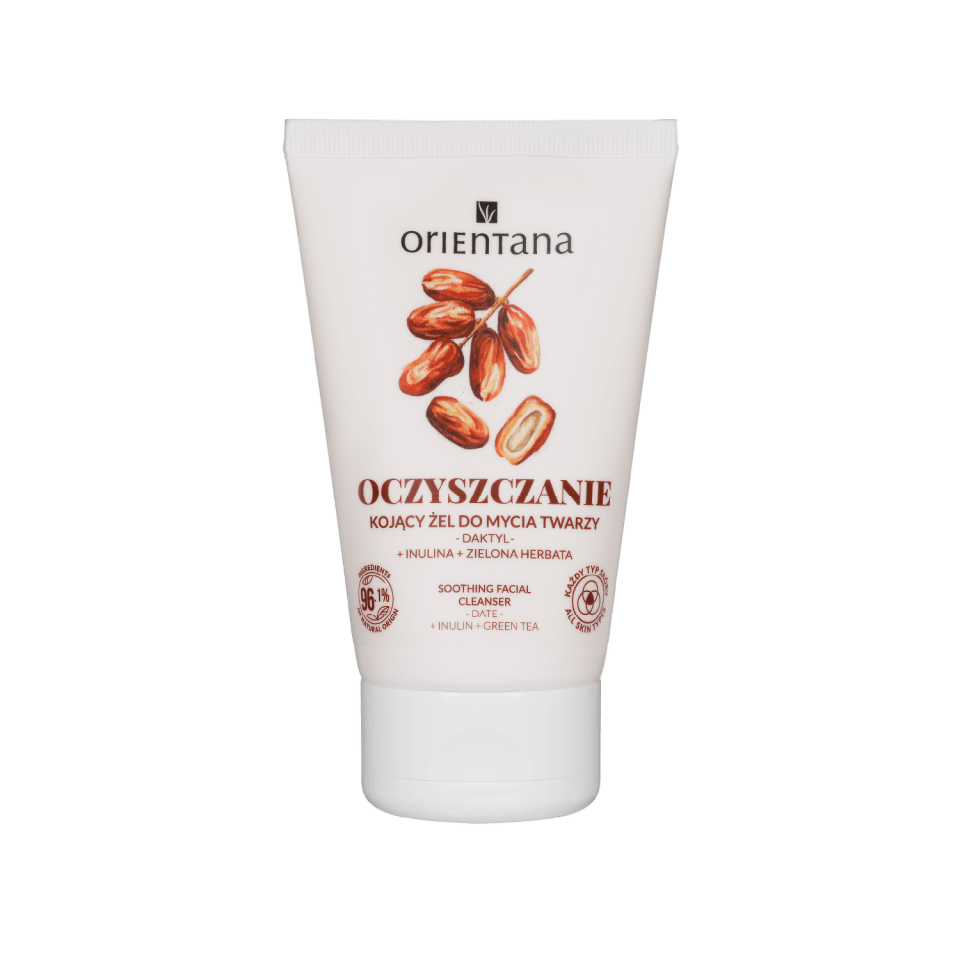
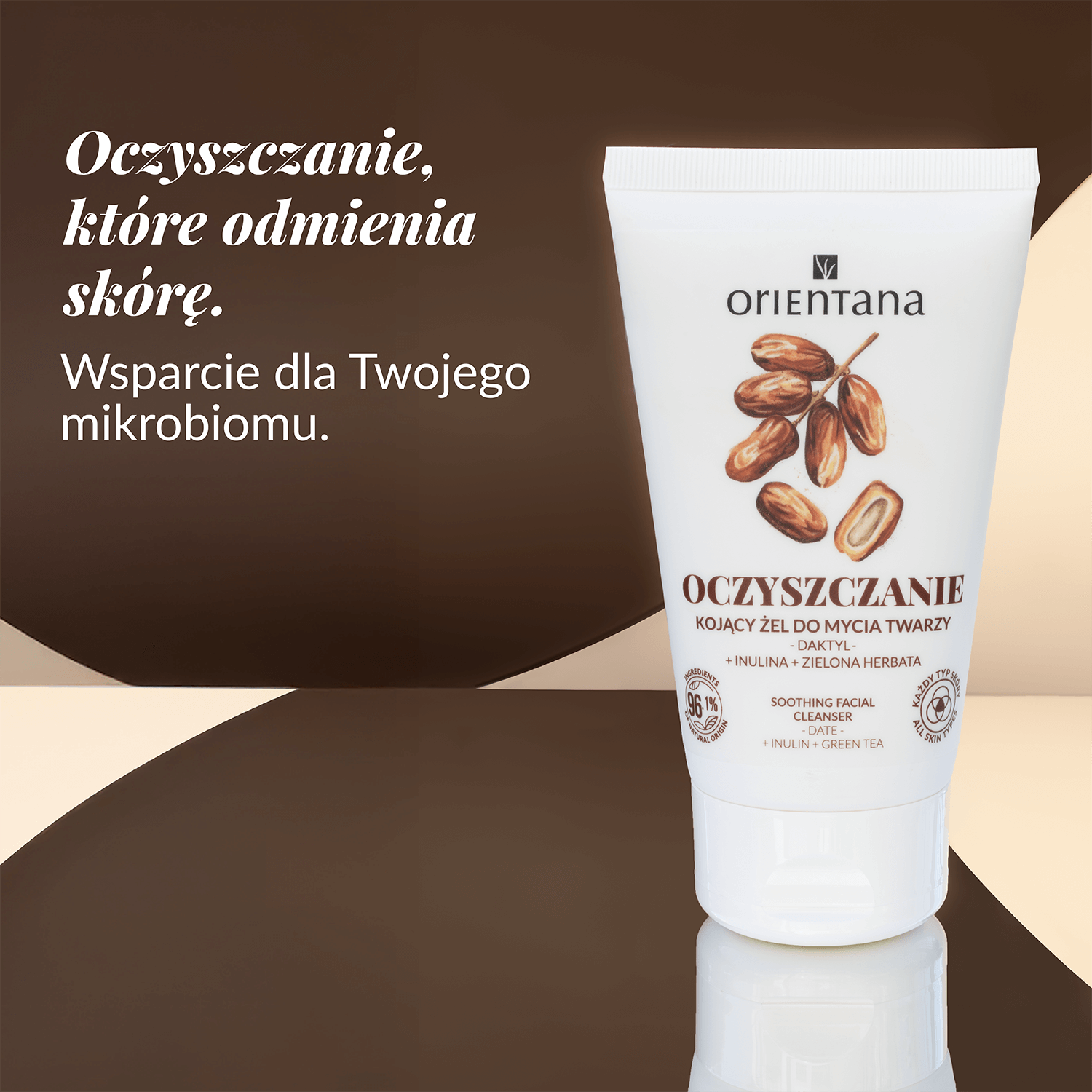
Soothing facial cleansing gel with inulin, green tea and date 125 ml
Type: Face creams
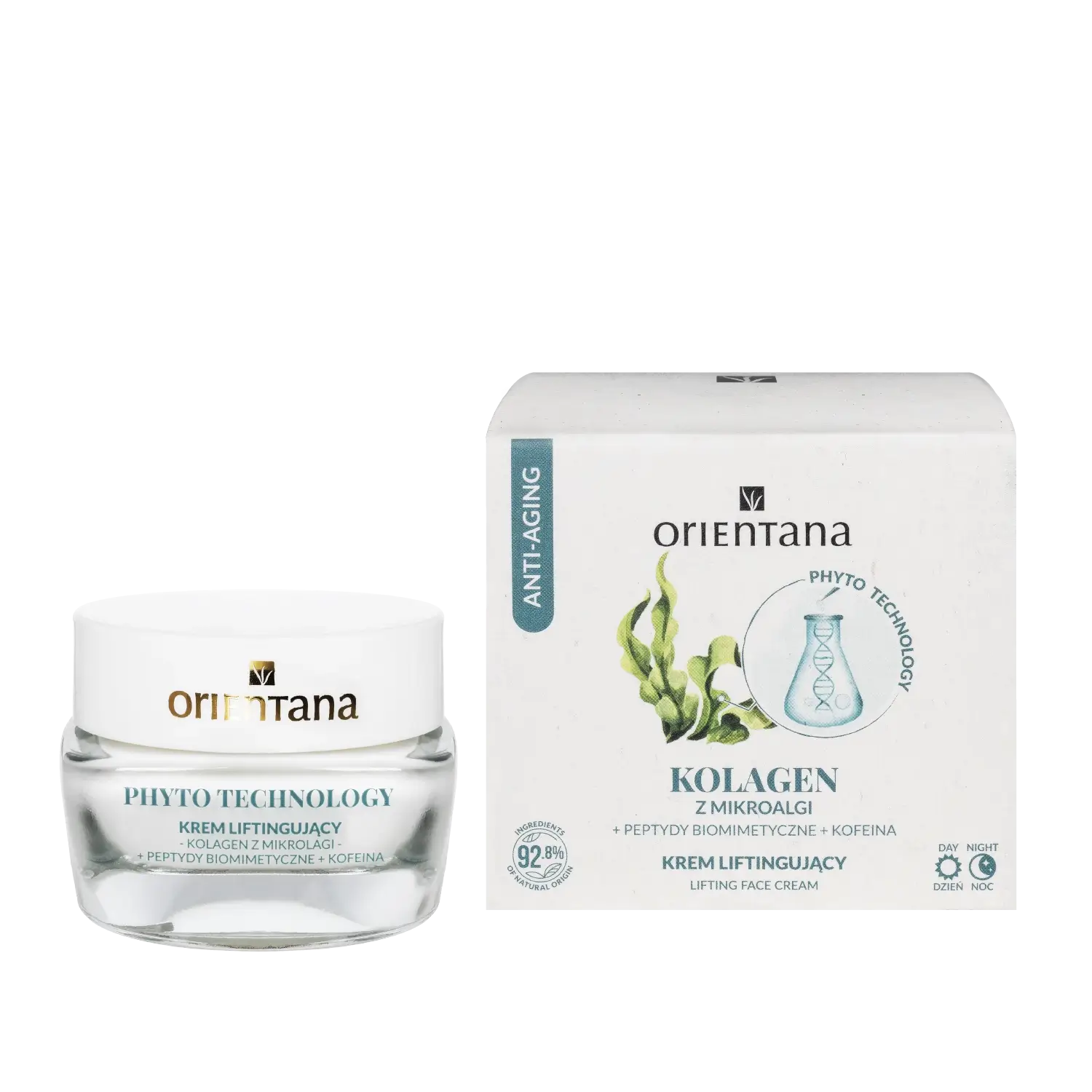
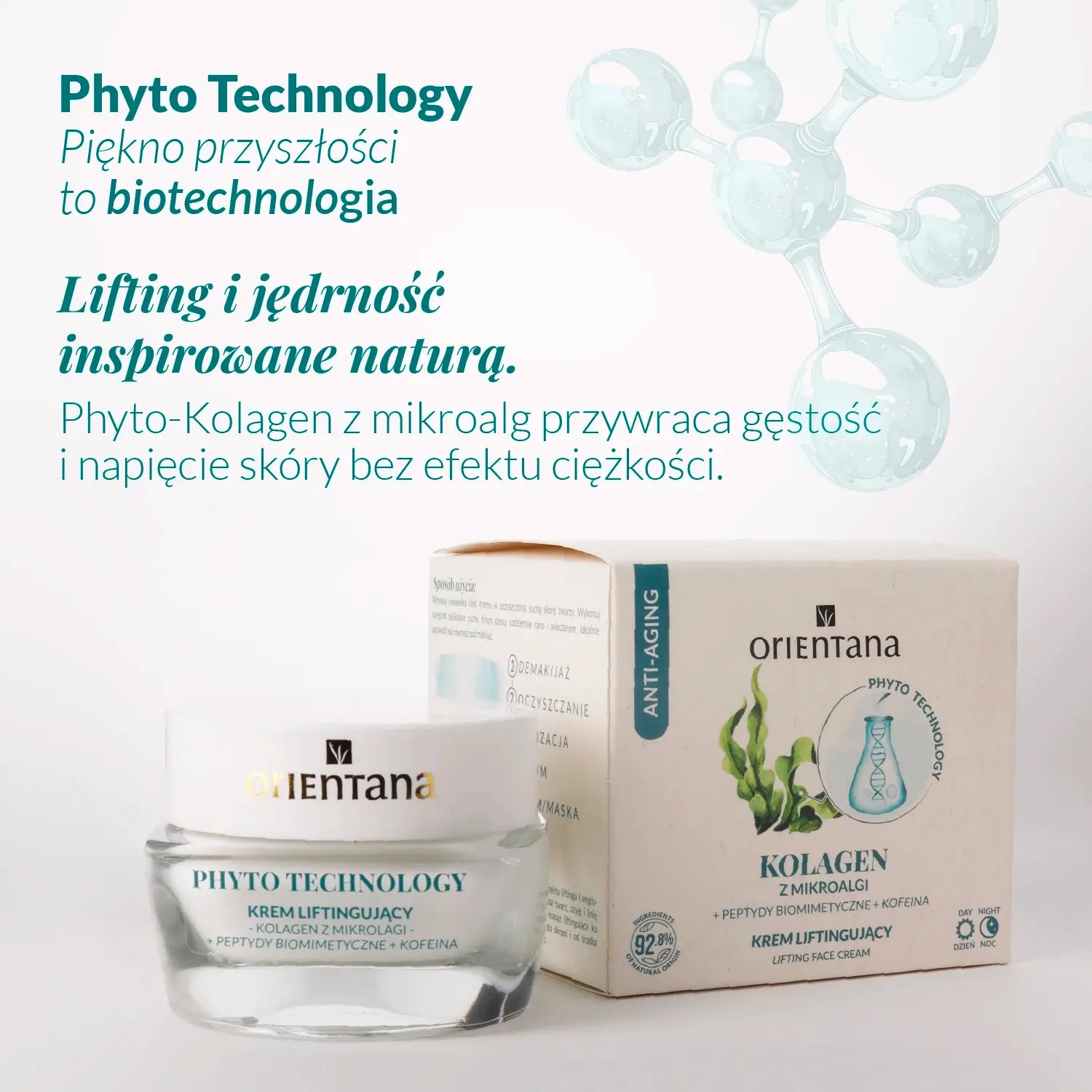
Lifting cream with microalgae collagen + biomimetic peptides + caffeine 40 ml
Type: Eye care
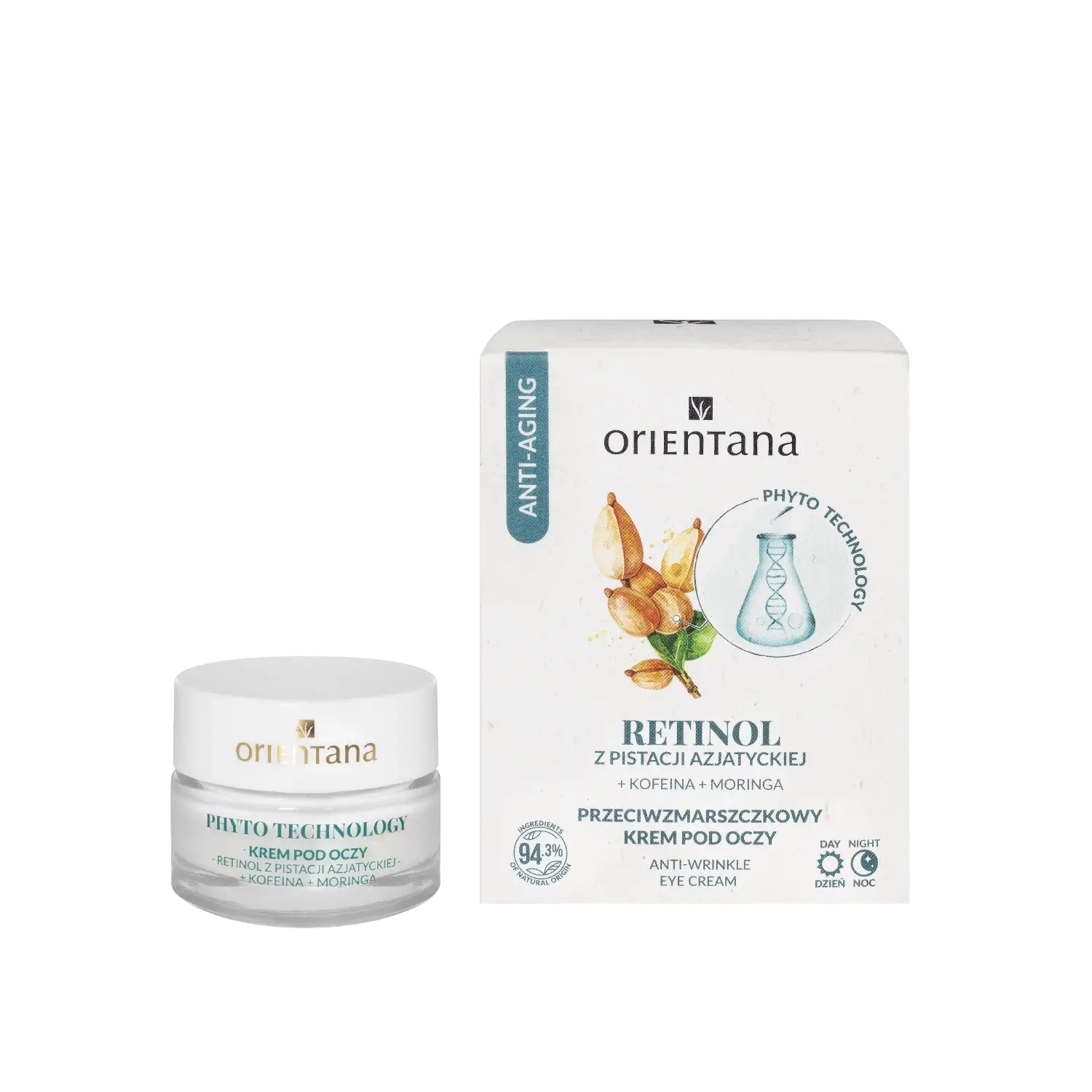
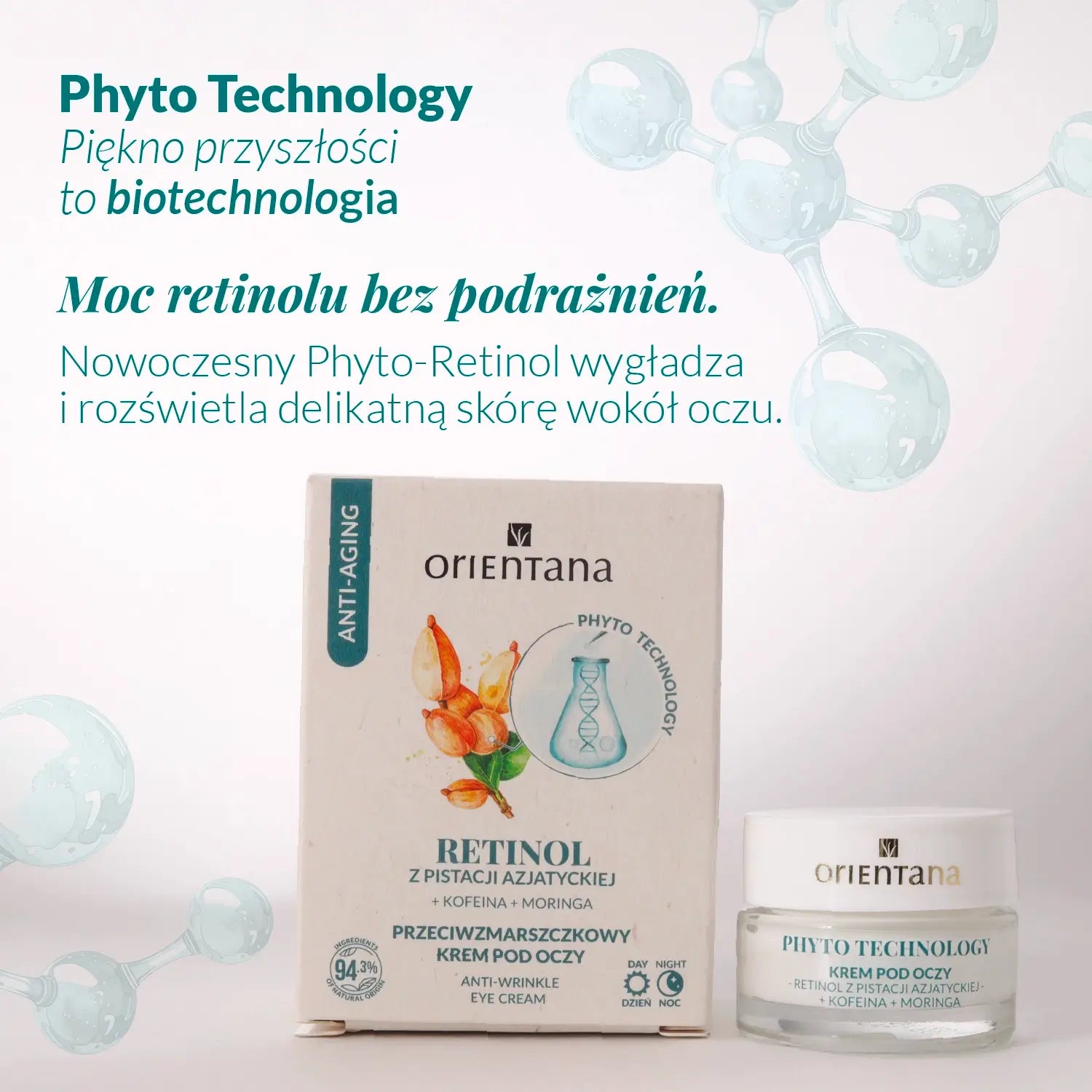
Anti-wrinkle eye cream with biotechnological retinol, caffeine and moringa 15 ml
Type: Face serums
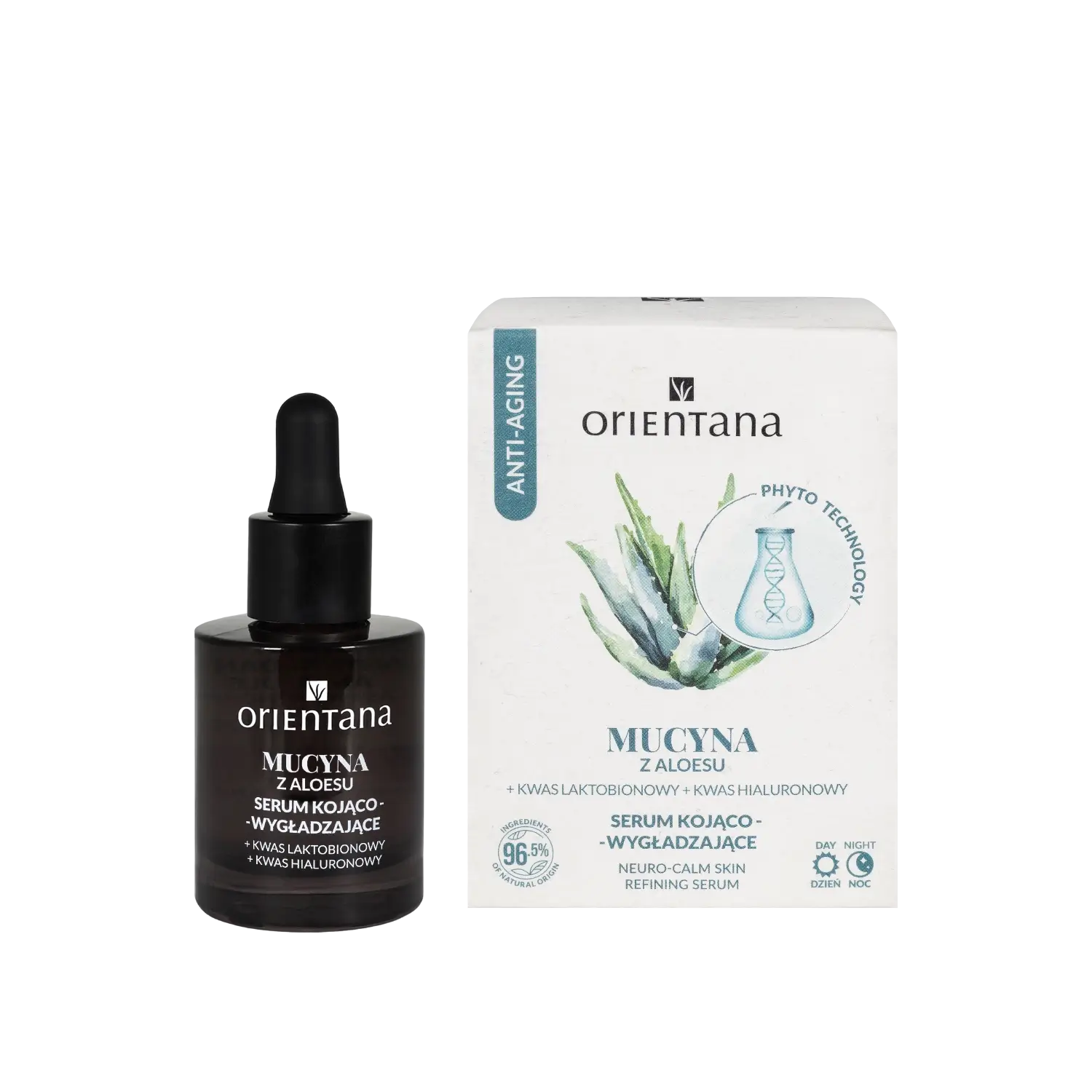
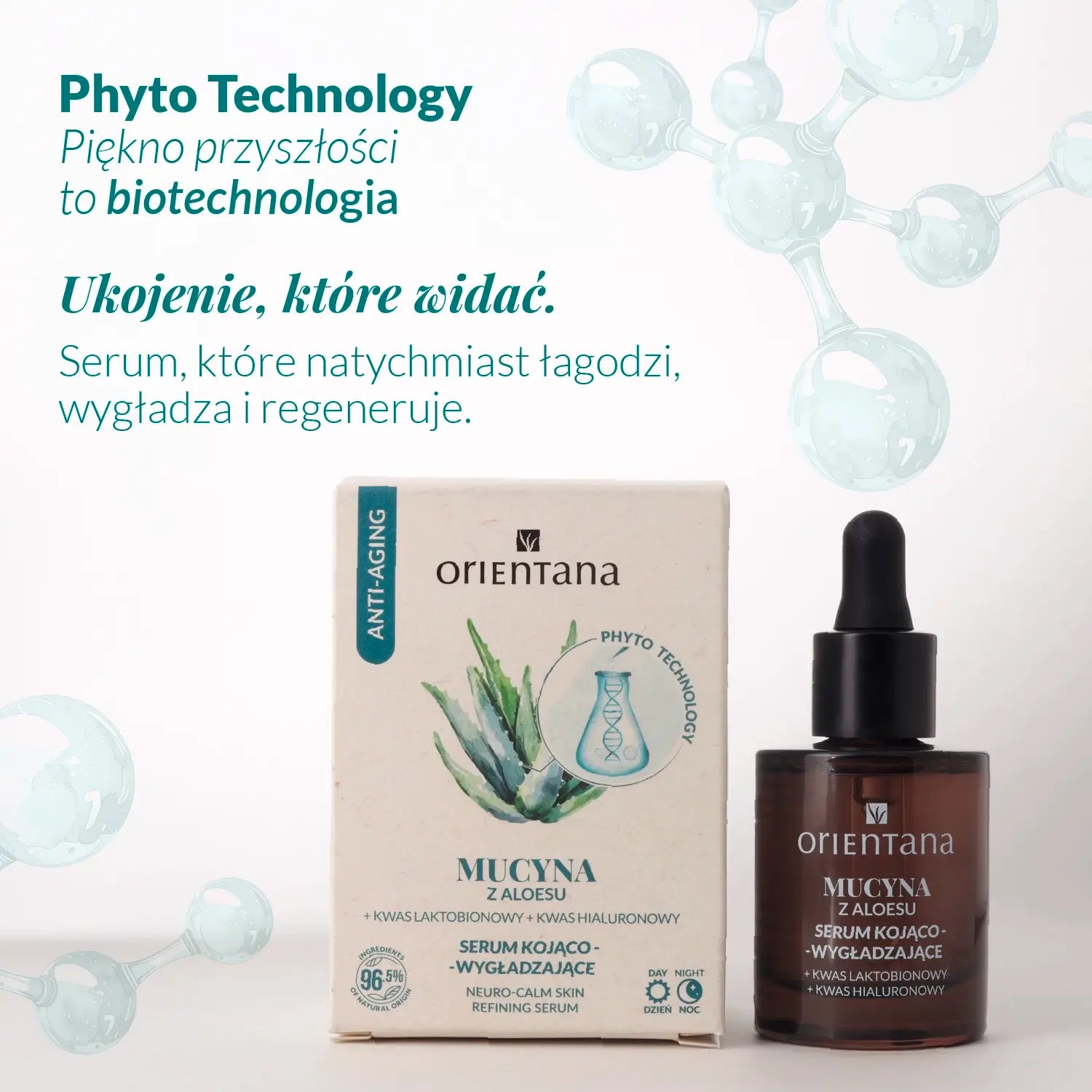
Smoothing and soothing serum with phytomucin + lactobionic acid + hyaluronic acids 30 ml
Type: Face serums
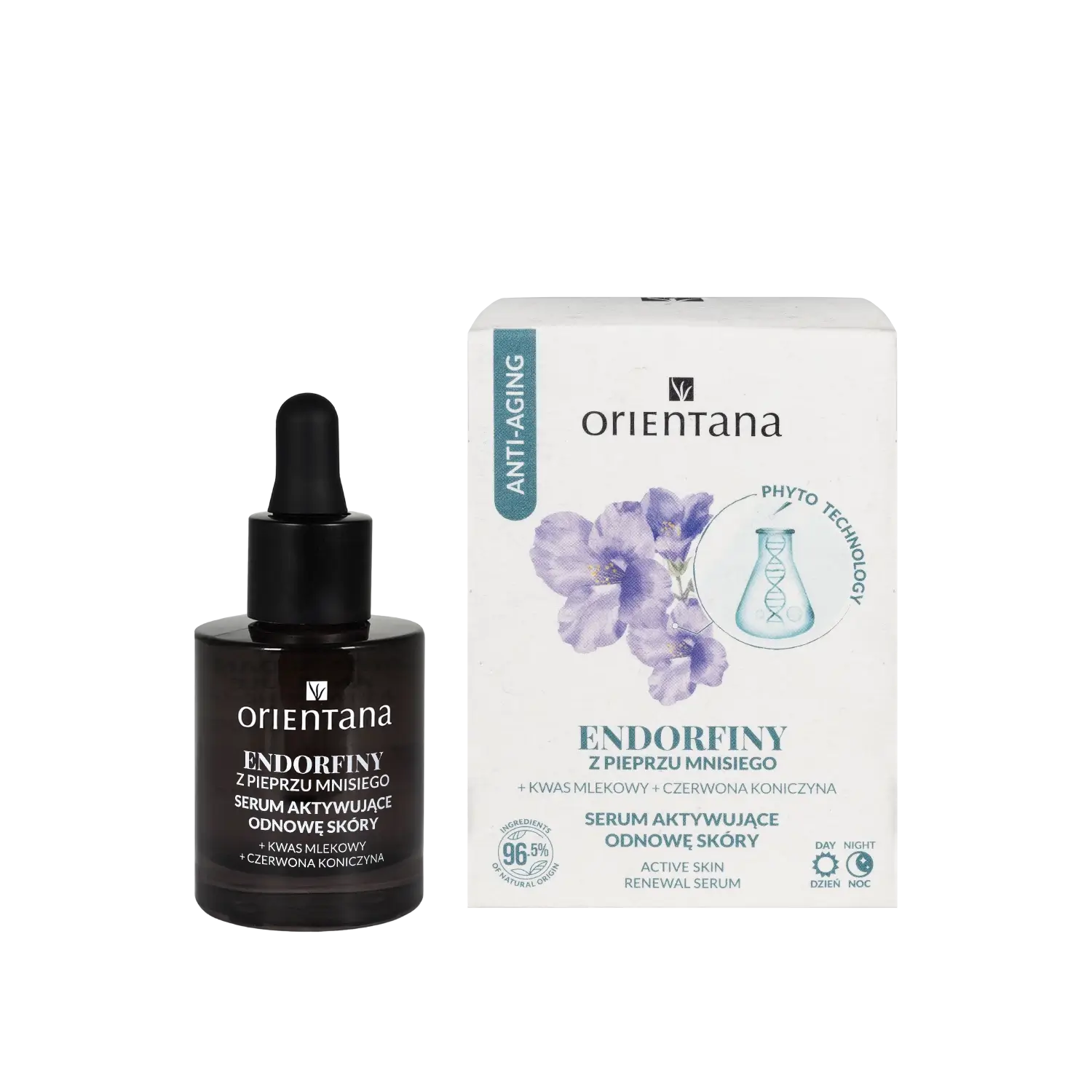
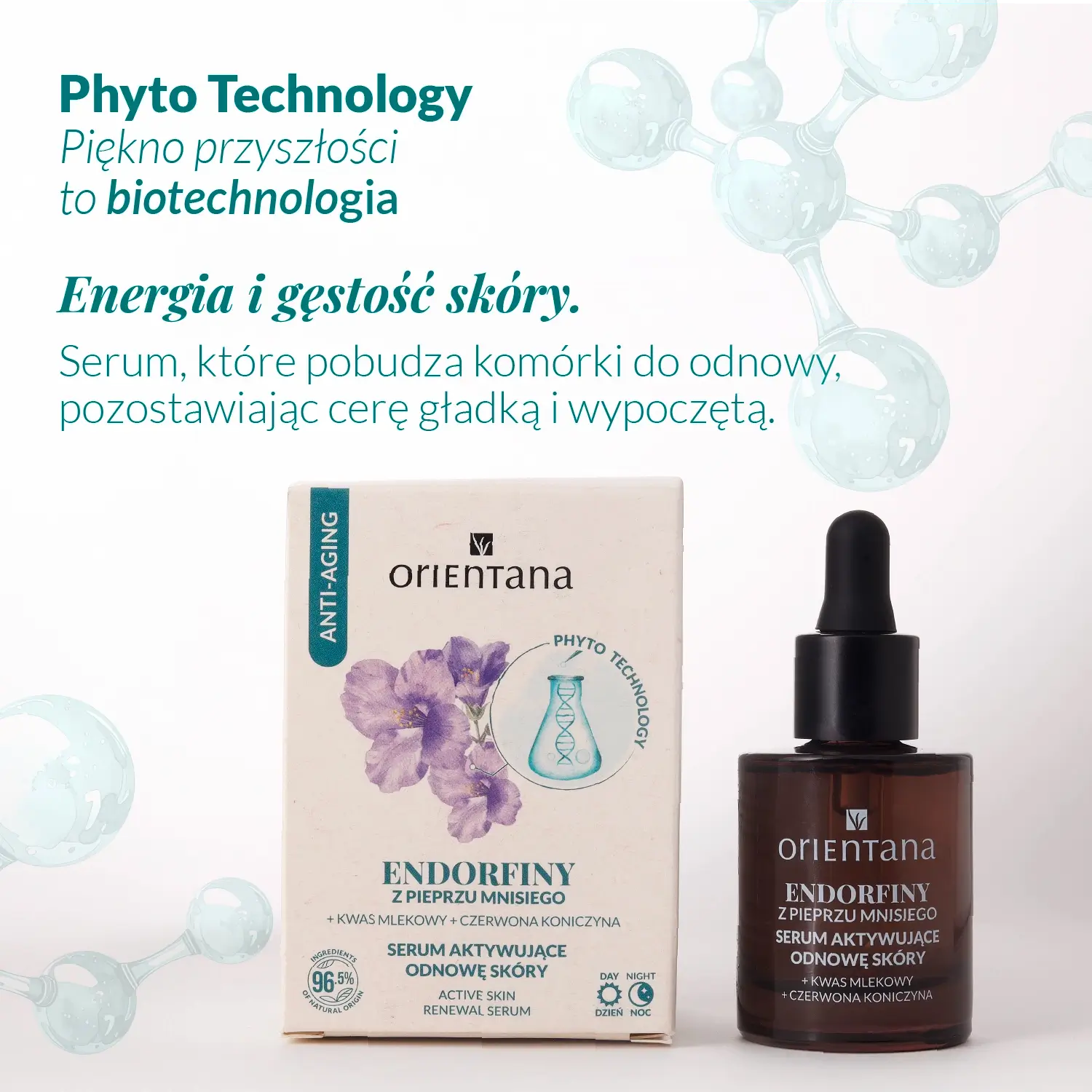
Anti-wrinkle serum activating skin renewal with phytohormones endorphins + red clover + vitamin E 30 ml
Type: Facial masks and scrubs
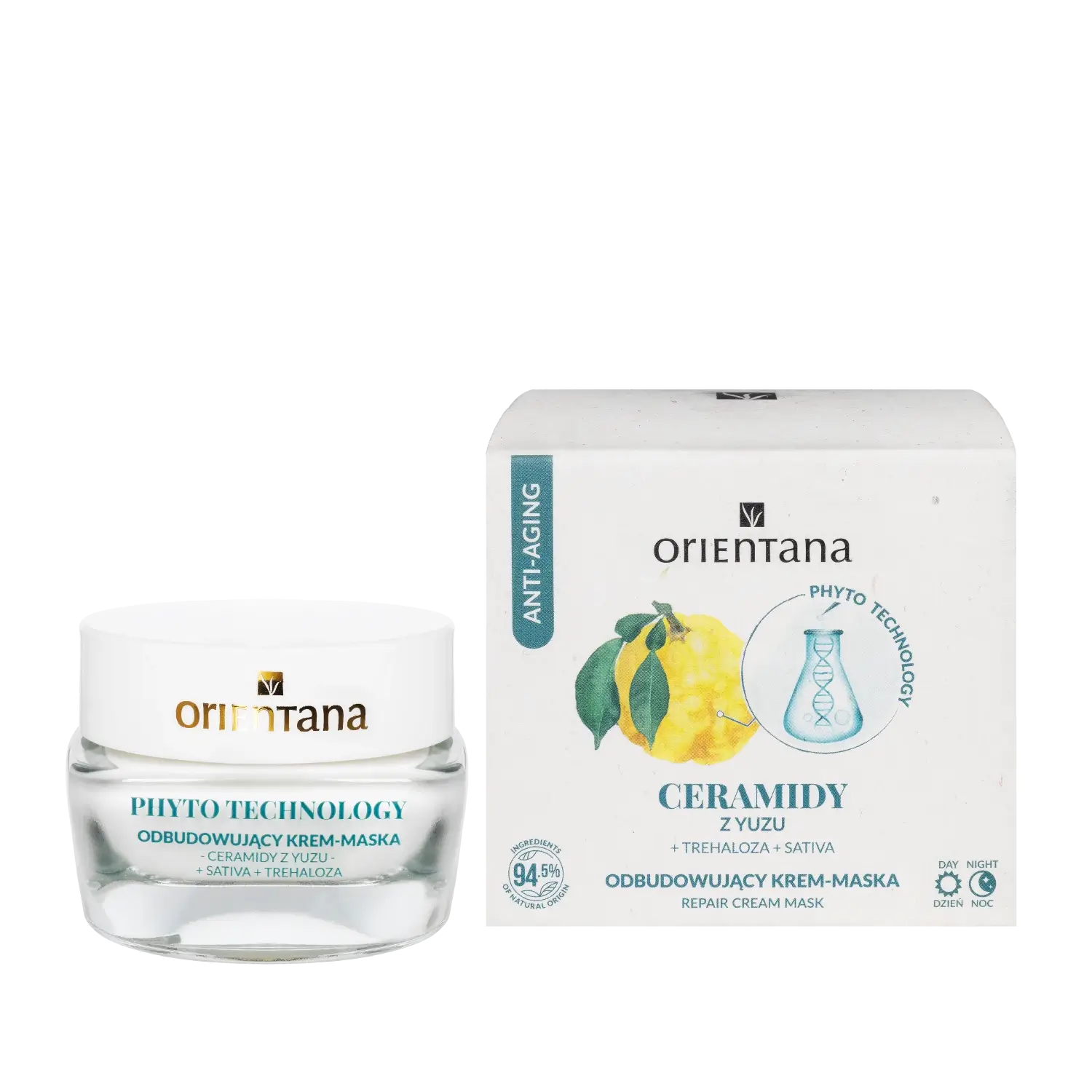
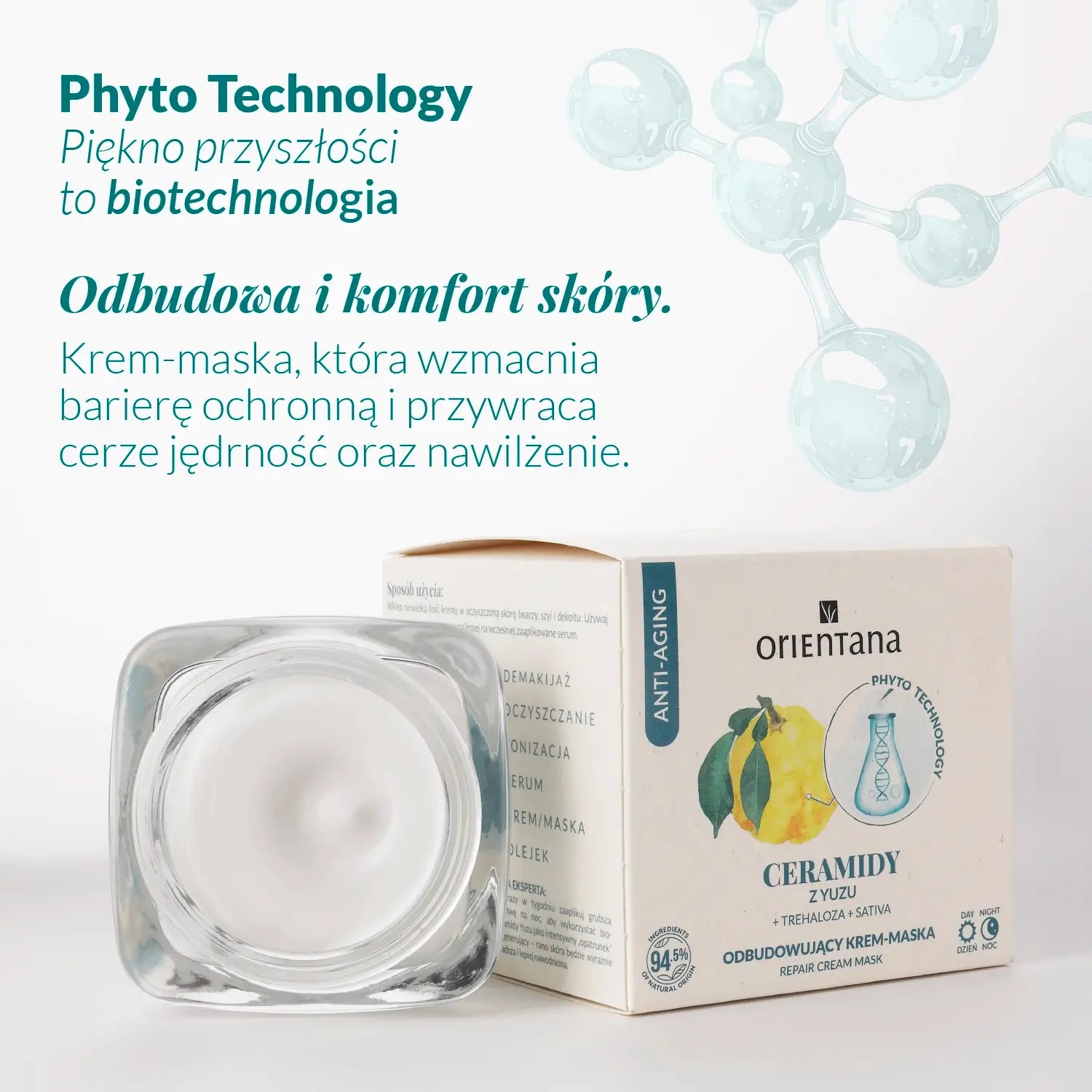
Regenerating mask with ceramides yuzu + sativa + trehalose 40 ml


Type: Facial essences and toners
Aloe Smoothing and Soothing Facial Toner 100 ml


Type: Esencje i tonery do twarzy
2-in-1 Spray Tonic - facial toner and mist with algae, panthenol, and yuzu ceramides


Type: Żele i pianki do mycia twarzy
Gentle makeup removal and face wash in one - jelly


Type: Kremy do twarzy
Krem barierowy do twarzy Bodyguard 50 ml


Type: Sera do twarzy
Serum rozświetlające do twarzy Glow Wear - NAD+, Arginina, Glutation 30 ml


Type: Sera do twarzy
Booster odmładzający Smooth Operator z NAD+ i bioretinolem 30 ml

Receive rewards
In the OrientKlub+ loyalty program!

The effectiveness of Ayurveda
High-quality natural ingredients!

Free delivery
For purchases over 159 PLN to pickup points!

Gift in a package
FREE samples with every order!

Full offer of Orientana brand
Guaranteed effective!

Many payment methods
Pay conveniently and securely!
Sensitive skin - what is it and why does it react?
Sensitive skin is a skin condition characterized by reduced tolerance to external and internal stimuli , which, in people with a healthy hydrolipid barrier, do not trigger any reaction. In practice, this means that the skin overreacts – faster, more intensely, and for longer.
In dermatology, it is increasingly emphasized that sensitive skin is not a classic skin type (like dry or oily), but a functional condition that can occur in anyone.
You can have:
- dry and sensitive skin
- oily and sensitive skin
- combination and sensitive skin
What are the symptoms of sensitive skin?
The symptoms of sensitive skin are both subjective (felt) and objective (visible) .
Subjective symptoms:
- burning facial skin
- pinching after cosmetics
- feeling hot
- skin tension
- discomfort after washing
Objective symptoms:
- redness (erythema)
- dilated blood vessels
- peeling
- dryness
- hyperreactivity
Burning skin - how to rebuild the damaged hydrolipid barrier?
What does sensitive skin look like?
Sensitive skin can look very different and this is why many people do not recognize it correctly.
May be:
- thin and dry (often with a feeling of tightness),
- oily, but reacts with burning,
- mixed - with reactive cheeks and a stable T-zone.
The most important:
Sensitive skin is not an appearance - it's a skin reaction.
Why does skin become sensitive?
1. Damaged hydrolipid barrier (TEWL)
The hydrolipid barrier is the skin's natural "protective shield." It consists of lipids (ceramides, cholesterol, fatty acids) that prevent water loss and protect against external factors.
When the barrier is damaged:
- TEWL (transepidermal water loss) increases,
- the skin dehydrates faster,
- irritants penetrate more easily.
Effect: burning, stinging, hyperreactivity.
Hyperresponsiveness of nerve receptors (TRPV1)
Modern cosmetology points to the key role of TRPV1 receptors, which respond to:
- temperature,
- active ingredients,
- stress.
In people with sensitive skin, these receptors are overactive , which leads to:
- burning sensation,
- redness,
- overreaction even to mild cosmetics.
Inflammatory skin microcondition
Sensitive skin is often in a state of chronic, low-grade inflammation.
This means:
- continuous activation of inflammatory mediators,
- greater reactivity to stimuli,
- greater risk of discoloration.
Environmental factors
Most important factors:
- air conditioning
- heating
- smog
- UV radiation
- wind and frost
why does the skin burn in winter
Care that worsens skin condition
This is one of the most common reasons for skin deterioration:
- excessive cleansing
- strong detergents
- too many active ingredients
- frequent peelings
paradox: the more you try to "fix your skin", the more you irritate it
why does the skin burn after using cosmetics
Sensitive skin and other skin problems
Sensitive skin rarely occurs "alone".
Most often it coexists with:
Acne
- oily skin + inflammation
- often worsened by aggressive treatment
Rosacea
- strong vascular reactivity
- redness + burning
Discoloration
- inflammation → melanocyte activation
Dehydrated skin
- high TEWL
- lack of skin comfort
therefore, care must be both soothing and active
Sensitive skin - what NOT to do
This is one of the most important sections for SEO (real user queries).
❌ Most common mistakes:
1. Aggressive cleansing
SLS, SLES → damage the barrier
2. Excess active ingredients
Retinol + acids + vitamin C = overload
3. Exfoliating too often
→ microdamages to the skin
4. Alcohol in cosmetics
→ drying + baking
5. Intense scents
→ neurogenic reactions
How to care for sensitive skin
1. Cleansing - the most important stage
Sensitive skin requires cleansing that:
- does not damage the hydrolipid barrier
- does not cause a feeling of tightness
- does not cause burning
Recommendation:
- gentle facial cleansing gel with gluconolactone
- foam with panthenol
Why does it work?
- gluconolactone (PHA) - moisturizes and gently exfoliates
- panthenol - soothes and regenerates
effect: the skin is clean, but not "damaged"
2. Toning and essence - the step that changes everything
This is a stage that is underestimated in Poland, but crucial in Asia.
Recommendation :
- tonic-essence with gluconolactone
Action:
- restores the skin's pH
- reduces irritation
- increases hydration
This is the moment when the skin begins to "calm down".
3. Serum - intelligent care
Sensitive skin does not need aggressive ingredients.
I need intelligent formulas .
Orientana Recommendations:
- serum with mucin (vegan)
- niacinamide serum
- serum with adaptogens (ashwagandha, reishi)
Why does it work?
- mucin → creates a protective film
- niacinamide → reduces redness
- adaptogens → have an anti-stress effect on the skin
This fits perfectly into the trend: neurocosmetics 2026
4. Cream - rebuilding the hydrolipid barrier
The most important step for sensitive skin.
Search:
- ceramides
- emollients
- panthenol
Effect:
- TEWL reduction
- less reactivity
- greater skin comfort
The best ingredients for sensitive skin
- gluconolactone (PHA)
- niacinamide
- panthenol
- ectoine
- adaptogens (ashwagandha, reishi)
this is the direction of the future: skin barrier + neurocalming + biotech
Sensitive skin and hormones - why does the skin change during the menstrual cycle?
Sensitive skin often reacts to hormonal changes – and this is one of the most frequently overlooked topics in skincare.
How do hormones affect sensitive skin?
Estrogen
- strengthens the hydrolipid barrier
- increases the production of ceramides
- improves hydration
👉 effect: the skin is more resistant and less reactive
Progesterone
- may increase water retention
- affects microcirculation
- may increase the feeling of tension
👉 effect: the skin may be more "heavy" and reactive
Why does sensitive skin worsen before menstruation?
In the luteal phase (before menstruation):
- estrogen levels drop
- the hydrolipid barrier weakens
- inflammation increases
👉 effects:
- increased redness
- baking
- hyperreactivity to cosmetics
This is exactly the same mechanism you observe with:
👉 cellulite that worsens before menstruation
Application
Sensitive skin is not permanent.
👉 changes in the hormonal cycle
Therefore, care should be:
- flexible
- adjusted to the moment of the cycle
- more soothing before menstruation
Sensitive skin and stress - the nervous system and the skin
Sensitive skin is not just a skin problem.
It is also a problem of the nervous system.
How does stress affect the skin?
- increases cortisol levels
- increases inflammation
- activates TRPV1 receptors
👉 effects:
- baking
- reddening
- hyperreactivity
Why does the skin “react to emotions”?
The skin and nervous system have a common origin (ectoderm).
This is why:
👉 stress = skin reaction
How to calm sensitive skin?
👉 adaptogens (ashwagandha, reishi)
Action:
- reduction of oxidative stress
- anti-inflammatory effect
- support skin balance
👉 this is the trend: neurocosmetics + adaptogens
Sensitive skin and active ingredients - what can be used and what can be avoided?
Is retinol for sensitive skin?
Is retinol good for sensitive skin?
Yes, but:
- in low concentration
- in the appropriate formula
- with the support of the skin barrier
alternative - phytoretinol
Can acids be used?
Yes - but not all of them.
👉 best:
- PHA (gluconolactone)
- lactobionic acid
👉 avoid:
- high AHA concentrations
- aggressive peelings
Does vitamin C irritate?
Depends on the form.
👉 milder:
- vitamin C derivatives
👉 more irritating:
- pure ascorbic acid
Sensitive skin care routine - step by step
In the morning
- Gentle cleansing
👉 SLS-free gel or foam - Tonic-essence
👉 pH restoration + hydration - Serum
👉 niacinamide / adaptogens - Cream
👉 barrier reconstruction
Evening
- Cleansing (gentle)
- Toning
- Regenerating serum
- Regenerating cream
👉 minimalism = best results
The most common mistakes in the care of sensitive skin
❌ Too many cosmetics
→ skin overload
❌ Constant changes in care
→ lack of stability
❌ Trends instead of skin needs
→ deterioration of condition
❌ Ignoring the hydrolipid barrier
→ major error
How to choose cosmetics for sensitive skin?
The selection of cosmetics for sensitive skin should not be based on trends, but on the physiology of the skin .
What to pay attention to?
1. Ingredients, not marketing
Search:
- panthenol
- niacinamide
- gluconolactone
- ceramides
- adaptogens
Avoid:
- denatured alcohol
- strong detergents
- intense fragrance compositions
2. Shorter composition = lower risk of reaction
The fewer potentially irritating ingredients, the better.
3. The formula is more important than the individual ingredient
What is often overlooked:
👉 Even a good ingredient can cause irritation in a bad formula
How to read INCI for sensitive skin?
Pay attention to:
- order of ingredients (the higher, the more)
- presence of humectants (glycerin, propanediol)
- no aggressive detergents
Perfect care for sensitive skin
1. Gentle cleansing
👉 SLS-free gel or foam
2. Tonic-essence
👉 restores skin balance
3. Serum
👉 targeted action (soothing, barrier, stress)
4. Cream
👉 closes the care
Minimalist set
👉 cleansing + essence + serum
This is enough to:
- reduce burning
- improve skin comfort
- rebuild the barrier
Sensitive skin - how to calm it down quickly?
If your skin burns and is red:
- put aside the active ingredients
- use only gentle cleansing
- introduce panthenol and niacinamide
- use a restorative cream
- avoid hot water
👉 effect: quick reduction of skin reactivity
FAQ - Sensitive skin
Can sensitive skin react to water?
Yes. Hard water containing minerals can exacerbate dryness and skin irritation, especially when the hydrolipid barrier is weakened.
Does sensitive skin age faster?
Yes. Chronic inflammation and high TEWL can accelerate the skin aging process.
Can retinol be used on sensitive skin?
Yes, but you should start with low concentrations and use it sparingly to support the skin barrier.
Does sensitive skin like minimalism?
Yes. The fewer products and ingredients, the lower the risk of irritation.
Does climate change affect sensitive skin?
Yes. Changes in temperature, humidity, and air quality can exacerbate skin reactions.
Is the sauna harmful to sensitive skin?
Maybe. High temperature dilates blood vessels and may intensify the flushing.
Does coffee affect sensitive skin?
Indirectly, yes – through its impact on the nervous system and stress levels.
Can sensitive skin be thick?
Yes. Skin thickness does not preclude hyperreactivity.
Is enzyme peeling safe?
Yes, it is one of the safest forms of exfoliation for sensitive skin.
Can SPF be used daily?
Yes. This is one of the most important elements of skin protection.
Does sensitive skin react to fragrances?
Yes. Fragrances can activate nerve receptors in the skin.
Are oils good for sensitive skin?
Yes, especially light oils that support the lipid barrier.
Can sensitive skin peel?
Yes. This is often the result of a damaged hydrolipid barrier.
Can stress worsen skin condition?
Yes. Stress increases inflammation and skin reactivity.
Does diet matter?
Yes. Diet affects the body's inflammation and skin condition.
FAQ – Sensitive skin
Can sensitive skin be acne-prone?
Yes. Skin can be oily, acne-prone, and sensitive at the same time, especially when the hydrolipid barrier is damaged.
Is SPF necessary for sensitive skin?
Yes. UV radiation increases inflammation and skin reactivity.
Is makeup harmful to sensitive skin?
No, if it is properly selected and carefully removed using gentle methods.
Does sensitive skin get worse in winter?
Yes. Frost, wind, and heating increase TEWL and weaken the skin barrier.
Can I use oils?
Yes, if they are light and well tolerated – they support the lipid barrier.
Can tap water irritate the skin?
Yes. Hard water can exacerbate dryness and discomfort.
Does diet affect sensitive skin?
Yes. Inflammation and deficiencies in the body affect the condition of the skin.
Can sensitive skin “regulate” itself?
Yes, with proper care its reactivity can be significantly reduced.
Summary - Sensitive Skin Care Strategy
Sensitive skin is not a problem that can be "fixed with one cosmetic."
This is a skin condition that requires:
👉 understanding
👉 consequences
👉 appropriate strategy
The most important rules:
- reconstruction of the hydrolipid barrier
- reduction of inflammation
- minimalism in care
- selection of intelligent ingredients
