
Did you know that as much as 80% of skin aging signs are a result of external factors, including free radicals caused by UV radiation and pollution? (Dermatoendocrinology, 2012).
Free radicals are one of the most frequently discussed destructive factors for skin in dermatology and cosmetology. Their excess leads to so-called oxidative stress, which damages cellular DNA, harms collagen and elastin fibers, and weakens the skin's protective barrier.
In this article, I explain step-by-step:
• what free radicals are and how they are formed,
• their impact on the skin,
• how oxidative stress works,
• what antioxidants are and why they are worth using,
• which Orientana cosmetics neutralize free radicals,
• what lifestyle habits help limit their excess.
What are free radicals?
Free radicals are atoms or molecules that have an unpaired electron in their orbit. This makes them extremely reactive – they "steal" electrons from other molecules, destabilizing them and causing a chain reaction of damage.
In dermatology, they are referred to as the "silent enemy of youth." An excess of free radicals leads to loss of elasticity, wrinkles, discoloration, and chronic skin diseases.
How free radicals are formed in the body
The body produces free radicals naturally – for example, during cellular respiration. In small amounts, they perform defensive functions (e.g., fighting bacteria). The problem begins when their quantity exceeds the body's antioxidant capacity.
Sources of free radicals:
• UV radiation – according to studies by the Journal of Photochemistry and Photobiology (2015), as much as 50–80% of free radicals in the skin are formed under the influence of UV.
• Air pollution (PM2.5, PM10) – increases the production of reactive oxygen species.
• Smoking cigarettes – one puff of smoke contains billions of free radicals.
• Stress and lack of sleep – increase the production of cortisol and free radicals.
• Inadequate diet – highly processed foods, simple sugars, and trans fats.
Free radicals and skin – mechanism of damage
Free radicals cause:
• lipid peroxidation – damage to cell membranes, leading to dryness and irritation,
• degradation of collagen and elastin – wrinkles, loss of firmness,
• DNA damage – impaired regeneration, risk of skin cancers,
• melanin overproduction – discoloration and uneven tone,
• intensification of inflammation – acne, atopic dermatitis, psoriasis.
What is oxidative stress?
Oxidative stress is a state in which the number of free radicals exceeds the skin's ability to neutralize them.
According to research (Oxidative Medicine and Cellular Longevity, 2019), oxidative stress is one of the key mechanisms of photoaging and is responsible for premature wrinkles, dry skin, and loss of elasticity.
Antioxidants – how do they neutralize free radicals?
Antioxidants (antioxidants) are compounds that donate an electron to free radicals, stabilizing them and stopping the chain reaction.
The most important antioxidants for the skin:
• Vitamin C – neutralizes free radicals, brightens discoloration.
• Vitamin E – stabilizes lipids in cell membranes.
• Niacinamide – reduces inflammation and has antioxidant effects.
• Plant polyphenols – e.g., from green tea, grapes, reishi.
• Ashwagandha – an adaptogen, reduces oxidative stress.
• Coenzyme Q10 – supports mitochondria and cellular energy.
Orientana cosmetics neutralizing free radicals
Serum Ampoule Ashwagandha + CICA + Niacinamide + adaptogens - antioxidant serum reducing oxidative stress, improving skin firmness.

Serum Ampoule with vitamin C and tranexamic acid – strong antioxidant, brightens and supports even skin tone.

Cream-mask for night and day with vitamin C - has an antioxidant effect at night while you sleep.

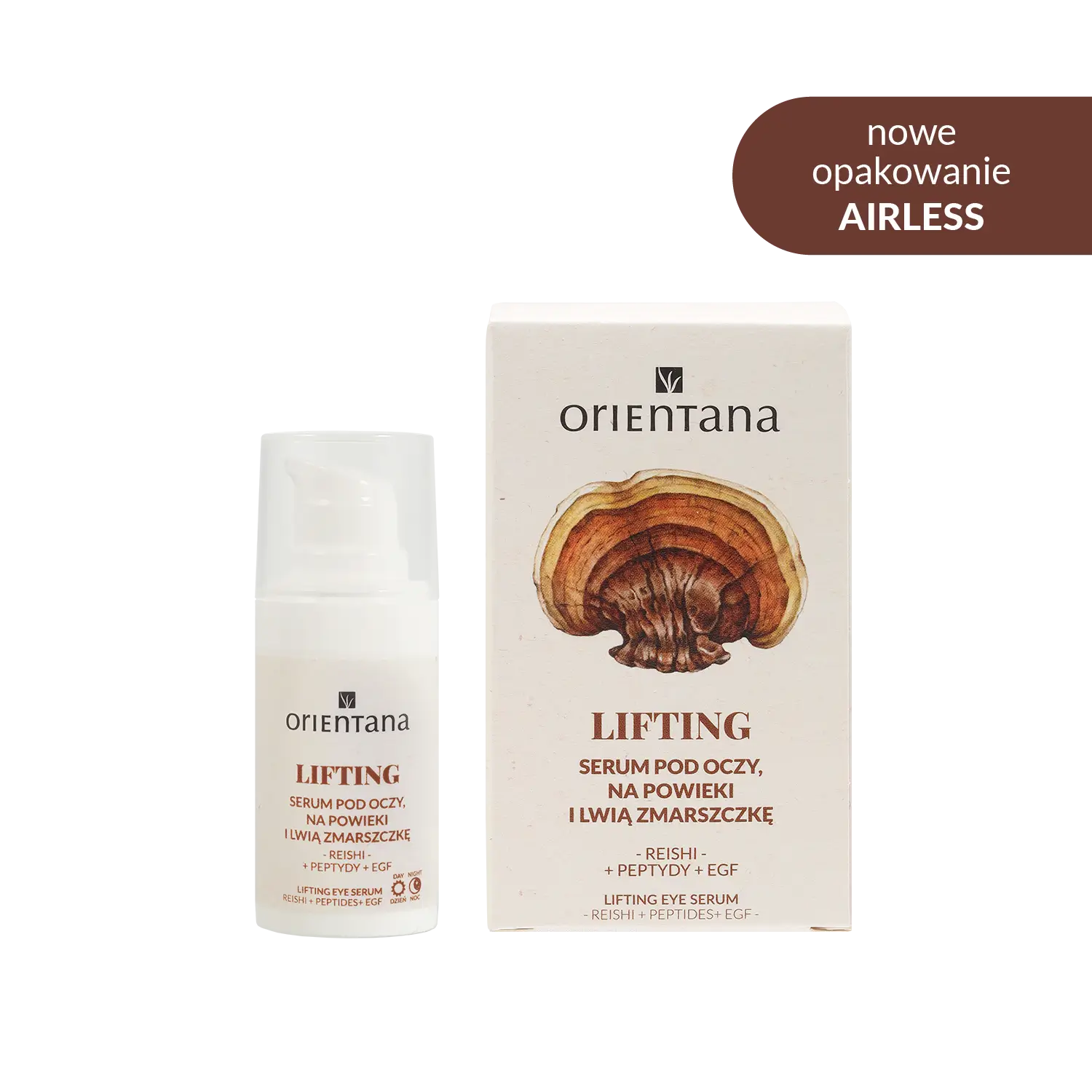
Cream with Reishi adaptogen and Centella asiatica - helps neutralize free radicals and supports antioxidant protection.

👉 Rose Toner – soothes and supports daily antioxidant protection.
Lifestyle and free radicals
• Use UV filters daily – sun protection is the most important step.
• Eat a Mediterranean diet – rich in antioxidants (berries, olive oil, green vegetables).
• Avoid smoking and limit alcohol.
• Sleep 7–8 hours a day.
• Ensure regular physical activity – movement improves metabolism and neutralization of free radicals.
Your questions and answers
What are free radicals in simple terms? They are molecules with an unpaired electron that damage skin cells.
Where do free radicals in the skin come from? Mainly from UV radiation and environmental pollution.
Are free radicals always harmful? No – in small amounts, they support immune defense. The problem is their excess.
How do free radicals destroy collagen? They break down collagen and elastin fibers, causing wrinkles.
Do free radicals cause discoloration? Yes – they stimulate melanin overproduction.
What cosmetic ingredients neutralize free radicals? Vitamin C, E, polyphenols, ashwagandha, reishi, niacinamide.
Does a diet rich in vegetables reduce free radicals? Yes – it provides antioxidants.
Is sunscreen an antioxidant? No, but it limits the formation of free radicals caused by UV.
Do free radicals accelerate skin aging? Yes – they are responsible for over 70% of damage related to photoaging.
What studies confirm the harmfulness of free radicals? Among others, Dermatoendocrinology (2012), Journal of Investigative Dermatology (2015).
Does Orientana have cosmetics with antioxidants? Yes – serums with vitamin C, Ashwagandha, and Reishi.
Do free radicals damage DNA? Yes – they can cause mutations and cellular regeneration disorders.
Does stress increase the number of free radicals? Yes – cortisol intensifies oxidative stress.
Do free radicals affect acne? Yes – they intensify inflammation and oxidative stress in acne-prone skin.
How quickly do antioxidants work in cosmetics? The first effects are visible after several weeks of regular use.
Does young skin need antioxidant protection? Yes – anti-aging prevention should start early.
What fruits have the most antioxidants?
Berries, pomegranate, grapes, blackcurrant.
Does coffee have antioxidant effects? Yes – it contains polyphenols, but in excess, it can dehydrate the skin.
Do free radicals damage hair? Yes – they weaken hair follicles and accelerate graying.
What vitamins are most important in fighting free radicals? C, E, A, D, coenzyme Q10.
Does SPF block all free radicals? No – it's worth combining it with antioxidants in cosmetics.
Which Orientana cosmetics work best as antioxidants? Ashwagandha + CICA Serum, Vitamin C Serum, Reishi Serum.
Can free radicals cause skin allergies? Indirectly – they weaken the skin barrier, increasing its sensitivity.
Does exercise help reduce free radicals? Yes – moderate exercise improves oxidative balance.
Are free radicals linked to skin cancers? Yes – DNA damage can increase the risk of mutations.
Remember
Free radicals are an invisible but extremely destructive factor in skin aging. Their excess leads to oxidative stress, accelerates the formation of wrinkles, discoloration, and loss of firmness.
The most effective weapons are antioxidants – in diet and cosmetics. Orientana offers natural solutions: serums with ashwagandha, reishi, and vitamin C, which effectively neutralize free radicals and support healthy, radiant skin.
Learn more - 6 antioxidant adaptogens.