Type: Face creams
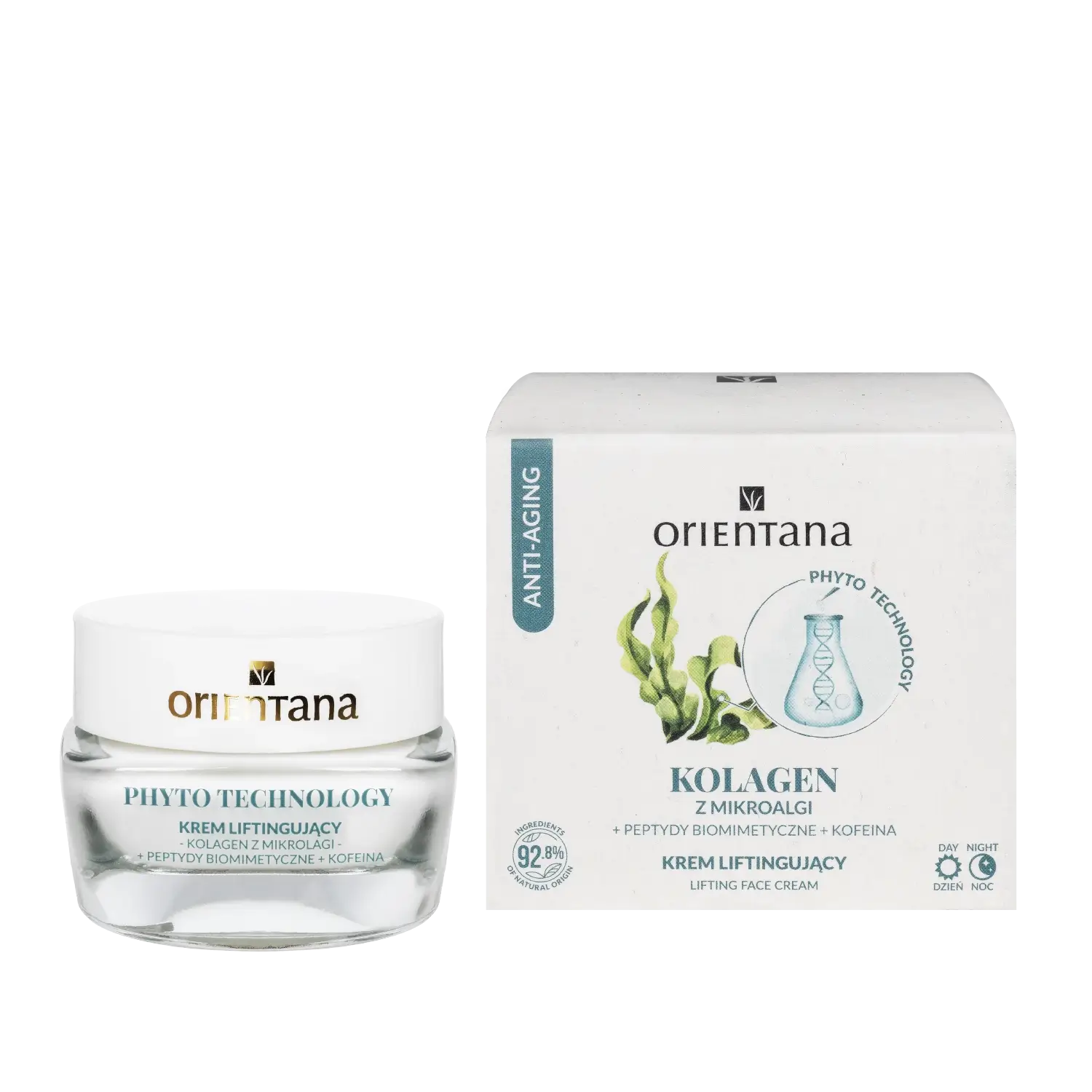
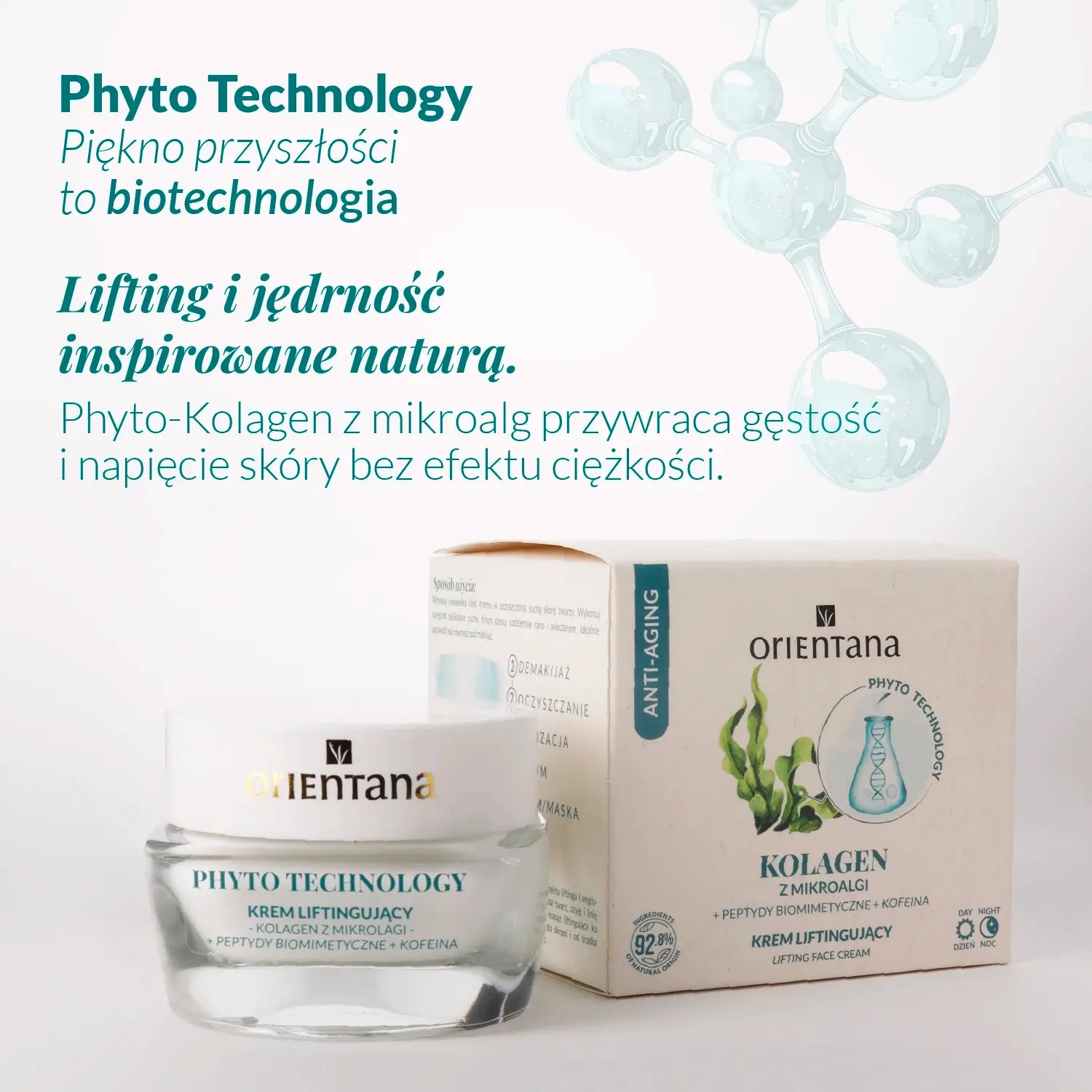
Lifting cream with microalgae collagen + biomimetic peptides + caffeine 40 ml
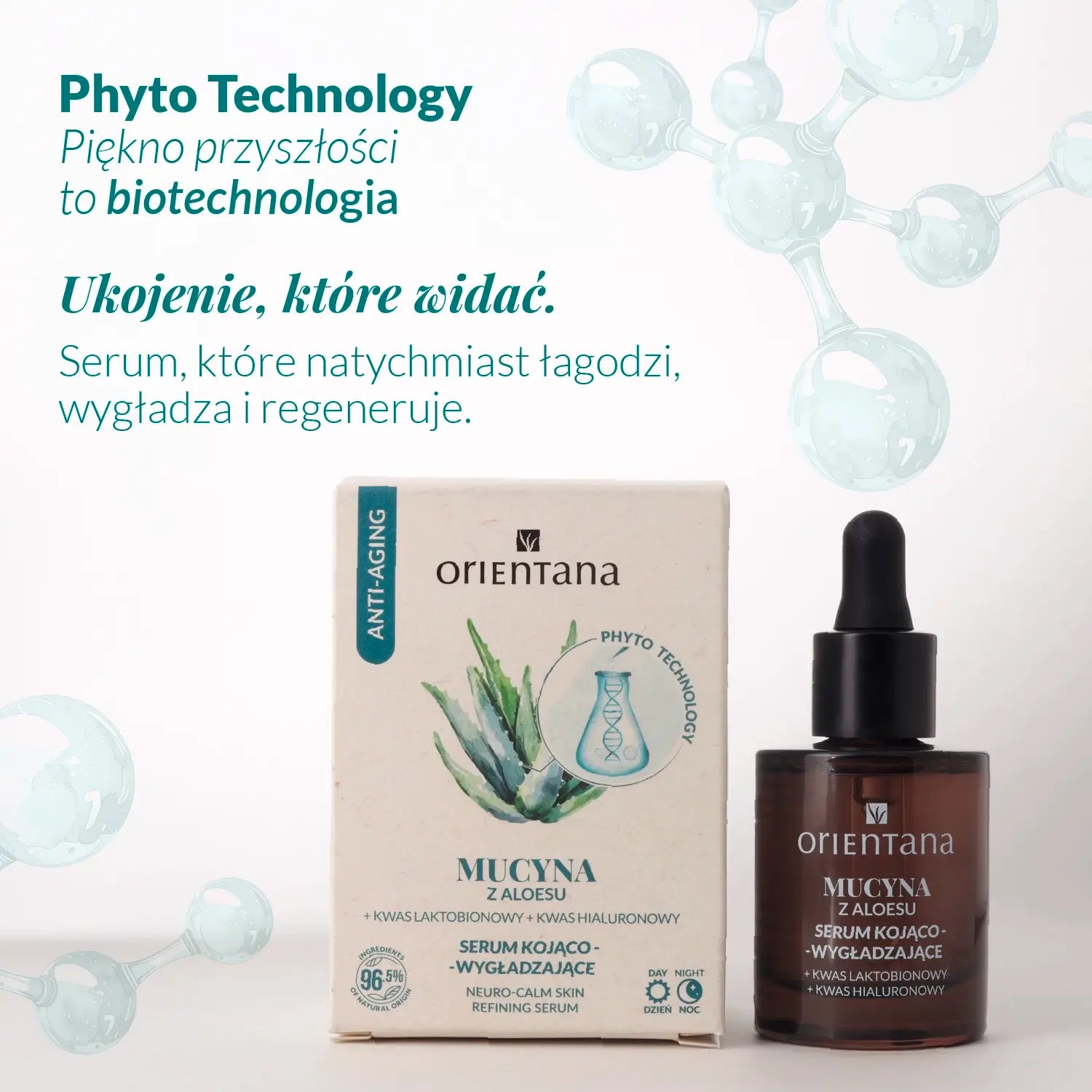
Type: Face serums
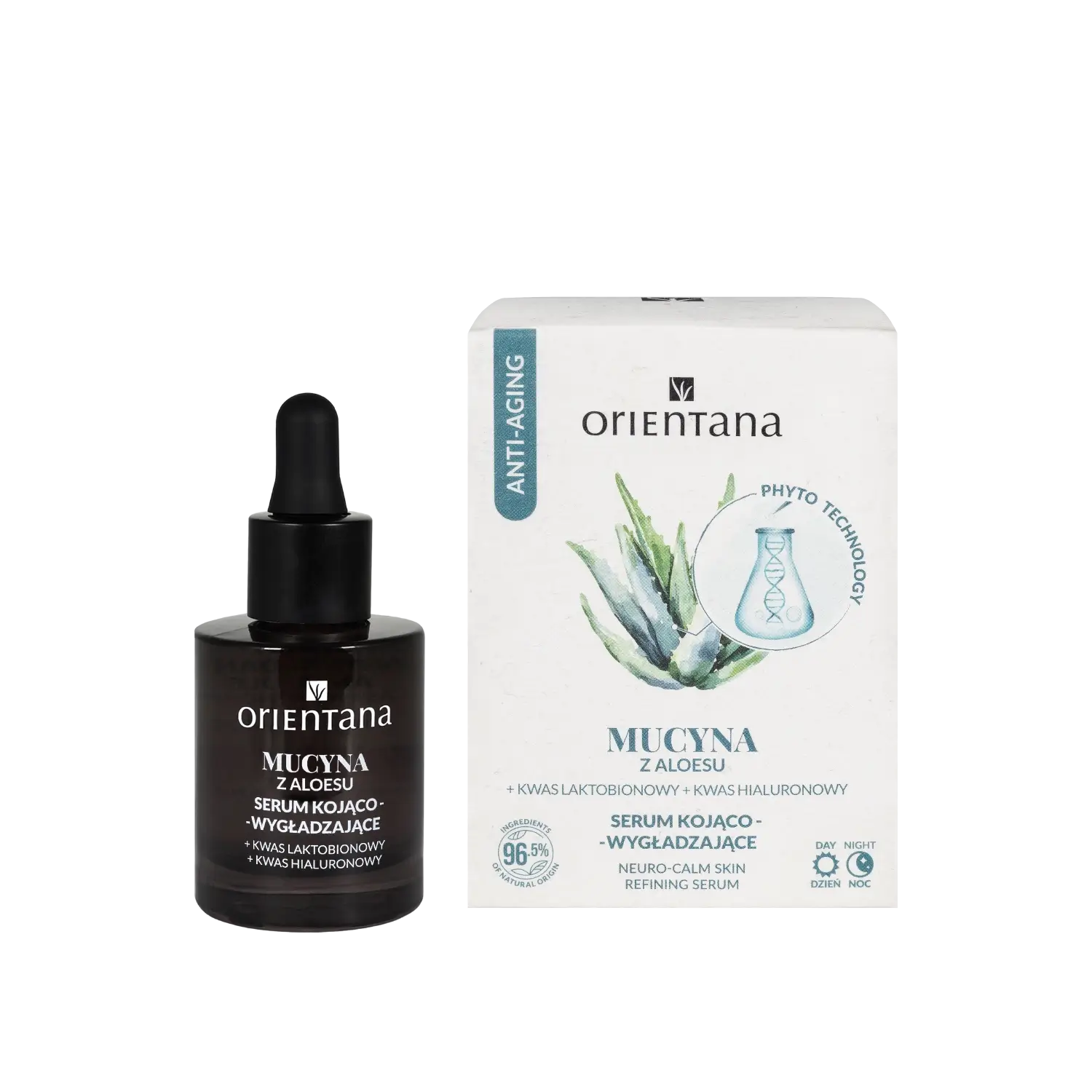
Smoothing and soothing serum with phytomucin + lactobionic acid + hyaluronic acids 30 ml
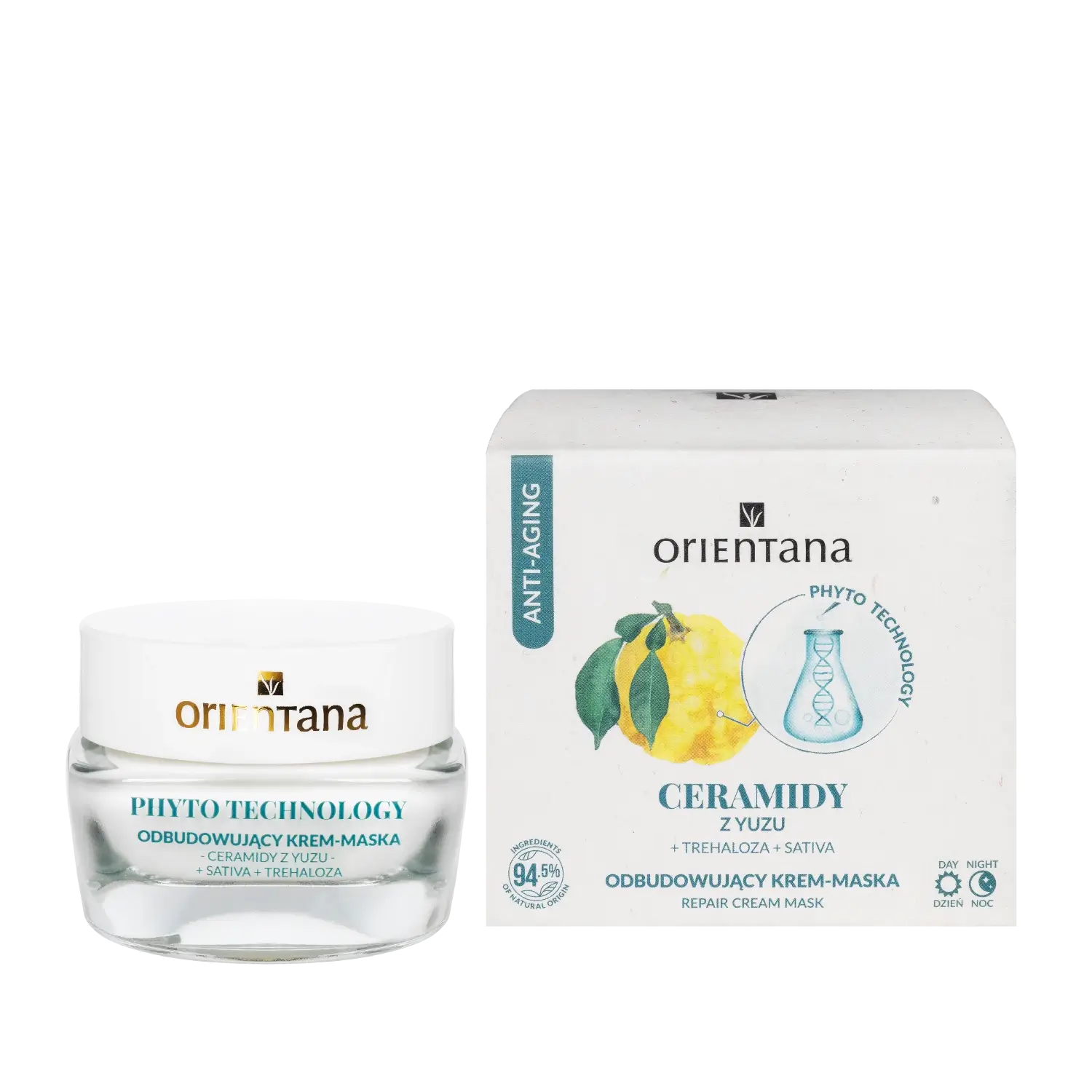
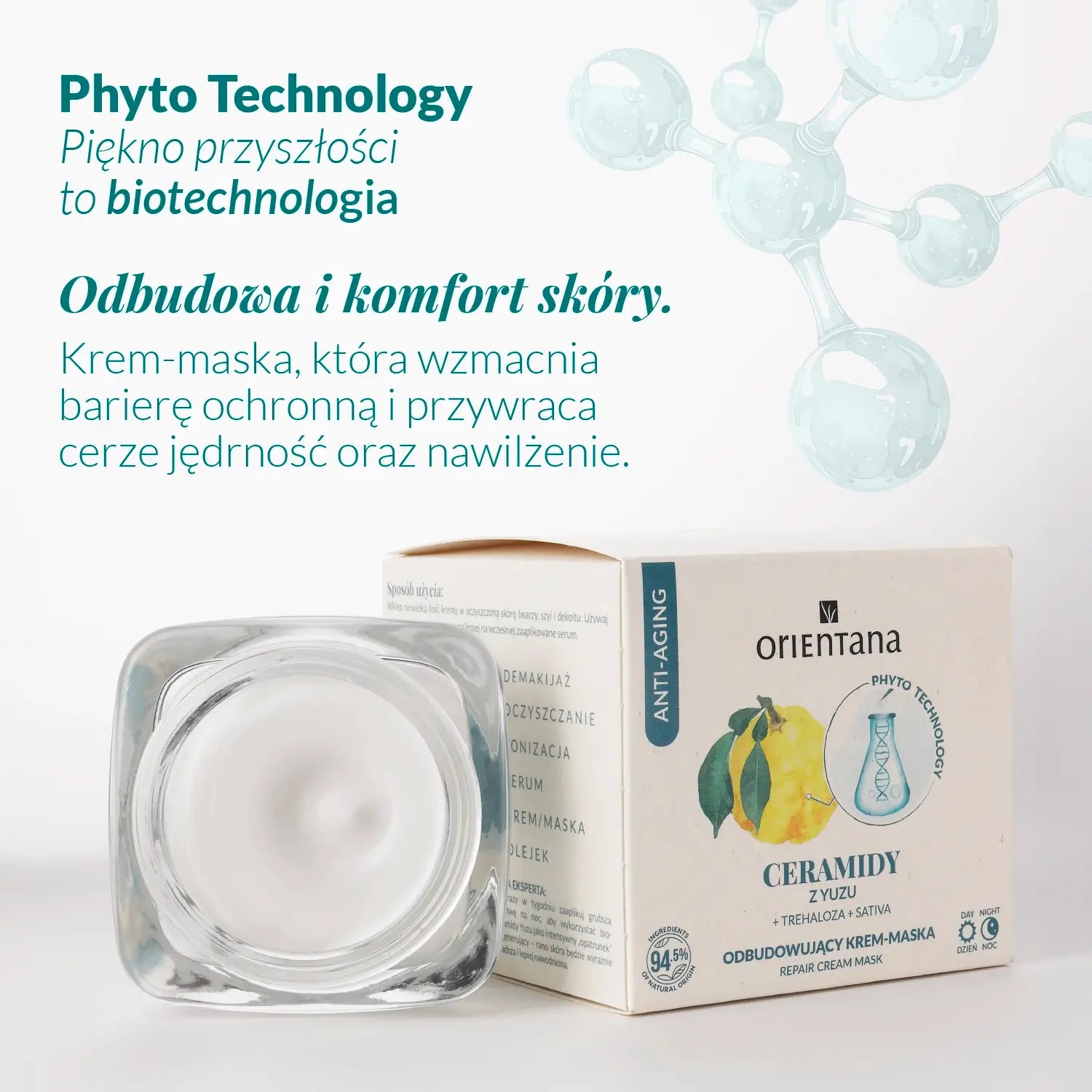
Type: Facial masks and scrubs
Regenerating mask with ceramides yuzu + sativa + trehalose 40 ml
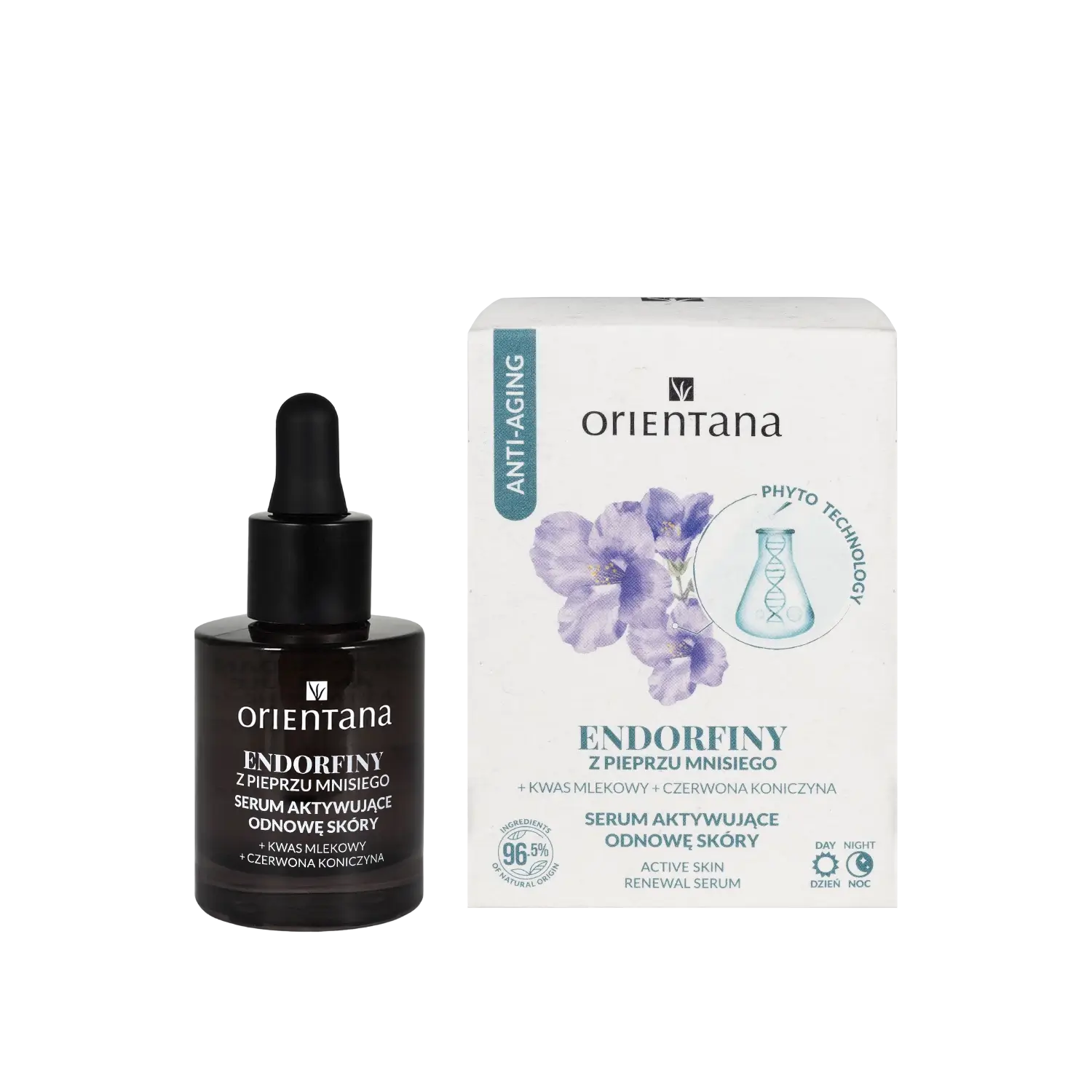
Type: Face serums
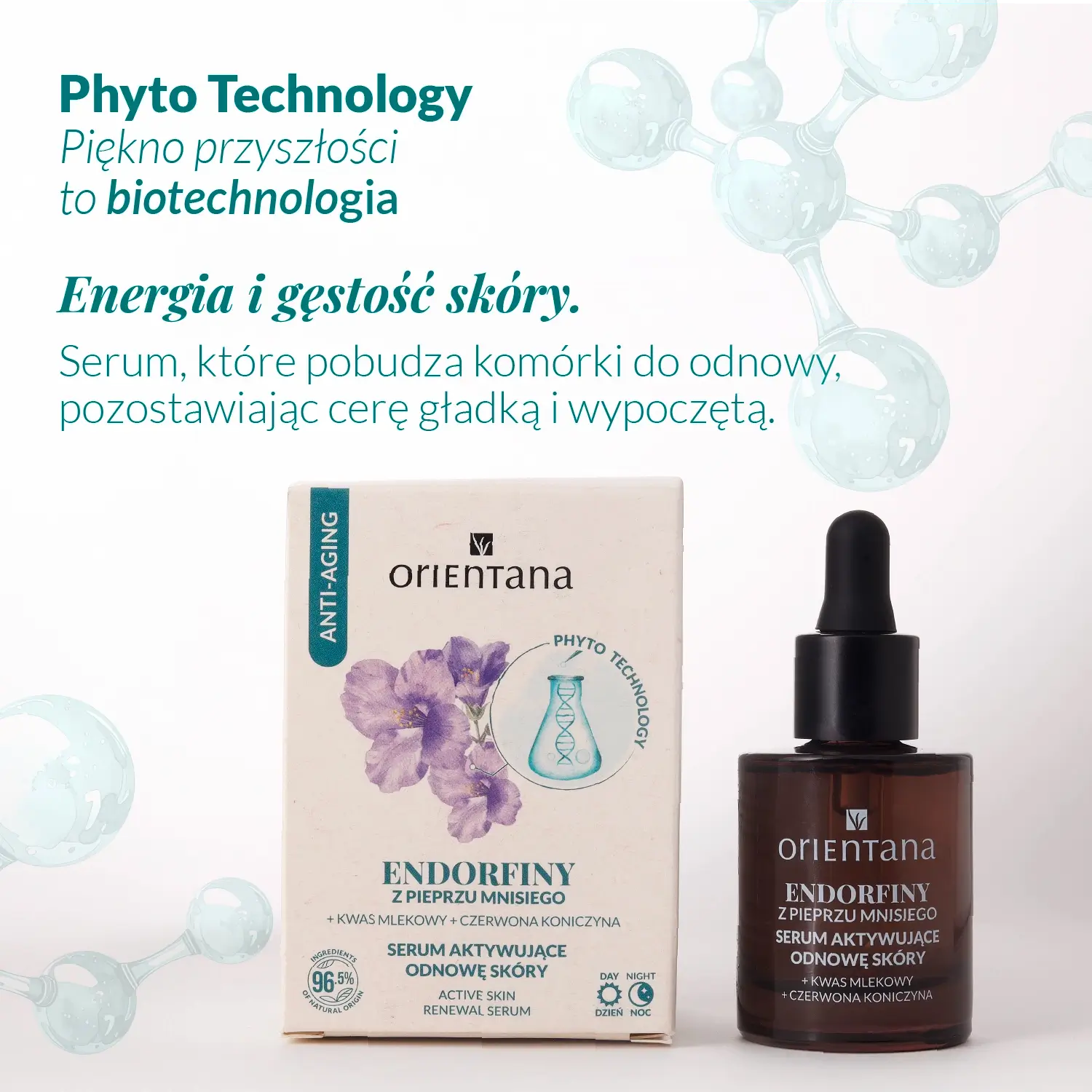
Anti-wrinkle serum activating skin renewal with phytohormones endorphins + red clover + vitamin E 30 ml
Type: Eye care
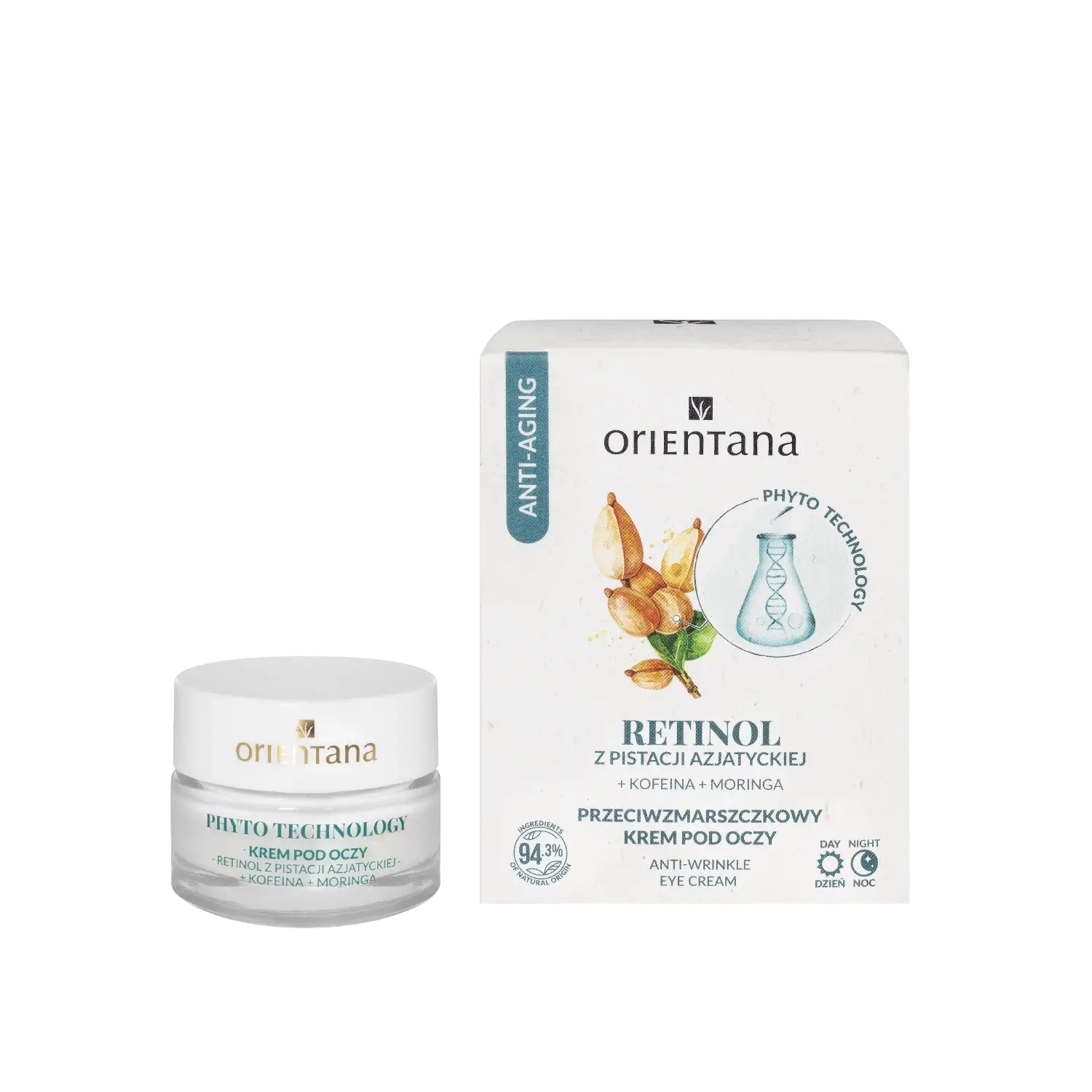
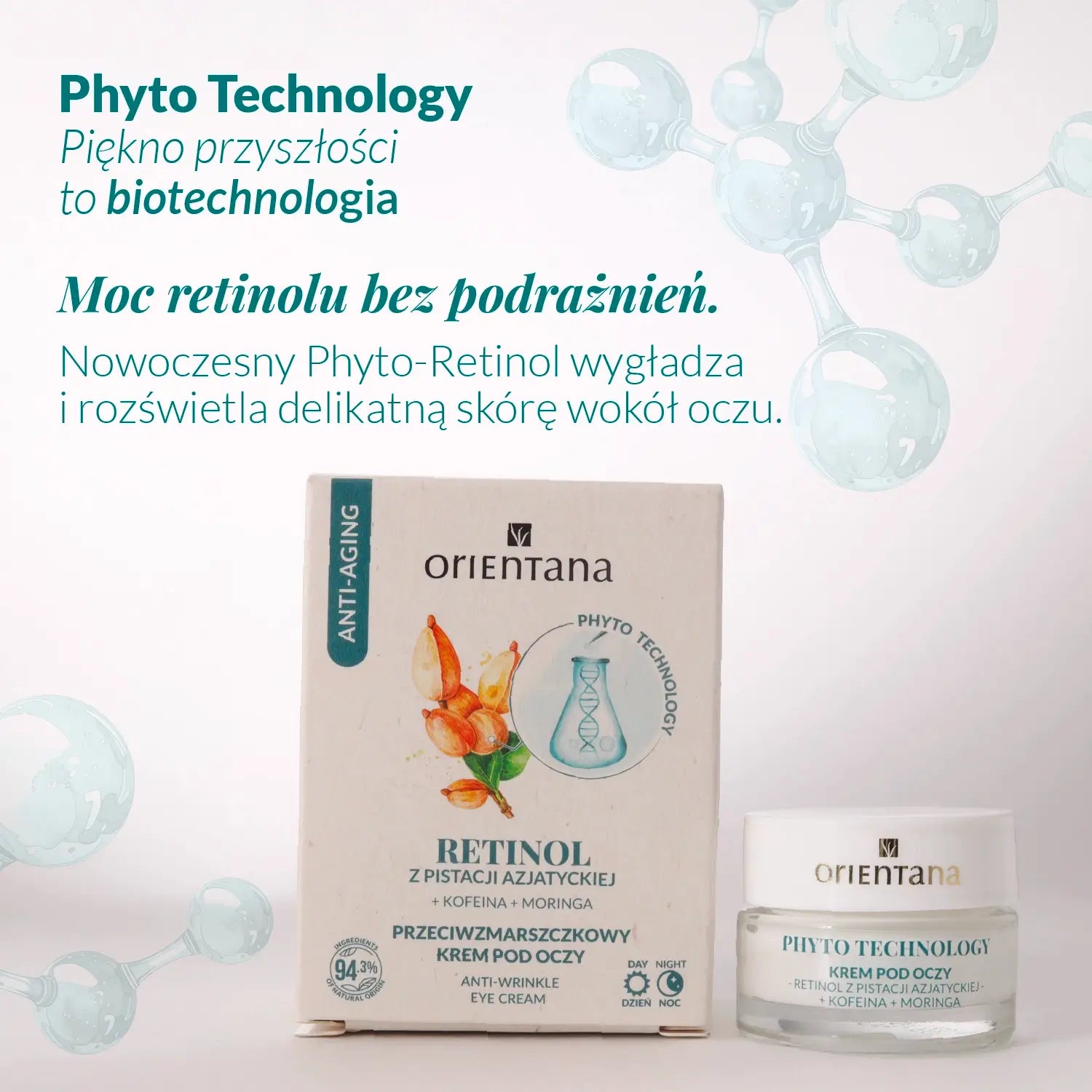
Anti-wrinkle eye cream with biotechnological retinol, caffeine and moringa 15 ml

Receive rewards
In the OrientKlub+ loyalty program!

The effectiveness of Ayurveda
High-quality natural ingredients!

Free delivery
For purchases over 159 PLN to pickup points!

Gift in a package
FREE samples with every order!

Full offer of Orientana brand
Guaranteed effective!

Many payment methods
Pay conveniently and securely!
Phytocosmetics are cosmetics based on standardized, bioactive plant ingredients whose effectiveness is confirmed by research. They combine nature with biotechnology, offering biocompatible and modern skin care.
Phytocosmetics is one of the fastest-growing branches of modern cosmetology, combining advanced plant knowledge with advances in biotechnology, cosmetic chemistry, and dermatology. At the heart of this concept are bioactive plant-derived substances that not only demonstrate documented skincare benefits but are also highly biocompatible with the skin.
Modern consumers no longer expect only "naturalness," understood as the presence of plant extracts in their compositions. Efficacy, safety, and stability of formulas, along with research-proven mechanisms of action, are increasingly important. Phytocosmetics respond to these needs by offering products that are both inspired by nature and created based on rigorous scientific standards.
The dynamic development of this category is also a response to global challenges related to environmental protection. Biotechnology enables the extraction of valuable plant molecules without the excessive exploitation of natural resources, which aligns with the concept of sustainable development and responsible cosmetics production.
Read about a new era in skincare: biotechnology in Orientana cosmetics
What are phytocosmetics?
Phytocosmetics are cosmetics in which active ingredients of plant origin play a key role – such as extracts, oils, phytosterols, phytoceramides, polyphenols, flavonoids, and fermented plant complexes. These raw materials are standardized, purified, and often biotechnologically modified to increase their stability, bioavailability, and effectiveness.
In practice, this means that phytocosmetics are not based solely on the "traditional" use of plants, but on precisely selected chemical compounds of natural origin, the effects of which have been identified and described in scientific research.
A key characteristic of phytocosmetics is biocompatibility – the ability of ingredients to work harmoniously with skin physiology. As a result, these products are usually well-tolerated, even by people with sensitive skin, prone to irritation, or hydrolipid barrier disorders.
The origin and development of phytocosmetics
The use of plants in skincare has a history dating back thousands of years. In ancient India, Ayurveda described the use of herbs, oils, and plant pastes to maintain balance in the skin and the entire body. Traditional Chinese medicine utilized ginseng, green tea, and licorice, while Mediterranean cultures valued olive oil, aloe vera, and aromatic herbs.
A breakthrough came with the development of phytochemistry, a field of science that studies the chemical compounds present in plants. Thanks to this field, it became possible to isolate specific substances responsible for antioxidant, anti-inflammatory, moisturizing, and regenerative effects.
The next stage in the development of phytocosmetics was the incorporation of biotechnology into production processes. Fermentation, cell cultures, and metabolic engineering allowed for the production of ingredients of consistent quality and high purity, regardless of seasonality or plant cultivation conditions.
As a result, a new generation of cosmetics has been created that combines traditional herbal knowledge with the precision of modern laboratories.
Phytocosmetics and other cosmetic categories - key differences
Phytocosmetics and natural cosmetics
Natural cosmetics focus primarily on the origin of ingredients—they should be obtained from natural raw materials and processed in the least invasive manner possible. Phytocosmetics go a step further, emphasizing not only naturalness but also standardization and documented effectiveness of ingredients.
This means that in phytocosmetics it is important not only that a given extract comes from a plant, but also what specific active compounds it contains and in what concentration.
Phytocosmetics and organic cosmetics
Organic cosmetics primarily refer to the method of growing the raw materials – plants should come from certified organic farms. Phytocosmetics may, but do not have to, be organic. Instead, the key factors are the biological activity of the ingredients and their biocompatibility with the skin.
Phytocosmetics and dermocosmetics
Dermocosmetics are formulated for problematic skin and often contain potent synthetic ingredients. Phytocosmetics can perform a similar function, but utilize plant-based alternatives with a milder profile and high tolerance.
How do phytocosmetics work on the skin?
Phytocosmetics have a multi-level effect on the skin, from strengthening the protective barrier and regulating inflammatory processes to stimulating cell renewal and protecting against environmental factors. Their effectiveness stems from the presence of bioactive plant compounds that demonstrate a high ability to interact with skin cell receptors.
Unlike many synthetic ingredients, plant-derived substances often act as modulators rather than aggressive stimulants. This means they support the skin's natural mechanisms rather than replace them.
Moisturizing and strengthening the hydrolipid barrier
One of the primary areas of action of phytocosmetics is improving skin hydration and restoring the hydrolipid barrier. Plant oils, phytosterols, and phytoceramides replenish lipid deficiencies in the stratum corneum, limiting transepidermal water loss (TEWL).
Additionally, many plant extracts contain natural polysaccharides and sugars that have humectant properties, meaning they bind water to the epidermis. This makes the skin softer, more elastic, and less susceptible to irritation.
Regular use of phytocosmetics helps stabilize the protective barrier, which is particularly important for people with dry, sensitive and reactive skin.
Cell regeneration and renewal
Many plant compounds have the ability to stimulate skin repair processes. Phytocosmetics can support keratinocyte proliferation, collagen and elastin synthesis, and epidermal cell differentiation.
The result is faster regeneration of microdamages, improved skin texture, and smoother skin. For this reason, phytocosmetics are often used to care for tired, dull skin, and skin exposed to external factors.
Protection against oxidative stress
Oxidative stress is one of the main mechanisms responsible for premature skin aging. The resulting free radicals damage cellular lipids, proteins, and DNA.
Phytocosmetics provide the skin with powerful antioxidants, such as polyphenols, flavonoids, carotenoids, and plant-based vitamin C. These compounds neutralize free radicals and strengthen the skin's natural defenses.
Slowing down the aging process
Thanks to their combined antioxidant, regenerative, and moisturizing properties, phytocosmetics effectively support anti-aging prevention. Some plant ingredients also demonstrate the ability to modulate the expression of genes associated with cellular aging.
The effect of regular use is improved firmness, elasticity and reduction of fine wrinkles.
The most important groups of active ingredients in phytocosmetics
Phytocosmetics are not based on individual extracts, but on entire groups of plant compounds with specific biological functions.
Plant and fungal adaptogens
Adaptogens are plants and fungi that increase the body's ability—including the skin's—to adapt to stress. Ashwagandha, ginseng, reishi, and gotu kola are among those used in cosmetics.
These ingredients support skin balance, improve its resistance to environmental factors, and have anti-inflammatory properties. They are especially recommended for sensitive, stressed, and prematurely aging skin.
Phytosterols and phytoceramides
Phytosterols are plant-based equivalents of cholesterol, while phytoceramides have a structure similar to the natural ceramides found in the skin. Their role is to strengthen the hydrolipid barrier and improve the cohesion of the stratum corneum.
Regular use of cosmetics containing these ingredients leads to a reduction in skin dryness and an improvement in its elasticity.
Phytoretinoids – plant-based alternatives to retinol
Phytoretinoids, such as bakuchiol, are plant compounds that have effects similar to retinol, but with a milder tolerability profile.
They support cell renewal, smooth the skin and improve its color without causing the irritation typical of retinoids.
Fermented plant extracts
The fermentation process increases the bioavailability of active ingredients and leads to the formation of new metabolites that are beneficial to the skin.
Fermented extracts support the microbiome, improve hydration and strengthen the protective barrier.
Plant antioxidants
This group includes polyphenols, flavonoids, and carotenoids. Their main role is to protect the skin from free radicals and support regenerative processes.
Biotechnology in phytocosmetics - how are bioactive formulas created?
Modern phytocosmetics owe their effectiveness largely to the development of biotechnology. Thanks to this, it is possible to obtain plant ingredients of high purity, consistent composition, and increased bioavailability, without the need for excessive exploitation of natural resources.
Biotechnology also allows the creation of “designer” ingredients, i.e. those whose chemical structure and biological activity are optimized for the specific needs of the skin.
Fermentation as a tool for increasing bioavailability
Fermentation involves using microorganisms to break down complex plant molecules into simpler forms that are more easily absorbed by the skin. This process also creates new metabolites that may possess additional skincare properties.
Fermented extracts are characterized by better penetration into the epidermis, increased stability and a gentler effect, which makes them particularly valuable in the care of sensitive skin.
Plant cell cultures
Cell culture technology enables the multiplication of plant cells under controlled laboratory conditions. This allows the extraction of valuable active substances without the need to harvest entire plants.
This solution ensures high purity of the raw material, repeatability of the composition and minimal environmental impact.
Encapsulation and carrier systems
Biotechnology in phytocosmetics also includes the development of carrier systems, such as liposomes and microcapsules. Their function is to protect active ingredients from degradation and gradually release them into the skin.
Thanks to this, the plant ingredients retain their activity for a longer time and can work more effectively.
You can learn more from the article How ingredients for phytocosmetics are made
Phytocosmetics and the skin microbiome
The skin's microbiome is a complex ecosystem of microorganisms that plays a crucial role in maintaining skin health. Disturbances in this balance can lead to dryness, sensitivity, acne, and inflammation.
Phytocosmetics, especially those containing fermented plant extracts, can support the microbiome by providing prebiotic substances and mild anti-inflammatory compounds.
Unlike aggressive synthetic ingredients, many plant substances act selectively, without destroying beneficial skin microorganisms.
Contemporary trends in phytocosmetics
The development of phytocosmetics is strongly linked to global trends in the beauty industry, which focus on sustainability, transparency and personalization of care.
Sustainability and green chemistry
Green chemistry involves designing formulas that are safe for skin and the environment. This includes using biodegradable ingredients, limiting the use of solvents, and minimizing production waste.
Phytocosmetics fit perfectly into this philosophy because they are based on renewable raw materials and increasingly use upcycling.
Clean beauty and minimal ingredients
Consumers are increasingly choosing cosmetics with short, transparent ingredient lists. Phytocosmetics respond to this need by offering formulas free from unnecessary additives and based on ingredients with multi-functional properties.
AI-powered skin personalization and analysis
Modern technologies enable the analysis of skin condition and the selection of ingredients tailored to its current needs. Phytocosmetics are increasingly becoming a part of personalized skincare routines.
Vegan and cruelty-free formulas
Plant-based active ingredients naturally fit into the philosophy of vegan and cruelty-free care.
For whom are phytocosmetics the best choice?
Thanks to their high biocompatibility and broad spectrum of action, phytocosmetics can be used by most skin types. The key is the appropriate selection of active ingredients to meet individual needs.
Sensitive and reactive skin
Sensitive skin often reacts with burning, redness, and tightness. Phytocosmetics containing adaptogens, phytoceramides, and fermented plant extracts help calm inflammation and strengthen the skin's protective barrier. This makes the skin more resistant to external factors.
Dry and dehydrated skin
In the case of dry skin, phytosterols, vegetable oils and natural humectants are crucial, as they limit water loss and improve elasticity.
Problematic skin (acne, redness, discoloration)
Many plant ingredients have anti-inflammatory and regulating effects, making phytocosmetics a good choice for skin with imperfections.
Mature skin
Phytoretinoids, antioxidants and adaptogens support skin regeneration and slow down the aging process.
Are phytocosmetics safe?
The safety of phytocosmetics results from:
- standardization of raw materials,
- quality control,
- dermatological and application tests.
Although plant ingredients are natural, they may have an allergenic potential, so it is important to perform a patch test before using a new product for the first time.
How to introduce phytocosmetics into skincare?
It is best to introduce them gradually:
- one new thing at a time,
- observing the skin reaction for several days,
- maintaining the basic routine (cleansing, moisturizing, protection).
This strategy minimizes the risk of irritation and allows you to assess the effectiveness of the product.
How to choose good phytocosmetics?
When choosing, it is worth paying attention to:
- INCI composition and the presence of standardized extracts,
- form of ingredients (fermentates, liposomes, complexes),
- information about the manufacturer's tests,
- brand transparency.
Phytocosmetics in the Orientana offer
Orientana creates phytocosmetics combining plant-based active ingredients with modern technologies. Formulas are designed for biocompatibility with skin and real skincare benefits.
Frequently asked questions about phytocosmetics (FAQ)
Are phytocosmetics suitable for sensitive skin?
Yes, provided the ingredients are selected appropriately.
Can phytocosmetics replace retinol?
In many cases, phytoretinoids may be a gentler alternative.
Are phytocosmetics vegan?
Most of them are based on plant ingredients.
How long do you need to use phytocosmetics to see the effects?
The first effects are usually visible after 2–4 weeks of regular use.
Can phytocosmetics be combined with other cosmetics?
Yes, they blend well with other elements of your skincare routine.
Are phytocosmetics suitable for everyday use?
Yes, most phytocosmetics are formulated for regular, even daily, use. Thanks to their biocompatible ingredients, they don't burden the skin and support its natural regenerative processes.
Can phytocosmetics cause irritation?
Like any cosmetic, they may cause a reaction in people who are hypersensitive to specific ingredients. Therefore, it is recommended to perform a patch test before first use.
Are phytocosmetics suitable for acne-prone skin?
Yes, many plant ingredients have anti-inflammatory and sebum-regulating properties, which helps care for problematic skin.
Do phytocosmetics help reduce discoloration?
Certain plant extracts and phytoretinoids support even skin tone and limit the overproduction of melanin.
Are phytocosmetics safe for pregnant women?
Many formulas are mild, but during pregnancy it is worth paying attention to the composition and consulting a specialist.
Do phytocosmetics have a shorter shelf life than conventional cosmetics?
No, modern preservation systems and biotechnological stabilization ensure their appropriate durability.
Can phytocosmetics replace an entire skincare routine?
Yes, they can be the basis of a complete care routine, from cleansing to anti-aging care.
Are phytocosmetics suitable for men?
Yes, their effect does not depend on gender, but on the needs of the skin.
Are phytocosmetics comedogenic?
Most modern formulas are designed not to clog pores.
Do phytocosmetics work slower than synthetic cosmetics?
Not always. Many plant ingredients exhibit rapid and multifaceted action.
Can phytocosmetics be used in summer?
Yes, especially those rich in antioxidants and ingredients that strengthen the protective barrier.
Are phytocosmetics suitable for vascular skin?
Yes, they contain ingredients that soothe and strengthen blood vessels.
Can phytocosmetics be used with acids?
Yes, with caution and gradual product introduction.
Are phytocosmetics suitable for teenagers?
Yes, especially in the care of problematic and sensitive skin.
Do phytocosmetics contain preservatives?
To ensure microbiological safety, preservatives approved for use in natural cosmetics are used.
Are phytocosmetics suitable for mature skin 50+?
Yes, thanks to the content of antioxidants and phytoretinoids.
Can phytocosmetics be combined with dermocosmetics?
Yes, provided you maintain a consistent routine and observe your skin's reactions.
Do phytocosmetics help rebuild the hydrolipid barrier?
Yes, the phytoceramides and phytosterols contained in them support its regeneration.
Do phytocosmetics have a scent?
Most often gentle, derived from natural ingredients.
Are phytocosmetics suitable for allergy sufferers?
They can be, but you should always check the ingredients and perform a patch test.
Summary - why phytocosmetics are the future of care
Phytocosmetics combine the power of plants, the precision of biotechnology, and the needs of modern skin. They offer effectiveness, safety, and biocompatibility, making them one of the most important developments in contemporary cosmetology.