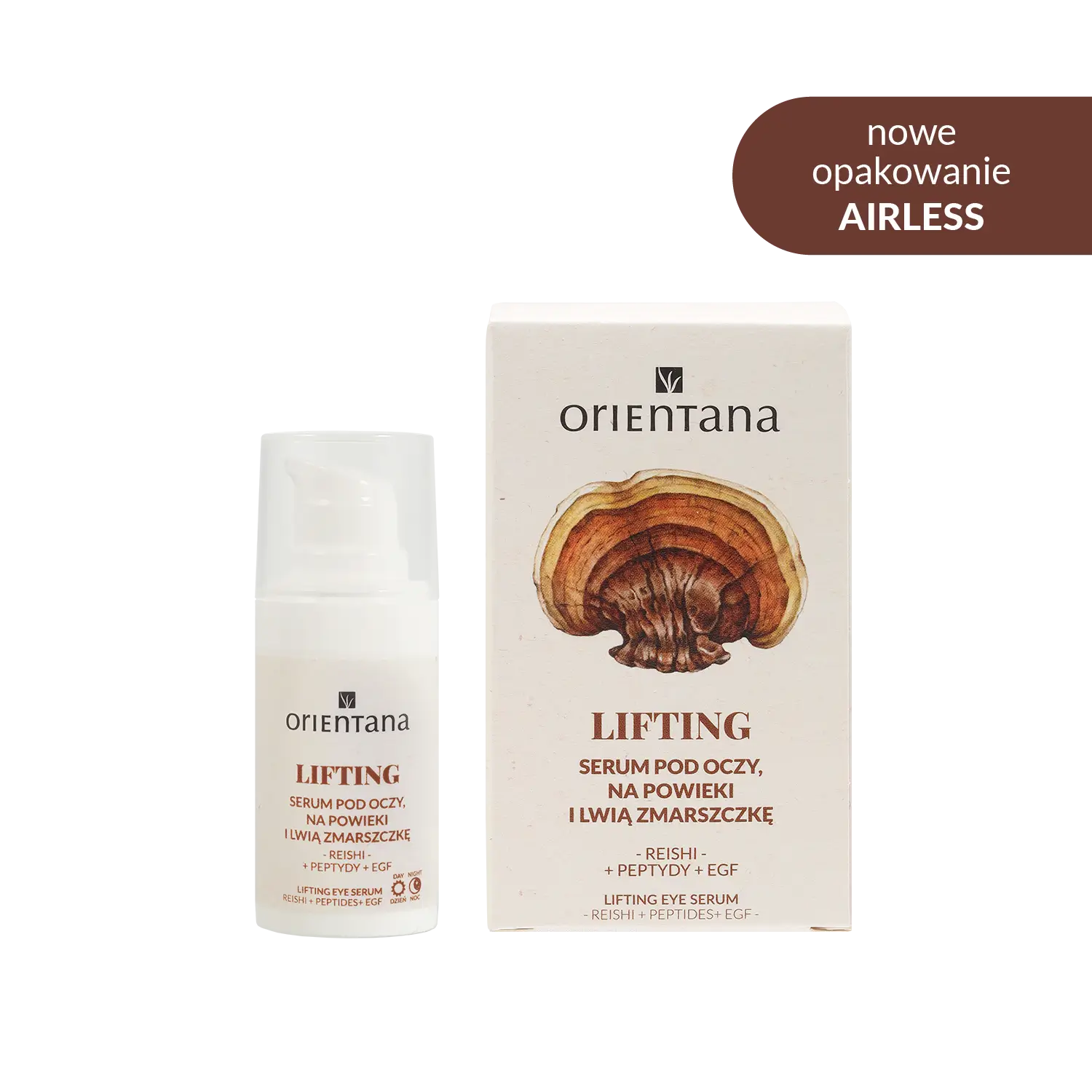
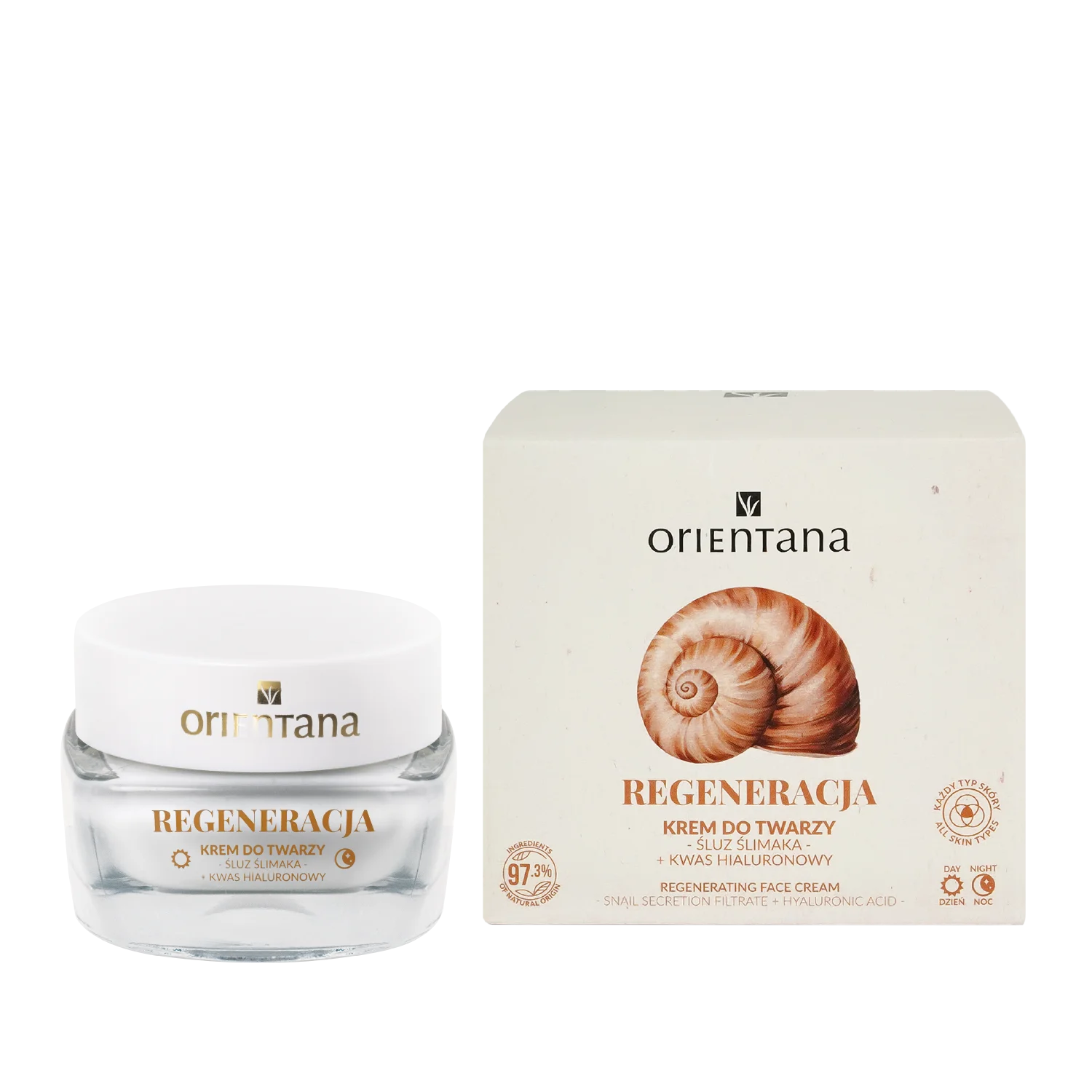

Type: Face creams
Natural Snail Slime Face Cream 50 ml
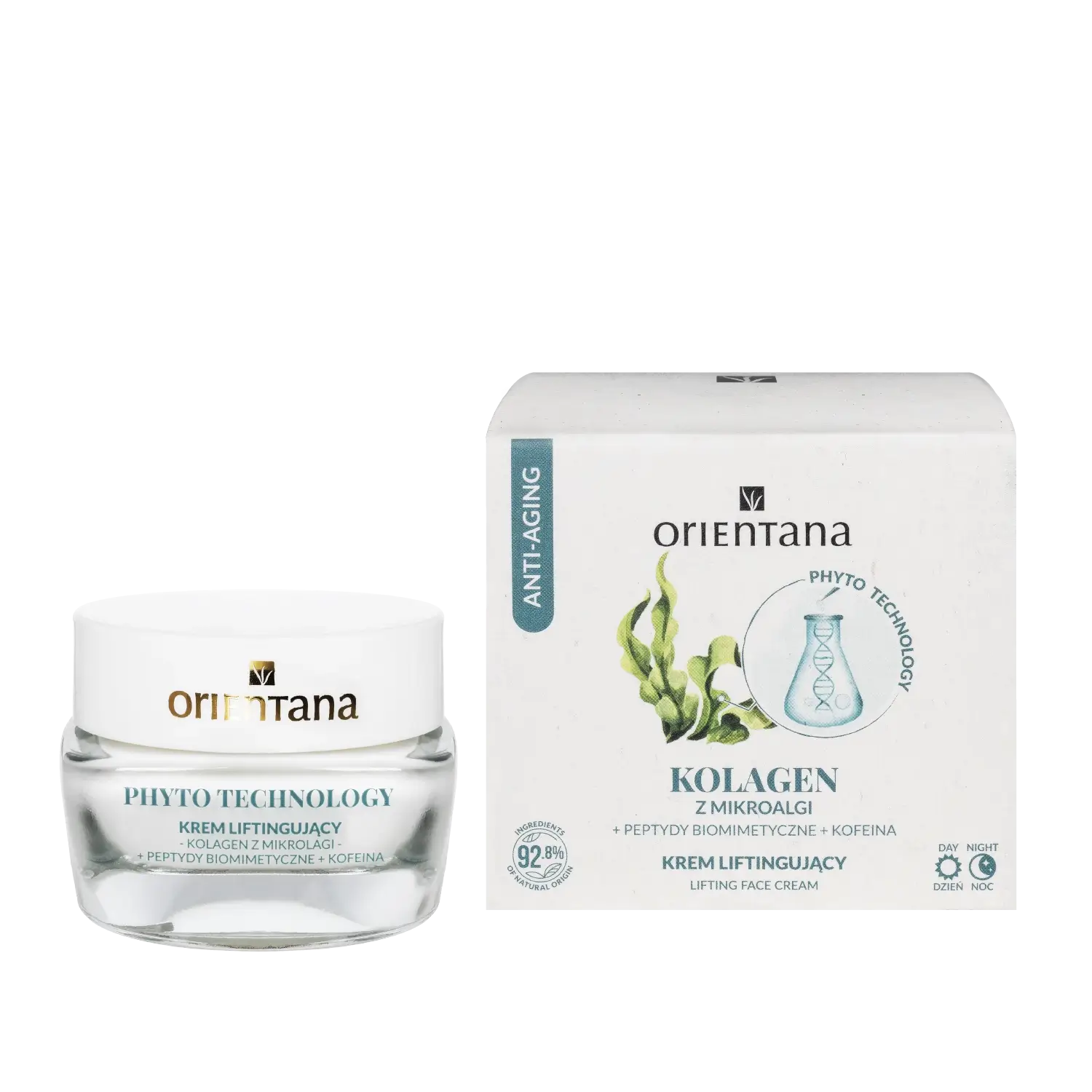
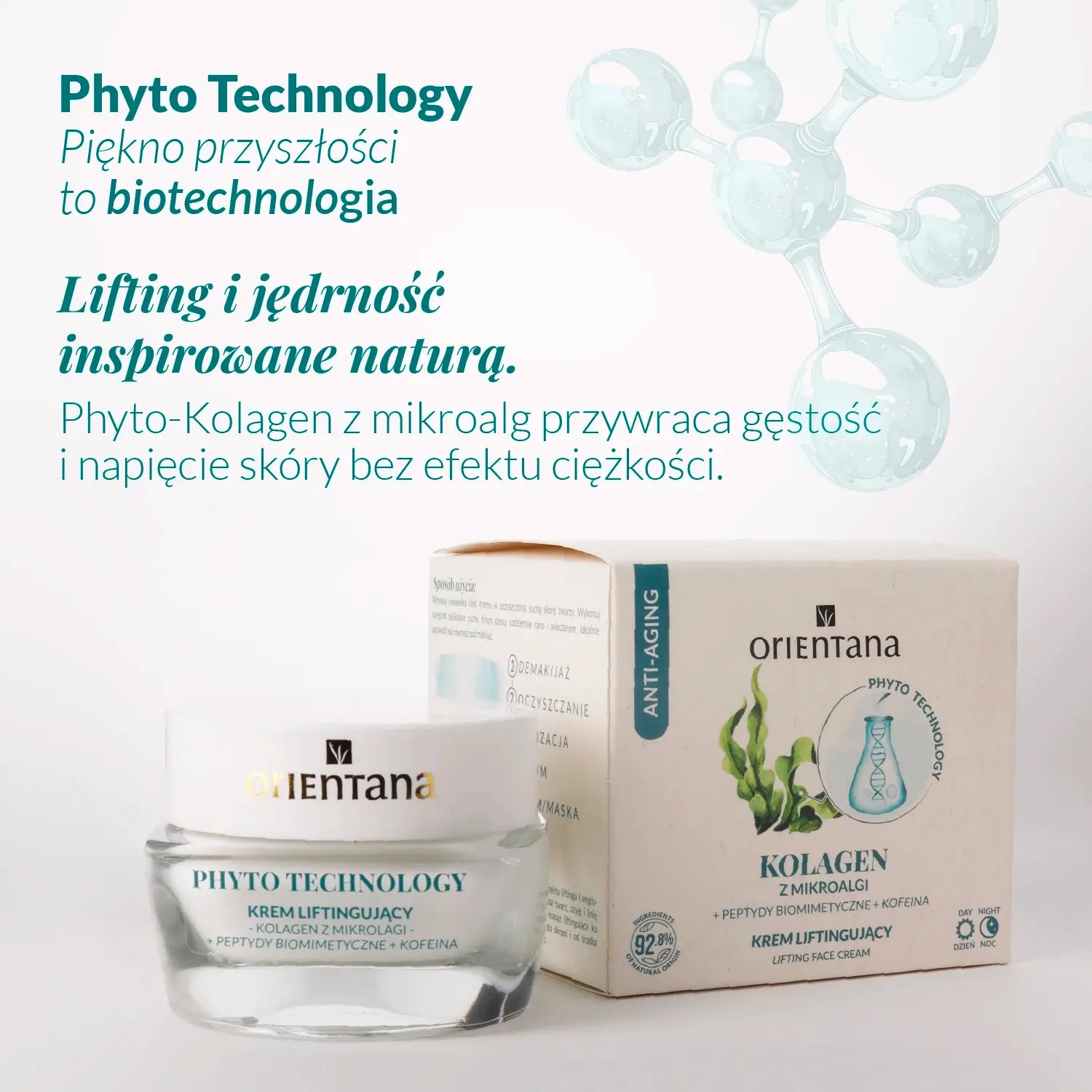
Type: Face creams
Lifting cream with microalgae collagen + biomimetic peptides + caffeine 40 ml


Type: Face creams
Lightweight cream for combination skin with tremella mushroom extract 50 ml


Type: Face creams
Nourishing ashwagandha face cream 40 ml


Type: Face creams
Sandalwood and Turmeric Face Cream 50 ml


Type: Face creams
Natural vegan reishi night face cream 50ml
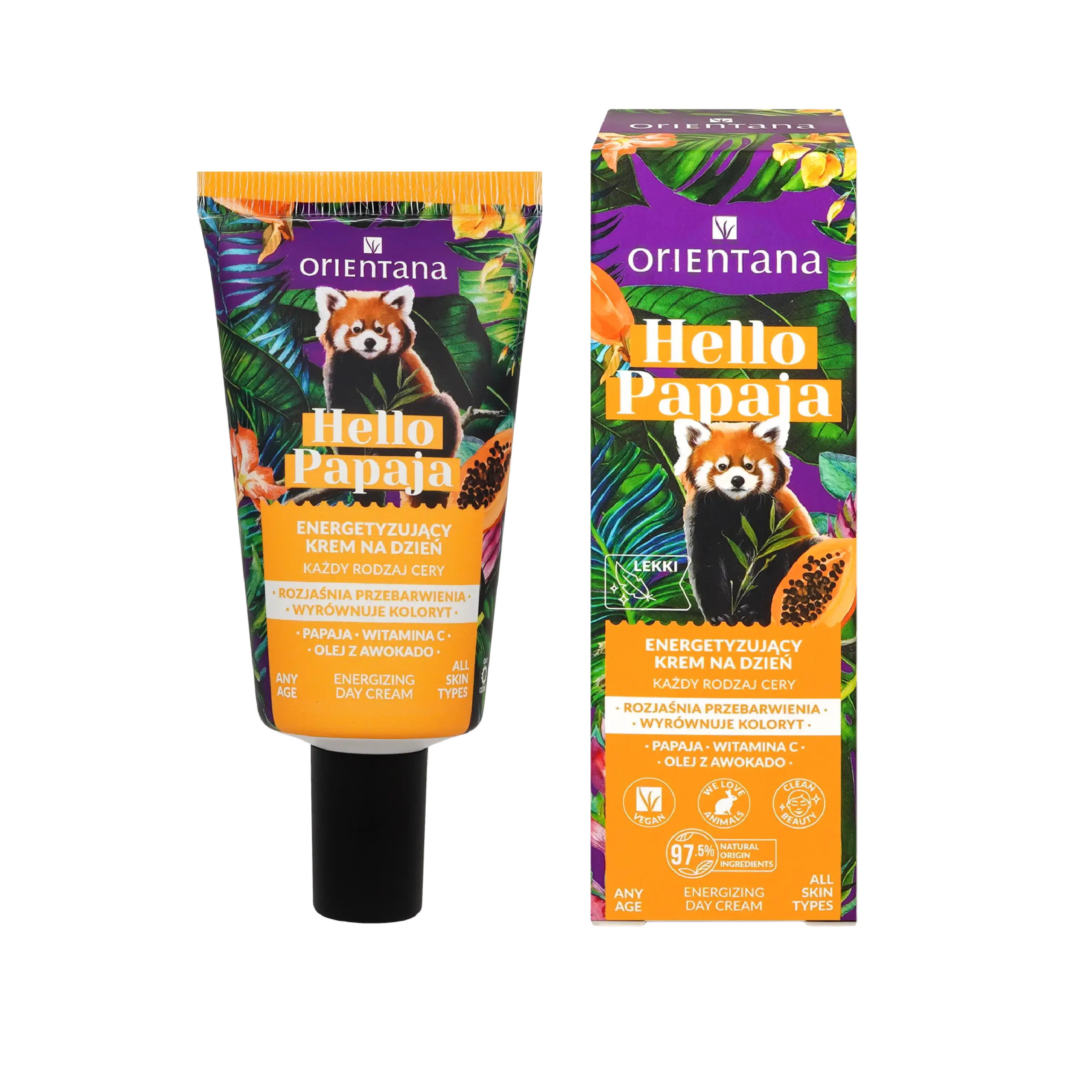

Type: Face creams
Energizing cream with vitamin C 40 ml
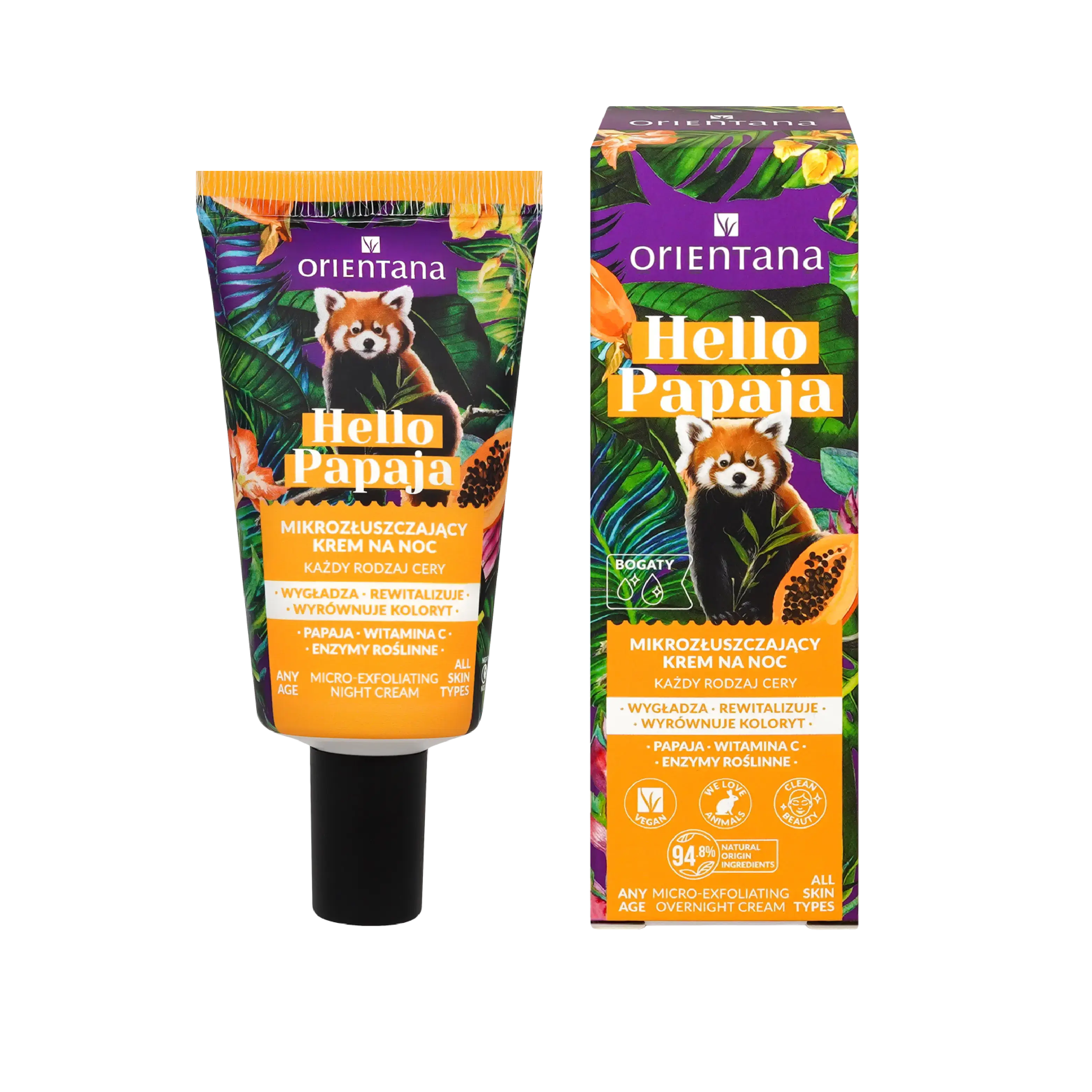

Type: Face creams
Delicate micro-exfoliating night cream with vitamin C and enzymes 40 ml

Type: Cosmetic sets
Set of 3 Regeneration cosmetics
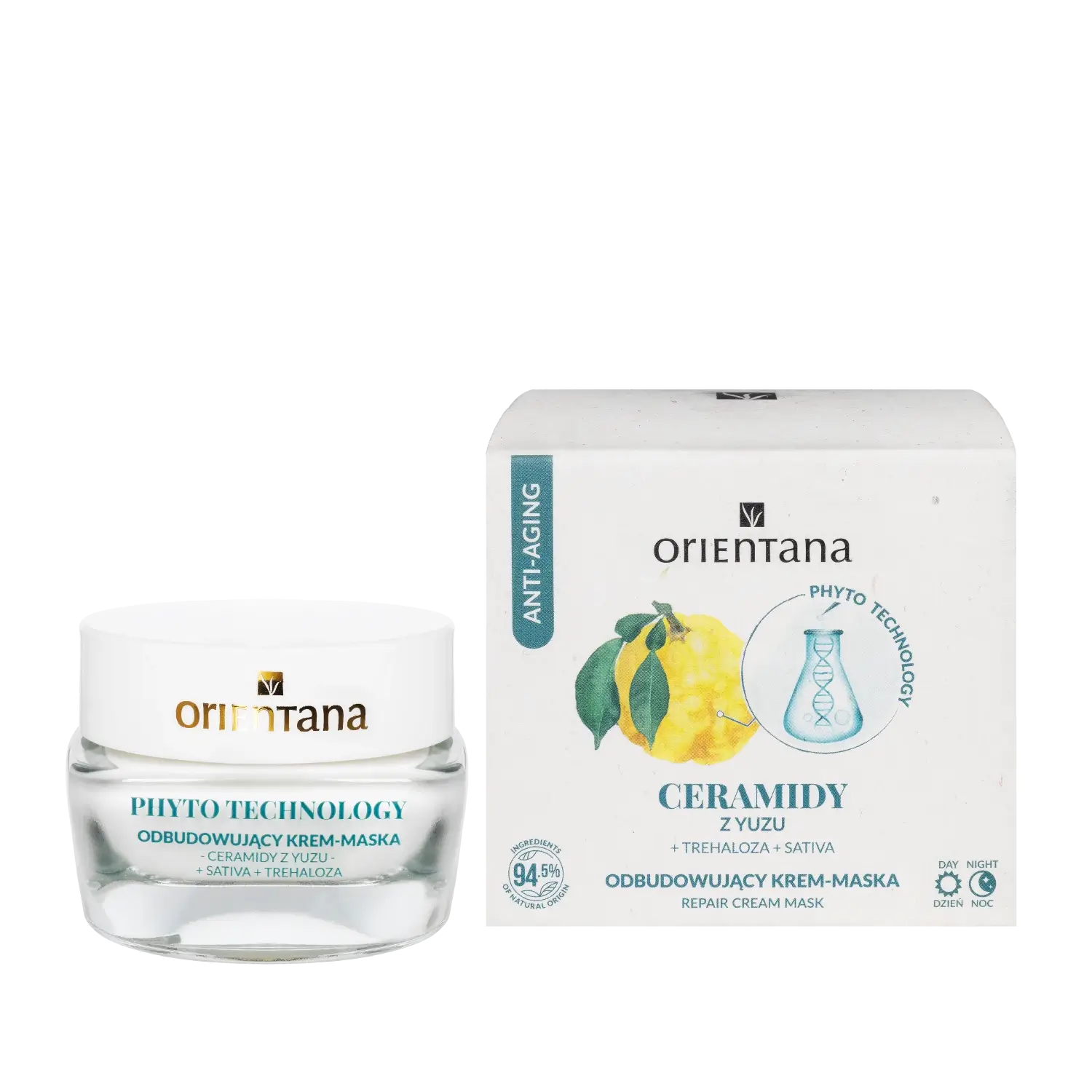
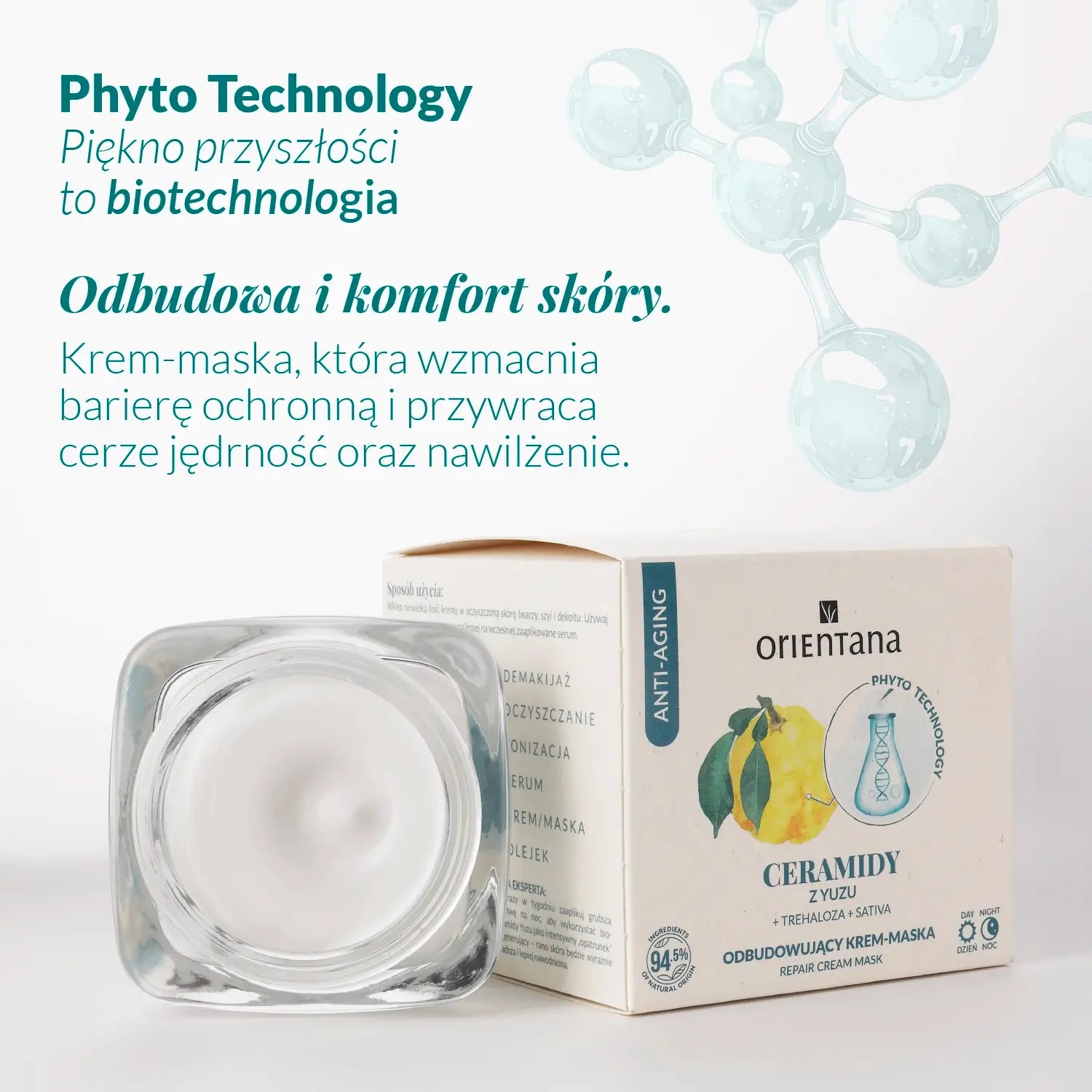
Type: Facial masks and scrubs
Regenerating mask with ceramides yuzu + sativa + trehalose 40 ml


Type: Kremy do twarzy
Krem barierowy do twarzy Bodyguard 50 ml


Type: Sera do twarzy
Booster odmładzający Smooth Operator z NAD+ i bioretinolem 30 ml


Type: Kremy do twarzy
Satynowy krem nawilżający Naked Nude 30 ml


Type: Zestawy kosmetyków
Zestaw kosmetyków Julia Kamińska Longevity Code 4+1 gratis

Receive rewards
In the OrientKlub+ loyalty program!

The effectiveness of Ayurveda
High-quality natural ingredients!

Free delivery
For purchases over 159 PLN to pickup points!

Gift in a package
FREE samples with every order!

Full offer of Orientana brand
Guaranteed effective!

Many payment methods
Pay conveniently and securely!
Natural face creams combine effective skin care with safe, plant-based active ingredients. More and more people are choosing face creams with natural ingredients because they help support the skin's natural regenerative processes while minimizing the risk of irritation or excessive skin burden from synthetic additives.
A well-chosen face cream plays an incredibly important role in daily skincare. It helps maintain the epidermis' proper moisture level, supports the rebuilding of the hydrolipid barrier, protects the skin from environmental aggressors, and provides active ingredients that support its regeneration. Regular use of the cream helps keep the skin soft, supple, and more resistant to oxidative stress.
Orientana natural face creams are inspired by Ayurveda and Asian herbal medicine. Their formulas contain herbal extracts, plant oils, and adaptogens, which have been used in skin care for centuries. Combining traditional herbal formulas with modern cosmetology knowledge allows us to create face creams that not only nourish the skin but also support its natural balance.
How to choose a face cream?
Choosing the right face cream should, above all, be tailored to your skin type and current needs. Everyone's skin functions slightly differently and its needs can change depending on age, lifestyle, stress levels, and environmental conditions.
One of the most important criteria for choosing a cream is skin type . Dry skin requires cosmetics richer in plant oils and ingredients that rebuild the hydrolipid barrier. Combination and oily skin respond better to lightweight creams with sebum-regulating properties. Sensitive skin, on the other hand, requires formulas that soothe and strengthen the epidermis' natural defenses.
A good face cream should:
- support the skin's natural hydration
- strengthen the hydrolipid barrier
- soothe irritations
- protect against environmental factors
- provide the skin with nutrients.
It's also worth paying attention to the cream's composition. Cosmetics based on plant-based active ingredients often contain oils, herbal extracts, and antioxidants, which support skin regeneration and help maintain a healthy appearance.
Types of face creams
Depending on your skin's needs, there are several basic types of face creams. Each serves a slightly different purpose in skincare.
Moisturizing face cream
Moisturizing cream helps maintain the proper water level in the epidermis. Well-hydrated skin looks more radiant and supple, and also better copes with external factors such as wind and pollution.
Moisturizing creams often contain ingredients such as:
- hyaluronic acid
- trehalose
- glycerine
- vegetable care oils.
These substances help retain water in the epidermis and prevent it from drying out.
Anti-wrinkle cream
This anti-wrinkle cream is designed primarily for mature skin or skin that is beginning to lose firmness. Its purpose is to support regenerative processes and protect the skin from oxidative stress.
Such creams often use ingredients such as:
- antioxidants
- vitamin C
- plant extracts
- adaptogens that support skin immunity.
Regular use of anti-wrinkle creams can help improve skin elasticity and help maintain a younger appearance.
Cream for oily and combination skin
Oily and combination skin requires creams with a light consistency that won't weigh the skin down. The primary purpose of such cosmetics is to regulate sebum production and support skin balance.
A well-chosen cream for oily skin helps:
- reduce excessive skin shine
- reduce the formation of imperfections
- maintain an adequate level of hydration.
Cream for sensitive skin
Sensitive skin requires special care. It is more susceptible to irritation, redness, and discomfort.
Creams designed for this type of skin should contain soothing ingredients and strengthen the skin's natural protective barrier. This makes the skin more resistant to external factors.
Natural ingredients in face creams
Natural face creams contain many plant-based ingredients that have been used in skin care for centuries.
Vegetable oils
Vegetable oils are one of the most important elements of natural skin care. They help rebuild the hydrolipid barrier, protect against water loss, and support epidermal regeneration.
The most commonly used oils in face creams include:
- jojoba oil
- rice bran oil
- Tsubaki oil
- sesame oil
- avocado oil.
These oils provide the skin with essential fatty acids and vitamins.
Adaptogens in skin care
Adaptogens are plants that help the body better cope with stress. In cosmetics, they can support skin's resistance to environmental factors and oxidative stress.
Adaptogens used in skin care include:
- Reishi
- Ashwagandha
- Turmeric
These ingredients help support the skin's regenerative processes and improve its condition.
Antioxidants
Antioxidants play a crucial role in protecting the skin from free radicals. Free radicals contribute to accelerated skin aging, so cosmetics containing antioxidants can support a youthful appearance.
The most important antioxidants include:
- vitamin C
- vitamin E
- plant extracts rich in polyphenols.
Day and night face cream
In daily skin care, two different creams are often used: day cream and night cream.
Day creams typically have lighter formulas and work well with makeup. Their primary purpose is to protect the skin from environmental factors and maintain an appropriate level of hydration.
Night creams typically have a richer consistency and focus on supporting skin regeneration. Skin regenerates intensively during sleep, so creams applied at night often contain higher levels of nutrients.
How to choose a face cream for your skin age?
Skin needs change with age. At a young age, maintaining adequate hydration and protecting the skin from environmental factors is paramount. Over time, skin begins to lose elasticity, regenerates more slowly, and the aging process becomes more visible. Therefore, choosing a face cream should consider not only skin type but also its biological age.
A properly selected face cream can support the skin's natural regenerative processes, improve its elasticity and help maintain a healthy, radiant appearance.
Face cream for after 20
After the age of twenty, skin is usually still firm and well-hydrated, but it becomes increasingly exposed to environmental factors such as UV radiation, air pollution and oxidative stress.
At this age , moisturizing and protecting the skin are paramount. Face creams for young skin should have a light consistency and contain ingredients that support the skin's natural balance.
It is worth paying attention to creams containing:
- hyaluronic acid
- light vegetable oils
- antioxidants
- plant extracts.
These ingredients help maintain the appropriate level of skin hydration and support its natural protection.
Face cream after 30
Around the age of thirty, skin gradually begins to lose its ability to regenerate quickly. Collagen and elastin production slows down, and the first fine lines may become more visible.
When it comes to skin care after the age of 30, it is important not only to moisturize, but also to protect against oxidative stress and support skin regeneration .
A good face cream for skin after 30 should contain:
- antioxidants
- ingredients supporting skin regeneration
- substances that strengthen the hydrolipid barrier
- plant extracts with anti-aging properties.
Regular care helps slow down the aging process and keep your skin in good condition for a long time.
Face cream for over 40s
After the age of forty, skin aging becomes more visible. Skin may gradually lose firmness, become thinner, and wrinkles may become more pronounced.
At this age, it's especially important to support skin regeneration and improve its elasticity . Face creams designed for mature skin often contain active ingredients that support skin regeneration.
When caring for your skin after the age of 40, it is worth paying attention to creams containing:
- antioxidants
- ingredients supporting collagen production
- intensively moisturizing substances
- plant extracts with regenerative properties.
A well-chosen cream can help improve skin firmness and reduce the visibility of signs of aging.
Face cream for over 50s
Skin after the age of 50 often becomes drier and more delicate. The amount of natural lipids in the epidermis decreases, which can lead to increased water loss and a feeling of tightness.
During this period, care should focus primarily on intensive nourishment, regeneration and reconstruction of the skin's hydrolipid barrier .
Face creams for mature skin often contain:
- rich vegetable oils
- regenerating ingredients
- antioxidants
- substances supporting skin elasticity.
Regular use of creams with richer formulas helps maintain skin comfort and improves its appearance.
Is it worth changing your face cream as you age?
Skin needs change not only with age but also depending on lifestyle, stress levels, diet, and environmental conditions. Therefore, it's important to monitor your skin and adapt your care to its current needs.
A well-chosen face cream can support the skin's natural regenerative processes, improve its elasticity and help maintain a healthy appearance for many years.
Why is it worth choosing natural face creams?
Natural face creams are increasingly being chosen by those seeking effective yet gentle skincare. Cosmetics based on plant ingredients help support the skin's natural regenerative processes and can be well-tolerated even by those with sensitive skin.
Orientana natural creams:
- are based on plant extracts and oils
- do not contain silicones or mineral oils
- are inspired by Ayurveda and Asian herbal medicine
- are not tested on animals.
This approach to care allows us to combine the effectiveness of cosmetology with environmental care and ethical sourcing of raw materials.
How to properly apply face cream - step by step
Proper application of face cream is crucial to the effectiveness of skincare. Even the best cosmetics won't deliver their full benefits if applied incorrectly. Therefore, it's worth remembering a few simple rules that help the active ingredients work better and support skin health.
1. Cleanse your skin thoroughly
The first step is to cleanse the skin of makeup, sebum, and impurities. It's best to apply the cream to clean skin, as this allows the active ingredients to penetrate the epidermis more easily.
In daily care, it is worth using gentle cleansing cosmetics that remove impurities but at the same time do not damage the skin's hydrolipid barrier.
2. Prepare your skin with toner or essence
After cleansing, it is worth using a toner or essence, which helps restore the skin's proper pH and prepares it for the next steps of care.
Slightly damp skin often absorbs moisturizing ingredients better, so a cream applied after toner can help retain moisture in the epidermis.
3. Apply serum (if using)
Serums typically contain more concentrated active ingredients than creams. They are applied before creams to work directly on the skin.
After applying the serum, it is worth waiting a while for the cosmetic to absorb.
4. Apply the appropriate amount of cream
For facial care, a small amount of cream—a pea-sized or small almond-sized portion—is usually sufficient. Too much product won't increase its effectiveness and can cause the cream to roll on the skin.
It is best to gently spread the cream on:
- face
- neck
- neckline.
5. Massage the cream in with gentle movements.
It's best to apply the cream using gentle, lifting motions, moving from the center of the face outward. This method of application supports the skin's natural tone and helps distribute the product evenly.
It is also worth remembering the delicate skin around the eyes and not stretching it when applying cosmetics.
6. Let the cream absorb
After applying the cream, it's worth waiting a few minutes for the product to absorb. This allows the skin to better utilize the active ingredients, and in the case of a day cream, the makeup will look more natural.
Why does the way you apply the cream matter?
Properly applying face cream helps active ingredients work more effectively and supports the skin's natural regenerative processes. Regular care and appropriate application of cosmetics help maintain skin in good condition, improve its hydration, and support the epidermal barrier.
A well-chosen face cream, used every morning and evening, can be one of the most important elements of skin care.
The most common mistakes when choosing a face cream
Choosing a face cream seems simple, but many people make mistakes that result in undesirable results. The wrong cream can cause dry skin, increased sebum production, or a feeling of heaviness on the face. It's worth knowing the most common mistakes to avoid them.
Choosing the wrong cream for your skin type
One of the most common mistakes is choosing a cream without considering your skin type. Dry skin requires products richer in lipids and moisturizing ingredients, while oily skin usually tolerates lighter formulas better.
Using a cream that is too heavy for oily skin can lead to clogged pores, while using a cream that is too light for dry skin can lead to tightness and dryness.
Changing the cream too often
Skin needs time to adapt to new cosmetics. Frequent changes in creams can make it difficult to assess their effectiveness and lead to inconsistency in your skincare routine.
It's usually a good idea to use a single cream for a few weeks, observing your skin's reaction. Only then can you assess whether the product truly meets your skin's needs.
Skipping the cream when caring for oily skin
Some people with oily or blemish-prone skin avoid using sunscreen for fear of excessive shine. In reality, oily skin also needs hydration. A lack of sunscreen can lead to excess sebum production as the skin tries to compensate for the loss of moisture.
Using the wrong cream for the time of day
Day and night creams serve different purposes. Day creams should be lighter and work well under makeup, while night creams often have a richer consistency and support skin regeneration while you sleep.
Using a heavy night cream in the morning can make your skin look oily, while a cream that is too light in the evening may not provide adequate nourishment to your skin.
Focusing solely on skin age
Many people choose a cream based solely on the "30+" or "40+" label. In practice, however, it's more important to match the product to your skin's current needs. Even young skin may need intense hydration, while mature skin may need a lightweight formula.
The best care results are achieved when the face cream is matched to both the skin type and its current condition.
How to find the perfect face cream?
The best way to find the right face cream is to observe your skin's reactions and tailor your care to its needs. Skin can change depending on the season, stress levels, and lifestyle, so it's important to choose creams with ingredients that support the skin's natural balance.
Natural face creams based on plant-based active ingredients help support skin regeneration, improve hydration, and strengthen the hydrolipid barrier. This allows the skin to appear healthier and more radiant.
FAQ - face creams
How often should you use face cream?
It's best to use face cream twice a day – morning and evening. Regular use helps maintain the skin's proper moisture level.
Is natural face cream suitable for use under makeup?
Yes, many day creams with a light consistency work well with makeup and can be used as a base for foundation.
Can anti-wrinkle cream be used preventively?
Yes, creams containing antioxidants and regenerating ingredients can help maintain good skin condition.
Are natural face creams suitable for sensitive skin?
Many natural creams contain soothing plant ingredients that help reduce irritation and support the skin's hydrolipid barrier.
How to choose a face cream for your skin type?
The most important thing is to determine whether your skin is dry, oily, combination, or sensitive. Dry skin requires creams richer in oils and moisturizing ingredients, while oily skin usually tolerates lighter, oil-regulating creams better.
Can you use one face cream all year round?
You can, but it's often worth matching your cream to the season. In winter, skin usually needs more nourishing creams that protect against water loss, while in summer, lightweight, quickly absorbing formulas are more effective.
Should face cream contain SPF?
Sunscreen with SPF helps protect the skin from UV radiation, which contributes to premature skin aging. It's important to use sun protection in your daily skincare routine, especially during the day.
Can face cream also be used on the neck and décolleté?
Yes, the skin on your neck and décolleté is thin and needs regular care. Many face creams can be applied to these areas to support skin hydration and elasticity.
How much face cream should I use?
Typically, a small amount of cream—a pea- or almond-sized portion—is sufficient. Excess product won't increase its effectiveness and may cause the cream to roll on the skin.
Should face cream be applied to damp skin?
Many people prefer to apply cream to slightly damp skin, for example, after toner. This allows the moisturizing ingredients to better support water retention in the epidermis.
Can natural face creams be effective against wrinkles?
Natural creams often contain antioxidants, plant oils and herbal extracts that support skin regeneration and help protect it from oxidative stress.
Can face cream help reduce discoloration?
Some creams contain skin-brightening ingredients, such as vitamin C or plant extracts. Regular use can help even out skin tone.
Can you combine face cream with serum?
Yes, many people use a serum before applying a cream. The serum delivers concentrated active ingredients, while the cream helps retain them in the skin and supports its hydration.
Why does the skin sometimes “not like” a new cream?
Skin needs time to adjust to new ingredients. Sometimes, a reaction may be due to the skin's current condition or frequent changes in cosmetics.
Can face cream prevent skin aging?
Regular care can support skin health and help maintain its elasticity. Antioxidant ingredients help protect the skin from free radicals.
Should face cream be used every day?
Yes, regular use of the cream is the basis of daily skin care and helps maintain the appropriate level of moisture.
Do natural creams have a shorter shelf life?
Sometimes natural cosmetics have a shorter shelf life after opening because they often contain milder preservative systems.
Can face cream improve skin elasticity?
Ingredients such as antioxidants, plant oils and herbal extracts can support skin regeneration and improve its appearance.
How to store face cream?
It is best to store it at room temperature, away from sunlight and heat sources.