Type: Hair shampoos
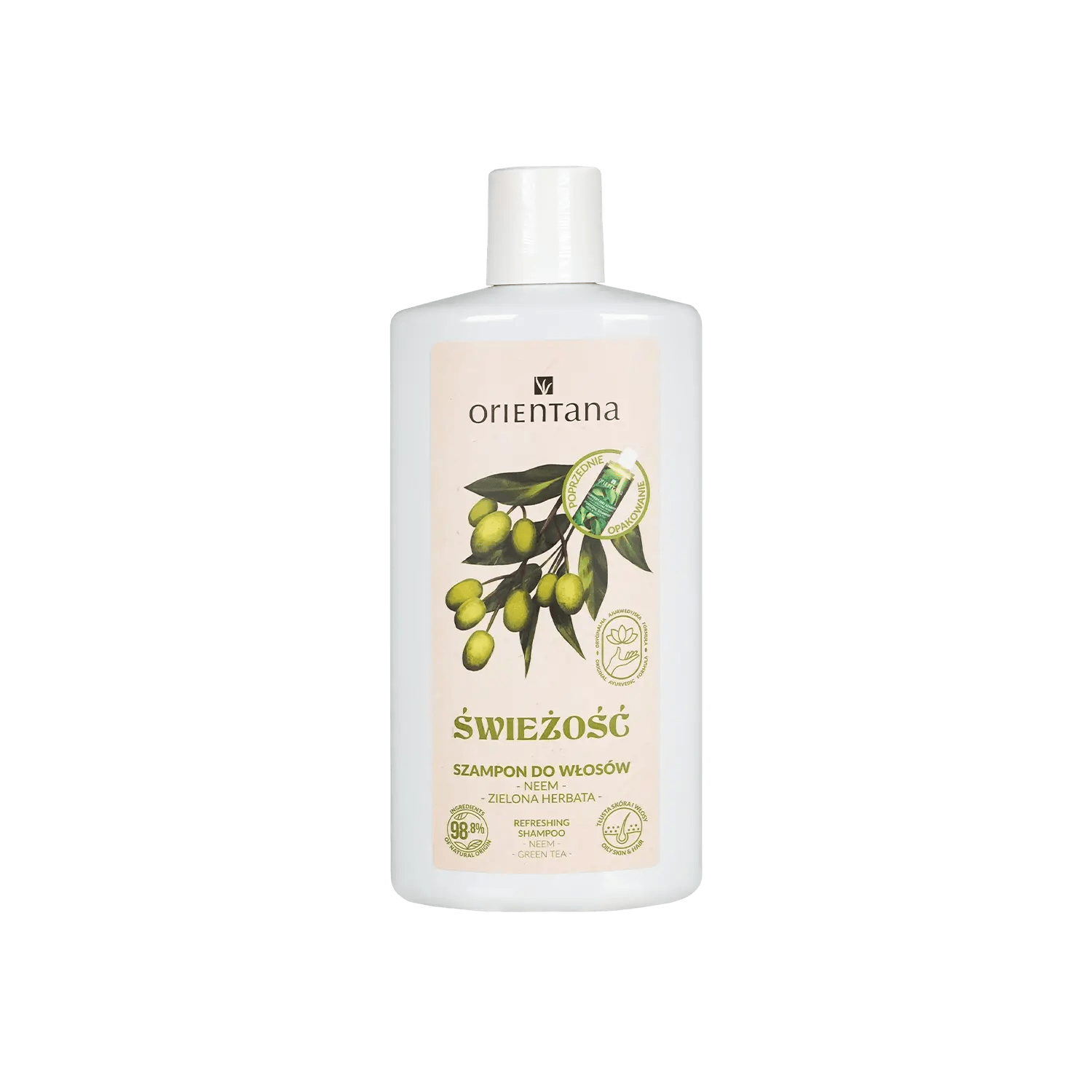
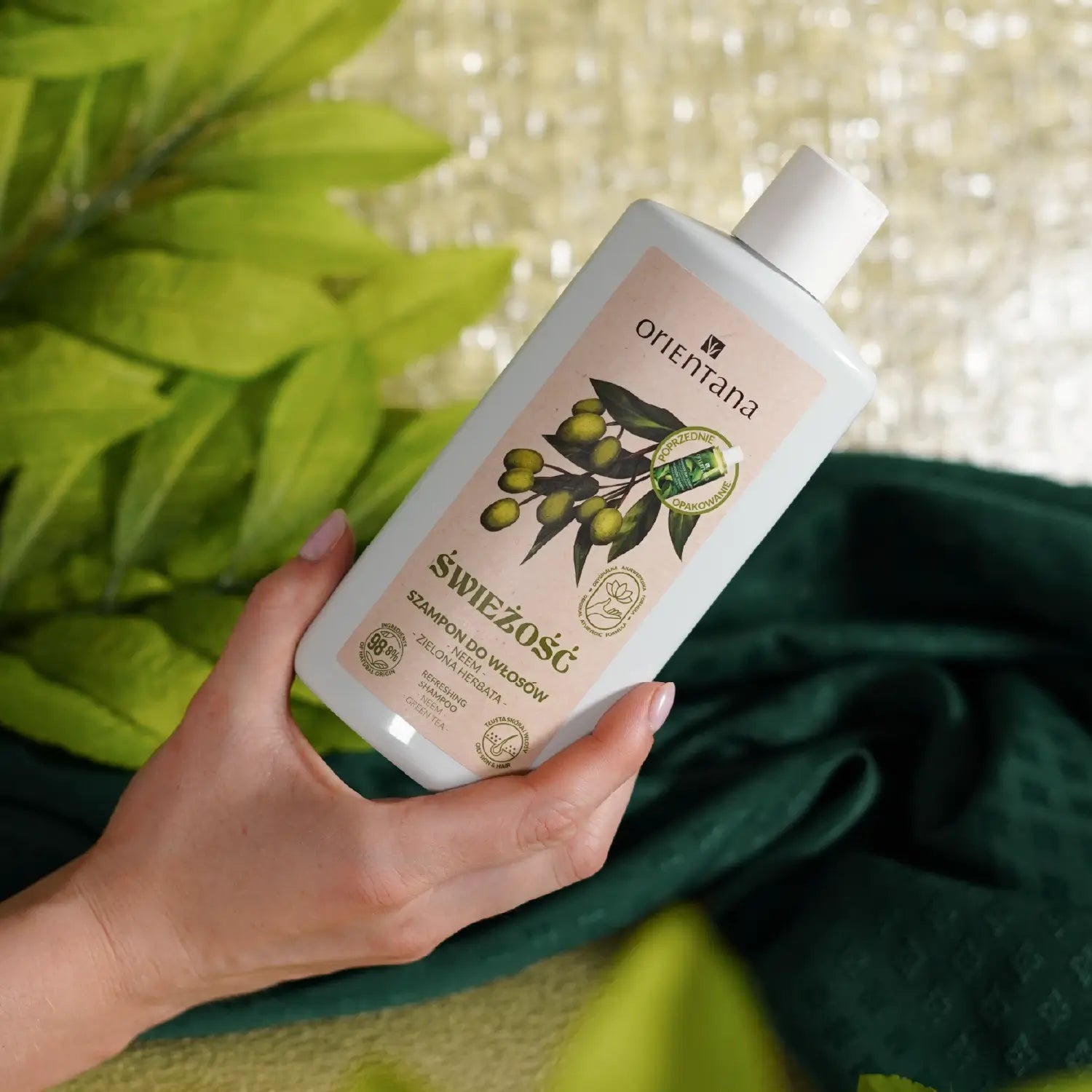
Neem and Green Tea - Ayurvedic Shampoo 210 ml
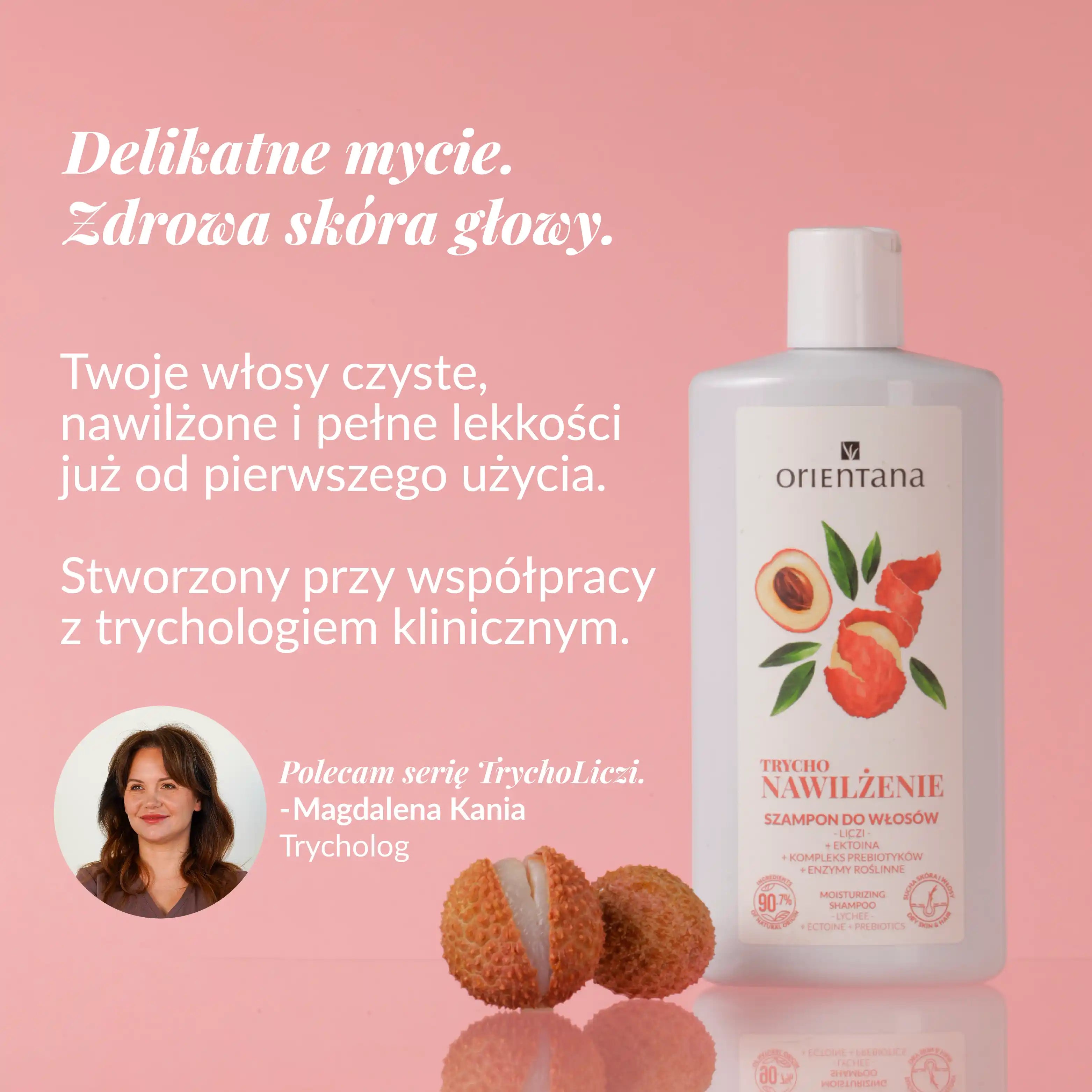
Type: Hair shampoos
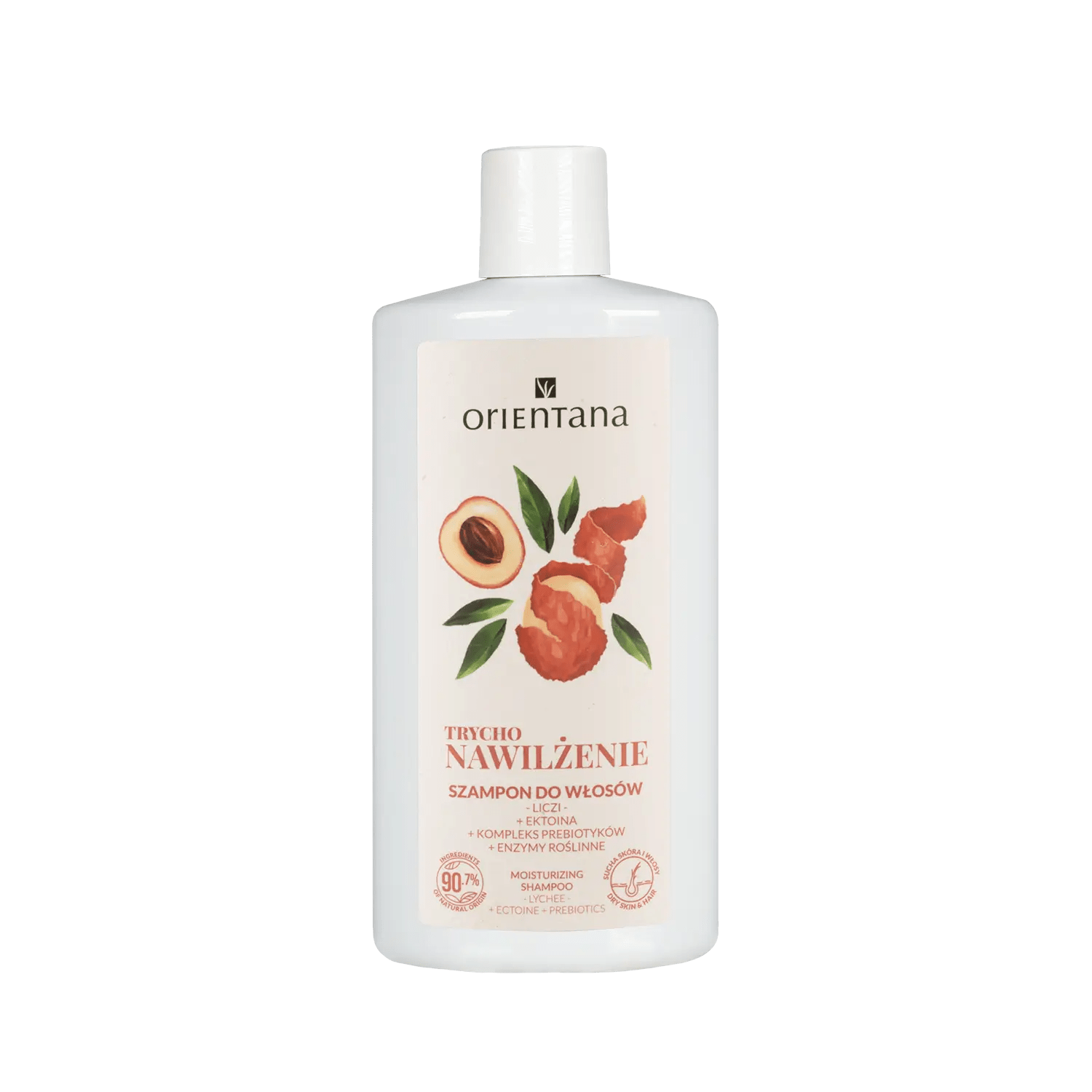
Moisturizing trichological shampoo with lychee, ectoin, prebiotics, and enzymes, 200 ml.
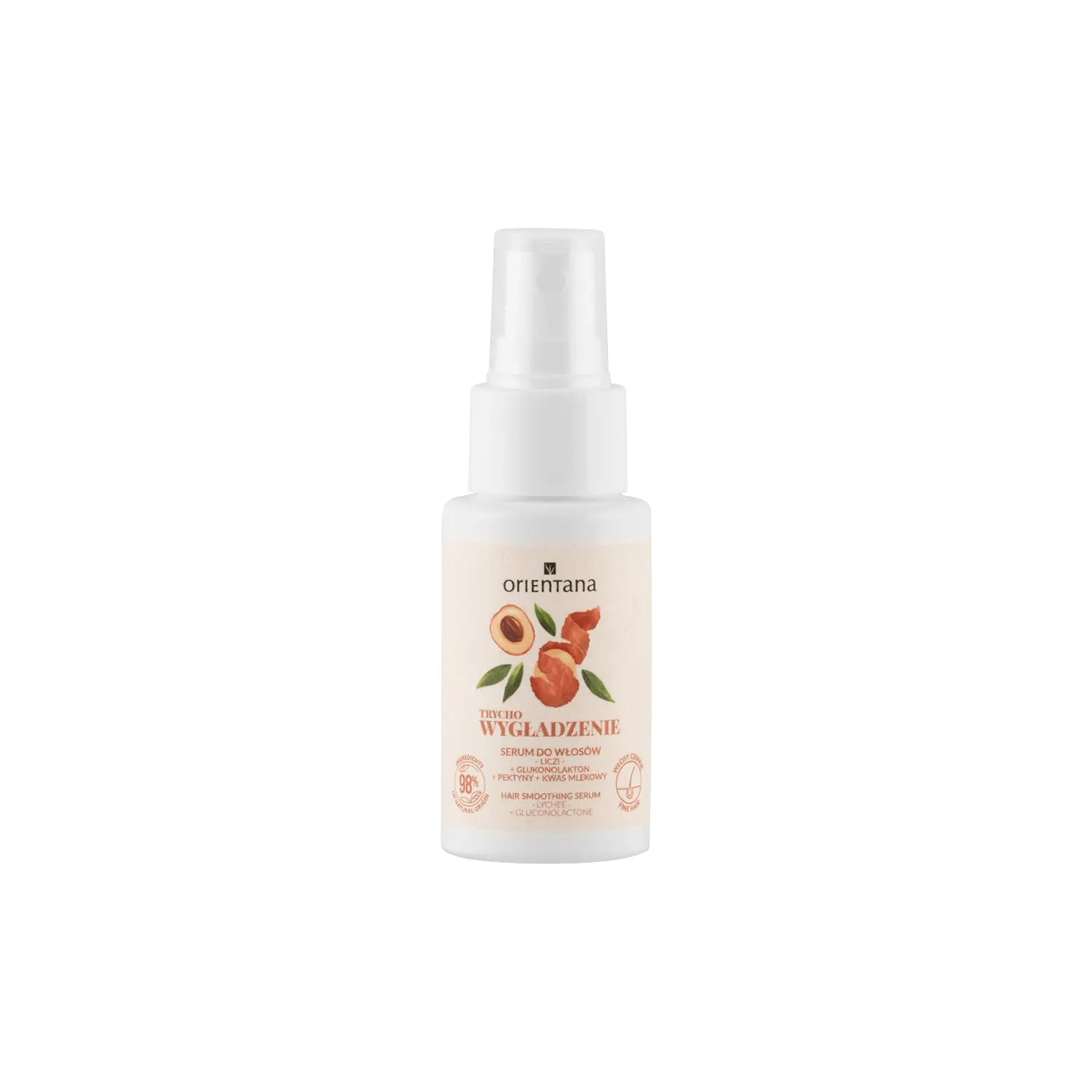
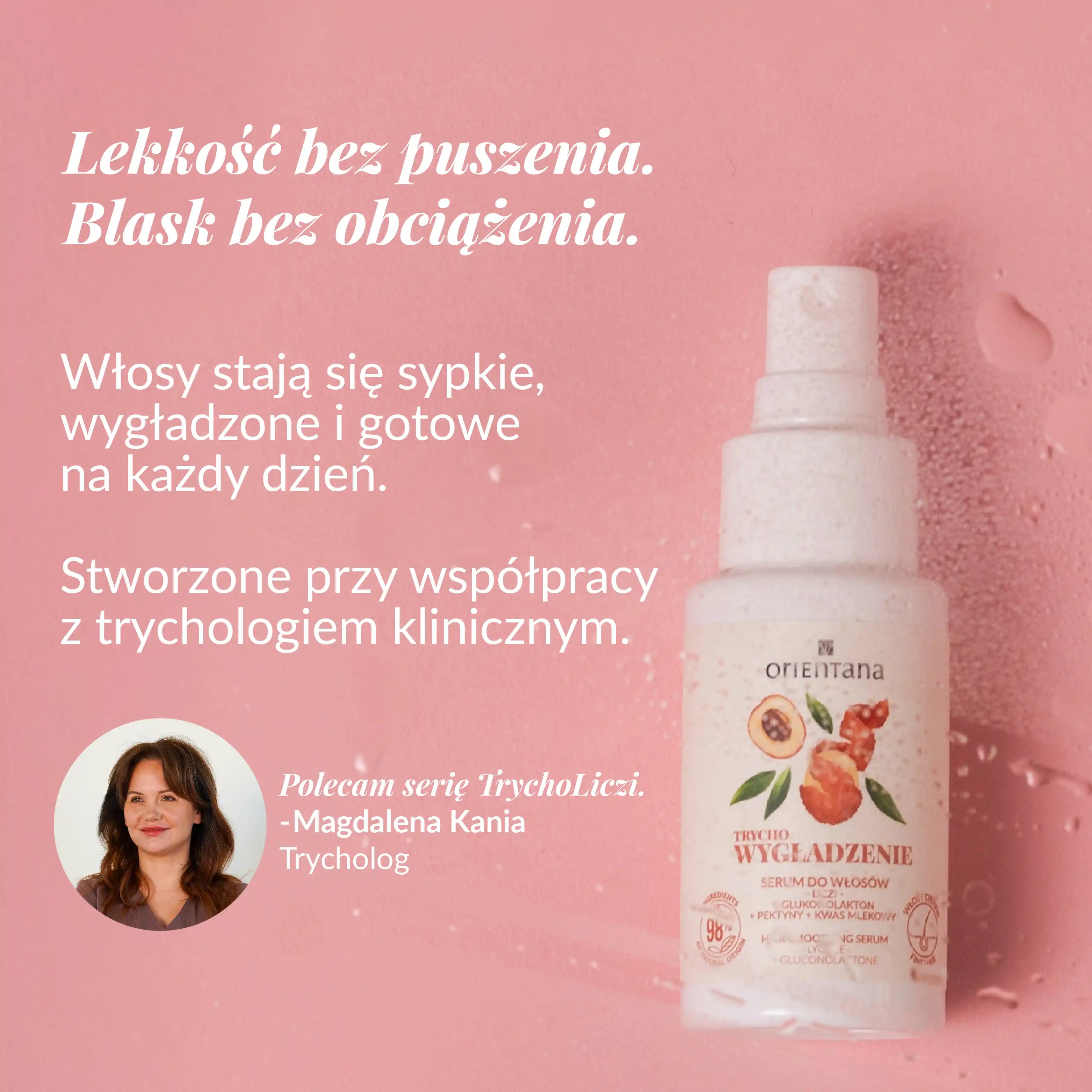
Type: Hair oils and treatments
Trichological smoothing hair serum lychee gluconolactone pectin lactic acid 50 ml
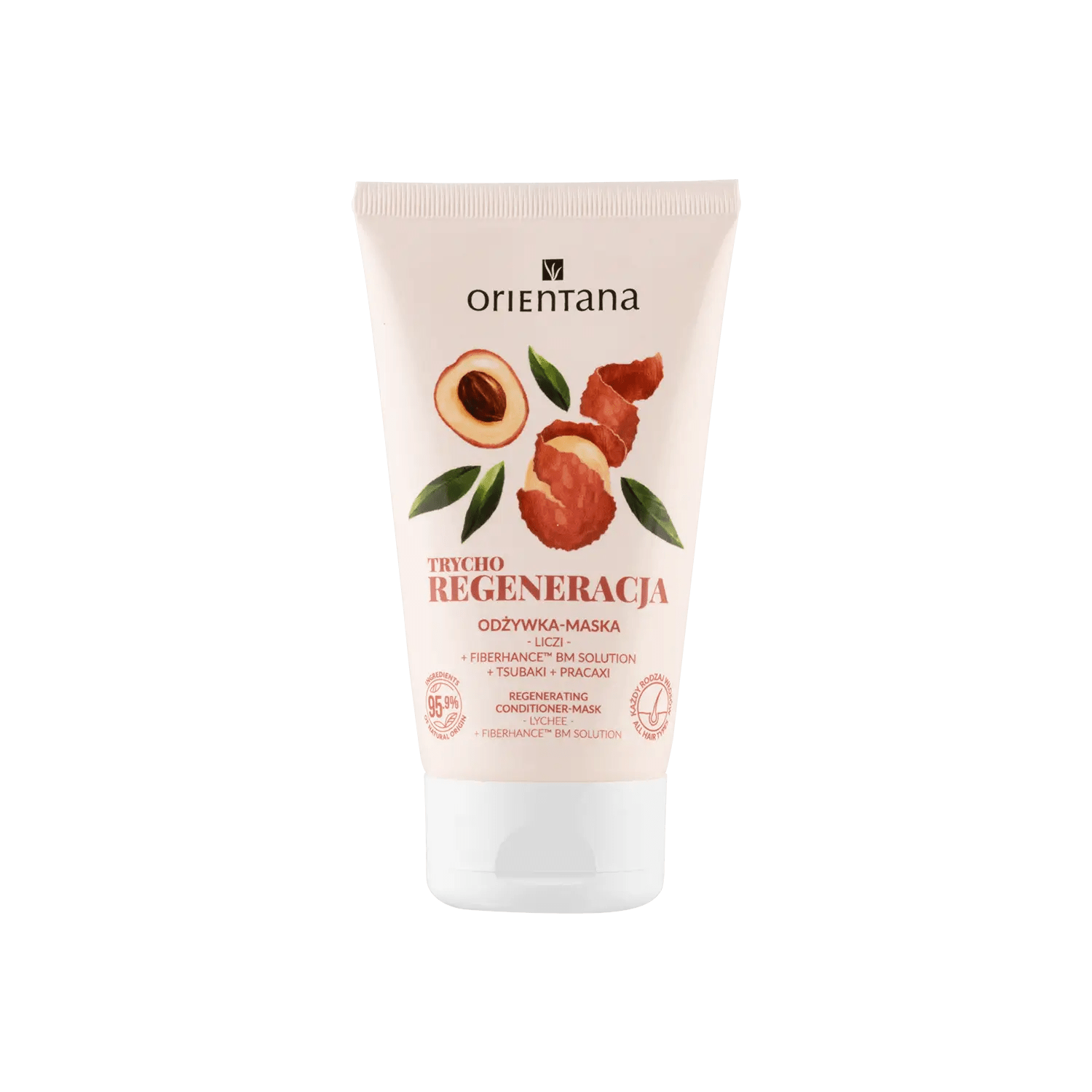
Type: Hair conditioners
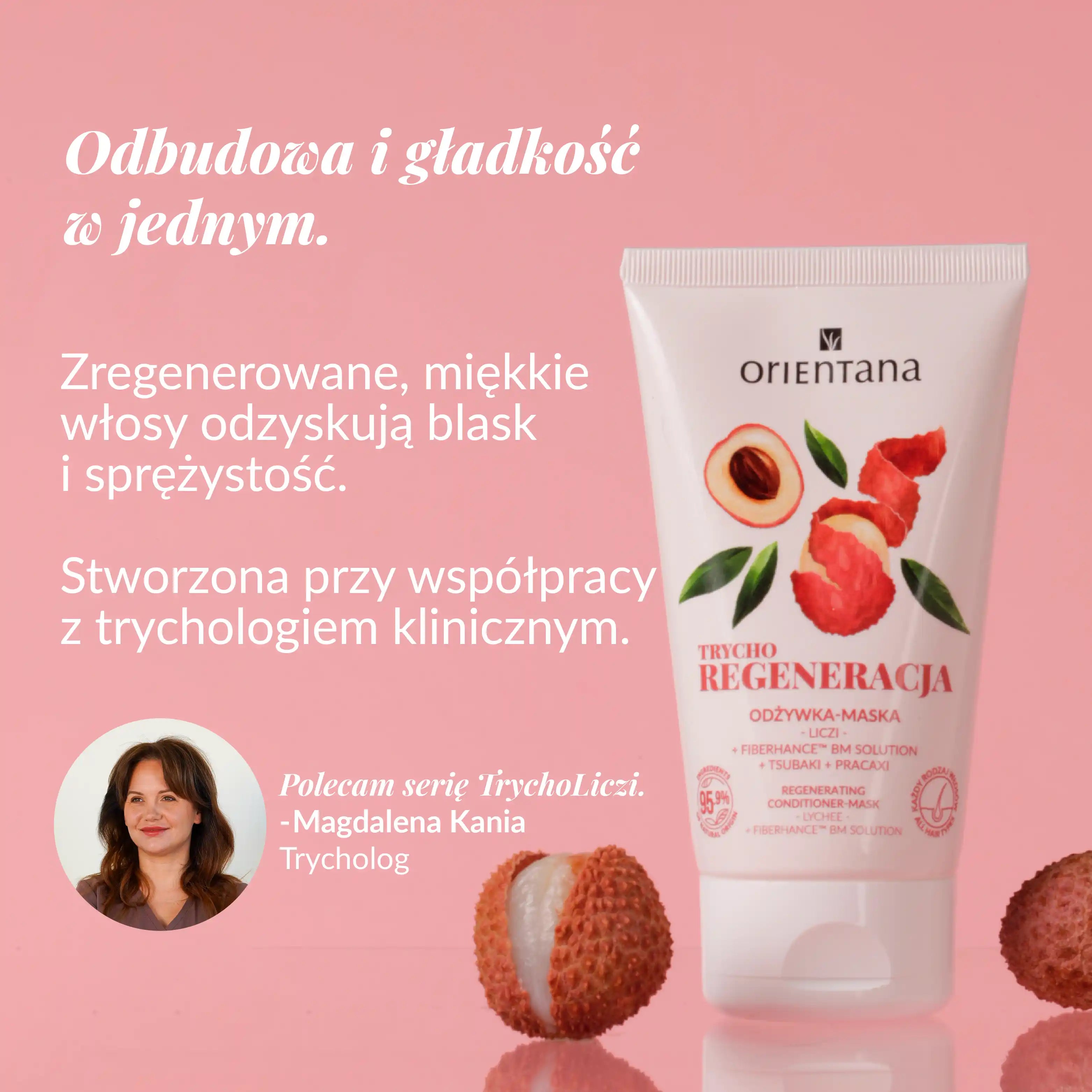
Trichological hair conditioner-mask regenerating fiberHance™ bm solution tsubaki pracaxi 125 ml
Type: Mists and Sprays
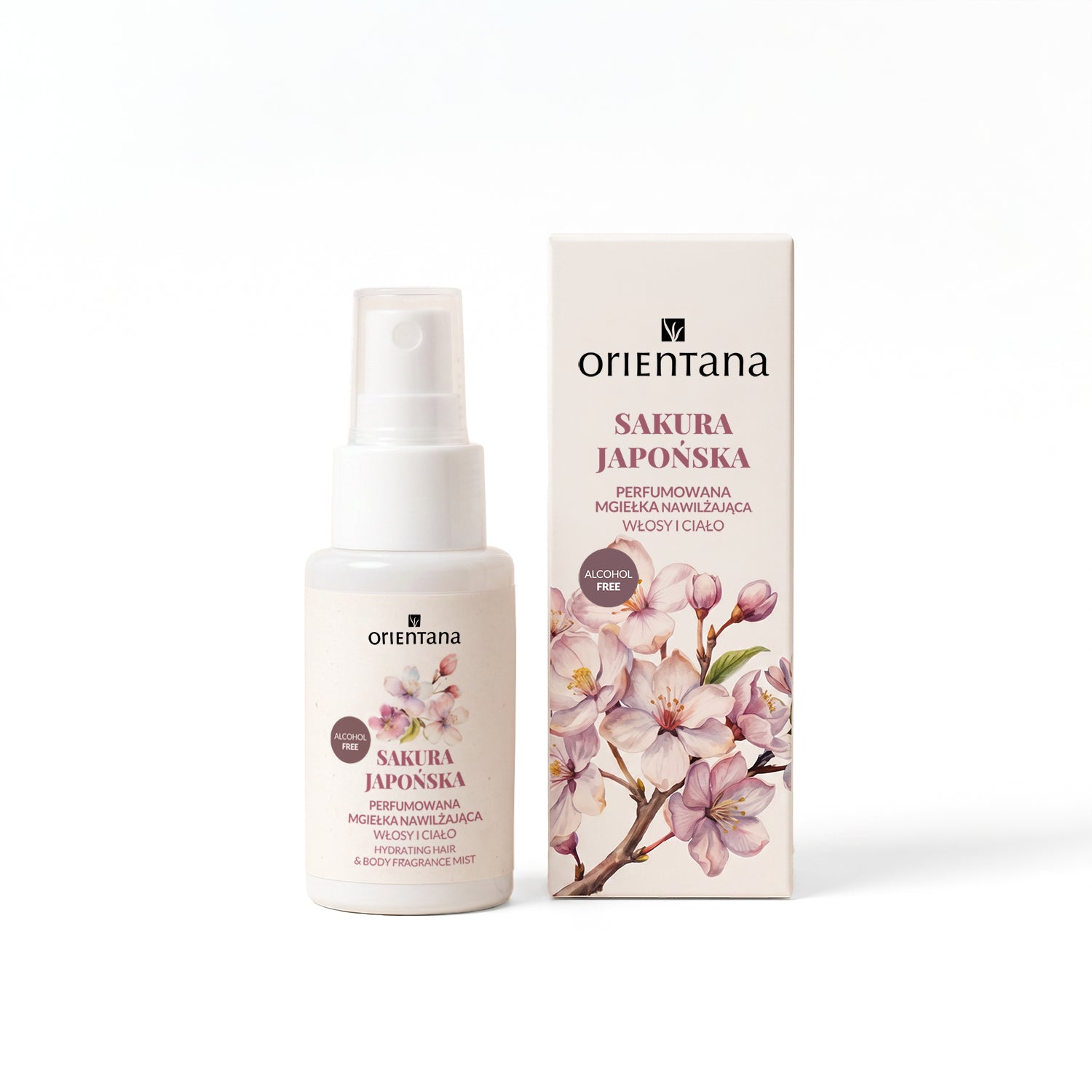
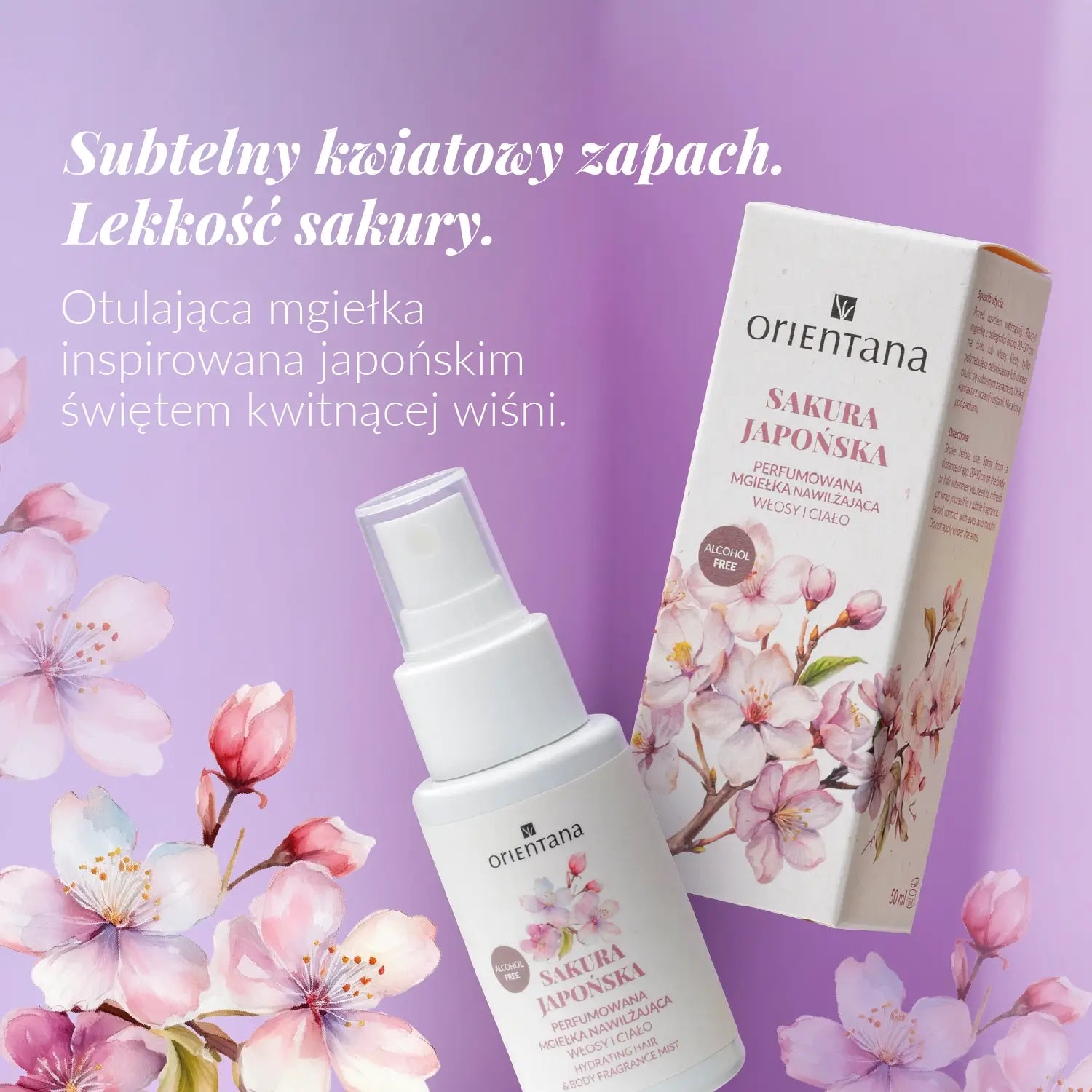
Japanese sakura mist for hair and body 50 ml

Type: Mists and sprays
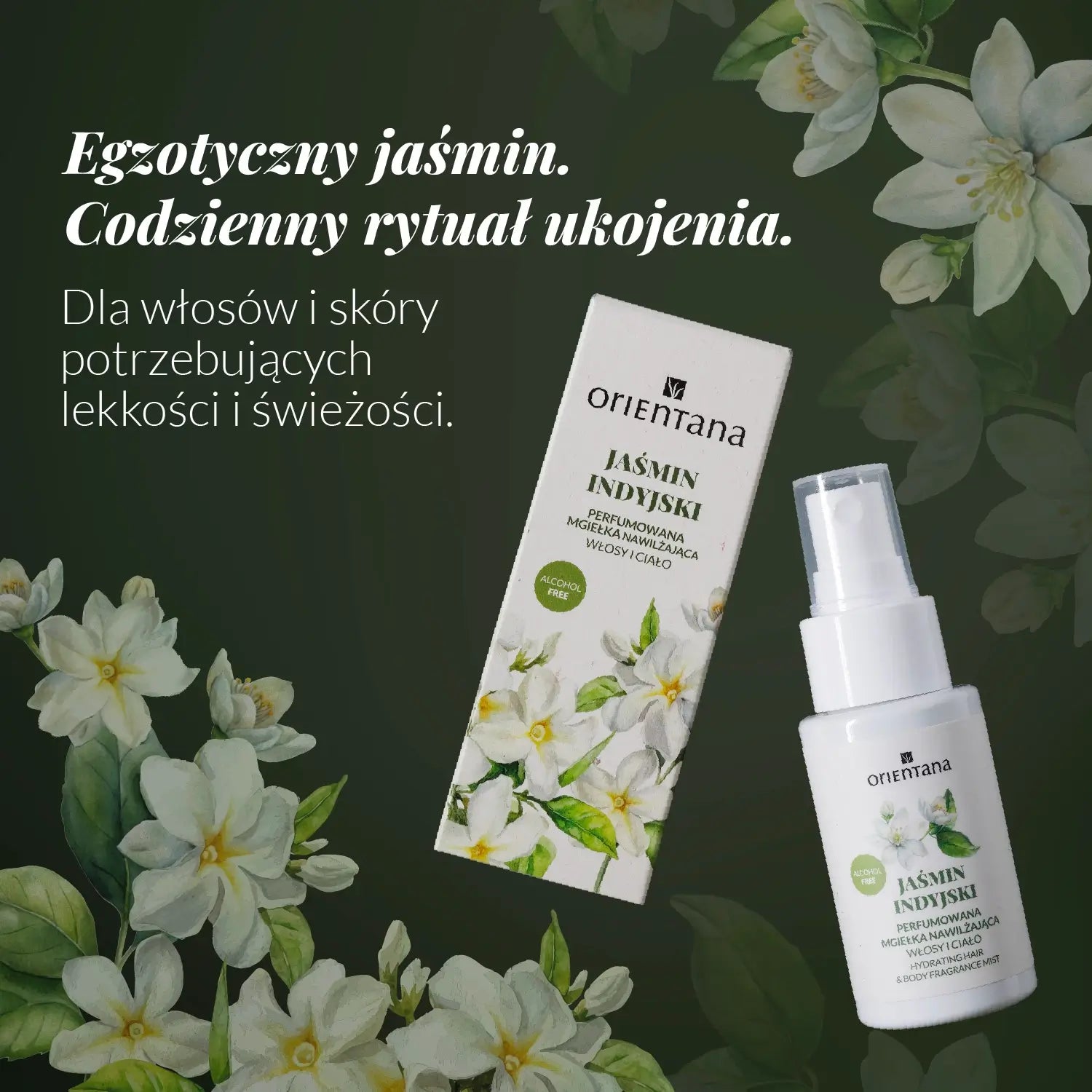
Indian Jasmine Hair & Body Mist 50 ml

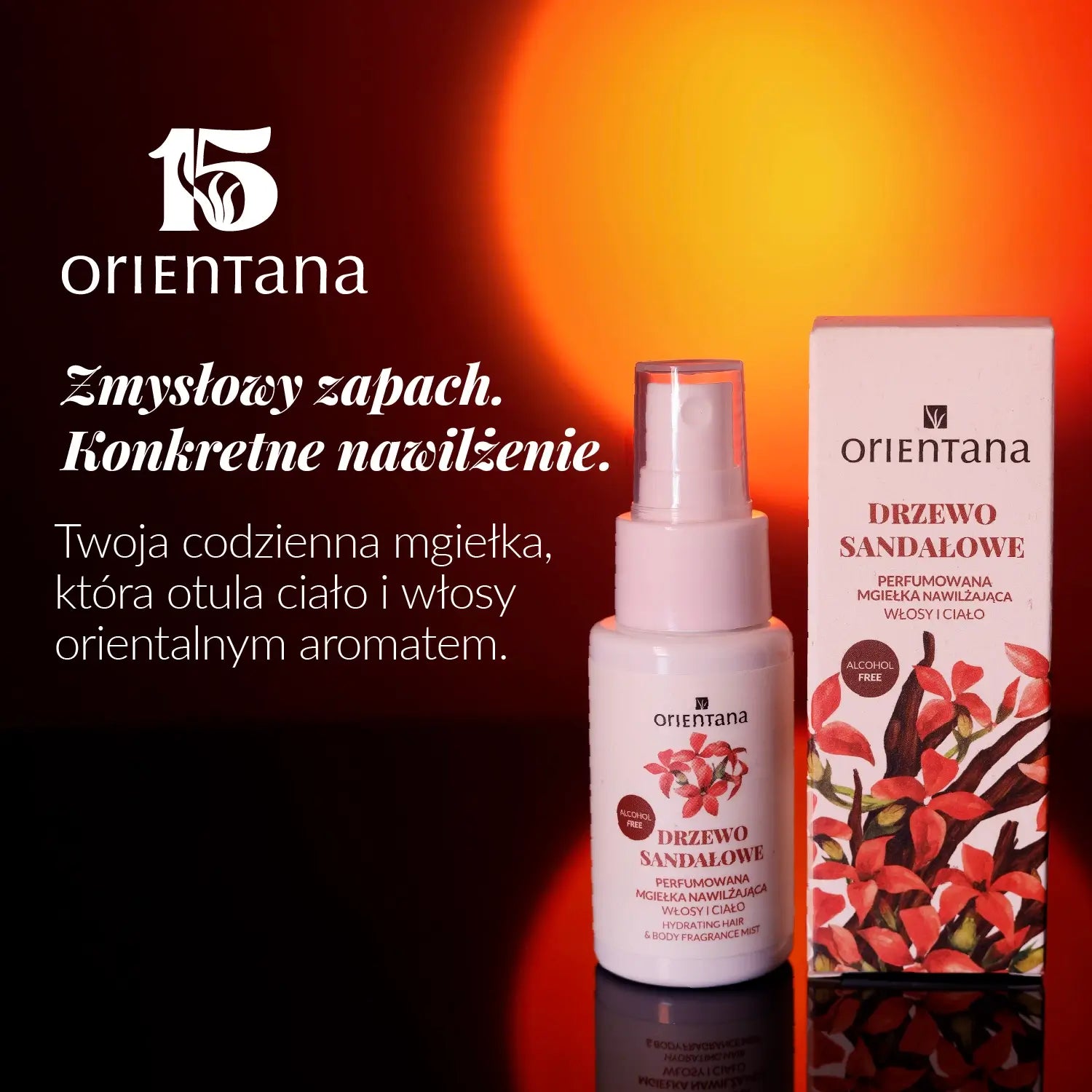
Type: Mists & Sprays
Sandalwood hair and body mist 50 ml

Receive rewards
In the OrientKlub+ loyalty program!

The effectiveness of Ayurveda
High-quality natural ingredients!

Free delivery
For purchases over 159 PLN to pickup points!

Gift in a package
FREE samples with every order!

Full offer of Orientana brand
Guaranteed effective!

Many payment methods
Pay conveniently and securely!
Hair moisturizing cosmetics - what does that actually mean?
Hair moisturizers are products whose primary purpose is to replenish and retain water within the hair fiber . Moisturizing isn't the same as greasing—hair can be simultaneously oily at the roots and dry along the lengths. It's the lack of water in the hair structure that causes roughness, frizz, dullness, and brittleness.
Well-chosen moisturizing care:
- improves hair elasticity,
- reduces their susceptibility to damage,
- restores softness and natural shine,
- supports the balance of the scalp.
When does hair need moisturizing products?
Hair moisturizers are essential if you notice that:
- the hair is stiff, "hay-like" and difficult to style,
- frizz despite the use of oils and masks,
- they quickly lose their shine and look tired,
- have been dyed, bleached or heat styled,
- you often stay in air-conditioned or heated rooms.
Hair dehydration can affect any type of hair – including fine, curly and wavy hair.
How do hair moisturizers work?
Hair moisturizers are primarily based on humectants , or water-binding substances. They work by attracting water molecules and holding them within the hair.
To ensure effective and long-lasting hydration, formulas often combine:
- humectants – providing moisture,
- emollients – limiting its evaporation,
- soothing and regenerating ingredients – supporting the scalp and hair follicles.
The most important ingredients in moisturizing hair cosmetics
When choosing moisturizing hair cosmetics, it is worth paying attention to ingredients such as:
- aloe – intensively moisturizes and soothes the scalp,
- vegetable glycerin – binds water in the hair fiber,
- panthenol (provitamin B5) – improves elasticity and smoothness,
- trehalose and betaine – protect hair from drying out,
- inulin and prebiotics – support the scalp microbiome,
- hyaluronic acid or its derivatives – increase the level of hair hydration.
Modern natural cosmetics increasingly include adaptogenic and biotechnological ingredients that support hair's resistance to environmental stress.
Hair moisturizing cosmetics and PEH balance
Effective hair care relies on maintaining a PEH (protein-emollient-humectant) balance. Hair moisturizers play a key role in this system, but they shouldn't be used in isolation from the other groups.
Excessive amounts of humectants without emollients may cause:
- frizz,
- stiffness,
- the feeling of dry ends despite moisturizing.
That's why the best hair moisturizers have balanced formulas that moisturize but also protect the hair structure.
How to use moisturizing hair cosmetics?
For best results:
- use moisturizing shampoos when washing regularly,
- use a moisturizing conditioner after each wash,
- Use an intensively moisturizing mask 1–2 times a week,
- protect the ends with a light serum or leave-in cream,
- avoid excessive temperature when drying.
Regularity is key – moisturizing your hair is a process, not a one-time treatment.
Natural moisturizing hair cosmetics - why is it worth it?
Natural hair moisturizers are based on plant-based ingredients that are biocompatible with the skin. As a result:
- are gentler on the scalp,
- do not weigh down the hair,
- support the long-term condition of hair and hair bulbs,
- They also work well for sensitive scalp.
This is especially important in the care of thin, curly hair and hair after chemical treatments.
FAQ - moisturizing hair cosmetics
Are hair moisturizers good for everyday use?
Yes, if they have a mild composition and are tailored to the needs of the hair and scalp.
Is moisturizing your hair enough to keep it healthy?
Moisturizing is essential, but hair also needs emollients and – periodically – proteins.
Can moisturizing cosmetics weigh down hair?
Well-formulated formulas don't weigh down your skin. The problem is usually too much product or a PEH imbalance.
How to distinguish dry from dehydrated hair?
Dry hair primarily needs lipids, while dehydrated hair primarily needs water and humectants. Often, these two problems occur simultaneously.
Are moisturizers good for curly hair?
Yes – curly hair especially needs hydration to maintain its curl elasticity.
Does moisturizing your hair also work on your scalp?
Yes, many moisturizing cosmetics also support the hydrolipid barrier of the scalp.
Moisturizing hair products are the foundation of conscious hair care, regardless of hair type. Carefully selected formulas restore hair's softness, elasticity, and healthy appearance while also caring for the scalp. If hair loses its shine, becomes frizzy, or is difficult to style, it's a sign that it needs effective hydration – daily, consistently, and in harmony with its natural needs.