More and more people are reaching for natural cosmetics, seeing them as an alternative to conventional products full of synthetic additives. The "natural" trend is no longer just a fleeting fad – it's a conscious choice, based on concern for health, the environment, and ethics. Natural cosmetics are products made primarily from plant and mineral ingredients, and their formula is intended to support the skin's natural processes, rather than disrupt its balance.
Natural cosmetics - what does it mean?
Natural cosmetics are those where most ingredients come from nature – from plants, minerals, or water. You won't find silicones, artificial colors, or mineral oils – which are derived from petroleum – in them.
Natural doesn't always mean organic.
- Natural cosmetics are made from natural raw materials, regardless of their exact origin.
- Organic cosmetics are products where the ingredients additionally come from certified organic farms, without pesticides and artificial fertilizers.
How to identify natural cosmetics?
A conscious consumer should always refer to the label. The INCI list (International Nomenclature of Cosmetic Ingredients) allows one to assess whether a given cosmetic truly meets the criteria of naturalness. If natural oils, hydrosols, and plant extracts are seen at the beginning of the list – that's a good sign.
Natural cosmetics used to have shorter ingredient lists, but today they may contain more natural ingredients, e.g., those derived from biotechnology, and be even more beneficial for the skin.
Natural cosmetics use milder preservatives, such as benzoic acid or sorbic acid, instead of synthetic parabens. Additionally, science is advancing, and today phenoxyethanol is already of natural origin, and we at Orientana use exactly that.
Example: Orientana Rose Toner is a natural cosmetic dominated by rose water and plant extracts – without alcohol or artificial colors. Short ingredient list and mild preservatives.

Key ingredients in natural cosmetics
Plant oils and butters
The foundation of natural cosmetics is plant fats. Shea butter, kokum butter, sesame oil, or rice oil nourish the skin, rebuild its hydrolipid barrier, and protect against transepidermal water loss. This keeps the skin soft, elastic, and more resistant to irritation. The Orientana brand uses these ingredients as the cosmetic base.

Plant extracts and adaptogens
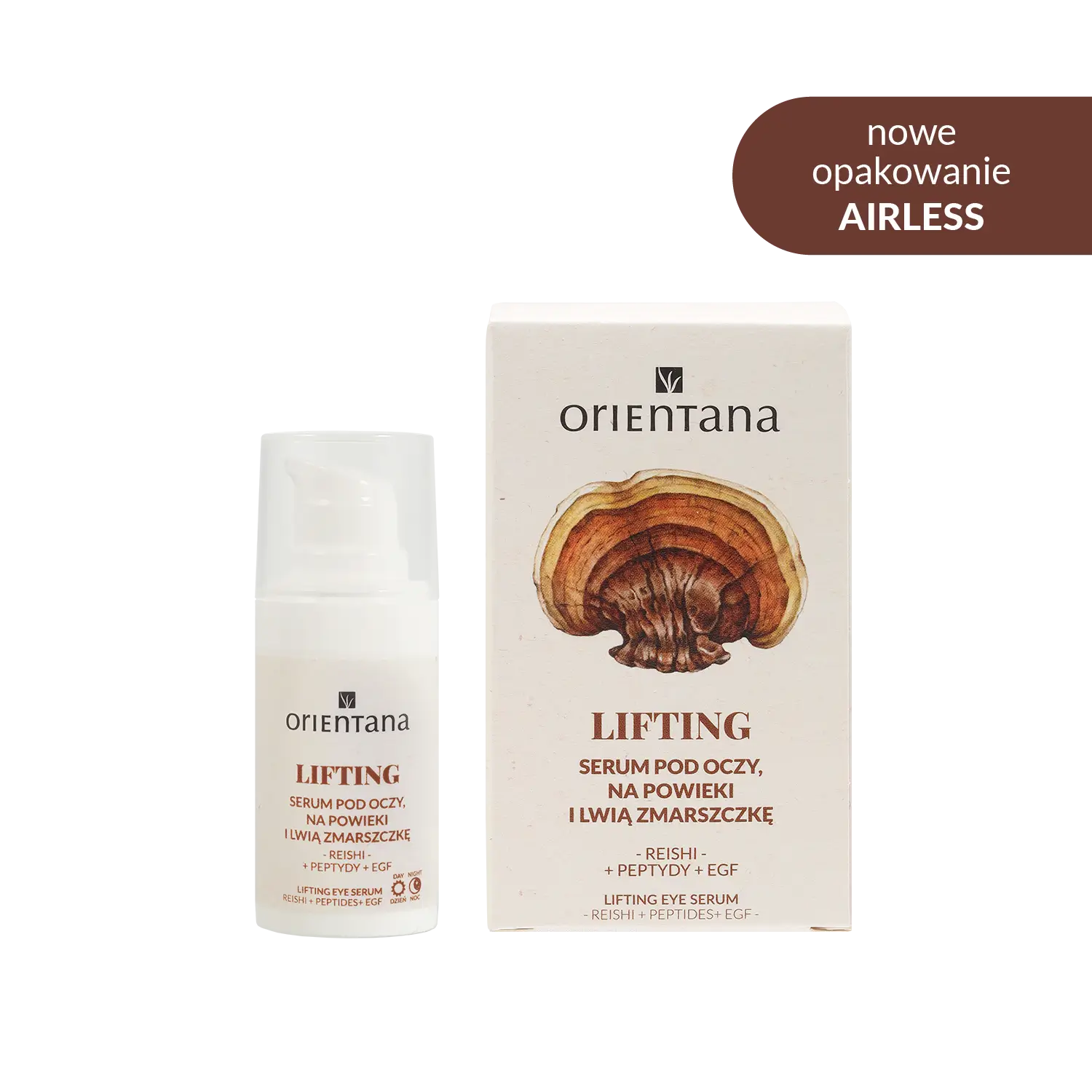
Modern cosmetology readily uses adaptogenic plants, which support the skin in combating oxidative stress and environmental factors. Ashwagandha, Reishi, or Gotu kola (CICA) are ingredients with proven anti-inflammatory, antioxidant, and regenerating effects.
In practice, they can be found, for example, in Orientana Ashwagandha + CICA + Niacinamide Serum, which combines the power of Ayurvedic tradition with modern research.

Natural humectants and polysaccharides
Aloe, trehalose, or polysaccharides from the Tremella mushroom (phytomucin) intensely moisturize, binding water in the epidermis. Thanks to them, the skin gains a healthy, radiant appearance and is less prone to dryness.

Next-generation ingredients - peptides, ceramides, retinol
Next-generation ingredients, such as peptides, ceramides, and retinol, are increasingly being sourced from natural sources or inspired by biotechnology. Plant peptides support intercellular communication and stimulate collagen synthesis, improving skin firmness. Phyto-ceramides from yuzu fruit or rice rebuild the hydrolipid barrier, providing protection and hydration without weighing down the skin. Plant-derived retinol equivalents, e.g., from mastic resin, offer anti-wrinkle and smoothing effects while being gentler than classic retinol. Thanks to such solutions, modern skincare combines effectiveness with naturalness and safety.

Natural cosmetics vs. organic cosmetics – differences
Although these terms are often used interchangeably, it is worth emphasizing that organic cosmetics represent a more demanding category. It means that all plant raw materials used in the product come from organic farming, without pesticides and artificial fertilizers.
In practice – every organic cosmetic is natural, but not every natural cosmetic is organic. However, I want to assure you that as Orientana, we draw heavily from organic ingredients, as this is often the standard for our suppliers.
Why choose natural cosmetics?
Natural cosmetics work in harmony with skin physiology. They contain ingredients that our skin recognizes and easily incorporates into its structures – such as oils, plant ceramides, or natural antioxidants. As a result, they are milder and often better tolerated by sensitive or allergic skin.
Additionally, choosing natural cosmetics is beneficial for the environment. This is very important to me! The compositions are biodegradable, and brands like Orientana have for years ensured they do not use ingredients obtained through environmental degradation (paraffin, mineral oils) or those that degrade the environment (microplastics).
Natural cosmetics in facial skincare
Daily facial care based on natural cosmetics helps maintain a healthy skin appearance. Gentle skin cleansing is provided by plant-derived ingredients – not aggressive like in conventional cosmetics – I'm referring to SLS/SLES here.
Check out Orientana Natural Facial Cleansing Cosmetics
For your daily skincare routine, you have a complete set of essential natural cosmetics
Natural cosmetics in hair care
Natural shampoos , conditioners and serums free from SLS and silicones allow hair to regain shine and strength.
In body care, oils and plant extracts work perfectly, promoting hair growth, soothing the scalp, and preventing hair loss.

Natural cosmetics in body care
Orientana offers body butters, oils, mists, and creams made mostly from plant-based ingredients, free from silicones, PEGs, parabens, and synthetic preservatives. Dominant ingredients include rich plant fats and extracts – e.g., shea butter for intense moisturization, sweet almond oil for elasticity, and extracts of Japanese rose, jasmine, or lemongrass, which give products not only nourishing properties but also beautiful, subtle aromas. Thanks to this, daily body care with natural cosmetics becomes a ritual that respects the skin, the environment, and ethical values.
Frequently Asked Questions (Q&A)
Are natural cosmetics less effective than conventional ones?
No – many natural ingredients have proven effects. Reishi extract acts as an antioxidant, phytoretinol from mastic resin supports skin renewal, and ceramides from yuzu rebuild the epidermal barrier.
Do natural cosmetics have a shorter shelf life?
Often, yes – due to milder preservatives. Therefore, it's worth paying attention to the PAO date (open jar symbol).
Are natural cosmetics suitable for allergic skin?
Yes, but it's worth remembering that natural ≠ hypoallergenic. Skin can react even to essential oils. Therefore, for sensitive skin, it's better to choose unscented natural cosmetics or those dermatologically tested.
Are natural cosmetics expensive?
The price depends on the type of ingredients. However, a natural cream or serum usually has a higher price because it has a higher concentration of active ingredients. It is often more effective than a drugstore equivalent.
Can natural cosmetics be used during pregnancy?
Most can, but it's worth avoiding essential oils with stimulating effects (e.g., clary sage). Orientana offers many natural products suitable for pregnant women.
What are the most effective natural anti-aging cosmetics?
Serums with adaptogens (Reishi, Ashwagandha), phytoretinol, cosmetics with vitamin C and phyto-ceramides – all these ingredients are found in modern natural cosmetics.
A few words from me to conclude
Natural cosmetics are a conscious choice – for the skin, health, and the planet. Thanks to the abundance of active plant ingredients, natural cosmetics can effectively moisturize, regenerate, and protect the skin from aging. It is worth choosing brands specializing in natural care, such as Orientana, which have been combining Asian tradition with modern biotechnology for years.
Discover the full range of natural cosmetics at the Orientana store and see for yourself the great power of nature in daily care.