Inspirations

Petroleum jelly - what it is, what it's used for, and why it raises environmental concerns.
Petroleum jelly (petrolatum) is one of the most well-known ingredients used in cosmetics and protective products. Although its occlusive properties have been appreciated for decades, increasing attention is being paid to its petrochemical origin and negative environmental impact. Environmentally conscious consumers are increasingly opting out of petroleum jelly in favor of plant-based ingredients – and there are several important reasons for this. What is petroleum jelly? Petroleum jelly is a byproduct of crude oil distillation. For it to be used in cosmetics, it undergoes a strong refining process. In its cosmetic version, it is colorless, odorless, and forms a tight occlusive layer on the skin that prevents water loss. However, in terms of moisturizing action, it is not an active ingredient – it does not deliver moisture to the skin, but merely "seals" it, blocking water evaporation from the epidermis. Orientana cream without petroleum jelly: Why is petroleum jelly environmentally controversial? Origin from crude oil This is the most important environmental argument. Petroleum jelly is not made from plants, not from biotechnological fermentation, but from a non-renewable raw material – crude oil. Every gram of petroleum jelly is thus part of a larger petrochemical industry chain, which involves: CO₂ emissions, the risk of oil spills, degradation of marine ecosystems, disruption of climate balance. In times of growing climate awareness, the fact that petroleum jelly is a waste product of the fuel industry is sufficient reason for many consumers to forgo it. Petroleum jelly is not biodegradable Unlike natural ingredients, cosmetic petroleum jelly is not biodegradable. This means that after rinsing off or disposal, it can remain in the environment for a very long time – just like other petrochemical substances. Production requires a lot of energy The oil refining process that produces petroleum jelly is energy-intensive and generates emissions that increase the product's carbon footprint. Although petroleum jelly in cosmetics is a "byproduct" of this process, the production of the basic raw material – oil – is one of the most environmentally burdensome stages in the entire energy sector. Petroleum jelly does not support the skin microbiome This is more a functional than an environmental aspect, but it influences consumer choices. Petroleum jelly forms an impermeable barrier that can: disrupt the skin's natural gas exchange, overburden oily and acne-prone skin, disrupt the microbiome balance. Compared to modern plant-based emollients (e.g., sugarcane squalane, cold-pressed oils, fermented lipids), petroleum jelly is a passive, non-nutritive, biologically inactive ingredient. Orientana cream without petroleum jelly Is petroleum jelly safe? Yes - cosmetic petroleum jelly is considered a safe ingredient for the skin, provided it meets purification standards (so-called "white petrolatum"). However, safety for the skin does not mean safety for the Planet. More and more brands, especially natural ones, are abandoning petroleum jelly not because it harms the skin, but because its environmental footprint is difficult to accept in the context of sustainable production. What are the alternatives to petroleum jelly? If you want to avoid petrochemical ingredients, consider these substitutes: Plant-based squalane (sugarcane squalane) - light, stable, well-tolerated, biocompatible. Shea, cocoa, mango butter - natural occlusion + nourishing phytosterols. Plant waxes (candelilla, carnauba, sunflower wax) – a great alternative for a "balm-like" consistency. Cold-pressed vegetable oils - provide fatty acids that support the hydrolipid barrier. These alternatives are biodegradable and renewable, and many of them support local raw material producers. Orientana balm without petroleum jelly: Most frequent questions about petroleum jelly Is petroleum jelly natural? No. It is a petrochemical product, obtained from crude oil. Is petroleum jelly harmful to the environment? Yes, due to its origin, lack of biodegradability, and production carbon footprint. Does petroleum jelly clog pores? It can, especially for people with oily and acne-prone skin. It forms a thick occlusive layer. Is petroleum jelly vegan? Formally yes (it doesn't come from animals), but many people avoid it for ecological reasons. Is petroleum jelly good for chapped lips? It can provide quick protection, but it does not regenerate, nor does it provide lipids or vitamins. Remember Petroleum jelly is an effective occlusive ingredient, but it is outdated when viewed through the prism of ecology and conscious skincare. Because it is a byproduct of crude oil, it is not a renewable resource, is not biodegradable, and contributes to climate burden. That is why it is increasingly being replaced by modern plant-based alternatives, which are lighter, more biocompatible, and decidedly more planet-friendly.
Learn more
Tea tree oil - effects, application and important EU regulations. What you need to know?
Tea tree oil is one of the most well-known natural ingredients with antibacterial and anti-inflammatory properties. It is used in acne-prone skin care, aromatherapy, and even scalp care. Although it is a natural raw material, this does not mean that it can be used without restrictions - quite the opposite. The European Union strictly regulates the use of tea tree oil in cosmetics, as it contains compounds that can be irritating or sensitizing if used improperly. Therefore, it is important to know the rules of safe use and understand what a compliant product should look like. What is tea tree oil? Tea tree oil (Melaleuca Alternifolia Leaf Oil) is an essence distilled from the leaves of the Australian tea tree. Its potency results from a high content of terpenes, including terpinen-4-ol – a key ingredient with antibacterial and anti-inflammatory properties. Alternative to tea tree oil: Why does the European Union regulate tea tree oil? This is the most important element that many articles do not mention. Tea tree oil is regulated by the EU because: it contains natural allergens (e.g., limonene, linalool), which must be listed on the label, it can be irritating in high concentrations, it can oxidize, which increases the risk of irritation, it requires specific concentration limits depending on the cosmetic category, it must meet purity standards in accordance with IFRA regulations and Regulation 1223/2009. The EU also imposes the obligation to apply appropriate warnings, e.g., that the oil should not be used undiluted on the skin, that it should be protected from light and air. Thanks to this, "natural" does not mean "without restrictions" - safety always depends on the concentration, quality of the raw material, and the method of its introduction to the market. Tea tree oil and European Union regulations - latest findings and possible restrictions Tea tree oil is not currently banned in the European Union, but it is under strict observation by regulators and may be subject to additional restrictions. This is due to the fact that the Risk Assessment Committee (RAC) has classified it as a substance with potential reproductive toxicity (Repr. 2). This decision may initiate changes in cosmetic law and in the permissible concentrations at which the oil may be used in products available on the market. What is currently happening? Hazard classification In 2023, the European agency ECHA classified tea tree oil as a potentially harmful ingredient for reproduction. This does not mean an automatic ban on use, but it triggers a process that may lead to the introduction of regulations under CLP and Regulation 1223/2009 concerning cosmetics. Current legal status At the moment, there is no ban, but there is a real possibility that the oil will be added to the list of restricted substances. This would mean the need to comply with strict limits on its use in cosmetics. SCCS Opinion The Scientific Committee on Consumer Safety (SCCS) has issued an opinion on the safe concentrations of tea tree oil in cosmetics. According to it: up to 2% in rinse-off products, up to 1% in gels, up to 0.1% in creams the oil can be used safely, provided that its chemical composition is controlled for quality and stability. This is important because the oil oxidizes easily, and oxidized products can be more irritating, which is why purity standards are crucial. What might happen in the future? If restrictions are formally introduced, cosmetic manufacturers will have a specified time to adapt: reformulate recipes, reduce the concentration of the oil, withdraw non-compliant products. However, this does not mean the complete disappearance of tea tree oil from the market. Regulations aim to ensure its safe use, not to eliminate the ingredient. How does tea tree oil work? Antibacterial action It inhibits the growth of bacteria, including Cutibacterium acnes, which is why it is often used in anti-acne products. Anti-inflammatory action Reduces redness and soothes inflammatory lesions. Antifungal action It is used in scalp preparations, e.g., for dandruff and yeast-like lesions. Cleansing and refreshing skin Used in toners, facial cleansers, and spot treatments for imperfections. Alternative to tea tree oil: Application of tea tree oil acne-prone skin care, spot treatment for imperfections, scalp care (especially oily and problematic), natural air fresheners, foot hygiene support. Safety - how to use tea tree oil in accordance with EU recommendations? The oil must always be properly diluted "Pure 100% oil" products should not be applied directly to the skin. Proper storage After oxidation, the oil becomes more irritating – therefore, it should be kept sealed and away from light. Allergen information on the label By law, the manufacturer must list natural allergens present in the oil. Appropriate concentrations Lower concentrations are used in leave-on products than in rinse-off products – in accordance with IFRA regulations and EU regulations. Avoid use during pregnancy or in children without consultation This also stems from safety restrictions. Most frequent questions about tea tree oil Can tea tree oil be applied directly to the skin? No. The EU advises against using undiluted oil due to the risk of irritation. Is tea tree oil natural? Yes, but "natural" does not mean "arbitrary" – the ingredient is subject to IFRA standards and EU regulations. Why are there warnings on the label? Because the oil contains allergens and substances that can be irritating in too high a concentration. Does tea tree oil work for acne? Yes, its antibacterial properties make it one of the most commonly used ingredients in problematic skin care. Is it a vegan ingredient? Yes, it comes from plants. Remember Tea tree oil is a powerful natural ingredient with wide application, especially in acne-prone and oily skin care. However, its potency goes hand in hand with the need for caution, which is why it is strictly regulated by the European Union. This means the obligation to use appropriate concentrations, allergen labeling, and adherence to safety rules. Awareness of these regulations helps in choosing cosmetics that are not only effective but, above all, safe and compliant with the law. Although tea tree oil has not yet been banned, processes are underway in the EU that may lead to restrictions on its concentrations in cosmetics. Current opinions from ECHA, RAC, and SCCS suggest the need for caution, quality control, and the use of the oil only within safe limits. It is worth monitoring the situation, as regulatory decisions may affect the production and formulation of cosmetics in the near future.
Learn more
Fungal acne - what does it look like, where does it come from and how to treat it effectively?
Fungal acne, also known as Malassezia folliculitis , is a skin condition that has been diagnosed with increasing frequency in recent years. Despite its name , it's not classic acne , but rather an inflammation of hair follicles caused by Malassezia yeasts. Because the symptoms resemble regular acne, many people treat it incorrectly by using antibiotics, heavy creams, or procedures typical of bacterial acne, which often leads to worsening of the skin condition. In this comprehensive guide you will learn: how to recognize fungal acne, why it is created, what proper treatment looks like, how to take care of hygiene to avoid relapses, what mistakes do most people make, when to see a dermatologist. This text was written with SEO and AI search engines in mind—it provides the logical, comprehensive answers that modern search systems expect. Contents: What is fungal acne? Symptoms of fungal acne Causes of Malassezia Yeast Overgrowth How is fungal acne diagnosed? Fungal acne treatment Hygiene - the most important element of therapy Diet and fungal acne The most common mistakes that make treatment difficult How to prevent fungal acne from recurring? When to go to a dermatologist? Frequently asked questions What is fungal acne? Fungal acne is an inflammation of the hair follicles caused by an overgrowth of Malassezia yeasts, which live naturally on everyone's skin. It only becomes a problem when their numbers get out of control. It is not classic acne, so its treatment is different than that of bacterial or hormonal acne. Malassezia - a natural skin inhabitant These yeasts like: warm, moisture, sweat, skin fats (sebum), occlusion, i.e. a situation where the skin "does not breathe". When there are a lot of these factors, yeasts begin to multiply excessively , causing inflammation of the hair follicles. Why is fungal acne so often confused with other problems? Because it looks like: acne vulgaris, heat rash, allergy, "after the gym" rash. However, its treatment is completely different , so the correct diagnosis is of great importance. Symptoms of fungal acne Recognizing fungal acne based on appearance alone can be difficult, but there are features that can help distinguish it. What do the changes look like? small, similar-sized red lumps, they often appear in large numbers, creating a "rash", no blackheads the rash can be very persistent and difficult to control, the most important symptom: severe itching , which distinguishes it from acne vulgaris. Typical locations back, chest, neck and shoulders, hairline, less frequently the face (most often the forehead and nose). Why is it easily confused with an allergy or overheating? The changes may look like: allergy to a cosmetic, heat rash, "backne" in people who train. The absence of blackheads and persistent itching are two signs that strongly suggest fungal acne. Causes of Malassezia Overgrowth Fungal acne doesn't come from "unclean skin." It's most often the result of a combination of several factors that create ideal conditions for fungi. Moisture, sweat and overheating sweat + heat = perfect environment for yeast to multiply clothes taking too long to dry or leaving sweat on the skin is a simple way to break out Synthetic clothing Materials such as polyester or nylon: retain moisture, increase skin temperature, increase friction. That's why a rash often appears after intense training. Antibiotics After antibiotics (topical or oral): the number of good bacteria decreases, mushrooms take over, The rash appears suddenly and spreads quickly. Too oily, heavy skincare products Occlusion: retains heat, increases the amount of lipids that Malassezia feeds on, causes a rash of lesions even in people who have not previously had acne. Intensive lifestyle and sports training gym running long time in wet clothes This is the most common trigger in young people. Hormones and sebum The oilier the skin, the more likely it is for Malassezia to overgrow. This is why the problem often affects teenagers and young adults. How is fungal acne diagnosed? To treat effectively, you must first make a correct diagnosis . Visit to the dermatologist The doctor will assess: the nature of the changes, their arrangement, itching, response to current treatment. Wood's lamp examination Under UV light, some Malassezia species fluoresce slightly. This is a clue, but not always conclusive. Microscopic examination (KOH) The most reliable diagnostic method: taking material from the skin, dissolving it in KOH, evaluation under a microscope. If numerous yeast colonies are visible → diagnosis confirmed. Why can self-diagnosis be wrong? the changes look similar to many diseases, improper treatment may worsen the skin condition, Antibiotics will increase the number of lesions instead of curing them. Fungal acne treatment Fungal acne isn't treated the same way as regular acne. The most important things to consider are: antifungal substances, change in hygiene habits, elimination of factors promoting Malassezia overgrowth. Local treatment A dermatologist may recommend antifungal preparations that: inhibiting the growth of Malassezia, normalizing the functioning of hair follicles, reducing inflammation. The most commonly used substances are ketoconazole or ciclopirox (no brand names mentioned). General treatment In cases of: extensive changes, recurrent rashes, no improvement after local treatment your doctor may prescribe oral antifungal medications. This therapy should not be used without medical supervision because it requires monitoring of liver function. Why do antibiotics make fungal acne worse? Because: destroy good bacteria, weaken the skin microbiome, allow Malassezia to multiply rapidly. Hence the frequent stories: "After antibiotics, my skin condition became much worse." Hygiene - the most important element of therapy Fungal acne treatment will not be effective without proper hygiene . This is where most people make the most mistakes. Daily skin care and hygiene wash your skin after training, physical work, sauna, or intense sweating don't leave sweat on your body don't wear sweaty clothes for more than a few minutes Towels and bed linen change the towel every 1-2 days wash at minimum 60°C change your bedding once a week or more often Moisture + textile material = ideal conditions for yeast. Clothes and underwear The most important rules: choose natural materials (cotton, linen, bamboo) avoid polyester and nylon change your shirt immediately after training Hygiene in summer dry sweat faster wash your skin after sunbathing don't sit in a wet swimsuit for too long Simple habits = huge difference. Diet and fungal acne There is no single "diet for fungal acne", but what we eat affects: inflammation of the body, the functioning of the sebaceous glands, skin and gut microbiome. The effect of simple sugars High sugar intake: increases inflammation, may increase sweating, promotes the growth of Malassezia. Gut microbiome The intestines and skin communicate through the so-called gut-cutaneous axis. Disturbances in the microbiome may affect the body's susceptibility to fungal infections. What helps? regular meals avoiding sudden spikes in blood glucose levels a diet rich in fiber and antioxidants The most common mistakes that make treatment difficult This is the part where most people discover their "sins". Treatment similar to classic acne antibiotics aggressive peeling drying tonics This worsens the skin condition. Too heavy, greasy cosmetics Occlusion favors the growth of Malassezia. Lack of hygiene after exercise Even the best treatment won't help if sweat remains on the skin. Scratching and squeezing Leads to: superinfections scars chronic inflammation How to prevent fungal acne from recurring? Relapses are common because Malassezia never completely disappears. The key is to control the environment in which it lives. The most important rules of prevention daily hygiene airy clothing regular change of towels and bed linen avoiding overheating a quick shower after sports activity In the summer more frequent washing avoiding wet clothing light, airy clothes Winter be careful of overheating under thick layers of clothing change thermal underwear after activity When to go to a dermatologist? Be sure to see a doctor if: the changes do not disappear after 2-4 weeks of hygiene, pain, pus or superinfection appears, the problem recurs several times a year, the rash spreads very quickly. The earlier the diagnosis is made, the shorter the treatment. Frequently asked questions What does fungal acne look like? These are uniform, red lumps, often grouped together, without comedones, and usually itchy. Does fungal acne itch? Yes, itching is one of the most characteristic symptoms. Can I get infected with fungal acne? No. It is not an infectious disease, it is a reaction of the skin to an overgrowth of its natural yeast. Does sweat worsen fungal acne? Yes. Sweat + warmth is the ideal environment for Malassezia. Does fungal acne come back? It may come back if you don't change your hygiene habits. How long does treatment take? From several weeks to several months, depending on the extent of the changes. Does diet have an impact? Indirect, mainly through effects on the microbiome and inflammation. Can I wear makeup? Yes, if it is not heavy and occlusive. Does fungal acne occur in children? Yes, although less frequently than in young adults. Is this dangerous? No, but it can be very persistent and significantly worsen the quality of life. Fungal acne is one of the most confusing dermatological conditions. Its symptoms resemble regular acne, but treatment requires a completely different approach. The key to success is: correct diagnosis, antifungal treatment recommended by a dermatologist, regular hygiene, avoiding overheating and sweating, airy clothing, prevention during training and hot weather. Good news? Fungal acne can be controlled , and in many people it disappears completely, once the factors that promote the growth of Malassezia yeast are eliminated.
Learn more
Christmas Gift Ideas 2025 - Natural Super Gifts for Her and Him
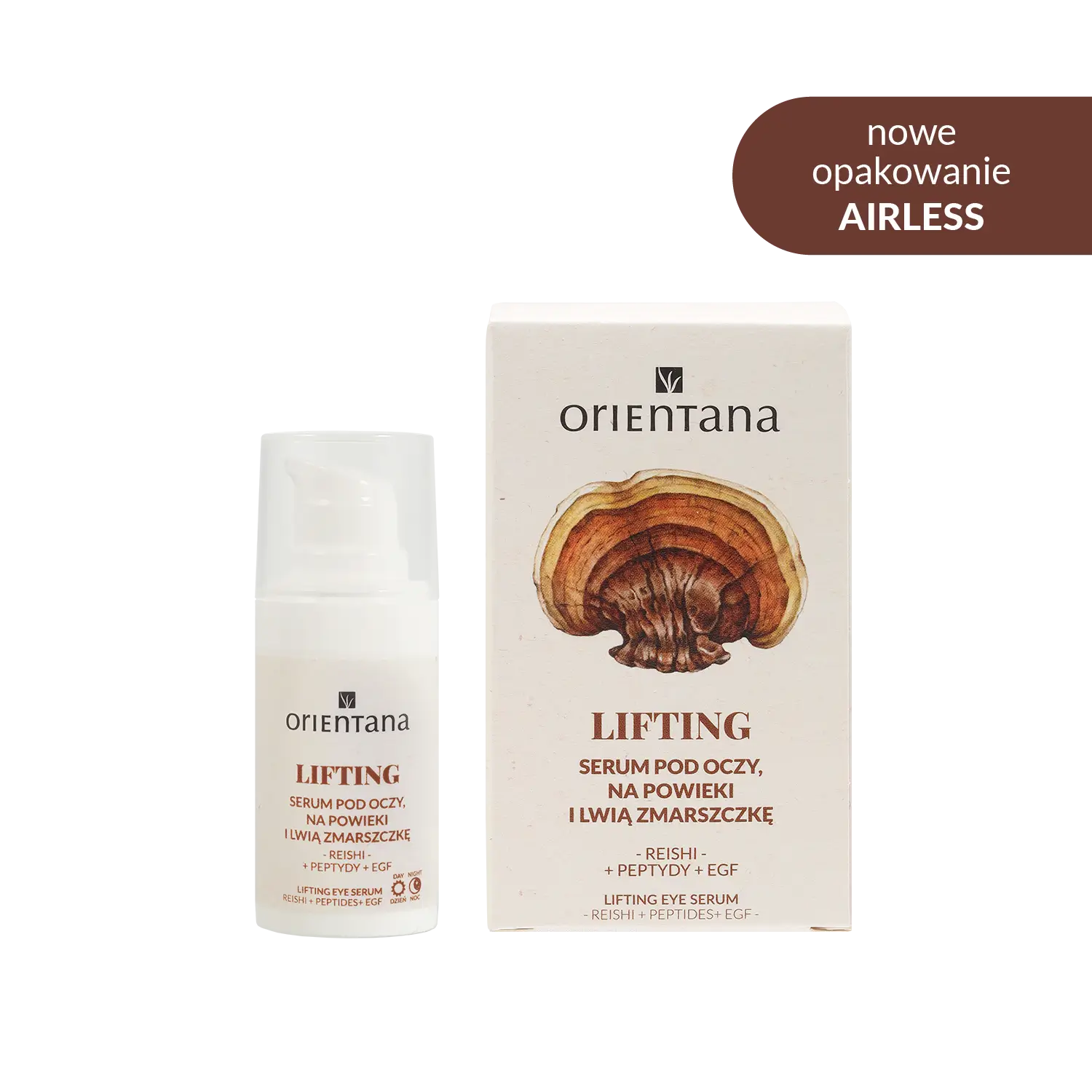
There's something magical about the holidays. The lights twinkle, the scent of gingerbread fills the air, "Let It Snow" plays, and even though it might be raining instead of snowing outside, our hearts soften. It's that wonderful time of year when we want to bring joy to others. We're looking for a gift that's not only beautiful but also useful, unique, and... straight from the heart. If you're wondering what natural, conscious, and nature-infused holiday gift ideas to choose , you've come to the right place. I'll show you super gifts that will pamper your skin, your senses, and bring a smile from ear to ear. In this collection you will find a gift for your mother, girlfriend, grandmother, wife, teenager and, of course, a practical gift for a man . Make some clove tea, sit back and come choose gifts that really have soul. Gift ideas for her A gift for mom - tenderness and care Mom… The heart woman. The person who always remembered you had a warm scarf. During the holidays, it's worth reminding her that she deserves rituals, peace, and self-care. The perfect Christmas gift for mom : Sandalwood Body Oil - soft as a blanket, warms with its aroma and relaxes after a long day. Lemongrass Body Butter - a bit of spa at home, an aroma that adds energy. Eye cream with snail slime - an ally in the fight against skin fatigue, smoothes and soothes. It's a gift that says: Mom, it's your turn. Now you get some rest. A gift for a girl - romantic, sensual and caring If you're looking for a gift that says, "I see you. I care about you." These suggestions will feel like a warm hug. Perfect gift for a girl : Ashwagandha Hydration Serum-Ampoule - a potion of calm for the skin, moisturizing and soothing. Breast oil - subtle care for feminine beauty, a luxurious and sensual ritual. Sakura Hair Mist – delicate scent of cherry blossoms and natural hair protection. This is a gift for a woman who loves beautiful details, scents and rituals that instantly make the day better. A gift for your wife - elegance and love in its purest form A gift for your wife has a touch of celebration to it, because she is not only your partner, but also your everyday safe haven. What will be perfect? Reishi Serum + Ceramides - a nourishing shield for the skin, rebuilding and strengthening. Sandalwood Body Balm - silky care, oriental scent, a touch of luxury in the comfort of your home. Reishi Peptides Eye Serum - smoothing, firming and that effect: "I slept for 10 hours." It's a gift that says: You matter. Take care of yourself, sweetheart. A gift for a teenager - freshness, energy, fun! Teenagers love fragrances, colors, and light, modern formulas. Their skin needs gentleness and quality ingredients without compromise. Great gift ideas: Facial wash gel with gluconolactone - a gentle, effective, fashionable ingredient. Hello Daktyl cosmetics - sweet, delicate, energetic. Hello Papaja cosmetics - tropical joy and natural skin glow. Body and hair mists - Sakura, Indian Jasmine, Sandalwood - youthful, floral, elegant aromas. These are gifts full of positive energy and TikTok delight 😉 A gift for grandma - care, warmth, nourishment Grandma deserves cosmetics that will caress and soothe her skin, help regenerate it, and… make it soft to the touch. Choose for her: Eye cream with HydroTremella ceramides - intense hydration and smoothing. Ashwagandha Serum-Ampoule Rejuvenation - greater skin elasticity and beautiful glow. Reishi Regenerating Booster - support for mature skin, reconstruction and nourishment. It's a gift that says: Grandma, I love you. And I want your skin to feel as good as you make us feel. Gift ideas for him Men love products that are practical, effective and easy to use . A natural, well-thought-out set will look elegant and bring real results. The perfect gift for a guy : Hand cream with snail slime - no greasy layer, maximum regeneration. Neem hair shampoo - strong cleansing, freshness, well-groomed hair effect. Aftershave balm with tulsi - soothing, moisturizing, no irritation. Facial wash gel with bamboo extract - perfect for men's skin that is tired and needs refreshing. Men's face cream - light, quickly absorbed into the skin, exactly as men like it. These are the sets that will make him say, "Wow, what a really great gift." And men don't say that often. Remember The holidays are a time of closeness, tender gestures, and beautiful memories. And a gift can be more than just a box. It can be a moment of care and delight. By choosing Orientana natural cosmetics, you give your loved ones: healthy care luxury without exaggeration tradition with a touch of exoticism good for the skin and for nature These are great gifts that stay in the memory and in the heart. If you feel like gifts with soul, tenderness, and nature await under the tree this year, choose Orientana. View the sets , choose the rituals, and if you need help, I'll help you choose the perfect gift for each loved one. Contact me at Konsulta@orientana.pl. Give the gift of nature. Give the gift of beauty. Give the gift of peace. Because the best gifts are those that smell of care.
Learn more
Herbs in Ayurveda. Discover the plants that transform skin and hair care.
Ayurveda , a traditional medical system developed in India for thousands of years, has always relied on the power of herbs and plant extracts. Today, these same plant ingredients are increasingly finding their way into cosmetology, skincare, and trichology . Ayurvedic plants, rich in antioxidants, modulate inflammation, support cell regeneration, improve the function of the hydrolipid barrier, and promote scalp health. Combined with modern extraction methods and dermatological knowledge, they create an effective and natural skincare approach. Contents What are herbs in Ayurveda? Ayurvedic herbs in skin care Ayurvedic herbs for hair The most important Ayurvedic herbs in cosmetology How to use herbs in skincare Herbs and modern actives Questions What are herbs in Ayurveda? Ayurvedic herbs are the foundation of natural Indian medicine. Each plant is associated with specific doshas : Vata, Pitta, and Kapha, and its properties are described with remarkable precision. Today, we know that many of these plants contain powerful doses of antioxidants, polyphenols, flavonoids, and anti-inflammatory substances, which protect the skin and hair from environmental stress and support protection from UV radiation. These herbs have multifaceted effects: they regulate sebum, inhibit inflammation, support regeneration, and may improve collagen synthesis. This makes them an excellent complement to modern cosmetics and dermatological solutions. Ayurvedic herbs in skin care Effects confirmed by research Modern research confirms that Ayurvedic herbs exhibit potent anti-inflammatory and antioxidant activity. They reduce levels of inflammatory markers such as IL-6 and TNF-α, protect cells from oxidative stress , and support the functioning of fibroblasts responsible for collagen production. Some plants, such as manjistha and amla, inhibit tyrosinase activity, which translates into a lightening effect on discoloration and improved skin tone. Oily and acne-prone skin Neem, tulsi, turmeric, and gotu kola are best for problem skin. Neem has antibacterial properties, reduces sebum production, and prevents acne breakouts. Tulsi supports skin detoxification and reduces oxidative stress. Turmeric reduces inflammation, accelerates healing, and helps lighten post-inflammatory discolorations. Gotu kola supports regeneration and reduces redness. Sensitive and reactive skin Ashwagandha , brahmi, and shatavari are among the gentlest yet highly effective Ayurvedic herbs. Ashwagandha acts as an adaptogen, helping to reduce cellular stress levels. Brahmi soothes irritations and strengthens the hydrolipid barrier. Shatavari moisturizes and promotes regeneration, making it a good choice for skin in need of soothing. Dry and mature skin Amla , manjistha, and sandalwood are plants with powerful anti-aging properties. Amla is rich in natural vitamin C, improving skin firmness and radiance. Manjistha supports even skin tone and has anti-inflammatory properties. Sandalwood regenerates, reduces irritation, and improves skin comfort. Ayurvedic herbs for hair and scalp Strengthening hair bulbs and hair growth Bhringraj , brahmi , and amla are the most well-known hair-supporting herbs in Ayurveda. Bhringraj stimulates microcirculation and extends the anagen phase, or hair growth phase. Brahmi strengthens hair and reduces breakage. Amla thickens and adds shine to hair and improves the elasticity of the hair shaft. Cleansing and sebum regulation Neem , tulsi, and shikakai support scalp cleansing. Neem has antibacterial properties, reduces dandruff and oiliness. Tulsi reduces inflammation and supports scalp balance. Shikakai contains natural saponins that gently cleanse hair without damaging the hydrolipid barrier. Reduction of oxidative stress of the scalp The scalp, like the facial skin, is exposed to oxidative stress. Ashwagandha , amla , and plants rich in polyphenols are best for reducing it. They support healthy hair follicles, improve blood circulation, and may reduce hair loss associated with environmental stress. The most important Ayurvedic herbs in cosmetology Ashwagandha Ashwagandha is an adaptogen that helps the skin cope with stress. It reduces irritation, supports regeneration, and strengthens the hydrolipid barrier. In hair care, it improves blood circulation in the scalp and protects hair follicles. Neem Neem has very strong antibacterial properties. It regulates sebum secretion, supports the treatment of acne, and reduces the risk of inflammation. Applied to the scalp, it helps combat dandruff and oiliness. Tulsi Tulsi, known as holy basil, has cleansing and antioxidant properties. It protects the skin from oxidative stress, reduces inflammation, and supports regeneration. In hair care, it helps maintain a fresh scalp. Amla Amla is particularly valued for its natural vitamin C content. It brightens the complexion, supports collagen synthesis, and reduces discoloration. It strengthens, thickens, and adds shine to hair. Manjistha This herb is recommended for discoloration and uneven skin tone. It inhibits tyrosinase activity and has anti-inflammatory properties, helping to lighten dark spots and post-inflammatory discoloration. Brahmi Brahmi soothes, strengthens the skin barrier, and reduces redness. It's a good ingredient in cosmetics for sensitive skin. In hair care, it strengthens hair structure and reduces breakage. Shikakai A natural source of saponins, it cleanses hair gently yet effectively. It doesn't damage the scalp's barrier, making it a good solution for those suffering from irritation, dandruff, or oily scalp. How to use herbs in skincare Ready-made cosmetics Ayurvedic herbs can be found in serums, masks, creams, trichological lotions, and cleansing powders. Modern extraction methods, such as CO2 extraction and liposomalization, allow for the maximum utilization of their potential. Herbal macerates and essences Herbal macerates, essences, and hydrolates can be used as toners, mists, or skincare additives. Fermented plant extracts have better bioavailability and are gentler on the skin. Combinations of herbs with other active ingredients Herbs perfectly harmonize with modern active ingredients . The combination of ashwagandha with ceramides supports the skin's barrier. Neem with niacinamide has a sebum-regulating effect. Amla combined with stable vitamin C supports radiance. Gotu kola with PHA acids supports regeneration. Herbs and modern active ingredients Adaptogenic herbs work slower than retinoids, but they are non-irritating and strengthen the skin, helping it build resistance to stress. Detoxifying herbs like neem and tulsi have anti-inflammatory properties, while AHAs and BHAs chemically exfoliate. The two approaches can complement each other. Biomimetic peptides act as signaling agents, while hair-strengthening herbs have long-term effects on microcirculation and scalp balance. Frequently asked questions Which Ayurvedic herbs are best for acne? Neem, tulsi and turmeric are among the most effective anti-acne plants. Can herbs replace retinol? They will not replace it completely, but they can support the skin and reduce irritation. What herbs help with discoloration? Manjistha, amla and turmeric are particularly effective. Does amla thicken hair? Yes, if used regularly it can thicken and strengthen hair. Can herbs cause allergies? Yes, especially neem and tulsi. A sensitivity test should be performed. Do herbs help sensitive skin? Ashwagandha, brahmi and shatavari have a soothing effect. How to use bhringraj for hair growth? Preferably through lotions and scalp massage. Is shikakai suitable for colored hair? Yes, it is very delicate. What to choose - herb powder or extracts? Extracts are more concentrated and stable. Does Ayurveda recommend herbs for vascular skin? Yes, especially ashwagandha and brahmi. Can you combine herbs with acids? Preferably with PHA, i.e. mild polyhydroxy acids. Are herbs safe during pregnancy? For external use, usually yes, but it is always worth consulting a doctor. How fast do herbs work? Typically 4-8 weeks of regular use are needed. Do herbs help with dandruff? Neem, tulsi and amla have anti-dandruff properties. Can you combine herbs with retinol? Yes, for example brahmi helps soothe irritations. Which herbs have the best anti-aging properties? Ashwagandha, gotu kola and manjistha. Do herbs whiten skin? They do not whiten, but may lighten discolorations. Do herbs help with atopic dermatitis? Gentle plants like brahmi and gotu kola can support the skin. Are herbs suitable for the OCM method? Yes, especially amla. Do herbs strengthen the hydrolipid barrier? Yes, adaptogens like ashwagandha and brahmi support barrier rebuilding. Ayurvedic herbs combine tradition and modernity. They have anti-inflammatory, antioxidant, and regenerative effects on the skin, and support collagen synthesis. In hair care, they improve microcirculation, reduce oxidative stress, and strengthen hair follicles. Thanks to their versatility, they offer a natural and effective alternative to more aggressive hair care methods, while also combining well with modern active ingredients. Find out more: Ashwagandha - action on skin stress Gotu Kola (Asian pennywort) - action, properties and Orientana cosmetics for face and hair
Learn more
Pore Tightening Cream: Dermatologists' Advice - What Really Works
Visible pores are one of the most common concerns reported to dermatologists, especially among people with combination and oily skin. Although the media likes to promise "magic" pore-tightening creams, dermatologists emphasize one thing: pores cannot physically close because they lack muscles. However, we can significantly reduce their appearance by using skincare that supports sebum regulation, smooths the epidermis, improves skin elasticity, and protects it from factors that deteriorate pore structure. In this article, you'll find real, scientifically proven methods that Cleveland Clinic dermatologists find effective. You'll also learn which creams and ingredients to choose, and how natural, lightweight skincare like our Sebum-Balanced Cream for Combination Skin works to support skin balance without the false promise of "closing pores." Why are pores visible? Cleveland Clinic dermatologists explain. Pore size varies depending on genetics, but their visibility depends on a number of factors we can control. According to dermatologists at the Cleveland Clinic, the most significant factors are: Excess sebum When the sebaceous glands are working harder, sebum expands the openings of pores , making them appear larger. This is why people with oily skin are more likely to complain of enlarged pores. Accumulated dead skin Dead skin cells can accumulate at the openings of pores, visually enlarging them. This is a natural process, but it can be regulated with proper care. Loss of skin elasticity As we age, our skin loses collagen and elasticity – which means pores can appear more stretched. UV photodamage Dermatologists emphasize that sun exposure is one of the main reasons pores become increasingly visible . Radiation damages the skin's supporting proteins, which exacerbates the problem. Pollution, sweat, makeup, improper cleansing All of this can make pores more noticeable. The bottom line: dermatologists confirm that you can't "close" pores , but you can make them appear visibly smaller . And that's the real goal of skincare. What does a pore tightening cream do and what doesn't it do? Dermatologists at the Cleveland Clinic specify: "pore-tightening" cream does not affect the physical size of pores. It works by: regulating excess sebum, smoothing the skin surface , moisturizing, which reduces reactive oiliness , reducing blackheads , barrier support , preventing pores from clogging . It's a gradual process. Results are visible after regular use. There are no dramatic differences, and such promises shouldn't be made. Dermatologist-recommended ingredients for visible pores Based on Cleveland Clinic recommendations, the following work best: Niacinamide A key sebum-regulating ingredient, it reduces excess sebum production and soothes redness. Dermatologists often recommend it to people with combination skin types. Exfoliating acids As recommended by the Cleveland Clinic: AHA and PHA smooth the skin's surface and remove dead cells that optically enlarge pores. Regular, gentle exfoliation is one of the most effective ways to reduce the appearance of pores. Retinoids They strongly support epidermal renewal and skin structure, making pores look better over time. Sebum-normalizing ingredients (plant-based or dermatological) Dermatologists emphasize that limiting excessive sebum is the most important way to reduce the visibility of pores . Sunscreens UV damages collagen → pores look worse. SPF is a must. How to Choose a Pore-Tightening Cream? 6 Features of a Good Product According to dermatologists: It cannot clog pores. It must regulate sebum, not dry out. It should have a light, non-burdening consistency. It may contain soothing ingredients, as irritations intensify seborrhea. It should balance the hydrolipid barrier. It must work with SPF filters to protect the skin from dilating pores. Natural, light care that supports the visibility of pores - Orientana Sebum Regulating Cream for Combination Skin This cream does not promise "instant pore tightening" or "closing pores", and that's a good thing, because dermatologists emphasize that such claims are unrealistic. What does he actually do? Regulates the amount of sebum thanks to its light formula and carefully selected plant ingredients. It does not burden the skin - which is crucial for combination and oily skin. Supports barrier balance , which minimizes the risk of excessive oiliness. With regular use, the skin looks smoother and more matte , which reduces the visual visibility of pores. Cleveland Clinic Dermatologists' Tips: How to Reduce the Appearance of Pores at Home Cleveland Clinic emphasizes that care is a process . The most effective steps are: Cleansing twice a day Not aggressive, not drying. Goal: removing sebum, sweat, makeup and impurities that optically enlarge pores. Gentle exfoliation 2–3 times a week Enzymatic peels, PHA, AHA. Dermatologists warn against excessive exfoliation because it paradoxically enlarges pores . Using sebum-regulating creams Such as Orientana. Regulating sebum = less pore unclogging. Daily SPF protection One of the most important pillars. UV damages collagen, which makes pores appear larger. Proper hydration Dry skin → overproduction of sebum → larger pores. This is a dermatological fact. Avoiding heavy oils and comedogenic ingredients Do not squeeze pores and blackheads Cleveland Clinic warns: Squeezing permanently enlarges pores . "Less Visible Pores" Skincare Routine IN THE MORNING Gentle washing. Balancing tonic. Light cream regulating sebum – Orientana Cream for Combination Skin . SPF 30–50. IN THE EVENING Two-stage cleansing. Gentle exfoliation (several times a week). Sebum regulating cream. Optional niacinamide serum. The Most Common Mistakes That Enlarge Pores (According to Dermatologists) Excessive, aggressive cleansing. Use of drying products. Avoiding SPF. Overloading the skin with heavy oils. Squeezing blackheads. Exfoliating too infrequently or exfoliating too often. Lack of regularity. When should you visit a dermatologist? According to the Cleveland Clinic: when pores are enlarged due to acne, when inflammation, lumps, closed comedones appear, when stronger treatments are needed (retinoids), when we consider professional treatments: laser, chemical peeling, radiofrequency. Questions and Answers Does pore tightening cream really tighten pores? Not physically. Dermatologists explain that the cream can reduce their appearance by regulating sebum and smoothing the epidermis. Is it possible to “close” pores? No. Pores don't have muscles. However, you can make them appear much smaller. What works best for visible pores? Oil regulation, exfoliation, SPF and retinoids — as recommended by the Cleveland Clinic. Does Orientana cream help with visible pores? It doesn't "close" them. Instead, it regulates sebum production , which, according to dermatologists, reduces their visual visibility. Do pores enlarge with age? Yes – loss of elasticity and photodamage are common causes. Does SPF reduce the appearance of pores? Yes, indirectly. It protects collagen and prevents stretching. Does cold water close pores? No. It's a myth. Is exfoliation necessary? Yes, but gently. Too much exfoliation has the opposite effect. Does makeup aggravate pores? Heavy, comedogenic – yes. Light – no. Does diet have an impact? Indirectly. Sugar and dairy can increase acne, which enlarges pores. Do natural creams work on pores? If they regulate sebum and are non-comedogenic - yes. How long should you use the cream? First effects: approx. 2–4 weeks. Is it possible to get rid of pores completely? No. It's a normal part of the skin. Is retinol effective for pores? Yes, one of the most researched ingredients. Does excess sebum enlarge pores? Yes, that's the main mechanism. Can I use pore cream in winter? Yes – especially light regulating creams. Is Orientana Sebum Regulating Cream suitable under makeup? Yes, because it is light and absorbs quickly. Does the alcohol in the ingredients enlarge pores? It can irritate and dry out the skin, leading to increased sebum production. Does facial massage affect pores? It does not constrict, but improves microcirculation and the appearance of the skin. Does drinking water affect pores? It affects the overall condition of the skin, but not directly on the pores. Pores are a natural part of the skin, but their appearance can be effectively minimized by utilizing dermatologist expertise. The key is regulating sebum production, gentle exfoliation, UV protection, and lightweight creams that support skin balance. If you are looking for a product that adheres to these principles and does not promise miracles, but real action: 👉 Orientana Sebum Regulating Cream for Combination Skin https://orientana.pl/products/krem-do-cery-miesznej-regulujacy-sebum Bibliography: Cleveland Clinic, June 2022 More information about skin pores.
Learn more
Skin tone. What really determines skin color? A new perspective: oxidative stress, circadian rhythm, and neuroinflammation
For years, skin tone has mainly been described in the context of melanin and hyperpigmentation. However, the latest dermatological publications and research on epidermal biology suggest that an even, fresh skin tone is the result of four much deeper processes: the oxidative state of cells, the activity of the circadian clock, the health of the skin's nervous system, and the barrier's ability to extinguish micro-inflammations. Skin tone thus ceases to be merely an aesthetic feature and becomes a biomarker of homeostasis. This post presents skin tone from a perspective you usually won't find in classic beauty guides. Skin tone as a health biomarker - why is complexion color a "warning sign"? Skin tone is one of the most visible indicators of how epidermal cells work and how they cope with environmental stress. Complexion that is: gray = low oxygenation and high free radical production, reddened = neuroinflammatory state and overactive vessels, uneven = disturbed night regeneration + melanin micro-deposits, dull = dysregulated circadian rhythm of keratinocytes. The skin cannot "hide" these processes. Its tone is therefore a barometer of organism overload, exposure to oxidative stress, and the status of the protective barrier. Skin tone and oxidative stress - complexion color as a "report" from the fight against free radicals Oxidative stress not only accelerates aging. It also changes the way the skin reacts with color. High concentrations of free radicals lead to: Low-grade micro-inflammations These inflammations are not visible as breakouts, but they change blood flow in the skin, making it more reddened or, conversely, sallow. Oxidation of epidermal lipids When barrier lipids are oxidized, the skin's surface loses its smoothness, and light reflects differently from it. Hence dullness and lack of "glow". Excessive activation of melanocytes Oxidative stress "activates" enzymes leading to melanin production, which is why hyperpigmentation becomes permanent faster. Skin tone becomes less uniform. How can skincare regulate oxidative stress? adaptogens (Ashwagandha, Reishi), antioxidants (trehalose, vitamins C and E), barrier regenerating ingredients (ceramides, plant mucin). This is where Orientana cosmetics with strong antioxidant potential naturally come in: Ashwagandha ampoule serum, creams with ashwagandha and reishi, serum with mucin - all have high antioxidant and anti-inflammatory potential, which is crucial for skin tone. Skin tone and the epidermal circadian clock - why does the complexion have a different shade in the morning and in the evening? The epidermis operates on a circadian rhythm: it regenerates differently at night and works differently during the day. Skin tone depends, among other things, on: Night regeneration At night, keratinocytes divide intensively, and the skin increases blood flow. When we sleep too little, this process is shortened. The effect in the morning: skin tone is grayer, flattened, "dulled". Daytime defense mechanisms During the day, the skin fights oxidative stress and UV radiation, which causes a slight increase in inflammation. With sensitivity or a compromised barrier, the complexion takes on a warm, red tone. Circadian rhythm disruption Irregular sleep, shift work, and blue light disrupt the circadian rhythm. Skin tone then changes dynamically - one day it looks great, the next it turns gray. How to support the skin's clock? • serum rich in adaptogens in the evening,• PHA toner, which supports natural night exfoliation,• cream reducing oxidative stress during the day (turmeric, sandalwood). In practice, Orientana reishi, ashwagandha series and products with gluconolactone perfectly meet the needs of skin whose circadian rhythm is disturbed. Skin tone and neuroinflammation - the most underestimated mechanism worsening complexion color The skin has its own nervous system (the so-called cutaneous nervous system). When it is overloaded with stimuli - stress, cold, pollution - it begins to produce neurotransmitters that: • dilate blood vessels (redness)• disrupt the hydrolipid barrier (sensitivity)• activate inflammation (uneven skin tone) This is called neuroinflammation - a state in which the skin overreacts, even to neutral factors. Why does neuroinflammation spoil skin tone? Because it changes microcirculation and blood flow in the epidermis.The complexion becomes:• patchy,• unstable,• prone to sudden redness. What calms neuroinflammation? • niacinamide,• CICA,• plant mucin,• ceramides,• adaptogenic ingredients that calm the skin's nervous system. These are precisely the components on which key Orientana products related to reducing redness and evening out skin tone are based. Skin tone as a biomarker - how to interpret shade changes? This is a unique approach that views the skin more as an organ than an aesthetic surface. Gray tone Indicates oxidative stress and hypoxia. Red, reactive tone Signals neuroinflammation and a compromised barrier. Yellowish tint May be associated with protein glycation. Uneven tone Most often indicates micro-inflammations + oxidative stress + active melanin. How can skincare change a biomarker? By:• rebuilding the barrier (ceramides, trehalose),• neutralizing oxidative stress (Ashwagandha, Reishi),• toning neuroinflammation (niacinamide, CICA),• melanin regulation (turmeric, plant extracts). How to improve skin tone from a biological, not just aesthetic, perspective? This is the essence of the new approach. Strategy 1 - reduction of oxidative stress Serum with adaptogens and antioxidants. Strategy 2 - calming neuroinflammation Niacinamide, CICA, mucin. Strategy 3 - barrier reconstruction Ceramides, trehalose, plant lipids. Strategy 4 - melanin regulation Turmeric, plant extracts. Strategy 5 - balancing the circadian rhythm Night regenerating skincare + blue light limitation. Skin tone is not just the result of hyperpigmentation or insufficient hydration. It is a signal of how the epidermis, barrier, nervous system, and oxidative system are working. Therefore, effective skincare must work deeper than classic "brightening". It must: • reduce oxidative stress,• regulate the circadian rhythm of cells,• calm neuroinflammation,• rebuild the barrier,• stabilize melanin. Thanks to this, skin tone becomes even, fresh, and biologically "efficient". Most frequent questions Why can skin tone change from day to day?Because skin tone is a reflection of the epidermal circadian rhythm, oxidative stress levels, and the reactivity of the skin's nervous system. When you sleep little or are stressed, your skin tone becomes grayer or redder. Can skin tone be a sign that I have too much oxidative stress?Yes. Graying, dullness, uneven texture, and minor redness are typical effects of cellular overload with free radicals. Does neuroinflammation really affect complexion color?Yes. The skin's nervous system controls microcirculation. When it is overactive, a patchy, unstable complexion forms. Why does my skin tone get redder in the evening?Blood flow and neurotransmitter activity increase in the evening. If the skin barrier is compromised, the tone becomes reddened. Does skin tone depend on sleep quality?Directly. Night is a time for detoxification and regeneration. Lack of sleep = dullness, grayness, lack of glow. What does gray skin tone mean?Most often: hypoxia, oxidative stress, and a disturbed circadian rhythm of keratinocytes. Why do discolorations become permanent faster when I'm stressed?Stress increases the production of free radicals, which activate melanogenesis enzymes. This is a biological defense reaction. What does it mean that skin tone is a "biomarker"?It means it shows the state of the skin at a cellular level: whether the barrier is intact, whether the epidermis is oxygenated, and whether microcirculation is working correctly. Does vitamin C always brighten skin tone?If it is stable and penetrates well - yes. But its greatest strength lies in limiting oxidative stress, which is responsible for dullness. Can skin tone improve without exfoliation?Yes - if you calm neuroinflammation and rebuild the barrier, the tone evens out naturally, even without aggressive exfoliation. Is skin tone worsened not only by UV radiation but also by blue light?Yes. Blue light disrupts the skin's circadian rhythm, which can affect its smoothness and shade. Why does skin look worse after a stressful week?Stress increases inflammatory neurotransmitters. The complexion becomes patchy, red, unstable. Can changes in skin tone indicate problems with the skin microbiome?Yes. Dysbiosis = greater skin permeability = easier neuroinflammation = unstable shade. Why does the skin have a more "cool" tone in the morning and a "warmer" tone in the evening?In the morning, the epidermis is more taut, and microcirculation is lower. In the evening, blood vessels are naturally dilated. Can skin tone indicate the quality of the hydrolipid barrier?Yes. When the barrier is damaged, the skin reddens even from water. When it is intact - the shade is uniform. Why is uneven skin tone often a matter of micro-inflammations?Because minor inflammations change blood supply and melanocyte activity, creating a "map of redness." Can skin tone worsen due to diet?Yes, high sugar levels cause glycation (yellowing and dulling of the tone). Why does skin tone improve quickly after a massage?Because massage improves microcirculation and oxygenation - most important for a healthy color. Does antioxidant use or exfoliation improve skin tone better?Antioxidant use. Exfoliation gives a superficial effect, antioxidants - a biological one. Can we "restore" natural skin tone?Yes, if you balance the circadian rhythm, strengthen the barrier, calm neuroinflammation, and limit oxidative stress.
Learn more
Stretch mark oil - natural support for skin during pregnancy and beyond
Stretch marks are one of the most common skin problems associated with its rapid stretching. They appear during puberty, with changes in body weight, and especially often during pregnancy. It's no wonder that "stretch mark oil" is sought after by women who want to care for their skin in a safe, effective, and natural way. Today's approach to skincare is based on prevention, regular massage, and conscious ingredient selection. And choosing the right oil can genuinely impact skin elasticity, comfort, and reduce the risk of new stretch marks forming. In this article, I explain: how stretch mark oil works, which ingredients are most effective, why natural formulas are best for pregnant women, how to apply the oil step-by-step, and which natural stretch mark oil can be a great alternative for expectant mothers. TABLE OF CONTENTS What are stretch marks? Why do stretch marks often appear during pregnancy? Stretch mark oil – how does it work? Best ingredients in stretch mark oils Is natural stretch mark oil safe during pregnancy? Orientana Anti-Cellulite Smoothing Oil - a natural alternative for mothers How to properly apply stretch mark oil? What effects can be expected? Common mistakes when using the oil Frequently asked questions What are stretch marks? Stretch marks - medically known as striae distensae - are changes in the skin's structure resulting from the weakening of collagen and elastin fibers. When the skin stretches faster than it can adapt, micro-tears in the deeper layers manifest on the surface as lines of varying colors: red, pink, or white. Stretch marks at different life stages puberty sudden changes in body weight intensive workouts pregnancy Stretch marks are not solely an aesthetic problem - they indicate that the skin needs support, deep nourishment, and elasticity. Why do stretch marks often appear during pregnancy? Pregnancy is a time of dynamic changes in a woman's body. The skin on the abdomen, thighs, and breasts stretches rapidly, while cortisol levels increase, inhibiting fibroblast regeneration. Hormones and skin elasticity Cortisol weakens collagen fibers - which is why pregnant women's skin needs special care. Changes in skin volume and tension Most affected areas: abdomen hips breasts thighs Therefore, early prevention is key - including regular use of stretch mark oil. Stretch mark oil - how does it work? Mechanisms of effectiveness Stretch mark oil does not work like a laser or a medical procedure. Its role is to strengthen the skin, maintain its plasticity, and reduce dryness, which promotes micro-tears. Provides the skin with lipids and nourishing oils These help collagen fibers maintain integrity. Minimizes tension and the feeling of "skin pulling" Which is typical especially in the second and third trimesters. Improves microcirculation Better skin oxygenation = better regeneration. Strengthens the hydrolipidic barrier A strong barrier means less susceptibility to cracking. Best ingredients in stretch mark oils An effective oil should contain ingredients that support skin elasticity and its ability to stretch. Shea butter (Butyrospermum Parkii) Nourishes and protects the skin from water loss. Vegetable oils: sesame, almond, rice, sunflower Provide fatty acids that increase elasticity. Ayurvedic extracts Known for their smoothing and firming properties. Ginger oil Improves microcirculation and smooths skin irregularities. Plant antioxidants Neutralize free radicals that damage collagen fibers. Is natural stretch mark oil safe during pregnancy? Yes - provided that: it does not contain retinoids, it is 100% based on plant oils and extracts, it does not contain irritating substances. Natural oils are especially recommended for pregnant women because: they are gentle, nourish without irritation, safe for children and mothers. Orientana Smoothing Oil - a natural alternative for mothers and pregnant women ALT: Orientana stretch mark oil for pregnant women Orientana has created a light, nourishing, 100% natural oil from the synergy of 17 Ayurvedic plants, including ginger, which is famous for its smoothing and microcirculation-improving properties. Although the product was created as a smoothing and anti-cellulite oil, its formula perfectly meets the needs of skin prone to rapid stretching. Why is it effective as a stretch mark oil? rich blend of plants firms and smooths, ginger stimulates microcirculation, 100% natural formula - ideal for expectant mothers, intensely moisturizes and nourishes, improves skin elasticity, reduces dryness and tension. Safety of use during pregnancy The oil does not contain any contraindicated ingredients. The plant-based formula makes it an excellent option for massaging the skin of the abdomen, hips, and thighs. For whom? pregnant women new mothers people with red stretch marks or in the prevention phase people who value natural skincare How to properly apply stretch mark oil? When to start? Ideally from the first weeks of pregnancy, before the skin begins to stretch intensely. Massage technique circular motions upward direction gentle kneading daily, preferably after bathing Which areas to apply to? abdomen hips thighs buttocks breasts (avoiding nipples) What effects can be expected? improved elasticity reduced dryness and skin tension smoothed skin surface lower risk of new stretch marks softer, well-cared-for skin Regularly applied oil can be an effective prevention tool. Common mistakes when using the oil applying only after stretch marks appear applying to dry skin without prior moisturizing lack of regularity insufficient amounts skipping massage, which is crucial frequently asked questions Does stretch mark oil work on old stretch marks? The oil can improve the appearance of old stretch marks, smooth them, and even out skin tone, although it works most effectively on fresh, pink changes. Can the oil be used during pregnancy? Yes, if it is natural and free of contraindicated ingredients — most plant-based oils, including Orientana, are safe for pregnant women. When to start using the oil? Ideally from the first weeks of pregnancy or at any time when the skin begins to stretch rapidly. How many times a day should it be used? Ideally twice a day, morning and evening, to maintain appropriate skin elasticity and hydration. Should the oil be applied to wet skin? Yes, applying it to damp skin increases absorption and helps retain more moisture. Does the oil work on breasts? Yes, it can be applied to breasts during and after pregnancy, avoiding the nipples. Are oils better than lotions? Oils better retain moisture and improve skin elasticity, which is why they are especially recommended for stretch mark prevention. Is Orientana oil suitable for mothers? Yes, its 100% natural composition makes it suitable for both pregnant women and postpartum mothers. Can the oil be combined with cream? Yes, it is advisable to first apply a moisturizing cream or gel, and then the oil, to lock moisture into the skin. How long should it be used after pregnancy? It's worth using it for several months postpartum until the skin fully regains its elasticity. Can the oil cause allergies? Every natural ingredient can potentially cause allergies, so it's advisable to perform a patch test on a small area of skin. Will the oil help with an itchy stomach during pregnancy? Yes, it reduces dryness and skin tension, which are the main causes of itching. Can the oil be used on a C-section scar? Yes, but only after the wound has fully healed, at which point it can help smooth and soften the skin. Does the oil have an intense scent? Natural oils have a fresh, energizing, or herbal scent, usually not overpowering. What works better: butter or oil? Butter is more occlusive, while oil affects skin elasticity. The best results come from combining them or regularly using the oil. Does massage really make a difference? Yes, massage stimulates microcirculation and increases the effectiveness of ingredients, thereby significantly improving skincare results. Is stretch mark oil suitable for dry skin? Yes, oils are ideal for dry skin because they lubricate and protect against water loss. Can I use the oil while breastfeeding? Yes, provided you avoid the nipples and wash off the product before feeding. Is it worth using the oil preventively? Yes, because elastic and well-lubricated skin is less prone to stretch marks. How long until effects are visible? The first effects of smoothing and better hydration appear after a few days, and improved elasticity after a few weeks of regular use. "Stretch mark oil" is one of the most frequently searched solutions by pregnant women, and rightly so. Regular care, proper massage, and choosing a natural oil are the most effective prevention strategies to help the skin maintain elasticity and comfort. Orientana Smoothing Oil is a great, natural alternative, especially for women who value safety, clean ingredients, and Ayurvedic tradition. Do you want to take care of your skin during pregnancy or during weight changes?Choose a natural oil that supports skin elasticity and smoothness:
Learn more
Aloe Vera - properties, effects, and uses in skin and hair care, and health.
For thousands of years, aloe has been considered one of the most valuable skincare plants. Its gel pulp was used in ancient Egypt, India, and Asian countries as a soothing, moisturizing, healing, and strengthening agent. Today, aloe is making a comeback thanks to the trend of natural care and growing awareness of cosmetic ingredients. Importantly, aloe is not only an ingredient in cosmetics; it is also used in supplementation and diet to support the digestive system, immunity, and overall health. In this article, you will find both the scientific basis for aloe's action and practical tips for its use. I will also mention Orientana products that align with the philosophy of natural, gentle care, and while they may not contain pure aloe, they remain close to the idea of botanical extracts with soothing properties. Table of Contents: What aloe is and what it contains Properties of aloe in skin care Aloe in hair and scalp care Why aloe is so valuable in natural cosmetics How to choose cosmetics with aloe Orientana products inspired by soothing and moisturizing care Aloe in diet - health benefits Uses of aloe as a food product Contraindications and safety of use Questions What aloe is and what it contains Aloe (Aloe vera) is a succulent growing mainly in dry and hot climates. Its leaves are filled with a transparent gel rich in active ingredients: polysaccharides, mainly acemannan vitamins A, C, E, and B vitamins minerals: zinc, magnesium, calcium, selenium amino acids and enzymes plant sterols antioxidants with strong anti-inflammatory properties This richness makes aloe one of the most versatile ingredients in cosmetology and phytotherapy. Properties of aloe in skin care Deep hydration thanks to polysaccharides Aloe is renowned for its exceptional ability to bind water. Polysaccharides penetrate the epidermis, creating a delicate film that retains moisture and prevents its evaporation. As a result, dehydrated skin regains softness and elasticity. Soothing and calming irritations Aloe has anti-inflammatory, bacteriostatic, and soothing properties. It is excellent for: sunburns irritations after cosmetic treatments redness allergic reactions sensitive and reactive skin Regeneration and accelerated healing The enzymes contained in aloe accelerate epidermal renewal and support the healing process of minor wounds. The plant acts gently yet effectively, which is why it is often found in products for delicate and atopic skin. Antioxidant and anti-aging effects Aloe supports natural skin regeneration processes and protects against oxidative stress. Antioxidants neutralize free radicals responsible for accelerated skin aging. Support for acne-prone skin Aloe exhibits mild antibacterial, regulating, and soothing properties, which can reduce redness and support the fight against imperfections. Aloe in hair and scalp care Moisturizing and smoothing hair Aloe will add softness and elasticity to hair. It can be used as a mask, conditioner, or mist. Soothing the scalp Aloe calms irritations, soothes dry scalp, and relieves inflammation. Regular use of aloe gel can reduce itching. Sebum regulation Scalp prone to oiliness can benefit greatly – aloe moisturizes without weighing down and helps maintain hydro-lipid balance. Why aloe is so valuable in natural cosmetics it is safe even for very sensitive skin it has multi-directional effects it provides a quick soothing and moisturizing effect it combines well with other plant ingredients it is ideal for full body care It is an ingredient that does not require strong preservatives or complex formulations, making it suitable for the philosophy of natural care. How to choose natural cosmetics with aloe check how high Aloe Barbadensis Leaf Juice is on the ingredient list avoid very high alcohol content in aloe products choose cosmetics that combine aloe with other humectants (e.g., trehalose, glycerin) pay attention to whether the product is natural and free of silicones, PEGs, and strong detergents Orientana products with aloe Examples of Orientana cosmetics with aloe in various forms are listed. Their formulas are distinguished by hydration, soothing, and regeneration. Smoothing and soothing serum with aloe mucin A formula rich in soothing and regenerating ingredients. Contains fermented biotechnological aloe, which has strong moisturizing and smoothing properties. Tremella and Exosomes Hydrating Serum Serum with a natural humectant, often compared to hyaluronic acid. Aloe vera juice (Aloe Barbadensis Leaf Juice) has been added to the exosome formula. Indian Jasmine Hair and Body Mist Soothing and moisturizing effect of floral extracts, an ideal alternative to aloe mists for body and hair. The Indian Jasmine mist contains aloe juice (Aloe Barbadensis Leaf Juice). Japanese Rose and Pandan Facial Toner Soothes, refreshes, moisturizes, and calms. Next to rose and pandan extract, aloe juice is in the toner's composition. Sandalwood Balm Highly regenerating, nourishing balm with a beautiful sandalwood scent. Aloe restores comfort to dry skin, calms and strengthens. Aloe as a food product and healthy ingredient - properties and uses Aloe is widely used not only in cosmetics but also in a healthy diet. Nutrients in aloe Aloe gel contains: fiber antioxidants polysaccharides vitamins essential minerals Effect of aloe on digestion Aloe can support intestinal peristalsis and improve digestive comfort. It is often used for indigestion and a feeling of heaviness. Immunity support The polysaccharides contained in aloe stimulate the body's natural defense mechanisms. Body cleansing Aloe can aid in toxin removal, improve nutrient absorption, and support metabolism. Internal hydration Aloe drink acts similarly to an isotonic drink – it hydrates, provides electrolytes, and improves skin elasticity from within. Uses of aloe as a food product aloe drinks drinking gels additives to cocktails and smoothies gel supplements pulp preparations aloe as a natural deacidifying agent It is worth choosing products with a minimal amount of sugar and no artificial additives. Contraindications and safety of use some individuals may be allergic to aloe oral aloe can have a laxative effect drinking aloe during pregnancy is not recommended without consulting a doctor aloe food products must be processed safely to remove aloin (an irritating compound) Remember Aloe is one of the most versatile ingredients in natural care and a healthy diet. Its unique moisturizing, regenerating, soothing, and antioxidant properties make it indispensable in skin and hair care cosmetics. It is no less valued in food form – as a support for digestion, immunity, and general well-being. If you value natural care, reaching for products inspired by aloe, such as light toners, mists, moisturizing serums, or creams based on plant extracts, perfectly fits the philosophy of gentle and conscious care. Questions about aloe Can aloe be used daily? Yes, aloe is gentle and suitable for daily use. Does aloe help with acne? It can soothe inflammation and reduce redness. Can aloe be used on hair? Yes, it has moisturizing and soothing effects on the scalp. Is drinking aloe healthy? Yes, if the product is properly prepared and free of aloin. Can aloe cause allergies? In sensitive individuals, it may cause a reaction; a patch test is recommended. What is the difference between aloe vera gel and aloe vera juice? Gel is the pulp from the leaf, juice comes from the layer beneath the skin. Does aloe have anti-aging properties? Yes, it contains antioxidants that neutralize free radicals. Does aloe help with sunburn? Yes, it is one of the best natural remedies for UV burns. Can aloe be used around the eyes? Yes, but it must be a product with an appropriate formula. Is aloe good for sensitive skin? Yes, it is one of the mildest skincare ingredients. Can aloe be combined with retinol? Yes, aloe soothes irritations caused by retinoids. Is aloe good after depilation? Yes, it quickly soothes, reduces redness, and supports healing. Does aloe dry out the skin? Aloe itself does not dry, but if the product has a lot of alcohol - yes. Can aloe be given to children? In cosmetics, yes; orally only after consulting a pediatrician. How to store aloe? In a cool place, and fresh gel - in the refrigerator. Orientana cosmetics with aloe
Learn more