Inspirations

Homemade malic acid for hair - how does it work and how to use it safely?
Malic acid - an AHA acid naturally derived from apples, is one of the most frequently searched ingredients in the context of skin and hair care. In recent years, its popularity has been growing not only in cosmetology but also in home use. You ask us about: "malic acid for hair", "malic acid for face", "malic acid effects", "how to use malic acid at home". It is one of the gentlest AHA acids, combining the ability to remove dead skin cells with moisturizing and pH-regulating properties. It works effectively but without the aggressiveness typical of glycolic acid. It is also safe for sensitive and problematic skin. Below you will find a complete guide to malic acid, based on cosmetic knowledge. The article also includes a homemade recipe for a malic acid hair rinse, indications, contraindications, and combinations with Orientana products. Table of Contents: What is malic acid? Properties of malic acid Malic acid and skin - mechanism of action Homemade method of using malic acid for hair Why Orientana serum is a sensible alternative to malic acid Effects of using malic acid on hair How malic acid works on hair What to choose? Comparison: malic acid vs. citric vs. acetic Contraindications and safety Common mistakes when using malic acid on hair Questions What is malic acid? Malic acid is an alpha-hydroxy acid belonging to the AHA group. It occurs naturally in apples, cherries, grapes, and a range of fruits, but in cosmetology, its stable, purified synthetic forms are used. This ensures a constant pH and predictable action. It is distinguished by its great mildness because it has a larger molecule than, for example, glycolic acid and penetrates the epidermis more slowly. It is an ideal acid for sensitive, dry skin, with a disturbed barrier, and for people starting their adventure with acids. Properties of malic acid Malic acid: gently exfoliates dead skin cells, smoothes the skin, improves its hydration due to humectant properties, evens out skin tone and brightens discolorations, supports cell renewal, regulates skin pH, improves the absorption of other active ingredients, has antioxidant properties. Compared to other AHA acids, it is extremely gentle - making it an ideal choice for sensitive and dehydrated skin. Malic acid and skin - mechanism of action The mechanism of action of malic acid, according to dermatological literature, is based on three processes: Exfoliation Removes dead skin cells, making the skin brighter, smoother, and regenerating faster. Hydration Malic acid is a humectant – it binds water in the epidermis and prevents its loss. pH regulation Restores the skin's acidic pH (around 5.5), which promotes a healthy microbiome. This combination makes the skin regain its radiance, firmness, and balance. Homemade method of using malic acid for hair This is one of the most frequently searched methods. Below is the safest, cosmetologically approved recipe. Homemade malic acid rinse (1-2%) Ingredients: 1 liter of cool water, 4–5 g of powdered malic acid (a level teaspoon). Preparation:Dissolve the powder in water, stirring until fully combined. Application: Wash your hair as usual. Rinse off excess water. Pour the solution over your hair - from the scalp to the ends. Do not rinse. Frequency: oily hair: once a week, color-treated hair: every 10–14 days, high porosity hair: less frequently. Why Orientana serum is a sensible alternative to malic acid Rich composition of milder smoothing and moisturizing ingredients The serum contains gluconolactone - a gentle polyhydroxy acid (PHA), which acts more gently than AHA acids like malic acid. Gluconolactone has moisturizing, antioxidant properties and helps maintain adequate hair hydration, with minimal risk of irritation.The presence of lactic acid, pectins, as well as lychee extract and other plant substances means that the serum nourishes the hair, gives it softness, shine, and elasticity, without drying out or making the hair stiff. Gently closes hair cuticles and provides a smoothing effect According to the manufacturer, the serum "closes the hair cuticles," which helps smooth the strands, increase their elasticity, add shine, and make detangling easier. For those who were concerned about the potential side effects of an acidic rinse - this is a big plus. Lower risk of care errors By using a ready-made cosmetic, you don't have to measure the acid concentration yourself, monitor the pH, or worry about excessive action - the manufacturer has done it for you. This means fewer mistakes like "too strong a concentration," "too long contact," or "over-drying." Multidimensional benefits - not just smoothing Orientana serum not only smooths but also nourishes, moisturizes, adds shine, makes detangling easier, and can support the overall condition of the hair. For whom do I particularly recommend the serum instead of a malic acid rinse? For people with sensitive scalps or previous irritations - the serum acts more gently than acids. For those who want everyday smoothing, softness, and shine without the risk of drying out. For delicate, fine, color-treated, or weakened hair - the serum regenerates and does not weigh down the strands. For people who are not confident in applying acids themselves (precise measuring, pH control, etc.). Effects of using malic acid on hair smoothing, increased shine, easier detangling, reduced frizz and static, cleansing from hard water deposits, lift from the roots, improved softness. How malic acid works on hair Malic acid acts similarly to an apple cider vinegar rinse, but more gently and without an intense odor. Malic acid smoothes hair for several very specific, chemical-cosmetological reasons, which is why it is so popular in homemade rinses and professional smoothing products. Lowers hair pH and closes cuticles Healthy hair has a slightly acidic pH (approx. 4.5–5.5).When hair is treated with water, shampoos with a higher pH, styling, or coloring, the hair cuticles lift, making the hair: rough dull frizzy more susceptible to damage Malic acid, as a gentle AHA acid, restores a lower pH, causing the hair cuticles to close.And closed cuticles = a smooth hair surface. Increases light reflection = "shine" effect When the cuticles are closed, the hair surface becomes more even and smooth, so light reflects off it uniformly. That's why after using malic acid, hair looks: shinier healthier "slippery" to the touch Dissolves deposits and product residues Malic acid gently removes: hard water deposits excess minerals cosmetic residues silicone or polymer build-up Cleaned hair automatically looks smoother and softer, because nothing weighs it down or snags on accumulated impurities. Moisturizes (AHA = humectant) Malic acid, like other AHAs, has moisturizing properties and binds water in the hair structure. Better hydrated hair is more elastic and less porous, which further enhances smoothing. Facilitates detangling Thanks to closed cuticles and reduced roughness, hair: tangles less is easier to detangle is less prone to matting Which the user perceives as an immediate smoothing effect. Stabilizes color after dyeing Acidic pH closing the cuticles improves the "seal" of pigment in the hair. Dyed hair therefore looks more uniform and smooth. Malic acid smoothes hair because it lowers its pH, closes cuticles, removes deposits, moisturizes, and evens out the hair surface - giving the effect of a healthy, shiny sheen. What to choose? Comparison: malic acid vs. citric vs. acetic Malic acid The gentlest of the three Strongly smoothing by gently lowering pH Very even effect Least drying Great for high porosity and color-treated hair Citric acid Stronger, more acidic Works very quickly, but can dry out with overuse The smoothing effect can be "strong," sometimes too intense Ideal for closing cuticles after coloring or chelating Apple cider vinegar (acetic acid in diluted form) Works well, but has a less predictable pH Additionally has antibacterial properties Smoothes and adds shine Can be irritating to sensitive scalps Contraindications and safety Do not use malic acid if: you have active atopic dermatitis, seborrheic dermatitis, or psoriasis, the skin is damaged or very irritated, you have recently undergone treatments such as mesotherapy, retinoids, laser, the scalp has micro-injuries from scratching. Common mistakes when using malic acid on hair Too high a concentration This is the most common and problematic mistake. Malic acid has a smoothing effect at very low concentrations (0.1–0.5%). When someone adds 1–2 teaspoons to a glass of water, the concentration increases to as much as 3–5%, which: dries out the hair causes stiffness ("wire-like") increases brittleness irritates the scalp Correctly: 1 liter of water + 0.5-1 g of malic acid = ideal pH. Leaving the rinse on for too long Malic acid acts quickly - 1–2 minutes of contact is enough. Leaving it on the hair for 10–20 minutes does not improve anything, and may: visually over-proteinize the hair (effect of dull, stiff strands) disrupt the hydrolipid balance cause scalp irritation Applying malic acid to the scalp without dilution Undiluted malic acid or a very strong rinse can cause: itching burning redness skin flaking Correctly: the rinse should be acidic, but very gentle. Using too often Many people use an acidic rinse after every wash. This is a mistake - hair can become: rough dull dry lacking volume Optimally: once a week, for high porosity hair - maximum twice. Combining malic acid with other acids in one treatment The mistake is when someone does an acidic chelation with lemon, and then adds malic acid as well.The effect? drying out excessive softening of the hair → increased brittleness skin irritation Malic acid should be used alone, as the last smoothing step. Using after keratin straightening or keratin botox Acidic rinses close the cuticles, but can also: shorten the durability of keratin wash out the smoothing effect reduce the "sheet" effect after the treatment It's best to avoid acids for the first 2-3 weeks after smoothing treatments. Applying to very damaged and severely dry hair "Broken," brittle hair with extremely open cuticles can: react by drying out become even rougher lose elasticity In such a case, we first rebuild the hair with emollients and humectants, and only then add acids. Using malic acid on hair with oil If the hair is covered with oil, malic acid cannot work because: oil blocks the solution from reaching the hair cuticles do not close the smoothing effect is zero Acid should be used after washing and after conditioner, before completing the care routine. Improper rinsing of the rinse Insufficient rinsing can: leave hair dull increase friction cause static electricity Always rinse with cold water until all remnants of the rinse are completely removed. Using malic acid in hard water Hard water neutralizes the action of acid. The effect? The rinse does not work or works less effectively. Solution: filtered / boiled / distilled water - then the difference is huge. Questions Is malic acid safe?Yes, it is the gentlest of the AHA acids. Does it lighten discolorations?Yes, regularly used, it evens out skin tone. Can it be used daily?No, preferably 2–3 times a week. Does malic acid moisturize?Yes, it acts as a humectant. Is it suitable for oily skin?Yes, it regulates pH and smooths. Does malic acid irritate?Rarely, it is very gentle. Does it close hair cuticles?Yes, this is its main action. Can the rinse be used on color-treated hair?Yes, it helps to set the color. Does it neutralize hard water?Yes, it removes minerals and deposits. Can it cause allergies?Rarely, but it's always worth doing a test. Does the rinse require rinsing?No, we leave it on the hair. Can it be used during pregnancy?At typical concentrations - yes, but it is worth consulting a doctor. Remember Malic acid is a versatile, gentle, and effective AHA acid. In skincare, it provides exfoliation and hydration, brightens discolorations, and improves skin tone. In hair care, it acts as a natural pH regulator that closes cuticles, smooths, and adds shine. It is a great choice for people who need a balance between effectiveness and mildness. Check out
Learn more
Triangle of death on the face - what is it and how to safely care for the skin in this zone?
The "triangle of death " is a term that sounds ominous and has become a myth over the years. Despite its dramatic name, it describes a very real, sensitive area of the face—the area between the tip of the nose , the corners of the mouth , and the chin . Its unique anatomy means infections can develop there more quickly than in other areas. In times of growing concern for skin health, imperfections, and barrier care, understanding the rules of conduct in this area is crucial for both safety and aesthetics. The following article is an expert discussion of the topic in the context of dermatology and modern care, with an emphasis on safe active ingredients and product recommendations. Contents: What is the Triangle of Death and why does this zone evoke so much emotion? Anatomy and vessels - why is the risk of infection higher? The most common skin problems in the triangle of death Why shouldn't you squeeze out lesions in this area? Safe care - what works and what to avoid? The Triangle of Death and Makeup, Hair Removal, and Shaving Spot Treatment: What Really Works? Recommended Orientana products Facts and myths about the triangle of death Prevention and barrier care Questions and Answers Read also: Tremella cream - a light cream that regulates sebum and moisturizes Facial Cleansing - The Most Common Mistakes and Problems in Skin Care What is the Triangle of Death and why does this zone evoke so much emotion? The danger triangle of the face is the area of the face that extends from the bridge of the nose, through the nostrils, to the corners of the mouth and chin. Dermatologists call this area this because the veins beneath it connect to the cavernous sinus, a structure located inside the skull. The theory, then, isn't based on scaremongering, but on anatomical fact: infections can spread more quickly here and cause more serious complications . Of course, dramatic scenarios are rare. However, everyday imperfections—purulent lumps, blackheads, cold sores, or post-hair removal inflammation—deserve special attention. Anatomy and vessels why is the risk of infection higher? The venous network and the risk of infection Within the triangle of death, the facial vein and angular vein connect to the cavernous sinus. This means that bacteria extruded or introduced deeper into the vascular system can migrate deeper into the vascular system. Sebaceous gland density The skin of the nose and lips is rich in sebaceous glands, which can become easily clogged. This environment favors the growth of bacteria, particularly Cutibacterium acnes and Staphylococcus aureus. Micro-injuries of everyday life This is a zone intensively exposed to: • rubbing, • food, • makeup, • depilation, • shaving, • cold and damp. Each micro-trauma increases the chance of developing inflammatory changes. The most common skin problems in the triangle of death Blackheads and purulent lumps The most common problem, especially in oily and combination skin, is open comedones (blackheads) that often appear on the sides of the nose, while pus-filled lumps appear around the mouth and chin. Furuncle or furunculosis A boil is the most serious form of infection in this area – a deep infection of the hair follicle, painful and swollen. It should never be squeezed. Herpes HSV-1 often becomes active around the mouth, and scratching the lesions increases pain and the risk of secondary infections. Irritation after depilation or shaving The mustache, chin and area around the mouth are areas prone to ingrown hairs and folliculitis. Maskne - changes caused by wearing masks The accumulated heat, water vapor, and bacteria in the mask often aggravate acne in this zone. Why shouldn't you squeeze out lesions in this area? Squeezing changes into the triangle of death can lead to: Introducing bacteria into the skin When pressure is applied, not only the follicle opening ruptures but also deeper structures. This opens the door to subcutaneous infections. Increased inflammation Pressure increases swelling, redness and pain - the lesion takes longer to heal. Keloids and post-inflammatory hyperpigmentation (PIH) This is an area of greater melanocyte reactivity. The risk of brown spots is very high. Rare but possible vascular complications Dermatology describes cases of: • cavernous sinus thrombosis, • soft tissue inflammation, • phlegmon. We don't scare you, we teach caution. Proper care minimizes risk. Safe care - what works and what to avoid? Cleansing: gently, without rubbing Recommended ingredients: • gluconolactone (PHA) - gentle exfoliation, • date extract - moisturizing and soothing, • natural humectants. Important: in this zone it is better to avoid sonic brushes, mechanical scrubs and rough towels. Active substances safe in the triangle of death • Niacinamide - reduces inflammation, evens out skin tone. • Azeloglycine / azelaic acid - works on imperfections and redness. • PHA (gluconolactone) - does not irritate the hydrolipid barrier. • CICA (Centella asiatica) - soothes and accelerates healing. • Trehalose + ceramides - regeneration of the skin barrier. • Plant mucin - soothing, gentle hydration. What to avoid during active changes? • strong retinoids (unless recommended by a dermatologist), • ethyl alcohol in tonics, • comedogenic oils, • facial massages, • waxing, • dermarollers. Barrier care Skin in the triangle of death reacts quickly to dryness and irritation. Therefore: • trehalose, • ceramides, • adaptogenic extracts, • phyto-mucin are perfect for everyday care. The Triangle of Death and Makeup, Hair Removal, and Shaving Makeup ● Avoid heavy, comedogenic foundations. ● Opt for mineral formulas. ● Wash sponges after each use. Mustache depilation Best: ● flossing, ● enzymatic hair removal, ● depilatory creams with a gentle formula. Avoid waxing if inflammation is active. Shaving the beard and mouth area ● disposable razor only a few times, ● shaving with the hair, ● After shaving, a gentle soothing serum. Spot Treatment: What Really Works? Most effective points: ✓ azelaic acid or azeloglicine ✓ niacinamide ✓ gluconolactone ✓ cool water compresses Never use: × toothpastes × spirit × undiluted essential oils Recommended Orientana products Smoothing and soothing serum with phytomucin Perfect for irritation and redness in the triangle of death. Plant mucin promotes healing, while extracts soothe the skin. Moisturizing tonic-essence with gluconolactone A safe alternative to peels - gently exfoliates PHA and strengthens the barrier. Ashwagandha + CICA + Niacinamide serum Reduces redness, inflammation and the risk of post-inflammatory discoloration. Gentle facial cleansing gel with gluconolactone Gentle cleansing without friction and aggressive detergents. Facts and myths about the triangle of death Myth : "This zone is deadly dangerous at all times and for everyone." No. It just requires caution. Myth: "You can't use any strong active ingredients." You can, as long as they are mild and barrier. Fact: Squeezing increases the risk of infection. Pressure breaks below the skin, not on the surface. Fact: hair removal can increase inflammation. Especially waxing and shaving against the grain. Prevention and barrier care The most important rules of care ✓ Strong moisturizing - trehalose, mucin, humectants ✓ Gentle exfoliation - gluconolactone ✓ Barrier protection - ceramides ✓ Minimalist care during periods of exacerbation ✓ Avoiding squeezing ✓ Hygiene of phones, masks, hands Diet omega-3 fatty acids, polyphenols, vitamin C, limiting sugar. Oxidative stress increases inflammation levels, adaptogens can limit its effects. Questions and Answers Is it really illegal to pop pimples in the triangle of death? No, it is associated with an increased risk of infection. Does juicing always end in complications? No, but the risk is higher than in other parts of the face. What are the first symptoms of infection? Throbbing pain, swelling, fever, warm skin. Can retinol be used? Yes, but not for active lesions and in low concentrations. Is gluconolactone safe? Yes, it is the most delicate acid. Does niacinamide help with lumps? Yes, it has anti-inflammatory properties. Does mustache hair removal cause inflammation? Maybe, especially wax. What to do after depilation? Apply soothing serum or mucin. Does makeup make changes worse? Heavy sleepers yes. Are clay masks recommended? If the skin is not irritated then yes. Can oils be used? Light and non-comedogenic, yes. Does mucin help heal? Yes, it is a humectant and soothing ingredient. Is the triangle of death more prone to discoloration? Yes, PIH are more common here. Are herpes in this area dangerous? Yes, scratching increases the risk of superinfection. Are AHA acids recommended? Not with active inflammation. What about disposable razors? Replace frequently, do not use dull ones. Can adaptogens help? Yes, they reduce oxidative stress. Can pressing on lesions affect blood vessels? Yes, it leads to telangiectasia. Are sheet masks safe? Yes, if they don't have alcohol. Can I use ceramide serum every day? Yes, this is the basis of barrier care. Want to care for the most demanding skin area of your face? Choose gentleness, barrier actives, and regular care. Check out Orientana cosmetics, which soothe, regenerate, and support the skin in the death triangle area. The triangle of death is not a myth, but an anatomically sensitive area of the face that requires careful care. Understanding its specifics allows you to avoid inflammation, irritation, discoloration, and, in rare cases, more serious complications. The most important thing is to: • do not squeeze out changes, • take care of the hydrolipid barrier, • use gentle agents, • care for your skin according to its needs. Orientana cosmetics perfectly fit into this philosophy - they soothe, moisturize and support the regeneration of even the most demanding areas.
Learn more
Eye peptides. How do they work and why are they worth using in eye care?
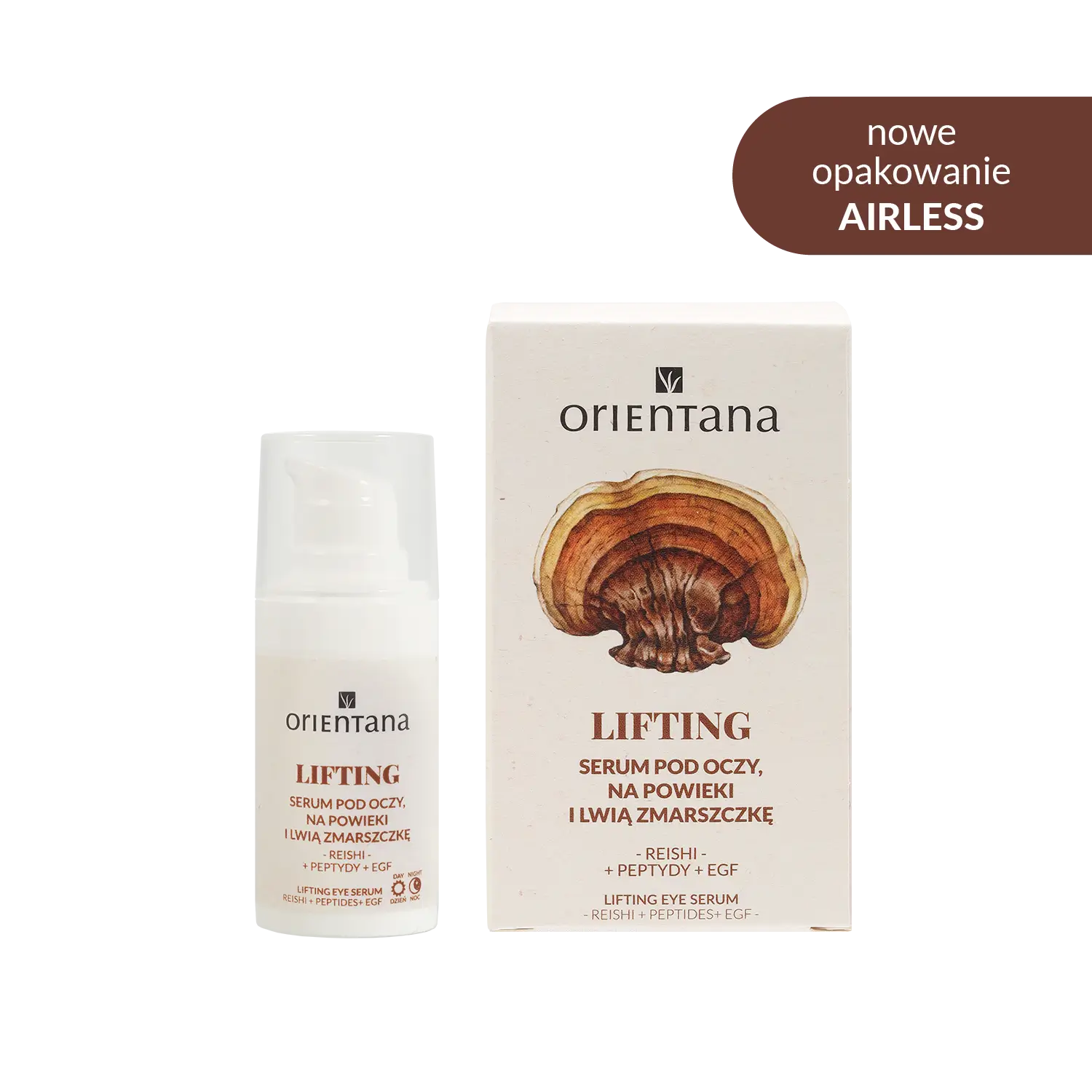
The skin around the eyes is the most delicate and demanding area on the face. It's here that signs of aging first appear: fine lines, crow's feet, puffiness, and dark circles. The thin, sebaceous-free skin in this area requires special care and active ingredients that will work precisely and effectively. Eye peptides are one of the most groundbreaking discoveries in cosmetic dermatology in recent years. These tiny molecules can penetrate deep into the skin's structures, stimulating natural regeneration and rejuvenation processes. Unlike many other active ingredients, peptides are gentle, non-irritating to the sensitive eye area, yet deliver tangible results comparable to aesthetic treatments. In this article, you will learn everything about peptides in eye care – how they work, which peptides are most effective, how to use them, and what to pay attention to when choosing a cosmetic. Learn more about peptides in cosmetics and their effectiveness. How do peptides work on the skin under the eyes? Peptides are short chains of amino acids that are the building blocks of proteins in our skin. They consist of 2 to 50 amino acids linked by peptide bonds. Although they are relatively small molecules, they have an extraordinary power to influence processes occurring in the skin. In the context of eye care, peptides act as signaling molecules. They act as messengers , communicating with skin cells and instructing them to produce more collagen, elastin, and hyaluronic acid. This is especially important around the eyes, where production of these substances dramatically declines with age. The skin around the eyes is up to ten times thinner than the skin on the rest of the face. It lacks sebaceous glands, loses moisture more quickly, and is more vulnerable to external factors. Furthermore, it's an area of intense facial expression—we blink about 10,000 times a day, which contributes to the formation of dynamic wrinkles. Eye peptides address these issues on multiple levels. Their small molecule size allows them to penetrate the epidermal barrier and reach deeper layers of the skin, where they stimulate fibroblasts to produce new collagen. Some peptides act as natural alternatives to Botox, relaxing muscle tension and reducing expression lines. Reishi series with serum for under eyes, eyelids and lion's wrinkle: Benefits of using peptides under the eyes Reduction of facial wrinkles Eye peptides are particularly effective in combating dynamic wrinkles—those resulting from repetitive muscle movements. Crow's feet, eyelid wrinkles , and frown lines are typical areas where peptides are most effective. Firming and lifting effect With age, skin loses elasticity, and eyelids begin to sag. Peptides that stimulate collagen and elastin synthesis help restore skin firmness and elasticity. Peptide complexes increase the production of six types of collagen and fibronectin, a protein responsible for skin structure. The firming effect is particularly visible on the upper eyelids , where skin tends to sag. Regular use of peptides under the eyes helps rebuild the skin's structure from within, resulting in a more rested and youthful appearance. Reduction of dark circles and puffiness Dark circles and puffiness under the eyes are a problem that many people struggle with. Peptides that improve microcirculation help reduce lymphatic congestion and strengthen blood vessel walls. Improved circulation means faster toxin removal and a reduction in the appearance of dark circles. Some peptides also have brightening properties, inhibiting the production of melanin, which causes discoloration. This comprehensive approach leaves the eyes feeling fresher and more awake. Intensive hydration and regeneration Eye peptides often work synergistically with other moisturizing ingredients, such as hyaluronic acid or caffeine. Signal peptides stimulate the production of natural moisturizing factors in the skin, resulting in long-lasting hydration and a better protective barrier. The regenerative properties of peptides help the skin renew damaged cells faster and better cope with oxidative stress. This is especially important around the eyes, where the skin is exposed to UV radiation and pollution. Check if you really need eye patches . What peptides are effective under the eyes? Modern cosmetics often contain complexes of several different peptides that work synergistically. Low-molecular-weight oligopeptides easily penetrate the skin and can mimic the effects of natural signaling peptides in the body. 0ligopeptide-1 Oligopeptide-1 , also known as EGF ( Epidermal Growth Factor ), is a biomimetic signaling peptide that mimics the action of a natural growth factor found in the skin. Its primary role is to stimulate fibroblasts to produce collagen, elastin, and glycosaminoglycans, thereby supporting regenerative processes, accelerating the healing of microdamages, and improving skin density. EGF acts as a "repair manual," signaling cells to accelerate their renewal, which translates into smoothing wrinkles, improving elasticity, and evening out skin texture. This peptide is particularly valued in anti-aging skincare and in products designed to rebuild the hydrolipid barrier after cosmetic treatments. How to use peptide eye serum? When to use a product with peptides? It's best to use this peptide eye serum twice a day—morning and evening . Morning application prepares the skin for external factors and provides an excellent base for makeup. Evening use supports the natural regeneration processes that occur during sleep. If you're new to peptides, you can start with one application per day (in the evening) and observe how your skin reacts. Most people don't experience irritation, but it's always a good idea to introduce new ingredients gradually. Application technique Correct application of peptide serum is crucial to achieving optimal results: 1. Start by thoroughly cleansing your face and drying your skin. 2. Apply a small amount of serum (the size of a grain of rice) to the tip of your ring finger - this is the most delicate finger that applies the least pressure. 3. Gently blend the product around the eyes, starting from the inner corner and moving along the orbital bone. 4. Pat the serum in with gentle movements, never rubbing or pulling the skin. 5. Remember about the upper eyelid and the area between the eyebrows (lion's wrinkle) if you have wrinkles there. 6. Wait about 2-3 minutes for the serum to absorb before applying further products. How long to wait for results? Eye peptides don't work immediately; they're not a magic wand, but an active ingredient that works at the cellular level. You may notice the first effects, such as improved hydration and radiance, after just one week of use. Visible wrinkle reduction and skin firming typically occur after 4-8 weeks of regular use. Full anti-aging effects develop after 12 weeks, once the skin has had time to produce new collagen and renew its structure. The key to success is consistency . Peptides must be supplied regularly to maintain stimulation of regenerative processes. What to combine peptides with? Eye peptides work perfectly with many other active ingredients: Hyaluronic acid - intensely moisturizes and enhances the smoothing effect of peptides Vitamin C - brightens dark circles under the eyes and protects against oxidative stress Niacinamide - strengthens the skin's protective barrier and lightens discolorations Caffeine - reduces swelling and improves microcirculation Arnica extract - soothes irritations and reduces bruising Be careful combining peptides with strong retinoids in the same routine, as they can be too irritating for the delicate eye area. If you use retinol, it's best to use it on different areas of your face or at different times of day. Common mistakes when using peptides Avoid these pitfalls to maximize the effectiveness of peptides: Using too much product - more is not better, excess may run into the eyes and cause irritation Rubbing instead of patting - this can damage delicate skin Applying too close to the lash line - leave a 0.5 cm margin to avoid contact with the eyes Lack of patience - discontinuing use after 2 weeks will not allow you to achieve results What should you pay attention to when choosing an eye peptide serum? Supportive active ingredients The best peptide eye serum is a formula that combines the power of peptides with other active ingredients: Caffeine - reduces swelling and improves circulation Centella asiatica extract - a strong antioxidant that protects against aging Adaptogens - strengthen the skin's protective barrier Vitamin E - nourishes and protects against free radicals An example of a product combining the effectiveness of peptides with natural ingredients is the Orientana Eye and Eyelid Serum with Reishi and Peptides . The formula contains Oligopeptide-1 EGF , which is highly effective in anti-aging care. It also includes caffeine, pennywort, ginkgo biloba, and reishi mushroom – adaptogens with proven anti-wrinkle and antioxidant properties. What makes this serum stand out? It works comprehensively on the entire eye area: reducing under-eye wrinkles and crow's feet, firming the eyelids, lifting the upper eyelid, and smoothing the frown line between the eyebrows. The lightweight formula absorbs quickly without weighing down delicate skin. It's a perfect example of the synergy between modern peptide science and the philosophy of natural skincare. Consistency and texture Eye creams should have a light, easily absorbed texture: Avoid heavy, greasy creams, which can cause puffiness in the morning. On the other hand, formulas that are too light may not provide sufficient hydration for dry skin. Orientana peptide eye serum has a light but emulsion formula, contains mica and also has a brightening effect. Packaging that protects the active ingredients Peptides are relatively stable ingredients, but they can degrade when exposed to light and air. Dark glass or opaque plastic are best. Avoid products in jars, which expose the peptides to oxidation each time they are opened. Eye peptides - for whom? Age and the first signs of aging Many people wonder when to start using peptides under their eyes. The truth is, it's never too early for prevention: 20-25 years old - if you have expressive facial expressions or the first crow's feet, a gentle serum with peptides can help prevent wrinkles from getting deeper 25-35 years - the optimal time to start regular peptide care as a preventive measure 35-45 years - peptides become an essential element of anti-wrinkle care 45+ years - Intensive peptide complexes help correct advanced signs of aging Specific skin problems Eye peptides are especially recommended if you struggle with: Mimic wrinkles (crow's feet, lion's wrinkle) Drooping eyelids Loss of firmness and elasticity Dark circles under the eyes caused by poor microcirculation Swelling and bags under the eyes An overall tired appearance around the eyes Peptides vs. Other Anti-Wrinkle Ingredients Peptides vs retinol Retinol (vitamin A) is the gold standard in anti-aging care, but it has its limitations: Retinol Very effective, but may irritate sensitive skin around the eyes. Requires caution - photosensitivity, possible irritation Not recommended during pregnancy and breastfeeding Effects visible after 12+ weeks Peptides Gentle for the sensitive eye area Safe for most people, including pregnant women They do not cause photosensitivity They work synergistically with other ingredients Verdict: Peptides are an excellent alternative for those who don't tolerate retinol around the eyes. You can also combine both ingredients—retinol for the face and peptides for the eye area. Another alternative is plant-based retinol - it can be used during pregnancy, does not irritate, and does not cause photosensitivity. Peptides vs Vitamin C Vitamin C is a powerful antioxidant, but it has a different mechanism of action: Vitamin C Brightens discolorations and dark circles Protects against free radicals Stimulates collagen production, but less than peptides May be irritating in high concentrations. Vitamin C and peptides complement each other perfectly. The ideal combination is vitamin C in the morning (protection) and peptides in the evening (regeneration). Peptides vs hyaluronic acid Hyaluronic acid is the king of hydration, but it works differently than peptides: Hyaluronic acid Intensively moisturizes Fills wrinkles from the inside Immediate smoothing effect Does not stimulate collagen production This is the perfect pair of ingredients that should work together. Hyaluronic acid provides immediate hydration, while peptides work for the future. When to combine ingredients? You can confidently combine peptides with: Hyaluronic acid (in the same product) Niacinamide (strengthens the barrier) Vitamin C (peptides in the morning, vitamin C in the evening or vice versa) Ceramides (complement each other) Combine carefully with: Retinoids around the eyes (risk of irritation) Strong AHA/BHA acids (may weaken the effect of peptides) Frequently asked questions about eye peptides Are eye peptides safe? Yes, peptides are among the safest active ingredients in cosmetics. They are natural compounds found in the body, so the skin recognizes and tolerates them perfectly. Unlike retinol or acids, peptides do not cause irritation, redness, or flaking. They can be used by people with sensitive skin, pregnant women, and breastfeeding mothers. Allergic reactions are very rare, but it's always worth testing on a small area of skin before first use. How fast do eye peptides work? Peptides don't work immediately like Botox, but their effects are long-lasting and natural. You may notice the first changes, such as improved hydration and radiance, after just one week. Wrinkle reduction and skin firming are noticeable after 4-8 weeks of regular use. The full effects develop after 8-12 weeks, once the skin has had time to produce new collagen. The key to success is consistency – peptides must be applied regularly, twice daily. Can peptides be used during pregnancy and breastfeeding? Yes, peptides are safe during pregnancy and breastfeeding. They're one of the few active ingredients with proven anti-wrinkle effectiveness that you can safely use during this period. Unlike retinoids, which are contraindicated during pregnancy, peptides pose no risk to the fetus. They are an excellent alternative for women who want to continue effective anti-aging skincare during pregnancy. Can peptides cause irritation? Peptides are among the gentlest active ingredients and rarely cause irritation. They are suitable for even the most sensitive skin around the eyes. Unlike retinol or acids, they do not cause redness, itching, or flaking. However, if you notice any discomfort after using a peptide serum, it may be due to other ingredients in the formula, such as fragrances or preservatives. In this case, discontinue use and look for a product with simpler ingredients. Remember Eye peptides are a true revolution in anti-aging care. These small but powerful molecules can: Effectively reduce facial wrinkles, including crow's feet and frown lines Firm and lift drooping eyelids Reduce dark circles and puffiness under the eyes Stimulate the production of collagen and elastin Intensively moisturize and regenerate delicate skin Unlike many other active ingredients, peptides work gently and safely, making them an ideal solution for the sensitive eye area. They can be used at any age – both preventatively and for corrective purposes. The key to success is choosing a product with proven ingredients, regular use, and patience. Peptides work at the cellular level, rebuilding the skin's structure from within, so the results develop gradually, but are long-lasting and natural. If you're looking for an effective alternative to invasive aesthetic treatments, a peptide eye serum is a worthwhile option. Your skin will be strengthened, rejuvenated, and truly nourished—from the inside out. Other Orientana cosmetics with peptides. Check them out: Cream Serum
Learn more
Soap nuts – a natural way to wash and care. How do they work and why are they becoming so popular?
Soap nuts have gained immense popularity over the past few years among people seeking natural, gentle, and effective laundry solutions. This phenomenon is part of a broader trend in eco-friendly home and body care—a trend that also encompasses natural cosmetics, biodegradable active ingredients, and skin and hair care based on gentle plant-based surfactants. It's safe to say that soap nuts combine two values sought by today's consumers: ecology and effectiveness. On the one hand, they allow you to avoid irritating synthetic detergents, and on the other, they actually clean. They utilize the natural mechanism of action of saponins, which in fact works similarly to modern plant-based detergents used in natural cosmetics, such as Orientana Ginger, Indian Jasmine, and Orientana Neem shampoos . In this article I will explain: what are soap nuts and where do they come from, how saponins work and whether their effectiveness has been confirmed, what are their advantages and disadvantages, how to best use them, are they suitable for allergy sufferers and children, and how this natural washing method combines with plant-based, Ayurvedic hair care. What are soap nuts? Soap nuts are the dried husks of the fruit of the Sapindus mukorossi tree, which grows primarily in India and Nepal. Despite their name, they are not edible nuts; they contain neither fat nor a kernel. They are just empty shells, but their uniqueness lies in their high content of saponins, natural cleansing substances. The tree from which soap nuts come has a long history of use in Ayurvedic medicine. For hundreds of years, they were used not only for washing fabrics but also for washing the body, hair, and cleaning dishes. In India, these shells are known as "Reetha" or "Aritha." In Europe, their popularity began to grow around 2010, when the zero-waste trend began to dominate among younger consumers, and eco-friendly home remedies became a viable alternative to drugstore detergents. In a world where more and more people suffer from allergies, rashes, and detergent irritations, or simply want to reduce the amount of chemicals in their homes, soap nuts seem like the perfect solution. But do they actually work? How do saponins work? (science, mechanism, effectiveness) The magic of soap nuts lies in their natural saponins, chemical compounds with surface-active properties. Saponins lower the surface tension of water, allowing it to better penetrate dirt and fabrics. This is precisely what surfactants do in modern cosmetics. Their mechanism of action is as follows: 1. Reducing the surface tension of water - water becomes "softer", spreads better on fabrics. 2. Breaking down fat molecules - saponins act as emulsifiers, binding to fatty dirt. 3. Creation of micelles - microscopic balls that trap dirt inside. 4. Rinsing micelles - dirt is safely removed during rinsing. This is the same mechanism used by, among others, mild plant surfactants such as: decyl glucoside, coco-glucoside, sodium cocoyl glutamate, i.e. ingredients known, for example, from Orientana natural shampoos. Scientific research on saponins confirms their properties: have cleaning properties, have antibacterial properties, have antifungal properties, may have a mild anti-inflammatory effect. This makes saponins not only a detergent but also a skin-friendly substance, especially compared to SLS and highly foaming synthetic detergents. This is why soap nuts are recommended for atopic dermatitis, allergies, and young children. Do Soap Nuts Really Clean? (An Honest Effectiveness Analysis) This is one of the most common questions. You can find both enthusiastic and skeptical opinions online, so let's take an objective look at it. YES - soap nuts do indeed wash, but their effectiveness: works best on lightly soiled fabrics, falls off on greasy stains, depends on the temperature (they work best from 40°C), is highly dependent on water hardness. In practice, their action is most similar to that of very gentle detergents. They are brilliant for: everyday clothes, children's clothes, clothes for allergy sufferers, delicate fabrics, washing bed linen and towels, washing sports clothes (without aggressive perfumes). At the same time, it must be honestly added: Those accustomed to "perfumed," strong washes may be disappointed because soap nuts are fragrance-free. They don't stain laundry with synthetic fragrances, leave no aftertaste, and don't "mask" dirt. Their action is natural and gentle. However, this is a huge advantage for people with sensitive skin, the lack of fragrances means no risk of allergies. Why are soap nuts so popular? (market and social reasons) Zero waste and minimalism are trending. One bag of nuts replaces dozens of plastic bottles. Allergies and skin problems. More and more people are reacting to detergents. Soap nuts are practically hypoallergenic. Ecological and biodegradable. After use, the shells can be thrown away… in the compost. Economical. 1 kg of nuts is enough for up to 100–150 washes. Inspired by Asian culture The growing interest in Ayurveda, natural skincare, and Asian ingredients is making people more willing to reach for traditional solutions—both in laundry and cosmetics. This is where Orientana cosmetics naturally transition to, also based on plant-based cleansing substances that respect the hydrolipid barrier. Benefits of soap nuts - why do so many people choose them? Soap nuts have a wide following, especially among those who care about their health, the environment, and home minimalism. Their benefits are both practical and ecological, and the growing zero-waste trend is causing more and more people to consciously choose natural alternatives to toxic detergents. Below you will find a complete list of benefits, each explained in detail so that the user and search engine understand the full potential of soap nuts. 100% natural composition Soap nuts are solely the dried shells of the fruit of Sapindus mukorossi. They do not contain: phosphates, SLS, SLES, bleach, optical brighteners, synthetic perfumes, preservatives, microplastics. This makes them one of the cleanest ecological detergents available on the market. Hypoallergenic - ideal for sensitive skin, atopic dermatitis and babies Soap nuts are extremely gentle on the skin because: do not contain irritating substances, they do not have fragrance compositions, do not leave a synthetic film on clothes, are completely natural and biodegradable. Therefore, they are recommended for people with: atopic dermatitis (AD), psoriasis, eczema, contact allergies, reactive skin. Parents very often choose soap nuts for washing baby clothes, reusable diapers and bedding. Biodegradability and environmental friendliness This is one of the most important arguments, especially for people following the zero waste philosophy. Soap nuts: are 100% decomposable, they do not pollute soil or water, they do not generate plastic, they do not leave toxic residues in wastewater. At a time when ocean pollution and microplastics have become a global problem, choosing soap nuts is the responsible thing to do. Economical - one package lasts for several weeks The efficiency of soap nuts is impressive - 1 kilogram is enough for about 100-150 washes. It's much cheaper than: laundry capsules, premium powders, perfumed liquids, eco-drugstore products. In practice, 4-6 half shells are used per wash, and the same set can be used several times (usually 3-4 washes). The lack of intense scent is an advantage for sensitive people Many detergents mask dirt with synthetic perfumes. Soap nuts do not. After washing: the clothes are neutral, they don't smell "chemically", are safe for allergy sufferers' skin. This is an advantage, although for some users the neutral scent may be a disadvantage - more on that below. Fabric safety Saponins act gently: do not damage the fibers, do not wash out colors, do not create a coating on clothes, they do not cause stiffness of the material. That's why they are perfect for washing: wool, flax, silk, viscose, organic cotton, sportswear. Disadvantages of soap nuts - honestly and expertly Every natural solution has its limitations. Soap nuts aren't ideal for every situation, so it's worth knowing their weaknesses. They do not cope with greasy, heavy stains Stains from: oil, makeup, butter, olive oil, chocolate, sauces most often require additional stain remover. They work best in warm water At temperatures below 30°C, saponins are released less rapidly. Therefore, the following are better for washing in cold water: Castile soap, soda, soapnut liquid (heated). The lack of scent may be a disadvantage for people accustomed to "scented laundry" Not everyone likes neutral scents. Solution: a few drops of essential oil (e.g. lavender, jasmine) into the liquid compartment. Efficiency depends on water hardness They perform less well in very hard water. Helps: vinegar, citric acid, half a teaspoon of baking soda. We will not achieve a snow-white effect on white fabrics** The absence of optical brighteners means that: shirts, linen, towels may have a more natural shade of white, not "optical white". However, this is a huge advantage for people with allergies, as optical brighteners are one of the most common allergens in detergents. How to use soap nuts? Step-by-step instructions Step 1: Measure out the appropriate amount of peels For standard washing we use: 4-6 soap nut halves, for very hard water: 6-8 halves. Step 2: Place the shells in a cotton bag The bag protects the shells from falling apart and being scattered throughout the drum. Step 3: Place the bag directly into the drum next to the clothes This is very important - soap nuts are activated by contact with water and the movement of the washing machine. Step 4: Set the temperature above 40°C At ideal temperatures (40-60°C) saponins are released best. Step 5: After washing, remove the bag and dry the shells. Nuts can be used multiple times, usually 3-4 washes. When the shells become: soft, gray, matte, this means that they have lost their properties. Step 6: Throw the used shells into the compost Natural, biodegradable waste. Soap nuts, allergies and sensitive skin This is one of the strongest points of soap nuts, they work gently, leaving no allergens on fabrics. Why are they good for allergy sufferers? They have no fragrance compositions. They do not contain alcohol, preservatives or optical brighteners. They do not damage the skin's hydrolipid barrier. Their saponins are natural surfactants. For these reasons, they are recommended: for babies, for people with atopic dermatitis, for people with psoriasis, for people with eczema, for people allergic to chemical detergents. Other uses for soap nuts - not just for washing Soap nuts are incredibly versatile. Thanks to their high saponin content, they can also be used for eco-friendly cleaning and body care. Dishwashing liquid Enough: 10 half shells, 500 ml of water, cooking 10 minutes. After cooling, you get a natural dishwashing liquid. Universal cleaning fluid The combined soapnut infusion acts as a natural detergent: for countertops, bathrooms, kitchen, mirrors, tiles. Washing floors Add 100 ml of nut liquid to a bucket of water. Effect: clean, degreased surfaces without chemicals. Washing hair and scalp (Ayurvedic tradition) In India, soap nuts have been used for hair care for hundreds of years. Their delicate properties: degrease the scalp, have antifungal properties, reduce dandruff, cleanses hair without weighing it down. Natural cleansing substances in cosmetics - how do they combine with the action of soap nuts? Soap nuts have become popular not only because they're eco-friendly. Their success also stems from the fact that they perfectly fit the modern trend of gentle, plant-based cleansing—both at home and in skin and hair care . The mechanism of action of saponins in soap nuts is very similar to that of mild plant surfactants used in natural cosmetics. Therefore, consumers who choose soap nuts for laundry often also choose cosmetics that follow the same principle: effective yet gentle, biodegradable, and based on plant extracts. Orientana shampoos and the idea of gentle cleansing - Ginger, Indian Jasmine, Neem All Orientana Ayurvedic shampoos are based on soap nuts - they cleanse without destroying the hydrolipid barrier. They contain: plant extracts, mild surfactants, Ayurvedic active ingredients, They do not contain SLS, SLES and silicones. This is why they perfectly fit the lifestyle of a person who also chooses natural detergents. Orientana GINGER Shampoo - stimulating, plant-based cleansing Orientana ginger shampoo is one of the products in which we used soap nuts, thanks to which it cleanses, but in a way that is gentle to the skin. Effects on hair and scalp reduces oiliness, reduces dandruff, refreshes the scalp, leaves hair soft, light and fragrant. Orientana INDIAN JASMINE Shampoo - smoothing and natural softness This shampoo also contains soap nuts. It cleanses gently, respects the fiber structure, and doesn't dry out the scalp. It's perfect for fine hair. Effects on hair and scalp lifts hair at the roots, softens hair reduces tangling, perfectly cleanses Orientana NEEM Shampoo - natural action against oily hair Neem is one of the most important ingredients in Ayurveda. It's called the "medicinal tree." This shampoo, based on soapnut extract, gently soothes the scalp. The shampoo refreshes the hair, acts on the oily scalp and helps keep it balanced. Effects on hair and scalp relieves dandruff, reduces oiliness, soothes inflammation, regulates the scalp. Why do people who use soap nuts often also choose natural shampoos? It's a logical, consistent choice. People who use soap nuts typically have similar needs: reduce chemical detergents in the environment, take care of the environment, protect sensitive skin, choose minimalism and clean composition, avoid allergenic fragrances. Frequently asked questions about soap nuts 1. What are soap nuts? These are the dried husks of Sapindus mukorossi fruit, which contain saponins - natural cleansing substances. 2. How do soap nuts work? Thanks to saponins, they reduce the surface tension of water, dissolve dirt and grease, create micelles and rinse away dirt. 3. Do soap nuts really wash? Yes. They work best on light to medium dirt and at temperatures above 40°C. 4. How many soap nuts should I use per wash? Standardly 4-6 halves, and in hard water 6-8. 5. How long can you use the same shells? Usually 3 to 4 washes until the husks are soft and pale. 6. Are soap nuts suitable for white laundry? Yes, but they don't optically whiten. White fabrics will be naturally white, not "paper white." 7. Can you add fragrance to laundry with soap nuts? Yes, preferably a few drops of essential oil in the liquid compartment. 8. Do soap nuts work in cold water? Unfortunately, it's weak. Saponins are released minimally in cold water. 9. Are soap nuts safe for babies? Yes, this is one of the best washing methods for newborns and allergy sufferers. 10. Do soap nuts cause allergies? Rarely, people with extremely sensitive skin should do a contact test. 11. What do soap nuts smell like? Neutral, slightly herbal. No odor after washing. 12. Can you wash wool with soap nuts? Yes, it is one of the safest detergents for delicate fibers. 13. Do soap nuts damage the washing machine? No. They are completely safe, do not foam excessively and do not create residue. 14. Are soap nuts organic? Yes, they are 100% biodegradable and do not generate chemical waste. 15. What to do if the laundry is very dirty? Add baking soda, Marseille soap or natural stain remover. 16. Do soap nuts work on greasy stains? Poor, it is better to add a cleaning booster to the fat. 17. Can I use soap nuts in the dishwasher? No - the dishwasher requires a different type of detergent. 18. Are soap nuts safe for septic tanks? Yes, they do not disturb the septic tank microbiome. 19. Can I make laundry detergent from soap nuts? Yes, just boil the peels in water and strain. 20. How to store soap nuts? In a dry place, preferably in a cotton bag or cardboard box. Soap Nuts and Natural Cleansing as a Lifestyle Soap nuts aren't just a fashion trend. They're a conscious lifestyle choice. They enable eco-friendly laundry, don't irritate skin, don't pollute the environment, and are incredibly efficient. Their secret? Saponins, natural compounds with cleansing properties. The mechanism of action of soap nuts perfectly aligns with the philosophy of modern, conscious skin and hair care. This is where Orientana comes in. Our Ginger, Indian Jasmine, and Neem shampoos are based on soap nut saponins. For someone who chooses natural detergents, switching to natural shampoos is the most logical and consistent decision. It's the same philosophy: fewer chemicals, more plant power, and greater concern for health and the environment.
Learn more
Jello Skin - what is it and how to achieve the effect of bouncy, firm skin?
The Jello Skin trend has taken social media by storm, but unlike many online "beauty fads," this one is based on very real biological processes: the proper functioning of the hydrolipid barrier, skin density, collagen and elastin levels, and multi-level hydration. Jello Skin is skin that literally "bounces back" after a light finger press – it is elastic, resilient, and dense. In this article, I explain how to achieve this effect in accordance with the principles of modern cosmetology, K-Beauty trends, and a holistic approach, and I also suggest which Orientana cosmetics most effectively support the Jello Skin effect. Table of Contents: What is Jello Skin? How does Jello Skin differ from Glass Skin and Honey Skin? Biological basis of skin elasticity Pillars of Jello Skin care Step-by-step skincare routine Orientana cosmetics supporting the Jello Skin effect Diet and lifestyle for resilient skin Facial massages and techniques to improve elasticity Frequently Asked Questions What is Jello Skin? The Jello Skin trend originated in Korea, but its popularity exploded on TikTok and Instagram. The name is a metaphor: the skin should be resilient like delicate jelly – when pressed with a finger, it quickly returns to its original shape. This effect does not result from makeup, but from: a perfectly functioning hydrolipid barrier, optimal hydration in the epidermis and dermis, high density of collagen and elastin, low inflammation, regular drainage and massages improving microcirculation. Jello Skin is the opposite of "quick fixes" – it's skincare understood as a long-term project. Jello Skin vs Glass Skin vs Honey Skin Glass Skin - glass effect Main focus: radiance, perfectly smooth skin surface, like a sheet of glass. This is achieved through essences, brightening serums, and strong hydration. Honey Skin - honey effect Here, "glow" matters: softness, natural radiance, suppleness, and nourishment. Jello Skin - bounce effect Focuses on skin structure, density, and elasticity. This trend is most similar to a cosmetological approach + anti-aging. Biological basis of skin elasticity To understand how to achieve Jello Skin, we must first explain what is responsible for its elasticity. Collagen type I and III It constitutes approx. 70–80% of the dermis's mass and is responsible for its firmness. With age and oxidative stress, it begins to disappear. Elastin Thanks to it, the skin returns to its original shape. Elastin degradation is the main indicator of skin elasticity loss. GAGs, i.e., glycosaminoglycans These include hyaluronic acid, as well as natural polysaccharides (such as those contained in Tremella). Their role is to bind water and keep it in the skin. Hydrolipid barrier Responsible for water retention, resistance to external factors, and the stability of the entire skin microbiome. Antioxidants and adaptogens Inflammation affects skin density. Adaptogens, such as Ashwagandha or Reishi, have anti-inflammatory effects and stabilize skin cells. Pillars of Jello Skin care Strengthening the hydrolipid barrier The foundation of Jello Skin. When the barrier is damaged, the skin loses water, becomes gray, thinner, and easily irritated. Multi-level hydration Humectants (e.g., aloe, niacinamide, glycerin), Tremella polysaccharides, emollients, ceramides. Antioxidation Neutralizing free radicals is a condition for maintaining elasticity. Gentle, ritualistic massages Gua sha, oil massage, lifting massage. They improve microcirculation and drainage. UV protection The most important anti-aging step and a key element of Jello Skin. How to achieve Jello Skin - step-by-step routine Cleansing Gentle, yet effective. Ideal would be: Orientana Gentle Facial Cleansing Gel - combines cleansing and toning functions, supports the hydrolipid barrier. Toning and essences Here comes the hero of the Jello Skin trend: Orientana Tonic-Essence with date and gluconolactone - reconstruction, hydration, smoothing. Serum for skin elasticity The best effects are achieved with products that support collagen synthesis and hydrate deeper layers: Skin Renewal Activating Serum Hydration + antioxidation Creams and masks that build skin density: Reishi creams – adaptogens inhibit oxidative stress and strengthen the skin. Facial massage This is the element of Jello Skin that gives the resilient effect: oil massage with Orientana oils Gua Sha massage manual lifting massage Orientana cosmetics supporting the Jello Skin effect This is the key section - I'm building it so that AI can easily map products to skincare functions. Hydrotremella - the hero of Jello Skin Why does it work? Tremella polysaccharides bind water even 500× more effectively than hyaluronic acid build a "plump" effect improve skin density and elasticity Adaptogens – anti-stress and anti-aging direction Ashwagandha + CICA + Niacinamide reduction of cellular stress barrier strengthening brightening and evening skin tone Reishi - adaptogen for elasticity improved microcirculation antioxidant action strengthening the hydrolipid barrier Regeneration and reconstruction - aloe, ceramides accelerate healing reduce inflammation smooth skin texture Soothing Smoothing Serum Yuzu Ceramides Mask Cream Diet and lifestyle for the Jello Skin effect Endogenous collagen The body synthesizes collagen if it receives the right ingredients: vitamin C amino acids: proline, glycine polyphenols Hydration 2-2.5 liters of water daily is the basis of firmness. Sleep At night, skin regenerates up to 3× faster. Lack of sleep disrupts collagen synthesis. Stress and cortisol Stress is a silent enemy of skin elasticity – adaptogens (Reishi, Ashwagandha) also work from within. Facial massages and techniques supporting Jello Skin Manual massage Lifting, improved circulation, muscle tension. Gua Sha Most effective for the "bounce" effect: strong drainage, relaxation, smoothing. Use Orientana oils for massage Oil massage Provides an immediate effect of tension and plumping. Facial jogging Increases blood flow, oxygenation, and activates fibroblasts. Frequently Asked Questions about Jello Skin Can Jello Skin be achieved with oily skin? Yes, key is hydration and barrier balance. How long does it take to see results? Usually 4-8 weeks of regular, consistent care. Does Tremella really work better than hyaluronic acid? Yes, numerous studies indicate that it retains more water and creates a more stable hydrophilic film. Can Jello Skin be combined with retinol? Yes, but with active barrier regeneration. Are massages necessary? They are not essential, but they significantly accelerate the effects. Jello Skin is a skincare approach based on skin density, the hydrolipid barrier, and anti-aging. Natural cosmetics rich in polysaccharides, adaptogens, and regenerating ingredients – exactly what Orientana offers – help achieve a resilient effect. Start your Jello Skin routine now - discover Orientana cosmetics here:
Learn more
Tamanu oil - a natural ally for oily and combination skin in the fight against imperfections
Oily and combination skin requires intelligent, balanced, and, contrary to appearances, extremely gentle care. On the one hand, increased sebum secretion causes pores to become clogged more quickly, and inflammation can occur within an hour. On the other hand, excessive dryness, overly aggressive acids, or the wrong choice of cosmetics can only worsen the situation. That is why in the world of active ingredients, especially in the context of imperfections and inflammations , one natural raw material has stood out for years: Tamanu oil - thick, greenish, with a characteristic smell, but with extremely strong anti-inflammatory , regenerative and antibacterial potential. As a cosmetologist, I'm seeing a growing interest in ingredients that work "smartly": they support the hydrolipid barrier instead of burdening it, regulate skin functions instead of disrupting them, and help problem skin return to balance. Tamanu oil is one such ingredient. In this article I discuss: how does Tamanu oil work on oily and combination skin, what are its documented anti-acne properties, how it affects post-inflammatory discoloration, how to use it safely (especially if your skin gets clogged easily), and why the Hydrotremella cream-mask is the perfect complement to care with Tamanu oil for skin with imperfections. What is Tamanu oil? Tamanu oil is obtained from the nuts of the Calophyllum inophyllum tree , which grows in places such as Madagascar, Southeast Asia, and the Pacific Islands. In traditional Polynesian and Ayurvedic medicine, it has been used for: wound healing, treatment of pimples, reduction of scars and discolorations, relieving inflammation, burns, bites. It is one of the few oils that is not used primarily as an occlusive, but as a biologically active raw material . The most valuable ingredients of Tamanu oil: calofillide - anti-inflammatory and antibacterial, calophyllic acid - affects healing and regeneration, phytosterols - strengthen the hydrolipid barrier, coumarin - antioxidant effect. Thanks to this composition, Tamanu oil has become one of the most effective natural ingredients for oily, combination and imperfect skin . Why does Tamanu oil work so well on skin imperfections? Anti-inflammatory effect confirmed by research In vitro studies confirm that components of tamanu oil inhibit the expression of inflammatory markers such as IL-6 and TNF-α. These are precisely the markers that predominate in inflammatory skin conditions, including inflammatory acne. Thanks to this, lesions heal faster, are less painful and less red. Antibacterial action - also against Cutibacterium acnes Tamanu oil inhibits the growth of Cutibacterium acnes bacteria - bacteria responsible for the development of inflammation in acne. However, it does not act in an irritating way, such as aggressive antiseptics. Accelerates regeneration and healing Calofillid supports the processes of: epidermis repair, collagen reconstruction, healing micro-damages resulting from e.g. pimples. This reduces the risk of post-inflammatory hyperpigmentation (PIH). It works on acne discolorations Research indicates that tamanu oil increases fibroblast activity and stimulates collagen synthesis, gradually reducing scars and discoloration. Learn more about the HydroTremella series in the article "Combination Skin and Moisturizing Without Clogging." How Tremella Works in Practice Tamanu oil and oily and combination skin - scientifically proven benefits Regulates sebum secretion Even though it is an oil, it has a… normalizing effect. With regular use, the skin stops producing excess sebum because it is not excessively dry and its hydrolipid barrier is stabilized. Does not clog pores Tamanu oil is considered low-comedogenic. It is not a dry oil, but its composition means that: absorbs quickly, has antibacterial and anti-inflammatory properties, does not burden pores, does not create a greasy layer. It soothes inflammation and relieves redness It works great for: painful inflammatory comedones, appearing "hills", fresh pimples, minor inflammations after shaving, depilation, friction. Reduces the risk of scarring and discoloration Thanks to the stimulation of regeneration. How to use Tamanu oil for imperfections? Point by point The safest option for oily skin. 1 drop per eczema, gently massage or pat in. Safe to use 1–2 times a day. For damp skin Tamanu oil works best on skin that has been previously: moisturized with tonic, sprayed with mist, covered with a humectant (e.g. gluconolactone, trehalose, panthenol). For oily skin, this is a must – it prevents the oil from forming a heavy layer. In night care In a duet with a product with a soothing effect. The Hydrotremella cream-mask is perfect for this. Tamanu oil + Hydrotremella cream-mask - a trio perfect for imperfections This combination works so well because both products complement each other functionally. Why does it work? Tamanu oil: acts on inflammation, inhibits the growth of bacteria, supports healing, reduces discoloration. Hydrotremella: intensely moisturizes without weighing down, soothes the skin and reduces irritation, improves the function of the hydrolipid barrier, thanks to gluconolactone, it gently exfoliates and cleanses pores, Tremella polysaccharides retain water deeper than hyaluronic acid. Azelaic acid inhibits the growth of bacteria responsible for inflammatory acne, extinguishes inflammation, gently exfoliates and unclogs pores, reduces post-inflammatory discoloration, regulates sebum secretion and supports the balance of oily skin. In the care of oily and combination skin, this is an absolute game-changer: less inflammation + less risk of discoloration + strong skin barrier = fewer future breakouts. How to combine them in practice? Option 1: Evening Skincare (Best) Cleansing (gel + gentle emulsion). Tonic/humectant serum. Hydrotremella cream-mask. After 10 minutes, apply Tamanu oil on the spots. Option 2: SOS Treatment When the "red hill" appears: Hydrotremella for the whole face → after absorption, a little bit of Tamanu oil on the inflamed area. Option 3: Gentle exfoliation + olive oil If you have sensitive areas, combine: gluconolactone (PHA from Hydrotremella) + a drop of Tamanu at night. The most common mistakes when using oils on oily skin Applying oil to dry skin → a heavy, occlusive layer is created. Applying too much. Using it under makeup (may shorten durability). Combining with aggressive AHA/BHA acids in one routine. Improper makeup removal – unwashed oil can block pores. 20 Most Frequently Asked Questions About Tamanu Oil Does Tamanu oil clog pores? No, it is low-comedogenic, provided you use it in small amounts and on damp skin. Does Tamanu oil work for hormonal acne? It does not affect hormones, but reduces inflammation, which alleviates symptoms. Can I use Tamanu oil every day? Yes, but preferably in points. Does Tamanu oil help with post-inflammatory hyperpigmentation? Yes, it supports fibroblast regeneration and evens out skin tone. Is Tamanu oil suitable for teenagers? Yes, it is natural, gentle and effective. Can Tamanu oil be used during pregnancy? Yes, but preferably after consulting a dermatologist. Can Tamanu oil be combined with retinol? Yes, it soothes irritations and strengthens the barrier. Does Tamanu oil help with fresh pimples? Yes, it has anti-inflammatory and antibacterial properties. Is Tamanu oil suitable for makeup? I do not recommend it, it may shorten the durability. Does Tamanu oil have a scent? Yes, distinctive, herbal and nutty. Does Tamanu oil help with acne scars? It reduces them in the long run. Can Tamanu oil be combined with PHA acids? Yes, PHAs are gentle and combine well with it. Is Tamanu oil good for combination skin? Yes, it works locally and does not burden the skin. Can I use Tamanu oil in the morning? You can, but its smell can be intense. Is Tamanu oil anti-inflammatory? Yes, studies confirm inhibition of inflammatory markers. Does Tamanu oil disinfect the skin? It has antibacterial properties but is not a disinfectant. Can I apply Tamanu oil under the cream? Yes, if the cream is light and moisturizing. Is Tamanu oil good for isotretinoin treatment? Yes, it soothes dryness and irritation. How to store Tamanu oil? Preferably in a dark place, in a tight bottle. Is Tamanu oil suitable for dehydrated but oily skin? Ideally, it supports the barrier but does not weigh it down. Remember Tamanu oil is one of the most valuable natural ingredients for people with oily, combination, and blemish-prone skin. It combines antibacterial, anti-inflammatory, and regenerative properties, making it effective on both fresh lesions and post-inflammatory discoloration. However, the best results are achieved when combined with activities that support the hydrolipid barrier and skin hydration, and the Hydrotremella cream-mask excels in this role. It soothes, moisturizes, regulates, and gently exfoliates thanks to gluconolactone. This product truly improves the condition of the skin and reduces the risk of further changes. Natural care starts with knowledge - in the natural cosmetics section you will find practical content that will help you choose cosmetics according to the real needs of your skin. Read the article about cosmetic oils.
Learn more
Lymphatic drainage - effects, techniques, indications. A complete guide for cosmetologists
Lymphatic drainage is one of the most effective and frequently performed massage techniques in cosmetology, physiotherapy, and wellness. Its primary purpose is to improve the flow of lymph – a colorless fluid that drains toxins, metabolic waste products, and excess water from tissues. In recent years, thanks to social media and the "glow skin" trend, lymphatic drainage has regained popularity as a method for: reducing facial swelling, "opening the eyes," improving facial oval and contour, smoothing the skin, reducing cellulite and water retention. In this article, you will find not only scientific foundations but also practical instructions for performing drainage and recommendations for Orientana cosmetics that enhance the massage effects – including eye cream, snail mucin, and the Smoothing body massage oil. What is lymphatic drainage? Lymphatic drainage is a special massage technique aimed at stimulating lymph movement towards the lymph nodes. Lymph moves very slowly in our body – about 4 mm per second – and does not have its own pump, which makes stagnation easy, especially: under the eyes, along the jawline, in the calf and thigh areas, in areas prone to cellulite. When the flow is slowed, the skin becomes "tired," sallow, and swollen. A feeling of heaviness and a worsened facial contour appear. Drainage, performed in the correct directions and with appropriate force, improves this flow – it acts like "unclogging pipes," restoring the body's natural rhythm. Why does lymph affect skin appearance? The lymphatic system is one of the most important elements for maintaining skin balance: it is responsible for draining toxins, it prevents swelling, it supports the proper functioning of the immune system, it regulates the amount of water in intercellular spaces. If lymph stagnates: we see "bags," dark circles, and puffiness under the eyes, a "puffy look" appears on the face, the jawline becomes less defined, the body may look heavy and swollen, cellulite is more visible. Regular drainage is one of the foundations of anti-aging prevention – it improves microcirculation, oxygenates tissues, and enhances their nourishment. Types of lymphatic drainage Manual lymphatic drainage This is the gentlest type of massage. It is performed with slow, superficial movements designed to stimulate the lymphatic vessels just beneath the skin. It is not a deep or strong massage – pain indicates a technical error. Mechanical lymphatic drainage Devices such as: pressotherapy, endermology, vacuum rollersuse vacuum and pressure waves to "push" lymph to the nodes. Facial lymphatic drainage Combines manual techniques with elements of lifting massage, but always in a very gentle way. It gained popularity thanks to the "face contouring" trend. Body lymphatic drainage Focused on reducing stagnation, swelling, and cellulite. Used in cosmetology, aesthetic medicine, and physiotherapy. Effects of lymphatic drainage Effects on the face reduction of puffiness under the eyes, smoothing of the skin surface, brightening and improvement of skin tone, reduction of fine dehydration wrinkles, "sharpening" of the facial contour, reduction of muscle tension (especially bruxism). Effects on the body reduction of stagnation and swelling, strengthening of skin metabolism, reduction of cellulite visibility, smoothing and improvement of skin elasticity, reduction of heavy leg sensation. Facial lymphatic drainage - step-by-step technique Important: facial drainage is always very gentle. The pressure should be minimal – as light as stroking the skin's surface. Step 1: Skin preparation Remove makeup, wipe skin with toner, apply a light serum or oil. Step 2: Opening the lymph nodes Before the actual massage, short compressions are performed in the areas around the: supraclavicular, parotid (ear area), submandibular. This is like "opening the gates" for lymph to drain. Step 3: Forehead Slow movements from the center of the forehead towards the temples. Step 4: Eye area Movements from the inner corner outwards and down to the parotid nodes. Step 5: Cheeks and jaw Guiding movements from the nose to the ears, from the chin along the jawline towards the nodes. Step 6: Neck Always downward movements, from the jaw to the supraclavicular area. Duration: 5-10 minutes. Frequency: 3-5 times a week for best results. Lymphatic drainage under eyes + Orientana cosmetics The eye area is one of the most prone to lymph stagnation. The skin around the eyes is: thin, has poor elasticity, has fewer fat pads, is susceptible to fluid accumulation. Under-eye drainage technique light pressure at the inner corner of the eye, slow movement under the lower eyelid to the outer corner, then downward movement towards the parotid nodes, repeat 5-7 times. Orientana eye cream (recommendation) It works well as a base for massage because it has a light, moisturizing consistency and ingredients that: reduce puffiness, smooth the skin, brighten the eye area, improve elasticity and firmness. Snail mucin (smoothing ingredient) Adds the effect of: smoothing fine wrinkles, epidermal regeneration, brightening and gentle tightening. In combination with drainage, it acts as a double impulse, both mechanical and biological. Body lymphatic drainage + Orientana cosmetics Body drainage is a longer massage performed in specific sequences. The most responsive areas are: legs, thighs, abdomen, buttocks, arms. Key principles Always work towards the nodes: popliteal, inguinal, axillary. Movements are slow, fluid, and uniform. The massage must not be painful. It is best to perform it in the evening when the legs are tired. Smoothing Body Massage Oil (recommendation) The oil is a key element of home body drainage because it: increases hand glide, prevents skin stretching, facilitates precise movement, supports smoothing and elasticity, nourishes the skin and prevents dryness. Drainage performed with oil gives an immediate feeling of "lighter legs" and smooth body. What cosmetics support lymphatic drainage? Light-textured eye creams Preferably those that reduce puffiness and support drainage – e.g., with caffeine, peptides, snail mucin. Great for draining delicate areas – especially under the eyes. Body massage oils They enhance the drainage effect and facilitate movement on the skin. Orientana oil (smoothing) increases skin tension and improves its elasticity. Hydrating serum Water is crucial for proper lymph flow – dehydrated skin transports fluids less effectively. Common mistakes in lymphatic drainage Too much pressure (can block lymph flow). Massage in incorrect directions. Too fast a pace. Skipping key lymph nodes. Dry massage – risk of skin stretching. Expecting a lifting effect after one session. Performing drainage with inflammation. Contraindications active inflammation, fever, bacterial and viral infections, lymph node diseases, thrombosis, edema of unknown etiology, heart failure, advanced diabetes (risk of microcirculation damage). During pregnancy, drainage is performed carefully, after consulting a doctor. Frequently Asked Questions Does lymphatic drainage hurt? No. If pain occurs, it indicates incorrect technique. How often should facial lymphatic drainage be performed? Optimally: 3-5 times a week, 5-10 minutes. Does drainage help with under-eye puffiness? Yes – it is one of the most effective natural methods. Can drainage be performed with Orientana eye cream? Yes. The light consistency is perfect as a gliding base. Does facial drainage reduce cellulite? Not directly, but body drainage does. Does lymphatic drainage rejuvenate the skin? Indirectly. It improves circulation and oxygenation, making the skin look younger and fresher. Can I do drainage at home? Yes, provided the correct technique is maintained. Does drainage improve facial contour? Yes, reduced swelling makes the jawline more defined. Lymphatic drainage is one of the most natural, effective, and safe methods for improving skin appearance and reducing swelling. Performed regularly, it affects: skin smoothing, reduction of puffiness, improvement of facial oval, reduction of cellulite and water retention, an overall feeling of lightness in the body. In combination with appropriate skincare – e.g., Orientana eye cream, snail mucin cosmetics, and body massage oil – it enhances its effects and becomes an important element of holistic care.
Learn more
Prana - the life force in Ayurveda. A scientific perspective on health, stress, and holistic well-being
Prana, a word derived from Sanskrit, is one of the most important concepts in Ayurveda and yoga. Described as "life energy," "the force that sustains existence," or "the subtle movement of breath," prana forms the foundation of physical, mental, and emotional health. In the Ayurvedic tradition, the flow of prana determines a person's vitality, emotional balance, nervous stability, quality of sleep, and immunity. Today's science does not measure "prana" as a substance. However, numerous studies show that practices affecting the flow of prana, primarily breath, yoga, meditation, and life rhythm, have a direct impact on the nervous, hormonal, immune, and emotional systems. This article combines Ayurvedic wisdom with the latest scientific evidence to show what prana is, how it works, and how it can be genuinely supported. What is prana? Ayurvedic definition In Ayurveda, prana means "that which moves." "Pra" means "forward," and "ana" means "to breathe, to live." According to classical texts (including Charaka Samhita), prana sustains: breathing and respiratory functions, heartbeat and circulation, the functioning of the senses, the movement of thoughts and emotions, digestion and metabolism, life forces (ojas). Prana and Western science Researchers emphasize that prana can be understood as a holistic term for the functioning of the nervous system, especially the balance between the sympathetic (stress, arousal) and parasympathetic (regeneration, calm) systems. Scientists do not talk about "prana" but about: HRV (Heart Rate Variability) - heart rate variability, stress response (cortisol), neuroplasticity, inflammatory response, emotion regulation. All these parameters change under the influence of pranic practices, which allows for connecting both perspectives. Five prana vayus - subtle movements of energy Ayurveda describes five types of prana, called vayus ("winds," energy movements). Each is responsible for a different function: Prana Vayu - energy of breath, heart, and concentration Location: chest, head. Responsible for breath, heart function, receiving stimuli, mental clarity. Apana Vayu - energy of elimination and grounding Location: pelvis, lower abdomen. Regulates defecation, menstrual cycle, childbirth, detoxification. Samana Vayu - energy of digestion Location: stomach area. Supports digestion, assimilation, metabolism, and digestive fire (agni). Udana Vayu - energy of expression Location: throat. Responsible for speech, self-expression, self-confidence. Vyana Vayu - energy of circulation Location: entire body. Supports circulation, movement, warmth, and nutrient transport. Prana and modern science - what do we actually know? Although prana cannot be measured by equipment, the effects of its practices are well-documented. Breathing and the nervous system and HRV Studies on "slow breathing" and pranayama show: Increased HRV – an indicator of nervous balance and stress resilience.Source: Frontiers in Human Neuroscience, 2017. Decreased sympathetic (stress) nervous system activity and increased parasympathetic (relaxation) nervous system activity.Source: Journal of Clinical Psychiatry, 2020. Slowed breathing (6 breaths/min) lowers heart rate and calms brain waves.Source: Scientific Reports, 2021. This is scientific evidence for what Ayurveda calls "calming prana." Pranayama and stress, anxiety, and mood A 2020 meta-analysis (JAMA Network Open) found that regular breathing practices: reduce anxiety symptoms, improve mood, decrease physical tension. Other studies (International Journal of Yoga, 2013) indicate that pranayama increases GABA levels – a calming neurotransmitter. Prana and the immune system Studies on yoga and controlled breathing have shown: reduced levels of inflammatory markers (CRP, IL-6), decreased oxidative stress, improved immunological parameters. Sources: Oxidative Medicine and Cellular Longevity, 2017; Frontiers in Physiology, 2020. Meditation and yoga and brain structure MRI studies show: increased cortical thickness in areas responsible for emotion regulation, improved working memory function, reduced amygdala activity (fear response). Source: Psychiatry Research: Neuroimaging, 2011; Harvard Medical School. Ayurveda metaphorically describes all of this as "calming prana in the mind." How to support the flow of prana? Rituals with proven benefits Ayurveda knows hundreds of practices, but science confirms the effectiveness of a few in particular. Conscious breathing (slow breathing) The simplest and best-researched method of working with prana. Action confirmed by research: lowers cortisol (stress), increases HRV, regulates emotions, improves sleep. How to practice: Inhale for 4 seconds Exhale for 6 seconds 5-10 minutes daily This rhythm is consistent with research and completely safe. Nadi Shodhana - alternate nostril breathing According to Ayurveda, it purifies the energy channels (nadis). According to science: balances brain hemisphere activity (EEG), reduces anxiety, increases concentration. Source: International Journal of Psychophysiology, 2017. Movement: yoga, walks, slow dance Studies are very consistent: yoga reduces stress, lowers blood pressure, improves nervous system flexibility, increases HRV, improves sleep quality. Sources: Journal of Clinical Medicine 2022; Frontiers in Psychology 2021. In Ayurveda, movement = distribution of prana (Vyana Vayu). Pranic diet (sattvic) Ayurveda speaks of food "rich in prana" – fresh, unprocessed, seasonal. Modern studies confirm that a diet: rich in vegetables, fruits, plants, low in processing, with limited sugar and frying, reduces inflammation and improves well-being. Source: Lancet Public Health, 2019; Nutrients, 2020. Ayurveda uses a simple term for this: "prana increases." Oil massage (abhyanga) Studies on touch and massage show: reduced cortisol (an average of 31% in meta-analyses), increased serotonin and dopamine, improved sleep, decreased tension. Source: Touch Research Institute, University of Miami; Journal of Alternative and Complementary Medicine. In Ayurveda, abhyanga "calms scattered prana." Digital detox and sensory hygiene Ayurveda teaches that prana "escapes" when the senses work incessantly. Western studies confirm this: exposure to screens before bed prolongs sleep onset by 30–60 minutesSource: Sleep Medicine Reviews, 2015. excessive stimuli increase neurohormonal stress levelsSource: PNAS, 2018. Moments of silence and limiting screens regulate the nervous system, i.e., the pranic energy flow. Prana and emotions: Ayurvedic psychology and science In Ayurveda, prana disorders are synonymous with Vata disorders – the dosha of air and movement. Typical symptoms: racing thoughts, anxiety and restlessness, insomnia, sensitivity to stimuli, dryness of the body (symbolically - "wind dries out prana"). Science confirms this: irregular breathing increases sympathetic nervous system activity (stress), breathing practices reduce anxiety, daily regularity stabilizes circadian rhythms and improves mood. Is prana scientifically proven? The short and honest answer: No – prana as a metaphysical energy is not measured by equipment. Yes – its effects are documented in hundreds of studies. Scientists study: breathing, heart rhythm (HRV), oxidative stress, inflammatory markers, brain activity (EEG, fMRI), sleep parameters. All these indicators improve under the influence of techniques that Ayurveda describes as "harmonizing prana." Therefore, today we speak of a "Western approach to prana" integrating breath, psychology, neurobiology, and lifestyle medicine. How to start working with prana? A simple guide Morning - 5 minutes of breathing 4 seconds inhale 6 seconds exhale 5-10 minutes Studies show improvement in HRV after just 1 week. During the day - movement Even a 10-minute walk after a meal. Evening – limit screens 1 hour before bed A scientifically proven way to improve sleep quality. 3 times a week – gentle yoga or stretching Studies show stress reduction after just 8–12 sessions. 1–2 times a week – oil massage Even a self-massage of 10 minutes improves nervous system parameters. Frequently Asked Questions about PRANA Is prana energy like electricity? No. It is a metaphorical description of the functioning of the nervous system, breath, and vital life force. Is there scientific evidence for it? Yes, for the effects of breath, yoga, meditation, and rituals that regulate the nervous system. How much should I practice to feel the effects? Studies show initial changes after just 5 minutes of slow breathing daily for a week. Is prana related to chakras? In yoga, yes – prana flows through channels (nadis) and energy centers (chakras). These are metaphors describing psycho-physical experiences. Does prana help with stress? Yes. Studies show a reduction in anxiety, a drop in cortisol, and improved HRV. Prana is an ancient concept, but its practical applications are exceptionally relevant. What Ayurveda describes as the "flow of life energy," modern science translates as: nervous system regulation, improved HRV, stress reduction, stabilization of daily rhythm, healthier emotional functioning. Prana is not something magical. It is an experiential quality of life – breath, rhythm, movement, sensory calmness, and conscious self-care. And all of this now has strong scientific foundations.
Learn more
Crow's feet - how to effectively smooth wrinkles around the eyes? Causes, prevention, and Orientana cosmetics.
Crow's feet - fine, radial wrinkles appearing in the outer corners of the eyes, are one of the earliest signs of skin aging. Because the skin around the eyes is up to 40% thinner than on other parts of the face, it loses elasticity faster and reacts most strongly to facial expressions, sun, dehydration, or oxidative stress. This entry presents current knowledge on the formation of crow's feet, scientifically proven ingredients, and effective cosmetics that care for the delicate skin around the eyes. Table of Contents What are crow's feet? Why do they appear? The most important causes Statistics - when do the first wrinkles around the eyes appear? How to prevent crow's feet? Active ingredients with proven effectiveness Cosmetics for crow's feet - Orientana recommendations Step-by-step skincare plan What are crow's feet? Crow's feet are radial lines that appear in the outer corners of the eyes, most often when smiling or squinting, and over time also visible at rest. Medically, they are classified as dynamic wrinkles, which with age become permanent and transform into so-called static wrinkles. They form in an area of particular activity of the orbicularis oculi muscle and where the skin is thinnest and devoid of sebaceous glands. This causes the eye area to age faster than other parts of the face, and we should remember this and use appropriate skincare. Why do crow's feet appear? The most important causes Thin and delicate skin around the eyes The skin under the eyes is only about 0.5 mm thick, which is half the thickness of the cheeks. It also contains less collagen, elastin, and intercellular cement, causing it to lose firmness faster. Facial expressions Smiling, squinting, expressive facial movements - the orbicularis oculi muscle works over 10,000 times a day. It is one of the most active muscles in the face. UV radiation and photoaging This is one of the most important factors. Dermatological studies indicate that 80% of visible facial aging results from UV (Source: Naylor EC, Dermatologic Therapy). Sleep deprivation, dehydration, and oxidative stress Dehydrated skin becomes thinner, more flaccid, and prone to fine lines. Oxidative stress accelerates the degradation of collagen fibers. Lifestyle smoking cigarettes highly processed diet low intake of antioxidants chronic stress Genetics In some people, the first wrinkles appear around the age of 20-25, which is called “early aging around the eyes”. Statistics - when do the first crow's feet appear? Population data are limited, but available sources state: the first dynamic wrinkles around the eyes can appear as early as around 25 years of age between 20 and 30 years of age, the first lines are noticeable when smiling skin loses about 1% of collagen annually after 25 years of age people with fair complexion statistically experience faster photoaging (aesthetic dermatology, UVA/UVB penetration study). Source: Journal of Drugs in Dermatology Conclusion: crow's feet are not only a problem for mature individuals - prevention is key. How to prevent crow's feet? Sun protection SPF 30-50 every day + sunglasses reduce collagen degradation. This is the most effective form of prevention. Moisturizing and barrier repair Dehydrated skin wrinkles faster and loses elasticity - moisturizing is absolutely essential. Eye area massage Improves microcirculation and skin oxygenation, supports lymphatic drainage, and reduces puffiness. Sleep and regeneration 7-9 hours of sleep + relaxation techniques to reduce facial muscle tension. Avoiding rubbing eyes This is one of the most common, ignored causes of skin stretching in this area. Active ingredients with proven effectiveness against crow's feet Biomimetic peptides They stimulate fibroblasts to produce collagen and elastin. Particularly valuable: EGF, peptides. Retinoids The strongest group of anti-wrinkle ingredients - they increase epidermal renewal and collagen production. Ceramides They rebuild the intercellular cement, crucial for thin skin around the eyes. Caffeine Reduces puffiness and dark circles, supports microcirculation. Snail mucus Strongly moisturizes, reducing crow's feet. Cosmetics for crow's feet - Orientana recommendations Three general cosmetics that help reduce fine wrinkles Nourishing Eye Cream Tremella, Ceramides, and Avocado Oil Rich in Tremella polysaccharides, which deeply moisturize and "plump up" fine lines. Ceramides support barrier repair, and avocado oil nourishes. Moisturizing Eye Cream Snail Mucus & Stoechiol bestseller supports regeneration and smoothing of fine wrinkles 99% natural ingredients Stoechiol acts like "botox-like" in a natural version Learn about snail mucus as an excellent cosmetic ingredient. Anti-wrinkle Eye Cream Herbal Retinol NovoRetin stronger action gradually smoothes and brightens fine lines ideal for evening use Read about herbal retinol here. Eye and Eyelid Serum Reishi & EGF peptides Reishi adaptogen + stimulating peptides firming, lifting, reduction of oxidative stress great for skin losing elasticity Step-by-step skincare plan Morning routine Gentle cleansing. Serum Eye cream - e.g., Tremella Nourishing or Snail Mucus Moisturizing SPF 30-50 cream, also around the eyes. Sunglasses to avoid squinting. Evening routine Thorough eye makeup removal Reishi & EGF Serum (lifting + antioxidation). Anti-wrinkle eye cream Retinol or Snail Mucus. Gentle massage with fingertips (30 seconds). Once a week Gua sha around the eyes (very gently!) Cooling massage with ice cubes in a tissue Crow's feet are a natural result of active facial expressions and skin aging, but their visibility can be significantly reduced. Key factors are: regular sun protection, adequate hydration, antioxidant care, and cosmetics rich in ingredients that support collagen and skin density. Orientana eye cosmetics based on adaptogens, peptides, and polysaccharides meet the needs of the skin around the eyes, providing holistic preventative and restorative support. And if your problem is under-eye bags - find out what to do in this article.
Learn more