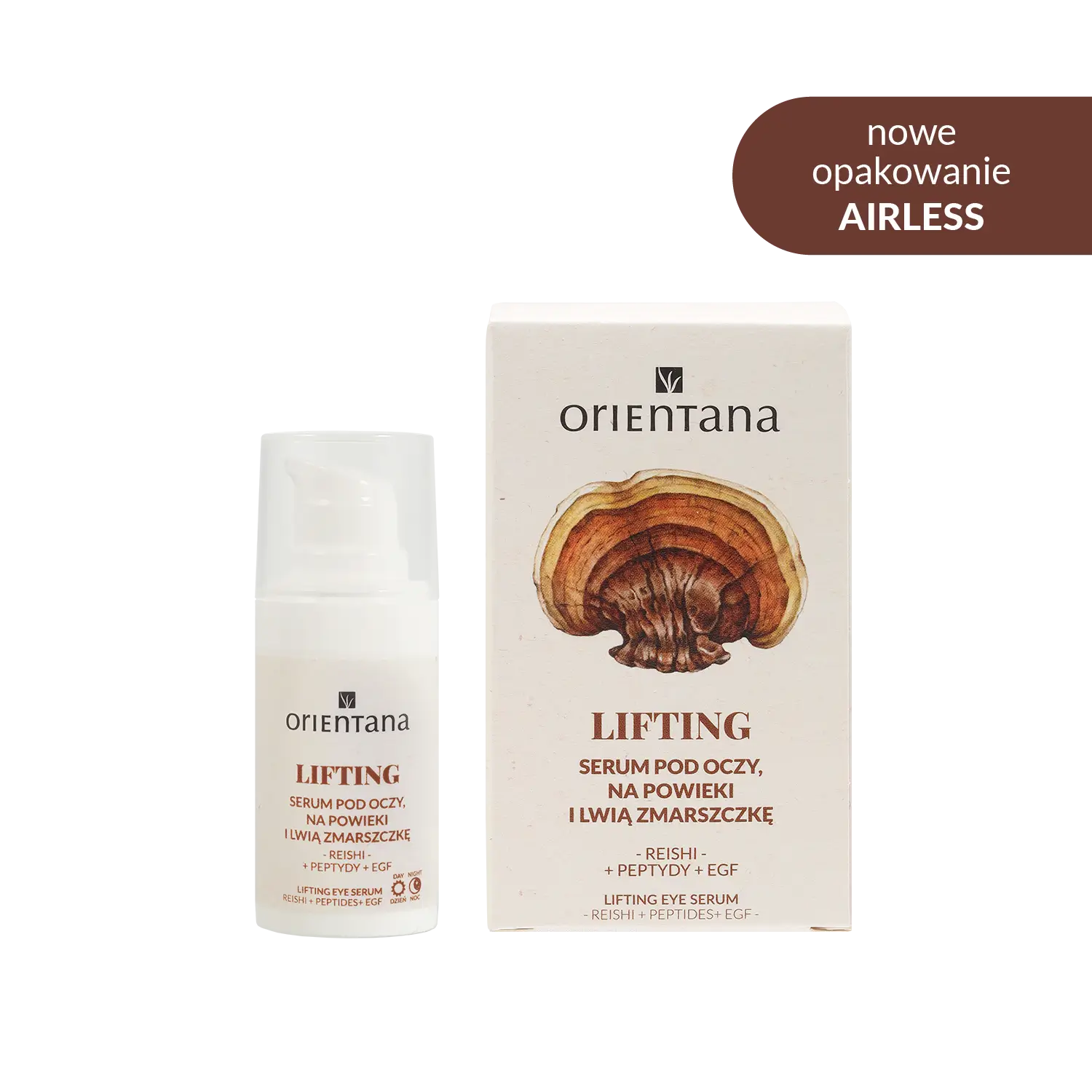
Have you ever wondered what's really inside your cream, serum, or shampoo? A cosmetic's ingredients aren't just a string of complicated names—they're a map that shows how the product works and what its properties are.
Conscious INCI analysis allows you to avoid irritations, allergies and unnecessary substances, while choosing cosmetics that are effective, natural and tailored to the needs of your skin.
Phytocosmetics ⤵️

Contents:
- Why is it worth analyzing the composition of a cosmetic?
- What does INCI stand for?
- How to read cosmetic ingredients step by step
- Active and basic ingredients
- Substances to watch out for
- Natural and synthetic composition
- How to choose a cosmetic for your skin type
- FAQ - most frequently asked questions about cosmetic ingredients
Why is it worth analyzing the composition of a cosmetic?
Consciously reading cosmetics labels is not a passing fad, but a way to achieve healthy, balanced care.
Knowing the composition, you can:
- choose a product according to your skin type,
- avoid allergens and irritating preservatives,
- support brands that operate transparently and ethically.
Knowing the composition of a cosmetic gives you control – instead of trusting the promises on the label, you can assess its quality yourself.
Cosmetics with snail slime ⤵️

What does INCI stand for?
INCI (International Nomenclature of Cosmetic Ingredients) is an international system that organizes the names of ingredients.
- Latin names describe plant extracts and raw materials - e.g. Aloe Barbadensis Leaf Juice.
- English names refer to chemical substances - e.g. Glycerin, Cetearyl Alcohol.
- The order of ingredients in INCI results from their concentration - the higher, the more in the formula.
My tip: by learning about the basic groups of ingredients (emollients, humectants, active substances), you will more easily understand how a cosmetic works before you even buy it.
You can read more about how to read INCI in the article INCI - What is it and how to read cosmetic ingredients? A practical guide for cosmetologists.
How to read cosmetic ingredients step by step
Each cosmetic composition (INCI) can be read in three stages:
The list begins with the base : water, oils, glycerin, vegetable butters, emollients.
The middle of the list are active substances : vitamins, extracts, peptides, adaptogens.
The list ends with preservatives, fragrances, dyes and allergens.
Names like Linalool, Citral, Geraniol, and Limonene appear at the end. These aren't individual ingredients, but allergens naturally present in essential oils, which manufacturers must declare in accordance with EU regulations.
Be careful of:
- Paraffin (Paraffinum Liquidum) - an ingredient obtained from crude oil
- Alcohols - not all alcohol is harmful. Cetearyl Alcohol has softening and moisturizing properties.
- Dyes (CI) - in natural cosmetics these are mineral pigments, gentle to the skin.
Active and basic ingredients
There are two types of substances in each formula:
- Base - responsible for the structure: water, glycerin, oils, butters, emollients.
- Active - have a caring effect: peptides, vitamins, adaptogens, extracts.
Examples of active ingredients (in Orientana cosmetics):
Niacinamide - regulates sebum secretion, reduces discoloration.
Tremella Fuciformis Extract - a natural humectant, moisturizes more strongly than hyaluronic acid.
Pentapeptide-48 - a biomimetic peptide supporting skin regeneration.
Hair mists ⤵️

Substances to watch out for
Not every ingredient with a long chemical name is dangerous. Many perform important technological functions. However, it's worth exercising caution when:
Paraffin - protects well against water loss, but may be comedogenic and has its origins related to the exploitation of the natural environment.
PEGs and PPGs - synthetic emulsifiers that are replaced by plant equivalents in natural cosmetics.
Synthetic fragrances and dyes - may cause allergies, especially in facial products.
Fragrance allergens (Linalool, Limonene, Citral) - they are not harmful, but people with sensitive skin should avoid them.
Conclusion : the safety of a cosmetic depends on the concentration and quality of the ingredients, not on the length of the INCI list.
Natural and synthetic composition
Does a cosmetic's natural ingredients always mean a better product? No. Increasingly, cosmetology is using biotechnological ingredients of natural origin, which are purer and more stable than those obtained from nature.
Examples :
NovoRetin™ - a plant-based retinol substitute, provides anti-aging properties without irritation.
RoyalEpigen P5 - a peptide inspired by royal bee jelly.
Yuzu Ceramide B - ceramides of natural origin.
Biotechnology and nature are not on opposite sides, together they create the future of care.
How to choose a cosmetic for your skin type
Knowing the composition of a cosmetic makes it easier to choose it according to the skin's needs:
- Dry skin: shea butter, ceramides, hyaluronic acid.
- Oily skin: niacinamide, gluconolactone, centella asiatica.
- Mature skin: Reishi, peptides, phytoretinol.
- Sensitive skin: aloe, panthenol, inulin.
Also check out our posts:
Ingredients for mature skin - which ones to choose to rejuvenate and strengthen the skin
Combination skin care - effective ingredients, Orientana cosmetics and the most common mistakes
FAQ - most frequently asked questions about cosmetic ingredients
Is a long lineup a bad thing?
Not always. The long list may result from the presence of extracts and ferments that have real effects.
Are parabens dangerous?
No, if used in approved concentrations. Sensitive individuals can choose cosmetics with natural preservatives.
Why doesn't the composition include percentages?
The law does not require this. The quantity is determined by the order in the INCI.
Are INCI analysis apps reliable?
Helpful for beginners, but often oversimplifying. It's worth comparing the results with expert knowledge.
Knowing the ingredients of a cosmetic is key to conscious skincare. You don't need to know every Latin word; you just need to understand the formula's logic: what moisturizes, what regenerates, and what stabilizes.
Check