Entries

Does it make sense to buy expensive creams? A cosmetologist explains the whole truth
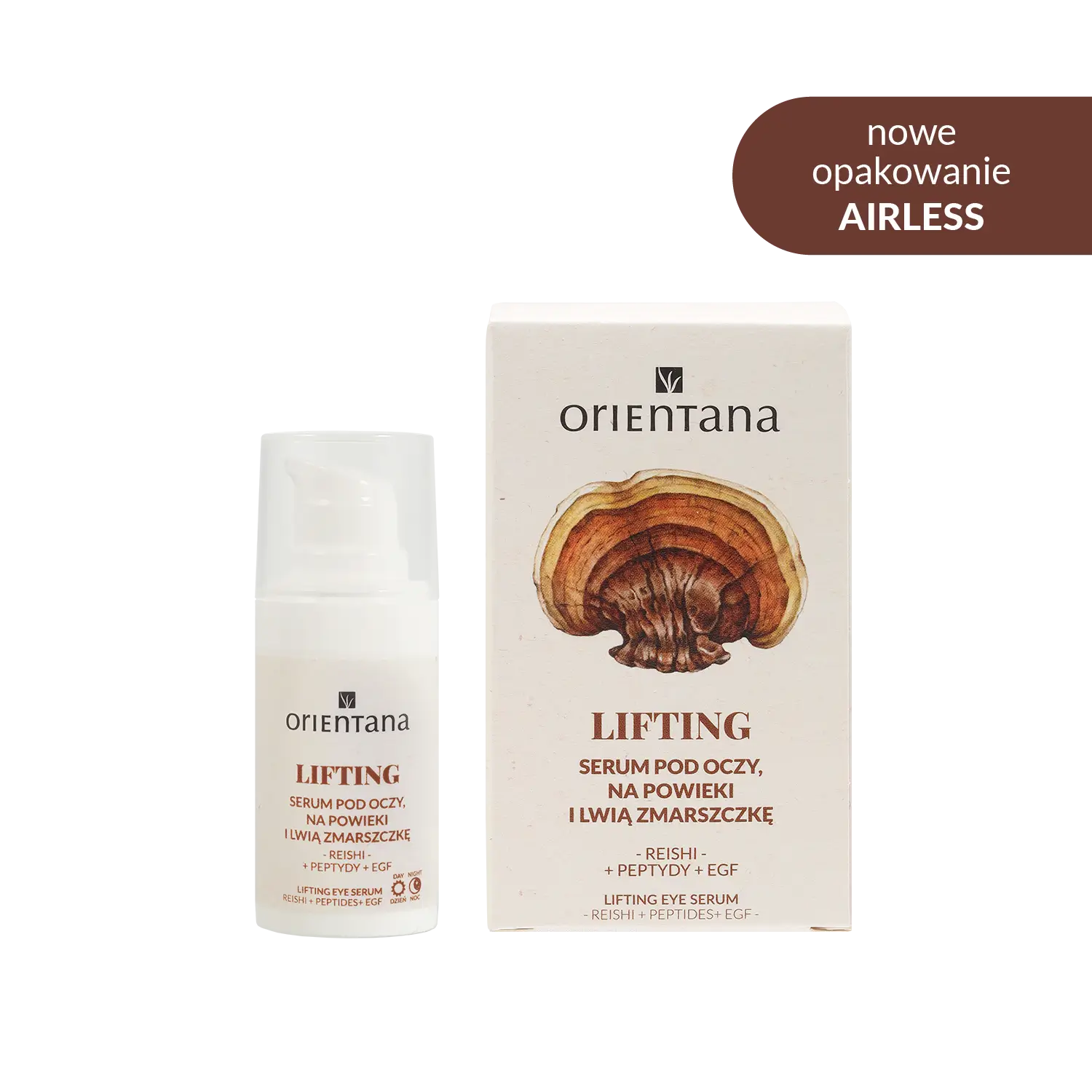
You stand before a drugstore shelf. In one hand, you hold a cream for 20 PLN, in the other, an identical one in description for 200 PLN. Both promise hydration, wrinkle smoothing, and radiant skin. The difference? Ten times the price. Which option is better? The question "does it make sense to buy expensive creams" crosses the minds of thousands of women and men during every cosmetic purchase. Does price really translate into effectiveness? Or are we mainly paying for packaging and branding? In this article, we will dispel all doubts by analyzing ingredients, scientific research, and dermatologists' opinions. Prepare for honest answers that may change your approach to cosmetic purchases. What are you actually paying for when buying expensive creams? Before we answer whether it's worth investing in luxury cosmetics, we need to understand the anatomy of the price. The amount on the label consists of several elements, some of which genuinely impact your skin, and some... not necessarily. Active ingredients - the heart of every cream This is where the biggest difference between cheap and expensive skincare lies. Active ingredients are substances that actually work on the skin: retinol, vitamin C, acids, peptides, or niacinamide. Concentration matters. A cream for 20 PLN might contain reishi adaptogen, but at a concentration of 0.1%, while a product for 200 PLN offers 5%. However, I can assure you that you can find a cream with such a concentration for less than 90 PLN. This is not cosmetic marketing; it's a real difference in effectiveness. Dermatologists agree: below a certain concentration threshold, an ingredient ceases to be effective. For example: Vitamin C works from 5%. Low molecular weight hyaluronic acid at a dose below 1% has limited effect. Quality of raw materials is another aspect. Two serums might contain "vitamin C," but one uses ethylated vitamin C, and the other uses a cheaper, less stable one. The result? The first penetrates the skin and works, the second oxidizes in the bottle before you even use it. Packaging and marketing This is where the controversy begins. Part of the price of a luxury cream is indeed just prestige. Beautiful airless packaging, an elegant box, a campaign with a movie star—all of this ends up on your shelf, but not necessarily on your face. Experts estimate that for premium brands, even 40-60% of the price is marketing and branding. However, packaging is not always just an adornment. Airless pumps truly protect sensitive ingredients from oxidation. Dark glass blocks light that destroys retinol. High-quality plastic does not react with the formula. A cheap plastic jar from China? Your vitamin C cream will be oxidized after two weeks. Cream base and preservatives Few people think about this, but the base—the carrier for active ingredients—is crucial. A good base allows ingredients to penetrate the skin; a bad one creates a film that blocks everything. Expensive creams often use: advanced emulsifiers that create lighter, better-absorbing textures innovative preservatives (paraben-free, with alternative systems) better versions of auxiliary ingredients (oils, butters, extracts) In a cheap cream? Mineral oil, a silicone film, parabens, and just enough active ingredients to be able to write "e.g., adaptogen" on the label. What research says: expensive creams vs. cheap creams Let's move on to hard data. Do expensive creams work better than cheap ones? The answer is more complex than "yes" or "no." Dermatologists' opinions A dermatologist with many years of experience explains: "Price does not always equal effectiveness. I've seen expensive creams that were of poorer quality than pharmacy ones at a third of the price. But I've also seen luxury products that did things impossible for cheap counterparts." Key insights from dermatological consultations: When cheap creams work just as well: Basic hydration for young, healthy skin Sun protection (pharmacy SPF often better than luxury ones) Simple needs without specific problems Body care over large areas When it's worth investing in a more expensive product: Advanced anti-aging (deep wrinkles, loss of firmness) Dermatological problems (acne, hyperpigmentation, dilated capillaries) Very sensitive, reactive skin Mature skin 50+ requiring revitalization Ingredient analysis – practical examples Let's take three anti-wrinkle creams: Product A (20 PLN / 50 ml) Key ingredients: Aqua, Glycerin, Paraffinum Liquidum, Dimethicone, Retinyl Palmitate (0.01%), Parfum Product B (80 PLN / 50 ml) Key ingredients: Aqua, Glycerin, Squalane, Niacinamide (5%), Retinol (0.3%), Hyaluronic Acid, Tocopherol Product C (250 PLN / 50 ml) Key ingredients: Aqua, Glycerin, Pentylene Glycol, Retinol Complex (1%), Bakuchiol, Peptide Complex (5%), Ceramides, Antioxidant Blend What do we get at each price? For 20 PLN: Basic hydration and a symbolic amount of the weakest form of vitamin A. The cream won't harm, but probably won't do much beyond moisturizing. Paraffin in the composition - an old ingredient that adds little to the skin. For 80 PLN: Solid concentrations of ingredients with proven effectiveness. This is already genuine skincare that can bring visible results in 8-12 weeks. For 250 PLN: High concentrations, a combination of several ingredients, advanced formula. Will the effects be several times better than in product B? Probably not. Will they be better? Possibly, but the difference might be subtle. Note that both retinol and peptides are complexes in which the main ingredient may not be present in large quantities. When is it worth buying a more expensive cream? A practical guide Does it make sense to buy expensive creams? The answer is: sometimes yes, sometimes no. Here is a specific guide. Buy more expensive creams when: You have mature skin (40+) with visible wrinkles After forty, skin needs really potent ingredients in higher concentrations. You'll find them in more expensive products. You are struggling with specific dermatological problems Rosacea, inflammation – these require specialized formulas with high concentrations of acids, niacinamide, or arbutin. Cheap creams do not have sufficient potency. You have very sensitive, reactive skin If your skin reacts to most cosmetics, it's worth investing in formulas without potential allergens. These are often more expensive products. You use advanced ingredients Peptides, EGF, exosomes – these highly specialized substances are expensive to produce. If you want to use them, you have to pay. How to read ingredients and choose creams wisely? Learning to read ingredients is your superpower when choosing cosmetics. Here's everything you need to know. TOP ingredients for skin problems: Wrinkles and anti-aging: Reishi Retinol or Retin Vitamin C (ethylated version) Peptides Hyaluronic acid (various molecular weights) Niacinamide Hyperpigmentation: Azelaic acid Vitamin C (ethylated version) Niacinamide Retinol Snail mucin Hydration: Hyaluronic acid (various weights) Tremella Trehalose Ceramides Squalane Minimum effective concentration is key. If an ingredient is at the end of the INCI list (after preservatives, perfumes), its concentration is too low to do anything. Order of ingredients on the label The INCI (International Nomenclature of Cosmetic Ingredients) list is your map to understanding what is really in a cream. Reading rules: Ingredients are listed in descending order by concentration Ingredients below 1% can be in any order (usually after preservatives) The higher an active ingredient is on the list, the more of it is in the product Red flags in the ingredients: Alcohol Denat in the top five (will dry out the skin) Parfum/Fragrance high on the list (risk of irritation) Lots of silicones without active ingredients (just a film with no effect) Lack of any active ingredientsParaffin, mineral oil (outdated) Apps and tools for cosmetic analysis You don't have to be a chemist to evaluate a cream. Here are some helpful tools: INCIDecoder.com Paste the list of ingredients, and you'll receive a detailed analysis of each component. Free, accurate, in English. Think Dirty App Scan the product barcode, and you'll get a safety rating of ingredients on a scale of 1-10. CosDNA.com A database of ingredients with ratings for comedogenic (pore-clogging) and irritating potential. SkinCarisma.com Comprehensive analysis: active ingredients, potential allergens, UV filters, overall rating. Yuka App A popular app in Poland that evaluates cosmetics based on their composition and health impact. Before purchasing, it's worth putting the ingredients into one of these tools. It will take 2 minutes and could save you money on an ineffective product. Alternatives to expensive creams If luxury cosmetics are beyond your budget, you have a great option that offers professional quality without inflated prices. There are many good mid-range brands. Orientana is one of them. You'll find in our products: Innovative ingredients Clean formulations Carefully selected formulas Claims supported by research Does it make sense to buy expensive creams? Returning to the fundamental question: does it make sense to buy expensive creams? After analyzing the ingredients, research, and expert opinions, the answer is: it depends on what you are paying for. Remember that you are overpaying when: Active ingredients are at the end of the INCI list (symbolic amounts) The brand has no research, only beautiful promises You are primarily paying for packaging, a celebrity in an advertisement, or prestige You can find an identical composition in a pharmacy for half the price Your needs are basic (hydration for young, healthy skin) For most people, the best strategy is to invest in mid-range brands (40-90 PLN). You get research, high concentrations of ingredients, and professional quality without overpaying for marketing. Reserve higher budgets for specific products that make a difference: powerful retinol serums, advanced peptides, or specialized corrective creams. Remember: the most expensive cream in the world won't help if you don't use SPF, drink water, and get enough sleep. Consistency in a simple routine with good ingredients trumps chaotic use of luxuries. Check the ingredients before buying, learn to read labels, and don't be fooled by marketing. Your skin—and wallet—will thank you. Most common questions about expensive creams Do expensive creams really work better? Expensive creams can work better, but not always. Price translates into effectiveness when you pay for higher concentrations of active ingredients, clinical research, and advanced delivery technologies. However, many expensive creams are simply marketing – you pay for packaging, advertising, and brand prestige. How much should I spend on face cream? A sensible price range depends on your needs:- 20-50 PLN – sufficient for young skin without problems, basic hydration- 60-90 PLN – the sweet spot for most people, cosmetics with proven effectivenesscosmetics for mature skin 45+ Can cheap creams harm the skin? Cheap creams rarely harm, but they can be ineffective. The worst thing that can happen is no results and wasted money. The risk of irritation is similar across all price ranges – a cream with perfume can irritate just as much as a cream with essential oils. The problem with cheap creams is rather that they contain symbolic amounts of active ingredients, so they will do nothing beyond superficial hydration. Is it worth buying luxury cosmetic brands? It is worth it if a specific product has something unique: a patented formula, a combination of ingredients unavailable elsewhere, or research confirming exceptional effectiveness. It is not worth it if you are mainly paying for the name, packaging, and advertising with a celebrity. Before purchasing, check the ingredients in an app like INCIDecoder and compare with mid-range alternatives. You will often find identical or better ingredients for a fraction of the price.
Learn more
Is Ayurveda Safe? Facts, Research, and Applications in Natural Skin Care
Is Ayurveda safe? The question, "Is Ayurveda safe?" always comes up when we talk about natural skincare methods, herbs, and traditional rituals. In a world where we combine ancient recipes with modern dermatology, it's important to differentiate between what is scientifically proven and safe and practices that may be misinterpreted or used without moderation. Ayurveda is a health prevention system that originated long before modern medicine – yet many of its elements have been confirmed by scientific research. What's more, Ayurvedic plants such as ashwagandha, neem, turmeric, reishi, gotu kola, and tremella are now used in dermocosmetics and natural cosmetics, including in Orientana's formulas, where tradition is combined with laboratory quality control. Ayurveda in skincare - what is safe, and what requires attention? Safe elements of Ayurveda that have scientific confirmation: herbal extracts and adaptogens - antioxidant, anti-inflammatory, immunomodulating effects confirmed in dermatological publications, skin oiling - supports the hydrolipid barrier and lowers cortisol levels, manual massage (Abhyanga) - improves microcirculation, lymphatic profile, and skin tension, breathing and contact with nature - affects the nervous system and cellular regeneration, ritual morning and evening care - stabilizes the skin's circadian rhythm, which is important for night regeneration. What requires awareness and moderation: strong herbal blends taken orally - may interact with medications, homemade mixtures without standardization - may be too irritating for the skin, strongly warming oils without specifying skin type/dosha - may intensify redness or acne. Therefore, the modern version of Ayurveda, as in Orientana cosmetics, uses plant-based ingredients, but in controlled, dermatologically tested formulas. This is a combination of nature and safety. All ingredients we use are approved for the European market. Scientific studies confirming the safety of Ayurvedic plants In medical literature (Journal of Ethnopharmacology, Botanical and Dermatological Sciences Review), we can find dozens of studies confirming the properties of ingredients such as: Ashwagandha (Withania somnifera) - reduces oxidative stress in the skin, supports regeneration, has a calming effect on micro-inflammations, Turmeric (Curcuma longa) - strong antioxidant and antibacterial properties (curcumin inhibits inflammation comparably to some synthetic substances), Gotu kola / Centella asiatica - stimulates fibroblasts, supports wound healing and skin reconstruction, Neem (Azadirachta indica) - has purifying and regulating effects, often compared to anti-acne ingredients. It is from these plants that Orientana draws – but in a standardized, certified, and safe form. Why, according to Ayurveda, can natural care be safer than aggressive chemicals? Modern skincare can be too invasive – acids, synthetic retinoids, strong detergents can damage the skin's barrier. Ayurveda assumes the opposite: first, support the skin, then gently regulate. That's why oils, plant essences, and adaptogens don't block skin processes, but soothe them. Orientana also emphasizes the philosophy of biocompatibility - ingredients should be recognizable by the skin as natural nourishment, not an aggressive substance to fight against. How to use Ayurveda safely in life and skincare? Choose dermatologically tested products, not homemade mixtures from the internet. Observe your skin - it is the best dosha diagnostician. If you feel warmth, inflammation - reach for Pitta-loving ingredients like rose, aloe, tremella. For dryness and tightness - oils for Vata (almond, sesame, sandalwood). For stagnation and swelling - stimulating Kapha (ginger, turmeric, citronella). Is Ayurveda safe? Yes - if used consciously, with trust in nature and in combination with modern quality control. Ayurveda teaches that the body and skin have their own wisdom - our role is to support, not to rush forcibly. Ayurveda in skincare is not a return to the past, but a return to oneself - through plants, touch, and ritual.
Learn more
Is Ayurveda a sin? Ayurveda and spirituality, culture, and conscious care
If you want to learn what Ayurvedic care is and how Ayurveda approaches skin and hair from the perspective of health and balance, see our guide: Ayurvedic care - how Ayurveda cares for skin and hair. Is Ayurveda a sin? The question "Is Ayurveda a sin?" is appearing more and more frequently, especially in Europe, where Ayurveda is entering the world of wellness, cosmetology, and natural skin care. For many people, this term sounds exotic and is associated with the spirituality of the Far East. On the other hand, more and more people are turning to Ayurvedic massage, adaptogens, natural oils, and Indian-inspired beauty rituals, such as those found in Orientana cosmetics. Does combining natural cosmetics, massage, and conscious care with Ayurveda have a spiritual dimension? Can it cause conflict with religious beliefs? Ayurveda is not a religion or a system of worship. In the context of care, it means using plants, oils, and massage to support skin and hair, similar to European herbal medicine. These are practical and common-sense recommendations which – similarly to Chinese medicine, European herbalism, or ancient herbal traditions – help people live closer to nature. Why does the question of "sin" arise? This most often results from a misunderstanding – many people equate Ayurveda with Indian spiritual practices, such as yoga or mantra meditation. However, the Ayurvedic system itself does not require any religious or confessional practices. It can be used: as natural medicine (herbs, oils, care), as a science of the daily rhythm (sleep, breath, morning rituals), as a conscious skin care style (oil massage, herbal toners, adaptogens, like in Orientana). Ayurveda speaks the language of energy - Pitta, Vata, Kapha, Prana - but these are not spiritual entities, but rather figurative terms for physiological states. Ayurveda vs. religion - what do theology and psychology say? Contemporary pastors, clinical psychologists, and natural medicine therapists emphasize that using Ayurvedic herbs, massage, or oils is ideologically neutral, as long as it is not combined with spiritual practices that someone does not accept. Just like St. Hildegard's herbal medicine, traditional folk medicine, or linden and St. John's wort infusions, Ayurveda is a system of observing nature and the action of plants. Sandalwood oil, turmeric, ashwagandha – these are natural raw materials that have scientifically confirmed anti-inflammatory, adaptogenic, and skin-regenerating properties. That is why Orientana uses them without ideology – as functional plants with high biological activity. Natural care and spirituality - where is the line? In Ayurveda, massage, breathing, touch, and scent are treated as nervous system therapy. What ancient texts call "calming prana," modern medicine calls reducing cortisol and improving lymphatic circulation. Therefore, one can: embrace the practical layer of Ayurveda - plants, oils, beauty rituals, omit the spiritual layer if it is not consistent with our beliefs. This is how Orientana operates - it delves into the plant tradition, but presents it in a modern, culturally neutral form, with respect for nature and skin. Ayurveda is not a religion, but a system of health observation and care. One can use it consciously, selectively, and in a way consistent with one's own values. Just as we use mint infusion for digestion or arnica balm for abrasions, we can use neem oil, turmeric, ashwagandha, or turmeric cream, and treat it as a plant cosmetic, not a spiritual ritual. Ayurveda teaches care for the body through nature. And care is not contrary to any ethics - it is its most beautiful form.
Learn more
What are the 4 foundations of Ayurveda and how do they affect skin and hair care?
The four foundations of Ayurveda are the basis of Ayurvedic skin and hair care. If you want to see how Ayurveda takes a holistic approach to care, check out our guide: Ayurvedic care - how Ayurveda cares for skin and hair. What are the four foundations of Ayurveda? The question "What are the four foundations of Ayurveda?" leads to the heart of this ancient science of life. Ayurveda is based on four pillars that aim to keep a person in a state of healthy balance. These are: Ahara - conscious nutrition Vihara - lifestyle and daily routine Achara - emotional balance and ethics of conduct Aushadha - natural supportive remedies, including herbs and plant-based care Each of these elements affects not only the body, but also the skin, psyche, and life energy. Ayurveda teaches that how we nourish ourselves, how we breathe, how we touch our own body, and what we use to care for it, affects our condition more than a one-time treatment or a quick fix. Ahara - what you feed grows Ahara is not just food - it's everything that "feeds the body": nourishment, air, scents, and even ingredients applied to the skin. According to Ayurveda, the skin is a digestive organ - it absorbs substances and "processes them" just like the digestive system. Therefore, in the Ayurvedic tradition, oils, herbs, and plant butters are used, which are biologically compatible with the body. Today, we reflect this approach in the Orientana brand, creating cosmetics inspired by Ayurvedic recipes - without silicones and artificial fillers, with extracts of turmeric, ashwagandha, reishi, or tremella, which do not block the skin, but nourish it. Vihara - daily routine as the foundation of balance Vihara means lifestyle and daily rituals. Ayurveda emphasizes that micro-actions repeated every day have a greater impact on health than sporadic actions. This includes morning cleansing, oil massage, proper sleep, contact with nature, conscious breathing - all of this contributes to the rhythm of a person immersed in nature, not in haste. Care in accordance with this principle is not accidental - it is not a "quick night cream", but a ritual: moisturizing with a mist, gentle massage of a serum, conscious touch, warming or cooling oil - depending on the dosha. Therefore, Orientana promotes rituals, not products - the cosmetic is a tool, but the way it is used gives it power. Achara - hygiene of emotions and consistency with one's own nature Achara refers to internal ethics, but not in a religious sense - it's about self-acceptance, a calm mind, and accepting one's own rhythm. Ayurveda teaches that emotional stress immediately affects the body - the skin dulls, loses its glow, and inflammation or dryness appears. What we call "oxidative stress of the skin," Ayurveda recognized thousands of years ago. Therefore, elements of care include the scent of an oil, a moment of pause, a facial massage, breathing. This is clearly visible in Orientana cosmetics - rose soothes tension, jasmine relaxes, sandalwood calms Pitta energy, and ginger warms Vata. Scent is not just an additive - it is a tool for restoring energy. Aushadha - plants as a therapeutic touch of nature Aushadha refers to natural health-supporting remedies - herbs, oils, infusions, powders, and plant macerates. In Ayurvedic care, every substance has an energetic purpose; for example, neem cleanses, ashwagandha calms, and turmeric regenerates. Do you already know what the 4 foundations of Ayurveda are? These are the pillars: Ahara (nourishment), Vihara (lifestyle), Achara (emotions), and Aushadha (plant-based support). Together, they form a system where one doesn't wait for a crisis, but daily strengthens the body, skin, and life energy. Ayurveda does not separate care from life - it is all one movement, one breath, one touch. Natural care rituals inspired by Orientana can be part of this process - because when you touch your skin consciously, you return to yourself. How to use the 4 foundations of Ayurveda in daily care? Short list: cosmetics with adaptogens hair cosmetics facial massage oils
Learn more
What are the three doshas in Ayurveda? Vata, Pitta, and Kapha - how do they affect the body, skin, and care
The three doshas – Vata, Pitta, and Kapha – are one of the foundations of Ayurvedic skin and hair care. If you want to learn how Ayurveda views holistic care, see our guide: Ayurvedic care - how Ayurveda cares for skin and hair What are the three doshas in Ayurveda? The question "What are the three doshas in Ayurveda?" leads to the basic concept of this system. Doshas - Vata, Pitta, and Kapha - are three biological energies that describe the natural tendencies of the body. They are not mystical entities - they are a pictorial representation of real physiological processes, such as metabolism, cellular movement, or water retention in tissues. Every person has a mixture of all three doshas, but the dominance of one or two affects skin tendencies, emotional reactions, regeneration methods, and health predispositions. Understanding them is key to conscious care, instead of haphazardly applying products. Vata Dosha - movement, dryness, and delicate skin Elements: air + etherEnergy: light, dry, fastBody and mind: creativity, but susceptibility to stressVata skin: thin, delicate, prone to dryness, a feeling of "tightness" appears, may be dull and tired Typical symptoms of Vata imbalance on the skin: dryness, flaking premature wrinkles feeling of cold and rough skin sensitivity to wind, air conditioning, stress Care in line with Vata: nourishing and enveloping oils (sesame oil, sweet almond oil) warm massages - Abhyanga with jasmine or sandalwood aroma, creams with adaptogens that calm overactive energy (ashwagandha), Pitta Dosha - fire, metabolism, and tendency to inflammation Elements: fire + a little waterEnergy: dynamic, warm, intenseBody and mind: determination, but tendency to emotional overheatingPitta skin: mixed or sensitive, with a prevalence of erythema, may react with redness and inflammation Typical symptoms of Pitta imbalance on the skin: erythema, redness dilated capillaries tendency to inflammatory acne sensitivity to sun and harsh cosmetics Care in line with Pitta: cooling and soothing plants (rose, aloe vera, gotu kola, turmeric in low concentration), adaptogenic extracts that reduce inflammation (ashwagandha, turmeric), delicate mists and essences instead of heavy occlusive creams, avoidance of harsh peels, alcohol, aggressive chemicals. Kapha Dosha - water, retention, and heaviness Elements: water + earthEnergy: stable, grounded, but slowerBody and mind: strength and resistance, but tendency to stagnationKapha skin: thick, firm, looks young for a long time, but has a tendency to swelling and excess sebum Typical symptoms of Kapha imbalance on the skin: feeling of heaviness, lymphatic stagnation oiliness, skin impurities slowed regeneration swelling around the eyes, especially in the morning Care in line with Kapha: stimulating oils and extracts (ginger, turmeric, citronella), draining massage and skin brushing, lighter formulas – mists, emulsions, toners, activation of circulation, e.g., massage with a roller or gua sha stone. Why do doshas matter for skin care? Because standard categories like "dry / mixed / oily skin" are too shallow. Ayurveda looks deeper - at the cause, not the symptom. Someone may have oily skin, but due to stress overload of Pitta. Someone else - dry skin, because Vata dominates and there is a lack of warmth and oils. The Ayurvedic perspective allows for more precise skin care selection – not against the skin, but for its balance. This is the philosophy of Orientana - not to correct, but to regulate, not to block, but to support the skin's natural intelligence. Let's summarize. What are the three doshas in Ayurveda? Vata, Pitta, and Kapha – three energies, three skin types, three different approaches to skin care. Ayurveda does not dictate a single scheme – each organism has its own rhythm and needs. Vata – needs warmth, oil, and enveloping care Pitta – cooling, soothing, and harmony Kapha – stimulation, flow, and light textures When you recognize your dosha, skin care becomes a ritual, not an obligation.
Learn more
What is Ayurvedic massage? Types, effects and influence on the body, skin and emotions
What is Ayurvedic massage? The question "What is Ayurvedic massage?" leads us to one of Ayurveda's most therapeutic elements - touch combined with the warmth of oil, the scent of plants, and conscious breathing. Ayurvedic massage – Abhyanga – is not merely a manual technique but a complete ritual of the senses, aiming to restore energy flow, regulate the nervous system, and deeply regenerate tissues. In Ayurveda, it is said: "What the mind cannot dissolve, warm oil will." Ayurvedic massage combines herbal oils, manual touch, lymphatic drainage, aromatherapy, and the anti-inflammatory action of adaptogens. In its modern interpretation, consistent with the Orientana brand's approach, it is also a skincare ritual that strengthens the skin's barrier, oxygenates cells, and restores radiance. Key characteristics of Ayurvedic massage Use of warm oils – in classical Ayurveda, sesame oil is used for Vata, coconut for Pitta, and mustard or ginger for Kapha. In modern rituals, Orientana oils – with jasmine, rose, ginger, or tremella – created in the spirit of Ayurvedic skincare, can also be used. Slow, ritualistic touch – the massage begins at the head (marma energy points) and moves downwards, which stimulates lymphatic circulation and lowers cortisol levels. Element of aromatherapy – the scent of the oil is not an add-on but a tool for regulating emotions and doshas. Rose calms Pitta, jasmine relieves Vata tension, ginger stimulates Kapha. Skin treated as an organ of emotions – Ayurveda assumes that therapeutic touch penetrates deeper than cosmetics – the nervous system reacts first, the skin only afterwards. Types of Ayurvedic massages Abhyanga – classic full-body oil massage This is the most popular Ayurvedic massage – performed with warm oil, spread from head to toe to ensure energy flow. Excellent for dry skin, stress, feeling cold, and nervous tension. Shiroabhyanga – head and facial skin massage Focuses on marma points in the head, temples, and neck. Relieves tension, improves scalp circulation, and can support hair growth and dandruff reduction. For home care, it can be done by applying oil - Ayurvedic therapy or amla oil to the scalp and performing circular movements with fingertips. Learn more - Ayurvedic head massage. Mukha Abhyanga – face massage Very gentle, performed with fingertips, often using rose or sandalwood oil. Acts as a natural facelift and lymphatic drainage for the face. Nowadays, it can be combined with a gua sha stone or Orientana oil massage, which provides noticeable smoothing. Udvartana – activating massage for Kapha Massage using herbal powder or scrub – improves circulation, supports the reduction of swelling, cellulite, and lymphatic stagnation. In home care, the equivalent is a scrub with ginger, turmeric, or citronella – it warms and unblocks energy stagnation in the skin. Ayurvedic massage and skin – research-confirmed effects Modern dermatology confirms benefits that Ayurveda has known for thousands of years: oil massage lowers the level of oxidative stress in the skin improves lymphatic circulation, which affects skin firmness, strengthens the hydrolipid barrier, protecting against dryness and irritation, manual touch activates sensory receptors and affects the nervous system faster than cosmetics absorb into the skin, How to perform Ayurvedic massage at home – modern version Ayurveda encourages daily micro-rituals. A home version of Abhyanga might look like this: Apply a few drops of Orientana oil to your hands and warm them. Massage the oil into your face or body with slow, conscious movements, focusing on your breath. Allow yourself to enjoy the scent – the aroma is part of the therapy (rose calms, jasmine envelops, sandalwood balances Pitta). Leave the oil on the skin for a few minutes to "nourish" the hydrolipid barrier. Rinse off the excess or leave it on – depending on the dosha's needs. What is Ayurvedic massage? It's not just a technique, but a form of communication with the body. Oil, scent, touch, and presence create a ritual that unblocks energy flow, regulates the nervous system, and truly improves skin condition. Ayurvedic massage is a moment where oil becomes a tool of love for the skin, and Orientana treats cosmetics not as products, but as an element of the ritual of returning to oneself.
Learn more
Hair loss after pregnancy - how to help your scalp naturally?
When you run a brand whose mission is natural beauty, sometimes you learn the most not from laboratories, but from people. For many years, many of my acquaintances – young mothers – have been coming to me with the same problem."Ania, my hair is falling out in handfuls after pregnancy. I'm afraid to wash my hair, because after each brushing I see less and less of it..." These are not isolated stories. This is the everyday reality for thousands of women who, after childbirth, feel as if they are losing a part of themselves along with their hair – confidence, peace, femininity. Today, I will tell you why this happens, what happens to the scalp after childbirth, and how – step by step – you can help your hair regain its balance. And also, how our Trycho Liczi Orientana series was created with the needs of women in the perimenopausal period in mind, but it also turns out to be effective during the post-pregnancy period. Why does hair fall out after pregnancy? It's due to hormones that change everything. During pregnancy, high estrogen levels keep hair in the growth phase (anagen). They are thick, shiny, beautiful. But after childbirth, estrogen levels drop sharply – hair enters the resting phase (telogen) and starts to fall out after a few weeks. This is a natural, physiological process called postpartum telogen effluvium. Additional factors that can worsen the problem: postpartum stress and lack of sleep, iron, zinc, vitamin D, and biotin deficiencies, breastfeeding without dietary support, mechanical damage to hair and overly strong cosmetics. I often heard: "I always had thick hair, and after childbirth, it started to thin out at the forehead, at the temples..." In fact, I remember having problems with hair loss after giving birth to my sons. This is a classic symptom of postpartum effluvium – but also a moment when the scalp needs gentle but consistent support. How long does postpartum hair loss last? Most often between 3 and 6 months after childbirth, but sometimes the process can last up to a year. However, this does not mean that you have to wait passively. Many women see their first "baby hair" after just a few weeks of regular care – especially when they start to take care of scalp microcirculation and the hydrolipid barrier. How to care for hair after pregnancy? Trycho Liczi Ritual From conversations with women and consultations with a trichologist, a line was created that combines gentleness, effectiveness, and phytotechnology – Trycho Liczi. Its task is to support the scalp, hair follicles, and hair length in a biocompatible and friendly way. Step 1: Gentle cleansing – Trycho Liczi Shampoo Many women choose overly strong shampoos after childbirth – SLS, alcohol, excessive perfume.Meanwhile, the scalp during this period is very sensitive.Our Gentle Moisturizing Trycho Liczi Shampoo contains: sugar betaine and gentle coconut surfactants, lychee extract, which has antioxidant and toning properties, panthenol and gluconolactone, which soothe and rebuild the microbiome. After 3–4 weeks of use, scalp comfort is noticeable – this means the hydrolipid barrier has been restored. Step 2: Hair nourishment – Trycho Liczi Conditioner-Mask Here's an important caveat that I often repeat. We apply Trycho Liczi Conditioner Mask only to the lengths and ends, never to the scalp.The formula contains: Fiberhance™ BM solution - rebuilds hair structure from within, improves its strength, and smooths it. rice proteins and amino acids – rebuild the hair fiber, squalane - gives shine and softness. As a result, hair becomes elastic and less brittle – which is extremely important in the postpartum period. Step 3: Growth Activation – Trycho Liczi Scalp Treatment The most emotional messages start with the sentence: "Ania, after a month of using the scalp treatment, I see baby hair!" This is precisely the effect of natural stimulants: Baicapil™ - a clinically proven complex that activates hair follicles, Arginine - an amino acid that stimulates microcirculation and hair growth, and also strengthens hair follicles, Quinine - stimulates microcirculation and hair growth. Regular use (daily or every other day) really brings results – but it requires patience. Just like motherhood. Step 4: Caring for the structure Trycho Liczi Hair Serum acts as a "liquid shield" – its light formula envelops the hair shaft and strengthens it. Active ingredients penetrate micro-damages, improving hair elasticity and preventing brittleness. Regular use helps smooth the hair structure, close the cuticles, and reduce frizz, which translates into a shiny, disciplined effect. How to support hair from within? Women often ask, "Are cosmetics alone enough?" No – but they are the foundation.It's worth combining them with: a diet rich in iron, zinc, protein, and vitamin D, supplementation after consulting a doctor, scalp massage with oil or a rub, regular sleep and stress reduction. Ayurveda says that "beautiful hair begins with a calm mind." That's why hair care is also a calming ritual – a moment for yourself, even with a baby sleeping nearby. How to use a hair rub Most common questions from women after pregnancy Does postpartum hair loss always resolve on its own?Yes, it's a temporary process, but it's worth supporting with care to shorten the regeneration time.Does breastfeeding worsen hair loss?Not directly, but micronutrient deficiencies can exacerbate the problem.Is Trycho Liczi scalp treatment safe during breastfeeding?Yes, the formula is natural, without alcohol and irritating ingredients.How long does it take to see the effects of the treatment?Most often after 3–4 weeks – less hair on the brush, after 8–10 weeks baby hair appears.Can the entire Trycho Liczi line be used together?Yes – the series was designed as a comprehensive trichological ritual that can be used daily. Below is an expert explanation of what happens to hair after childbirth, prepared by our trichologist. What happens to hair after childbirth? - a trichologist's perspective During pregnancy, high levels of estrogen and progesterone keep most hair in the anagen phase. Women then observe a significant thickening and increased density of their hair. After childbirth, when hormone levels drop sharply, up to 30–40% of hair enters the telogen phase. After 2–3 months, noticeable hair loss appears – usually referred to as postpartum telogen effluvium (Telogen Effluvium Postpartum). What can be observed under a trichoscopic camera? Hair follicles in the telogen phase – smaller, with visible keratinization. Increased hair breakage along the length – caused by dryness and keratin deficiency. Inflammation of follicular orifices – a common result of stress and disturbance of the scalp's hydrolipid barrier. Regenerating hair (baby hair) – thin, light, with normal growth – a sign of regeneration. Trichologist's advice for women after childbirth Scalp massage – an invisible ally I recommend daily scalp massage for women after childbirth, using a bristle brush or fingertips. Such a massage:• stimulates circulation,• facilitates the absorption of scalp treatments,• has an anti-stress effect – which is just as important after childbirth as cosmetics. Additional trichologist tips: • Dry hair with cool air, avoid straighteners for the first few months.• Do not sleep with wet hair – this promotes the growth of microorganisms on the scalp.• Choose soft elastic bands and natural brushes that do not pull out hair.• Regularly clean brushes and combs (at least once a week).Postpartum hair loss is not a disease – it's a signal that the body is returning to balance. The key is patience, consistency, and wisely chosen scalp care. That is why the Trycho Liczi line was created – out of concern for women who want to feel that their hair is their strength again. Read also Hair loss - causes, stages and effective care.
Learn more
Fenugreek for hair - how it works and how to combine it with Orientana Amla Ayurvedic tonic
As a trichologist, I am often asked: does fenugreek really work for hair? The answer is yes, but only when used regularly and in appropriate combination with other active ingredients. Fenugreek (Trigonella foenum-graecum) is a plant with exceptionally strong hair growth stimulating properties, known in Ayurveda for thousands of years. In modern hair cosmetology (natural trichology), fenugreek is considered a natural growth booster, which acts not only on the hair itself, but also on the scalp and hair follicles.In this article, I explain why it works, how to use it, and why Orientana's Ayurvedic Amla Hair Tonic-Rub is one of the most effective ways to incorporate fenugreek into your hair care routine. Why Fenugreek Works for Hair – A Scientific Perspective Fenugreek is one of the richest sources of phytohormones, saponins, and flavonoids, which stimulate microcirculation of the scalp and nourish hair follicles. Research published in the Journal of Cosmetic Science (2020) showed that fenugreek seed extract can increase the proliferation of hair follicle cells by 25–30% and extend the anagen phase, i.e., active hair growth. The most important active substances contained in fenugreek are: Diosgenin – a natural plant phytohormone that strengthens hair structure. Saponins – improve scalp microcirculation, ensuring better oxygenation of the hair follicles. Flavonoids and phenolic acids – have antioxidant effects, protecting hair follicles from oxidative stress. Plant proteins – regenerate the hair shaft and give it elasticity. B vitamins (B1, B2, B3) – support cellular metabolism in the hair follicles. Thanks to this, fenugreek: strengthens hair follicles, reduces hair loss, accelerates growth, soothes scalp irritations, regulates sebum secretion. How to use fenugreek – home remedies and professional solutions Fenugreek can be used as an infusion of seeds, however, as a trichologist, I point out several limitations: the infusion has a very short shelf life (up to 24 hours), it is difficult to maintain the appropriate pH and concentration, it may slightly weigh down fine hair. Therefore, a better solution is to use ready-made cosmetic preparations that combine fenugreek with other plant extracts – so that they work synergistically and stably, without the risk of allergies. Ayurvedic Amla Hair Tonic-Rub - a modern form of tradition Orientana's Ayurvedic Amla Hair Tonic-Rub is a cosmetic that combines Ayurvedic tradition with modern trichological knowledge. It contains fenugreek extract, which: strengthens hair follicles, reduces hair loss, stimulates new hair growth, improves scalp blood circulation. The rub has a light, watery formula, can be used daily without rinsing, also for fine and delicate hair. Amla Rub Active Ingredients – Description of Action Amla Tonic is a herbal composition based on the synergy of several plants: Fenugreek – is a strengthening ingredient that improves hair anchoring in the follicle. Thanks to it, hair becomes thicker and more resistant to falling out.Amla - one of the most powerful antioxidants in nature. It slows down the aging of hair follicles and gives hair a healthy shine.Bhringraj – a herb called "king of hair" in India; regenerates hair follicles and stimulates the growth of new hair (baby hair).Neem and Tulsi – have a cleansing effect and regulate the scalp microbiome, counteracting dandruff.Centella asiatica - stimulates microcirculation and has an antioxidant effect.This combination makes Amla tonic work comprehensively – it not only stimulates hair growth, but also improves scalp condition and inhibits inflammation of the follicles. Effects of regular use of fenugreek and Amla rubMy research shows that: after 3–4 weeks of use, hair loss decreases, after 6 weeks, new hair (baby hair) appears, after 12 weeks, hair density and volume improve. Hair becomes shinier, thicker and more elastic, and the scalp is better oxygenated and balanced. Common mistakes when using fenugreek Using too much product – can cause oiliness. Irregularity – fenugreek only works with regular application (min. 3x a week). Lack of scalp massage – reduces the effectiveness of the rub. Using aggressive shampoos with SLS, which destroy the effects of the treatment. Combining with silicones and heavy oils – limits the absorption of active ingredients. Frequently asked questions about fenugreek and hair rubs Does fenugreek really accelerate hair growth?Yes. Research and trichological practice confirm that it improves scalp microcirculation, so the hair follicles receive more oxygen and nutrients.Can fenugreek cause irritation?No, if used in a cosmetic form – e.g., in Ayurvedic Amla tonic, where its concentration is safe and stable.How long does fenugreek need to be used to see results?The first effects appear after about 3 weeks, full effects after 2–3 months. Hair needs time to go through the growth phases (anagen, catagen, telogen).Does fenugreek help with dandruff?Yes, it has anti-inflammatory and antibacterial properties. In combination with neem and tulsi, it regulates the scalp microbiome.Can fenugreek be combined with hair rubs or oils?Yes – the best effects are achieved by combining fenugreek with amla, bhringraj, or aloe. However, avoid mixing it with essential oils with strong irritating effects.Is the smell of fenugreek intense?Yes, in its pure form it is herbal-nutty, but in Amla rub the scent quickly evaporates and does not remain on the hair.Is fenugreek rub suitable for colored hair?Yes – it does not lighten or change hair color, and its plant extracts additionally protect the pigment.Can fenugreek be used for androgenic alopecia?Yes, as a support for therapy. Fenugreek has anti-inflammatory and antioxidant properties, supporting pharmacological treatment.Does fenugreek affect hair volume?Yes. Thanks to its action on the hair follicles and shaft, it improves the thickness and elasticity of the strands.Does Amla rub also work on graying hair?Amla and bhringraj can slightly slow down the graying process because they are rich in antioxidants and iron, which support pigmentation. Fenugreek is a natural ingredient with confirmed trichological effects. In combination with amla, bhringraj, and neem – as in Orientana's Ayurvedic Tonic-Rub – it creates a comprehensive treatment for thin, weakened, and excessively falling hair.This is an excellent example of how the wisdom of Ayurveda and modern trichology can jointly restore hair strength and density – without chemicals, but with full scientific support.
Learn more
A Thai spa unites body and spirit - it is meditation in motion, a combination of massage, aromas, and energy.
Thai spa is a journey that was another stop on my creative path. In Thailand, time flows differently. It is not measured in hours, but in breaths, scents, and sounds. I remember that day as clearly as if it were yesterday. The air was heavy with humidity, and the sun spilled like golden syrup through the narrow streets of a small town, or rather, a village. In my hands, I held freshly brewed pandan tea, fragrant with vanilla and grass. It was then, for the first time, that I crossed the threshold of a Thai spa. It bore no resemblance to European beauty salons. It was like a temple of silence—with bamboo walls, soft light, and the sound of wind chimes. The air was filled with the aroma of sandalwood, jasmine, and ginger. There, in that simple place, I became convinced that self-care is not a luxury, but a language of self-love. A Touch That Teaches Presence The Thai masseuse, a petite woman with observant eyes, smiled and clasped her hands in a wai gesture. She didn't ask what I needed. She simply placed warm hands on my shoulders—and for a moment, nothing happened. And yet, in that silence, everything happened. A touch in a Thai spa is not a treatment. It is a ritual. It is a language of energy, mindfulness, and balance. It's not about technique, but about intention. Every movement is a prayer to the body—for health, for peace, for inner light.When I was served a ginger and honey infusion after the massage, and the scent of jasmine enveloped my skin, I felt as if the whole world had stopped. The Philosophy of Thai Spa – Harmony of Body and Soul In Thailand, self-care does not begin with cosmetics, but with respect. For the body, for nature, for the present moment. Thai women do not use random ingredients—each has meaning, each has its "why." Turmeric purifies, lemongrass energizes, sandalwood brings peace, and jasmine soothes emotions. Self-care there is an act of gratitude—not an obligation. It is a ritual that restores balance not only to the skin but also to the soul. And even more beautiful was that often in Thailand, masseuses would rub aromatic oils into my skin in the beautiful setting of gardens, outdoors, under a canopy. I wondered then, how could such a simple gesture be so full of meaning? Even then, I was thinking about Orientana body cosmetics. I wanted them to be an expression of admiration for Asian wisdom in self-care—one where cosmetics are not just a formula, but a story. When Scent Became a Memory When I returned to Poland, I couldn't forget the scent of that spa for a long time. It wasn't just the aroma of oils—it was the scent of silence. I closed my eyes and saw that woman, her calm hands, and the bamboo walls through which the sun's rays streamed. I wanted that moment to stay with me forever.And then the idea was born: to create cosmetics that transport the senses to places where body and soul speak one language. This is how the first Orientana body cosmetics were created—inspired by Thai spa, fragrant with sandalwood, ginger, and jasmine. Orientana's Natural Rituals Inspired by Thai Spa A Thai spa is not a place—it's an experience. That's why, when creating Orientana cosmetics, I wanted each product to be a ritual. Not only to work, but also to tell a story. Rose Body Butter – envelops the body like the hot air in a temple spa. Moisturizes, soothes, restores balance. Indian Jasmine Body Oil – the scent of jasmine also reminds me of evenings on Thai beaches, when the air smells of flowers and rain. Perfect for massage and skin care after bathing. Lemongrass Body Butter – an energizing ritual that stimulates circulation and restores radiance to the skin. Each of these products is not just a cosmetic, but a fragment of a journey. When I use them, I feel the scent of those mornings in Thailand. How to Create Your Own Thai Spa at Home You don't have to go to Bangkok to feel its atmosphere.Just a few simple steps are enough to bring the philosophy of a Thai spa into your daily life. Start with silence. Turn off your phone, turn off the lights, light a candle. Feel your breath. Cleanse body and senses. Perform - remove what is unnecessary. You can make a homemade natural scrub. You'll find the recipe in this post. Envelop your skin. After bathing, massage in Sandalwood lotion or Indian Jasmine oil. Hold your hands on your body, feel its gratitude. Finish with tea and peace. Drink a cup of hot ginger tea—just like in a Thai spa, where the ritual ends with inner warmth. Because a Thai spa is not a luxurious treatment. It is an encounter with yourself. A Scent That Brings Back Memories When I open a jar of butter or a bottle of oil today, I feel the same as I did back in Thailand, and even throughout Asia. These scents are present in almost every Asian country. They provide warmth, peace, and presence.And though years have passed, I believe that every woman—wherever she is—can feel the same.Because in each of us there is a desire for harmony. And self-care can be its beginning. Questions about Thai Spa What scents are most common in Thai spas?Sandalwood, jasmine, ginger, lemongrass, and ylang-ylang – all have aromatherapeutic effects.Can you create a home Thai spa without professional massages?Yes. Natural cosmetics, scent, and a moment of silence are enough – the intention is most important, not the technique.Why are scents so important in Orientana care?Because they care not only for the skin but also for emotions – they support hormonal and mental balance.Were Orientana products created directly after this trip?After this one, and others. During my travels in Asia, the philosophy of "natural balance" was born – combining Asia and nature in daily care. When I think of Thailand, I still smell sandalwood and jasmine. I still hear the soft sound of a gong and feel the warmth of the masseuse's hands.After my travels, Orientana was born – a brand, but also an idea. It wasn't just about cosmetics. It was about restoring a woman's connection with nature, with herself, with the moment.Because beauty is not age, not skin, not fashion. Beauty is peace.And it is this peace – the scent of a Thai spa, the touch of nature, and the mindfulness of everyday life – that I have captured in every jar of Orientana cream.
Learn more