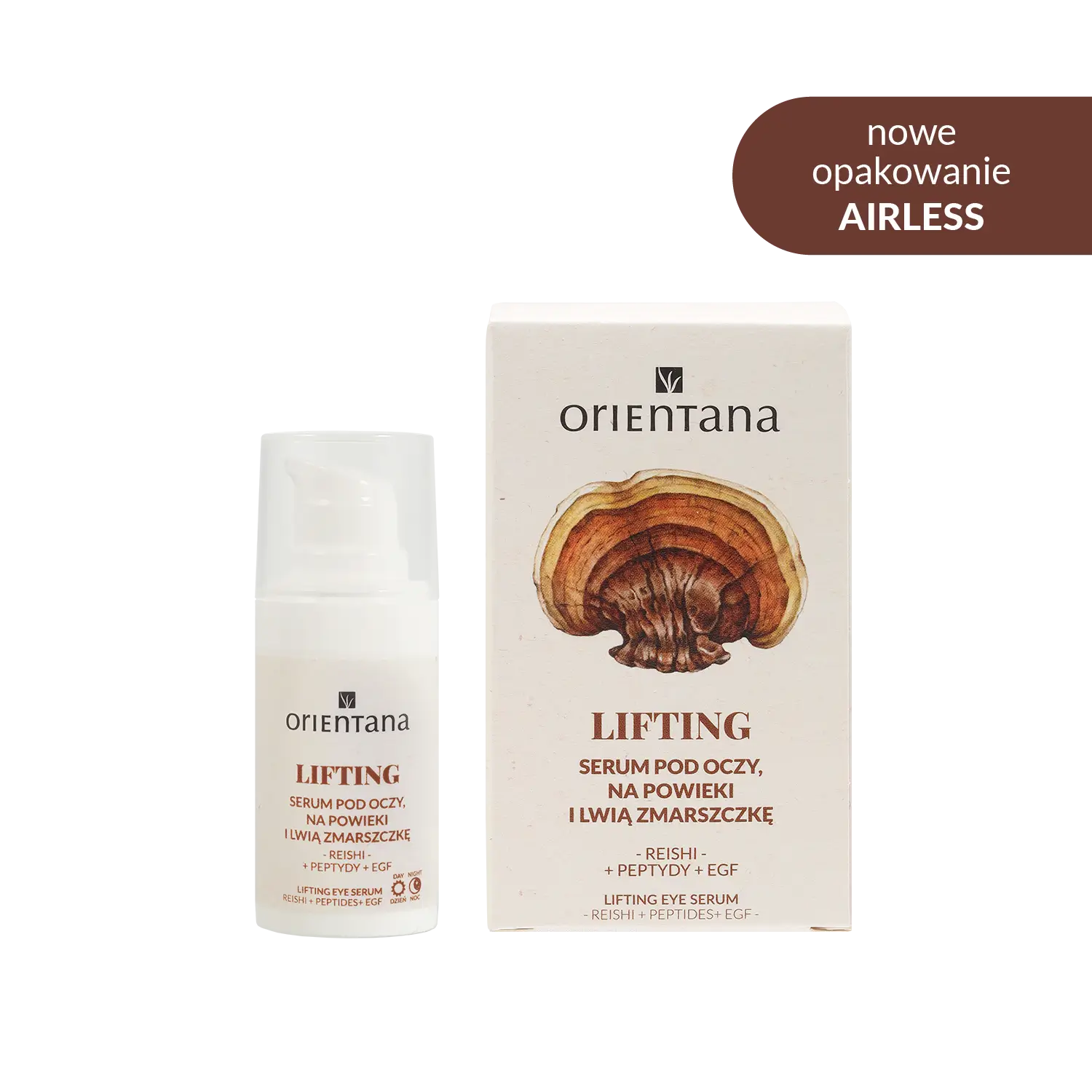
You stand before a drugstore shelf. In one hand, you hold a cream for 20 PLN, in the other, an identical one in description for 200 PLN. Both promise hydration, wrinkle smoothing, and radiant skin. The difference? Ten times the price. Which option is better?
The question "does it make sense to buy expensive creams" crosses the minds of thousands of women and men during every cosmetic purchase. Does price really translate into effectiveness? Or are we mainly paying for packaging and branding? In this article, we will dispel all doubts by analyzing ingredients, scientific research, and dermatologists' opinions.
Prepare for honest answers that may change your approach to cosmetic purchases.
What are you actually paying for when buying expensive creams?
Before we answer whether it's worth investing in luxury cosmetics, we need to understand the anatomy of the price. The amount on the label consists of several elements, some of which genuinely impact your skin, and some... not necessarily.
Active ingredients - the heart of every cream
This is where the biggest difference between cheap and expensive skincare lies. Active ingredients are substances that actually work on the skin: retinol, vitamin C, acids, peptides, or niacinamide.
Concentration matters.
A cream for 20 PLN might contain reishi adaptogen, but at a concentration of 0.1%, while a product for 200 PLN offers 5%. However, I can assure you that you can find a cream with such a concentration for less than 90 PLN. This is not cosmetic marketing; it's a real difference in effectiveness.

Dermatologists agree: below a certain concentration threshold, an ingredient ceases to be effective. For example:
- Vitamin C works from 5%.
- Low molecular weight hyaluronic acid at a dose below 1% has limited effect.
Quality of raw materials is another aspect.
Two serums might contain "vitamin C," but one uses ethylated vitamin C, and the other uses a cheaper, less stable one. The result? The first penetrates the skin and works, the second oxidizes in the bottle before you even use it.
Packaging and marketing
This is where the controversy begins. Part of the price of a luxury cream is indeed just prestige. Beautiful airless packaging, an elegant box, a campaign with a movie star—all of this ends up on your shelf, but not necessarily on your face. Experts estimate that for premium brands, even 40-60% of the price is marketing and branding.
However, packaging is not always just an adornment. Airless pumps truly protect sensitive ingredients from oxidation. Dark glass blocks light that destroys retinol. High-quality plastic does not react with the formula.
A cheap plastic jar from China? Your vitamin C cream will be oxidized after two weeks.
Cream base and preservatives
Few people think about this, but the base—the carrier for active ingredients—is crucial. A good base allows ingredients to penetrate the skin; a bad one creates a film that blocks everything.
Expensive creams often use:
- advanced emulsifiers that create lighter, better-absorbing textures
- innovative preservatives (paraben-free, with alternative systems)
- better versions of auxiliary ingredients (oils, butters, extracts)
In a cheap cream? Mineral oil, a silicone film, parabens, and just enough active ingredients to be able to write "e.g., adaptogen" on the label.
What research says: expensive creams vs. cheap creams
Let's move on to hard data. Do expensive creams work better than cheap ones? The answer is more complex than "yes" or "no."
Dermatologists' opinions
A dermatologist with many years of experience explains: "Price does not always equal effectiveness. I've seen expensive creams that were of poorer quality than pharmacy ones at a third of the price. But I've also seen luxury products that did things impossible for cheap counterparts."
Key insights from dermatological consultations:
When cheap creams work just as well:
- Basic hydration for young, healthy skin
- Sun protection (pharmacy SPF often better than luxury ones)
- Simple needs without specific problems
- Body care over large areas
When it's worth investing in a more expensive product:
- Advanced anti-aging (deep wrinkles, loss of firmness)
- Dermatological problems (acne, hyperpigmentation, dilated capillaries)
- Very sensitive, reactive skin
- Mature skin 50+ requiring revitalization
Ingredient analysis – practical examples
Let's take three anti-wrinkle creams:
Product A (20 PLN / 50 ml)
Key ingredients: Aqua, Glycerin, Paraffinum Liquidum, Dimethicone, Retinyl Palmitate (0.01%), Parfum
Product B (80 PLN / 50 ml)
Key ingredients: Aqua, Glycerin, Squalane, Niacinamide (5%), Retinol (0.3%), Hyaluronic Acid, Tocopherol
Product C (250 PLN / 50 ml)
Key ingredients: Aqua, Glycerin, Pentylene Glycol, Retinol Complex (1%), Bakuchiol, Peptide Complex (5%), Ceramides, Antioxidant Blend
What do we get at each price?
For 20 PLN: Basic hydration and a symbolic amount of the weakest form of vitamin A. The cream won't harm, but probably won't do much beyond moisturizing. Paraffin in the composition - an old ingredient that adds little to the skin.
For 80 PLN: Solid concentrations of ingredients with proven effectiveness. This is already genuine skincare that can bring visible results in 8-12 weeks.
For 250 PLN: High concentrations, a combination of several ingredients, advanced formula. Will the effects be several times better than in product B? Probably not. Will they be better? Possibly, but the difference might be subtle. Note that both retinol and peptides are complexes in which the main ingredient may not be present in large quantities.
When is it worth buying a more expensive cream? A practical guide
Does it make sense to buy expensive creams? The answer is: sometimes yes, sometimes no. Here is a specific guide.
Buy more expensive creams when:
You have mature skin (40+) with visible wrinkles
After forty, skin needs really potent ingredients in higher concentrations. You'll find them in more expensive products.

You are struggling with specific dermatological problems
Rosacea, inflammation – these require specialized formulas with high concentrations of acids, niacinamide, or arbutin. Cheap creams do not have sufficient potency.
You have very sensitive, reactive skin
If your skin reacts to most cosmetics, it's worth investing in formulas without potential allergens. These are often more expensive products.
You use advanced ingredients
Peptides, EGF, exosomes – these highly specialized substances are expensive to produce. If you want to use them, you have to pay.
How to read ingredients and choose creams wisely?
Learning to read ingredients is your superpower when choosing cosmetics. Here's everything you need to know.
TOP ingredients for skin problems:
Wrinkles and anti-aging:
- Reishi
- Retinol or Retin
- Vitamin C (ethylated version)
- Peptides
- Hyaluronic acid (various molecular weights)
- Niacinamide
Hyperpigmentation:
- Azelaic acid
- Vitamin C (ethylated version)
- Niacinamide
- Retinol
- Snail mucin
Hydration:
- Hyaluronic acid (various weights)
- Tremella
- Trehalose
- Ceramides
- Squalane
Minimum effective concentration is key. If an ingredient is at the end of the INCI list (after preservatives, perfumes), its concentration is too low to do anything.
Order of ingredients on the label
The INCI (International Nomenclature of Cosmetic Ingredients) list is your map to understanding what is really in a cream.
Reading rules:
- Ingredients are listed in descending order by concentration
- Ingredients below 1% can be in any order (usually after preservatives)
- The higher an active ingredient is on the list, the more of it is in the product
Red flags in the ingredients:
- Alcohol Denat in the top five (will dry out the skin)
- Parfum/Fragrance high on the list (risk of irritation)
- Lots of silicones without active ingredients (just a film with no effect)
- Lack of any active ingredients
Paraffin, mineral oil (outdated)
Apps and tools for cosmetic analysis
You don't have to be a chemist to evaluate a cream. Here are some helpful tools:
INCIDecoder.com
Paste the list of ingredients, and you'll receive a detailed analysis of each component. Free, accurate, in English.
Think Dirty App
Scan the product barcode, and you'll get a safety rating of ingredients on a scale of 1-10.
CosDNA.com
A database of ingredients with ratings for comedogenic (pore-clogging) and irritating potential.
SkinCarisma.com
Comprehensive analysis: active ingredients, potential allergens, UV filters, overall rating.
Yuka App
A popular app in Poland that evaluates cosmetics based on their composition and health impact.
Before purchasing, it's worth putting the ingredients into one of these tools. It will take 2 minutes and could save you money on an ineffective product.
Alternatives to expensive creams
If luxury cosmetics are beyond your budget, you have a great option that offers professional quality without inflated prices. There are many good mid-range brands. Orientana is one of them.
You'll find in our products:
- Innovative ingredients
- Clean formulations
- Carefully selected formulas
- Claims supported by research
Does it make sense to buy expensive creams?
Returning to the fundamental question: does it make sense to buy expensive creams? After analyzing the ingredients, research, and expert opinions, the answer is: it depends on what you are paying for.
Remember that you are overpaying when:
- Active ingredients are at the end of the INCI list (symbolic amounts)
- The brand has no research, only beautiful promises
- You are primarily paying for packaging, a celebrity in an advertisement, or prestige
- You can find an identical composition in a pharmacy for half the price
- Your needs are basic (hydration for young, healthy skin)
For most people, the best strategy is to invest in mid-range brands (40-90 PLN). You get research, high concentrations of ingredients, and professional quality without overpaying for marketing. Reserve higher budgets for specific products that make a difference: powerful retinol serums, advanced peptides, or specialized corrective creams.
Remember: the most expensive cream in the world won't help if you don't use SPF, drink water, and get enough sleep. Consistency in a simple routine with good ingredients trumps chaotic use of luxuries.
Check the ingredients before buying, learn to read labels, and don't be fooled by marketing. Your skin—and wallet—will thank you.
Most common questions about expensive creams
Do expensive creams really work better?
Expensive creams can work better, but not always. Price translates into effectiveness when you pay for higher concentrations of active ingredients, clinical research, and advanced delivery technologies. However, many expensive creams are simply marketing – you pay for packaging, advertising, and brand prestige.
How much should I spend on face cream?
A sensible price range depends on your needs:
- 20-50 PLN – sufficient for young skin without problems, basic hydration
- 60-90 PLN – the sweet spot for most people, cosmetics with proven effectiveness
cosmetics for mature skin 45+
Can cheap creams harm the skin?
Cheap creams rarely harm, but they can be ineffective. The worst thing that can happen is no results and wasted money. The risk of irritation is similar across all price ranges – a cream with perfume can irritate just as much as a cream with essential oils. The problem with cheap creams is rather that they contain symbolic amounts of active ingredients, so they will do nothing beyond superficial hydration.
Is it worth buying luxury cosmetic brands?
It is worth it if a specific product has something unique: a patented formula, a combination of ingredients unavailable elsewhere, or research confirming exceptional effectiveness. It is not worth it if you are mainly paying for the name, packaging, and advertising with a celebrity. Before purchasing, check the ingredients in an app like INCIDecoder and compare with mid-range alternatives. You will often find identical or better ingredients for a fraction of the price.