Yuzu (Citrus junos) is a Japanese citrus fruit with an exceptionally intense aroma and an interesting bioactive profile. In cuisine, it brings a sour-bitter accent and a high vitamin C content, while in cosmetics, it offers antioxidants and ingredients that support the epidermal barrier.
If you're interested in conscious skincare based on natural ingredients, in our natural cosmetics zone, you'll find practical tips and inspirations tailored to various skin needs.
Table of Contents:
- What is yuzu fruit?
- Where does yuzu come from and why is it culturally significant?
- Yuzu - nutritional values and research data
- What can yuzu do for the skin in cosmetics?
- Yuzu Ceramide B - "fruit ceramides" and the skin barrier
- Orientana repairing mask with yuzu ceramides
- How to incorporate yuzu into your daily routine?
- Frequently asked questions about yuzu
- Why choose yuzu and Yuzu Ceramide B?
What is yuzu fruit?
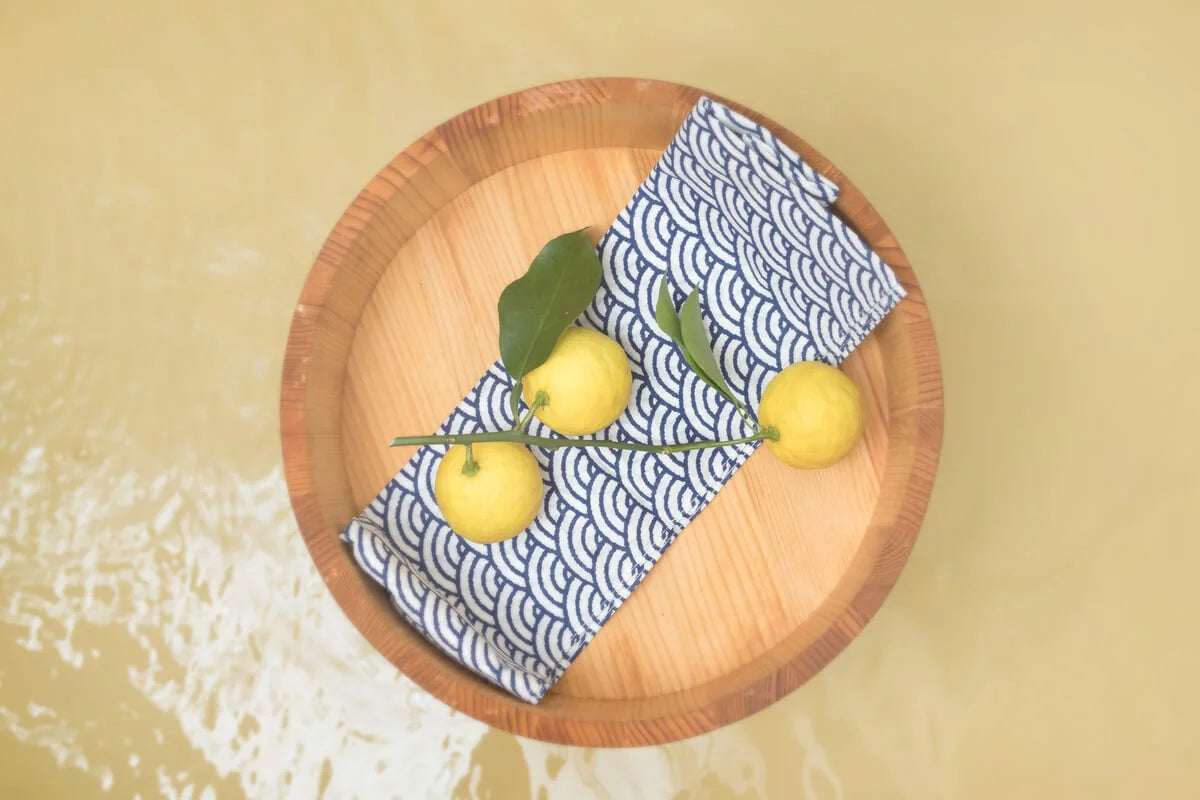
Yuzu is a citrus fruit with a thick and very aromatic rind, and a taste similar to a combination of lemon, grapefruit, and mandarin orange. Its juice, rind, and even dried rind flakes are used to season dishes and infusions.
Where does yuzu come from and why is it culturally significant?
Yuzu originates from East Asia (China), but its cultivation and culinary traditions have developed most strongly in Japan and Korea. In Japan, there is a yuzuyu ritual – a bath with yuzu fruits during the winter solstice, associated with the symbolism of health, purification, and prosperity. It is an element of the onsen and sentō bathing culture, and nowadays, also a wellness element.
Yuzu - nutritional values and research data
Vitamin C
scientific publications report yuzu's vitamin C content to be around 22.6–73.4 mg/100 g (depending on variety and maturity). These values are comparable to or higher than those in many other citrus fruits; the exact content depends on the fruit part and processing.
Flavonoids
in yuzu peel, hesperidin, naringin, and narirutin, among others, are detected – compounds with strong antioxidant potential. This is one of the reasons why cosmetics readily use peel extracts (polyphenol fractions).
Antioxidants
studies compare the total antioxidant activity between varieties and ripening stages – another argument for "citrus superfood" in the kitchen and as a cosmetic raw material.
Practical note: in diet, not only "mg of vitamin C/100 g" matters, but also bioavailability and whether we consume fresh pulp or processed products.
What can yuzu do for the skin in cosmetics?

Antioxidation and protection against oxidative stress. Flavonoids and vitamin C from yuzu help neutralize free radicals, which accelerate aging and weaken the epidermal barrier. This translates into support for skin tone, smoothing, and an overall "refreshment" of the skin's appearance. (The relationship between yuzu's composition and antioxidant activity – see section 3).
Aroma and well-being. Human studies show that short-term inhalation of yuzu essential oil (approx. 10-30 min) can reduce stress markers (e.g., salivary CgA), lessen tension-anxiety and fatigue, and affect autonomic nervous system parameters (heart rate, parasympathetic component of HRV). Although these are short-term effects and in small samples, they demonstrate interesting wellness potential.
Yuzu Ceramide B - innovation: "fruit ceramides" and the skin barrier
Ceramides are key lipids of the stratum corneum that "cement" epidermal cells and limit TEWL (transepidermal water loss). Their level and organization correlate with barrier function: the less/or worse the organization – the easier it is for dryness and hypersensitivity to occur.
Yuzu Ceramide B is a yuzu fruit extract standardized by the manufacturer to "fruit ceramides" fractions, declared to be similar to human SC ceramides; used in products for sensitive and dry skin.
Why is this important? If a raw material from yuzu provides structures functionally similar to ceramides, it can fill the "lipid gap" in the SC – supporting skin impermeability and comfort. (General mechanism of ceramide role – see above).
Orientana repairing mask with yuzu ceramides (Yuzu Ceramide B)
What's most important in it?
• Yuzu Ceramide B - "fruit ceramides" from yuzu, designed for dry/sensitive skin; intended to support hydration, smoothness, and comfort.
• The mask's formula is aimed at barrier reconstruction, which in practice yields: a reduced feeling of tightness after washing, improved softness and elasticity, fewer "rough" patches on the cheeks.
How does it work in a routine?
After cleansing (gentle surfactants / cleansing emulsions), 2) toning (e.g., mild PHA/acids in small concentrations 2–3x/week), 3) Yuzu Ceramide B mask (reconstructive treatment - 10-20 min or as a "sleeping mask"), 4) cream/emollient as occlusion.
During periods of dryness (heating season, travel) - 2-4 times a week, and as a nighttime "sleeping mask" - even daily for 7-10 days of "barrier reset."
For whom?
• Dry, dehydrated, sensitive skin, after exfoliating treatments/retinoids, after sun/air conditioning, with discomfort and "tightness."
Expected effects
• Faster return to comfort after washing, less TEWL (indirectly - by supporting SC lipids), smoother touch, and softer skin after the night. (Role of ceramides in the barrier - literature data; Yuzu Ceramide B declarations – product sheet).
How to incorporate yuzu into your daily routine (skincare + diet + aroma)
• Skincare: reach for products with Yuzu Ceramide B at night (masks, creams) and combine with PHA toners (gentle "polish" without disturbing the barrier).
• Diet: use yuzu juice/drinks - remembering that vitamin C content depends on the variety and processing (range 22.6-73.4 mg/100 g).
• Aroma/wellness: evening yuzu aromas (in a diffuser or bath) can short-term reduce tension and improve subjective well-being; treat this as a pleasant addition to your skincare ritual.
Frequently asked questions
Does yuzu fruit have "more vitamin C than lemon"?
The vitamin C content in yuzu is variable (22.6–73.4 mg/100 g) and depends on the variety/maturity. Comparisons to other citrus fruits can be misleading - refer to specific nutritional tables for given product batches.
Is Yuzu Ceramide B "real ceramides"?
It's a yuzu extract with a "fruit ceramides" fraction, declared by the manufacturer as similar to human SC ceramides.
Do ceramides really "seal" the barrier?
Yes, literature and studies show a link between the level/organization of ceramides and barrier function and TEWL. Products with ceramides support the lipid integrity of the SC (although effects depend on the formula).
How many times a week should I use the Yuzu Ceramide B mask?
For dry/sensitive skin, start with 1-2 times/week, and in a "barrier crisis" (heating season, flights) – every evening as a "sleeping mask."
Can it be combined with acids and retinoids?
Yes - preferably on days without strong exfoliation (or after PHA), to maximize comfort and barrier regeneration.
Does yuzu aroma really calm?
Studies on small groups indicate a short-term improvement in stress indicators and mood after inhaling yuzu scent (10–30 min). This is a wellness element, not treatment.
Is yuzu good for couperose/sensitive skin?
Yes, if the formula is safe for sensitive skin (without aggressive fragrances/alcohol) and contains ceramides/emollients. The Yuzu Ceramide B mask is designed precisely for comfort and smoothness.
Can I "eat yuzu for my skin"?
A diet rich in vitamin C and polyphenols supports overall health and skin, but it's an addition to a well-balanced skincare routine (barrier + filters).
Where did the custom of bathing in yuzu come from?
It's the yuzuyu ritual during the winter solstice – an element of the onsen tradition, symbolizing health and prosperity.
How to distinguish marketing from facts?
Look for raw material data sheets (e.g., Yuzu Ceramide B) and literature on SC ceramides and TEWL; cautiously interpret comparisons like "x times more than…".
Why choose "yuzu fruit" and Yuzu Ceramide B?
• Yuzu is a citrus fruit rich in vitamin C and flavonoids (especially in the rind), which supports antioxidant skin protection.
• The aroma of yuzu has a documented short-term effect on stress markers and mood – a great addition to an evening ritual.
• Yuzu Ceramide B is a modern way to support the barrier – ideal in "comfort first" products, such as Orientana's repairing mask with yuzu ceramides.
If you want to learn more about plant ceramides, read our article Plant ceramides – how do they work and why choose cosmetics with Yuzu Ceramide B?
If you are interested in biotechnology, read Biotechnology in cosmetics - a revolution in skincare