Is Ayurveda safe?
The question, "Is Ayurveda safe?" always comes up when we talk about natural skincare methods, herbs, and traditional rituals. In a world where we combine ancient recipes with modern dermatology, it's important to differentiate between what is scientifically proven and safe and practices that may be misinterpreted or used without moderation.
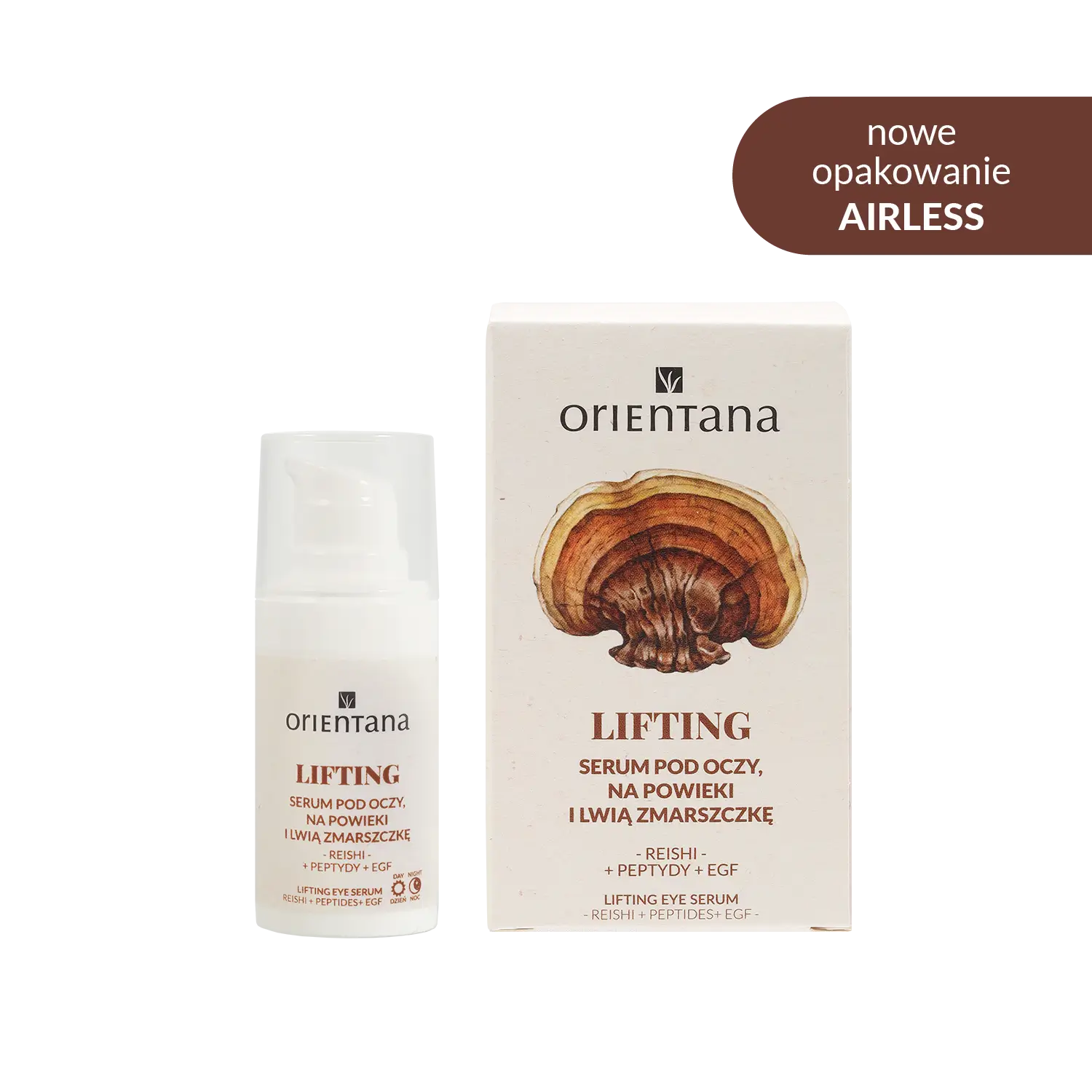
Ayurveda is a health prevention system that originated long before modern medicine – yet many of its elements have been confirmed by scientific research. What's more, Ayurvedic plants such as ashwagandha, neem, turmeric, reishi, gotu kola, and tremella are now used in dermocosmetics and natural cosmetics, including in Orientana's formulas, where tradition is combined with laboratory quality control.

Ayurveda in skincare - what is safe, and what requires attention?
Safe elements of Ayurveda that have scientific confirmation:
- herbal extracts and adaptogens - antioxidant, anti-inflammatory, immunomodulating effects confirmed in dermatological publications,
- skin oiling - supports the hydrolipid barrier and lowers cortisol levels,
- manual massage (Abhyanga) - improves microcirculation, lymphatic profile, and skin tension,
- breathing and contact with nature - affects the nervous system and cellular regeneration,
- ritual morning and evening care - stabilizes the skin's circadian rhythm, which is important for night regeneration.
What requires awareness and moderation:
- strong herbal blends taken orally - may interact with medications,
- homemade mixtures without standardization - may be too irritating for the skin,
- strongly warming oils without specifying skin type/dosha - may intensify redness or acne.
Therefore, the modern version of Ayurveda, as in Orientana cosmetics, uses plant-based ingredients, but in controlled, dermatologically tested formulas. This is a combination of nature and safety. All ingredients we use are approved for the European market.
Scientific studies confirming the safety of Ayurvedic plants

In medical literature (Journal of Ethnopharmacology, Botanical and Dermatological Sciences Review), we can find dozens of studies confirming the properties of ingredients such as:
Ashwagandha (Withania somnifera) - reduces oxidative stress in the skin, supports regeneration, has a calming effect on micro-inflammations,
Turmeric (Curcuma longa) - strong antioxidant and antibacterial properties (curcumin inhibits inflammation comparably to some synthetic substances),
Gotu kola / Centella asiatica - stimulates fibroblasts, supports wound healing and skin reconstruction,
Neem (Azadirachta indica) - has purifying and regulating effects, often compared to anti-acne ingredients.
It is from these plants that Orientana draws – but in a standardized, certified, and safe form.
Why, according to Ayurveda, can natural care be safer than aggressive chemicals?
Modern skincare can be too invasive – acids, synthetic retinoids, strong detergents can damage the skin's barrier. Ayurveda assumes the opposite: first, support the skin, then gently regulate. That's why oils, plant essences, and adaptogens don't block skin processes, but soothe them.
Orientana also emphasizes the philosophy of biocompatibility - ingredients should be recognizable by the skin as natural nourishment, not an aggressive substance to fight against.
How to use Ayurveda safely in life and skincare?
- Choose dermatologically tested products, not homemade mixtures from the internet.
- Observe your skin - it is the best dosha diagnostician.
- If you feel warmth, inflammation - reach for Pitta-loving ingredients like rose, aloe, tremella.
- For dryness and tightness - oils for Vata (almond, sesame, sandalwood).
- For stagnation and swelling - stimulating Kapha (ginger, turmeric, citronella).
Is Ayurveda safe? Yes - if used consciously, with trust in nature and in combination with modern quality control. Ayurveda teaches that the body and skin have their own wisdom - our role is to support, not to rush forcibly. Ayurveda in skincare is not a return to the past, but a return to oneself - through plants, touch, and ritual.