Entries

When is Black Friday? A guide for shopping and deal lovers
Black Friday always falls on the last Friday of November. In 2025, Black Friday is on November 28th. It's an international day of big sales that started the trend of intensely buying Christmas presents well in advance. Many people wait for this date to buy products at significantly lower prices – from electronics to fashion and natural cosmetics, such as Orientana. Table of Contents: Introduction - when is Black Friday 2025? Why it's worth knowing when Black Friday is Black Friday and natural cosmetics How to prepare for Black Friday 2025? Frequently asked questions about Black Friday Why is it worth knowing when Black Friday is? Knowing the exact date allows you to: Plan your shopping in advance, especially if you're looking for Christmas gifts. Track promotional campaign announcements that brands – including Orientana – start communicating as early as November. Add products to your cart earlier, so on Black Friday, you can buy them faster and avoid bestsellers selling out. Black Friday and natural cosmetics – what to expect? Although large retail chains dominate during sales, more and more people are choosing conscious and natural products, which is why promotions on Polish Orientana cosmetics are growing in popularity. This is the perfect time to: stock up on your favorite creams or serums, buy Christmas sets at lower prices, test new cosmetic lines that are normally in a higher price range. How to prepare for Black Friday 2025? Save the date: November 28, 2025 Sign up for newsletters of brands you are interested in – usually, discount codes appear there before the sale starts. Create a list of products you want to buy – this makes it easier to react quickly during time-limited promotions. Compare prices before Black Friday to know if the discount is real. Frequently Asked Questions (FAQ) Does Black Friday last only one day?More and more often, brands extend promotions, creating Black Week or Black Weekend, but the biggest discounts fall on Friday itself. Is it worth buying natural cosmetics on Black Friday?Yes – it's a good opportunity to buy Orientana products cheaper, especially if you're planning Christmas gifts or want to supplement your skincare routine. Are online promotions better than in physical stores?For cosmetics – usually yes. Online stores offer discount codes, free delivery, or additional freebies. A, it's the perfect time to plan your Christmas shopping and grab natural cosmetics at favorable prices. If you like conscious choices, follow brands like Orientana in advance, as they increasingly prepare special deals for this day.
Learn more
Black Friday Cosmetics - how to wisely shop for Orientana natural products and make the most of promotions?
Black Friday is the moment when the internet starts buzzing with words like "sale", "-50%", and "today only deals". For some, it's a shopping frenzy, for others - a great opportunity to finally get those cosmetics that have been on their wish list for ages. In the world of skincare, more and more people are approaching shopping consciously, looking for natural cosmetics, uncompromising ingredients, and ethical brands, such as Orientana. And that's why the phrase "Black Friday cosmetics" is gaining popularity year after year - because women, instead of buying random products on sale, want to invest in effective formulas, rich in adaptogens, ceramides, and biotechnological extracts. Table of Contents: Introduction - Black Friday in the world of cosmetics Why is Black Friday the best time to buy Orientana cosmetics? Black Friday cosmetics - how to shop consciously? Most popular Orientana cosmetics for Black Friday How to create a shopping cart strategy for Black Friday natural cosmetics? Black Friday cosmetics and Christmas gifts Black Friday cosmetics - which ingredients are worth hunting for at a lower price? Frequently asked questions about Black Friday Orientana cosmetics Summary - conscious shopping and skincare with Orientana Why is Black Friday the best time to buy Orientana cosmetics? Sales are one thing. But true value begins when high-quality formulas can be bought cheaper - especially those that truly work on the skin, are backed by application studies, and are created with a plant-based foundation without unnecessary fillers. Orientana has been building its position for years as a brand of natural Polish cosmetics inspired by Asian skincare - and Black Friday is the perfect time to get its most advanced products of 2025: Serum Ampoules - created for the 4 most popular skin challenges with adaptogens, peptides, vitamin C. Tremella Exosome Serum - a plant-based equivalent of hyaluronic acid + biotechnology. TrychoLiczi - the entire series will work wonderfully for the care of difficult and weak hair. Phyto Technology Series - the most modern biotechnological skincare. These products are not "just another cosmetic on sale". They are elements of complete natural skincare + modern biotechnology. Black Friday cosmetics - how not to buy random products just because they are cheap? Statistics show that as many as 58% of people buy cosmetics on Black Friday that they later don't use. Why? Because the sale is tempting, but it doesn't always come with a real need or quality. That's why instead of a "I'll take it because it's -40%" strategy, a better approach is: Choose products you use regularly - e.g., serum, toner, body butter. Look for formulas rich in active ingredients - Reishi adaptogens, Ashwagandha, Yuzu Ceramides, Tremella. Pay attention to efficiency - Orientana cosmetics are thick and concentrated, meaning one bottle often lasts for many weeks or months. Buy gifts early – Black Friday is a smart way to do holiday shopping. Most popular Orientana cosmetics for Black Friday - a conscious skincare shopping list Facial care - intensive active formulas Reishi series snail slime cream facial cleansing Sandalwood Cream Hair - autumn-winter season is the time for follicle regeneration TrychoLiczi – accelerated hair growth, scalp massage Ayurvedic hair tonic – microcirculation stimulation Body - natural butters and aromatherapy Rose body butter – rich luxurious texture body and hair mists Indian Jasmine Oil – aromatic muscle relaxing ritual How to create a shopping cart strategy for Black Friday natural cosmetics? Black Friday is not just a time for sales - it's a moment when it's worth approaching shopping with a plan. Instead of acting impulsively, it's best to create a strategic shopping cart, divided according to skincare functions: Segment 1: Daily care (basic products) These are cosmetics you always use - regardless of the season. ✔ Face serum (e.g., Ashwagandha, Tremella) ✔ Toner-essence – an element most people skip, but which makes a difference ✔ Moisturizing or regenerating cream - especially important in winter Segment 2: Deep care - rituals ✔ Orientana night masks with Tremella or Yuzu B Ceramides ✔ Indian Jasmine body oil - natural aromatherapy ritual ✔ Orientana body butters - intensive skin regeneration after bathing Segment 3: Scalp and hair Autumn and winter are periods when hair follicles are weakened. ✔ TrychoLiczi scalp treatment - growth activation ✔ Ayurvedic tonic - stimulation of circulation and oxygenation of hair follicles 🎄 Segment 4: Gift sets - bought earlier, but at a much better price During Black Friday, many people buy Christmas gifts in advance, taking advantage of discounts. If the Orientana brand prepares limited Christmas sets – it's the perfect time to buy them even a month earlier. Black Friday cosmetics and Christmas gifts - why is it worth it? Black Friday quickly transitions into Black Week, Cyber Monday, and… the holiday shopping frenzy. If you plan to give cosmetics to loved ones, it's wise to buy them earlier – at a better price and without time pressure. Orientana, as a Polish cosmetic brand inspired by Asia, has a unique advantage – its products smell of rituals, not chemicals, which makes gifts received emotionally, not in bulk. Black Friday cosmetics - which ingredients are worth hunting for at a lower price? On Black Friday, it's worth choosing formulas with active ingredients that genuinely affect skin condition. Adaptogens (Ashwagandha, Reishi, Gotu Kola) ✔ reduction of oxidative stress ✔ improvement of skin immunity ✔ strengthening of the protective barrier Tremella - plant-based equivalent of hyaluronic acid ✔ binds 500× more water than classic HA ✔ works lightly, does not create a greasy film Yuzu Ceramides - biotechnological lipid barrier ✔ reconstruction of damaged hydrolipid barrier ✔ ideal in winter, when skin loses water faster by over 40% Vegan collagen and vegan mucin ✔ smoothing, brightening, antioxidation ✔ low irritating potential – ideal for winter Frequently asked questions about Black Friday Orientana cosmetics Is Black Friday a good time to buy natural cosmetics? Yes - it's a time when premium products, like Orientana, can be bought at drugstore prices. Does Orientana have Black Friday sales? Yes, the brand regularly prepares special offers and limited sets. Which Orientana cosmetics are most worthwhile to buy on sale? Those you use regularly, need, or want to try. Is it better to buy individual products or sets? If you want to save – sets usually offer the best value. Does Tremella Exosome Serum go on sale? Most often, cosmetics like Tremella are subject to a limited discount – it's worth adding them to your wish list beforehand. Is it worth buying cosmetics with adaptogens on Black Friday? Yes, adaptogens are high-value ingredients – buying them cheaper is a real skincare gain. How to find the best Orientana promotions? The most effective way is to sign up for the newsletter and the Black Friday waiting list. Should I buy natural cosmetics in winter? Yes, because in winter the skin needs regeneration, and many Orientana products have restorative and occlusive properties. Does TrychoLiczi for hair appear in Black Friday promotions? Yes - it's one of the products most frequently added to carts by customers in November. Is Black Friday a good time to buy Christmas gifts? Yes - you save money, and at the same time, you have gifts ready before the December rush. Do natural cosmetics expire faster? Natural cosmetics usually have a shelf life of 2 years. How to prepare your cart before Black Friday? Add products to your favorites beforehand – you'll avoid time pressure. Are Orientana cosmetics good for a gift? Yes - they have aromatic, natural scents and aesthetic, Asian-inspired packaging. Is it worth buying Rose body butter during the Black Friday sale? Yes, it's a winter bestseller, exceptionally thick and enveloping, ideal for cold days. Are Black Friday natural cosmetics a real saving? Yes, if you choose high-quality products – because you're not paying for marketing, but for the ingredients. Black Friday Orientana cosmetics: make a list beforehand and buy what truly works Black Friday cosmetics are not just about sales - it's an opportunity to make your skincare more conscious. Instead of buying random products, reach for Orientana cosmetics, which combine natural extracts and adaptogens with biotechnology. Plan your cart, choose active products, add gift sets, and let skincare become a ritual – not an impulse.
Learn more
Black Friday 2025 - how to prepare for the biggest sales of the year and shop wisely, not impulsively?
Black Friday 2025 is a moment many await all year. The offers that appear at the end of November can change the approach to shopping – especially when, instead of random products, we choose those that truly have value. With the development of online shopping and artificial intelligence algorithms, Black Friday 2025 could be the smartest edition in history – provided you prepare properly. Table of Contents: Introduction - Black Friday 2025 as a smart shopping period When is Black Friday 2025? Black Friday 2025 - most frequently purchased categories How to prepare your cart for Black Friday 2025? Black Friday 2025 and Christmas gifts How to spot a real promotion on Black Friday 2025? Black Friday 2025 - online vs. in-store shopping Frequently asked questions about Black Friday 2025 Summary - a strategy for conscious shopping When is Black Friday 2025? In 2025, Black Friday falls on November 28th. However, it's important to remember that brands are increasingly less likely to limit themselves to just one day – the trend is: Black Week 2025 - promotions throughout the week before November 28th Black Weekend 2025 - culmination of offers on Friday, Saturday, and Sunday Cyber Monday 2025 - online sales scheduled for the Monday after Black Friday Good to know: the best offers increasingly appear not on Friday, but earlier – for those subscribed to newsletters or holding VIP customer accounts. Black Friday 2025 - most frequently purchased categories According to e-commerce market analyses, in 2025, the greatest interest will be in: Electronics and smart home Wireless headphones, smartwatches, home devices Smart home appliances (air purifiers, robot vacuums) Fashion and accessories Winter clothing Limited editions with the BF2025 label Cosmetics - especially natural and premium Cosmetics are a special category – many people use Black Friday 2025 as a moment to stock up on winter skincare and purchase Christmas gifts in advance. How to prepare your cart for Black Friday 2025? A smart strategy to avoid overpaying Black Friday is not a time for impulsive decisions. To genuinely save: Create a product wishlist in advance Add items to your favorites on the website – store algorithms will show you personalized discounts. Track price history Many stores raise prices before a promotion – it's worth observing products throughout November. Sign up for newsletters The best offers reach subscribers faster than they appear on the store's homepage. Divide into purchases for yourself and Christmas gifts November promotions are the time when you can avoid December's pricing pressure. Black Friday 2025 and Christmas gifts - smart shopping in advance Gift prices rise by an average of 11-18% in December. Black Friday 2025 is the perfect time to buy: cosmetic sets for face, body and hair. wellness and relaxation products beauty devices (e.g., massagers, sonic brushes) limited seasonal collections By choosing gifts earlier, you also avoid the risk of bestsellers selling out. How to spot a real promotion on Black Friday 2025? Check previous prices – if a product cost 199 PLN, and now it's "on promotion" for 190 PLN – it's not a bargain. Look for brands that don't manipulate prices before Black Friday – e.g., small natural brands and independent cosmetic brands. Rather than -70%, it's better to look for a product with long-lasting effects or real quality – it's better to buy something valuable with -20% than a random product with -50%. Black Friday 2025 online or in-store? More and more customers are avoiding queues in shopping malls. In 2025: The biggest promotions will appear online in advance Store algorithms will suggest personalized discounts Online shoppers have more time to decide – without the pressure of a crowd Frequently asked questions about Black Friday 2025 When exactly does Black Friday 2025 start? Officially November 28th, but many promotions start a few days earlier. Is it worth waiting for Cyber Monday 2025? Cyber Monday is ideal for online shopping – sometimes the best deals appear then. Are prices actually lower than on other days? Yes, but only if you choose transparent brands – observe prices beforehand. Is Black Friday 2025 a good time to buy cosmetics? Yes – especially natural and premium products, which are rarely discounted on a regular basis. How to prepare for Black Friday 2025? Make a wishlist, track prices, sign up for newsletters. Are Black Week promotions the same as Black Friday? Partially yes, but the best offers are often revealed only on Friday or for newsletter subscribers. Is it worth shopping before the holidays on Black Friday 2025? Yes – it's a way to save money and avoid the December chaos. How to distinguish a real promotion from a marketing slogan? Check the price history and compare with online offers – there are free tools for analysis. Is it worth buying things for the new year? Yes – many people use Black Friday to plan their skincare and home routines for the entire winter. Make shopping on Black Friday 2025 strategic, not impulsive. Black Friday 2025 is not just a day of promotions – it's an action plan that allows you to shop intelligently, consciously, and long-term. If you really want to take advantage of the opportunity – don't wait until the last minute. Prepare a list, check prices, and choose brands that sell value, not just discount percentages.
Learn more
Tissue stimulators - what are they, who are they for, and how to combine them with Orientana natural care?
Tissue stimulators are some of the most effective, yet most "natural-looking" anti-aging treatments. Instead of "filling" wrinkles, they activate biological repair processes: they stimulate fibroblasts, thicken the skin, and improve its elasticity and quality. For full and long-lasting effects, it is worth combining treatments with smart, soothing, and antioxidant home care. In this text, I show you how to do it step-by-step – using Orientana's natural formulas. Table of contents: Introduction - what tissue stimulators are and how they work Definition and principle of skin biostimulation Mechanism of action - collagen, elastin and extracellular matrix Types of tissue stimulators Indications and contraindications for the treatment How to prepare skin for tissue stimulators? Post-treatment care - stages of skin regeneration Orientana natural care as support after stimulators Most common mistakes after biostimulating treatments Example skin care routines after tissue stimulators Q&A - most common patient questions about tissue stimulators Summary and expert recommendations What are tissue stimulators - definition and what "biostimulation" means Tissue stimulators are preparations administered intradermally or subcutaneously, which activate regenerative processes without artificially changing facial features. Their task is to trigger a repair cascade in the skin: increasing collagen and elastin synthesis, improving density, firming and visibly "thickening" the skin. They differ from classic fillers in that they do not "add volume" per se. They act like a "personal trainer" for fibroblasts - teaching the skin to work better and regenerate faster. How they work - collagen, elastin, extracellular matrix At the heart of anti-aging is the extracellular matrix (ECM) - a network of proteins and polysaccharides that provides the skin's "scaffolding". With age, collagen and elastic fibers weaken, and the ECM becomes depleted. Biostimulators: • stimulate fibroblasts to produce collagen I and III and elastin, • improve fiber organization and skin density, • enhance angiogenesis (microcirculation), which supports tissue nourishment, • have a remodeling effect, so the results increase over time (weeks-months). Types of tissue stimulators In clinical practice, you will encounter various classes of biostimulating substances. Most commonly: • Polynucleotides (PN/PDRN) - fragments of nucleic acids with high biocompatibility; strongly biostimulate, soothe, improve skin quality and hydration. • L-polylactic acid (PLLA) - induces collagen synthesis; provides a progressive thickening effect. • Calcium hydroxylapatite (CaHA) - has a stimulating and biorevitalizing effect; improves skin framework and density. • Amino acids/peptides - "building blocks" for new proteins. • Hyaluronic acid in biostimulating/skin-booster formulas - doesn't so much fill, as it improves skin quality and supports the environment for fibroblasts. The choice of preparation, technique, and depth of administration is up to the doctor. Indications and contraindications Indications: • loss of density, laxity, • wrinkles, "papery" skin, • acne scars, uneven texture, • "tired", dull skin, • neck, décolletage, hands - also require thickening. Contraindications (examples): • pregnancy, breastfeeding, • active infections/skin inflammation, • coagulation disorders, unregulated autoimmune diseases, • hypersensitivity to ingredients in the preparation, • fresh tan/UV exposure (always discuss with your doctor). How to prepare your skin for the treatment (2-4 weeks beforehand) The goal is a soothed, hydrated, and strong epidermal barrier, as this reduces the risk of irritation and improves healing. What to do: • Barrier reconstruction – include ceramides + lipids: Reishi Ceramide Serum - daily Yuzu Ceramide Regenerating Mask (Yuzu Ceramide B) 2–3 times a week in the evening. • Layered hydration – humectant + emollient: Hydrating Tonic-Essence with Gluconolactone (gentle PHA) → emollient cream; if skin is reactive, tonic every other day. • Antioxidants and soothing – reduction of oxidative stress and inflammation: Ashwagandha + CICA + Niacinamide Serum morning or evening. • Soothing and balance – when skin is "moody": Sandalwood and Turmeric Cream (soothing SOS treatment). What to avoid 5–7 days before: • retinoids and aggressive acids, • intensive brushing/mechanical peels, • new, potentially irritating cosmetic products. Post-treatment care: days 0-3, 4-7, 2-4 weeks Days 0-3: "quiet, cool, light occlusion" • Cleansing: only lukewarm water or very gentle foam, no rubbing. • Toning: if skin tolerates it – 1–2 sprays of rose tonic into your palm and gentle "pressing." • Hydration + light occlusion: HydroTremella Exosome Serum and a thin layer of HydroTremella cream. • Barrier: in the evening Ceramide Serum and Yuzu Ceramide Repair Mask pointwise or thinly over the entire face (do not rinse until morning). • SPF: SPF 50 (mineral/gentle), reapply during the day. • Prohibitions: sauna, swimming pool, heavy exercise, alcohol, spicy foods, hot baths, makeup (usually 48–72 hours break). Days 4-7: "controlled soothing" • Cleansing foam – still gentle. • Rose tonic – every other day (if fully tolerated, daily). • Ceramide serum – morning or evening (seals the barrier, supports even healing). • Yuzu ceramide mask – 2–3 times a week. • SPF 50 – absolutely essential. Week 2-4: "consolidation and initial strengthening" • Gradual return to gentle PHA acids (gluconolactone) 3–4 times a week - gluconolactone essence tonic • Adaptogenic antioxidants (Reishi/Ashwagandha) – daily. • Eye area: Eye Cream with Ceramides (barrier + elasticity). • Night regeneration: alternating Sandalwood and Turmeric Cream and Yuzu Ceramide Mask. • Retinoids/strong acids: usually only after 3–4 weeks (doctor's decision). • SPF 50 – still daily. Orientana natural care as an "effect extender" Combining stimulators with barrier + antioxidant + soothing care ensures that the biostimulation effect lasts longer and is more uniform (fewer "micro-flares" and irritations). • Ceramides – "cement" for the stratum corneum; limit TEWL, increase comfort, shorten discomfort time after injections. • Reishi – powerful "calm & repair" antioxidant; supports balance of redness-prone skin (Reishi Day Cream). • Ashwagandha + CICA + Niacinamide – a trio for "anti-stress": soothes, supports the barrier, evens out skin appearance (Ampoule Serum). • Gluconolactone (PHA) – "gentle exfoliation" that does not compromise the barrier; restores smoothness and radiance (Tonic-Essence). • Turmeric – phytochemical ally for soothing and balance. Most common mistakes after tissue stimulators • Too quick a return to retinol and strong AHA/BHA. • Lack of SPF – UVA radiation "eats" collagen you're trying to rebuild. • Aggressive cleansing and rubbing skin with a towel. • Testing novelties without a patch test. • Sauna/pool/heavy workouts in the first few days – risk of swelling and prolonged healing. Example morning and evening routines (3 skin scenarios) Sensitive, reactive skin (first 7-10 days) Morning: gentle foam → Ceramide Serum → Reishi Cream → SPF 50. Evening: water/foam → Ceramide Mask (thin layer, as a "sleeping mask"). Combination skin with a tendency to imperfections Morning: Foam → Tonic-essence → Ashwagandha + CICA + Niacinamide Serum → light HydroTremella moisturizing cream → SPF 50. Evening: foam → HydroTurmeric treatment → HydroTremella Cream 2–3 times/week. HydroTremella Mask Mature, dry skin Morning: foam → tonic-essence → Reishi Cream → SPF 50. Evening: gel → ceramide serum → Yuzu ceramide mask (thin layer) or richer Sandalwood and Turmeric Cream Q&A – over 20 most common patient questions What exactly are tissue stimulators? Preparations that activate skin regeneration (collagen, elastin), improving its quality from within – without artificially increasing volume. How do they differ from fillers? A filler gives an immediate volume effect. A stimulator works biologically – the effect builds up over weeks. What types of stimulators are there? Polynucleotides, PLLA, CaHA, amino acid/peptide blends, selected forms of HA (skin-boosters). When will I see the effects of stimulators? First effects after 2–4 weeks; full effect after several–a dozen weeks (depending on the preparation and regimen). How many treatments are needed? Usually a series – e.g., 2–4 treatments spaced 3–6 weeks apart (doctor decides). Does the treatment hurt? You may feel stinging/warmth; anesthetic cream and cooling are used. What does the skin look like immediately after? Possible swelling, redness, small bumps – usually subside within 24–72 hours. When can I return to makeup? Most often after 48–72 hours (when there are no raw spots). Can I exercise after the treatment? Postpone intense exercise for 3–4 days. What about saunas and swimming pools? Avoid for 7 days (heat/water chemicals = risk of irritation). Why is SPF 50 necessary? UVA degrades collagen and increases the risk of discoloration; SPF 50 protects the effects of biostimulation. What cosmetics support healing? Ceramides (Yuzu Mask), adaptogens and antioxidants (Reishi Cream, Ashwagandha + CICA + Niacinamide Serum), PHA (Tonic-essence), turmeric (HydroTurmeric treatment). When can I return to retinol? Usually after 3–4 weeks, gradually – doctor's decision. Can I use gluconolactone (PHA) immediately? If the doctor sees no contraindications, from the end of the 1st week, every other day; assess tolerance. What about mechanical peels? Not recommended for at least 2 weeks – they irritate and can dilate capillaries. Do stimulators relax facial features? No – they don't give an "overdone" effect; they look natural. Do they work on the neck and hands? Yes. The neck, décolletage, and hands respond well to biostimulation. Can I combine with mesotherapy? Often yes, but the doctor determines the combination plan (order, intervals, areas). What if a lump appears? Usually resolves spontaneously; do not massage without instructions. If it persists/hurts – contact your doctor. Does natural skincare make sense after the treatment? Yes, if it is gentle, stable, and targeted (barrier + antioxidants + SPF). Orientana formulas fit this scheme. Should I take a break from acids and retinol before the treatment? Yes – usually a 5-7 day break before the procedure (or longer as advised). I have couperose skin – is this for me? Often yes, but the doctor makes the qualification. For skincare, focus on Reishi (soothing, antioxidation) and ceramides. Can I use Vitamin C? Gentle, stable forms – usually from the 2nd week; observe tolerance. How to care for eyes after facial stimulators? Eye cream with ceramides – morning and evening; avoid rubbing, SPF around the eyes. Do diet and sleep matter? Yes – collagen "likes" protein, antioxidants, hydration, and regular sleep. How often to repeat series? Depending on the preparation and skin age – often every 6–12 months (individual plan). Will stimulators help with acne scars? They can reduce and improve texture. Often combined with other techniques (laser/peels) – the doctor determines the plan. I am prone to hyperpigmentation – how to minimize the risk? Absolute SPF 50 + reapplication, soothing and antioxidants, cautious return to active ingredients. Can I use oils? If you like them – choose light, well-tolerated ones; apply to damp skin in small amounts, observe pores. Are the effects immediate? Some qualitative hydration improvement - yes, but remodeling builds up over time. Summary and expert recommendations Tissue stimulators activate the skin's internal "intelligence" – strengthening the collagen framework and improving tissue quality. To fully utilize this potential, combine treatments with consistent home care: • Barrier: Yuzu Ceramide Regenerating Mask (night/2–3 times a week). • Antioxidation and soothing: Reishi Cream, Ashwagandha + CICA + Niacinamide Serum. • Gentle smoothing and hydration: Gluconolactone Tonic-Essence. • SOS after treatment/reactivity: Soothing Smoothing Serum with Vegan Mucin • Eyes: Eye Cream with Ceramides. • Photoprotection: SPF 50 daily, all year round. Remember: specific return times for retinol/acids and the plan for combining treatments are determined by your treating physician. Your role at home is calm, protection, and wise support – this way, your skin will reward you with elasticity, smoothness, and freshness for longer.
Learn more
Plant ceramides. How do they work and why should you choose cosmetics with Yuzu Ceramide B?
Ceramides constitute as much as 40-50% of lipids in the stratum corneum and are crucial for maintaining healthy, hydrated, and irritation-resistant skin. When their level drops, which happens naturally after the age of 30 or due to external factors – the skin becomes dry, loses firmness, and ages faster. Plant ceramides are a modern alternative to synthetic and animal ceramides, obtained from sources such as wheat, rice, soy, or the exotic yuzu fruit (Citrus junos). Yuzu Ceramide B is of particular interest – the first ingredient in history from which ceramides with a structure almost identical to human skin ceramides have been isolated from plants. Learn more about natural cosmetics. Table of Contents: Introduction - the role of ceramides in the skin What are plant ceramides? Why is the hydrolipid barrier crucial? Yuzu Ceramide B - what makes it stand out Mechanism of action of Yuzu Ceramide B Clinical evidence: hydration, TEWL, wrinkles, hair Comparison: plant vs. synthetic and animal ceramides In which cosmetics can you find yuzu ceramides? Who are plant ceramides for? How to incorporate ceramides into your skincare routine? Most common questions about plant ceramides Summary - the future of skincare with Yuzu Ceramide B Studies show that Yuzu Ceramide B can: increase skin hydration after just 4 weeks of regular use, reduce transepidermal water loss (TEWL) even within 3 hours of application, improve hair smoothness after 30 care cycles, reduce the length of wrinkles at the corners of the eyes after one month of treatment. In this article, we will explain how plant ceramides work, why the skin's hydrolipid barrier is so important, and how Yuzu Ceramide B differs from other types of ceramides. What are plant ceramides? Ceramides are a type of lipid that constitutes 40-50% of the stratum corneum's composition. Their main role is to maintain the cohesion of skin cells and protect against excessive water loss. Thanks to them, the skin is smooth, elastic, and resistant to irritation. In daily skincare, plant ceramides are gaining increasing popularity - obtained from raw materials such as: wheat grains (Triticum vulgare), rice bran (Oryza sativa), soy (Glycine max), yuzu (Citrus junos). Why are plant ceramides so valued in cosmetics? They are vegan and suitable for those avoiding animal-derived ingredients. They can have a structure similar to the skin's natural ceramides, which increases their bioavailability. They support the regeneration of the hydrolipid barrier and reduce TEWL (transepidermal water loss). A particular innovation in this group is Yuzu Ceramide B - the first ingredient in history from which ceramides with an almost identical structure to those naturally found in human skin have been successfully isolated from the fruit. Thanks to this, they are exceptionally effective in rebuilding the epidermal barrier, and their effects have been confirmed in clinical studies. Yuzu ceramides were created using biotechnology. If you are interested in biotechnologically created cosmetics, check out the chapter: How are ingredients for phytocosmetics created? Why is the hydrolipid barrier so important? The hydrolipid barrier is the skin's natural "protective shield", mainly composed of ceramides, cholesterol, and fatty acids. Its purpose is to: retain water in the epidermis, protect against external factors - wind, frost, UV radiation, pollution, protect against microorganisms and irritating substances. When the amount of ceramides decreases (e.g., after 30 years of age, due to the use of strong detergents, or in skin diseases like AD and psoriasis), the barrier becomes leaky. The consequences are: increased TEWL - transepidermal water loss can increase by as much as +50%, feeling of tightness and dryness, greater tendency to irritations and inflammations, accelerated skin aging - loss of firmness, appearance of wrinkles. Studies show that rebuilding the hydrolipid barrier can reduce TEWL to healthy skin levels in just a few hours. Yuzu Ceramide B stands out in this regard – in clinical tests, it reduced TEWL within 3 hours of application to detergent-damaged skin (10% SLS), and the effects were maintained with regular use. Strengthened barrier = more hydrated, smoother, and more resistant skin to external factors. Cosmetics that strengthen the hydrolipid barrier. Yuzu Ceramide B - a new generation of plant ceramides Yuzu Ceramide B is a groundbreaking ingredient derived from the yuzu fruit (Citrus junos), a popular citrus in Japan known for its high content of vitamin C, flavonoids, and natural ceramides. For the first time in history, ceramides with a structure almost identical to those found in human skin have been successfully isolated from plants. Composition and properties Natural plant ceramides - rebuild missing lipids in the stratum corneum. Skin-compatible structure - high bioavailability and effectiveness in regenerating the hydrolipid barrier. Rich in yuzu antioxidants - additional protection against free radicals. Mechanism of action Epidermal barrier reconstruction - filling "gaps" between corneocytes with human-like ceramides. TEWL reduction - preventing water loss within 3 hours of application. Increased hydration - improved electrical conductivity in the stratum corneum after 4 weeks of use. Hair regeneration - smoothed cuticles after 30 care cycles. Anti-wrinkle effect - shortened length of wrinkles at the corners of the eyes after 4 weeks of use. Proven clinical effectiveness + Skin hydration - significant increase after one month of applying toner with 5% Yuzu Ceramide B (p < 0.10). - TEWL - significant reduction within 3 hours of application to SLS-irritated skin (p 0.01). + Hair - cuticles smoothed and less prone to damage after 30 treatments of soaking in 1% Yuzu Ceramide B solution. - Wrinkles - reduced wrinkle length after one month of use (p 0.10). Effect: Skin is intensely hydrated, more resistant to irritation, smoother, and younger, while hair gains protection and shine. In which cosmetics can you find yuzu ceramides? Yuzu ceramides, especially the innovative Yuzu Ceramide B, appear in modern anti-aging formulas aimed at intense reconstruction of the hydrolipid barrier, hydration, and smoothing of the skin. An example of such a product is Orientana - Restorative Cream-Mask with Yuzu Ceramides, Trehalose, and Sativa. This vegan cream-mask, inspired by the Japanese beauty ritual, uses biotechnologically obtained plant ceramides from yuzu fruit, which rebuild the skin's structure, reduce transepidermal water loss (TEWL), and improve elasticity. The addition of trehalose protects cells from oxidative stress and moisture loss, while oat extract (Avena sativa) soothes irritation and supports regeneration. Effects confirmed by research: improved skin hydration in 28 days, smoothed epidermis structure, reduced roughness and increased elasticity. The 94.5% natural formula, free from animal-derived ingredients, works both as a day and night cream and an intensive regenerating mask. An ideal choice for those seeking natural anti-aging care with plant ceramides. Why choose Yuzu Ceramide B over other ceramides? Natural origin - Yuzu Ceramide B is obtained from the yuzu fruit (Citrus junos), making it a fully plant-based, vegan alternative to synthetic or animal-derived ceramides. Higher bioavailability - its structure is almost identical to ceramides naturally occurring in human skin, which increases absorption and effectiveness. Synergy of hydration and brightening - in addition to ceramides, yuzu is a source of vitamin C, which brightens the skin, evens out skin tone, and enhances the anti-aging effect. As a result, Yuzu Ceramide B not only rebuilds the hydrolipid barrier but also cares for a healthy appearance, firmness, and radiant glow of the skin. Plant ceramides, especially Yuzu Ceramide B, are the future of natural skincare – combining the traditional wisdom of Asian rituals with modern biotechnology. Thanks to them, the skin regains hydration, firmness, and resistance to external factors, and the aging process is slowed down. Discover cosmetics with Yuzu Ceramide B and incorporate them into your daily routine. By including them in your skincare, you give your skin real support in regeneration and maintaining a healthy, youthful appearance. Learn about other cosmetics with biotechnological plant ingredients. Read about yuzu fruit.
Learn more
Plant-based retinol without side effects - Discover the Orientana phytoretinol eye cream
Contents: Introduction - Retinol as the Gold Standard of Anti-Aging Plant-based retinol - how is it different from classic? NovoRetin™ - phytoretinol from mastic resin NovoRetin™ mechanism of action Clinical studies and the effects of phytoretinol Why is phytoretinol the trend of the future? Retinol Orientana Anti-Wrinkle Eye Cream How to use plant retinol cream? Classic vs. plant-based retinol - a comparison Summary - phytoretinol as a safe alternative to retinol Retinol - the gold standard in anti-wrinkle care Retinol has long been considered the gold standard in cosmetology and dermatology. Its effectiveness has been proven in numerous studies – it accelerates epidermal renewal, reduces wrinkles, improves skin density, and reduces discoloration. However, classic retinol also has its drawbacks: may cause irritation and redness, dries the skin, is photosensitive and should not be used during the day, It does not work for people with very sensitive skin, especially around the eyes. That's why, in recent years, there's been a growing buzz about plant-based retinol—phytoretinol . It's a new-generation ingredient that combines the effectiveness of retinol with the safety of natural ingredients. Plant retinol - how is it different from classic retinol? Phytoretinol is a term that refers to plant-based or biotechnological substances that act similarly to retinol but without its side effects. Unlike synthetic retinol: does not cause severe irritation, can also be used in summer (does not require photoprotection) works more gently and at the same time effectively, is stable and safe even for sensitive skin it can be used by pregnant and breastfeeding women The most innovative phytoretinol today is NovoRetin™ - a natural ingredient from pistachio resin (mastic). NovoRetin™ - phytoretinol from mastic resin NovoRetin™ is an active ingredient derived from the resin of Pistacia lentiscus (mastic). This raw material was known in ancient times—called "Chios gold"—for use in medicine and cosmetics. Today, thanks to biotechnology, it has become one of the most modern anti-aging ingredients. NovoRetin™ mechanism of action Retinol works in the skin via retinoic acid. The problem is that the enzyme CYP26A1 degrades retinoic acid, reducing its effectiveness. NovoRetin™ inhibits the activity of this enzyme, maintaining higher levels of retinoic acid in the skin - naturally and without the need for synthetic retinol. The result? It works identically to retinol, but without the risk of irritation. The most important properties of NovoRetin™ increases skin elasticity and density, reduces wrinkles and crow's feet, has a lifting effect after just 30 minutes, tightens pores and improves skin texture, regulates sebum secretion, reduces the number of blackheads and imperfections. NovoRetin™ is 100% natural, certified by COSMOS and NATRUE , and in 2022 won the Innovation Zone Best Ingredient award at In-Cosmetics Asia . Clinical trials on NovoRetin™ phytoretinol The effectiveness of NovoRetin™ has been confirmed in clinical and in vitro studies. Here are the key results: +20% improvement in skin elasticity and +13.8% increase in dermis density after 28 days of use. Immediate lifting effect - reduction of wrinkles around the eyes just 30 minutes after application. Pore reduction : -30.3% of the number of pores and -41.7% of their volume after 28 days. Seboregulating effect - sebum production decreases by 11% after 2 weeks of use, without the effect of skin drying. Smoothing the skin and reducing imperfections - 30% fewer blackheads and microcysts after 28 days. Improved skin hydration - increased hydration level even with a mattifying effect. This means that NovoRetin™ has a multifaceted effect: anti-wrinkle, cleansing, regulating and protective. Why is plant-based retinol the latest trend in cosmetology? Conscious consumers are looking for ingredients that are natural, effective, and safe . That's why phytoretinol is becoming one of the most important trends in skincare: fits into the clean beauty and biotech beauty trends, provides effects comparable to retinol, but without side effects, it is also suitable for people with sensitive, vascular or allergy-prone skin, It can be used in particularly delicate areas, e.g. around the eyes. Retinol Orientana Anti-Wrinkle Eye Cream - Natural Anti-Aging Power Orientana was the first Polish brand to introduce phytoretinol into an eye cream. The anti-wrinkle eye cream Retinol from Asian Pistachio is an innovative response to the needs of mature and sensitive skin. Active ingredients: Phyto-retinol NovoRetin™ - reduces wrinkles and crow's feet, has a lifting and smoothing effect. Caffeine - reduces swelling and dark circles under the eyes, improves microcirculation. Moringa - a strong antioxidant, neutralizes free radicals and protects the skin against oxidative aging. Effects confirmed by application tests: 96% of people confirmed smoothing of the skin around the eyes, 92% noticed the skin under the eyes became brighter, 76% confirmed improvement in eyelid tension. How to use plant retinol eye cream? Apply a small amount of cream to cleansed skin around the eyes. Pat gently with your fingertips, moving from the inner corner towards the temples. Use in the morning and evening - the cream can also be used in the summer because phytoretinol is not photosensitive. To enhance the effect, you can combine it with the Orientana eye and eyelid serum. Classic vs. plant-based retinol - what to choose? Synthetic retinol - quick results, but risk of irritation, need for SPF and limitations in use. Phyto-retinol NovoRetin™ - natural, safe, effective and suitable even for sensitive skin. For the eye area and skin prone to irritation, plant-based retinol is the best choice. Summary Plant-based retinol is the latest trend in anti-aging cosmetology , and Orientana is the first Polish brand to introduce it in an eye cream. Thanks to the innovative ingredient NovoRetin™, the Anti-Wrinkle Eye Cream with Pistachio works like retinol, but without the side effects. Check out the Anti-Wrinkle Eye Cream with Retinol and discover the power of phytoretinol - a natural alternative to retinol.
Learn more
PHA Acids: A Gentle Revolution in Skin Care
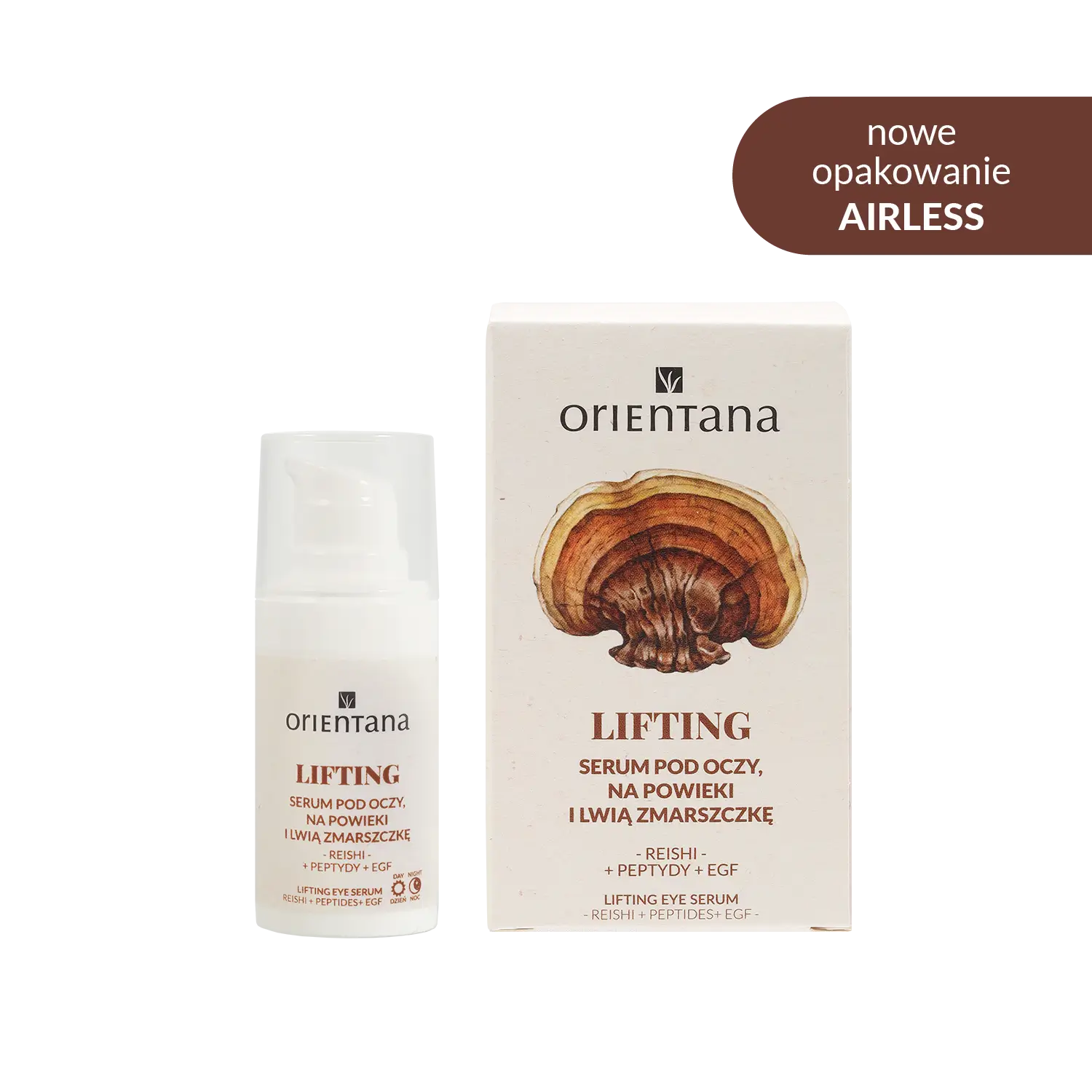
Acids in cosmetics have been gaining popularity for years, especially in the context of exfoliation and improving skin texture. The most common are AHAs (e.g., glycolic acid, lactic acid) and BHAs (salicylic acid), which work wonders but can cause irritation . In response to the needs of people with sensitive and reactive skin, cosmetology has embraced PHAs (polyhydroxy acids) —equally effective but significantly gentler. What are PHAs , how do they work, and why have they become so popular? You can read more below. I'll also introduce Orientana cosmetics with gluconolactone (PHA), which combine the effectiveness of modern biotechnology with skin safety. Contents: Introduction - acids in cosmetics and the role of PHA What are PHA acids? How do PHA acids work on the skin? PHA vs AHA and BHA acids - key differences Gluconolactone - the most popular PHA acid Advantages of using PHA acids in skincare Orientana cosmetics with PHA acid (gluconolactone) Lactobionic acid in Orientana cosmetics How to use PHA acids step by step? Frequently asked questions about PHA acids Summary - Why PHA is the future of gentle care What are PHA acids? PHAs (Polyhydroxy Acids) are a new generation of acids that exhibit similar effects to AHAs but are significantly gentler. Their larger molecules than AHAs and BHAs allow them to penetrate the skin more slowly and superficially . This means they don't cause intense burning or irritation, while effectively exfoliating and moisturizing. PHA acids include: gluconolactone - most commonly used in cosmetics, lactobionic acid , maltobionic acid . Importantly, PHAs not only exfoliate, but also moisturize and have antioxidant properties , which is why they are effective in the care of dry, sensitive, and even vascular skin. How do PHA acids work on the skin? The mechanism of action of PHA combines several effects: Gentle exfoliation - removes dead skin cells, smoothes the skin's surface and restores its fresh appearance. Moisturizing – They act as humectants, binding water to the epidermis. Studies have shown that gluconolactone increases skin hydration by up to 35% after six weeks of use (Buchanan et al., Dermatol Surg , 2005). Antioxidant action - neutralize free radicals, protecting the skin against oxidative stress and photoaging. Strengthening the skin barrier - PHA acids improve the function of the stratum corneum, reduce transepidermal water loss (TEWL) and strengthen protection against external factors. PHA acids and other acids - how do they differ from AHA and BHA? The difference lies primarily in the size of the molecule and the intensity of action: AHA acids - have a strong exfoliating effect, work well on discolorations and scars, but can irritate the skin. BHA acids - are fat-soluble, so they penetrate pores perfectly and are effective for acne-prone skin. PHA acids have larger molecules, are gentler, and provide added moisture. They are ideal for those who want a smoothing effect without the risk of irritation. A clinical study on 50 patients showed that a 12-week treatment with gluconolactone improved skin texture and firmness to a similar extent as glycolic acid, but without side effects such as burning or redness ( Dermatol Surg , 2004). Gluconolactone - the most popular PHA acid in Orientana cosmetics Gluconolactone is the most commonly used PHA in cosmetics. It is valued for its versatility: exfoliates dead skin cells, binds water, acting as a humectant, protects against free radicals, strengthens the skin's protective barrier, It is well tolerated even by people with rosacea and atopic dermatitis (AD). The benefits of using PHA acids in daily care Skin hydration - it has been proven that regular use of PHA increases its hydration level by up to several dozen percent. Wrinkle Reduction - A clinical study (Buchanan et al., 2005) showed a 25% improvement in skin smoothness after 12 weeks of gluconolactone use. Safety of use in summer - PHA acids do not cause strong photosensitivity, so they can be used all year round. Gentle on the skin - no stinging or redness typical of AHA. Support for problematic skin - when used regularly, they reduce the tendency to inflammation and improve the healing of minor lesions. Orientana cosmetics with PHA acid (gluconolactone) Orientana was one of the first Polish brands to introduce everyday cosmetics with gluconolactone : A gentle facial cleanser with gluconolactone and dates – gently yet effectively cleanses the skin without damaging the hydrolipid barrier. Contains plant extracts and has a moisturizing effect already during cleansing. Moisturizing tonic essence with gluconolactone combines the functions of a toner and a serum. It supports regeneration, gently exfoliates, and increases skin hydration. Eye and eyelid serum with REISHI and EGF PEPTIDES - combined with EGF and peptides, it reduces wrinkles and lifts the upper eyelid. TrychoLiczi moisturizing shampoo - moisturizes the scalp, soothes it, moisturizes the hair and cleanses it perfectly, TrychoLIczi Hair Length Serum Application studies conducted on these products have shown that over 90% of users confirmed improved hydration and smoothness of skin and hair after regular use. Orientana cosmetics with lactobolic acid We used lactobionic acid as an ingredient in the Soothing and Smoothing Serum . The PHA acid has soothing and moisturizing properties. It reduces redness and irritation. How to use PHA acids step by step? Cleansing – use a gentle gel with gluconolactone to prepare the skin for the next steps of care. Toning - Use a toning lotion with PHA to restore balance and gently support cell renewal. Serum and cream - choose moisturizing or anti-aging products (e.g. with ceramides, vitamin C, adaptogens). UV protection - although PHAs are not as photosensitizing as AHAs, it is always worth using an SPF cream during the day. Frequently Asked Questions (Q&A) Are PHA acids safe for sensitive skin? Yes, this is the mildest group of acids, well tolerated even by people with atopic dermatitis or rosacea. Can PHA acids be used in summer? Yes, they do not cause strong photosensitivity, but it is always worth using a cream with SPF. Can PHA acids replace retinol? No, they work differently – more gently and more moisturizing. However, they can complement anti-aging care. When will I see the first results? After just a few days, skin becomes smoother and better moisturized. Visible anti-wrinkle effects are visible after 8–12 weeks. Can I combine PHA with other acids? Yes, but it is best to use them alternately - e.g. PHA every day and AHA/BHA 1-2 times a week. Now you know that: PHA acids are the future of gentle yet effective skincare. They combine exfoliating, moisturizing, and antioxidant properties, while also being safe for even sensitive skin. They leave you with fresh, smooth, and well-hydrated skin without the risk of irritation. Orientana cosmetics with gluconolactone and cosmetics with lactobionic acid are examples of how to incorporate PHA into your daily routine. Research confirms their effectiveness, and regular use produces visible results in a short time. Read also: Sensitive and red skin - why does lactobionic acid work when other acids irritate? We encourage you to visit our natural cosmetics section, where we comprehensively discuss the philosophy of modern care based on plant ingredients.
Learn more
Yuzu Fruit - properties, applications, and skin care with Yuzu Ceramide B
Yuzu (Citrus junos) is a Japanese citrus fruit with an exceptionally intense aroma and an interesting bioactive profile. In cuisine, it brings a sour-bitter accent and a high vitamin C content, while in cosmetics, it offers antioxidants and ingredients that support the epidermal barrier. If you're interested in conscious skincare based on natural ingredients, in our natural cosmetics zone, you'll find practical tips and inspirations tailored to various skin needs. Table of Contents: What is yuzu fruit? Where does yuzu come from and why is it culturally significant? Yuzu - nutritional values and research data What can yuzu do for the skin in cosmetics? Yuzu Ceramide B - "fruit ceramides" and the skin barrier Orientana repairing mask with yuzu ceramides How to incorporate yuzu into your daily routine? Frequently asked questions about yuzu Why choose yuzu and Yuzu Ceramide B? What is yuzu fruit? Yuzu is a citrus fruit with a thick and very aromatic rind, and a taste similar to a combination of lemon, grapefruit, and mandarin orange. Its juice, rind, and even dried rind flakes are used to season dishes and infusions. Where does yuzu come from and why is it culturally significant? Yuzu originates from East Asia (China), but its cultivation and culinary traditions have developed most strongly in Japan and Korea. In Japan, there is a yuzuyu ritual – a bath with yuzu fruits during the winter solstice, associated with the symbolism of health, purification, and prosperity. It is an element of the onsen and sentō bathing culture, and nowadays, also a wellness element. Yuzu - nutritional values and research data Vitamin C scientific publications report yuzu's vitamin C content to be around 22.6–73.4 mg/100 g (depending on variety and maturity). These values are comparable to or higher than those in many other citrus fruits; the exact content depends on the fruit part and processing. Flavonoids in yuzu peel, hesperidin, naringin, and narirutin, among others, are detected – compounds with strong antioxidant potential. This is one of the reasons why cosmetics readily use peel extracts (polyphenol fractions). Antioxidants studies compare the total antioxidant activity between varieties and ripening stages – another argument for "citrus superfood" in the kitchen and as a cosmetic raw material. Practical note: in diet, not only "mg of vitamin C/100 g" matters, but also bioavailability and whether we consume fresh pulp or processed products. What can yuzu do for the skin in cosmetics? Antioxidation and protection against oxidative stress. Flavonoids and vitamin C from yuzu help neutralize free radicals, which accelerate aging and weaken the epidermal barrier. This translates into support for skin tone, smoothing, and an overall "refreshment" of the skin's appearance. (The relationship between yuzu's composition and antioxidant activity – see section 3). Aroma and well-being. Human studies show that short-term inhalation of yuzu essential oil (approx. 10-30 min) can reduce stress markers (e.g., salivary CgA), lessen tension-anxiety and fatigue, and affect autonomic nervous system parameters (heart rate, parasympathetic component of HRV). Although these are short-term effects and in small samples, they demonstrate interesting wellness potential. Yuzu Ceramide B - innovation: "fruit ceramides" and the skin barrier Ceramides are key lipids of the stratum corneum that "cement" epidermal cells and limit TEWL (transepidermal water loss). Their level and organization correlate with barrier function: the less/or worse the organization – the easier it is for dryness and hypersensitivity to occur. Yuzu Ceramide B is a yuzu fruit extract standardized by the manufacturer to "fruit ceramides" fractions, declared to be similar to human SC ceramides; used in products for sensitive and dry skin. Why is this important? If a raw material from yuzu provides structures functionally similar to ceramides, it can fill the "lipid gap" in the SC – supporting skin impermeability and comfort. (General mechanism of ceramide role – see above). Orientana repairing mask with yuzu ceramides (Yuzu Ceramide B) What's most important in it? • Yuzu Ceramide B - "fruit ceramides" from yuzu, designed for dry/sensitive skin; intended to support hydration, smoothness, and comfort.• The mask's formula is aimed at barrier reconstruction, which in practice yields: a reduced feeling of tightness after washing, improved softness and elasticity, fewer "rough" patches on the cheeks. How does it work in a routine? After cleansing (gentle surfactants / cleansing emulsions), 2) toning (e.g., mild PHA/acids in small concentrations 2–3x/week), 3) Yuzu Ceramide B mask (reconstructive treatment - 10-20 min or as a "sleeping mask"), 4) cream/emollient as occlusion. During periods of dryness (heating season, travel) - 2-4 times a week, and as a nighttime "sleeping mask" - even daily for 7-10 days of "barrier reset." For whom? • Dry, dehydrated, sensitive skin, after exfoliating treatments/retinoids, after sun/air conditioning, with discomfort and "tightness." Expected effects • Faster return to comfort after washing, less TEWL (indirectly - by supporting SC lipids), smoother touch, and softer skin after the night. (Role of ceramides in the barrier - literature data; Yuzu Ceramide B declarations – product sheet). How to incorporate yuzu into your daily routine (skincare + diet + aroma) • Skincare: reach for products with Yuzu Ceramide B at night (masks, creams) and combine with PHA toners (gentle "polish" without disturbing the barrier).• Diet: use yuzu juice/drinks - remembering that vitamin C content depends on the variety and processing (range 22.6-73.4 mg/100 g).• Aroma/wellness: evening yuzu aromas (in a diffuser or bath) can short-term reduce tension and improve subjective well-being; treat this as a pleasant addition to your skincare ritual. Frequently asked questions Does yuzu fruit have "more vitamin C than lemon"?The vitamin C content in yuzu is variable (22.6–73.4 mg/100 g) and depends on the variety/maturity. Comparisons to other citrus fruits can be misleading - refer to specific nutritional tables for given product batches. Is Yuzu Ceramide B "real ceramides"?It's a yuzu extract with a "fruit ceramides" fraction, declared by the manufacturer as similar to human SC ceramides. Do ceramides really "seal" the barrier?Yes, literature and studies show a link between the level/organization of ceramides and barrier function and TEWL. Products with ceramides support the lipid integrity of the SC (although effects depend on the formula). How many times a week should I use the Yuzu Ceramide B mask?For dry/sensitive skin, start with 1-2 times/week, and in a "barrier crisis" (heating season, flights) – every evening as a "sleeping mask." Can it be combined with acids and retinoids?Yes - preferably on days without strong exfoliation (or after PHA), to maximize comfort and barrier regeneration. Does yuzu aroma really calm?Studies on small groups indicate a short-term improvement in stress indicators and mood after inhaling yuzu scent (10–30 min). This is a wellness element, not treatment. Is yuzu good for couperose/sensitive skin?Yes, if the formula is safe for sensitive skin (without aggressive fragrances/alcohol) and contains ceramides/emollients. The Yuzu Ceramide B mask is designed precisely for comfort and smoothness. Can I "eat yuzu for my skin"?A diet rich in vitamin C and polyphenols supports overall health and skin, but it's an addition to a well-balanced skincare routine (barrier + filters). Where did the custom of bathing in yuzu come from?It's the yuzuyu ritual during the winter solstice – an element of the onsen tradition, symbolizing health and prosperity. How to distinguish marketing from facts?Look for raw material data sheets (e.g., Yuzu Ceramide B) and literature on SC ceramides and TEWL; cautiously interpret comparisons like "x times more than…". Why choose "yuzu fruit" and Yuzu Ceramide B? • Yuzu is a citrus fruit rich in vitamin C and flavonoids (especially in the rind), which supports antioxidant skin protection.• The aroma of yuzu has a documented short-term effect on stress markers and mood – a great addition to an evening ritual.• Yuzu Ceramide B is a modern way to support the barrier – ideal in "comfort first" products, such as Orientana's repairing mask with yuzu ceramides. If you want to learn more about plant ceramides, read our article Plant ceramides – how do they work and why choose cosmetics with Yuzu Ceramide B? If you are interested in biotechnology, read Biotechnology in cosmetics - a revolution in skincare
Learn more
How to rejuvenate your face - effective anti-aging methods confirmed by science
Facial rejuvenation is not just a visual effect. Many people ask themselves: how to rejuvenate the face effectively, yet naturally? The answer lies in understanding that the skin aging process is a biological, not an aesthetic, phenomenon. With age, the activity of fibroblasts in the skin, which are responsible for the production of collagen, elastin, and hyaluronic acid, decreases. As a result, the complexion loses firmness, radiance, and elasticity. But the good news is: thanks to modern cosmetology, we can slow down this process and even partially reverse it – by rebuilding skin functions, not just masking the signs of aging. How facial skin ages - a biological process step by step Understanding the mechanisms of aging is the first step to slowing it down. Collagen and elastin loss - after the age of 25, collagen production decreases by an average of 1–1.5% annually. Protein glycation - excess sugars in the diet stiffen collagen fibers, making the skin less elastic. Oxidative stress (ROS) - free radicals damage the DNA of skin cells, leading to premature aging. Microbiome disorders - stress, smog, and detergents destroy beneficial bacteria, which increases sensitivity and proneness to wrinkles. Loss of ceramides and lipids - the hydrolipid barrier becomes thinner, and TEWL (transepidermal water loss) increases. Studies (Journal of Cosmetic Dermatology, 2023) show that regular use of preparations containing ceramides and antioxidants can improve skin elasticity. How to rejuvenate your face without treatments - home care step by step Not everyone needs invasive treatments to see a rejuvenating effect.The most important factors are: regularity, biocompatibility of ingredients, and the correct order of cosmetic application. Morning care Cleansing:Gentle gel with gluconolactone or betaine, which does not disrupt the lipid barrier.2. Toning:Toner with rich ingredients or with additional benefits.3. Serum:During the day, focus on antioxidants, adaptogens, peptides:• Vitamin C (3-O-Ethyl Ascorbic Acid),• Reishi - natural antioxidant and microbiome regulator,• Tremella - plant-based hyaluronic acid. 4. Day cream:Containing adaptogens, squalane, polysaccharides, emollients, peptides, collagen. 5. UV protection:Daily SPF 30-50 filter - this is the most effective "rejuvenating cosmetic" that protects against photoaging. Evening care 1. Make-up removal:Two-step - oil (dissolves makeup) + gel (removes residues).2. Night serum:Time for cellular regeneration - preferably with retinol or its plant-based alternative.3. Cream or night mask:Rebuilding the lipid barrier and supporting fibroblast regeneration. Selected active ingredients for skin rejuvenation Reishi also known as Ganoderma lucidum mushroom, is an adaptogen that improves the skin's natural defense mechanisms - it increases the level of antioxidant enzymes, which effectively reduces oxidative stress and inflammation. As a result, the complexion becomes brighter, more uniform, and noticeably elastic. Retinol H10 a modern form of retinoid with high efficacy and better tolerance, acts directly on retinoid receptors in fibroblasts. It stimulates them to synthesize collagen and elastin, leading to wrinkle smoothing and accelerating skin regeneration processes. Yuzu B Ceramides intensely rebuild the hydrolipid barrier, reducing transepidermal water loss (TEWL) and increasing skin resistance. Tremella known as the plant equivalent of hyaluronic acid, binds up to 500 times more water than its molecule, providing an immediate filling effect for fine lines and long-lasting skin hydration from within. Biomimetic peptides such as RoyalEpigen P5, act intelligently at the cellular level - they activate genes responsible for youthful skin appearance, improve its tension, smoothness, and restore a healthy complexion. Treatments that support the effects of skincare While home care is essential, some non-invasive treatments can enhance it. Microneedling - stimulates fibroblasts, increases collagen synthesis by 25%. Biotechnological peeling with gluconolactone or lactobionic acid. Gua sha or lifting facial massage - improves lymphatic drainage and skin tone. LED light (red 630 nm) – supports mitochondria in skin regeneration. Lifestyle and diet supporting youthful skin Skin aging begins at the cellular level, so what we eat and how we live is equally important: Antioxidants in the diet: berries, green tea, avocado. Omega-3 fatty acids - support skin elasticity. Vitamins A, C, E, D, and zinc - protect against oxidative stress. Sleep (min. 7 h) - skin regeneration occurs during the deep phase. Limiting simple sugars - slows down collagen glycation. Common mistakes when rejuvenating the face Using too many active cosmetics at once. Lack of UV filters - the most common cause of premature aging. Overly aggressive exfoliation with acids. Using products with incorrect pH. Lack of a rebuilding stage (ceramides, lipids, adaptogens). Most frequently asked questions about facial rejuvenation Is it possible to rejuvenate the face without aesthetic medicine treatments?Yes. Regular care with retinol, peptides, and adaptogens shows visible effects after 6-8 weeks. Does Reishi really have rejuvenating effects?Yes. It contains triterpenes and polysaccharides that stimulate fibroblasts and reduce oxidative stress. When to start anti-aging skincare?Ideally, preventatively after the age of 25 - this is when natural collagen production decreases. Can natural cosmetics be effective in anti-aging?Yes, if they contain biotechnological ingredients with proven efficacy, such as NovoRetin™, Ceramides Yuzu B, RoyalEpigen P5. How long do you need to use serum to see an effect?Usually 4-8 weeks - this is a full epidermal renewal cycle. Summary: science, nature, and consistency Facial rejuvenation is a process - not a quick fix. It requires daily effort in hydrating, regenerating, and protecting the skin, but the results can be spectacular if we use appropriate cosmetics based on science and nature.I recommend the Orientana Reishi series, which combines modern biotechnology (retinol H10, Yuzu B ceramides) with the power of adaptogens - this is skincare that not only smooths wrinkles but rebuilds the biology of the skin. Skin youth is not a matter of age, but of balance - one that can be restored with smart, natural care.
Learn more