Entries

Do you rinse out hair rubs? Complete guide to scalp care
Hair rubs are back in fashion. TikTok is filled with hundreds of videos showcasing baby hair, YouTube features people demonstrating hair loss treatments, and brands are competing to create increasingly advanced formulas. The interest is huge, but so are the questions. The most common question is:“Should hair rubs be rinsed out?” You might smile, as it seems obvious, yet this question makes sense. Hair rubs differ in structure, composition, mode of action, and how they should be applied. Some can indeed be used before washing, but most should not be rinsed out if you want to see any effect. In this post, I explain everything you need to know about hair rubs, step by step.Simple, clear, to the point. Table of Contents: Why do we use hair rubs at all? Should hair rubs be rinsed out? A short answer Types of hair rubs and the rinsing rule How to use a hair rub effectively? (step-by-step instructions) Common mistakes that spoil the effects How to choose a hair rub for your scalp type? How often should hair rubs be used? Orientana hair rubs - effective and light Can a hair rub weigh down hair? When will you see the first effects? Frequently Asked Questions Summary Why do we use hair rubs at all? A hair rub is a cosmetic that acts directly on the scalp - the place where hair is born. This is where the hair follicle, bulb, microcirculation, and the entire "hair growth management system" are located. In practice, a hair rub can: reduce hair loss accelerate growth stimulate circulation thicken hair reduce oiliness improve scalp hydration strengthen hair bulbs reduce hair miniaturization (onset of baldness) It's a cosmetic that really works, but only when used correctly. And here we return to the question of the day... Should hair rubs be rinsed out? A short answer No. Most hair rubs ARE NOT RINSED OUT. Hair rubs are created to: remain on the scalp, be absorbed over many hours, gradually act on the hair follicle. Rinsing it after 10 minutes is like drinking coffee and immediately brushing your teeth – something happened, but not as intended. Exceptions exist, but they are rare. These are mainly hair rubs: oil-based (used before washing) alcohol-based "pre-wash" with very intense oils, if the skin is hypersensitive But if you buy a classic anti-hair loss rub, a trichological tonic, or a scalp booster - you don't rinse it. Types of hair rubs and the rinsing rule Water-based hair rubs (most popular) - do NOT rinse These are light products: tonics, essences, boosters.They absorb quickly and do not weigh down the hair.These are the ones that produce the most baby hair. Hair rubs based on hydrolates - do NOT rinse Gentle, often herbal. Ideal for daily use. Oil-based hair rubs - usually rinsed They are used before washing to nourish the hair bulbs with oils, but…these are not classic trichological rubs. Alcohol-based hair rubs - depends on instructions Some alcohol-based rubs are meant to be used before washing. Others, after.You need to read the label. How to use a hair rub effectively? (step-by-step instructions) Wash your hair and scalp Clean skin = better absorption. Towel dry your hair Apply the rub to dry or slightly damp skin. Part your hair Preferably 4–6 parts. Apply the rub directly to the scalp Dropper, atomizer, or pipette - not on the length, only ON THE SCALP. Massage gently Circular motions, 30–60 seconds.This activates microcirculation. Do NOT rinse This is the most important.The rub should work for many hours, even overnight. Common mistakes that prevent hair rubs from working Rinsing after a few minutes Applying to hair instead of scalp Using too much (weighs down) Applying once a week Combining the rub with heavy oils on the scalp Using the rub on a dirty scalp Too short treatments (must be at least 6 weeks) How to choose a hair rub for your scalp type? Oily scalp Choose light, water-based formulas with niacinamide, plant extracts, caffeine. Sensitive scalp Avoid alcohol and intense essential oils.Opt for humectants, lychee, aloe vera, panthenol. Dry scalp Gentle tonics + stimulating oil once a week (before washing). Scalp with hair loss Regular, daily rubs, preferably trichological ones. How often should hair rubs be used? daily - water-based, light rubs 3–4 times a week - stimulating rubs 1–2 times a week - oil-based rubs (pre-wash) The treatment should last at least 6 weeks, and ideally 12 weeks. Orientana hair rubs - effective and light Orientana offers two hair rubs that fit perfectly with current scalp care trends: Trichological hair rub with Lychee (DO NOT rinse)Light, water-based, non-weighing.Increases growth, reduces hair loss, regulates sebum. Ayurvedic tonic-rub Amla (DO NOT rinse)Herbal essence inspired by Ayurveda.Stimulates hair bulbs, strengthens and improves scalp blood circulation. Can a hair rub weigh down hair? Yes, but only in three cases: you use too much the rub is oil-based you apply it to the hair instead of the scalp Light trichological tonics do not cause such problems. When will you see the first effects? lift at the roots - after applying the rub baby hair - 3–6 weeks less hair loss - usually 4–8 weeks visible thickening - 8–12 weeks Consistency = results. Frequently Asked Questions 1. Should hair rubs be rinsed out? No. Hair rubs remain on the skin to work for many hours. 2. After how many minutes should I rinse the hair rub? After none. The rub should stay on the skin until the next wash. 3. Can hair rub be used daily? Yes. Light, water-based rubs are for daily application. 4. Does hair rub weigh down hair? Only oil-based ones or if used in excess. 5. Is hair rub applied to wet or dry hair? To dry or slightly damp scalp. 6. Can hair rub irritate the skin? Yes, if it's alcohol-based or contains very intense oils. 7. Can hair rub be used with hair oiling? Yes, but not simultaneously. Oil - before washing, rub - after washing. 8. Can hair rub be used during pregnancy? Depends on the ingredients. Gentle tonics are usually OK. 9. Does hair rub work on receding hairlines? Yes, it's one of the areas where it works best. 10. Is hair rub applied before or after washing? Generally after washing. Oil-based rubs are an exception. 11. Can hair rub be used with dandruff? Yes, but gentle and alcohol-free ones. 12. How long should I leave the hair rub on my scalp? Throughout – it works until the next wash. 13. Is hair rub suitable for colored hair? Yes. It does not affect color. 14. Does hair rub have an intense scent? Depends on the ingredients. Ayurvedic ones – stronger, trichological ones – delicate. 15. Can hair rub accelerate hair oiliness? Only oil-based ones. Light rubs regulate sebum. Summary Hair rubs are one of the most effective ways to strengthen hair bulbs, reduce hair loss, and stimulate growth. But they only work when used correctly.And correctly means: Do NOT rinse.Use regularly.Apply to the scalp, not to the hair. If you want to start an effective treatment, try Orientana cosmetics.
Learn more
Gifts under the Christmas tree - ideas for natural, unique and practical Christmas gifts
Christmas is a time of closeness, warmth, and small gestures that speak louder than a thousand words. When choosing Christmas gifts, we look for something that will not only delight but also show care and love. Natural cosmetics are an excellent idea for a Christmas gift – they are practical, beautiful, and allow you to take care of yourself in harmony with nature. The Orientana brand creates products inspired by Asian beauty rituals, full of plant ingredients, extracts, and biotechnological innovations. These are not just cosmetics, but complete beauty rituals. Here are our ideas for Christmas gifts for women and men that will delight beyond the holidays. Christmas Gifts for Women Natural cosmetics are always a winning Christmas gift for a woman. They offer a moment of relaxation, care for the skin, and make one feel special. Below you will find our suggestions categorized by the important women in your life. Gifts for Your Wife Your wife is someone you want to give something truly special to. A Christmas gift for your wife should combine luxury, effectiveness, and emotion – just like Orientana cosmetics. Reishi and Retinol H10 Serum – a combination of Reishi adaptogen and stable retinol, which works against wrinkles and improves skin firmness. This is premium skincare that shows results in just a few days. Snail Mucin Set – Korean Secret Snail Set - a complete regenerating ritual inspired by Korean skincare. Includes serum, cream, and essence, an ideal Christmas gift for a wife who loves K-Beauty skincare. Endorphin Serum - a cosmetic that improves skin mood. Contains phytoendorphins that activate natural renewal processes and give the complexion a healthy glow. Pro tip: combine these products into an elegant gift set: add a scarf or a notebook and pack them in an eco-friendly box with pinecones and spruce twigs. Gifts for Mom Mom is someone who always thinks of others. This Christmas, give her something that will allow her to think of herself. A natural Christmas gift for mom is the best way to express gratitude and love. Phyto Mucina Serum - the biotechnological power of plant mucins that intensively regenerate the skin and restore its elasticity. Retinol Eye Cream - effectively reduces fine lines and dark circles under the eyes, without irritating delicate skin. TrychoLiczi Hair Set - strengthens hair follicles, accelerates hair growth, and adds shine. Ideal for moms who dream of strong, healthy hair. Tip: Pack the cosmetics in a linen bag with a note "For the dearest mom." Gifts for Grandma For grandma, gesture, warmth, and care matter. A Christmas gift for grandma should be full of natural ingredients and comfortable formulas. Ashwagandha Cream - an adaptogenic regenerating cream that strengthens the skin and improves its resistance to stress. Phytocollagen Cream – a lifting cream with plant collagen that improves skin tension and elasticity. Rose Face Massage Oil - a fragrant relaxing ritual that soothes the senses and improves skin microcirculation. Idea: add a massager or a Gua Sha stone to the set to create an Ayurvedic facial massage ritual. Gifts for Sister and Friend Looking for a light, fresh, and stylish Christmas gift for your sister or friend? Opt for cosmetics inspired by Asian trends, full of energy and glow. Yuzu Ceramide Cream-Mask - intensively regenerates the hydrolipidic barrier, providing a "baby skin" effect. Two-step cleansing - a duo of face wash gel and oil that removes makeup, sebum, and impurities without compromising the skin barrier. Orientana Hair Mists - light refreshment and a fragrant accent, perfect for a handbag or travel cosmetic bag. Tip: add a card with "Self-care moment" – the gift is ready! Gifts for Girlfriend For your girlfriend, it's worth choosing something special that shows you know her needs and style. A Christmas gift for your girlfriend can be romantic yet practical. Hydrotremella Mask - an intensely moisturizing mask with snow mushroom, gives the effect of smooth, radiant skin as if after a SPA treatment. Snail Mucin Essence - brightens, smooths, and supports cell renewal. Moisturizing Toner-Essence - tones and moisturizes in one step, restoring skin balance after makeup removal. Pro tip: pack the set in a jewelry box with a mirror - a symbol of feminine delicacy and strength. Christmas Gifts for Men Not only women deserve a pampering ritual. The modern man will appreciate a practical Christmas gift that allows him to take care of himself without unnecessary complications. Orientana Men's Set – a Practical Gift for Men Orientana Men's Set is a ready Christmas gift for a man who values minimalism, effectiveness, and natural ingredients. The set includes: Natural face cream for men - moisturizes and soothes the skin after shaving, leaving no greasy film. Neem and Tulsi Aftershave Balm - has antibacterial and soothing properties, perfect after winter cold. Face wash gel - removes impurities and excess sebum, preparing the skin for cream application. Gift idea: you can complement the set with a beard brush or a linen towel - an elegant and practical gift for a man of any age. Summary - How to Choose the Perfect Christmas Gift? The ideal Christmas gift is one that says: "I know you and I know what will bring you joy." This year, choose Orientana natural cosmetics, which combine effectiveness, beauty, and care for the planet.Each set is a ready-made ritual packed in an aesthetic box, ready to be placed under the Christmas tree. Because the most beautiful Christmas gift is one that nurtures both body and soul. Frequently Asked Questions about Christmas Gifts Are cosmetics a good Christmas gift?Yes. Natural cosmetics are a practical, elegant, and always appropriate gift that can be tailored to any person. Are Orientana sets ready to be given as gifts?Yes, all Christmas sets are beautifully packaged and do not require additional decoration. Are Orientana cosmetics vegan and cruelty-free?Yes. The brand does not test cosmetics on animals and does not use ingredients from non-living animals. What Christmas gift would be suitable for a man who doesn't like cosmetics?The Orientana men's set is a simple, natural skincare ritual – just three steps to take care of the skin. What Christmas gift should I choose for someone with dry skin?Opt for snail mucin cream or Phyto Mucina serum – they intensely moisturize and rebuild the skin's protective barrier.
Learn more
Cosmetics of natural origin - how to recognize them and why are they worth reaching for?
In a world where we increasingly seek simplicity and authenticity, cosmetics of natural origin are becoming a symbol of conscious skincare. Consumers are less and less likely to choose products full of artificial additives, silicones, and paraffin, and more often turn towards nature – to cosmetics that work gently, effectively, and ethically. Natural ingredients: plant extracts, oils, mushroom extracts, and fruits are returning to favor, now supported by biotechnology. It is this combination of nature and science that is key to effective skin care. From its inception, the Orientana brand has focused on this combination. It creates cosmetics that draw on the power of Asian nature, from the Reishi adaptogen, through aloe vera, to Yuzu ceramides, offering skincare tailored to the rhythm and needs of the skin. Table of Contents: What are natural origin cosmetics How to recognize truly natural cosmetics Natural active ingredients – the power of plants in skincare Why it's worth choosing natural origin cosmetics Natural origin cosmetics vs. certificates and labels The Orientana brand philosophy – nature in its purest form How to choose natural cosmetics for your skin needs FAQ – questions about natural origin cosmetics Summary What are natural origin cosmetics Natural origin cosmetics are products in which most ingredients come from nature: from plants, minerals, or renewable resources. According to ISO 16128, an ingredient can be considered "of natural origin" if it is processed from a natural source (e.g., from fermentation, extraction, pressing, or biotechnology) but does not lose its natural identity. This is why, in addition to classic plant extracts, we also find ingredients such as: gluconolactone – a gentle PHA acid obtained from sugars, squalane – a derivative of olive oil, vegetable lecithin – an emollient from soy, glycerin – obtained from vegetable oils. Such formulas combine nature and science – they are effective, yet gentle and safe. How to recognize truly natural cosmetics In today's marketing chaos, it's easy to get lost. Labels show "eco," "bio," and "natural" slogans, but actual naturalness does not always follow. A truly natural cosmetic can be recognized by: a clear INCI composition, where the first places are occupied by plant raw materials (e.g., Aqua, Aloe Barbadensis Leaf Juice, Butyrospermum Parkii Butter, Rosa Damascena Flower Extract), absence of silicones, PEGs, paraffin, artificial colors, and microplastics, presence of natural preservatives (e.g., benzoic acid, benzyl alcohol, potassium sorbate), transparency of the manufacturer, who clearly informs about the origin of the ingredients. An example is Orientana cosmetics, which always provide a full INCI composition, without marketing "masking" of ingredients and without unsubstantiated promises. Natural active ingredients - the power of plants in skincare It is plant ingredients that give natural cosmetics their effectiveness and character. Among the most valuable are: Reishi (Ganoderma lucidum) - an adaptogen called the "mushroom of immortality." It strengthens the hydrolipidic barrier, has anti-inflammatory and regenerating effects. Tremella fuciformis - snow mushroom, a natural equivalent of hyaluronic acid, which binds water and intensely moisturizes. Ashwagandha (Withania somnifera) - an anti-stress plant, protecting the skin from free radicals. Yuzu - a source of natural ceramides, which rebuild the lipid barrier and improve elasticity. Aloe vera - a classic soothing, regenerating, and calming ingredient. Orientana creates formulas based on the synergy of such ingredients, making skincare not only effective but also gentle for sensitive skin. Why it's worth choosing natural origin cosmetics Natural cosmetics work in harmony with the skin's physiology. They do not block pores, do not disturb the microbiome, and do not burden the hydrolipidic barrier. Their action is holistic; they support natural renewal processes rather than replacing them. Benefits: better absorption of active ingredients, no feeling of heaviness, lower risk of irritation, biodegradable formulas friendly to the environment, ethical sourcing of raw materials. For many women, choosing such cosmetics is also a choice of a lifestyle consistent with their values: respect for nature, minimalism, authenticity. Natural origin cosmetics vs. certificates and labels Certificates are an important support in identifying natural products. The most well-known are: ECOCERT: guarantees that a minimum of 95% of ingredients are of natural origin, COSMOS NATURAL / ORGANIC, Vegan and Cruelty Free, confirming the absence of animal-derived ingredients and animal testing. It is worth remembering, however, that the absence of a certificate does not mean a lack of naturalness. The most important thing is the quality of the formula, not the symbol on the packaging. The Orientana brand philosophy - nature in its purest form For over a decade, Orientana has been proving that natural cosmetics can be effective, pleasant to use, and ethical. Each product is a combination of Ayurvedic knowledge, phytotherapy, and plant biotechnology. We do not use animal-derived ingredients that are obtained at the expense of animals, and of course, we do not use raw materials tested on animals. The brand's philosophy is "Natural beauty in the rhythm of nature" – creating cosmetics that respect the environment, but most importantly – support the skin's natural processes. Among the most beloved natural origin cosmetics from Orientana, several series are worth mentioning: Reishi Series - mature, menopausal, and aging skin Tremella Series - combination and oily skin Ayurveda Series - for all skin types Ashwagandha Series - all skin types Vitamin C Series - for hyperpigmentation Snail Mucin Series - all skin types Biotechnology Series - anti-aging and for sensitive skin. Each of these products is proof that the power of nature can go hand in hand with modernity. How to choose natural cosmetics for your skin needs Choosing natural origin cosmetics depends on your skin type and current needs.Some tips: Dry and dehydrated skin – opt for snail mucin, serum-ampoules. Sensitive and irritated skin – choose Ashwagandha, Biotechnology series. Oily and combination skin – the Tremella series is excellent. Mature skin – Reishi, Sandalwood. Balance between cleansing, toning, moisturizing, and regenerating is the foundation of effective natural skincare. FAQ – questions and answers about natural origin cosmetics How do natural cosmetics differ from organic ones?Natural cosmetics contain ingredients of plant origin, while organic ones additionally come from organic farming, without pesticides. Are natural cosmetics as effective as synthetic ones?Yes, sometimes even more effective, because they work in harmony with the skin's physiology, without causing dryness or irritation. Are natural origin cosmetics safe for allergy sufferers?Yes, although people with hypersensitivity should check the ingredients – allergens can occur naturally in essential oils. Do natural cosmetics have a shorter shelf life?Sometimes, yes, because they do not contain synthetic preservatives. It is best to store them away from light and heat. Can natural cosmetics be combined with dermatological ones?Yes, for example, Reishi serum can be used with retinol treatment to soothe irritation. Are natural origin cosmetics biodegradable?Yes, most natural formulas degrade in the environment, without polluting water. Does Orientana test cosmetics on animals?No. Since the brand's inception, all cosmetics have been cruelty-free. Can natural cosmetics contain preservatives?Yes, but only those of natural origin – e.g., dehydroacetic acid or sodium benzoate. What ingredients in INCI indicate that a product is natural?Plant extracts (Extract), oils (Oil), butters (Butter), hydrolates (Flower Water), plant waxes (Cera). Which Orientana cosmetics are 100% natural origin?Among others, some body, hair, and face oils. Are natural origin cosmetics suitable for acne-prone skin?Yes, ingredients such as turmeric CICA have anti-inflammatory and soothing effects. How often can natural face masks be used?The frequency of mask use is indicated on the packaging of each mask. Do natural cosmetics smell different from synthetic ones?Yes, the scent comes from natural essential oils and extracts, making it more delicate. Can natural cosmetics have strong anti-wrinkle effects?Yes, if they contain active ingredients with anti-wrinkle properties. Are natural cosmetics suitable for men's skin care?Absolutely. Natural oils and extracts are excellent for soothing skin after shaving. Can natural cosmetics be used during pregnancy?Most can, but essential oils with strong aromatherapy effects (e.g., rosemary) should be avoided. What benefits does biotechnology offer in natural cosmetics?It allows active ingredients to be obtained sustainably, without over-exploiting plants. Can natural cosmetics be luxurious?Absolutely, naturalness does not exclude elegant textures and advanced biotechnology, as evidenced by Orientana's Reishi line. Summary Natural origin cosmetics are not just skincare; they are a lifestyle that combines self-care with care for the planet. Thanks to modern biotechnology, natural formulas now work with the same precision as synthetic ones, but without risk to skin or the environment. For years, the Orientana brand has proven that it is possible to create cosmetics that are 100% ethical, effective, and full of plant power. By choosing nature, you choose balance, peace, and beauty in its purest form. Discover natural origin cosmetics from Orientana and experience skincare that works with your skin's nature.
Learn more
Microplastics in cosmetics - what you need to know?
Although microplastics are mainly associated with marine and ocean pollution, their presence in everyday products, including cosmetics, is becoming increasingly alarming. These substances are not only a threat to the environment, but can also affect skin health. In this article, we explain what microplastics actually are, where to find them in cosmetics, and why their elimination is becoming a global priority. What are microplastics? Microplastics are plastic particles smaller than 5 mm, which enter aquatic and soil environments, where they do not biodegrade. In cosmetics, they most often occur in the form of: solid (e.g., microbeads in scrubs), semi-liquid or dissolved – as substances that improve consistency, form films, or stabilize emulsions. Where can we find microplastics in cosmetics? Microplastics most often appear in products such as: mechanical exfoliants, shower gels, toothpastes, shampoos, color cosmetics (e.g., foundations, powders, lipsticks), creams and lotions. Examples of ingredients considered microplastics: Polyethylene (PE) Polypropylene (PP) Polymethyl methacrylate (PMMA) Nylon-12, Nylon-6 Polyethylene Terephthalate (PET) Although some of these occur as invisible, dispersed particles, their impact on the environment and the food chain is well-documented. Why are microplastics a problem? Environmental pollution Microplastics enter groundwater, rivers, and oceans, where they are ingested by aquatic organisms. Since they do not decompose, they accumulate in organisms and in the food chain, and their particles are even found in drinking water. Potential risk to skin Although microplastics in cosmetics perform technical functions (e.g., smoothing, wrinkle filling, thickening consistency), there is a risk that tiny particles may accumulate on the skin's surface, disrupt the microbiome balance, and contribute to disturbances in the hydrolipid barrier. Microplastics can also bind and transport other harmful compounds (e.g., heavy metals). Lack of biodegradability Unlike natural raw materials, microplastics do not decompose in the environment. They can persist for hundreds of years, polluting soil and water. Are microplastics legal? Currently, the European Union is undergoing a legislative process to restrict the use of microplastics in cosmetics. Since 2022, the use of solid plastic microbeads in rinse-off products (e.g., scrubs) has been banned. However, soluble forms of polymers, which are also considered microplastics, are still permitted. How to avoid microplastics in cosmetics? • Read INCI lists - avoid products containing e.g., polyethylene, nylon, acrylates copolymer. • Choose brands with transparent environmental policies - more and more manufacturers declare "free from microplastics" formulas. • Use apps and ingredient databases - such as CodeCheck, INCI Beauty, or eco-consumer apps. Microplastics and the #CleanBeauty trend Eliminating microplastics is an important step towards conscious skincare and sustainable development. Brands that align with the clean beauty and zero waste movements are increasingly formulating their products based on biodegradable plant polymers, such as: • xanthan gum, • cellulose, • corn or potato starch, • algae and seaweed Questions about microplastics in cosmetics 1. What are microplastics in cosmetics? Microplastics in cosmetics are tiny plastic particles, usually smaller than 5 mm, added to products as fillers, thickeners, smoothing agents, or exfoliants. 2. In which cosmetics are microplastics most commonly found? They are most often present in scrubs, shower gels, toothpastes, foundations, eyeshadows, hairsprays, blur-effect lotions, and smoothing creams. 3. Why are microplastics added to cosmetic formulas? Manufacturers use microplastics to improve product consistency, create a smooth skin effect, provide slip during application, or optically fill wrinkles, creating a "soft focus" effect. 4. Which ingredients on the INCI list may indicate the presence of microplastics? The most common are: Polyethylene (PE), Polypropylene (PP), Acrylates Copolymer, Polymethyl Methacrylate (PMMA), Nylon-12, Carbomer, Polyquaternium-7. 5. Is every "plastic" in INCI harmful? Not every synthetic substance is a microplastic, but many form durable, water-insoluble particles that accumulate in the environment. The key is to distinguish soluble polymers from those that are durable and bioaccumulated. 6. Are microplastics dangerous for the skin? For the skin, they usually do not pose a direct threat, but they create an occlusive film that can disrupt the natural functions of the skin, and in the long term, may affect the microbiome and the hydrolipid barrier. 7. How do microplastics affect the environment? Microplastic particles do not biodegrade. They enter water, end up in fish and animal organisms, and then in the food chain, including humans. 8. Can microplastics enter the human body? Yes, recent studies have shown the presence of microplastics in blood, lungs, and even the placenta, which means that the body absorbs and can accumulate them. 9. How to identify microplastic-free cosmetics? You should read INCI labels and avoid ingredients like Polyethylene, Polypropylene, etc. 10. Are plastic exfoliating microbeads still legal? In many EU countries, plastic exfoliating microbeads have been banned, but microplastics in the form of thickening and smoothing polymers are still legal. 11. What can replace microplastics in natural cosmetics? Natural brands use biodegradable ingredients. 12. Are microplastics found in natural cosmetics? Natural cosmetics should not contain them. Therefore, brands operating according to ecological standards replace synthetic polymers with plant-based alternatives. 13. Does Orientana use microplastics in its cosmetics? The Orientana brand is based on plant ingredients, adaptogenic extracts, and natural-origin silicone substitutes, such as tremella fuciformis, oils, butters, and plant biopolymers, eliminating microplastics from its formulas. 14. How can consumers truly reduce microplastics in cosmetics? It is worth choosing products with short, understandable INCI lists, looking for "microplastic-free" labels, supporting transparent brands that educate about ingredients — and avoiding products with a silicone-plastic consistency without nourishing properties. 15. Do microplastics affect the performance of UV filters in cosmetics? Yes, microplastics are sometimes used as "film formers" in creams with filters to create a layer that keeps the filter on the skin. However, modern natural and biodegradable formulas use plant-based polymers and bio-ferments that do not pollute the environment. Microplastics in cosmetics is a topic that should not be overlooked by either manufacturers or consumers. Although their presence is not always obvious, their effects can be long-lasting, both for skin health and the planet. By choosing Orientana cosmetics without microplastics, we invest not only in the quality of skincare but also in a better future for the environment.
Learn more
What are the key elements of Ayurveda? The key to balanced body, mind, and nature-inspired care.
The most important elements of Ayurveda form the foundation of Ayurvedic skin and hair care. If you want to see how Ayurveda approaches care holistically, check out the guide: Ayurvedic care - how Ayurveda cares for skin and hair. The question "What are the most important elements of Ayurveda?" most often arises when someone begins to take an interest in Ayurveda-inspired care and wants to understand the principles it is based on. Ayurveda does not treat skin as a separate problem, but as part of the entire organism – which is why its elements directly translate into the way face and hair are cared for. The most important elements of Ayurveda include: doshas, prakriti, dinacharya, plants and oils, conscious cleansing, and sensory harmony through scent and touch. Brands inspired by Ayurveda, such as Orientana, draw on these principles, creating cosmetics based on herbs, adaptogens, and plants with high energetic power, so that care is not just about applying cream, but a ritual of balance. What are the most important elements of Ayurveda? Element 1: Doshas - the energy that guides us One of the key elements of Ayurveda are the doshas: Vata, Pitta, and Kapha. These are energetic qualities present in every person in varying proportions. In the context of skincare, this means that: Vata dominance promotes dryness, tension, and skin sensitivity, excess Pitta manifests as redness, inflammation, and hyperreactivity, Kapha predominance is associated with skin heaviness, tendency to blackheads, and swelling. Ayurveda teaches that skin is not "just dry or oily" – its condition has an energetic cause. Therefore, Ayurveda-inspired care focuses on regulating, not aggressive correcting. Element 2: Prakriti - individual constitution Ayurveda assumes that every person has a prakriti, which is their natural energetic state they are born with. Understanding it allows one to choose daily rituals, food, and even... the texture of cosmetics. Vata likes warming and enveloping oils. Pitta needs soothing, cooling essences, and anti-inflammatory herbs like neem or ashwagandha. Kapha responds better to light formulas and massages that stimulate circulation. That's why Orientana does not create "for everyone" products, but bases recipes on the rhythm of the skin – it does not block its functions, but supports its regenerative power. Element 3: Dinacharya - the rhythm of the day as a cosmetic Dinacharya means daily rituals that build health step by step. In skin care, this translates into regularity and repeatability: cleansing, toning, applying serum or oil, a short face massage. Ayurveda treats skincare as a ritual, not a quick gesture. It is this regularity that provides the long-term effect of improving skin and hair condition. Element 4: Herbs and oils - plants as intelligent tools In Ayurveda, plants are not just ingredients – they are tools for balance. Each herb has a specific action: neem - purifying, ashwagandha - calming and regenerating, turmeric - supporting renewal, gotu kola - boosting skin immunity. In skincare, this means reaching for formulas based on plant extracts and oils that are biocompatible with the skin. Modern brands, like Orientana, combine Ayurvedic plants with modern cosmetics, creating products that affect not only the physical but also the sensory and mental levels: scent, texture, application method create a complete ritual. Element 5: Conscious cleansing and detox Ayurveda teaches that cleansing is not about aggression, but about restoring flow. Contaminated or oily skin does not need "fighting", but regulation and respect for its protective barrier. Natural gels, toners, mists, and oils used in Ayurvedic care are meant to restore the skin's ability to breathe, not dry it out. That's why Orientana emphasizes the biocompatibility of ingredients; the skin recognizes plant extracts because they are non-aggressive and structurally similar. Element 6: Harmony with nature - also through scent and touch In Ayurveda, sensory experience plays a huge role. Scents affect the nervous system, and touch triggers reparative processes in the skin and tissues. Oil massage, skin-to-hand contact, conscious application of cosmetics – this is not just moisturizing, but therapy for the nervous system. This is why Orientana's natural cosmetics have distinct, botanical scents like jasmine, sandalwood, rose, and ginger, which act as aromatherapy, shifting the mind into a more natural and calm rhythm. Summary - the most important elements of Ayurveda in skin care and life The most important elements of Ayurveda teach: understanding one's own constitution, observing the energetic causes of skin problems, building daily rituals, using the power of plants and oils, treating skincare as an act of care, not correction. Ayurveda does not separate skincare from life – it is one coherent path. That is why Ayurveda-inspired cosmetics, such as Orientana formulas, support the skin in a gentle, plant-based way, in harmony with its natural rhythm. Questions What are the most important elements of Ayurveda? These include doshas, prakriti, daily routine (dinacharya), plants and oils, and conscious skincare. What are doshas in Ayurveda? These are three biological energies: Vata, Pitta, and Kapha. How do doshas affect the skin? They determine the tendency to dryness, inflammation, or oiliness. What is prakriti? It is the individual constitution of the body. Why is prakriti important in skincare? It allows for the selection of appropriate ingredients and cosmetic textures. What is dinacharya? It is a daily routine that supports the body's balance. How does dinacharya affect skin appearance? Regularity promotes regeneration and stable skin condition. What role do herbs play in Ayurveda? They support the natural processes of skin and hair. What herbs are most commonly used in Ayurvedic skincare? Ashwagandha, neem, turmeric, gotu kola, amla, reishi. Why does Ayurveda focus on oils? Because they are biocompatible with the skin. Does Ayurveda recommend aggressive cleansing? No, it promotes gentle skin regulation. Does Ayurveda help with acne? Yes, by balancing doshas and using herbs. Is Ayurveda good for sensitive skin? Yes, because it is based on gentle plant ingredients. How does Ayurveda approach skin aging? It supports skin regeneration and resistance. Does Ayurveda fit with modern skincare? Yes, it complements it perfectly. Can Ayurveda be combined with Orientana cosmetics? Yes, Orientana cosmetics are inspired by Ayurveda. Does Ayurveda require a complete lifestyle change? No, you can start with small rituals. How to start Ayurveda-inspired skincare? With simple steps and natural cosmetics. Does Ayurveda help with hair loss? Yes, through massages and herbs. Does scent matter in Ayurveda? Yes, it affects the nervous system.
Learn more
Moisturizing balm - how to choose the best one for your skin?
Why do we need a moisturizing lotion ? Daily skincare is not just a ritual , but also an essential element in maintaining a healthy appearance. Skin loses water every day, and under the influence of external factors such as dry air, detergents, stress, and UV radiation, it can become rough and dull. This is when the question arises: which moisturizing balm should you choose that will not only smooth, but also nourish and regenerate? In this article, I explain how moisturizing lotion works, what ingredients to look for in it, and why Sandalwood Natural Body Balm is a unique solution for skin craving relief. Contents: Why does skin need daily hydration? How does moisturizing lotion work? How to choose a moisturizing lotion for your skin type? Sandalwood Balm – a natural care ritual from Orientana How to use moisturizing lotion to make it more effective? The effects of regular use of moisturizing lotion The most common mistakes when using moisturizing lotion FAQ – Frequently asked questions about moisturizing lotion Summary Why does skin need daily hydration? Even if you don't typically have dry skin, daily hydration is crucial. While the skin protects us from external factors, it also loses water through the process of transepidermal water loss (TEWL). When the hydrolipid barrier is weakened, the epidermis is unable to retain moisture. This results in tightness, dullness, and micro-cracks. This moisturizing balm creates a delicate protective film on the skin's surface, limiting water loss and providing lipids that support its regeneration. Regular application is the secret to soft and smooth skin. How does moisturizing lotion work? A good moisturizing lotion is a combination of three types of ingredients: Humectants (e.g. glycerin, aloe, honey) - attract and retain water in the epidermis. Emollients (vegetable oils, butters, fatty acid esters) - soften the skin and smooth its structure. Occlusive substances (e.g. shea butter, vegetable waxes) - create a protective layer on the surface that prevents moisture loss. Natural body lotions work on multiple levels – they not only retain water in the skin but also strengthen its microbiome and support regeneration. Unlike many synthetic formulas, they do not contain silicones or paraffin, which provide a short-term "softness" effect but do not improve actual hydration levels. How to choose a moisturizing lotion for your skin type? When choosing a balm, it is worth considering your skin type and its current needs: Dry and very dry skin needs thicker formulas with plant butters and natural oils that provide long-lasting regeneration. Normal skin - responds best to light balms that absorb quickly and have a fresh scent. Sensitive skin - requires gentle ingredients, without alcohol and artificial fragrances. Mature skin needs balms with antioxidants that improve elasticity and slow down the aging process. It's worth reading labels and avoiding balms containing paraffin. A good moisturizing balm works not only "on the outside" but also helps rebuild the hydrolipid barrier. Sandalwood Balm – a natural care ritual from Orientana This natural moisturizing balm, inspired by Ayurveda, nourishes and smooths skin while enveloping it in the warm, oriental aroma of sandalwood. Its rich formula contains: Mango butter – intensively nourishes and regenerates. Aloe juice - soothes and deeply moisturizes the skin. Sunflower oil and sweet almond oil - provide essential fatty acids. Trehalose - strongly moisturizes the skin, This moisturizing balm is perfect for after bathing, sunbathing, or anytime your skin needs an extra dose of nourishment. Regular use improves elasticity and leaves a subtle, relaxing scent. This combination of ingredients means that the Orientana Sandalwood balm not only improves the appearance of the skin, but also nourishes it in accordance with the principles of Ayurvedic harmony. How to use moisturizing lotion to make it more effective? Apply to slightly damp skin - after bathing or showering, when pores are open. Perform a short massage in circular motions, from the feet upwards, to stimulate microcirculation. Use regularly, preferably daily, even if your skin does not seem dry. Combine with peeling to increase the absorption of active ingredients. Such a care ritual is not only about caring for the skin, but also a moment of relaxation for the senses – especially when accompanied by the scent of sandalwood. The effects of regular use of moisturizing lotion The skin becomes soft and elastic. The feeling of tightness and roughness disappears. The color and smoothness of the body improves. The skin regains its natural glow and healthy appearance. After a few weeks of using natural balms such as Orientana Sandalwood, the difference is clearly visible not only to the naked eye but also to the touch. The most common mistakes when using moisturizing lotion Applying the balm to completely dry skin. Skipping exfoliation, which prevents the ingredients from penetrating deep into the epidermis. Using too little product. Irregular application - even the best balm will not work if you use it once a week. To get the most out of your moisturizing balm, treat it as a daily skincare ritual, not a one-time treatment. FAQ: Frequently asked questions about moisturizing lotion 1. Can moisturizing lotion be used daily? Yes, using moisturizer daily is key to maintaining healthy, supple skin. Consistency is more important than quantity. 2. When is the best time to apply moisturizing lotion? The best time is right after a bath or shower, on slightly damp skin, to "lock" the water in the epidermis. 3. Can moisturizing lotion replace hand cream? Yes, especially if it contains regenerating ingredients like plant butters or vegetable oils. However, for very dry hand skin, it's worth using a dedicated cream. 4. Is the moisturizing lotion suitable after sunbathing? Absolutely. Natural balms soothe irritations, cool, and restore hydrolipid balance. 5. What is the difference between balm and body butter? The balm has a lighter consistency and absorbs faster. The butter is more concentrated and rich, ideal for very dry skin. 6. Does Orientana Sandalwood balm have a scent? Yes, its aroma is sandalwood, typical of Orientana cosmetics, not just the iconic Sandalwood and Turmeric Cream. The scent has a relaxing and soothing effect. 7. Can moisturizing lotion be used after hair removal? Yes, but choose gentle, natural formulas without alcohol or strong fragrances. Orientana Balm with aloe and honey soothes and accelerates skin regeneration after hair removal. 8. Can the balm cause allergies? Allergic reactions are rare, but it is always worth performing an allergy test, especially if you have sensitive or atopic skin. 9. How to store natural moisturizing lotion? Store at room temperature, away from direct sunlight. High temperatures can separate the natural oil and water phases, but this does not affect the product's effectiveness. 10. Can the balm be used by men? Yes! Moisturizing your skin has no gender. Men are increasingly turning to natural balms that absorb quickly and don't leave a greasy film. 11. Can the moisturizing lotion be used on the face? This isn't recommended, as facial skin has a different structure and needs. It's better to use a dedicated moisturizer. 12. How long does the moisturizing effect last after applying the balm? Depending on the formula, it lasts from a few to a dozen hours. Regular use prolongs this effect by improving the overall condition of the skin. 13. Can the moisturizing balm be combined with the body oil? Yes, it's a perfect combination. The oil increases occlusion and "locks" moisture into the skin after applying the balm. 14. Can balm help fight cellulite? Moisturizing lotion alone won't eliminate cellulite. There are socially conscious cosmetics, such as the Smoothing Anti-Cellulite Oil . For best results, combine it with a massage brush and physical activity. 15. Is Orientana Sandalwood Balm vegan? Yes, the product does not contain ingredients of animal origin, and the Orientana brand does not test cosmetics on animals. 16. Can the lotion be used after sunbathing? Yes, especially natural products, they soothe irritations and restore comfort. 17. Can the balm be used on hands and feet? Of course, its ingredients perfectly regenerate even very dry skin. Summary A good moisturizing balm is not just a cosmetic, but a daily way to achieve healthy, smooth, and radiant skin. By choosing natural formulas, such as Sandalwood Balm, you receive care that works deeply while nurturing your senses and body's balance. Discover the power of nature and incorporate an oriental care ritual into your everyday life. Check out our Body Butters Check out our Body Mists Check out other cosmetics from the Sandalwood series
Learn more
Why Does Cream Roll? Causes, Mistakes, and How to Avoid It
Cream rolling is a problem almost everyone who cares about skincare has encountered. Instead of smooth, moisturized skin, unsightly "balls" appear, and makeup begins to cake. Contrary to popular belief, this doesn't always indicate a faulty product. This phenomenon is often caused by improper application, too much product , or incompatible ingredients . In this article, I explain why creams roll, the most common mistakes we make, and how to choose a formula that works well with other skincare steps. Contents: What does it mean that the cream rolls? Why does the cream roll on the face - the most common causes Cream application errors that cause rolling How to choose a cream that doesn't roll Cream rolls under makeup - what to do? How to apply cosmetics step by step to avoid rolling What creams don't roll - Orientan's recommendations FAQ: Frequently asked questions about rolling creams Summary and tips from a cosmetologist What does it mean that the cream rolls? Cream rolling is a phenomenon in which small balls or lumps appear on the skin after applying a cosmetic, usually when rubbing the product or applying subsequent layers. This happens when cream ingredients (e.g., silicones, xanthan gum, polymers, or excess emollients) don't properly bind to the skin's hydrolipid film or to previously applied cosmetics. As a result, the formula loses its adhesion and begins to "peel" from the epidermis. This phenomenon may affect both drugstore and professional cosmetics, and its cause lies more in the application technique and incompatibility of formulas than in the quality of the cream itself. Why does the cream roll on the face - the most common causes 1. Too much product The skin has a limited absorption capacity. Excess cream creates a film that isn't fully absorbed and begins to peel off. 2. Applying subsequent layers too quickly Applying serum, cream, and makeup one after the other without time to absorb causes the layers to “slip.” 3. Formula incompatibility If the serum has a water base and the cream has a silicone base or a lot of thickening gums, the products may repel each other. 4. Incorrect selection of cosmetics For example, a thick nourishing cream applied to oily skin will "roll" instead of being absorbed. 5. Rubbing the product in too vigorously Rubbing the skin instead of patting it in breaks down the structure of the cream and causes it to clump. 6. Presence of film-forming ingredients Some substances (e.g. silicones, xanthan gum, PVP, acrylic polymers) may roll when in contact with other formulas or excess moisture. Cream application errors that cause rolling Applying the cream directly after the serum or toner, without waiting for it to absorb. Too much product. Moving on to makeup too quickly. Mixing formulas with different bases (e.g. oil and gel). Rubbing instead of patting. My advice: It's best to apply the cream to slightly damp skin (e.g., after serum or toner ). Wait 2-3 minutes between steps, and instead of rubbing, gently pat the product in with your fingertips. How to choose a cream that doesn't roll A good cream does not have to be thick - it is more important that it is compatible with the skin and contains the right balanced proportions of the water and lipid phases. Tips for choosing : Avoid excess silicones - they may "slip" on the skin. Choose natural emollients: shea butter, jojoba oil, squalane, which are absorbed evenly. Choose light emulsions - they absorb faster and do not create a layer that rolls. Pay attention to compatibility with other products - it is best if they come from the same line or have similar bases. It is also worth paying attention to creams without strong thickening substances (gums, carbomers), which may "slip" when in contact with other cosmetics. Cream rolls under makeup – what to do? Rolling cream under foundation is one of the most common makeup mistakes. It's usually caused by rushing and not letting the product absorb properly. How to avoid this: Exfoliate your skin from time to time, don't forget about it. Give the cream at least 5 minutes to absorb . Avoid silicone makeup bases after natural creams. Use toner or mist before makeup - it will increase adhesion. Do not apply foundation to skin that is still damp. Orientana products that work well with makeup: Moisturizing tonic essence restores pH and facilitates the absorption of subsequent layers. Serum-ampoules Moisturizing, Brightening, Antioxidation, Rejuvenation. Booster Illumination - a light emulsion that gives a visible glow and absorbs quickly. Booster Energy - a light gel that immediately improves the condition of the skin, good cream adhesion. How to apply cosmetics step by step to avoid rolling Step 1: Cleanse your skin with a gentle gel Step 2: Tone to restore proper pH. Step 3: Apply serum and wait 2-3 minutes. Step 4: Pat in a small amount of cream. Step 5: Wait for your skin to fully absorb it before applying makeup or SPF. If your skin still feels sticky after a few minutes, you have used too much product. What creams don't roll - Orientan's recommendations Snail slime cream Sandalwood and Turmeric Balance Cream Ashwagandha Nourishing Cream Reishi Cream Sebum regulating cream Lifting cream FAQ – Frequently asked questions about rolling creams Why does the cream roll after the serum? Because the layers are applied too quickly or the products have different bases (e.g. water + silicone). Does rolling mean the cream is bad? No. Rolling usually indicates too much product or incorrect application order. Can natural creams also be rolled? Yes, if they are not suitable for your skin type or if you apply too much. How to prevent rolling under makeup? Wait for the cream to absorb, avoid silicone bases and choose lightweight formulas that are biocompatible with makeup. Summary and tips from a cosmetologist Rolling the cream is a sign that your skincare routine needs adjustments. This isn't a product defect, but rather the result of application errors or the combination of incompatible formulas. Key rules to prevent this: Use a small amount of the cosmetic. Pat in, don't rub in. Keep spaces between layers. Choose products from one line or with a similar base. Choose creams with biocompatible, lightweight formulas. Check out our creams that don't clump under makeup and are tailored to your skin's needs. .
Learn more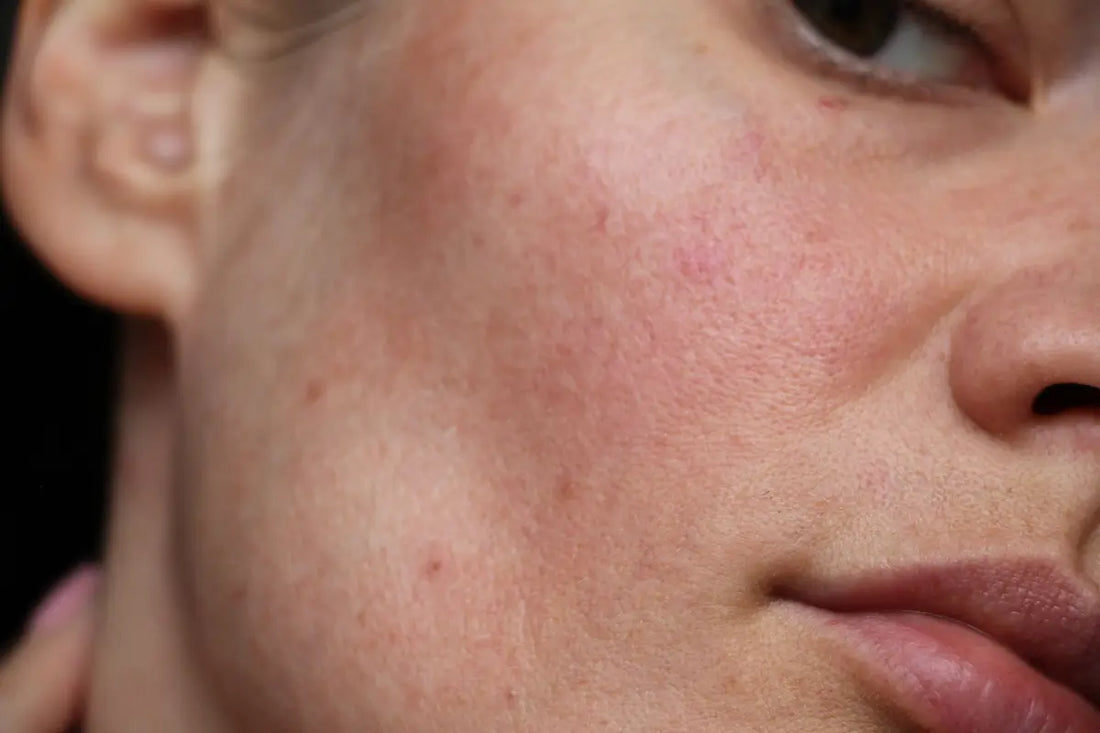
Couperose skin - causes, care, and effective ways to strengthen capillaries
Couperose skin - characteristics and occurrence Couperose skin is a particularly sensitive skin type, where capillaries are located very superficially beneath the epidermis. As a result, they easily become dilated, and their weakened walls break, causing permanent redness and so-called telangiectasias.According to research by the Journal of the European Academy of Dermatology and Venereology (2019), symptoms of couperose skin occur in 37% of women in Europe, with most cases affecting individuals with fair skin and thin skin.This skin type often co-occurs with neurovascular hyperreactivity, meaning it reacts with erythema even to minor stimuli such as emotions, temperature changes, stress, or inappropriate cosmetics. Causes of broken capillaries Genetic factors Couperose skin is largely genetically determined. We inherit thin skin, a reduced number of collagen and elastic fibers, and increased fragility of capillaries. Hormonal factors Estrogens affect the elasticity of blood vessel walls. During periods of hormonal fluctuations – such as pregnancy, menopause, or hormonal contraception – an exacerbation of erythema and capillary fragility is often observed by as much as 30%. Environmental factors UV radiation, strong wind, frost, temperature changes, and smog are the main external factors damaging skin microcirculation. Prolonged UV exposure leads to pathological angiogenesis, i.e., the formation of new, fragile capillaries. Oxidative stress Reactive oxygen species (ROS) damage the vascular endothelium, increasing its permeability. Research from Dermatologic Therapy (2020) showed that in people with couperose skin, the level of the MMP-9 enzyme, responsible for the degradation of type IV collagen, is 45-60% higher than in people with normal skin. Biological mechanisms in couperose skin Couperose skin is characterized by a disturbance in vascular homeostasis. There is excessive vasodilation, followed by its persistence.As a result, erythema appears, which over time can turn into permanent changes.Also important is the degradation of type IV collagen and elastin within the capillaries, as well as an increased presence of inflammatory factors (IL-6, TNF-α).This is why the care of couperose skin should focus not only on alleviating symptoms but also on antioxidant, anti-inflammatory, and vessel-sealing actions. Couperose skin and genes, hormones, and environment The relationship between genes, hormones, and environment is scientifically documented.Individuals with mutations in genes encoding type IV collagen (COL4A1 and COL4A2) show up to 2.5 times higher susceptibility to the formation of telangiectasias.In turn, exposure to UVB radiation increases the level of metalloproteinases MMP-1 and MMP-9, which degrade structural skin proteins.During menopause, a decrease in estrogen levels by about 60% causes weakening of microcirculation and greater vascular reactivity - which is why many women notice persistent redness at that time. How to care for couperose skin – step-by-step care Cleansing Cleansing should be extremely gentle to avoid disrupting the hydrolipid barrier.Avoid harsh detergents and sonic brushes.Recommended product: Toning Toner should restore proper pH and soothe the skin. Toners with gluconolactone, aloe vera, and date extract are ideal.Recommended product: Serum Serum is a key step in skincare – it contains concentrated active ingredients that strengthen capillary walls.Recommended product:🌿 Ashwagandha + CICA + Niacinamide Serum – combines the action of an adaptogen (ashwagandha) and Gotu Kola (Centella Asiatica), reducing redness and improving skin's resistance to oxidative stress. 🌿 Ashwagandha + Vitamin C + Tranexamic Acid Serum - seals blood vessels. Moisturizing and regenerating Creams should be light, non-comedogenic, with ceramides, biomimetic peptides, and adaptogenic extracts. They should not contain irritating, strong active ingredients.Recommended product:🌸 Lifting Cream with microalgae collagen + biomimetic peptides – strengthens skin structure, supports microcirculation, and rebuilds the lipid barrier. UV Protection UV radiation is the enemy of capillaries. Use mineral SPF 30–50 filters all year round, even in winter. Active ingredients with proven effectiveness Strengthening capillaries requires ingredients with scientifically proven effectiveness. Soothing and anti-inflammatory ingredients: Azelaic acid derivative (Azeloglicyna) - reduces redness, regulates vascular tone Niacinamide (vitamin B3) - reduces redness, strengthens skin barrier Allantoin - soothes irritation Panthenol - regenerates and calms Antioxidants: Vitamin C - strengthens vessels, brightens post-inflammatory discolorations Vitamin E - protects against oxidative stress Green tea extract - antioxidant, soothing Other helpful ingredients: Hyaluronic acid - moisturizes, does not irritate Ceramides - rebuild the skin's protective barrier Azelaic acid - anti-inflammatory, reduces redness It is important to avoid irritating ingredients (alcohol, menthol, harsh exfoliants) that can further irritate couperose skin. Natural cosmetics for couperose skin Natural cosmetics are a gentle alternative to classic dermo-cosmetics.Their advantage is biocompatibility with the skin, the presence of antioxidants, and the absence of strong, irritating active substances. Check out: Lifting Cream with collagen, microalgae, biomimetic peptides, and caffeineAdvanced anti-aging cream combining plant collagen from microalgae with biomimetic peptides for a lifting effect and wrinkle smoothing. Caffeine additionally stimulates microcirculation and improves skin tension, providing comprehensive firming action. Anti-wrinkle serum with phytoendorphinsInnovative serum using phytoendorphins - plant compounds that stimulate the production of endorphins in the skin for a "feel-good" effect on cells. It intensely reduces wrinkles and improves skin elasticity thanks to a combination of advanced active ingredients of plant origin. Anti-wrinkle eye cream with bioretinol, caffeine, and moringaGentle eye cream with bioretinol – a plant-based alternative to retinol that works against wrinkles without the risk of irritation. Caffeine reduces puffiness and dark circles, and moringa nourishes and protects the delicate skin around the eyes. Restoring mask with yuzu ceramides, sativa, and trehaloseIntensely regenerating mask rebuilding the skin's hydrolipid barrier with ceramides and trehalose. Yuzu (Japanese citrus) and sativa oil provide antioxidants and fatty acids, restoring a healthy, radiant look to the skin. Smoothing and soothing serum with plant mucinMultifunctional serum with vegan mucin from fermented aloe, which naturally regenerates, smooths wrinkles, and accelerates skin healing. It soothes irritation, evens out skin tone, and improves skin texture, providing comprehensive renewal. Cosmetics with vitamin C - acting to seal the skin What to avoid in couperose skin care Avoid mechanical exfoliants Abrasive particles can micro-damage capillaries and worsen redness. Do not use cosmetics with alcohol Ethyl alcohol and menthol cause vasodilation. Avoid hot water and saunas Sudden temperature changes cause rapid dilation and constriction of vessels, increasing their fragility. Limit the use of AHA acids. Concentrations above 10% can lead to irritation and burning. Home remedies for couperose skin Compress of linden or chamomile infusion The flavonoids contained in them seal vessel walls and reduce redness. Aloe vera and honey mask The combination of a humectant and an anti-inflammatory ingredient soothes irritation and strengthens microcirculation. Massage with a cool roller A chilled jade roller constricts capillaries, improves lymphatic circulation, and reduces swelling. Cosmetological and dermatological treatments Laser capillary removal - modern lasers (Nd:YAG, KTP) reduce telangiectasias with an efficiency of up to 90%. Mesotherapy with CICA and vitamin C - introducing substances that strengthen capillaries improves skin elasticity and reduces redness. Sonophoresis with vitamin C - increases the penetration of active ingredients by over 40% compared to topical application. Diet supporting capillaries Some studies from Nutrients (2020) confirm that a diet rich in plant polyphenols (berries, chokeberry, blackcurrant, broccoli) can reduce the visibility of telangiectasias.What to include in your diet: vitamin C and rutin – strengthen vessels, zinc, silicon, and copper – support collagen production, omega-3 acids – have anti-inflammatory effects. What to avoid: alcohol, spicy foods, excessive coffee and tea. Most common skincare mistakes Washing face with hot water - increases skin congestion. Lack of UV protection - UVB radiation is one of the main causes of permanent redness. Changing cosmetics too often - couperose skin needs stable care – sudden changes can disrupt it. FAQ - cosmetology questions Is couperose skin the same as rosacea?No, but couperose skin can be a pre-rosacea condition.Can retinol be used on couperose skin?Yes, if they are plant-derived or gentle substitutes, e.g., NovoRetin™.Does laser remove capillaries permanently?No, but it can significantly reduce them. New ones can form under the influence of UV or hormones.Are adaptogens effective in skincare?Yes. Ashwagandha and Reishi show anti-inflammatory and antioxidant effects, as confirmed in Phytotherapy Research (2019) studies.Couperose skin requires care that strengthens microcirculation, protects against oxidative stress, and rebuilds the epidermal barrier.
Learn more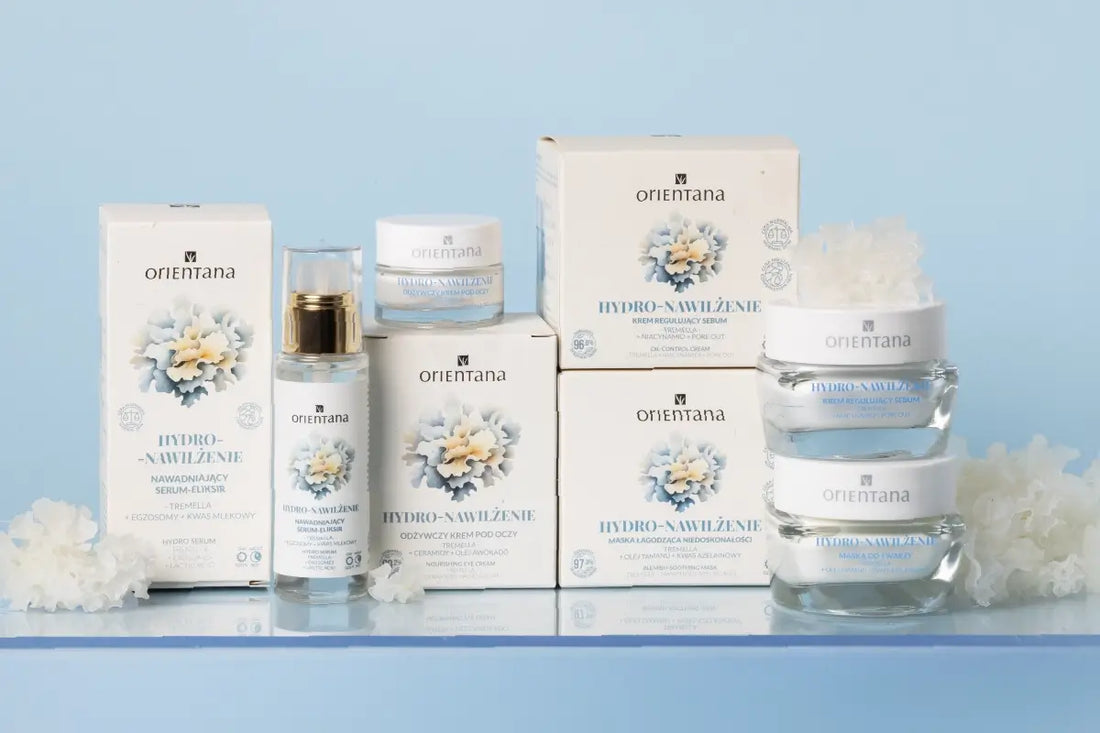
How to create a face care set?
Conscious skincare starts with a well-chosen set of cosmetics.Instead of random products from different brands, more and more people are choosing complete skincare based on a single philosophy and tailored active ingredients. This ensures that the ingredients complement each other, the skin is better protected, and results are visible faster. In this guide, you will learn how to create your own skincare set – step by step – using natural Orientana products. Table of Contents: Why have a skincare set from a single brand? Step 1: Cleansing – the foundation of healthy skin Step 2: Toning – balance and preparation for active ingredients Step 3: Serum – concentrated care tailored to your needs Step 4: Cream – protection and regeneration Step 5: Extras and rituals – masks, massages, mists Frequently Asked Questions Why have a skincare set from a single brand? When cosmetics come from the same line, their formulas are consistent and mutually compatible – they have similar pH levels, similar active ingredients, and do not cause undesirable reactions.Instead of testing random combinations, it is worth trusting sets developed according to the philosophy of a single brand that bases its skincare on biocompatible active ingredients. However, this does not mean it is essential. Such a set can also be created from different or similar ingredients. Step 1: Cleansing – the foundation of healthy skin Without clean skin, effective skincare is impossible. Start with a product that removes impurities but does not disrupt the microbiome. Choose a gentle facial cleansing gel or foam, rich in prebiotics and antioxidants, ideal for daily cleansing. Step 2: Toning – balance and preparation for active ingredients Toner is an often overlooked step, yet it is crucial for restoring balance and allowing subsequent cosmetics to absorb better. Step 3: Serum, Serum-ampoule, Booster – concentrated care tailored to your needs Serum is the most active step in the entire ritual. Here, choose the formula and ingredients tailored to your skin's needs: Tremella + Exosomes Moisturizing Serum - for combination and dehydrated skin, Reishi Regenerating Booster - for mature skin and skin requiring rejuvenation, Brightening serum-ampoule for discolouration - for dull skin with hyperpigmentation. Step 4: Cream – protection and regeneration At the end of the ritual, reach for a cream and choose it depending on whether it's morning or evening care. Select the cream based on the season and, most importantly, your skin's needs. For example, for skin in need of lifting, you can choose Lifting Cream with Collagen + Microalgae + Biomimetic Peptides. For combination and oily skin, choose Sebum-Regulating Cream with Tremella. Step 5: Extras and rituals - masks, massages, mists Skincare is also about pleasure. From time to time, add an element that brings relaxation and gives an extra boost to the skin. For example, the Yuzu Ceramide Mask, which rebuilds the barrier, or the Japanese Rose Facial Massage Oil, which has nourishing and smoothing properties. 💚 Create your natural skincare set with Orientana!Choose cosmetics tailored to your skin type and discover the power of nature in your daily ritual. Frequently Asked Questions (FAQ) How to choose facial cosmetics if I don't know my skin type? It's best to start by observing your skin after washing, without cream. If you feel tightness after 20–30 minutes, your skin is dry; if it shines, especially in the T-zone, it's oily; and if only some areas are dry, it's combination. For sensitive skin, redness and a burning sensation are characteristic. Only after determining your skin type should you choose cosmetics. How many steps should a daily facial care routine have? An optimal skincare set consists of 4–5 steps: cleansing, toning, serum, cream, and SPF protection. In the evening, a fifth step can be added, a night regeneration with a richer cream or mask. The most important thing is consistency, not the number of products. Can I combine cosmetics from different lines? Yes, as long as their effects are complementary. For example, you can combine a cleansing gel with Date and Inulin with a rose toner, then apply a Reishi and ceramide serum, and Sandalwood and Turmeric cream. The most important thing is that all cosmetics support the hydrolipid barrier and do not contain harsh detergents. How often should I change the cosmetics in my set? You don't need to do it often; if the routine works, it's better not to interrupt it. However, it's worth modifying the set seasonally: in winter, opt for more nourishing formulas with butters and ceramides, and in summer, for light emulsions and moisturizing essences, e.g., Hydro Tremella. Are natural cosmetics effective enough? Yes, modern biotechnology allows for the creation of phytocosmetics with efficacy comparable to dermocosmetics. Examples include phytoceramides, phytoretinol, and phytocollagen, which are active and do not irritate. Orientana utilizes these innovations while maintaining the natural character of its formulations. Should a peeling be included in a skincare set? Yes, but not daily. A peeling is a skincare element 1–2 times a week that removes dead skin cells and facilitates the absorption of active ingredients. It's worth choosing a gentle enzymatic or acid peeling that does not damage the skin's barrier. Can I create my own skincare sets with Orientana cosmetics? Of course! The Orientana brand offers products with complementary effects – you can choose your own set.
Learn more