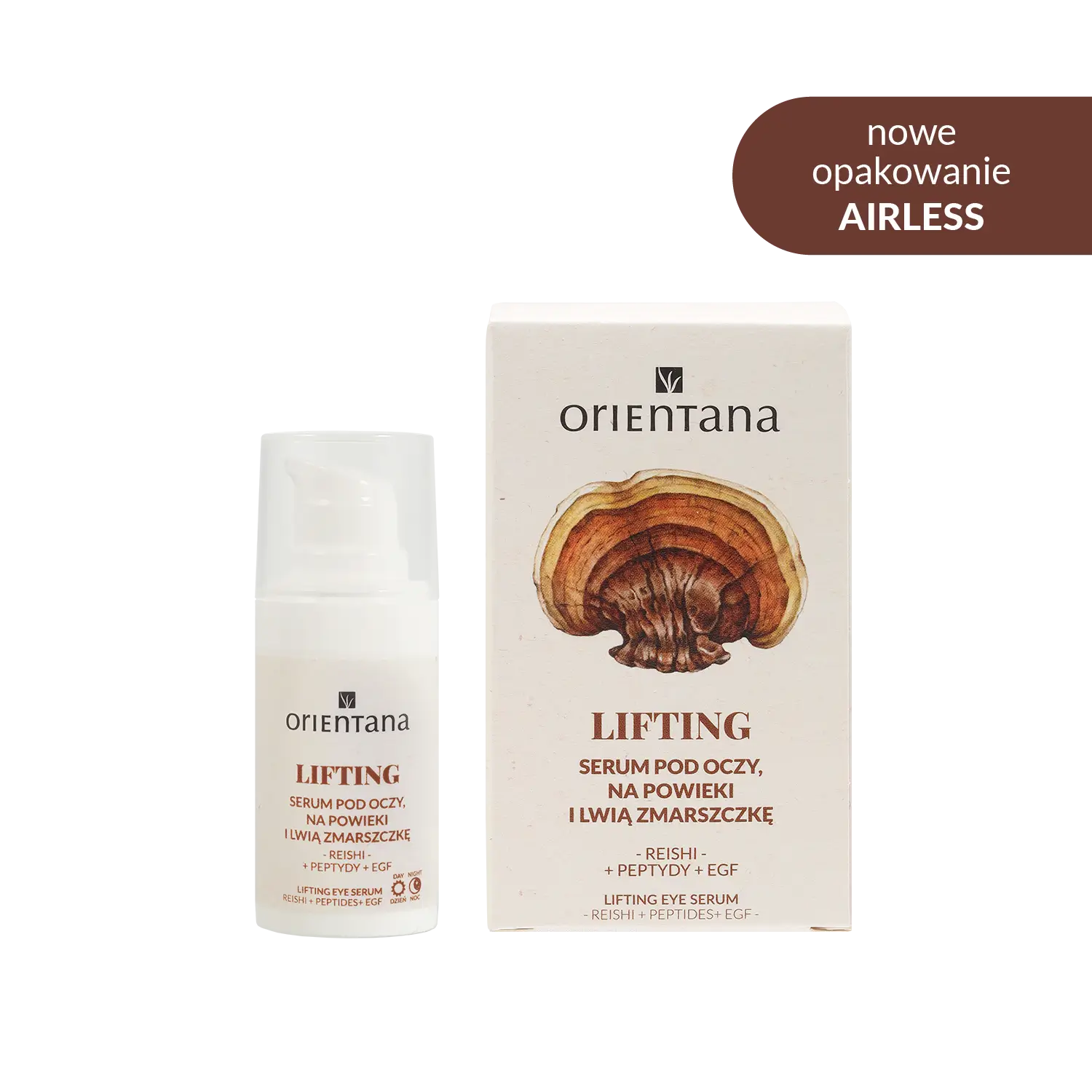
Japanese skincare has fascinated women around the world for years. It is associated with flawless complexion, natural glow, and a minimalist approach to beauty. Japanese women do not treat skincare as a quick chore, but as a ritual of mindfulness, a way to pause and listen to their skin's needs. This philosophy has inspired brands such as Orientana to draw on Asian traditions, creating cosmetics based on plant extracts and adaptogens.
Table of Contents:
- Introduction - the philosophy of Japanese skincare
- What is Japanese skincare
- Step-by-step ritual - stages of Japanese facial care
- Japanese skincare according to Orientana - Asian philosophy in natural formulas
- Why Japanese skincare has conquered the world
- Is Japanese skincare for everyone
- FAQ - frequently asked questions about Japanese skincare
- Summary - skincare as a ritual of mindfulness and harmony

What is Japanese skincare?
Unlike the Western approach, which often focuses on intense exfoliation and quick results, Japanese skincare focuses on rebuilding the hydrolipid barrier and long-term skin balance. Its pillars are:
- Gentle cleansing without disrupting the protective barrier
- Layered hydration and delivery of active ingredients
- Protection against oxidative stress and environmental factors
- Daily facial micromassage to stimulate circulation
- Conscious minimalism – fewer products, but highly effective
Step-by-step ritual – what does Japanese facial care look like?
1. Oil cleansing – the foundation of healthy skin
Japanese women believe that beauty begins with a cleansed complexion. The first step is makeup remover oil, which dissolves makeup and impurities without drying out the skin.
2. Soothing and restoring skin comfort
After the oil, a gel or facial cleansing foam is used to complete the cleansing stage and restore comfort without a feeling of tightness.
3. Essence – the heart of Japanese skincare
This is the most characteristic step. Hydrating essence in a light formula penetrates deep into the skin, activating its natural regenerative processes. In the Asian approach, essence works "from within," and cream "seals in" hydration.
4. Serum or booster – a concentrated dose of active ingredients
In the Japanese ritual, products with adaptogens, ceramides, or snail mucin are often used – this is intensive repair care.
5. Protective cream or light lotion
The purpose of the cream is to protect the skin and prolong the effect of previous layers. The formula must not be heavy; the skin should be able to breathe.
6. Facial massage – a ritual of relaxation and youth
Japanese women perform a daily lifting massage that improves microcirculation and gives the skin a fresh, radiant look.
Japanese skincare according to Orientana - Asian philosophy in natural formulas

Orientana, inspired by Asian skincare, has introduced the principle of "biocompatibility and layered skin nourishment" into its cosmetics, thanks to which the products do not act superficially but support the skin's natural balance. Creams, essences, and lotions are based on:
- Asian plants: Reishi, Tremella, ashwagandha, centella
- Natural plant extracts without synthetic silicones and paraffin
- Textures inspired by Asian rituals – light, yet rich in active ingredients
This is a philosophy of care where the skin is not "covered up" with makeup - it should look good without it.
Why has Japanese skincare conquered the world?
- It is natural and minimalist
- It focuses on prevention rather than aggressive correction
- It teaches regularity and mindfulness
- It does not disrupt the skin's microbiome
- It provides a long-lasting effect of healthy, radiant skin
Is Japanese skincare for everyone?
Yes, because its goal is not interference, but restoring the skin's balance. It will work for people with:
- Tired, dull complexion
- Dehydrated and sensitive skin
- Acne caused by a disrupted hydrolipid barrier
- First signs of aging
FAQ – frequently asked questions about Japanese skincare
What is Japanese facial skincare?
Japanese skincare involves gentle cleansing, layered skin hydration, and protection of the hydrolipid barrier, with an emphasis on balance and natural skin radiance.
Does Japanese skincare really work?
Yes, it works long-term - it does not mask skin problems, but supports its natural repair and regenerative functions.
What is the difference between Japanese and Korean skincare?
Korean skincare focuses on many steps and intensive active formulas, while Japanese skincare emphasizes minimalism, simplicity, and rebuilding the skin barrier.
Why do Japanese women have such smooth skin?
Because they treat skincare as a ritual of daily mindfulness, they do not rush and choose cosmetics that support the skin's natural balance instead of aggressive action.
Does Japanese skincare involve many steps?
No - it involves a few conscious stages: oil cleansing, gentle washing, essence, light lotion or cream, and facial massage.
What is most important in Japanese skincare?
Regularity and gentleness - the skin should be treated with respect, without rubbing, excessive exfoliation, and heavy formulas.
Can Japanese skincare be used for acne-prone skin?
Yes, because it strengthens the protective barrier and soothes inflammation, which reduces the risk of imperfections.
What ingredients are typical for Japanese skincare?
Adaptogens, ceramides, extracts from Reishi mushrooms, Tremella, green tea, rice, snail mucin, and plant antioxidants.
Is essence necessary in Japanese skincare?
Yes, essence is a key element - it works deeper than toner and activates the skin for regeneration before applying cream.
Does Japanese skincare require special devices?
No, hands are enough - massage performed with fingers is an important part of the ritual and helps improve microcirculation.
Are Oriental brands like Orientana consistent with the Japanese philosophy of skincare?
Yes, Orientana draws on Asian practices, creating light, biocompatible, and plant-based products - in line with the spirit of Japanese skincare.
Is facial massage mandatory?
Japanese women perform a short massage daily - this improves skin firmness and provides a natural glow.
Is Japanese skincare suitable for mature skin?
Yes, because it focuses on rebuilding, smoothing, and moisturizing – without heavy ingredients and clogging silicones.
Are strong peels used in Japanese skincare?
No, instead of intensive exfoliation, gentle forms of skin renewal are used, e.g., plant enzymes and acids in very low concentrations.
How to introduce Japanese skincare step by step?
Start with oil cleansing, add a gentle gel, then incorporate an essence and a light cream - you don't need many products at once; the ritual and regularity matter.