Inspirations

Using a Face Serum – When, How and Why? A Practical Step-by-Step Guide
I often get questions about whether using a face serum is necessary. So, I decided to dispel any doubts and explain the role of serums in skincare and how to use them. A face serum is a cosmetic with a highly concentrated formula, containing high concentrations of active ingredients such as vitamins, peptides, and acids. Thanks to its light consistency and deep penetration, a serum can significantly improve the skin's condition—moisturizing, brightening, firming, or helping to combat imperfections. However, for a serum to be as effective as possible, proper use is crucial. In this article, you'll find a practical step-by-step guide that will show you how and when to apply a serum, how to choose one for your skin type, and what to pay attention to in your daily skincare routine. Check out all our face serums Why is using serum important? It is worth using serum because: works faster and more intensively than cream, goes deeper into the layers of the epidermis, can significantly improve skin condition after just a few weeks, complements the action of other cosmetics in the care routine. How to properly use facial serum? When to apply the serum - morning or evening? It depends on the type of serum and its composition. In the morning, antioxidant serums, such as those with vitamin C, niacinamide, trehalose or ectoine, are best because they help protect the skin against external factors. In the evening, it is worth reaching for a regenerating serum with acids (e.g. PHA, AHA, BHA), retinoids, peptides or ceramides, which support night-time cell renewal. How often should you use a facial serum? Most serums can be used daily – morning and/or evening , with the exception of intensely exfoliating products, which should be applied 2–3 times a week. For sensitive or inflamed skin, it's best to start with a lower frequency and observe your skin's reaction. How to apply serum - step by step? Makeup removal and cleansing – thoroughly remove makeup and impurities. Toning – restore the proper skin pH with tonic or hydrolate. Serum application – Apply 2–4 drops of serum to dry or damp skin on the face, neck, and décolleté. Spread gently without rubbing. Wait a while (30–60 seconds) for the product to absorb. Apply cream – protect the serum with a layer of cream, which will prevent the active ingredients from evaporating and enhance their effect. The order of applying cosmetics with serum - are you doing it right? The rule is simple: from the lightest to the heaviest consistency . A typical routine looks like this: Cleaning Tonic/essence Serum Cream Sunscreen (morning) Important: Serums do not replace cream . Even if they seem "rich," they do not have an occlusive effect—so they should always be covered with cream. How to choose a serum for your skin type? The choice of serum should be based on your skin's needs and type. Examples: Skin type – Recommended active ingredients: Dry: hyaluronic acid, trehalose, ceramides, tremella Mixed: niacinamide, zinc, green tea, PHA (gluconolactone, lactobionic acid) Oily/acne: salicylic acid, BHA, retinol, neem, bakuchiol, tremella Mature: retinol, peptides, coenzyme Q10, reihi, trehalose Vascular: vitamin C (stable), niacinamide Sensitive: ectoine, centella asiatica, panthenol, lactobionic acid Frequently asked questions about using facial serums (FAQ) Can the serum be used under the eyes? Not all serums are suitable for this purpose. It's worth choosing products specifically designed for the eye area, with a balanced pH and ophthalmologically tested. How long should I wait before applying the cream? Usually, 30–60 seconds is enough – this is how long it takes for the serum to absorb and not roll under the cream. Can you combine different cheeses? Yes, but with caution. Combining vitamin C with niacinamide or peptides with hyaluronic acid is safe, but some ingredients (e.g., retinol and AHAs) may irritate the skin when used together. Summary – how to best use the potential of a facial serum? Using a serum is one of the most effective ways to consciously and effectively care for your skin. The key to success, however, lies not only in choosing the right product but also in applying it correctly, consistently, and adapting it to your skin's needs. If you incorporate a serum into your routine according to the tips above, you'll notice improvements in skin hydration, firmness, and overall appearance over time. Need help choosing a serum for your skin? Consult a cosmetologist or choose products with a clear INCI composition and specific indications of action.
Learn more
What is Sodium Laureth Sulfate (SLS)?
Sodium Laureth Sulfate (SLS) is one of the most commonly used ingredients in shampoos and body wash products. Its main function is to remove dirt, grease, and impurities, as well as to create abundant foam, which makes the cosmetic appear more effective in cleansing. However, many controversies have arisen around SLS. Critics point to its potential irritating and drying effects, as well as its ability to weaken the scalp's hydrolipid barrier. More and more people are looking for gentler alternatives that will maintain healthy skin and hair without the risk of irritation. In this article, we will discuss the impact of SLS on hair and present effective substitutes. What is Sodium Laureth Sulfate (SLS)? Chemical structure and properties Sodium Laureth Sulfate (SLS) is an anionic surfactant belonging to the group of ethoxylated sulfates. It is a synthetic detergent derived from lauryl alcohol, which undergoes an ethoxylation process that reduces its aggressiveness compared to Sodium Lauryl Sulfate (SLS). SLS works by lowering the surface tension of water, which allows for effective emulsification of fats and impurities, and then their rinsing from hair and scalp. Why is SLS widely used? Sodium Lauryl Sulfate (SLS) is a highly effective detergent that quickly removes sebum and all impurities from the skin and hair surface. Thanks to its cleansing properties, it effectively dissolves fats and dirt, which makes it widely used in shampoos, shower gels, and other hygiene products. One of the characteristic features of SLS is its ability to foam intensely. Abundant foam not only facilitates product application and distribution but is also welcomed by consumers, who often equate it with better cleaning effectiveness. Thanks to this, products containing SLS are popular in the cosmetic market. Another advantage of SLS is its low production cost. It is one of the cheapest and most readily available detergents, which makes it an attractive ingredient for cosmetic and cleaning product manufacturers. Its use can reduce production costs while ensuring high cleaning effectiveness. This substance also gives a distinct feeling of cleanliness after washing hair or skin. Users often feel that their hair is light, fresh, and free of excess sebum. However, intense degreasing action can lead to dry skin and hair, which in some people causes irritation or excessive sebum secretion as a defensive reaction of the body. Is SLS harmful? Irritating and drying effects Sodium Lauryl Sulfate (SLS) is an effective detergent, but its action can be too aggressive for some skin types. Although it perfectly removes impurities and sebum, its intense cleansing properties can lead to negative side effects, especially in people with sensitive skin. Dermatological studies have shown that SLS can weaken the skin's natural protective barrier. As a result, this can lead to scalp irritations, manifested by itching, burning, and redness. Long-term use of products containing SLS can exacerbate these symptoms, causing discomfort and increased skin sensitivity. Another problem resulting from the action of SLS is skin dryness. This detergent removes not only excess sebum but also the natural hydrolipid layer, which is responsible for hydration and protection against external factors. Disrupting this barrier can result in a feeling of tightness, dryness, and skin flaking. Paradoxically, excessive sebum removal by SLS can lead to increased sebum production. The skin, defending itself against dryness, begins to secrete more oil, which can lead to rapid hair greasing and the need for more frequent washing. This vicious cycle can exacerbate scalp problems, especially in people prone to seborrhea. Allergic reactions and hypersensitivity SLS can cause allergic reactions, especially in people with sensitive skin or a tendency to atopic dermatitis. In people suffering from psoriasis, eczema, or skin acne, it can worsen symptoms. Does SLS contribute to hair loss? Many consumers worry that Sodium Lauryl Sulfate (SLS) can cause excessive hair loss. While there is no direct scientific evidence that SLS itself leads to permanent hair loss, its action can indirectly affect scalp condition and weaken hair follicles. SLS is a strong detergent that removes oil and impurities, but it can also disrupt the natural hydrolipid barrier of the skin. Studies show that long-term exposure to SLS can lead to irritation, dryness, and inflammation of the scalp. One study published in the International Journal of Trichology noted that chronic scalp irritation can weaken hair follicles and cause increased breakage and thinning. Additionally, people with sensitive scalps or predispositions to conditions such as seborrheic dermatitis or atopic dermatitis may react more intensely to SLS. Itching, redness, and scalp inflammation can lead to increased scratching, which in turn damages hair follicles and accelerates the hair loss process. Another mechanism that can indirectly affect hair condition is excessive degreasing of the scalp. SLS removes sebum, which plays an important role in protecting hair and skin. In response, the body may increase oil production, leading to a vicious cycle of greasy hair and more frequent washing. Too frequent use of strong detergents can weaken the hair structure, and even lead to breakage and thinning. Some laboratory studies on animals have shown that high concentrations of SLS can cause skin cell damage and weaken hair follicles, but the doses used in tests significantly exceeded those found in cosmetics. It is worth emphasizing that SLS is approved for use in hair care products at safe concentrations, usually not exceeding 15-30% in the cosmetic composition. In summary, SLS is not a direct cause of hair loss, but its potential irritating and drying effects can lead to weakening of the scalp and hair structure, which can indirectly contribute to hair loss. People with sensitive scalps or a tendency to irritation should consider gentler alternatives, such as Sodium Cocoyl Isethionate (SCI) or Sodium Lauroyl Methyl Isethionate (SLMI), which are milder for the skin and hair. Alternatives to SLS – gentle cleansing agents Although Sodium Lauryl Sulfate (SLS) is an effective detergent, its strong action can be too aggressive for sensitive skin and hair. There are many gentler cleansing substances on the market that effectively cleanse while minimizing the risk of irritation and dryness. Alternatives to SLS can be divided into several groups, depending on their chemical properties and origin. Gentle anionic substances Anionic agents are a group of detergents with good cleansing properties, but among them, gentler alternatives to SLS can be found. Sodium Coco-Sulfate (SCS) is a milder version of SLS, derived from coconut oil. Although it still has foaming and cleansing properties, its molecules are larger, making it less aggressive on skin and hair. Studies have shown that SCS poses a lower risk of irritation compared to classic SLS, which makes it more frequently used in natural shampoos and products for sensitive skin. Sodium Lauryl Sulfoacetate (SLSA) is another alternative with foaming properties. Unlike SLS, it does not cause such strong dryness because its molecules do not penetrate as deeply into the lipid layer of the skin. It is well tolerated by most skin types and is often used in natural cosmetics and children's products. Amphoteric cleansing agents Amphoteric agents are milder detergents that are often used in combination with anionic cleansing substances to reduce their irritating effect. Cocamidopropyl Betaine is one of the most commonly used ingredients in cosmetics for children and people with sensitive skin. It softens the effect of stronger detergents and improves foam quality, making products containing SLS less aggressive on the skin. Studies indicate that Cocamidopropyl Betaine reduces the irritating potential of anionic surfactants by as much as 30-40%, making it a valuable ingredient in gentle formulations. Coco Betaine is a more natural version of cocamidopropyl betaine, which has similar properties but is even milder. It is used in ecological cosmetics and products intended for allergic skin. Non-ionic surfactants Non-ionic detergents are among the mildest cleansing substances, making them an ideal choice for people with irritation-prone skin. Decyl Glucoside is a mild, biodegradable surfactant derived from sugars and vegetable oils. It is characterized by low irritating potential, which is why it is eagerly used in ecological products and cosmetics for infants. According to dermatological studies, Decyl Glucoside is one of the best-tolerated detergents on the cosmetic market. Lauryl Glucoside is another non-ionic detergent that is gentler than SLS but still effectively cleanses skin and hair. It is often used in children's shampoos and products for atopic skin. Research shows that Lauryl Glucoside does not disturb the skin's hydrolipid barrier, thus helping to maintain proper hydration levels. Natural detergent substitutes For those looking for completely natural solutions, there are alternatives based on plant and mineral ingredients that effectively cleanse skin and hair without the use of synthetic detergents. Washing nut powder (Reetha) and Shikakai are traditional ingredients used in hair care in India. Reetha nuts contain natural saponins, which act as a mild detergent, cleansing the scalp and hair without excessive degreasing. Shikakai, in turn, has moisturizing and strengthening properties, which makes it valued in Ayurvedic hair care methods. Cleansing clays, such as Moroccan clay (ghassoul), are another natural alternative to detergents. This clay effectively absorbs excess sebum and impurities without disturbing the skin's protective barrier. It is especially recommended for people with oily hair problems and a tendency to irritation. Alternatives to SLS include a wide range of gentler detergents that effectively cleanse hair and skin, minimizing the risk of irritation. People with sensitive skin or dermatological problems can opt for milder anionic, amphoteric, and non-ionic substances, as well as natural cleansing ingredients that have been used in hair care for centuries. The choice of the appropriate agent depends on individual needs, but more and more people are consciously abandoning aggressive detergents in favor of milder and more skin-friendly alternatives. How to switch to SLS-free care? Changing your hair care routine to one that does not contain Sodium Lauryl Sulfate (SLS) can bring many benefits, especially for people with sensitive skin, prone to irritation or excessive oiliness. However, completely giving up SLS requires a thoughtful approach, as the scalp and hair may need time to adjust to the new routine. Gradual introduction of shampoos with a gentle composition Suddenly discontinuing SLS may cause hair to appear less fresh or become oily faster during the first few weeks. This is due to the fact that the scalp, accustomed to strong degreasing, may initially produce an excessive amount of sebum. Therefore, the best solution is to gradually introduce milder shampoos. Initially, it is worth using a gentler SLS-free shampoo alternately with your current product, e.g., every other wash. This will allow the scalp to gradually get used to milder detergents. After a few weeks, you can completely switch to gentle cleansing agents, such as Decyl Glucoside, Lauryl Glucoside, or Cocamidopropyl Betaine. Regular scalp exfoliation to avoid excessive oiliness One of the challenges that may arise after discontinuing SLS is the feeling of heavy hair or excessive oiliness of the scalp. This is a normal reaction of the body, which tries to restore the natural balance of sebum production. To prevent this effect, it is worth introducing regular scalp exfoliations. Exfoliations help remove accumulated sebum, dead skin cells, and cosmetic residues, while improving microcirculation and supporting healthy hair growth. You can use: Enzymatic exfoliants – containing natural enzymes, e.g., from papaya or pineapple, which gently dissolve impurities without mechanical friction. Mechanical exfoliants – containing exfoliating particles, e.g., ground apricot kernels, sea salt, or sugar. Clay exfoliants – based on cleansing clays, such as Moroccan clay (ghassoul) or white kaolin clay, which absorb excess sebum and gently refresh the scalp. It is worth performing scalp exfoliation once every 7-10 days, so as not to dry out the skin, but at the same time prevent excessive hair oiliness. Testing different formulas to choose the best product for your hair There is no one-size-fits-all recipe for SLS-free care, as each type of hair and scalp reacts differently to various cleansing ingredients. It is worth testing different formulas and observing how your hair behaves after using them. What to look for when choosing an SLS-free shampoo? Type of cleansing substance – for very sensitive skin, non-ionic detergents (e.g., Decyl Glucoside, Lauryl Glucoside) will work better, while for people with oily scalps, milder anionic agents (e.g., Sodium Coco-Sulfate) may be better. Presence of moisturizing ingredients – plant oils, aloe vera, glycerin, or betaine help maintain proper scalp hydration and prevent dryness. Balance of cleansing and conditioning ingredients – shampoo should not only effectively clean but also support the condition of the scalp and hair. It is also worth remembering that hair may need time to adapt to new care. For the first few weeks, it may look different than usual – it may become oily faster, dull, or more limp. This is a natural reaction resulting from the scalp adjusting to gentler cleansing. Switching to SLS-free care requires patience and observation of skin and hair reactions. The key is to gradually introduce milder shampoos to avoid shocking the scalp. Additionally, regular exfoliations will help maintain the balance of sebum production and prevent hair from becoming weighed down. Testing different formulas will allow you to find the best product tailored to your individual needs. With properly selected care, hair can become healthier, less prone to dryness, and more resistant to damage. Giving up SLS in daily care can bring benefits in the form of a healthier scalp and less dry hair. Gentler cleansing agents may require an adaptation period, but the long-term effects often compensate for initial difficulties. It is worth experimenting with different alternatives to find the best shampoo for your hair and scalp.
Learn more
GRAPE SEED OIL IN COSMETICS
Natural vegetable oils play a key role in cosmetology and dermatology, and their popularity is growing with the interest in conscious care. Among them, grape seed oil has a special place, which is widely used in skin, hair and body cosmetics due to its care properties. It is a product obtained by pressing grape seeds, most often created as a by-product in the wine industry. Thanks to its light consistency and richness of nutrients, it is used in both commercial products and home-made cosmetics. Composition and properties of grape seed oil Grape seed oil is a product obtained from the seeds of the grapevine ( Vitis vinifera ), which has gained popularity both in culinary and cosmetics due to its unique properties and chemical composition. Chemical composition of grape seed oil This oil is characterized by a high content of unsaturated fatty acids, which constitute about 90% of its composition. The dominant acid is linoleic acid (omega-6), the content of which ranges from 58% to 78%. Oleic acid (omega-9) constitutes from 3% to 15% of the oil composition. Saturated fatty acids, such as palmitic and stearic acid, constitute less than 10% of the oil content. In addition to fatty acids, grape seed oil is rich in vitamin E, with a content of 28.8 mg per 100 g of oil, which is three times the daily requirement. Compared to olive oil, grape seed oil offers twice the amount of this vitamin. Vitamin E acts as a powerful antioxidant, strengthening the immune system, acting neuroprotectively and anti-cancer. In addition, the oil contains polyphenols such as catechins, epicatechins, procyanidins and phenolic acids (e.g. gallic acid, caffeic acid, ferulic acid), which have antioxidant and anti-inflammatory effects. Health properties Studies indicate that regular consumption of grape seed oil can help reduce the level of "bad" LDL cholesterol, which is important in preventing atherosclerosis. The high content of linoleic acid has a beneficial effect on the functioning of the cardiovascular system. Thanks to the presence of polyphenols, this oil has anti-inflammatory, antibacterial and anti-cancer properties. These compounds neutralize free radicals, protecting cells from oxidative stress and delaying the aging process. Culinary use and recommendations Grapeseed oil has a high smoke point of around 190-230°C, which theoretically makes it suitable for frying. However, due to the high content of polyunsaturated fatty acids, which can be oxidized at high temperatures, it is recommended to use this oil cold, e.g. as an addition to salads or dressings. In summary, grape seed oil is a valuable product with a rich chemical composition and a wide range of applications. Its regular, moderate consumption and use in skin and hair care can bring numerous health benefits. Benefits for the skin Due to its high antioxidant and fatty acid content, grape seed oil effectively moisturizes and regenerates the skin. It is especially recommended for people with oily and combination skin, because it absorbs quickly and does not clog pores (it has a low comedogenic index). Its sebum-regulating effect means that it helps normalize sebum secretion, which can reduce the tendency to breakouts and blackheads. In addition, thanks to the presence of vitamin E, it has anti-aging properties - regular use of the oil can improve skin elasticity and reduce fine lines. In turn, its anti-inflammatory effect makes it effective in soothing irritations and redness, making it also suitable for sensitive skin. Grape seed oil is valued in cosmetology for its light consistency and quick absorption by the skin. It does not clog pores, making it suitable for oily and acne-prone skin. It has a moisturizing, nourishing and regenerating effect, supporting the reconstruction of the skin's hydrolipid barrier. It is used in products for the care of mature, contaminated skin and in the treatment of acne, pressure sores, burns, dandruff and pimples. Grape seed oil in body care Thanks to its moisturizing and firming properties, grape seed oil is often used in body care. It is an excellent base for massage, as it spreads easily and absorbs quickly, leaving no greasy layer. It can also be an ingredient in body lotions and moisturizing butters, which help reduce dryness and roughness of the skin. The antioxidant content means that this oil can help fight cellulite and prevent stretch marks. In addition, using the oil after depilation can help soothe irritation and reduce the risk of ingrown hairs. Application in hair care Grape seed oil is valued in hair cosmetics primarily for its strengthening and regenerating properties. It can be applied to both the scalp and the length of the hair to prevent it from drying out and becoming brittle. Studies show that this oil improves circulation in the scalp, which can help improve hair growth. In addition, it helps reduce dandruff and dry scalp. Its light formula means it does not weigh down the hair, making it suitable even for thin strands. It can be used as a serum on hair ends to protect against split ends or as an ingredient in homemade regenerating masks. How to use grape seed oil This oil can be used both alone and in combination with other oils or active ingredients. In facial care, it works well as a light night oil or an addition to moisturizing creams. In hair care, it can be applied before washing as an oil mask or after washing as a serum for the ends. It is also worth using it in homemade cosmetics – you can add it to clay masks, sugar scrubs or homemade balms. Studies have shown that regular use of vegetable oils can improve skin hydration by 10-15% after just a few weeks. How to choose a good oil? Both refined and unrefined versions of grape seed oil are available on the market. Unrefined oil is richer in active ingredients, but has a shorter shelf life. It is worth choosing cold-pressed products, which retain the most nutritional properties. It is also important to pay attention to the origin of the raw material - certified, organic oils guarantee the highest quality. grape seed oil - orientana cosmetics breast oil The bust care oil has a firming effect, also influencing the appearance of the skin around the neckline. It deeply moisturizes, nourishes and strengthens the delicate structure of the skin, restoring its elasticity and healthy appearance. Thanks to regular application, the skin becomes firmer, smoother and radiant, and the bust gains the effect of a fuller shape and a subtle lift. One of the active ingredients here is grape seed oil. hello date mask Creamy mask is ideal for night-time skin regeneration of the face, neck and décolleté. Its velvety, vitamin-rich formula intensively cares for the skin, restoring its firmness and healthy appearance. After the first application, it provides deep hydration, nourishment and soothing irritations. Thanks to carefully selected ingredients, the cream-mask helps even out skin tone, brightening minor discolorations, and also reduces the visibility of wrinkles, leaving the complexion fresh and radiant. body oil Jasmine body oil is the quintessence of Ayurvedic care, inspired by traditional recipes. Produced in a certified factory in India, it is based on 100% natural ingredients, such as jasmine flower oil, sesame oil, grape seed oil and olive oil. Its rich formula intensively moisturizes and nourishes the skin, giving it a silky smoothness and a healthy glow. Created with dry and tired skin in mind, it deeply regenerates and protects against moisture loss, supporting its natural protective barrier. The sensual, enveloping scent of jasmine has a soothing effect, turning daily care into a relaxing ritual of relaxation and harmony. Grape seed oil is a versatile and valuable cosmetic ingredient. Its rich composition, light consistency and wide range of applications make it an excellent choice for both problematic skin and dry or aging skin. It can be used in facial, hair and body care, and its regular use contributes to the improvement of the condition of the skin and hair. By choosing a high-quality oil and using it according to the needs of the skin, you can reap the full benefits of its properties.
Learn more
DARK CIRCLES UNDER THE EYES Causes, prevention and effective methods of reduction
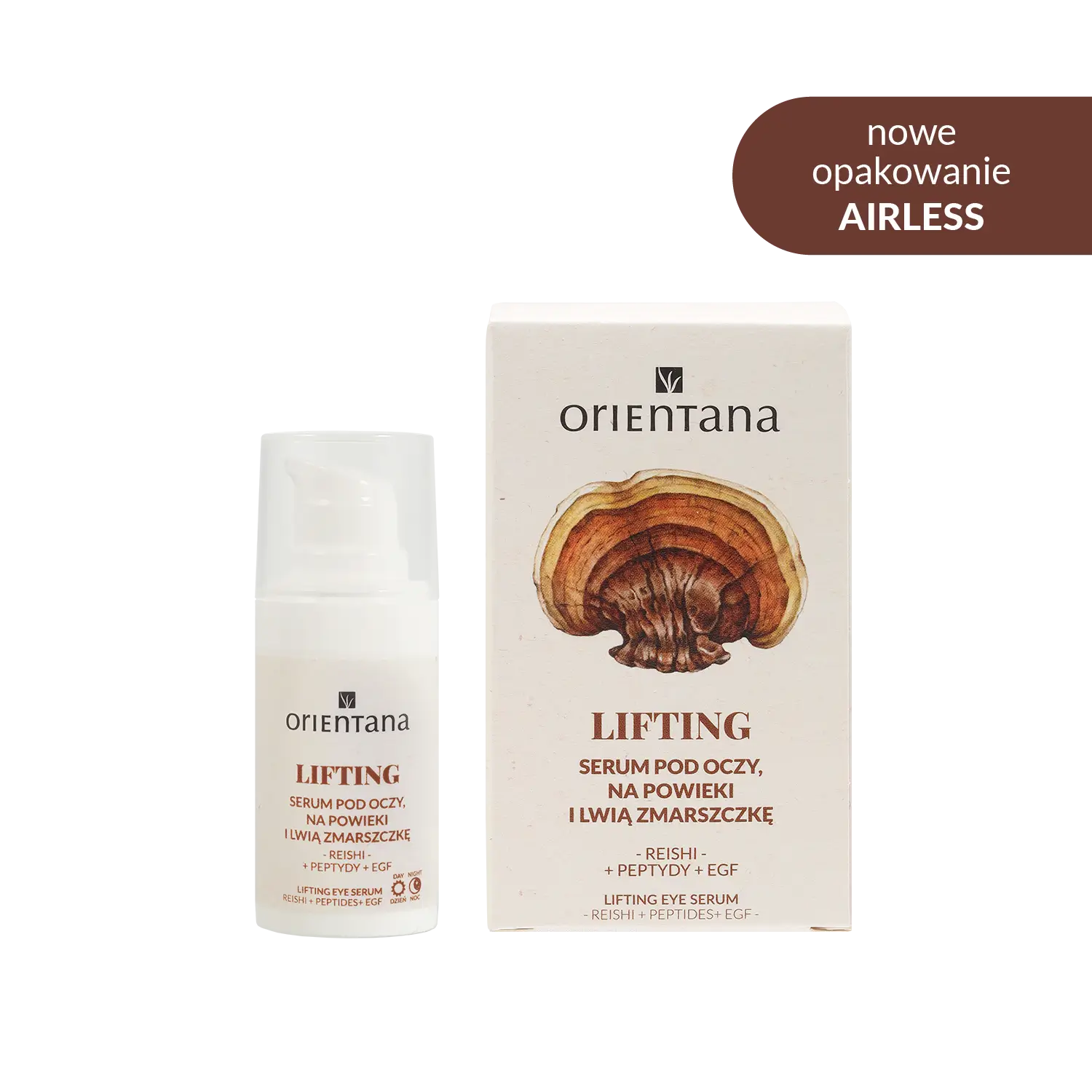
Dark circles are a common cosmetic problem that affects people of all ages, genders, and skin types. Often seen as a sign of fatigue or aging, dark circles around the eyes can have much deeper causes, from genetic predisposition to more serious health issues. Studies indicate that dark circles are not usually a medical concern, but for aesthetic reasons, many people seek effective methods to reduce them. In this blog post, we present a comprehensive analysis of the causes of dark circles and effective strategies to combat them, from simple home remedies to advanced cosmetic procedures. dark circles under the eyes - Definition and characteristics Dark circles are a darkened area of skin directly under the eyes that can range from blue and purple to brown and black, depending on the natural skin color of the person. The skin in this area is extremely delicate, thin, and has a shallow blood supply, and is virtually devoid of fat tissue, making it more susceptible to changes and visible discoloration. Dark circles often make a person look more tired or older than they actually are, which can affect how others and themselves perceive their appearance. Occurrence and risk groups Anyone can get dark circles, but research suggests they are more common in older people, those with a family history of the condition, and those with darker skin tones. This cosmetic defect is not linked to a specific skin type, although the visibility of dark circles can vary depending on individual characteristics, such as skin thickness or blood vessel layout. It’s worth noting that the tendency to develop dark circles often has a genetic component, meaning that some people may be more susceptible to them regardless of their lifestyle or skincare routine. Differences in appearance and perception The appearance of dark circles under the eyes can vary significantly from person to person. In some, they manifest as subtle bruising, in others as deep, dark circles resembling bruises. It is worth distinguishing dark circles under the eyes from other eye problems, such as swelling or tear troughs, although they often occur at the same time, intensifying the unfavorable visual effect. The perception of dark circles under the eyes as an aesthetic problem is also strongly culturally determined - in some societies they may be considered a characteristic feature, while in others, such as ours, they constitute a defect that needs to be masked. Causes of dark circles under the eyes Dark circles under the eyes can appear for many reasons, and understanding their cause is key to effective treatment. The most common cause is the body's natural aging process, which causes the skin under the eyes to thin and lose elasticity, making blood vessels more visible. This process is inevitable, but can be accelerated by poor habits and lifestyle. Genetic and constitutional factors The tendency to have dark circles under the eyes is often hereditary. People whose parents or grandparents struggled with this problem are more likely to have it. Genetics influence the distribution of subcutaneous fat and the network of blood vessels, which directly translates into the visibility of dark circles. Some people are born with naturally thinner skin under the eyes, which makes the blood vessels more visible, creating the characteristic dark circles. This is a constitutional trait that can be difficult to completely eliminate. Fatigue, stress and sleep deprivation Lack of sleep is one of the most common causes of dark circles under the eyes. Sleep deprivation leads to lymph stagnation around the eyes, which results in the appearance of dark circles. Stress also plays a significant role in this process. Stress mechanisms lead to hormonal changes that can affect the color and texture of the skin, making dark circles more visible. Chronic stress can also disrupt the quality of sleep, creating a vicious cycle that deepens the problem. Skin Aging and Natural Processes As we age, our skin loses elasticity due to a decrease in collagen and elastin production, making it thinner and more transparent. As a result, blood vessels under the eyes become more visible, creating a characteristic blue tint. Additionally, the volume of fatty tissue around the eye decreases, which can lead to the formation of so-called tear troughs, deepening the impression of shadows. These natural aging processes are inevitable, but can be slowed down by proper care and a healthy lifestyle. External factors and lifestyle Lifestyle has a huge impact on the appearance of the skin under the eyes. Smoking leads to so-called smoker's skin, which is characterized by a gray, bluish tint under the eyes. Excessive alcohol and coffee consumption can also contribute to the problem. Unprotected sun exposure causes premature skin aging, which accentuates dark circles under the eyes. Inappropriate care of this sensitive area, such as aggressive eye rubbing or using the wrong cosmetics, can further aggravate the problem. Allergies and health problems Dark circles under the eyes can be a symptom of allergies to cosmetic ingredients, chemicals, animal hair, dust, mites or even some foods. Allergic reactions lead to inflammation, which can manifest as darkening of the skin under the eyes. In some cases, dark circles can indicate more serious health problems, such as hypothyroidism or anemia. Hypothyroidism is characterized by low thyroid hormone levels, which can cause water retention and puffiness, which can increase the appearance of dark circles under the eyes. Prevention and daily habits Preventing dark circles under the eyes is a process that requires a systematic and comprehensive approach to health and care. Introducing the right habits can significantly improve the appearance of the skin around the eyes and prevent the problem from getting worse. The basis of prevention is to provide the body with an adequate amount of rest and regeneration, which directly translates into the condition of the skin under the eyes. The right amount of sleep and sleeping position Sleep is a time when the body regenerates and the skin regains its vitality. Experts recommend at least seven hours of sleep every night to prevent dark circles under the eyes. The quality of sleep is just as important as the length of sleep - it is worth ensuring comfortable conditions, eliminating noise and the right temperature in the bedroom. Sleeping position also matters - elevating the head by using an additional pillow can help reduce lymph stagnation and prevent swelling under the eyes. This is especially important for people who wake up with puffy eyes. A healthy diet and adequate hydration A diet rich in antioxidants, vitamins and minerals supports skin health and can prevent dark circles under the eyes. Foods rich in vitamin K (spinach, broccoli), vitamin C (citrus fruits) and iron (red meat, legumes) are especially important. Proper hydration is key to maintaining skin elasticity - it is worth drinking at least 1.5-2 liters of water a day, avoiding excessive alcohol and caffeine consumption, which can contribute to dehydration and deepen dark circles under the eyes. Protection against external factors Protecting your skin from the harmful effects of UV rays is essential for preventing dark circles under the eyes. Prolonged exposure to the sun without proper protection leads to premature skin aging and deepening of dark circles. It is worth using a cream with SPF every day, even on cloudy days, and also wearing sunglasses, which additionally protect the delicate skin around the eyes. Equally important is protection from environmental pollution, which can accelerate the skin aging process. Stress Reduction and Relaxation Techniques Chronic stress can significantly impact the appearance of your skin, including dark circles under your eyes. Adding relaxation techniques like meditation, yoga, or deep breathing to your daily routine can help reduce stress and improve the quality of your sleep. Regular exercise not only helps reduce stress, but also improves blood and lymph circulation, which can reduce fluid buildup under your eyes and improve the appearance of the area. Home remedies for dark circles under the eyes Before we reach for professional methods to combat dark circles under the eyes, it is worth trying home remedies, which often prove effective, especially for less severe problems. These natural methods can bring relief and improve the appearance of the skin under the eyes, especially when dark circles are the result of fatigue or lack of sleep. Home remedies are safe, economical and easily accessible. Cold compresses and wraps Cold compresses are one of the simplest and most effective home remedies for dark circles under the eyes. Cold causes blood vessels to constrict, which reduces the visibility of dark circles and reduces swelling. You can use chilled cucumber slices, tea bags, chilled spoons or potato slice compresses. The compress should be applied to closed eyelids for about 10-15 minutes. Regularly used cold compresses can significantly improve the appearance of the skin under the eyes, especially when dark circles are caused by fatigue or allergies. Massage and lymphatic drainage A gentle massage of the eye area can improve blood and lymph circulation, which helps reduce fluid retention and dark circles. The massage is best performed with fingertips, gently moving them from the inner corner of the eye towards the temples. It is worth enriching the massage with elements of lymphatic drainage, which is particularly effective in removing excess fluid from the eye area. Regularly performing such a massage, preferably in the morning and evening, can bring visible results after just a few weeks. Natural ingredients and masks Many natural ingredients have brightening and anti-inflammatory properties that can help combat dark circles under the eyes. Aloe, honey, yogurt, and coconut oil are products that can be successfully used as masks or gently patted into the skin under the eyes. Aloe is particularly effective, as it has moisturizing and anti-inflammatory properties. It is best to use masks made of natural ingredients 2-3 times a week, leaving them on the skin for about 15-20 minutes, and then gently washing them off with lukewarm water. When home remedies are not enough, it is worth reaching for professional cosmetics designed specifically to combat dark circles under the eyes. The market offers a wide selection of products that, thanks to advanced formulas and active ingredients, can significantly improve the appearance of the skin under the eyes. When choosing professional cosmetics, it is worth paying attention to their composition and action aimed at a specific problem. Eye creams and serums Creams and serums dedicated to the eye area contain concentrated active ingredients that work on specific problems of this sensitive area. Products for dark circles under the eyes often contain hyaluronic acid or peptides, which stimulate collagen production, brighten the skin and improve its firmness. Serums with peptides and EGF are a good solution for dark circles under the eyes. One of the best eye creams that eliminate dark circles under the eyes is Eye Cream with Snail Slime. When choosing a cream, it is worth matching it to the cause of the dark circles - if they are the result of fatigue, products with caffeine will work best, which stimulates microcirculation, while for dark circles resulting from skin aging, creams with peptides and retinoids will be more effective. Active ingredients and their effects The most common active ingredients in anti-dark circles cosmetics are: vitamin C (brightening and antioxidant), retinol (stimulates cell renewal), caffeine (improves microcirculation), hyaluronic acid (moisturizes and fills), niacinamide (lightens discolorations) and peptides (stimulate collagen production). Each of these ingredients works in a slightly different way, so the best results are achieved by using cosmetics containing their combination. It is worth remembering that some ingredients, such as retinol, may initially cause irritation, so they should be introduced gradually. Concealers and concealing makeup For an immediate effect of masking dark circles under the eyes, it is worth reaching for specialist concealers. The best results are provided by concealers in the opposite color to the shade of the shadows - yellow or peach for dark circles, green for redness. Concealers should have a light, creamy consistency that will not emphasize wrinkles or dry skin. When applying concealer, it is worth using a small amount of the product and patting it in with your fingertips or a damp sponge, avoiding excessively burdening the delicate skin under the eyes. Cosmetic and medical treatments In the case of persistent dark circles under the eyes that do not respond to home remedies and cosmetics, it is worth considering professional cosmetic or medical treatments. Modern cosmetology and aesthetic medicine offer a wide range of procedures that can effectively reduce dark circles under the eyes, even those of genetic origin or related to the aging process. Choosing the right treatment should be preceded by a consultation with a specialist. Mesotherapy and moisturizing treatments Mesotherapy is a procedure involving the introduction of active substances directly into the skin using microinjections. In the case of dark circles under the eyes, cocktails containing hyaluronic acid, vitamins, antioxidants and peptides are used, which moisturize, brighten and regenerate the skin. The procedure gives the effect of rested, radiant skin and is particularly effective for dark circles associated with dehydration and loss of elasticity. Another option is moisturizing treatments, such as hydropeeling or oxygen infusion, which intensively hydrate the skin and improve its color. Laser and IPL treatments Fractional laser or IPL (Intense Pulsed Light) treatments can significantly improve the condition of the skin under the eyes. They stimulate collagen production, improve skin density and reduce the visibility of blood vessels, which are often the cause of dark circles. These treatments are particularly effective for dark circles caused by hyperpigmentation or shallow blood vessels. They require a series of sessions and the effects are permanent, although they may require periodic refreshing as the aging process progresses. Fillers and aesthetic medicine treatments In the case of dark circles under the eyes caused by loss of volume and the formation of the so-called tear trough, hyaluronic acid fillers can be an effective solution. The procedure involves injecting a small amount of the preparation, which fills the sunken areas and creates the effect of "illuminating" the skin from the inside. Another option is treatments using your own platelet-rich plasma (PRP), which stimulates skin regeneration and improves its density. Aesthetic medicine treatments should only be performed by qualified specialists, due to the delicacy of the treatment area. When to consult a doctor Although dark circles under the eyes are most often a cosmetic problem, in some cases they can signal more serious health problems. It is worth consulting a doctor if dark circles under the eyes appear suddenly, are very intense, or are accompanied by other disturbing symptoms. A specialist will help identify the cause of the problem and suggest the most effective solution. Alarming symptoms and potential diseases If dark circles are accompanied by symptoms such as chronic fatigue, weight loss, difficulty concentrating, or sleep disorders, this may indicate health problems that require medical intervention. Dark circles under the eyes may be a symptom of anemia, hypothyroidism, allergies, chronic inflammation, or metabolic disorders. Dark circles under the eyes that appear suddenly and are asymmetrical are particularly worrying - they may indicate circulatory problems or inflammation. In such cases, it is necessary to consult a general practitioner, who will order appropriate diagnostic tests. Appropriate specialists and diagnostics Depending on the suspected cause of dark circles, the patient may be referred to different specialists. A dermatologist will help with skin problems, an allergist if allergic reactions are suspected, an endocrinologist if hormonal disorders are suspected, and an ophthalmologist if the dark circles are related to eye problems. Basic diagnostics include blood tests (blood count, thyroid hormones, iron levels) that can rule out or confirm a medical cause. In some cases, more advanced tests, such as allergy tests or imaging studies, may be necessary. Dark circles are a common problem that can have a variety of causes, from genetic predisposition to serious health problems. The key to effectively combating dark circles is to identify their cause and choose the right methods to counteract them. In most cases, a comprehensive approach, combining a healthy lifestyle, proper care and, if necessary, professional treatments, brings the best results. First of all, it is worth taking care of the right amount of sleep (at least 7 hours), a healthy diet rich in antioxidants and proper hydration of the body. Equally important is sun protection and the use of cosmetics adapted to the sensitive skin under the eyes. In the case of persistent dark circles that do not respond to home remedies, it is worth consulting a specialist who will suggest professional solutions, such as mesotherapy, laser treatments or fillers. Remember that the results are not immediate - both home remedies and professional treatments require systematic use and patience.
Learn more
DAMASCUS ROSE OIL AND ITS USE IN COSMETICS
Damask rose oil is one of the most luxurious and valued oils in natural cosmetics. Its unique care properties make it widely used in face, body and hair products. Thanks to its rich composition, including fatty acids, vitamins and antioxidants, it has anti-aging, moisturizing and regenerating effects. For centuries, the Damask rose has been a symbol of beauty and health, and its extracts were used in skin care in ancient civilizations. Currently, rose oil enjoys unwavering popularity, both in commercial products and in DIY home cosmetics. The process of extracting oil from damask rose Damask rose oil is mainly obtained by steam distillation of flower petals. This is a process that requires a large amount of raw material – it takes several tons of flowers to produce just one liter of oil. It is the high price of the raw material that makes damask rose oil one of the most expensive oils in the world. Another method of extraction is pressing, but this method is less popular because it does not allow for the extraction of the full aroma and active ingredients. It is also worth distinguishing between pure Damask rose essential oil and rose hydrolate, which is a by-product of distillation and is characterized by a milder effect. Hydrolate also has beneficial care properties, but its effect is less intense than in the case of concentrated oil. Composition and properties of damask rose oil Damask rose oil contains a rich complex of active ingredients that make it so unique in skin care. These include: • Linoleic and oleic acid – two key fatty acids that help regenerate the epidermis, improve skin elasticity and have a moisturizing effect. • Vitamin C – a strong antioxidant that brightens discolorations, supports collagen synthesis and protects the skin against oxidative stress. • Flavonoids and carotenoids – have anti-inflammatory effects, support the fight against free radicals and prevent premature aging of the skin. • Natural esters and fatty acids – support skin regeneration, soothe irritations and strengthen the hydrolipid barrier. Thanks to this, rose oil has a strong care effect. First of all, it intensively moisturizes and regenerates the skin, making it an excellent choice for people with dry and dehydrated skin. Its antioxidant properties help fight free radicals, which translates into anti-aging effects - regular use of damask rose oil can help reduce fine wrinkles and improve skin firmness. This oil also has anti-inflammatory and soothing properties, making it suitable for sensitive, irritation-prone and acne-prone skin. It also helps regulate sebum secretion, making it suitable for people with oily and combination skin. The use of damask rose oil in cosmetics Facial care Rosehip oil is an extremely popular ingredient in facial cosmetics, especially in anti-aging and moisturizing products. It can be used as: • Facial serum – a few drops of oil can be applied directly to the skin or added to your favorite cream to enhance its effect. • Anti-wrinkle creams – Damask rose oil is a common ingredient in anti-aging cosmetics because it supports skin regeneration and improves its elasticity. • Tonics and hydrolates – in its diluted form, rose oil has a toning and soothing effect, which is why it is often found in rose waters and facial mists. • Face masks – adding rose oil to a mask, e.g. one based on clay or yogurt, helps regenerate the skin and reduce redness. Body care Damask rose oil is also used in body cosmetics, as it perfectly moisturizes and nourishes the skin. It can be found in: • Body balms and butters – regenerates the skin and makes it soft and elastic. • Massage oils – have a relaxing effect, improve circulation and help reduce muscle tension. • Body scrubs – the combination of rose oil with sugar or salt creates an excellent scrub that removes dead skin and intensively nourishes the skin. Hair care Rose oil is also used in hair cosmetics, because it moisturizes and strengthens the strands, adding shine to them. It can be used as: • Hair oil – applied to the ends, it prevents them from splitting and drying out. • Addition to masks and conditioners – enhances the effect of cosmetics, helping to regenerate hair. • Hair Mist – applied to damp hair helps moisturize it and protect it from damage. Hand and nail care Thanks to its regenerative properties, damask rose oil is great for hand and nail care. It can be found in: • Hand creams – helps moisturize and protect the skin against external factors. • Cuticle and nail oils – strengthens the nail plate and prevents it from becoming brittle. Aromatherapy and perfumery Rose oil is valued not only for its care properties, but also for its unique scent. It is used in: • Natural perfumes – its intense, floral aroma makes it one of the most desirable ingredients in luxury fragrances. • Scented candles and diffusers – creates a relaxing atmosphere and improves mood. Damask Rose Oil in DIY Cosmetics (Do It Yourself) Rose oil is an ideal ingredient for homemade cosmetics. It can be used to prepare: • Facial oil – a combination of rose oil with jojoba or argan oil creates an excellent moisturizing serum. • Moisturizing mask – a mixture of yogurt, honey and rose oil perfectly nourishes and smoothes the skin. • Sugar scrub – cane sugar combined with rose oil and a bit of coconut oil is a great way to smooth the skin. • Lip balm – rose oil can be added to shea butter to create a natural protective balm. How to choose good quality rose oil? When buying damask rose oil, it is worth paying attention to its quality. The best oil should be pure, without synthetic additives and come from certified organic farming. It is worth choosing cold-pressed products and avoiding oils with artificial aromas, which may be fakes. Damask rose oil should be stored in a dark bottle in a cool place to preserve its properties. Its intense scent and high price are often a sign of authenticity – cheaper versions may be diluted or synthetic. Contraindications and precautions Rose oil is safe for most people, but like any cosmetic, it can cause allergic reactions. Before first use, it is worth testing it on a small area of skin. It is not recommended to apply pure essential oil to the skin in large quantities, as it is very concentrated. Pregnant women should consult a doctor before using rose oil, especially in the form of essential oils. Damask rose oil is a true elixir of beauty that has found wide application in cosmetics. Its unique properties make it perfect for face, body, hair and hand care. Its strong antioxidant, anti-inflammatory and moisturizing effects make it one of the most valuable natural oils. Regular use of rose oil can significantly improve the condition of the skin, smooth wrinkles and provide a healthy, radiant appearance. Thanks to its versatility, it can be found in both commercial cosmetics and used in home recipes.
Learn more
BETA GLUCAN IN COSMETICS
Beta glucan is a polysaccharide that is becoming increasingly popular in cosmetics due to its unique skin care properties. Its natural origin and beneficial effects on the skin make it a popular choice in skin care products. The aim of this article is to present the uses and benefits of beta glucan in cosmetics, based on available scientific research. beta glucan - Origin and Properties Beta-glucan is a polysaccharide that occurs naturally in many organisms, including the cell walls of yeast (e.g. Saccharomyces cerevisiae ), cereals (such as oats – Avena sativa and barley – Hordeum vulgare ), and mushrooms (including reishi – Ganoderma lucidum , shiitake – Lentinula edodes , and maitake – Grifola frondosa ). Due to its diverse origins, beta-glucan may exhibit different chemical and biological properties. Its structure and biological activity depend on the length of the polysaccharide chain and the type of glycosidic bonds. Beta-glucans of fungal and yeast origin usually have β-(1→3) and β-(1→6) bonds, while beta-glucans from cereals are mainly characterized by β-(1→3) and β-(1→4) bonds. Beta-glucan has a wide range of biological properties that make it a popular ingredient in dietary supplements, cosmetics, and pharmaceuticals. The most important properties of beta-glucan are described below. Moisturizing properties Beta glucan has the ability to bind water, which leads to increased hydration of the upper layers of the skin. As a result, the skin becomes more elastic, soft and less prone to drying out. These properties make beta glucan a particularly valuable ingredient in cosmetics intended for the care of dry and sensitive skin. Antioxidant Beta glucan acts as an antioxidant, neutralizing free radicals and protecting cells from oxidative stress. Free radicals are one of the main causes of skin aging and the development of chronic diseases. Regular use of beta glucan can help protect skin cells from damage and slow down the aging process. Anti-inflammatory Beta-glucan has a strong anti-inflammatory effect, making it an ideal ingredient for people with sensitive skin, prone to irritation and inflammation, such as atopic dermatitis (AD) or psoriasis. Thanks to its soothing properties, it can be used in cosmetic and medicinal products aimed at reducing inflammation and irritation. Immunostimulating Beta-glucan is known for its effect on the immune system. It supports the activation of macrophages, neutrophils and NK (natural killer) cells, which play a key role in fighting infections and in the body's regenerative processes. Its immunomodulatory effect makes beta-glucan widely used in dietary supplements and preparations supporting immunity. Prebiotic Properties Beta-glucan from cereals has a prebiotic effect, meaning it feeds beneficial gut bacteria such as Lactobacillus and Bifidobacterium . Consuming it can support digestive health by improving the balance of gut microflora and aiding digestion. Supporting Glucose Control Beta glucan, which is present in oats and barley, has the ability to slow down the absorption of glucose in the digestive tract, which can help stabilize blood sugar levels. This is why it is recommended for people with insulin resistance and type 2 diabetes as part of a diet that helps regulate glycemia. Lowering Cholesterol Levels Scientific studies indicate that beta-glucan from cereals, especially oats, can reduce LDL cholesterol ("bad" cholesterol) by limiting its absorption in the intestines. Regular consumption of beta-glucan may contribute to reducing the risk of cardiovascular disease. Beta glucan is a multifunctional polysaccharide with a wide range of beneficial properties. Depending on the source, it can have moisturizing, antioxidant, anti-inflammatory, immunostimulating, prebiotic and blood sugar and cholesterol control effects. Due to these properties, beta glucan is used in cosmetics, dietary supplements and pharmaceuticals, and its regular use can support health and well-being. Application in Cosmetics Beta-glucan is widely used in cosmetics, both in skin and hair care. Beta-glucan is widely used in cosmetics, both in skin and hair care. Skin care Moisturizing : Beta-glucan attracts water to the upper layers of the skin, which increases its hydration and elasticity. Studies have shown that using products with beta-glucan can significantly improve the skin's moisture levels. Protection : Creates a protective film on the skin surface, protecting it from harmful UV radiation and environmental pollution. Regeneration : Stimulates the synthesis of collagen and elastin, which helps improve skin elasticity and firmness. Studies suggest that beta-glucan can support wound healing processes. Hair care Beta-glucan is also used in hair care products. It helps repair damage, increases hair strength and adds shine. Thanks to its moisturizing properties, beta-glucan can help fight dry and brittle hair. Beta-Glucan Advantages and Disadvantages Advantages Natural origin – beta-glucan is an ingredient of plant or fungal origin, which makes it attractive to people who prefer natural cosmetics and supplements. Multi-faceted action – its moisturizing, antioxidant and immunostimulating properties make it a versatile ingredient in cosmetics and health products. Safety of use – numerous studies confirm that beta-glucan is well tolerated by the skin and body, which makes it safe for long-term use. Defects Production cost – obtaining and purifying beta-glucan can be expensive, which affects the price of the final products. Stability in cosmetic formulations – In some formulations, beta-glucan may require special stabilization technologies to maintain its effectiveness. According to research conducted by Cosmetic Ingredient Review (CIR), beta-glucan has been recognized as a safe cosmetic ingredient. Its use is not associated with health risks. Beta-glucan has no significant disadvantages. It is generally considered a safe cosmetic ingredient. However, it is important to remember that individual intolerance or allergic reactions may occur in some people. Contraindications and Safety Beta-glucan is generally considered a safe cosmetic ingredient. There are no significant contraindications to its use. However, people with hypersensitivity to plant-based ingredients should exercise caution. In summary, beta-glucan is an effective and safe cosmetic ingredient with numerous benefits for skin and hair care. Its moisturizing, regenerating and anti-inflammatory properties make it an ideal choice for those looking for natural cosmetic solutions.
Learn more
Abyssinian oil: a natural ingredient with extraordinary properties
Abyssinian oil, derived from the Abyssinian crab (Crambe abyssinica), is an increasingly popular natural cosmetic. Its unique skincare properties make it highly valued by professionals and consumers alike. In this blog post, we will explore the uses and benefits of Abyssinian oil in cosmetics. Origin and Extraction of Abyssinian Oil Abyssinian oil comes from the seeds of the crambe abyssinica , a plant belonging to the Brassicaceae family. Crambe abyssinica is native to East Africa, and its name refers to ancient Abyssinia, now modern-day Ethiopia. It is an annual plant that is resistant to harsh weather conditions, making its cultivation ecological and low-chemical. The oil is obtained by cold-pressing the plant's seeds, which preserves its valuable nutrients. This process ensures high product quality and maximum skincare effectiveness. Thanks to its unique chemical structure, Abyssinian oil is distinguished by its light consistency and excellent absorption through the skin and hair. Chemical Composition of Abyssinian Oil Abyssinian oil has a unique composition that gives it exceptional cosmetic properties. Its main component is erucic acid, which constitutes over 50% of its content. In addition, it also contains other valuable fatty acids: Erucic acid (C22:1) – over 50% of the composition, responsible for the silky consistency of the oil and its ability to create a protective layer on the skin. Oleic acid (C18:1) – has a moisturizing and regenerating effect, improving skin elasticity. Linoleic acid (C18:2, omega-6) – supports epidermal regeneration, has anti-inflammatory properties and strengthens the skin's protective barrier. Palmitic acid (C16:0) – helps maintain hydration and strengthens the skin's natural lipid barrier. Stearic acid (C18:0) – softens and smoothes the skin, giving it a healthy appearance. Thanks to this unique fatty acid profile, Abyssinian oil is very stable and resistant to rancidity, which sets it apart from other vegetable oils. Care Properties of Abyssinian Oil Moisturizing and Skin Protection Abyssinian oil is valued for its powerful moisturizing properties. When applied to the skin, it creates a delicate, invisible protective layer that prevents water loss without weighing it down. Unlike heavier oils, it doesn't leave a greasy film or clog pores, making it an excellent choice even for oily and combination skin. According to a study published in the International Journal of Cosmetic Science , oils high in erucic acid can improve skin's ability to retain moisture by up to 20–30% within hours of application. This results in skin that feels more supple, soft, and smooth. Anti-aging effect Abyssinian oil has strong antioxidant properties, effectively protecting the skin from oxidative stress, i.e., damage caused by free radicals. Free radicals are molecules responsible for accelerating the skin's aging process, leading to wrinkles, loss of firmness, and discoloration. Research conducted by the Journal of Lipid Research has shown that the fatty acids in Abyssinian oil support skin cell regeneration and stimulate collagen production. Regular use of the oil can slow the aging process, improving skin texture and reducing the signs of aging. Regeneration and Soothing of Irritations Thanks to its linoleic acid content, Abyssinian oil helps rebuild the skin's natural protective barrier. This is especially important for people with skin conditions such as atopic dermatitis, eczema, or psoriasis. Its regenerative properties make it an excellent treatment for sensitive skin prone to redness and irritation. This oil accelerates the healing of minor wounds, abrasions, and inflammation, making it an effective ingredient in cosmetics for problematic skin. Dermatological studies have shown that using Abyssinian oil can accelerate epidermal regeneration by up to 40% compared to other plant oils. Benefits for Hair Abyssinian oil is also excellent for hair care. Its light consistency means it doesn't weigh hair down, while effectively smoothing and moisturizing it. It creates a thin protective layer on the hair's surface, preventing excessive moisture loss and protecting it from external factors such as UV radiation and high temperatures during styling. Studies have shown that applying Abyssinian oil to hair can reduce breakage by about 50% while improving elasticity and shine. It's also a great solution for those with high porosity hair, which tends to be dry and frizzy. Abyssinian oil is a unique skincare ingredient with a broad spectrum of benefits. Its light consistency and excellent moisturizing, regenerative, and anti-aging properties make it a valued ingredient in cosmetics. It works on both skin and hair, improving their condition and protecting them from harmful external factors. Thanks to its rich content of fatty acids and antioxidants, it can be used in daily care as a natural way to promote healthy and radiant skin. Regular use of Abyssinian oil brings long-lasting benefits, and its gentle formula makes it suitable for all skin types, even the most demanding ones. Abyssinian oil as a cosmetic raw material Abyssinian oil has a wide range of cosmetic uses. It's ideal for sensitive and atopic skin, as it doesn't cause irritation and soothes the complexion. It's also excellent for mature skin, reducing wrinkles and improving elasticity. Dry and dehydrated skin also responds favorably to its effects, as it intensely moisturizes and protects against moisture loss. Furthermore, Abyssinian oil is used in hair care, where it moisturizes, regenerates, and smooths strands, preventing static. It can also be used for nail, foot, and hand care. The Effects of Abyssinian Oil in Eye Cosmetics Deep Moisturizing and Protection One of the biggest problems with the skin around the eyes is its tendency to dry out. Due to the low sebaceous gland count, this area loses moisture more quickly, leading to the appearance of fine lines and wrinkles. Studies have shown that Abyssinian oil has hydrophobic properties, meaning it retains moisture in the epidermis without restricting skin respiration. This allows skin to remain moisturized and soft for longer. Reduction of dark circles and swelling Dark circles under the eyes can be the result of fatigue, poor microcirculation, or genetics. Abyssinian oil contains fatty acids that help strengthen the skin's natural barrier and improve blood flow, which can brighten the eye area and reduce dark circles. Additionally, its anti-inflammatory properties reduce puffiness and soothe irritation. Those struggling with bags under the eyes can benefit from regular application of cosmetics containing Abyssinian oil to improve the appearance of the skin in this area. Wrinkle Smoothing and Anti-Aging Effect Abyssinian oil is rich in antioxidants that neutralize free radicals—the main cause of premature skin aging. Regular use of eye cosmetics containing this oil can: Slow down the formation of facial wrinkles. Smooth out fine lines and improve skin tone. Increase the production of collagen and elastin, which strengthens the skin's structure. A study conducted by the Journal of Lipid Research found that erucic acid, the main component of Abyssinian oil, has the ability to rebuild the lipid layer of the skin and improve its elasticity, which is crucial in the fight against skin aging. Hypoallergenic Action – Perfect for Sensitive Skin The skin under the eyes is particularly sensitive and prone to irritation, so oils used in this area must be light and gentle. Abyssinian oil is one of the most well-tolerated plant oils; it doesn't cause irritation or clog pores, making it suitable for people with sensitive skin and a tendency to allergies. Advantages and Disadvantages of Abyssinian Oil Abyssinian oil has many benefits. It's lightweight, non-comedogenic, and absorbs quickly, leaving no greasy residue on the skin. Unfortunately, it's not suitable for consumption due to its erucic acid content, which can be harmful if consumed. In short, Abyssinian oil is a versatile natural cosmetic that can be used in many aspects of skincare. Its unique properties make it an ideal choice for those seeking effective and natural beauty solutions. We recommend using Abyssinian oil in your daily skin and hair care routine to enjoy healthy, beautiful skin and shiny hair.
Learn more
Collagen for skin and hair - properties and effects
Collagen is the most abundant protein in the human body, accounting for about 30% of total protein mass. It plays a key role as the primary structural component of connective tissue, including skin, bones, tendons, cartilage, and blood vessels. Its main function is to ensure the structural integrity of tissues and organs, giving them mechanical strength, flexibility, and elasticity. The Role of Collagen in Maintaining Healthy Skin and Hair In the context of skin health, collagen plays an invaluable role. It provides elasticity, firmness and proper hydration, which translates into a young and healthy appearance. Collagen participates in cell renewal processes, supports wound healing and protects the skin from the harmful effects of external factors. When it comes to hair, collagen supports the health of hair follicles, which affects their growth and condition. It helps maintain the structure of the scalp, providing it with elasticity and resilience. As a result, hair becomes stronger, more flexible and less susceptible to damage. As we age, the body's natural collagen production decreases, which leads to loss of skin elasticity, wrinkles, and weakened hair structure. That's why it's important to maintain its proper level through a healthy diet, supplementation, and the use of appropriate cosmetics. What is collagen? Collagen is the most common structural protein in the human body, accounting for about 30% of all proteins. It plays a key role in ensuring the integrity and elasticity of tissues such as skin, bones, tendons and cartilage. At least 28 different types of collagen have been identified in the human body, each of which has specific functions and is found in specific tissues. The most important include: • Type I collagen: The most common, accounting for about 90% of the total collagen in the body. It is found mainly in the skin, tendons, bones and teeth, providing them with strength and elasticity. • Collagen type II: Present primarily in joint cartilage, where it is responsible for their elasticity and shock absorption. • Collagen Type III: Found in reticular connective tissue, blood vessels, and skin, supporting the structure of internal organs and vessels. • Type IV Collagen: Forms basement membrane structures that separate and support different tissue layers, such as the epithelium and endothelium. • Type V collagen: Co-occurs with type I collagen, playing a role in the formation of collagen fibers and is found in skin, bones, and placenta. The diversity of collagen types allows their properties to be adapted to the specific requirements of different tissues, which is crucial for the proper functioning of the body. The role of collagen in the skin Collagen is an important building block of tissues, responsible for the elasticity and firmness of the skin. Its fibers create a structure that gives the skin strength and elasticity, which translates into its healthy appearance. Additionally, collagen has the ability to retain water, which helps maintain proper skin hydration. Moisturized skin is less prone to dryness, flaking and wrinkling. The effect of collagen on delaying skin aging processes, such as wrinkle formation With age, the body's natural collagen production decreases, which leads to a loss of skin elasticity and firmness, and consequently to wrinkles. Regular supplementation with good quality collagen can improve skin elasticity, firmness and tension, reduce the visibility of cellulite and strengthen hair and nails. Additionally, using cosmetics containing collagen can improve skin hydration, elasticity and density, which translates into a reduction in the visibility of wrinkles. In summary, collagen plays a fundamental role in maintaining the health and youthful appearance of the skin, influencing its elasticity, firmness and hydration, and its appropriate level can delay the skin aging processes. The role of collagen in hair Collagen is a protein that supports hair structure by providing essential amino acids for the production of keratin, the main building block of hair. This makes hair stronger, more flexible and resilient, which translates into a healthier appearance and less susceptibility to breakage. Protecting hair from mechanical and environmental damage Collagen creates a protective layer on the surface of the hair, which protects it from harmful external factors, such as UV radiation, environmental pollution or high temperatures during styling. Additionally, collagen helps maintain proper hair hydration, which protects it from drying out and related damage. Regular collagen supplementation can support hair regeneration processes, making them stronger, thicker and less susceptible to mechanical damage. In summary, collagen plays a key role in maintaining hair health, strengthening its structure, increasing elasticity and protecting against various types of damage. Natural decline in collagen production Collagen production begins to decline after the age of 25, at a rate of about 1% per year. After the age of 50, collagen synthesis is lower than its breakdown, and around the age of 70, the body practically stops producing it. Additionally, factors such as UV radiation, smoking, stress, or an unhealthy diet can accelerate collagen degradation. The effects of collagen deficiency on skin and hair The reduction of collagen in the skin results in the formation of wrinkles, a reduction in firmness and an increase in laxity. In addition, a deficiency of collagen can lead to weakening of the hair, making it more susceptible to breakage and loss. In summary, the natural decline in collagen production with age negatively affects the condition of the skin and hair, leading to visible signs of aging and a deterioration of their structure and appearance. Collagen supplementation Available forms of collagen • Hydrolyzed collagen: This is collagen that has undergone a hydrolysis process that breaks down the protein into smaller peptides, which increases its absorption. This is the most commonly used form in dietary supplements. • Collagen Powder: A powdered form of collagen that can be easily dissolved in water or other liquids. It allows for flexible dosing and is a popular choice for people who prefer to add collagen to their daily drinks or meals. • Collagen in capsules/tablets: A convenient form of supplementation, allowing precise dosing. Ideal for people who value simplicity and ease of use. • Liquid collagen: Ready-to-consume liquid forms of collagen, often enriched with additional ingredients, such as vitamins or minerals, supporting its action. Considered to be well-absorbed and convenient to use. Benefits of supplementation for improving skin and hair condition • Improving skin elasticity and firmness: Regular intake of collagen can significantly improve skin elasticity, increase its firmness and reduce the appearance of wrinkles. • Skin hydration: Collagen acts as a natural moisturizer, retaining water in the epidermis and improving hydration, which makes the skin look healthier. • Strengthening the hair structure: Collagen affects the elasticity and density of hair, which helps prevent breakage and split ends. • Hair Growth Stimulation: Regular collagen supplementation can stimulate hair follicles to produce new strands, leading to thicker, healthier hair. • Protection against damage: Collagen helps protect hair from harmful environmental factors such as wind and dry air. Choosing the right form of collagen depends on individual preferences and lifestyle. It is important that supplementation is regular and combined with a healthy diet and proper care, which will allow you to achieve the best results in improving the condition of your skin and hair. Collagen in cosmetics Collagen is commonly used in a variety of cosmetic products: • Creams: These products are designed to moisturize the skin, improve its elasticity and reduce the appearance of wrinkles. Regular use of collagen creams can support the skin's regenerative processes, contributing to its smoother and tighter appearance. • Serum: Thanks to their concentrated formula, serums with collagen intensively moisturize and nourish the skin, supporting its regeneration and improving elasticity. • Face masks: Collagen masks provide the skin with nutrients that help regenerate, moisturize and firm the skin. The impact of collagen cosmetics on skin hydration and elasticity Using cosmetics containing collagen brings numerous benefits to the skin: • Moisturizing: Collagen has the ability to bind water, which helps maintain the right level of skin hydration. This makes the skin softer, smoother and radiant. • Elasticity and firmness: Regular use of cosmetics with collagen can help improve skin elasticity and firmness, which helps reduce the appearance of wrinkles and delay the aging process. Introducing collagen into your daily skin care routine, through the use of appropriate cosmetics, can significantly improve your skin’s condition, providing hydration, elasticity and a youthful appearance. Diet to support collagen production Foods rich in amino acids necessary for collagen synthesis Collagen synthesis requires the presence of specific amino acids, such as glycine, proline, and lysine. Sources of these amino acids include: • Meat: Beef, chicken and pork provide amino acids necessary for collagen production. • Fish: Fish skin in particular is rich in collagen and amino acids that support its synthesis. • Eggs: Egg protein contains proline and glycine, crucial for collagen production. • Dairy products: Rich in amino acids that support collagen synthesis. The role of vitamins and minerals in the collagen production process In addition to amino acids, collagen synthesis requires the presence of specific vitamins and minerals: • Vitamin C: Plays a key role as a cofactor for enzymes involved in collagen synthesis, supporting the formation of stable collagen fibers. Citrus fruits, peppers, broccoli and berries are rich in vitamin C. • Zinc: Supports the collagen synthesis process and stabilizes its structure. Found in meat, nuts, pumpkin seeds and seafood. • Copper: Participates in the formation of cross-links in the collagen structure, which ensures its strength. It is present in liver, cocoa and cashew nuts. • Sulfur: It participates in collagen synthesis by creating sulfur bonds that stabilize its structure. Products rich in sulfur include garlic, onion and cabbage. Including these ingredients in your daily diet can significantly support your body's natural collagen production, helping to maintain healthy and supple skin and strong joints.
Learn more
AYURVEDIC TREATMENTS IN KERALA
Learn about Ayurvedic treatments in India with me. I invite you to Kerala . Did you know that Kerala is a state in southern India that is considered the capital of Ayurveda? For over 60 years, the communist party has been ruling Kerala without a break. Communism there is a bit different from the one we know from history because companies can develop freely and there is private property. However, there are not such great social inequalities as in other states of India. Kerala is also the state in India with the smallest number of illiterates (only 6% of the population), the highest level of health care, a significant number of Christians, huge fields, medicinal plants and promotion of a healthy lifestyle. Kerala is known for its centres where Ayurvedic treatments are carried out and we went to one of them to learn about their methods and treatments and to actually see what plants are used in them. WHAT AN AYURVEDIC CENTER LOOKS LIKE Ayurvedic centers in Kerala are places full of peace, harmony and closeness to nature. They are usually located in the surroundings of tropical vegetation, near a river, lake or on the shores of the Indian Ocean, conducive to deep relaxation and regeneration. The Ayurvedic center in Kerala that I visited had traditional architecture inspired by the Kerala style, with wooden structures, carved details and tiled roofs. Everyone had their own cottage with spacious interiors, decorated in natural colors, using wood and stone. Around the buildings stretched lush gardens full of coconut palms, banana trees, lotuses and medicinal herbs used in Ayurvedic therapy. The rooms had large windows to let in fresh air and natural light. My bungalow overlooked the garden. The interior was relaxing, with a bed draped in white, airy curtains and decorations limited to handmade carvings and traditional textiles. Ayurvedic Therapy Center The heart of the resort is the Ayurvedic clinic, where guests undergo individual consultations with an experienced Ayurvedic doctor (vaidya). On this basis, treatments, diets and herbal therapies are selected. As a reminder to blog readers, a short definition of Ayurveda is a system of Indian medicine based on natural principles. It deals with physical, mental and spiritual health. Those who use the principles of Ayurveda are usually vegetarians because one of the principles is not to harm animals. In the Ayurvedic center where I spent two weeks, it was not allowed to have leather clothing. Leather shoes or handbags are not welcome. Likewise, phones and computers - you can have them, but only in your room. You will not drink alcohol there or smoke a cigarette. Strictly forbidden because it is unhealthy and poisons the body, and the purpose of staying in such a center is complete cleansing. I chose a "light" center, i.e. only with external treatments such as massages, however, the most recommended are centers where panchakarma is practiced. These are "hardcore" cleansing treatments that should last more than 3 weeks to be carried out properly. Ayurvedic treatments - panchacarma Panchakarma is a traditional method of deep cleansing of the body used in Ayurveda, which aims to remove toxins and restore the balance between the three energies - doshas (Vata, Pitta, Kapha). It is an intensive detoxification process, which includes both preparation of the body and proper cleansing therapies and a period of regeneration. Panchakarma is not a single procedure, but consists of several stages, which Ayurvedic procedures must be carried out in the right order to be effective and safe. The first stage is Purvakarma , or preparing the body for deep cleansing. During this time, the patient is given specially selected herbal oils, which are intended to soften the toxins accumulated in the body and facilitate their removal. The key element of this phase is Snehana , or oiling the body, which can be done both internally - by consuming specific amounts of ghee or medicated oils, and externally - in the form of full-body massages (Abhyanga). The next step is Swedana , or Ayurvedic steam treatments, during which the patient is exposed to warm steam with the addition of herbs, which helps open the skin's pores and mobilize toxins for excretion. Once the body is properly prepared, the actual cleansing, or Pradhanakarma , begins. This stage includes five main cleansing procedures that are tailored to the individual health condition of the patient. Vamana is an emetic therapy, mainly used in people with excess Kapha dosha to remove excess mucus and toxins from the upper digestive tract. Virechana involves controlled laxation using natural herbal remedies, which helps cleanse the liver and intestines, especially in people with Pitta disorders. Basti , or therapeutic enemas with oils and herbal decoctions, are used to cleanse the intestines and restore the balance of the Vata dosha. Nasya is a therapy for cleansing the sinuses and upper respiratory tract through the application of oils or herbal preparations to the nose, which helps remove accumulated toxins and improves the functioning of the respiratory and nervous systems. The last procedure is Raktamokshana , or bloodletting therapy, used less frequently and mainly in cases of serious disorders related to excess toxins in the blood. After intensive cleansing, the body needs regeneration, which is why the last stage is Paschatkarma , or the period of convalescence. During this time, the patient goes on an easily digestible diet, takes herbal strengthening preparations and gradually returns to a normal lifestyle. The key role here is played by Rasayana , or rejuvenation therapy, which involves the use of special herbs and tonics that strengthen immunity and regenerate the body. Yoga exercises and meditation are also gradually introduced to enhance the effects of Panchakarma and maintain energy balance for longer. Panchakarma is a demanding but extremely effective cleansing and regeneration process that allows the body to return to its natural harmony. It is not only a therapy for the body, but also for the mind, as it helps release accumulated stress, improves clarity of thought and strengthens vital forces. To achieve the best results, it is recommended to conduct Panchakarma in an authentic Ayurvedic center under the supervision of experienced doctors who will select the appropriate procedures for the individual needs of the patient. I didn't decide to do such Ayurvedic treatments but I know people who have undergone them and were very satisfied. However, this requires more courage. As I mentioned earlier, my stay was more of a "sanatorium" stay. In a beautiful Ayurvedic center, the entire stay was carefully planned. The schedule of activities is established with the doctor, who conducts an interview when you check in at the center and determines what treatments are necessary. During the interview, the doctor will typically ask about your well-being, health problems, lifestyle, stress, check your pulse, tongue, and look into your eyes. He will also determine your dosha. What is a dosha? According to Ayurveda, a human being is made up of five elements: earth, water, fire, air and space. They create three energy forces – doshas called vata, pitta and kapha. These doshas should be in balance. If one predominates, it should be balanced with lifestyle, exercise, diet and ultimately natural medicine. This imbalance causes poor well-being and disease. After meeting with the doctor, we get a plan, we also know what we can eat because the menu at the center is determined for our dosha. We don't wear our own clothes here. Everyone has their own white loose-fitting outfit, which they can change for a clean one every day if they want. The day begins early in the morning, at 6:00 with outdoor yoga. After a healthy breakfast, we go to treatments, which last with breaks for lunch and rest all day, and end with evening yoga and dinner. All meals are vegetarian. Ayurvedic treatments Ayurvedic massages and treatments cover the entire body, so the therapist works from head to toe, taking care of energy balance and physical and mental health. Each massage begins with a head massage, which helps with relaxation and prepares the body for further therapeutic action. Ayurvedic sauna - preparation for massage To increase the effectiveness of massages, it is often recommended to use an Ayurvedic sauna. It is completely different from the traditional saunas known in Europe. Placed in a massage room, it takes the form of a wooden box, in which the patient sits on a stool, and their head remains outside. The therapist turns on steam, which gently heats the body and opens the pores, helping to eliminate toxins. The effect is extremely relaxing and prepares the skin for better absorption of oils and herbs used in subsequent treatments. Types of Ayurvedic Treatments Udwarthanam This is an intensive full-body massage performed using plant powders. The body is sprinkled with a mixture of herbs with cleansing and circulation-stimulating properties. The therapist performs deep, circular movements that help remove excess fat, improve metabolism and support the elimination of toxins from the body. Elakhiz This is a massage performed using special stamps filled with fresh leaves of medicinal plants. The herbs are previously ground and mixed with oil to extract their healing properties. This massage has an analgesic effect, improves blood circulation and reduces muscle tension. Podikizhi This is a treatment using hot stamps filled with a mixture of sesame oil and plant extracts. The main goal of the massage is to intensively warm up the body, which leads to deep relaxation, muscle relaxation and sweating out accumulated toxins. The treatment is especially recommended for people suffering from joint pain and rheumatic problems. Njavarakizhi The massage is performed using stamps with Kerala rice, oil and herbal extracts. After stamping, the rice paste remaining on the skin is massaged into the body using coconut palm leaves. This treatment perfectly nourishes the skin, moisturizes and regenerates tissues, and also has a rejuvenating effect. Pizhichil This is one of the most luxurious and relaxing Ayurvedic massages. It is performed with warm oil, which is gently poured onto the body and distributed by two therapists with synchronized movements. The oil flows on a special wooden table with grooves that allow it to be recovered and further used during the massage. Pizhichil improves circulation, strengthens the nervous system and helps in the treatment of chronic stress and fatigue. Shirodhara One of the most characteristic Ayurvedic treatments. It consists of rhythmically pouring warm oil on the forehead, which affects the so-called "third eye". Shirodhara helps reduce stress, improves concentration, supports mental balance and has a soothing effect on the nervous system. It is especially recommended for people suffering from insomnia, migraines and chronic tension. We are on our way This is a therapy for cleansing the sinuses and respiratory system. During the procedure, a medicinal oil with a mixture of herbs is poured into the patient's nose, which helps to clear the respiratory tract, relieve chronic headaches and reduce the frequency of migraines. Nasyam is also an effective method for improving the condition of facial skin and eyesight. Each of these treatments has its own unique properties and health benefits, and their selection is tailored to the individual needs of the patient. Ayurvedic therapies help restore the harmony of body and mind, supporting regeneration and long-term well-being. I tried all the treatments except the last one. They all renewed me incredibly, and in combination with a properly selected diet, they definitely gave a detoxifying and relaxing effect. At the center I also had breathing exercises called pranayama because in Ayurveda and in life breathing is very important, and we usually forget about it or do not realize it. Everyone can practice such exercises in the privacy of their home or can learn them in Poland in good yoga schools.
Learn more