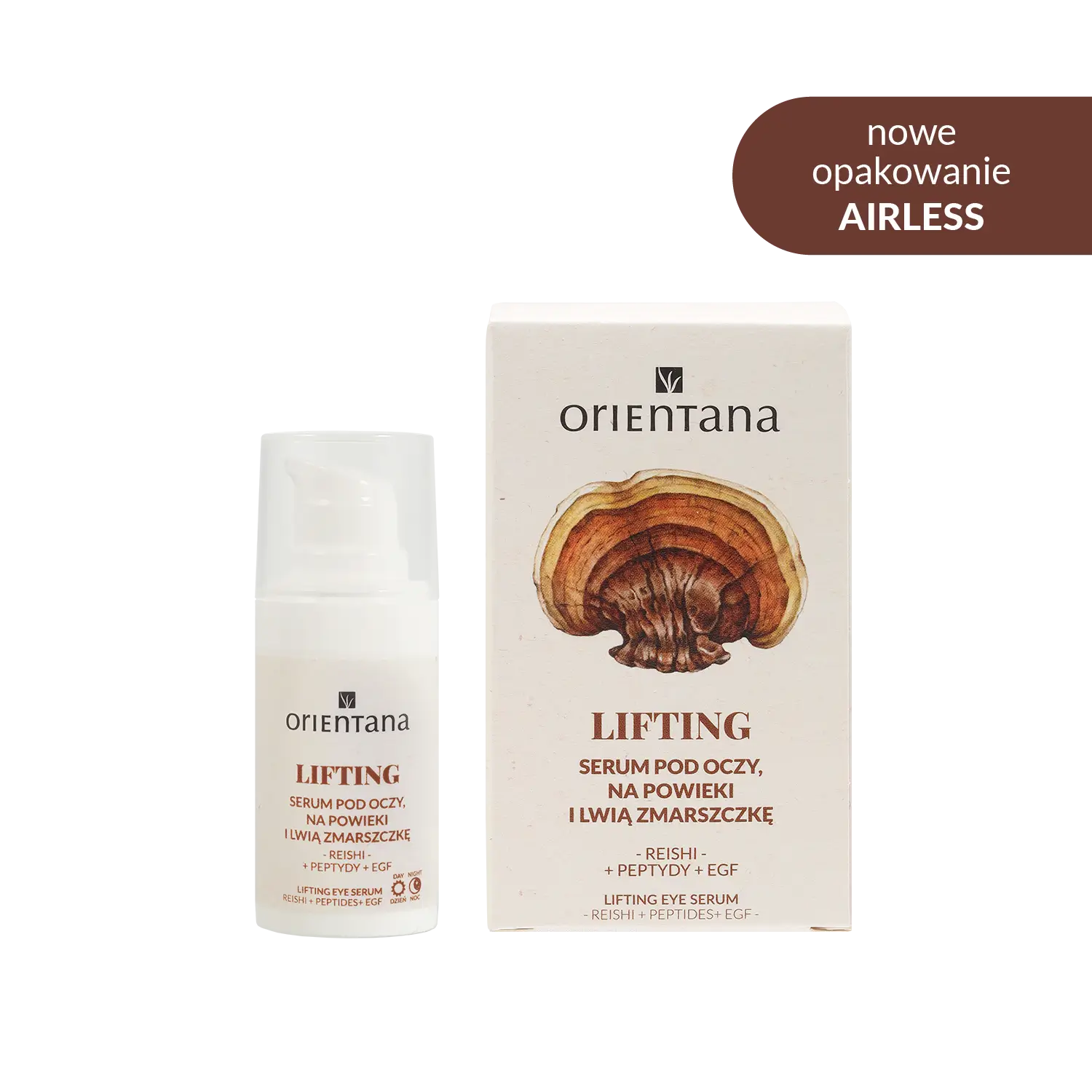

Tocopherol is a trending ingredient. We often get questions about what it is and how it works on the skin. This post will help you understand how this ingredient works, and an important piece of information is that vitamin E plays a vital role in our lives.
Tocopherols are a group of organic chemical compounds classified as vitamin E, playing essential functions in living organisms.
There are four forms: α, β, γ, and δ, differing in the number and position of methyl groups on the phenyl ring. Among them, α-tocopherol exhibits the highest biological activity and is the dominant form in the human body.
They are fat-soluble and play a crucial role as antioxidants, protecting cells from oxidative stress by neutralizing free radicals.
They also support the maintenance of cell membrane integrity and influence gene expression and immune system functions.
Tocopherol deficiency is rare but can lead to neurological symptoms, muscle weakness, and immune system problems. Conversely, excessive vitamin E supplementation can interfere with blood clotting and increase the risk of bleeding, especially in people with vitamin K deficiency.
In the food industry, they are used as natural antioxidants, preventing fat rancidity.
In cosmetics, they are added to skincare products due to their antioxidant and moisturizing properties.
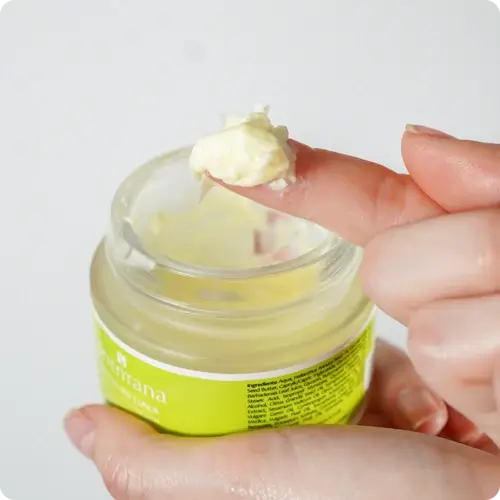
Tocopherol - Essential Information
The vitamin was discovered in 1922 when its role in animal fertility was observed.
In 1936, its chemical structure was determined, and in 1938, it was successfully synthesized. The name tocopherol means "bearer of offspring" in Greek. It was named so because this vitamin was discovered as a substance supporting fertility.
Vitamin E Deficiency
Symptoms of Vitamin E Deficiency
This vitamin is a powerful antioxidant that protects cells from oxidative stress, supports the nervous, immune, and circulatory systems. Its deficiency is rare but can occur. The condition resulting from long-term deficiency is called avitaminosis E.
Tocopherol deficiency manifests as neurological and muscular abnormalities. We experience numbness, tingling, and muscle weakness. Symptoms of deficiency often include cramps, muscle loss, and visual disturbances.
Do deficiency symptoms affect the skin? Long-term vitamin E deficiency leads to skin and hair problems. The skin becomes dry, rough, and prone to irritation. Symptoms of deficiency also include brittle hair and hair loss.
A small amount of this vitamin in the body can also mean problems with conceiving, as tocopherol deficiency affects the quality of egg and sperm cells.
Who is at risk of tocopherol deficiency?
We already know that vitamin E plays an important role and is essential in our body. Vitamin E deficiency has been observed in people suffering from fat malabsorption syndrome and in people with liver and bile duct diseases.
Indications for the use of tocopherol include people on a diet low in fats and antioxidants, as well as the elderly and premature infants.
Vitamin E Overdose
Overdose (hypervitaminosis E) can lead to an increased risk of bleeding. Vitamin E acts antagonistically to vitamin K.
Excess vitamin leads to heart rhythm disorders (high doses can increase stroke risk), gastrointestinal problems (diarrhea, nausea), and muscle weakness. Remember that doses above 1000 mg/day can be toxic!
Natural Forms of Vitamin E
What is the natural source of this vitamin? In food, it is found in vegetable oils, nuts, seeds, and selected vegetables and fruits. This vitamin is also found in avocado. However, the absorption of vitamin E requires the presence of lipids in the diet.
The recommended daily intake of vitamin E varies depending on age and gender. For example, for adult men, it is approximately 10-15 mg α-tocopherol, and for women, 8-10 mg.
The upper limit of tolerated intake for adults has been set at 300 mg per day. Pregnant women need a dosage of 15 mg.
Below is the vitamin content in food ingredients:
- Nuts and seeds: almonds (25 mg/100 g), hazelnuts (15 mg/100 g), sunflower seeds (35 mg/100 g).
- Vegetable oils: sunflower oil (41 mg/100 g), olive oil (14 mg/100 g), wheat germ oil (149 mg/100 g).
- Green leafy vegetables: spinach (2 mg/100 g), broccoli (1.5 mg/100 g).
- Fruits and vegetables: avocado (2.1 mg/100 g), kiwi (1.5 mg/100 g).
- Fish: salmon, mackerel, sardines (approximately 2 mg/100 g).
A diet rich in fats improves the absorption of vitamin E.
Vitamin E Supplementation
We already know that the vitamin is an essential dietary component with antioxidant properties, supporting the functioning of the nervous, immune, and circulatory systems. What if the vitamin content in the diet is too low? We reach for vitamin supplementation, i.e., a dietary supplement.
Vitamin supplementation should be individually tailored depending on health status, vitamin E levels in the body, and lifestyle. A dietary supplement can be bought without a prescription, but sometimes a visit to a doctor is necessary.
The doctor determines the indications for the use of tocopherol after examining the vitamin level in blood serum. For more serious conditions where high doses are necessary (above 100 mg/day), tocopherol dosage should be supervised by a doctor.
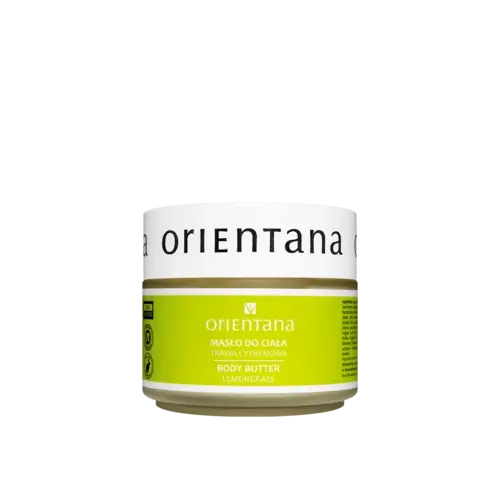
TOCOPHEROL - Properties in Cosmetics
Tocopherol is the most commonly used form of vitamin E in cosmetics. It is a powerful antioxidant that protects the skin from free radicals, i.e., premature aging. Thanks to its properties, it is used in skincare, hair, and nail products.
There are various forms of this vitamin, but natural Tocopherol is the most readily absorbed form by the skin. Vitamin E's action supports protection against UV radiation – it reduces the harmful effects of sun exposure.
The use of tocopherol regenerates skin cells, strengthens the skin's lipid barrier, and moisturizes the skin. Vitamin E has soothing effects on irritation and inflammation. It supports wound healing and reduces redness.
It has a significant impact on skin cells – it stimulates collagen and elastin synthesis, making the skin look younger.
Used in hair cosmetics, vitamin E has strengthening properties. It prevents breakage and adds shine.
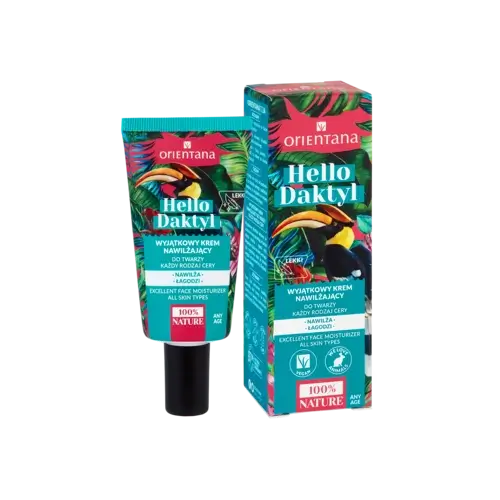
The use of tocopherol in cosmetics is widespread. In creams, it moisturizes, reduces wrinkles, and protects against photoaging. In serums and oils, vitamin E exhibits regenerating and barrier-strengthening effects.
Body lotions and body oils with this ingredient improve skin elasticity, and in hand creams, it aids in regenerating dry, chapped skin.
The optimal concentration in cosmetics is 0.5-5%. Above 5%, tocopherol can be irritating to people with sensitive skin.
Tocopherol is an important active ingredient in cosmetics – it's worth looking for it in the composition of skin and hair care products!
Scientific Sources:
- Evans, H. M., & Bishop, K. S. (1922). "On the existence of a hitherto unrecognized dietary factor essential for reproduction." Science, 56(1458), 650-651.
- Sure, B. (1924). "The vitamin E content of various foods." Journal of Biological Chemistry, 59, 693-704.
- Karrer, P. (1936). "Isolation of vitamin E and determination of its structure." Helvetica Chimica Acta, 19, 856-865.