Inspirations

Castor oil for the face - action, effects, how to use and for whom?
Castor oil - can it be used on the face? Castor oil is a thick vegetable oil obtained from the seeds of the castor bean plant. It has been used for years in hair, eyelash, and eyebrow care, but the question is increasingly being asked: is castor oil also suitable for use on the face? The answer is yes, but not for everyone and not in every form. Castor oil has strong occlusive, anti-inflammatory, and skin regeneration properties. It can be helpful for dry and mature skin, but caution is required for oily or acne-prone skin. In this article we explain in detail: how castor oil works on the skin, does it clog pores, does it help with wrinkles and acne, how to use it without risk. If you are interested in conscious care based on natural ingredients, you will find practical tips and inspiration tailored to various skin needs in our natural cosmetics section. What is castor oil and what does it contain? Castor oil is pressed from the seeds of the Ricinus communis plant. Its uniqueness stems from its very high ricinoleic acid content, which accounts for up to 85-90% of the fatty acid composition. It is ricinoleic acid that is responsible for: anti-inflammatory effect, antibacterial properties, the ability to create a protective layer on the skin, supporting the regeneration of the epidermis. Unlike many other plant oils, castor oil is very thick and viscous. It is not absorbed quickly, acting primarily on the surface, creating an occlusive layer that limits water loss from the epidermis. Facial massage oils made from carefully selected oils ⬇️ Castor oil for face - what effects does it have? Supporting the hydrolipid barrier Castor oil creates a protective layer on the skin's surface that reduces transepidermal water loss (TEWL). This allows: reduces dryness, protects the skin against external factors, supports the reconstruction of the hydrolipid barrier. It is not a humectant, it does not bind water, but helps to "lock" it in the skin. Anti-inflammatory effect Ricinoleic acid has anti-inflammatory properties. In practice, this means that castor oil can: soothe redness, support the regeneration of irritated skin, reduce discomfort caused by dryness. Supporting regeneration Castor oil is used for: minor skin cracks, dryness, peeling, microdamages of the epidermis. However, its action is supportive – it does not replace active regenerating ingredients such as ceramides or peptides. Antibacterial properties Some studies indicate that ricinoleic acid may inhibit the growth of certain microorganisms. Therefore, castor oil is sometimes used topically for inflammatory lesions. However, this does not mean that it is a cure for acne. Does castor oil clog pores? This is one of the most frequently asked questions. Castor oil has a moderate comedogenic potential. This means that: with dry skin it usually does not cause problems, in case of oily and blackhead-prone skin, it may increase clogging. Its thick consistency means that if used in excess it may: hinder the outflow of sebum, promote the formation of blackheads, burden the skin. Therefore, for combination and oily skin it is better to use it: point by point, as an addition to another oil, in a cosmetic formula. A better solution is tamanu oil. You'll find it in the HydroTremella Imperfection-Soothing and Moisturizing Mask . ⬇️ Read also: Tamanu Oil - a natural ally for oily and combination skin in the fight against imperfections Castor oil for acne - does it help? This is a topic that requires precision. It may help if: is applied pointwise, changes are sporadic, the skin is not very oily. It may be harmful if: the skin is oily and prone to blackheads, is applied to the entire face, is not washed off thoroughly. Castor oil does not regulate sebaceous gland function and does not have keratolytic properties. It does not replace niacinamide, acids, or retinoids. Castor oil for wrinkles - does it have anti-aging properties? Castor oil is not an anti-aging ingredient in the biological sense. It does not stimulate collagen and does not act like retinol or peptides. Maybe, though: improve elasticity by lubricating, optically smooth out fine lines, support the comfort of mature skin. The smoothing effect is mainly due to improved hydration and occlusion, rather than actual skin remodeling. Check out cosmetics for wrinkles How to use castor oil on your face? As an addition to cream Safest method: 1 drop mixed with a portion of cream, used in the evening, 2–3 times a week. In the OCM method (Oil Cleansing Method) Can be combined with a lighter oil (e.g. jojoba) in a 1:3 ratio. Use for facial massage and rinse thoroughly with warm water. OCM cosmetics ⬇️ Point by point For dry areas, eyebrow area, dry areas. As a regenerating mask Apply a thin layer for 15–20 minutes, then rinse thoroughly. What skin type is castor oil suitable for? Dry skin Very dry skin Mature skin Dehydrated skin (as a final step in care) With caution: combination skin, acne-prone skin, oily skin. Castor oil solo or in cosmetics? Pure castor oil has primarily occlusive properties. In a well-designed cosmetic formula, it can be: balanced with lighter oils, combined with humectants, supported by ceramides and active ingredients. Formulation matters. Skin needs a balance between: emollients, humectants, active ingredients. Read the article about cosmetic oils. Contraindications and errors Excessive amount of product Daily use for oily skin Applying to skin that has not been thoroughly cleansed No patch test FAQ Can castor oil be used daily? Daily use on the entire face is not recommended, especially for oily skin. Does castor oil clog pores? May clog pores in skin prone to blackheads. Does castor oil help with wrinkles? It improves hydration and optically smoothes, but does not act as anti-aging ingredients. Is it suitable for acne-prone skin? With caution, preferably in spots. Summary Castor oil is a highly occlusive plant oil with anti-inflammatory and regenerative properties. It works best on dry and mature skin, but requires caution on oily skin. It is not an active anti-aging or sebum-regulating ingredient, but it can be a valuable element of skincare if used consciously.
Learn more
Facial yoga - slow aging, naturalness and conscious care without rushing
Why are more and more women choosing slow aging? Just a few years ago, discussions about wrinkles were fraught with tension. Today, there's increasing talk of slow aging —an approach that doesn't rely on fighting time, but rather on supporting the skin's natural processes. Facial yoga has gained immense popularity within this trend—a method that promises to improve facial contours, smooth wrinkles, and brighten the skin without scalpels, needles, or harsh interventions. Is this a passing fad? Or perhaps real support for your skin? In this article, I'll tell you the story of facial yoga from the perspective of natural skincare, skin physiology, and the philosophy of balance. I'll show you how to practice it, what to avoid, and how to combine it with carefully selected cosmetics for real results, not just Instagram-worthy ones. If you want to learn more about conscious care and discover the full philosophy of natural formulas, visit our natural cosmetics section, where we explain step by step how to care for your skin in accordance with its needs. What is facial yoga? Facial yoga is a set of exercises that engage the muscles of the face, neck and décolleté , the aim of which is to improve muscle tone, support microcirculation and optically smooth wrinkles. The face has over 40 muscles. Unlike the muscles of the body, most of them work unilaterally, often under the influence of emotion and stress. We frown, clench our jaw, and raise our eyebrows. However, we rarely consciously relax or strengthen them in a controlled manner. Facial yoga is a combination of: isometric exercises, self-massage elements, conscious breathing, working with fascial tension. This isn't "making faces in the mirror." It's conscious work with muscles that, like the abdominal and gluteal muscles, respond to regular training. Slow aging - a philosophy that changes the way we think about wrinkles The slow aging philosophy isn't about looking younger at all costs. It's about: maintain a healthy skin structure, support collagen production, minimize oxidative stress, strengthen the hydrolipid barrier, work with muscle tension. Facial yoga fits perfectly into this trend because: is non-invasive, requires systematicity, builds a relationship with one's own face, teaches mindfulness. This is a daily ritual, not a one-time treatment. How does facial yoga work? (biological mechanism) Effect on facial muscles Facial muscles are attached directly to the skin. This means that their tension affects its appearance. Muscles too weak: drooping cheeks, loss of oval, deepening nasolabial folds. Too tense muscles: lion's wrinkle, horizontal forehead wrinkles, tension in the jaw area. Facial yoga: strengthens weakened areas, relaxes overactive parts, restores voltage balance. How to get rid of the lion's wrinkle Effect on microcirculation Blood flow increases during exercise. Skin: is better oxygenated, receives more nutrients, removes metabolites faster. The result? Natural illumination. Effect on lymphatic drainage Gentle movements and pressure improve lymph drainage, which can: reduce swelling, improve facial contours, reduce puffiness under the eyes. What are the effects of facial yoga? Regular practice (at least 3–4 times a week) can bring: improving the facial oval, lifting the cheeks, reducing the visibility of wrinkles, smoothing out the lion's wrinkle, reducing tension in the jaw area, a more rested appearance. How long does it take to see the effects of facial yoga? The first changes in muscle tone can be felt after just 2–3 weeks. Visible aesthetic results typically appear after 6–8 weeks of regular exercise. This isn't an instant method. It's a process. Facial yoga step by step - how to start? Clean skin Perform the exercises on cleansed skin. Check out gentle natural facial cleansing cosmetics. A gentle slip You can use: light serum, vegetable oil, cream with good gliding properties. This will help you avoid stretching the skin. The facial massage oils presented below are perfect. The mirror at the beginning Controlling your movements is key. Improper technique can deepen wrinkles. Time 10-15 minutes a day is enough. 5 facial yoga exercises 1. Cheek lift Smile gently, place your fingers on your cheeks and try to lift your muscles upwards, applying slight resistance. Repeat 10 times. 2. Smoothing out the lion's wrinkle Place your fingers between your eyebrows and try to wrinkle your forehead, resisting with your hand. 10 repetitions. 3. Face oval Push your lower lip slightly forward and lift your head up. Hold for 10 seconds. 4. Lifting the eyelids Gently hold your eyebrows with your fingers and try to close your eyes, resisting. 5. Jaw relaxation Open your mouth wide and make an “aaa” sound, releasing the tension. Is facial yoga enough without skincare? This is an important question. Wrinkles aren't just a matter of muscle. They also: decrease in collagen, degradation of elastin, oxidative stress, loss of ceramides, weakening of the hydrolipid barrier. Therefore, the best results are achieved by combining: facial yoga + natural care supporting the skin structure. The following play a huge role in slow aging: biomimetic peptides, adaptogens, plant ceramides, antioxidants, moisturizing polysaccharides (e.g. tremella). Exercise shapes muscles. Cosmetics support the skin matrix. Facial yoga and aesthetic medicine Facial yoga: does not give immediate effect, requires systematicity, works subtly, does not interfere with tissues. Aesthetic medicine: quick effect, mechanical interference, risk of complications, often lack of work with muscle tension. These are two different paths. Slow aging chooses the first. Contraindications to facial yoga Do not exercise if you have: active inflammatory acne, fresh aesthetic treatments, fillers or botox, skin inflammation, serious vascular problems. Facial yoga after 40 - does it make sense? Yes, and that is often when it brings the greatest benefits. After the age of 40: collagen levels drop, muscles lose firmness, the oval begins to blur. Conscious muscle work can: improve tension, delay the loss of oval, reduce emotional tension recorded in the face. Frequently asked questions 1. Does facial yoga really work? Yes, provided you practice consistently and use the correct technique. The effects are subtle but real – especially in terms of muscle tone and contour improvement. 2. Can facial yoga deepen wrinkles? If done incorrectly, yes. Therefore, it's important to check in the mirror and avoid excessive wrinkling of the skin. 3. How much exercise do you need to see results? Minimum 6–8 weeks of regular practice, 3–4 times a week. 4. Is facial yoga safe? Yes, if there are no medical contraindications and it is performed gently. 5. Can you combine facial yoga with retinol? Yes, but perform the exercises on non-irritated skin. It's worth exercising caution during periods of intensive retinoid therapy. 6. Does facial yoga work for a double chin? It can improve the tone of the neck and jaw muscles, but it is not a substitute for reducing fat tissue. 7. Does facial yoga help with drooping eyelids? It can improve the tone of the eye area, but the effects are subtle and take time. Summary: Facial Yoga as a Ritual, Not a Quick Trick Facial yoga isn't about a spectacular transformation after a week. It's a daily, gentle practice. It's 10 minutes: concentration, breath, mindfulness, touch, conscious skin contact. In a world of rushing, it's more than just exercise. It's a ritual. If you combine it with thoughtful, natural care that supports collagen, the hydrolipid barrier and the skin microbiome, it becomes part of the slow aging philosophy, which does not fight against time, but cooperates with it. And that's a completely different quality of aging. 🌿
Learn more
Ozempik face - what is it, where does it come from and how to care for the skin during rapid weight loss?
In recent months, the phrase "ozempic face" has become one of the most frequently searched terms in the context of aesthetic medicine, dermatology, and weight loss therapy. This term refers to changes in facial appearance observed in some people using Ozempic , a drug containing semaglutide, originally used to treat type 2 diabetes. In this article we explain in an expert way: what is the zempik face, why does it appear with rapid weight loss, what biological processes are responsible for the loss of volume, whether the phenomenon is reversible, how to support your skin through care and diet. This is a comprehensive guide combining knowledge in dermatology, cosmetology and skin physiology. What is an empyrean face? A 'face with a zinger' is a colloquial term for the loss of facial volume, sunken cheeks, and increased visibility of wrinkles and furrows, which appear as a result of a rapid reduction in fat tissue. Most common symptoms: sunken cheeks, deepened nasolabial folds, loss of support in the central part of the face, dark circles under the eyes, flaccidity of the lower part of the face, more pronounced jaw line. Important: zempik face is not a side effect of the drug itself , but a result of rapid weight loss, including facial fat. The mechanism of action of the drug and changes in the facial area Ozempic belongs to the group of GLP-1 receptor agonists. The mechanism includes: decreased appetite, slowing down of gastric emptying, improved glycemic control, increasing the feeling of satiety. A side effect (often intended therapeutically) is rapid weight loss. The problem occurs when: the reduction is rapid, Fat loss also affects the face, the skin cannot keep up with adapting to the reduced volume. Facial Anatomy - Why Does Losing Fat Change Your Appearance? To understand the phenomenon of the empyrean face, you need to look at the structure of the face. Facial fat pads There are anatomical fat deposits in the face: cheek, zygomatic, infraorbital, temporal. They give the face a youthful, full appearance. Their reduction causes the skin to lose its "scaffolding." Supporting ligaments Facial skin is held in place by retention ligaments. As the volume beneath them decreases, tissue sags. Dermis Collagen and elastin are responsible for elasticity. If weight loss is combined with protein or vitamin C deficiencies, collagen synthesis may be impaired. Ozempik face and natural aging Although the empyrean face resembles the aging process, the mechanism is not identical. Natural aging includes: collagen degradation, decrease in elastin, loss of hyaluronic acid, fat redistribution. The Ozempik face is dominated by: sudden loss of volume, reduced tissue support, rapid change in skin tension. You could say it is accelerated volumetric aging , but not biological cellular aging. Is it only Ozempic that causes such changes? No. A similar effect is observed with: bariatric surgery, very restrictive diets, other GLP-1 agonists, intensive reductions in sports. The term "ozempic face" was created in the media and became established along with the popularity of Ozempic . How does the rate of weight loss affect the skin? The skin is a dynamic organ, but it needs time to adapt. When reduction is slow: fibroblasts have time to reorganize collagen, the skin gradually adapts to the reduced volume. When reduction is rapid: excess loose skin is created, the voltage drops, wrinkles become more visible. The optimal rate of reduction is usually 0.5-1 kg per week (individually depending on health condition). Is the Ozempik face reversible? This is one of the most common questions. What can be improved? leather quality, its hydration, density, flexibility. What can't be restored with cream? lost fat volume. Appearance can be improved by: aesthetic medicine treatments, proper care, nutritional support. Skin care for acne-prone skin - an expert approach Reconstruction of the hydrolipid barrier The basis is regeneration: ceramides, cholesterol, fatty acids, squalane. The hydrolipid barrier improves elasticity and limits TEWL (water loss). Cosmetics that rebuild the hydrolipid barrier. Stimulation of collagen synthesis When caring for yourself, it is worth considering: retinoids (if there are no contraindications), retinal, vitamin C, biomimetic peptides, plant-based retinol Regular stimulation can improve skin density. Check: Intensive hydration Multi-level humectants: hyaluronic acid, beta-glucan, trehalose, fungal polysaccharides (e.g. tremella). Moisturized skin looks optically fuller. Check Antioxidants Oxidative stress accelerates collagen degradation. It's worth including: vitamin C, vitamin E, coenzyme Q10, plant extracts rich in polyphenols. Read Find out what antioxidants are and how they affect the skin. Diet and the Ozempik face The skin is highly dependent on the body's nutrition. Protein When losing weight, the appropriate supply of amino acids is crucial; without them, collagen synthesis decreases. Vitamin C Essential for the hydroxylation of proline and lysine in collagen. Zinc Supports regenerative processes. Omega-3 fatty acids They support the lipid barrier. Lifestyle adequate hydration, moderate physical activity, dream, stress reduction. Cortisol can affect collagen degradation. Aesthetic medicine treatments In case of severe facial empyema, the following is used: hyaluronic acid (volumetry), collagen biostimulants, platelet-rich plasma, tissue stimulators. The decision should be made individually. Can you prevent empyema face? Yes, via: gradual reduction, control of protein supply, care from the beginning of therapy, regular assessment of skin condition. FAQ What is an empyrean face? This is a colloquial term for the loss of facial volume associated with the rapid reduction of fat tissue, often when using the drug Ozempic. Does the zempik face affect every person? No. It depends on the rate of weight loss, age, and skin quality. Can it be prevented? You can reduce your risk by gradually reducing and supporting your skin. Is it permanent? Partially, skin quality can be improved, but fat volume does not return spontaneously. Summary Ozempic face is an aesthetic phenomenon resulting from rapid loss of fat tissue, not direct skin damage caused by Ozempic . The pace of weight loss, appropriate nutritional support and care aimed at rebuilding the barrier and stimulating collagen are crucial. A conscious approach allows you to limit the visibility of changes and maintain a healthy, harmonious appearance of your face. Natural care starts with knowledge - in the natural cosmetics section you will find practical content that will help you choose cosmetics according to the real needs of your skin.
Learn more
Essential Oils in Cosmetics - Properties, Safety, Allergens, and EU Regulations. The Complete Expert Guide.
Essential oils are among the most discussed cosmetic ingredients. For some, they are the essence of nature – a pure, plant-based concentrate with multifaceted effects. For others, they are a potential source of irritation and allergies. Online, you can find both praise for their "healing power" and warnings against their use. The truth, as usual in cosmetology, is more complex. Are essential oils safe? Is every natural fragrance an essential oil? Is synthetic fragrance less safe? How are essential oils regulated in the European Union? Can they be used on sensitive, acne-prone, mature skin? Are they safe during pregnancy? This article is a comprehensive study of the topic - from the perspective of chemistry, dermatology, toxicology, legal regulations and the philosophy of conscious care. What are essential oils? Essential oils are volatile, highly concentrated mixtures of chemical compounds of plant origin, obtained mainly by steam distillation, used in cosmetics for their fragrance, anti-inflammatory and antimicrobial properties. They are not fats. They are not vegetable oils. They are not a single chemical component. They constitute a complex composition of several dozen, and sometimes several hundred, natural bioactive molecules. Fragrance is very important in Orientana cosmetics. Read: How to Beat the Autumn Blues with Fragrances? Orientana Aromatherapy Cosmetics and Perfumes Essential Oil vs. Vegetable Oil - Key Differences This is one of the most common misunderstandings. Vegetable oil: contains fatty acids supports the hydrolipid barrier has an emollient effect is a lipid carrier Essential oil: is volatile does not contain lipids works at very low concentrations is mainly responsible for the scent and biological support function Raspberry seed oil and raspberry essential oil are two completely different products, with different composition, action and function in the formulation. Read about cosmetic oils and their effects on skin and hair . How are essential oils made? Steam distillation The most commonly used method. Steam permeates the plant material, releasing volatile molecules. Condensation then separates the oil from the hydrolate. Cold pressing Used primarily with citrus fruits. Maintains a fresh fragrance profile but may increase phototoxic potential. Supercritical CO₂ extraction An advanced method that allows you to obtain extracts of high purity and stability. The chemistry of essential oils - what is responsible for their effects? Essential oils are a mixture of many classes of compounds: Monoterpenes (limonene, pinene) Sesquiterpenes Terpene alcohols (linalool) Phenols (eugenol, thymol) Aldehydes Esters Ketones It is this complexity that causes them to exhibit: antioxidant effect antibacterial effect anti-inflammatory effect toning effect At the same time, this complexity means a greater risk of reactivity. Check out the scent that relaxes the body and mind - the properties of sandalwood in cosmetics Sandalwood-scented cosmetics Mechanisms of biological action on the skin Essential oils can: Modulate the skin microbiome Influence inflammatory mediators Act as antioxidants Stimulate microcirculation Affect the nervous system through olfactory receptors In cosmetics, however, their concentration is much lower than in aromatherapy. Fragrant facial massage oils Are essential oils safe? Yes, if they are used in safe concentrations in line with IFRA standards and EU regulations and undergo a safety assessment by a toxicologist. Safety depends on: concentrations type of oil formula stability the condition of the skin's hydrolipid barrier Discover the scent of sakura Legal regulations - security in the European Union All cosmetics in the EU are subject to the regulations set out in: Regulation (EC) No 1223/2009 This regulation imposes the obligation to: conducting a product safety assessment preparation of the CPSR report compliance with the list of prohibited and restricted substances marking of fragrance allergens Every cosmetic with essential oils must undergo a toxicological assessment that takes into account: exhibition margin of safety (MoS) sensitizing potential phototoxic risk A hair series with a beautiful lychee scent and lychee extract in the composition Allergen labeling - why do you see limonene in INCI? The European Union requires that certain fragrance allergens be listed in the ingredients if they exceed a certain concentration. The most common ones include: Limonene Linalool Citral Geraniol Eugenol These are the natural ingredients of essential oils - not "added chemicals". Read our article Linalool - a natural aroma with unexpected properties Do essential oils cause allergies? They can cause: contact dermatitis irritation phototoxic reaction photoallergic reaction The risk increases when: the skin has a damaged barrier high concentrations are used the oil is oxidized there is no stable formulation Essential oils and the skin microbiome Some oils have antimicrobial properties. In low concentrations, they can support the microbiome's balance, but in high concentrations, they can disrupt it. Therefore, professional formulation is crucial. Phototoxicity - real threat or myth? Some citrus oils contain furanocoumarins, which increase the skin's sensitivity to UV radiation. Consequences: discoloration erythema phototoxic reactions Professional cosmetics use purified fractions or very low concentrations. Essential oils during pregnancy - are they safe? In approved cosmetics, these levels are considered safe. Aromatherapy using pure oils requires medical advice. Essential oils for acne-prone skin Some (e.g. tea tree) may have an effect supporting the reduction of Cutibacterium acnes bacteria. However, they do not replace dermatological treatment. Essential oils for mature skin Action: antioxidant supporting microcirculation improving skin comfort They do not replace active ingredients such as retinoids or peptides. Natural vs. synthetic fragrance compositions Synthetic fragrance composition: may contain dozens of hidden ingredients has greater stability may be less reactive Essential oils: have a complex natural chemical profile are subject to allergen labeling are biologically active There is no simple answer to “which is better.” Are essential oils comedogenic? They are not lipids, so they do not clog pores themselves. However, they can irritate and indirectly affect the condition of problematic skin. Can you use pure essential oils on your face? No. Pure oils can lead to: chemical burns hypersensitivity permanent discoloration Does natural always mean safe? NO. Naturalness: does not eliminate reactivity does not rule out allergies does not replace safety testing Security is ensured by: appropriate concentration toxicological assessment legality application tests Essential oils in the philosophy of conscious care In nature-inspired care, scent is an element of ritual. He is not pushy. It is not accidental. It does not mask the quality of the raw materials. It is meant to support the experience, not dominate it. Skincare isn't just about chemistry. It's also about psychodermatology—the relationship between emotions and skin. The smell may: reduce stress levels influence the perception of the product build a sense of harmony Read: Arabic perfumes and Ayurvedic aromas - the magic of the Orient enclosed in a scent How to choose cosmetics with essential oils? Read INCI Pay attention to allergens Choose transparent brands Avoid high concentrations in home-made mixtures Test spot FAQ Are essential oils safe? Yes, if used in safe concentrations in line with EU regulations. Do essential oils cause allergies? They may cause sensitization in predisposed individuals, especially at high concentrations or with a damaged skin barrier. Can essential oils be used daily? Yes, in ready-made cosmetics that meet safety standards. Do essential oils clog pores? They are not lipids and are not comedogenic in themselves. Are essential oils safe during pregnancy? In cosmetics approved for sale - yes, but aromatherapy requires caution. Does natural fragrance always mean essential oil? No, it may be a synthetic fragrance. Summary Essential oils are complex, biologically active mixtures of plant compounds. In cosmetics, they serve fragrance and support functions, but they require responsible formulation and regulatory control. Naturalness does not mean lack of risk. Syntheticity does not automatically mean a greater risk. Conscious care is about knowledge, not simplification. If you want to delve deeper into the topic and consciously develop your care routine, check out our natural cosmetics zone, where we combine cosmetology knowledge with natural formulas.
Learn more
A sonic facial brush – is it really necessary? Why does over-cleansing accelerate skin aging?
In recent years, the sonic facial brush has become synonymous with "deep cleansing." Marketing promises cleaner skin, smaller pores, and improved cosmetic absorption. At the same time, a growing body of research on skin barrier function shows that excessive mechanical stimulation can disrupt epidermal homeostasis. Modern cosmetology shifts the emphasis from intensive exfoliation to protecting the hydrolipid barrier and microbiome . What is TEWL and why does it matter? TEWL (Transepidermal Water Loss) is a measure of transepidermal water loss that reflects the integrity of the skin barrier. The higher the TEWL, the more damaged the hydrolipid barrier and the greater the moisture loss. Dermatological studies show that: mechanical damage to the epidermis increases TEWL, excessive exfoliation impairs the skin's ability to retain water, increased TEWL correlates with hypersensitivity and inflammation. How does a sonic brush work on a biological level? A sonic brush generates micropulsations that repeatedly apply micro-stress to the skin's surface. While a single use may be safe, repeated stimulation can lead to: microdamage to the stratum corneum, disturbances in corneocyte cohesion, increasing the permeability of the epidermis, activation of inflammatory mediators. This is especially important for thin, mature or sensitive skin. Microdamage - an invisible problem Microdamages are subclinical disturbances of the stratum corneum structure, invisible to the naked eye but measurable by an increase in TEWL. Effects of micro-damage: feeling of tightness, burning sensation after applying cosmetics, greater reactivity, microbiome disorders. When using a sonic brush daily, the effect may be cumulative. Sonic brush and the skin microbiome The skin microbiome is a complex ecosystem of bacteria that protects against pathogens. Over-cleansing can: reduce beneficial bacteria, increase susceptibility to inflammation, promote acne and hyperreactivity. The modern approach to cleansing involves not only removing contaminants, but also protecting the microbiome. You can learn more about the skin microbiome in the article Skin Microbiome - Everything You Need to Know Does a sonic brush improve the absorption of cosmetics? Mechanical exfoliation may temporarily increase ingredient penetration, but at the expense of barrier integrity. Increased skin permeability: does not always mean better performance, may increase the risk of irritation, accelerates water loss. A healthy, well-functioning barrier absorbs ingredients more effectively than a damaged barrier. And how to take care of the hydrolipid barrier you can find out here: Hydrolipid Barrier Why does over-cleansing accelerate skin aging? Chronic low-grade inflammation Repetitive micro-damage can activate chronic, low-grade inflammation (inflammation). This is one of the mechanisms of biological skin aging. Inflammation: activates metalloproteinases (MMPs), accelerates collagen degradation, weakens the extracellular matrix. Increased TEWL and dehydration Increased TEWL leads to: dehydration, loss of elasticity, fine dehydration wrinkles, dullness of the skin. Dry, dehydrated skin ages faster. Weakening of the lipid barrier The hydrolipid barrier is responsible for: protection against oxidative stress, neutralization of free radicals, maintaining proper pH. Its disruption promotes photoaging and degradation of the skin's supporting fibers. Increased sensitivity to UV A damaged barrier increases susceptibility to: UV radiation, formation of discolorations, collagen degradation. As a result, the skin ages faster even with standard sun exposure. Scientific Evidence: TEWL, Microdamage, MMP, and Skin Barrier Repair TEWL as an indicator of barrier damage – what does the research say? Transepidermal Water Loss (TEWL) is a standard, objective parameter for assessing epidermal barrier integrity. Methods for measuring TEWL were described by Pinnagoda et al. in Contact Dermatitis (1990), among others, and are currently the gold standard in experimental dermatology. Research has shown that: mechanical damage to the stratum corneum (e.g. by tape stripping) causes an immediate increase in TEWL, the greater the disruption of the corneocyte structure, the higher the water loss, Rebuilding the barrier takes from 24 to 72 hours, depending on the depth of the damage. Proksch, Brandner, Jensen (2008), Experimental Dermatology The authors emphasize that the integrity of the stratum corneum is crucial for maintaining skin homeostasis and that its repeated disruption can lead to chronic barrier dysfunction. Although these studies did not directly involve sonic brushes, the mechanism of micro-damage is analogous—repetitive mechanical friction can increase TEWL in a cumulative manner. Tape stripping as a model of microdamage – analogy to brushes In dermatological examinations, so-called tape stripping is often used – the controlled removal of successive layers of the stratum corneum using adhesive tape. Denda et al., Journal of Investigative Dermatology (1998) Removal of the stratum corneum has been shown to lead to: activation of proinflammatory cytokines (IL-1), increased keratinocyte proliferation, accelerated lipid synthesis in the barrier repair process. This proves that even subclinical damage to the stratum corneum triggers an inflammatory response. Mechanical brushing is not identical to tape stripping, but it does generate repeated micro-stress and surface abrasion – especially with daily use. Microdamage and metalloproteinases (MMPs) One of the key mechanisms of skin aging is the activation of matrix metalloproteinases (MMPs) , which degrade collagen and elastin. Fisher et al., New England Journal of Medicine (1997) The study found that exposure to UV radiation increases the expression of MMP-1 in the skin, which leads to collagen degradation. Quan et al., Journal of Investigative Dermatology (2009) Chronic inflammation and oxidative stress have been confirmed to increase MMP activity. Why is this important in the context of over-purification? Repetitive micro-damage: activate inflammatory mediators, increase cytokine levels, may indirectly influence the expression of MMPs, accelerate the degradation of the extracellular matrix. This is one of the mechanisms of so-called inflammaging . Inflammaging - chronic low-grade inflammation The term inflammaging was introduced by Franceschi et al. (2000). 📚 Franceschi et al., Annals of the New York Academy of Sciences (2000) The concept of chronic, low-level inflammation has been described as one of the main mechanisms of aging. In the skin, inflammaging is associated with: collagen degradation, decrease in elasticity, deterioration of barrier function, severity of discoloration. Although sonic brushing is not a systemic factor like aging or UV, repeated micro-damage can maintain local micro-inflammation. Read the article Inflammaging - a silent process that accelerates skin aging Hydrolipid barrier and its repair (Barrier Repair) Elias & Feingold, Skin Barrier (2005) The authors emphasize that the stratum corneum acts as an “intelligent barrier,” the damage of which initiates a repair cascade. Fluhr et al., British Journal of Dermatology (2006) Research shows that once the barrier is damaged: lipid synthesis increases, enzymes responsible for reconstruction are activated, full recovery may take several days. However, if damage is repeated (e.g., daily vigorous brushing), the repair process may not be fully completed before another breach occurs. This leads to chronic barrier dysfunction. The Skin Microbiome and Over-Cleansing Grice & Segre, Nature Reviews Microbiology (2011) The role of the microbiome in maintaining the immune balance of the skin has been described. Too intense cleansing: changes the skin's pH, disturbs the balance of commensal bacteria, increases susceptibility to pathogen colonization. There are no studies directly relating sonic brushes to the microbiome, but there is evidence that aggressive cleaning agents and mechanical damage can disrupt the microbiome. In the natural cosmetics section, we discuss the topic of conscious care and the role of natural ingredients in the daily routine. Are there clinical studies confirming the advantages of sonic brushes? To date, there are no strong, independent clinical trials (RCTs) confirming that a sonic toothbrush: significantly reduces acne, reduces pores, improves skin structure in the long term, works better than gentle manual cleansing. Most of the data comes from studies sponsored by device manufacturers. This does not mean that brushes are "harmful", but that their advantage over a well-chosen cleansing gel has not been clearly proven. Why does modern cleansing focus on barrier protection? Modern aesthetic dermatology increasingly talks about: minimizing inflammation, protection of the lipid barrier, microbiome support, avoiding excessive exfoliation. Therefore, gentle cleansing formulas that do not cause a feeling of tightness are considered safer in the long run. In care based on balance (as in the phytocosmetic philosophy), cleansing is not an aggressive treatment, but a step that restores homeostasis. Scientific conclusions Based on available research, it can be concluded that: Repeated damage to the stratum corneum increases TEWL. Damage to the barrier activates inflammatory mediators. Chronic microinflammation can accelerate aging. Rebuilding the barrier takes time. Over-cleansing can disrupt the microbiome. There is no strong evidence that a sonic brush is necessary for effective cleansing. Is a sonic brush necessary in modern care? No. Modern cosmetic formulas enable effective cleansing without mechanical stimulation. Well-chosen gel: dissolves sebum, removes makeup, does not violate the barrier, supports the microbiome. In the phytocosmetology approach, cleansing is a harmonizing, not aggressive, step. Alternative: gentle cleansing to support the barrier Orientana cleansing formulas combine effectiveness with care. Instead of intensive mechanical exfoliation, they use: mild surfactants, moisturizing ingredients, plant extracts with a soothing effect, support skin balance. Cleansing should not be a “battle with your skin”, but the beginning of regeneration. A model for safe skin cleansing Safe skin cleansing should: Remove dirt without friction. Do not increase TEWL. Don't disturb the microbiome. Do not cause a feeling of tightness. Prepare your skin for care, do not irritate it. If your skin burns after washing, your cleansing method is too aggressive. When can a sonic brush be used? Can be used: occasionally, for resistant skin, without active inflammation, without simultaneous treatment with retinoids and acids. It should not be a daily part of your routine. Scientific Summary Sonic facial brush: works mechanically, may increase TEWL, may cause micro-damage, may accelerate the aging process if used excessively. Modern cosmetology promotes: protection of the hydrolipid barrier, minimizing inflammation, gentle but effective cleansing. Bibliography Pinnagoda J, Tupkek RA, Agner T, Serup J. Guidelines for transepidermal water loss (TEWL) measurement: a report from the Standardization Group of the European Society of Contact Dermatitis. Contact Dermatitis . 1990;22(3):164–178. Proksch E, Brandner JM, Jensen JM. The skin: an indispensable barrier. Experimental Dermatology . 2008;17(12):1063–1072. Denda M, Wood LC, Emami S, Calhoun C, Brown BE, Elias PM, et al. Topical glucocorticoids accelerate permeability barrier disruption and delay barrier recovery in murine epidermis. Journal of Investigative Dermatology . 1998;111(4):601–606. Elias PM, Feingold KR. Skin barrier. In: Elias PM, Feingold KR, editors. Skin Barrier . New York: Taylor & Francis; 2005. Fluhr JW, Darlenski R, Surber C. Glycerol and the skin: holistic approach to its origin and functions. British Journal of Dermatology . 2008;159(1):23–34. Fisher GJ, Datta SC, Talwar HS, Wang ZQ, Varani J, Kang S, et al. Molecular basis of sun-induced premature skin aging and retinoid antagonism. Nature . 1996;379(6563):335–339. Fisher GJ, Kang S, Varani J, Bata-Csorgo Z, Wan Y, Datta S, et al. Mechanisms of photoaging and chronological skin aging. Archives of Dermatology . 2002;138(11):1462–1470. Quan T, Qin Z, Xia W, Shao Y, Voorhees JJ, Fisher GJ. Matrix-degrading metalloproteinases in photoaging. Journal of Investigative Dermatology Symposium Proceedings . 2009;14(1):20–24. Franceschi C, Bonafè M, Valensin S. Inflamm-aging: an evolutionary perspective on immunosenescence. Annals of the New York Academy of Sciences . 2000;908:244–254. Grice EA, Segre JA. The skin microbiome. Nature Reviews Microbiology . 2011;9(4):244–253. Madison K.C. Barrier function of the skin: “la raison d'être” of the epidermis. Journal of Investigative Dermatology . 2003;121(2):231–241. Rawlings AV, Harding CR. Moisturization and skin barrier function. Dermatological Therapy . 2004;17(Suppl 1):43–48. Voegeli R. The effect of washing and surfactants on skin barrier function. Dermatology . 2007;215(Suppl 1):26–30. Angelova-Fischer I, Mannheimer AC, Hinder A, Ruether A, Franke A, Neubert RH, et al. Distinct barrier integrity phenotypes in filaggrin-related atopic eczema following sequential tape stripping and lipid analysis. Experimental Dermatology . 2011;20(4):351–356.
Learn more
Henna for hair - interesting facts and secrets of natural coloring that you don't know
Introduction - hair henna is not a dye. It's a process. Hair henna doesn't work like classic drugstore hair dye. It doesn't provide a "one-size-fits-all" effect. It doesn't impose color. Henna works with your hair. That's why two people using the same mixture can achieve completely different results. And that's what makes henna not just a product - it's an experience. A ritual. A return to conscious hair care. In this article, you will discover interesting facts that change the way you think about henna. This is knowledge that allows you not only to dye your hair - but to understand it. What is hair henna really? (and why it works differently than dye) Henna is made from the leaves of the plant Lawsonia inermis. Its active ingredient is a dye called lawsone. It is this that is responsible for the entire "magical" effect. But the key difference is that: ✳️ herbal henna does NOT lighten hair✳️ herbal henna does NOT open the hair cuticle like chemical dye✳️ herbal henna does NOT damage the hair structure Instead, it binds to the hair's keratin. This can be compared to the biological "envelopment" of the hair with pigment. Lawsone binds to proteins, creating a lasting but natural coloring effect. What's more, hair henna also has a protective effect: it forms a protective layer on the hair it can partially protect against UV radiation it smooths the hair surface ✳️ In practice: color + care in one. Learn more about hair henna in our guide: Orientana Henna Why does hair henna never give an identical color? This is one of the most common questions, and at the same time, henna's greatest advantage. The final color depends on: the natural pigment of the hair (melanin) the sulfur content in keratin hair porosity coloring history hair condition Gray hair?It will be more intense, sometimes even vivid (because it lacks melanin), if red henna is used. Only red henna will cover gray hair and is therefore also the first stage of dyeing gray hair to another color, e.g. chocolate. Damaged hair?It can "grab" more pigment. Low porosity hair?The effect will be more subtle and cooler. ✳️ That's why henna never gives a "one-color-from-the-box" result. It gives your color. Oxidation effect - why does the color change after 2 days? This is the moment that surprises most people. After rinsing off henna, the color often appears lighter, more reddish, or more intense.And then... it changes. Why? The lawsone dye oxidizes under the influence of oxygen. This process takes:✳️ from 24 to even 72 hours During this time: the color deepens becomes more natural often slightly darkens ✳️ Therefore, do not judge the effect immediately after dyeing. It's a bit like tea - it needs time to "mature". Henna and pH - the secret only insiders know The pH of the henna mixture has a huge impact on the hair coloring effect. Acidic environment: releases more pigment gives a deeper, more intense color That's why it's often used: lemon juice amla hibiscus Whereas a neutral or slightly alkaline environment: gives a more delicate effect ✳️ This means you can consciously control the color. Does henna thicken hair? Science says: yes One of the most visible effects of using hair henna is: ✳️ increased hair volume Why? Henna: creates a thin layer on the hair surface increases its diameter smoothes the cuticles Effect: hair appears thicker is more shiny frizz is reduced ✳️ This is natural hair "lamination". Amla and other herbs - how they affect color and care Henna rarely works alone. Most often, it is combined with other plants. Amla cools the shade reduces redness strengthens hair Bhringraj supports hair follicles may reduce hair loss Neem works on the scalp supports microbiome balance ✳️ This is no longer just coloring. It's trichological care. Color mixing - natural hair colorimetry Henna gives warm shades – from copper to mahogany.But what about browns and blacks? Here enters the second hero: indigo. ✳️ henna = red pigment✳️ indigo = blue pigment Together: they create browns they create blacks And now the most important thing: more henna → warmer shade more indigo → cooler shade ✳️ It's like mixing paints... but 100% naturally. Hair Henna vs. Chemical Dyes - What You Need to Know This is a topic that requires honesty. Henna: does not work like chemical dye does not give a predictable result with subsequent chemical dyeing After henna:✳️ dye may take differently✳️ color may be difficult to predict Therefore: it is worth planning your coloring consciously do not treat henna as "temporary" ✳️ Henna is a decision, not a temporary experiment. Biggest myths about hair henna "Henna dries out hair" No. A poorly chosen mixture might give that impression, but henna itself smoothes and strengthens hair. "Henna only gives red color" Not true. Thanks to mixtures, a full spectrum of shades can be achieved. "Does not cover gray hair" It does – often even better than dyes. "It's difficult to use" It's a matter of practice. After 2-3 uses, it becomes intuitive. Henna in culture - more than cosmetics Henna has been part of rituals for thousands of years. India – mehendi decorations before marriage Egypt – used by aristocracy Middle East – symbol of protection and happiness ✳️ Hair color had cultural and spiritual significance. How hair "learns" henna This is one of the most fascinating aspects. With regular use: the color becomes more stable hair "acts up" less color-wise the effect is more predictable ✳️ pigment accumulates This means that:Your henna after 3 months will work differently than at the beginning. Pro tips that make a huge difference heat = more intense color longer time = deeper effect oiling before henna = more subtle shade strand test = must-have Your henna = Your color Henna gives something no other dye can. ✳️ control✳️ personalization✳️ care If you want: natural color healthier hair a "wow" effect that doesn't look artificial ✳️ reach for henna and start experimenting. Check out our henna and create your own unique shade FAQ Why does henna change color after 2 days? Because the pigment oxidizes under the influence of oxygen and deepens the color. Does henna damage hair? No, it acts superficially and strengthens the hair. Can henna be mixed with other herbs? Yes – this is the basis for color personalization and care. Does henna thicken hair? Yes – it creates a protective layer and increases optical volume. How to cool down henna color? By adding amla or increasing the indigo content. Does henna cover gray hair? Yes - often very intensely. Summary Hair henna is not for everyone.But if you understand it – you won't want to go back to dyes. It's not a product.It's a relationship with your own hair. And that's why... it works so well.
Learn more
Allergens in cosmetics - what can cause skin allergies and how to consciously avoid them?
Why are allergens in cosmetics such an important topic today? Just a dozen or so years ago, allergic reactions to cosmetics were considered rare and isolated cases. Today, this problem affects a growing number of people – regardless of age, skin type, or gender. According to dermatological data, contact allergy and skin hypersensitivity are now among the most common reasons for visits to dermatologists and cosmetologists. The skin reacts with burning, itching, redness, and sometimes even painful inflammatory lesions – and very often, the blame is placed on a "bad cosmetic." The reality, however, is more complex. Allergens in cosmetics are not exclusively the domain of low-quality or synthetic products. They can appear in drugstore and dermocosmetic preparations, as well as in natural cosmetics. Moreover, an ingredient that has a soothing and regenerating effect in one person may trigger a severe allergic reaction in another. Therefore, instead of building a narrative based on fear, it is worth focusing on conscious care : understanding what cosmetic allergens are, how they work, where they appear most often and, most importantly, how to learn to recognize them in INCI compositions. This article was created to organize your knowledge and help you make better skincare decisions - regardless of whether you have sensitive, allergic, atopic skin, or simply want to care for it in a safe and long-term way. If you want to delve deeper into the topic and consciously develop your care routine, check out our natural cosmetics zone, where we combine cosmetology knowledge with natural formulas. Allergy, irritation or hyperreactivity - why is it so easy to confuse them? One of the biggest problems when discussing allergens in cosmetics is the confusion between the terms. Any negative skin reaction is often referred to as an "allergy," when in reality, it may have a completely different cause. Irritation is a nonspecific reaction that can occur in anyone if the substance is too strong, applied in high concentrations, or if the hydrolipid barrier is damaged. It does not involve the immune system and usually subsides after discontinuing the cosmetic. Skin hyperreactivity is a condition in which the skin overreacts to stimuli that should not normally cause discomfort—temperature changes, water, cleansing products, or even touch. It is often associated with a weakened protective barrier of the epidermis. Contact allergy, on the other hand, is an immunological reaction. This means that the body "learns" the allergen, and symptoms may not appear until some time later—even after many weeks or months of using the cosmetic. It is contact allergy that is most often associated with cosmetic allergens. Understanding these differences is crucial, as it influences subsequent skincare decisions. Not every reaction means a given ingredient is "bad"—sometimes the problem is skin condition, too many products, or incorrectly combining formulas. Check out the soothing serum 👇 Why does the skin react more often today than before? The increase in allergic reactions and skin hypersensitivity is no coincidence. It stems from numerous environmental and lifestyle factors. First, environmental pollution . Smog, heavy metals, and environmental toxins weaken the skin's natural defenses and increase its susceptibility to allergens. Secondly - oxidative stress and chronic mental stress , which directly affect the functioning of the hydrolipid barrier and the immune system. Third, too many cosmetics . Multi-step skincare routines, frequent product changes, and combining multiple powerful active ingredients increase the risk of allergic reactions, even in people who have not previously had skin problems. And finally, fourthly, a damaged hydrolipid barrier is one of the most frequently diagnosed skin problems today. The epidermal barrier is the first line of defense against allergens. When it's weakened, potentially allergenic substances more easily penetrate the skin and initiate an immune response. What are allergens in cosmetics? Allergens in cosmetics are substances that can trigger an allergic contact skin reaction in predisposed individuals. The key word here is "predisposed" because not every contact with an allergen results in an allergic reaction. The mechanism of contact allergy is that the immune system mistakenly recognizes a given ingredient as a threat. Upon initial contact, the body becomes "sensitized," and symptoms only appear upon subsequent exposures. This is why a cosmetic product that has been used without problems for a long time suddenly begins to cause itching, burning, or redness. In cosmetics, allergens may occur in different groups of ingredients: fragrances, preservatives, dyes, plant extracts, essential oils, and even trace amounts of heavy metals. Importantly, an allergen is not a "toxic" substance . Very often, these are safe ingredients approved for use in cosmetics and thoroughly tested. The problem only arises when the skin develops an immunological reaction to them. Allergens and the skin's hydrolipid barrier The condition of the hydrolipid barrier is crucial in the context of cosmetic allergies. A healthy barrier acts as a tight shield, limiting the penetration of potential allergens and protecting the skin from excessive reactions. When the barrier is damaged: allergens penetrate deeper into the epidermis more easily, the immune system responds faster, symptoms are stronger and last longer. Therefore, when caring for allergy-prone skin, it's crucial not only to avoid potential allergens but also to rebuild and strengthen the hydrolipid barrier . Without this, even the best-chosen cosmetics can cause discomfort. Allergen ≠ "bad" ingredient - why can a cosmetic cause allergic reactions despite having a good composition? One of the biggest oversimplifications in the discussion about cosmetic allergies is the belief that just because an ingredient causes an allergic reaction, it is automatically "bad," "toxic," or "dangerous." However, from a dermatological and immunological perspective, this narrative is untrue and often very harmful to both consumers and the cosmetic formulations themselves. An allergy is not a characteristic of an ingredient. An allergy is a reaction of the body. This is a fundamental difference that is worth understanding before we start eliminating further cosmetics from our skincare routine. An ingredient that causes severe itching, redness, or rash in one person may have soothing, regenerative, and strengthening effects in another. Furthermore, the same ingredient may be well-tolerated for years, while an allergic reaction may only appear after prolonged use. This is due to the mechanism of so-called secondary sensitization , or the gradual sensitization of the immune system. Gentle makeup removal oil 👇 Why does the skin “suddenly” start to react? Many people go to a dermatologist or cosmetologist asking, "Why did a cosmetic I've been using for months suddenly cause an allergic reaction?" The answer is rarely related to the product's ingredients, but more often to the skin's condition and the context in which it was used. The most common causes include: weakening of the hydrolipid barrier, excessive exfoliation of the skin (acids, retinoids, peels), chronic stress and hormonal changes, autoimmune and atopic diseases, combining too many cosmetics at the same time, change of season and environmental conditions. In this situation, even ingredients that are considered mild can become problematic – not because they are “bad”, but because the skin is unable to tolerate them properly. Natural ingredients can also cause allergic reactions - and this is normal. Many myths have arisen around natural cosmetics over the years. One of them is the belief that just because an ingredient comes from nature, it can't cause allergies. Unfortunately, this isn't the case. Natural fragrances and plant substances are common contact allergens. Essential oils, resins, herbal extracts, and aromatic substances are complex mixtures of hundreds of chemical compounds, some of which may have allergenic potential. This doesn't mean, however, that natural cosmetics are inferior or more dangerous. The key is: ingredient concentration, the form of its acquisition, quality of raw material, method of formulation, and the condition of the user's skin. Therefore, in modern cosmetology, more and more emphasis is placed on the standardization of extracts , biotechnology and precise dosing of active substances – so as to maximize their effectiveness and at the same time minimize the risk of adverse reactions. The most common allergens in cosmetics - what can cause skin sensitization? This is the most important and practical part of the article. However, it's worth emphasizing one thing: just because an ingredient is listed as a potential allergen doesn't mean that every cosmetic containing it will cause an allergic reaction. Fragrance allergens - the most common cause of contact allergies Fragrances are by far the most frequently diagnosed cause of contact allergy to cosmetics. This is due to several reasons: are widely used, they appear in many products at the same time, they often remain on the skin for many hours, and their composition can be very complex. In the INCI composition they may appear as: Perfume Fragrance or under the names of individual fragrance allergens. The European Union has a list of 26 fragrance allergens that must be labeled in ingredients if they exceed a certain concentration. The most common include: limonene, linalool, geraniol, citronellol, eugenol, coumarin. Importantly, many of these substances occur naturally in essential oils. Therefore, even though natural cosmetics do not contain synthetic fragrances, they may still contain fragrance allergens. You can read about linalool in the articleLinalool - a natural aroma with unexpected properties Parfum - why is it the so-called "black box"? The term "parfum" in the INCI composition doesn't refer to one specific substance. It's a collective term for a fragrance composition that may contain dozens, or even hundreds, of ingredients. This is problematic for someone with allergic skin, as it's not always clear which component of the composition is causing the reaction. Therefore, people prone to fragrance allergies should: choose fragrance-free or lightly perfumed cosmetics, avoid intensely scented products, limit the number of fragranced cosmetics in one skincare routine. Essential oils - natural, but requiring caution Essential oils are concentrated plant extracts with powerful biological effects. They can: antibacterial, anti-inflammatory, relaxing, toning. At the same time, they are one of the most common causes of contact allergy, especially with prolonged use or high concentrations. Particular caution should be exercised by people with: AZS, vascular skin, rosacea, skin after dermatological treatments. Preservatives with allergenic potential Preservatives are an essential element of modern cosmetics – they protect the product against the growth of bacteria, molds, and microorganisms. Without them, a cosmetic could pose a real threat to skin health. However, some preservatives have a greater allergenic potential than others. These include: methylisothiazolinone (MI), methylchloroisothiazolinone (MCI), formaldehyde releasers. In recent years, many of these substances have been restricted or eliminated from leave-on cosmetics, but they can still be found in some products. What about phenoxyethanol? Phenoxyethanol is one of the most frequently demonized preservatives, despite being considered safe at permitted concentrations. Allergic reactions to phenoxyethanol are rare, and many negative reviews stem more from misinformation than scientific data. It's now possible to obtain phenoxyethanol from plants, although synthetic phenoxyethanol is cheaper and easier to obtain. Alcohols, dyes and heavy metals - less obvious allergens in cosmetics Although fragrances and preservatives are most often associated with cosmetic allergies, there is a whole group of ingredients that are less frequently indicated as a direct cause of an allergic reaction, and yet they can significantly worsen the tolerance of skin - especially sensitive, reactive skin with a disturbed hydrolipid barrier. Such “silent culprits” include alcohols, dyes, and trace amounts of heavy metals. Alcohols in cosmetics - not all alcohol is the same The word "alcohol" in the context of cosmetics evokes many emotions. It's often automatically considered an irritating and allergenic ingredient. However, INCI classifications list different groups of alcohols , each with completely different effects. Volatile alcohols such as: Alcohol denat. Ethanol Isopropyl alcohol They can have a degreasing and drying effect, especially with prolonged use or in high concentrations. They are rarely contact allergens themselves, but they significantly weaken the hydrolipid barrier , which indirectly increases the risk of allergies to other ingredients. Fatty alcohols such as: Cetyl alcohol Cetearyl alcohol Stearyl alcohol They perform a completely different function – they act as emollients, stabilize the formula, and support the skin's protective barrier. They are non-allergenic and well-tolerated even by sensitive skin. The problem arises when people struggling with skin reactions eliminate all alcohol "just in case," which often leads to even greater disruption of their skincare routine. Dyes - When Color Can Become a Problem Colorants in cosmetics serve primarily an aesthetic purpose. They are most commonly found in: color cosmetics, shower gels, soaps, hair cosmetics. Synthetic dyes , marked in INCI as CI (Colour Index), may in rare cases cause allergic reactions, especially in case of prolonged contact with skin. Natural dyes , such as chlorophyll, carotenoids, and plant extracts, are also not entirely risk-free. Again, not because they are "inferior," but because they are biologically active. For allergic skin, the best solution are cosmetics: free of unnecessary dyes, with simple, functional formulas, focused on care, not visual effects. Heavy metals - a trace but significant problem Nickel, chromium, and cobalt are among the most common contact allergens. They are not intentionally added in cosmetics, but may be present in trace amounts as contaminants in minerals or dyes. Most often, this problem concerns: color cosmetics, natural clays from unverified suppliers, mineral foundations and powders. For most people, these amounts are completely insignificant. However, for those with a severe nickel allergy, even trace amounts of exposure can trigger a reaction. Therefore, in their case, it's worth choosing cosmetics that are dermatologically tested and claim to be low in heavy metals. Allergens in natural cosmetics - how to choose wisely, not blindly Natural cosmetics are often chosen by people with sensitive, allergy-prone, and problematic skin. And rightly so – provided they are chosen consciously. The biggest mistake, however, is treating natural cosmetics as "automatically safe." In fact, this group of products contains many substances with high biological activity. Plant extracts and contact allergy Plants produce hundreds of chemical compounds—flavonoids, terpenes, essential oils, and organic acids—that are responsible for their protective effects. These can be beneficial for the skin: strongly regenerating, anti-inflammatory, antioxidant, but they may also cause allergic reactions in some people. Of key importance is: quality of raw material, extraction method, standardization, concentration in the formula. That is why modern natural cosmetics increasingly use phytotechnology and biotechnology , which allow for obtaining purer, more predictable and better tolerated plant ingredients. Essential oils vs extracts - a huge difference Essential oils are among the most common natural cosmetic allergens. Their intensity makes them difficult to tolerate on hyperreactive skin. Water-glycerin extracts, CO₂ extracts or biotechnologically obtained plant fractions: are much milder, contain less fragrances, allow you to maintain the care effect without burdening the skin. It is this difference that determines whether a natural cosmetic will be a support or a problem. How to recognize that a cosmetic causes allergies? The symptoms of a contact allergy aren't always obvious. Unlike irritation, an allergic reaction can occur: after a few days, after weeks, and even after months of using the cosmetic. The most common symptoms include: persistent itching, erythema, baking, small pimples, peeling of the skin, a feeling of "tightness" that does not go away despite moisturizing. Characteristically, the symptoms often include: they intensify with subsequent applications, persist despite discontinuation of the product, appear exactly where the cosmetic comes into contact. In such a situation, the best solution is to completely simplify care and gradually introduce products one at a time. How to read INCI for allergens? The ability to read ingredients is one of the most important tools in the care of allergic skin. It is worth paying attention to: the order of ingredients (the higher, the higher the concentration), presence of Parfum or Fragrance, specified fragrance allergens, number of potentially irritating ingredients in one formula. A shorter formula doesn't always mean safer. What's much more important is how the ingredients are combined and whether they support the skin's hydrolipid barrier. If you want to learn more about INCI, check out the post How to read the composition of a cosmetic. Do hypoallergenic cosmetics really exist? The term "hypoallergenic" does not have a single, legally binding definition. This means that a cosmetic product designated by this term: does not have to be allergen-free, does not guarantee a lack of reaction, is not "safe for everyone." In practice, this term usually means that the formula has been designed to minimise the risk of allergy , for example by: limiting fragrances, simple composition, dermatological tests. How to reduce the risk of allergies in daily care? The most important rules are: less is more, strengthen the hydrolipid barrier, do not test several new products at the same time, watch your skin, not marketing promises, perform allergy tests. SUMMARY Allergens in cosmetics aren't a black-and-white issue. It's not the ingredients that are the skin's enemy, but rather a lack of knowledge, excess, and inappropriate skincare regimens. Carefully reading ingredients, understanding the mechanisms of allergies, and focusing on restoring the hydrolipid barrier can help reduce the risk of reactions and restore skin comfort. Check 👉Facial Care - The Complete Guide to an Effective Routine [2026] 👉 How do natural cosmetics work? Mechanisms, ingredients, and real-world effects in skin and hair care.
Learn more
Peptide serum - when is it worth using and what are the effects?
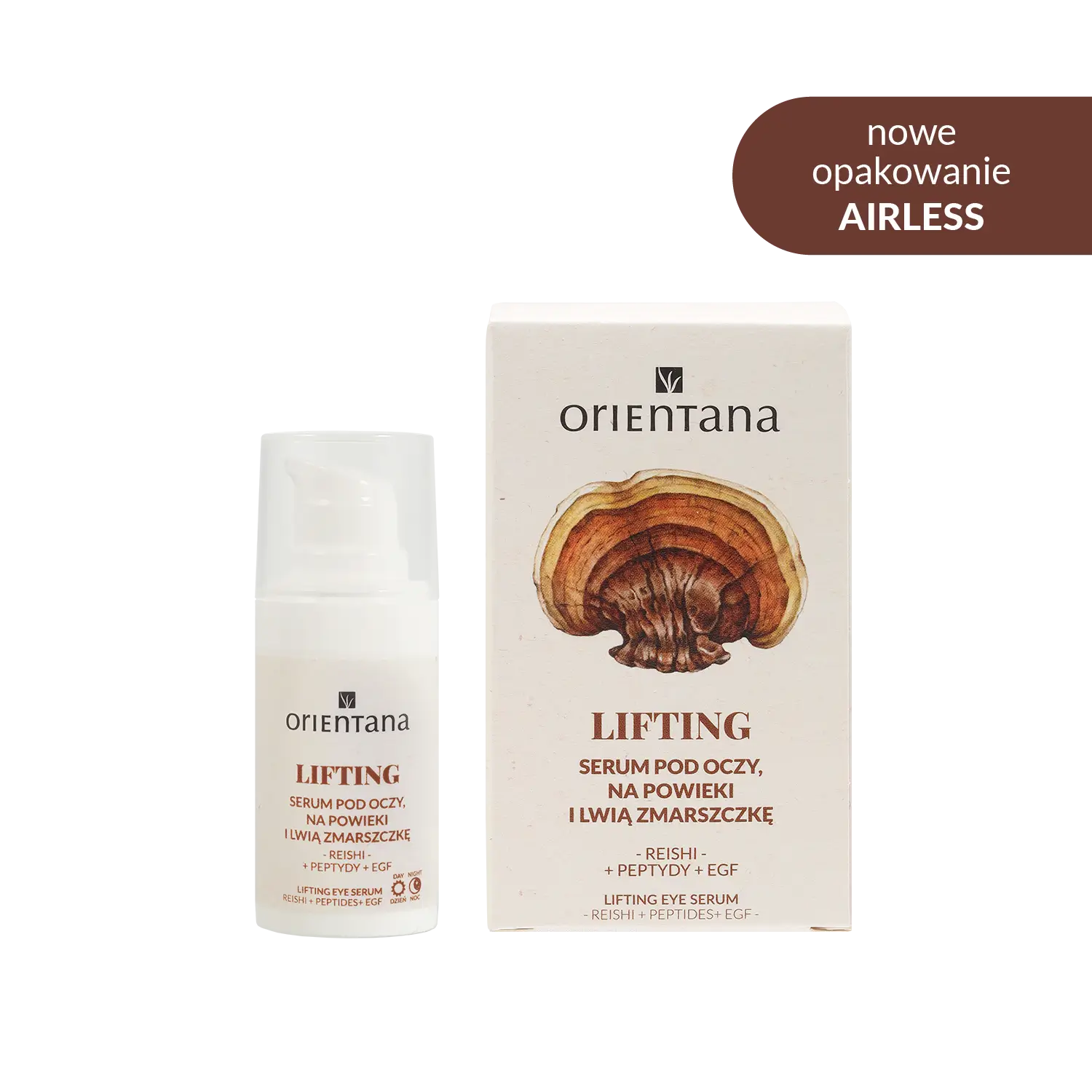
In modern skincare, cosmetics that target specific processes occurring in the skin are becoming increasingly important. One such product is a peptide serum , which is primarily chosen when skin begins to lose firmness, elasticity, and smoothness. This concentrated formula is used as a step to support skin regeneration and smoothing, as well as improving its overall condition. A carefully selected peptide serum can become an important element of anti-aging care, but also anti-aging prevention. If you want to learn more about conscious care and discover the full philosophy of natural formulas, visit our natural cosmetics section, where we explain step by step how to care for your skin in accordance with its needs. When is it worth using a peptide serum? Peptide serums are most often introduced into a skincare routine when the skin begins to send signals that it needs stronger regenerative support. It is worth using a peptide serum when: the first facial wrinkles appear, the skin loses its firmness and elasticity, the skin looks tired and gray, there is a noticeable loss of smoothness, you want to take preventive measures against the signs of aging. Regular use of peptide serums helps improve skin quality and supports its renewal processes, which over time translates into a firmer and smoother appearance. ✅ Check out cosmetics with peptides How does peptide serum work in daily care? Peptide serums work primarily as cosmetics that support the skin's natural regenerative mechanisms. Thanks to their light, concentrated formula, the active ingredients are more readily available to the skin than in traditional creams. The effects that are most often observed with regular use of peptide serum: smoothing out fine lines and irregularities, improving skin elasticity, more uniform structure of the epidermis, the impression of better skin tension. Peptide serum does not replace cream, but enhances the effect of the entire treatment, preparing the skin for the next steps of the routine. Serum ampoule with peptides ⬇️ Why is it worth combining peptide serums with antioxidants? Every day, skin is exposed to free radicals, which are produced by factors such as UV radiation, pollution, and stress. These free radicals contribute to accelerated aging and weakened skin structures. That is why modern peptide serum formulas are often enriched with antioxidants , which: help neutralize free radicals, support the protection of skin cells, complement the smoothing and firming effect of peptides. This combination gives the serum a multifaceted effect – it simultaneously supports skin regeneration and protects it against factors that accelerate aging. Serum with peptides and adaptogens - support for stressed skin A growing number of skincare formulas combine peptides with plant adaptogens. These ingredients are known for their ability to improve skin's resistance to environmental factors. The serum with peptides and adaptogens: support skin condition, help reduce signs of fatigue, enhance the regenerative effect of the entire formula. This combination is especially effective for people whose skin is exposed to stress, temperature fluctuations, air conditioning or an intense lifestyle. If you want to learn more about adaptogens, read What are adaptogens and why they play a key role in protecting the skin from oxidative stress. How to use peptide serum for best results? For peptide serums to fully utilize their potential, it is important to use them in the correct skincare order. Most frequently recommended regimen: thoroughly cleanse your facial skin, apply a few drops of peptide serum, after absorption, apply cream, In the morning, complete your care routine with SPF. Peptide serum can be used both morning and evening - depending on the needs of your skin and other cosmetics in your routine. What skin types are peptide serums suitable for? Peptide serum is a universal cosmetic and can be used by most skin types. It is especially good for skin types: mature, dry, normal, mixed, sensitive (with mild formulas). Thanks to its light consistency, the peptide serum does not burden the skin and easily integrates into your daily care routine. An example of a peptide serum in daily care A good example of a cosmetic combining peptides with other ingredients supporting skin condition is the Ashwagandha + Peptides + Coenzyme Q10 serum from Orientana. The formula was developed for skin that needs: smoothing and improving the structure, regenerative support, protection against oxidative stress, improving flexibility. The combination of peptides with a plant adaptogen and coenzyme Q10 makes the serum work in many ways and fits well into anti-aging care and anti-aging prevention. Eye serum with peptides - precise care for delicate skin The skin around the eyes is much thinner and more sensitive than the rest of the face, which is why it's here that signs of fatigue and aging first appear: fine lines, loss of firmness, dark circles, and puffiness. For this reason, an eye serum with peptides should be a specialized formula – lightweight, yet intensely supportive of regeneration. A good example of such a cosmetic is the Reishi Eye and Eyelid Serum , which combines the action of peptides with a plant adaptogen. The peptides support smoothing and improved skin elasticity, while Reishi, a well-known adaptogen, helps strengthen the skin's resistance to oxidative stress and environmental factors. Thanks to this combination, the eye serum: supports the smoothing of fine lines and wrinkles, improves the firmness and elasticity of the skin around the eyes, helps reduce signs of fatigue, works comfortably even on sensitive eyelid skin. The light, quickly absorbing consistency makes the peptide eye serum ideal for both morning and evening care, even under makeup. Reishi eye and eyelid peptide serum ⬇️ Incorporating a dedicated peptide serum into your eye care routine allows for much more precise action than applying a single cosmetic to the entire face. This is an important step in conscious anti-aging care, but also in anti-aging prevention, especially if you want to maintain a fresh, well-rested look. Read Eye Peptides: How They Work and Why They're Worth Using in Eye Care Frequently asked questions about peptide serums Can peptide serum be used daily? Yes, the peptide serum is intended for regular use – preferably daily, morning and/or evening. How long does it take to see the effects of using peptide serum? The first effects, such as smoothing and improved skin comfort, may be noticeable after a few weeks of regular use. Is peptide serum suitable under makeup? Yes, the light peptide serum absorbs well and can be used as a base for cream and makeup. Can peptide serum be combined with other active ingredients? Yes, peptide serums work well with antioxidants and moisturizing ingredients, among others. Is peptide serum only for mature skin? No. Peptide serums can also be used as an anti-aging preventative for younger people. Summary Peptide serums are a cosmetic product worth adding to your skincare routine when you want to improve firmness, smooth skin, and support skin regeneration. Thanks to their light, concentrated formula, they can become an important part of your daily skincare routine, both for anti-aging and preventative care. How to use peptide serum In the morning : Facial cleansing - natural foam or gel Skin preparation tonic Serum with peptides. Face cream In the evening : Facial cleansing - makeup removal oil, foam or gel Tonic Serum with peptides. Night cream Practical tips Consistency matters : Use products from the lightest (serums) to the heaviest (creams). Regularity is the key to results : Peptides work long-term, so regular use is crucial. Remember to use sun protection : Even the best peptides won't eliminate UV damage. By combining peptides with the right ingredients, you can achieve a comprehensive rejuvenating effect, improving the appearance and health of your skin. You can learn more from the article Peptides in cosmetics - how they work and why they are a breakthrough in modern care.
Learn more
Facial booster and skin needs after 30, 40 and 50 years of age - how to choose care according to age?
Skin in its 30s, 40s, and 50s doesn't need "more cosmetics." It needs better-tailored care . As we age, our skin's regeneration rate, stress resistance, and hydration levels change, so flexible support for our skincare routine becomes increasingly important. That's why many people reach for boosters, which allow them to tailor their care to their current skin needs , not just their age. In the natural cosmetics section, we discuss the topic of conscious care and the role of natural ingredients in the daily routine. How do skin needs change with age? Skin after 30 – energy and freshness After the age of 30, skin often looks good, but it responds more quickly to stress, lack of sleep, and fatigue. The following may appear: loss of shine, uneven coloring, feeling of "gray" skin at the end of the day. At this stage, care should support the vitality and immunity of the skin , without overloading it. Energizing Booster 👇 If you want your skin to look beautiful but don't have time for makeup or don't use it, check out the Brightening Booster 👇 👉 See facial boosters tailored to different skin needs Skin after 40 - regeneration and smoothing After the age of 40, skin regenerates more slowly and takes longer to regain balance. Often, the following symptoms appear: loss of firmness, greater tendency to dry out, longer time to "recover" from irritation. Here, supporting repair processes and skin comfort become crucial – especially in the evening and at night. Orientana Regenerating Booster 👇 Skin after 50 - comfort and regeneration After the age of 50, hormonal changes directly affect the condition of the skin. This includes: pronounced dryness, feeling of tension, greater sensitivity. Care should focus on regeneration, relief and long-lasting comfort , without aggressive formulas. 👉 Regenerating Booster as a support for mature skin care 👉 Illuminating booster as a method of illuminating the skin How to choose a booster according to age and skin condition? Skin Life Stage Most common needs Care Direction 30+ fatigue, stress, loss of radiance energy, freshness 40+ slower regeneration smoothing, reconstruction 50+ dryness, discomfort regeneration, relief How to combine boosters with other Orientana cosmetics? Boosters can be used alongside daily care , e.g. together with: face serum - targeted at problems such as discoloration, wrinkles, dry skin, and hyperreactivity. tonic - essence, day and night cream, eye cream. Sample diagrams: Tired skin: cleansing → booster → light serum Skin requiring regeneration: essence → booster → cream Dry and mature skin: booster → regenerating serum → nourishing cream 👉 Orientana Natural Face Serum Orientana Boosters - support tailored to the skin's needs Energizing Booster - for tired, dull skin - it will be appreciated by sleep-deprived mothers, students studying at night, people after long flights, overworked and tired people. The Illuminating Booster – for skin that looks dull and uneven – is a skincare product with elemental makeup made exclusively with natural ingredients. Whenever you desire beautiful, radiant skin. Regenerating Booster – for skin requiring regeneration and comfort. Best used at night, its purpose is to regenerate the skin and strengthen the hydrolipid barrier. FAQ Is it worth changing your skincare routine after the age of 30? Yes, because the skin reacts faster to stress and regenerates slower. Does skin need stronger support after the age of 40? Yes, especially in terms of regeneration and smoothing. Should skincare be more nourishing after the age of 50? Yes, to improve comfort and reduce the feeling of dryness. Is age more important than skin condition? No - the key is the current condition of the skin, not the metric itself. Can boosters be combined with serum and cream? Yes, they are designed as a flexible complement to care. Summary Skin changes with age, but the best results come from care tailored to current needs , not rigid regimens. Orientana Boosters allow you to respond to fatigue, stress, and the aging process in a flexible and conscious way. The main active ingredient in Orientana boosters is the adaptogen reishi. Learn more in the article "Reishi Mushrooms - A Treasure of Oriental Medicine." Check out other cosmetics with reishi.
Learn more