Inspirations

What serum for hyperpigmentation? Ingredients and formulas that really work
Discoloration is one of the most common skin problems – it appears after summer, after acne, due to hormonal changes, inflammation, or oxidative stress. Uneven skin tone, darker spots, or post-inflammatory marks often persist for months, or even years, if the skincare regimen is not properly chosen. What discoloration serum should you choose to genuinely even out skin tone? Effective reduction of discoloration is not about “lightening the skin” but about influencing the melanogenesis process, reducing inflammation, and supporting natural epidermal renewal. This is why highly concentrated formulas with precisely selected active ingredients play a key role in the care of discolored skin. In this article, we explain: what ingredients truly work on discoloration, which formulas are best for different types of pigmentary changes, and which Orientana brand serums are worth incorporating into your skincare to even out skin tone and prevent recurrence of discoloration. what to avoid if you have discoloration What types of discoloration are most common and why is this important when choosing a serum? In practice, we mainly encounter sunspots, post-inflammatory hyperpigmentation (PIH), and hormonal discoloration (melasma), and each of these types arises from a slightly different background. For sunspots, ingredients that inhibit excessive melanin synthesis are key; for PIH, substances that soothe inflammation and support regeneration; while for melasma, multi-directional formulas work best. Therefore, the best discoloration serum is one that combines ingredients influencing melanogenesis, reducing inflammation, and accelerating natural epidermal renewal. What ingredients work on skin discoloration? Not every "brightening" serum actually affects discoloration. Efficacy depends on whether it contains ingredients that target key mechanisms of pigment spot formation, primarily melanocyte activity, inflammation, and oxidative stress. Read about the effects of vitamin C on the skin. Vitamin C (3-O-Ethyl Ascorbic Acid) This is one of the best-researched ingredients supporting the reduction of discoloration. It inhibits tyrosinase activity – the enzyme responsible for melanin synthesis – and acts as a powerful antioxidant, protecting the skin from photodamage. Orientana cosmetics use a stable form of vitamin C - 3-O-Ethyl Ascorbic Acid, which: is well tolerated even by sensitive skin, does not oxidize quickly, works long-term and evenly. You can find it in the Ashwagandha Brightening Serum-Ampoule. 👇 Tranexamic acid An ingredient particularly recommended for melasma and post-inflammatory hyperpigmentation. It limits excessive pigmentation by influencing inflammatory mediators and processes responsible for uneven skin tone. The best results are observed when brightening ingredients are combined with antioxidants and soothing ingredients, which reduces the risk of irritation and recurrence of discoloration. Additionally: has anti-inflammatory properties, reduces the risk of discoloration recurrence, works well with vitamin C. It is found in Ashwagandha Brightening Serum-Ampoule Papaya Extract (Carica Papaya Fruit Extract) Papaya contains a natural enzyme - papain, which gently supports the exfoliation of dead skin cells. Thanks to this: the skin regains an even tone faster, brightening ingredients work more effectively, the complexion becomes smoother and more radiant. You can find papaya extract in the Ashwagandha + Vitamin C + Tranexamic Acid Serum-Ampoule. Check out ashwagandha cosmetics and read how it works on the skin. Ashwagandha - important clarification Ashwagandha is not a depigmenting ingredient in the strict sense. Its action in supporting the reduction of discoloration results from: strong antioxidant effect, reduction of inflammation, strengthening the skin's protective barrier. Thanks to this, ashwagandha: reduces the risk of new discolorations forming, supports skin tone evening, is particularly beneficial for reactive skin prone to PIH (post-inflammatory hyperpigmentation). What discoloration serum should you choose? Orientana recommendations Ashwagandha Brightening Serum-Ampoule A multi-directional formula - ideal for skin with discoloration due to: oxidative stress, inflammation, hormonal changes. The combination of: vitamin C, tranexamic acid, papain ashwagandha allows for simultaneous brightening of existing spots, protecting the skin from new pigmentary changes, and strengthening its immunity. Check out all Orientana face serums How to use discoloration serum to see results? For effective skincare, regularity and sun protection are crucial. Basic rules: apply serum to cleansed, slightly damp skin, use 1-2 times daily (as per product recommendations), always protect your skin with SPF cream during the day. Without daily UV protection, even the best discoloration serum will not provide lasting results. When do the first results appear? With regular use for a minimum of 4-6 weeks, you can observe: gradual lightening of pigment spots, a more even skin tone, improved radiance and smoothness of the complexion. Why choose Orientana discoloration serum? natural, vegan formulas, combination of phyto-ingredients and modern biotechnology, ingredients with proven efficacy, cosmetics not tested on animals, safety confirmed by application tests. If you're wondering what discoloration serum to choose, opt for formulas that address the root cause, rather than masking the problem. Orientana products support the skin in regaining balance, an even tone, and a healthy glow, without aggressive action or risk of irritation. See also: our other discoloration cosmetics Discover: other products with vitamin C What to avoid if you have discoloration? One of the most common reasons for a lack of results in reducing discoloration is not so much the wrong choice of serum, but errors in daily skincare. Lack of daily sun protection (SPF)UV radiation strongly stimulates melanocytes to produce melanin. Without regular use of sunscreen, even the best-chosen discoloration serum will not be able to provide lasting improvement in skin tone. Overly aggressive or too frequent exfoliationExcessive use of acids or peels can weaken the hydrolipid barrier, intensify inflammation, and paradoxically promote the formation of new discolorations. Frequent changes of active ingredientsSkin needs time to react to specific ingredients. Constantly rotating serums and introducing many strong substances at once makes it difficult to assess effects and increases the risk of irritation. Check out other cosmetics for discoloration Questions Does discoloration serum really work? Yes, discoloration serum can effectively reduce pigment spots, provided it contains ingredients that influence melanogenesis, such as vitamin C or tranexamic acid, and is used regularly along with sun protection. What serum ingredients are best for discoloration? The best-researched ingredients are stable vitamin C, tranexamic acid, and antioxidants that reduce inflammation and oxidative stress, which indirectly support skin tone evening. Does vitamin C serum lighten discoloration? Yes, vitamin C inhibits the activity of the enzyme responsible for melanin production, thereby gradually lightening discoloration and preventing the formation of new pigmentary changes. Is tranexamic acid effective for discoloration? Yes, tranexamic acid limits excessive pigmentation, especially in the case of melasma and post-inflammatory hyperpigmentation, and reduces the risk of their recurrence. Does ashwagandha lighten discoloration? Ashwagandha does not have a direct depigmenting effect, but through its anti-inflammatory and antioxidant properties, it supports skin tone evening and prevents the formation of new discolorations. How long does it take to see results from using discoloration serum? The first effects are usually visible after 4-6 weeks of regular use, while full improvement in skin tone requires several months of systematic care. Can discoloration serum be used daily? Yes, most discoloration serums are designed for daily use, unless the manufacturer recommends otherwise and the skin tolerates the active ingredients well. Can discoloration serum be used in summer? Yes, discoloration serum can be used in summer, provided a high SPF cream is applied daily to protect the skin from the formation of new pigmentary changes. Does discoloration serum work without SPF? No, lack of sun protection significantly reduces the effectiveness of discoloration serum, as UV radiation increases melanin production and promotes the recurrence of pigment spots. Is one serum enough for all types of discoloration? No, the effectiveness of a serum depends on the type of discoloration. Sunspots, post-inflammatory hyperpigmentation, or hormonal changes may require different combinations of active ingredients and a longer period of use. Melasma - what it is and how to effectively care for skin with this type of discoloration?
Learn more
Hair Growth Lotion - How to Choose the Perfect One for Your Scalp? A Trichologist's Guide
Hair growth lotion - why is the choice crucial? As a trichologist, I often encounter situations in which someone says: "I used lotion, but it didn't work." In most cases, the problem isn't that the lotions are ineffective. The problem is that they were chosen incorrectly . Hair growth lotion isn't a one-size-fits-all product. It's a therapeutic tool that should be tailored to: type of scalp, causes of hair loss, the condition of hair follicles, the level of oiliness or dryness, the presence of inflammation or dandruff. A poorly selected lotion can: not give results, intensify hair loss, irritate the scalp, disrupt the skin microbiome. A well-chosen lotion can: stop hair loss, stimulate new hair growth, improve density, restore balance to the scalp. If you want to understand the basics of how it works, read first: what is a hair growth lotion and how does it work? How to choose a lotion for the problem? This is the moment that decides the success or failure of the treatment. Lotion for hair loss If your main problem is hair loss, you need ingredients that: stimulate microcirculation, activate hair follicles, extend the anagen phase, limit the miniaturization of bulbs. Most important ingredients: caffeine, arginine, plant complexes (e.g. Baicapil™), quinine, adaptogenic extracts. This is where trichological lotions with a stimulating effect work best. Hair loss - causes, stages, and effective care. How to stop hair loss and stimulate hair growth? Lotion for slow hair growth Sometimes hair doesn't fall out, but: they grow very slowly, they do not thicken, missing baby hair. Then you need: strong stimulation of the follicles, improvement of blood supply, activation of hair stem cells. This is a situation where formulas with caffeine, peptides and growth-activating complexes work well. What is a hair growth lotion? A comprehensive trichologist's guide. Lotion for oily scalp This is one of the most common problems. Excess sebum: blocks the openings of hair follicles, promotes inflammation, weakens the hair at the roots. The lotion should: regulate sebum, support the microbiome, anti-inflammatory, do not burden the skin. Light, trichological formulas work best here. Lotion for dry and sensitive scalp If you have: feeling of tightness, baking, itch, tendency to irritation, you need a completely different lotion. Key ingredients: panthenol, allantoin, aloe, sodium lactate, ingredients supporting the hydrolipid barrier. In this case , too strong a lotion can worsen the problem, but a good solution will be Ayurvedic Therapy scalp oil. Lotion for dandruff and scalp problems Here the most important thing is: anti-inflammatory effect, regulation of the microbiome, limiting the development of yeast. The rub should be: light, non-comedogenic, non-irritating. How to read the composition of a lotion? This is the element that distinguishes effective lotion from marketing. What to pay attention to? First ingredients in INCI – they decide on the product base The presence of active ingredients – are they high up in the squad? Type of stimulation – mild (e.g. herbs) vs intense (caffeine, complexes) The presence of alcohol – OK for oily skin, risky for sensitive skin Ingredients that support the microbiome – an increasingly important trichological trend The most common mistakes when choosing a hair conditioner These are the real reasons why lotions "don't work". 1. Choosing the "strongest lotion" Strong stimulation ≠ better effect may lead to irritation 2. Ignoring your scalp type This is the most common mistake. the lotion must be matched to the skin, not the hair 3. Relying solely on opinions What works for others may not necessarily work for you 4. Too short treatment Hair needs time (minimum 12 weeks) 5. Lack of a comprehensive approach Lotion without: diets, care, stress reduction has limited effects Which lotion will be best for you? As a trichologist I always say: there is no single best lotion – there are the best ones. If you have: oily scalp falling out lack of volume choose: Trichological hair lotion - Trycho Lychi Orientana Why: contains Baicapil™ stimulates hair follicles regulates sebum improves microcirculation Tests: +18% hair density +46% growth dynamics If you have: weakened hair seasonal hair loss need for regeneration choose: Ayurvedic Amla hair tonic-lotion Why: contains amla, bhringraj, neem strengthens the bulbs works gently and long-term supports the microbiome Herbs for hair loss - a natural ritual for a healthy scalp and strong hair Can two lotions be used at the same time? Yes, and it's a very good solution. Diagram: morning → trichological lotion (stimulation) in the evening → Ayurvedic lotion (regeneration) effect: synergy of action How to use the lotion to make it work? The best lotion won't work without good application. Rules: apply to the scalp massage for 2–3 minutes use regularly do not rinse Effects - what to expect? 2–4 weeks: less fallout 6–8 weeks: baby hair 12 weeks: greater density 4–6 months: real improvement in hair condition Lotion is not everything You will achieve the best results by combining: lotion gentle shampoo a diet rich in protein trace elements (iron, zinc) stress reduction Trichologist's Summary A hair growth lotion can be one of the most effective hair care products – but only if it is chosen correctly. The most important: ✔ match it to your scalp ✔ use for at least 3 months ✔ don't skip the massage ✔ act comprehensively If you want to really improve the condition of your hair: 👉 choose a lotion tailored to your problem 👉 use it regularly 👉 observe the effects for at least 12 weeks Check out Orientana lotions and start a conscious trichological treatment today. Check out natural hair cosmetics
Learn more
Do you know the golden milk of Ayurveda?
In India, every mother knows them, because they all give them to their children when they are unwell... for virtually any reason. In Europe, golden milk is also becoming increasingly popular, and in the colder months, it's a real hit because it boosts immunity, warms you up, treats minor infections - and it's delicious. That's why it deserves a few words from me, after all, I've been drinking golden milk for years. I'm writing this post for you. My name is Anna Wasilewska and 14 years ago I created the Orientana brand. Yes, thanks to Ayurveda. Golden Milk (Polish: Złote mleko), also known as haldi doodh in India, is a traditional Ayurvedic drink that has been used in Ayurvedic medicine for centuries. It is valued for its health-promoting properties, mainly due to turmeric, which is the main ingredient of this beverage. Golden milk has been known in Asia for thousands of years. In the past, yogis drank it because, according to Ayurveda, it also strengthens joints, alleviating their stiffness and pain, and now virtually everyone drinks it because it wonderfully cleanses and tones the body. Golden milk was traditionally used to treat colds and infections and to alleviate inflammation. This drink is often consumed to improve digestion and support gut health. If you have joint problems, according to traditional beliefs, golden milk will reduce joint pain due to its anti-inflammatory properties. Turmeric milk supports healthy sleep and relaxation. In every Indian home, it is prepared slightly differently, and there it fulfills functions similar to our chicken broth or milk with honey and garlic - it is widely believed to get you back on your feet. There's something to it, because I also sip golden milk not only preventatively throughout autumn and winter, but also in mid-summer if I catch a cold. GOLDEN MILK - TRADITIONAL AND PLANT-BASED RECIPE Preparing the base – turmeric paste To prepare the base for golden milk, you will need: ¼ cup of turmeric powder (or fresh rhizome, which should be finely chopped – it's worth wearing protective gloves to avoid skin discoloration). You can now buy fresh rhizome in Poland. ½ cup of water – it can be mineral or filtered tap water. Combine the ingredients in a saucepan and heat over medium heat for about 6–7 minutes, stirring regularly to prevent boiling. As the water evaporates, the mixture will thicken, forming a paste. Once it reaches the desired consistency, transfer it to an airtight jar and store in the refrigerator – preferably for no longer than 3 weeks. How to prepare golden milk? Add a teaspoon of the previously prepared paste to a glass of warm milk (you can use cow's milk or plant-based milk, e.g., coconut) and mix thoroughly. The drink is ready to consume! You can enrich the taste of golden milk by adding spices such as black pepper, ginger, cardamom, cloves, or coconut oil. For a sweeter version, reach for a little honey. How I discovered golden milk? I have been drinking golden milk since my first trip to India, when, chilled after a long train journey in an air-conditioned carriage, I encountered hot and humid air. Anyone who has traveled in such a refrigerator knows how Indians treat air conditioners - as if they want not only to test their limits, but also to push them. I stepped out onto the scorching platform, then got into an equally cold taxi, and... the next day I woke up sick. My hosts rolled their eyes (what delicacies these Europeans are?!). They poured me a cup of warm, sweet-and-spicy drink and smilingly assured me that I would feel better in a few moments. I did feel better, so much so that I drank the delicious concoction every day! And I still drink it today, not only when I feel like something is getting me down. Preventively and simply out of gluttony, because it makes a great substitute for a sweet second breakfast. And I advise you all to do the same, because it's an easy, tasty, and quick way to boost your vitality when the weather is gloomy outside. In times of raging viruses, we don't want to wonder if that sore throat and cough is just a cold or something worse, right? So let's take care of ourselves! The secret of golden milk is turmeric, which is known for its antioxidant, antiviral, antibacterial, and even antifungal properties. What is curcumin? It owes its fame to curcumin. Curcumin, an active compound present in turmeric root (Curcuma longa), is valued for its numerous health-promoting properties. It has wide application in traditional medicine and modern clinical research due to its anti-inflammatory, antioxidant, and anticancer properties. Curcumin has anti-inflammatory properties. It blocks enzymes and factors, such as NF-κB, which play a key role in inflammatory processes. It helps alleviate inflammation in chronic diseases such as rheumatoid arthritis (RA), inflammatory bowel diseases (e.g., Crohn's disease, ulcerative colitis), and psoriasis. Curcumin neutralizes free radicals and reduces oxidative stress, which is a risk factor in body aging, neurodegenerative diseases such as Alzheimer's and Parkinson's, and cardiovascular diseases. It stimulates the body to produce its own antioxidant enzymes, such as catalase and superoxide dismutase. Curcumin supports the immune system by modulating the immune response and supporting the body's defense mechanisms. It can help prevent viral, bacterial, and fungal infections. Curcumin alleviates dyspepsia symptoms (indigestion) and has a protective effect on the gastric mucosa, supports liver function, and acts as a choleretic, which facilitates fat digestion. Of course, the milk on which the drink is prepared, and the oil added to enhance its properties, are also significant. Milk in India is considered nourishing and tissue-building. Golden milk - my recipe from India And how to prepare this liquid gold? Of course, very easily and quickly, otherwise I wouldn't have time for it! There are many recipes and you can add virtually all exotic spices that come to mind to golden milk, but my recipe comes straight from India, from Hindu friends. I slimmed it down by removing ingredients unavailable in Poland, and enriched it with honey. Here it is! First and foremost, you will need one teaspoon of powdered turmeric. You can use store-bought turmeric, but it's better to buy dried rhizome and grind the necessary amount yourself. Put the powder into half a glass of water and boil for a few minutes. Next, pour just under a glass of cow's milk or, if you prefer, plant-based milk (it must be at room temperature, because the finished drink should be warm, but not hot! In hot liquid, honey would lose its properties). Add a teaspoon of almond oil or clarified butter - you can even buy it ready-made. Finally, add a teaspoon or tablespoon of honey, and spices: pepper, which improves curcumin's bioavailability, cardamom, cinnamon, ginger, if you want a quick warming effect, and even nutmeg or... one clove, if you like more spicy, pungent flavors. Mix everything thoroughly so that the oil blends as well as possible with the milk and water. Drink the golden milk immediately, also because of the oil - if the drink cools down, the oil will be more noticeable. You'll see, you'll feel better in a moment! Golden milk symbolizes harmony between body and spirit, and its warm, golden color is often associated with health, energy, and balance. It is a drink that connects generations, being both a culinary tradition and a natural remedy for many ailments. While preserving its roots, golden milk has evolved into modern recipes but still remains a symbol of simplicity, health, and a holistic approach to life. If you liked this post, I invite you to discover Orientana cosmetics with turmeric, which I created based on Ayurveda and supported by other Eastern medicines. You can read about the properties of turmeric here. Questions about golden milk What is golden milk? Golden milk is a traditional Ayurvedic drink, prepared with milk (or a plant-based beverage), turmeric, and spices such as ginger, cinnamon, and black pepper. It is known for its warming and body-supporting properties. What is golden milk made of? Classic golden milk contains turmeric (source of curcumin), black pepper to increase its bioavailability, healthy fat (e.g., coconut oil), and warming spices. The base can be cow's milk or plant-based milk, such as almond or oat milk. How does golden milk affect the body? Golden milk has anti-inflammatory, antioxidant, and warming effects. Regular consumption can support immunity, digestion, and the body's natural regenerative processes. When is the best time to drink golden milk? Most often, golden milk is drunk in the evening, before bed, because it has a calming and warming effect. However, it can also be drunk in the morning or after a meal - depending on your needs. Is golden milk healthy? Yes, golden milk is considered a healthy drink, especially during periods of reduced immunity or fatigue. However, it is crucial to use natural ingredients and moderate amounts of spices. Can golden milk be drunk daily? Golden milk can be drunk daily, provided there are no health contraindications. It is best to start with small portions and observe the body's reaction, especially with a sensitive digestive system. Does golden milk help with immunity? Yes, golden milk is often used as a natural immune booster. Turmeric and ginger support the body in fighting oxidative stress and seasonal weaknesses. Is golden milk suitable for people on a plant-based diet? Absolutely. Golden milk can be prepared with plant-based beverages, such as almond, coconut, or oat milk, while maintaining its health-promoting properties. Does golden milk help with digestion? Golden milk can support digestion thanks to the effects of turmeric and ginger. It is often recommended after heavy meals or when feeling bloated. Can children drink golden milk? Golden milk for children should be a milder version – with fewer spices and without strong ginger. It is worth consulting a pediatrician before introducing it.
Learn more
Aloe Vera - properties, effects, and uses in skin and hair care, and health.
For thousands of years, aloe has been considered one of the most valuable skincare plants. Its gel pulp was used in ancient Egypt, India, and Asian countries as a soothing, moisturizing, healing, and strengthening agent. Today, aloe is making a comeback thanks to the trend of natural care and growing awareness of cosmetic ingredients. Importantly, aloe is not only an ingredient in cosmetics; it is also used in supplementation and diet to support the digestive system, immunity, and overall health. In this article, you will find both the scientific basis for aloe's action and practical tips for its use. I will also mention Orientana products that align with the philosophy of natural, gentle care, and while they may not contain pure aloe, they remain close to the idea of botanical extracts with soothing properties. Table of Contents: What aloe is and what it contains Properties of aloe in skin care Aloe in hair and scalp care Why aloe is so valuable in natural cosmetics How to choose cosmetics with aloe Orientana products inspired by soothing and moisturizing care Aloe in diet - health benefits Uses of aloe as a food product Contraindications and safety of use Questions What aloe is and what it contains Aloe (Aloe vera) is a succulent growing mainly in dry and hot climates. Its leaves are filled with a transparent gel rich in active ingredients: polysaccharides, mainly acemannan vitamins A, C, E, and B vitamins minerals: zinc, magnesium, calcium, selenium amino acids and enzymes plant sterols antioxidants with strong anti-inflammatory properties This richness makes aloe one of the most versatile ingredients in cosmetology and phytotherapy. Properties of aloe in skin care Deep hydration thanks to polysaccharides Aloe is renowned for its exceptional ability to bind water. Polysaccharides penetrate the epidermis, creating a delicate film that retains moisture and prevents its evaporation. As a result, dehydrated skin regains softness and elasticity. Soothing and calming irritations Aloe has anti-inflammatory, bacteriostatic, and soothing properties. It is excellent for: sunburns irritations after cosmetic treatments redness allergic reactions sensitive and reactive skin Regeneration and accelerated healing The enzymes contained in aloe accelerate epidermal renewal and support the healing process of minor wounds. The plant acts gently yet effectively, which is why it is often found in products for delicate and atopic skin. Antioxidant and anti-aging effects Aloe supports natural skin regeneration processes and protects against oxidative stress. Antioxidants neutralize free radicals responsible for accelerated skin aging. Support for acne-prone skin Aloe exhibits mild antibacterial, regulating, and soothing properties, which can reduce redness and support the fight against imperfections. Aloe in hair and scalp care Moisturizing and smoothing hair Aloe will add softness and elasticity to hair. It can be used as a mask, conditioner, or mist. Soothing the scalp Aloe calms irritations, soothes dry scalp, and relieves inflammation. Regular use of aloe gel can reduce itching. Sebum regulation Scalp prone to oiliness can benefit greatly – aloe moisturizes without weighing down and helps maintain hydro-lipid balance. Why aloe is so valuable in natural cosmetics it is safe even for very sensitive skin it has multi-directional effects it provides a quick soothing and moisturizing effect it combines well with other plant ingredients it is ideal for full body care It is an ingredient that does not require strong preservatives or complex formulations, making it suitable for the philosophy of natural care. How to choose natural cosmetics with aloe check how high Aloe Barbadensis Leaf Juice is on the ingredient list avoid very high alcohol content in aloe products choose cosmetics that combine aloe with other humectants (e.g., trehalose, glycerin) pay attention to whether the product is natural and free of silicones, PEGs, and strong detergents Orientana products with aloe Examples of Orientana cosmetics with aloe in various forms are listed. Their formulas are distinguished by hydration, soothing, and regeneration. Smoothing and soothing serum with aloe mucin A formula rich in soothing and regenerating ingredients. Contains fermented biotechnological aloe, which has strong moisturizing and smoothing properties. Tremella and Exosomes Hydrating Serum Serum with a natural humectant, often compared to hyaluronic acid. Aloe vera juice (Aloe Barbadensis Leaf Juice) has been added to the exosome formula. Indian Jasmine Hair and Body Mist Soothing and moisturizing effect of floral extracts, an ideal alternative to aloe mists for body and hair. The Indian Jasmine mist contains aloe juice (Aloe Barbadensis Leaf Juice). Japanese Rose and Pandan Facial Toner Soothes, refreshes, moisturizes, and calms. Next to rose and pandan extract, aloe juice is in the toner's composition. Sandalwood Balm Highly regenerating, nourishing balm with a beautiful sandalwood scent. Aloe restores comfort to dry skin, calms and strengthens. Aloe as a food product and healthy ingredient - properties and uses Aloe is widely used not only in cosmetics but also in a healthy diet. Nutrients in aloe Aloe gel contains: fiber antioxidants polysaccharides vitamins essential minerals Effect of aloe on digestion Aloe can support intestinal peristalsis and improve digestive comfort. It is often used for indigestion and a feeling of heaviness. Immunity support The polysaccharides contained in aloe stimulate the body's natural defense mechanisms. Body cleansing Aloe can aid in toxin removal, improve nutrient absorption, and support metabolism. Internal hydration Aloe drink acts similarly to an isotonic drink – it hydrates, provides electrolytes, and improves skin elasticity from within. Uses of aloe as a food product aloe drinks drinking gels additives to cocktails and smoothies gel supplements pulp preparations aloe as a natural deacidifying agent It is worth choosing products with a minimal amount of sugar and no artificial additives. Contraindications and safety of use some individuals may be allergic to aloe oral aloe can have a laxative effect drinking aloe during pregnancy is not recommended without consulting a doctor aloe food products must be processed safely to remove aloin (an irritating compound) Remember Aloe is one of the most versatile ingredients in natural care and a healthy diet. Its unique moisturizing, regenerating, soothing, and antioxidant properties make it indispensable in skin and hair care cosmetics. It is no less valued in food form – as a support for digestion, immunity, and general well-being. If you value natural care, reaching for products inspired by aloe, such as light toners, mists, moisturizing serums, or creams based on plant extracts, perfectly fits the philosophy of gentle and conscious care. Questions about aloe Can aloe be used daily? Yes, aloe is gentle and suitable for daily use. Does aloe help with acne? It can soothe inflammation and reduce redness. Can aloe be used on hair? Yes, it has moisturizing and soothing effects on the scalp. Is drinking aloe healthy? Yes, if the product is properly prepared and free of aloin. Can aloe cause allergies? In sensitive individuals, it may cause a reaction; a patch test is recommended. What is the difference between aloe vera gel and aloe vera juice? Gel is the pulp from the leaf, juice comes from the layer beneath the skin. Does aloe have anti-aging properties? Yes, it contains antioxidants that neutralize free radicals. Does aloe help with sunburn? Yes, it is one of the best natural remedies for UV burns. Can aloe be used around the eyes? Yes, but it must be a product with an appropriate formula. Is aloe good for sensitive skin? Yes, it is one of the mildest skincare ingredients. Can aloe be combined with retinol? Yes, aloe soothes irritations caused by retinoids. Is aloe good after depilation? Yes, it quickly soothes, reduces redness, and supports healing. Does aloe dry out the skin? Aloe itself does not dry, but if the product has a lot of alcohol - yes. Can aloe be given to children? In cosmetics, yes; orally only after consulting a pediatrician. How to store aloe? In a cool place, and fresh gel - in the refrigerator. Orientana cosmetics with aloe
Learn more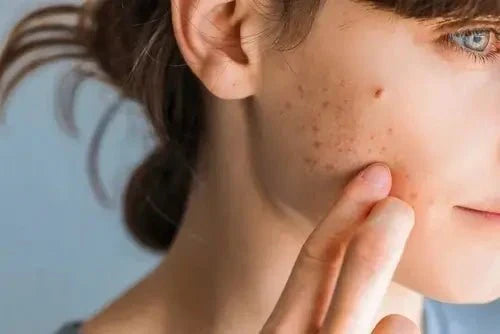
Acne scars - causes, types and effective methods of reduction
Acne scarring is a common dermatological problem that affects not only the appearance of the skin but also well-being and self-confidence. Acne scars result from inflammatory processes that damage skin tissue and lead to improper healing. In this article, I explain the origins of acne scars, their types, and how to effectively reduce them—both with regenerative cosmetics and specialized methods. We pay particular attention to snail slime —an ingredient with proven repairing and smoothing properties. Contents: Acne scars - causes of formation Types of acne scars How to prevent acne scars? Two-step skin cleansing - the key to scar prevention Snail slime - an active ingredient in skin regeneration Orientana snail slime cream - action and composition Home remedies for acne scar reduction Professional treatments for acne scars Summary FAQ Acne scars – causes of formation Acne scars result from inflammatory processes occurring within the hair follicles and sebaceous glands. During the healing process, collagen production is disrupted – excess collagen leads to hypertrophic scars , while deficiency leads to sunken skin defects. The risk of their formation increases with severe acne, improper skin care, mechanical trauma (e.g., squeezing lesions), and genetic predisposition. Types of acne scars In cosmetology and dermatology, there are three main types of acne scars : 1. Concave (atrophic) scars – this is the most common type. They result from the loss of collagen and elastin. They can take the form of: ice pick - deep, narrow recesses, boxcar - with clear, rectangular edges, rolling - with a wavy, uneven surface. 2. Raised scars (hypertrophic and keloid) – the result of excessive collagen synthesis. Keloids can grow beyond the area of primary inflammation. 3. Linear scars - are formed as a result of scratching or mechanical damage to the skin, often in the form of thin, elongated marks. Identifying the scar type is crucial for selecting the appropriate treatment. For established lesions, microneedling, laser therapy, or microneedling radiofrequency are recommended. How to prevent acne scars? Prevention of acne scars requires early treatment of inflammation and avoiding manipulation of lesions. Regular cleansing is crucial to prevent the accumulation of sebum and bacteria. Use soothing and anti-inflammatory products rich in ingredients such as inulin, gluconolactone, and panthenol. Daily care should also support the hydrolipid barrier , as its weakening increases the risk of discoloration and acne scars. Two-step skin cleansing – the key to scar prevention Two-step cleansing is a method derived from Asian beauty rituals that effectively removes both oil- and water-soluble impurities without damaging the skin's protective barrier. Step 1: Cleansing Oil Golden Orange Makeup Remover Oil It dissolves sebum, SPF, and makeup without disturbing the hydrolipid balance. The natural oils it contains gently remove impurities and prepare the skin for the second stage of cleansing. Step 2: Water preparation Soothing facial cleansing gel Date + Inulin + Green Tea removes oil residue and cleanses pores without drying out. Thanks to the presence of inulin and green tea extract, it has a soothing effect, supports the skin microbiome and limits the development of inflammatory lesions. Regular use of this method minimizes the risk of new eruptions and thus the formation of acne scars. Snail slime - an active ingredient in skin regeneration Snail secretion filtrate is one of the most valuable ingredients used in regenerative cosmetology. It exhibits repairing, anti-inflammatory, and brightening properties. It includes, among others: allantoin – supports healing and regeneration processes, glycolic acid – gently exfoliates dead skin and lightens discolorations, collagen and elastin – increase skin firmness, proteins and enzymes – support tissue reconstruction. Regular use of cosmetics with this ingredient improves the skin's structure, smoothes it and reduces the visibility of acne scars. Orientana snail slime cream - action and composition Orientana snail slime cream is a preparation combining the regenerating properties of snail slime with natural plant extracts and moisturizing substances. The cream formula was developed for skin with imperfections, scars and uneven texture. Active ingredients: Snail Secretion Filtrate - regenerates and supports skin reconstruction. Boerhavia Diffusa Root Extract - has a brightening and soothing effect. Sodium Hyaluronate - intensively moisturizes and improves elasticity. Camellia Kissi Seed Oil - protects the skin against water loss and supports repair processes. Regular use of the cream increases skin elasticity, evens out its color and reduces acne marks . Home remedies for acne scar reduction Natural substances such as aloe, honey or rosehip oil can support the healing process of the skin and improve its color. fresh aloe gel - soothes and supports regeneration. rosehip and tamanu oil – supports skin regeneration and improves its structure. tamanu oil - has anti-inflammatory properties and reduces skin lesions However, it is worth remembering that home methods are supportive - they do not replace professional care or dermatological therapy. Professional treatments for acne scars In the case of established scars, specialized therapies prove effective: Fractional CO₂ laser - stimulates collagen production, smoothes the skin. Microneedle radiofrequency (RF) - improves skin tone and structure. Mesotherapy - provides the skin with regenerative ingredients (hyaluronic acid, peptides). Platelet-rich plasma (PRP) - naturally stimulates tissue regeneration. The effectiveness of treatments increases with regular use and combination with appropriate home care. Summary Acne scars are a complex problem that requires a consistent approach. Prevention is key – proper cleansing, a quick response to inflammation, and regular regenerative care. Cosmetics containing snail slime, such as Orientana Snail Slime Cream, support the skin's regeneration process and help restore its uniform tone and smooth texture. FAQ – Frequently asked questions about acne scars 1. Can acne scars be completely removed? Not always, but they can be significantly reduced and brightened through dermatological treatments and regular regenerative care. 2. How long does it take to reduce acne scars? The effects are visible after a few weeks of systematic care, but full regeneration may take several months. 3. Does snail slime really work on scars? Yes, research confirms its regenerating, exfoliating and brightening effects. 4. How often should I use snail slime cream? Preferably every day, morning and evening, on cleansed skin. 5. Are cosmetics with snail slime suitable for sensitive skin? Snail slime may be too strong for sensitive skin, especially when its percentage is high. 6. Can acne scars be treated with home remedies? Yes, but in case of profound changes it is better to consult a cosmetologist. 7. What ingredients support scar healing? Snail slime, allantoin, hyaluronic acid, vitamin E, niacinamide. 8. Doesn't oil cleansing clog pores? No, if done correctly - by washing off the oil with a water-based preparation. 9. What to choose: laser or mesotherapy? It depends on the type of scars - the dermatologist selects the method individually. 10. Do acne scars come back? No, if the inflammatory process is controlled and care is regular. 11. How to prevent new scars from forming? Avoid squeezing the lesions, cleanse your skin in two steps, and use SPF. 12. Does diet affect acne scars? Yes - a diet rich in zinc, vitamins A and E supports regeneration. 13. Do AHA acids help with scars? Yes, they accelerate exfoliation and lighten acne discolorations. 14. What cosmetics should I use after laser treatments? Gentle, regenerating - e.g. creams with snail slime, creams with tremella, . 15. Can acne scars be hidden with makeup? Yes, but the most important thing is treatment and causal care. Discover natural care for skin with imperfections: Orientana snail slime cream Golden Orange Makeup Remover Oil Soothing facial cleansing gel Date + Inulin + Green Tea
Learn more
A good face cream for over 50 - Orientan's natural suggestions to support mature skin
After the age of 50, the skin naturally becomes drier, loses elasticity and firmness, and wrinkles become more visible. The environment, hormonal changes, and a decrease in sebum production exacerbate this weakened skin condition. It is worth noting that dry skin (xerosis) affects as many as 38% to 85% of older people in various clinical studies. Skin aging facilitates moisture loss, leading to a rough, flaky surface and thinning of the protective layer. Therefore, a good face cream after 50 should: Intensely moisturize and rebuild the protective barrier, Regenerate and firm the skin, Soothe irritations and even out skin tone, Have strong antioxidant effects, supporting the fight against oxidative stress and wrinkles. In the following sections, you will discover natural proposals from the Orientana brand that meet these goals. Read about what mistakes can occur in mature skin care. What does skin need after 50? Mature skin is characterized by: Loss of moisture — reduced activity of sebaceous and sweat glands, especially in women over 60, who may have up to 40% lower sebum production Reduced elasticity and firmness, resulting from a decrease in collagen, elastin, and hyaluronic acid. Dryness and itching, confirmed by adult experiences — itching occurs in approximately 33.7% of people over 50 Susceptibility to discoloration, uneven skin tone, increased sensitivity to oxidation. Therefore, skincare routine must combine multi-dimensional protection: hydration + regeneration + barrier + comfort. Natural ingredients in Orientana creams The Orientana brand offers well-developed, natural formulas that contain active ingredients dedicated to skin care after 50: Ashwagandha – an adaptogen with antioxidant properties, supports regeneration and protection against oxidative stress. Cosmetics with Ashwagandha - check them all. Snail slime – valued for its strong regenerating effect, fighting fine wrinkles, and supporting epidermis reconstruction. Check out all cosmetics with snail slime Reishi (mushroom) – rich in antioxidants, has firming properties and adds radiance. Discover the mature skin series - Reishi. Turmeric and sandalwood – turmeric has brightening and anti-inflammatory properties, while sandalwood soothes and firms. Read about ingredients for mature skin. Good face cream after 50 – Orientana recommendations Sandalwood and Turmeric BALANCE Face Cream Brightens discolorations, has anti-inflammatory effects, soothes, and improves skin tension — an ideal formula for drier and less firm skin. Ashwagandha NOURISHMENT Face Cream An adaptogenic cream that protects the skin from oxidative stress, regenerates, and supports the skin's natural immunity. Snail Slime REGENERATION Face Cream A highly moisturizing and smoothing formula that reduces the appearance of wrinkles and supports active night regeneration. Reishi Day Firming Face Cream Light texture, antioxidant protection, and radiance — an excellent makeup base and daily care. Reishi Night REBUILDING Face Cream Concentrated regeneration during sleep: improves skin elasticity and accelerates repair processes. How to incorporate Orientana creams into your daily routine? MORNING - FIRMING + BALANCE - REISHI DAY CREAM or SANDALWOOD AND TURMERIC CREAM EVENING - REGENERATION + REBUILDING + NOURISHMENT - REISHI NIGHT CREAM or SNAIL SLIME CREAM or ASHWAGANDHA CREAM Why is that? In the morning, we use light formulas that provide radiance and antioxidant protection without weighing down the skin. Evening is for regeneration — richer ingredients support natural repair processes and soothe the skin. Face cream after 50 - questions and answers Can a cream after 50 replace a serum? No – cream and serum serve different functions. A serum acts more concentratedly, while a cream supplements it with hydration, protection, and a lipid barrier. In care after 50, it is worth using both cosmetics. Are Orientana creams suitable for dry and very dry skin? Yes. Creams with snail slime, Reishi Night, and Sandalwood and Turmeric are particularly recommended for dry skin – they provide intense hydration and regeneration. How many times a day should a cream after 50 be applied? Preferably twice a day – morning and evening. In the morning, a light formula protects and adds radiance (e.g., Reishi Day), and in the evening, a richer consistency supports skin renewal (e.g., Snail Slime or Reishi Night). Is it worth using SPF cream after 50? Yes. Sun protection is crucial. Are natural creams as effective as dermo-cosmetics? Natural creams, such as Orientana, thanks to adaptogens, antioxidants, and bioactive plant extracts, can be just as effective. Their additional advantage is gentleness and safety for sensitive skin. How long does it take to see results from creams after 50? The first effects of hydration are visible after a few days, while improved firmness and wrinkle reduction usually require 3–4 weeks of regular use. Can different Orientana creams be combined in one routine? Yes, for example, Reishi Day in the morning and Snail Slime Rejuvenation in the evening. Ashwagandha is worth using additionally when the skin is stressed and needs reinforcement. Does a cream after 50 have to be expensive to work? No. The ingredients matter, not the price. Orientana creams contain highly concentrated natural active ingredients that work effectively, while maintaining a reasonable price. Are Orientana creams suitable for sensitive and couperose skin? Yes – especially Sandalwood and Turmeric, and Ashwagandha. They have soothing, anti-inflammatory properties and strengthen the skin barrier. Is it worth changing cream every few months? Yes, but not because the skin "gets used to it." Rather, due to seasonal needs: richer formulas in winter (e.g., Reishi Night, Snail Slime), lighter ones in summer (Reishi Day, Ashwagandha). What is the best face cream after 50 for wrinkles? An excellent choice is Snail Slime Rejuvenation Face Cream, which intensely regenerates the skin, smooths fine lines and wrinkles, and improves its elasticity. What night cream is worth using after 50? For night, it is best to choose Reishi Night Face Cream – it has a firming effect, rebuilds the skin barrier, and supports its regeneration during sleep. What day cream after 50? A light and antioxidant Reishi Day Face Cream provides hydration, protection against free radicals, and gives the complexion a healthy glow. Should a cream after 50 lighten discolorations? Yes – discolorations intensify with age. Natural Snail Slime Rejuvenation Face Cream helps even out skin tone and lighten pigment spots. What cream after 50 for dry and sensitive skin? A good choice is Ashwagandha Cream, which soothes, strengthens the skin barrier, and protects it from oxidative stress. Is it worth using a natural cream after 50 instead of a synthetic one? Yes – Orientana natural creams contain active ingredients (ashwagandha, reishi, snail slime, turmeric) that work effectively and are gentle on mature skin. What cream after 50 instead of aesthetic medicine treatments? Regular use of creams with adaptogens and snail slime can improve firmness and reduce wrinkles, offering a natural alternative to invasive treatments. Does a good face cream after 50 need to be rich in antioxidants? Yes – free radicals are one of the main causes of skin aging. Orientana creams with Reishi, Ashwagandha, and Turmeric neutralize free radicals and protect the skin from oxidative stress. 10. Which Orientana cream should I choose after 50 if I have discolorations and wrinkles?It is best to use two products alternately: Snail Slime Rejuvenation for wrinkles and regeneration, and Sandalwood and Turmeric for evening out skin tone and discolorations.
Learn more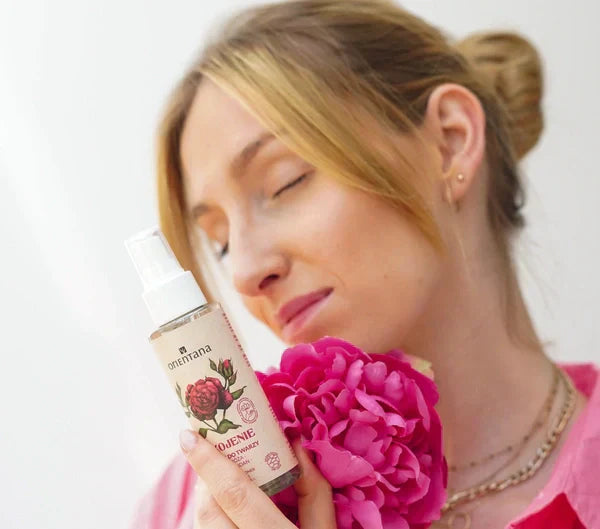
What is the difference between natural facial toner and micellar water?
Daily facial care consists of several steps, which - although they may seem similar - perform completely different functions. Among the most frequently confused cosmetics are facial toner and micellar water. Although both appear in the skin care ritual, their role, composition, and method of action are different. What is micellar water and how does it work? Micellar water is a cleansing cosmetic whose main task is to remove makeup, impurities, and excess sebum from the skin's surface. It contains micelles – microscopic particles that bind fat and dirt, effectively dissolving colored cosmetics and impurities. However, it should be remembered that micellar water must be rinsed off. It cannot remain on the skin. When to use? At the beginning of your skincare routine, as the first step of makeup removal. Effect: The skin is cleansed, but may require restoring its natural pH and additional hydration. What is a facial toner? Toner is a skincare product used after cleansing the skin to restore its natural pH, moisturize, and prepare it for subsequent skincare steps. Unlike micellar water, it does not remove makeup, but acts as a bridge between cleansing and serum or cream. Natural toner – why is it worth it? Natural toners, such as Orientana Hydrating Toner Essence or Soothing Facial Toner Japanese Rose and Pandan, are distinguished by their high content of active plant ingredients. Thanks to this: They moisturize and soothe the skin - the plant extracts contained in them support regeneration and reduce the feeling of tightness. They strengthen the hydrolipid barrier - which is crucial for the skin to be resistant to dryness and irritation. They prepare the skin for further care - increasing the absorption of active ingredients from serums and creams. Orientana Moisturizing Toner Essence - a multifunctional cosmetic Combines toner and essence functions. It is based on date extract, gently exfoliating and water-binding gluconolactone, and rice proteins supporting skin regeneration. Ideal for daily use - even for sensitive skin - it provides deep hydration, soothing, and restoration of the hydrolipid barrier. Soothing toner Japanese Rose and Pandan – soothing and freshness Japanese Rose and Pandan Toner is a proposition for those seeking gentle but effective skin support. Japanese rose extract has moisturizing and antioxidant properties, while pandan provides a feeling of freshness and soothes irritation. Feature Micellar water Toner Main function Makeup and impurity removal pH restoration, hydration and skin preparation When to use First step of skincare After cleansing, before serum/cream Key ingredients Micelles, cleansing agents Plant extracts, humectants, antioxidants Effect after use Clean skin, ready for toning Hydrated, soothed skin, ready for skincare FAQ – questions and answers from you 1. What is the difference between a toner and micellar water?Micellar water removes makeup and impurities, while toner restores the skin's pH, moisturizes, and prepares it for further care. 2. Can facial toner replace micellar water?No. Toner does not remove makeup – its task is to care for the skin after cleansing. 3. Why choose a natural facial toner?Natural toners, such as the Hydrating Toner Essence and the Soothing Rose Toner, contain active plant extracts that soothe, moisturize, and support skin regeneration. 4. When is the best time to use facial toner?After thorough skin cleansing, and before applying serum or cream, to enhance the absorption of active ingredients. 5. Is Orientana Toner Essence suitable for sensitive skin?Yes. Thanks to its delicate formula with date extract and gluconolactone, this toner is ideal even for sensitive skin. If you want to take comprehensive care of your complexion, remember: micellar water cleanses, and toner cares. Natural toners, such as Orientana Essence Toner or Orientana Japanese Rose and Pandan Toner, provide the skin with hydration, soothing, and support in regeneration – this is a step not to be missed. Choose a toner tailored to your skin's needs, and you will notice that your skin becomes more radiant, soft, and full of glow.
Learn more
What is inulin and how does it work in cosmetics?
Inulin is an ingredient that has gained enormous recognition in the world of natural skincare in recent years. Although mainly associated with dietetics as a fiber supporting intestinal flora, it is increasingly appearing in cosmetic formulations – especially those that focus on a holistic approach to skin health. Why is inulin so popular in cosmetology? It is a natural prebiotic that supports the balance of the skin microbiome, has moisturizing properties, and at the same time soothes irritation and strengthens the hydrolipid barrier. In times when we increasingly value plant-derived ingredients that are safe for the skin and the environment, inulin perfectly fits the needs of conscious consumers. In this article, we will explain what inulin is, how it affects the skin, and why it's worth looking for it in cosmetics. What is inulin? Inulin is a natural polysaccharide from the fructan group, found in many plants, especially in chicory root, Jerusalem artichoke, artichoke, garlic, and onion. In botany, it serves as a storage material, while in cosmetics and dietetics, it is primarily known as a prebiotic – a substance supporting the growth of beneficial microorganisms. From a chemical point of view, inulin is a chain of fructose molecules terminated with glucose. It is a white, water-soluble powder that easily integrates into cosmetic formulas. Significantly, inulin is not chemically synthesized – it is obtained from plant raw materials, making it an ingredient consistent with the philosophy of clean beauty and eco-skincare. In the cosmetic industry, inulin performs several important functions: supports the development of a beneficial skin microbiome while limiting the growth of pathogenic bacteria. improves consistency and formula stability, has a conditioning effect on the skin, supports the skin's protective barrier, As a result, we increasingly find it in natural cosmetics, dermocosmetics, and products for sensitive, dry, atopic, or problematic skin. Inulin as a cosmetic ingredient Inulin is increasingly appearing on the list of ingredients (INCI) of consciously formulated cosmetics, especially natural, vegan, and those intended for sensitive skin. Its presence in products is not accidental – it is a multifunctional substance that combines caring, biotechnological, and sensory effects. Skin care properties of inulin The most important asset of inulin in cosmetics is its prebiotic role – it provides nourishment for good bacteria living on the skin's surface. By strengthening the microbiome, inulin helps maintain skin balance, supports its immunity, and counteracts dysbiosis (imbalances in bacterial flora), which can lead to irritation, dryness, or acne. Inulin also acts as: a humectant – binds water molecules, improving skin hydration, a skin and hair conditioner – smoothes, softens, and improves texture, a soothing substance – reduces feelings of tightness, burning, and dryness. Thanks to this, it is ideal for skin care after treatments, in dermatological therapies, and in cosmetics for dry, hypersensitive, and dehydrated skin. Natural origin and compliance with eco-trends Inulin aligns with current cosmetic trends, such as: clean beauty – a clean, safe formulation without unnecessary additives, skin microbiome-friendly – care that supports the skin's natural flora, less-is-more – minimalist formulas with high efficacy, sustainable beauty – ingredients sourced in an environmentally responsible manner. Due to its plant origin, inulin is fully acceptable in vegan and naturally certified cosmetics. How does inulin affect the skin? Inulin is not just a functional ingredient and a plant thickener – its action has been documented in scientific studies. In skin care, it exhibits prebiotic, soothing, moisturizing, and epidermal barrier-strengthening effects, making it a particularly valuable ingredient in cosmetics for sensitive, dry, and problematic skin. Prebiotic action of inulin Inulin does not act as a probiotic (it does not contain bacteria), but as a prebiotic – it provides nutrients for beneficial bacteria residing on the skin, such as Lactobacillus or Staphylococcus epidermidis. Their proper development contributes to: reduction of irritation, inhibition of pathogen growth, improvement of skin immunity. A 2018 study published in the "International Journal of Cosmetic Science" showed that after 14 days of using an emulsion with 2% inulin: the number of Staphylococcus epidermidis increased by 63%, the skin's pH level stabilized within 5.0–5.3, and itching and burning sensations were reduced in 72% of subjects with AD (Atopic Dermatitis). Source: P. Hachem et al., IJCS, 2018 Effect on the skin microbiome The balance of the skin microbiome is one of the key factors for healthy skin. Inulin supports its homeostasis, as confirmed, among others, in a study conducted by Evonik Industries, a manufacturer of cosmetic raw materials. In a study on 20 volunteers with acne, after 28 days of using a cream with 1.5% inulin: the number of Cutibacterium acnes bacteria (responsible for acne lesions) decreased by 38%, while beneficial bacteria Staphylococcus epidermidis increased by 49%. Source: Evonik R&D Dossier (2020), Moisturizing and soothing properties Inulin also acts as a natural humectant – it binds water in the epidermis, supporting long-lasting skin hydration. In combination with other sugars (e.g., glucose, fructose), it forms a thin film on the skin, protecting against moisture loss. An application study conducted by Givaudan (formerly Soliance) on the ingredient Inutec® (high-purity inulin) showed that: after just 1 application, skin hydration levels increased by an average of 23.5% (measured with a corneometer), after 7 days of use, hydration increased by 42%, 90% of participants experienced a reduction in feelings of tightness and irritation. Source: Givaudan Active Beauty – Technical Dossier Effect of action Result Source Increase in beneficial bacteria (S. epidermidis) +63% IJCS 2018 Decrease in pathogens (C. acnes) –38% Evonik R&D Increase in skin hydration after 7 days +42% Givaudan Reduction of irritation in people with AD 72% IJCS 2018 Inulin in Orientana's face wash gel In Orientana Date + Inulin + Green Tea Gel, inulin plays a key role as a soothing prebiotic that supports the skin already at the cleansing stage – precisely when it is most exposed to disturbances of the hydrolipid barrier and microbiome. Unlike many traditional cleansing gels, this product not only removes impurities but also actively strengthens the skin's natural defense mechanisms. How does inulin work in this gel? Strengthens the skin microbiome – acts as a natural food source for beneficial bacteria, thereby supporting the balance of bacterial flora. Minimizes irritation and dryness – during cleansing, the skin does not lose moisture or lipids, which is a common problem with traditional detergents. Supports a feeling of relief – according to the application study cited on the packaging, as many as 96% of subjects reported noticeable comfort and skin soothing after using the gel – which can be partly attributed to the presence of inulin. Maintains natural pH – which is crucial for maintaining skin immunity and reducing inflammation. Inulin in the INCI list of Orientana's face wash gel: Appears as: InulinIt is accompanied by fructose, which also has moisturizing properties, potentially enhancing inulin's effect as a humectant. Why is this important? Most cleansing gels rely solely on cleansing agents that can compromise the skin's protective barrier. The inclusion of inulin in the formula makes the product gentle yet effective – it cleanses and simultaneously cares for the skin. This is particularly important for: sensitive skin, skin prone to irritation, skin with symptoms of dryness, skin after dermatological treatments. For which skin types is inulin recommended? Inulin, as a mild prebiotic ingredient, has very broad applications in the care of various skin types – both healthy and those with a compromised protective barrier. Thanks to its biocompatibility and natural origin, it can be used even in formulas for the most demanding complexions, including products for children and skin after cosmetic treatments. Sensitive and reactive skin Inulin is an ingredient exceptionally well tolerated by hyperreactive skin. Thanks to its soothing and microbiome-rebuilding properties, inulin: reduces burning, itching, and tightness, strengthens the skin's natural immunity, helps reduce allergic reactions and hypersensitivity to external factors. In in vivo studies, cosmetics with inulin have been shown to soothe redness and irritation even in people with AD (atopic dermatitis) after just a few days of use. Dry and dehydrated skin Inulin acts as a natural humectant – it binds water in the stratum corneum, thereby: improving hydration levels, smoothing the skin's surface, contributing to the reduction of roughness and tightness. Importantly – inulin works synergistically with other sugars (e.g., fructose) and plant lipids, thereby supporting the reconstruction of the hydrolipid barrier, which is often weakened in people with dry skin. Oily and acne-prone skin While it may seem surprising, inulin is also effective in the care of oily and acne-prone skin. Why? It strengthens the skin's physiological flora, which naturally limits the proliferation of Cutibacterium acnes bacteria. It helps reduce inflammation and redness without irritating effects. It does not clog pores and has no comedogenic properties. Mature skin With age, the epidermal barrier and skin microbiome become less stable. Inulin supports: the balance of the skin's ecosystem, which becomes depleted with age, the maintenance of appropriate pH, essential for enzymatic epidermal renewal, smoothing and softness, which positively influences the perception of a younger-looking skin. Inulin is a universal ingredient, but above all, ideal for skin requiring soothing, regeneration, and restoration. It also works great as a preventive ingredient in daily care for normal skin, as it protects the microbiome from disturbances caused by stress, smog, detergents, or an excess of preservatives. Summary - why choose cosmetics with inulin? Inulin is not just a trendy cosmetic additive – it is an active ingredient with proven, multidimensional effects that supports skin health, balance, and resilience. Unlike many synthetic or aggressive ingredients, it acts gently but effectively, supporting the skin's natural protective mechanisms. Why is it worth it? Strengthens the skin microbiome – acts as a natural prebiotic, supporting beneficial bacteria and limiting the growth of pathogens. Rebuilds the protective barrier – supports the regeneration of damaged epidermis, soothes irritation, and reduces skin hypersensitivity. Moisturizes and smoothes – as a humectant, it binds water in the epidermis, improving its elasticity and softness. Supports all skin types – from dry and sensitive, through acne-prone, to mature and couperose skin. Trend-compliant – perfectly meets the expectations of conscious consumers: clean beauty, microbiome-friendly, vegan, sustainable. In cosmetics, such as Orientana's Soothing Face Wash Gel with date, inulin, and green tea, the presence of inulin makes the formula not only effective but also caring for delicate skin. This is an example of modern skincare, where cleansing is not just about removing impurities, but also the first step towards healthy, balanced skin.
Learn more
Hair after 50 - how to care for hair during menopause?
After the age of 50, many women notice their hair changes—it becomes thinner, drier, and more prone to hair loss. This is a natural process related to hormonal changes, particularly menopause. Fortunately, proper care and conscious cosmetic choices can help mature hair continue to look healthy, thick, and shiny. In this post, I explain how to care for hair after 50 and which products can help. Why does hair after 50 require special care? The changes that occur in a woman's body after the age of 50—particularly during menopause—have a direct impact on the condition of her hair and scalp. Dermatological studies indicate that this process is noticeable both microscopically (hair thickness and structure) and clinically (density, shine, brittleness). Change in hair structure Hair diameter decreases on average by 10–15% after menopause compared to premenopause. Hair loses elasticity – studies show a decrease in hair elasticity by up to 20–25% . Thinner hair becomes more susceptible to mechanical damage and loss of volume. Dry scalp Sebum production decreases by about 40% between the ages of 45 and 55 , leading to dry scalp. Insufficient hydration results in the loss of natural shine - trichological studies show that as many as 70% of women over 50 notice a noticeable dullness of their hair. Slower growth The rate of hair growth decreases from approximately 1.2 cm/month in youth to 0.8–0.9 cm/month after the age of 50 . This is due to the weakening of the hair bulbs and the shortening of the anagen phase (active hair growth). It is estimated that the anagen phase may shorten by up to 20–30% after menopause. Greater brittleness A deficiency of keratin and lipids in the hair cortex causes hair to become brittle – studies show an increase in brittleness by as much as 30–35% in perimenopausal women. Split ends affect up to 60% of women over 50 , especially those who frequently dye and heat style their hair. Menopause and hair condition – what changes? Menopause is a period of intense hormonal changes that not only impact well-being and skin but also significantly affect the condition of the hair. A key factor is the decline in estrogen and progesterone levels, coupled with a relative increase in androgens. This hormonal imbalance translates into weakened hair follicles, decreased scalp hydration, and reduced hair density. Reduced hair density Dermatological studies indicate that women may lose an average of 15–20% of their hair density during menopause. The most vulnerable areas are the parting and the top of the head – this is a typical symptom of so-called androgenetic alopecia in women . It is estimated that as many as 50–60% of women over the age of 50 notice significant hair thinning. Excessive hair loss Hair loss becomes more severe – the daily norm (approx. 50–100 hairs) may increase to as much as 150–200 hairs per day . Research shows that this problem affects approximately 40% of women in the first 5 years after menopause . The culprits include, among others, the shortening of the anagen phase (hair growth) and the lengthening of the telogen phase (hair resting and shedding). Change in hair thickness and quality Hair becomes thinner – the average diameter of a single hair decreases from 80–90 μm to approximately 60–70 μm after menopause. Less keratin and lipids means greater porosity and difficulty in maintaining smoothness. Even with proper care, hair loses its elasticity and volume more quickly. Dry scalp and loss of shine The level of sebum produced by the sebaceous glands decreases by 30–40% during the postmenopausal period. This leads to dry scalp, itching and dull hair. According to research, 7 out of 10 postmenopausal women notice that their hair is less shiny than before. Greater sensitivity to external factors Weakened hair is less responsive to dyeing, heat styling and sun exposure. Compared to the hair of women under 40, post-menopausal hair is up to 25% more susceptible to mechanical damage . What does this mean in practice? Menopause accelerates the aging process of hair, making it thinner, weaker, and more brittle. However, these changes are not irreversible. With proper trichological care (shampoos with gentle formulas, hair follicle-stimulating lotions, serums that increase hair's durability, and regenerative masks), you can strengthen your hair, slow down the thinning process, and restore its healthy appearance. How to care for your hair after 50? – my practical tips After the age of 50, hair requires regular and comprehensive care that addresses both the scalp and the hair itself. Implementing a few key habits can significantly improve its condition, as confirmed by trichological and dermatological studies. 1. Gentle cleansing of the scalp Avoid strong detergents (SLS, SLES), which can further dry out the scalp. Drugstore shampoos often contain strong detergents, but at this stage of hair deterioration, they should be avoided. If you see sodium lauryl sulfate, sodium laureth sulfate , or ammonium lauryl sulfate in the ingredients, skip the shampoo and replace it with a milder, yet equally effective cleanser. Trichology shampoos with mild cleansing substances allow for effective removal of sebum and impurities without irritation. Studies show that regular cleansing of the scalp increases the effectiveness of trichological treatments by up to 25–30% by improving the absorption of active ingredients. Washing your hair twice in a row will cleanse the scalp sufficiently. 2. Moisturizing and regenerating hair After menopause, the lipid levels in the hair cortex drop by about 20% , which causes dryness and roughness. Choose moisturizing shampoos with good ingredients to wash your hair. Use conditioners and masks rich in proteins and emollients to rebuild hair structure and reduce breakage. Apply conditioner or mask to the hair itself, avoiding the scalp. According to clinical studies, using the regenerating mask 2-3 times a week reduces hair breakage by 35% within 8 weeks . 3. Hair follicle strengthening treatments Regularly use trichological lotions and tonics that stimulate microcirculation and prolong the anagen phase (hair growth). Studies confirm that using a hair lotion containing active ingredients that stimulate hair growth can increase hair density by up to 12–15% after three months of regular use. For even better results, use Orientana Tricho Lychee Hair Lotion , which increases hair density by 18%. It is best to use the lotion every day or every other day, massaging it into the scalp. 4. Hair strengthening serums and treatments Trichology serum provides concentrated ingredients that inhibit hair breakage, making hair strong, healthy and more difficult to damage. The key is regular use – for at least 3–6 months to achieve visible results. 5. Protection against external factors Hair after 50 is 25% more susceptible to mechanical damage (combing, styling, UV radiation). Limiting hot air drying and high heat styling can reduce hair breakage by 20-25% . It's time to change your styling habits. 6. Diet and lifestyle A diet rich in protein, iron, zinc and omega-3 fatty acids supports hair health from the inside. Studies show that biotin supplementation (approx. 2.5 mg/day) can improve hair quality in women with deficiencies within 90 days . Regular physical activity improves microcirculation and oxygenation of the scalp, supporting hair follicles. In summary, hair care after 50 should be based on scalp cleansing, intensive moisturizing, stimulating lotions, and serum treatments , complemented by a healthy diet and protection from external factors. This will help hair regain volume, shine, and density despite the changes associated with menopause. Orientana TrychoLiczi cosmetics – natural help for hair after 50 The Orientana TrychoLiczi series is a line of natural trichological cosmetics created specifically for those struggling with weakened, thinning, and falling hair. Its formulas are based on a combination of lychee extract, amino acids, probiotics, and modern complexes that strengthen hair follicles, support hair growth, and improve hair density. This solution is especially recommended for women over 50, when hair loses volume, elasticity and shine. Why is TrichoLitchi effective? Application studies confirm that regular use of cosmetics from this series reduces hair loss by up to 35% after 8 weeks , People who used the entire treatment (shampoo + tonic + serum + mask) saw an average 20% increase in hair volume within 3 months, As many as 90% of women over 50 stated that their hair became stronger and less brittle after regular use of the TrychoLiczi series. What do I recommend for hair over 50? Products from the Orientana TrychoLiczi series. TrychoLitchi Shampoo Gently cleanses the scalp without drying it out. It prepares hair follicles for better absorption of active ingredients from lotions and serums. Based on the studies conducted, it was found that the product, when used as intended, is very well tolerated in people who have no contraindications to its use. Effectiveness confirmed by research 100% of respondents confirmed that the shampoo effectively and noticeably cleanses the hair, leaving it fresh and light. 100% of people rated the product as gentle to the scalp and did not cause irritation. 95% of users noticed visible hair hydration and a reduction in the feeling of dry scalp. 100% of respondents confirmed that after washing the hair became softer and noticeably smoother. 95% of people found that the shampoo reduced frizz and prevented static electricity. Effects of regular use Hair becomes visibly more flexible (95% of respondents) and more susceptible to styling. The product improves the condition of the hair and scalp – 95–100% of people said that their hair was better nourished, shinier and looked healthier. The shampoo does not tangle the hair and makes it easier to comb (95% positive responses). 100% of users noticed that their hair regained visible smoothness and the feeling of dryness and itching of the scalp was visibly reduced. Additional benefits appropriate scent and pleasant consistency, high quality of the application and functionality of the product, no irritation even with regular use. TrychoLychee Lotion A scalp lotion that intensively stimulates microcirculation, stimulates hair follicles to work - to produce new hair and reduces hair loss. TrychoLiczi lotion has shown high effectiveness confirmed by the TrichoScan HD 4.0 method : increased hair density by 18% , extended the anagen phase by almost 20 percentage points , reduced the telogen phase by almost 20 percentage points , accelerated hair growth by 46% , increased the number of hairs in the tested zone by 10% . A study of the use of the lotion for 3 months clearly proves that the TrychoLiczi lotion actually strengthens hair follicles, reduces hair loss and stimulates the growth of new hair. TrychoLychee Serum This is a concentrated treatment for the entire hair, designed to help style and tame menopausal hair without weighing it down. Reduced hair loss and breakage – 85% of respondents noticed that using the serum reduced the amount of hair lost during brushing. Hair becomes visibly stronger and less susceptible to mechanical damage. A noticeable improvement in appearance – 95% of users confirmed that hair became smoother, shinier, and more manageable after applying the serum. The product restores softness and elasticity to hair, even if it was previously dull. Intensive hydration - according to 95% of people, the hair becomes better moisturized, and 85% of respondents noticed that regular use also reduces static electricity. Easier styling – after just one use , 95% of study participants found their hair much easier to comb. Additionally, 75–85% of participants confirmed that their hair was more manageable and frizz-free. The serum acts as a lightweight protective cosmetic, increasing the comfort of daily styling. TrychoLychee Conditioner-Mask The TrychoLitchi Conditioner-Mask is a trichological product that works comprehensively: it moisturizes, smooths, regenerates, and protects hair. Its effectiveness has been confirmed by application studies involving people struggling with dry, weakened, and damaged hair. Intense hydration and smoothness – all study participants agreed that the conditioner visibly moisturized hair. Each participant also noted that strands became soft, smooth, shiny, and healthy-looking. Easy detangling and taming – 100% of participants agreed that the conditioner made detangling and combing easier. Each participant also noted that the product effectively reduced frizz and static. Greater volume and elasticity – 85% of people noticed that their hair gained volume, and 95% of respondents confirmed that after use, it became light, soft and more elastic. Rebuilding and protecting weakened hair – according to all respondents, the conditioner strengthens damaged and color-treated hair. Eighty-five percent of users noted protection against damage caused by heat styling, and 80% emphasized that the product also protects hair from the harmful effects of weather conditions, such as wind, rain, and sun. Effects visible in just one minute – 95% of test participants indicated that hair looked healthier and more beautiful after just 60 seconds of use. The product doesn't weigh hair down (95% agree), giving it a natural, lightweight look. Why is Trycho Lychee a good choice after the age of 50? works in three stages – on the scalp, hair bulbs and hair structure, based on natural ingredients, without silicones and heavy substances, addresses the main problems of women during menopause: hair loss, thinning, dryness and brittleness. I believe that thanks to the systematic use of TrychoLiczi cosmetics , hair after 50 can regain density, volume and shine, despite the natural hormonal changes occurring in the body. Questions about hair after 50 - what my clients ask Does hair grow slower after 50? Yes. Growth rate slows on average from about 1.2 cm to 0.8–0.9 cm per month. This is due to the shortening of the anagen (hair growth) phase and weakening of the hair follicles. Why does hair become thinner after menopause? Declining estrogen levels cause hair follicles to weaken and hair diameter to decrease. After menopause, average hair thickness can decrease by 10–20%. Can you dye your hair after the age of 50? Yes, but it's worth choosing gentle dyes without ammonia and PPD, which are less damaging to the hair structure. Regular use of conditioners and regenerating masks reduces the risk of breakage and dryness. You can also start dyeing your hair with natural henna. The chosen color will cover gray hair if you use a two-step dyeing process. How often can you dye grey hair after 50? Ideally, no more than every 4–6 weeks. Too frequent coloring can worsen hair dryness and brittleness. It's a good idea to use protective products on the lengths before coloring. How to care for gray hair? Gray hair is drier and stiffer, requiring intensive moisturizing. Masks with proteins and emollients can help. Additionally, you can use shampoos that neutralize yellow tones. Is a hairdryer harmful to mature hair? Yes, hot air increases breakage. After the age of 50, it's best to use a hairdryer with a cool setting and avoid straightening or curling your hair daily. What hairstyles work best after 50? Medium-length or short haircuts add volume and make maintenance easier. Layered haircuts make hair appear fuller. Can you thicken your hair after 50? Yes. In addition to trichological cosmetics, you can also use professional treatments, such as scalp mesotherapy. Regular use of scalp lotions increases hair density by up to 10–15% within 3 months. Does diet affect hair during menopause? Huge. Deficiencies in protein, zinc, iron, and biotin exacerbate hair loss. A diet rich in fish, nuts, legumes, and whole grains supports hair follicles. Do supplements help strengthen hair after 50? Yes, if they're selected correctly. Research shows that supplementing with biotin, zinc, and vitamin D can improve hair condition within 2–3 months. How to reduce hair loss after 50? Trichological lotions and serums are key, as they stimulate microcirculation and prolong the hair growth phase. Studies show that these treatments can reduce hair loss by up to 35–40% after three months. Is it worth using natural oils for hair after 50? Yes, natural hair oils help rebuild hair lipids and protect against dryness. It's a good idea to apply them to the ends 1-2 times a week. Does hair get greasy faster after 50? No, it's usually the other way around. Sebum production decreases by about 30-40%, which causes hair to become drier and duller. How to care for the ends of mature hair? Use regenerating conditioners and masks, and protect your ends with oils. Regular trims every 6–8 weeks reduce the risk of split ends. Is heat styling your hair safe after 50? You can use a straightener or curling iron, but at lower temperatures (150–170°C) and always with heat-protective cosmetics. What cosmetics work best after 50? Trichological cosmetics include cleansing shampoos, stimulating lotions, and hair-strengthening serums. It's also worth reaching for regenerating masks rich in proteins and emollients, such as those from the Orientana TrychoLiczi series. Is grey hair stronger than pigmented hair? No. In reality, gray hair is more brittle, dry, and porous, so it breaks more quickly and requires more frequent moisturizing. Can you restore volume to your hair after 50? Yes. In addition to proper cutting and styling, it's worth using hair follicle-stimulating lotions. Studies show that trichological treatments can improve hair volume by 15–20% within a few months. Does hair after 50 require a special shampoo? Yes. The best shampoos are gentle, strengthening hair follicles and improving scalp microcirculation, such as trichological shampoos from the Orientana TrychoLiczi series. Trichologist's advice Hair after the age of 50 requires special care – hormonal changes associated with menopause cause it to become thinner, more brittle, and prone to hair loss. However, this doesn't mean it has to lose its volume and shine. With conscious care based on gentle scalp cleansing, intensive moisturizing, and trichological treatments, you can significantly improve its condition. Natural trichological cosmetics from the Orientana TrychoLiczi series address the needs of mature hair: they strengthen hair follicles, reduce hair loss, regenerate hair length, and restore a healthy appearance. Regular use of the entire line is an effective way to stop hair weakening and restore its full vitality. Take natural care of your hair after 50. Check out the TrychoLiczi series and discover care that works from root to tip.
Learn more