Inspirations

Ayurvedic oils for facial, body and scalp massage - how to use them every day
Ayurvedic massage oils are one of the simplest ways to incorporate Ayurveda-inspired care into your daily routine. They don't require specialized knowledge or long ceremonies – consistency, mindfulness, and matching the oil to your skin's needs and well-being are key. In Ayurveda, massage is treated as an element of daily health hygiene, and oil as a carrier of plant ingredients and support for the skin's natural barrier. Thanks to this, care ceases to be just a cosmetic treatment and becomes a moment of pause and regeneration. If you are interested in why massage with oils works and what mechanisms are behind it, also check out: The effectiveness of Ayurvedic massage oils - how do they work? How to use Ayurvedic oils - face / body / scalp Face massage Apply 2-3 drops of oil to slightly damp skin on the face and neck. Spread it with your hands, then make gentle movements from the center of the face outwards and upwards. Mini-instructions: forehead - movements from the center to the temples cheeks - upwards and outwards jawline - from the chin towards the ears Time: 2-3 minutes. Body massage It is best to apply the oil after bathing, when the skin is slightly damp. arms and legs - long, sweeping movements abdomen - circular clockwise movements back - movements from bottom to top Time: 5 minutes. Scalp massage Apply a small amount of oil to your fingertips and make circular movements over the entire surface of your scalp. Time: 3-5 minutes. Checklist - when to use oil ✔ when skin is dry or tight✔ when fatigued✔ before bed✔ after bathing✔ during periods of increased stress When is massage particularly helpful? when skin is dehydrated with a feeling of tightness with dull complexion with dry hair ends with facial muscle tension Regularity is more important than intensity. How often should Ayurvedic massage oils be used? Face: daily Body: 2-3 times a week Scalp: 1-2 times a week In winter, frequency can be increased. Rituals step by step - morning / evening / weekend Morning ritual (2–3 min) Face cleansing Toner or essence Oil Short massage Evening ritual (5 min) Makeup removal Serum Oil Face and neck massage Weekend ritual (10-15 min) Scalp oiling Face massage Body oil Oil comparison: which one for what? Skin need Oil dryness sesame sensitivity almond soothing coconut problematic skin neem fatigue oils with adaptogens Ayurvedic oils and seasons Winter - thicker and more nourishing oilsSpring - light, regulatingSummer - coconut, almondAutumn - soothing and regenerating Can oil be combined with serum and cream? Yes. Order: cleansing → toner → serum → oil → (optionally cream and then oil) Common massage mistakes and how to avoid them too much pressure excess oil irregularity haste Example massage sequences for different skin types Dry skin slow movements, nourishing oils Sensitive skin light stroking, soothing oils Oily skin shorter movements, light oils Cosmetic oils - natural care with Orientana Summary Ayurvedic massage oils are a simple way to create a daily skincare ritual that supports your face, body, and scalp. Regular massage improves skin comfort, helps maintain its elasticity, and introduces an element of conscious self-care. Check out our Ayurvedic cosmetics. FAQ How to use Ayurvedic massage oils? Apply a small amount to the skin and perform a gentle massage. Can Ayurvedic oils be used daily? Yes, especially on the face. How much oil to use for face massage? 2–3 drops. Should oil be applied to wet or dry skin? Preferably on slightly damp skin. How long should a face massage last? 2–3 minutes. Are oils suitable for sensitive skin? Yes, with proper selection. Can oil be used on the scalp? Yes. How often should the scalp be oiled? 1–2 times a week. Do Ayurvedic oils clog pores? No, if well-chosen. Can oil be combined with serum? Yes. When is the best time to massage? Morning or evening. Does face massage improve skin appearance? Yes. Do Ayurvedic oils help with dry skin? Yes. Can body massage be done after bathing? Yes, it's the best time. Does regularity matter? Yes, it's key. Mineral oil - why Orientana does not use it in natural cosmetics? Sesame oil - properties and application in modern skin and hair care
Learn more
Hair Growth Lotion - How to Choose the Perfect One for Your Scalp? A Trichologist's Guide
Hair growth lotion - why is the choice crucial? As a trichologist, I often encounter situations in which someone says: "I used lotion, but it didn't work." In most cases, the problem isn't that the lotions are ineffective. The problem is that they were chosen incorrectly . Hair growth lotion isn't a one-size-fits-all product. It's a therapeutic tool that should be tailored to: type of scalp, causes of hair loss, the condition of hair follicles, the level of oiliness or dryness, the presence of inflammation or dandruff. A poorly selected lotion can: not give results, intensify hair loss, irritate the scalp, disrupt the skin microbiome. A well-chosen lotion can: stop hair loss, stimulate new hair growth, improve density, restore balance to the scalp. If you want to understand the basics of how it works, read first: what is a hair growth lotion and how does it work? How to choose a lotion for the problem? This is the moment that decides the success or failure of the treatment. Lotion for hair loss If your main problem is hair loss, you need ingredients that: stimulate microcirculation, activate hair follicles, extend the anagen phase, limit the miniaturization of bulbs. Most important ingredients: caffeine, arginine, plant complexes (e.g. Baicapil™), quinine, adaptogenic extracts. This is where trichological lotions with a stimulating effect work best. Hair loss - causes, stages, and effective care. How to stop hair loss and stimulate hair growth? Lotion for slow hair growth Sometimes hair doesn't fall out, but: they grow very slowly, they do not thicken, missing baby hair. Then you need: strong stimulation of the follicles, improvement of blood supply, activation of hair stem cells. This is a situation where formulas with caffeine, peptides and growth-activating complexes work well. What is a hair growth lotion? A comprehensive trichologist's guide. Lotion for oily scalp This is one of the most common problems. Excess sebum: blocks the openings of hair follicles, promotes inflammation, weakens the hair at the roots. The lotion should: regulate sebum, support the microbiome, anti-inflammatory, do not burden the skin. Light, trichological formulas work best here. Lotion for dry and sensitive scalp If you have: feeling of tightness, baking, itch, tendency to irritation, you need a completely different lotion. Key ingredients: panthenol, allantoin, aloe, sodium lactate, ingredients supporting the hydrolipid barrier. In this case , too strong a lotion can worsen the problem, but a good solution will be Ayurvedic Therapy scalp oil. Lotion for dandruff and scalp problems Here the most important thing is: anti-inflammatory effect, regulation of the microbiome, limiting the development of yeast. The rub should be: light, non-comedogenic, non-irritating. How to read the composition of a lotion? This is the element that distinguishes effective lotion from marketing. What to pay attention to? First ingredients in INCI – they decide on the product base The presence of active ingredients – are they high up in the squad? Type of stimulation – mild (e.g. herbs) vs intense (caffeine, complexes) The presence of alcohol – OK for oily skin, risky for sensitive skin Ingredients that support the microbiome – an increasingly important trichological trend The most common mistakes when choosing a hair conditioner These are the real reasons why lotions "don't work". 1. Choosing the "strongest lotion" Strong stimulation ≠ better effect may lead to irritation 2. Ignoring your scalp type This is the most common mistake. the lotion must be matched to the skin, not the hair 3. Relying solely on opinions What works for others may not necessarily work for you 4. Too short treatment Hair needs time (minimum 12 weeks) 5. Lack of a comprehensive approach Lotion without: diets, care, stress reduction has limited effects Which lotion will be best for you? As a trichologist I always say: there is no single best lotion – there are the best ones. If you have: oily scalp falling out lack of volume choose: Trichological hair lotion - Trycho Lychi Orientana Why: contains Baicapil™ stimulates hair follicles regulates sebum improves microcirculation Tests: +18% hair density +46% growth dynamics If you have: weakened hair seasonal hair loss need for regeneration choose: Ayurvedic Amla hair tonic-lotion Why: contains amla, bhringraj, neem strengthens the bulbs works gently and long-term supports the microbiome Herbs for hair loss - a natural ritual for a healthy scalp and strong hair Can two lotions be used at the same time? Yes, and it's a very good solution. Diagram: morning → trichological lotion (stimulation) in the evening → Ayurvedic lotion (regeneration) effect: synergy of action How to use the lotion to make it work? The best lotion won't work without good application. Rules: apply to the scalp massage for 2–3 minutes use regularly do not rinse Effects - what to expect? 2–4 weeks: less fallout 6–8 weeks: baby hair 12 weeks: greater density 4–6 months: real improvement in hair condition Lotion is not everything You will achieve the best results by combining: lotion gentle shampoo a diet rich in protein trace elements (iron, zinc) stress reduction Trichologist's Summary A hair growth lotion can be one of the most effective hair care products – but only if it is chosen correctly. The most important: ✔ match it to your scalp ✔ use for at least 3 months ✔ don't skip the massage ✔ act comprehensively If you want to really improve the condition of your hair: 👉 choose a lotion tailored to your problem 👉 use it regularly 👉 observe the effects for at least 12 weeks Check out Orientana lotions and start a conscious trichological treatment today. Check out natural hair cosmetics
Learn more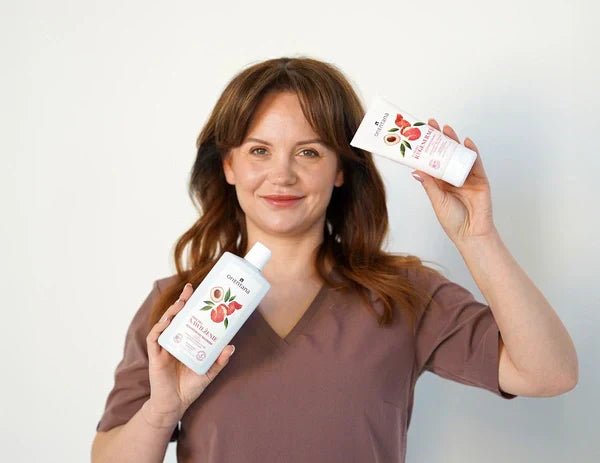
How to Wash Oil Out of Hair? Effective Methods for Cleansing the Scalp and Strands
As a trichologist, I often emphasize that oiling your hair is only half the battle – the proper way to wash the oil from your scalp and strands is equally important. Oiling is a popular hair care method, especially among those concerned about natural shine, elasticity, and resistance to damage. However, if the oil isn't removed thoroughly, it can cause more harm than good. Why is proper washing of oil from hair so important? Remains of an oily film on the hair and scalp can lead to: load on the strands and loss of volume, accelerated oiliness of the scalp , clogging of hair follicles , which in the long run may even increase hair loss, weakening the effect of subsequent care treatments, because hair covered with oil absorbs nutrients less well. Therefore, knowing effective methods for removing oil—without excessive drying or irritation—is crucial to maintaining healthy hair. In this article, I'll show you how to gently yet effectively remove oil from your hair , based on trichological knowledge and professional practice. How does oil work on hair and scalp? Hair oiling is a treatment that coats the hair shaft with a protective lipid film , preventing excessive water loss (TEWL – transepidermal water loss). Depending on the type of oil, we can achieve different results: Light oils (e.g. jojoba, grape seed) smooth the hair surface and add shine without weighing down the strands. Medium and heavy oils (e.g. coconut, castor) penetrate deeply into the hair structure, filling in gaps and increasing its resistance to mechanical damage. At the scalp level, oils: provide fatty acids and fat-soluble vitamins, may have anti-inflammatory properties (e.g. neem oil, black cumin oil), support the regeneration of the hydrolipid barrier. However, from a trichologist's perspective, it's important to remember that oil is a hydrophobic substance —it doesn't dissolve in water. This means that simply rinsing your hair in the shower won't be enough to remove it completely. Unwashed oil can "seal" the surface of the hair and skin, blocking the absorption of nutrients and making your hair feel heavy. Therefore, in the next part of the article I will describe which washing methods and products are best for washing off oil – so as to retain its caring benefits but avoid the negative effects of excess oil. The most common mistakes when washing off oil In my trichology practice, I see that many people oil their hair correctly but lose the benefits by improperly washing out the oil . This results in weighing down their hair, irritating the scalp, or even worsening its condition. These are the most common mistakes I see in my patients. Washing with just water or too mild a detergent Oil is hydrophobic – it doesn't mix with water. Rinsing your hair with water alone, even very warm water, won't completely remove it. A shampoo that's too gentle (e.g., a "low poo" type) may also struggle to remove heavy oils like castor or coconut oil, especially if they've been left in your hair for many hours. Using too strong a shampoo Strong detergents (SLS, SLES in high concentrations) will wash away the oil, but they may: excessively degrease and dry out the scalp, open the hair cuticles, which increases the risk of frizz and breakage, irritate the scalp, especially if you have sensitive or dry skin. This is the most common reason why hair may look worse, not better, after oiling. No emulsification step Emulsification is a crucial step for gentle yet effective oil removal. It involves applying a conditioner or mask to your hair before shampooing , which binds the oil with water and makes it easier to rinse out. Skipping this step means using more shampoo, which can increase the risk of dryness. Uneven washing of the scalp Patients often focus on the length of their hair, forgetting about the scalp. However, this is where oil accumulates, mixed with sebum, dirt, and cosmetic residue. An uncleaned scalp can cause itching, dandruff, and weakened hair follicles. Wash only once In case of heavy oils or long periods of time on the hair, it may be necessary to wash it twice : first – removes most of the oil and dirt, secondly – it removes the residues and restores freshness to the scalp. Trichologist's advice: For best results, follow oiling with an emulsifying conditioner, followed by a gentle but effective shampoo . This will remove excess oil while preserving its nourishing benefits. Methods for effectively washing oil from hair Properly washing oil from hair is key to ensuring maximum results from oiling. As a trichologist, I recommend methods that remove excess oil without damaging the scalp's hydrolipid barrier. Here are some proven methods. OMO method (conditioner – wash – conditioner) This is one of the most effective and safest techniques, especially for dry, damaged or chemically treated hair. How to do it step by step: O – Conditioner – Apply an emollient conditioner (silicone-free) to dry or slightly damp, oiled hair. Distribute evenly from roots to ends. Choose: Wait 5–10 minutes – the conditioner emulsifies the oil, breaking down the fat molecules. M – Wash – Rinse the conditioner with warm water and then wash your hair with a gentle shampoo (without strong, high-concentration sulfates). Choose: O – Conditioner – Apply conditioner again, this time concentrated on the lengths and ends of your hair. This effectively removes oil without drying it out. Emulsifying oil with a conditioner or mask This method can also be used on its own if the hair does not require additional strong cleansing. Why does it work? Conditioners contain emollients and mild surfactants that bind fat with water, making it easier to rinse off. How to do it: Apply a generous amount of conditioner or mask (preferably silicone-free, with vegetable oils and humectants) to dry, oiled hair. Massage the product into the length of the hair and scalp. Wait 5–15 minutes, then rinse with warm water. If necessary, wash your hair with a mild or medium strength shampoo. Washing with shampoo – gentle or stronger Gentle shampoo (e.g. with glucosides, betaine) – for thin, dry hair and for frequent oiling. Medium strength shampoo (e.g. with cocamidopropyl betaine + mild anionic surfactants) – for oils that are more difficult to wash off. Strong shampoo (with SLS/SLES) – only occasionally, e.g. after using castor oil, which is extremely thick and sticky. Check out the shampoos: Ayurvedic hair shampoo JASMINE and ALMOND Ayurvedic GINGER and LEMONGRASS hair shampoo Ayurvedic NEEM and GREEN TEA Hair Shampoo Two-step hair washing Recommended for heavy oils or when leaving the oil on the hair for a long time (e.g. overnight). Stages: First wash – a gentle shampoo removes most of the oil. Second wash – the same or a milder shampoo removes residue and leaves the skin clean, but not dry. Trichologist's advice: For best results, combine emulsifying with conditioner and gently washing with shampoo. This will maintain the protective oil film where it's needed (along the length of the hair) while simultaneously cleansing the scalp of excess oil and impurities. How to choose the right oil removal method for your hair type? As a trichologist, I know that there's no one-size-fits-all method. How you wash oil from your hair depends on its porosity, condition, type of oil, and scalp condition . Below are some recommendations to help you choose the best cleansing method to leave your hair feeling light, shiny, and nourished after oiling. Thin and oily hair Goal: Thoroughly remove oil without weighing down the strands. Method: emulsification with a light conditioner + medium strength shampoo (e.g. with cocamidopropyl betaine and glucosides). Avoid: heavy emollient masks when emulsifying – they may cause hair to become flat. Trichologist tip: reduce the time you leave the oil on to 30–60 minutes to make it easier to wash off. Dry, brittle and highly porous hair Goal: to preserve some of the lipids from the oil to rebuild the hair structure. Method: full OMO (conditioner – wash – conditioner) or emulsification with a conditioner/mask with a large amount of emollients. Avoid: strong detergents (SLS/SLES) which can wash out too much oil and further dry out the hair. Trichologist's tip: you can keep the oil in longer (even 2-3 hours), but always emulsify before shampooing. Hair after coloring or chemical treatments Purpose: protection of hair color and structure. Method: gentle shampoo (sulfate-free) + emulsification with low pH conditioner to close the hair cuticles. Avoid: too hot water – it accelerates the washing out of pigment. Trichologist's tip: choose mild oils (e.g. almond, marula, jojoba) that are easy to wash off. Curly and wavy hair Goal: to maintain the elasticity of the curl and avoid frizz. Method: OMO or co-wash with oil emulsification. Avoid: excessive rubbing of hair when rinsing – it may break the curl. Trichologist's tip: after washing off the oil, apply a moisturizing conditioner with humectants (e.g. glycerin, aloe vera) and secure the curl with silicone-vegetable oil. Trichologist's advice: The choice of washing method should be paired with the type of oil. Heavier oils (castor, coconut) require more thorough cleansing or a two-step wash, while lighter oils (jojoba, grapeseed) come off more easily after emulsifying alone. The role of the scalp in the oil washing process When it comes to hair care, many people focus primarily on the hair shaft itself, forgetting that the scalp environment is crucial for hair health and growth . As a trichologist, I emphasize that if we want to effectively and safely remove oil from hair , we must first cleanse the scalp. Why does the scalp require special attention? The scalp, like facial skin, secretes sebum and collects impurities – dust, sweat, and cosmetic residue. Adding oil to this mix creates a lipid-impurity mixture on its surface, which: may block the openings of hair follicles, limits the supply of oxygen and nutrients to the bulbs, promotes the growth of microorganisms (e.g. Malassezia), which may intensify dandruff and irritation. How to properly cleanse the scalp after oiling? Massage while washing – gentle, circular movements with your fingertips stimulate microcirculation and help separate oil from the skin. Emulsifying the conditioner also on the scalp – it allows for the initial dissolution of oil mixed with sebum. A shampoo adapted to the needs of the scalp – e.g., gentle for a sensitive scalp or medium strength for a tendency to oiliness. Rinse thoroughly – rinsing too quickly is one of the most common mistakes that causes some of the oil to remain on the scalp. The importance of hydrolipid balance The goal of cleansing after oiling isn't to completely degrease the scalp, but to restore its natural balance —removing excess oil while maintaining its protective layer. Overly aggressive cleansing can dry out the scalp, which paradoxically increases sebum production and causes hair to become oily more quickly. Trichologist's advice: If you struggle with irritation or oily scalp after oiling, consider using a toning or soothing lotion after shampooing. This will soothe your scalp, restore comfort, and maintain the oiling results without any negative side effects. The most common questions patients ask about washing oil from hair During trichology consultations, I regularly hear the same questions about oiling and cleansing hair after treatment. I answer them to dispel myths and help you choose the right method. Can you leave the oil on your hair overnight? Yes, but only if: choose a light oil that will not weigh down your hair (e.g. jojoba, grape seed, marula), you are not prone to scalp irritation, protect the pillow, because the oil may penetrate the bedding. With heavy oils (e.g. castor oil), it is better to shorten the exposure time to 1–3 hours to make it easier to wash off. How often can you oil your hair? Dry, damaged hair: up to 2–3 times a week. Normal hair: once a week. Fine and oily hair: every 10–14 days. The frequency should be adjusted to the condition of the hair and the type of oil used. Can you wash oil out of your hair with just conditioner? Yes, if you're using light oils and your hair isn't weighed down. For thicker oils or long-lasting hold times, it's better to emulsify with conditioner and a gentle shampoo . Does warm water help wash off the oil? Yes, but in moderation. Warm water loosens sebum and facilitates oil removal, but too hot water can dry out the scalp and hair. It's best to finish washing with lukewarm water to seal the hair cuticles. Why does my hair feel flat after oiling even though I wash the oil off? The most common causes are: using too much oil, insufficient washing (e.g. too short massage during washing), using a conditioner or mask with a large amount of silicones when emulsifying, which can additionally weigh down the hair. Trichologist's advice: When planning your oiling treatment, remember that its effects depend not only on the oil you choose, but also on proper washing . This step determines whether your hair will be light, shiny, and bouncy after drying, or heavy and lacking volume. Products recommended by a trichologist for removing oil Choosing the right hair oil remover is crucial to removing excess oil without damaging the scalp's hydrolipid barrier . A good product should effectively cleanse while also moisturizing and smoothing the hair. Orientana Regenerating Conditioner-Mask with FiberHance™, Tsubaki and Pracaxi This conditioner-mask is an excellent choice for emulsifying oil —the first step in washing it off. Thanks to its rich formula, it not only dissolves oil but also intensively regenerates hair after oiling. Why I recommend oil washing: Emollients and vegetable oils (tsubaki, pracaxi) effectively bind to the oil on the hair, making it easier to remove. FiberHance™ BM Solution rebuilds the hair structure from the inside, which is especially valuable after regenerative oiling treatments. Provides smoothness, shine and softness to strands after the first use. Additional advantages: Facilitates combing and prevents frizz. Protects against high temperatures (styling, drying). Visible regeneration effect after just 60 seconds. Trichologist's tip : You can use this mask as the first step in the OMO method – apply it to oiled hair, wait 5-10 minutes, rinse and wash your hair with a mild shampoo. Shampoos for the second stage of washing After rinsing off the conditioner or mask, it is worth using a mild shampoo from Orientana, e.g.: Neem shampoo – strengthens hair follicles, regulates oiliness. Ginger shampoo – stimulates microcirculation, adds energy to hair. Trycho Lychee Shampoo – soothes irritations, supports scalp regeneration. Thanks to this, after oiling the hair is thoroughly cleansed, light, but not too dry . Trichologist's advice: The Orientana regenerating conditioner-mask + Orientana gentle shampoo combination is a perfect duo that effectively removes oil, preserving its nourishing properties and supporting the health of hair and scalp. Properly washing out oil from your hair is just as important as the oiling itself. This step determines whether your strands will be light, bouncy, and shiny after the treatment, or, on the contrary, weighed down, limp, and lacking volume. The key is choosing the right method (OMO, emulsifying with conditioner, two-step washing) and selected products that will effectively remove excess oil while nourishing the hair and scalp. In everyday trichological practice, I recommend combining: Orientana regenerating conditioner-mask with FiberHance™, Tsubaki and Pracaxi – to emulsify oil and nourish hair already in the first stage of washing. Orientana mild shampoo – for washing the scalp and strands without drying them out. This combination allows you to retain all the benefits of oiling, while at the same time ensuring cleanliness and lightness of the hairstyle . Finally, a trichologist's advice: Treat oiling and proper removal as a care ritual – repeated regularly, using the right products. After just a few weeks, you'll notice your hair becoming softer, smoother, and more resistant to damage. Start your hair care routine today – choose the Orientana conditioner and shampoo suited to your hair type and discover how easy it can be to oil and wash off the oil in a professional, trichological way. Check out the oils I recommend for oiling Check out Orientana's range of hair products
Learn more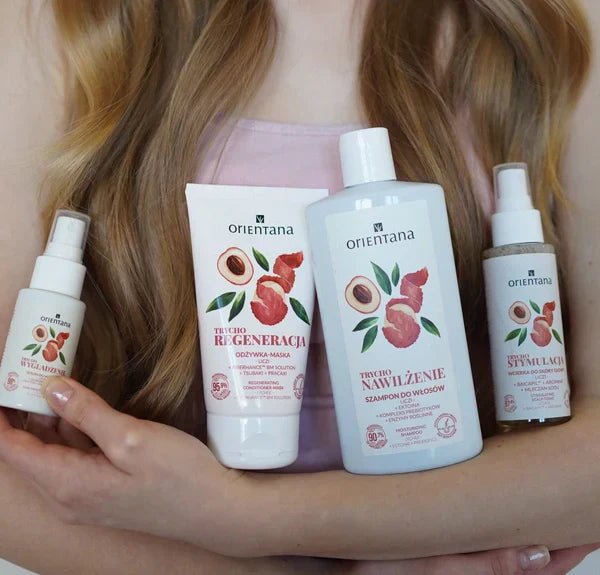
Pimples on the head – causes, treatment and effective scalp care
Pimples on the scalp are a rarely discussed problem, even though they affect many people – both women and men, and even children. They can appear suddenly or recur over time, causing discomfort, pain, and sometimes even hair loss in the affected areas. For many patients, they are a source of complexes because when combing or pinning hair, small, red or purulent lesions become visible. As a trichologist, I often emphasize that pimples on the scalp aren't just an aesthetic defect , but a signal that processes within the body or skin itself require intervention. The causes can be diverse—from improper care, to bacterial and fungal infections, to hormonal imbalances or chronic stress. In this post, I will present the most common causes of pimples on the head, how to recognize them, and how to effectively support the health of the scalp by combining trichological knowledge with proper care. I will also discuss how products from the Trycho Lychee series by Orientana can be part of a professional hair care routine and in what situations Orientana hair oils will be useful. What are pimples on the head? Scalp pustules are inflammatory lesions of the scalp that can take the form of papules, purulent pustules, or subcutaneous nodules. Their location can be random, but they often appear in areas of increased sebaceous gland activity—around the back of the head, temples, forehead, or behind the ears. From a dermatological perspective, they can have various causes: from inflammation of the hair follicles ( folliculitis ), through allergic reactions, to symptoms of chronic skin diseases such as seborrheic dermatitis (PsA) or acne inversa. Typical symptoms include: redness of the skin around the lesion, soreness or tenderness to the touch, presence of a purulent plug, itching or burning, in some cases – leakage of serous or purulent fluid. Why shouldn't they be ignored? Any inflammatory change on the scalp affects the hair follicle . If the inflammatory process is severe and chronic, it can lead to permanent damage, leading to localized hair loss (scarring alopecia). Therefore, it is essential to quickly identify the cause and select appropriate treatment. The most common causes of pimples on the head Pimples on the scalp can have multiple causes . Below, I discuss the most common causes I see in my trichologist's office, along with the mechanism of their formation. Improper hygiene and scalp care Both infrequent and overly aggressive cleansing of the scalp can lead to problems. The accumulation of sebum, sweat, dead skin, and cosmetic residue creates an environment conducive to the growth of bacteria and yeast, which can cause inflammation of the hair follicles. On the other hand, daily washing with strong detergents (e.g. SLS/SLES) leads to dryness and weakening of the hydrolipid barrier, which also increases the skin's susceptibility to irritation and infections. This is why gentle trichological shampoos are crucial. A good example is the Trycho Lychee Orientana Shampoo , which cleanses without damaging the natural protective barrier and supports the skin's microbiome thanks to the presence of lychee extract and panthenol. Seborrheic dermatitis (PsA) Psoriatic arthritis is one of the most common causes of pimples on the scalp. It's a chronic inflammatory condition associated with excessive sebum production and the overgrowth of Malassezia yeasts. It can cause the appearance of oily, yellowish scales, redness, and itchy bumps. The cause isn't sebum itself, but the body's inflammatory response to the presence of microorganisms. Treatment requires not only cleansing but also regulating sebum secretion and soothing inflammation. Trycho Lychee Orientana Lotion is a product worth considering in this context – it improves microcirculation, relieves itching and supports the natural regeneration processes of the scalp, and its ingredients (niacinamide, lychee extract) have an anti-inflammatory effect. Acne of the scalp (folliculitis) It is caused by bacteria, most commonly Staphylococcus aureus . It manifests as pus-filled bumps that can be painful to the touch and can lead to mini-scarring on the scalp. Infection often occurs as a result of micro-injuries – e.g. intense scratching of the skin or the use of sharp combing accessories . Contact allergies and irritations Some people experience allergic reactions to preservatives, dyes, or fragrances in cosmetics. These reactions manifest as redness , itching , small blisters, and sometimes even pustules. For sensitive skin, it's recommended to avoid high concentrations of essential oils in products left on the scalp, as well as the use of chemical hair dyes. Hormonal changes and stress Hormones—especially androgens—increase sebum production, which can contribute to the formation of pimples. Cortisol, secreted during chronic stress, increases inflammation and disrupts skin regeneration. Headgear and airflow restriction Prolonged wearing of tight hats , helmets , or headbands increases skin temperature and moisture, which promotes bacterial growth. This can worsen acne in people with oily scalps. How to properly diagnose pimples on the head? Effective treatment for pimples on the scalp begins with a thorough diagnosis . Many patients attempt to treat the problem themselves, resorting to random cosmetics or home remedies, which often leads to a worsening of the condition. Determining the cause, however, requires a specialized approach, preferably in a trichologist's or dermatologist's office. Trichological consultation During the first visit, the trichologist conducts a detailed interview, including: duration of the problem, relapse rate, cosmetics and medicines used so far, diet and possible deficiencies, chronic diseases, hormonal disorders, stress levels. Next, the surgeon examines the scalp using a microcamera at magnifications ranging from 60x to as much as 200x. This allows for the assessment of: condition of hair follicles, degree of skin irritation, presence of pus plugs, scales, excess sebum, whether the pimples are bacterial, fungal or inflammatory in nature without infection. Dermatological diagnostics If an infection is suspected , a bacteriological or mycological culture is performed, which indicates which pathogen is responsible for the changes and to what substances it is sensitive. Blood tests are sometimes necessary, especially if the spots tend to recur: morphology (assessment of inflammation), vitamin D level , ferritin (iron storage), thyroid hormones , sex hormones (testosterone, DHEA-S, estradiol). The role of daily observation The patient can support the diagnostic process by keeping a care and observation journal – recording which products or factors worsen the symptoms. It is worth noting, among other things: reactions after using a new shampoo, conditioner, oil, the influence of diet (e.g. dairy, sugar, alcohol), periods of increased stress or wearing headgear. How to care for scalp with pimples? Treatment for pimples on the scalp must be targeted, gentle, and regular . The goal is to simultaneously: alleviation of inflammation, limiting the multiplication of microorganisms, reconstruction of the skin's hydrolipid barrier , ensuring an appropriate scalp microbiome . Gentle cleansing – the basis of therapy The scalp should be washed with a mild trichological shampoo , adapted to its condition. Strong detergents can intensify irritation, while insufficient cleansing causes sebum and cosmetic residue to accumulate, creating conditions for bacterial growth. Recommendation: Trycho Lychee Orientana Shampoo – cleanses effectively yet gently; contains lychee extract, which supports the natural microbiome, and panthenol, which soothes the skin. Suitable for both sensitive and oily skin. How to use: wash your scalp 2-3 times a week or more often if it is oily, lather the shampoo in your hands, massage it into your skin, leave it for 2-3 minutes, rinse with lukewarm water (not hot, so as not to increase sebum production). Also check out other natural Orientana shampoos with a gentle action. Trichological lotions – support for regeneration and sebum regulation Lotions deliver active ingredients directly to the scalp, which helps to quickly alleviate inflammation and improve the condition of hair follicles. Recommendation: Trycho Lychee Orientana Lotion – Contains niacinamide (anti-inflammatory), lychee extract (antioxidant and soothing), panthenol, and natural humectants. It improves microcirculation, which promotes better skin regeneration, while also helping regulate sebum production. How to use: apply to clean scalp (after washing or dry), perform a gentle massage with your fingertips, Do not rinse – the lotion should work for several hours or overnight. Moisturizing and protecting the scalp barrier Even with acne, the scalp needs adequate hydration. A lack of lipids in the protective layer promotes irritation and the recurrence of pimples. Oil recommendation: Ayurvedic therapy – a light oil for use on the scalp and lengths of hair. Perform a gentle scalp massage during periods without active inflammation. Contains natural plant oils that improve skin elasticity and support the hydrolipid barrier. Oil massage stimulates circulation and can aid regeneration, but it should only be performed when the pimples are in the healing phase and not in the purulent stage . Scalp peeling – once every 1–2 weeks Exfoliation removes excess sebum, dead skin cells, and cosmetic residue, improving oxygenation of hair follicles. For acne, it's best to use an enzymatic or mechanical exfoliator with very fine particles . This minimizes the risk of irritation and allows the active ingredients in the lotion to be better absorbed. Proper drying and styling avoid hot air from the hairdryer – lukewarm or cool air is better, do not wear a hat on wet hair, Limit the use of heavy hairsprays, mousses and dry shampoos, which can clog hair follicles. Home remedies to help treat pimples on the head Treatment for pimples on the scalp should be based on specialist recommendations, but can be supplemented with appropriate home remedies. It's important to use only those that are gentle, safe, and compatible with the skin's physiology . Herbal rinses Neem – has anti-inflammatory properties, soothes itching and irritation. Calendula – supports the regeneration of the epidermis, has antiseptic properties. Horsetail – strengthens the skin and hair, provides silicon. How to use: brew 1–2 tablespoons of herbs in 500 ml of water, cool, strain and use as the last rinse after washing. Anti-inflammatory diet The condition of the scalp reflects the condition of the entire body. A diet rich in anti-inflammatory foods can reduce the recurrence of acne. It's worth including: oily sea fish (salmon, mackerel) – a source of omega-3 fatty acids, walnuts, linseeds, chia seeds – additional sources of omega-3, fresh vegetables and fruits – rich in antioxidants, fermented products – support the microbiome and immunity (kefir, natural yogurt, pickles). About limiting sugar and dairy For some people, a high glycemic index diet or excessive dairy consumption can exacerbate acne, including on the scalp. It's worth monitoring your body's response after reducing these changes. Scalp massage during remission A gentle massage improves blood circulation, oxygenates hair follicles and supports regeneration. Amla hair oil is perfect for massage after active pimples have completely healed – it will nourish the skin and improve hair elasticity. What to avoid when you have pimples on your head? Even the best care will not bring results if we expose our scalp to factors that exacerbate the problem every day. Scratching and squeezing the lesions It can lead to bacterial superinfections, worsening inflammation and scarring. As a result, hair loss is possible in places where wounds are healing. Using essential oils in their pure form They may irritate the skin and intensify redness. If you want to benefit from their properties, choose ready-made cosmetics with appropriate concentration, as in the case of Orientana oils. Heavy leave-in cosmetics Silicone masks and creamy conditioners applied directly to the scalp may clog the hair follicles. It is better to use light trichological lotions, e.g. Orientana Tricho Lychee Lotion , which does not burden the skin. Tight hairstyles and lack of airflow Constant pressure and lack of air supply favor the growth of bacteria and yeast. If you must wear a helmet or hat, wash your scalp more often and choose breathable materials. How to prevent the recurrence of pimples on the head? Prevention is a process that requires regularity, patience and a comprehensive approach . Regular washing and cleaning Wash your scalp as often as its condition requires – sometimes every 2 days, sometimes every day. In your daily routine, use Orientana Trycho Lychee Shampoo , which keeps your skin clean while soothing it. Preventive use of lotions Even if the pimple problem disappears, the lotion can prevent them from returning. Trycho Lychee lotion regulates sebum secretion and supports the skin's natural immunity. Periodic use of scalp oiling Once a month, during the remission phase, you can perform a scalp massage using hair oil to improve microcirculation and skin elasticity. Hygiene of accessories and textiles Disinfect combs, brushes and hair ties regularly. Change your pillowcases at least once a week , and during periods of exacerbation – every 2–3 days. Support from within Maintain a diet rich in antioxidants and omega-3 fatty acids. Drink adequate amounts of water to support skin hydration. Pimples on the scalp are a common yet often overlooked problem, with numerous possible causes, from improper skincare to infections and even hormonal imbalances. The key to resolving this problem is a proper diagnosis and a combination of specialized treatment and appropriate care. In your daily routine, it's worth reaching for gentle yet effective cosmetics that simultaneously cleanse and soothe the skin. The Trycho Lychee Orientana series is designed for a healthy scalp – the shampoo cleanses without irritation, while the conditioner regulates sebum production and supports regeneration. During the remission phase, Orientana oils help maintain the elasticity and condition of the skin and hair. Remember that pimples on the head do not have to be a chronic problem - proper care, hygiene of accessories and a healthy lifestyle can significantly reduce the risk of recurrence. Take care of your scalp today! Check out the Trycho Lychee Orientana Series Complete your care with Hair Oils
Learn more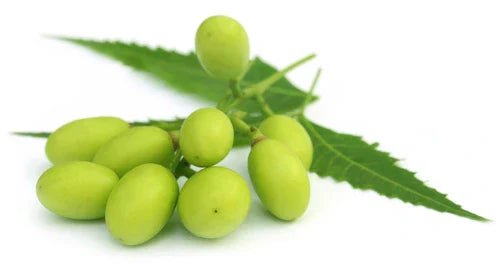
Orientana cosmetics with neem - for whom?
What is neem? Neem, also known as Indian neem ( Azadirachta indica ), is a tree native to India and Southeast Asia that has been used for centuries in Ayurveda , the traditional Indian medicine. All parts of this remarkable plant— leaves, bark, flowers, fruit, and seeds —exhibit a broad spectrum of biological and therapeutic properties. This has earned neem a reputation as one of the most valuable natural raw materials used in cosmetology, healthcare, and agriculture. Neem oil – properties and use in cosmetics From the seeds of the neem tree, the characteristic, intensely fragrant neem oil ( Azadirachta Indica Seed Oil ) is pressed, which contains: unsaturated fatty acids (oleic, linoleic, palmitic), vitamin E , bioactive substances such as azadirachtin , nimbin , salannin . These compounds give it strong antibacterial, antifungal, antiviral, and anti-inflammatory properties. Neem oil is used in cosmetics: for acne and imperfections, for the care of seborrheic and problematic skin, in anti-dandruff shampoos and products for scalps prone to irritation, in body lotions and ointments for eczema, psoriasis or itching. Neem properties – how does neem work? All parts of the neem tree are used for their multifaceted therapeutic effects : Neem leaves – have cleansing, toning, and astringent properties. They help fight acne and skin infections. Neem bark – has antiseptic properties, supports the care of gums and oral cavity. Neem flowers – gently tone and soothe the skin. Neem seeds – contain the most active ingredients, it is from them that neem oil is obtained. Neem fruit – used in traditional recipes, also in Ayurvedic supplements (outside the EU). Neem properties : has a holistic effect on the skin and body – cleanses, regenerates, helps fight bacteria, fungi and parasites. What parts of the neem tree are used in cosmetics? Seeds (grains) – the source of neem oil INCI: Azadirachta Indica Seed Oil The most commonly used cosmetic raw material. Properties : Strong antibacterial , antifungal , antiviral effects Supports the fight against acne , dandruff , eczema , and psoriasis Repels parasites and insects (e.g. lice, mosquitoes) Application : Creams and ointments for skin lesions Anti-dandruff shampoos Anti-acne and antibacterial preparations Protective cosmetics for the scalp and body Neem leaves INCI: Azadirachta Indica Leaf Extract/Powder Often used in the form of powder or water/glycerin extract . Properties : Cleansing , astringent , anti-inflammatory They reduce inflammation and soothe irritations They have a slightly exfoliating effect Application : Masks for acne and oily skin Antibacterial soaps Shampoos and lotions for the scalp Bark INCI: Azadirachta Indica Bark Extract Less common in cosmetics, but used locally, especially in India. Properties : Strongly antiseptic and astringent Helps with skin infections and inflammation of the oral cavity Application : Toothpastes Mouthwashes Foot care products Flowers INCI: Azadirachta Indica Flower Extract (rare) Properties : More delicate than leaves and seeds Soothing and slightly toning Application : Sensitive skin care Creams and emulsions with a balancing effect Fruits (not very common in cosmetics) INCI: Azadirachta Indica Fruit Extract/Oil They contain ingredients similar to seeds Mainly used in Ayurvedic medicine as extracts for skin treatments. Orientana cosmetics with neem Neem is an ingredient in many of our skin and hair care products. Neem in Orientana hair care products, combined with other ingredients, creates a synergistic effect of nature. Neem hair shampoo – cleansing and balancing the scalp This neem shampoo is based on an Ayurvedic formula that harnesses the cleansing and anti-inflammatory properties of this plant. Thanks to the presence of neem leaf extract, it has strong antibacterial and antifungal properties, effectively eliminating dandruff and soothing itchy scalp. It also regulates sebum secretion and restores microbiome balance, making it ideal for those with problematic, oily scalps. Henna for hair with neem – coloring and care in one Orientana Henna with neem combines natural hair coloring with nourishing properties. Neem strengthens hair follicles and has an anti-inflammatory effect on the scalp, counteracting irritation that can occur during the coloring process. Additionally, its presence helps combat dandruff and gives hair a healthy appearance without drying or weighing it down. Ayurvedic hair therapy with gotu kola and neem – nourishment and regeneration Orientana also offers an intensive strengthening therapy with gotu kola, neem, and other Ayurvedic ingredients. The neem in this formula acts as a detoxifier and sebaceous gland regulator, supporting the treatment of scalp inflammation. Combined with gotu kola, which stimulates collagen synthesis and supports microcirculation, neem strengthens hair follicles, prevents hair loss, and accelerates hair growth. Amla-Bhringraj hair oil with nee m – treatment for damaged hair In Amla-Bhringraj oil, neem plays a protective and balancing role. It has antioxidant and regenerative properties for the scalp and supports the regeneration of damaged hair follicles. Combined with amla (a source of vitamin C) and bhringraj (a traditional hair-strengthening herb), neem improves hair elasticity and resistance to breakage, and prevents excessive hair loss. Gotu Kola and Neem Hair Lotion – Stimulation and Soothing of the Scalp Gotu kola and neem hair lotion is a product that activates hair growth through its anti-inflammatory, antibacterial, and microcirculation-stimulating properties. Neem cleanses the scalp and eliminates factors that can block hair follicles, while gotu kola improves blood circulation and promotes cell division in the hair matrix. Regular use of this hair lotion yields noticeable results in thicker hair and reduced hair loss. How does neem affect the skin? Phytochemical composition and biological activity Neem contains numerous bioactive compounds, such as azadirachtin, nimbin, nimbidol, salicylic acid, flavonoids, triterpenoids, and fatty acids. These substances are responsible for neem's broad spectrum of effects at the cellular and tissue levels. Their synergistic effects influence the skin barrier function, lipid metabolism, and the skin's immune response. Antibacterial and anti-inflammatory effects Neem extract exhibits strong antibacterial properties against Gram-positive and Gram-negative bacteria, including Propionibacterium acnes – the pathogen responsible for acne lesions. Additionally, the triterpenoids and flavonoids contained in neem modulate the expression of proinflammatory cytokines (including IL-6 and TNF-α), resulting in reduced skin inflammation and a reduction in papulopustular lesions. Regulating sebum secretion and cleansing the skin Neem exhibits sebostatic properties, helping regulate excessive sebum production, making it a particularly desirable ingredient in the care of oily and combination skin. It has a keratolytic effect, helping to exfoliate dead skin cells and unclog sebaceous glands, reducing the risk of blackheads. Antioxidant and regenerative effect The phenolic compounds in neem, including flavonoids and vitamin E, neutralize free radicals, delaying the skin's photoaging process. Neem also supports epidermal regeneration and increases the skin's ability to retain water, strengthening the hydrolipid barrier. Support for the treatment of skin inflammation Studies show that neem can support the treatment of inflammatory and autoimmune dermatological conditions such as eczema, psoriasis, and atopic dermatitis. It soothes irritations, reduces itching, and accelerates skin repair processes. How neem works on hair and scalp Neem leaves and seeds contain a number of phytochemicals and fatty acids, including oleic, stearic, and linoleic acids. These substances possess antibacterial, antifungal, and anti-inflammatory properties, making neem particularly useful for treating scalps prone to inflammation, infection, and dandruff. Antifungal and anti-dandruff effect Neem effectively combats Malassezia fungi, one of the main causes of dandruff. Azadirachtin and other limonoids present in neem inhibit the growth of yeast-like fungi while reducing inflammation and itching. Regular use of neem products (e.g., in shampoo or toner) helps cleanse the scalp and restore its microbial balance. Sebum regulation and scalp detoxification Thanks to its astringent and cleansing properties, neem helps regulate the activity of the sebaceous glands. Reducing excessive sebum production reduces the risk of oily hair and inflammation around the hair follicles. Neem also helps remove toxins and impurities from the scalp, improving its condition and potentially preventing hair loss. Strengthening hair follicles and stimulating growth Neem extract stimulates scalp microcirculation, which improves hair follicle nutrition and may influence the anagen (growth) phase of the hair's life cycle. Additionally, the antioxidants in neem protect hair follicles from oxidative stress, one of the factors that accelerate follicle miniaturization and hair loss. Treatment of inflammation and eczema Neem helps alleviate the symptoms of dermatological conditions affecting the scalp, such as seborrheic dermatitis, eczema, and psoriasis. Thanks to its immunomodulatory and regenerative properties, neem supports epidermal repair processes, reduces redness and itching, and limits the development of secondary bacterial infections. The use of neem in other areas of life Agriculture and horticulture Neem is known as a natural pesticide and repellent – used especially in organic farming. Applications: Natural insecticide (biopesticide) – contains azadirachtin , which is toxic to insects but does not harm humans or animals. Plant protection – neem protects against aphids, spider mites, thrips, mosquito larvae and nematodes. Organic fertilizer – neem pomace (leftovers from oil pressing) enriches the soil and protects the roots against fungal diseases. Ayurvedic traditional medicine Neem is one of the most important plants in the Ayurvedic system, valued for its strong antibacterial, antiviral, antifungal and anti-inflammatory effects. Forms of application: Tinctures, capsules, powders – used for infections, skin diseases, parasites and digestive problems. Mouthwashes – neem has antibacterial and anti-inflammatory properties, supports the treatment of gum disease. Preparations for diabetes – in India and Bangladesh, neem is used as a means of supporting the regulation of glucose levels. Insecticide and antiparasitic agent for humans and animals Neem oil is used to produce sprays that repel mosquitoes, ticks and lice. Veterinary shampoos containing neem are used to treat fleas, scabies and other parasites in dogs and cats. Environmental protection Neem is used in projects to reclaim degraded lands and combat desertification: Phytoremediation plant – cleanses the soil of toxins. Anti-erosion barrier – the neem root system stabilizes the soil. Food industry (niche) Neem honey – honey obtained from neem flowers, with antibacterial properties. Neem tea – a bitter infusion with detoxifying properties. A bitter addition made from neem leaves – in traditional Indian cuisine, sometimes used to cleanse the body. Other industrial applications Cleaning products – neem is a component of natural detergents and disinfecting soaps. Paper and organic cosmetics – neem extracts can be used as a natural preservative. Neem oil - food use in Europe In the European Union , neem oil (Azadirachta indica seed oil) cannot be legally consumed as a food or supplement because it has not been approved as a Novel Food . Novel Food Regulations (EU Regulation 2015/2283) Azadirachta indica , including neem oil, has been classified as a novel food , as it was not consumed significantly in the EU before 15 May 1997. Any product seeking to be approved as a novel food must undergo an authorization process, including a comprehensive safety assessment. There is currently no approval for neem oil as a food ingredient in the EU. Security notifications The RASFF system has reported cases of unauthorized products containing Azadirachta indica in supplements imported into the EU Why is neem oil consumption dangerous? The oil contains azadirachtin , nimbin , and other bioactive compounds that have insecticidal, antibacterial, and potentially toxic effects upon ingestion . Cases of serious poisoning have been reported, including in infants: encephalopathy, renal failure, metabolic acidosis, and seizures . Oral use is not approved—in EU countries, neem oil is classified solely as a cosmetic or plant protection product, not a food product or supplement. Legal form of use in the EU Neem oil is permitted as a biopesticide in organic farming (as a plant protection product), but not as a food ingredient . As a cosmetic , the oil can be used—but only externally , taking into account toxicity and concentration assessments (e.g., azadirachtin). However, ingestion is absolutely prohibited . Who are neem cosmetics for? Neem cosmetics—products containing extracts or oil from the neem tree ( Azadirachta indica )—are a treasure trove of support for those struggling with chronic skin problems and overactive complexions. Thanks to its natural anti-inflammatory, antifungal, and antibacterial properties, neem has been used in Ayurveda for centuries to restore balance to the skin and scalp. For people with acne Neem is especially recommended for people struggling with: teenage and adult acne (acne vulgaris), inflammatory pimples and purulent conditions, blackheads and excessive sebum secretion. Cosmetics with neem – such as facial wash gels, masks, toners and spot treatments – effectively cleanse pores , soothe inflammation and limit the growth of Cutibacterium acnes bacteria, which are responsible for the formation of skin lesions. For sensitive skin and eczema Neem also soothes: eczema (AZS, atopic dermatitis) , psoriasis , itching, burning and irritation . Thanks to the content of bioactive compounds such as nimbin and azadirachtin, neem cosmetics strengthen the skin's protective barrier, accelerate epidermal regeneration and bring immediate relief. For scalp with dandruff and seborrhea Neem is also an ally of people struggling with: dry and oily dandruff , seborrheic dermatitis of the scalp , itching and greasy hair . Neem shampoos regulate the function of the sebaceous glands, have an antifungal effect (e.g. against Malassezia yeasts) and help restore the microbiological balance of the scalp without disturbing its natural protective barrier. For those looking for natural protection people living in large cities , exposed to smog and pollution, physically active people who experience rapid multiplication of bacteria and fungi on their skin (e.g. on the back, arms, scalp), people looking for natural methods of protecting their skin against external factors without the use of strong preservatives or detergents. Thanks to its antiseptic properties, neem cosmetics are also perfect for: For oily hair prone to falling out. Neem also improves hair condition: strengthens the bulbs, prevents excessive oiliness, helps reduce hair loss caused by inflammation of the scalp. When combined with Ayurvedic oils (e.g. bhringraj, amla), neem oil in oiling treatments can effectively support the process of rebuilding and cleansing the scalp and contribute to improving the density and health of hair. Summary Neem cosmetics are an excellent choice for: people with skin problems : acne, eczema, psoriasis, people with overactive scalp : dandruff, itching, excess sebum, those who value natural, plant-based ingredients with broad cleansing, strengthening and regenerating properties. Neem – or Indian lily – not only soothes and regenerates, but above all restores balance to both the skin and hair.
Learn more
Ayurvedic cosmetics: How do they work and how to choose the best ones?
Ayurvedic cosmetics are gaining increasing popularity among those seeking natural and holistic skincare methods. Their effects are based on ancient Indian knowledge about health and harmony of body, mind, and spirit . In this post, you'll learn what Ayurvedic cosmetics are, how they work, and how to incorporate them into your daily routine. Discover the world of Orientana – the first brand in Poland to combine Ayurveda with modern cosmetology. What are Ayurvedic cosmetics? Ayurvedic cosmetics are skincare products based on the principles of Ayurveda , an ancient Indian medical system . Their formulas draw on natural plant extracts, oils, herbs, and minerals tailored to the needs of a specific constitution (dosha): Vata, Pitta, or Kapha . In Ayurveda, the skin is a reflection of the overall health of the body —therefore, cosmetics should not only act on the surface but also balance the body's energy. Ayurveda is an ancient Indian healing art based on natural medicine utilizing the wealth of valuable plant ingredients found in Indian herbs. While its origins date back to ancient times, its principles are still used today to treat numerous physical and spiritual ailments. Ayurvedic cosmetics are highly popular because they provide multifaceted care, gently yet effectively affecting both body and mind. However, the cosmetics market began to appreciate the beneficial properties of Ayurvedic cosmetics relatively recently, only in the last century. Key features of Ayurvedic cosmetics Ayurvedic cosmetics are distinguished not only by their natural ingredients but also by their holistic approach to skincare – combining tradition, science, and the philosophy of living in harmony with nature. Below, we present the key features that define authentic Ayurvedic cosmetics – as offered by Orientana. Formulas inspired by recipes from thousands of years ago Ayurveda is the oldest medical system in the world, dating back as far as 5,000 years. Hundreds of healing and beauty recipes are recorded in ancient texts such as the Charaka Samhita and Sushruta Samhita. Many Ayurvedic recipes are based on synergy : for example, sesame oil + ashwagandha + turmeric – a combination used for centuries for rejuvenating massage. Modern brands, such as Orientana, draw on these formulas, updating them in line with the requirements of modern cosmetology (stability, microbiology, effectiveness testing). In India, there are over 8,000 registered plants producing cosmetics in accordance with the principles of Ayurveda. Did you know that Ayurveda considers the skin to be a reflection of the overall health of the body? Therefore, Ayurvedic cosmetics treat it not as a "surface to be moisturized," but as an energetic and physiological system requiring balance. No artificial additives, parabens or silicones You won't find the synthetic ingredients found in conventional drugstore products in Ayurvedic cosmetics. Why? Because they contradict the idea of "clean skincare." Parabens : preservatives considered by Ayurveda to potentially disrupt endocrine systems. Ayurvedic cosmetics are typically preserved naturally, using ingredients approved for food preservation or of natural origin, such as essential oils, vitamin E, plant ferments, sodium benzoate, and potassium sorbate. Silicones : They create an artificial smoothing layer but have no nourishing properties. Instead, they are replaced by natural emollients such as rice oil, shea butter, or isoamyl laurate (a plant-based alternative). Artificial colors: are replaced with plant extracts, e.g. turmeric (yellow shade), hibiscus (pink), tamanu oil (greenish). Today we know that natural ingredients have a much higher bioavailability rate – they are recognized by the skin as "our own", which increases their effectiveness. Holistic action – physical and energetic Ayurvedic care treats the skin as an element linked to the nervous system, emotions and energy of the body. Facial massage with Ayurvedic oil (e.g. turmeric) not only firms the skin, but also stimulates the marma points – the equivalent of acupressure – which affects well-being and regeneration. Ayurvedic cosmetics contain ingredients with neurocosmetic properties, e.g. sandalwood, which, through its scent, affects the limbic system and stress levels. Holistic action also affects sleep, calmness, and hormonal balance – for example, jasmine oil applied to the body after bathing improves the quality of sleep according to research published in the Journal of Health Research (2018) . Did you know that in Ayurveda, there are 108 marma points —22 of which are located on the face? Stimulating them through appropriate massage with Ayurvedic oils can support detoxification, improved circulation, and lymphatic drainage. The use of adaptogens and plants with synergistic effects Adaptogens are plants that help the body adapt to stress—both psychological and environmental. They have been present in Ayurveda for thousands of years, before the Western world discovered their potential. Ashwagandha, tulsi, brahmi, am la – these are four frequently used adaptogens in Orientana cosmetics. They act at the cellular level: they reduce the effects of oxidative stress, support regeneration and slow down the aging process (anti-aging effect). The plants are combined so that their effects are enhanced – for example, the combination of gotu kola and amla is more potent than each ingredient alone. According to data from the Ayurvedic Pharmacopoeia of India , as many as 78% of classical Ayurvedic preparations contain more than one adaptogen. Adaptogens, such as Withania somnifera (ashwagandha), influence cortisol levels and may support neurotransmitter balance, including β-endorphins . This translates to reduced oxidative stress, improved skin regeneration, and reduced inflammation—as confirmed by studies published in the Journal of Ethnopharmacology and Ayu in 2012, among others. The most valuable Ayurvedic plants in skin care Ayurveda is based on the power of herbs and plant extracts, which have been supporting health and beauty for thousands of years. Below, we present the five most important ingredients that form the heart of many Orientana cosmetics. Ashwagandha – an adaptogen for stressed skin INCI: Withania Somnifera Root Extract Ashwagandha, also known as Indian ginseng, is one of the most powerful adaptogens known to Ayurveda. Its effects focus on reducing oxidative stress, supporting regeneration, and improving skin's resistance to external factors. Care properties: It has an antioxidant effect, neutralizing free radicals. Increases ATP levels in skin cells – improving their metabolism . Improves elasticity and smoothes wrinkles. Reduces the symptoms of skin fatigue : gray tone, tension, dryness. It has a calming effect and also affects the level of cortisol in the body. In in vitro studies, ashwagandha extract increased fibroblast proliferation and type I collagen production (J. Ethnopharmacol., 2012). Application in Orientana: Turmeric – a plant-based antioxidant and skin brightener INCI: Curcuma Longa Root Extract Turmeric is the "golden herb" of Ayurveda, valued in both medicine and skincare. It contains curcumin, a powerful antioxidant with anti-inflammatory, brightening, and antibacterial properties. Care properties: Evens out skin tone, reducing discoloration and pigmentation spots . Soothes inflammation – ideal for skin with acne, atopic dermatitis or eczema. Supports healing and regeneration of micro-damages. Reduces redness and irritation. Curcumin has more than 5x stronger antioxidant activity than vitamin C in laboratory conditions (study published in Antioxidants , 2021). Application in Orientana: Neem – a natural detoxifier and guardian of skin purity INCI: Melia Azadirachta Leaf Extract/Oil Neem is the Ayurvedic "pharmacy in a leaf"—known for its antibacterial , antifungal , and cleansing properties. Considered one of the most important herbs in the treatment of problematic skin. Care properties: Effectively fights the bacteria responsible for acne. Regulates sebum secretion and tightens pores. Reduces inflammation and skin eruptions. It acts as a natural " detox " for the skin. According to phytochemical studies, neem contains over 140 active compounds, including limonoids, flavonoids and fatty acids, which are responsible for its unique effects. Application in Orientana: Amla – vitamin C straight from nature INCI: Phyllanthus Emblica Fruit Extract Amla, or Indian gooseberry, is one of the richest natural sources of vitamin C—containing up to 20 times more than oranges. In Ayurveda, it's used as a rasayana— a rejuvenating elixir of life . Amla is often used to strengthen hair, soothe the scalp, and stimulate hair growth. Care properties: Strong antioxidant effect – inhibits photoaging, including hair Improves the radiance of skin and hair Strengthens blood vessels – reduces redness and spider veins. Stimulates the production of collagen and elastin. In tests on skin, amla extract showed an inhibitory effect on the activity of the tyrosinase enzyme – responsible for discoloration (Int. J. Cosmet. Sci., 2013). Application in Orientana: Gotu Kola – a plant of youth and regeneration INCI: Centella Asiatica Extract Gotu Kola, also known as Asian pennywort, is one of the most effective ingredients used in anti-aging cosmetology and dermocosmetics. In Ayurveda, it is considered a remedy for wound healing, improved circulation, and skin rejuvenation. Care properties: Stimulates fibroblasts to produce collagen and elastin. Strengthens the skin structure and reduces fine wrinkles. Supports scalp regeneration Accelerates hair growth and stops hair loss. Centella asiatica lotion – clinical result: 41% less hair loss. Already at a concentration of 500 µg/ml, the induction of VEGF (vascular growth factor) gene expression was recorded at a level of 37.3 ± 9.47, which was even higher than the effect of minoxidil (1.99 ± 0.07). Application in Orientana: What are the benefits of Ayurvedic cosmetics? Ayurvedic cosmetics are more than just a natural alternative to traditional skincare. Their strength lies in their holistic approach – they simultaneously address the body, mind, and emotions, delivering multifaceted results. Unlike many conventional products, they don't mask symptoms but act at the source of the problem, supporting the skin's natural regenerative processes. Regular use of Ayurvedic cosmetics can significantly improve the condition of your skin—both visually and biologically. Below, we present the key benefits of using them . Reduction of oxidative stress and wrinkles One of the key causes of premature skin aging is oxidative stress, caused by free radicals—unstable molecules that damage cellular DNA. Ayurvedic cosmetics are rich in natural antioxidants, such as curcumin (from turmeric), vitamin C (from amla), and flavonoids (from neem), which neutralize the effects of free radicals. Effects visible on the skin: Slowing down the process of wrinkle formation. Improving skin elasticity. Reduction of symptoms of fatigue and so-called "skin stress". Smoothing the structure of the epidermis. Studies show that withanolidine contained in ashwagandha can reduce the activity of collagenolytic enzymes by up to 37%, protecting collagen fibers from degradation (Journal of Cosmetic Dermatology, 2018). Improved circulation and skin detoxification In Ayurveda, great importance is placed on proper blood and lymph circulation, which directly impacts skin tone, cell oxygenation, and the skin's ability to regenerate itself. Ayurvedic cosmetics—especially massage oils—are often used in conjunction with facial or body self-massage, which stimulates microcirculation and aids in the removal of toxins. Detoxifying effect: Cleansing pores of excess sebum and impurities. Strengthening blood vessels. Reduction of swelling and lymphatic congestion (especially around the eyes and jaw). Reduction of the symptoms of "gray, tired skin". Facial massage with Ayurvedic oil (e.g. sandalwood) every morning for 3–5 minutes improves microcirculation by up to 40% (according to data from the Ayurvedic Institute of India). Natural brightening and firming of the skin The ingredients used in Ayurvedic cosmetics have a natural ability to restore skin's radiance and firmness—without the use of silicones or optical highlighters. Their effect is not to mask, but to stimulate physiological processes occurring in the skin. How it works: Amla and gotu kola stimulate fibroblasts to produce collagen and elastin. Turmeric and tulsi reduce minor discolorations, improving skin tone uniformity. Vegetable oils (e.g. almond or sesame) increase skin elasticity and prevent water loss. Cleansing and balancing oily and acne-prone skin Ayurvedic cosmetics don't dry out the skin, as conventional acne products often do. Instead, they work to balance the skin, regulating sebaceous glands and supporting the skin's natural microbiome. Perfect for oily and combination skin: Neem and turmeric have antibacterial and antifungal properties. Tulsi (Indian basil) regulates sebum secretion and accelerates the healing of lesions. Plant extracts cleanse pores and reduce their visibility. In classical Ayurvedic writings, oily skin is a symptom of Kapha dosha disorder – that is why bitter, light and cleansing ingredients such as neem, tulsi or sandalwood are used. Calming sensitive and reactive skin Ayurvedic cosmetics, thanks to their natural composition without irritating additives, are an excellent choice for delicate, sensitive and allergy-prone skin. Soothing and calming effect: Reduces irritation and tightness. Strengthening the hydrolipid barrier thanks to plant emollients. Reducing skin reactivity to external factors (temperature changes, stress, synthetic cosmetics). Ashwagandha and jasmine oil have neurocosmetic effects – they stimulate opiate receptors in the skin, which reduces the subjective feeling of discomfort (source: International Journal of Cosmetic Science, 2019). Regularity is the key to success In Ayurveda, beauty is the result of daily rituals, not ad hoc interventions. Ayurvedic cosmetics are most effective when used systematically and in accordance with the daily rhythm and doshas. Principles of effective action: In the morning – cleansing, stimulating oils, light serums and creams. In the evening – deep cleansing, nourishing creams, massage ritual, regeneration. Minimum 4–6 weeks of regular use to see the full effects at the cellular level. Beautiful skin is not the result of a magical ingredient – it is the result of harmony, mindfulness and a conscious approach to care. Ayurvedic cosmetics in practice – how to choose them for your skin? In Ayurveda, skin is considered a reflection of the balance (or imbalance) between the three doshas: Vata, Pitta, and Kapha. Each dosha carries specific physical and emotional characteristics, which are also reflected in the condition of the skin. Therefore, at Orientana, we combine the wisdom of Ayurvedic traditions with the real needs of modern consumers – ensuring effective, holistic care tailored to the individual needs of the skin. Dry and mature skin – VATA type People with a dominant Vata dosha often struggle with dryness, tightness, fine wrinkles, and thin, delicate skin. This skin type primarily needs: intense hydration elasticity and regeneration protection against transepidermal water loss Recommended Ayurvedic ingredients: Ashwagandha – strongly nourishes and has adaptogenic properties Almond oil – lubricates and strengthens the hydrolipid barrier Shea butter – regenerates and soothes irritations I recommend: Rose body butter Serum Ampoule Moisturizing Sensitive and vascular skin – PITTA type Pitta skin is warmer and prone to redness, irritation, and inflammation. It requires gentle treatment, heat balancing, and reduction of excess sebum. Pitta skin needs: Soothing and soothing Inflammation regulation Strengthening blood vessels Recommended Ayurvedic ingredients: Rose – has a calming effect Amla – a natural antioxidant rich in vitamin C Turmeric – soothes inflammation and evens out skin tone Look: Rose tonic Oily and acne-prone skin – KAPHA type Kapha skin has denser skin, often with excess sebum production, enlarged pores, and a tendency to blemishes. It requires regular cleansing and detoxification to restore freshness and balance. Kapha skin needs: Deep cleansing Anti-inflammatory and detoxifying effect Regulation of the function of the sebaceous glands Recommended Ayurvedic ingredients: Sandalwood – cools, cleanses and has antibacterial properties Neem – fights the bacteria responsible for acne Tulsi – holy basil with strong cleansing properties Learn about: Facial cleansing foam Ayurvedic care is not only about selecting the right ingredients, but also about mindfulness, ritual, and harmony with nature. At Orientana, we believe that natural cosmetics can support both the skin and inner balance – every day. Discover the entire range of Ayurvedic beauty rituals: Orientana Ayurveda Have any questions? Contact us – we'd be happy to help you choose the right products!
Learn more
Ayurvedic Skin Care in June - Grishma Ritu
In Ayurveda, June is a transitional month between Grishma Ritu (summer season) and Varsha Ritu (rainy/monsoon season). It is a time of changing weather, rising temperatures, the first storms, and a decrease in vital energy, which is why Ayurveda places particular emphasis on cooling, grounding, and strengthening digestion. In Poland, June marks the full swing of Grishma Ritu, bringing higher temperatures, dryness, and muggy weather. Therefore, in June, it is advisable to change your skincare and dietary habits, and introduce a few small changes into your life that will help you function better this month. See what you can do and what Ayurvedic skincare looks like in June. Grishma Ritu – a time to cool Pitta dosha In Ayurveda, June is when Grishma Ritu, the summer season dominated by Pitta dosha – the fire and water elements – comes to an end. Under the influence of increasing heat, Pitta intensifies, leading to overheating, dehydration, and weakening of digestive fire (Agni). This is a time when the body and skin particularly need cooling, hydration, and calming. The diet should be light and cooling, based on juicy, watery fruits – such as mangoes, cucumbers, or watermelons (important: not ice-cold!). In Poland, we should indulge in strawberries and raspberries. This is when they are most abundant, and you can see how nature guides us to what is good for our bodies. It is worth reaching for aloe vera juice, coconut water, and infusions of mint and fennel, which help cool the body from within. Fried, spicy, and hard-to-digest foods should be avoided. Equally important is body care – Ayurveda recommends massages with cooling oils during this time, such as coconut or sandalwood oil, which calm Pitta dosha and restore comfort to the skin. During this time, the skin may react sensitively and aggressively: become oily and shiny, show hypersensitivity and dilated capillaries, suffer irritation from sun, wind, and salt water, manifest acne and heat rash. This is the perfect moment to introduce Ayurvedic skincare into your bathroom, in the form of products with cooling, anti-inflammatory, and sebum-regulating properties, in line with the spirit of Ayurveda and the skin's needs at the turn of the seasons. The Hydro Tremella series will work perfectly. LIFESTYLE IN JUNE June is a time when Pitta dosha – the combination of fire and water – reaches its peak. Heat, intense sun, dryness, and changes in atmospheric pressure can exhaust the body, affecting sleep quality, digestion, and skin condition. Ayurveda recommends a lifestyle of cooling, calming, and protection during this time. Avoid excessive sun and physical exertion during the day In late spring and summer, especially in June, solar radiation reaches its maximum during the day. According to Ayurveda, excessive sun exposure disrupts Pitta dosha, leading to overheating, dehydration, and worsening skin problems – such as acne, redness, inflammation, or hypersensitivity. To minimize the negative effects of heat, it is advisable to avoid sun exposure between 10:00 AM and 4:00 PM, when UV radiation is strongest. During this time, it is best to stay in the shade or cool, airy rooms. This applies not only to rest but also to physical activity – intense exertion in the heat further strains the heart, skin, and nervous system. Instead, shift your active lifestyle to mornings or evenings, when the temperature is lower and the air is fresher. Excellent choices include early morning walks, gentle evening yoga or in the shade of trees if possible, or breathing practices, such as Sheetali pranayama – a breathing technique known for its cooling and calming effect on the nervous system. During the day, it is also worth remembering to dress appropriately. Loose, light-colored clothes made of natural fabrics, such as linen or cotton, can effectively reflect sunlight and allow the skin to breathe freely. Light colors further reduce heat absorption, protecting the body from overheating. It is also advisable to cover your head with a hat or scarf and wear sunglasses. Sun protection + light serums under SPF In Ayurveda, protection from excessive sun is important, but it is approached holistically. Although traditional natural filters (like sandalwood paste or sesame oil) were used, modern Ayurveda does not exclude the use of sunscreens – on the contrary, it recommends their use as an element of protecting Pitta dosha from overheating and skin irritation. However, before you reach for SPF, proper skin preparation is key. Ayurvedic skincare values layered application – cosmetics based on light but effective ingredients that support the skin's natural resistance to external factors. Water-based serums are particularly recommended, as they are quickly absorbed, do not burden the skin, and at the same time strengthen its protective barrier. Underneath sunscreen, it is worth applying a serum containing adaptogens (e.g., ashwagandha), vitamin C, or highly moisturizing tremella – ingredients valued in both modern dermocosmetics and the Ayurvedic approach to skin balance. They work on multiple levels:– strengthen the hydrolipid barrier,– intensely moisturize, without creating a "film" effect on the skin,– reduce inflammation and support epidermal regeneration, allowing the skin to better tolerate SPF even during hot weather. This approach ensures not only greater comfort in wearing filters throughout the day but also reduces the risk of clogged pores, irritation, and hypersensitivity, which often occur with classic sunscreens used without prior skincare. Sleep in a well-ventilated, cool room In Ayurveda, sleep is one of the three pillars of health, and its quality directly affects dosha balance, body regeneration, and skin appearance. During Grishma Ritu, the summer season of fire, sleep can, however, become restless and interrupted. Excess body heat, intense mental activity, and hot nights make it difficult to fall asleep and exacerbate Pitta dosha imbalances. To ensure healthy, regenerative sleep, it is advisable to ventilate the bedroom in the evening, ideally by creating a draft that naturally cools the space. If possible, sleep with the window open or with ventilation directed not directly at the body. Bedding should be light, breathable, made of natural materials such as cotton or linen – these fabrics allow the skin to breathe and do not retain excess heat. Ayurveda also recommends evening foot massages with warm coconut oil or brahmi oil. Such a ritual not only brings relief to tired feet but also grounds, reduces nervous tension, and helps to "draw down" excess Pitta from the head. It is a simple yet deeply relaxing gesture that facilitates falling asleep and improves sleep quality. Evening Ayurvedic skincare should also be enriched with calming practices, such as yoga – deep relaxation – or aromatherapy using essential oils. Especially recommended are scents of sandalwood, jasmine, and rose, which, according to Ayurveda, have cooling properties and balance Pitta dosha. A few drops of your favorite oil on a pillow or skin can do more than many sleep supplements. Cooling bath rituals In Ayurveda, a summer bath is more than just cleansing the body – it's a way to calm Pitta dosha and cool the body from the outside. To enhance the cooling effect, you can add to the water:– rose petals – soothe and calm the skin,– sandalwood oil – has a cooling and relaxing effect,– mint or lavender infusion – brings relief to the senses, acts like a natural "air conditioner." A good complement to a bath are chickpea flour or clay powders, which refresh and cleanse the skin without disturbing its protective barrier. Ideal for morning or evening skincare rituals. Limit stimuli – take care of emotional cooling In June, when Pitta energy is at its zenith, Ayurveda recommends silence, space, and slowing down. This is a time to consciously limit everything that also overheats the mind – excessive noise, screens, news. Too many stimuli can overstimulate Pitta dosha, leading to irritability, tension, and sleep problems. Therefore, it is worth introducing small calming rituals into your day. Try:– drinking a fennel or licorice infusion in the evening,– sitting on the balcony or in the garden and calmly breathing for 10 minutes,– keeping a journal with the intention: "I am cooling down – inside and out". These are simple ways to help maintain balance not only in the body but also in emotions. AYURVEDIC SKINCARE IN JUNE WITH ORIENTANA Grishma Ritu, the Ayurvedic hot season, is a time when the skin needs cooling, hydration, and protection from irritation. In June, Ayurveda encourages reaching for ingredients that soothe Pitta dosha and support the skin's natural functions. Ayurvedic morning skincare CLEANSING Orientana Foaming or Cleansing Gel → gently removes impurities and excess sebum without disturbing the hydrolipid barrier, contains no SLS/SLES/ALS, aggressive sulfates that can irritate the skin. TONING / ESSENCE Orientana Rose Facial Toner or Snail Slime Essence→ light, watery formula, moisturizes and soothes overheated skin, while having nourishing and soothing effects. SERUM AMPOULE WITH ADAPTOGEN ASHWAGANDHA Ashwagandha is an adaptogen that supports skin and nervous system balance. Choose a Serum Ampoule depending on additional skin needs. Hydrating Serum Ampoule – Ashwagandha, Trehalose, Hyaluronic Acid This intensely hydrating serum combines adaptogenic ashwagandha with trehalose and hyaluronic acid. It acts as a water compress for dry, dehydrated, and irritated skin. Its light, gel formula is quickly absorbed without weighing down the skin. For whom? For all skin types, especially dry, sensitive, and sun-exposed skin. Rejuvenating Serum Ampoule – Ashwagandha, Peptides, Coenzyme Q10 An advanced formula based on ashwagandha, peptides, and coenzyme Q10. The serum supports collagen production, reduces signs of fatigue, and smooths fine lines. It is a natural alternative to anti-aging products with synthetic peptides – without burdening the skin. For whom? For mature, sagging skin with signs of loss of elasticity and firmness. Antioxidant Serum Ampoule – Ashwagandha, CICA, Niacinamide The serum combines the Ayurvedic power of ashwagandha with regenerating Centella Asiatica and brightening niacinamide. It protects against oxidative stress, soothes inflammation, strengthens the epidermal barrier, and evens out skin tone. Ideal for urban, hypersensitive skin exposed to smog and UV radiation. For whom? For oily, combination, sensitive skin prone to redness. Brightening Serum Ampoule – Ashwagandha, Vitamin C, Tranexamic Acid The serum based on ashwagandha, stable vitamin C, and tranexamic acid brightens the skin, has anti-pigmentation effects, and supports collagen synthesis. Additional plant extracts enhance the glow effect without irritation. The formula is ideal for summer use – also under SPF. For whom? For skin with discoloration, dullness, or signs of photoaging. Each of these Orientana serum ampoules contains adaptogenic ashwagandha, which supports the skin in combating stress and restores its balance. Thanks to natural ingredients and light formulas, they are ideal for daily care, tailored to individual skin needs. SPF PROTECTION Only on such prepared skin do we apply a cream with mineral SPF filter, preferably with a light formula that does not clog pores and does not conflict with natural active ingredients. Ayurvedic evening skincare - Soothing Evening in Ayurveda is a time for calming, regeneration, and returning to balance after an intense day. The skin, like the entire body, needs soothing, repair, and gentle yet effective care. Ayurvedic care is a ritual that supports both body and mind – bringing peace, comfort, and nourishment. Make-up removal and Cleansing Evening Ayurvedic skincare should begin with thorough yet gentle cleansing that removes makeup, sebum, urban pollution, and dust. Step 1: Make-up remover oilOrientana Golden Orange Make-up Remover Oil – dissolves makeup, cleanses pores, has antibacterial properties, and does not dry out the skin. Step 2: Japanese Pagoda Tree Foam or Hello Date cleansing gel – the formulas of these cosmetics are soothing, and the gel has a cooling effect. Toner After cleansing, the skin needs its natural pH restored and soothing. Rose and Pandan Toner will be an excellent choice – it moisturizes, calms, gently cools, and the scent of rose has a relaxing and regenerating effect also on an emotional level. Serum with tremella or ashwagandha Evening is the ideal time to apply active ingredients that rebuild, regenerate, and soothe inflammation. Choose Serum Ampoules depending on your needs – this consistency is excellent for warm nights. Cream or night mask – regeneration and occlusion To complete your skincare and protect your skin overnight, opt for a nourishing cream or mask with a light yet regenerating formula. Choose one of two variants: Orientana Hydro Tremella Sebum-regulating cream - light yet deeply moisturizing, contains Tremella mushroom extract as a natural hyaluronic acid. Tamanu Oil Azelaic Acid Tremella Blemish Mask - a night mask with moisturizing, regenerating, soothing, and calming effects. Ayurvedic skincare - calming ritual before sleep take a few deep breaths with the intention: "I am cooling down. I am regenerating. I am calming down." perform a short face massage with fingertips or a stone roller (e.g., rose quartz), rub coconut or bhringraj oil into your feet – this is a classic Ayurvedic way to soothe the nervous system, June is a transitional period – days become hot, the sun shines stronger, and nature intensifies. In Ayurveda, this is a time of dominance for Pitta dosha, responsible for fire, heat, and digestion. However, the approaching summer rains and increased humidity can also disturb Vata dosha, which is associated with movement, dryness, and lightness. Therefore, your skincare – just like your diet and daily rhythm – should strive for balance. June is also a time to listen to the needs of your body, skin, and inner self. As temperatures rise and days lengthen, focus on skincare that restores harmony – cools, moisturizes, soothes. Nature gives you everything you need – use it. Your skin will thank you. Remember also the holistic approach to skincare in June. Not only Ayurvedic skincare, but also a lifestyle that will help you get through the summer days.
Learn more
Ayurveda - Not only medicine but also rituals of BEAUTY
Ayurveda is more than just a method of treatment – it is a philosophy of life full of balance and natural self-care. Imagine your morning starting with a cup of warm water with ginger and lemon, a moment of meditation and a few deep breaths before you set off on your daily duties. Sounds soothing? This is the quintessence of Ayurveda, an ancient Indian art of living that is increasingly making its way under our western roofs. Just a few years ago, the word Ayurveda seemed exotic and a bit mysterious to me – today, it is associated with inner harmony, natural care and small rituals that can make your day more pleasant. In this post, I will take you on a journey through the world of Ayurveda: you will learn what it really is, how you can draw from its wisdom every day, and especially – how to use its secrets in beauty care. I will also tell you about my favorite cosmetics inspired by Ayurveda. Sit comfortably with a cup of your favorite tea and immerse yourself with me in this oriental, herbal-scented world. What is Ayurveda? Ayurveda (from Sanskrit ayur – life, veda – knowledge) is literally “knowledge of life” – a system of natural medicine originating in India, over 5,000 years old. It is often called the mother of medicine , because many modern methods of treatment draw on its assumptions. Although it was born in ancient India, today Ayurveda is practiced in many Asian countries, and thanks to official recognition by the World Health Organization, its popularity is also growing in Europe, including Poland. Unlike Western medicine focused on the symptoms of diseases, Ayurveda treats man holistically – as a unity of body, mind and spirit, living in an inseparable relationship with the surrounding nature. The central concept of Ayurveda is balance. According to this philosophy, each of us has a unique combination of three life energies, called doshas : Vata (related to the elements of air and space), Pitta (fire and water) and Kapha (water and earth). They determine our predispositions - both in terms of health, character traits and appearance. When the doshas are in harmony, we feel good and radiate health; when one dominates or is weakened, ailments appear. Ayurveda therefore strives to restore this natural balance through appropriate diet, herbal medicine, yoga, massages and a range of daily practices. Philosophy of body and soul balance In Ayurveda, taking care of health is not about immediate symptom treatment, but a lifestyle based on prevention and harmony. The ancient masters of Ayurveda already claimed that prevention is better than cure , and our skin, mood and energy every day are a reflection of the internal state of the entire organism. Therefore, the Ayurvedic daily routine - called dinacharya - includes simple rituals that support balance. These include: getting up early with the sun, drinking warm herbal water to start the day, practicing yoga or stretching, breathing techniques, meditation and Abhyanga – self-massage with warm oil. Such a full-body massage with nourishing sesame or almond oil is not only a way to moisturize the skin, but also to soothe the nervous system. I try to do a quick face massage with oil every evening – thanks to this, I feel that the stress of the whole day literally flows away with the oil, and the skin looks more rested in the morning. Ayurveda also teaches us to be mindful of what we eat and how we digest our emotions. According to this teaching, digestion (metabolism, called agni ) is the sacred fire of life – our immunity, energy level and skin condition depend on it. That is why it is so important to eat meals adapted to our dosha and the season, use healing spices (turmeric, ginger, cardamom) and celebrate food in peace. I have noticed that since I introduced several Ayurvedic dietary recommendations – for example, I limited very cold drinks and tried to eat regularly at fixed times – my digestive system works better and my skin rebels less against surprises. It is amazing how everything in our body is connected! Ayurveda in daily care The philosophy of "life in balance" also translates into the approach to beauty care. According to Ayurveda, external beauty is a reflection of our internal health and well-being. Radiant skin begins on a plate and in a calm mind - a healthy diet, adequate sleep and reduced stress are the foundation for skin to look young and fresh. However, Ayurveda also offers a treasure trove of natural methods of direct body care. For thousands of years, Hindu women have used the wealth of herbs and oils in their beautifying rituals. Traditionally, ubtans are used to cleanse the face – pastes made of chickpea flour, milk and herbs that gently wash and exfoliate the epidermis. Turmeric and honey masks that brighten the complexion are popular, as are baths with the addition of rose petals and milk to make the skin soft as silk. Oils play a huge role in Ayurveda: coconut, sesame and almond oil are used for hair and body to nourish and strengthen. To this day, women in India rub warm oil into their hair a few hours before washing – this is the secret to their shiny, thick tresses. I myself adopted this custom and created hair oils based on Ayurvedic formulas. An important element of Ayurvedic care is also panchakarma – a comprehensive body cleansing, which includes, among others, cleansing the entire body, massages with oils and herbal steam sessions, aimed at removing toxins from the body. Of course, full, traditional panchakarma is something that is best experienced under the supervision of specialists in Ayurvedic spas, but we can introduce some of its elements ourselves at home – for example, regular use of the sauna or steam baths for the skin. Natural cosmetics inspired by Ayurveda More and more people around the world are convinced of what has been known for centuries: nature really knows how to take care of our beauty. It is no wonder that cosmetics inspired by Ayurveda are gaining popularity - they combine the wisdom of tradition with a modern approach to care. Such products are based on plant ingredients, herbal extracts and oils, which Ayurveda has long valued for their effectiveness and safety. The quality of these ingredients is key: ideally, they should come from clean, organic crops, be harvested at the right time and processed to retain maximum properties. In the recipes of Ayurvedic creams or oils, we will not find additives considered harmful - silicones, parabens, artificial dyes or aggressive detergents. Thanks to this, the skin receives the best of what nature has to offer, without unnecessary chemicals. What is so special about Ayurvedic beauty elixirs? First of all, the wealth of herbs and plants with proven cosmetic effects. For example, turmeric – the golden queen of spices – is a strong antioxidant and has anti-inflammatory effects. No wonder it is added to anti-imperfection creams. Scientists confirm that applying turmeric to the skin helps reduce acne and other dermatological problems. Studies have also shown that turmeric applied topically fights inflammation and bacteria, which explains its effectiveness in irritations or pimples. Another Ayurvedic treasure is neem – it has strong antibacterial and antifungal properties, which is why it is used in India as a remedy for skin problems, from acne to dandruff. In creams and toners, it acts as a natural cleanser and soothing agent. Amla (Indian gooseberry) is rich in vitamin C – so it is a great anti-aging ingredient, supports collagen production and adds radiance to the skin. Gotu kola (Asian pennywort), in turn, is famous for accelerating regeneration – the extract from this plant firms the skin, helps heal minor changes and improves its elasticity. Ayurveda also uses the benefits of plants such as sandalwood (it has antiseptic and soothing properties, while giving cosmetics a beautiful, relaxing aroma) or saffron (the most expensive spice in the world, valued for its skin brightening and skin tone evening properties). By using cosmetics based on these ingredients, we gain not only specific care effects, but also the pleasure of using them. Natural aromas of herbs and oils can have an aromatherapeutic effect - turning an ordinary shower or evening cream application into a small spa ritual. Anyone who has ever tried massaging a few drops of fragrant sandalwood oil into the skin of the face knows how wonderfully calming this moment is. And best of all, knowing that the recipes of these cosmetics are based on centuries of experience, we can have confidence in them. Orientana – a Polish brand with an Ayurvedic soul When we talk about Ayurveda in cosmetics, it is impossible not to mention my brand, which pioneered this philosophy on the Polish market. Orientana is a domestic company that has been creating natural cosmetics inspired by Asian recipes for years. I don't know if you know, but I am its founder. I fell in love with India and its culture while traveling, deciding to share this wealth with Polish clients. Ayurveda accompanies me in life and work. Today, we produce Orientana products mainly in Poland, and some in a small factory in India. Interestingly, the factory surrounded by small plantations grows plants used for the production of cosmetics. Fresh leaves, flowers and fruits go straight to extraction, thanks to which the obtained active substances retain their maximum strength. The entire process is supervised by an Ayurvedic doctor who uses old, proven recipes used in India for hundreds of years, and our technologist, together with me, sometimes modernizes some of the recipes. Each Orientana cream or oil is therefore the result of combining modern laboratories with the wisdom of tradition - such an alchemy of the East and the West enclosed in a jar. From the beginning, I have focused on the purity of formulas. Some of the cosmetics are 100% natural, and all of them have a high concentration of natural ingredients. They have never been tested on animals, and the compositions do not contain any controversial additives. Instead – high-quality cold-pressed oils, extracts from exotic herbs and fruits, and natural butters. Thanks to this, care with these products is gentle, yet effective and in line with the spirit of Ayurveda. I felt the difference myself when 14 years ago I replaced a drugstore balm full of chemicals with Orientana body butter with shea butter and herbs: my skin "breathed" and regained softness, and I fell in love with this oriental scent that envelops me with every use. Which Orientana cosmetics are worth paying special attention to? My absolute love is facial oils – especially the one with sandalwood and turmeric. This is a real beauty serum in a bottle – perfectly moisturizes, nourishes the skin and soothes irritations. Turmeric in the composition helps fight imperfections, and sandalwood calms the senses with its warm aroma. Applying it in the evening, to slightly damp skin of the face, has become my favorite ritual - in the morning the complexion is rested and radiant, as after a good night's sleep. Orientana also offers a face oil with Japanese rose and saffron - ideal for dry and dull skin, because saffron beautifully brightens, and rose oil deeply moisturizes and regenerates. These two oils are real gems, which I can boldly call elixirs of youth. When it comes to hair care , Ayurveda is our guide. Our famous Ayurvedic Amla and Bhringraj hair oil contains, among others, amla extract, centella asiatica (gotu kola) and neem - herbs that have been used in India for centuries to grow and strengthen hair. Combined with coconut and sesame oil, they create a nourishing bomb for the scalp. I use this oil as a mask before washing - I rub it into the scalp and spread the residue along the length of the hair, leave it for an hour or two, and then wash it with a gentle shampoo. The effect? The hair is shiny, elastic, falls out less and smells wonderfully of herbs. It's like a hair spa in the comfort of your home. We have also become famous for our innovative formulas, such as breast oil (a great alternative to balms and creams, natural and effective) or high-quality hair henna . You can feel passion and authenticity in each of these products – this is not another mass “natural” brand, but the result of true love for oriental care. Ayurveda taught me that taking care of yourself is a beautiful journey, not a chore to check off. By introducing small rituals and reaching for the treasures of nature, we can feel the difference not only in the appearance of our skin or hair, but above all in our well-being. A morning cup of herbal tea, an evening face massage with aromatic oil, oiling the scalp once a week - these small pleasures make us stop for a moment in the daily rush and do something good for ourselves. And our body repays us with a healthy glow. I hope this post has inspired you to delve into the secrets of Ayurveda and perhaps try Ayurvedic methods in your routine. Whether you treat yourself to a fragrant massage oil, start drinking golden milk with turmeric at bedtime, or simply smile wider when looking in the mirror – remember that the key is balance and living in harmony with yourself. Ayurveda is harmony, naturalness and mindfulness of yourself. Try it and you will see that ancient wisdom can fit perfectly into your modern lifestyle. Anna Wasilewska - creator of the Orientana brand
Learn moreHair Growth Oil: Which One to Choose and How to Use It?
More and more people are opting for natural hair care methods. In this context , hair growth oil is gaining popularity. Both women and men notice that oils can not only support hair growth, but also improve its overall condition. A properly selected hair growth oil accelerates hair growth, strengthens hair follicles, and gives hair shine. The choice depends on individual needs and hair type. It does not matter whether it is women's or men's hair. Among the most recommended and very popular you will find: Rosemary oil, Castor oil, Coconut oil, Sesame oil. What stimulates hair growth? In our kitchen or medicine cabinet we can find products that make hair grow like crazy. These are oils obtained from plant extracts: castor oil, grape seed oil, olive oil. The price of the oil does not matter when you reach for cooking oil. Why does hair grow after oil massage and what does oil hair care give? There is a stimulation of blood circulation in the scalp, which is crucial if we want to accelerate hair growth. Regular use nourishes the hair follicles, which leads to healthier and stronger hair growth. It is a natural solution for people who struggle with the problem of hair loss. It is not only a way to make your hair grow faster, but also to improve it in general. For example, hair growth oil improves the moisture of the scalp. Oiling nourishes the hair, strengthens the hair, regenerates it and gives the hair shine. It also helps fight skin problems such as dandruff or irritation, thanks to its soothing and anti-inflammatory properties. Thanks to its natural ingredients, it is a safe alternative to synthetic hair care products, making it an ideal choice for those looking for more ecological and healthy solutions. How does hair growth oil work? How to choose the right hair growth oil to achieve the desired results. Each of them has unique properties that can be adapted to the individual needs of the hair and scalp. Therefore, it is worth knowing their effects to choose the one that best meets our expectations. Rosemary oil is one of the most popular oils for hair growth, mainly due to its ability to improve blood circulation in the scalp, inhibiting hair loss. This hair growth oil can also be effective in treating androgenetic alopecia Castor oil is also a hit among people looking for natural ways to strengthen their hair. It is rich in fatty acids and vitamin E, which makes it an excellent nourishment for hair follicles and regulates the sebaceous glands. It helps to regenerate and strengthen hair. Coconut oil is known to deeply moisturize hair. It penetrates the hair structure, moisturizing and strengthening, which helps prevent breakage. It is an ideal solution for people with damaged hair, as it improves its elasticity and overall condition. Sesame oil is a great choice if you want intensive hydration and hair regeneration. Known from traditional Ayurvedic care, it strengthens hair follicles and is especially recommended for people with dark hair, as it can slightly darken it. Its strong hydrating properties make hair more elastic, which reduces its susceptibility to damage. Jojoba oil is a real treasure for people struggling with dandruff. The properties of the oil include deep moisturizing and softening of the hair. This makes it ideal for both hair and scalp care. Almond oil is light and gives hair a natural shine and prevents it from drying out. Its delicate formula does not weigh down the hair, making it ideal for everyday care. Additionally, almond oil effectively fights dandruff, making it a versatile choice for those who want to take care of the health and beauty of their hair. Extracts from Indian plants that strengthen hair follicles Indian plants such as neem , amla , bhringaraj, brahmi and gotu kola have been valued for centuries for their hair follicle strengthening properties. These natural ingredients, widely used in Ayurvedic care, not only nourish but also stimulate hair, supporting its healthy growth. Thanks to this, they help maintain strong, healthy hair, which is especially important for people struggling with excessive hair loss. These are true treasures of nature. Neem is a plant with powerful anti-inflammatory and antibacterial properties, making it an ideal choice for scalp care. Neem effectively combats dandruff and also soothes irritations that can negatively affect the condition of the hair. By improving the health of the scalp, it also supports hair growth. That is why a good hair growth oil should have neem in its composition. Amla ( Emblica Officinalis) rich in vitamin C and antioxidants, is a true ally in the fight against hair loss. Its ability to strengthen hair follicles and give hair shine makes it often used in Ayurvedic preparations. Amla not only supports hair growth, but also improves its overall condition, making it an irreplaceable ingredient in natural hair care. Bhringraj (Eclipta Alba) is a plant that nourishes hair and prevents hair loss. It also has a beneficial effect on the scalp, improving its condition, which is crucial for healthy hair growth. Eclipta Alba is often used in oils and rubs, making it a popular choice for those looking for natural ways to strengthen hair. Gotu kola (Asian pennywort) helps to improve blood circulation in the scalp, which can help to nourish hair follicles. This is why pennywort is often used in natural hair care products, supporting healthy hair growth and improving overall condition. Its positive effect on blood circulation makes it a valuable ingredient in combating hair loss. Which Orientana hair growth oil to choose? It depends primarily on your individual needs and hair type. The key is the natural composition and properties of the individual ingredients. These are also hair oils for men. That is why it is worth taking a moment to thoroughly understand their effects and choose the one that best meets your expectations. By using Orientana hair oils, you will improve the condition of your scalp. You will find many comments online about how this Orientana cosmetic stopped hair loss, improved hair structure, and gave hair silky softness. You can find a hair oil store here . Ayurvedic Hair Therapy Gotu Kola (Centella asiatica) Ayurvedic Hair Therapy is a cosmetic that stimulates hair growth. Centella asiatica, known for its stimulating and nourishing properties, is an excellent ally in the fight against excessive hair loss. The ingredients of the therapy are similar to the Indian sesa hair oil. It is more than just a cosmetic - it is a real treatment for your hair. This hair growth oil will take you to a new level of care. Ayurvedic Amla Bhringraj Hair Oil Ayurvedic hair oil with extracts of Emblica Officinalis and Eclipta Alba is a unique combination of two exceptional ingredients: amla and bhringraj . The composition also includes sesame oil. This oil accelerates hair growth, strengthens hair, gives hair shine, Regular use can improve hair structure, give it a healthy look and beautiful shine. It is not only care, but a real investment in the health of your hair. How to oil your hair, how much oil to use? Oiling your hair is not only a way to improve its appearance, but it is also a ritual that strengthens hair follicles, provides proper hydration to the scalp, reduces itching of the scalp, and prevents hair loss . Regular oiling can bring visible results. The use of hair oil works well when regularity is key. The right selection of products for individual needs also plays a key role. Using hair oils is a process that should be adapted to your individual needs and hair type, regularity is key . However, always wash your hair with a gentle shampoo afterwards I apply the hair growth oil directly to the scalp or to the palm of my hand and massage it into the skin with my fingers, focusing on the hair follicles. Massage to improve blood circulation. Massage the residue into the hair. Leave it on for a few hours or overnight. Finally, wash your hair with shampoo. Washing your hair will remove the residue that the skin and hair have not absorbed. The frequency of oiling depends on the condition of your hair. Damaged hair may require more frequent oiling, even several times a week. Healthy hair : oiling once a week is enough to keep it in good condition. The most important thing is to observe how your hair reacts to oiling and adjust the frequency to its current needs. Every hair is different , so it is worth experimenting to achieve the best results. Regular massages can contribute to faster and healthier hair growth. Hair growth oil is a natural ally in the fight against excessive hair loss. How Hair Growth Oil Works on Scalp Problems Scalp problems such as dandruff , itching or excessive oiliness can be really annoying. What's worse, they can negatively affect the condition of the hair, weakening it and causing it to fall out. That's why proper scalp care is absolutely crucial. One of the natural ways to improve its condition is to use well-chosen oils. These natural substances not only alleviate the symptoms, but also support the health of the skin, which is essential for proper hair growth. It is important that the choice is tailored to the specific skin problems in order to get the best results. Hair growth oil has an amazing ability to deeply moisturize and nourish the scalp, which significantly improves its condition. Regular use of oils can support healthy hair growth, because well-hydrated skin is less prone to irritation and other problems. For example , jojoba oil or coconut oil can effectively help fight skin problems, making hair stronger and healthier. Remember that scalp care is not only about appearance, but above all, the health of your hair. Scalp problems that can be solved with this natural product include dandruff . Tea tree oil works on it, which, thanks to its anti-inflammatory and antibacterial properties, is an ideal choice in the fight against dandruff and irritation. Peppermint oil can bring relief when the skin is itchy and we suffer from the so-called itching. Properly selected, they can help regulate sebum secretion, which reduces the oiliness of the scalp. Choosing an oil for hair growth is not difficult. You just need to know your needs and read the labels of oils in the store carefully.
Learn more