For thousands of years, aloe has been considered one of the most valuable skincare plants. Its gel pulp was used in ancient Egypt, India, and Asian countries as a soothing, moisturizing, healing, and strengthening agent. Today, aloe is making a comeback thanks to the trend of natural care and growing awareness of cosmetic ingredients. Importantly, aloe is not only an ingredient in cosmetics; it is also used in supplementation and diet to support the digestive system, immunity, and overall health.
In this article, you will find both the scientific basis for aloe's action and practical tips for its use. I will also mention Orientana products that align with the philosophy of natural, gentle care, and while they may not contain pure aloe, they remain close to the idea of botanical extracts with soothing properties.
Table of Contents:
- What aloe is and what it contains
- Properties of aloe in skin care
- Aloe in hair and scalp care
- Why aloe is so valuable in natural cosmetics
- How to choose cosmetics with aloe
- Orientana products inspired by soothing and moisturizing care
- Aloe in diet - health benefits
- Uses of aloe as a food product
- Contraindications and safety of use
- Questions
What aloe is and what it contains
Aloe (Aloe vera) is a succulent growing mainly in dry and hot climates. Its leaves are filled with a transparent gel rich in active ingredients:
- polysaccharides, mainly acemannan
- vitamins A, C, E, and B vitamins
- minerals: zinc, magnesium, calcium, selenium
- amino acids and enzymes
- plant sterols
- antioxidants with strong anti-inflammatory properties
This richness makes aloe one of the most versatile ingredients in cosmetology and phytotherapy.
Properties of aloe in skin care
Deep hydration thanks to polysaccharides
Aloe is renowned for its exceptional ability to bind water. Polysaccharides penetrate the epidermis, creating a delicate film that retains moisture and prevents its evaporation. As a result, dehydrated skin regains softness and elasticity.

Soothing and calming irritations
Aloe has anti-inflammatory, bacteriostatic, and soothing properties. It is excellent for:
- sunburns
- irritations after cosmetic treatments
- redness
- allergic reactions
- sensitive and reactive skin
Regeneration and accelerated healing
The enzymes contained in aloe accelerate epidermal renewal and support the healing process of minor wounds. The plant acts gently yet effectively, which is why it is often found in products for delicate and atopic skin.
Antioxidant and anti-aging effects
Aloe supports natural skin regeneration processes and protects against oxidative stress. Antioxidants neutralize free radicals responsible for accelerated skin aging.
Support for acne-prone skin
Aloe exhibits mild antibacterial, regulating, and soothing properties, which can reduce redness and support the fight against imperfections.
Aloe in hair and scalp care
Moisturizing and smoothing hair
Aloe will add softness and elasticity to hair. It can be used as a mask, conditioner, or mist.

Soothing the scalp
Aloe calms irritations, soothes dry scalp, and relieves inflammation. Regular use of aloe gel can reduce itching.
Sebum regulation
Scalp prone to oiliness can benefit greatly – aloe moisturizes without weighing down and helps maintain hydro-lipid balance.
Why aloe is so valuable in natural cosmetics
- it is safe even for very sensitive skin
- it has multi-directional effects
- it provides a quick soothing and moisturizing effect
- it combines well with other plant ingredients
- it is ideal for full body care
It is an ingredient that does not require strong preservatives or complex formulations, making it suitable for the philosophy of natural care.
How to choose natural cosmetics with aloe
- check how high Aloe Barbadensis Leaf Juice is on the ingredient list
- avoid very high alcohol content in aloe products
- choose cosmetics that combine aloe with other humectants (e.g., trehalose, glycerin)
- pay attention to whether the product is natural and free of silicones, PEGs, and strong detergents
Orientana products with aloe
Examples of Orientana cosmetics with aloe in various forms are listed. Their formulas are distinguished by hydration, soothing, and regeneration.
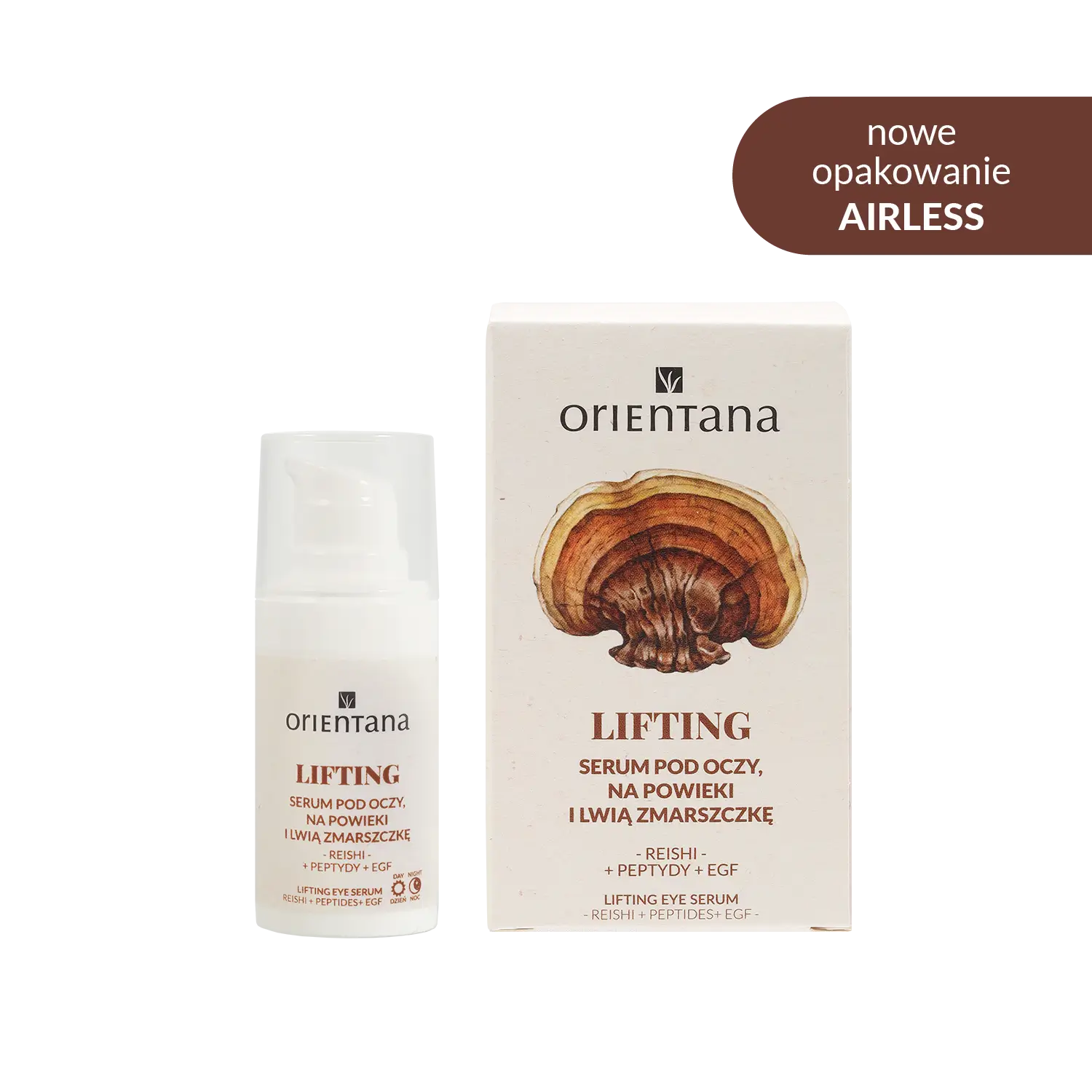
Smoothing and soothing serum with aloe mucin
A formula rich in soothing and regenerating ingredients. Contains fermented biotechnological aloe, which has strong moisturizing and smoothing properties.

Tremella and Exosomes Hydrating Serum
Serum with a natural humectant, often compared to hyaluronic acid. Aloe vera juice (Aloe Barbadensis Leaf Juice) has been added to the exosome formula.

Indian Jasmine Hair and Body Mist
Soothing and moisturizing effect of floral extracts, an ideal alternative to aloe mists for body and hair. The Indian Jasmine mist contains aloe juice (Aloe Barbadensis Leaf Juice).
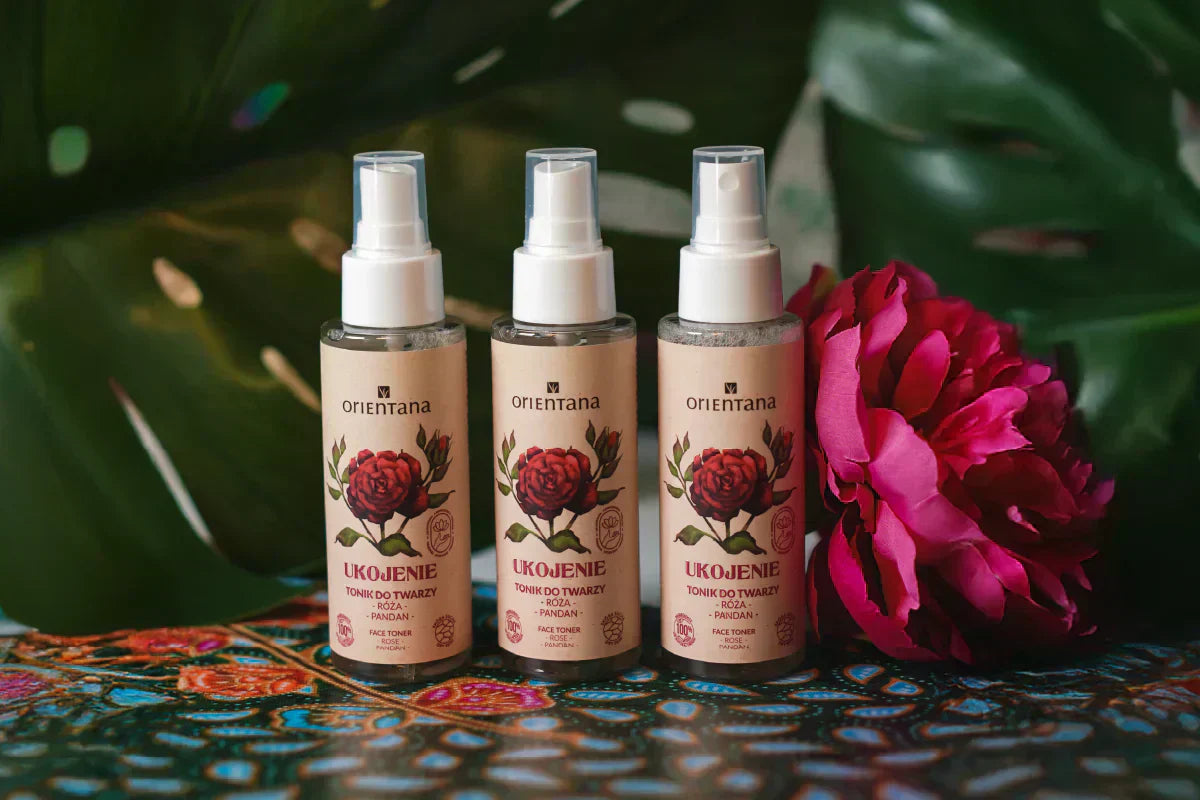
Japanese Rose and Pandan Facial Toner
Soothes, refreshes, moisturizes, and calms. Next to rose and pandan extract, aloe juice is in the toner's composition.
Sandalwood Balm
Highly regenerating, nourishing balm with a beautiful sandalwood scent. Aloe restores comfort to dry skin, calms and strengthens.

Aloe as a food product and healthy ingredient - properties and uses
Aloe is widely used not only in cosmetics but also in a healthy diet.
Nutrients in aloe
Aloe gel contains:
- fiber
- antioxidants
- polysaccharides
- vitamins
- essential minerals
Effect of aloe on digestion
Aloe can support intestinal peristalsis and improve digestive comfort. It is often used for indigestion and a feeling of heaviness.
Immunity support
The polysaccharides contained in aloe stimulate the body's natural defense mechanisms.
Body cleansing
Aloe can aid in toxin removal, improve nutrient absorption, and support metabolism.
Internal hydration
Aloe drink acts similarly to an isotonic drink – it hydrates, provides electrolytes, and improves skin elasticity from within.
Uses of aloe as a food product
- aloe drinks
- drinking gels
- additives to cocktails and smoothies
- gel supplements
- pulp preparations
- aloe as a natural deacidifying agent
It is worth choosing products with a minimal amount of sugar and no artificial additives.
Contraindications and safety of use
- some individuals may be allergic to aloe
- oral aloe can have a laxative effect
- drinking aloe during pregnancy is not recommended without consulting a doctor
aloe food products must be processed safely to remove aloin (an irritating compound)
Remember
Aloe is one of the most versatile ingredients in natural care and a healthy diet. Its unique moisturizing, regenerating, soothing, and antioxidant properties make it indispensable in skin and hair care cosmetics. It is no less valued in food form – as a support for digestion, immunity, and general well-being.
If you value natural care, reaching for products inspired by aloe, such as light toners, mists, moisturizing serums, or creams based on plant extracts, perfectly fits the philosophy of gentle and conscious care.
Questions about aloe
Can aloe be used daily?
Yes, aloe is gentle and suitable for daily use.
Does aloe help with acne?
It can soothe inflammation and reduce redness.
Can aloe be used on hair?
Yes, it has moisturizing and soothing effects on the scalp.
Is drinking aloe healthy?
Yes, if the product is properly prepared and free of aloin.
Can aloe cause allergies?
In sensitive individuals, it may cause a reaction; a patch test is recommended.
What is the difference between aloe vera gel and aloe vera juice?
Gel is the pulp from the leaf, juice comes from the layer beneath the skin.
Does aloe have anti-aging properties?
Yes, it contains antioxidants that neutralize free radicals.
Does aloe help with sunburn?
Yes, it is one of the best natural remedies for UV burns.
Can aloe be used around the eyes?
Yes, but it must be a product with an appropriate formula.
Is aloe good for sensitive skin?
Yes, it is one of the mildest skincare ingredients.
Can aloe be combined with retinol?
Yes, aloe soothes irritations caused by retinoids.
Is aloe good after depilation?
Yes, it quickly soothes, reduces redness, and supports healing.
Does aloe dry out the skin?
Aloe itself does not dry, but if the product has a lot of alcohol - yes.
Can aloe be given to children?
In cosmetics, yes; orally only after consulting a pediatrician.
How to store aloe?
In a cool place, and fresh gel - in the refrigerator.