The concentration of retinol in cosmetics is a key factor determining the effectiveness of anti-aging products. Retinol, a derivative of vitamin A, is one of the most effective active ingredients in skincare, but its proper dosing and application require knowledge and prudence. I will present to you all aspects related to retinol concentration, legal regulations, and practical guidelines for its use.
What is retinol and why does concentration matter?
Retinol is a form of vitamin A that, upon application to the skin, converts into retinoic acid – the active form responsible for cellular renewal. The concentration of retinol in a product directly affects its effectiveness, as well as potential side effects.
Mechanism of action of retinol
Retinol acts by:
- Accelerating cell renewal
- Stimulating collagen production
- Regulating sebum production
- Lightening hyperpigmentation
- Smoothing fine lines
The effectiveness of these processes depends on the retinol concentration, which is why understanding the differences between individual concentration levels is so important.
Optimal retinol concentration in treatments for different skin types
Please note that I am referring to treatments here, not home use.
Sensitive skin (0.01% - 0.03%)
People with sensitive skin should start with the lowest retinol concentrations. This allows the skin to gradually adapt to the active ingredient without the risk of irritation.
Normal skin (0.25% - 0.5%)
Normal skin usually tolerates medium retinol concentrations well, providing visible results with minimal risk of side effects.
Oily and problematic skin (0.5% - 1%)
Higher retinol concentrations can be beneficial for oily skin, as they help regulate sebum production and prevent imperfections.
EU regulation on retinol in cosmetics
The European Union has long been monitoring retinol, analyzing reports of severe complications after using this ingredient. The conclusion was that consumers use retinol cosmetics without proper knowledge and treat them like "ordinary" creams.
The Scientific Committee on Consumer Safety (SCCS) concluded that cosmetics can be a significant source of daily vitamin A intake, which – with simultaneous consumption (from diet or supplements) – may lead to exceeding safe levels.
New EU legal regulations on retinol
In accordance with Regulation (EC) No 1223/2009 of the European Parliament and of the Council of 30 November 2009 on cosmetic products, retinol and its derivatives are subject to strict regulations:
Annex III (List of restricted substances)
- The maximum concentration of retinol in cosmetic products must not exceed 0.3% for products applied to the face and neck
- For body care products, the limit is 0.05%
- Products containing retinol must include a warning: "Contains retinol. Avoid contact with eyes. In case of skin irritation, discontinue use"
Labeling requirements:
- Mandatory placement of warnings on the packaging
- Information on age restrictions (not recommended for use by persons under 12 years of age)
- Guidelines for avoiding sun exposure
The restrictions introduced by the EU also apply to:
- retinyl palmitate,
- retinyl acetate,
- retinal
due to their conversion in the skin to active retinoic acid.
Restrictions on the use of retinol in skincare cosmetics result from its potential toxicity, irritating effects, and possible impact on fetal development. Retinol and its derivatives must not be used by pregnant and breastfeeding women.

What is Retinol H10?
Retinol H10 is the trade name of a raw material whose active ingredient is hydrogenated retinol, i.e., Hydrogenated Retinol. In the INCI of the raw material, you will find this name. The hydrogenation process involves saturating the retinol molecule with hydrogen, which stabilizes the chemical structure and makes it more resistant to oxidation, light, and heat. As a result, cosmetics with Retinol H10 have a longer shelf life, better durability, and are easier to formulate.
Retinol H10 belongs to a modern generation of cosmetic retinoids. Unlike classic pure retinol or retinyl palmitate, it acts more gently, yet still effectively. It does not cause as intense peeling or irritation as its classic counterparts. This means it can be used more safely on a daily basis, also for sensitive, couperose, or mature skin. Thanks to these properties, it is increasingly appearing in premium skincare cosmetic formulations.
Hydrogenated Retinol combines what is most difficult in cosmetics: the effect of a retinoid with gentleness for the skin. It is:
- stable – it does not oxidize quickly, does not lose its properties under the influence of light or air,
- better tolerated – it does not cause redness, flaking, or irritation characteristic of classic retinol,
- compatible with other ingredients – e.g., ceramides, niacinamide, peptides, or hyaluronic acid.
This means it can be used even in more sensitive areas, such as the skin around the eyes, neck, and décolletage.
Recommended concentration: 0.3–1.5% in the finished product
Hydrogenated Retinol is not subject to the same legal restrictions as pure retinol, because:
- it does not directly convert to retinoic acid,
- it does not exhibit teratogenic effects,
- it does not accumulate in the body.
For this reason, it can be used in higher concentrations – up to 1.5% in the finished product, without the risk of side effects (although caution and dermatological tests are still recommended, especially for year-round products and sensitive skin).
Example of an effective cosmetic with Retinol H10

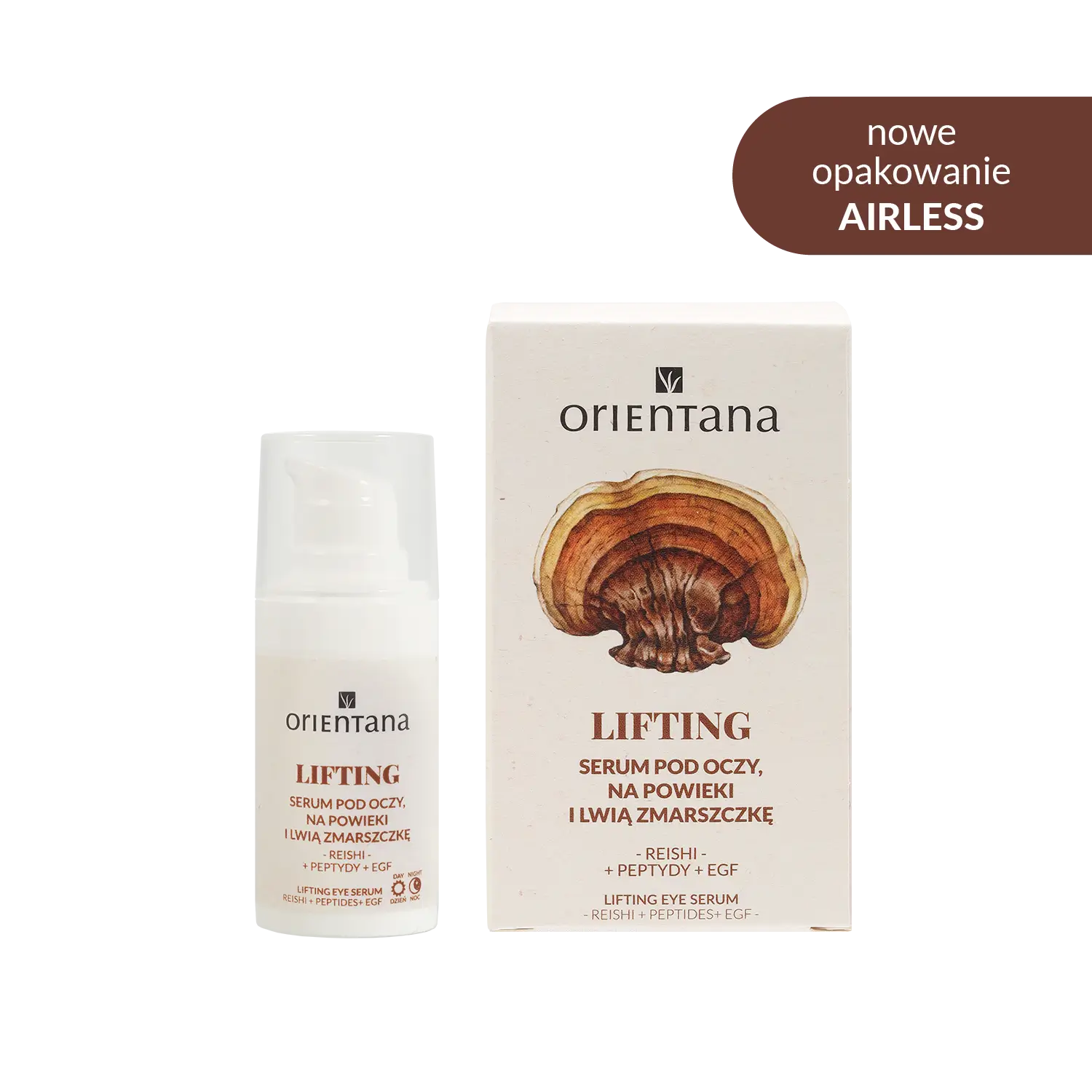
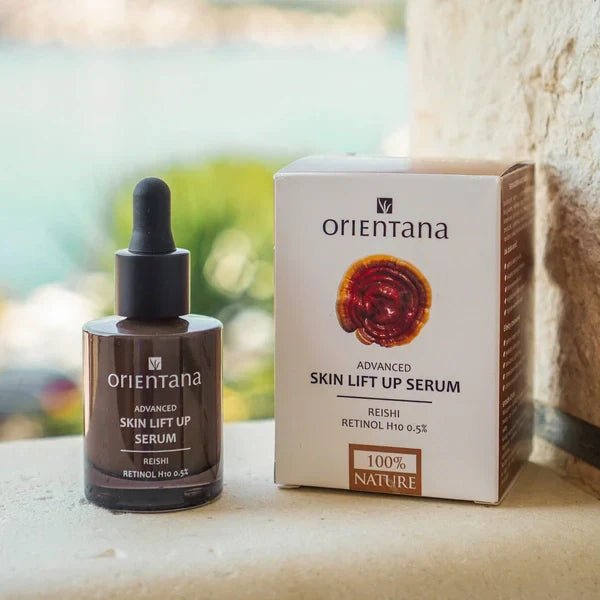
Orientana's Retinol H10 Serum is an excellent example of a product with a carefully selected retinol concentration. Orientana uses an innovative Retinol H10 formula combined with the reishi adaptogen, which is characterized by:
- Stable form of retinol ensuring long-term effectiveness
- Optimal concentration adapted to the needs of various skin types
- Addition of active ingredients that work synergistically with Retinol H10
Retinol H10 in Orientana's serum is an example of a modern approach to formulating products with retinol, where the concentration has been optimized for maximum effectiveness while maintaining user safety.
Main action: Anti-aging, smoothing, skin tone improvement
Hydrogenated Retinol has comprehensive, documented anti-aging and regenerative effects. It supports cell renewal processes, stimulates collagen and elastin production, and improves skin texture. Regular use of cosmetics with this ingredient:
- smooths fine lines and wrinkles,
- lightens discolorations and evens out skin tone,
- restores skin firmness and elasticity,
- supports epidermis regeneration and improves its protective barrier.
All this makes Retinol H10 a primary ingredient in anti-aging care, but also one that supports the treatment of skin with imperfections or loss of radiance.
How to properly use products with pure retinol?
Rules for introducing retinol into skincare
- Gradual introduction: Start by applying 1-2 times a week
- Evening application: Use retinol only in the evening
- Sun protection: Mandatory use of SPF during the day
- Moisturizing: Use moisturizing creams to minimize skin dryness
- Apply retinol to dry skin
Signs of proper adaptation
- Gentle peeling of the skin in the first weeks
- Gradual improvement of skin texture
How to use retinol to avoid mistakes
Most common mistakes:
Too high a concentration to start with Starting skincare with high retinol concentrations can lead to severe irritation and discourage further use.
Combining with other acids Simultaneous use of retinol with AHA/BHA acids can cause excessive skin irritation.
Daytime use Retinol increases skin photosensitivity, so it should only be used in the evening.
Skipping sun protection Lack of systematic SPF use during retinol treatment can lead to hyperpigmentation and skin damage.
When to expect results?
Retinol concentration affects the speed at which results appear:
- 2-4 weeks: Improvement in skin texture, reduction of minor imperfections
- 6-8 weeks: Visible reduction of fine lines
- 3-6 months: Significant improvement in skin elasticity and tone
Contraindications and precautions
When to avoid retinol:
- Pregnancy and breastfeeding
- Very sensitive or damaged skin
- Simultaneous use of other strong active ingredients
- Planned dermatological procedures
Recommended precautions:
- Patch test before first use
- Consultation with a dermatologist in case of doubts
- Discontinue use if severe irritation occurs
- Systematic use of sun protection
The future of retinol in cosmetics
The development of cosmetic technologies brings increasingly advanced forms of retinol, such as Retinol H10 used by our brand. These innovations allow for:
- Better stability of the active ingredient
- Reduced risk of irritation while maintaining effectiveness
- Precise dosing of concentration for different skin types
- Safe combination with other active ingredients
- Creation of retinol-like ingredients from plant organisms, so-called phyto-retinol
The concentration of retinol in cosmetics is a key parameter determining the effectiveness and safety of the product. Thanks to EU regulations, consumers can be sure that products available on the European market meet high quality and safety standards.
Orientana's Retinol H10 Serum is an example of a modern approach to formulating retinol products, where advanced technology allows for optimizing concentration for maximum effectiveness while maintaining comfort of use.
Remember that proper selection of retinol concentration for your skin's needs and adherence to safe use principles are key to achieving spectacular results in anti-aging care. It is always advisable to consult a dermatologist when choosing a product, especially for sensitive or problematic skin.
Read also: Retinol H10 and ceramides - together or separately