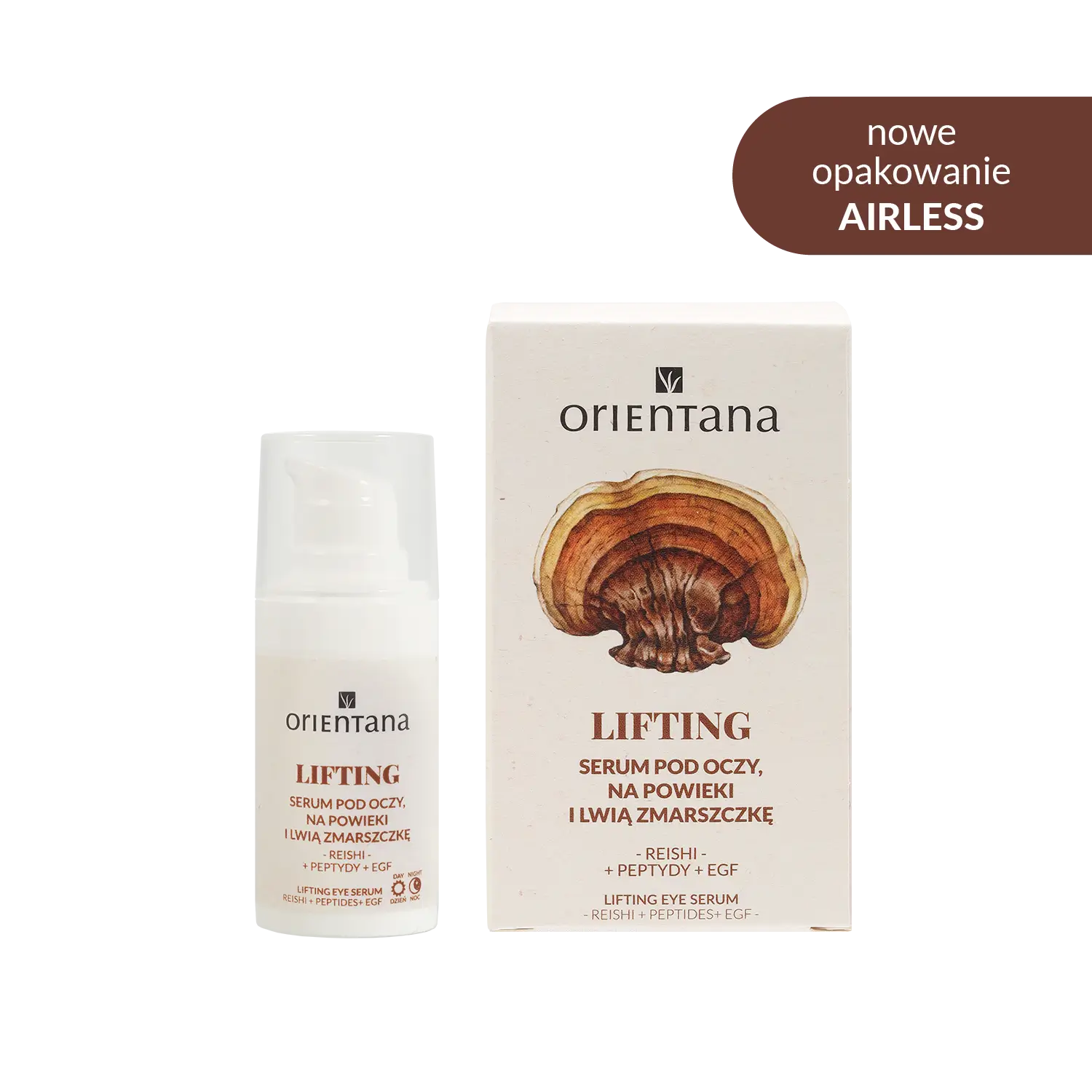

Phytohormones are a topic that has been increasingly appearing in recent years in conversations about health and in the world of cosmetology. These natural plant compounds, also known as plant hormones, have the ability to mimic or modulate the action of human hormones – especially estrogens. Thanks to this, they can support the body's balance, improve skin condition, and counteract symptoms associated with aging or menopause.
In cosmetics, phytohormones are primarily valued for their anti-aging properties: they can improve skin elasticity, increase hydration levels, and reduce the visibility of wrinkles. They are also increasingly used in combination with other active ingredients, creating formulas aimed at people looking for natural and effective alternatives to synthetic solutions.
In this article, we will take a closer look at what phytohormones are, what types occur in nature, how they affect the skin and body, and in which products they can be found. You will also learn which plants are their best source and why they are becoming such an important trend in modern skincare.
What are phytohormones?
Phytohormones, also known as plant hormones or phytoestrogens (when referring to compounds with estrogen-like activity), are natural substances found in plants that have the ability to interact with the human body. Their chemical structure resembles human hormones, allowing them to bind to receptors in cells and influence biological processes such as regeneration, metabolism, and skin aging.
In the natural world, phytohormones regulate plant growth and development – they are responsible for flowering, fruit ripening, and responses to environmental stress, among other things. In the human body, they act somewhat differently, but still incredibly beneficially – especially in the context of health and skin care.
Why are phytohormones important?
- Natural support for hormonal balance – especially during menopause or when estrogen levels decline.
- Anti-aging potential – they protect collagen and elastin, which translates into firmer and more elastic skin.
- Strong antioxidant properties – they neutralize free radicals, slowing down the aging process.
- Safety of use – phytohormones are milder than synthetic substitutes and well-tolerated in skin care.
Where can they be found?
Phytohormones occur naturally in many plants, especially in:
- soy and other legumes,
- chasteberry
- red clover,
- flaxseed,
- ginseng,
- licorice.
Thanks to modern extraction technologies, they are now widely used both in diet (supplements, plant products rich in phytoestrogens) and in natural cosmetics, where they act as active ingredients with rejuvenating and strengthening properties.
Types of phytohormones and their sources
Phytohormones are a broad group of plant compounds that differ in chemical structure and mode of action. The most well-known are phytoestrogens, but it is worth remembering that there are also other plant substances with effects similar to human hormones. Below we present their main types and natural sources.
Phytoestrogens
These are the most commonly described and studied phytohormones. Their chemical structure resembles estrogen – a female sex hormone, allowing them to bind to estrogen receptors in human cells.
Action of phytoestrogens:
- alleviate menopausal symptoms (hot flashes, mood swings),
- support bone and cardiovascular health,
- improve skin elasticity and density,
- have anti-aging and antioxidant effects.
Sources of phytoestrogens:
- Soy and its derivatives (tofu, soy milk, tempeh) – rich in isoflavones,
- Red clover – contains isoflavones with strong estrogenic effects,
- Flaxseed – a source of lignans, supporting hormonal balance,
- Licorice – contains glabridin with phytoestrogenic activity,
- Ginseng – affects vitality and skin condition.
Phytosterols
These are plant compounds with a structure similar to cholesterol, which play an important role in skin care and metabolic health.
Action of phytosterols:
- rebuild the skin's hydrolipid barrier,
- support healing and regeneration,
- reduce transepidermal water loss (TEWL),
- have anti-inflammatory and soothing effects.
Sources of phytosterols:
- vegetable oils (pumpkin seed oil, rapeseed oil, sunflower oil),
- nuts and seeds (sesame, pistachios),
- grain sprouts.
Other bioactive compounds with phytohormonal activity
Although phytoestrogens and phytosterols are most commonly discussed, there are also other active plant substances that exhibit regulatory effects:
- Triterpenes – e.g., from ginseng or licorice, support skin regeneration and have anti-aging effects.
- Plant saponins – improve microcirculation and have immunomodulatory effects.
- Coumestans – found, among others, in bean sprouts, act similarly to isoflavones.
Phytohormones are a diverse group of plant compounds – from phytoestrogens supporting female hormonal balance, to phytosterols caring for a healthy skin barrier, to triterpenes and saponins with regenerative properties. Their richness makes them applicable both in diet and in anti-aging cosmetology, becoming a natural support for health and beauty.
Phytohormones and skin – mechanism of action
Phytohormones play an increasingly important role in modern cosmetology. Their ability to mimic or modulate the action of human hormones, especially estrogens, makes them particularly valued in the care of mature skin requiring regeneration. Their mechanism of action is multi-layered – from influencing skin cells to protecting against external factors.
Effect on collagen and elastin
One of the most important effects of phytohormones is the stimulation of fibroblasts, which are cells responsible for collagen and elastin production.
- Estrogens naturally stimulate fibroblasts, but their level declines with age – especially after menopause.
- Phytoestrogens bind to estrogen receptors in the skin and partially replace their action.
- Result: improved skin density, elasticity, and reduced sagging.
Regulation of aging processes
Skin aging is associated with hormonal imbalance and increased oxidative stress. Phytohormones:
- inhibit collagen degradation by influencing matrix metalloproteinases (MMPs),
- act as antioxidants, neutralizing free radicals,
- support regenerative processes, restoring a healthier appearance to the skin.
Improved hydration and hydrolipid barrier
Phytohormones – especially phytosterols – strengthen the skin's natural protective barrier.
- Reduce water loss (TEWL).
- Support lipid synthesis in the stratum corneum.
- Soothe irritation and accelerate regeneration.
As a result, the skin becomes better hydrated, more elastic, and resistant to external factors.
Anti-inflammatory and soothing action
Many phytohormones (e.g., soy isoflavones, ginseng triterpenes) have anti-inflammatory properties.
- Reduce micro-inflammations that exacerbate skin aging (inflammaging).
- Support healing and soothe irritation.
- May support the care of sensitive and couperose skin.
Protection against photoaging
Studies indicate that phytoestrogens and lignans show photoprotective effects:
- reduce DNA damage to cells caused by UV radiation,
- limit the formation of hyperpigmentation,
- support skin regeneration after sun exposure.
Phytohormones have a multi-directional effect on the skin: they strengthen its structure, improve hydration, protect against free radicals and photoaging. Thanks to this, they are a key ingredient in cosmetics for mature, tired, or environmentally stressed skin. It is precisely their mechanism of action that makes phytohormones considered a natural anti-aging ally.
Phytohormones in cosmetics – what effects do they bring?
Phytohormones are increasingly becoming a key ingredient in modern anti-aging formulas. Their presence in natural and dermo-cosmetics is no coincidence – these compounds genuinely affect skin function, supporting it in regenerative and protective processes.
Reduction of wrinkles and improvement of skin firmness
- Phytoestrogens from soy or red clover stimulate fibroblasts to produce collagen and elastin.
- Effect: reduction of wrinkles, improvement of skin tension and elasticity.
- Cosmetics with these compounds are especially recommended for mature skin with a tendency to sag.
Strengthening hydration and the hydrolipid barrier
- Phytosterols found in plant oils rebuild the natural lipid layer.
- They reduce transepidermal water loss (TEWL), which translates into deeper and long-lasting skin hydration.
- Thanks to this, the skin becomes more resistant to external factors.
Protection against oxidative stress
- Phytohormones act as powerful antioxidants – neutralizing free radicals that accelerate aging.
- In combination with vitamin C, E, or polyphenols, they strengthen protection against so-called environmental stressors (pollution, UV radiation).
Support in skin care during menopause
- During this period, there is a rapid drop in estrogen levels, which manifests as dry, thin, and less elastic skin.
- Cosmetics with phytohormones alleviate the effects of estrogen deficiency, improving skin comfort and slowing down its aging processes.
Reduction of discoloration and evening out skin tone
- Some phytohormones, such as isoflavones, inhibit excessive melanocyte activity.
- Effect: brighter, more radiant complexion and reduced visibility of post-sun or hormonal discoloration.
Soothing and anti-inflammatory action
- Ginseng or licorice extracts soothe micro-inflammations and redness.
- They are recommended for sensitive and couperose skin, as they reduce the risk of irritation.
Densorphin™ – an innovative ingredient in Orientana cosmetics
Densorphin™ is a modern, 100% natural active ingredient based on a concentrated extract from chasteberry fruit (Vitex agnus-castus), also known as "monk's pepper tree." The raw material was developed by the Swiss company Mibelle Biochemistry and has gained significant recognition in the cosmetic industry due to its unique effect on the skin – it stimulates the production of β-endorphins and DHEA (dehydroepiandrosterone), which are key substances for youthful skin appearance and well-being.
Mechanism of action
- Stimulation of β-endorphins – referred to as "happiness molecules." Densorphin™ activates receptors responsible for endorphin synthesis in keratinocytes and fibroblasts. As a result, the skin not only functions better but also regenerates faster and shows greater resistance to environmental stress.
- Increased DHEA levels – a steroid hormone whose amount in the skin drastically decreases with age, especially after 40–50 years of age. DHEA is responsible for skin density and elasticity, and its restoration inhibits aging processes.
- Effect on collagen and elastin – in vitro and in vivo studies have shown that Densorphin™ stimulates fibroblasts to produce collagen, reduces the activity of metalloproteinases (enzymes degrading skin's supporting fibers), and improves tissue elasticity.
Effects proven by clinical trials
- Increased skin density – after just 28 days of using a cream with 2% Densorphin™, ultrasound studies showed an average increase in skin density of 17.9% (body) and 4.4% (face) compared to the initial state.
- Improved elasticity – in a study involving 30 people aged 52–76, skin elasticity increased by an average of 7.1% after 4 weeks of use.
- Visible reduction of wrinkles – after one month of use, a several percent reduction in wrinkle depth around "crow's feet" was observed compared to placebo.
- Lifting and firming effect – the skin becomes more compact, regains youthful volume and better tension.
Application in Orientana cosmetics
In Orientana products, Densorphin™ has been used as a new-generation phytohormone, ideal for mature, tired skin, as well as during menopause and andropause. By acting at the level of endorphins and skin hormones, this ingredient supports:
-
anti-aging care – wrinkle reduction and improved firmness,
-
rebuilding of skin weakened by a drop in age-related hormones,
-
improved skin well-being – by activating β-endorphins, it affects not only appearance but also skin comfort.
Why is Densorphin™ unique?
- it combines phytohormonal and neurocosmetic action,
- it works quickly – first effects are visible after just one month,
- it is certified (COSMOS, Ecocert), natural, and preservative-free,
- effective for both women and men over 50 years of age.
Densorphin™ is an ingredient that perfectly fits Orientana's philosophy – combining nature with innovative biochemistry. Thanks to the unique combination of stimulating β-endorphins and DHEA, it represents a breakthrough in mature skin care, offering densification, firming, and wrinkle smoothing in a short time.
Most important plants rich in phytohormones
The plant world abounds in natural compounds with phytohormonal activity. These are the basis of many modern natural cosmetics, including Orientana products, which combine traditional plant knowledge with the latest achievements in biochemistry. Below, we present the most important plants that provide valuable phytohormones.
Soy (Glycine max)
Soy is the richest source of isoflavones, compounds with estrogen-like effects.
- Action: increases skin elasticity, improves its density and hydration, reduces wrinkles.
- In cosmetics: used in anti-aging preparations, especially for mature skin and during menopause.
Red clover (Trifolium pratense)
Red clover is valued for its high content of isoflavones and coumestans.
- Action: supports women's hormonal balance, alleviates menopausal symptoms, protects the skin from loss of firmness.
- In cosmetics: an ingredient in creams and serums for thin, dry skin with visible wrinkles.
Flaxseed (Linum usitatissimum)
Flax is a wealth of lignans, which exhibit estrogen-like activity.
- Action: moisturizes, smooths, and improves the skin's hydrolipid barrier.
- In cosmetics: often used as flaxseed oil – soothes irritation, alleviates dryness, and has regenerative effects.
Ginseng (Panax ginseng)
Ginseng contains triterpene saponins with strong adaptogenic and phytohormonal effects.
- Action: stimulates cellular metabolism, improves microcirculation, has rejuvenating effects.
- In cosmetics: Orientana uses Korean ginseng in preparations that energize and improve skin condition.
Licorice (Glycyrrhiza glabra)
Licorice is a source of flavonoids and phytoestrogens.
- Action: exhibits anti-inflammatory, antioxidant, and brightening properties.
- In cosmetics: used in products that reduce discoloration and soothe irritation.
Chasteberry (Vitex agnus-castus, also known as "monk's pepper tree")
This is a plant with extremely interesting properties, which in recent years has found application in neurocosmetology and anti-aging care. From its fruits, an extract commercially known as Densorphin™ is obtained.
- Action:
- stimulates the production of β-endorphins (happiness neurotransmitters), which improves skin comfort and accelerates its regeneration,
- increases the synthesis of DHEA – a hormone crucial for skin density and elasticity,
- reduces wrinkles and improves skin tension after just 28 days of use,
- has a firming and densifying effect, especially in mature skin care.
- In cosmetics: Orientana uses chasteberry extract (Densorphin™) in products for mature skin to provide a visible lifting and smoothing effect.
The most important plants rich in phytohormones are soy, red clover, flax, ginseng, licorice, and chasteberry. Each of them provides different bioactive compounds that support skin health and beauty. Chasteberry, in particular, stands out as a new generation phytohormone ingredient that not only improves skin appearance but also impacts its well-being through endorphin activation.
Phytohormones in diet – how they support the body?
Phytohormones are not only ingredients in cosmetics. Their action can also be utilized internally – through a diet rich in plants containing phytoestrogens, phytosterols, or other compounds with hormone-like activity. Regular consumption of such products can support hormonal balance, bone and heart health, as well as the condition of skin and hair.
Hormonal balance during menopause and andropause
- A decrease in estrogen and androgen levels in middle-aged women and men leads to a range of symptoms: hot flashes, sleep problems, fatigue, or deterioration of skin quality.
- Phytohormones – especially phytoestrogens from soy, red clover, and flaxseed – can partially replace the action of estrogens, alleviating menopausal symptoms.
- Studies indicate that women who consume more isoflavones (e.g., in the Japanese diet) less frequently experience bothersome menopausal symptoms.
Support for bone and cardiovascular health
- Estrogen deficiency accelerates bone mass loss, increasing the risk of osteoporosis. Phytoestrogens can inhibit this process by supporting calcium metabolism and bone mineralization.
- Phytosterols present in nuts, seeds, and vegetable oils help lower "bad" LDL cholesterol levels, thereby protecting the heart and blood vessels.
Effect on metabolism and weight
- A diet rich in phytohormones supports maintaining stable blood sugar levels.
- Soy isoflavones can improve cellular insulin sensitivity.
- Thanks to this, phytohormones promote maintaining a healthy body weight and reduce the risk of developing insulin resistance.
Skin and hair condition from within
- Phytoestrogens act synergistically with collagen and elastin – supporting their production, which translates into firmer skin and stronger hair.
- The antioxidant properties of phytohormones (especially lignans from flaxseed) slow down the aging process from within.
Best sources of phytohormones in the diet
- Soy and its derivatives – tofu, tempeh, soy milk (isoflavones).
- Red clover – in the form of teas and supplements (isoflavones).
- Flaxseed – freshly ground seeds as an addition to yogurts or salads (lignans).
- Licorice – infusions or natural extracts (glabridin).
- Chasteberry – traditionally used in hormonal phytotherapy, also in supplements supporting women's balance.
Phytohormones in the diet have a multi-directional effect: they alleviate symptoms of menopause and andropause, support the heart and bones, stabilize metabolism, and care for the skin and hair from within. Including products such as soy, flax, red clover, or chasteberry in the daily menu can provide natural support for the body at every stage of life.
Frequently Asked Questions (FAQ) about phytohormones
Are phytohormones safe?
Yes, phytohormones are derived from natural plant sources and are generally considered safe in cosmetics and diet. Unlike synthetic hormone therapies, their action is milder and more balanced.
Do cosmetics with phytohormones act like hormone replacement therapy (HRT)?
No – phytohormones do not replace classical hormone therapy, but they can support the skin and body in a natural way. In cosmetics, they primarily act topically, improving skin elasticity, firmness, and density.
Who should use cosmetics with phytohormones?
They are particularly recommended for people:
- during menopause and andropause,
- with mature, sagging, and inelastic skin,
- with signs of photoaging and wrinkles,
- seeking a natural alternative to potent synthetic substances.
Do phytohormones help with wrinkles?
Yes, studies show that phytohormones – e.g., soy isoflavones or Densorphin™ from chasteberry – stimulate fibroblasts to produce collagen and elastin, which leads to wrinkle smoothing and improved skin tension.
How quickly can the effects of using cosmetics with phytohormones be seen?
The first effects, such as better hydration and smoothing, are visible after a few weeks of regular use. Clinical studies on Densorphin™ showed an improvement in skin elasticity and density after just 28 days.
Can phytohormones be used by men?
Yes – although their role in female skin care is often mentioned, phytohormones also support men's skin, especially during andropause (a decrease in androgen levels).
Are phytohormones found exclusively in natural cosmetics?
No, phytohormones are present in both natural cosmetics and dermo-cosmetics. However, in natural products, they are obtained in an environmentally friendly way, often from certified plant extracts.
Phytohormones are natural, plant-based compounds of extraordinary power that support the skin and body in processes of regeneration, hydration, and rejuvenation. Their particular role emerges when hormone levels in the body decline – during menopause, andropause, or with natural aging.
In cosmetics, phytohormones:
- densify and firm the skin,
- reduce wrinkles,
- improve elasticity and hydration,
- protect against free radicals and photoaging.
In the diet, they support hormonal balance, bone, heart, and metabolic health, and also slow down aging processes from within.
A particularly interesting ingredient is chasteberry (Vitex agnus-castus), whose Densorphin™ extract has been used in Orientana cosmetics. Thanks to its ability to stimulate β-endorphins and DHEA, it provides a visible lifting effect and improves skin quality within a month.
In summary – phytohormones are one of the pillars of the future of skin care. Their plant origin, safety, and proven effectiveness make them not only a fashionable trend but primarily real support in caring for health and beauty.