Sheet masks are one of the most recognizable elements of Asian skincare, taking the global cosmetics market by storm. Their colorful packaging, quick moisturizing effect, and convenient application have made them a must-have in many skincare routines. However, behind this spectacular success lie questions that conscious consumers are increasingly asking:
Do sheet masks really work, can they harm the skin, and what impact do they have on the environment?
In this post, we examine sheet masks from the perspective of their drawbacks and limitations —both skincare and environmental. We'll explain when using them can do more harm than good, and we'll also suggest alternatives if you care about healthy skin and mindful skincare .
What are sheet masks and how do they work?
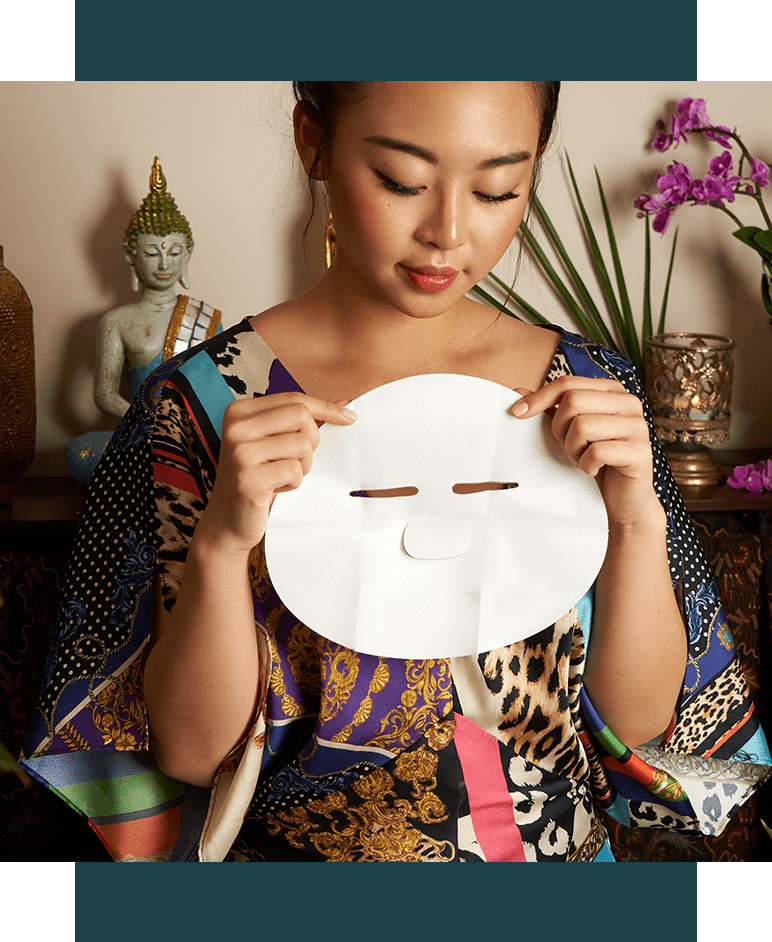
Sheet masks are disposable cosmetic products designed to quickly moisturize and nourish the skin. They consist of a sheet of material—usually cotton, cellulose, or hydrogel—impregnated with a serum containing active ingredients.
Their mechanism of action is based on the occlusive effect , which physically limits the evaporation of moisture from the skin's surface. In practice, this means that the ingredients contained in the serum are better able to absorb into the epidermis—but only up to a certain point.
The most common ingredients in sheet masks are:
- humectants (e.g. glycerin, sodium hyaluronate) – attract water to the epidermis,
- mild plant extracts – e.g. aloe, green tea,
- preservatives and fragrances that extend shelf life.
It is worth noting, however, that the concentration of active substances in such products is often low – they often focus on superficial effects, providing the so-called wow effect , but without long-term results.