Inspirations

Mega fast hair growth - natural methods and the best Orientana cosmetics
Do you dream of long, healthy hair, but it's growing too slowly? Want to achieve mega-fast hair growth that will allow you to enjoy luscious hair in less time? It's possible! Although genetics play a significant role in hair growth, there are many proven methods that can significantly accelerate this process. In this article, you'll learn how to naturally stimulate hair growth and which cosmetics, especially those from Orientana, will help you achieve your goal. How long does hair grow and can it be accelerated? On average, hair grows about 1 centimeter per month, or about 12-15 centimeters per year. This natural rate is genetically determined, but it doesn't mean it can't be enhanced. With proper care, diet, and supportive cosmetics, you can increase the growth rate by up to 2-3 centimeters per month. The key to success is a comprehensive approach: taking care of a healthy scalp , properly nourishing hair follicles and strengthening existing strands. What influences mega-fast hair growth? 1. Healthy scalp - the basis of growth The scalp is the foundation upon which your hair grows. If it's dry, irritated, or lacking oxygen, hair follicles function more slowly. Regular scalp massages improve blood microcirculation, which translates into better oxygenation and nourishment of hair follicles. 2. Natural nutrients Hair needs the right ingredients to grow healthily and quickly. The most important are: Biotin - strengthens the hair structure and supports its growth Vitamins A, C, E - nourish the hair follicles and protect against free radicals Iron, zinc, silicon - prevent hair loss and stimulate growth Omega-3 fatty acids - moisturize and strengthen hair from the inside 3. Proper care Damaged, weakened hair grows slower. If your strands are dry, brittle, or split, first repair them. Avoid hot styling and harsh chemicals, and remember to trim your ends regularly. The best natural methods for faster hair growth Oiling hair and scalp Regular use of vegetable oils is one of the most effective ways to achieve mega-fast hair growth . Rich in vitamins, minerals, and fatty acids, these oils intensely nourish hair follicles, moisturize the scalp, and strengthen strands. The best oils are: Castor oil - stimulates growth, has a strengthening effect Coconut oil - deeply moisturizes and protects against damage Argan oil - regenerates and adds shine Almond oil - soothes irritations and nourishes Orientana cosmetics offers excellent Ayurvedic hair oils that combine the power of natural ingredients according to traditional Ayurvedic recipes. Amla and Bhringraj oil contains a unique combination of Indian herbs – amla, bhringaraj, brahmi, and sesame, coconut, and almond oils. This composition intensively nourishes hair follicles, inhibits hair loss, and stimulates hair growth. Regular use of the oil can produce visible results in just a few weeks. This amla oil will make your hair grow fast. Hair lotions and tonics Lotions are special preparations applied directly to the scalp to strengthen hair follicles and accelerate growth. They stimulate microcirculation and deliver concentrated active ingredients. Orientana 's Ayurvedic Amla Hair Tonic is a real hit among those seeking natural solutions for mega-fast hair growth . Based on an ancient Ayurvedic recipe, it contains a blend of herbs that nourish hair follicles, strengthen hair, and prevent hair loss. Regularly rubbing the tonic into the scalp stimulates hair follicles to work more actively. Scalp massage and peeling Scalp massage is a simple yet incredibly effective way to accelerate hair growth. Just 5-10 minutes a day is enough to improve blood circulation in your scalp. You can do it with your fingertips while washing your hair or using a special massaging brush. Exfoliating your scalp once a week removes dead skin, oxygenates the hair follicles, and helps them absorb nutrients. It's an excellent way to cleanse and prepare the scalp for further care. Herbal rinses and infusions Natural herbs have been supporting healthy hair growth for centuries. You can prepare homemade rinses with: Nettles - rich in silicon, iron and zinc, strengthens the hair bulbs Horsetail - contains silica, which strengthens the hair structure Rosemary - stimulates new hair growth, improves circulation Peppermint - refreshes the scalp and stimulates hair follicles Orientana cosmetics - natural power for fast hair growth If you're reading this, you probably know that Orientana is a Polish natural cosmetics brand inspired by Asian skincare traditions. All products contain at least 95% natural ingredients and are free from parabens, silicones, SLS, and artificial fragrances. This guarantees effective yet gentle care. Why is it worth choosing Orientana cosmetics? Natural ingredients - herbal extracts, vegetable oils and traditional Ayurvedic recipes No chemicals - the products do not contain aggressive substances that can weaken the hair, e.g. SLS Comprehensive care - shampoos, conditioners, oils and lotions tailored to various needs Effectiveness confirmed by opinions - thousands of satisfied users around the world Ayurvedic hair line Products from the Orientana Ayurvedic line harness the power of Indian herbs and traditional medicine. These shampoos contain natural cleansing substances from reetha nuts (saponins), which gently cleanse without disturbing the natural balance of the scalp. Ginger and Lemongrass Shampoo is perfect for those with oily hair who are looking for a gentle yet effective cleanse. Ginger stimulates blood circulation in the scalp, which promotes mega-fast hair growth , while lemongrass normalizes sebum production. Henna - a natural dye that supports growth If you want to change your hair color without exposing it to harsh chemicals, Orientana henna is an excellent choice. 100% natural, with no chemical additives, it not only colors but also strengthens hair and stimulates growth. Diet and supplementation for mega-fast hair growth What you eat has a huge impact on the condition of your hair. Hair needs the right nutrients to grow healthily and quickly. Remember to eat a balanced diet rich in: Protein - eggs, fish, lean meat, legumes Healthy fats - - especially rich in vitamin C (citrus fruits, peppers) and vitamin A (carrots, sweet potatoes) Whole grains - groats, brown rice, whole grain bread Supplements with biotin , organic silicon, or hair vitamin complexes can supplement your diet. You can also reach for natural herbs in tablet form, such as nettle or horsetail. Habits that support faster hair growth To achieve mega-fast hair growth , it is also worth taking care of your daily habits: Wash your hair regularly - a clean scalp is a healthy scalp Avoid hot styling - limit the use of hairdryers, straighteners and curling irons Trim your ends - remove split ends regularly (every 6-8 weeks) Protect your hair - use heat protection, avoid tight hairstyles Reduce stress - chronic stress can inhibit hair growth Sleep on a silk pillowcase - it reduces friction and prevents hair breakage Drink plenty of water - hydration is key to healthy hair How long does it take to see the effects? Accelerating hair growth is a process that requires patience and consistency. You can see the first results after just 4-6 weeks of regular care. After 3 months of using natural methods and appropriate cosmetics, the difference in hair length and condition should be clearly visible. Remember that mega-fast hair growth isn't just about inches, but above all, the health and strength of your strands. Healthy hair grows faster, is more resistant to damage, and looks beautiful. Summary - Your path to long, healthy hair Achieving mega-fast hair growth is possible thanks to a comprehensive approach: Regular oiling and use of lotions Scalp massage and peeling Natural cosmetics without aggressive ingredients Balanced diet and supplementation Healthy care habits Orientana cosmetics are an excellent choice for anyone looking for natural, effective hair care products. Thanks to Ayurvedic formulas rich in Indian herbs and plant oils, you can effectively support your hair's growth and enjoy its beauty. Start today – your hair will definitely thank you!
Learn more
How caffeine works in cosmetics and why it's ideal for eye care.
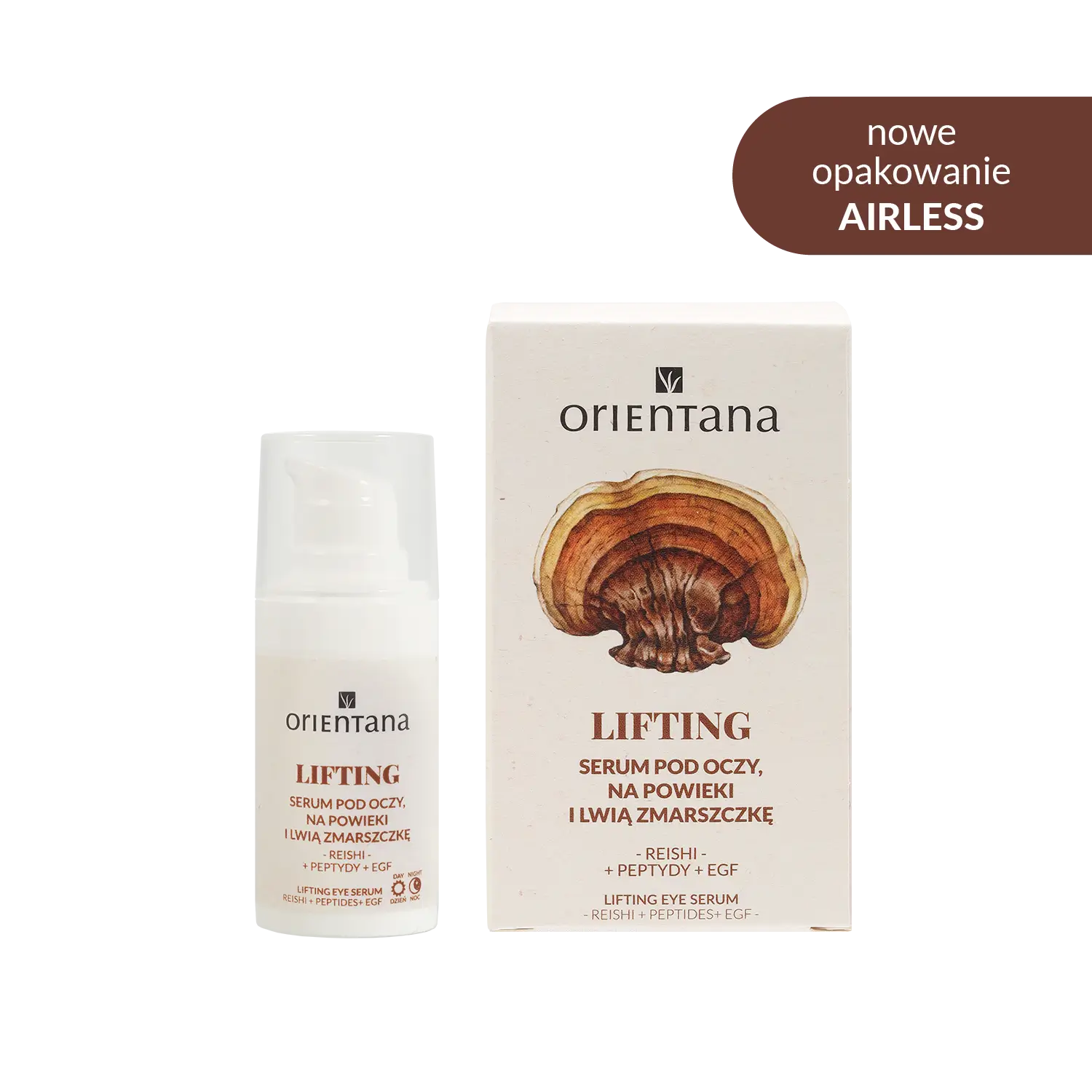
Caffeine is one of the most thoroughly researched active ingredients, both in the context of human physiology and modern cosmetology. Although it's primarily associated with coffee and its stimulating effects, it's increasingly appearing in skincare products, especially those designed for the delicate eye area. But how does caffeine affect the skin ? Why is it considered one of the most effective ingredients for reducing puffiness and dark circles under the eyes? And what does scientific research say about it? In this article, we explain the mechanisms of action of caffeine and show its practical use in Orientana eye cosmetics. What is caffeine and why does it work biologically? Caffeine (1,3,7-trimethylxanthine) is a natural purine alkaloid found in coffee beans, tea, guarana, and cocoa, among others. From a skin biology perspective, caffeine is a substance: lipophilic - easily penetrates the stratum corneum of the epidermis bioactive - affects cell receptors and enzymes chemically stable - works well in cosmetic formulations It is these characteristics that make caffeine effective in topical cosmetics. How caffeine affects the skin - mechanisms confirmed by research Stimulating microcirculation One of the best-documented effects of caffeine is its impact on skin microcirculation . Caffeine inhibits phosphodiesterase activity, which leads to increased cAMP levels in cells and improved blood flow in small vessels. Importance for the skin under the eyes: reducing lymph stasis reduction of swelling reducing the visibility of vascular shadows Test: Herman & Herman, Journal of Applied Pharmaceutical Science , 2013 showed that topical caffeine improves cutaneous microcirculation and reduces swelling. Anti-edematous and draining effect Caffeine has an anti-edema effect, meaning it reduces the tendency of tissues to retain fluids. This is crucial for eye care, where puffiness often appears after a night's sleep, stress, or fatigue. Test: Hexsel et al., Journal of Cosmetic Dermatology , 2009 proved that topical application of caffeine has a draining effect and reduces soft tissue swelling. Antioxidant and anti-aging effects Caffeine is a powerful antioxidant that neutralizes reactive oxygen species (ROS). This allows it to: protects collagen and elastin fibers slows down the photoaging processes supports the protection of skin cell DNA Test: Koo et al., Skin Pharmacology and Physiology , 2013 proved that caffeine reduces UV-induced oxidative stress and supports the protection of skin structures. Effect on lipolysis and skin structure Caffeine stimulates the process of lipolysis (the breakdown of lipids in adipocytes), which is important not only in anti-cellulite cosmetics, but also in the care of thin skin under the eyes, especially in the case of so-called "fatty bags." Why is caffeine ideal for eye cosmetics? Skin around the eyes: it is even 3–5 times thinner than on the cheeks contains fewer sebaceous glands loses firmness and water faster Therefore, it needs ingredients that: they act quickly and locally they do not irritate support circulation and drainage Caffeine meets all these criteria , which is why it is so often found in eye creams and serums. How does caffeine work in Orientana eye cosmetics? Moisturizing eye cream with snail slime This cream combines caffeine with bioactive snail slime , which: supports the regeneration of the epidermis improves skin elasticity strengthens the hydrolipid barrier Caffeine reduces puffiness and signs of fatigue, while snail slime has a repairing and smoothing effect – a perfect combination for dehydrated and tired skin. Anti-wrinkle eye cream Bioretinol + Caffeine + Moringa In this product, caffeine works synergistically with: bioretinol – a plant-based alternative to retinol moringa extract – a strong antioxidant Effect: improvement of skin tension reduction of facial wrinkles brightening the eye area This is a cream for people who want to combine anti-aging effects with puffiness reduction. Reishi Eye and Eyelid Serum Although the serum is caffeine-free, it perfectly complements caffeine-based skincare . Reishi has adaptogenic properties, strengthening the skin's resistance to oxidative stress and aging, which enhances the effects of caffeine-containing creams. How to use caffeine to make it most effective? apply cosmetics in the morning and evening Store your eye cream in the fridge – the cold enhances the drainage effect. gently pat the product in, do not rub it in use regularly for at least 4–6 weeks Other cosmetics with caffeine Lifting face cream Firming effect in 10 minutes. Anti-wrinkle serum Improvement of skin elasticity (100%), firmness (96%) and flexibility (100%). Soothing and smoothing serum Velvety leather finish. Regenerating face mask Reconstruction of the hydrolipid barrier. Questions about caffeine in cosmetics How does caffeine affect the skin? Caffeine improves microcirculation, reduces swelling, has an antioxidant effect and supports collagen protection, making the skin look more rested and firm. Does caffeine really reduce dark circles under the eyes? Yes – especially dark circles. Caffeine constricts blood vessels and improves lymphatic drainage, which reduces the bluish tint of the skin. Does caffeine have an anti-wrinkle effect? Indirectly, yes. It protects against oxidative stress, supports skin structure, and improves skin firmness, which delays the appearance of wrinkles. Is caffeine suitable for sensitive skin? Yes, provided it is properly concentrated and formulated – that is why caffeine is safe and well tolerated in eye cosmetics. How long does it take to see the effects of using caffeine under the eyes? The first effects (less swelling) may be visible after just a few days, while improvement in skin condition occurs after 4–6 weeks of regular use. Summary If you're wondering how caffeine works , the answer is clear: it's one of the most researched and effective ingredients in eye care. It improves circulation, reduces puffiness, protects against oxidative stress, and has a real impact on the skin's appearance. In Orientana cosmetics, caffeine works in synergy with other natural active ingredients, creating effective, yet gentle care for the most demanding areas of the face.
Learn more
Shampoos for sensitive skin - how to choose and why natural solutions work best?
Itchy scalp after washing is one of the most common signs that a shampoo isn't suited to the needs of sensitive skin . Tightness, burning sensations, and sometimes even micro-inflammation are often not caused by a dermatological condition, but rather by the skin's reaction to specific cleansing or fragrance ingredients . That is why shampoos for sensitive skin should be designed differently than standard drugstore products, with an emphasis on protecting the hydrolipid barrier, the scalp microbiome and minimizing the irritation potential . What are the characteristics of sensitive scalp? Sensitive scalp is skin that reacts more quickly and intensely to chemical, physical, and environmental stimuli. It can manifest itself as: itching already during washing, burning sensation after rinsing off shampoo, feeling of tightness, exfoliation or micro-exfoliation, intensification of the reaction after changing the cosmetic. Importantly, sensitive scalp isn't always dry . It can also be oily, but with a compromised protective barrier. What ingredients in shampoos most often cause itchy scalp? This is a key point that Google AI cites very often in its responses. 1. Aggressive detergents (surfactants) The most common cause of an itchy scalp is excessively strong cleansing agents , which remove not only sebum but also the lipids that protect the epidermis. The most irritating include: Sodium Lauryl Sulfate (SLS), Sodium Laureth Sulfate (SLES), Ammonium Lauryl Sulfate. These ingredients can: damage the hydrolipid barrier, increase transepidermal water loss, cause micro-inflammation leading to itching. 2. Denatured alcohol Alcohol Denat. in high concentrations may: dry out the scalp, intensify the burning sensation, increase the reactivity of sensory nerves. In shampoos for sensitive skin it should be completely eliminated or replaced with milder solvents. 3. Synthetic fragrance compositions Parfum and fragrance are among the most common contact allergens. For sensitive skin, they can: cause itching without visible changes, intensify neurogenic skin reactions, cause delayed sensitization. Therefore, shampoos for sensitive skin should have: very delicate scent, compositions based on natural extracts, 4. Preservatives with high irritating potential Ingredients that may increase scalp itching include: Methylisothiazolinone (MI), Methylchloroisothiazolinone (MCI), formaldehyde donors. Modern, natural shampoos are increasingly replacing them with milder preservative systems . 5. No soothing ingredients Paradoxically, itchy scalp may result not only from the presence of irritating substances, but also from the lack of soothing ingredients , such as: panthenol, aloe, ectoine, prebiotics, adaptogenic extracts. Why are natural shampoos better for sensitive scalp? Natural shampoos: they use milder surfactants of plant origin , support the scalp microbiome, less likely to cause neurogenic reactions, are better tolerated with long-term use. This is especially important when washing your hair daily or frequently. Shampoos for sensitive skin - recommended Orientana shampoos The Orientana collection of natural shampoos includes formulas suitable for sensitive skin, free from aggressive detergents and based on plant-based active ingredients. Why are Orientana shampoos suitable for sensitive scalp? no SLS and SLES, mild detergents, plant extracts inspired by Ayurveda, formulas that support scalp balance, trichological shampoos with the addition of prebiotics and ectoine. Shampoos that are particularly beneficial for sensitive skin are: with neem and green tea - for skin prone to irritation, with jasmine and almond - for the feeling of tightness, trichological with lychee and prebiotics - for skin hyperreactivity. How to properly wash sensitive scalp? always dilute the shampoo in your hands, massage the skin gently, without scratching, avoid hot water, do not leave shampoo on the skin for too long, observe your skin's reaction over several washes, not just one. Questions about shampoos for sensitive skin Why does my scalp itch after shampooing? Most often, it is a reaction to aggressive detergents, fragrances or preservatives that disrupt the skin's hydrolipid barrier. Does an itchy scalp always mean an allergy? No. Very often it is a functional irritation, not an allergic reaction. Can shampoos for sensitive skin be used daily? Yes, as long as they contain mild cleansing agents and soothing ingredients. Is natural shampoo always safe for sensitive skin? The natural composition reduces the risk of irritation, but each skin type may react individually. How long does it take for the scalp to regenerate after changing shampoo? Usually 2 to 4 weeks, depending on the extent of skin barrier damage. Can an itchy scalp exacerbate hair loss? Yes. Chronic inflammation of the scalp can weaken hair follicles. Are trichology shampoos good for sensitive skin? Yes, especially those containing prebiotics, ectoine and soothing ingredients. Is it worth changing your shampoo if your scalp is itchy during the season? Yes. The needs of the scalp can differ significantly between winter and summer. Summary Choosing the right shampoos for sensitive skin isn't just about comfort, but also about truly supporting scalp health. Eliminating ingredients that cause itching and choosing gentle, natural formulas—like Orientana shampoos—helps restore balance, reduce irritation, and improve hair condition at the source. Trichology series - healthy scalp and strong hair thanks to nature Dry scalp - causes, symptoms and effective care with the Trycho Lychee Orientana series
Learn more
Natural cosmetics and acne - how to consciously care for problematic skin?
Natural cosmetics and acne are one of the most frequently sought-after combinations by people struggling with imperfections and also with sensitive, reactive, or dry skin due to intensive treatments. Natural skincare is sometimes perceived as gentler and "safer," but in practice, it requires knowledge, mindfulness, and realistic expectations. This article is for educational and informational purposes only. It does not replace diagnosis or treatment. In the case of acne, it is always advisable to seek the care of a dermatologist , and consider cosmetics as a supportive care option. Acne - why is it not just a "cosmetic problem"? Acne is a chronic inflammatory skin disease that affects not only teenagers but also adults. It can take various forms: from blackheads and papulopustular lesions to painful inflammatory lesions and hormonal acne. Its development is influenced by, among others: excessive activity of the sebaceous glands, disorders of keratinization of hair follicle openings, multiplication of Cutibacterium acnes bacteria, chronic inflammation, hormones, stress, diet and genetic predisposition. 👉 For this reason , not every acne will respond to the same care , even if it is natural. Natural cosmetics and acne - when is it a good combination? Well-selected natural cosmetics can be very helpful: for mild and moderate acne , during or after dermatological treatments (retinoids, antibiotics), for sensitive, dehydrated skin with a damaged hydrolipid barrier , when the goal is to reduce inflammation and not aggressively “dry” the skin . Natural care is increasingly focused not on fighting the skin, but on restoring its biological balance . The HydroTremella Sebum Regulating Cream is perfect for acne-prone skin. How do natural cosmetics work for acne? Unlike strong medicinal preparations, natural cosmetics: support the protective functions of the skin , soothe micro-inflammatory conditions, improve hydration and elasticity, help to indirectly reduce the overproduction of sebum, promote the reconstruction of the microbiome. This makes them particularly valuable in the long-term care of acne-prone skin. Key natural ingredients recommended for acne-prone skin Anti-inflammatory and soothing ingredients Aloe - intensively moisturizes, soothes and supports regeneration. Asian pennywort (Centella asiatica) - has anti-inflammatory properties and promotes healing. Calendula, chamomile, licorice - reduce redness and irritation. Ingredients that regulate sebum and microflora Niacinamide - supports the regulation of sebaceous glands and reduces the visibility of pores. Green tea - a strong antioxidant, reduces inflammation. Herbal extracts with antibacterial properties - used in moderate concentrations. I recommend the Antioxidation serum-ampoule Adaptogens in acne skin care Adaptogens are increasingly appearing in natural cosmetics, which: help the skin respond to oxidative stress, support skin balance and immunity, have an indirect anti-inflammatory effect. Natural exfoliation for acne - carefully and wisely Exfoliation is an important element of acne skin care, but in the natural version it is worth choosing gentler solutions : PHA acids (e.g. gluconolactone), plant enzymes, gentle peelings without sharp particles. Aggressive mechanical peels should be avoided as they may intensify inflammation and micro-damage. What to avoid, even if the cosmetic is “natural”? Not every natural ingredient is suitable for acne-prone skin. Caution should be exercised when: heavy oils with high comedogenic potential, high concentrations of essential oils, denatured alcohol, products with a very simple but poorly balanced composition. 👉 Naturalness does not exempt you from INCI analysis and observation of skin reactions. Natural cosmetics and dermatologist - why is it important? In case of: hormonal acne, painful and purulent lesions, recurrent inflammations, acne scars and discolorations Consultation with a dermatologist is necessary . Natural cosmetics can: alleviate the effects of therapy, support regeneration, improve skin comfort, but they will not replace drug treatment , if it is indicated. Questions about natural cosmetics and acne Are natural cosmetics good for acne? Yes, but mainly as an element of supportive care, not the only form of “treatment”. Can natural cosmetics clog pores? Yes, it all depends on the composition and individual skin reaction. Can oils be used for acne? You can, but you should choose light oils and observe the skin's reaction. Do natural cosmetics help with hormonal acne? They can improve the condition of the skin, but they do not address the cause – this is where the help of a dermatologist is crucial. Is it worth combining natural cosmetics with dermatological treatment? Yes, well-chosen natural care often improves the tolerance of therapy. Does “natural” mean safe for everyone? No. Acne-prone skin can be very individual and reactive. Can you use natural cosmetics every day for acne? Yes, as long as they are well selected and do not cause irritation. Summary Natural cosmetics and acne are a combination that can yield very good results, provided you approach it wisely. Natural care: supports the skin, relieves inflammation, helps rebuild the protective barrier. At the same time, acne remains a condition that often requires individual diagnosis and collaboration with a dermatologist . The best results are achieved by combining informed care with specialized care. Rosacea - pathogenesis, classification, triggers and contemporary therapeutic strategies Fungal acne - what does it look like, where does it come from and how to treat it effectively?
Learn more
Hair Growth Lotion - How to Choose the Perfect One for Your Scalp? A Trichologist's Guide
Hair growth lotion - why is the choice crucial? As a trichologist, I often encounter situations in which someone says: "I used lotion, but it didn't work." In most cases, the problem isn't that the lotions are ineffective. The problem is that they were chosen incorrectly . Hair growth lotion isn't a one-size-fits-all product. It's a therapeutic tool that should be tailored to: type of scalp, causes of hair loss, the condition of hair follicles, the level of oiliness or dryness, the presence of inflammation or dandruff. A poorly selected lotion can: not give results, intensify hair loss, irritate the scalp, disrupt the skin microbiome. A well-chosen lotion can: stop hair loss, stimulate new hair growth, improve density, restore balance to the scalp. If you want to understand the basics of how it works, read first: what is a hair growth lotion and how does it work? How to choose a lotion for the problem? This is the moment that decides the success or failure of the treatment. Lotion for hair loss If your main problem is hair loss, you need ingredients that: stimulate microcirculation, activate hair follicles, extend the anagen phase, limit the miniaturization of bulbs. Most important ingredients: caffeine, arginine, plant complexes (e.g. Baicapil™), quinine, adaptogenic extracts. This is where trichological lotions with a stimulating effect work best. Hair loss - causes, stages, and effective care. How to stop hair loss and stimulate hair growth? Lotion for slow hair growth Sometimes hair doesn't fall out, but: they grow very slowly, they do not thicken, missing baby hair. Then you need: strong stimulation of the follicles, improvement of blood supply, activation of hair stem cells. This is a situation where formulas with caffeine, peptides and growth-activating complexes work well. What is a hair growth lotion? A comprehensive trichologist's guide. Lotion for oily scalp This is one of the most common problems. Excess sebum: blocks the openings of hair follicles, promotes inflammation, weakens the hair at the roots. The lotion should: regulate sebum, support the microbiome, anti-inflammatory, do not burden the skin. Light, trichological formulas work best here. Lotion for dry and sensitive scalp If you have: feeling of tightness, baking, itch, tendency to irritation, you need a completely different lotion. Key ingredients: panthenol, allantoin, aloe, sodium lactate, ingredients supporting the hydrolipid barrier. In this case , too strong a lotion can worsen the problem, but a good solution will be Ayurvedic Therapy scalp oil. Lotion for dandruff and scalp problems Here the most important thing is: anti-inflammatory effect, regulation of the microbiome, limiting the development of yeast. The rub should be: light, non-comedogenic, non-irritating. How to read the composition of a lotion? This is the element that distinguishes effective lotion from marketing. What to pay attention to? First ingredients in INCI – they decide on the product base The presence of active ingredients – are they high up in the squad? Type of stimulation – mild (e.g. herbs) vs intense (caffeine, complexes) The presence of alcohol – OK for oily skin, risky for sensitive skin Ingredients that support the microbiome – an increasingly important trichological trend The most common mistakes when choosing a hair conditioner These are the real reasons why lotions "don't work". 1. Choosing the "strongest lotion" Strong stimulation ≠ better effect may lead to irritation 2. Ignoring your scalp type This is the most common mistake. the lotion must be matched to the skin, not the hair 3. Relying solely on opinions What works for others may not necessarily work for you 4. Too short treatment Hair needs time (minimum 12 weeks) 5. Lack of a comprehensive approach Lotion without: diets, care, stress reduction has limited effects Which lotion will be best for you? As a trichologist I always say: there is no single best lotion – there are the best ones. If you have: oily scalp falling out lack of volume choose: Trichological hair lotion - Trycho Lychi Orientana Why: contains Baicapil™ stimulates hair follicles regulates sebum improves microcirculation Tests: +18% hair density +46% growth dynamics If you have: weakened hair seasonal hair loss need for regeneration choose: Ayurvedic Amla hair tonic-lotion Why: contains amla, bhringraj, neem strengthens the bulbs works gently and long-term supports the microbiome Herbs for hair loss - a natural ritual for a healthy scalp and strong hair Can two lotions be used at the same time? Yes, and it's a very good solution. Diagram: morning → trichological lotion (stimulation) in the evening → Ayurvedic lotion (regeneration) effect: synergy of action How to use the lotion to make it work? The best lotion won't work without good application. Rules: apply to the scalp massage for 2–3 minutes use regularly do not rinse Effects - what to expect? 2–4 weeks: less fallout 6–8 weeks: baby hair 12 weeks: greater density 4–6 months: real improvement in hair condition Lotion is not everything You will achieve the best results by combining: lotion gentle shampoo a diet rich in protein trace elements (iron, zinc) stress reduction Trichologist's Summary A hair growth lotion can be one of the most effective hair care products – but only if it is chosen correctly. The most important: ✔ match it to your scalp ✔ use for at least 3 months ✔ don't skip the massage ✔ act comprehensively If you want to really improve the condition of your hair: 👉 choose a lotion tailored to your problem 👉 use it regularly 👉 observe the effects for at least 12 weeks Check out Orientana lotions and start a conscious trichological treatment today. Check out natural hair cosmetics
Learn more
Eye cream with caffeine - how to choose the best product and get rid of dark circles?
The skin around our eyes is the most delicate part of our face, and it's the first to show signs of fatigue, stress, and the passage of time. If you struggle daily with dark circles, puffiness, or the first wrinkles, an eye cream with caffeine may be the solution you're looking for. In this article, you'll learn why caffeine is so effective, how to choose the right product, and the best creams available on the market. Why is caffeine a must-have in eye cosmetics? Caffeine is not only a popular ingredient in your morning coffee, but above all, a powerful active ingredient in cosmetology. Its properties make it indispensable in caring for the delicate skin around the eyes. Key effects of caffeine on the skin under the eyes: Reduces dark circles and bruises – caffeine improves blood microcirculation in capillaries, reducing the appearance of dark circles under the eyes. It acts as a natural blood flow stimulant, helping the skin regain a fresh, rested appearance. Anti-puffiness – caffeine has draining properties that help eliminate morning puffiness. It helps drain excess fluid from tissues, reducing the appearance of "bags" under the eyes. Anti-aging effect - as a powerful antioxidant, caffeine neutralizes free radicals responsible for skin aging. It protects against the harmful effects of UV radiation and environmental pollutants. Improving skin elasticity - regular use of cosmetics with caffeine stimulates collagen production, making the skin firmer and more elastic. How to choose the best eye cream with caffeine? When choosing a caffeine cream, it's worth considering not only the active ingredient itself but also the product's overall composition. An effective cream should contain synergistic ingredients that enhance the effects of caffeine. What should you pay attention to when choosing? Caffeine concentration – effective products contain between 0.5% and 5% caffeine. Too low a concentration may not produce the desired results, while too high a concentration may irritate sensitive skin. Additional active ingredients - look for creams enriched with: Bioretinol (alternative to retinol) - reduces wrinkles without irritation Hyaluronic acid - intensively moisturizes Niacinamide (vitamin B3) - brightens discolorations Peptides - stimulate collagen production Reishi extract - supports regeneration Texture and consistency – the cream should be light, absorb quickly, and not burden delicate skin. Heavy, greasy formulas can cause puffiness. Natural ingredients – avoid parabens, silicones, and artificial colors. Natural ingredients are gentler on the sensitive eye area. TOP 3 best eye creams with caffeine - Orientana product review 1. Anti-wrinkle eye cream with bioretinol, caffeine and moringa Orientana anti-wrinkle eye cream is a comprehensive solution for skin requiring intensive anti-aging care. Key ingredients: Caffeine 3% - reduces dark circles and puffiness Bioretinol - an alternative to retinol that smoothes wrinkles without the risk of irritation Moringa extract - a strong antioxidant that protects against free radicals Chia seed oil - rich in omega-3 fatty acids, deeply nourishes Who's it for? Ideal for people over 30 who want to address the first signs of expression lines and fatigue around the eyes. Especially recommended for sensitive skin that doesn't respond well to traditional retinol. Results: Visible wrinkle reduction after 4 weeks of use, lightening of dark circles, and improved skin firmness. The skin around the eyes becomes smooth, rested, and youthfully firm. 2. Moisturizing eye cream with snail slime Moisturizing cream with snail slime is a product for people who value intense hydration and regeneration. Key ingredients: Filtered snail slime - contains allantoin, collagen, elastin and vitamins Moisturizing complex - retains water in the skin for a long time Vitamin E - a strong antioxidant Argan oil - nourishes and smoothes Who is it for? A great choice for younger skin (ages 20-35) and those with dry, dehydrated skin around the eyes. It's also suitable for those struggling with roughness and excessive flaking in this area. Effects: Deep hydration, smoothing of fine lines of dehydration, and accelerated skin regeneration. Snail slime supports the skin's natural renewal processes, leaving it smooth and radiant. 3. Eye and eyelid serum with reishi The serum with reishi extract is a light formula that can be used both under the eyes and on the eyelids. Key ingredients: Reishi extract - the "mushroom of immortality" with strong anti-aging properties Peptide complex - stimulates collagen production Hyaluronic acid - instant hydration Vitamin C - brightens and evens out skin tone Who is it for? A universal product for all ages, especially those with sagging eyelids, loss of firmness, and visible signs of fatigue. Effects: Eyelid lift, puffiness reduction, and improved eye contour. The lightweight formula absorbs quickly and can also be used under makeup. Perfect as a serum under cream or as a standalone product during the warmer months. How to properly use eye cream with caffeine? Even the best cream won't deliver results if applied incorrectly. Here's a tried-and-true guide: Step by step: applying eye cream Cleansing - Always apply the cream to clean, dry skin. Use a gentle micellar water or milk. Dosage - a small amount of product (the size of a grain of rice per eye) is sufficient. Excess may cause swelling. Application technique : gently pat the cream in with your fingertips (preferably your ring fingers, as they apply the least amount of pressure). Do not spread the product; apply in dots, starting from the inner corner of the eye and moving towards the temple. Application area : Apply along the orbital bone, keeping a distance of approximately 0.5 cm from the lash line. Do not apply directly to the eyelids unless the product is specifically designed for this purpose (such as Orientana Reishi Serum). Frequency - Use the cream twice a day: morning and evening. Products with caffeine are particularly effective in the morning, reducing morning puffiness. Additional tips : Store the cream in the refrigerator. Cold storage enhances the caffeine's anti-edema effects. Caffeine vs. other active ingredients - comparison Wondering if caffeine is the best choice? Here's a comparison with other popular ingredients: Caffeine vs. Retinol – Retinol has a stronger anti-wrinkle effect but can irritate sensitive eye skin. Caffeine is gentler and better at reducing dark circles and puffiness. The ideal combination is bioretinol + caffeine (as in Orientana cream). Caffeine vs. Vitamin C - Vitamin C is great for lightening discolorations, but it doesn't reduce puffiness as effectively as caffeine. They can be combined for a synergistic effect. Caffeine vs. Hyaluronic Acid - Hyaluronic acid moisturizes but doesn't improve circulation. Caffeine improves blood flow but doesn't provide intense hydration. The best results are achieved by combining both ingredients. Caffeine vs. Peptides - Peptides stimulate collagen production long-term, while caffeine has a more immediate effect. The perfect combination for comprehensive care. Home remedies to enhance the effects of caffeine cream Want to maximize the effects of your cream? Try these simple tricks: Lymphatic massage Daily eye massage promotes lymphatic drainage and enhances the effects of caffeine. Use gentle movements from the inner corner of the eye toward the temple, applying light pressure. Cold compresses Apply cold spoonfuls (previously chilled in the refrigerator) under your eyes 2-3 minutes before applying your cream. The cold constricts blood vessels and reduces puffiness. The right sleeping position Sleep with your head slightly elevated and use an extra pillow. This prevents fluid from accumulating around your eyes. A diet rich in antioxidants Eat foods rich in vitamins C, E, and beta-carotene (berries, spinach, carrots). They support the effects of caffeine from within. Limit salt Excess sodium in your diet causes water retention and swelling. Limit your salt intake, especially in the evening. When to expect the first results? Patience is key when caring for the skin around your eyes. Here's a realistic timeline: After 1-3 days: Reduction in morning puffiness. Caffeine works immediately to draw fluids out. After 1-2 weeks: Dark circles under the eyes are brightened. Improved microcirculation brings the first visible results. After 4 weeks: Fine lines and wrinkles are smoothed. Skin becomes firmer and more elastic. After 8-12 weeks: Visible reduction of deeper wrinkles, improved eye contour, longer-lasting results. This is the time when skin regeneration reaches deeper layers. Remember that regular use is key. The effects are cumulative – the longer you use the cream, the better the results. Common mistakes when using eye creams Avoid these pitfalls to ensure your cream works optimally: Too much product – excess cream won't absorb and can cause swelling and irritation. Less is more. Applying too close to the eyes can cause the product to seep into the eyes, causing irritation. Keep a safe distance from the lash line. Over-massaging – aggressive rubbing stretches delicate skin and accelerates wrinkle formation. Always pat gently. Use only in the evening – caffeine is particularly effective in the morning, reducing nighttime puffiness. Don't skip morning application. No makeup removal before application - makeup residue creates a barrier that prevents the absorption of active ingredients. Bathroom storage – Moisture and heat can degrade the active ingredients. Store products in a cool, dry place or in the refrigerator. Who is NOT suitable for an eye cream with caffeine? While caffeine is a safe ingredient, there are situations where you should be cautious: Caffeine hypersensitivity - if you are allergic to caffeine (including in food products), avoid cosmetics with this ingredient. Very sensitive skin prone to redness – high caffeine concentrations may exacerbate redness in some people. Start with products with lower concentrations. Skin with visible capillaries - caffeine stimulates circulation, which in some cases can make capillaries more visible. Consult a dermatologist. Pregnancy and breastfeeding - although topical application is safer than ingestion, always consult your doctor before introducing new cosmetics. Natural Caffeine Alternatives - What Else Works? If for some reason you can't use caffeine, try these ingredients: Arnica extract - has anti-inflammatory properties and reduces bruising. Horse chestnut extract - strengthens the walls of blood vessels and reduces dark circles. Vitamin K - supports blood clotting and lightens vascular discolorations. Cucumber - naturally cools and reduces swelling (hence the popularity of cucumber compresses). Green tea extract - contains natural caffeine and polyphenols with antioxidant properties. Summary - is it worth investing in an eye cream with caffeine? An eye cream with caffeine is a worthwhile investment if you struggle with dark circles, puffiness, or the first signs of aging. Caffeine's effectiveness has been repeatedly confirmed by scientific studies, and with regular use, the effects are visible to the naked eye. When choosing a product, pay attention to its ingredients – you'll achieve the best results when caffeine is combined with other active ingredients, such as bioretinol, snail slime, or reishi extract. Orientana products combine the power of caffeine with natural ingredients, creating comprehensive solutions for all skin types. Remember, eye care is a marathon, not a sprint. Regular use, proper application, and healthy lifestyle habits are the key to beautiful, well-rested eyes at any age. Frequently asked questions about caffeine eye cream How fast does caffeine eye cream work? You'll notice the first results, such as a reduction in morning puffiness, after just one use. Caffeine works immediately on the lymphatic system, supporting the drainage of excess fluid. A brightening of dark circles under the eyes becomes visible after approximately 1-2 weeks of regular use, as blood microcirculation improves. Anti-wrinkle effects take longer to appear; you'll notice the first smoothing of fine lines after 4 weeks, and significant improvement in deeper wrinkles after 8-12 weeks. The key to success is daily, consistent use of the product, morning and evening. Can I use caffeine cream in the morning and evening? Yes, you can and should use a caffeine cream twice a day. Caffeine is particularly effective when applied in the morning, when natural puffiness occurs overnight due to slower lymphatic circulation during sleep. Morning application will help "wake up" the skin and reduce bags under the eyes. Evening use supports skin regeneration, protects against oxidative stress, and prepares the skin for intensive renewal during sleep. There is no risk of caffeine disturbing your sleep. When applied topically to the skin, it has no systemic effect on the body. At what age should I start using eye cream with caffeine? There's no strict age limit, as individual skin needs dictate. If you're 20-25 and struggling with dark circles or puffiness due to lack of sleep, stress, or genetics, you can start using a caffeine cream now. At this age, choose a light, moisturizing formula, like one with snail secretion. After 30, when the first expression lines appear, it's worth reaching for a cream combining caffeine with bioretinol or peptides. After 40, caffeine should be a regular part of your anti-aging skincare routine, preferably combined with powerful regenerating ingredients like reishi or moringa extract. Can eye cream with caffeine irritate the skin? Caffeine in the appropriate concentration (0.5-5%) is safe for most people, including sensitive skin around the eyes. Irritation is rare and most often results from: too high a caffeine concentration (over 5%), applying the product too close to the eyes, using too much product, or individual caffeine hypersensitivity. If you have very sensitive skin, introduce a new product gradually: start by applying it every other day and observe your skin's reaction. Always test on a small area of skin before regular use. Natural formulas without parabens and artificial additives (like Orientana products) minimize the risk of irritation. Can I use caffeine cream while pregnant? Topical use of caffeine in cosmetics is considered safer than oral consumption, as absorption through the skin is minimal. However, during pregnancy and breastfeeding, it is always recommended to consult a doctor before introducing new skincare products. Caffeine in eye creams is present in concentrations of 0.5-5%, which is a small dose, but if you're unsure, look for creams with natural alternatives, such as arnica, horse chestnut, or cucumber extract. Remember that skin may be more sensitive during pregnancy, so it's worth choosing gentle, dermatologically tested products. How to store caffeine eye cream? Store the cream in a cool, dry place, away from direct sunlight. The ideal temperature is 15-25°C. Avoid storing it in the bathroom, where high humidity and temperature fluctuations can degrade the active ingredients. A great trick is to store the cream in the refrigerator – the cold product enhances the anti-swelling effect of the caffeine and provides a refreshing effect during morning application. Always close the container tightly after use to prevent oxidation of the ingredients. Check the expiration date and use the product within 6-12 months of opening (check the PAO symbol on the packaging). Never put your fingers directly into the jar – use the applicator or previously washed, dried fingers. Can caffeine cream be combined with other cosmetics? Yes, caffeine cream works perfectly with other skincare products. The order of application is crucial: first apply the eye serum (if using, for example, reishi serum), then the caffeine cream, and finally the face cream, avoiding direct contact with the under-eye area. You can also use caffeine cream under makeup – wait 2-3 minutes for the product to absorb before applying concealer. Caffeine combines well with other ingredients: hyaluronic acid (hydration), niacinamide (brightening), peptides (anti-aging), vitamin C (antioxidants). Just avoid using it together with strong acids (AHA, BHA) directly on the eye area – they can increase skin sensitivity. Will eye cream with caffeine help with wrinkles? Caffeine isn't as powerful an anti-wrinkle ingredient as retinol or peptides, but it does have antioxidant properties that slow down the aging process. It reduces under-eye wrinkles by neutralizing free radicals responsible for collagen degradation, stimulating microcirculation, which delivers more oxygen and nutrients to skin cells, and improving skin firmness and elasticity. For the best anti-wrinkle results, choose a cream that combines caffeine with dedicated anti-aging ingredients, such as bioretinol, peptides, vitamin C, or moringa extract (as in Orientana's anti-wrinkle cream). Caffeine has preventative and supportive effects, but deep wrinkles require the support of stronger ingredients. What is the difference between an eye cream and an eye serum with caffeine? The difference lies in the consistency, concentration of active ingredients, and mode of action. The serum has a lighter texture, absorbs faster, and contains a higher concentration of active ingredients—it works more intensively and deeply. It's ideal for application to the eyelids and as a base for cream. The cream has a richer consistency, provides hydration and protection, acting on the skin's surface and creating a protective barrier. For best results, combine both products: first, a serum (e.g., with reishi), which delivers concentrated active ingredients, and then a cream (e.g., with caffeine and bioretinol), which "seals" the serum's effects and provides long-lasting hydration. It's like a two-step skincare routine that maximizes results. Does caffeine cream work on genetic bags under the eyes? Eye bags (also called fatty herniation) are fatty tissues pushed out from under the skin, caused by weakened supporting ligaments. Unfortunately, caffeine cream won't remove permanent eye bags—these are structural changes that can only be permanently corrected through aesthetic medicine procedures (injection lipolysis, blepharoplasty). However, caffeine cream can significantly improve the appearance of this area by: reducing the swelling and puffiness that exacerbate the appearance of eye bags; improving skin elasticity and firmness, which visually "lifts" the eye area; and lightening the dark circles that often accompany eye bags. As a result, eye bags may appear less noticeable. If the problem is severe, consult a dermatologist or plastic surgeon. Sources: Dermatology Research and Practice - research on the effectiveness of caffeine in cosmetology Journal of Applied Cosmetology - the effect of caffeine on skin microcirculation International Journal of Cosmetic Science - Antioxidant Properties of Caffeine Discover the power of caffeine in eye care with natural Orientana products and enjoy a radiant, rested look every day!
Learn more
How to Use Facial Toner Step by Step – The Complete Guide
Have you bought a facial toner but aren't sure how to use it properly? Or perhaps you're wondering whether to apply it morning, night, or both? These are common questions I hear from my clients. In this comprehensive guide, I'll show you exactly how to use toner so your skin truly benefits—whether you have dry, sensitive, oily, or combination skin. Toner is a cosmetic that was neglected just a few years ago. Today, we know it's one of the key elements of effective skincare. Why? Because it restores the skin's natural pH, prepares it to absorb active ingredients from serums and creams, and supports its natural protective barrier. But for it to be effective, you need to know how to use it correctly. How to use facial toner step by step - detailed instructions Many people think that applying toner means simply wiping your face with a cotton pad. That's a mistake! Properly applying toner requires a few simple but important steps. Step 1: Cleanse your face thoroughly Before reaching for a toner, your skin must be clean. Use a gentle facial cleanser, foam, or emulsion appropriate for your skin type. Rinse thoroughly with lukewarm water and pat your face dry with a soft towel, patting gently—never rub. Step 2: Choose application method – hands or cotton pad? This is one of the most frequently asked questions: should you apply toner with your hands or a cotton pad? The answer depends on the type of toner and your preferences. Hands (recommended method): • Pour 3–5 drops of tonic onto your hands • Gently warm the product between your hands • Pat the tonic into your face, neck and décolleté in circular motions from the center outwards • You can also gently tap the skin with your fingertips – this improves circulation and absorption Advantages of using your hands : you don't waste the product (cotton pads absorb a lot of the cosmetic), you don't irritate your skin, you feel the needs of your skin better. Cotton swab (optional, not recommended): • Soak a cotton pad with tonic • Gently wipe your face, avoiding rubbing • Remember about your neck and décolleté When is it best to use a cotton pad? If there's any makeup or dirt left on your skin after cleansing, a cotton pad will help remove it. However, for daily skincare, your hands are a better choice. Step 3: Wait a moment - give your skin time to absorb After applying toner, wait about 30–60 seconds before moving on to the next step. This brief moment allows the active ingredients to penetrate the skin and prepare it for the serum or cream. Skin should be slightly damp, but not wet. Step 4: Continue your care routine – serum and cream Once the toner has been absorbed, apply your serum (if using), followed by your moisturizer or day/night cream. The toner will help all the active ingredients work more effectively, leaving your skin better hydrated and nourished. How much tonic to apply - optimal dosage The rule here is "less is more." You don't need to drown your face in toner for it to be effective. For application with hands: 3–5 drops is the optimal amount for the face, neck and décolleté For application with a cotton pad: saturate the pad enough to be damp but not dripping. For tonic essences: you can use a little more (5-7 drops) as they have a richer consistency and often combine the properties of a tonic and an essence Tonic in the morning or in the evening - when to use? The answer is simple: morning and evening ! Toner works well in both skincare routines, but it has slightly different roles at different times of day. Tonic in the morning routine: • Refreshes the skin after the night • Removes the remains of sebum that the skin secretes during sleep • Prepares the skin for makeup – makes the foundation look more natural • Moisturizes and energizes the skin all day long Tonic in the evening routine: • Restores the skin's natural pH after cleansing • Removes the last remnants of impurities and makeup • Soothes irritations after makeup removal • Prepares the skin for intensive night-time regeneration – active ingredients from night creams will work more effectively Beautician's tip: You can use the same toner morning and evening, but if you have different needs, it's worth having two products – for example, a refreshing toner with green tea in the morning and a moisturizing toner with gluconolactone in the evening.* The most common mistakes when using tonic - what to avoid? Even the best toner won't work if you use it incorrectly. Here are the mistakes I see most often in my beauty practice: 1. Skipping toner in your routine - Many people treat toner as an optional extra. This is a mistake! Without toner, your skincare routine is incomplete, and your skin can become drier and more reactive. 2. Use a toner with alcohol for sensitive skin – denatured alcohol dries and irritates the skin. If you have sensitive, dry, or dehydrated skin, choose alcohol-free toners. 3. Rubbing too vigorously with a cotton pad – toner is meant to soothe, not irritate. If using a cotton pad, rub gently. However, it's better to use your hands. 4. Confusing toner with micellar water – these are two different cosmetics! Micellar water is used for makeup removal and cleansing, while toner is used for toning and preparing the skin for the next steps. 5. Using too much product - more is not better. 3–5 drops is the optimal amount. 6. Applying toner to dry skin - skin should be slightly damp after cleansing. If it's completely dry, the toner may be less effective. 7. Avoid applying toner to your neck and décolleté – these areas also need care! Always remember to take care of your neck and décolleté. Tonic before or after serum - the correct order of care This is one of the most frequently asked questions: what order should you apply your cosmetics? The rule is simple: Correct care sequence: 1. Make-up removal (in the evening) - make-up removal oil or balm 2. Cleansing - gel, foam or facial cleansing emulsion 3. TONER - this is it! Always apply toner BEFORE serum. 4. Serum - concentrate of active ingredients 5. Eye cream - a delicate cream for the eye area 6. Face cream - moisturizing cream, for day or night 7. SPF cream (morning) - sun protection Why toner BEFORE serum? • The tonic restores the skin's pH and prepares it to absorb active ingredients • Moisturizes the top layer of the epidermis, making the serum better absorbed • Opens the door to other cosmetics – the ingredients in the serum and cream work more effectively Does facial toner replace serum? No. Toner and serum are two different cosmetics that complement each other, but do not replace each other. Toner primarily regulates pH, refreshes, moisturizes, and prepares the skin. It contains active ingredients, but in lower concentrations than serums. Serum - is a highly concentrated concentrate of active ingredients (e.g. vitamin C, retinol, hyaluronic acid, peptides) that has intensive care and repairing properties. Both products are important and should be part of your routine. The toner enhances the effectiveness of the serum – it's a synergistic effect! What is the difference between tonic and essence? This is another question I hear often. The difference is subtle but important: Toner – has a light, watery consistency. It restores pH, refreshes, and prepares the skin for subsequent steps. Contains humectants (e.g., glycerin, hyaluronic acid), plant extracts, and soothing ingredients. Essences have a slightly thicker consistency and a more concentrated formula. They provide intensive nourishment and often contain antioxidants, ferments, peptides, or brightening ingredients. They are richer in active ingredients than toners. 2-in-1 products - tonic-essence: There are also products that combine the benefits of both – these are called tonic-essences. This convenient solution saves time and simplifies your skincare routine. One of my favorite products of this type is the Orientana Moisturizing Tonic-Essence with Gluconolactone – it contains gluconolactone (a gently exfoliating PHA), date extract, inulin to support the skin's microbiome, and moisturizing ingredients. It works as both a toner and an essence – it moisturizes, regenerates, smooths, and prepares the skin for further care. It is ideal for dry, dehydrated, sensitive, and mature skin. Toners and the skin microbiome - why is it so important? The microbiome is the complex of microorganisms that inhabit our skin. It is responsible for immunity, protection against pathogens, and a healthy appearance. When the microbiome is disrupted, skin can become reactive, prone to inflammation, and lose moisture more easily. Good tonics support the microbiome by containing: • Inulins - a prebiotic that provides "food" for good skin bacteria • Ferments - strengthen the skin's protective barrier • Probiotics or prebiotics - balance the microbiome The already mentioned Moisturizing Tonic-Essence with Gluconolactone contains inulin, which supports the microbiome and strengthens the skin's natural hydrolipid barrier. Natural facial tonics - why is it worth it? Natural toners are a great choice for those who value skincare that reflects their skin's natural physiology. What are the characteristics of good natural toners? They are free from: • Denatured alcohol (drying and irritating) • SLS (aggressive detergent) • Synthetic dyes and fragrances However, they contain: • Plant extracts (e.g. green tea, aloe, chamomile) • Adaptogens (e.g. ginseng, ashwagandha) • Biotechnological ingredients (e.g. gluconolactone, ferments) Thanks to this, they support the skin in a gentle and safe way, do not cause irritation and are suitable even for sensitive skin. Rose tonic - a classic of natural care Rose water is one of the oldest skincare ingredients. It has been valued for centuries for its properties: • Soothes irritation and redness - ideal for sensitive, reactive and redness-prone skin • Moisturizes and refreshes - a perfect base for further care • Has antioxidant properties - rose petals are rich in polyphenols and vitamin C, which neutralize free radicals • Adds radiance - brightens the complexion and improves its color Orientana Rose Tonic is a natural skincare classic at its finest. It's ideal for sensitive, dry, and mature skin. You can use it morning and night, or as a refreshing mist throughout the day. Should I use the tonic in the same way in winter and summer? Yes, toner should be part of your routine year-round. However, you can adjust the formula to suit the season: • In winter, choose moisturizing and regenerating toners with gluconolactone, hyaluronic acid, or glycerin. They support the hydrolipid barrier and protect the skin from frost and wind. • In summer, refreshing and antioxidant toners with green tea, aloe, or rose water are perfect. They soothe after sun exposure and neutralize free radicals. How often should you change your toner in your skincare routine? You can use one toner year-round if it works for your skin. However, it's worth having 2-3 different products and adapting them to your current needs: • In summer, a refreshing rose or green tea tonic • In winter, moisturizing tonic-essence with gluconolactone • When the skin is irritated, use a soothing tonic with aloe or rose water. Frequently asked questions about using tonic Can I skip toner in my routine? Technically, yes, but your skincare routine will be incomplete. Without toner, your skin may be drier, and the active ingredients in your serum and cream will be less effective. Can the tonic be used several times a day? Yes! Especially on hot days or in air-conditioned rooms, toner can be a great refreshing mist. Use it whenever your skin needs hydration. Is tonic suitable under makeup? Absolutely! A toner applied in the morning perfectly prepares the skin for foundation application. Moisturized and soothed skin makes makeup look natural and last longer. Should the toner foam? No. If the toner foams, it means it contains detergents – in which case it is not a toner, but a cleanser. How long is an opened tonic good for? Typically 6–12 months after opening. You'll find this information on the packaging next to the PAO symbol (e.g., 6M = 6 months). It's best to store natural toners in a cool place. Is rose tonic suitable for acne-prone skin? Yes. Rose water has antibacterial properties and soothes irritation and redness. It's a good choice for problem skin in need of soothing. Can men use tonic? Absolutely! Toner is great after shaving – it soothes irritation and accelerates regeneration. For men, soothing toners (e.g., rose) or sebum-regulating toners (with green tea) are ideal. Can tonic be used after sunbathing? Yes! Soothing toners with aloe, rose, or green tea are especially effective, soothing the skin after sun exposure and restoring its comfort. Is tonic suitable for teenagers? Yes. It's a safe cosmetic that teaches healthy skincare habits. For young skin, sebum-regulating toners (with green tea) and soothing toners (with rose) are recommended. Can the tonic be used during pregnancy? Yes, as long as it doesn't contain strong acids or retinoids. Natural soothing toners (rose, aloe) or moisturizing toners (with gluconolactone) are completely safe. Summary - remember the most important rules for using tonic Toner is an essential part of conscious skincare. It restores pH balance, supports the microbiome, strengthens the hydrolipid barrier, and prepares the skin for the next steps. But for it to be effective, you must use it correctly: • Use toner in the morning and evening - it has its place in both routines • Apply it with your hands - you will avoid product loss and additional rubbing of the skin • Wait 30-60 seconds before applying serum and cream • Use 3–5 drops - this is the optimal amount • Choose natural toners without denatured alcohol • Remember about the neck and décolleté - these parts also need care If you are looking for high-quality, natural tonics, check out Orientana products: Moisturizing Tonic-Essence with Gluconolactone – a tonic and essence in one, with gluconolactone, dates, and inulin. Moisturizes, regenerates, and supports the microbiome. Ideal for dry, dehydrated, and mature skin. Rose toner – a classic in natural skincare. It soothes irritations, adds radiance, and has antioxidant properties. Ideal for sensitive, dry, and mature skin. You can find both products in the Orientana Facial Toners category. Your skin will reward you with a healthy glow, improved hydration, and greater resistance to external factors. Remember – conscious skincare is the best investment in your skin's health!
Learn more
Retinol Rash - How to Deal with It? Guide and Recommended Products
Have you started using retinol and suddenly your skin is covered in breakouts, even though it was supposed to be a miracle anti-aging ingredient? This phenomenon, known as retinol breakout or retinolization , affects most people just starting out with this ingredient and is completely normal. Learn why this happens, how long it will last, and how to get through the process with minimal discomfort. Learn proven methods and gentle retinol products that will help you achieve your dream complexion without unnecessary irritation. Contents What is a retinol rash? Why does a retinol rash occur? How long does a retinol rash last? How to soothe a retinol rash? The Best Retinol Products for Beginners When to consult a dermatologist? What is a retinol rash? Retinol rash , often referred to as " retinol purging " or "retinization," is a temporary skin reaction to the introduction of retinol into your skincare routine. It manifests itself as an increased number of breakouts, blackheads, and irritation that may occur within the first few weeks of using retinol products. This is the skin's natural response to accelerated cell renewal. Retinol works deep within the skin, activating collagen production and accelerating the exfoliation of dead skin cells, which can push impurities to the surface. The most common symptoms of a retinol rash: Increased number of pimples and spots Blackheads (open and closed) Skin redness Peeling of the epidermis Feeling of dryness and tightness Increased skin sensitivity The best moisturizing cream for the sandwich method Why does a retinol rash occur? Retinol is a derivative of vitamin A that revolutionizes skin care by: 1. Accelerated cell renewal. Retinol stimulates the skin to produce new cells faster, shortening the life cycle of skin cells from approximately 28 days to 14-21 days. This acceleration causes impurities hidden in pores to "float" to the surface. 2. Pore Cleansing: Retinol dissolves sebum and dead skin cells that clog pores. This brings blackheads and micropimples that have been forming beneath the skin's surface to the surface. 3. Normalization of sebum production In the initial phase of use, the skin may react with increased sebum production or, conversely, with dryness, which also contributes to the formation of pimples. 4. Adaptation Process : The skin needs time to acclimate to the active ingredient. During this period, the protective barrier may be weakened, increasing the risk of irritation. How long does a retinol rash last? Retinol breakouts are a temporary process that lasts between 2 and 8 weeks for most people. The duration depends on several factors: Skin type and condition - oily and acne-prone skin may take longer to retinol Retinol concentration - higher concentrations may cause more intense but shorter reactions Current care - skin accustomed to active ingredients adapts faster Frequency of use - gradual introduction of retinol alleviates symptoms Retinol breakout timeline: Week 1-2: First symptoms - redness, peeling, occasional breakouts Week 3-4: Peak retinization - most breakouts, possibly more flaking Week 5-6: Improvement - the number of breakouts gradually decreases, skin begins to stabilize Week 7-8: Normalization - the skin should be smooth, radiant and the first effects of retinol are visible Cream-mask with ceramides that strengthens the hydrolipid barrier How to soothe a retinol rash? Although retinol breakouts are a natural process, there are proven methods that will help alleviate them and get through this difficult period: 1. Start slowly and gradually increase the dosage Don't use retinol every day right away. The best introduction schedule: Week 1-2: 1-2 times a week Week 3-4: Every other day Week 5+: Daily (if skin tolerates well) 2. Choose a gentler formula to start with Instead of pure retinol, consider NovoRetin —a next-generation bioretinol that's equally effective but much gentler on skin. NovoRetin is a plant-based alternative to traditional retinol that minimizes the risk of irritation. 3. Moisturize, moisturize, moisturize Intensive hydration is the key to surviving retinol treatment: Use rich creams with ceramides Use moisturizing serums with hyaluronic acid Consider natural oils (e.g. marula oil, jojoba) 4. Strengthen your skin's protective barrier Products from: Niacinamide (vitamin B3) Panthenol Centella Asiatica Ceramides 5. Use high sun protection Retinol increases skin's photosensitivity. Use SPF 50 every day, even in winter and on cloudy days. 6. Avoid double exfoliation Do not combine retinol with other exfoliating agents (AHA, BHA acids, vitamin C in high concentrations) in the initial phase of use. 7. The principle of "less is more" A pea-sized amount is enough for the entire face. More isn't necessarily better, and it may worsen irritation. 8. The "sandwich" technique Apply moisturizer first, then retinol, and finally moisturizer again. This method slows the absorption of the retinol, soothing any potential irritation. The Best Retinol Products for Beginners If you're new to retinol or want to avoid intense breakouts, these products are perfect: Serum with Retinol H10 and Reishi - Orientana Retinol H10 and Reishi Serum is an excellent choice for people who want to introduce retinol into their skincare routine in a safe way. Why is it worth choosing this serum? Retinol H10 - an innovative form of retinol Microencapsulated time-release retinol Minimizes the risk of irritation Effective, yet gentle on the skin Perfect for beginners Reishi - "mushroom of immortality" Strong antioxidant properties Relieves inflammation Strengthens the skin's protective barrier Helps alleviate the symptoms of retinitis Benefits of regular use: Reduction of fine wrinkles and facial lines Evens out skin tone Improved texture and smoothness Reducing the visibility of pores Stimulation of collagen production How to use: Apply in the evening to cleansed skin, avoiding the eye area. Start with 2-3 times a week, gradually increasing the frequency. Always apply SPF in the morning. Anti-Wrinkle Eye Cream with BioRetinol, Caffeine and Moringa - Orientana Eye Cream with BioRetinol is the perfect solution for the delicate eye area. What makes this cream special? NovoRetin (BioRetinol) - a plant-based alternative to retinol As effective as traditional retinol Does not cause irritation typical of retinol Safe for sensitive skin around the eyes Stimulates collagen production without side effects Caffeine – reduces swelling and dark circles Stimulates microcirculation Reduces swelling Brightens dark circles under the eyes It has a refreshing effect Moringa - "tree of life" Rich in vitamins A, C, E Strong antioxidant properties Nourishes and regenerates Protects against free radicals Effects of use: Smoothing out fine wrinkles and "crow's feet" Firming the skin around the eyes Reduction of dark circles and puffiness Brightening and rejuvenating the look Intensive hydration How to use: Apply morning and evening, gently patting a small amount of cream around the eye area. Can be used under makeup. Retinol rash vs. true allergy - how to tell the difference? It is important to distinguish between the normal retinization process and a true allergic reaction: Normal retinol breakout (retinization): It appears in places where you usually get breakouts It starts after 1-2 weeks of use Gradually subsides after 4-8 weeks It is accompanied by peeling and slight redness. Does not cause severe burning or pain Allergic reaction or excessive irritation: It appears everywhere, even where you have never had problems Starts immediately or within 24-48 hours It does not go away, and in fact, it gets worse over time Severe itching, burning, pain Swelling, hives, rash Very severe peeling resembling a burn If you experience symptoms from the second group, stop using the product immediately and consult a dermatologist. When to consult a dermatologist? {#consultation-with-dermatologist} Although a rash after retinol is normal, in some situations it is worth seeing a specialist: Make an appointment with a dermatologist when: The rash lasts longer than 8-10 weeks Symptoms are getting worse instead of better Painful, deep cysts appear You have severe pain, burning, or swelling The skin is very dry and flakes despite moisturizing Signs of bacterial infection appear You have doubts whether it is retinization or something else A dermatologist can: Assess the condition of your skin Adjust the concentration and form of retinol Prescribe supportive medications (e.g. for severe acne) Rule out other skin conditions Propose alternative active ingredients Frequently asked questions about retinol rash Can I use makeup during a retinol breakout? Yes, but choose non-comedogenic products and avoid heavy, mattifying foundations. Lightweight BB creams with sunscreen are better. Should I stop using retinol if a rash appears? No, if these are typical retinitis symptoms. You can reduce the frequency of use, but discontinuing it completely will prolong the skin's adaptation process. Is retinol safe during pregnancy? No, retinol (vitamin A in high concentrations) is contraindicated during pregnancy and breastfeeding. NovoRetin (bioretinol) is a safer alternative, but it's still worth consulting a doctor. Will a retinol rash leave scars? A normal retinol breakout shouldn't leave scars as long as you don't manipulate the breakouts. Never squeeze or scratch your breakouts. Does retinol work on all skin types? Yes, but sensitive skin may require gentler forms (like Retinol H10 or NovoRetin) and a longer lead-in period. Summary Retinol breakouts are a natural, temporary process that most people experience when starting their journey with this revolutionary ingredient. The key to success is: ✅ Patience - give your skin time to adapt (4-8 weeks) ✅ Gradual introduction - do not force the skin ✅ Intensive hydration - support the protective barrier ✅ SPF protection - protect your skin from the sun ✅ Suitable products - choose gentle formulas such as Retinol H10 or NovoRetin If you follow these rules, the retinol rash will quickly disappear, and you will be able to enjoy beautiful, radiant skin without wrinkles and imperfections. Remember: what happens on the skin's surface in the first few weeks is only a temporary phase. What happens deep within the skin—collagen stimulation, cell renewal, and improved texture—these are the effects that last for years! Recommended Orientana products with retinol: 🔹 Serum with Retinol H10 and Reishi - perfect for starting your adventure with retinol 🔹 Anti-wrinkle Eye Cream with BioRetinol - gentle care for the delicate eye area Try natural, effective Orientana products and enjoy beautiful skin without compromise!
Learn more
Mango lassi - an Indian cocktail that I fell in love with in India
Mango lassi is one of the most recognizable flavors of India and undoubtedly one of its most important "culinary exports." It has achieved global fame comparable only to the popularity of yoga, Bollywood films, or chicken tikka masala. And it's no wonder. Mango lassi is a drink that is simultaneously delicious, nutritious, and soothing, ideal for hot weather as well as after very spicy Indian dishes. For me, however, mango lassi is more than just a trendy cocktail. It's the taste of memories, travels, and my first true enchantment with India. Why does mango lassi hold such an important place in my history with India? Like millions of travelers, I fell in love with mango lassi during the first days of my first visit to India. Thick, velvety, slightly sweet, with a subtle hint of saltiness. From the first sip, it was not just a drink for me, but also a dessert, a satisfying snack while sightseeing, and a way to get to know the local culture. I drank mango lassi not only in restaurants and cafes but also bought it directly from street carts – on the crowded streets of Indian cities and on beaches. Interestingly, it never made me sick. Why? Because in India, there's a simple rule: the smaller the establishment, the fresher the mango lassi. On the street, fruits are cut and blended on the spot, the yogurt is fresh, and the drink reaches the customer immediately after preparation. It was this authenticity and simplicity that made mango lassi a symbol of the Indian philosophy of eating – natural, intuitive, and deeply health-promoting. Mango lassi - nutritional values and effects on the body The nutritional value of mango lassi could be the subject of a separate treatise, but its health-promoting potential can be summarized in a few key points. The secret lies in the simplicity of its ingredients: mango, yogurt, and spices. Mango is a fruit rich in carotenoids, which support skin condition, give it a radiant look, and help protect it from the negative effects of UV radiation. It also contains vitamins and natural sugars that provide energy – especially valuable in hot climates. Yogurt, as a fermented product, supports intestinal microflora, improves digestion, and helps limit the growth of harmful intestinal bacteria. Additionally, the fiber present in mango accelerates intestinal transit and supports the digestive system. Although mango itself has a fairly high sugar level, when combined with yogurt, mango lassi has a lower glycemic index, satisfies for a long time, and prevents sudden blood glucose spikes. It is this synergy of ingredients that makes mango lassi not only tasty but also exceptionally well-balanced. Traditional recipes often also include a pinch of salt, which helps replenish minerals lost through sweat, especially on hot days or after physical exertion. How to make mango lassi at home - an India-inspired recipe Not planning a trip to India, but dreaming of authentic mango lassi? Good news: you can easily prepare mango lassi at home. Thanks to dozens of mango lassi preparations I observed in India, I developed a recipe that works in Polish conditions and tastes just like in Asia. Ingredients for mango lassi: 1 ripe mango (or 2, if you want a more intense flavor) 200 ml natural yogurt 100 ml cold mineral water a large pinch of ground cardamom optional: 1 tablespoon of honey or maple syrup (if the mango is not very sweet) How to prepare mango lassi: Peel the mango, remove the pit, and cut the flesh into smaller pieces. Place the mango in a tall container, add yogurt and water, then blend thoroughly. Finally, add cardamom, and if necessary, sweeten with honey or maple syrup. You can drink ready-made mango lassi as a second breakfast, afternoon snack, or light, dietary dessert. It's a simple ritual that transports your thoughts straight to India – without leaving home. Questions and Answers What is mango lassi? Mango lassi is a traditional Indian drink based on ripe mango, yogurt, and spices, most often cardamom. It has a thick, creamy consistency and combines the function of a drink, dessert, and satisfying snack. Is mango lassi healthy? Yes. Mango lassi is considered a health-promoting drink because it combines fruits rich in carotenoids and fiber with fermented yogurt that supports intestinal microflora. Additionally, it helps replenish electrolytes and aids digestion. Does mango lassi raise blood sugar levels? Although mango contains natural sugars, mango lassi has a lower glycemic index than mango alone because the presence of yogurt slows down glucose absorption. This means the drink satisfies for a long time and does not cause sudden sugar spikes. Is mango lassi good for digestion? Yes. The yogurt in mango lassi provides lactic acid bacteria, and the fiber from mango supports intestinal peristalsis. In Indian cuisine, mango lassi is often drunk after meals precisely to alleviate digestive discomfort. Does mango lassi help after spicy foods? Absolutely. Mango lassi has a soothing effect on the mucous membranes of the mouth and digestive tract, which is why it is traditionally served after very spicy Indian dishes. Can mango lassi be drunk on a diet? Yes, provided it is prepared without added refined sugar. Mango lassi based on natural yogurt, without sweetening or with a small amount of honey, can be part of a balanced diet and serve as a healthy dessert. Is mango lassi suitable for breakfast or second breakfast? Yes. Mango lassi provides energy, protein, carbohydrates, and fat, making it an excellent choice for a second breakfast or a light meal during the day. Does mango lassi contain spices? Traditional mango lassi most often contains cardamom, which gives it a characteristic, slightly spicy aroma and aids digestion. In some regions of India, a pinch of salt is also added to replenish minerals. Can mango lassi be prepared without yogurt? Classic mango lassi always relies on yogurt. In plant-based versions, yogurt can be replaced with coconut or soy yogurt, but the taste and properties will be slightly different from traditional Indian mango lassi. Is mango lassi suitable for children? Yes, mango lassi is natural, delicate, and nutritious, so it can be given to children, provided it contains no added sugar and is made with good quality yogurt. Can mango lassi be drunk warm? No. Mango lassi is traditionally served chilled, especially on hot days, because it is refreshing and hydrating. Which mango is best for mango lassi? The best is very ripe, aromatic mango with soft flesh. The sweeter the fruit, the less additional sweetening is needed, and the taste of mango lassi is more authentic. Cosmetics with mango butter - mango lassi not just for drinking, but also for skincare Since mango lassi does so much good for our body from the inside, it's no surprise that mango butter also works well in skin and hair care. Mango butter comes from the fruit's kernel, is rich in fatty acids, vitamins A, C, and E, and antioxidants, which perfectly moisturize, soften, and regenerate. In my daily skincare routine, I often combine mango butter with the mango lassi ritual; one works from the inside, the other from the outside. Below are Orientana cosmetics with mango butter (and other nourishing ingredients) that I recommend incorporating into your routine: Body and hand care Sandalwood Balm 125 ml – a creamy balm with mango butter and plant oils that intensely moisturizes the skin of the entire body, leaving it soft and smooth. Ideal after a shower or an evening relaxation ritual. Hair care Hair Mask – a rich formula with mango butter that nourishes hair from roots to ends, minimizes frizz, and adds shine. It's like a "mango lassi" for your hair! Care for delicate skin around the eyes Eye Cream with Ceramides – a light but effective formula that supports the lipid barrier of the skin around the eyes and prevents moisture loss. Mango butter combined with ceramides provides long-lasting hydration and comfort. Care for problematic skin Face Mask for Imperfections – although the main heroes here are purifying ingredients, mango butter has a soothing and calming effect, which helps balance the cosmetic's action. Hand care Hand Cream with Snail Slime – a luxurious formula with mango butter and other regenerating ingredients that comprehensively care for hand skin, especially dry or in need of regeneration. Why are cosmetics with mango butter worth attention? Mango butter, just like mango lassi in cuisine, combines simplicity and effectiveness. Thanks to its richness in lipids and vitamins: it intensely moisturizes and smooths the skin, it supports the skin's protective barrier, it adds elasticity and softness, it soothes irritation and has a calming effect. It is an ideal complement to daily care, especially when you want to feel a powerful dose of nourishment and natural care – from the inside (e.g., mango lassi) and from the outside (with Orientana cosmetics).
Learn more