Inspirations

Drooping eyelids - how to lift them? Effective methods from a cosmetologist and the support of EGF peptides.
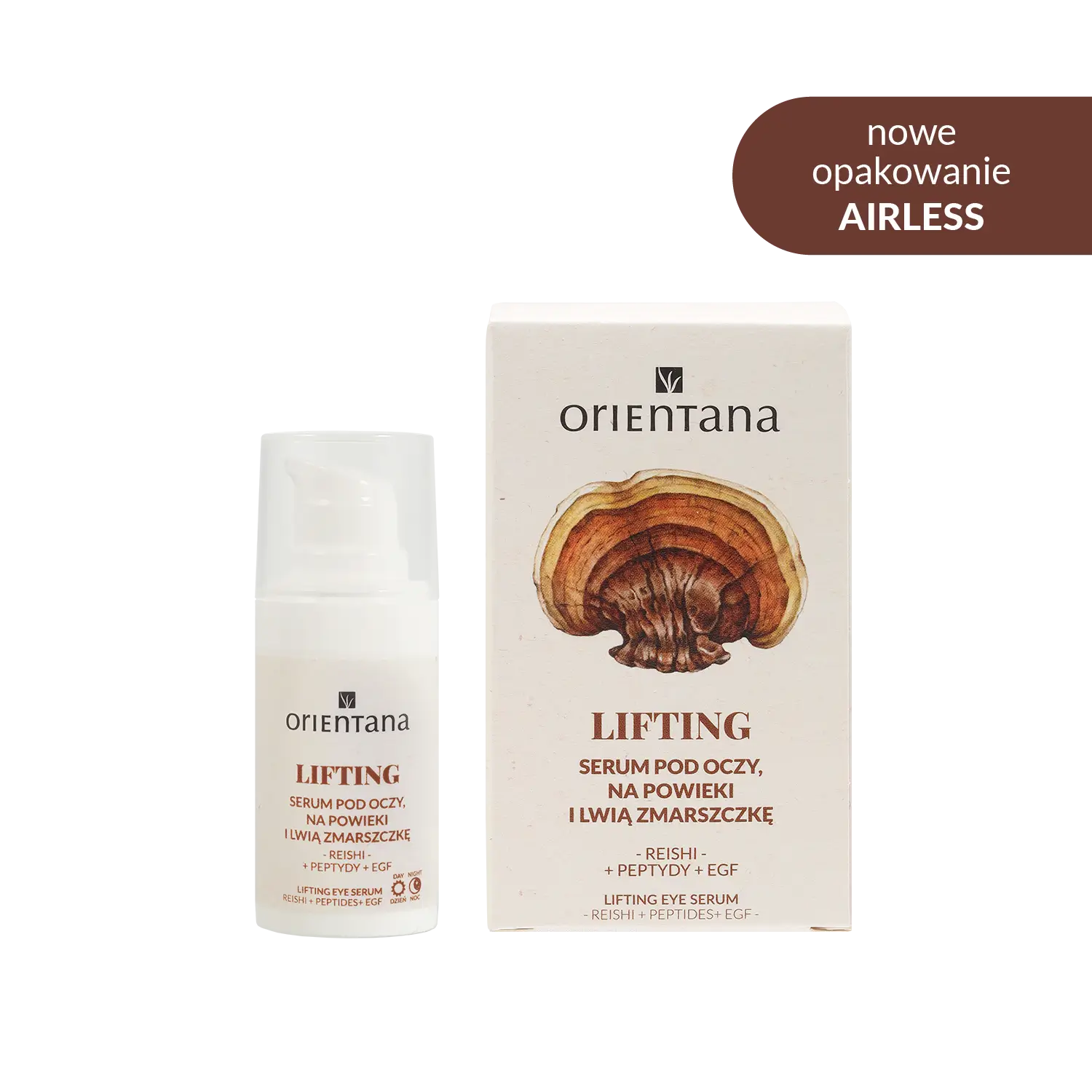
Drooping eyelids are a problem that can affect both mature and younger individuals. It's not always age-related. Often, it's the result of fatigue, loss of skin elasticity, or genetic predisposition. While seemingly a matter of aesthetics, in practice, it affects facial expression and sometimes even visual comfort. Fortunately, modern cosmetology offers effective solutions that don't require surgical intervention. One of these is EGF (Epidermal Growth Factor) peptides – biotechnological ingredients with proven regenerative and lifting properties. They are found in products such as the Orientana Eye and Eyelid Serum, which acts as a natural lifting agent in daily skincare. Contents Drooping eyelid - what is it and why does it appear? How a drooping eyelid affects the appearance and comfort of vision EGF peptides - what are they and why are they a breakthrough in cosmetology? How do EGF peptides work on the skin of the eyelids? Orientana eye and eyelid serum - a natural alternative to treatments How to properly use serum for drooping eyelids Daily eye area care to prevent drooping eyelids Aesthetic medicine and drooping eyelids - available solutions Eyelid lifting exercises and massage - care support The most common mistakes in eye care Frequently asked questions about drooping eyelids and EGF Summary - is it possible to correct a drooping eyelid without a scalpel? What is a drooping eyelid and why does it appear? A drooping eyelid is a condition in which excess skin on the upper eyelid shifts slightly downward, obscuring part of the eye. This may be due to: lost skin elasticity - loss of collagen, elastin and hyaluronic acid, weakness of the orbicularis oculi muscle, genetic predisposition, lack of sleep and chronic fatigue, oxidative stress and exposure to UV radiation. As a result, the eyes become heavier and the skin around the eyes loses firmness. However, this process can be slowed and even partially reversed by using ingredients that stimulate skin cell renewal, such as EGF peptides . How do EGF peptides work on drooping eyelids? EGF (Epidermal Growth Factor) is a protein found naturally in the human body and responsible for skin cell regeneration. Its levels decline with age, slowing down repair processes. In cosmetology, biotechnologically obtained EGF peptides are used, which: stimulate fibroblasts to produce collagen and elastin, thicken the skin structure, increasing its tension, accelerate cell regeneration, reduce micro-wrinkles and improve elasticity, brighten and smooth the skin around the eyes. Thanks to these properties, EGF is one of the most effective ingredients used in cosmetics lifting the eye area and eyelids. Learn more about how peptides work . Orientana eye and eyelid serum, a natural alternative to treatments Orientana's offerings include an eye and eyelid serum that combines modern biotechnology with nature. Its formula is enriched with EGF peptides, which actively stimulate cell renewal and increase skin firmness, providing a natural lifting effect. Why is it worth using Orientana serum: contains biotechnological EGF peptides with regenerative properties, improves the skin tension of the upper eyelid, acting as a natural lifting, reduces puffiness and dark circles under the eyes, smoothes fine wrinkles and facial lines, has a light consistency, making it suitable for use under makeup, is 100% vegan and based on ingredients of natural origin. This serum can be used both morning and evening, gently tapping into the eyelids and under the eyes. Regular use of the serum creates a radiant, rested look and visibly improves skin firmness. How to care for the eye area to prevent drooping eyelids Use cosmetics with EGF peptides - they actively support skin regeneration. Perform a gentle lifting massage - it improves microcirculation and tension. Avoid heavy creams - they can burden the delicate skin of the eyelids. Make sure you get enough sleep and hydrate - dehydrated skin loses its firmness. Protect the eye area from the sun - UV accelerates collagen loss. It is worth remembering that care is a process - regularity and selection of appropriate ingredients, such as EGF peptides, brings noticeable results even after a few weeks. Other eye cosmetics. Aesthetic medicine and drooping eyelids - effective treatments While biotechnology cosmetics like Orientana serum can significantly improve skin firmness, in some cases it's worth considering aesthetic medicine. Here are the most commonly used methods: Radiofrequency microneedling (RF microneedling) It combines microneedling with radiofrequency energy, which leads to collagen stimulation and improved skin firmness. The result: eyelid lift and smoothing of the skin around the eyes. HIFU (High Intensity Focused Ultrasound) This treatment uses ultrasound to shrink and thicken collagen fibers. It has a lifting effect without damaging the epidermis. Plasma (blepharoplasty without a scalpel) A precise plasma pulse shrinks excess eyelid skin, improving its firmness. The effect lasts for several years. Tissue stimulators and mesotherapy with EGF Treatments that directly inject growth factors, such as EGF or FGF, into the skin. They strengthen the skin's structure and improve its firmness. Surgical blepharoplasty For advanced ptosis – removes excess skin and fat, restoring the natural shape of the eye. It is worth emphasizing that regular use of cosmetics with EGF helps maintain the effects of treatments and extend their durability. Eyelid lifting exercises and massage Home care can be effective if you combine it with simple exercises: Raise your eyebrows upwards and hold for a few seconds, repeat 10 times a day. Make gentle circular movements with your fingers around your eyes, pointing them upwards. Use the “pat pat” technique – gently tapping the skin after applying the serum stimulates microcirculation. These simple rituals, combined with the daily use of Orientana Eye and Eyelid Serum, help restore freshness and elasticity to your eyes. The most common mistakes in eye care Rubbing your eyes when removing makeup. Using heavy, greasy creams on the upper eyelid. No sun protection. Irregular use of cosmetics – the skin around the eyes requires systematic use. Frequently asked questions Can EGF peptide serum be used on the upper eyelid? Yes, Orientana Eye and Eyelid Serum has a lightweight formula suitable for application to the upper eyelid. And that's exactly what it was created for. How often should I use EGF serum? Preferably twice a day - morning and evening, after cleansing the skin. Is EGF safe for sensitive skin? Yes. EGF peptides in Orientana cosmetics are biocompatible and gentle on the skin. Can serum replace a lifting treatment? It will not replace surgery, but with regular use it can significantly improve skin tone and firmness. Can EGF be combined with retinol or acids? Yes, but it is best to use them alternately - EGF for the day, retinol for the night. How long does it take to see the effects of EGF? The first effects of improved skin firmness and smoothness are noticeable after approximately 3–4 weeks of regular use. Is a drooping eyelid just an aesthetic problem? Not always. In advanced cases, excess skin can restrict vision and cause a feeling of heaviness in the eyes, headaches, or visual fatigue. Can drooping eyelids occur in young people? Yes. In younger people, it often results from genetic predisposition, weakened orbicularis oculi, stress, lack of sleep, or intense screen work. Can cosmetics really lift a drooping eyelid? Cosmetics will not replace surgery in extreme cases, but biotechnological ingredients - such as EGF peptides - can significantly improve the firmness, elasticity and quality of the skin, giving the effect of an optical eyelid lift. How do EGF peptides differ from classic cosmetic peptides? EGFs are growth factors that not only support the skin barrier but also actually stimulate cell division, regeneration, and collagen synthesis. They work more deeply and comprehensively. Does EGF work on the upper eyelid? Yes. The skin on the upper eyelid responds very well to EGF because it is thin and susceptible to regeneration. A lightweight serum formula, free of heavy ingredients, is crucial. Can Orientana Eye and Eyelid Serum be applied directly to the eyelid? Yes. The product is also designed for use on the upper eyelid – gently applying a thin layer, preferably using a dabbing technique. How quickly can you notice the effects of using EGF? The first results of improved firmness, smoothing, and "eye-opening" are usually visible after about 3–4 weeks of regular use. More complete results appear after 6–8 weeks. Is EGF safe for sensitive and irritation-prone skin? Yes. Biotechnological EGF peptides are biocompatible with the skin and very well tolerated, even by people with sensitive eye areas. Can EGF be used if you are prone to swelling and bags under the eyes? Yes. EGF supports regeneration and improves skin texture, and the lightweight serum doesn't weigh down eyelids, which is crucial for those prone to puffiness. Can EGF peptides be combined with retinol? Yes, but it's best to use them alternately. EGF works great in the morning or on regenerative days, while retinol works best in the evening – at a different stage of your skincare routine. Can EGF be combined with acids? Yes. EGF works great after acids as a regenerating ingredient that supports epidermal regeneration. Is EGF serum suitable under makeup? Yes. The serum's light, fast-absorbing formula doesn't clump and works well with concealer and eye makeup. Does eyelid massage really work? Yes, as long as it's gentle and regular. Massage improves microcirculation, supports lymphatic drainage, and enhances the effects of the serum. What ingredients should you avoid if you have a drooping eyelid? Heavy oils, large amounts of silicones and greasy creams applied to the upper eyelid – these can intensify the feeling of heaviness and promote sagging skin. Does a drooping eyelid always get worse with age? It doesn't have to. Proper care, sun protection, skin regeneration, and active ingredients like EGF can significantly slow down this process. Can cosmetics with EGF prolong the effects of aesthetic treatments? Yes. Regular use of EGF serum helps maintain the effects of RF, HIFU, or mesotherapy and supports skin regeneration after treatments. Remember Drooping eyelids don't have to mean reaching for a scalpel. Thanks to modern biotechnological solutions, such as EGF peptides, you can effectively stimulate skin renewal, restoring its firmness and elasticity. Orientana eye and eyelid serum is an example of how science and nature can work together - light, effective, based on EGF peptides, perfect for a daily care ritual. Achieve a fresh, well-rested look every day. Reach for the Orientana Eye and Eyelid Serum with EGF peptides, which regenerate, lift, and brighten the delicate skin around the eyes. Retinol under the eyes - is it safe? A cosmetologist explains and suggests a better alternative.
Learn more
Post-inflammatory hyperpigmentation - what are they, why do they appear and how to effectively reduce them?
Post-inflammatory hyperpigmentation is one of the most common and frustrating skin problems. It often appears after acne, irritations, cosmetic procedures, and even minor inflammations that have seemingly disappeared. Although not a skin condition, they can persist for months or even years, affecting mental well-being and self-esteem. Importantly, post-inflammatory hyperpigmentation is not an aesthetic defect in the traditional sense. It's the result of the skin's biological response to inflammation —a trace of repair processes that didn't always proceed perfectly. Therefore, effective reduction of post-inflammatory hyperpigmentation requires not only "brightening" but, above all, understanding the mechanisms behind its formation and appropriate, long-term care. In this article we explain: what exactly are post-inflammatory hyperpigmentation (PIH), why they arise and why it is so difficult to get rid of them, how to care for skin with PIH in an effective but safe way, what active ingredients really make sense, and what role regeneration, the skin barrier and adaptogens play. What are post-inflammatory hyperpigmentation? Post-inflammatory hyperpigmentation ( PIH) is a skin pigmentation disorder that appears at the site of previous inflammation. It can range in color from pink and red to brown and even gray-brown, depending on the depth of the lesion and the skin type. The most important thing is this: post-inflammatory hyperpigmentation is not scarring . The skin in this area is smooth, without any defects or lumps, but it contains an excessive amount of melanin or its distribution is disturbed. Post-inflammatory hyperpigmentation and other types of hyperpigmentation In practice, PIH is often confused with other pigmentary changes: melasma (hormonal disorder), sun discoloration , or permanent age spots. The difference is the cause: with PIH, the starting point is always inflammation – acne, allergic, mechanical or chemical. How post-inflammatory hyperpigmentation occurs - biological mechanism To effectively reduce post-inflammatory hyperpigmentation, you need to understand that it is the result of melanocyte overactivity , not just "pigment accumulation." Inflammation and melanogenesis During inflammation, inflammatory mediators are released in the skin, such as: interleukins (IL-1, IL-6), prostaglandins, tumor necrosis factor (TNF-α). These substances stimulate melanocytes to increase melanin production . Furthermore, melanin can be transported not only to the epidermis but also to the dermis, significantly prolonging its elimination time. Why do post-inflammatory hyperpigmentation often appear after acne? Inflammatory acne is one of the most common triggers of PIH. This is because: inflammatory changes are deep, they are often accompanied by micro-injuries (squeezing, scratching), the hydrolipid barrier is weakened. The longer the inflammation lasts and the more severe it is, the greater the risk of post-inflammatory discoloration. Skin phototype and the risk of PIH People with higher skin phototypes (Fitzpatrick III–VI) are particularly susceptible to PIH. Their melanocytes respond more strongly to inflammatory stimuli, producing more melanin even with minor irritation. The most common causes of post-inflammatory hyperpigmentation Post-inflammatory hyperpigmentation may appear as a result of: inflammatory and hormonal acne, cosmetic treatments (peelings, laser), allergic reactions and irritations, damage to the hydrolipid barrier, improper photoprotection, aggressive active care. It is worth emphasizing that even cosmetics with healing potential , if used at the wrong time, may contribute to the development of PIH. Why do post-inflammatory discolorations take so long to disappear? One of the biggest myths is the belief that post-inflammatory hyperpigmentation will "go away on its own" quickly. In reality, this process can be lengthy because: the epidermis renewal cycle lasts approximately 28 days, melanin deposited in the dermis is removed very slowly, a weakened skin barrier promotes recurrence of inflammation. Any further irritation may reactivate the melanocytes , making the problem worse. Post-inflammatory discoloration and the hydrolipid barrier The condition of the hydrolipid barrier is crucial in the treatment of PIH. Skin with a damaged barrier: is more reactive, becomes inflamed more quickly, reacts more intensely with pigmentation. That's why regeneration and relief are more important than aggressive lightening . In this context, ingredients that support skin regeneration play a huge role, such as: mucin, purnanava, hyaluronic acid, mild acids with moisturizing and antioxidant properties. A good example of this approach is a cream or essence with snail slime , which: support the regeneration of the epidermis, improve flexibility, creates optimal conditions for gradual evenness of skin tone. How to care for skin with post-inflammatory hyperpigmentation - a step-by-step approach Stage 1 - relief and regeneration The first step should always be to calm the inflammation. Skin can't "clear up" if it's constantly fighting irritation. Cosmetics are key at this stage: regenerating, moisturizing, supporting the barrier. Products containing mucin have a multifaceted effect: they soothe, accelerate regeneration and improve skin quality, which indirectly reduces post-inflammatory discoloration. Stage 2 - antioxidant and regulation of melanogenesis Once the skin is calm, ingredients that regulate melanin production can be introduced. Antioxidation is crucial here, as oxidative stress exacerbates PIH. In this context, the following combinations work great: vitamin C (brightening, protection against free radicals), ashwagandha (adaptogen that reduces the effects of stress on the skin). The serum-ampoule with ashwagandha and vitamin C works not only on the pigmentation level, but also: supports inflamed skin, improves cellular immunity, works more gently than classic depigmentation treatments. Stage 3 - Protection and Consistency Without daily sun protection, even the best-planned skincare routine will be ineffective. UV radiation: enhances melanogenesis, fixes existing discolorations, may cause the formation of new PIH. What ingredients should be avoided for post-inflammatory hyperpigmentation? Paradoxically, one of the most common mistakes is overstimulating the skin . With PIH, it's worth paying attention to: excess exfoliating acids, poorly selected retinoids, denatured alcohol, intensive mechanical peelings. Skin with post-inflammatory discoloration needs a long-term strategy, not quick, aggressive solutions. Facts and myths about post-inflammatory hyperpigmentation Myth: post-inflammatory discoloration will disappear on its own. Fact: Without proper care, they can last for years. Myth: the stronger the cosmetic, the faster it will work. Fact: Overstimulation often worsens PIH. Myth: Only dermatological treatments are effective. Fact: well-planned home care can bring very good results. How long does it take to reduce post-inflammatory discoloration? The time it takes to reduce PIH depends on: depth of change, skin phototype, consequences of care, UV protection. Most often, these are months, not weeks . And patience is one of the most important "active ingredients." Post-inflammatory hyperpigmentation - a holistic approach The skin responds to stress, sleep deprivation, and an overloaded stress-cortisol axis. Therefore, adaptogens like ashwagandha play an increasingly important role in PIH care, supporting the skin not only topically but also systemically. Summary Post-inflammatory hyperpigmentation is a sign of inflammation, not a skin defect. Reducing it requires: regeneration, reconstruction of the barrier, gentle regulation of melanogenesis, sun protection, and consequences. Care based on ingredients such as mucin, aloe, ashwagandha and vitamin C allows for effective but safe action, supporting the skin in its natural repair processes. Post-inflammatory hyperpigmentation - client questions and cosmetologist answers. What are post-inflammatory hyperpigmentation? These are pigmentation changes that occur after skin inflammation. Are post-inflammatory discolorations permanent? No, but reducing them requires time and proper care. How to distinguish post-inflammatory discoloration from scars? PIH do not change the structure of the skin – they are flat and smooth. Does vitamin C help with post-inflammatory hyperpigmentation? Yes, especially when combined with barrier regeneration and protection. Is natural care effective for PIH? Yes, if it is based on ingredients that support regeneration and antioxidants.
Learn more
Natural cosmetics for mature skin - a complete care guide
Mature skin requires special care: regeneration, hydration, antioxidant protection, and support in the fight against loss of firmness. Natural cosmetics for mature skin are among the most effective and safest solutions available today – they are rich in plant substances, adaptogens, and ingredients that support the skin's natural processes. In this article I explain: Why is it worth using natural formulas in the care of mature skin? How do ingredients like Reishi or biotechnological complexes work? How to effectively build a daily skincare routine. Contents What is mature skin? A natural approach to care - benefits and effects Reishi - the king of mushrooms in skin care Biotechnological cosmetics - science and nature in one How to choose natural cosmetics for mature skin Step-by-step skincare routine The most common mistakes in mature skin care Summary FAQ (Frequently Asked Questions) What is mature skin? Mature skin is the stage of skin in which the first and deepening signs of aging appear: loss of elasticity, wrinkles, dullness, localized dryness, and a weakened protective barrier. Genetics, sun exposure, oxidative stress, and lifestyle influence skin condition, among other factors. A natural approach to care - benefits and effects Natural cosmetics for mature skin focus on plant-based ingredients and minimize synthetic additives. Their greatest advantages include: gentleness for sensitive and reactive skin, the presence of antioxidants - they protect against free radicals, support for natural reconstruction and regeneration processes, a wealth of phytonutrients that nourish and strengthen the skin. These benefits create a solid foundation for daily care, especially when combined with innovative ingredients such as adaptogens and biotechnology complexes. Reishi - the king of mushrooms in skin care Reishi, or Ganoderma lucidum , has been known in Eastern medicine for centuries and has become one of the most valuable ingredients in natural anti-aging care. Thanks to its adaptogenic properties: strengthens the skin's natural resistance to oxidative stress, has antioxidant and anti-inflammatory properties, supports skin elasticity and firmness. Therefore, when caring for mature skin, it is worth reaching for products from this line - such as those from the Orientana Reishi collection, which combine plant extracts with ceramides and nourishing lipids. Biotechnological cosmetics - science and nature in one Biotechnology in cosmetics combines natural extracts with advanced fermentation processes and molecular techniques for extracting ingredients. As a result, skin benefits include: more stable and effective formulas, better absorption of active substances, intense anti-aging and moisturizing effect. Products from the biotechnology phytocosmetics collection are the perfect complement to natural care - especially for mature skin, which needs both natural delicacy and scientific support. How to choose natural cosmetics for mature skin When choosing the perfect products, it is worth considering the needs of the skin and its current condition: Moisturizing and protective barrier creams with plant lipids, oils rich in unsaturated fatty acids, active humectants of natural origin. The following will work well here: Sandalwood Balance Cream, Regenerating Mask Cream , Moisturizing Tonic-Essence, Moisturizing Ampoule Serum . Antioxidation and regeneration Reishi extract - neutralizes free radicals, vitamins C and E in natural formulas, polyphenols from plant extracts. This is where Reishi Boosters and Reishi Day and Night Cream will come in handy. Firming and elasticity bioferments and peptides in biotechnological cosmetics, hyaluronic acid of different molecular weights. Choose Lifting Cream , Rejuvenation Serum , HydroTremella Serum , Step-by-step skincare routine Here is an example care plan with natural cosmetics for mature skin : In the morning: Gentle cleansing with gel or foam, Tonic with soothing extracts, Serum with antioxidants and biotechnological complexes, Cream with Reishi or a rich complex of emollients, 🌜 In the evening: Makeup removal with oil or balm, Foam/gel cleansing, Regenerating serum, Nourishing cream - preferably with Reishi and moisturizing ingredients, Additional night mask or oil (2-3 times/week). The most common mistakes in mature skin care ❌ too aggressive peelings, ❌ omitting sun protection, ❌ using heavy formulas without adding moisturizing ingredients, ❌ combining many strong active substances without gradation. Summary Natural cosmetics for mature skin are an effective way to support the skin's daily needs. Combining adaptogens like Reishi with modern biotechnological cosmetics provides comprehensive benefits: from antioxidant protection and deep hydration to rebuilding and strengthening the skin barrier. Want to see which products will work best for your skincare routine? Check out our recommendations for Reishi and biotechnology phytocosmetics! Frequently asked questions Are natural cosmetics strong enough for mature skin? Yes, natural extracts often have strong antioxidant and regenerative effects, and when combined with biotechnological formulas, they work as effectively as conventional cosmetics. How often should you use Reishi products? Used daily in creams, serums, or essences, Reishi supports the skin's natural mechanisms without the risk of excessive ceramide stimulation. Can I combine natural cosmetics with other anti-aging formulas? Yes, but it is worth doing it gradually and observing your skin's reactions. Do natural cosmetics for mature skin really work? Yes, natural cosmetics for mature skin can be very effective , provided they contain carefully selected active ingredients. Modern natural formulas use adaptogens (e.g., reishi), bioferments, plant ceramides, and biotechnologically derived ingredients. This means their effects aren't limited to surface care alone, but actually support regeneration, hydration, and skin barrier restoration. What ingredients are most important in natural cosmetics for mature skin? The most important ingredients in natural cosmetics for mature skin are: antioxidants that protect the skin against oxidative stress, substances supporting the hydrolipid barrier, ingredients that regenerate and improve skin elasticity. Particularly valuable are adaptogens such as Reishi , and biotechnological ingredients that are characterized by high bioavailability and stability. Why is Reishi recommended for mature skin care? Reishi (Ganoderma lucidum) is an adaptogen that: helps the skin cope better with environmental stress, has a strong antioxidant effect, supports regenerative and anti-aging processes. In natural cosmetics for mature skin, Reishi improves skin comfort, strengthens its immunity and supports natural repair mechanisms, which is crucial as we age. Are natural cosmetics for mature skin suitable for sensitive skin? Yes, natural cosmetics for mature skin are often a very good choice for sensitive skin because they are based on gentle plant ingredients and limit the amount of irritating substances. Adaptogens and biotechnological extracts help the skin better respond to external factors instead of overstimulating it. What is the difference between natural and biotechnological cosmetics? Natural cosmetics are based on ingredients of plant and mineral origin, while biotechnological cosmetics use natural raw materials processed in controlled laboratory processes, e.g. fermentation. When it comes to mature skin care, the best results are achieved by combining nature and biotechnology , as it ensures both gentleness and high effectiveness. Are biotechnology cosmetics still considered natural? Yes, many biotechnological cosmetics meet the definition of natural cosmetics, as their ingredients are derived from plant-based raw materials, and biotechnological processes only enhance their purity, stability, and effectiveness. This is a huge advantage for mature skin, as the skin absorbs such substances more easily. From what age should you start using natural cosmetics for mature skin? Natural cosmetics for mature skin should be introduced not based on chronological age, but rather on the skin's needs . For many people, the first signs of aging appear after the age of 30-35. At that time, it's worth reaching for formulas that support regeneration, hydration, and antioxidant protection. Can natural cosmetics for mature skin smooth wrinkles? Natural cosmetics don't act like aesthetic medicine treatments, but regular use can visibly improve the appearance of skin : increasing elasticity, smoothing fine lines, and improving firmness. This happens by improving hydration, rebuilding the skin barrier, and reducing oxidative stress. How to combine natural cosmetics for mature skin with anti-aging care? Natural cosmetics for mature skin work very well as a base for anti-aging care . They can be used both on their own and in combination with other forms of care, provided that moderation is observed and new products are introduced gradually. Are natural cosmetics for mature skin suitable for day and night use? Yes. Antioxidant protection and hydration are key in daytime skincare, while regeneration and restoration are key in nighttime skincare. Reishi and biotechnology cosmetics are ideal for achieving both goals. How long do you need to use natural cosmetics for mature skin to see results? The first effects, such as improved skin hydration and comfort, may be noticeable after just a few days. Visible improvements in skin firmness and elasticity typically take 4-8 weeks of regular use , as these biological processes take time. Are natural cosmetics for mature skin suitable for menopause? Yes, during menopause, skin is especially in need of hydrolipid barrier support and protection from oxidative stress. Natural cosmetics for mature skin, especially those with adaptogens and biotechnological ingredients, help the skin better adapt to hormonal changes. Is it worth using one line of natural cosmetics for mature skin? Using one consistent line simplifies skincare and reduces the risk of irritation, but it's not mandatory. The key is to ensure that the products are tailored to your skin's current needs and complement each other. Are natural cosmetics for mature skin suitable for every season? Yes, but it's worth modifying your routine depending on the season. In winter, mature skin needs richer protective formulas, while in summer, lighter textures and stronger antioxidant and sun protection are needed.
Learn more
Korean Facial Care - Facts and Myths
Korean face care has become very popular. What is it really like in Korea? Let's find out. South Korea is one of the world's largest exporters of cosmetics, and its cosmetics industry plays a key role in the country's economy. Korean face care, often referred to as K-beauty, has gained global popularity due to its innovativeness and the popularization of a multi-step, extensive action trend, as well as the deeply memorable image of impeccably beautiful Korean women. According to data from recent years, the value of Korean cosmetics exports has exceeded 8 billion dollars annually, making Korea one of the leaders in this industry. Exports of Korean cosmetics are growing at a rate of approximately 20-30% annually, with the largest recipients being China, the United States, Japan, Southeast Asian countries, and Europe. The Korean government is behind the strong development of this industry and provides it with strong financial support. Korean skincare is one of the most important interests in the country. Why is Korean skincare so popular in Poland? The success factors of Korean skincare include innovation. Korean brands offer modern formulas, e.g., cosmetics with snail mucin, activated charcoal, or fermented ingredients. Most Korean cosmetics on our domestic market declare themselves as natural cosmetics. Korean cosmetics packaging stands out with its modern and attractive design. Korean skincare promoted a comprehensive skincare ritual (e.g., 12-step), convincing consumers that more cosmetics lead to better results. What is the beauty standard in Korea? Beauty standards in South Korea are strongly shaped by history, culture, and media influence, especially K-pop, influencers, and TV dramas. Both body and face appearance are crucial in the lives of Korean women. Slimness is highly valued, and the ideal figure is slender, with a visible waist and long legs. In Korea, there is a strong emphasis on weight control, which is evident in the popularity of diets and fitness programs. The beauty ideal includes long, slender legs and small, delicate hands and feet. Fair and radiant complexion is highly valued and is considered a symbol of youth and health. Skin brightening treatments and whitening cosmetics are widely available. According to beauty standards, a Korean woman should have an oval "V-shaped" face, narrowing towards the chin. The perfect oval face of Korean women is most often the result of face contouring procedures, as well as plastic surgeries changing the jawline. Large eyes are also a symbol of beauty. Often, the effect of eye enlargement results from a double eyelid procedure (blepharoplasty). Korean makeup focuses on emphasizing the eyes, e.g., with eyeliner and false eyelashes. Korean women also strive to have small, full lips. Ideal lips are proportionate to the face, with delicately defined contours. Products that create a "gradient lips" effect, where the center of the lips is more intensely colored than the edges, are popular. The nose should be narrow, straight, and slightly upturned. Nose corrections (rhinoplasty) are one of the most common plastic surgeries. Facial symmetry is considered a key beauty feature, and the pursuit of symmetry drives the popularity of treatments such as fillers and facial corrections. Korean face care or face modification to the Korean ideal? South Korea is one of the world leaders in terms of the number of plastic surgeries performed per capita. According to data from 2015, the percentage of young women who underwent plastic surgery increased from 5% in 1994 to 31% in 2015. Korean women are among the biggest users of Botox in the world; it is estimated that 42% of the female population aged 21 to 55 have undergone the procedure. A common graduation gift is plastic surgery to enhance beauty. South Korea is often called the world capital of plastic surgery. 464,452 foreign patients are recorded as coming for aesthetic medicine treatments. This trend is constantly growing; last year saw an increase of 16.7% compared to the previous year. Among the most popular aesthetic medicine treatments in South Korea are: Blepharoplasty (double eyelid surgery): a procedure involving the creation of a fold on the upper eyelid, which gives the eyes a larger and more open appearance. Rhinoplasty (nose correction): surgery aimed at changing the shape or size of the nose. Face contouring: procedures such as zygoma reduction or jawline surgeries, aiming to achieve a slimmer, more V-shaped face profile. Liposuction: removal of excess fat tissue from various body parts. Skin whitening treatments: procedures aimed at brightening the skin tone, popular due to local beauty canons. Korean skincare consists of 12 steps Korean skincare involves 12 steps – a method of skin care that emphasizes regularity, multi-stage cleansing, and intensive hydration. Every Korean woman should have a set of 12 cosmetics at home: Oil makeup remover Water-based cleansing (gel or foam) Peeling – up to 3 times a week Toner Essence Serum / Ampoule Sheet mask Eye cream Emulsion / Lotion Moisturizing cream Sunscreen Sleeping mask Korean skincare is mainly done at home, but Korean women often reapply cosmetics during the day (at school or work). Concern for appearance is very common, so seeing someone applying cream or essence in a cafe, subway, or office surprises no one. During long flights, Korean women readily use sheet masks. Applying a mask during a plane journey, though it may seem bold, is normal in Korea and Asia. These masks hydrate the skin and protect it from dryness. Why is Korean skincare so important and what lies behind it? Focusing on an appropriate appearance is required by society. In Korea, a one-dimensional perspective of beauty is accepted. Unique, individual beauty features are not welcome; in fact, there is a silent imperative to conform to a single standard of beauty. These demands are definitely stricter for women than for men. Why do Korean women adhere to beauty standards? The Confucian cultural roots of South Korea mean that women "listen" to social norms and strictly adapt to them. This intensifies insecurity and feelings of inferiority. In South Korea, good presentation expected in certain professions or situations is not just about appropriate attire. An immaculate physical appearance is considered a sign of respect and ambition, which is almost always expected, for example, from potential job candidates. The desire for flawlessly white skin is a phenomenon related to class in Korea, where people with fair, flawless complexions are considered wealthy. Light, impeccable skin is idealized and is a way of distinguishing oneself from the poor. Both now and in the past, wealthy people did not work in exposed and sun-drenched areas, such as fields or construction sites. Tanned skin is associated with farmers and the working class. While tanning is a common practice among people in, for example, the United States or Western Europe, whitening products are an indispensable part of Korean face care. Advertisements for skincare products are always described with adjectives such as "youthful," "bright," and "illuminated." BB creams are usually offered only for lighter skin tones. Korean skincare does not allow for a slight tan. K-pop stars, who have a wide influence on South Korean society, are the face of the cosmetics industry — both explicitly, as they publicly advertise cosmetic products, and implicitly, as the link between their popularity and the features highlighted by these products is strong. Korean skincare is strongly supported by influencers. After all, someone has to buy those 12 cosmetics for daily use. It is precisely these social norms that expect women to look a certain way that have led to the enormous development of aesthetic surgery. The number of plastic surgeries performed to enhance beauty is the largest in the world and is constantly growing. In a society that remains deeply patriarchal, Korean women who do not conform to beauty standards set by men face, for example, unfavorable working conditions. One notable case from November 2018 was the dismissal of a Yogerpresso employee (a popular coffee shop chain in South Korea) on her first day of work because she was not wearing makeup. Korean cosmetics vs. Polish cosmetics Are Korean cosmetics tested on animals? In the European Union, there has been a ban on animal testing for cosmetics for 20 years, and since 2018, it is forbidden to use ingredients tested on animals. On the websites of companies distributing Korean skincare, we find information that animal testing is not allowed in Korea. However, this is not true. According to Cruelty Free International estimates, South Korea is one of the countries that conduct the most animal tests in the world, which may be due to the requirements of their largest consumer – China. The introduced ban on testing has many loopholes, and the vast majority use them. Korean skincare may involve animal suffering. Although Korean companies declare themselves as cruelty-free, they very often use ingredients tested on animals. Transparency and legal norms Polish cosmetics are subject to strict European Union regulations regarding product safety and composition, which increases consumer trust. In Poland, it is easier to verify information about products and brands that are locally available. When buying cosmetics from Korean stores shipping products to Europe, the full list of ingredients is often not provided. Korean websites mainly list active ingredients. Packaging often lacks English descriptions. Korean skincare can be dangerous, so buy from trusted sources. The claims made by Korean brands regarding ingredients are not always true. Often, for example, numbers appear on labels, suggesting a percentage content of an ingredient, e.g., snail mucin 90, creating the belief among customers that the cosmetic contains 90% snail mucin, while this is not possible and such a product on the market would cause a lot of harm. Natural cosmetics Many Korean brands declare themselves as natural and "clean beauty," but the strength and advantage of Korean cosmetics lie in synthetic ingredients, often referred to with terms derived from nature. I once became interested in an ingredient called spider silk and was convinced it was a natural, breakthrough ingredient like snail mucin. During a meeting with the technologist of the company producing this raw material, I learned that it is a 100% synthetic ingredient. The innovation of Korean skincare comes precisely from the development of synthetic ingredients that, when applied to the skin, yield visible results. Many Korean cosmetics contain naturally derived ingredients like green tea, ginseng, or bamboo, but these often supplement synthetic components. Trending packaging Although many consumers like the aesthetic of Korean cosmetics packaging, their expectations regarding biodegradability and recyclability are more important. Korean brands often declare "eco-friendly" packaging, which is unsupported by anything, and they are most often packed in ordinary plastic. Polish companies are subject to standardization regarding information about packaging and its impact on the natural environment. For example, Orientana uses either glass packaging or recycled plastic, e.g., Orientana shampoos are packed in bottles made entirely from recycled plastic. Alternatives to Korean skincare at Orientana Face cosmetics with snail mucin In June 2016, Orientana was the first Polish brand to produce a snail mucin cream. The brand's intention was to create a formulation with a high degree of naturalness. After a long period of research, an effective cream with 98.1% natural ingredients was developed. The cream and its ingredients are cruelty-free, and the mucin is obtained ethically without harm to snails. The cream is packaged in a glass jar. It quickly became an Orientana bestseller. Thanks to snail mucin, the cream has a wide spectrum of action, from acne-prone to mature skin. Following the success of the face creams, an eye cream with snail mucin was created. It is equally highly natural (98.2% natural ingredients) and very effective. It is one of the few cosmetics with such intense hydration for the skin under the eyes. Another product inspired by Korean face care was the snail mucin essence. Natural ingredients make up 98.6% of the formula. It is a water-gel essence, and the gel is made 100% from the Japanese konjac plant. The essence moisturizes the skin and prepares it to absorb active ingredients. Two-step cleansing A year after introducing snail mucin cosmetics, Orientana launched an oil and foam for two-step cleansing on the Polish market, also as a pioneer in this type of skincare. Golden Orange Oil, 99% made from natural ingredients, with a beautiful scent, perfectly removes even waterproof makeup. Kantola Foam, made from 97.3% natural ingredients, thoroughly cleanses the face and effectively removes makeup residue. Both two-step cleansing products are highly valued by Orientana customers. Frequently Asked Questions What is Korean face care?It involves several skincare steps, such as thorough cleansing, toning, essences, serums, and creams, which collectively support the skin's hydrolipidic barrier and improve its condition. How many steps are in Korean skincare?Classic Korean skincare can include 7 to 10 steps, but in practice, it is flexible – it can be simplified to 4–5 steps while maintaining its key principles. Is Korean skincare suitable for all skin types?Yes, Korean skincare can be adapted to any skin type, including dry, oily, combination, sensitive, and acne-prone. The key is to choose the right active ingredients. Is Korean skincare suitable for sensitive skin?Yes, because many Korean-inspired cosmetics contain soothing, moisturizing, and regenerating ingredients, and the formulas are usually gentle and low-irritating. Does Korean skincare help with acne?Yes, Korean skincare focuses on rebuilding the skin barrier, regulating sebum, and reducing inflammation, which is particularly important in treating acne-prone skin. What ingredients are characteristic of Korean skincare?Moisturizing and regenerating ingredients such as ferments, snail mucin, trehalose, hyaluronic acid, ceramides, plant extracts, and adaptogens are often used. Is Korean skincare based on natural ingredients?To a large extent, yes, although it is not exclusively natural skincare. It combines plant extracts with modern biotechnological ingredients, ensuring effectiveness and safety. Does Korean skincare require using many cosmetics?Not always. Although known for its multi-step nature, it can be adapted to lifestyle by choosing multifunctional products and shortening the routine without losing effectiveness. What are the effects of Korean skincare?Regularly applied Korean skincare improves skin hydration, elasticity, and tone, strengthens the protective barrier, and gives the complexion a healthy, radiant appearance. Is Korean skincare suitable for mature skin?Yes, because it focuses on hydration, regeneration, and supporting skin renewal processes, which is crucial in anti-aging care. Is Korean skincare good for winter?Yes, thanks to its emphasis on rebuilding the hydrolipidic barrier and intensive hydration, Korean skincare works perfectly during the autumn-winter season. How to start Korean skincare?It's best to start with the basics: gentle cleansing, a hydrating toner or essence, and a cream tailored to your skin's needs. Further steps can be introduced gradually. Can Korean skincare be minimalist?Yes. The modern approach to Korean skincare involves "skinimalism" – fewer steps, but well-chosen and applied regularly.
Learn more
What are trichological cosmetics? Comprehensive hair and scalp care
Modern hair and scalp care is a challenge that requires effective and well-thought-out solutions. Today, it's no longer enough to simply wash your hair with shampoo. More and more people are looking for products that not only improve appearance but also help combat various dermatological problems. This is where trichological cosmetics come in – innovative preparations that offer comprehensive care and regeneration. Trichological products are cosmeceuticals. Cosmeceuticals are a combination of cosmetics and pharmaceuticals, meaning products for scalp and hair care that have both cosmetic properties (improving appearance) and therapeutic properties (providing health benefits). They are developed in collaboration with a trichologist. The Orientana brand created trichological hair preparations with trichologist Jolanta XX, MSc. These advanced products are distinguished primarily by their high concentration of dermatological ingredients and the elimination of unnecessary substances such as silicones. Thanks to this, they not only improve hair condition but also support the fight against problems such as excessive hair loss, seborrhea, dandruff, or weakened hair structure. This combination of functionality and aesthetics brings real benefits. Most importantly, these cosmetics work at a deeper level, offering long-lasting effects and improving scalp health. If you have a problem or are concerned about premature hair loss, you will find help here. Types of trichological products Among trichological cosmetics, you will find a wide range of products that allow for precise tailoring of care to individual needs. Here are the most popular ones: Shampoos – cleanse the scalp and prepare it for further care. Conditioners – strengthen hair and improve its elasticity. Masks – intensively regenerate and moisturize hair. Peelings – remove dead skin cells and improve scalp microcirculation. Hair tonics – concentrated preparations to combat specific problems, e.g., hair loss. Serums – support daily care and enhance the effects of other products. Regular use of these preparations can bring visible and lasting results, improving both the appearance and health of hair and scalp. It is worth considering: will trichological cosmetics become an inseparable part of daily care in the future, or will they remain a solution dedicated to people with specific dermatological problems? One thing is certain – their growing popularity proves that more and more people recognize their potential in caring for hair health and beauty. What are trichological cosmetics? These cosmetics are advanced preparations that combine daily care with therapeutic properties. They are dedicated to people struggling with dermatological problems such as excessive hair loss, seborrheic dermatitis, or excessive scalp dryness. Thanks to the presence of dermatological ingredients, they effectively support the treatment of these ailments. This diversity allows for a comprehensive approach to care and therapy, tailored to the individual needs of the user. What is trichology? Trichology, the science of hair and scalp health, forms the foundation for the development of trichological cosmetics. These products were created with the effective resolution of hair and scalp problems in mind. Thanks to advanced knowledge in this field, these cosmetics: improve hair appearance, support their health at the cellular level, provide long-lasting improvement in hair and skin condition. These effects are possible thanks to precisely selected ingredients that act both on the surface and in the deeper layers of the skin. What is the difference between trichological cosmetics and traditional drugstore products? Traditional hair cosmetics focus mainly on improving hair appearance, while trichological cosmetics offer much more. While traditional hair cosmetics improve hair appearance, trichological products solve specific dermatological problems. Drugstore cosmetics mainly act on the hair surface, while trichological ones support scalp and hair health from the ground up, address hair loss, stimulate hair growth, and relieve scalp ailments. Drugstore cosmetics contain common detergents and basic ingredients, and the concentration of active ingredients is low, while trichological ones contain good compositions and, above all, ingredients used in dermatology and trichology. Trichological preparations treat cases such as seborrhea or psoriasis of the skin. Trichological products are an ideal choice for people looking for effective and long-lasting solutions in hair and scalp care. TRYCHO series - dermo-cosmetics for hair Do you know how important proper hair and scalp care is? Specialized hair and scalp preparations are experts in this field, offering precise solutions for a variety of dermatological problems. Each of them has been designed with specific needs in mind. Trichological shampoos Trichological shampoos are the basis of daily care. Their main tasks are: Thorough cleansing of the scalp and hair. Support in the fight against problems such as dandruff, excessive oiliness, or thinning hair. Combining cleansing functions with therapeutic action thanks to active ingredients. It's an ideal daily solution that combines many benefits in one product! Trichological peels Trichological peels are a key element of scalp care. Their advantages are: Removing dead skin cells and cleansing the scalp. Improving microcirculation, which increases the absorption of ingredients. Supporting scalp health, which translates into strong and shiny hair. Regular use of peels is the basis of healthy skin and beautiful hair. Trichological conditioners and masks Trichological conditioners and masks are a true SPA for your hair and skin. Their action includes: Intensive regeneration and deep hydration. Rebuilding hair structure. Restoring elasticity, shine, and health to hair. It's like an energy boost that brings life back to your hairstyle! Trichological hair serum Trichological serum is a product with a high concentration of trichological ingredients that acts precisely and effectively. Its main advantages are: Giving hair a natural shine Improving the condition of damaged hair. It is an intensive hair treatment that brings visible results. Trichological hair tonic Trichological hair tonics are liquid preparations applied directly to the scalp. Their action includes: Treating problems such as dandruff, seborrhea regenerating skin and producing new hair, Improving scalp condition and relieving skin irritation inhibiting intense hair loss Hair tonics are a simple way to achieve spectacular results. What innovations can further change the face of trichological cosmetics? The future of this field promises to be extremely exciting, full of new, groundbreaking solutions! Active ingredients in trichological cosmetics In the world of trichological cosmetics, active ingredients play a key role. They determine the effectiveness of care, helping to solve dermatological problems of the scalp. Substances such as magnesium sulfate, caffeine, ectoine, or trichological complexes and various plant extracts are carefully selected to support health and condition. Thanks to their action, trichological cosmetics not only improve hair appearance but also genuinely support the treatment of dermatological problems. Most important active ingredients Biotin: Strengthens hair structure, making it indispensable in the fight against hair weakening. Caffeine: Stimulates hair growth by improving microcirculation in the scalp, which translates into better nourishment of hair follicles. Ectoine - intensively moisturizes the scalp. Helps restore balance to irritated skin, has antioxidant properties. Lactic acid - Seals hair cuticles, helps retain moisture. Magnesium sulfate - Rich in minerals, improves circulation in the scalp, thereby strengthening hair follicles and supporting the production of new hair. Removes impurities from the skin without stripping its natural moisture. Sodium lactate - Natural humectant, component of NMF (natural moisturizing factor). Moisturizes and soothes the skin, reduces irritation. Gluconolactone - has acidifying, antioxidant, chelating, and moisturizing properties. Cinchona tree extract - Regulates the sebaceous glands, causing the scalp to become less oily, and also prevents hair thinning. Plant enzymes - Improve the condition of the scalp and hair, help cleanse the scalp. Accelerate cell renewal - gently exfoliate the skin without irritating it. Plant extracts: Such as Centella asiatica - affects scalp condition and strengthens the hair matrix. Additionally, it has smoothing and cleansing properties. Complexes - trichological preparations Fiberhance BM Solution - A small molecule ingredient designed to strengthen hair from within the fiber, penetrating deep into the cortex and creating new hydrogen and ionic bonds that support the internal keratin structure. Provides strengthening and better manageability for hair damaged by chemicals and other harsh treatments. ZORYALYS® - Gives hair a natural shine, protects against the negative effects of sun exposure, strengthens hair. Soy Miliome - A combination of prebiotics, probiotics, and postbiotics. Contains moisturizing and smoothing lactic acid resulting from fermentation. The extract also shows an effect on hair growth, stimulating hair follicle cell growth and impacting skin health. VITAMIN D3-LIKE - Has antioxidant properties, counteracts alopecia (hair loss): increases proliferation, regulates the growth cycle, stimulates hair growth, strengthens and thickens hair. Vegequat® - Cationic plant conditioner obtained from hydrolyzed wheat proteins and coconut fatty acids (concentrated solution). Has conditioning, hair volumizing, and antistatic properties. Procondition™ 22 - Regenerates damaged hair by smoothing raised cuticles on hair fibers, improves hair appearance and feel, reduces static during combing. BAICAPIL (Arginine) - increases cellular energy and activates hair follicle stem cells, protecting them from aging. Thanks to this ingredient, it visibly prevents hair loss by stimulating hair growth, increasing hair density, reducing shedding, and maintaining healthy hair. HotFlux - Stimulates microcirculation in the skin and key neurotransmitters, which can also stimulate new hair growth and production. LOTUSENSE - affects hair condition, creates a light, protective occlusive layer, reduces static electricity in hair. Dermatological problems treated with trichological preparations Nowadays, more and more people are paying attention to the health of their hair and scalp. Dermatological problems such as dandruff, hair loss, seborrheic dermatitis, or scalp irritation. Fortunately, modern hair dermo-cosmetics offer effective solutions that help deal with these ailments. Hair loss: Causes and effective solutions One of the most common dermatological problems is hair loss, which affects both women and men. The causes of this phenomenon are diverse and include genetic factors, stress, and vitamin and mineral deficiencies in the diet. Cosmetics against hair loss, enriched with ingredients that strengthen hair follicles, when used regularly, help prevent hair thinning, leading to a reduction in hair loss and the production of new hair, bringing relief and satisfaction. What helps fight dandruff? Dandruff, characterized by excessive flaking of the epidermis, can result from various causes, such as fungal infections, allergic reactions, and most often dry skin. Trichological preparations containing ingredients such as probiotics restore the microbiological balance of the scalp, reducing symptoms and preventing their recurrence. Important here are dry skin care, repair of scalp disorders, and scalp hydration. Thanks to this, the skin is healthier, scalp itching subsides, and often also scalp inflammation. Seborrheic dermatitis - dermo-cosmetics for hair Seborrheic dermatitis is a chronic condition characterized by excessive sebum production, redness, and inflammation. It requires precise care adapted to the needs of the skin. Specially formulated cosmetics help regulate sebum secretion, soothe irritations, and support scalp regeneration. Trichological cosmetic care Care with trichological cosmetics is not just a temporary trend, but an essential element of daily self-care. These innovative products, designed with individual needs in mind, offer much more than just improving hair appearance. Thanks to them, we can effectively take care of the scalp's condition, which directly translates into the health and beauty of our hair. Trichological shampoos Trichological shampoo is not only for keeping the scalp clean; it can also influence the production of new hair. Washing hair with shampoo for hair loss can support the action of products designed to thicken it. Ailments related to a dry scalp, causing discomfort and dandruff, can be combated by washing your hair with a moisturizing shampoo. Remember! It's often not enough to just wash your hair with shampoo. You need to wash it with a trichological shampoo. The importance of regular scalp exfoliation Regular scalp exfoliation is the foundation of effective care. Here's why you should incorporate it into your routine: Deep cleansing: Peeling removes dead skin cells and accumulated impurities, allowing the skin to breathe. Stimulation of microcirculation: Massage during peeling improves blood circulation in the skin, which supports healthy hair growth. How to maintain scalp balance? Scalp balance is the key to strong and healthy hair. To maintain it, it's worth following a few rules: Use appropriately selected cosmetics. Choose products tailored to your skin's needs. Regularly exfoliate: This helps prevent problems such as excessive oiliness or dry skin. Avoid harsh cleansing agents, such as shampoos with Sodium Laureth Sulfate or Cocamidopropyl Betaine. They can disrupt the natural balance of the skin. Start washing your hair with a moisturizing shampoo. Eat a healthy diet: Proper nutrition supports the condition of the skin and hair from within. Such a care routine helps prevent problems, and hair becomes more resistant to daily challenges, gaining a healthy appearance and shine. How to choose the right products for individual needs? Choosing the right hair and scalp care products is key to success. Each of us has different needs that require an individual approach. Therefore, it is crucial to select trichological products and dietary supplements that best address specific problems and expectations. The basis of effective care is understanding which ingredients and products will be most effective in a given case. Here are some examples: Excessive hair loss: products designed to treat excessive hair loss and thinning hair. Dandruff: cosmetics with antifungal properties. Dry scalp: moisturizing and soothing products. Weakened hair structure: regenerating and strengthening preparations. This personalized approach allows for more effective problem-solving and enjoying healthy, beautiful hair. How to choose appropriate trichological cosmetics? Systematic use of trichological cosmetics is an investment in long-term hair health. Regular care allows for noticeable improvement, and better hair appearance and healthy skin bring joy every day. Preparations for hair loss and new hair production take time. Use them regularly, and after about 2 months, you will observe significant improvement. Use appropriate cosmetics to regulate sebum secretion and maintain scalp balance. Your bathroom should welcome trichological shampoos. Give up drugstore shampoos with SLS/SLES, which cause skin irritation. Forget about silicones that superficially care for hair. Opt for dermatological preparations that regenerate hair and support the internal keratin structure. Systematic use of trichological cosmetics is an investment in long-term hair health. Regular care allows for noticeable improvement, and better hair appearance and healthy skin bring joy every day. What to look for when buying? When choosing trichological cosmetics, it's worth focusing on several key aspects that can determine their effectiveness. Here are the most important issues to pay attention to: Product composition: Make sure the cosmetics contain appropriate ingredients that support hair and scalp health. Problem matching: Choose products that precisely match your needs, e.g., preparations for hair loss, preparations soothing dermatological scalp problems, strengthening hair, or regulating sebum secretion. Type of problem: If you are struggling with excessive hair loss, choose cosmetics that influence scalp microcirculation and stimulate hair growth. In the case of oily scalp or seborrhea, opt for substances that regulate sebum secretion. If you are struggling with a dry scalp or itchy scalp, choose appropriate trichological preparations and proper hair care. When to seek trichological consultations? Consultation with a trichologist can be invaluable support in choosing the right trichological cosmetics. Especially if you are struggling with more complex problems, such as androgenetic alopecia. A trichologist, as a specialist in hair and scalp health, will conduct a detailed analysis that will help precisely match products to your needs. Cooperation with a trichologist also allows for a better understanding of which ingredients will be most effective in treating specific dermatological problems. This approach gives you confidence that your care is not only effective but also fully adapted to your individual needs. Frequently asked questions about trichological cosmetics Are trichological cosmetics only for people with scalp problems?No. Although they are particularly recommended for people with dandruff, seborrhea, or hair loss, increasingly healthy individuals also reach for them to proactively care for their scalp and boost hair growth. How long does it take to see results from using trichological cosmetics?Initial effects, such as reduced itching or improved scalp comfort, may appear after 2–3 weeks. For hair loss treatments, real results are usually visible after about 6–8 weeks of regular use. Can trichological cosmetics replace dermatological treatment?Trichological cosmetics do not replace pharmacological treatment for severe conditions, but they provide very important support for dermatological therapy and are often used in parallel. Can trichological cosmetics be used daily?Yes, most trichological shampoos and preparations are intended for regular, even daily use – unless the manufacturer advises otherwise. Is a trichological shampoo enough to stop hair loss?Not always. Shampoo is the foundation, but the best results are achieved with combined care: shampoo + peel + hair tonic or serum acting directly on the scalp. Are trichological cosmetics safe for sensitive scalps?Yes, they are designed for problematic skin and are often free of irritating detergents, silicones, or alcohol. However, it is always worth checking the ingredients and choosing a product according to individual needs. Do trichological cosmetics help with androgenetic alopecia?They can support therapy by improving microcirculation, the condition of hair follicles, and the scalp, but for androgenetic alopecia, consultation with a trichologist or dermatologist is also recommended. Is scalp exfoliation really necessary?Yes. Exfoliation removes dead skin cells and excess sebum, improves the absorption of active ingredients, and stimulates microcirculation, which directly affects hair growth and condition. How often should a trichological peel be performed?Usually once a week, and for very sensitive skin – every 10–14 days, according to the manufacturer's recommendations. Can trichological cosmetics make hair greasy?No, if chosen correctly. On the contrary – they help regulate sebum secretion and restore scalp balance. Can trichological cosmetics be combined with traditional styling products?Yes, but it is worth limiting products that weigh down hair and scalp (e.g., heavy silicones) so as not to disturb the effects of trichological care. When should you consult a trichologist?When the problem of hair loss, itching, seborrhea, or dandruff persists for longer than a few weeks or worsens despite using appropriate cosmetics.
Learn more![Prezent dla Dziadka - pomysły, które naprawdę ucieszą [2026]](http://orientana.pl/cdn/shop/articles/prezent-dla-dziadka-kosmetyki-orientana_1236b498-20ac-42f5-a1cf-9dbb53180656.webp?v=1768157329&width=1100)
Gift for Grandpa - ideas that will really make him happy [2026]
Looking for a unique gift for your grandfather that's both practical and thoughtful? Choosing the right gift for an older man can be a challenge, but with the right guide, you'll find the perfect gift he'll truly appreciate. Why is it worth choosing care gifts? Many grandparents belong to a generation that hasn't embraced regular skin and hair care. Natural cosmetics can significantly improve their daily lives, especially if they struggle with dry skin, razor burn, or scalp issues. A gift of high-quality cosmetics is a subtle way to show your concern for your grandfather's health and well-being. It's also an opportunity to introduce him to the world of modern, natural-based skincare. Orientana Natural Cosmetics - The Perfect Gift for Grandpa Orientana specializes in Ayurvedic cosmetics based on natural plant ingredients. Their men's line of products was created with the needs of mature skin in mind and is the perfect gift for a grandfather who will appreciate quality and effectiveness. Soothing Aftershave Balm with Bamboo and Tulsi Why is this a good gift for grandpa? Daily shaving can be a challenge for mature, sensitive skin. Soothing Aftershave Balm with Bamboo and Tulsi soothes irritation, moisturizes, and accelerates skin regeneration after shaving. Key benefits: Instant relief after shaving Deep hydration without leaving skin oily Bamboo strengthens and firms the skin Tulsi (holy basil) has antibacterial and soothing properties Perfect for sensitive and mature skin Anti-wrinkle Bamboo Cream As men age, their skin also needs support to combat the signs of aging. This anti-wrinkle cream with bamboo is a gift that will show your grandfather that skincare isn't a matter of vanity, but of health. What makes this product stand out: Intensive hydration for 24 hours Reducing the visibility of wrinkles Increased skin elasticity and firmness Bamboo extract rich in natural silicon Light formula that absorbs quickly Bamboo Men Face Wash Gel The foundation of any skincare routine is proper cleansing. Bambus Men facial cleanser is a perfect gift for a grandparent who may not have had the opportunity to use specialized facial products before. Why is it worth it: Gently cleanses without drying Prepares the skin for further care Suitable for everyday use Contains natural soothing ingredients The perfect start to your skincare routine Ayurvedic Neem Hair Shampoo Scalp problems are common among older men. Ayurvedic neem shampoo is a great gift for a grandfather struggling with dandruff, an itchy scalp, or thinning hair. Product properties: Neem effectively fights dandruff Regulates sebum secretion Soothes scalp irritations Strengthens hair follicles Natural formula without SLS and parabens Ayurvedic Amla Hair Tonic-Lotion Hair care is complemented by a tonic-lotion with amla , a traditional Ayurvedic product that has been used in India for centuries to strengthen hair. Benefits of use: Stimulates microcirculation of the scalp Strengthens hair from the roots Prevents premature graying Amla is rich in vitamin C and antioxidants Works well for thinning hair How to Compose the Perfect Gift Set for Grandpa? Full Care Set Combine a facial cleanser, anti-wrinkle cream, and aftershave balm for a complete facial routine for grandpa. Add elegant gift packaging and a card with instructions for use. "Healthy Hair" Set Neem shampoo and amla tonic are the perfect pair for grandparents struggling with scalp issues. It's a gift especially appreciated by those who want to maintain thick hair. Complete Care Set Combine all five products in one elegant set. It's a premium gift that shows exceptional care and will serve your grandpa for many months to come. Why is Orientana a Good Choice for a Gift for Grandpa? Natural Ingredients - Our products are based on Ayurvedic formulas with natural ingredients, free from chemical additives. They're a safe choice for sensitive, mature skin. Effectiveness Proven by Tradition – Ayurveda is a 5,000-year-old tradition of natural medicine. Ingredients such as neem, amla, tulsi, and bamboo have been used in skincare for centuries. Ease of use - The products are intuitive to use, which is important for older people who may not be accustomed to complicated routines. Elegant packaging - Aesthetic bottles and tubes make the gift look presentable. When to Give Such a Gift to Grandpa? Orientana cosmetics are a universal gift suitable for any occasion: Grandparents' Day - the most obvious occasion to give a gift Birthday - a practical gift that will last for months Christmas - an elegant set for the Christmas tree Father's Day - if grandpa is also a father No occasion - because care does not need a special reason How to Wrap a Gift for Grandpa? Presentation matters. Here are some ideas: Elegant wooden box - add tissue paper and arrange products aesthetically Eco-friendly canvas bag - practical, can be used later Wicker basket - a classic that always works Add an instruction card - briefly describe how to use each product Gift for Grandpa - Summary When choosing a gift for your grandfather, it's worth choosing products that combine practicality with care for his health and comfort. Orientana natural cosmetics are an excellent choice that: Shows genuine concern for his well-being It is practical and will be used every day Brings high-quality care into grandpa's life It is based on natural, safe ingredients It can improve your quality of life and self-confidence Orientana men's cosmetics with bamboo, neem, amla, and tulsi are a gift that will not only delight your grandfather on the day of giving it to him but will last for many weeks. It's an investment in his health, comfort, and well-being, and that can't be overstated. Ready to find the perfect gift for your grandfather? Visit the Orientana store and create a set tailored to your grandfather's needs. Natural skincare is a gift that shows true care. Frequently Asked Questions Are Orientana cosmetics suitable for sensitive skin? Yes, the products are based on natural ingredients and are gentle on the skin. Formulas free of SLS, parabens, and artificial dyes make them safe for sensitive, mature skin. How long does one set of cosmetics last? With daily use, a single product lasts 2-3 months. A complete set can last for six months or longer. Can an older man handle using these products? Absolutely! Orientana products are easy to use. You can include a card with short instructions with your gift. Is this a good gift for a grandpa who has never used cosmetics? This is the perfect gift to introduce them to the world of skincare. The natural ingredients and noticeable results may pleasantly surprise them. Where to buy Orientana cosmetics? The products are available in the official online store Orientana.pl with home delivery.
Learn more
Linalool - a natural aroma with unexpected properties
Have you ever wondered what makes lavender smell so wonderful? Or why the scent of fresh basil has such a soothing effect? The answer is linalool – a chemical compound that has been present in nature, cosmetics, and everyday life for centuries. What is linalool? Linalool is a natural terpene responsible for the characteristic floral aroma of many plants. It can be found in lavender, mint, basil, spices, and even citrus peels. It gives essential oils their recognizable scent and is one of the most common components in the plant world. Chemically, it's classified as a monoterpene alcohol, but don't let the name fool you; it has nothing to do with the alcohol we drink. Its chemical formula is C₁₀H₁₈O, and at room temperature, it's a colorless liquid with a sweet, floral scent. Natural or synthetic? It's worth noting that linalool can be both natural and synthetic . Natural linalool is extracted from plants like lavender or rosemary, while synthetic linalool is produced in laboratories. Chemically, both forms are identical—they have the exact same molecular structure. In the cosmetics and perfume industries, the synthetic version is more commonly used due to its lower price and greater availability, but both forms have the same effects. Where do we find linalool in everyday life? Linalool is practically everywhere, often without us even realizing it. It occurs naturally in over 200 plant species, so we find it in: Herbs and spices: basil, coriander, oregano, thyme, mint Flowers: lavender, jasmine, roses, geranium Fruits: mangoes, peaches, grapes Trees: rosewood, citrus trees, sandalwood Industry uses linalool in many everyday products - perfumes (it is an ingredient in about 60-80% of modern fragrances), body creams and lotions, shampoos and conditioners, scented candles, and even detergents and laundry liquids. Properties that attract scientific attention Linalool has been the subject of scientific research for years, which reveals its various properties: Calming Effects – Studies indicate that lavender's scent, rich in linalool, can help reduce stress and improve sleep quality. This is why lavender oils are so popular in aromatherapy. Anti-inflammatory properties - Some studies suggest that linalool may have anti-inflammatory effects, although most of these studies are conducted on animals or in laboratory settings. Analgesic effect - preliminary studies indicate a potential analgesic effect, especially in cases of inflammation. Antimicrobial activity - linalool can inhibit the growth of some bacteria and fungi, making it an interesting ingredient in natural preservatives. However, it is worth remembering that most of these studies are in the early stages, and the effects observed in the laboratory do not always translate directly into action in the human body. Linalool in cosmetics - what is worth knowing? If you've read cosmetics labels, you've likely come across the name "linalool" on the label. According to European Union regulations, linalool is classified as a fragrance allergen and must be listed in the ingredients list if its concentration exceeds 0.001% in non-rinseable products (like creams) or 0.01% in rinse-off products (like shampoos). Important note: Linalool must be listed on the packaging even if it's not added directly to the product , but occurs naturally in the essential oils used in the cosmetic. This means that if a cream contains lavender oil, you'll see both "Lavandula Angustifolia Oil" (lavender oil) and "Linalool" listed separately at the end of the ingredients list. Why is this happening? The European Union has a list of 26 fragrances considered potential allergens, which must be clearly labeled on packaging. Linalool is one of them. This regulation aims to protect consumers with contact allergies, who may consciously avoid products containing these substances. Therefore, a cosmetic advertised as "natural" or "with essential oils" will still list linalool and other fragrance allergens present in these oils on the label. This doesn't mean the manufacturer has added synthetic ingredients—it's simply a legal requirement for ingredient transparency. It's also worth knowing that linalool in its unoxidized form is generally well-tolerated. The problem arises when this compound oxidizes upon exposure to light and air, where it can be more irritating to the skin. For people with sensitive skin or a tendency to allergies, it is worth performing a patch test before using a new product containing linalool, as with any new cosmetic. Linalool and the environment As a natural plant component, linalool is biodegradable and will normally break down in the environment. It is primarily obtained from lavender, rosemary, and other aromatic plants, making it a renewable resource. However, it's worth remembering that even natural substances can impact the environment if they enter it in high concentrations. This is especially true when unnecessary cosmetics or detergents are released directly into the environment. Is linalool safe? Linalool is recognized as a safe ingredient by major regulatory organizations, including the FDA (U.S. Food and Drug Administration) and EFSA (European Food Safety Authority). It has been present in the human diet for thousands of years through natural sources such as herbs and fruits. Like most substances, linalool can cause allergic reactions in predisposed individuals, but this is relatively rare. It is estimated to affect 1-3% of the population. By comparison, nickel allergy affects approximately 10-15% of the population. People with a confirmed allergy to linalool should avoid products containing it, just as people with nut allergies avoid nut products. For others, it is a safe ingredient that can be safely used as part of daily skincare or fragrance products. Practical applications at home If you want to utilize the properties of linalool at home, you have many options. You can use lavender or rosemary essential oils in diffusers (remembering to air out the rooms), add a few drops of lavender oil to the bath for a relaxing effect, use dried lavender flowers in your closets for a pleasant scent, and plant linalool-rich plants like lavender or basil in your garden or on your balcony. Summary Linalool is a fascinating example of how natural plant ingredients can enrich our lives. From the relaxing scent of lavender to its uses in cosmetics, this unassuming terpene plays a larger role than you might think. The fact that it's classified as an allergen and must be listed on cosmetics labels doesn't mean it's dangerous—it's simply a sign of concern for the safety of consumers with contact allergies. For the vast majority of us, it's a safe and pleasant everyday companion that connects us with nature and its aromas. Like any ingredient, it requires careful use, especially by people with sensitive skin. However, it's worth remembering that the presence of linalool on the label of a "natural" product doesn't mean it contains synthetic additives—it's simply a legal requirement to label fragrance allergens, regardless of their source. Did you know that linalool must be listed separately, even if it's derived from natural essential oils? Perhaps now, when you read cosmetics ingredients, you'll look at them from a new perspective. If you want to delve deeper into the topic and consciously develop your care routine, check out our natural cosmetics zone, where we combine cosmetology knowledge with natural formulas.
Learn more
Hypersensitive skin - how to recognize it and effectively care for it?
Hyperreactive Skin - A Definition Beyond "Sensitivity" Hyperreactive skin is an increasingly diagnosed cosmetological and dermatological problem that falls outside the classic definitions of sensitive, allergic, or atopic skin. It is a skin condition characterized by an excessive, violent, and often disproportionate reaction to stimuli that would not cause any symptoms in most people. Significantly, hyperreactive skin very often does not show visible clinical changes such as redness, rash, or flaking. Instead, subjective sensory sensations dominate, significantly reducing the comfort of life. It is precisely the lack of clear visual symptoms that leads many people for years to be unable to name their problem, to try one cosmetic after another, and to feel that "their skin tolerates nothing." Hyperreactive skin versus sensitive skin - why they are not the same thing? Although these terms are sometimes used interchangeably, hyperreactive skin and sensitive skin are not the same. Sensitive skin most often: reacts with visible redness, has a weakened hydrolipid barrier, is thin, dry, or couperose, tolerates temperature changes and irritating ingredients poorly. However, hyperreactive skin: reacts mainly at the neurosensory level, may look "normal" or even very good, shows symptoms without discernible skin changes, reacts faster and more intensely than sensitive skin. Contemporary cosmetology increasingly describes hyperreactive skin as a problem of disrupted communication between the nervous system and the skin, rather than solely a epidermal barrier defect. My recommendation for hyperreactive skin How does hyperreactive skin manifest? The symptoms of hyperreactive skin are very individual, but there is a group of ailments that recur in most people. The most common symptoms of hyperreactive skin: burning after cosmetic application, stinging skin without visible redness, sensation of heat or "burning face", itching without rash, discomfort after contact with water, reactions to wind, air conditioning, heating, intolerance to many cosmetics, even "mild" ones. It is characteristic that symptoms can appear suddenly and disappear just as quickly, which further complicates the identification of the triggering factor. Hyperreactive skin can affect any skin type One of the biggest myths is the belief that hyperreactive skin is exclusively dry or couperose skin. In reality, hyperreactivity can coexist with any skin type: hyperreactive oily skin - often reacting with burning to sebum-regulating cosmetics, hyperreactive combination skin - problematic in zonal care, hyperreactive acne-prone skin - poorly tolerating active treatments, hyperreactive mature skin - more susceptible to oxidative stress and neuroinflammation. This shows that hyperreactive skin is not a skin type, but a functional state of the skin. My recommendation for hyperreactive skin Why does hyperreactive skin react so intensely? Hypersensitivity of nerve endings Key to hyperreactive skin are the nerve endings in the epidermis and dermis. Research indicates hyperactivity of TRP receptors, especially TRPV1, responsible for sensing pain, heat, and irritation. In people with hyperreactive skin: the excitation threshold of receptors is lowered, a neutral stimulus is interpreted as a threat, the brain receives a pain signal despite no skin damage. Low-grade neuroinflammation Hyperreactive skin often operates in a state of chronic, low-grade inflammation, which does not present classic symptoms of inflammation but leads to continuous stimulation of the skin's nervous system. Neuropeptides play a crucial role in this process, such as: substance P, CGRP, neurokinin A. Stress and the skin-brain axis It is not without reason that hyperreactive skin is called "stress skin". Chronic psychological stress: increases cortisol levels, weakens the epidermal barrier, intensifies neurosensory reactions. Many people observe that hyperreactive skin symptoms worsen during periods of emotional overload, lack of sleep, or psychological tension. Hyperreactive skin and skin microbiome An increasing number of studies indicate that the skin microbiome plays a key role in regulating skin reactivity. Disruptions in microbiological balance can lead to: increased epidermal permeability, activation of the inflammatory response, increased sensitivity of nerve endings. Hyperreactive skin very often shows lower microbiome diversity, which makes it less resistant to external stimuli. How to care for hyperreactive skin? Fundamental principles Skincare minimalism One of the most important principles of hyperreactive skin care is to limit the number of products. An excess of cosmetics can lead to overloading the skin's receptors and intensifying symptoms. An effective routine should be: short, predictable, based on well-tolerated formulas. Gentle cleansing Cleansing hyperreactive skin must be: gentle, free of aggressive detergents, non-irritating to the epidermal barrier. A feeling of tightness after washing is a warning sign that the skin barrier has been compromised. My recommendation for hyperreactive skin Barrier restoration without burdening the skin Although the hydrolipid barrier can be weakened, hyperreactive skin reacts poorly to: heavy, greasy textures, excessive oils, strong occlusion. The best tolerated are light, biomimetic emollients that support the barrier without a "suffocating" sensation on the skin. Which ingredients should be avoided for hyperreactive skin? Hyperreactive skin does not tolerate everything "active." Even ingredients considered safe can trigger a reaction if they are poorly chosen or used in too high a concentration. The most common problematic ingredients are: denatured alcohol in high concentrations, intense essential oils, menthol, camphor, strong acids and retinoids (especially without an adaptation period), strongly fragranced substances. The key is an individual approach, as hyperreactive skin does not react according to a single pattern. Hyperreactive skin and active skincare - are they mutually exclusive? Many people with hyperreactive skin are wary of active ingredients. Rightly so – but this does not mean they should be completely abandoned. Skincare for hyperreactive skin should: introduce ingredients gradually, avoid combining many active ingredients at once, focus on regeneration and soothing, not intense stimulation. Ingredients with neuro-soothing and adaptogenic properties, which support the skin in coping with environmental stress, are becoming increasingly important. Lifestyle and hyperreactive skin - a dependence that cannot be ignored It is not possible to effectively care for hyperreactive skin while ignoring internal factors. The skin reflects the state of the entire organism. Negative impacts include: chronic stress, lack of sleep, a diet poor in antioxidants, excessive alcohol and stimulants. Many people notice an improvement in the condition of hyperreactive skin after: regulating their daily rhythm, introducing relaxation techniques, limiting stressful stimuli. Hyperreactive skin - a process, not a one-time "fix" The biggest mistake in caring for hyperreactive skin is expecting immediate results. Skin stabilization is a long-term process that requires consistency and patience. The goal of skincare is not to completely eliminate reactions, but to: raise the skin's tolerance threshold, reduce the frequency of discomfort episodes, improve quality of life. Questions about hyperreactive skin What is hyperreactive skin?Hyperreactive skin is a skin condition characterized by an excessive reaction to stimuli without visible dermatological changes. Is hyperreactive skin an allergy?No. Reactions of hyperreactive skin are not allergic in nature and are not associated with IgE mechanisms. Can hyperreactive skin be oily?Yes. Hyperreactivity concerns the nervous system of the skin, not the amount of sebum. How long does it take for hyperreactive skin to improve?The first effects may appear after several weeks, but skin stabilization is a long-term process. Does hyperreactive skin go away with age?For some people, it may worsen, as the skin's regenerative capacity decreases with age.
Learn more
Drooping corners of the mouth - 7 effective exercises that will restore the youthful appearance of your face
Drooping mouth corners are a problem that affects many people, especially those over 40. They make the face look tired, sad, and even older than we actually are. Fortunately, there are natural methods that can significantly improve the appearance of the mouth area without the need for invasive procedures. In this article, you'll learn the causes of drooping mouth corners and a set of effective exercises you can do at home. What are drooping corners of the mouth? Drooping mouth corners, also known as "marionette lips" or "sad lips," are a phenomenon where the outer edges of the mouth sink down toward the chin. This is a natural skin aging process that can be accelerated by various external and internal factors. This problem isn't just aesthetic—it also affects our well-being and how others perceive us. A face with drooping mouth corners automatically gives the impression of sadness, tiredness, or resignation, even if we're in a good mood. Causes of drooping corners of the mouth Understanding the causes of this phenomenon is the first step to effective action. Drooping mouth corners can be the result of several factors: Loss of skin elasticity With age, collagen and elastin production naturally declines, leading to a loss of firmness and elasticity. The skin around the lips is particularly delicate and susceptible to these changes. After the age of 25, collagen production decreases by approximately 1-1.5% per year, which over time leads to visible changes in facial appearance. Weakness of facial muscles The muscles responsible for lifting the corners of the mouth (musculus levator anguli oris) weaken and lose tone over time. Without regular training, like other muscles in the body, they lose function and elasticity. At the same time, the depressor muscles, which pull the lips down (musculus depressor anguli oris), can become excessively tense. Gravitation The constant force of gravity over the years causes the soft tissues of the face to naturally sag. This process is inevitable, but it can be significantly slowed down with proper exercise and care. Lifestyle and environmental factors Several external factors can accelerate the drooping of the corners of the mouth: • Exposure to UV radiation without proper protection accelerates skin aging. • Smoking cigarettes - nicotine reduces blood flow to the skin, and the movement of smoking deepens wrinkles around the mouth • Dehydration of the body affects the firmness and elasticity of the skin • Chronic stress causes excessive tension in facial muscles. • Inadequate diet, poor in vitamins and microelements • Insufficient sleep prevents the skin from regenerating 7 effective exercises for drooping mouth corners Facial exercises, also known as face yoga or face fitness, are a natural way to strengthen muscles and improve the appearance of the lip area. Performing the following exercises regularly can produce visible results in just a few weeks. The key to success is consistency – ideally, perform them daily for 5-10 minutes. Exercise 1: Big smile How to do: 1. Sit comfortably in front of the mirror 2. Smile broadly, showing your teeth 3. Using your index fingers, gently lift the corners of your mouth even higher 4. Hold the position for 10 seconds 5. Repeat 10 times This exercise activates the muscles responsible for lifting the corners of the mouth and helps "teach" the face to smile naturally. Exercise 2: Balloon How to do: 6. Take a breath and puff out your cheeks 7. Move air from one side of your mouth to the other 8. Do this for 30 seconds 9. Repeat 3 times This exercise strengthens all the muscles around the mouth and cheeks, improving the overall contour of the lower face. Exercise 3: Kissing the Sky How to do: 10. Sit up straight and start looking at the ceiling 11. Pucker your lips as if to kiss 12. Pull your lips up as far as possible 13. Hold the tension for 5 seconds 14. Repeat 15 times This exercise engages the orbicularis oris and neck muscles, helping to counteract gravity and lift the entire lower part of the face. Exercise 4: Mocker How to do: 15. Smile with one corner of your mouth 16. Hold your smile for 5 seconds 17. Change page 18. Repeat 10 times for each side This exercise selectively strengthens the muscles that lift the corners of the mouth, especially the weaker ones, helping to correct asymmetry. Exercise 5: Finger Resistance How to do: 19. Place your index fingers on the corners of your mouth 20. Gently press down with your fingers 21. At the same time, try to lift the corners of your mouth upwards, working against the resistance of your fingers. 22. Hold the tension for 10 seconds 23. Repeat 8 times Resistance training is one of the most effective methods of strengthening muscles. This exercise intensely engages the muscles that elevate the corners of the mouth. Exercise 6: OU How to do: 24. Say the letter "O" out loud, stretching your lips as much as possible into a circle. 25. Then move to the letter "U", extending the lips forward 26. Hold each letter for 3 seconds 27. Repeat the sequence 15 times This dynamic exercise engages all the muscles around the mouth, improving their flexibility and strength in different directions of movement. Exercise 7: Massage the corners of the mouth How to do: 28. Wash your hands and apply a nourishing cream or oil to the area around your lips. 29. Use your index fingers to make circular movements around the corners of your mouth. 30. Massage for 2 minutes 31. Finish by gently moving your fingers from the corners of your mouth up towards your temples. Massage stimulates blood circulation, promotes collagen production, and relaxes tense depressor muscles that pull the lips down. How often should you exercise? To see visible results, it's recommended to exercise daily for at least 4-6 weeks. The ideal routine is 5-10 minutes a day, preferably in the morning and evening. Remember that facial muscles, like all other muscles in the body, need regular exercise to stay strong and firm. You can notice the first results after 2-3 weeks of regular exercise: • Improving the skin tone around the mouth • Subtle lifting of the corners of the mouth • A more radiant-looking face • Overall improvement in the contour of the lower face Additional tips for better results Exercise is most effective when combined with proper care and a healthy lifestyle: Irrigation Drink at least 2 liters of water daily. Well-hydrated skin is more elastic and responds better to exercise. Additionally, use moisturizing creams with hyaluronic acid, which binds water to the skin. Sun protection Use sunscreen with at least SPF 30 every day, even in winter and on cloudy days. UV radiation is the main culprit behind premature skin aging. Proper diet Include in your diet foods rich in: • Vitamin C (peppers, citrus fruits, broccoli) – supports collagen production • Vitamin E (nuts, avocado) – protects the skin from damage • Omega-3 (fish, walnuts) – supports skin elasticity • Protein (lean meat, legumes) – the building block of collagen Sleep and regeneration Get at least 7-8 hours of sleep per night. It's during sleep that your skin regenerates most intensively. Sleep on your back to avoid "sleep wrinkles" caused by pressing your face against the pillow. Stress reduction Practice relaxation techniques like meditation, yoga, or deep breathing. Chronic stress causes excessive tension in facial muscles, which can worsen the problem of drooping mouth corners. When should you consider consulting a specialist? While exercise can bring significant improvement, in some cases it may be worthwhile to consult a dermatologist or aesthetician. Consider visiting if: • The drooping of the corners of the mouth is very advanced • You don't see any improvement after 3 months of regular exercise • The problem appeared suddenly or worsened very quickly • Would you like faster results? The specialist can suggest complementary treatments such as hyaluronic acid fillers, Botox or thread lifting, which, when combined with exercises, will provide optimal results. Summary Drooping mouth corners are a natural aging process, but we don't have to accept it without a fight. Regular facial exercises are a safe, natural, and affordable way to improve the appearance of the mouth area. The key to success is consistency and patience—the results will come if you practice consistently for at least a few weeks. Remember, exercise is just one piece of the puzzle. By combining it with proper skincare, a healthy diet, hydration, and sun protection, you can significantly slow down the aging process and enjoy a youthful, radiant appearance for years to come. Start your adventure with facial gymnastics today - your reflection in the mirror will definitely thank you for it!
Learn more