Natural cosmetics and acne are one of the most frequently sought-after combinations by people struggling with imperfections and also with sensitive, reactive, or dry skin due to intensive treatments. Natural skincare is sometimes perceived as gentler and "safer," but in practice, it requires knowledge, mindfulness, and realistic expectations.
This article is for educational and informational purposes only. It does not replace diagnosis or treatment. In the case of acne, it is always advisable to seek the care of a dermatologist , and consider cosmetics as a supportive care option.
Acne - why is it not just a "cosmetic problem"?
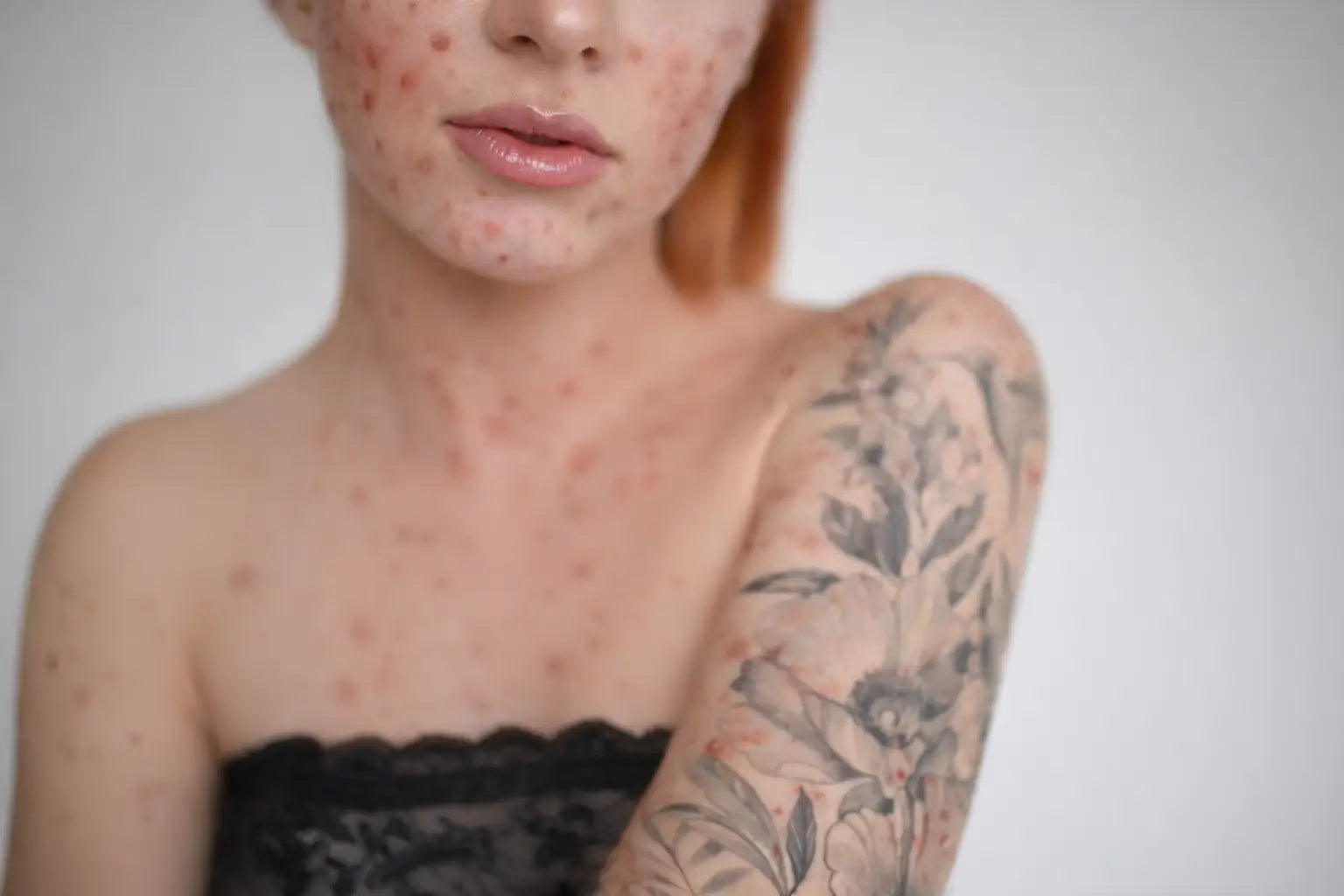
Acne is a chronic inflammatory skin disease that affects not only teenagers but also adults. It can take various forms: from blackheads and papulopustular lesions to painful inflammatory lesions and hormonal acne.
Its development is influenced by, among others:
- excessive activity of the sebaceous glands,
- disorders of keratinization of hair follicle openings,
- multiplication of Cutibacterium acnes bacteria,
- chronic inflammation,
- hormones, stress, diet and genetic predisposition.
👉 For this reason , not every acne will respond to the same care , even if it is natural.
Natural cosmetics and acne - when is it a good combination?
Well-selected natural cosmetics can be very helpful:
- for mild and moderate acne ,
- during or after dermatological treatments (retinoids, antibiotics),
- for sensitive, dehydrated skin with a damaged hydrolipid barrier ,
- when the goal is to reduce inflammation and not aggressively “dry” the skin .
Natural care is increasingly focused not on fighting the skin, but on restoring its biological balance .
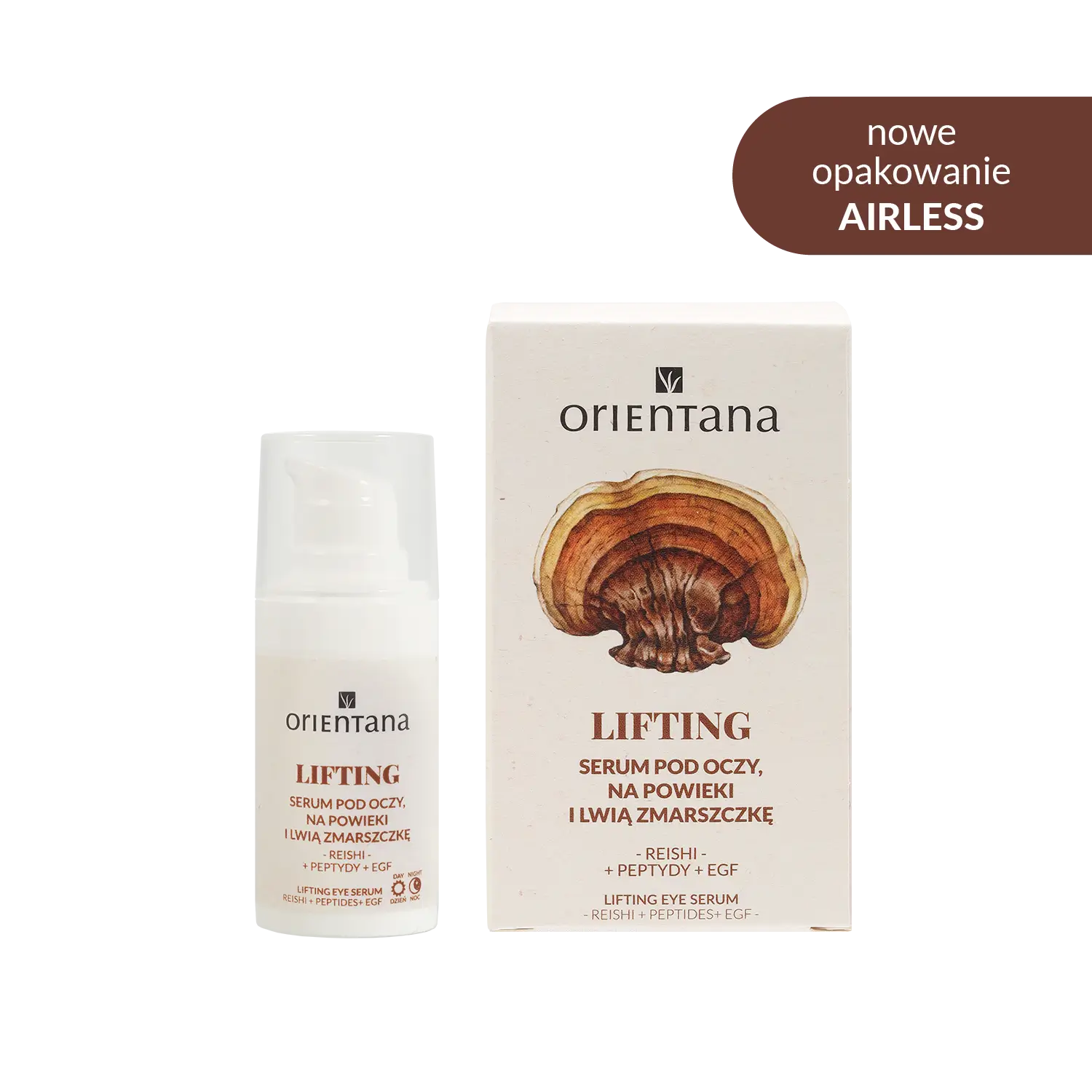
The HydroTremella Sebum Regulating Cream is perfect for acne-prone skin.

How do natural cosmetics work for acne?
Unlike strong medicinal preparations, natural cosmetics:
- support the protective functions of the skin ,
- soothe micro-inflammatory conditions,
- improve hydration and elasticity,
- help to indirectly reduce the overproduction of sebum,
- promote the reconstruction of the microbiome.
This makes them particularly valuable in the long-term care of acne-prone skin.
Key natural ingredients recommended for acne-prone skin
Anti-inflammatory and soothing ingredients
- Aloe - intensively moisturizes, soothes and supports regeneration.
- Asian pennywort (Centella asiatica) - has anti-inflammatory properties and promotes healing.
- Calendula, chamomile, licorice - reduce redness and irritation.
Ingredients that regulate sebum and microflora
- Niacinamide - supports the regulation of sebaceous glands and reduces the visibility of pores.
- Green tea - a strong antioxidant, reduces inflammation.
- Herbal extracts with antibacterial properties - used in moderate concentrations.
I recommend the Antioxidation serum-ampoule

Adaptogens in acne skin care
Adaptogens are increasingly appearing in natural cosmetics, which:
- help the skin respond to oxidative stress,
- support skin balance and immunity,
- have an indirect anti-inflammatory effect.
Natural exfoliation for acne - carefully and wisely
Exfoliation is an important element of acne skin care, but in the natural version it is worth choosing gentler solutions :
- PHA acids (e.g. gluconolactone),
- plant enzymes,
- gentle peelings without sharp particles.
Aggressive mechanical peels should be avoided as they may intensify inflammation and micro-damage.
What to avoid, even if the cosmetic is “natural”?
Not every natural ingredient is suitable for acne-prone skin. Caution should be exercised when:
- heavy oils with high comedogenic potential,
- high concentrations of essential oils,
- denatured alcohol,
- products with a very simple but poorly balanced composition.
👉 Naturalness does not exempt you from INCI analysis and observation of skin reactions.
Natural cosmetics and dermatologist - why is it important?
In case of:
- hormonal acne,
- painful and purulent lesions,
- recurrent inflammations,
- acne scars and discolorations
Consultation with a dermatologist is necessary . Natural cosmetics can:
- alleviate the effects of therapy,
- support regeneration,
- improve skin comfort,
but they will not replace drug treatment , if it is indicated.
Questions about natural cosmetics and acne
Are natural cosmetics good for acne?
Yes, but mainly as an element of supportive care, not the only form of “treatment”.
Can natural cosmetics clog pores?
Yes, it all depends on the composition and individual skin reaction.
Can oils be used for acne?
You can, but you should choose light oils and observe the skin's reaction.
Do natural cosmetics help with hormonal acne?
They can improve the condition of the skin, but they do not address the cause – this is where the help of a dermatologist is crucial.
Is it worth combining natural cosmetics with dermatological treatment?
Yes, well-chosen natural care often improves the tolerance of therapy.
Does “natural” mean safe for everyone?
No. Acne-prone skin can be very individual and reactive.
Can you use natural cosmetics every day for acne?
Yes, as long as they are well selected and do not cause irritation.
Summary
Natural cosmetics and acne are a combination that can yield very good results, provided you approach it wisely. Natural care:
- supports the skin,
- relieves inflammation,
- helps rebuild the protective barrier.
At the same time, acne remains a condition that often requires individual diagnosis and collaboration with a dermatologist . The best results are achieved by combining informed care with specialized care.
Rosacea - pathogenesis, classification, triggers and contemporary therapeutic strategies
Fungal acne - what does it look like, where does it come from and how to treat it effectively?