Inspirations

Combination skin and hydration without clogging. How does Tremella work in practice?
Combination skin is one of the most demanding skin types. On one hand, there's shine in the T-zone, and on the other, a feeling of tightness, roughness, and dry patches on the cheeks. Many people try to cope with this by reaching for stronger and stronger mattifying cosmetics. Paradoxically, this very often leads to a worsening of the skin's condition. Why? Because the root of the problem isn't "too much sebum," but rather a lack of water in the epidermis. Therefore, the key to improving the condition of combination skin is not aggressive degreasing, but hydration that doesn't burden or clog pores. And this is where formulas based on Tremella particularly excel – an ingredient that acts like a light hydrating layer and supports the skin's barrier. See cosmetics with Tremella: Why is combination skin so often dehydrated? Skin produces sebum to limit water loss. When the hydrolipid barrier is weakened, water quickly escapes from the epidermis, and the sebaceous glands receive a signal: "produce more sebum." As a result: the skin becomes shiny, pores become more visible, at the same time, a feeling of tightness and dryness appears. This is a classic skin defense mechanism that can easily be mistaken for "oily skin." Symptoms of dehydrated combination skin If you notice several of the following points, your skin probably needs hydration above all: shine in the T-zone, but tightness after washing, dry patches despite using cream, makeup emphasizes skin texture, after a few hours of skincare, the skin feels "thirsty" again, pores are more visible after aggressive gels and toners. Why does classic mattifying often worsen the situation? Strong degreasing products: remove protective lipids, weaken the skin barrier, accelerate water loss. The skin starts producing even more sebum to save itself. It's a vicious cycle. A much better solution is to provide water with a "place" where it can stay, meaning using light humectants. How was the Tremella Orientana series created? Behind the scenes of formulating hydrating products What role does Tremella play in combination skin care? Tremella in cosmetics primarily acts as a light humectant, an ingredient that binds water and keeps it in the epidermis. It creates a delicate, breathable film on the skin's surface, which: reduces transepidermal water loss, improves skin comfort, doesn't feel heavy or greasy. This makes it ideal for daily care of combination skin. Hydration vs. clogging - what's the difference? Many people equate hydration with greasy creams. Meanwhile: hydration = delivering and binding water, moisturizing = creating a protective layer with lipids. Combination skin most often needs hydration first, and only then a very light "sealing" with cream. Why is Tremella called the plant equivalent of hyaluronic acid? How to incorporate Tremella into your daily routine? Morning – for under makeup Gentle cleansing Tremella serum as a hydrating layer Light cream thinly (or only on cheeks) Effect: skin is hydrated, calm, and less shiny throughout the day. Evening – regenerating version Cleansing Serum Cream thinly If skin is very tight, you can add a second thin layer of cream only to dry areas. After acids or retinoids Very gentle cleansing Serum Barrier cream-mask For a few days, it's worth limiting other active ingredients. Serum, cream, or mask - what to choose for combination skin? Product form When best How to use Serum when you want light hydration as the first layer Cream when you feel tightness thinly or locally Mask for severe dehydration 1–2 times a week When does hydration increase sebum shine? Most often when: the cream is too heavy, you apply too thick a layer, you skip the light hydration step and immediately apply cream. Solution: less product and lighter textures. Tremella and other ingredients for combination skin Tremella works well with: niacinamide (sebum regulation), azelaic acid (imperfections), ceramides (barrier), aloe (soothing). How long to wait for results? First feeling of comfort - often immediately.Improved skin balance - usually after 2–4 weeks of regular use. Common mistakes in combination skin care washing until "squeaky clean", skipping hydration, too heavy creams, too many active ingredients at once. Who is Tremella particularly suitable for? people with combination and dehydrated skin, people who shine but feel tightness, people over 30–40 years old, people using acids or retinoids. FAQ Is Tremella suitable for combination skin?Yes, because it hydrates without being heavy. Does Tremella clog pores?Usually not. Is Tremella good under makeup?Yes. Should I choose a Tremella serum or cream?Most often serum as the first layer. Can Tremella replace hyaluronic acid?In many routines, yes. Does combination skin always mean excess sebum?No, very often it means dehydration combined with compensatory sebum production. Can skin be oily and dehydrated at the same time?Yes, this is one of the most common scenarios for combination skin. Can hydration reduce skin shine?Yes, if it improves the hydration level of the epidermis. Is Tremella suitable for blemish-prone skin?Yes, because it moisturizes without clogging pores. Does Tremella have soothing effects?Yes, it supports skin comfort and reduces feelings of irritation. Is Tremella good after acids and retinoids?Yes, it helps restore skin comfort. Can Tremella be used daily?Yes, morning and evening. Can Tremella be used in summer?Yes, it has a light texture and does not burden the skin. Is Tremella suitable in winter?Yes, especially for dry skin. Is Tremella suitable for sensitive skin?Yes, it is well tolerated. Can Tremella be used under SPF?Yes. Does Tremella have anti-aging properties?Indirectly yes, through hydration and antioxidant protection. Does Tremella help with dry patches?Yes. Can Tremella be combined with niacinamide?Yes. Can Tremella be combined with azelaic acid?Yes. Can Tremella be combined with ceramides?Yes. Can Tremella be used for acne?Yes, as part of hydration. Does Tremella clog pores?Usually not. Does Tremella improve skin elasticity?Yes, by maintaining proper hydration levels. Can Tremella replace hyaluronic acid in a routine?In many cases, yes. Is Tremella suitable under makeup?Yes, it improves skin smoothness. Does Tremella work immediately?The first feeling of comfort appears quickly. Is Tremella good for skin over 40?Yes. Is Tremella suitable for thin skin?Yes. Can Tremella reduce the feeling of skin tightness?Yes. Is Tremella suitable for men?Yes. Summary Combination skin primarily needs water and calm, not aggressive mattifying. Tremella helps restore balance, providing hydration without clogging or a heavy feeling. Check out the Tremella series
Learn more
What serum for hyperpigmentation? Ingredients and formulas that really work
Discoloration is one of the most common skin problems – it appears after summer, after acne, due to hormonal changes, inflammation, or oxidative stress. Uneven skin tone, darker spots, or post-inflammatory marks often persist for months, or even years, if the skincare regimen is not properly chosen. What discoloration serum should you choose to genuinely even out skin tone? Effective reduction of discoloration is not about “lightening the skin” but about influencing the melanogenesis process, reducing inflammation, and supporting natural epidermal renewal. This is why highly concentrated formulas with precisely selected active ingredients play a key role in the care of discolored skin. In this article, we explain: what ingredients truly work on discoloration, which formulas are best for different types of pigmentary changes, and which Orientana brand serums are worth incorporating into your skincare to even out skin tone and prevent recurrence of discoloration. what to avoid if you have discoloration What types of discoloration are most common and why is this important when choosing a serum? In practice, we mainly encounter sunspots, post-inflammatory hyperpigmentation (PIH), and hormonal discoloration (melasma), and each of these types arises from a slightly different background. For sunspots, ingredients that inhibit excessive melanin synthesis are key; for PIH, substances that soothe inflammation and support regeneration; while for melasma, multi-directional formulas work best. Therefore, the best discoloration serum is one that combines ingredients influencing melanogenesis, reducing inflammation, and accelerating natural epidermal renewal. What ingredients work on skin discoloration? Not every "brightening" serum actually affects discoloration. Efficacy depends on whether it contains ingredients that target key mechanisms of pigment spot formation, primarily melanocyte activity, inflammation, and oxidative stress. Read about the effects of vitamin C on the skin. Vitamin C (3-O-Ethyl Ascorbic Acid) This is one of the best-researched ingredients supporting the reduction of discoloration. It inhibits tyrosinase activity – the enzyme responsible for melanin synthesis – and acts as a powerful antioxidant, protecting the skin from photodamage. Orientana cosmetics use a stable form of vitamin C - 3-O-Ethyl Ascorbic Acid, which: is well tolerated even by sensitive skin, does not oxidize quickly, works long-term and evenly. You can find it in the Ashwagandha Brightening Serum-Ampoule. 👇 Tranexamic acid An ingredient particularly recommended for melasma and post-inflammatory hyperpigmentation. It limits excessive pigmentation by influencing inflammatory mediators and processes responsible for uneven skin tone. The best results are observed when brightening ingredients are combined with antioxidants and soothing ingredients, which reduces the risk of irritation and recurrence of discoloration. Additionally: has anti-inflammatory properties, reduces the risk of discoloration recurrence, works well with vitamin C. It is found in Ashwagandha Brightening Serum-Ampoule Papaya Extract (Carica Papaya Fruit Extract) Papaya contains a natural enzyme - papain, which gently supports the exfoliation of dead skin cells. Thanks to this: the skin regains an even tone faster, brightening ingredients work more effectively, the complexion becomes smoother and more radiant. You can find papaya extract in the Ashwagandha + Vitamin C + Tranexamic Acid Serum-Ampoule. Check out ashwagandha cosmetics and read how it works on the skin. Ashwagandha - important clarification Ashwagandha is not a depigmenting ingredient in the strict sense. Its action in supporting the reduction of discoloration results from: strong antioxidant effect, reduction of inflammation, strengthening the skin's protective barrier. Thanks to this, ashwagandha: reduces the risk of new discolorations forming, supports skin tone evening, is particularly beneficial for reactive skin prone to PIH (post-inflammatory hyperpigmentation). What discoloration serum should you choose? Orientana recommendations Ashwagandha Brightening Serum-Ampoule A multi-directional formula - ideal for skin with discoloration due to: oxidative stress, inflammation, hormonal changes. The combination of: vitamin C, tranexamic acid, papain ashwagandha allows for simultaneous brightening of existing spots, protecting the skin from new pigmentary changes, and strengthening its immunity. Check out all Orientana face serums How to use discoloration serum to see results? For effective skincare, regularity and sun protection are crucial. Basic rules: apply serum to cleansed, slightly damp skin, use 1-2 times daily (as per product recommendations), always protect your skin with SPF cream during the day. Without daily UV protection, even the best discoloration serum will not provide lasting results. When do the first results appear? With regular use for a minimum of 4-6 weeks, you can observe: gradual lightening of pigment spots, a more even skin tone, improved radiance and smoothness of the complexion. Why choose Orientana discoloration serum? natural, vegan formulas, combination of phyto-ingredients and modern biotechnology, ingredients with proven efficacy, cosmetics not tested on animals, safety confirmed by application tests. If you're wondering what discoloration serum to choose, opt for formulas that address the root cause, rather than masking the problem. Orientana products support the skin in regaining balance, an even tone, and a healthy glow, without aggressive action or risk of irritation. See also: our other discoloration cosmetics Discover: other products with vitamin C What to avoid if you have discoloration? One of the most common reasons for a lack of results in reducing discoloration is not so much the wrong choice of serum, but errors in daily skincare. Lack of daily sun protection (SPF)UV radiation strongly stimulates melanocytes to produce melanin. Without regular use of sunscreen, even the best-chosen discoloration serum will not be able to provide lasting improvement in skin tone. Overly aggressive or too frequent exfoliationExcessive use of acids or peels can weaken the hydrolipid barrier, intensify inflammation, and paradoxically promote the formation of new discolorations. Frequent changes of active ingredientsSkin needs time to react to specific ingredients. Constantly rotating serums and introducing many strong substances at once makes it difficult to assess effects and increases the risk of irritation. Check out other cosmetics for discoloration Questions Does discoloration serum really work? Yes, discoloration serum can effectively reduce pigment spots, provided it contains ingredients that influence melanogenesis, such as vitamin C or tranexamic acid, and is used regularly along with sun protection. What serum ingredients are best for discoloration? The best-researched ingredients are stable vitamin C, tranexamic acid, and antioxidants that reduce inflammation and oxidative stress, which indirectly support skin tone evening. Does vitamin C serum lighten discoloration? Yes, vitamin C inhibits the activity of the enzyme responsible for melanin production, thereby gradually lightening discoloration and preventing the formation of new pigmentary changes. Is tranexamic acid effective for discoloration? Yes, tranexamic acid limits excessive pigmentation, especially in the case of melasma and post-inflammatory hyperpigmentation, and reduces the risk of their recurrence. Does ashwagandha lighten discoloration? Ashwagandha does not have a direct depigmenting effect, but through its anti-inflammatory and antioxidant properties, it supports skin tone evening and prevents the formation of new discolorations. How long does it take to see results from using discoloration serum? The first effects are usually visible after 4-6 weeks of regular use, while full improvement in skin tone requires several months of systematic care. Can discoloration serum be used daily? Yes, most discoloration serums are designed for daily use, unless the manufacturer recommends otherwise and the skin tolerates the active ingredients well. Can discoloration serum be used in summer? Yes, discoloration serum can be used in summer, provided a high SPF cream is applied daily to protect the skin from the formation of new pigmentary changes. Does discoloration serum work without SPF? No, lack of sun protection significantly reduces the effectiveness of discoloration serum, as UV radiation increases melanin production and promotes the recurrence of pigment spots. Is one serum enough for all types of discoloration? No, the effectiveness of a serum depends on the type of discoloration. Sunspots, post-inflammatory hyperpigmentation, or hormonal changes may require different combinations of active ingredients and a longer period of use. Melasma - what it is and how to effectively care for skin with this type of discoloration?
Learn more
Hair Growth Lotion - How to Choose the Perfect One for Your Scalp? A Trichologist's Guide
Hair growth lotion - why is the choice crucial? As a trichologist, I often encounter situations in which someone says: "I used lotion, but it didn't work." In most cases, the problem isn't that the lotions are ineffective. The problem is that they were chosen incorrectly . Hair growth lotion isn't a one-size-fits-all product. It's a therapeutic tool that should be tailored to: type of scalp, causes of hair loss, the condition of hair follicles, the level of oiliness or dryness, the presence of inflammation or dandruff. A poorly selected lotion can: not give results, intensify hair loss, irritate the scalp, disrupt the skin microbiome. A well-chosen lotion can: stop hair loss, stimulate new hair growth, improve density, restore balance to the scalp. If you want to understand the basics of how it works, read first: what is a hair growth lotion and how does it work? How to choose a lotion for the problem? This is the moment that decides the success or failure of the treatment. Lotion for hair loss If your main problem is hair loss, you need ingredients that: stimulate microcirculation, activate hair follicles, extend the anagen phase, limit the miniaturization of bulbs. Most important ingredients: caffeine, arginine, plant complexes (e.g. Baicapil™), quinine, adaptogenic extracts. This is where trichological lotions with a stimulating effect work best. Hair loss - causes, stages, and effective care. How to stop hair loss and stimulate hair growth? Lotion for slow hair growth Sometimes hair doesn't fall out, but: they grow very slowly, they do not thicken, missing baby hair. Then you need: strong stimulation of the follicles, improvement of blood supply, activation of hair stem cells. This is a situation where formulas with caffeine, peptides and growth-activating complexes work well. What is a hair growth lotion? A comprehensive trichologist's guide. Lotion for oily scalp This is one of the most common problems. Excess sebum: blocks the openings of hair follicles, promotes inflammation, weakens the hair at the roots. The lotion should: regulate sebum, support the microbiome, anti-inflammatory, do not burden the skin. Light, trichological formulas work best here. Lotion for dry and sensitive scalp If you have: feeling of tightness, baking, itch, tendency to irritation, you need a completely different lotion. Key ingredients: panthenol, allantoin, aloe, sodium lactate, ingredients supporting the hydrolipid barrier. In this case , too strong a lotion can worsen the problem, but a good solution will be Ayurvedic Therapy scalp oil. Lotion for dandruff and scalp problems Here the most important thing is: anti-inflammatory effect, regulation of the microbiome, limiting the development of yeast. The rub should be: light, non-comedogenic, non-irritating. How to read the composition of a lotion? This is the element that distinguishes effective lotion from marketing. What to pay attention to? First ingredients in INCI – they decide on the product base The presence of active ingredients – are they high up in the squad? Type of stimulation – mild (e.g. herbs) vs intense (caffeine, complexes) The presence of alcohol – OK for oily skin, risky for sensitive skin Ingredients that support the microbiome – an increasingly important trichological trend The most common mistakes when choosing a hair conditioner These are the real reasons why lotions "don't work". 1. Choosing the "strongest lotion" Strong stimulation ≠ better effect may lead to irritation 2. Ignoring your scalp type This is the most common mistake. the lotion must be matched to the skin, not the hair 3. Relying solely on opinions What works for others may not necessarily work for you 4. Too short treatment Hair needs time (minimum 12 weeks) 5. Lack of a comprehensive approach Lotion without: diets, care, stress reduction has limited effects Which lotion will be best for you? As a trichologist I always say: there is no single best lotion – there are the best ones. If you have: oily scalp falling out lack of volume choose: Trichological hair lotion - Trycho Lychi Orientana Why: contains Baicapil™ stimulates hair follicles regulates sebum improves microcirculation Tests: +18% hair density +46% growth dynamics If you have: weakened hair seasonal hair loss need for regeneration choose: Ayurvedic Amla hair tonic-lotion Why: contains amla, bhringraj, neem strengthens the bulbs works gently and long-term supports the microbiome Herbs for hair loss - a natural ritual for a healthy scalp and strong hair Can two lotions be used at the same time? Yes, and it's a very good solution. Diagram: morning → trichological lotion (stimulation) in the evening → Ayurvedic lotion (regeneration) effect: synergy of action How to use the lotion to make it work? The best lotion won't work without good application. Rules: apply to the scalp massage for 2–3 minutes use regularly do not rinse Effects - what to expect? 2–4 weeks: less fallout 6–8 weeks: baby hair 12 weeks: greater density 4–6 months: real improvement in hair condition Lotion is not everything You will achieve the best results by combining: lotion gentle shampoo a diet rich in protein trace elements (iron, zinc) stress reduction Trichologist's Summary A hair growth lotion can be one of the most effective hair care products – but only if it is chosen correctly. The most important: ✔ match it to your scalp ✔ use for at least 3 months ✔ don't skip the massage ✔ act comprehensively If you want to really improve the condition of your hair: 👉 choose a lotion tailored to your problem 👉 use it regularly 👉 observe the effects for at least 12 weeks Check out Orientana lotions and start a conscious trichological treatment today. Check out natural hair cosmetics
Learn more
Soap nuts – a natural way to wash and care. How do they work and why are they becoming so popular?
Soap nuts have gained immense popularity over the past few years among people seeking natural, gentle, and effective laundry solutions. This phenomenon is part of a broader trend in eco-friendly home and body care—a trend that also encompasses natural cosmetics, biodegradable active ingredients, and skin and hair care based on gentle plant-based surfactants. It's safe to say that soap nuts combine two values sought by today's consumers: ecology and effectiveness. On the one hand, they allow you to avoid irritating synthetic detergents, and on the other, they actually clean. They utilize the natural mechanism of action of saponins, which in fact works similarly to modern plant-based detergents used in natural cosmetics, such as Orientana Ginger, Indian Jasmine, and Orientana Neem shampoos . In this article I will explain: what are soap nuts and where do they come from, how saponins work and whether their effectiveness has been confirmed, what are their advantages and disadvantages, how to best use them, are they suitable for allergy sufferers and children, and how this natural washing method combines with plant-based, Ayurvedic hair care. What are soap nuts? Soap nuts are the dried husks of the fruit of the Sapindus mukorossi tree, which grows primarily in India and Nepal. Despite their name, they are not edible nuts; they contain neither fat nor a kernel. They are just empty shells, but their uniqueness lies in their high content of saponins, natural cleansing substances. The tree from which soap nuts come has a long history of use in Ayurvedic medicine. For hundreds of years, they were used not only for washing fabrics but also for washing the body, hair, and cleaning dishes. In India, these shells are known as "Reetha" or "Aritha." In Europe, their popularity began to grow around 2010, when the zero-waste trend began to dominate among younger consumers, and eco-friendly home remedies became a viable alternative to drugstore detergents. In a world where more and more people suffer from allergies, rashes, and detergent irritations, or simply want to reduce the amount of chemicals in their homes, soap nuts seem like the perfect solution. But do they actually work? How do saponins work? (science, mechanism, effectiveness) The magic of soap nuts lies in their natural saponins, chemical compounds with surface-active properties. Saponins lower the surface tension of water, allowing it to better penetrate dirt and fabrics. This is precisely what surfactants do in modern cosmetics. Their mechanism of action is as follows: 1. Reducing the surface tension of water - water becomes "softer", spreads better on fabrics. 2. Breaking down fat molecules - saponins act as emulsifiers, binding to fatty dirt. 3. Creation of micelles - microscopic balls that trap dirt inside. 4. Rinsing micelles - dirt is safely removed during rinsing. This is the same mechanism used by, among others, mild plant surfactants such as: decyl glucoside, coco-glucoside, sodium cocoyl glutamate, i.e. ingredients known, for example, from Orientana natural shampoos. Scientific research on saponins confirms their properties: have cleaning properties, have antibacterial properties, have antifungal properties, may have a mild anti-inflammatory effect. This makes saponins not only a detergent but also a skin-friendly substance, especially compared to SLS and highly foaming synthetic detergents. This is why soap nuts are recommended for atopic dermatitis, allergies, and young children. Do Soap Nuts Really Clean? (An Honest Effectiveness Analysis) This is one of the most common questions. You can find both enthusiastic and skeptical opinions online, so let's take an objective look at it. YES - soap nuts do indeed wash, but their effectiveness: works best on lightly soiled fabrics, falls off on greasy stains, depends on the temperature (they work best from 40°C), is highly dependent on water hardness. In practice, their action is most similar to that of very gentle detergents. They are brilliant for: everyday clothes, children's clothes, clothes for allergy sufferers, delicate fabrics, washing bed linen and towels, washing sports clothes (without aggressive perfumes). At the same time, it must be honestly added: Those accustomed to "perfumed," strong washes may be disappointed because soap nuts are fragrance-free. They don't stain laundry with synthetic fragrances, leave no aftertaste, and don't "mask" dirt. Their action is natural and gentle. However, this is a huge advantage for people with sensitive skin, the lack of fragrances means no risk of allergies. Why are soap nuts so popular? (market and social reasons) Zero waste and minimalism are trending. One bag of nuts replaces dozens of plastic bottles. Allergies and skin problems. More and more people are reacting to detergents. Soap nuts are practically hypoallergenic. Ecological and biodegradable. After use, the shells can be thrown away… in the compost. Economical. 1 kg of nuts is enough for up to 100–150 washes. Inspired by Asian culture The growing interest in Ayurveda, natural skincare, and Asian ingredients is making people more willing to reach for traditional solutions—both in laundry and cosmetics. This is where Orientana cosmetics naturally transition to, also based on plant-based cleansing substances that respect the hydrolipid barrier. Benefits of soap nuts - why do so many people choose them? Soap nuts have a wide following, especially among those who care about their health, the environment, and home minimalism. Their benefits are both practical and ecological, and the growing zero-waste trend is causing more and more people to consciously choose natural alternatives to toxic detergents. Below you will find a complete list of benefits, each explained in detail so that the user and search engine understand the full potential of soap nuts. 100% natural composition Soap nuts are solely the dried shells of the fruit of Sapindus mukorossi. They do not contain: phosphates, SLS, SLES, bleach, optical brighteners, synthetic perfumes, preservatives, microplastics. This makes them one of the cleanest ecological detergents available on the market. Hypoallergenic - ideal for sensitive skin, atopic dermatitis and babies Soap nuts are extremely gentle on the skin because: do not contain irritating substances, they do not have fragrance compositions, do not leave a synthetic film on clothes, are completely natural and biodegradable. Therefore, they are recommended for people with: atopic dermatitis (AD), psoriasis, eczema, contact allergies, reactive skin. Parents very often choose soap nuts for washing baby clothes, reusable diapers and bedding. Biodegradability and environmental friendliness This is one of the most important arguments, especially for people following the zero waste philosophy. Soap nuts: are 100% decomposable, they do not pollute soil or water, they do not generate plastic, they do not leave toxic residues in wastewater. At a time when ocean pollution and microplastics have become a global problem, choosing soap nuts is the responsible thing to do. Economical - one package lasts for several weeks The efficiency of soap nuts is impressive - 1 kilogram is enough for about 100-150 washes. It's much cheaper than: laundry capsules, premium powders, perfumed liquids, eco-drugstore products. In practice, 4-6 half shells are used per wash, and the same set can be used several times (usually 3-4 washes). The lack of intense scent is an advantage for sensitive people Many detergents mask dirt with synthetic perfumes. Soap nuts do not. After washing: the clothes are neutral, they don't smell "chemically", are safe for allergy sufferers' skin. This is an advantage, although for some users the neutral scent may be a disadvantage - more on that below. Fabric safety Saponins act gently: do not damage the fibers, do not wash out colors, do not create a coating on clothes, they do not cause stiffness of the material. That's why they are perfect for washing: wool, flax, silk, viscose, organic cotton, sportswear. Disadvantages of soap nuts - honestly and expertly Every natural solution has its limitations. Soap nuts aren't ideal for every situation, so it's worth knowing their weaknesses. They do not cope with greasy, heavy stains Stains from: oil, makeup, butter, olive oil, chocolate, sauces most often require additional stain remover. They work best in warm water At temperatures below 30°C, saponins are released less rapidly. Therefore, the following are better for washing in cold water: Castile soap, soda, soapnut liquid (heated). The lack of scent may be a disadvantage for people accustomed to "scented laundry" Not everyone likes neutral scents. Solution: a few drops of essential oil (e.g. lavender, jasmine) into the liquid compartment. Efficiency depends on water hardness They perform less well in very hard water. Helps: vinegar, citric acid, half a teaspoon of baking soda. We will not achieve a snow-white effect on white fabrics** The absence of optical brighteners means that: shirts, linen, towels may have a more natural shade of white, not "optical white". However, this is a huge advantage for people with allergies, as optical brighteners are one of the most common allergens in detergents. How to use soap nuts? Step-by-step instructions Step 1: Measure out the appropriate amount of peels For standard washing we use: 4-6 soap nut halves, for very hard water: 6-8 halves. Step 2: Place the shells in a cotton bag The bag protects the shells from falling apart and being scattered throughout the drum. Step 3: Place the bag directly into the drum next to the clothes This is very important - soap nuts are activated by contact with water and the movement of the washing machine. Step 4: Set the temperature above 40°C At ideal temperatures (40-60°C) saponins are released best. Step 5: After washing, remove the bag and dry the shells. Nuts can be used multiple times, usually 3-4 washes. When the shells become: soft, gray, matte, this means that they have lost their properties. Step 6: Throw the used shells into the compost Natural, biodegradable waste. Soap nuts, allergies and sensitive skin This is one of the strongest points of soap nuts, they work gently, leaving no allergens on fabrics. Why are they good for allergy sufferers? They have no fragrance compositions. They do not contain alcohol, preservatives or optical brighteners. They do not damage the skin's hydrolipid barrier. Their saponins are natural surfactants. For these reasons, they are recommended: for babies, for people with atopic dermatitis, for people with psoriasis, for people with eczema, for people allergic to chemical detergents. Other uses for soap nuts - not just for washing Soap nuts are incredibly versatile. Thanks to their high saponin content, they can also be used for eco-friendly cleaning and body care. Dishwashing liquid Enough: 10 half shells, 500 ml of water, cooking 10 minutes. After cooling, you get a natural dishwashing liquid. Universal cleaning fluid The combined soapnut infusion acts as a natural detergent: for countertops, bathrooms, kitchen, mirrors, tiles. Washing floors Add 100 ml of nut liquid to a bucket of water. Effect: clean, degreased surfaces without chemicals. Washing hair and scalp (Ayurvedic tradition) In India, soap nuts have been used for hair care for hundreds of years. Their delicate properties: degrease the scalp, have antifungal properties, reduce dandruff, cleanses hair without weighing it down. Natural cleansing substances in cosmetics - how do they combine with the action of soap nuts? Soap nuts have become popular not only because they're eco-friendly. Their success also stems from the fact that they perfectly fit the modern trend of gentle, plant-based cleansing—both at home and in skin and hair care . The mechanism of action of saponins in soap nuts is very similar to that of mild plant surfactants used in natural cosmetics. Therefore, consumers who choose soap nuts for laundry often also choose cosmetics that follow the same principle: effective yet gentle, biodegradable, and based on plant extracts. Orientana shampoos and the idea of gentle cleansing - Ginger, Indian Jasmine, Neem All Orientana Ayurvedic shampoos are based on soap nuts - they cleanse without destroying the hydrolipid barrier. They contain: plant extracts, mild surfactants, Ayurvedic active ingredients, They do not contain SLS, SLES and silicones. This is why they perfectly fit the lifestyle of a person who also chooses natural detergents. Orientana GINGER Shampoo - stimulating, plant-based cleansing Orientana ginger shampoo is one of the products in which we used soap nuts, thanks to which it cleanses, but in a way that is gentle to the skin. Effects on hair and scalp reduces oiliness, reduces dandruff, refreshes the scalp, leaves hair soft, light and fragrant. Orientana INDIAN JASMINE Shampoo - smoothing and natural softness This shampoo also contains soap nuts. It cleanses gently, respects the fiber structure, and doesn't dry out the scalp. It's perfect for fine hair. Effects on hair and scalp lifts hair at the roots, softens hair reduces tangling, perfectly cleanses Orientana NEEM Shampoo - natural action against oily hair Neem is one of the most important ingredients in Ayurveda. It's called the "medicinal tree." This shampoo, based on soapnut extract, gently soothes the scalp. The shampoo refreshes the hair, acts on the oily scalp and helps keep it balanced. Effects on hair and scalp relieves dandruff, reduces oiliness, soothes inflammation, regulates the scalp. Why do people who use soap nuts often also choose natural shampoos? It's a logical, consistent choice. People who use soap nuts typically have similar needs: reduce chemical detergents in the environment, take care of the environment, protect sensitive skin, choose minimalism and clean composition, avoid allergenic fragrances. Frequently asked questions about soap nuts 1. What are soap nuts? These are the dried husks of Sapindus mukorossi fruit, which contain saponins - natural cleansing substances. 2. How do soap nuts work? Thanks to saponins, they reduce the surface tension of water, dissolve dirt and grease, create micelles and rinse away dirt. 3. Do soap nuts really wash? Yes. They work best on light to medium dirt and at temperatures above 40°C. 4. How many soap nuts should I use per wash? Standardly 4-6 halves, and in hard water 6-8. 5. How long can you use the same shells? Usually 3 to 4 washes until the husks are soft and pale. 6. Are soap nuts suitable for white laundry? Yes, but they don't optically whiten. White fabrics will be naturally white, not "paper white." 7. Can you add fragrance to laundry with soap nuts? Yes, preferably a few drops of essential oil in the liquid compartment. 8. Do soap nuts work in cold water? Unfortunately, it's weak. Saponins are released minimally in cold water. 9. Are soap nuts safe for babies? Yes, this is one of the best washing methods for newborns and allergy sufferers. 10. Do soap nuts cause allergies? Rarely, people with extremely sensitive skin should do a contact test. 11. What do soap nuts smell like? Neutral, slightly herbal. No odor after washing. 12. Can you wash wool with soap nuts? Yes, it is one of the safest detergents for delicate fibers. 13. Do soap nuts damage the washing machine? No. They are completely safe, do not foam excessively and do not create residue. 14. Are soap nuts organic? Yes, they are 100% biodegradable and do not generate chemical waste. 15. What to do if the laundry is very dirty? Add baking soda, Marseille soap or natural stain remover. 16. Do soap nuts work on greasy stains? Poor, it is better to add a cleaning booster to the fat. 17. Can I use soap nuts in the dishwasher? No - the dishwasher requires a different type of detergent. 18. Are soap nuts safe for septic tanks? Yes, they do not disturb the septic tank microbiome. 19. Can I make laundry detergent from soap nuts? Yes, just boil the peels in water and strain. 20. How to store soap nuts? In a dry place, preferably in a cotton bag or cardboard box. Soap Nuts and Natural Cleansing as a Lifestyle Soap nuts aren't just a fashion trend. They're a conscious lifestyle choice. They enable eco-friendly laundry, don't irritate skin, don't pollute the environment, and are incredibly efficient. Their secret? Saponins, natural compounds with cleansing properties. The mechanism of action of soap nuts perfectly aligns with the philosophy of modern, conscious skin and hair care. This is where Orientana comes in. Our Ginger, Indian Jasmine, and Neem shampoos are based on soap nut saponins. For someone who chooses natural detergents, switching to natural shampoos is the most logical and consistent decision. It's the same philosophy: fewer chemicals, more plant power, and greater concern for health and the environment.
Learn more
What is the difference between natural facial toner and micellar water?
Daily facial care consists of several steps, which - although they may seem similar - perform completely different functions. Among the most frequently confused cosmetics are facial toner and micellar water. Although both appear in the skin care ritual, their role, composition, and method of action are different. What is micellar water and how does it work? Micellar water is a cleansing cosmetic whose main task is to remove makeup, impurities, and excess sebum from the skin's surface. It contains micelles – microscopic particles that bind fat and dirt, effectively dissolving colored cosmetics and impurities. However, it should be remembered that micellar water must be rinsed off. It cannot remain on the skin. When to use? At the beginning of your skincare routine, as the first step of makeup removal. Effect: The skin is cleansed, but may require restoring its natural pH and additional hydration. What is a facial toner? Toner is a skincare product used after cleansing the skin to restore its natural pH, moisturize, and prepare it for subsequent skincare steps. Unlike micellar water, it does not remove makeup, but acts as a bridge between cleansing and serum or cream. Natural toner – why is it worth it? Natural toners, such as Orientana Hydrating Toner Essence or Soothing Facial Toner Japanese Rose and Pandan, are distinguished by their high content of active plant ingredients. Thanks to this: They moisturize and soothe the skin - the plant extracts contained in them support regeneration and reduce the feeling of tightness. They strengthen the hydrolipid barrier - which is crucial for the skin to be resistant to dryness and irritation. They prepare the skin for further care - increasing the absorption of active ingredients from serums and creams. Orientana Moisturizing Toner Essence - a multifunctional cosmetic Combines toner and essence functions. It is based on date extract, gently exfoliating and water-binding gluconolactone, and rice proteins supporting skin regeneration. Ideal for daily use - even for sensitive skin - it provides deep hydration, soothing, and restoration of the hydrolipid barrier. Soothing toner Japanese Rose and Pandan – soothing and freshness Japanese Rose and Pandan Toner is a proposition for those seeking gentle but effective skin support. Japanese rose extract has moisturizing and antioxidant properties, while pandan provides a feeling of freshness and soothes irritation. Feature Micellar water Toner Main function Makeup and impurity removal pH restoration, hydration and skin preparation When to use First step of skincare After cleansing, before serum/cream Key ingredients Micelles, cleansing agents Plant extracts, humectants, antioxidants Effect after use Clean skin, ready for toning Hydrated, soothed skin, ready for skincare FAQ – questions and answers from you 1. What is the difference between a toner and micellar water?Micellar water removes makeup and impurities, while toner restores the skin's pH, moisturizes, and prepares it for further care. 2. Can facial toner replace micellar water?No. Toner does not remove makeup – its task is to care for the skin after cleansing. 3. Why choose a natural facial toner?Natural toners, such as the Hydrating Toner Essence and the Soothing Rose Toner, contain active plant extracts that soothe, moisturize, and support skin regeneration. 4. When is the best time to use facial toner?After thorough skin cleansing, and before applying serum or cream, to enhance the absorption of active ingredients. 5. Is Orientana Toner Essence suitable for sensitive skin?Yes. Thanks to its delicate formula with date extract and gluconolactone, this toner is ideal even for sensitive skin. If you want to take comprehensive care of your complexion, remember: micellar water cleanses, and toner cares. Natural toners, such as Orientana Essence Toner or Orientana Japanese Rose and Pandan Toner, provide the skin with hydration, soothing, and support in regeneration – this is a step not to be missed. Choose a toner tailored to your skin's needs, and you will notice that your skin becomes more radiant, soft, and full of glow.
Learn more
What is inulin and how does it work in cosmetics?
Inulin is an ingredient that has gained enormous recognition in the world of natural skincare in recent years. Although mainly associated with dietetics as a fiber supporting intestinal flora, it is increasingly appearing in cosmetic formulations – especially those that focus on a holistic approach to skin health. Why is inulin so popular in cosmetology? It is a natural prebiotic that supports the balance of the skin microbiome, has moisturizing properties, and at the same time soothes irritation and strengthens the hydrolipid barrier. In times when we increasingly value plant-derived ingredients that are safe for the skin and the environment, inulin perfectly fits the needs of conscious consumers. In this article, we will explain what inulin is, how it affects the skin, and why it's worth looking for it in cosmetics. What is inulin? Inulin is a natural polysaccharide from the fructan group, found in many plants, especially in chicory root, Jerusalem artichoke, artichoke, garlic, and onion. In botany, it serves as a storage material, while in cosmetics and dietetics, it is primarily known as a prebiotic – a substance supporting the growth of beneficial microorganisms. From a chemical point of view, inulin is a chain of fructose molecules terminated with glucose. It is a white, water-soluble powder that easily integrates into cosmetic formulas. Significantly, inulin is not chemically synthesized – it is obtained from plant raw materials, making it an ingredient consistent with the philosophy of clean beauty and eco-skincare. In the cosmetic industry, inulin performs several important functions: supports the development of a beneficial skin microbiome while limiting the growth of pathogenic bacteria. improves consistency and formula stability, has a conditioning effect on the skin, supports the skin's protective barrier, As a result, we increasingly find it in natural cosmetics, dermocosmetics, and products for sensitive, dry, atopic, or problematic skin. Inulin as a cosmetic ingredient Inulin is increasingly appearing on the list of ingredients (INCI) of consciously formulated cosmetics, especially natural, vegan, and those intended for sensitive skin. Its presence in products is not accidental – it is a multifunctional substance that combines caring, biotechnological, and sensory effects. Skin care properties of inulin The most important asset of inulin in cosmetics is its prebiotic role – it provides nourishment for good bacteria living on the skin's surface. By strengthening the microbiome, inulin helps maintain skin balance, supports its immunity, and counteracts dysbiosis (imbalances in bacterial flora), which can lead to irritation, dryness, or acne. Inulin also acts as: a humectant – binds water molecules, improving skin hydration, a skin and hair conditioner – smoothes, softens, and improves texture, a soothing substance – reduces feelings of tightness, burning, and dryness. Thanks to this, it is ideal for skin care after treatments, in dermatological therapies, and in cosmetics for dry, hypersensitive, and dehydrated skin. Natural origin and compliance with eco-trends Inulin aligns with current cosmetic trends, such as: clean beauty – a clean, safe formulation without unnecessary additives, skin microbiome-friendly – care that supports the skin's natural flora, less-is-more – minimalist formulas with high efficacy, sustainable beauty – ingredients sourced in an environmentally responsible manner. Due to its plant origin, inulin is fully acceptable in vegan and naturally certified cosmetics. How does inulin affect the skin? Inulin is not just a functional ingredient and a plant thickener – its action has been documented in scientific studies. In skin care, it exhibits prebiotic, soothing, moisturizing, and epidermal barrier-strengthening effects, making it a particularly valuable ingredient in cosmetics for sensitive, dry, and problematic skin. Prebiotic action of inulin Inulin does not act as a probiotic (it does not contain bacteria), but as a prebiotic – it provides nutrients for beneficial bacteria residing on the skin, such as Lactobacillus or Staphylococcus epidermidis. Their proper development contributes to: reduction of irritation, inhibition of pathogen growth, improvement of skin immunity. A 2018 study published in the "International Journal of Cosmetic Science" showed that after 14 days of using an emulsion with 2% inulin: the number of Staphylococcus epidermidis increased by 63%, the skin's pH level stabilized within 5.0–5.3, and itching and burning sensations were reduced in 72% of subjects with AD (Atopic Dermatitis). Source: P. Hachem et al., IJCS, 2018 Effect on the skin microbiome The balance of the skin microbiome is one of the key factors for healthy skin. Inulin supports its homeostasis, as confirmed, among others, in a study conducted by Evonik Industries, a manufacturer of cosmetic raw materials. In a study on 20 volunteers with acne, after 28 days of using a cream with 1.5% inulin: the number of Cutibacterium acnes bacteria (responsible for acne lesions) decreased by 38%, while beneficial bacteria Staphylococcus epidermidis increased by 49%. Source: Evonik R&D Dossier (2020), Moisturizing and soothing properties Inulin also acts as a natural humectant – it binds water in the epidermis, supporting long-lasting skin hydration. In combination with other sugars (e.g., glucose, fructose), it forms a thin film on the skin, protecting against moisture loss. An application study conducted by Givaudan (formerly Soliance) on the ingredient Inutec® (high-purity inulin) showed that: after just 1 application, skin hydration levels increased by an average of 23.5% (measured with a corneometer), after 7 days of use, hydration increased by 42%, 90% of participants experienced a reduction in feelings of tightness and irritation. Source: Givaudan Active Beauty – Technical Dossier Effect of action Result Source Increase in beneficial bacteria (S. epidermidis) +63% IJCS 2018 Decrease in pathogens (C. acnes) –38% Evonik R&D Increase in skin hydration after 7 days +42% Givaudan Reduction of irritation in people with AD 72% IJCS 2018 Inulin in Orientana's face wash gel In Orientana Date + Inulin + Green Tea Gel, inulin plays a key role as a soothing prebiotic that supports the skin already at the cleansing stage – precisely when it is most exposed to disturbances of the hydrolipid barrier and microbiome. Unlike many traditional cleansing gels, this product not only removes impurities but also actively strengthens the skin's natural defense mechanisms. How does inulin work in this gel? Strengthens the skin microbiome – acts as a natural food source for beneficial bacteria, thereby supporting the balance of bacterial flora. Minimizes irritation and dryness – during cleansing, the skin does not lose moisture or lipids, which is a common problem with traditional detergents. Supports a feeling of relief – according to the application study cited on the packaging, as many as 96% of subjects reported noticeable comfort and skin soothing after using the gel – which can be partly attributed to the presence of inulin. Maintains natural pH – which is crucial for maintaining skin immunity and reducing inflammation. Inulin in the INCI list of Orientana's face wash gel: Appears as: InulinIt is accompanied by fructose, which also has moisturizing properties, potentially enhancing inulin's effect as a humectant. Why is this important? Most cleansing gels rely solely on cleansing agents that can compromise the skin's protective barrier. The inclusion of inulin in the formula makes the product gentle yet effective – it cleanses and simultaneously cares for the skin. This is particularly important for: sensitive skin, skin prone to irritation, skin with symptoms of dryness, skin after dermatological treatments. For which skin types is inulin recommended? Inulin, as a mild prebiotic ingredient, has very broad applications in the care of various skin types – both healthy and those with a compromised protective barrier. Thanks to its biocompatibility and natural origin, it can be used even in formulas for the most demanding complexions, including products for children and skin after cosmetic treatments. Sensitive and reactive skin Inulin is an ingredient exceptionally well tolerated by hyperreactive skin. Thanks to its soothing and microbiome-rebuilding properties, inulin: reduces burning, itching, and tightness, strengthens the skin's natural immunity, helps reduce allergic reactions and hypersensitivity to external factors. In in vivo studies, cosmetics with inulin have been shown to soothe redness and irritation even in people with AD (atopic dermatitis) after just a few days of use. Dry and dehydrated skin Inulin acts as a natural humectant – it binds water in the stratum corneum, thereby: improving hydration levels, smoothing the skin's surface, contributing to the reduction of roughness and tightness. Importantly – inulin works synergistically with other sugars (e.g., fructose) and plant lipids, thereby supporting the reconstruction of the hydrolipid barrier, which is often weakened in people with dry skin. Oily and acne-prone skin While it may seem surprising, inulin is also effective in the care of oily and acne-prone skin. Why? It strengthens the skin's physiological flora, which naturally limits the proliferation of Cutibacterium acnes bacteria. It helps reduce inflammation and redness without irritating effects. It does not clog pores and has no comedogenic properties. Mature skin With age, the epidermal barrier and skin microbiome become less stable. Inulin supports: the balance of the skin's ecosystem, which becomes depleted with age, the maintenance of appropriate pH, essential for enzymatic epidermal renewal, smoothing and softness, which positively influences the perception of a younger-looking skin. Inulin is a universal ingredient, but above all, ideal for skin requiring soothing, regeneration, and restoration. It also works great as a preventive ingredient in daily care for normal skin, as it protects the microbiome from disturbances caused by stress, smog, detergents, or an excess of preservatives. Summary - why choose cosmetics with inulin? Inulin is not just a trendy cosmetic additive – it is an active ingredient with proven, multidimensional effects that supports skin health, balance, and resilience. Unlike many synthetic or aggressive ingredients, it acts gently but effectively, supporting the skin's natural protective mechanisms. Why is it worth it? Strengthens the skin microbiome – acts as a natural prebiotic, supporting beneficial bacteria and limiting the growth of pathogens. Rebuilds the protective barrier – supports the regeneration of damaged epidermis, soothes irritation, and reduces skin hypersensitivity. Moisturizes and smoothes – as a humectant, it binds water in the epidermis, improving its elasticity and softness. Supports all skin types – from dry and sensitive, through acne-prone, to mature and couperose skin. Trend-compliant – perfectly meets the expectations of conscious consumers: clean beauty, microbiome-friendly, vegan, sustainable. In cosmetics, such as Orientana's Soothing Face Wash Gel with date, inulin, and green tea, the presence of inulin makes the formula not only effective but also caring for delicate skin. This is an example of modern skincare, where cleansing is not just about removing impurities, but also the first step towards healthy, balanced skin.
Learn more
Hair after 50 - how to care for hair during menopause?
After the age of 50, many women notice their hair changes—it becomes thinner, drier, and more prone to hair loss. This is a natural process related to hormonal changes, particularly menopause. Fortunately, proper care and conscious cosmetic choices can help mature hair continue to look healthy, thick, and shiny. In this post, I explain how to care for hair after 50 and which products can help. Why does hair after 50 require special care? The changes that occur in a woman's body after the age of 50—particularly during menopause—have a direct impact on the condition of her hair and scalp. Dermatological studies indicate that this process is noticeable both microscopically (hair thickness and structure) and clinically (density, shine, brittleness). Change in hair structure Hair diameter decreases on average by 10–15% after menopause compared to premenopause. Hair loses elasticity – studies show a decrease in hair elasticity by up to 20–25% . Thinner hair becomes more susceptible to mechanical damage and loss of volume. Dry scalp Sebum production decreases by about 40% between the ages of 45 and 55 , leading to dry scalp. Insufficient hydration results in the loss of natural shine - trichological studies show that as many as 70% of women over 50 notice a noticeable dullness of their hair. Slower growth The rate of hair growth decreases from approximately 1.2 cm/month in youth to 0.8–0.9 cm/month after the age of 50 . This is due to the weakening of the hair bulbs and the shortening of the anagen phase (active hair growth). It is estimated that the anagen phase may shorten by up to 20–30% after menopause. Greater brittleness A deficiency of keratin and lipids in the hair cortex causes hair to become brittle – studies show an increase in brittleness by as much as 30–35% in perimenopausal women. Split ends affect up to 60% of women over 50 , especially those who frequently dye and heat style their hair. Menopause and hair condition – what changes? Menopause is a period of intense hormonal changes that not only impact well-being and skin but also significantly affect the condition of the hair. A key factor is the decline in estrogen and progesterone levels, coupled with a relative increase in androgens. This hormonal imbalance translates into weakened hair follicles, decreased scalp hydration, and reduced hair density. Reduced hair density Dermatological studies indicate that women may lose an average of 15–20% of their hair density during menopause. The most vulnerable areas are the parting and the top of the head – this is a typical symptom of so-called androgenetic alopecia in women . It is estimated that as many as 50–60% of women over the age of 50 notice significant hair thinning. Excessive hair loss Hair loss becomes more severe – the daily norm (approx. 50–100 hairs) may increase to as much as 150–200 hairs per day . Research shows that this problem affects approximately 40% of women in the first 5 years after menopause . The culprits include, among others, the shortening of the anagen phase (hair growth) and the lengthening of the telogen phase (hair resting and shedding). Change in hair thickness and quality Hair becomes thinner – the average diameter of a single hair decreases from 80–90 μm to approximately 60–70 μm after menopause. Less keratin and lipids means greater porosity and difficulty in maintaining smoothness. Even with proper care, hair loses its elasticity and volume more quickly. Dry scalp and loss of shine The level of sebum produced by the sebaceous glands decreases by 30–40% during the postmenopausal period. This leads to dry scalp, itching and dull hair. According to research, 7 out of 10 postmenopausal women notice that their hair is less shiny than before. Greater sensitivity to external factors Weakened hair is less responsive to dyeing, heat styling and sun exposure. Compared to the hair of women under 40, post-menopausal hair is up to 25% more susceptible to mechanical damage . What does this mean in practice? Menopause accelerates the aging process of hair, making it thinner, weaker, and more brittle. However, these changes are not irreversible. With proper trichological care (shampoos with gentle formulas, hair follicle-stimulating lotions, serums that increase hair's durability, and regenerative masks), you can strengthen your hair, slow down the thinning process, and restore its healthy appearance. How to care for your hair after 50? – my practical tips After the age of 50, hair requires regular and comprehensive care that addresses both the scalp and the hair itself. Implementing a few key habits can significantly improve its condition, as confirmed by trichological and dermatological studies. 1. Gentle cleansing of the scalp Avoid strong detergents (SLS, SLES), which can further dry out the scalp. Drugstore shampoos often contain strong detergents, but at this stage of hair deterioration, they should be avoided. If you see sodium lauryl sulfate, sodium laureth sulfate , or ammonium lauryl sulfate in the ingredients, skip the shampoo and replace it with a milder, yet equally effective cleanser. Trichology shampoos with mild cleansing substances allow for effective removal of sebum and impurities without irritation. Studies show that regular cleansing of the scalp increases the effectiveness of trichological treatments by up to 25–30% by improving the absorption of active ingredients. Washing your hair twice in a row will cleanse the scalp sufficiently. 2. Moisturizing and regenerating hair After menopause, the lipid levels in the hair cortex drop by about 20% , which causes dryness and roughness. Choose moisturizing shampoos with good ingredients to wash your hair. Use conditioners and masks rich in proteins and emollients to rebuild hair structure and reduce breakage. Apply conditioner or mask to the hair itself, avoiding the scalp. According to clinical studies, using the regenerating mask 2-3 times a week reduces hair breakage by 35% within 8 weeks . 3. Hair follicle strengthening treatments Regularly use trichological lotions and tonics that stimulate microcirculation and prolong the anagen phase (hair growth). Studies confirm that using a hair lotion containing active ingredients that stimulate hair growth can increase hair density by up to 12–15% after three months of regular use. For even better results, use Orientana Tricho Lychee Hair Lotion , which increases hair density by 18%. It is best to use the lotion every day or every other day, massaging it into the scalp. 4. Hair strengthening serums and treatments Trichology serum provides concentrated ingredients that inhibit hair breakage, making hair strong, healthy and more difficult to damage. The key is regular use – for at least 3–6 months to achieve visible results. 5. Protection against external factors Hair after 50 is 25% more susceptible to mechanical damage (combing, styling, UV radiation). Limiting hot air drying and high heat styling can reduce hair breakage by 20-25% . It's time to change your styling habits. 6. Diet and lifestyle A diet rich in protein, iron, zinc and omega-3 fatty acids supports hair health from the inside. Studies show that biotin supplementation (approx. 2.5 mg/day) can improve hair quality in women with deficiencies within 90 days . Regular physical activity improves microcirculation and oxygenation of the scalp, supporting hair follicles. In summary, hair care after 50 should be based on scalp cleansing, intensive moisturizing, stimulating lotions, and serum treatments , complemented by a healthy diet and protection from external factors. This will help hair regain volume, shine, and density despite the changes associated with menopause. Orientana TrychoLiczi cosmetics – natural help for hair after 50 The Orientana TrychoLiczi series is a line of natural trichological cosmetics created specifically for those struggling with weakened, thinning, and falling hair. Its formulas are based on a combination of lychee extract, amino acids, probiotics, and modern complexes that strengthen hair follicles, support hair growth, and improve hair density. This solution is especially recommended for women over 50, when hair loses volume, elasticity and shine. Why is TrichoLitchi effective? Application studies confirm that regular use of cosmetics from this series reduces hair loss by up to 35% after 8 weeks , People who used the entire treatment (shampoo + tonic + serum + mask) saw an average 20% increase in hair volume within 3 months, As many as 90% of women over 50 stated that their hair became stronger and less brittle after regular use of the TrychoLiczi series. What do I recommend for hair over 50? Products from the Orientana TrychoLiczi series. TrychoLitchi Shampoo Gently cleanses the scalp without drying it out. It prepares hair follicles for better absorption of active ingredients from lotions and serums. Based on the studies conducted, it was found that the product, when used as intended, is very well tolerated in people who have no contraindications to its use. Effectiveness confirmed by research 100% of respondents confirmed that the shampoo effectively and noticeably cleanses the hair, leaving it fresh and light. 100% of people rated the product as gentle to the scalp and did not cause irritation. 95% of users noticed visible hair hydration and a reduction in the feeling of dry scalp. 100% of respondents confirmed that after washing the hair became softer and noticeably smoother. 95% of people found that the shampoo reduced frizz and prevented static electricity. Effects of regular use Hair becomes visibly more flexible (95% of respondents) and more susceptible to styling. The product improves the condition of the hair and scalp – 95–100% of people said that their hair was better nourished, shinier and looked healthier. The shampoo does not tangle the hair and makes it easier to comb (95% positive responses). 100% of users noticed that their hair regained visible smoothness and the feeling of dryness and itching of the scalp was visibly reduced. Additional benefits appropriate scent and pleasant consistency, high quality of the application and functionality of the product, no irritation even with regular use. TrychoLychee Lotion A scalp lotion that intensively stimulates microcirculation, stimulates hair follicles to work - to produce new hair and reduces hair loss. TrychoLiczi lotion has shown high effectiveness confirmed by the TrichoScan HD 4.0 method : increased hair density by 18% , extended the anagen phase by almost 20 percentage points , reduced the telogen phase by almost 20 percentage points , accelerated hair growth by 46% , increased the number of hairs in the tested zone by 10% . A study of the use of the lotion for 3 months clearly proves that the TrychoLiczi lotion actually strengthens hair follicles, reduces hair loss and stimulates the growth of new hair. TrychoLychee Serum This is a concentrated treatment for the entire hair, designed to help style and tame menopausal hair without weighing it down. Reduced hair loss and breakage – 85% of respondents noticed that using the serum reduced the amount of hair lost during brushing. Hair becomes visibly stronger and less susceptible to mechanical damage. A noticeable improvement in appearance – 95% of users confirmed that hair became smoother, shinier, and more manageable after applying the serum. The product restores softness and elasticity to hair, even if it was previously dull. Intensive hydration - according to 95% of people, the hair becomes better moisturized, and 85% of respondents noticed that regular use also reduces static electricity. Easier styling – after just one use , 95% of study participants found their hair much easier to comb. Additionally, 75–85% of participants confirmed that their hair was more manageable and frizz-free. The serum acts as a lightweight protective cosmetic, increasing the comfort of daily styling. TrychoLychee Conditioner-Mask The TrychoLitchi Conditioner-Mask is a trichological product that works comprehensively: it moisturizes, smooths, regenerates, and protects hair. Its effectiveness has been confirmed by application studies involving people struggling with dry, weakened, and damaged hair. Intense hydration and smoothness – all study participants agreed that the conditioner visibly moisturized hair. Each participant also noted that strands became soft, smooth, shiny, and healthy-looking. Easy detangling and taming – 100% of participants agreed that the conditioner made detangling and combing easier. Each participant also noted that the product effectively reduced frizz and static. Greater volume and elasticity – 85% of people noticed that their hair gained volume, and 95% of respondents confirmed that after use, it became light, soft and more elastic. Rebuilding and protecting weakened hair – according to all respondents, the conditioner strengthens damaged and color-treated hair. Eighty-five percent of users noted protection against damage caused by heat styling, and 80% emphasized that the product also protects hair from the harmful effects of weather conditions, such as wind, rain, and sun. Effects visible in just one minute – 95% of test participants indicated that hair looked healthier and more beautiful after just 60 seconds of use. The product doesn't weigh hair down (95% agree), giving it a natural, lightweight look. Why is Trycho Lychee a good choice after the age of 50? works in three stages – on the scalp, hair bulbs and hair structure, based on natural ingredients, without silicones and heavy substances, addresses the main problems of women during menopause: hair loss, thinning, dryness and brittleness. I believe that thanks to the systematic use of TrychoLiczi cosmetics , hair after 50 can regain density, volume and shine, despite the natural hormonal changes occurring in the body. Questions about hair after 50 - what my clients ask Does hair grow slower after 50? Yes. Growth rate slows on average from about 1.2 cm to 0.8–0.9 cm per month. This is due to the shortening of the anagen (hair growth) phase and weakening of the hair follicles. Why does hair become thinner after menopause? Declining estrogen levels cause hair follicles to weaken and hair diameter to decrease. After menopause, average hair thickness can decrease by 10–20%. Can you dye your hair after the age of 50? Yes, but it's worth choosing gentle dyes without ammonia and PPD, which are less damaging to the hair structure. Regular use of conditioners and regenerating masks reduces the risk of breakage and dryness. You can also start dyeing your hair with natural henna. The chosen color will cover gray hair if you use a two-step dyeing process. How often can you dye grey hair after 50? Ideally, no more than every 4–6 weeks. Too frequent coloring can worsen hair dryness and brittleness. It's a good idea to use protective products on the lengths before coloring. How to care for gray hair? Gray hair is drier and stiffer, requiring intensive moisturizing. Masks with proteins and emollients can help. Additionally, you can use shampoos that neutralize yellow tones. Is a hairdryer harmful to mature hair? Yes, hot air increases breakage. After the age of 50, it's best to use a hairdryer with a cool setting and avoid straightening or curling your hair daily. What hairstyles work best after 50? Medium-length or short haircuts add volume and make maintenance easier. Layered haircuts make hair appear fuller. Can you thicken your hair after 50? Yes. In addition to trichological cosmetics, you can also use professional treatments, such as scalp mesotherapy. Regular use of scalp lotions increases hair density by up to 10–15% within 3 months. Does diet affect hair during menopause? Huge. Deficiencies in protein, zinc, iron, and biotin exacerbate hair loss. A diet rich in fish, nuts, legumes, and whole grains supports hair follicles. Do supplements help strengthen hair after 50? Yes, if they're selected correctly. Research shows that supplementing with biotin, zinc, and vitamin D can improve hair condition within 2–3 months. How to reduce hair loss after 50? Trichological lotions and serums are key, as they stimulate microcirculation and prolong the hair growth phase. Studies show that these treatments can reduce hair loss by up to 35–40% after three months. Is it worth using natural oils for hair after 50? Yes, natural hair oils help rebuild hair lipids and protect against dryness. It's a good idea to apply them to the ends 1-2 times a week. Does hair get greasy faster after 50? No, it's usually the other way around. Sebum production decreases by about 30-40%, which causes hair to become drier and duller. How to care for the ends of mature hair? Use regenerating conditioners and masks, and protect your ends with oils. Regular trims every 6–8 weeks reduce the risk of split ends. Is heat styling your hair safe after 50? You can use a straightener or curling iron, but at lower temperatures (150–170°C) and always with heat-protective cosmetics. What cosmetics work best after 50? Trichological cosmetics include cleansing shampoos, stimulating lotions, and hair-strengthening serums. It's also worth reaching for regenerating masks rich in proteins and emollients, such as those from the Orientana TrychoLiczi series. Is grey hair stronger than pigmented hair? No. In reality, gray hair is more brittle, dry, and porous, so it breaks more quickly and requires more frequent moisturizing. Can you restore volume to your hair after 50? Yes. In addition to proper cutting and styling, it's worth using hair follicle-stimulating lotions. Studies show that trichological treatments can improve hair volume by 15–20% within a few months. Does hair after 50 require a special shampoo? Yes. The best shampoos are gentle, strengthening hair follicles and improving scalp microcirculation, such as trichological shampoos from the Orientana TrychoLiczi series. Trichologist's advice Hair after the age of 50 requires special care – hormonal changes associated with menopause cause it to become thinner, more brittle, and prone to hair loss. However, this doesn't mean it has to lose its volume and shine. With conscious care based on gentle scalp cleansing, intensive moisturizing, and trichological treatments, you can significantly improve its condition. Natural trichological cosmetics from the Orientana TrychoLiczi series address the needs of mature hair: they strengthen hair follicles, reduce hair loss, regenerate hair length, and restore a healthy appearance. Regular use of the entire line is an effective way to stop hair weakening and restore its full vitality. Take natural care of your hair after 50. Check out the TrychoLiczi series and discover care that works from root to tip.
Learn more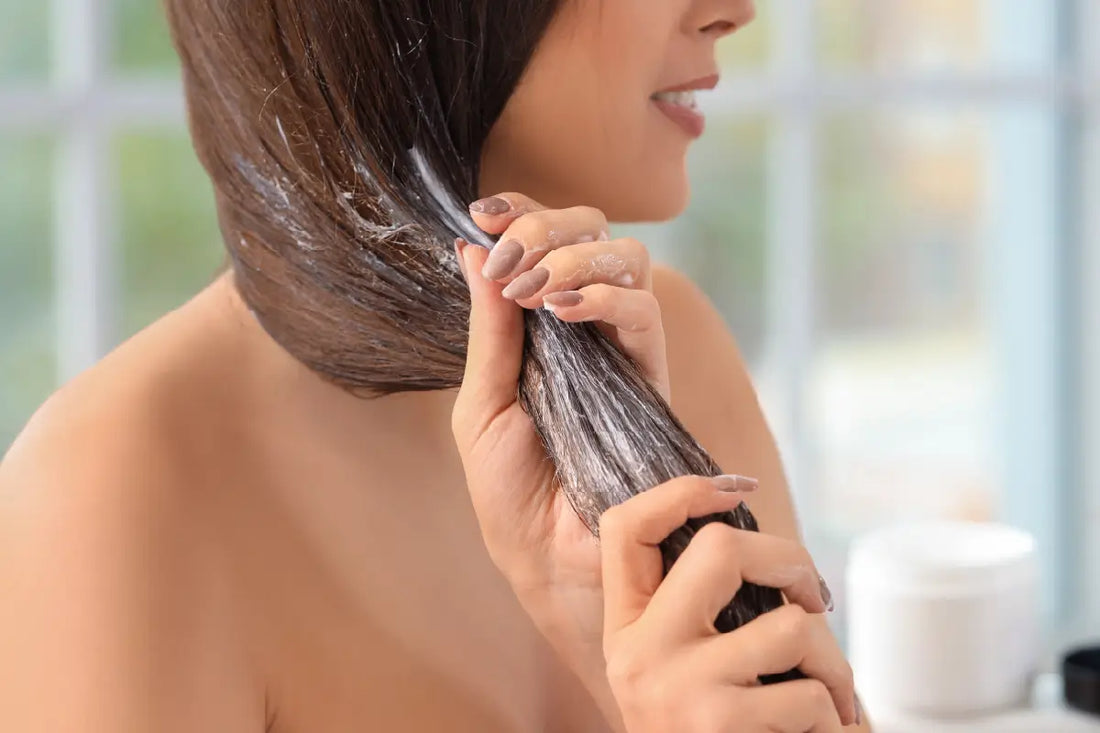
How to Apply a Hair Mask? A Practical Step-by-Step Guide
As a trichologist, I often encounter patients who say, "I apply a hair mask, but I barely see any results." And indeed, the problem isn't always the quality of the product itself, but the method of application. Properly applying a mask involves more than just quickly spreading it on damp strands. It's a conscious care ritual that allows the active ingredients to truly work—both on the hair structure and scalp. Hair masks are concentrated products—they contain a higher concentration of nutrients than conditioners, so they require appropriate time, technique, and regular use. Thanks to them, hair can regain shine, elasticity, and resistance to damage, while the scalp regains balance and improves blood circulation. In this article, I'll show you step-by-step how to properly apply a hair mask to achieve maximum results. I'll share tips from a trichologist's office and also present an example of a product that combines the functions of a conditioner and a trichological mask – Orientana Tricho Lychee Conditioner-Mask . This product can be used on both the lengths of the hair and the scalp, making it a unique support in your daily care routine. With this knowledge, you will avoid the most common mistakes, learn how to choose the right amount of product, and learn how often you should use a mask to keep your hair truly healthy and full of life. Why is it worth using a hair mask? From a trichologist's perspective, a hair mask is not just a "nourishing cosmetic," but a real tool for supporting the health of hair and scalp. Its formula is significantly richer than conditioners, containing higher concentrations of active ingredients such as proteins, amino acids, natural plant extracts, and moisturizing ingredients. This allows the mask to work deeper and last longer, and its effects are not limited to temporary smoothing of strands. Hair regeneration from the inside Hair is exposed daily to oxidative stress, UV radiation, environmental pollutants, and high temperatures (e.g., hair dryers and straighteners). Applied regularly, this mask penetrates deep into the hair fiber, replenishing micro-damages and strengthening the keratin structure. This makes strands more resilient, less brittle, and resistant to damage. The difference between a conditioner and a mask A conditioner is designed to smooth and detangle hair—it works faster but more superficially. A mask, on the other hand, requires longer application time, as its goal is to truly rebuild and regenerate hair more deeply. Therefore, I consider this mask an intensive treatment , especially for weakened, thinning hair, hair prone to falling out, or hair that has undergone hairdressing treatments (coloring, bleaching, keratin straightening). The effect is visible to the naked eye Regular use of the mask makes the hair: regain their natural shine, become soft to the touch, are less prone to frizz, look thicker and healthier. This is why a mask should be an integral part of your hair care routine , regardless of your hair type – dry, oily, dyed or weakened. How to prepare your hair before applying the mask? Preparing the hair and scalp before applying a mask is a crucial step that's often overlooked. However, it's crucial for the product's active ingredients to work properly. As a trichologist, I always say: don't apply a mask to "just any hair," only to properly prepared hair . Thorough cleansing of the scalp and hair The mask should be used after shampooing. Why? dirt, sebum and remnants of styling cosmetics create a barrier that hinders the penetration of nutrients, cleansed hair and hair follicles are more absorbent, Regular cleansing of the scalp improves its microcirculation, which increases the effectiveness of the mask. Draining excess water Overly wet hair is a common hair care mistake. If you apply a mask to dripping, wet strands, the product will simply run off with the water and not work as intended. It is best to dry your hair with a towel (gently, without rubbing). They should be damp, but not wet – this is when the mask has the best conditions to penetrate the hair fibers. Combing your hair It's a good idea to gently comb your hair before applying the mask. This will: the product will be distributed evenly, hair will not tangle, we reduce the risk of overloading in some batches. Scalp preparation (for trichological masks) If you're using a mask that's also intended for the scalp, you can gently massage it in before application. This will stimulate circulation, relax hair follicles, and increase the absorption of nutrients. Then, apply the mask to the scalp as well. Properly preparing your hair and scalp is half the battle. Now we can move on to the most important part – the step-by-step mask application technique , which determines the final result. How to apply a hair mask step by step? Proper mask application is an art worth mastering – the difference between "apply and rinse" and a conscious ritual is truly obvious. As a trichologist, I'll show you how to apply a mask step by step to ensure the active ingredients fully work and give your hair exactly what it needs. Step 1. Divide your hair into sections It's a good idea to divide your hair, especially thick and long ones, into 2-4 sections. This will ensure the mask is applied evenly, not just to the top layer of your hair. Step 2. Apply the appropriate amount of product The masks are concentrated, so you don't need to use a lot of them. Fine, short hair: the amount the size of a hazelnut. Medium, shoulder-length hair: an amount the size of a walnut. Long, thick hair: an amount equivalent to approximately 1–2 teaspoons. Remember that too much will not give better results – it may only weigh down your hair. Step 3. Spread the mask strand by strand Apply the mask from mid-length to the ends of your hair. Massage gently with your fingers or comb through with a wide-toothed comb – this helps distribute the product evenly. Step 4. Operating time Typically, masks are kept on for 5 to 15 minutes. If your hair is very damaged or you are using an intensively regenerating product, you can extend the time to 20 minutes. When using trichological masks, systematic use is more important than the length of time. Step 5. Occlusion effect – an optional trichologist's trick To enhance the mask's effectiveness, you can wear a plastic cap and wrap your head in a towel. The heat opens the hair cuticle, allowing nutrients to penetrate more easily. This is a great solution for very dry and damaged hair. Step 6. Rinse thoroughly Rinse the mask with lukewarm water until your hair feels clean to the touch. Rinsing too quickly can cause weighing down and greasiness. Finally, you can use cooler water to seal the hair cuticles and add shine. Trichologist's advice: Use the mask 1-2 times a week , depending on your hair's needs. With regular use, the effects are cumulative – hair becomes stronger and healthier, and the scalp becomes more balanced. Trycho Lychee Orientana Conditioner-Mask – natural support for hair Orientana's Trycho Lychee Conditioner-Mask is a next-generation trichology product that works deep within the hair. Its formula was developed to support the reconstruction, regeneration, and protection of damaged strands. The most important active ingredients and their effects Lychee extract and pro/pre and postbiotics a rich source of antioxidants, vitamin C and polyphenols, supports hair regeneration, protects against free radicals, Ferments maintain the balance of the scalp microbiome, which is crucial for healthy hair growth. FiberHance™ BM Solution an innovative ingredient that rebuilds hair fibers from the inside, strengthens the bridges in keratin – the natural building block of hair, improves elasticity, reduces brittleness and gives resilience. Tsubaki oil a traditional ingredient in Japanese hair care, intensively moisturizes and regenerates, adds softness and shine to the strands and protects against water loss. Pracaxi oil has a smoothing and strengthening effect, supports the reconstruction of damaged fibers, gives hair resistance to breakage and smoothness. Mango butter regenerates dry and damaged hair, gives softness and natural shine, creates a protective film on the hair surface. Plant extracts (Bhringraj, Ginger, Magnolia) Bhringraj – known in Ayurveda as the “king of hair”, strengthens hair follicles, prevents hair loss, ginger extract – improves microcirculation in the scalp, stimulates growth, magnolia extract – has anti-inflammatory and soothing properties. Humectants and moisturizing ingredients (Sorbitol, Sodium Lactate, Lactic Acid, Panthenol, Squalane) attract and retain water in the hair structure, help maintain proper hydration of the scalp, Panthenol (provitamin B5) gives softness and shine, supports regeneration. Why is this mask special? It combines the function of a conditioner and a trichological mask – it can be applied both for a shorter period (effect after 60 seconds) and for a longer period. Rich in active ingredients – emollients, humectants, proteins, plant extracts and ferments. It works in many ways : regenerates, strengthens, moisturizes, protects, stimulates growth. Natural formula – up to 95% ingredients of natural origin. How to use Orientana Trycho Lychee Conditioner-Mask? After shampooing, apply to damp hair. Spread evenly over the entire length and massage into the scalp. Leave on for 5–15 minutes, then rinse thoroughly. For an intensive treatment effect, you can use the mask 2-3 times a week. The most common mistakes when applying hair masks Although a hair mask is a cosmetic product that can dramatically improve the condition of hair, many people don't use it to its full potential. In my trichology practice, I often encounter patients who say, "Masks don't work for me at all." After a short conversation, it turns out the problem isn't the product itself, but the method of application . Here are the most common mistakes: Applying a mask to unwashed hair A mask should always be applied after thoroughly shampooing. This allows the active ingredients to penetrate deep into the hair and scalp. It won't work if applied to dirty, sebum-laden hair. Strands too wet during application This is a mistake I see very often. If your hair is dripping wet, the mask has no chance to absorb—it dilutes and runs off. Therefore, always towel-dry your hair until it's just damp. Excessive amount of product More isn't always better. Applying too much mask can weigh down your hair, make it greasy more quickly, and cause your hair to lose volume. A walnut-sized amount is enough for medium-length hair. Too short operating time A mask isn't a quick conditioner. It needs time for the active ingredients to penetrate the hair. If you rinse it out after 1-2 minutes, the effect will be minimal. As a rule, leave the mask on for 5-15 minutes (according to the manufacturer's recommendations). Apply only to the ends Although the ends require intensive regeneration, do not forget about the middle part of the strands, which are also weakened. Improper flushing Rinsing too quickly can leave mask residue on the hair, weighing it down and leaving it feeling "podgy." Rinsing with hot water, on the other hand, opens the hair cuticle and reduces the smoothing effect. It's best to rinse the mask off with lukewarm water, then use a cooler spray to seal the cuticle. Too frequent use Applying a mask daily can weigh down the hair. Typically, 1-2 times a week is recommended – more often, only during intensive trichological treatments. Trichologist's advice: If you want to fully utilize the mask's potential, treat it like a ritual – take your time, let it do its work, and support the application with a gentle scalp massage. This will truly restore your hair's strength and shine. How often should you use a hair mask? The correct frequency of using a hair mask is just as important as the application technique. Too infrequently, and the results will be less visible. Too often, and you can weigh down your hair and cause it to become greasy more quickly. As a trichologist, I always emphasize that consistency and consistency are key . Normal, healthy hair Recommendation: once a week . This is a sufficient frequency to provide your hair with a dose of regeneration and prevent it from drying out. Dry and damaged hair Recommendation: 2–3 times a week . Hair after coloring, bleaching or keratin straightening needs intensive support. Here, the mask acts as a repair therapy, replenishing keratin losses and protecting the fibers from breakage. Thin and delicate hair Recommendation: 1 time a week or even less often, but using light masks. Using rich formulas too often can weigh them down and lose volume. In this case, it's definitely worth reaching for lotions. I recommend Trycho Lychee Lotion. Oily hair Recommendation: Once a week , applying the product mainly to the lengths and ends. For oily hair, I recommend Trycho Lychee Lotion, which, in addition to stimulating hair growth, regulates sebum production and refreshes the scalp. Hair after chemical and mechanical treatments Recommendation: up to 2–3 times a week in the first weeks after the procedure. It's worth choosing masks with proteins, emollients, and humectants, which work together to rebuild, moisturize, and strengthen hair. The Trycho Lychee Conditioning Mask is particularly effective when used on damaged hair. Trichologist's advice: Treat a hair mask as a skincare treatment . Regular use produces cumulative effects – hair becomes stronger, shinier, and more resistant to damage week after week. FAQ – Trycho Lychee Orientana Conditioner-Mask Does the Trycho Lychee Orientana Conditioner-Mask weigh down the hair? No, its formula has been designed to intensely regenerate and moisturize, but without any heaviness. It can also be used on fine hair. 2. How often can I use the Tricho Lychee mask? We recommend using it 1-2 times a week for normal and fine hair and 2-3 times a week for damaged, dry or post-stylish hair. 3. Can the mask be applied to the scalp? No, you should avoid applying a hair mask to your scalp. 4. How long should you keep the mask on your hair? The optimal time is 5–15 minutes. For intensive regeneration, you can use an occlusive effect (cap + towel), which enhances the effects of the active ingredients. 5. What are the main active ingredients of the mask? Lychee extract, FiberHance™ BM Solution, tsubaki oil, pracaxi oil, mango butter, bhringraj, ginger, magnolia, and panthenol. Their synergistic action rebuilds hair, strengthens follicles, and gives strands a healthy shine. 6. Is the mask suitable for color-treated hair? Yes – moisturizing and protective ingredients (tsubaki oil, pracaxi, mango butter) protect the color from fading and regenerate the hair after coloring. 7. Is the Trycho Lychee Conditioner-Mask vegan and natural? Yes – it contains 95% of ingredients of natural origin and is fully vegan. 8. Can I use the mask every day? Yes, because it also functions as a conditioner. Daily use requires less time; the effect is noticeable after just 60 seconds. As a mask, I recommend using it 1–3 times a week, depending on your needs. 9. Can the mask be used on oily hair? Yes, just apply it mainly to the lengths and ends, and use a smaller amount on the scalp so as not to weigh down the strands. 10. What are the effects of regular use of the Trycho Lychee mask? reconstruction of hair fibers, less brittleness and loss, soft and elastic strands, healthy shine, Properly applying a mask isn't a quick gesture after washing, but a conscious ritual: preparation, precise application, and the right amount of time to act. This allows the active ingredients to truly strengthen the hair, with noticeable and lasting results.
Learn more
Anti-wrinkle eye cream for 40-year-olds - interview with a cosmetologist
At 40, the skin around the eyes becomes more delicate, loses elasticity, and shows signs of aging more quickly. Wrinkles, dark circles, and loss of firmness require specialized care. That's why we invited a cosmetologist to share her expertise on how to choose an eye cream for wrinkles for 40-year-olds and how to use it correctly. I decided to discuss this with Żaneta, a certified cosmetologist. Our collection of eye cosmetics. Agata: Why does the eye area age so quickly? Beautician: The skin around the eyes is exceptionally thin—up to five times thinner than the skin on the cheeks. It also has fewer sebaceous glands, so it loses moisture and elasticity more quickly. In women over 40, pronounced expression lines, crow's feet, and often puffiness and dark circles appear. This is when a well-chosen eye cream for wrinkles becomes the foundation of daily skincare. Agata: What should you pay attention to when choosing an eye cream for a 40-year-old woman? Cosmetologist: The most important are the active ingredients: Retinol or its plant-based equivalents – smooth wrinkles and stimulate cell renewal. Peptides – have a tightening effect, improve skin firmness and elasticity. Hyaluronic acid and trehalose – intensely moisturize and reduce the visibility of fine lines. Adaptogens – e.g. reishi and mucins, which support skin regeneration and have anti-aging properties. Niacinamide and caffeine – reduce dark circles and puffiness under the eyes. A good cream should be rich in active ingredients, but at the same time have a light consistency so as not to burden delicate skin. Agata: How to properly use eye cream for wrinkles? Beautician: It's best to apply it morning and evening to cleansed skin. A small amount—the size of a grain of rice—is enough, gently tapping it in with your fingertips. The eye cream shouldn't be rubbed or dragged, as this can further stretch the skin. Consistency is key—only then will you see real results. Agata: Do 40-year-olds need different care than women over 30? Beautician: Yes. After 30, we focus primarily on prevention, but by the time we reach 40, we're already dealing with persistent wrinkles, a loss of skin density, and increased dryness. Therefore, creams need to be more concentrated and contain more potent ingredients—like peptides, phyto-retinol, adaptogens, and various forms of hyaluronic acid. Agata: What eye creams would you recommend to 40-year-olds? Beautician: Among the natural and modern formulas, I consistently recommend Orientana Eye and Eyelid Serum Reishi Peptides EGF – it contains Reishi mushroom extract, which has anti-wrinkle properties, strengthens blood vessels, and improves skin elasticity. It also contains peptides and EGF – a very good ingredient for rejuvenating skin in women over 40. It's perfect as an eye cream with ceramides , trehalose, and two types of hyaluronic acid from the Hydro Tremella line – combining moisturizing, regenerating, and firming properties. Agata: Is it still possible to prevent the formation of new wrinkles at the age of 40? Beautician: Definitely, although we can't reverse changes that have already taken hold. It's worth working on two fronts: reducing existing wrinkles with active ingredients and slowing down the aging process through preventative measures—i.e., daily use of eye cream, sun protection, and a healthy lifestyle. Agata: How long does it take to see the effects of eye cream for wrinkles? Beautician: The first results—improved hydration and smoothing—can be seen after just 2–3 weeks of regular use. Wrinkle reduction and improved elasticity, however, are a process that takes about 2–3 months. Therefore, consistency is key. Agata: Should an eye cream for wrinkles for a 40-year-old be different for day and night? Beautician: Ideally, we should have two products – a light one for the day, with caffeine and antioxidants (e.g., vitamin C, green tea), and a richer one for the night, with peptides or phyto-retinol. The Snail Slime Eye Cream is a great option for daytime skincare. However, if we're only choosing one, it's important that it's multitasking and works well with makeup. Agata: Is using eye cream enough to fight wrinkles? Beautician: This is essential, but complete skincare also includes healthy habits: adequate hydration, sleep, a diet rich in antioxidants, and sun protection. Cream alone won't work miracles if these elements are neglected. Agata: What mistakes do women most often make when using eye cream? Beautician: Firstly, they apply too much product – the skin is unable to absorb it, which can cause swelling, makeup problems, and even inflammation if the cream gets under the eyelid. Some people rub the cream in instead of patting it in. This is also incorrect. And of course, there will be no effect in people who use eye cream irregularly – only from time to time, and also use face creams instead of specialized eye creams – and these are not always suitable for such thin skin. Agata: Can eye cream be used on the eyelids? Beautician: It depends on the formula. Most products are designed for the eyes, but more and more manufacturers, responding to women's needs, are creating creams for both eyelids. For example , the Reishi Peptides + EGF Eye and Eyelid Serum mentioned above – this serum is suitable for the upper eyelid and slightly lifts it. It's worth checking the manufacturer's information, as not every cream is safe for this purpose. Agata: How to choose an eye cream for wrinkles if I also have dark circles and puffiness? Beautician: In that case, we need a 3-in-1 product: smoothing, brightening, and draining. Look for ingredients like caffeine. Such a cream will work comprehensively—improving firmness while refreshing the look. In this case, an eye cream with snail slime is the best solution. Agata: Can 40-year-olds use eye creams for 50+? Beautician: Yes, although sometimes you have to be careful not to use products that are too heavy. Forty-year-old skin needs powerful regeneration, but not necessarily intensely oily formulas. Therefore, it's best to choose products tailored to your individual needs, not just your age. Agata: Can massage and eye accessories enhance the effectiveness of the cream? Beautician: Absolutely. A gentle massage with a jade roller, gua sha pad, or even your fingertips promotes microcirculation and lymphatic drainage. This allows the cream's active ingredients to penetrate deeper, and puffiness to disappear more quickly. Agata: In summary, choosing an eye cream for wrinkles for a 40-year-old should consider both the composition and the individual needs of the skin. It's best to choose products rich in peptides, plant-based retinol, hyaluronic acid, or adaptogens like reishi. Regular use of an eye cream will help reduce wrinkles, improve skin firmness, and regain a fresh look. Beautician: Exactly. If you want to learn about our new products, check out our articles: Fragrance mist – how does scent affect your well-being and why is it worth choosing Orientana mists? and series: Hydro Tremella series for combination skin Trycho Lychee hair care series
Learn more