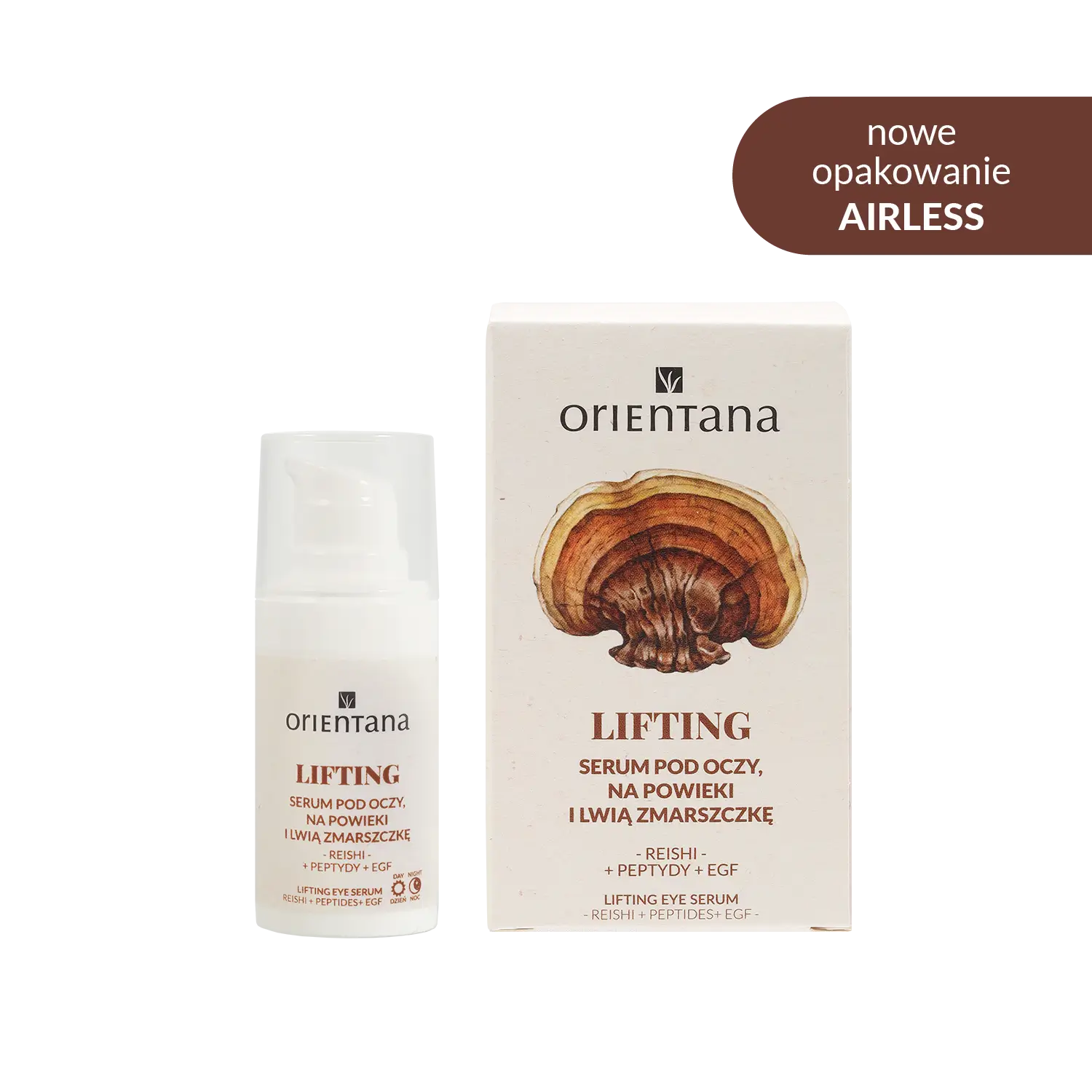
More and more people today are seeking cosmetics that are gentle on the skin , based on natural ingredients, yet effective and concentrated . In response to these needs, the term "natural dermocosmetics" is increasingly being used—a concept that suggests a fusion of the natural world with the achievements of dermatology.
For many consumers, natural dermocosmetics are becoming an alternative to traditional pharmacy products and a solution to the problems of sensitive, dehydrated, problematic, or mature skin. At the same time, much confusion has arisen around this term: what exactly are natural dermocosmetics, how do they differ from regular natural cosmetics, and what should you consider when choosing them?
In this article, we explain what natural dermocosmetics are, how they work, and how to consciously choose formulas that actually support the condition of your skin.

What are natural dermocosmetics?
Natural dermocosmetics combine natural ingredients with a modern approach to formulation based on dermatological and cosmetological knowledge. Their goal is not only to provide surface care but also to genuinely support processes occurring in the skin, such as regeneration, rebuilding the protective barrier, and reducing inflammation.
In practice, this means formulas based on:
- plant extracts with targeted action, e.g. discoloration, sensitivity
- adaptogens that support skin's resistance to stress,
- moisturizing and barrier ingredients,
- mild active substances well tolerated by the skin.
Natural dermocosmetics are often designed for demanding skin: sensitive, dry, reactive, prone to imperfections, or showing the first signs of aging. Not only the origin of the ingredients is crucial, but also their combination, formula stability, and appropriate concentrations .
Learn more about dermocosmetics .
How do natural dermocosmetics differ from classic natural cosmetics?
Classic natural cosmetics focus primarily on basic care: moisturizing, nourishing, and protecting the skin. Natural dermocosmetics go a step further, with formulas created with specific skin needs in mind and often containing active ingredients with documented efficacy.
The difference lies not so much in the origin of the raw materials themselves, but in the philosophy behind the formulations . Natural dermocosmetics are designed with a more functional and problem-solving approach: they are intended to support the hydrolipid barrier, soothe inflammation, regulate sebum secretion, and improve skin elasticity.
Are dermocosmetics an official category?
It's worth emphasizing that the concept of dermocosmetics is not a legally regulated term nor defined in European cosmetics legislation. This means that, formally, all dermocosmetics are simply cosmetics, subject to the same safety regulations as other skincare products.
The term "dermocosmetics" is therefore largely of a marketing nature and serves to communicate that a given product:
- contains active ingredients with targeted action,
- is created based on dermatological and cosmetological knowledge,
- it is dermatologically or application tested,
- is intended for demanding or problematic skin.
In practice, the true effectiveness of a cosmetic is determined not by its category name, but by the quality of the formulation, the selection of ingredients, their concentration, and the stability of the formula . Therefore, well-designed natural cosmetics can demonstrate effects comparable to products known as dermocosmetics.
Who are natural dermocosmetics recommended for?
Natural dermocosmetics are especially effective for those whose skin needs more than basic care. They are a good choice for sensitive and reactive skin that is easily irritated and requires gentle yet effective formulas. They also address the needs of dry and dehydrated skin that requires intensive yet physiological hydration.
Natural dermocosmetics are also popular with people with problematic skin—prone to imperfections, redness, or uneven skin tone—because these formulas often combine soothing and regulating properties. For mature skin, natural dermocosmetics can support regenerative processes and improve elasticity without overloading the skin.
Serum with tranexamic acid and vitamin C 👇

How do natural dermocosmetics work on the skin?
The effectiveness of natural dermocosmetics stems from their multifaceted action. They don't focus solely on a single effect, such as moisturizing or smoothing, but support the skin on several levels simultaneously. This allows them to truly improve its condition and resistance to external factors.
One of the key areas of action of natural dermocosmetics is the restoration of the hydrolipid barrier . This barrier is responsible for protecting the skin from water loss, irritants, and microorganisms. When it is weakened, the skin becomes dry, rough, and prone to irritation and redness. Natural dermocosmetics often contain ingredients that support the restoration of this barrier, such as phytoceramides, vegetable oils, butters, and polysaccharides.
More about the hydrolipid barrier.
The second important mechanism is multi-level hydration . This involves simultaneously binding water in the epidermis, limiting its evaporation, and improving the skin's ability to maintain an appropriate level of moisture. Natural dermocosmetics use humectants of natural origin, ferments, and film-forming substances, among other things, for this purpose.
More about the natural moisturizing ingredient - tremella .
Natural dermocosmetics also have soothing and calming properties . Plant-based ingredients rich in polyphenols, flavonoids, and other bioactive compounds help reduce inflammation and discomfort. This allows the skin to recover more quickly and respond better to daily care.
Supporting regenerative processes is also crucial. The skin is constantly renewing itself, and natural dermocosmetics can stimulate this process, improving the epidermis' structure, smoothness, and elasticity. Regular use of such formulas promotes gradual improvement in skin quality, not just a short-term smoothing effect.
Key ingredients in natural dermocosmetics
The effectiveness of natural dermocosmetics is primarily determined by the selection of active ingredients and their combination in the formula. Below, we present the groups of ingredients most frequently found in well-designed natural dermocosmetics.
Plant adaptogens
Adaptogens are plants that support the skin's ability to adapt to unfavorable environmental conditions, such as stress, pollution, and temperature changes. In skincare, they exhibit soothing, antioxidant, and strengthening properties.
Adaptogens used in cosmetics include extracts from roots, mushrooms, and herbs with a long history of use in traditional medicine. These ingredients help improve skin immunity and reduce the effects of oxidative stress, which accelerates the aging process.
Find out what adaptogens are .
Polysaccharides and moisturizing ingredients
Polysaccharides of plant and fungal origin create a delicate protective film on the skin's surface, preventing excessive water loss. At the same time, they bind moisture to the epidermis, providing a smoothing and comforting effect.
This group also includes natural humectants, such as trehalose and vegetable glycerin. These make the skin more elastic and less susceptible to dryness.
Ceramides and phytoceramides
Ceramide mask 👇

Ceramides are a natural component of the skin's protective barrier. Their presence in cosmetics helps rebuild the epidermal structure and improve its tightness. Phytoceramides derived from plants perform a similar function, supporting regeneration and limiting water loss.
Skin with a well-functioning hydrolipid barrier is more resistant to external factors and better tolerates active ingredients. Learn how to care for your hydrolipid barrier.
Regulating and strengthening ingredients
Natural dermocosmetics also often use ingredients that help regulate skin function, improve skin tone, and strengthen its structure. These include niacinamide, new-generation mild acids, and bioferments.
Their task is to support epidermal renewal processes, improve smoothness and reduce the visibility of imperfections.
Niacinamide cream 👇

How to read the ingredients of natural dermocosmetics?
Conscious selection of natural dermocosmetics begins with the ability to read the INCI label. It's the ingredients, not the product name or marketing promises, that best illustrate what substances our skin is exposed to and what effects can realistically be expected.
First, it's worth paying attention to the order of ingredients . Substances listed at the beginning of the list are present in the highest concentrations and have the greatest impact on the cosmetic's performance. If a key active ingredient is listed last, its real impact on the skincare results may be limited.
In natural dermocosmetics, a positive signal is the presence of plant-based ingredient complexes , extracts, and bioferments high in the composition. This means that the formula was built around active ingredients, not just a base.
Another crucial issue is the balance between active ingredients and the cosmetic base . A well-designed natural dermocosmetic is not based on a single "star" ingredient, but on the synergy of several substances that mutually enhance each other's effects.
It's also worth remembering that a shorter formula doesn't always mean better. Sometimes, a more complex formula allows for formula stability and comprehensive support for the skin: hydration, protection, regeneration, and soothing all at once.
Natural dermocosmetics and skin type - how to choose?
The selection of natural dermocosmetics should always take into account the individual needs of the skin. There is no one-size-fits-all formula – it's crucial to understand what the skin currently needs and what processes should be supported.
Dry and dehydrated skin
Dry and dehydrated skin requires intensive yet physiological hydration. Natural dermocosmetics for this skin type should combine humectants that bind water with emollients that limit evaporation. This combination helps restore elasticity and comfort and reduce the feeling of tightness.
Combination and oily skin
For combination and oily skin, it's important to maintain a balance between hydration and sebaceous gland regulation. Natural dermocosmetics should have a light consistency and contain ingredients that support sebum normalization without drying out the skin.
Sensitive and reactive skin
Sensitive skin primarily needs formulas that soothe and strengthen its protective barrier. Natural dermocosmetics for this skin type often rely on soothing, anti-inflammatory, and regenerative ingredients that reduce the tendency to irritation.
Mature skin
In mature skincare, it's crucial to support skin renewal processes and protect against oxidative stress. Natural dermocosmetics can help improve skin firmness, elasticity, and smoothness while maintaining its balance.
Are natural dermocosmetics safe?
All cosmetics approved for marketing in the European Union—regardless of whether they are designated as natural or dermocosmetic—must meet the same safety requirements. This means that they undergo a safety assessment and are tested for skin tolerance before being introduced to the market.
Natural dermocosmetics are often created with sensitive and demanding skin in mind, so their formulas avoid harsh irritants and emphasize gentle, well-tolerated ingredients. An additional advantage of many formulas is dermatological or application testing, which confirms their safety for daily use.
It's worth remembering, however, that even naturally derived ingredients can, in rare cases, cause individual reactions. Therefore, for particularly sensitive skin, it's a good idea to perform an allergy test before regularly using a new cosmetic.
The most common mistakes when choosing natural dermocosmetics
One of the most common mistakes is relying solely on the product name or marketing slogans. Terms like "dermo" or "natural" are no substitute for analyzing the composition and understanding the actual ingredients in the cosmetic.
Another problem can be the overly aggressive combination of multiple active ingredients. Skin, especially sensitive skin, responds better to well-thought-out, simple routines than to an overabundance of stimuli.
Another common mistake is a lack of patience. Natural dermocosmetics support the skin's biological processes, which take time. The first results usually appear after a few weeks of regular use.
FAQ – natural dermocosmetics
Can natural dermocosmetics replace pharmacy dermocosmetics?
In many cases, yes, provided the formula is well designed and meets the skin's needs.
Are natural dermocosmetics suitable for acne-prone skin?
Yes, especially if they contain ingredients that regulate sebum and soothe inflammation.
How long does it take to see the effects of using natural dermocosmetics?
Most often after 3–4 weeks of regular use.
Are natural dermocosmetics good for sensitive skin?
Yes, many of them are created with reactive skin in mind.
Can you combine natural dermocosmetics with other cosmetics?
Yes, as long as your routine is consistent and does not overload your skin.
Is dermocosmetic a medical term?
No, it is a marketing concept, not regulated by law.
Do natural dermocosmetics contain preservatives?
Yes, every safe cosmetic must contain a preservative system.
Are natural dermocosmetics suitable for everyday use?
Yes, they are intended for regular care.
Summary
Natural dermocosmetics combine naturally derived ingredients with a modern approach to formulation. Although the term itself is purely marketing, well-designed formulas can truly support skin condition, improving hydration, resilience, and comfort. The key to effectiveness is informed choice based on ingredient analysis and matching cosmetics to the skin's needs.