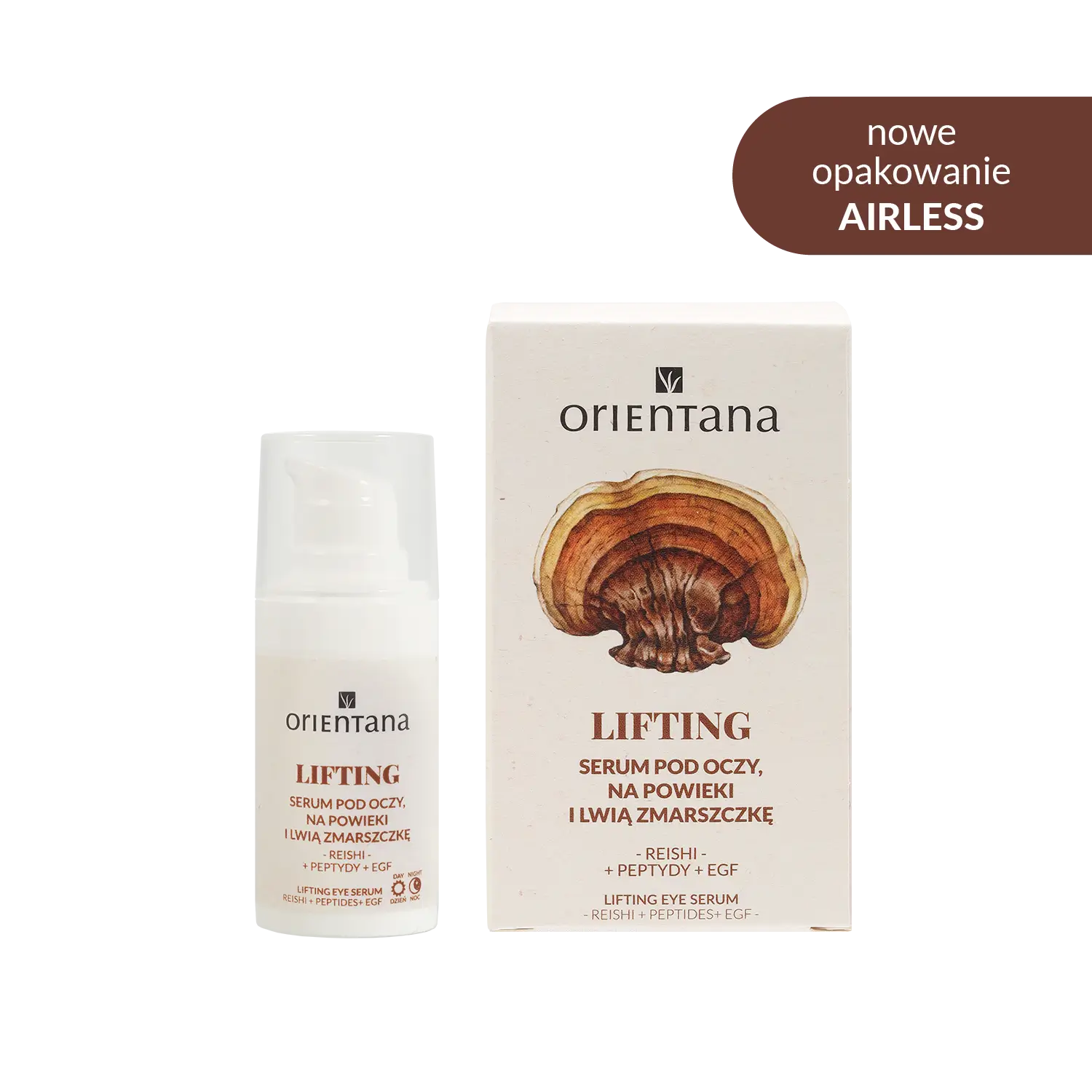

More and more people are choosing natural cosmetics, driven by a concern for skin health, the environment, and ethics. At the same time, the question increasingly arises: are natural cosmetics automatically not tested on animals?
While it might intuitively seem that "natural" also means "cruelty-free," the reality is more complex. The naturalness of ingredients and the policy regarding animal testing are two different areas that do not always go hand in hand.
In this article, we explain:
- whether natural cosmetics can be tested on animals,
- where the confusion around cruelty-free claims comes from,
- how to check a brand step by step,
- and what to look for to consciously choose ethical cosmetics.
If you want to know how cosmetic animal testing works and who still conducts it, check out our full guide: How are cosmetics tested on animals? Who tests and who doesn't.
Can natural cosmetics be tested on animals?
Yes - natural cosmetics can be tested on animals if a brand:
- sells its products in markets that require such tests,
- uses ingredients whose suppliers conduct tests,
- does not have a clear and transparent cruelty-free policy.
The origin of ingredients (plant-based, mineral, natural) does not determine how they are tested. It is the brand's business decisions and its regulatory strategy that determine whether a product is developed without animal testing.

Why doesn't "natural" always mean "cruelty-free"?
In marketing communication, the word "natural" is often interpreted very broadly. For consumers, it often means:
- gentler ingredients,
- less environmental burden,
- more ethical production.
However, formally, "naturalness" refers to the origin of raw materials, not to safety testing methods.
A brand can therefore:
- produce cosmetics from natural extracts,
- and simultaneously accept tests required in specific markets.
Therefore, it is crucial to separately check the ingredients and the cruelty-free policy.

Common myths about natural cosmetics and testing
Myth 1: Every natural cosmetic is cruelty-free
Not true. The absence of testing does not automatically stem from the naturalness of ingredients.
Myth 2: If there is no information about testing on the packaging, the brand tests
Not true. In the European Union, it is prohibited to use phrases like "not tested on animals" because it is considered a standard.
Myth 3: Naturalness certificate = cruelty-free certificate
Not always. Some certificates focus on ingredients, not on testing policy.
How to check if natural cosmetics are truly cruelty-free?
1. Check the brand's official policy
The website should contain a clear statement:
- that the brand does not test cosmetics on animals,
- that it does not commission such tests from third parties,
- that it does not use ingredients tested on animals.
The more detailed the information, the better.
2. Pay attention to sales markets
If a brand sells its products in countries where animal testing may be mandatory, it is worth checking:
- whether it uses local alternative procedures,
- whether it requires distributors to waive testing.
Transparent companies clearly communicate such issues.
3. Check the ingredient supply chain
More and more companies require their suppliers to:
- provide written declarations of no testing,
- use alternative methods.
Brands that take cruelty-free seriously communicate it openly.
Greenwashing - when cruelty-free is just a slogan
Greenwashing is a situation where a brand suggests ethical actions but does not support them with concrete facts.
Warning signs:
- general slogans without details,
- lack of policy on the website,
- conflicting information from different sources,
- avoiding answers to consumer questions.
A true cruelty-free policy is concrete, consistent, and easy to verify.
Are cruelty-free cosmetics effective?
Yes. Modern cosmetology today relies on:
- in vitro tests,
- 3D human skin models,
- application studies on volunteers,
- dermatological analyses.
These methods allow for assessing the safety and effectiveness of products without animal involvement, and at the same time, better reflect human skin reactions.
Why does choosing cruelty-free cosmetics matter?
Ethics
Every purchase sends a signal to the market that consumers expect responsible practices.
Quality
Companies investing in modern testing methods usually develop more advanced and stable formulas.
Future of the industry
Growing demand for cruelty-free cosmetics accelerates the global shift away from animal testing.
What policy does Orientana follow?
Since its inception, the Orientana brand:
- does not test cosmetics on animals,
- does not commission such tests from third parties,
- does not use ingredients tested on animals,
- bases its formulas on natural ingredients inspired by Ayurveda and Asian plants.
Thanks to this, Orientana products combine naturalness, effectiveness, and ethics.
FAQ - frequently asked questions
Is every natural cosmetic cruelty-free?
No. The naturalness of ingredients does not automatically mean no testing.
Does the absence of "not tested on animals" mean testing occurs?
No. In the EU, such labels are not allowed.
Is it worth asking brands directly?
Yes. Transparent companies are happy to answer.
Summary
Natural cosmetics can, but do not necessarily have to be tested on animals. The key is to consciously check brands, their policies, and transparency.
By choosing manufacturers who clearly declare cruelty-free and back it up with actions, you genuinely influence the direction in which the cosmetics industry develops.