What are emollients?
Emollients are fatty substances that are responsible for softening, smoothing, and protecting the skin. They form a thin occlusive layer on the surface of the epidermis, which reduces transepidermal water loss (TEWL). In practice, this means that the skin becomes more hydrated, elastic, and resistant to external factors.
According to research published in the Journal of the European Academy of Dermatology and Venereology (2018), regular use of emollient preparations can reduce water loss by up to 40% after just 7 days of application.
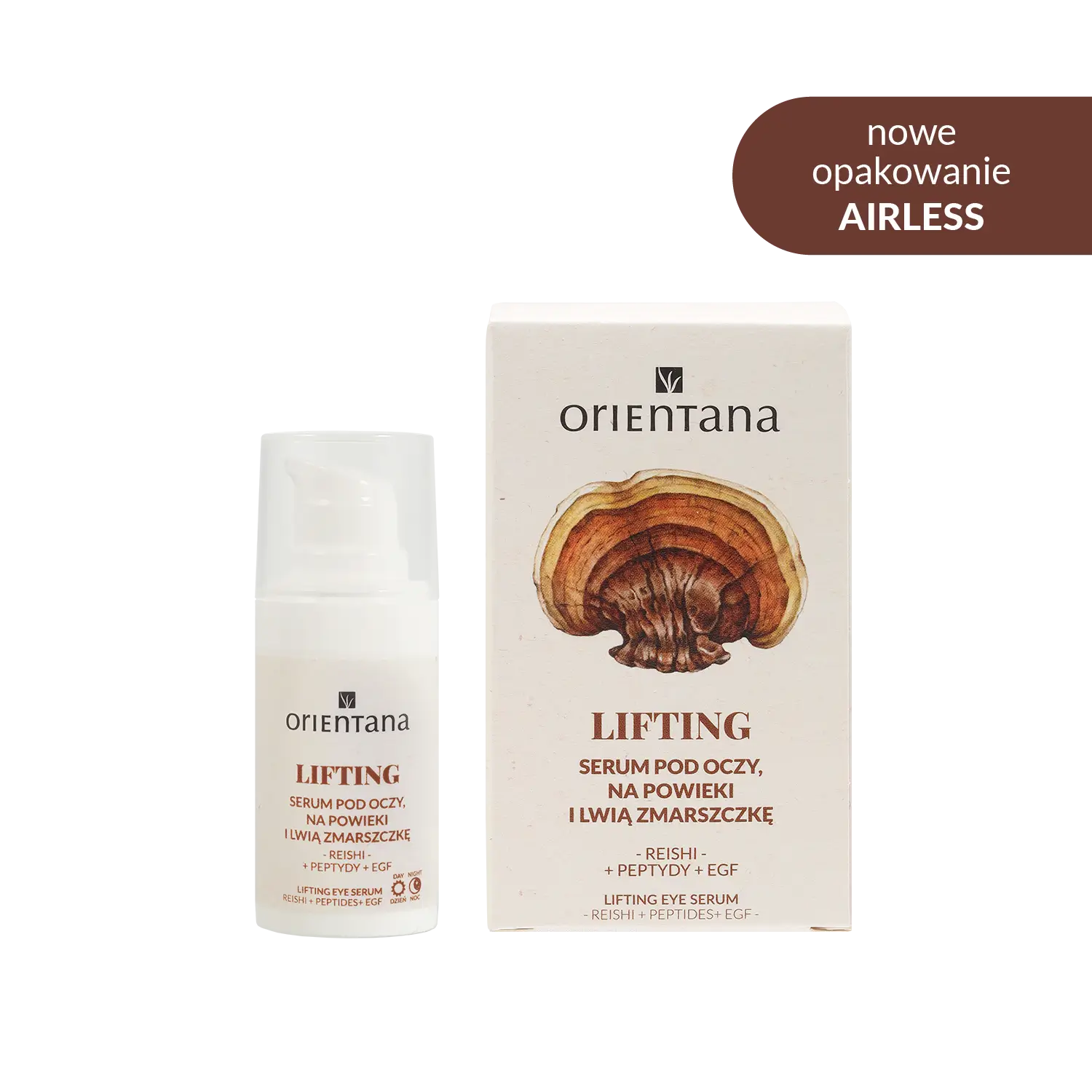
Emollients are found in most facial and body care cosmetics, including Orientana brand cosmetics, which combine natural plant oils and butters with modern biotechnological ingredients.
How do emollients work?
Protection of the hydrolipid barrier
The skin has a natural hydrolipid barrier, composed of lipids and ceramides. Its task is to prevent water loss and protect against irritants. Emollients support this barrier by replenishing lipids and creating an additional protective layer.
TEWL reduction
Dermatological studies confirm that emollients can lower the TEWL index, which directly translates into improved skin hydration. For people with AD (atopic dermatitis) or dry skin, the use of emollients is a key element of skincare.
Skin smoothing and softness
Regular use of emollients makes the skin smooth and soft. This effect is particularly visible when using cosmetics rich in natural oils and butters, such as Orientana Rose body butter, which contains shea butter and sweet almond oil.
Types of emollients
Natural emollients
This group includes vegetable fats, such as shea butter, mango butter, jojoba oil, argan oil, and grape seed oil. They have additional nourishing properties – they contain vitamins, antioxidants, and phytosterols.

Example of Orientana cosmetic: The Moisturizing-regenerating Sandalwood Body Balm contains natural emollients: sweet almond oil, mango butter, and sunflower oil, which rebuild the skin's hydrolipid barrier.
Synthetic emollients
These include paraffin, petrolatum, silicones, and esters. They are characterized by high stability and effectiveness in creating an occlusive barrier. Often used in mass-market cosmetics, but not used in Orientana cosmetics.
New generation bio-emollients
Developing biotechnology allows the creation of plant-based emollients in laboratory conditions. An example is squalane from sugar cane, which is light, non-greasy, and perfectly tolerated by the skin. Orientana uses such solutions in modern anti-aging lines.

Emollients in cosmetics – where can you find them?
Emollients are one of the most common ingredients in cosmetics. You can find them in:
- facial and body creams: Sandalwood and Turmeric cream, Ashwagandha cream
- body lotions and butters, Orientana body butters
- hair conditioners and masks,
- products for children and people with atopic skin,
- cleansing cosmetics that do not damage the hydrolipid barrier - makeup remover oil
Example of Orientana cosmetic: Litchi Conditioner-Mask for hair contains plant emollients that ensure hair smoothness and protect it from drying out.
Emollients and different skin types
Dry skin
For people with dry skin, emollients are essential. They help reduce flaking, roughness, and tightness.
Oily and acne-prone skin
There is often a concern that emollients clog pores. Indeed, some heavy oils can be comedogenic, but many modern emollients (e.g., squalane, jojoba oil) are safe and do not cause blackheads.
Sensitive and atopic skin
Studies have shown that the use of emollients in patients with AD reduces the frequency of symptom recurrence and alleviates itching. For this reason, they are the basis of supportive therapy.
Emollients vs. humectants and occlusives – what's the difference?
Humectants (e.g., glycerin, hyaluronic acid, tremella) bind water in the epidermis.
Emollients retain water by creating a lipid barrier.
Occlusives (e.g., petrolatum, lanolin) provide a very strong protective effect.
Orientana uses the synergy of humectants and emollients – for example, in the sebum-regulating cream HydroTremella, where tremella hyaluronic acid binds water, and squalane and plant oils retain it in the skin.

Emollients in child and infant care
Children's skin has a thinner protective barrier, which makes it dry out faster. Emollients protect it from external factors and soothe irritation. In many dermatological recommendations, the use of emollients in infants at risk of AD can delay the onset of the first symptoms of the disease.
Frequently asked questions about emollients
Are emollients safe?
Yes, emollients are considered one of the safest cosmetic ingredients. Their effectiveness is confirmed by dermatological studies.
Do emollients clog pores?
It depends on the type of emollient. Heavier oils can be comedogenic, but light plant-based emollients, such as jojoba oil or squalane, are also recommended for combination and oily skin.
Are emollients only fatty substances?
No – they include both natural oils and butters, as well as modern bio-emollients with a light texture.
How often should I use cosmetics with emollients?
Daily, preferably twice a day, especially for dry and atopic skin.
Can emollients be used in summer?
Yes, but it is worth choosing light forms of emollients that do not weigh down the skin – e.g., lotions and mists.
Remember - emollients are an essential element of effective skincare – for dry, sensitive, and combination skin alike. They strengthen the hydrolipid barrier, reduce water loss, smooth, and protect against irritation.
In Orientana cosmetics, you will find both classic natural emollients (oils, butters) and modern bio-emollients (squalane). This makes the care effective and safe, and the skin receives full support.