This is one of the most frequently asked questions when the first shadows, puffiness, or fine lines appear around the eyes. Many people try product after product without seeing spectacular results, and begin to doubt whether using eye cosmetics even makes sense.
Skepticism is understandable. The skin around the eyes is demanding, and marketing promises often sound too good to be true. However, the truth is more complex: eye cosmetics can genuinely improve skin condition, but only if specific conditions are met.
So, it's not about simply having an eye cream or serum, but about what ingredients it contains, how it's used, and what you realistically expect from it.

Why the belief that eye cosmetics don't work?
One of the main reasons for disappointment is the expectation of immediate, spectacular changes. The skin around the eyes ages slowly and responds to care at a similar pace. If a product doesn't deliver a "wow" effect after a few days, it's easy to dismiss it as ineffective.
Another reason is choosing formulas that don't match the problem. Different ingredients will work for dark circles, others for puffiness, and yet others for wrinkles. A universal approach rarely yields the best results.
The third issue is irregularity. Eye cosmetics work cumulatively. A single application won't change the skin's structure, but systematic use can gradually improve its appearance.

Why do many eye cosmetics fail?
The impression that eye cosmetics "do nothing" very often stems not from their uselessness, but from several recurring skincare mistakes.
The first is choosing products with too low a concentration of active ingredients. A cosmetic may have an attractive texture and pleasant scent, but if the concentration of active substances is symbolic, the effects will be minimal. The skin around the eyes needs concentrated yet gentle formulas.
Another problem is applying too much product. An excess of cream or serum does not increase effectiveness and can even lead to puffiness and a feeling of heaviness. An amount equivalent to a grain of rice per eye is sufficient.
The third factor is a lack of consistency in skincare. Using a good eye cosmetic while neglecting skin cleansing, sun protection, or facial moisturizing limits its potential.
A common mistake is also expecting one product to solve all problems at once. Meanwhile, dark circles, puffiness, and wrinkles have different causes and require a slightly different approach.

When do eye cosmetics really work?
Eye cosmetics begin to show noticeable effects when they are well-matched to the skin's needs and used regularly.
For dark circles, ingredients that support microcirculation and oxygenation of the skin are crucial. For puffiness – substances with draining and soothing properties. For wrinkles – ingredients that stimulate regeneration and improve elasticity.
Consistency is equally important. The first moisturizing effects may be visible relatively quickly, but improving firmness and smoothing fine lines is a process that requires several weeks of systematic care.
Eye cosmetics work best as part of a daily routine, not as an emergency fix after a sleepless night.

What mechanisms are behind the effectiveness of eye cosmetics?
The skin around the eyes responds to care gradually. Eye cosmetics do not act like a filter in an app that smooths out an image in a second. Their effectiveness is based on their influence on specific processes occurring in the skin.
One of the key mechanisms is improving hydration levels. Well-hydrated skin appears smoother, more supple, and less prone to fine lines. Water-binding substances in the epidermis make the skin soft and elastic, and mimic wrinkles are optically less visible.
The second important process is supporting regeneration. The skin around the eyes renews itself more slowly than the skin on other parts of the face. Ingredients that stimulate cell renewal help improve its structure and density, which translates into better tension and a more uniform appearance.
The third mechanism is protection against oxidative stress. Free radicals damage collagen and elastin fibers, accelerating the aging process. Antioxidant substances support the skin's natural defense mechanisms.
Also important is strengthening the protective barrier. The skin under the eyes has a limited ability to retain moisture. Ingredients that support the epidermal barrier help reduce water loss and decrease susceptibility to irritation.
Check if retinol for eyes is safe.
Which ingredients truly make a difference?
Not every ingredient present in a cosmetic has the same significance for the skin around the eyes. The greatest impact on the condition of this area comes from substances that act on several levels simultaneously.
Ingredients that bind water in the epidermis improve hydration levels and smooth the skin. Regenerative ingredients support renewal processes, and antioxidants protect against accelerated aging.
In practice, formulas that combine several types of substances — moisturizing, regenerating, and protective — work best. It is precisely this synergy that allows eye cosmetics to deliver real, long-term effects.
Read how peptides for eyes work.
Common mistakes in using eye cosmetics
Even the best eye cosmetic may not yield the expected results if it's used incorrectly. Many disappointments stem from small but recurring mistakes.
One of the most common is applying too much product. An excess of cream or serum doesn't speed up its action, and can lead to puffiness and a feeling of heaviness. A very small amount is sufficient.
Another mistake is rubbing and stretching the skin during application. The skin around the eyes is very thin and susceptible to micro-damage. Instead of rubbing the product in, it's better to gently pat it.
A frequently encountered problem is also irregularity. Using an eye cosmetic once every few days doesn't allow active ingredients to work long-term. Daily application is key.
Some people apply eye cosmetics too close to the lash line, which can cause tearing and discomfort. It's better to apply the product along the orbital bone, where it will naturally spread to the correct area.
It's also worth remembering that eye cosmetics cannot replace healthy habits. Lack of sleep, chronic stress, and dehydration can negate the effects of even the best skincare.
Learn how to get rid of under-eye bags.
Frequently Asked Questions
Do eye cosmetics work immediately?
The first noticeable effect is usually improved hydration and smoothness. For a more significant improvement in skin firmness and structure, you need to wait several weeks.
Is it enough to use eye cosmetics only in the evening?
Evening care is very important, but the best results come from regular use both morning and evening.
Can face cream replace eye cosmetic?
In some cases, yes, but many face creams have too heavy a formula or too high concentrations of active ingredients that can irritate the eye area.
Do eye cosmetics help with mimic wrinkles?
They can help smooth fine lines and improve skin elasticity if they contain ingredients that support regeneration and hydration.
Are eye cosmetics useful for young skin?
Yes, because prevention is more effective than correcting visible signs of aging later.
Summary
Eye cosmetics really can make a difference – provided they are well-chosen, used regularly, and treated as part of daily care, not as a temporary fix. Their action is based on gradually improving hydration, strengthening the skin, and supporting natural regenerative processes.
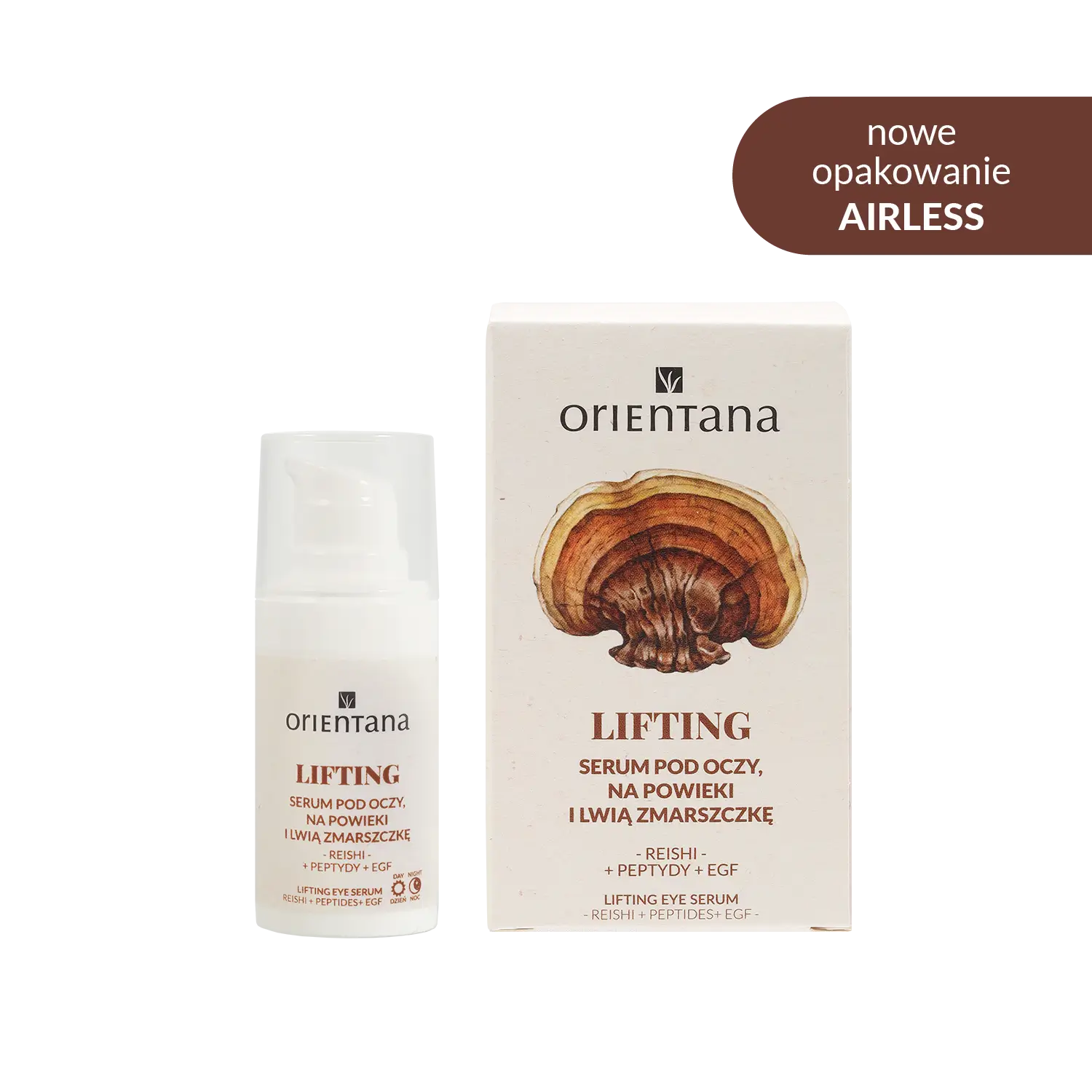
If you want to see the full collection of effective solutions, check out Orientana's natural eye cosmetics.