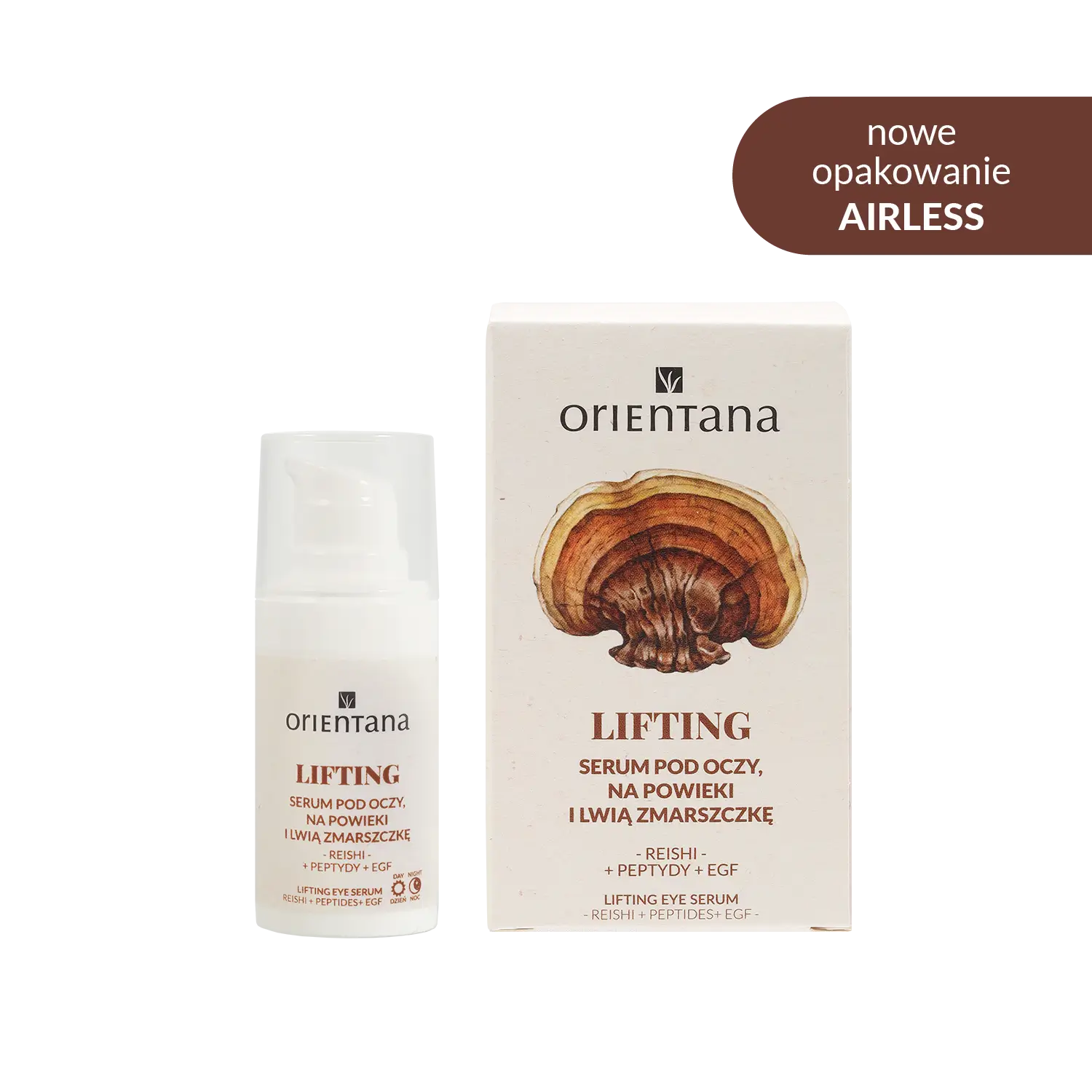
In the world of natural cosmetics and conscious skincare, we increasingly ask ourselves: what do we want out of products? One such ingredient is paraffin – a raw material commonly used in cosmetics and the candle industry, which, despite its apparent safety, benefits neither the health of the skin nor the planet.
As a cosmetologist for the Orientana brand, I will explain today why we do not use paraffin in any of our products – from creams and butters to candles – and why a conscious choice of "paraffin-free" is a step towards true care and concern for the environment.
What exactly is paraffin?
Paraffin is a byproduct of petroleum refining – a mixture of long-chain saturated hydrocarbons. In cosmetics, it appears under various INCI names, such as Paraffinum Liquidum, Mineral Oil, Petrolatum, and Cera Microcristallina.
Since the 1930s, it has been used as an inexpensive occlusive base, giving creams and balms a velvety consistency. However, its effect is based on a physical, not biological, effect – it does not nourish the skin, but merely creates a protective film that limits water evaporation.
Why was paraffin so popular in cosmetics?
In the past, it was almost ideal: stable, odorless, and non-rancid. It quickly imparted a smoothness to the skin, which consumers mistakenly associated with hydration. However, from the perspective of modern cosmetology, this hydration is merely a false one.
Paraffin does not penetrate the epidermis and does not deliver nutrients. It acts as a protective plastic barrier, limiting transepidermal water loss (TEWL), but simultaneously inhibits the skin's natural renewal processes. How paraffin affects the skin – research facts. From a scientific perspective, paraffin is a purely occlusive substance. It creates a film that reduces water evaporation, but it does not strengthen the hydrolipid barrier or support the skin's metabolic processes.
Read if you are interested in how to strengthen the hydrolipid barrier.
Scientific research
According to research by the International Journal of Cosmetic Science (2018), the use of creams with Paraffinum Liquidum reduces TEWL, but at the same time reduces the activity of the sebaceous glands and the natural production of ceramides. In practice, this means that the skin stops "working" on its own - it is passively moisturized, but biologically weakened.
In turn, studies published in the Journal of Dermatological Treatment (2021) indicate that long-term use of paraffin can disrupt the skin's microbiome. Under the tight occlusive layer, the epidermal microenvironment changes – oxygen access decreases and humidity increases, which favors the growth of anaerobic bacteria, such as Cutibacterium acnes.
The result can be microinflammation, blackheads, and so-called cosmetic acne. The effect of occlusion versus the nourishing effect. Paraffin wax provides an immediate smoothing effect, but this is a cosmetic effect, not a skincare one. It does not rebuild the lipid barrier, nor does it provide fatty acids or vitamins. After discontinuing its use, a feeling of dryness often occurs – the skin, "lazy" due to occlusion, loses its ability to self-hydrate.
Natural oils work differently. Plant-based emollients, such as coconut oil, jojoba oil, sesame oil, almond oil, or shea butter, are biocompatible—they penetrate the epidermis, replenish lipids, and strengthen the hydrolipid barrier. Unlike paraffin, they are living, biologically active substances containing essential fatty acids, antioxidants, and vitamins A, E, and F.
Check what oils we use in cosmetics .
Why Orientana doesn't use paraffin
Since the brand's inception, we have been guided by the principle of biocompatibility with skin and nature. We do not use paraffin in any product because: it has no biological value for the skin, is not biodegradable, comes from the petrochemical industry, and is contrary to the idea of natural, plant-based skincare. Instead, we choose plant oils, waxes, and butters that nourish, regenerate, and protect.
Our cosmetics are "biologically alive"—they work with the skin, not isolate it from the outside world. "Paraffin acts like plastic wrap—it smooths but doesn't nourish. At Orientana, we believe that skin should breathe and renew itself naturally."
Fragrance pendants made of natural wax.

Paraffin in candles - hidden threats to health and the environment
Paraffin used in candles is also a petroleum product. When burned, it releases toxic compounds: toluene, formaldehyde, and benzene – substances classified by the WHO as potentially carcinogenic. Research by Environmental Science; Technology (2020) shows that paraffin candles significantly worsen indoor air quality.
Orientan's natural alternative is soy wax candles, fully biodegradable. They don't produce smoke or emit toxins. They burn longer and cleaner, and are scented with natural essential oils. This is a good choice for your health and the planet.
Paraffin and the environment – the effects that cannot be seen
Paraffin isn't just a burden on the skin, it's also a burden on the planet. It comes from petroleum refining, which means CO₂ and methane emissions, massive water consumption, and the creation of toxic petrochemical waste.
Paraffin from cosmetics is flushed down the drain and then into rivers and oceans, where it breaks down into microscopic hydrocarbon particles. This is called microparaffin – an invisible pollutant that threatens plankton, fish, and aquatic organisms.
Paraffin from cosmetics flowing into sewage contributes to environmental pollution, and its persistence makes it problematic for sewage treatment plants and natural ecosystems.
As a brand, Orientana does not use any petroleum derivatives – we ensure that every stage of production is as sustainable and ethical as possible. Natural alternatives to paraffin:
- In cosmetics: oils: coconut, almond, jojoba, sesame, grape seed, butters: shea, mango, cocoa, waxes: carnauba, candelilla.
- In candles: soy, coconut or rapeseed wax, natural essential oils, lead-free cotton wicks.
Discover our natural cosmetics.
Orientana – care in harmony with nature
For 14 years, we have been creating cosmetics that are 100% paraffin-free, biodegradable, cruelty-free, and based on plant-based and biotechnological ingredients. Each product is created with both the skin and the planet in mind.
We don't use petrochemicals because we believe that true care is respect—for ourselves and the environment. Paraffin is an ingredient of the past—cheap, convenient, but non-nutritional and unsustainable.
Modern cosmetology offers better, biocompatible solutions. That's why at Orientana, we replace paraffin with natural oils and butters that truly regenerate the skin, support its microbiome, and don't burden the environment. Conscious skincare is one that cares for both the skin and the Earth.
Frequently asked questions about paraffin
Is paraffin harmful to the skin?
It is not toxic, but it works superficially – it can disrupt the natural processes and microbiome of the skin.
Does paraffin really “clog”?
Yes, it creates an occlusive film that limits gas exchange and can lead to blackheads.
Why does paraffin give a soft skin effect?
This is a physical effect – the smoothness comes from the film on the surface, not from improving the condition of the epidermis.
Are paraffin candles harmful?
When burned, they emit toxins and deteriorate air quality.
What are the alternatives to paraffin?
Vegetable oils, butters and waxes that are nutritious and biodegradable.
Is paraffin ecological?
No. It comes from crude oil and takes hundreds of years to decompose.
Is paraffin vegan?
Technically yes, but it is not ethical - its production involves exploitation of the environment.
Why doesn't Orientana use paraffin?
Because we believe in naturalness, biocompatibility and responsibility towards the planet.
Are cosmetics without paraffin less durable?
No – modern plant formulas are stable and effective without the use of paraffin.
Is paraffin present in Orientana balms?
Never. All our products are free of paraffin and other petroleum derivatives.
Care naturally, breathe consciously. Choose paraffin-free cosmetics – choose Orientana.