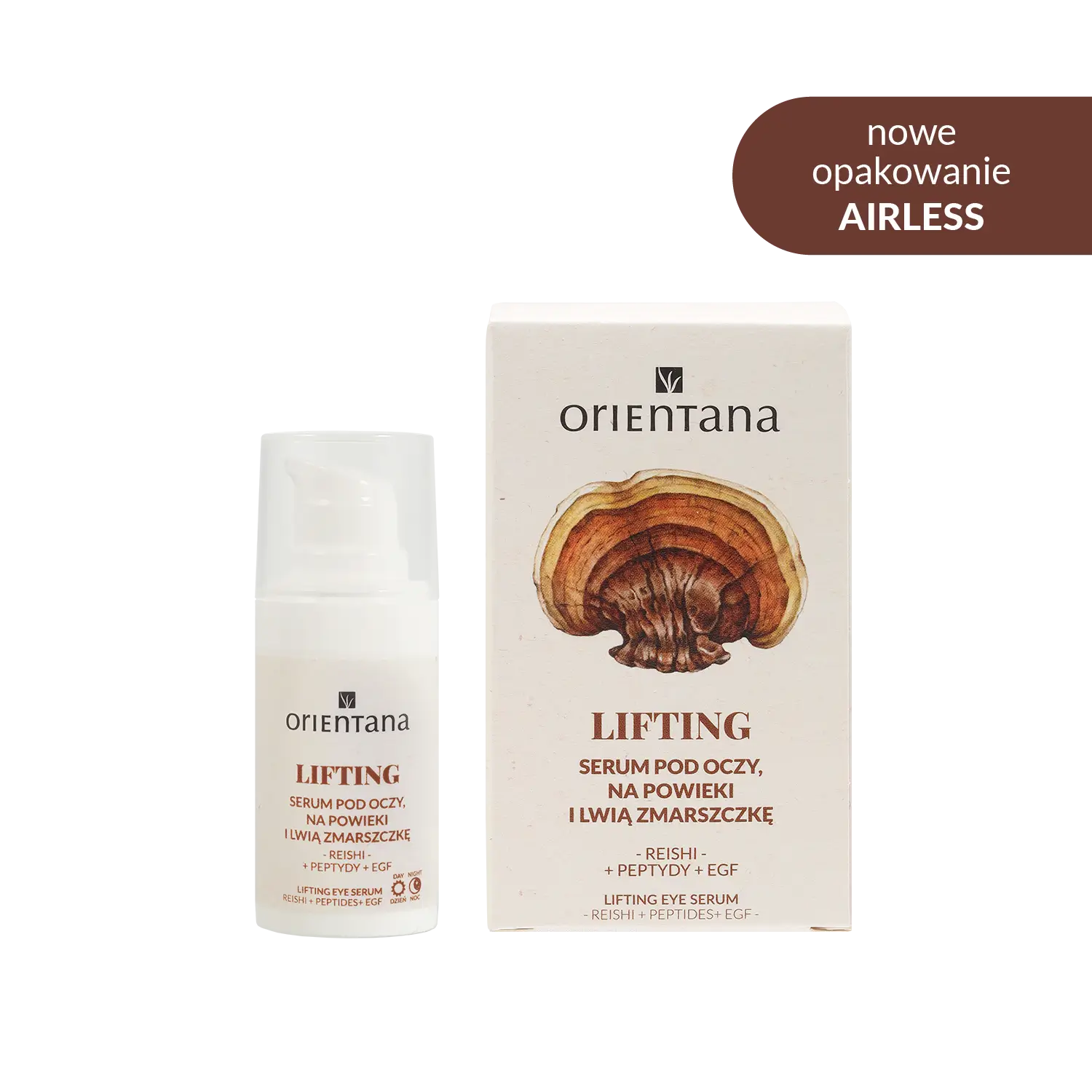
Inspirations
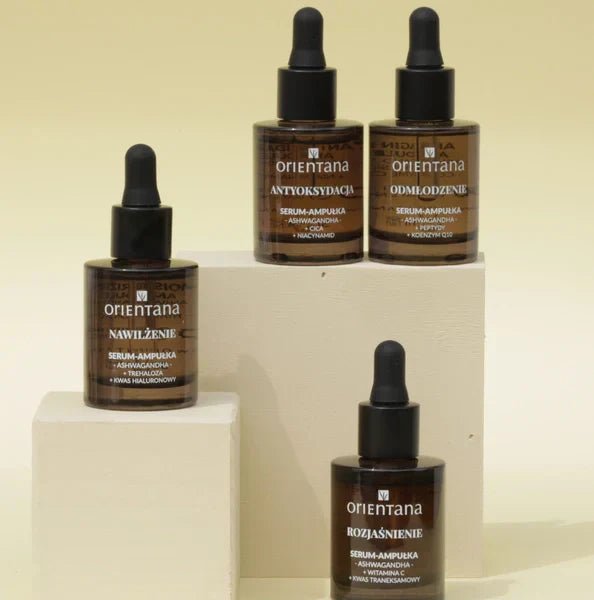
Anti-wrinkle serum – how to choose the best one and effectively rejuvenate your skin?
Have you ever wondered why it's worth using an anti-wrinkle serum ? Wrinkles are a natural part of the skin aging process, but modern skincare can significantly slow their formation and reduce already visible lines . One of the most effective cosmetics in the fight against the signs of aging is an anti-wrinkle serum – a concentrated product rich in active ingredients that works deeper than a regular cream. Unlike creams, serums have a lighter consistency and contain a higher concentration of active ingredients , such as vitamin C, hyaluronic acid, and plant adaptogens. These ingredients intensively support skin regeneration processes, improve firmness, and reduce wrinkles. In this post, you'll learn how anti-wrinkle serums work, which ingredients are truly effective, and I'll present some suggestions from the Orientana brand. We offer several types. serums based on the power of plants, as well as with active ingredients straight from the laboratory. How does anti-wrinkle serum work on the skin? The anti-wrinkle serum works on several levels: It stimulates the production of collagen and elastin , thanks to which the skin regains its firmness and wrinkles are smoothed. Protects against oxidative stress – antioxidants neutralize free radicals that accelerate the aging process. Improves hydration and the hydrolipid barrier – humectant ingredients, such as hyaluronic acid and phytomucin from the Tremella fungus, retain water in the skin. Strengthens and regenerates – adaptogens, such as ashwagandha and reishi, support the skin’s natural defense mechanisms. The effects of using a good anti-wrinkle serum can be seen after just a few weeks – the skin becomes smoother, firmer and more radiant. Key ingredients in anti-wrinkle serum The effectiveness of a serum depends primarily on the quality and synergy of its active ingredients. In anti-aging formulas, it's worth looking for: Retinoids and plant-based retinol equivalents – e.g. bakuchiol, Pistacia lentiscus resin extract (NovoRetin™) – have a strong rejuvenating and smoothing effect. Vitamin C in a stable form (3-O-Ethyl Ascorbic Acid) – brightens discolorations, stimulates collagen synthesis and has an antioxidant effect. Hyaluronic acid and Tremella fuciformis – intense hydration, improved skin elasticity. Niacinamide – improves elasticity, reduces unevenness and fine lines. Adaptogens – ashwagandha, reishi, schizandra – strengthen the skin and improve its resistance to environmental stress. Natural oils and butters – mango, shea, jojoba – nourishment and protection against moisture loss. Orientana Natural Anti-Wrinkle Serum – the Power of Plants and Adaptogens For years, the Orientana brand has specialized in creating natural cosmetics inspired by Asian recipes. These anti-wrinkle serums combine plant power, adaptogens , and modern formulas. These plant-based formulas are enriched with laboratory-proven ingredients in safe concentrations , ensuring they are effective but non-irritating. The offer includes the following anti-wrinkle serums : Ashwagandha + CICA + Niacinamide Antioxidant Serum A good starter in the fight against wrinkles. Start using it after the age of 25. It regenerates, soothes, and smooths wrinkles, and is also ideal for sensitive skin. Serum Ampoule Ashwagandha + peptides + coenzyme Q10 xx Reishi Serum + Retinol – a strong antioxidant, supports skin density and firmness. Tremella Serum with Exosomes – moisturizes, improves elasticity and reduces fine lines. Ashwagandha Serum with Vitamin C and Tranexamic Acid Thanks to natural ingredients and high concentrations of active substances, Orientana serums support both the reduction of signs of aging and anti-aging prevention. How to choose an anti-wrinkle serum for your skin type and age Dry and mature skin – choose a serum rich in peptides, retinol, hyaluronic acid, and adaptogens Combination and oily skin – choose light formulas with niacinamide, exosomes and tremella. Sensitive skin – avoid intense retinoids, choose gentler, plant-based formulas such as Ashwagandha + CICA serum, or ethylated vitamin C serum. Prevention – after the age of 25, it is worth using an anti-wrinkle serum to delay the formation of wrinkles. How to use anti-wrinkle serum to make it work effectively Cleansing – apply the serum to clean, dry skin of the face and neck. Order – apply the serum before the cream so that the active ingredients can penetrate deeper. Frequency – usually 1–2 times a day, depending on the manufacturer’s recommendations. UV protection – when using vitamin C, retinol or its substitutes, be sure to use SPF. Myths about anti-wrinkle serums “The serum only works on deep wrinkles” – in fact, it also works preventively and on fine lines. “I don’t need a serum before I’m 40.” – anti-aging prevention should start much earlier. “Natural serums are less effective” – carefully selected plant ingredients, such as those in the Orientana serum, are as effective as synthetic formulas. Anti-wrinkle serums are not only cosmetics that reduce existing wrinkles, but also an effective tool in preventing skin aging. By choosing natural formulas rich in adaptogens and vitamin C, like those found in Orientana serums, you're investing in healthy, younger-looking skin for years to come. Check out the full range of Orientana Natural Serums and find the perfect formula for your skin.
Learn more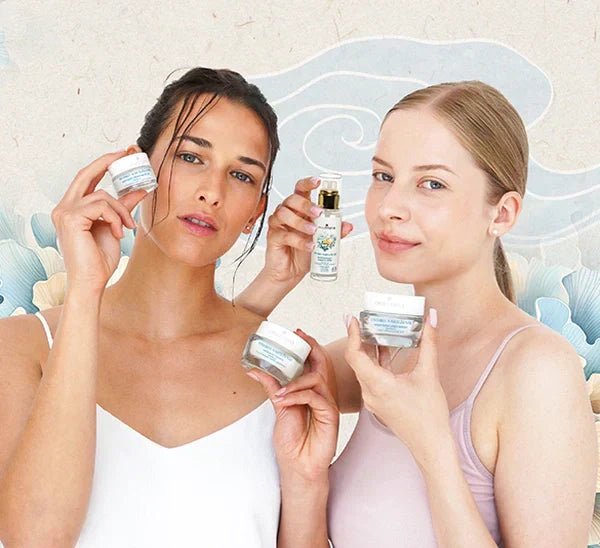
How to hydrate your skin? What's the difference between moisturizing and hydrating your skin?
In skincare, we often use the terms “moisturizing” and “hydration” interchangeably, although they actually refer to two different processes. Skin hydration involves replenishing and maintaining optimal water levels in the stratum corneum of the epidermis, which directly impacts its elasticity, firmness, and healthy tone. Moisturizing, on the other hand, creates an occlusive barrier on the skin's surface that prevents excessive water loss—known as TEWL (transepidermal water loss). Why is this distinction so important? Because we can have well-moisturized skin yet suffer from dehydration. Dehydrated skin loses its radiance, ages faster, and is more susceptible to irritation. Furthermore, this problem affects not only dry skin— combination or oily skin can also become dehydrated , especially as a result of improper care, air conditioning, or UV radiation. In this article, I'll show you how to recognize dehydrated skin, how to effectively hydrate it from the inside and out, and what mistakes can sabotage your skincare efforts. How to recognize dehydrated skin? Skin dehydration is a temporary condition in which the stratum corneum of the epidermis lacks adequate water. Unlike dry skin, which results from genetic predisposition or a chronic disruption of the hydrolipid barrier, dehydration can affect any skin type, including oily and acne-prone skin. The most common symptoms of dehydrated skin: feeling of tightness , especially after washing the face, roughness and slight flaking , fine dehydration wrinkles visible when smiling or making facial expressions, loss of natural glow – the skin looks “ dull ” and tired, increased sensitivity and tendency to irritation. Factors contributing to skin dehydration: external – exposure to sun, frost, wind, air conditioning, heating, air pollution, internal – insufficient hydration of the body, a diet poor in healthy fats and antioxidants, stress, sleep deprivation, chronic diseases. It's important not to confuse dehydrated skin with dry skin – in the former, the key is to supply water and retain it in the epidermis, while in the latter, it's to restore the lipid deficiencies in the hydrolipid barrier. Correctly diagnosing the problem is the first step to an effective skincare plan. Hydrating the skin from the inside – the role of diet and lifestyle Although we often focus on cosmetics in skincare, effective skin hydration starts from the inside . Our skin, like all body tissues, is largely composed of water. It's responsible for proper cell function, elasticity, firmness, and a healthy complexion. Without sufficient hydration, even the best moisturizer won't be fully effective, as the hydrolipid barrier in the epidermis won't have anything to "hold" in place. Proper hydration of the body The simplest and most important step is drinking water regularly . An adult should consume an average of 2–2.5 liters per day, with this need increasing in hot weather, during intense physical activity, or in heated or air-conditioned rooms. It is worth remembering that hydration is not only about the amount of water drunk, but also about the way it is delivered : drink in small sips throughout the day, not large amounts at once, avoid long breaks without drinking, include medium-mineralized water, which provides valuable electrolytes. Electrolytes (sodium, potassium, magnesium, calcium) are responsible for maintaining water and electrolyte balance, and their deficiency can lead to dry skin, fatigue, and loss of firmness. Therefore, during intense exercise or high temperatures, it's worth drinking water with added natural electrolytes or sugar-free isotonic drinks. A diet rich in ingredients that support skin hydration Skin hydration is supported not only by water, but also by a proper diet , which provides ingredients that facilitate the retention of moisture in the epidermis and protect cells from damage. Key elements of a skin hydration diet: Omega-3 and omega-6 fatty acids rebuild the hydrolipid barrier and reduce TEWL (transepidermal water loss). They can be found in oily marine fish, flaxseed oil, evening primrose oil, and sunflower seeds. Antioxidants – neutralize free radicals that can damage skin proteins and lipids, weakening its ability to retain water. Rich sources include blueberries, strawberries, green tea, cocoa, green and orange vegetables. Foods with high water content – fresh fruits and vegetables, e.g. watermelon, cucumber, tomato, pepper, orange. Protein – supports collagen and elastin production, thus maintaining skin elasticity. It's worth reaching for lean meats, fish, dairy products, and legumes. Factors that impair skin hydration To effectively hydrate your skin, you also need to avoid factors that contribute to its drying from the inside : excess alcohol – has a diuretic effect, increasing the loss of water from the body, high caffeine consumption – coffee and strong tea in excess can also accelerate dehydration, a diet low in healthy fats – the lack of lipids in the diet weakens the skin's protective barrier, high levels of simple sugars – intensifies the glycation of skin proteins and weakens its protective function. Expert tip: If you want to maintain a healthy level of skin hydration, follow the "inside & outside hydration" principle - maintain a daily fluid balance and a diet rich in antioxidants, and at the same time use cosmetics with humectants and emollients. Hydrating the skin from the outside – cosmetics and active ingredients For effective skin hydration, drinking adequate amounts of water and eating a healthy diet isn't enough. The epidermis acts as a barrier, naturally restricting water from entering the skin in both directions . This means that even if you drink enough fluids, your skin can lose moisture through transepidermal water loss (TEWL). Therefore, in care it is crucial to provide ingredients that: attract and bind water in the stratum corneum (humectants), rebuild the lipid barrier (emollients), they create a protective layer that limits water loss (occlusion). Humectants – water magnets Humectants are highly hygroscopic substances that bind water in the epidermis. They can act in two ways: they draw moisture from the air or "attract" it from the deeper layers of the skin. The most effective humectants for skin hydration: Hyaluronic acid – comes in various molecular weights; low molecular weight penetrates deeper and hydrates, high molecular weight works on the surface, creating a protective film. Glycerin – one of the most universal and stable humectants, well tolerated even by sensitive skin. Betaine – naturally occurring in sugar beet, soothes irritations and regulates cell water balance. Trehalose and sorbitol – protect cells against oxidative stress and support water binding. Beautician's tip: For humectants to be truly effective, it's best to apply them to slightly damp skin and then seal in the moisture with a layer of emollients. Emollients – rebuilding the lipid barrier Emollients fill the intercellular spaces in the stratum corneum, strengthening the skin's protective barrier and reducing water loss. They are particularly important for dry and sensitive skin, but all skin types benefit from them. Examples of plant emollients: Oils rich in EFAs – sesame oil, Vegetable butters – shea butter, mango butter, cocoa butter. Squalane – a light emollient from olives or sugar cane, well tolerated by oily skin. Emollients not only protect but also increase the elasticity of the skin, making it soft and smooth. Occlusive substances – a shield protecting moisture Occlusion involves the creation of a delicate film on the skin's surface that limits water loss. In natural cosmetics, this function can be performed by, among others: vegetable waxes (e.g. jojoba wax, candelilla wax), natural resins and plant gums (acacia gum, Caesalpinia Spinosa gums), vegetable lanolin. Occlusion is often combined with humectants and emollients in one cosmetic to provide multi-level skin hydration. Multifunctional cosmetics – synergy of ingredients The best results are achieved by using cosmetics that combine humectants, emollients, and occlusive substances . This not only moisturizes the skin but also protects it from water loss. Examples of plant ingredients that support skin hydration: Tremella fuciformis – so-called "plant hyaluronic acid", binds water more effectively than high molecular weight HA, giving the skin a silky smoothness. Date extract – improves elasticity and the skin's ability to retain moisture. Aloe – moisturizes, soothes and supports regeneration. Reishi – an adaptogen that strengthens the skin’s protective barrier and reduces water loss. Expert tip: If your skin is severely dehydrated, incorporate a serum with humectants into your routine, followed by an emollient-rich cream. During periods of increased water loss (winter, summer, air conditioning), additionally use moisturizing masks 2–3 times a week. A proper skincare routine to support skin hydration Hydrating your skin is a multi-step process that requires consistency and the right product selection. It's not just about what you apply to your skin, but also the order in which you apply it . With a well-planned routine, you can effectively retain moisture in the epidermis and rebuild the hydrolipid barrier. Gentle cleansing – the first step to skin hydration Proper skin cleansing is the foundation of all skincare. Harsh detergents (e.g., SLS, SLES) can strip away natural lipids, increasing TEWL and exacerbating dehydration. How to cleanse your skin to avoid drying it out: Choose gentle cleansing agents – gels, foams and emulsions with plant-based surfactants, e.g. Disodium Cocoyl Glutamate, Sodium Cocoamphoacetate. Use the double cleansing method when using makeup or UV filters – first a cleansing oil or balm, then an SLS-free gel. Wash your face with lukewarm water – hot water dissolves protective lipids, accelerating water loss from the epidermis. I recommend: Orientana foam and oil Applying serum or essence to slightly damp skin Humectants work best when the skin is slightly damp. This allows them to bind to water already present on the skin's surface. Steps: After cleansing, pat your face dry with a towel, leaving minimal moisture. Apply serum with hyaluronic acid, betaine or trehalose . You can also use a tonic essence with humectants, e.g. aloe vera, tremella or date extract, to "enrich" the moisture level before applying the cream. Layering cosmetics – the “sandwich” method The "sandwich" method involves layering: humectant → emollient → occlusive. This is especially important for severely dehydrated skin or during winter and summer periods when TEWL is higher. Routine example: Moisturizing serum with humectants, e.g. Hydro Tremella serum Cream with emollients (vegetable oils, butter, squalane). An additional protective layer – e.g. barrier cream or night mask. UV protection – an ally in skin hydration UV radiation damages the lipids in the stratum corneum and the structural proteins of the skin, which weakens its ability to retain water. Therefore, photoprotection is crucial for skin hydration. Use SPF 30–50 sunscreen every day, all year round. Choose mineral or mixed filters if you have sensitive skin. Remember to reapply every 2-3 hours if exposed to the sun. Additional treatments to support skin hydration Moisturizing masks – 2-3 times a week, preferably in the evening, so that the skin can regenerate while you sleep. Moisturizing mists – for use during the day, especially in air-conditioned rooms. I recommend our Rose Tonic in mist form. Office treatments – oxygen infusion, needle-free mesotherapy with hyaluronic acid or trehalose. Expert tip: Remember that hydrating your skin is a continuous process – applying a moisturizing mask once a week isn't enough. The key is a daily skincare routine that combines hydration from the inside and out . Mistakes that sabotage skin hydration Many people complain that despite regularly using moisturizers, their skin still feels rough, tight, and lackluster. Often, the cause isn't a lack of appropriate cosmetics, but rather habits that make it difficult to maintain proper skin hydration . Here are the most common: Using cosmetics with a high concentration of denatured alcohol Denatured alcohol (Alcohol Denat.) in large quantities can severely degrease the skin and disrupt the hydrolipid barrier, which increases TEWL. As a result, the skin loses water more quickly and becomes susceptible to irritation. How to avoid this: choose cosmetics that contain low levels of alcohol or are combined with a large amount of moisturizing substances. Excessive skin exfoliation Mechanical and chemical peels used too frequently can lead to a weakening of the protective barrier and a loss of the skin's ability to retain moisture. How to avoid this: Exfoliate 1–2 times a week for oily skin, and every 10–14 days for dry or sensitive skin. Always use a regenerating and occlusive product after exfoliating. No sun protection UV radiation is one of the main factors accelerating skin aging and deepening dehydration. It damages lipids, collagen, and elastin, making the skin less able to retain water. How to avoid it: Use SPF 30-50 sunscreen every day, regardless of the weather. Washing your face with hot water Hot water dissolves natural protective lipids and increases water loss from the epidermis. How to avoid this: use lukewarm water and gentle, fragrance-free cleansers. Lack of protection of humectants with a layer of emollients Applying only a serum with hyaluronic acid without "sealing" it with a cream may paradoxically increase dehydration, especially in dry air - humectants will start to draw water from the deeper layers of the skin. How to avoid this: always use an occlusive-emollient cosmetic after applying humectants. Neglecting body hydration Hydrating your skin is a process that starts from the inside. A lack of adequate water in your diet will make even the best external skincare less effective. How to avoid it: drink 2–2.5 liters of fluids a day and include foods rich in water and electrolytes in your diet. Expert tip: Skin needs time to rebuild its protective barrier. Even after correcting these mistakes, the moisturizing effects may not be visible until 2–4 weeks of regular, proper care. Effective plant ingredients for skin hydration – a cosmetologist's perspective More and more people are seeking natural ingredients in their skincare routine that effectively bind water in the epidermis, rebuild the hydrolipid barrier, and protect the skin from moisture loss. Natural moisturizing ingredients are distinguished by their multifaceted action – they not only hydrate but also provide antioxidants, vitamins, and polysaccharides that support healthy-looking skin. Below are four ingredients with proven effectiveness that are increasingly being used in plant-based cosmetics to moisturize the skin . Tremella fuciformis – plant-based hyaluronic acid Tremella, known as the "silver ear" or "snow mushroom", is a source of natural polysaccharides with a structure capable of binding water similarly or even more effectively than traditional high molecular weight hyaluronic acid. Binds water molecules in the stratum corneum, providing long-lasting hydration. It creates a silky, breathable protective layer on the skin surface. Strengthens elasticity and reduces skin roughness. Studies have shown that Tremella extract increases skin hydration by up to 28% after 4 weeks of regular use , making it one of the most effective natural moisturizing ingredients . Reishi – an adaptogen that supports the skin barrier Reishi mushroom (Ganoderma lucidum) has been valued in Asian medicine for hundreds of years. It is used in cosmetology for its strengthening and regenerating properties on the skin barrier. Contains beta-glucans, which improve the skin's ability to bind water. It has an antioxidant effect, neutralizing free radicals. Supports skin regeneration under the influence of environmental factors such as UV radiation and pollution. Regular use of plant-based skin care products with Reishi helps maintain skin balance and reduces the risk of dehydration. Vegetable glycerin – a classic in a natural version Vegetable glycerin is one of the most commonly used humectants in cosmetology, but its origin matters. Derived from vegetable oils (e.g., coconut, soybean), it is fully biodegradable and safe for sensitive skin. Binds water in the epidermis, preventing it from evaporating. Improves skin softness and smoothness. Enhances the action of other active ingredients in the cosmetic formula. In natural cosmetics, vegetable glycerin is often combined with plant extracts, which increases their effectiveness in long-term skin hydration. Trehalose – a protective sugar Trehalose is a natural disaccharide that, in the plant world, protects cells from water loss during drought. It has a similar effect in hydrating cosmetics: Stabilizes cell structures, protecting them from dehydration. Neutralizes free radicals and protects against oxidative stress. Supports the regeneration of skin exposed to extreme temperatures and dry air. Trehalose is an ideal ingredient for people who want to not only hydrate, but also protect their skin against future moisture loss . Expert tip: For best results, use cosmetics that combine several natural moisturizing ingredients. This synergistic formula hydrates the skin on multiple levels and provides protection from environmental factors. Summary – A Holistic Approach to Skin Hydration Hydrating your skin is a process that requires both internal and external action. Drinking enough water, eating a diet rich in healthy fats, protein, and antioxidants, and avoiding dehydrating factors are the foundation for healthy, supple, and radiant skin. External skincare should be based on natural moisturizing ingredients such as Tremella, Reishi, vegetable glycerin, and trehalose, which work on multiple levels—binding water in the epidermis, rebuilding the hydrolipid barrier, and protecting against excessive moisture loss. A combination of humectants, emollients, and occlusives in your daily routine guarantees effective skin hydration. The key is regularity and tailoring your skincare routine to your skin's needs. Even the best cream or serum won't deliver the full benefits if used sporadically or without proper hydration. Expert conclusion: A holistic approach – combining hydration from the inside with care rich in plant ingredients – is the best strategy for healthy, firm and radiant skin all year round. If you're looking to incorporate effective plant-based skincare products into your skincare routine, consider formulas with Tremella, Reishi, vegetable glycerin, and trehalose. You'll find them at Orientana – natural moisturizers that will provide your skin with long-lasting hydration, protection, and a radiant appearance.
Learn more
July cosmetics set - 5 most frequently chosen Orientana products
Summer is a time when skin and hair especially need light, effective, and moisturizing care. High temperatures, sun, air conditioning, and swimming in the sea and pool mean that summer cosmetics should not only nourish but also protect and regenerate. That's why we've prepared a set of July cosmetics - the 5 most frequently chosen Orientana products that will help you take care of your complexion, hair and the skin of your entire body during the holiday season. July cosmetics set - what do you choose most often? Our July collection was created based on our customers' most frequent choices. These products combine: light formulas, effective natural ingredients, versatile action tailored to summer needs. TOP 5 cosmetics of July Orientana 1. Cream for combination skin – sebum regulation and hydration This cream for combination skin is a must-have for those who struggle with excessive shine in the summer but don't want to dry out their skin. Its light texture moisturizes while regulating sebum, leaving skin looking fresh and healthy. FAQ about the cream: Is the cream suitable under makeup and SPF? Yes, it has a light consistency and absorbs quickly. Does it dry out the dry areas of the face? No – it balances sebum and moisture levels. Ashwagandha + Trehalose Moisturizing Serum - Moisturizing and soothing This serum combines the adaptogen ashwagandha and trehalose. It has antioxidant properties, protects against environmental stress, and intensely moisturizes. Perfect under sunscreen and for hot days. FAQ about the serum: Isn't the serum too heavy for summer? No, it has a watery, light consistency. Can it be combined with vitamin C? Yes, it's a great addition to your daily routine. 3. Reishi Eye and Eyelid Serum – Regeneration and Rejuvenation The eye area is particularly susceptible to dryness and fatigue in the summer. This serum with Reishi mushroom regenerates, reduces dark circles and puffiness, and strengthens the skin around the eyes and on the eyelids. FAQ about Reishi Serum: Can I also apply the serum to my eyelids? Yes, it's intended for that purpose. How quickly will I notice results? The first results—brightening and smoothing—may be visible after just a few days. 4. Japanese Sakura Mist – refreshing for body and hair This alcohol-free mist with sakura extract instantly refreshes, moisturizes, and relaxes. It can be used on both body and hair—perfect for your purse, the beach, or when traveling. FAQ about the mist: Does it contain alcohol? No, it's 100% alcohol-free. How long does the fragrance last? Several hours, with reapplication possible throughout the day. 5. Moisturizing shampoo – healthy and shiny hair Hair requires special protection in the summer. Orientana Moisturizing Shampoo, based on a gentle SLS/SLES-free cleansing base and enriched with plant extracts, cares for the hair and scalp, preventing dryness and leaving it soft. FAQ about shampoo: Is it suitable for everyday use? Yes, it is gentle and safe. Can I use it on color-treated hair? Yes, it doesn't wash out the color and actually protects it from fading. Why is it worth having this Orientana cosmetics set? Consistent care = better results. Natural ingredients, no animal testing. Products tailored to the summer needs of skin and hair. Frequently asked questions about the July cosmetics set 1. Can I use all facial products together? Yes, the cosmetics are complementary to each other – they create a complete care routine from face to hair. 2. Will the set be suitable for a holiday trip? Yes – the products have lightweight formulas, and the mist comes in a handy 50 ml container, perfect for carry-on luggage. You can also transfer the shampoo to a smaller container. 3. How long does this cosmetic set last? With daily use, it will last on average 1–2 months, depending on the frequency of use. 4. Is this cosmetics set suitable for sensitive skin? Yes – all products are based on natural ingredients, without alcohol and aggressive detergents. 5. Can I buy the products separately or only as a set? Each cosmetic is only available separately, but together they create a perfectly matched care routine. 5. Can the cosmetics from the set be used during pregnancy? Each of the cosmetics described above can be used during pregnancy and breastfeeding. The July Orientana cosmetics set includes 5 skincare hits that our customers love. They'll help you care for your face, eye area, body, and hair—naturally, effectively, and without weighing you down. Check out all Orientana products and create your own summer cosmetics set : see the entire offer.
Learn more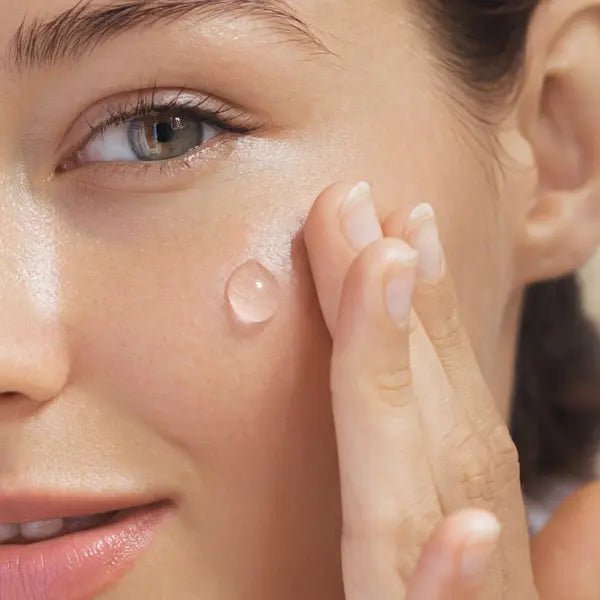
Facial essence: why is it worth using?
In the world of skincare, more and more connections between Eastern traditions and modern cosmetology are emerging. One such example is facial essence – a light yet concentrated formula that effectively moisturizes , nourishes, and enhances the performance of other cosmetics . In this post, we explain what facial essence is, how to use it, and why it's worth choosing natural products from Orientana. What is facial essence? Facial essence is a lightweight cosmetic with a liquid, gel, or slightly watery consistency, representing one of the key steps in conscious and effective skincare. Its main function is to deliver concentrated active ingredients that intensely moisturize, regenerate, and strengthen the skin. Thanks to its light formula, the essence absorbs very quickly , leaving no greasy or sticky film. Essences are often compared to toners or serums, but each of these products serves a different purpose in a skincare routine. While toners primarily restore the skin's proper pH and refresh it after cleansing, and serums target specific skin concerns (such as discoloration or wrinkles), essences focus primarily on intense hydration and strengthening the skin's natural protective barrier . This increases the skin's ability to absorb subsequent cosmetic products, such as serums, oils, or creams. The concept of facial essences stems from the Korean skincare philosophy known as layering skincare , which involves layering cosmetics of varying consistency and action. Each layer complements and enhances the effects of the next, ensuring optimal skincare results. In Korean culture, essences are considered the "heart" of a daily skincare routine—a key step that determines the effectiveness of the entire ritual. Ayurveda, the ancient Indian science of health and beauty, also offers an analogy to facial essences. These are revitalizing herbal elixirs designed to restore skin's harmony and prepare it for subsequent care. According to Ayurveda, the skin is a mirror of our inner health, and a carefully selected essence can restore its natural energy balance, ensuring a younger and more radiant appearance. Incorporating essences into your daily skincare ritual is a step towards conscious and comprehensive skincare, in line with both Korean and Ayurvedic beauty principles. How does the essence work and what effects does it give? Used regularly, this facial essence provides numerous benefits to the skin, stemming from the intensive, multifaceted action of its active ingredients. Thanks to its light consistency, the active ingredients easily penetrate deeper layers of the skin, ensuring effectiveness on multiple levels of care. Deep and lasting skin hydration The essence's primary purpose is to deeply hydrate the skin. Its formula is rich in humectants , highly moisturizing substances that have the ability to attract and retain water molecules in the epidermis. The most popular and effective include: Hyaluronic acid binds water molecules, retaining moisture even in the deepest layers of the epidermis. This hydrates the skin from within, and the moisturizing effect lasts longer. Glycerin – effectively retains water on the skin surface, protecting it from drying out. Trehalose – a natural sugar with protective properties that not only intensely moisturizes but also helps the skin regain its water balance. The effect of regular use of the essence is visibly hydrated, supple and elastic skin. Improving the absorption of active ingredients Moisturized skin better absorbs the ingredients contained in cosmetics applied in subsequent skincare steps. Regular use of essences increases the effectiveness of serums, creams, and oils. Essences prepare the skin for optimal absorption of active ingredients, maximizing their skincare potential. Strengthening the skin's hydrolipid barrier The essence is rich in ingredients that regenerate the skin's natural protective barrier – the hydrolipid barrier. This provides better protection against external factors (pollution, smog, air conditioning, and UV radiation) and transepidermal water loss (TEWL). Among the most commonly used ingredients to strengthen the skin barrier are: Plant ferments – e.g. yeast ferments or rice ferments, which regenerate and balance the skin's microbiome, strengthening its natural protective mechanisms. Amino acids – ingredients naturally occurring in the skin that strengthen the structure of the epidermis and improve its resistance to dryness and irritation. Phytoextracts – e.g. plant extracts rich in antioxidants that support the regeneration of the protective barrier and soothe inflammation. The effect of using the essence is stronger, healthier and more resistant skin, less susceptible to dryness and irritation. "Glow", smoothing and rejuvenating effect Regularly used, this essence improves the appearance and condition of the skin, giving it a distinctive " glow " effect—a subtle, natural glow. Thanks to its high concentration of nutrients, the skin becomes noticeably firmer , softer , smoother, and more radiant . The essence also helps reduce fine lines, improving overall skin texture and making it look younger and healthier. To sum up, regular use of facial essence gives the following effects: Intensively moisturized and nourished skin, Improved absorption of active ingredients from subsequent cosmetics, Strengthened and rebuilt hydrolipid barrier , Visibly smoother , firmer and more radiant skin. Thanks to these properties, the essence is a perfect complement to conscious and comprehensive care for all skin types. Orientana Facial Essence – Snail Slime + Trehalose Orientana Snail Slime Facial Essence is an innovative cosmetic with a natural, light, gel consistency that combines traditional Asian skincare recipes with the latest cosmetology discoveries. Created with the needs of all skin types in mind, it offers particular benefits to dry , tired , mature skin, and skin showing the first signs of aging . The product contains 98.6% natural ingredients, making it an ideal solution for those seeking effective yet safe skincare. Key active ingredients of Orientana essence: Snail Secretion Filtrate – a unique, strongly regenerating ingredient, rich in valuable substances, such as: Collagen – provides the skin with firmness, elasticity and smoothes fine wrinkles. Elastin – improves skin firmness, restoring its younger appearance. Allantoin – has a soothing and calming effect and accelerates the regeneration processes of the epidermis, reducing redness and irritation. Vitamins and enzymes – help brighten discolorations, even out skin tone and restore its healthy glow. Trehalose – a natural sugar with intensely moisturizing properties that creates an invisible protective layer on the skin. This effectively protects skin cells from moisture loss, ensuring optimal hydration for hours. Trehalose also soothes feelings of tightness and dryness. Konjac extract – a natural ingredient that gives the essence its characteristic, light, gel-like consistency. Its structure facilitates deeper penetration of active ingredients into the skin, enhancing their nourishing effects. Allantoin – a soothing, plant-derived ingredient with anti-inflammatory, calming, and regenerative properties. Allantoin accelerates the healing of minor skin damage, soothes redness, and minimizes irritation, leaving skin more comfortable and resilient. Action and effects of Orientana essence: Thanks to the synergistic action of carefully selected ingredients, Orientana essence brings comprehensive improvement to the skin's condition, acting on several levels simultaneously: Intensive hydration and firming – restores the skin’s optimal hydration level, eliminating the feeling of tightness, roughness and fine wrinkles resulting from dryness. Reduction of discoloration and wrinkles – brightens pigmentation discolorations and reduces the visibility of fine lines, giving the skin a more uniform, younger appearance. Regeneration and improvement of elasticity – snail slime stimulates the natural skin renewal processes, strengthening its structure, improving firmness and elasticity, and counteracting the signs of skin aging. Brightening and smoothing the complexion – the complexion becomes radiant, smoother, and its tone evens out, regaining a healthy, youthful glow. How to use Orientana essence? To maximize the care potential of the Snail Slime + Trehalose essence: Cleansing and toning – always apply the essence to cleansed and toned skin of the face, neck and décolleté. Daily care : Evening – you can use the essence as an intensive regenerating mask without rinsing, applying a larger amount at night. In the morning – use as a base for other cosmetics such as serum, cream or makeup. Applying the product – spread a few drops of the essence gently with your fingertips over the entire face and neck, gently patting the cosmetic in until completely absorbed. How to apply facial essence step by step? Application order Cleansing : Use a cleansing gel or oil . Toning : Restore your skin's proper pH. Use the Soothing toner . Facial essence : Put a few drops on your hands and pat into the skin of your face and neck. Serum and cream : Continue your skincare routine according to your skin's needs. You can apply serum followed by cream, or just cream . Pro Tip: The essence can also be used in the "7 skin method", i.e. applying several layers for maximum hydration. Incorporating Orientana Essence into your skincare routine is a guarantee of beautiful, moisturized and healthy-looking skin, thanks to the power of natural ingredients and an effective formula based on the centuries-old traditions of Asian cosmetology. Want to experience the true power of natural hydration? Discover Orientana facial essences and choose the perfect product for your skin! Facial essence is an exceptionally effective, yet gentle, skincare product that can revolutionize your daily rituals. By choosing natural products like those from Orientana, you're investing not only in beautiful skin but also in harmonious and conscious skincare.
Learn more
What to put under face SPF in the summer? A cosmetologist advises on which serum to choose and how to prepare your skin for the sun.
Summer is a time of intense sun, high temperatures, and… frequent skincare mistakes. Most people know that sunscreen is an essential part of their routine, but still few of us consider what should be applied under facial SPF. Yet, a well-chosen base layer can determine the effectiveness of sun protection, the comfort of wearing the filter, and even the skin’s condition after a full day of UV exposure. As a cosmetologist, I often hear questions like: Is it enough to just apply sunscreen? Can I use a vitamin C serum under SPF? What about hydration? The answer isn't straightforward – it all depends on the skin's needs, the type of sunscreen product, and the conditions we're in. Facial SPF is just one piece of the puzzle; what's underneath it is equally important. In this article, I explain: why it's worth applying skincare under sunscreen, which ingredients work best in summer, which formulas work with SPF and which can weaken its effect, and what an ideal morning routine looks like in the sunny season. Let's start with the basics: why even bother applying anything under facial SPF? Why apply anything under facial SPF? Sunscreen is one of the most important skincare products – it protects the skin from the harmful effects of UV radiation, preventing photoaging and hyperpigmentation. However, for facial SPF to work effectively and not burden the skin, it should be part of a well-planned morning routine. Sunscreen alone is not enough – it’s worth preparing the skin for its application using appropriate base cosmetics. Better adhesion and effectiveness of the filter Well-hydrated and smooth skin is an ideal base for any sunscreen. Facial SPF spreads better and doesn't pill if you apply a light serum or moisturizing cream beforehand. This ensures that the filter will work evenly and effectively. Enhanced antioxidant protection UV radiation not only damages skin cell DNA but also generates what is known as oxidative stress, which accelerates the aging process. This is why cosmetologists recommend using vitamin C serum or other antioxidants under facial SPF – it's an effective shield against free radicals. Research shows that combining vitamin C and sunscreens significantly increases photoprotection. Hydration and skin barrier protection High temperatures, sun, and air conditioning can lead to epidermal dehydration. Sunscreen alone is often not enough, especially if it contains alcohol or mattifying ingredients. Therefore, it's worth applying a product with hyaluronic acid, trehalose, or squalane under facial SPF to ensure proper hydration and prevent a tight skin feeling. Comfortable wear all day long Properly chosen skincare under SPF ensures that the skin looks fresh, doesn't get excessively shiny, and the filter doesn't "cake" or separate. This is especially important when you wear makeup – a skincare base under the filter improves its longevity and appearance on the face. So, if you want facial SPF to fulfill its function not just on paper, but in reality, don't skip the foundational skincare step. Lightweight, hydrating, and antioxidant formulas will help your skin better withstand sun exposure and provide comfort throughout the day. Characteristics of ideal cosmetics under facial SPF in summer In summer, skincare must be light, effective, and well-thought-out. High temperatures, air humidity, sweat, and excess sebum mean that every extra layer on the face can affect the comfort of the entire day. Therefore, if you reach for facial SPF, also consider what cosmetics to apply under the filter so as not to overload the skin and not weaken the protective action. Light, fast-absorbing formulas Under facial SPF, gel, water, or water-emulsion consistency products work best. They should absorb quickly and not leave a greasy film. Serums and essences are well-tolerated, as they do not negatively affect the durability of filters or cause them to pill. Examples of ideal consistencies: Ashwagandha ampoule serum Tremella elixir serum. Smoothing and soothing serum Anti-wrinkle serum Non-comedogenic and oil-free formulas During the summer, many people struggle with excessive skin shine and clogged pores. Therefore, it is advisable to use non-comedogenic cosmetics free of heavy oils or waxes under facial SPF. Such formulas not only prevent imperfections but also work better with chemical and mineral filters. Active ingredients supporting UV protection Some substances not only "get along" well with SPF but even enhance its effects. These include: vitamins C and E - powerful antioxidants that increase the effectiveness of sun protection, ashwagandha - a powerful antioxidant, scavenging free radicals produced by radiation niacinamide - regulates sebum, has anti-inflammatory and brightening effects, hyaluronic acid - binds water and protects the skin from dehydration, CICA (Centella Asiatica) - soothes, regenerates, and protects capillaries Check out our ashwagandha cosmetics. Minimalist and compatible compositions Cosmetics under SPF should be well thought out – the fewer irritating ingredients, the better. Avoid overly intense AHA/BHA acids, retinoids, and exfoliating products in the morning. Ideal care under facial SPF is one that supports the epidermal barrier, does not interact with the filter, and does not cause irritation. Cosmetologist's tipRemember, not every cosmetic will work well with sunscreen. If your facial SPF pills, shines, or "cakes," it's worth looking at the previous layers of skincare. Sometimes, simply switching to a lighter serum or omitting a cream can significantly improve the longevity of sun protection. Properly selected active ingredients not only do not interfere with sunscreens but can genuinely enhance the effect of facial SPF, support the skin in fighting free radicals, and prevent the formation of hyperpigmentation. Below is a list of substances worth using in a serum or light cream under SPF in the summer – also in the context of daily antioxidant care. Best active ingredients under facial SPF Properly selected active ingredients not only do not interfere with sunscreens but can genuinely enhance the effect of facial SPF, support the skin in fighting free radicals, and prevent the formation of hyperpigmentation. Below I discuss a list of substances that are worth using in a serum or light cream under SPF in the summer – also in the context of daily antioxidant care. Vitamin C (ascorbic acid and derivatives) In summer skincare, vitamin C plays a key role, being one of the best-researched and most effective antioxidants. In the form of ascorbic acid or its stable derivatives like ethylated vitamin C, it neutralizes free radicals generated by UV radiation, thereby genuinely supporting the action of sunscreens. Regular use of vitamin C serum in the morning, under facial SPF, not only strengthens the skin's antioxidant protection but also prevents the formation of hyperpigmentation and evens out skin tone. It is an excellent choice for those with dull, tired skin prone to uneven pigmentation, and it makes an ideal base under a filter because modern vitamin C formulas are light, watery, and absorb well. Niacinamide The second ingredient worth incorporating into your morning routine before applying facial SPF is niacinamide, also known as vitamin B3. This substance is renowned for its versatility and excellent skin tolerance. It has anti-inflammatory properties, regulates sebum secretion, strengthens the epidermal barrier, and exhibits depigmenting effects, which is why it is particularly recommended for individuals struggling with post-sun or post-acne hyperpigmentation. Niacinamide also works wonderfully for oily and combination skin, as it has mattifying and soothing properties, helping to maintain comfort even on hot days. In combination with sunscreens, it forms a cohesive duo, protecting the skin from photodamage while supporting its natural defense mechanisms. Hyaluronic acid (in various forms) We cannot forget about the ingredient that ensures the comfort of wearing SPF even on the hottest days – hyaluronic acid. This physiological humectant, naturally occurring in our skin, has the ability to bind water in the epidermis and maintain proper hydration levels. Thanks to its lightness and compatibility with other ingredients, it is perfect for use under facial SPF – it does not burden the skin, does not interfere with filters, and provides comfort throughout the day. Hyaluronic acid in various molecular forms (high and low molecular weight) effectively improves skin elasticity, reduces the feeling of tightness after filter application, and facilitates the spreading of protective cosmetics. It is an inconspicuous but extremely important ingredient in summer care for all skin types – including dry, reactive, and mature skin. Plant antioxidants - natural shield for skiny Schizandra Chinensis (Chinese magnolia vine) - antioxidant shield Schizandra extract is a source of lignans and flavonoids – compounds with strong antioxidant effects. It protects the skin from environmental damage, improves its resistance to stress, and also has soothing and anti-inflammatory properties. It is an excellent ingredient to use under facial SPF in summer, especially in conditions of urban smog and strong sunlight. Rhodiola Rosea (Rhodiola rosea) - adaptogen protecting against cellular stress An adaptogenic root that acts as a biological shield - it helps the skin adapt to difficult environmental conditions, such as UV radiation, pollution, and extreme temperatures. It has antioxidant and anti-inflammatory properties, supports regeneration, and slows down aging processes. Withania Somnifera (ashwagandha) - Ayurvedic antioxidant and soothing adaptogen Ashwagandha, known from Ayurveda, has a calming effect on skin stressed by sun and external factors. The withanolides contained in the root have anti-inflammatory, antioxidant, and protective properties. It's a great choice under facial SPF, especially for dry, reactive, and dehydrated skin. Centella Asiatica (Centella asiatica) - soothing and regeneration Centella asiatica has soothing, regenerating, and strengthening properties. Madecassoside and asiaticoside support epidermal reconstruction processes, protect against oxidative stress, and strengthen capillaries. An ingredient recommended under SPF, especially in the care of couperose and sensitive skin. Formulas to avoid under facial SPF Choosing the right skincare under sunscreen is crucial not only for the comfort of wearing the product but, more importantly, for the effectiveness of UV protection. Although facial SPF is a cornerstone of summer routine, not every product we apply under the filter works in its favor. Some ingredients or formulas can reduce its stability, cause pilling on the skin, or exacerbate imperfections and shine. It's important to know what to avoid, especially on hot, humid days when the skin reacts more quickly to overload. The first category of ingredients to avoid under SPF are heavy emollients, i.e., fatty oils, butters, and waxes, especially in high concentrations. While they can be helpful for nighttime regeneration, their application in the morning, under sunscreen, often results in excessive shine, a sticky feeling, or even clogged pores. A heavy lipid layer can also interfere with the adhesion and spreading of the filter, leading to its uneven distribution and reduced effectiveness of sun protection. As a result, facial SPF does not work as it should, and wearing comfort drastically decreases. A second mistake is reaching for active exfoliating or irritating cosmetics in the morning, especially those containing high concentrations of AHA and BHA acids, retinol, or retinoids. Although these ingredients work great in evening care, in the morning they can increase skin sensitivity to UV radiation and raise the risk of hyperpigmentation. Moreover, applying such preparations under facial SPF in mid-summer, without precise knowledge of their phototoxicity, can lead to micro-irritations, dryness, and skin hyperreactivity. Another problem can be excessive layering of skincare, meaning too many products before applying the filter. Although many people like comprehensive routines, applying several layers of serums, creams, oils, and boosters can lead to SPF "pilling," meaning it rubs off unattractively during the day. Additionally, this increases the risk of ingredient interaction and destabilization of sun protection. In summer, it's worth adopting the "less is more" principle – one well-chosen active product and a light moisturizing cream are definitely sufficient under facial SPF. Products with unpredictable compatibility with filters should also be avoided, especially strongly silicone-based, heavily pigmented, or those with a noticeable lifting effect (e.g., with a high content of film formers). Although they often provide an "instant smoothing effect," they can cause facial SPF to pill or combine poorly with makeup. Cosmetologist's tip:If your sunscreen doesn't spread well, separates, or leaves streaks, the problem might not be with the SPF itself, but with the skincare you applied beforehand. Sometimes, simply reducing the number of layers or changing the cream formula to a lighter one can make a huge difference in comfort and effectiveness of protection. How to apply skincare under SPF step by step? For facial SPF to work effectively and provide the declared sun protection, not only its quality but also its application method and skin preparation are crucial. The daily morning skincare routine should be well-thought-out, light, and adapted to the current needs of the skin. An excess of products, poorly chosen formulas, or incorrect order can lead to even the best sunscreen not fulfilling its function. Here's how to properly apply skincare under facial SPF – step by step. Start with a thorough but gentle cleansing of the skin. In summer, when sweating and sebum production increase, it's worth using foaming cleansers or gels without SLS, which effectively remove nighttime skincare residues without disrupting the hydrolipid barrier. Clean skin absorbs active ingredients better and allows the filter to spread evenly. The next step is toning, which means restoring the skin's natural pH after washing and gently moisturizing it. Choose toners or watery essences with gentle humectants, such as glycerin or aloe, which will prepare the skin to receive the serum. This step is often skipped, which is a shame – toning improves the absorption of subsequent cosmetics and minimizes the feeling of dryness after SPF, especially if you use mattifying filters. Next comes the serum – this is where you incorporate active ingredients that support sun protection, such as vitamin C, niacinamide, schizandra, ashwagandha, or rhodiola rosea. Choose a serum with a light, water-gel formula – it will absorb quickly, won't weigh down the skin, and will form an active base under facial SPF. The serum should be tailored to your skin type and needs: antioxidant for mature skin, mattifying for oily, regenerating for sensitive. Check out our face serums. Next step – moisturizer, though not always necessary. If your SPF contains moisturizing ingredients and has a comfortable consistency, you can use it without a prior cream. But if you have dry, dehydrated skin or use a filter prone to drying, a light moisturizer (e.g., with hyaluronic acid, trehalose, or algae) will be a great support. Just be careful not to overdo the layers – too rich a cream can cause facial SPF to pill. Finally, apply sunscreen, preferably SPF 30 or SPF 50, selected for your skin type (mineral or chemical, light fluid, cream-gel, or emulsion). Apply it generously – your face needs about half a teaspoon of cream to achieve the level of protection declared by the manufacturer. Allow the SPF to absorb well before moving on to makeup or subsequent steps. Cosmetologist's tip:Remember, proper SPF application is not just about choosing a good product, but also about consciously preparing the skin. Thanks to light, well-chosen active cosmetics and the correct order of steps, facial SPF will work effectively all day long, and you will avoid irritation, shine, and hyperpigmentation. FAQ - most common patient questions in the cosmetology office The selection and proper use of facial SPF is one of the most frequently discussed topics during cosmetology consultations, especially in the spring and summer. Below you will find answers to questions that my patients regularly ask, which may also clear up your doubts. Can facial SPF replace moisturizer? Yes, but not always. Many modern sunscreens contain moisturizing ingredients, but they are usually not sufficient in summer. It is worth applying a water serum beforehand (for example, one of the SPF serum ampoules) or a light moisturizing cream (for example, a vitamin C cream or a tremella cream). Should I use serum or cream under SPF? It depends on the needs of your skin. If the filter itself is comfortable, a serum will suffice. For dry or irritated skin, it's worth adding a moisturizing cream. The most important thing is not to overload the skin with too many layers – the priority is that facial SPF spreads well and doesn't pill. My patients praise serum ampoules under SPF. Can I use retinol in summer under SPF? Retinol itself is not photosensitizing, but it increases the skin's sensitivity to UV radiation, so its use in summer requires great caution. If you continue the treatment, ensure regeneration, strong hydration, and daily, high facial SPF 50 protection. However, it is safest to limit retinoids to evening care, take a break during the summer season, or choose Retinol H10 (hydrogenated), which is non-irritating. Can I apply SPF directly to cleansed skin? Theoretically yes, but it is not an optimal solution. Skin deprived of a moisturizing layer loses water faster, which can affect the comfort of wearing the filter. Even a thin layer of toner and a light serum can significantly improve the longevity and quality of facial SPF application. Why does SPF pill or rub off? The most common reason is incompatibility with previous skincare – too greasy a cream, too many silicones, or layering too many products. It's worth testing different configurations and opting for minimalist, light formulas under the filter. Do I need to reapply SPF throughout the day if I'm not at the beach? Yes, if you are exposed to daylight for many hours – even in the city. Facial SPF loses effectiveness after a few hours, especially with sweating, touching your face, or wearing makeup. Does SPF clog pores? Not all of them. Modern SPF formulas are increasingly lighter, non-comedogenic, and adapted to various skin types. When choosing a facial SPF, pay attention to its ingredients – avoid heavy oils, waxes, and comedogenic filters if you are prone to imperfections. However, always wash off SPF in the evening. The best solution to guarantee no clogged pores is a two-step cleansing. First, cleansing oil, then foam or gel. How to combine SPF with makeup? After applying sunscreen, wait a few minutes for the product to absorb well. Avoid rubbing and apply makeup gently, preferably with a sponge or fingers. Facial SPF in a light emulsion or cream-gel works well with mineral foundations and light BB creams. My Summary - take care of skincare under SPF, and your skin will thank you Proper sun protection is more than just choosing a good filter. For facial SPF to work effectively, it should be applied to properly prepared skin – moisturized, strengthened, and protected from oxidative stress. It is worth opting for light formulas, active antioxidant ingredients, and avoiding cosmetics that may interfere with its action. As a cosmetologist, I see how much daily routine impacts skin condition, especially in summer. Proper care under facial SPF not only increases the effectiveness of sun protection but also reduces the formation of hyperpigmentation, wrinkles, and dryness. The key is a conscious, consistent approach and avoiding random layers that do not cooperate with the skin or the filter. If you want to choose the right products under SPF or need a light, effective antioxidant serum for the day, reach for proven solutions with natural ingredients and a light, gel base. In summer, your skin truly needs less, but wisely chosen. Check out Orientana's range of serums and creams under SPF – based on plant adaptogens and antioxidants, ideal for summer. Żaneta Pasierkiewicz - Orientana Cosmetologist
Learn more
INGREDIENT Trehalose: Revolution for Your Skin
Trehalose Ingredient - Get to Know It! In today's world of skincare, where new and more innovative ingredients are emerging, trehalose stands out as a true revolutionary. If you haven't heard of this amazing disaccharide, it's time to change that. This ingredient is gaining increasing popularity among skincare enthusiasts and dermatologists, and Polish women have also fallen in love with it. In this blog post, we will take a look at what trehalose is, what benefits it has for the skin, and how you can incorporate it into your daily skincare routine. What is Trehalose? Trehalose is a natural sugar found in many plants, fungi, and some invertebrates. It is known for its ability to protect cells from dehydration and oxidative stress. These properties make trehalose a valuable ingredient in skin care cosmetics. INGREDIENT TREHALOSE - Skin Benefits 1. Hydration and Protection Against Dehydration The ingredient acts as a powerful humectant, meaning it attracts and retains moisture in the skin. This keeps the skin well-hydrated, soft and supple. Unlike other humectants, this ingredient not only attracts water from the environment, but also protects skin cells from dehydration in extreme conditions. 2. Antioxidant Properties This ingredient has strong antioxidant properties that help neutralize the harmful effects of free radicals. Free radicals contribute to premature skin aging, causing wrinkles and loss of elasticity. It helps protect the skin from this damage, contributing to a healthier and younger appearance. 3. Skin Regeneration and Repair Thanks to its ability to stabilize proteins and lipids, trehalose supports skin regeneration processes. It helps rebuild the skin's natural protective barrier, which is especially important for people with sensitive skin, prone to irritation and damage. 4. Increased Skin Elasticity Regular use of trehalose in skin care can lead to increased skin elasticity. Elastic skin is less prone to wrinkles and fine lines, which helps maintain a youthful appearance for longer. How to Incorporate Trehalose Into Your Skin Care Routine? It is available in various skin care products such as creams, serums, masks and toners. Here are some steps on how you can effectively incorporate this ingredient into your daily routine: Choose the Right Product: Look for products that have trehalose as one of their main ingredients. This could be a moisturizing face cream, a regenerating serum or a nourishing mask. Use Regularly: For best results, use products with this ingredient regularly. Apply cream or serum to cleansed skin in the morning and evening. Combine with Other Ingredients: Works well with other moisturizing and regenerating ingredients, such as hyaluronic acid, vitamin E or ceramides. Combining these ingredients can increase the effectiveness of care. Examples of Trehalose Products 1. Hand cream with snail slime A light yet intensely moisturising cream that is perfect for everyday hand care. Contains additional nutrients that support skin health. 2. REISHI AND CERAFLUID® Serum 5% A concentrated serum that provides deep hydration and skin regeneration. Ideal for use before applying a moisturizer. This serum not only contains the ingredient we are talking about but also ceramides and an extract of the adaptogenic reishi mushroom. 3. ACTIVE smoothing serum HELLO DAKTYL Concentrated milk serum additionally containing date extract, Korean ginseng extract, baicalin, hydromanil, chia oil. It has a rejuvenating and strongly moisturizing effect. 3. FACE ESSENCE - Snail Slime Intensively moisturizing essence that immediately improves the condition of the skin. Use several times a week to enjoy maximum benefits. Additional ingredients of the essence are snail slime filtrate, allantoin. 4. Papaya and Turmeric Facial Essence Gel essence that strongly moisturizes and brightens discolorations, Summary This is an ingredient that should be in the arsenal of every person who cares about their skin. Thanks to its unique moisturizing, antioxidant and regenerative properties, it can significantly improve the condition of the skin, helping it look healthy and youthful. By choosing products with trehalose and using them regularly, you can enjoy all its benefits. Have you tried cosmetics with this ingredient? Share your experiences in the comments below!
Learn more