Inspirations
Anti-wrinkle serum – how to choose the best one and effectively rejuvenate your skin?
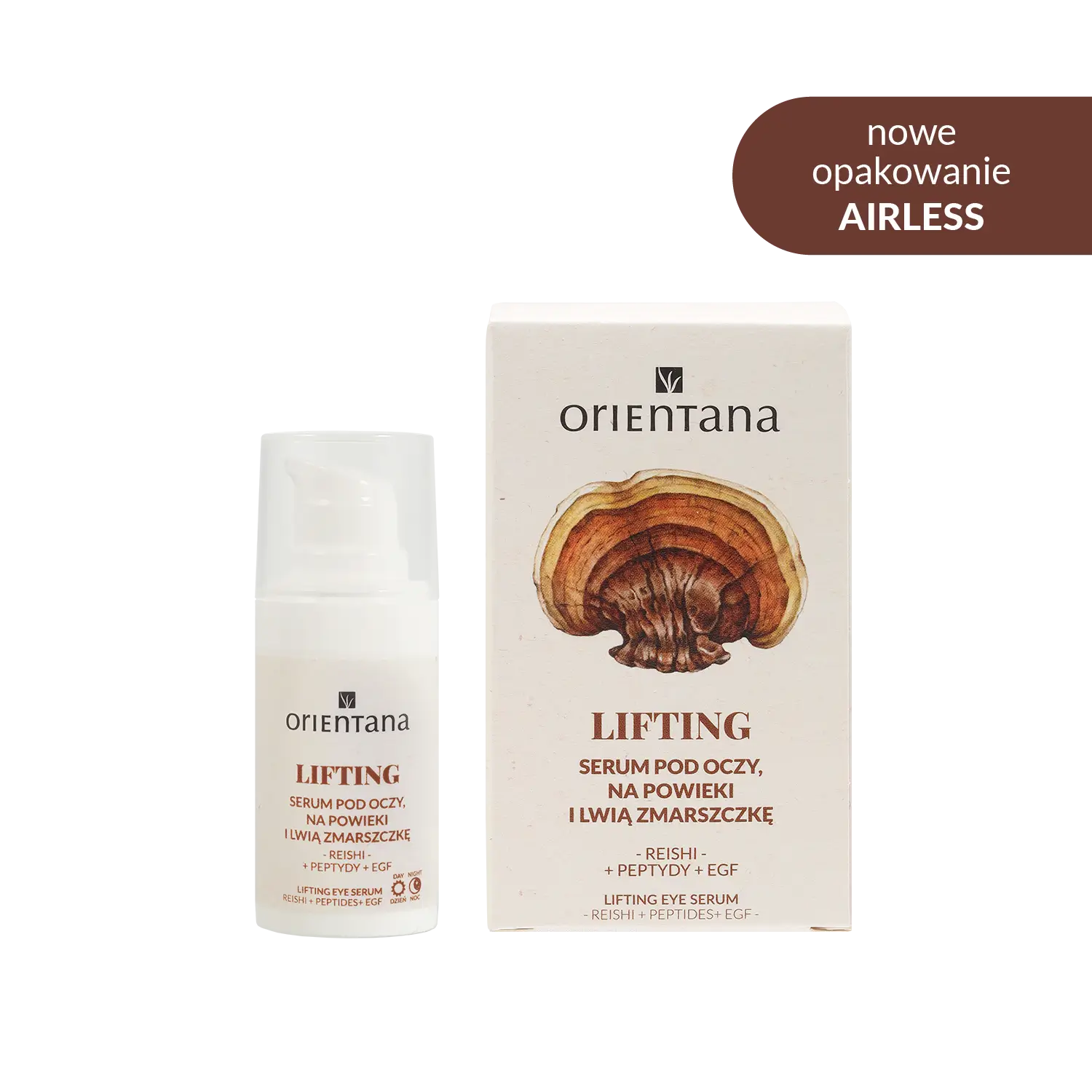
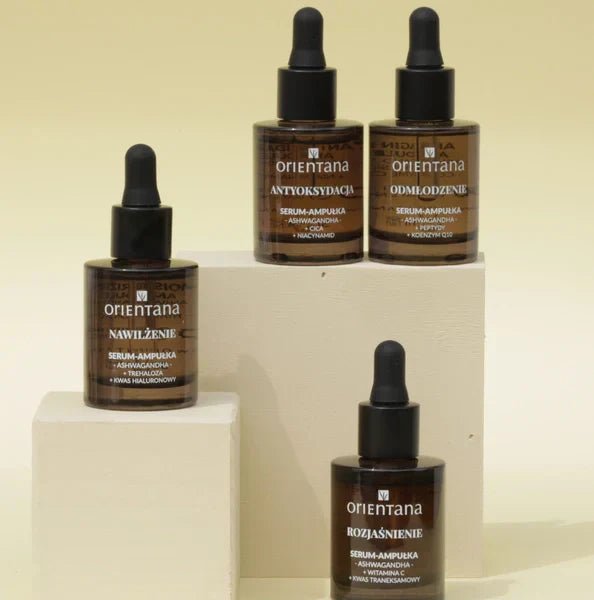
Have you ever wondered why it's worth using an anti-wrinkle serum ? Wrinkles are a natural part of the skin aging process, but modern skincare can significantly slow their formation and reduce already visible lines . One of the most effective cosmetics in the fight against the signs of aging is an anti-wrinkle serum – a concentrated product rich in active ingredients that works deeper than a regular cream. Unlike creams, serums have a lighter consistency and contain a higher concentration of active ingredients , such as vitamin C, hyaluronic acid, and plant adaptogens. These ingredients intensively support skin regeneration processes, improve firmness, and reduce wrinkles. In this post, you'll learn how anti-wrinkle serums work, which ingredients are truly effective, and I'll present some suggestions from the Orientana brand. We offer several types. serums based on the power of plants, as well as with active ingredients straight from the laboratory. How does anti-wrinkle serum work on the skin? The anti-wrinkle serum works on several levels: It stimulates the production of collagen and elastin , thanks to which the skin regains its firmness and wrinkles are smoothed. Protects against oxidative stress – antioxidants neutralize free radicals that accelerate the aging process. Improves hydration and the hydrolipid barrier – humectant ingredients, such as hyaluronic acid and phytomucin from the Tremella fungus, retain water in the skin. Strengthens and regenerates – adaptogens, such as ashwagandha and reishi, support the skin’s natural defense mechanisms. The effects of using a good anti-wrinkle serum can be seen after just a few weeks – the skin becomes smoother, firmer and more radiant. Key ingredients in anti-wrinkle serum The effectiveness of a serum depends primarily on the quality and synergy of its active ingredients. In anti-aging formulas, it's worth looking for: Retinoids and plant-based retinol equivalents – e.g. bakuchiol, Pistacia lentiscus resin extract (NovoRetin™) – have a strong rejuvenating and smoothing effect. Vitamin C in a stable form (3-O-Ethyl Ascorbic Acid) – brightens discolorations, stimulates collagen synthesis and has an antioxidant effect. Hyaluronic acid and Tremella fuciformis – intense hydration, improved skin elasticity. Niacinamide – improves elasticity, reduces unevenness and fine lines. Adaptogens – ashwagandha, reishi, schizandra – strengthen the skin and improve its resistance to environmental stress. Natural oils and butters – mango, shea, jojoba – nourishment and protection against moisture loss. Orientana Natural Anti-Wrinkle Serum – the Power of Plants and Adaptogens For years, the Orientana brand has specialized in creating natural cosmetics inspired by Asian recipes. These anti-wrinkle serums combine plant power, adaptogens , and modern formulas. These plant-based formulas are enriched with laboratory-proven ingredients in safe concentrations , ensuring they are effective but non-irritating. The offer includes the following anti-wrinkle serums : Ashwagandha + CICA + Niacinamide Antioxidant Serum A good starter in the fight against wrinkles. Start using it after the age of 25. It regenerates, soothes, and smooths wrinkles, and is also ideal for sensitive skin. Serum Ampoule Ashwagandha + peptides + coenzyme Q10 xx Reishi Serum + Retinol – a strong antioxidant, supports skin density and firmness. Tremella Serum with Exosomes – moisturizes, improves elasticity and reduces fine lines. Ashwagandha Serum with Vitamin C and Tranexamic Acid Thanks to natural ingredients and high concentrations of active substances, Orientana serums support both the reduction of signs of aging and anti-aging prevention. How to choose an anti-wrinkle serum for your skin type and age Dry and mature skin – choose a serum rich in peptides, retinol, hyaluronic acid, and adaptogens Combination and oily skin – choose light formulas with niacinamide, exosomes and tremella. Sensitive skin – avoid intense retinoids, choose gentler, plant-based formulas such as Ashwagandha + CICA serum, or ethylated vitamin C serum. Prevention – after the age of 25, it is worth using an anti-wrinkle serum to delay the formation of wrinkles. How to use anti-wrinkle serum to make it work effectively Cleansing – apply the serum to clean, dry skin of the face and neck. Order – apply the serum before the cream so that the active ingredients can penetrate deeper. Frequency – usually 1–2 times a day, depending on the manufacturer’s recommendations. UV protection – when using vitamin C, retinol or its substitutes, be sure to use SPF. Myths about anti-wrinkle serums “The serum only works on deep wrinkles” – in fact, it also works preventively and on fine lines. “I don’t need a serum before I’m 40.” – anti-aging prevention should start much earlier. “Natural serums are less effective” – carefully selected plant ingredients, such as those in the Orientana serum, are as effective as synthetic formulas. Anti-wrinkle serums are not only cosmetics that reduce existing wrinkles, but also an effective tool in preventing skin aging. By choosing natural formulas rich in adaptogens and vitamin C, like those found in Orientana serums, you're investing in healthy, younger-looking skin for years to come. Check out the full range of Orientana Natural Serums and find the perfect formula for your skin.
Learn more
How to prepare your skin for summer?
How to prepare your skin for summer? This is a question many people ask themselves when they want to take care of their skin before sun exposure. After winter, skin is often dry, weakened, and less resistant to changing temperatures. To ensure a healthy appearance in summer, it's worth implementing natural skincare rituals that will improve the condition of the epidermis, restore hydration, and prepare the skin for the sun's rays. Cleanse your skin naturally – homemade scrubs and plant cosmetics The first step in preparing your skin for summer is cleansing and detoxification . Regular exfoliation helps smooth the skin, improves its tone, and increases the absorption of active ingredients. For a body scrub, you can use coffee grounds combined with a few drops of Orientana body oil—for example, with Indian jasmine. Alternatively, combine the oil with sea salt—an intensely stimulating treatment that improves microcirculation and firms the skin. Facial skin requires a more gentle approach. Choose natural scrubs based on plant extracts, such as the Kali Musli enzymatic scrub , which not only exfoliates but also protects the skin from discoloration, evens out skin tone, and supports regeneration. You can also prepare homemade sugar, lemon, or honey scrubs. Let your skin breathe – limit your makeup In the summer, it's worth limiting makeup like foundations, fluids, and powders, which weigh down the skin and promote imperfections. Skin that can breathe freely looks healthier and younger. Instead of makeup, opt for natural moisturizers that support the skin's hydrolipid barrier and don't clog pores. Intensive hydration – the key to radiant skin Hydration is the foundation of healthy skin in the summer. High temperatures increase transepidermal water loss, so it's worth reaching for cosmetics rich in plant-based active ingredients. Tremella (snow fungus)-based cosmetics are ideal, as they moisturize more effectively than hyaluronic acid, as are water-based cosmetics with a light, gel-like consistency. Recommended products: Hydrotremella Serum – instantly hydrates and smoothes the skin Orientana Ampoule Serum – perfect under SPF cream, they work on the 4 most common skin problems. Strengthen your skin with Ayurveda – massages and oils Summer skincare isn't just about cosmetics, but also rituals that support both body and mind. Daily massages with natural oils improve circulation, support detoxification, and strengthen skin structure. We especially recommend the SMOOTHING Anti-Cellulite Oil , which contains 17 Ayurvedic herbs such as ginger, turmeric, rosemary, and cinnamon – these ingredients support the removal of toxins and improve skin firmness. For the delicate skin of the bust, Orientana has created Firming Oil , which combines pomegranate, ashwagandha , and rosemary extracts with the natural ingredient VOLUFORM. Regular use of the oil strengthens the bust skin, increases its elasticity, and supports the natural appearance of the breasts. Hygiene while traveling – antibacterial hand gel Vacations, climate change, and traveling by train, plane, or car mean we don't always have access to soap and water. Therefore, hand hygiene is a key element of summer care – for both health and beauty reasons. To ensure effective protection, it is worth reaching for a pocket-sized hand gel. However, afterward, hand skin is susceptible to dryness and irritation caused by disinfectants, which can disrupt the hydrolipid barrier. Therefore, always remember to bring hand cream when traveling. How to care for your facial skin while flying? Air travel, especially long-haul, is a huge challenge for facial skin. Air conditioning, low humidity, and the stress of travel can all lead to dehydration, tightness, and a dull appearance. Therefore, it's worth implementing a few tried-and-true skincare rituals before and after your flight. Before the flight Before boarding, thoroughly cleanse your skin and apply an intensely hydrating serum, such as Hydrotremella Serum with Exosomes or one of our Serum Ampoules, according to your skin's needs . Then, apply a moisturizer that creates a protective layer and prevents water loss. In summer, choose a lightweight cream, such as Hello Papaya Energizing Cream with Vitamin C. Spraying your face with a natural tonic will also work well. You can take all these Orientana cosmetics with you in your hand luggage , but remember that they must be packed in a zip-lock bag. During the flight Avoid makeup. Instead, carry a light facial toner that you can easily spritz onto your skin, such as Rose Toner , along with lip balm and hand cream. This will prevent your most sensitive areas from drying out. After arrival and jet lag After landing, it's worth reaching for the OrientanaA Energizing Booster – a product based on natural plant extracts that instantly restores skin's radiance, moisturizes, and reduces signs of fatigue. Perfect for those feeling jet lag, tired skin, and in need of an instant refresh. This product contains Indian ginseng, caffeine, and bamboo ferment—ingredients that support microcirculation, reduce puffiness, and brighten the complexion. Its lightweight consistency also makes it a great base for makeup. When traveling by plane, less is more – take care of your skin, but give it a rest. Natural skincare from Orientan will keep you fresh and comfortable, even at an altitude of 10,000 meters! Take care of your skin this summer with natural cosmetics from Orientana. Discover the full range of Ayurveda-inspired products and create a summer skincare ritual that holistically cares for your face and body . Properly preparing your skin for summer is a combination of gentle cleansing, intensive hydration, and nature-inspired care. By using plant-based active ingredients and Ayurvedic rituals, you support your skin effectively and safely. Orientana offers comprehensive solutions that will restore your skin's radiance and resilience, so essential for the summer season.
Learn more
What to put under face SPF in the summer? A cosmetologist advises on which serum to choose and how to prepare your skin for the sun.
Summer is a time of intense sun, high temperatures, and… frequent skincare mistakes. Most people know that sunscreen is an essential part of their routine, but still few of us consider what should be applied under facial SPF. Yet, a well-chosen base layer can determine the effectiveness of sun protection, the comfort of wearing the filter, and even the skin’s condition after a full day of UV exposure. As a cosmetologist, I often hear questions like: Is it enough to just apply sunscreen? Can I use a vitamin C serum under SPF? What about hydration? The answer isn't straightforward – it all depends on the skin's needs, the type of sunscreen product, and the conditions we're in. Facial SPF is just one piece of the puzzle; what's underneath it is equally important. In this article, I explain: why it's worth applying skincare under sunscreen, which ingredients work best in summer, which formulas work with SPF and which can weaken its effect, and what an ideal morning routine looks like in the sunny season. Let's start with the basics: why even bother applying anything under facial SPF? Why apply anything under facial SPF? Sunscreen is one of the most important skincare products – it protects the skin from the harmful effects of UV radiation, preventing photoaging and hyperpigmentation. However, for facial SPF to work effectively and not burden the skin, it should be part of a well-planned morning routine. Sunscreen alone is not enough – it’s worth preparing the skin for its application using appropriate base cosmetics. Better adhesion and effectiveness of the filter Well-hydrated and smooth skin is an ideal base for any sunscreen. Facial SPF spreads better and doesn't pill if you apply a light serum or moisturizing cream beforehand. This ensures that the filter will work evenly and effectively. Enhanced antioxidant protection UV radiation not only damages skin cell DNA but also generates what is known as oxidative stress, which accelerates the aging process. This is why cosmetologists recommend using vitamin C serum or other antioxidants under facial SPF – it's an effective shield against free radicals. Research shows that combining vitamin C and sunscreens significantly increases photoprotection. Hydration and skin barrier protection High temperatures, sun, and air conditioning can lead to epidermal dehydration. Sunscreen alone is often not enough, especially if it contains alcohol or mattifying ingredients. Therefore, it's worth applying a product with hyaluronic acid, trehalose, or squalane under facial SPF to ensure proper hydration and prevent a tight skin feeling. Comfortable wear all day long Properly chosen skincare under SPF ensures that the skin looks fresh, doesn't get excessively shiny, and the filter doesn't "cake" or separate. This is especially important when you wear makeup – a skincare base under the filter improves its longevity and appearance on the face. So, if you want facial SPF to fulfill its function not just on paper, but in reality, don't skip the foundational skincare step. Lightweight, hydrating, and antioxidant formulas will help your skin better withstand sun exposure and provide comfort throughout the day. Characteristics of ideal cosmetics under facial SPF in summer In summer, skincare must be light, effective, and well-thought-out. High temperatures, air humidity, sweat, and excess sebum mean that every extra layer on the face can affect the comfort of the entire day. Therefore, if you reach for facial SPF, also consider what cosmetics to apply under the filter so as not to overload the skin and not weaken the protective action. Light, fast-absorbing formulas Under facial SPF, gel, water, or water-emulsion consistency products work best. They should absorb quickly and not leave a greasy film. Serums and essences are well-tolerated, as they do not negatively affect the durability of filters or cause them to pill. Examples of ideal consistencies: Ashwagandha ampoule serum Tremella elixir serum. Smoothing and soothing serum Anti-wrinkle serum Non-comedogenic and oil-free formulas During the summer, many people struggle with excessive skin shine and clogged pores. Therefore, it is advisable to use non-comedogenic cosmetics free of heavy oils or waxes under facial SPF. Such formulas not only prevent imperfections but also work better with chemical and mineral filters. Active ingredients supporting UV protection Some substances not only "get along" well with SPF but even enhance its effects. These include: vitamins C and E - powerful antioxidants that increase the effectiveness of sun protection, ashwagandha - a powerful antioxidant, scavenging free radicals produced by radiation niacinamide - regulates sebum, has anti-inflammatory and brightening effects, hyaluronic acid - binds water and protects the skin from dehydration, CICA (Centella Asiatica) - soothes, regenerates, and protects capillaries Check out our ashwagandha cosmetics. Minimalist and compatible compositions Cosmetics under SPF should be well thought out – the fewer irritating ingredients, the better. Avoid overly intense AHA/BHA acids, retinoids, and exfoliating products in the morning. Ideal care under facial SPF is one that supports the epidermal barrier, does not interact with the filter, and does not cause irritation. Cosmetologist's tipRemember, not every cosmetic will work well with sunscreen. If your facial SPF pills, shines, or "cakes," it's worth looking at the previous layers of skincare. Sometimes, simply switching to a lighter serum or omitting a cream can significantly improve the longevity of sun protection. Properly selected active ingredients not only do not interfere with sunscreens but can genuinely enhance the effect of facial SPF, support the skin in fighting free radicals, and prevent the formation of hyperpigmentation. Below is a list of substances worth using in a serum or light cream under SPF in the summer – also in the context of daily antioxidant care. Best active ingredients under facial SPF Properly selected active ingredients not only do not interfere with sunscreens but can genuinely enhance the effect of facial SPF, support the skin in fighting free radicals, and prevent the formation of hyperpigmentation. Below I discuss a list of substances that are worth using in a serum or light cream under SPF in the summer – also in the context of daily antioxidant care. Vitamin C (ascorbic acid and derivatives) In summer skincare, vitamin C plays a key role, being one of the best-researched and most effective antioxidants. In the form of ascorbic acid or its stable derivatives like ethylated vitamin C, it neutralizes free radicals generated by UV radiation, thereby genuinely supporting the action of sunscreens. Regular use of vitamin C serum in the morning, under facial SPF, not only strengthens the skin's antioxidant protection but also prevents the formation of hyperpigmentation and evens out skin tone. It is an excellent choice for those with dull, tired skin prone to uneven pigmentation, and it makes an ideal base under a filter because modern vitamin C formulas are light, watery, and absorb well. Niacinamide The second ingredient worth incorporating into your morning routine before applying facial SPF is niacinamide, also known as vitamin B3. This substance is renowned for its versatility and excellent skin tolerance. It has anti-inflammatory properties, regulates sebum secretion, strengthens the epidermal barrier, and exhibits depigmenting effects, which is why it is particularly recommended for individuals struggling with post-sun or post-acne hyperpigmentation. Niacinamide also works wonderfully for oily and combination skin, as it has mattifying and soothing properties, helping to maintain comfort even on hot days. In combination with sunscreens, it forms a cohesive duo, protecting the skin from photodamage while supporting its natural defense mechanisms. Hyaluronic acid (in various forms) We cannot forget about the ingredient that ensures the comfort of wearing SPF even on the hottest days – hyaluronic acid. This physiological humectant, naturally occurring in our skin, has the ability to bind water in the epidermis and maintain proper hydration levels. Thanks to its lightness and compatibility with other ingredients, it is perfect for use under facial SPF – it does not burden the skin, does not interfere with filters, and provides comfort throughout the day. Hyaluronic acid in various molecular forms (high and low molecular weight) effectively improves skin elasticity, reduces the feeling of tightness after filter application, and facilitates the spreading of protective cosmetics. It is an inconspicuous but extremely important ingredient in summer care for all skin types – including dry, reactive, and mature skin. Plant antioxidants - natural shield for skiny Schizandra Chinensis (Chinese magnolia vine) - antioxidant shield Schizandra extract is a source of lignans and flavonoids – compounds with strong antioxidant effects. It protects the skin from environmental damage, improves its resistance to stress, and also has soothing and anti-inflammatory properties. It is an excellent ingredient to use under facial SPF in summer, especially in conditions of urban smog and strong sunlight. Rhodiola Rosea (Rhodiola rosea) - adaptogen protecting against cellular stress An adaptogenic root that acts as a biological shield - it helps the skin adapt to difficult environmental conditions, such as UV radiation, pollution, and extreme temperatures. It has antioxidant and anti-inflammatory properties, supports regeneration, and slows down aging processes. Withania Somnifera (ashwagandha) - Ayurvedic antioxidant and soothing adaptogen Ashwagandha, known from Ayurveda, has a calming effect on skin stressed by sun and external factors. The withanolides contained in the root have anti-inflammatory, antioxidant, and protective properties. It's a great choice under facial SPF, especially for dry, reactive, and dehydrated skin. Centella Asiatica (Centella asiatica) - soothing and regeneration Centella asiatica has soothing, regenerating, and strengthening properties. Madecassoside and asiaticoside support epidermal reconstruction processes, protect against oxidative stress, and strengthen capillaries. An ingredient recommended under SPF, especially in the care of couperose and sensitive skin. Formulas to avoid under facial SPF Choosing the right skincare under sunscreen is crucial not only for the comfort of wearing the product but, more importantly, for the effectiveness of UV protection. Although facial SPF is a cornerstone of summer routine, not every product we apply under the filter works in its favor. Some ingredients or formulas can reduce its stability, cause pilling on the skin, or exacerbate imperfections and shine. It's important to know what to avoid, especially on hot, humid days when the skin reacts more quickly to overload. The first category of ingredients to avoid under SPF are heavy emollients, i.e., fatty oils, butters, and waxes, especially in high concentrations. While they can be helpful for nighttime regeneration, their application in the morning, under sunscreen, often results in excessive shine, a sticky feeling, or even clogged pores. A heavy lipid layer can also interfere with the adhesion and spreading of the filter, leading to its uneven distribution and reduced effectiveness of sun protection. As a result, facial SPF does not work as it should, and wearing comfort drastically decreases. A second mistake is reaching for active exfoliating or irritating cosmetics in the morning, especially those containing high concentrations of AHA and BHA acids, retinol, or retinoids. Although these ingredients work great in evening care, in the morning they can increase skin sensitivity to UV radiation and raise the risk of hyperpigmentation. Moreover, applying such preparations under facial SPF in mid-summer, without precise knowledge of their phototoxicity, can lead to micro-irritations, dryness, and skin hyperreactivity. Another problem can be excessive layering of skincare, meaning too many products before applying the filter. Although many people like comprehensive routines, applying several layers of serums, creams, oils, and boosters can lead to SPF "pilling," meaning it rubs off unattractively during the day. Additionally, this increases the risk of ingredient interaction and destabilization of sun protection. In summer, it's worth adopting the "less is more" principle – one well-chosen active product and a light moisturizing cream are definitely sufficient under facial SPF. Products with unpredictable compatibility with filters should also be avoided, especially strongly silicone-based, heavily pigmented, or those with a noticeable lifting effect (e.g., with a high content of film formers). Although they often provide an "instant smoothing effect," they can cause facial SPF to pill or combine poorly with makeup. Cosmetologist's tip:If your sunscreen doesn't spread well, separates, or leaves streaks, the problem might not be with the SPF itself, but with the skincare you applied beforehand. Sometimes, simply reducing the number of layers or changing the cream formula to a lighter one can make a huge difference in comfort and effectiveness of protection. How to apply skincare under SPF step by step? For facial SPF to work effectively and provide the declared sun protection, not only its quality but also its application method and skin preparation are crucial. The daily morning skincare routine should be well-thought-out, light, and adapted to the current needs of the skin. An excess of products, poorly chosen formulas, or incorrect order can lead to even the best sunscreen not fulfilling its function. Here's how to properly apply skincare under facial SPF – step by step. Start with a thorough but gentle cleansing of the skin. In summer, when sweating and sebum production increase, it's worth using foaming cleansers or gels without SLS, which effectively remove nighttime skincare residues without disrupting the hydrolipid barrier. Clean skin absorbs active ingredients better and allows the filter to spread evenly. The next step is toning, which means restoring the skin's natural pH after washing and gently moisturizing it. Choose toners or watery essences with gentle humectants, such as glycerin or aloe, which will prepare the skin to receive the serum. This step is often skipped, which is a shame – toning improves the absorption of subsequent cosmetics and minimizes the feeling of dryness after SPF, especially if you use mattifying filters. Next comes the serum – this is where you incorporate active ingredients that support sun protection, such as vitamin C, niacinamide, schizandra, ashwagandha, or rhodiola rosea. Choose a serum with a light, water-gel formula – it will absorb quickly, won't weigh down the skin, and will form an active base under facial SPF. The serum should be tailored to your skin type and needs: antioxidant for mature skin, mattifying for oily, regenerating for sensitive. Check out our face serums. Next step – moisturizer, though not always necessary. If your SPF contains moisturizing ingredients and has a comfortable consistency, you can use it without a prior cream. But if you have dry, dehydrated skin or use a filter prone to drying, a light moisturizer (e.g., with hyaluronic acid, trehalose, or algae) will be a great support. Just be careful not to overdo the layers – too rich a cream can cause facial SPF to pill. Finally, apply sunscreen, preferably SPF 30 or SPF 50, selected for your skin type (mineral or chemical, light fluid, cream-gel, or emulsion). Apply it generously – your face needs about half a teaspoon of cream to achieve the level of protection declared by the manufacturer. Allow the SPF to absorb well before moving on to makeup or subsequent steps. Cosmetologist's tip:Remember, proper SPF application is not just about choosing a good product, but also about consciously preparing the skin. Thanks to light, well-chosen active cosmetics and the correct order of steps, facial SPF will work effectively all day long, and you will avoid irritation, shine, and hyperpigmentation. FAQ - most common patient questions in the cosmetology office The selection and proper use of facial SPF is one of the most frequently discussed topics during cosmetology consultations, especially in the spring and summer. Below you will find answers to questions that my patients regularly ask, which may also clear up your doubts. Can facial SPF replace moisturizer? Yes, but not always. Many modern sunscreens contain moisturizing ingredients, but they are usually not sufficient in summer. It is worth applying a water serum beforehand (for example, one of the SPF serum ampoules) or a light moisturizing cream (for example, a vitamin C cream or a tremella cream). Should I use serum or cream under SPF? It depends on the needs of your skin. If the filter itself is comfortable, a serum will suffice. For dry or irritated skin, it's worth adding a moisturizing cream. The most important thing is not to overload the skin with too many layers – the priority is that facial SPF spreads well and doesn't pill. My patients praise serum ampoules under SPF. Can I use retinol in summer under SPF? Retinol itself is not photosensitizing, but it increases the skin's sensitivity to UV radiation, so its use in summer requires great caution. If you continue the treatment, ensure regeneration, strong hydration, and daily, high facial SPF 50 protection. However, it is safest to limit retinoids to evening care, take a break during the summer season, or choose Retinol H10 (hydrogenated), which is non-irritating. Can I apply SPF directly to cleansed skin? Theoretically yes, but it is not an optimal solution. Skin deprived of a moisturizing layer loses water faster, which can affect the comfort of wearing the filter. Even a thin layer of toner and a light serum can significantly improve the longevity and quality of facial SPF application. Why does SPF pill or rub off? The most common reason is incompatibility with previous skincare – too greasy a cream, too many silicones, or layering too many products. It's worth testing different configurations and opting for minimalist, light formulas under the filter. Do I need to reapply SPF throughout the day if I'm not at the beach? Yes, if you are exposed to daylight for many hours – even in the city. Facial SPF loses effectiveness after a few hours, especially with sweating, touching your face, or wearing makeup. Does SPF clog pores? Not all of them. Modern SPF formulas are increasingly lighter, non-comedogenic, and adapted to various skin types. When choosing a facial SPF, pay attention to its ingredients – avoid heavy oils, waxes, and comedogenic filters if you are prone to imperfections. However, always wash off SPF in the evening. The best solution to guarantee no clogged pores is a two-step cleansing. First, cleansing oil, then foam or gel. How to combine SPF with makeup? After applying sunscreen, wait a few minutes for the product to absorb well. Avoid rubbing and apply makeup gently, preferably with a sponge or fingers. Facial SPF in a light emulsion or cream-gel works well with mineral foundations and light BB creams. My Summary - take care of skincare under SPF, and your skin will thank you Proper sun protection is more than just choosing a good filter. For facial SPF to work effectively, it should be applied to properly prepared skin – moisturized, strengthened, and protected from oxidative stress. It is worth opting for light formulas, active antioxidant ingredients, and avoiding cosmetics that may interfere with its action. As a cosmetologist, I see how much daily routine impacts skin condition, especially in summer. Proper care under facial SPF not only increases the effectiveness of sun protection but also reduces the formation of hyperpigmentation, wrinkles, and dryness. The key is a conscious, consistent approach and avoiding random layers that do not cooperate with the skin or the filter. If you want to choose the right products under SPF or need a light, effective antioxidant serum for the day, reach for proven solutions with natural ingredients and a light, gel base. In summer, your skin truly needs less, but wisely chosen. Check out Orientana's range of serums and creams under SPF – based on plant adaptogens and antioxidants, ideal for summer. Żaneta Pasierkiewicz - Orientana Cosmetologist
Learn more