Inspirations

Ayurvedic Skin Care in June - Grishma Ritu
In Ayurveda, June is a transitional month between Grishma Ritu (summer season) and Varsha Ritu (rainy/monsoon season). It is a time of changing weather, rising temperatures, the first storms, and a decrease in vital energy, which is why Ayurveda places particular emphasis on cooling, grounding, and strengthening digestion. In Poland, June marks the full swing of Grishma Ritu, bringing higher temperatures, dryness, and muggy weather. Therefore, in June, it is advisable to change your skincare and dietary habits, and introduce a few small changes into your life that will help you function better this month. See what you can do and what Ayurvedic skincare looks like in June. Grishma Ritu – a time to cool Pitta dosha In Ayurveda, June is when Grishma Ritu, the summer season dominated by Pitta dosha – the fire and water elements – comes to an end. Under the influence of increasing heat, Pitta intensifies, leading to overheating, dehydration, and weakening of digestive fire (Agni). This is a time when the body and skin particularly need cooling, hydration, and calming. The diet should be light and cooling, based on juicy, watery fruits – such as mangoes, cucumbers, or watermelons (important: not ice-cold!). In Poland, we should indulge in strawberries and raspberries. This is when they are most abundant, and you can see how nature guides us to what is good for our bodies. It is worth reaching for aloe vera juice, coconut water, and infusions of mint and fennel, which help cool the body from within. Fried, spicy, and hard-to-digest foods should be avoided. Equally important is body care – Ayurveda recommends massages with cooling oils during this time, such as coconut or sandalwood oil, which calm Pitta dosha and restore comfort to the skin. During this time, the skin may react sensitively and aggressively: become oily and shiny, show hypersensitivity and dilated capillaries, suffer irritation from sun, wind, and salt water, manifest acne and heat rash. This is the perfect moment to introduce Ayurvedic skincare into your bathroom, in the form of products with cooling, anti-inflammatory, and sebum-regulating properties, in line with the spirit of Ayurveda and the skin's needs at the turn of the seasons. The Hydro Tremella series will work perfectly. LIFESTYLE IN JUNE June is a time when Pitta dosha – the combination of fire and water – reaches its peak. Heat, intense sun, dryness, and changes in atmospheric pressure can exhaust the body, affecting sleep quality, digestion, and skin condition. Ayurveda recommends a lifestyle of cooling, calming, and protection during this time. Avoid excessive sun and physical exertion during the day In late spring and summer, especially in June, solar radiation reaches its maximum during the day. According to Ayurveda, excessive sun exposure disrupts Pitta dosha, leading to overheating, dehydration, and worsening skin problems – such as acne, redness, inflammation, or hypersensitivity. To minimize the negative effects of heat, it is advisable to avoid sun exposure between 10:00 AM and 4:00 PM, when UV radiation is strongest. During this time, it is best to stay in the shade or cool, airy rooms. This applies not only to rest but also to physical activity – intense exertion in the heat further strains the heart, skin, and nervous system. Instead, shift your active lifestyle to mornings or evenings, when the temperature is lower and the air is fresher. Excellent choices include early morning walks, gentle evening yoga or in the shade of trees if possible, or breathing practices, such as Sheetali pranayama – a breathing technique known for its cooling and calming effect on the nervous system. During the day, it is also worth remembering to dress appropriately. Loose, light-colored clothes made of natural fabrics, such as linen or cotton, can effectively reflect sunlight and allow the skin to breathe freely. Light colors further reduce heat absorption, protecting the body from overheating. It is also advisable to cover your head with a hat or scarf and wear sunglasses. Sun protection + light serums under SPF In Ayurveda, protection from excessive sun is important, but it is approached holistically. Although traditional natural filters (like sandalwood paste or sesame oil) were used, modern Ayurveda does not exclude the use of sunscreens – on the contrary, it recommends their use as an element of protecting Pitta dosha from overheating and skin irritation. However, before you reach for SPF, proper skin preparation is key. Ayurvedic skincare values layered application – cosmetics based on light but effective ingredients that support the skin's natural resistance to external factors. Water-based serums are particularly recommended, as they are quickly absorbed, do not burden the skin, and at the same time strengthen its protective barrier. Underneath sunscreen, it is worth applying a serum containing adaptogens (e.g., ashwagandha), vitamin C, or highly moisturizing tremella – ingredients valued in both modern dermocosmetics and the Ayurvedic approach to skin balance. They work on multiple levels:– strengthen the hydrolipid barrier,– intensely moisturize, without creating a "film" effect on the skin,– reduce inflammation and support epidermal regeneration, allowing the skin to better tolerate SPF even during hot weather. This approach ensures not only greater comfort in wearing filters throughout the day but also reduces the risk of clogged pores, irritation, and hypersensitivity, which often occur with classic sunscreens used without prior skincare. Sleep in a well-ventilated, cool room In Ayurveda, sleep is one of the three pillars of health, and its quality directly affects dosha balance, body regeneration, and skin appearance. During Grishma Ritu, the summer season of fire, sleep can, however, become restless and interrupted. Excess body heat, intense mental activity, and hot nights make it difficult to fall asleep and exacerbate Pitta dosha imbalances. To ensure healthy, regenerative sleep, it is advisable to ventilate the bedroom in the evening, ideally by creating a draft that naturally cools the space. If possible, sleep with the window open or with ventilation directed not directly at the body. Bedding should be light, breathable, made of natural materials such as cotton or linen – these fabrics allow the skin to breathe and do not retain excess heat. Ayurveda also recommends evening foot massages with warm coconut oil or brahmi oil. Such a ritual not only brings relief to tired feet but also grounds, reduces nervous tension, and helps to "draw down" excess Pitta from the head. It is a simple yet deeply relaxing gesture that facilitates falling asleep and improves sleep quality. Evening Ayurvedic skincare should also be enriched with calming practices, such as yoga – deep relaxation – or aromatherapy using essential oils. Especially recommended are scents of sandalwood, jasmine, and rose, which, according to Ayurveda, have cooling properties and balance Pitta dosha. A few drops of your favorite oil on a pillow or skin can do more than many sleep supplements. Cooling bath rituals In Ayurveda, a summer bath is more than just cleansing the body – it's a way to calm Pitta dosha and cool the body from the outside. To enhance the cooling effect, you can add to the water:– rose petals – soothe and calm the skin,– sandalwood oil – has a cooling and relaxing effect,– mint or lavender infusion – brings relief to the senses, acts like a natural "air conditioner." A good complement to a bath are chickpea flour or clay powders, which refresh and cleanse the skin without disturbing its protective barrier. Ideal for morning or evening skincare rituals. Limit stimuli – take care of emotional cooling In June, when Pitta energy is at its zenith, Ayurveda recommends silence, space, and slowing down. This is a time to consciously limit everything that also overheats the mind – excessive noise, screens, news. Too many stimuli can overstimulate Pitta dosha, leading to irritability, tension, and sleep problems. Therefore, it is worth introducing small calming rituals into your day. Try:– drinking a fennel or licorice infusion in the evening,– sitting on the balcony or in the garden and calmly breathing for 10 minutes,– keeping a journal with the intention: "I am cooling down – inside and out". These are simple ways to help maintain balance not only in the body but also in emotions. AYURVEDIC SKINCARE IN JUNE WITH ORIENTANA Grishma Ritu, the Ayurvedic hot season, is a time when the skin needs cooling, hydration, and protection from irritation. In June, Ayurveda encourages reaching for ingredients that soothe Pitta dosha and support the skin's natural functions. Ayurvedic morning skincare CLEANSING Orientana Foaming or Cleansing Gel → gently removes impurities and excess sebum without disturbing the hydrolipid barrier, contains no SLS/SLES/ALS, aggressive sulfates that can irritate the skin. TONING / ESSENCE Orientana Rose Facial Toner or Snail Slime Essence→ light, watery formula, moisturizes and soothes overheated skin, while having nourishing and soothing effects. SERUM AMPOULE WITH ADAPTOGEN ASHWAGANDHA Ashwagandha is an adaptogen that supports skin and nervous system balance. Choose a Serum Ampoule depending on additional skin needs. Hydrating Serum Ampoule – Ashwagandha, Trehalose, Hyaluronic Acid This intensely hydrating serum combines adaptogenic ashwagandha with trehalose and hyaluronic acid. It acts as a water compress for dry, dehydrated, and irritated skin. Its light, gel formula is quickly absorbed without weighing down the skin. For whom? For all skin types, especially dry, sensitive, and sun-exposed skin. Rejuvenating Serum Ampoule – Ashwagandha, Peptides, Coenzyme Q10 An advanced formula based on ashwagandha, peptides, and coenzyme Q10. The serum supports collagen production, reduces signs of fatigue, and smooths fine lines. It is a natural alternative to anti-aging products with synthetic peptides – without burdening the skin. For whom? For mature, sagging skin with signs of loss of elasticity and firmness. Antioxidant Serum Ampoule – Ashwagandha, CICA, Niacinamide The serum combines the Ayurvedic power of ashwagandha with regenerating Centella Asiatica and brightening niacinamide. It protects against oxidative stress, soothes inflammation, strengthens the epidermal barrier, and evens out skin tone. Ideal for urban, hypersensitive skin exposed to smog and UV radiation. For whom? For oily, combination, sensitive skin prone to redness. Brightening Serum Ampoule – Ashwagandha, Vitamin C, Tranexamic Acid The serum based on ashwagandha, stable vitamin C, and tranexamic acid brightens the skin, has anti-pigmentation effects, and supports collagen synthesis. Additional plant extracts enhance the glow effect without irritation. The formula is ideal for summer use – also under SPF. For whom? For skin with discoloration, dullness, or signs of photoaging. Each of these Orientana serum ampoules contains adaptogenic ashwagandha, which supports the skin in combating stress and restores its balance. Thanks to natural ingredients and light formulas, they are ideal for daily care, tailored to individual skin needs. SPF PROTECTION Only on such prepared skin do we apply a cream with mineral SPF filter, preferably with a light formula that does not clog pores and does not conflict with natural active ingredients. Ayurvedic evening skincare - Soothing Evening in Ayurveda is a time for calming, regeneration, and returning to balance after an intense day. The skin, like the entire body, needs soothing, repair, and gentle yet effective care. Ayurvedic care is a ritual that supports both body and mind – bringing peace, comfort, and nourishment. Make-up removal and Cleansing Evening Ayurvedic skincare should begin with thorough yet gentle cleansing that removes makeup, sebum, urban pollution, and dust. Step 1: Make-up remover oilOrientana Golden Orange Make-up Remover Oil – dissolves makeup, cleanses pores, has antibacterial properties, and does not dry out the skin. Step 2: Japanese Pagoda Tree Foam or Hello Date cleansing gel – the formulas of these cosmetics are soothing, and the gel has a cooling effect. Toner After cleansing, the skin needs its natural pH restored and soothing. Rose and Pandan Toner will be an excellent choice – it moisturizes, calms, gently cools, and the scent of rose has a relaxing and regenerating effect also on an emotional level. Serum with tremella or ashwagandha Evening is the ideal time to apply active ingredients that rebuild, regenerate, and soothe inflammation. Choose Serum Ampoules depending on your needs – this consistency is excellent for warm nights. Cream or night mask – regeneration and occlusion To complete your skincare and protect your skin overnight, opt for a nourishing cream or mask with a light yet regenerating formula. Choose one of two variants: Orientana Hydro Tremella Sebum-regulating cream - light yet deeply moisturizing, contains Tremella mushroom extract as a natural hyaluronic acid. Tamanu Oil Azelaic Acid Tremella Blemish Mask - a night mask with moisturizing, regenerating, soothing, and calming effects. Ayurvedic skincare - calming ritual before sleep take a few deep breaths with the intention: "I am cooling down. I am regenerating. I am calming down." perform a short face massage with fingertips or a stone roller (e.g., rose quartz), rub coconut or bhringraj oil into your feet – this is a classic Ayurvedic way to soothe the nervous system, June is a transitional period – days become hot, the sun shines stronger, and nature intensifies. In Ayurveda, this is a time of dominance for Pitta dosha, responsible for fire, heat, and digestion. However, the approaching summer rains and increased humidity can also disturb Vata dosha, which is associated with movement, dryness, and lightness. Therefore, your skincare – just like your diet and daily rhythm – should strive for balance. June is also a time to listen to the needs of your body, skin, and inner self. As temperatures rise and days lengthen, focus on skincare that restores harmony – cools, moisturizes, soothes. Nature gives you everything you need – use it. Your skin will thank you. Remember also the holistic approach to skincare in June. Not only Ayurvedic skincare, but also a lifestyle that will help you get through the summer days.
Learn more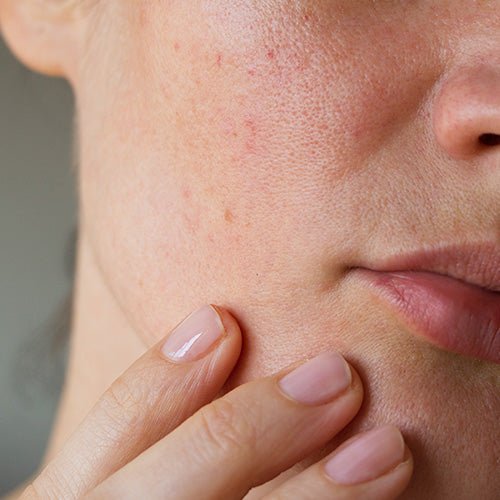
What is my skin type?
Each of us can answer the question of what skin type we have. But are we sure? This article will tell you how individual skin types are defined and how to determine which one you have. What are the skin types? Basic skin types are divided into four main categories, plus additional types related to specific skin problems or aging processes. What skin type do I have? Discover the basic types Normal skinCharacterized by even hydration, elasticity, and no visible imperfections. Pores are small, and the skin reacts well to most cosmetics. Dry skinThin, prone to dryness, with a feeling of tightness and flaking. Requires intensive moisturizing and protection from external factors. Oily skinExcessive sebum production causes shine, enlarged pores, and a tendency to breakouts. Requires sebum regulation. Combination skinA combination of dry skin characteristics (e.g., cheeks) and oily skin (T-zone: forehead, nose, chin). Requires varied care. Additional skin types Sensitive skin – reacts with redness, itching, or burning to cosmetics or environmental factors.Capillary skin – visible dilated blood vessels, prone to irritation.Acne-prone skin – characterized by pimples, blackheads, and excessive sebum production, often requires dermatological consultation.Mature skin – manifests as wrinkles, loss of firmness, and an irregular facial oval, associated with age. In practice, a skin type can combine features of a basic type with additional problems (e.g., oily skin with capillary elements). The key is to adapt skincare to the individual needs of the skin, but do I already know what skin type I have? No skin type is given once and for all. It is often genetically determined but can change with age. Skin type also depends on how it is cared for, diet, hormone levels, and lifestyle. What skin type do I have? Tests To determine your skin type, you can use online tests or analyze the symptoms yourself. Here are key methods: Tests with a dermoconsultant A dermoconsultant asks a series of questions and observes the client's skin to select appropriate skincare. How does a dermoconsultant recognize your skin type? During the consultation, they ask a few simple questions that help assess the condition and type of skin. The key is how your skin reacts to daily factors—such as cleansing, weather changes, or natural physiological processes. Based on this, appropriate skincare can be accurately selected. The first signal a dermoconsultant pays attention to is the skin's reaction after washing. If you feel severe tightness, dryness, or burning after cleansing, it may indicate dry or sensitive skin that requires gentle, moisturizing formulas and protection from external factors. On the other hand, if your skin quickly starts to shine and you feel no discomfort, you likely have oily or combination skin—one that produces excess sebum and needs sebum regulation. The next step is to observe pore visibility and a tendency to imperfections. If you notice enlarged pores, especially in the T-zone (i.e., on the forehead, nose, and chin), and breakouts appear regularly, this may indicate oily or acne-prone skin. It is also worth noting whether skin lesions intensify cyclically, for example, before menstruation—this may indicate hormonal acne. However, skin without visible pores, with a smooth texture and no tendency to breakouts, often turns out to be dry or normal skin. The skin's behavior in various weather conditions is also evaluated. If your skin reacts with irritation, redness, or burning to frost, wind, or sudden temperature changes, you most likely have sensitive or capillary skin. Such skin needs soothing cosmetics that strengthen the protective barrier and seal blood vessels. On the other hand, if your skin shines intensely in a humid environment, it indicates overactivity of the sebaceous glands, i.e., oily or combination skin. Thanks to these simple questions and observations, a dermoconsultant can determine not only the basic skin type—dry, oily, combination, or normal—but also its needs and tendencies, such as sensitivity, dehydration tendency, acne, or hyperactive blood vessels. This is the first step towards conscious and effective skincare and finding out what skin type I have. What skin type do I have? - Self-analysis Self-determining your skin type is a crucial step in proper skin care. Observing the skin's reaction to various factors, such as washing or using cosmetics, allows for precise selection of appropriate skincare products. Skin observation after washing One of the simplest ways to analyze your skin is to observe its reaction after washing your face with a gentle cleanser, without using creams or toners. After about 30 minutes, you can assess how your skin reacts to cleansing: Dry skin – after washing, there is a feeling of tightness, tension, and discomfort. The skin is often matte, rough, and may flake. The lack of natural hydration makes it look tired and prone to irritation. Oily skin – quickly starts to shine, especially in the T-zone (forehead, nose, chin). Pores are clearly visible, and the skin may feel like a thicker, oilier film on the surface. It is often accompanied by blackheads and a tendency to imperfections. Combination skin – characterized by different areas with varying properties. The T-zone quickly becomes oily, while the cheeks may be dry and tight. It requires balanced care, adapted to different parts of the face. Normal skin – shows no signs of discomfort. The skin is smooth, elastic, and naturally hydrated. The lack of dryness and excessive shine makes it look healthy and radiant. Skin reaction to cosmetics The next step in skin analysis is to observe the skin's reaction to various cosmetics, especially those containing active ingredients. Some skin types may require more delicate care, while others will tolerate stronger ingredients. Sensitive/capillary skin – reacts with redness, burning, and even itching to aggressive substances such as alcohol, retinoids, or certain preservatives. It may have a tendency to broken capillaries, which manifests as visible "spider veins" on the cheeks and nose. Requires the use of gentle, hypoallergenic cosmetics. The Kali Musli series is excellent here. Acne-prone skin – shows a tendency to frequent breakouts, blackheads, and inflammation. It can be oily, but also dry due to the use of aggressive anti-acne products. It requires careful care, regulating sebum secretion and supporting skin regeneration. What skin type do I have? Blotting paper test At home, you can perform a simple test to find out what skin type you have. All you need are facial cleansers and a thin cosmetic blotting paper or a tissue divided into layers. Here are five steps to help define your facial skin type: Thoroughly cleanse your face of makeup residue and wash with a gentle cosmetic. We recommend makeup remover oil and face cleansing foam. Gently pat your face dry with a clean towel, without rubbing. Do not apply any cosmetics to your face and wait 30 minutes. During this time, do not engage in strenuous exercise or go outside. Let your skin breathe 😉 After 30 minutes, gently place the blotting paper or one layer of tissue on your face. Lightly pat the blotting paper onto your skin and wait a minute. Remove the blotting paper and examine it under light. You will see where on your face the most sebum has formed. If there are no traces of sebum on the blotting paper – you have dry or normal skin. If the traces of sebum form a visible letter T – your skin is combination. If the blotting paper is covered with sebum in many places or over its entire surface, you have oily skin. Pay attention to seasonal changes as combination skin can become dry in winter or oily in summer. Regular skin observation allows for a better understanding of its needs and the selection of appropriate cosmetics, which translates into a healthy appearance and daily comfort. What skin type do I have? - additional tips Mature skin is a skin type that usually appears after the age of 35, although its characteristics may appear earlier, depending on lifestyle, exposure to UV radiation, oxidative stress, or hormonal balance. Characteristic symptoms include wrinkles, both mimic and deeper ones, which first appear around the eyes, mouth, and forehead. The skin loses firmness, elasticity, and density, which can lead to an irregular facial oval. This is often accompanied by loss of radiance, dryness, roughness, and uneven skin tone. Capillary skin, on the other hand, is characterized by the presence of dilated blood vessels, most often on the cheeks, nose, and chin. The skin is sensitive, prone to redness, which may appear due to temperature changes, emotions, spicy foods, or the use of inappropriate cosmetics. In advanced stages, persistent erythema and a tendency to form telangiectasias (so-called spider veins) may occur. Capillary skin requires gentle care that strengthens the walls of blood vessels and protects against irritating factors. If the results are inconclusive, it is worth consulting a dermatologist or cosmetologist. It is also always necessary to consider the age of the person whose skin type is being diagnosed. Oily skin will behave differently in a teenager than in a mature woman. Natural cosmetics for different skin types Natural cosmetics, based on plant extracts, oils, and mineral-derived ingredients, are increasingly chosen due to their gentleness, high skin tolerance, and multi-directional action. Properly selected natural ingredients can effectively support the needs of every skin type, improving its condition, balance, and appearance. For dry skin, highly moisturizing and emollient ingredients work best, helping to rebuild the skin's hydrolipidic barrier. Among them, shea butter (Butyrospermum Parkii Butter), avocado oil, argan oil, and almond oil are worth highlighting – rich in unsaturated fatty acids, vitamins A and E, they perfectly soften the skin and protect it from moisture loss. Plant-derived hyaluronic acid and aloe vera further intensify hydration and soothe the feeling of tightness. Oily and acne-prone skin requires ingredients that regulate sebum secretion, have anti-inflammatory and antibacterial properties. Tea tree oil, niacinamide (vitamin B3), and green tea extract work perfectly here. These substances help cleanse pores, reduce imperfections, and soothe inflammation without disrupting the skin's natural protective barrier. Sensitive and capillary skin requires soothing ingredients that strengthen blood vessels and reduce redness. In this group, kali musli extract, as well as rosehip oil and panthenol, are most commonly used. These are ingredients with soothing, anti-inflammatory properties that support microcirculation, improving skin comfort and reducing hyperreactivity. For mature skin, ingredients with regenerative, firming, and antioxidant properties will be ideal. Pomegranate oil, snail mucus, coenzyme Q10, vitamin C, and adaptogen extracts such as Reishi or Rhodiola rosea help smooth wrinkles, improve skin elasticity, and protect it from free radicals. Natural care allows for safe and effective addressing of the needs of various skin types. The key to success is the conscious selection of active ingredients that correspond to specific skin problems, while supporting its natural defensive and regenerative functions. Once you determine your skin type, it's worth focusing on choosing cosmetics. Remember about cleansing and toning products. From experience, we know that these steps are often omitted. Choose the right serum and cream. Enjoy conscious skincare.
Learn more
How to get rid of blackheads? An effective skincare plan with Orientana cosmetics
Blackheads are one of the most common skin problems, affecting both teenagers and adults. Many people ask themselves: how to get rid of blackheads effectively and safely? The key is to understand where they come from and choose the right skincare routine – preferably based on natural ingredients that regulate sebum production, cleanse pores, and simultaneously care for the skin's protective barrier. In this guide, I will present a step-by-step approach to fighting blackheads, answer the most frequently asked questions, and suggest which Orientana cosmetics will help you achieve smooth, clear skin. What are blackheads and why do they form? Blackheads form when the openings of the sebaceous glands become blocked by excess sebum, dead skin cells, and impurities. Open blackheads have a dark spot on the skin's surface – this is oxidized sebum. Closed blackheads (whiteheads) are white or flesh-colored bumps under the skin, without an opening to the outside. Their formation is contributed to by, among other things: overproduction of sebum, improper cleansing, lack of regular exfoliation, use of comedogenic cosmetics, and hormonal imbalances. How to get rid of blackheads at home – step by step Gentle but effective cleansing Daily face washing is fundamental. Choose products that remove excess sebum, impurities, and makeup residue without drying out the skin.💚 Recommended product: Orientana Gentle Facial Cleansing Gel – contains date extract and gluconolactone, which cleanses and soothes irritation. 💚 Recommended product: Kantola Facial Cleansing Foam - a delicate foam that not only cleanses the skin but also calms and moisturizes it. Regular exfoliation Exfoliation removes dead skin cells that can clog pores. For skin prone to blackheads, enzyme or acid peels work best.💚 Recommended product: Orientana Kali Musli Enzyme Peel – gently exfoliates and brightens the complexion while moisturizing. Pore cleansing with masks Masks with clay, activated charcoal, or plant extracts act like a magnet for impurities.💚 Recommended product: Tremella Tamanu Oil Azelaic Acid Face Blemish Mask - absorbs sebum and cleanses pores, while providing minerals to the skin. Moisturizing without weighing down Proper hydration regulates sebum secretion and prevents skin dehydration.💚 Recommended product: Orientana Ashwagandha + CICA + Niacinamide Ampoule Serum – strengthens the skin barrier, reduces inflammation, and minimizes pore visibility. Sun protection UV radiation thickens the stratum corneum, which promotes blackhead formation. Use a UV filter cream tailored to your skin type daily. Frequently Asked Questions about Blackheads What are blackheads and why do they form?Blackheads are blocked pores filled with sebum, dead skin cells, and impurities. They can be open (black) or closed (white). What types of blackheads are there and how to recognize them?Open ones have a black dot, closed ones look like small white bumps under the skin. How to quickly get rid of blackheads at home?Use daily cleansing, exfoliation 1–2 times a week, cleansing masks, and light hydration. Which active ingredients work best on blackheads?Niacinamide, salicylic acid (BHA), clays, gluconolactone, centella asiatica extract. Can you squeeze blackheads at home?It is not recommended – it can lead to inflammation and scars. It's better to remove them with skincare and possibly cosmetic treatments. How often should you exfoliate to reduce blackheads?1–2 times a week, preferably with gentle PHA acids or enzymes. Does diet affect blackhead formation?Yes – a diet rich in simple sugars and dairy can exacerbate skin problems. Which Orientana cosmetics help in the fight against blackheads?Gentle Facial Cleansing Gel, Revitalizing Toning Lotion, Bamboo Charcoal Bio Mask-Essence, Ashwagandha + CICA + Niacinamide Cream. Can blackheads be removed without cosmetic treatments?Yes, but it requires regular and comprehensive skincare. How to maintain results after blackhead removal?Continue cleansing, exfoliating, moisturizing, and using SPF. Is it worth using professional treatments? Yes. Treatments such as manual cleansing, cavitation, microdermabrasion, or chemical peels can accelerate blackhead reduction. The best results are achieved by combining them with systematic home care. Summary To get rid of blackheads, you need regular cleansing, exfoliation, moisturizing, and sun protection.Orientana products, such as Gentle Facial Cleansing Gel, Revitalizing Toning Lotion, Bamboo Charcoal Bio Mask-Essence, and Ashwagandha + CICA + Niacinamide Cream, will help you cleanse pores and keep your skin in good condition. 👉 Check out the full range of Orientana cleansing cosmetics and start your natural fight against blackheads today. 👉 Discover cosmetics for combination skin - and choose them for your facial care. Blackheads will be a thing of the past :)
Learn more