
Just a few years ago, natural cosmetics were primarily associated with gentle care, simple formulas, and gentle action. Today, they are increasingly becoming a viable alternative to conventional cosmetics, also in the areas of moisturizing, regenerating, improving skin elasticity, and supporting anti-aging processes.
Despite this, the question still arises: are natural cosmetics effective , or do they work "slower" and "weaker" than products based on synthetic ingredients?
This is a crucial issue, as the effectiveness of a cosmetic isn't simply due to its natural or conventional nature. The effects of skincare are primarily determined by the quality of the ingredients, their concentration, bioavailability, formula stability, and the way the product was designed.
In this article we explain:
- what does "cosmetic effectiveness" really mean in cosmetology,
- what does the effect of natural cosmetics depend on,
- why modern natural formulas can be just as effective as conventional ones,
- and how to recognize a natural cosmetic that actually works.
If you want to better understand the idea and philosophy of care, also check out our guide: natural cosmetics .
What does “cosmetic effectiveness” mean in cosmetology?
From a cosmetology perspective, effectiveness doesn't just mean "a pleasant feeling after application." An effective cosmetic is one that actually affects the functioning of the skin and leads to a measurable or visible improvement in its condition.
In practice, this may mean:
- increase in hydration level,
- improving elasticity and firmness,
- smoothing the structure of the epidermis,
- strengthening the hydrolipid barrier,
- unification of color,
- reducing the tendency to irritation.
Therefore, the question “are natural cosmetics effective” should be replaced with another one:
Can natural cosmetics contain ingredients that actually influence the processes occurring in the skin?
The answer is yes. Many plant-based ingredients contain bioactive compounds that affect the skin at the cellular level, including polyphenols, flavonoids, polysaccharides, phytosterols, and fatty acids.
These substances are responsible for:
- antioxidant effect,
- soothing and anti-inflammatory properties,
- regeneration support,
- protection against oxidative stress.
The effectiveness of natural cosmetics does not rely on the "magic of nature", but on specific biological mechanisms that are now well described in the scientific literature.

What determines the effectiveness of natural cosmetics?
Not all natural cosmetics work the same. Two products with similar claims on the packaging can deliver completely different results. This is due to several key factors.
Quality and standardization of ingredients
Not all plant extracts are created equal. The same raw material may have completely different active substance content depending on:
- places of cultivation,
- method of harvesting,
- extraction methods,
- standardization.
Effective natural cosmetics rely on ingredients whose quality and consistency are controlled. Standardization ensures predictable performance, not random results.
Concentration of active substances
Natural origins do not eliminate the need to use appropriate concentrations . Too low a dose of even a highly valuable extract will not produce noticeable results.
Therefore, the effectiveness of a natural cosmetic depends on whether the active ingredients are present in the formula in quantities that allow them to actually work, and not just "appear" in the composition.
Bioavailability and chemical form
Just because an ingredient is present in a cosmetic doesn't mean the skin can benefit from it. Bioavailability, or the substance's ability to penetrate and interact with the skin, is key.
Modern natural cosmetics increasingly use:
- fermented extracts,
- liposomal carriers,
- plant complexes,
which increase effectiveness without the need to resort to aggressive solutions.
Formula stability
Active ingredients can lose their properties when exposed to light, oxygen, or temperature. An effective natural cosmetic must have a base and preservation system designed to ensure the active ingredients retain their effectiveness throughout their lifespan.

Natural active ingredients that have proven effectiveness
Modern cosmetology increasingly uses plant-based ingredients not because they are "trendy," but because they contain bioactive compounds with specific mechanisms of action . The effectiveness of natural cosmetics stems from the presence of these substances and their appropriate combination in the formula.
The best-studied groups of natural active ingredients include:
Plant antioxidants
Polyphenols, flavonoids, and phenolic compounds neutralize free radicals that accelerate skin aging and weaken its structure. This supports:
- protection of cells against oxidative stress,
- improvement of color,
- slowing down the formation of wrinkles.
Antioxidants occur naturally in extracts of tea, fruits, herbs, and plant adaptogens.
If you want to explore the role of this group of ingredients in skincare, see also: adaptogens in skincare .
Moisturizing polysaccharides
Natural polysaccharides create a delicate film on the skin that limits water loss and improves comfort. At the same time, they can bind water molecules, increasing hydration levels.
Effect: the skin becomes softer, more elastic and smooth.
This is why well-formulated natural cosmetics can effectively support the skin's hydrolipid barrier , which is responsible for maintaining proper hydration.
Vegetable oils rich in EFAs
Plant oils and butters contain essential fatty acids, which are a building block of the skin barrier. Regular use of these ingredients promotes:
- strengthening the lipid layer,
- reducing roughness,
- improving skin elasticity.
Thanks to this, natural cosmetics can have a real impact on improving the condition of dry and dehydrated skin.
Soothing and anti-inflammatory extracts
Many plants contain substances that reduce skin's tendency to irritation and redness. In practice, this means:
- better tolerance of cosmetics,
- support for sensitive skin,
- faster regeneration of the epidermis.
This is one of the reasons why natural cosmetics are often chosen for the care of reactive skin.

Why were natural cosmetics once considered "less effective"?
For a long time, natural cosmetics were associated with gentle but limited action. This was due to several factors.
Simple recipes
Older formulas often relied on a small number of ingredients and failed to consider synergies between active substances. They lacked advanced complexes and stable carriers.
No standardization of extracts
The same extract could have different active substance contents depending on the raw material batch. This led to unpredictable results.
Limited access to technology
In the past, it was difficult to obtain stable, highly active forms of plant ingredients. Today, the situation is completely different.
Modern natural cosmetics increasingly use the achievements of phytocosmetics , i.e. the combination of plant knowledge with biotechnology and modern cosmetic chemistry.
If you want to learn more about this direction of development, see: phytocosmetics .
How does modern technology increase the effectiveness of natural cosmetics?
The rapid development of technology has meant that today's natural cosmetics have little in common with the simple recipes of a decade or so ago. Modern formulas combine plant raw materials with advanced methods of extracting and stabilizing active ingredients, significantly increasing their effectiveness.
Fermentation of plant ingredients
The fermentation process allows for the breakdown of large molecules into smaller fractions that are more easily absorbed by the skin. Additionally, fermentation can increase the content of bioactive substances and improve skin tolerance.
In practice, this means:
- better absorption of ingredients,
- higher moisturizing potential,
- gentler action while maintaining effectiveness.
Plant biotechnology
Biotechnology enables the extraction of specific active compounds from plants under controlled conditions, without the need for excessive exploitation of natural resources. This makes ingredients more uniform and predictable in terms of their effects.
Phyto-equivalents of synthetic ingredients
Natural cosmetics increasingly use plant-based equivalents of ingredients known from conventional cosmetology, e.g.:
- phyto-retinoids,
- plant peptides,
- plant ceramides.
They allow you to achieve effects similar to classic active substances, while maintaining a milder profile.
It is precisely such solutions that allow modern phytocosmetics to effectively respond to the needs of problematic and mature skin.
Can natural cosmetics work the same as conventional ones?
Yes, provided they are well designed.
The effectiveness of a cosmetic does not depend on whether the ingredient is “natural” or “synthetic”, but on:
- its biological properties,
- concentration in the formula,
- stability,
- method of application.
In practice, this means that:
- a well-formulated natural cosmetic can effectively moisturize, smooth and support regeneration,
- A poorly designed conventional cosmetic may not bring the expected results.
If you want to see a full comparison of both approaches, check out: natural vs conventional cosmetics .
Why shouldn't you choose cosmetics solely based on the "natural" label?
The "natural" label does not equate to high quality. There are products on the market that:
- contain minimal amounts of active ingredients,
- are based mainly on marketing slogans,
- they do not offer real action.
Therefore, instead of focusing solely on declarations, it is worth analyzing the composition, concentrations and philosophy of the brand .
It is helpful to understand the rules for reading INCI composition and to be aware of which ingredients are responsible for specific effects.
How to recognize an effective natural cosmetic?
Products labeled "natural," "organic," and "eco" are increasingly appearing on store shelves. Unfortunately, not all of them offer truly effective skincare. Therefore, it's important to know what to look for when choosing natural cosmetics that actually work.
Active ingredients high in the INCI composition
The higher an ingredient is on the INCI list, the higher its concentration in the formula. Effective natural cosmetics should contain active ingredients at the top of the list, not just in token amounts.
If you want to learn how to interpret the order of ingredients, the guide: how to read INCI composition will be helpful.
Clearly defined product functionality
A good natural cosmetic communicates the skin's specific needs, such as moisturizing, soothing, strengthening the skin barrier, smoothing, and improving elasticity. A lack of specifics often means the product wasn't designed for a real effect.
Formula consistency
Effectiveness isn't about throwing a bunch of random extracts into one cosmetic. What matters is the synergy of the ingredients, meaning how they complement and support each other.
Well-designed formula:
- contains active ingredients,
- has carriers and auxiliary ingredients that increase their effect,
- is stable.
Manufacturer transparency
Brands that focus on quality usually clearly communicate:
- origin of ingredients,
- philosophy of creating formulas,
- way of testing products.
This increases the chance that the cosmetic was developed with real effectiveness in mind, and not just for marketing purposes.
What effects can you realistically expect from natural cosmetics?
Properly selected natural cosmetics can impact many aspects of skin condition. However, it's important to remember that the effects build gradually and require regular use.
Improved hydration
Natural moisturizing and lipid ingredients help reduce water loss and support the skin's natural moisture retention mechanisms.
Effect: the skin is softer, smoother and more elastic.
Strengthening the hydrolipid barrier
Regular use of appropriate natural cosmetics can support the reconstruction of the skin's hydrolipid barrier, which translates into less sensitivity and better resistance to external factors.
If you are interested in this topic in more detail, please see: hydrolipid barrier of the skin .
Soothing and reducing the tendency to irritation
Many plant-based ingredients have a soothing effect, making natural cosmetics suitable for sensitive skin.
Gradual improvement in skin appearance
With regular use you may notice:
- smoothing the structure,
- more uniform color,
- healthier-looking skin.
Are natural cosmetics effective for all skin types?
Yes, provided they are properly matched to the skin's needs . The "natural" category alone doesn't determine whether a product is suitable for dry, sensitive, oily, or mature skin. Effectiveness depends on the formula's suitability to the specific skin condition.
Dry and dehydrated skin
For dry skin, the key is to combine moisturizing ingredients with lipids that limit water loss.
Effective natural cosmetics for this type of skin should:
- bind water in the epidermis,
- replenish lipids,
- support the hydrolipid barrier.
Thanks to this, natural care can actually reduce the feeling of tightness, roughness and flaking.
The following content will also be helpful: natural cosmetics for dry skin .
Sensitive and reactive skin
Sensitive skin primarily needs soothing and strengthening its defenses. Effective natural cosmetics for this skin type focus on:
- reduction of irritation,
- limiting inflammatory reactions,
- rebuilding the protective barrier.
That's why natural formulas often work very well for sensitive skin care if they are simple and well-balanced.
See also: natural cosmetics for sensitive skin .
Oily and combination skin
Natural cosmetics don't have to be heavy or comedogenic. Well-designed formulas can:
- regulate sebum secretion,
- support microbiome balance,
- moisturize without weighing it down.
The effectiveness in this case lies in normalizing the functioning of the skin, not in "drying" it.
Mature skin
In anti-aging care, natural cosmetics can support:
- protection against oxidative stress,
- improved flexibility,
- smoothing fine lines,
- skin comfort.
The effects appear gradually, but are noticeable with regular use.
More information: natural cosmetics for mature skin .
How to choose natural cosmetics correctly to make them effective?
Effectiveness does not depend solely on a single product, but on the entire skincare routine .
It is worth paying attention to:
Determining the real needs of the skin
Don't just consider your skin type, but also its current condition (dehydration, hypersensitivity, seasonal dryness, stress).
Consistency of routine
Products should complement each other - cleansing, toning, serum, cream.
Regularity
Natural cosmetics don't work overnight. Visible results usually appear after several weeks of consistent use.
Observation of skin reactions
Your skin gives you signals. If you experience discomfort after using a new cosmetic, it's worth changing the formula or application method.
Summary - are natural cosmetics effective?
Yes. Natural cosmetics can be effective if they are well formulated, contain appropriate concentrations of active ingredients, and are designed with the skin's real needs in mind.
Effectiveness doesn't stem from the mere fact that something is natural. It stems from the quality of the raw materials, the bioavailability of the ingredients, the stability of the formula, and regular use. Modern natural cosmetology utilizes advanced technologies, allowing natural formulas to moisturize, regenerate, strengthen the hydrolipid barrier, and improve the appearance of the skin as effectively as conventional cosmetics.
If you want to choose products consciously and better understand the philosophy of modern care, see our guide: natural cosmetics .
How to start effective natural care?
The best way to do this is to get to know your skin's needs and choose cosmetics that actually meet those needs.
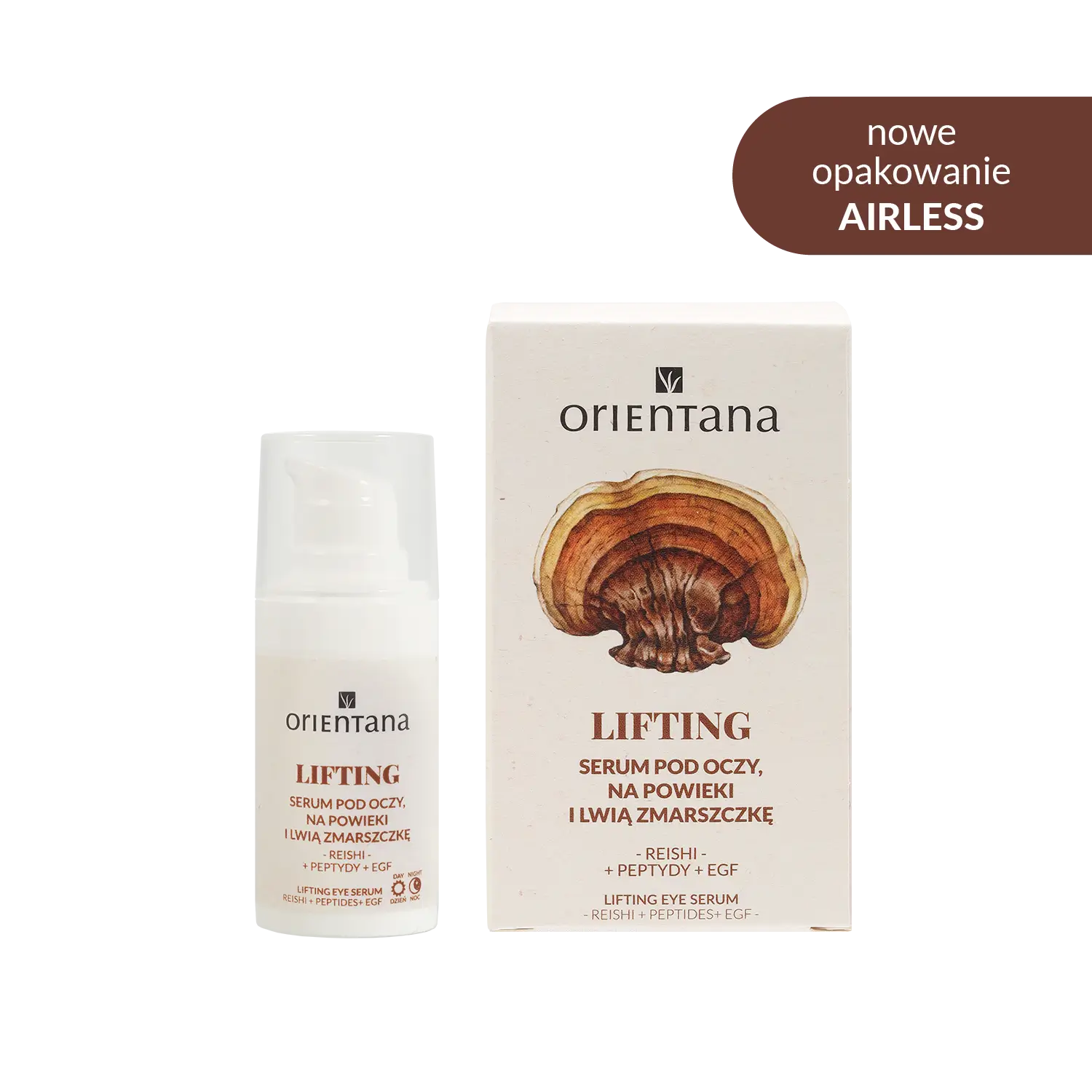
Check out Orientana natural cosmetics - formulas created based on plant active ingredients and modern technology.
FAQ - questions that often arise in the context of effectiveness
Do natural cosmetics really work?
Yes. They contain bioactive plant compounds that affect the skin and support its functioning.
Are natural cosmetics weaker than conventional ones?
No. The strength of the product is determined by the formula and concentration of the ingredients, not their origin.
How long does it take to see results?
Most often, the first changes are visible after 2-4 weeks of regular use.
Are natural cosmetics suitable for anti-aging care?
Yes. They support antioxidant protection, skin elasticity, and comfort.
Can you combine natural and conventional cosmetics?
Yes. Compatibility between formulas and skin needs is key.