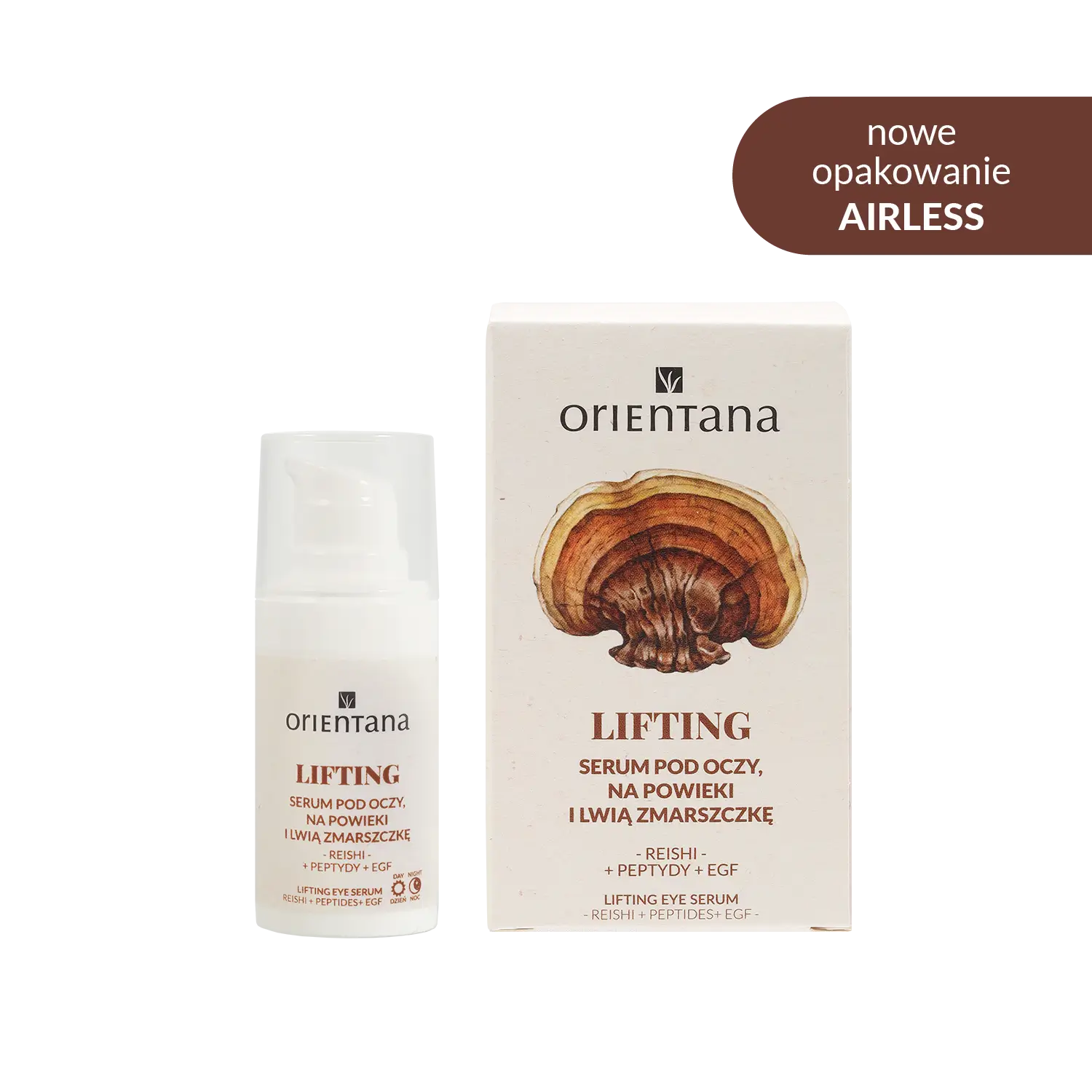
Natural skincare isn't just about a list of valuable ingredients, but also about consciously eliminating substances that don't support skin biology or the environment . Good natural cosmetics don't rely on cheap fillers or petrochemical-derived raw materials, but on biocompatible, active, and biodegradable ingredients.
In practice, this means, among other things, the lack of:
- paraffin and other petroleum derivatives,
- microplastics and synthetic polymers that burden the environment,
- substances with only a surface effect, with no biological value for the skin.
If you want to find out why we consciously give up paraffin in both cosmetics and candles, read:
Why doesn't Orientana use paraffin in its cosmetics and candles?
This article shows how paraffin affects the skin, how it differs from plant oils and butters, and why it is replaced with biocompatible emollients in modern, natural care.
Why are paraffin and petroleum derivatives not used in natural cosmetics?
One of the key differences between natural and conventional cosmetics is not only the selection of active ingredients, but also the conscious exclusion of substances of petrochemical origin , such as paraffin, mineral oils or petrolatum.
In the modern philosophy of creating natural cosmetics, what counts is biocompatibility with the skin – that is, the use of raw materials that cooperate with its physiology, and not only create an insulating layer on the surface.
👉 natural cosmetics

Paraffin (INCI: Paraffinum Liquidum, Petrolatum, Mineral Oil) is a raw material obtained from the refining of crude oil. Its function in cosmetics is solely to create an occlusive layer—a tight layer that limits water evaporation, but does not provide the skin with any nutrients or support its regenerative processes.
From the point of view of natural care, this solution contradicts the idea of supporting the skin and not just masking its problems.
Paraffin and the skin's hydrolipid barrier
The hydrolipid barrier is responsible for maintaining the skin's proper moisture levels, elasticity, and resistance to external factors. Its proper functioning depends, among other things, on the presence of biologically active lipids, such as fatty acids and ceramides.
Paraffin does not complement these structures. It merely creates a surface film that can:- limit transepidermal water loss,
- at the same time inhibiting the natural processes of barrier reconstruction,
- lead to "laziness" of the skin with long-term use.
That is why natural cosmetics use vegetable oils, butters and waxes instead of paraffin, which actually strengthen the protective barrier.
hydrolipid barrier of the skin
Natural emollients instead of paraffin - what's the difference?
Plant emollients (oils and butters) contain biologically active fractions:
- essential unsaturated fatty acids (EFAs),
- phytosterols,
- fat-soluble vitamins.
Thanks to this:
- penetrate the epidermis,
- replenish lipids,
- support skin regeneration and elasticity.
Paraffin works only on the surface. Natural emollients have a structural and functional effect.
If you want to learn more about this topic, see: vegetable oils in cosmetics
Paraffin and the skin microbiome
The skin microbiome is a complex ecosystem of microorganisms that plays an important role in maintaining immunity, inflammatory balance and the proper functioning of the epidermal barrier.
Natural cosmetics are designed to support this ecosystem , not disturb its balance.
Paraffin, as a strongly occlusive substance, creates a tight layer on the skin surface, which can:
- change the microenvironment of the epidermis,
- limit the access of oxygen,
- promote the growth of some anaerobic bacteria,
- increase the risk of micro-inflammatory skin reactions.
From a natural skincare perspective, it is important that the ingredients not only “retain water” but also support the skin’s natural defense mechanisms .
See the post about the skin microbiome
Why is the elimination of paraffin an element of the philosophy of natural cosmetics?
Natural cosmetics are based on the concept of biocompatibility – i.e. the use of ingredients that are recognized by the skin and can be biologically used by it.
Paraffin:
- it is not metabolized by the skin,
- does not provide building blocks,
- does not participate in regenerative processes.
For this reason, in natural cosmetology it is considered a technical ingredient , not a care ingredient.
In practice, this means that good natural cosmetics use, instead of paraffin:
- vegetable oils,
- vegetable butters,
- waxes of plant origin.
Such raw materials:
- replenish epidermal lipids,
- support flexibility,
- strengthen the protective barrier.

Paraffin-free = more than just a marketing claim
The absence of paraffin in the composition is not just a "slogan", but an element of a broader strategy for creating formulas:
- focused on biological action,
- based on active ingredients,
- consistent with the philosophy of sustainable development.
Therefore, when choosing products, it is worth combining the topic of paraffin elimination with the concept of safe cosmetics – that is, cosmetics that are not only legal, but also designed with long-term skin health in mind.
Eliminating paraffin as part of a conscious consumer choice
For many people, natural cosmetics are the first step towards more conscious skincare. Eliminating paraffin:
- reduces the share of petrochemical raw materials in daily routine,
- favors the selection of renewable ingredients,
- fits into the idea of care in harmony with the skin and the environment.
Paraffin and the environment - why does it not fit the idea of natural cosmetics?
One of the foundations of the natural cosmetics philosophy is the pursuit of limiting ingredients that:
- come from non-renewable sources,
- generate a high carbon footprint,
- are not biodegradable.
Paraffin is a product of petroleum refining, a non-renewable resource. Its presence in cosmetics indicates a direct link between the formula and the petrochemical industry.
From a natural care perspective, this has several consequences:
- increased environmental footprint of the product,
- the burden on aquatic ecosystems after rinsing off the cosmetic,
- no biodegradability in natural conditions.
Therefore, natural cosmetics strive to use ingredients of plant and biotechnological origin, which are more environmentally friendly and in line with the idea of sustainable development.
Natural alternatives to paraffin in natural cosmetics
Instead of paraffin, modern natural formulas use raw materials that perform a similar protective function, but at the same time actively support the condition of the skin .
Most often these are:
Vegetable oils
Oils such as jojoba, almond, sesame, coconut or grape seed provide:
- essential unsaturated fatty acids,
- phytosterols,
- fat-soluble vitamins.
Thanks to this, they not only reduce water loss, but also strengthen the structure of the epidermis.
Read about vegetable oils in cosmetics
Vegetable butters
Shea, mango and cocoa butters create a delicate protective film on the skin that does not block the skin's physiology, while improving its softness and elasticity.
Butters are particularly valued in the care of dry and dehydrated skin.
Plant-based waxes
Carnauba or candelilla waxes ensure the right consistency of cosmetics and support the protection of the epidermis without the "plastic occlusion" effect.
Why are natural alternatives more biocompatible with skin?
Biocompatibility means that the ingredients are recognized by the skin as "their own" and can be used by it in its regeneration processes.
Unlike paraffin, vegetable oils and butters:
- replenish the lipids of the skin barrier,
- support regeneration,
- improve flexibility and comfort.
This is directly related to the topic of the effectiveness of natural care.
Read whether natural cosmetics are effective.
Elimination of paraffin as an element of formula quality
The absence of paraffin in natural cosmetics is not a single decision, but part of a broader approach to formula design:
- based on active ingredients,
- supporting skin biology,
- consistent with the idea of conscious care.
This is one of the reasons why eliminating paraffin is at the heart of the philosophy of many natural brands.
Summary: paraffin and the philosophy of natural cosmetics
In natural cosmetics, the elimination of paraffin and other petroleum derivatives is not a fashion, but a consequence of an approach based on biocompatibility, effectiveness and environmental responsibility.
Natural care focuses on ingredients that:
- are biologically active,
- support the skin's hydrolipid barrier,
- they do not disturb the microbiome,
- come from renewable sources.
That's why good quality natural cosmetics use oils, butters and vegetable waxes instead of paraffin, which actually nourish the skin and support its regeneration.
Check out Orientana natural cosmetics