Although microplastics are mainly associated with marine and ocean pollution, their presence in everyday products, including cosmetics, is becoming increasingly alarming. These substances are not only a threat to the environment, but can also affect skin health. In this article, we explain what microplastics actually are, where to find them in cosmetics, and why their elimination is becoming a global priority.
What are microplastics?
Microplastics are plastic particles smaller than 5 mm, which enter aquatic and soil environments, where they do not biodegrade. In cosmetics, they most often occur in the form of:
- solid (e.g., microbeads in scrubs),
- semi-liquid or dissolved – as substances that improve consistency, form films, or stabilize emulsions.
Where can we find microplastics in cosmetics?
Microplastics most often appear in products such as:
- mechanical exfoliants,
- shower gels,
- toothpastes,
- shampoos,
- color cosmetics (e.g., foundations, powders, lipsticks),
- creams and lotions.
Examples of ingredients considered microplastics:
- Polyethylene (PE)
- Polypropylene (PP)
- Polymethyl methacrylate (PMMA)
- Nylon-12, Nylon-6
- Polyethylene Terephthalate (PET)
Although some of these occur as invisible, dispersed particles, their impact on the environment and the food chain is well-documented.

Why are microplastics a problem?
Environmental pollution
Microplastics enter groundwater, rivers, and oceans, where they are ingested by aquatic organisms. Since they do not decompose, they accumulate in organisms and in the food chain, and their particles are even found in drinking water.
Potential risk to skin
Although microplastics in cosmetics perform technical functions (e.g., smoothing, wrinkle filling, thickening consistency), there is a risk that tiny particles may accumulate on the skin's surface, disrupt the microbiome balance, and contribute to disturbances in the hydrolipid barrier. Microplastics can also bind and transport other harmful compounds (e.g., heavy metals).
Lack of biodegradability
Unlike natural raw materials, microplastics do not decompose in the environment. They can persist for hundreds of years, polluting soil and water.

Are microplastics legal?
Currently, the European Union is undergoing a legislative process to restrict the use of microplastics in cosmetics. Since 2022, the use of solid plastic microbeads in rinse-off products (e.g., scrubs) has been banned. However, soluble forms of polymers, which are also considered microplastics, are still permitted.
How to avoid microplastics in cosmetics?
• Read INCI lists - avoid products containing e.g., polyethylene, nylon, acrylates copolymer.
• Choose brands with transparent environmental policies - more and more manufacturers declare "free from microplastics" formulas.
• Use apps and ingredient databases - such as CodeCheck, INCI Beauty, or eco-consumer apps.
Microplastics and the #CleanBeauty trend
Eliminating microplastics is an important step towards conscious skincare and sustainable development. Brands that align with the clean beauty and zero waste movements are increasingly formulating their products based on biodegradable plant polymers, such as:
• xanthan gum,
• cellulose,
• corn or potato starch,
• algae and seaweed
Questions about microplastics in cosmetics
1. What are microplastics in cosmetics?
Microplastics in cosmetics are tiny plastic particles, usually smaller than 5 mm, added to products as fillers, thickeners, smoothing agents, or exfoliants.
2. In which cosmetics are microplastics most commonly found?
They are most often present in scrubs, shower gels, toothpastes, foundations, eyeshadows, hairsprays, blur-effect lotions, and smoothing creams.
3. Why are microplastics added to cosmetic formulas?
Manufacturers use microplastics to improve product consistency, create a smooth skin effect, provide slip during application, or optically fill wrinkles, creating a "soft focus" effect.
4. Which ingredients on the INCI list may indicate the presence of microplastics?
The most common are: Polyethylene (PE), Polypropylene (PP), Acrylates Copolymer, Polymethyl Methacrylate (PMMA), Nylon-12, Carbomer, Polyquaternium-7.
5. Is every "plastic" in INCI harmful?
Not every synthetic substance is a microplastic, but many form durable, water-insoluble particles that accumulate in the environment. The key is to distinguish soluble polymers from those that are durable and bioaccumulated.
6. Are microplastics dangerous for the skin?
For the skin, they usually do not pose a direct threat, but they create an occlusive film that can disrupt the natural functions of the skin, and in the long term, may affect the microbiome and the hydrolipid barrier.
7. How do microplastics affect the environment?
Microplastic particles do not biodegrade. They enter water, end up in fish and animal organisms, and then in the food chain, including humans.
8. Can microplastics enter the human body?
Yes, recent studies have shown the presence of microplastics in blood, lungs, and even the placenta, which means that the body absorbs and can accumulate them.
9. How to identify microplastic-free cosmetics?
You should read INCI labels and avoid ingredients like Polyethylene, Polypropylene, etc.
10. Are plastic exfoliating microbeads still legal?
In many EU countries, plastic exfoliating microbeads have been banned, but microplastics in the form of thickening and smoothing polymers are still legal.
11. What can replace microplastics in natural cosmetics?
Natural brands use biodegradable ingredients.
12. Are microplastics found in natural cosmetics?
Natural cosmetics should not contain them. Therefore, brands operating according to ecological standards replace synthetic polymers with plant-based alternatives.
13. Does Orientana use microplastics in its cosmetics?
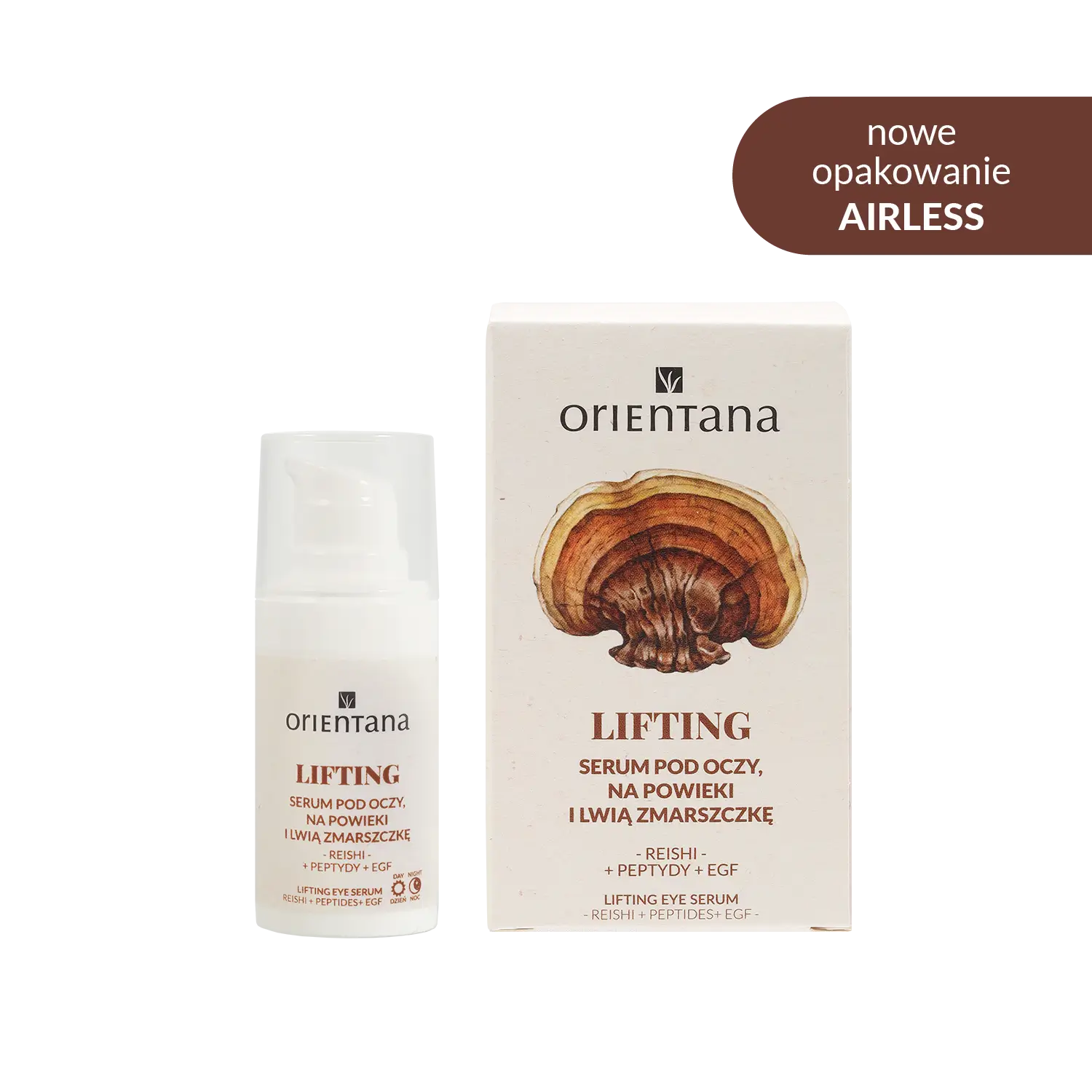
The Orientana brand is based on plant ingredients, adaptogenic extracts, and natural-origin silicone substitutes, such as tremella fuciformis, oils, butters, and plant biopolymers, eliminating microplastics from its formulas.
14. How can consumers truly reduce microplastics in cosmetics?
It is worth choosing products with short, understandable INCI lists, looking for "microplastic-free" labels, supporting transparent brands that educate about ingredients — and avoiding products with a silicone-plastic consistency without nourishing properties.
15. Do microplastics affect the performance of UV filters in cosmetics?
Yes, microplastics are sometimes used as "film formers" in creams with filters to create a layer that keeps the filter on the skin. However, modern natural and biodegradable formulas use plant-based polymers and bio-ferments that do not pollute the environment.
Microplastics in cosmetics is a topic that should not be overlooked by either manufacturers or consumers. Although their presence is not always obvious, their effects can be long-lasting, both for skin health and the planet. By choosing Orientana cosmetics without microplastics, we invest not only in the quality of skincare but also in a better future for the environment.