Recently, you've been asking about milia quite often, so I've prepared this post for you.
What are milia?
Milia (Latin: milia) are small, hard bumps with a white or yellowish hue, which form as a result of the accumulation of keratinized epidermal cells and keratin in a closed hair follicle or under the skin's surface. Unlike blackheads, milia have no opening, so they cannot be "squeezed out."
They are neither inflammatory lesions nor a symptom of acne – they are epidermal cysts that cause no pain or itching, but often constitute an aesthetic defect, especially when they appear around the eyes.
What do milia look like on the face and under the eyes?
Milia are usually 1 to 3 millimeters in diameter, hard and convex, and cannot be easily removed by squeezing.
They most often appear:
• under the eyes and on the eyelids,
• on the cheeks, temples,
• around the nose and mouth.
In some people, milia can also appear on the body – e.g., on the décolletage, arms, or torso.
Where do milia come from – causes of formation
Milia are the result of a disrupted process of exfoliation of the epidermis, where dead cells, instead of being naturally removed, accumulate under the skin.
Their formation can be caused by:
• excessive keratinization of the epidermis – i.e., keratinization disorders,
• using heavy creams and oily oils that "suffocate" the skin,
• lack of regular exfoliation (enzymatic or acid peels),
• skin damage – e.g., after sunburn or treatments,
• hormonal factors,
• genetic predisposition,
• environmental pollution and oxidative stress.
They often occur in people with dry or combination skin, where there are disorders in the functioning of the sebaceous glands.
Can milia be squeezed?
No. This is the most common skincare mistake that can lead to inflammation, infection, and permanent scars.
Milia are enclosed in the epidermis and have no opening, so attempting to squeeze them will be ineffective. Safe removal of milia is performed only in a cosmetology clinic, using a sterile needle or a special lancet.
How to remove milia using home remedies?
Home care aims to alleviate keratinization and regulate the skin's cell renewal process. An effective plan includes three pillars:
Cleansing
Use gentle cleansing products without SLS and alcohol that do not disrupt the hydrolipid barrier.
Exfoliation
Regular enzymatic peels or those with PHA acids (e.g., gluconolactone, lactobionic acid) help to loosen the stratum corneum and prevent the occlusion of gland openings.
Regeneration
After exfoliation, the skin needs nourishment and restoration of its protective barrier.
Products with tremella, ceramides, and niacinamide are excellent, as they accelerate regeneration and regulate sebum secretion.
Professional milia treatments at a cosmetologist
If milia persist despite proper care, it is worth considering professional treatments:
• mechanical removal of milia with a sterile needle (under controlled conditions),
• chemical peels with mandelic, lactobionic, or PHA acid,
• treatments with retinol or plant retinoids (NovoRetin™),
• microneedling mesotherapy with niacinamide or hyaluronic acid,
• LED light therapy to support skin regeneration.
Treatments should be preceded by a thorough skin diagnosis to select the appropriate type of exfoliation.
Skincare for milia
Skin prone to milia requires balancing care – it should not be too dry or too heavy.
Daily routine should include:
• gentle soap-free cleansers,
• toners with PHA acids or creams with enzymes,
• light moisturizing creams and serums with niacinamide,
• UV protection (mineral filters, e.g., zinc oxide).

It is not recommended to use comedogenic oils (e.g., coconut oil) or cosmetics with paraffin.
Cosmetics for milia – what to use
To prevent milia and support skin regeneration, it is worth choosing cosmetics with the following effects:
• exfoliating (PHA, enzymes),

• sebum-regulating (niacinamide, ashwagandha),
• epidermal barrier restoring (ceramides, tremella),
• antioxidant (reishi, vitamin C, adaptogenic extracts).
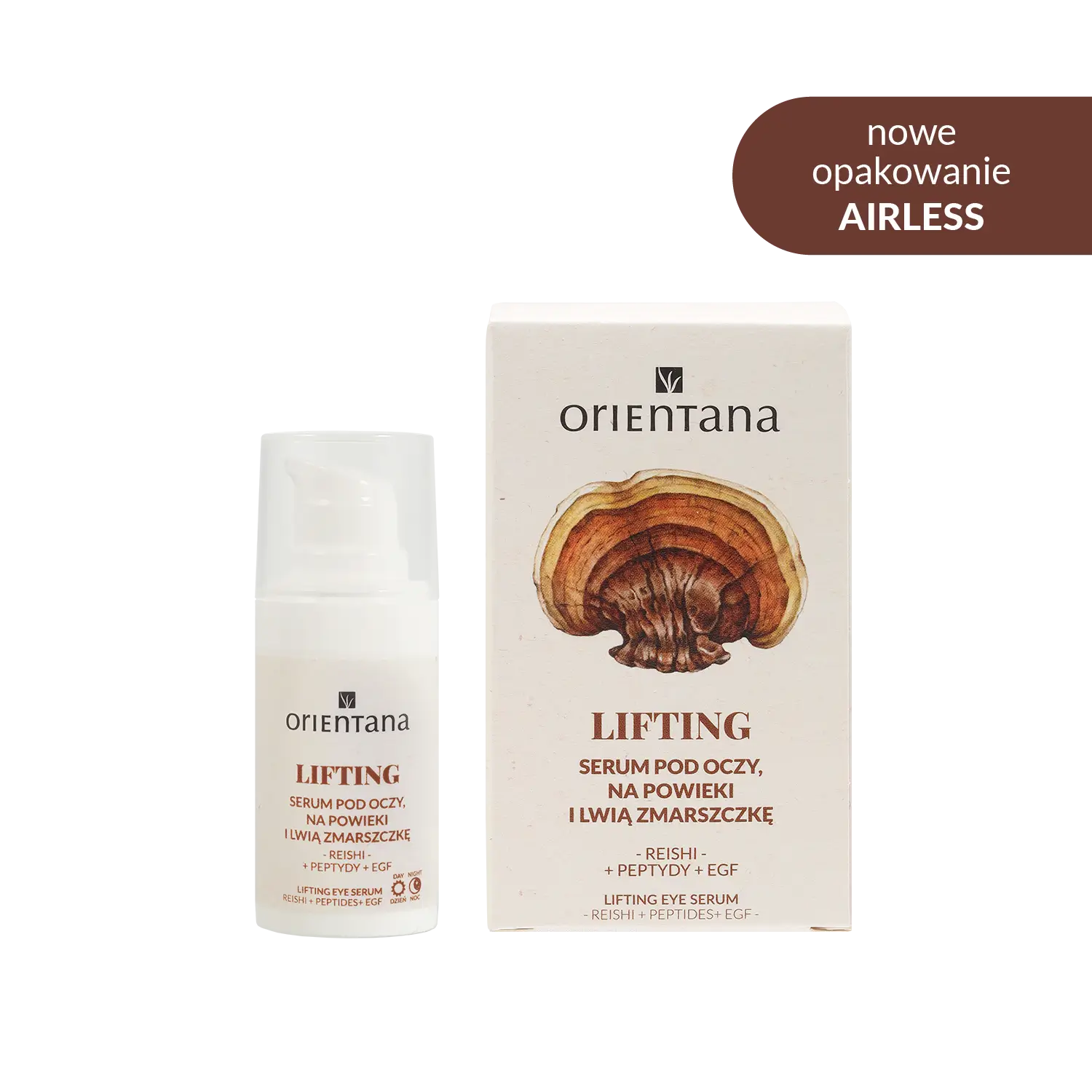
Recommended Orientana cosmetics:
Ashwagandha + CICA + Niacinamide Serum – supports cell renewal, reduces the tendency for gland openings to become clogged.
Retinol H10 Reishi Serum – contains a natural retinol substitute (NovoRetin™), which supports exfoliation and smooths the skin without irritation.
Hydro Tremella Serum with Exosomes and Aloe – restores microbiome balance, soothes and regenerates the skin after exfoliating treatments.
Natural ingredients supporting milia reduction
In natural cosmetology, raw materials that alleviate the keratinization process and accelerate healing are highly valued:
Turmeric – has anti-inflammatory properties and soothes conditions leading to keratinization disorders.
Sesame oil – traditional in Ayurveda, regenerating.
Centella Asiatica – regulates the keratinization process and accelerates the healing of wounds and scars.
Green tea – soothes conditions leading to keratinization disorders.
Ashwagandha and Reishi – adaptogens that support the skin's resistance to oxidative stress.
How to prevent milia formation
• Exfoliate regularly (2-3 times a week).
• Avoid heavy, oily occlusive creams.
• Always thoroughly remove makeup.
• Protect your skin from UV radiation.
• Maintain a diet rich in vitamins A, E, and zinc.
Well-chosen skincare is key to keeping skin smooth and free of bumps.
Common mistakes in milia skincare
• Squeezing lesions and irritating the skin,
• Using aggressive mechanical peels,
• Using cosmetics with paraffin, silicones, or cocoa butter,
• Lack of consistency – irregular cleansing and moisturizing.
When to see a dermatologist
A visit to a dermatologist is advisable if:
• milia are numerous or recurring,
• inflammatory conditions occur,
• home care does not yield results after 2–3 months,
• you have doubts whether these are indeed milia and not another type of lesion (e.g., epidermal cyst, keratoma, fungal acne).
Frequently asked questions about milia
Do milia disappear on their own? Not always. Some may resolve spontaneously, but most require exfoliation or mechanical removal.
Can milia under the eyes be removed? Yes, but only in a cosmetology clinic – the delicate skin around the eyes requires expertise.
Does diet affect milia? Yes. Excess sugar and trans fats intensify keratinization. It is worth limiting them.
Are milia a sign of skin disease? No, these are cosmetic changes.
Does retinol help with milia? Yes, it regulates cell renewal and prevents excessive keratinization.
How does gluconolactone work in skincare for milia? It gently exfoliates and brightens the skin without disrupting its protective barrier.
Can sunscreen cause milia? No, if they are light formulas based on mineral filters.
How long does it take for the area to heal after milia removal? Usually 3–5 days, unless irritation occurred.
Can milia recur? Yes, if the cause (e.g., poor skincare or hormones) is not eliminated.
What Orientana products are gentlest for skin with milia? Cosmetics with ethylated vitamin C
Milia are small but bothersome lesions that result from excessive keratinization of the epidermis. They should not be squeezed – the key to success is gentle cleansing, regular exfoliation, and skin regeneration.
Well-chosen natural cosmetics, such as Orientana products with gluconolactone, ashwagandha, reishi, and niacinamide, help restore skin balance and prevent the formation of new bumps.