Hashimoto's is an autoimmune inflammation of the thyroid in which the immune system attacks its own gland cells. Although most people associate this disease with hormonal disorders, in practice it also affects the skin of the face, its complexion, firmness, and hydration.
In recent years, dermatologists and endocrinologists have increasingly focused on the so-called "Hashimoto face" – characteristic changes in appearance resulting from metabolic disorders, microcirculation, and damage to the skin's hydrolipidic barrier.
In this article, I explain how Hashimoto's affects the face, what the most common symptoms are, and what skincare should look like, biocompatible with its needs in case of hypothyroidism.
How does Hashimoto's affect facial appearance?
Thyroid hormones – primarily thyroxine (T4) and triiodothyronine (T3) – regulate the metabolic rate of every cell in the body, including skin cells. When their levels drop, regeneration processes, collagen synthesis, and epidermal renewal slow down.
According to studies (Journal of Dermatological Endocrinology, 2022), people with Hashimoto's experience:
• reduced sebum and epidermal lipid production,
• slowed microcirculation, leading to paleness and an earthy complexion,
• impaired hydrolipidic barrier, leading to excessive water loss (TEWL),
• increased susceptibility to inflammation and contact allergies.
As a result, the face becomes dry, rough, often swollen, with visible signs of fatigue.
Most common facial symptoms of Hashimoto's
Swelling and "puffy face"
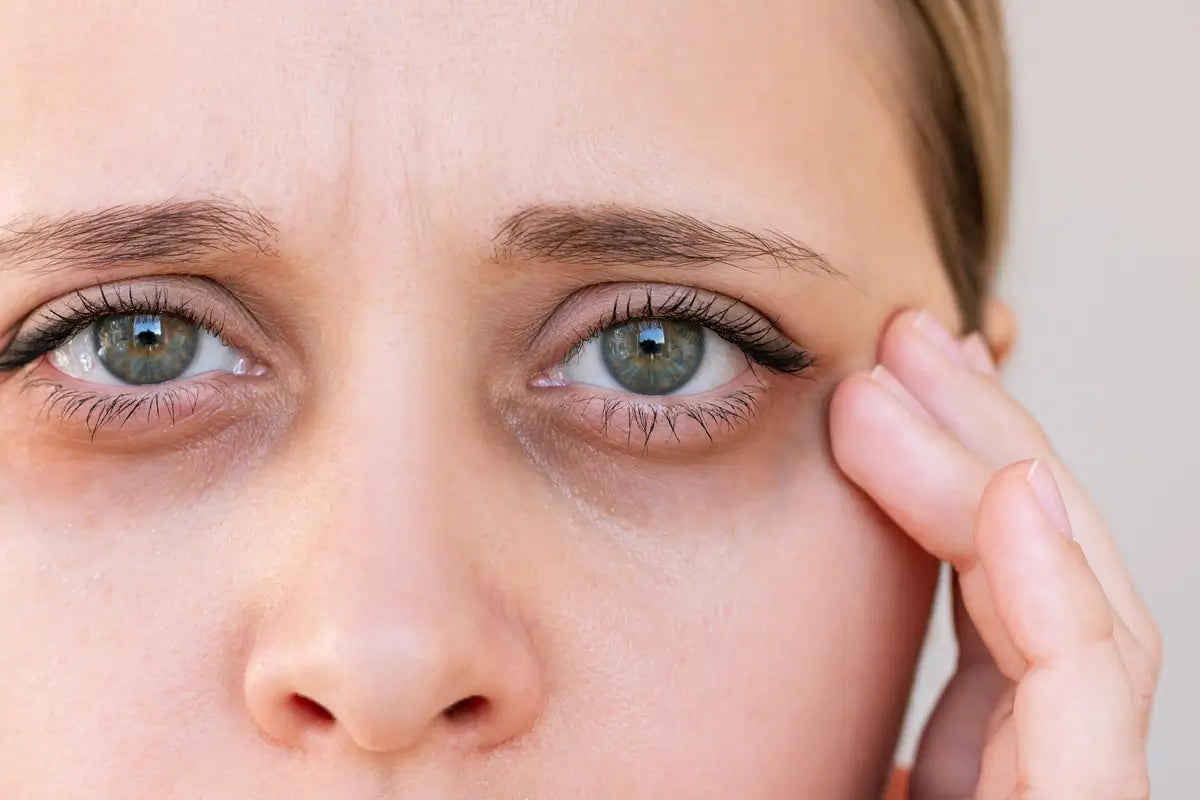
Water retention in tissues is one of the most characteristic symptoms of hypothyroidism. Swelling appears especially around the eyes, cheeks, and chin.
Dryness, flaking, and tightness
Due to reduced sebaceous gland activity, the skin loses its natural lipid protection. It becomes dull, prone to micro-cracks, and allergic reactions.
Change in complexion
Skin hypoxia can make the face look "earthy" or bluish. This is often accompanied by dark circles under the eyes and a loss of radiance.
Loss of elasticity and premature wrinkles
Disrupted collagen and elastin synthesis leads to skin sagging, especially in the lower part of the face.
Sensitivity and inflammation
The immune system in Hashimoto's is overactive – which is why the skin can react with irritation even to mild substances.
Biochemical mechanisms in the skin with Hashimoto's
- T3/T4 hormone deficiency inhibits keratinocyte and fibroblast proliferation.
- Antioxidant enzyme activity (SOD, catalase) decreases, which exacerbates oxidative stress.
- Epidermal barrier disorders and increased expression of pro-inflammatory cytokines (IL-6, TNF-α) occur.
- This, in turn, leads to chronic micro-inflammation and accelerated skin aging.
A study (Endocrine Reviews, 2023) showed that as many as 70% of Hashimoto's patients complain of dermatological symptoms, mainly affecting the face.
Hashimoto's skincare – biocompatible and dermatological principles
The goal of skincare is to rebuild the hydrolipidic barrier, provide hydration, antioxidant protection, and minimize irritation.
Below, I describe key skincare principles supported by research and cosmetological practice.
Cleansing – only gentle surfactants
Skin with Hashimoto's does not tolerate aggressive cleansing. Products with mild plant-derived detergents are recommended: Sodium Cocoamphoacetate, Sodium Cocoyl Glutamate, glucosides, or betaine.

Multi-layer hydration
It is worth combining humectants (glycerin, betaine, hyaluronic acid, tremella) with emollients (almond oil, shea butter, ceramides). Such a combination helps retain water in the epidermis and rebuild its structure.
A study (International Journal of Cosmetic Science, 2021) confirms that using humectants + natural lipids increases skin hydration by 35–50% after 4 weeks.
Lipid barrier reconstruction
Skin with Hashimoto's loses ceramides faster than healthy skin. Therefore, replenishing them is crucial.
Antioxidation and adaptogens
Oxidative stress is one of the main factors worsening the skin's condition in Hashimoto's. Therefore, it is worth incorporating cosmetics with antioxidants and adaptogens that support skin balance.
Microbiome protection
Hormonal disorders affect the skin's microflora. Using prebiotics and postbiotics helps restore balance and reduce skin reactivity. An excellent ingredient that supports the microbiome is inulin.
Night care – repair time
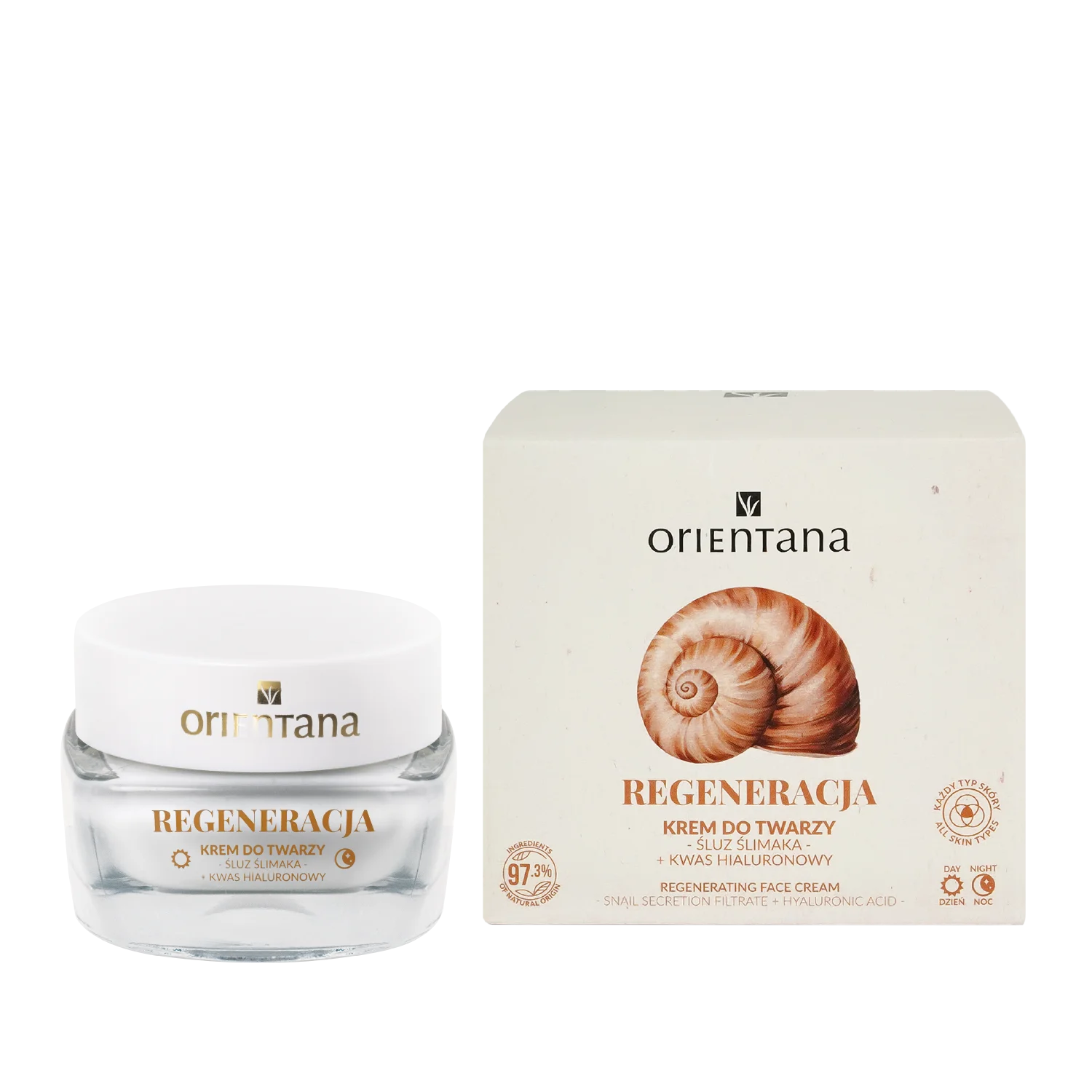
At night, the skin regenerates intensively. With Hashimoto's, it is worth using hydrating creams with tremella, with snail slime and highly nourishing creams – they will provide long-lasting hydration and support skin elasticity.

Diet and supplementation and facial appearance
The condition of the skin is a direct reflection of the body's metabolic balance. Therefore, in addition to cosmetics, nutrition and micronutrients are crucial.
Ingredients particularly important for Hashimoto's:
• Selenium – participates in T4 → T3 conversion and acts as an antioxidant.
• Zinc – supports skin regeneration and healing processes.
• Vitamin D3 – regulates immunity and skin inflammation.
• Omega-3 fatty acids – improve skin elasticity and hydration.
• Collagen and amino acids – support extracellular matrix reconstruction.
Products to avoid:
• Excess gluten and dairy (can exacerbate inflammation),
• Simple sugars (increase collagen glycation),
• Processed foods and trans fats.
Hashimoto's face – frequently asked questions (Q&A)
Does Hashimoto's cause facial swelling?
Yes. Hypothyroidism slows down metabolism and promotes water retention, which manifests as a "puffy face."
What cosmetics are safe for skin with Hashimoto's?
Natural, free from alcohol, silicones, and strong preservatives. Preferably based on adaptogens, ceramides, and humectants.
Can Hashimoto's cause acne or redness?
Yes. Hormonal disorders affect sebum production and the microbiome, which can lead to inflammatory reactions.
How to soothe dry and tight facial skin?
Use creams with trehalose, ceramides, and hyaluronic acid; avoid alcohol-based soaps and toners.
Is facial massage recommended for Hashimoto's?
Yes, but gentle – it improves microcirculation and reduces swelling. Gua sha massage or a jade roller is recommended.
Do adaptogens help in skincare for Hashimoto's?
Yes – including ashwagandha, reishi, and centella asiatica regulate oxidative stress and strengthen skin immunity.
Can Hashimoto's accelerate skin aging?
Yes. Hormone deficiency and oxidative stress lead to collagen and elastin degradation.
Can biocompatible skincare support dermatological treatment?
Yes – by strengthening the skin barrier and reducing inflammation.
Hashimoto's affects the face much more than commonly thought. Changes in hormone balance cause dryness, swelling, and loss of skin firmness, while increasing its sensitivity.
Therefore, skincare should be based on:
• gentle cleansing,
• intense hydration,
• ceramide reconstruction,
• antioxidants and adaptogens.
Orientana natural cosmetics – based on plant extracts and biotechnological actives – support skin balance and help restore a healthy appearance even with endocrinological disorders.