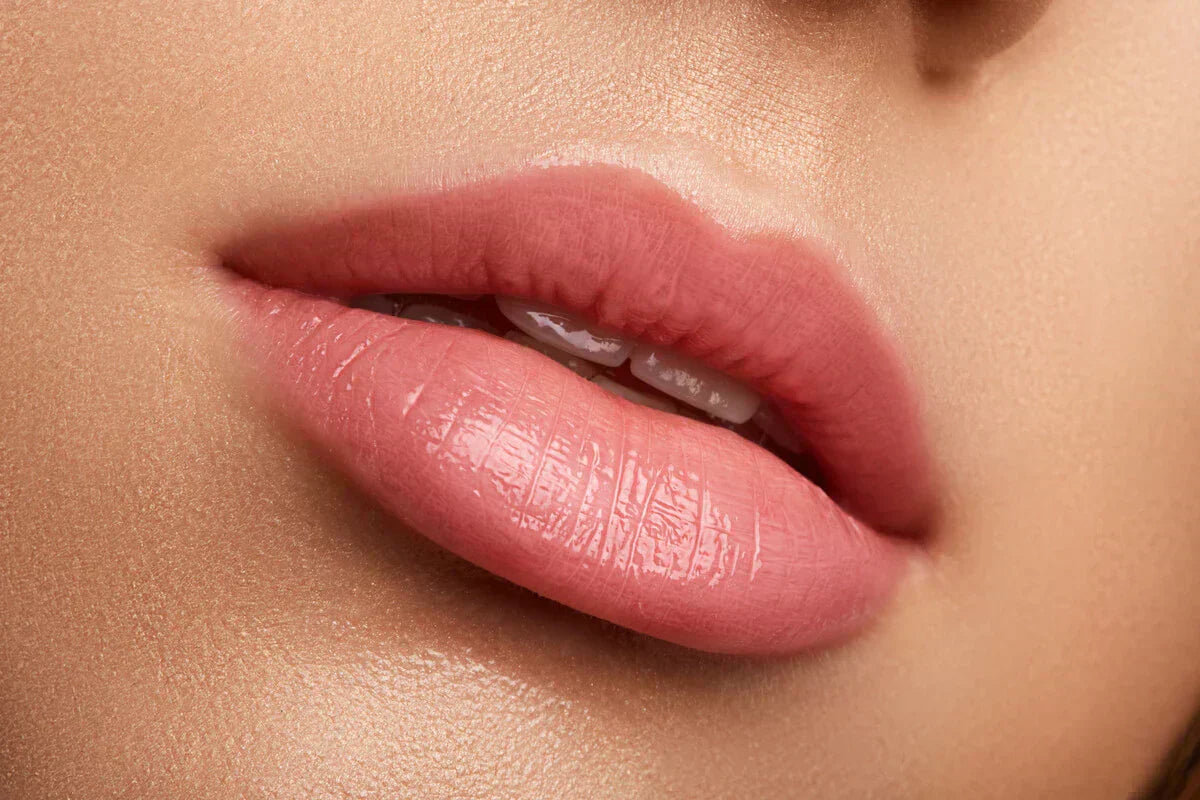
Why is lip care so important? The skin on the lips differs from the rest of the face – it lacks sebaceous and sweat glands, which is why it dries out and loses moisture more quickly. External factors such as wind, frost, UV radiation, and air conditioning also contribute to this.
Lack of proper care leaves lips chapped, dull, and prone to microcracks. Proper lip care keeps them soft, supple, and healthy-colored all year round.
Structure of lip skin – why is it so delicate?
Lip skin consists of a very thin epidermis, which has only a few layers of cells (in comparison: on the cheeks – several). Additionally, the lack of melanin makes lips more susceptible to UV radiation.
This is why lip care should include:
- protection from atmospheric factors,
- intensive hydration and regeneration,
- gentle exfoliation,
- use of natural nourishing ingredients.
Common lip problems
Cosmetologists identify several typical problems that most people face:
- chapped and dry lips,
- cracks at the corners,
- loss of color and radiance,
- excess dead skin,
- irritation from colored cosmetics,
- feeling of tightness after sun or frost exposure.
Each of these problems requires gentle but effective care based on natural ingredients.
Natural lip care step by step
Lip care is a simple ritual that you can perform at home in a few steps. Regularity is more important than intensity here – just a few minutes a day is enough to notice a difference.
1. Cleansing – the first step to healthy lips
Every evening, remove lipstick, balm, or UV filter residues from your lips. It's best to perform a two-step cleanse – use a makeup remover oil and a gentle cleansing gel, which do not dry out the skin.

2. Lip scrub – exfoliating dead skin cells
Regular scrubbing (1–2 times a week) removes dead cells, stimulates microcirculation, and prepares the lips to absorb nutrients.
Homemade lip scrub:
• 1 teaspoon of honey,
• 1 teaspoon of cane sugar,
• a few drops of coconut oil or olive oil.
Gently massage lips in circular motions for 1–2 minutes, then rinse with warm water.
Cosmetologist's tip: if you have sensitive skin, choose an enzymatic scrub or a ready-made balm with sugar particles, which dissolves dead skin instead of abrading it.
3. Lip hydration and regeneration
After cleansing and exfoliating, it's time to moisturize. This is a crucial step in any lip care routine – natural oils and plant butters create a protective film that prevents water loss.
Active ingredients ideal for lip care:
- Shea butter
- Mango butter
- Jojoba oil
- Almond oil
- Vitamin E
- Beeswax or vegetable wax
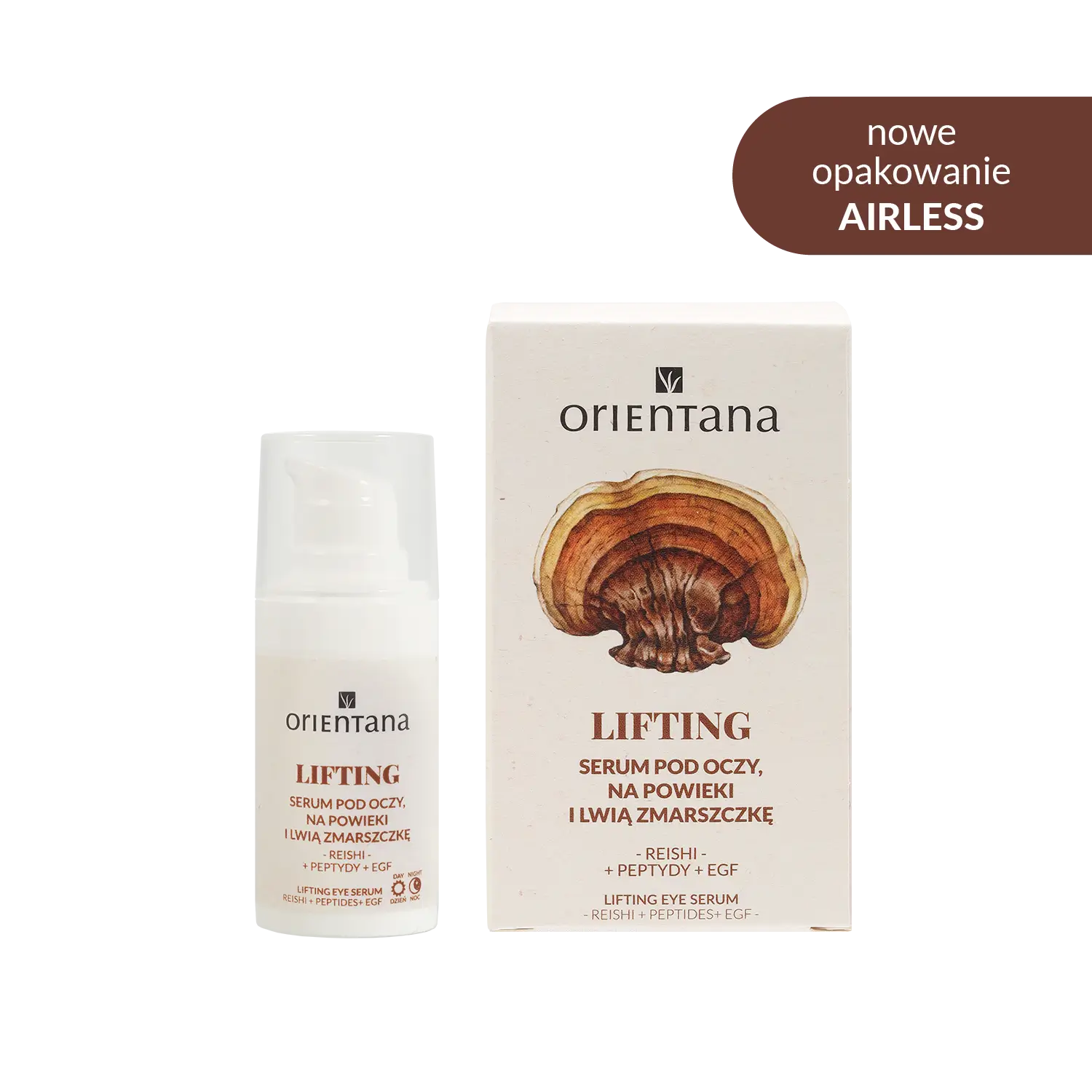
Cosmetologist recommends: Nourishing eye cream with ceramides – a small amount can be applied to the lips as a natural regenerating balm. It contains moisturizing tremella extract and nourishing avocado oil.
4. Protection from sun, wind, and frost
UV radiation and frost are the main enemies of lip skin. In summer, use balms with SPF 15–30; in winter – occlusive products with natural waxes and oils.
It's also worth remembering to hydrate your body – dry lips are often a sign of dehydration.
5. Lip massage
Massage stimulates microcirculation, improves color, and promotes better absorption of balm. Gently massage with your fingertip or a lip brush in circular motions for 30 seconds. You can use an oil for this massage. Use one drop of oil. Its aromatherapy scent has a relaxing effect, and plant ingredients strengthen the skin's lipid barrier.
Home remedies for smooth and soft lips
Natural lip care isn't just about cosmetics, but also simple, homemade rituals.
Honey – a natural balm and scrub
Honey is a humectant that retains water in the epidermis and soothes chapped lips. It can be used alone or as an ingredient in a mask with sugar and olive oil.
Aloe – soothing and regenerating
Aloe vera gel soothes, regenerates, and relieves irritation after sun exposure or using drying lipsticks.
Olive oil – lubricates and protects
Rich in omega-9 acids, it acts as a natural protective barrier. Ideal overnight as a regenerating mask.
Rose extract – delicacy and nourishment
Rose cosmetics – like Orientana Rose oil – help maintain the softness and natural radiance of the lips. You can moisten your fingertips with it and gently wipe your lips to refresh the skin.
How to care for lips in different seasons?
In winter
Opt for richer formulas with shea butter, argan oil, or wax. Avoid licking your lips in the cold – saliva further dries them out.
In summer
Choose light balms with UV filters and humectants (e.g., aloe, glycerin, trehalose). Drink plenty of water and avoid matte lipsticks that are drying.
In autumn and spring
During this time, focus on regeneration: a scrub once a week, a rich night cream.
Lip care after aesthetic treatments
If you undergo lip augmentation or shaping treatments (e.g., with hyaluronic acid), care is crucial:
• for the first 48 hours, avoid scrubs and massage,
• use cold compresses and balms with panthenol,
• after 3 days – gentle moisturizing, e.g., with a natural oil or tremella serum,
• avoid sun and sauna for 7 days.
After healing, a nourishing eye cream works great – it supports regeneration and improves the elasticity of the lips and their surrounding skin.
Natural ingredients to look for in lip balms
- Shea butter - Regenerates, protects
- Mango butter - Smooths, improves elasticity
- Avocado oil - deeply nourishes and moisturizes
- Jojoba oil - Regulates hydration
- Almond oil - Soothes irritation
- Vitamin E - Antioxidant
- Aloe - Soothes and regenerates
Common lip care mistakes
- licking lips (aggravates dryness),
- using matte or long-lasting lipsticks without protection,
- lack of dead skin exfoliation,
- using products with alcohol and menthol,
- insufficient body hydration.
Frequently asked questions about lip care
How often should I exfoliate my lips?
1–2 times a week, depending on skin needs.
Is petroleum jelly a good solution for dry lips?
It creates a protective barrier but doesn't moisturize. Natural butters and oils are better.
Is SPF lip balm needed in winter?
Yes, UV radiation is active even on cold days.
What to use for cracked lips?
Balms with shea butter, vitamin E, panthenol, or aloe.
Can I use lip balm daily?
Yes – even several times a day, especially in dry air or with air conditioning.
How to achieve fuller lips without a procedure?
Regular massage and exfoliation improve blood circulation and visually plump the lips.
Can lipsticks harm lips?
Yes, if they contain alcohol, menthol, or artificial fragrances – they can dry out and irritate.
Does diet affect lip condition?
Yes. Deficiency of vitamins A, E, B2, and zinc can cause cracked lips.
Are Orientana products suitable for lip care?
Yes – for example, the eye cream with ceramides and facial massage oils.
Lip care is a simple yet extremely important part of your daily routine. Regular exfoliation, hydration, and protection will keep your lips smooth, supple, and healthy all year round. By choosing natural products – such as Orientana cosmetics with shea butter, tremella, aloe, or rose – you provide your skin not only with protection but also nourishment.
It is this harmony of nature and cosmetological knowledge that is the key to beautiful lips regardless of the season.