

Adaptogens are among the most important active ingredients in modern functional cosmetology. Although they have been used for thousands of years in Ayurveda and Chinese medicine, it is only today, in an age of stress, pollution, and accelerated skin aging, that their full potential is appreciated by science and dermatology.
In this article, we explain:
- what adaptogens are exactly,
- how they work on the skin,
- why they have such strong antioxidant properties,
- and what role they play in modern anti-aging skincare.
If you want to learn more about conscious skincare and discover the full philosophy of natural formulas, visit our natural cosmetics section, where we explain step-by-step how to care for your skin according to its needs.
What are adaptogens?
Adaptogens are natural substances of plant (less commonly fungal) origin that:
- increase the body's and skin's ability to adapt to stress,
- help restore homeostasis,
- protect cells from oxidative stress and inflammation.
In cosmetology, adaptogens act locally on the skin, supporting its natural defense mechanisms, hydrolipidic barrier, and regenerative processes.
Adaptogens do not work once-off – their effectiveness increases with regular use.

Read about mushroom adaptogens
Adaptogens and skin oxidative stress
One of the main reasons for premature skin aging is oxidative stress – an excess of free radicals formed under the influence of:
- UV radiation,
- smog and pollution,
- psychological stress,
- poor diet and sleep.
Adaptogens exhibit strong:
- antioxidant,
- anti-inflammatory,
- and protective effects on cellular mitochondria.
Thanks to this, they:
- slow down the degradation of collagen and elastin,
- reduce micro-inflammation,
- improve the skin's resistance to environmental factors.
Check out how ashwagandha acts on skin stress

Why are adaptogens so effective in cosmetics?
The skin, like the entire body, reacts to stress. Prolonged overload leads to:
- weakening of the epidermal barrier,
- loss of hydration,
- increased sensitivity,
- accelerated aging.
Adaptogens in cosmetics:
- strengthen the skin's defense mechanisms,
- normalize inflammatory reactions,
- support cellular regeneration,
- improve the skin's ability to self-repair.
This is why adaptogens are increasingly found in:
- anti-aging cosmetics,
- sensitive skin care,
- regenerating dermo-cosmetics,
- "anti-pollution" protective formulas.

The most important adaptogens used in cosmetology
Ashwagandha
One of the best-researched adaptogens. In cosmetics, it:
- reduces the effects of cellular stress,
- has anti-aging properties,
- supports the regeneration of tired skin.
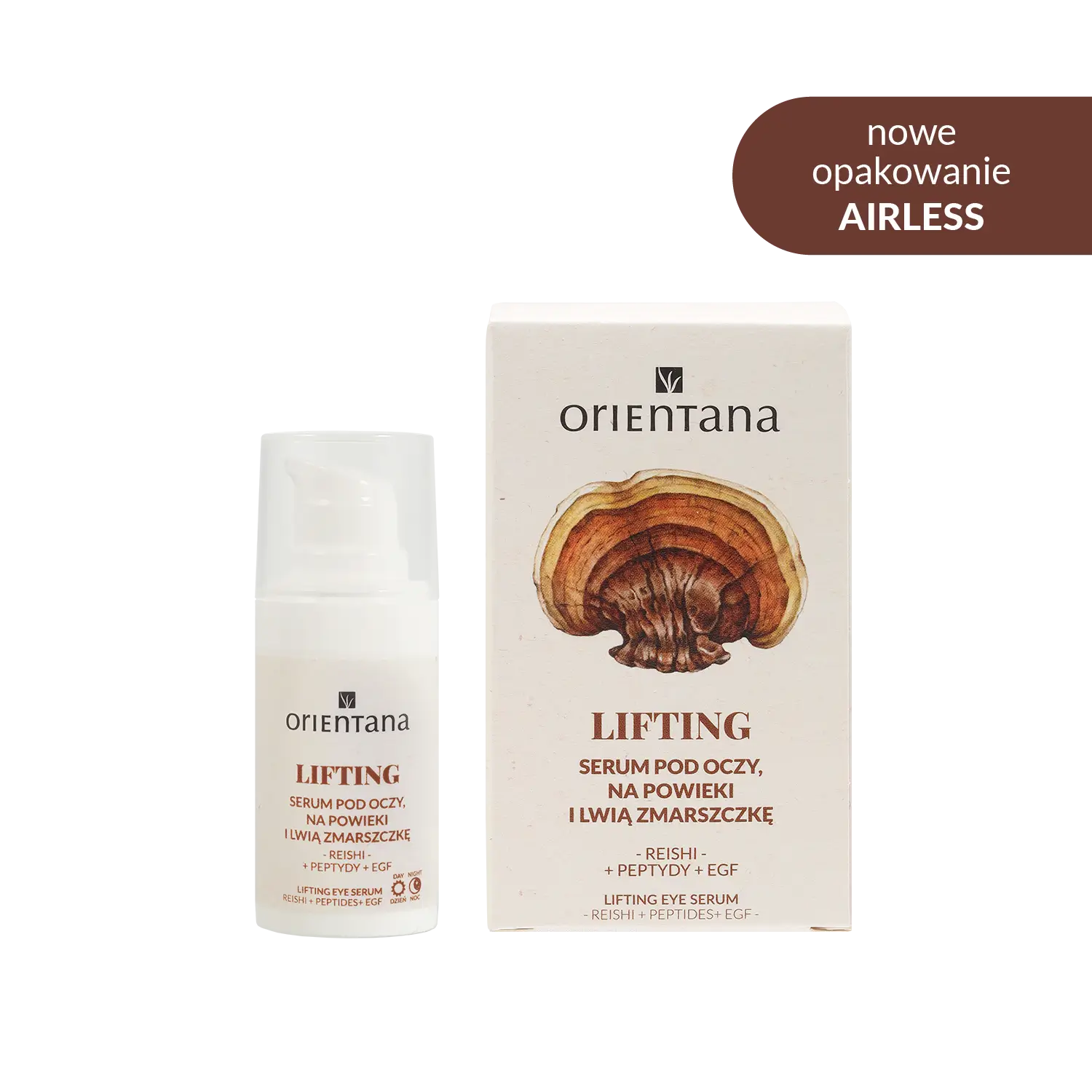
Reishi
An adaptogenic mushroom with exceptionally strong antioxidant potential.
In skincare, it:
- protects against free radicals,
- improves firmness,
- supports the longevity of skin cells.
Tremella
A natural hydrating adaptogen.
Acts as a "plant-based hyaluronic acid booster," while also:
- protecting the skin from environmental stress,
- improving skin elasticity and comfort.
Ginseng
A classic energizing adaptogen:
- stimulates microcirculation,
- supports collagen synthesis,
- restores skin vitality.
Adaptogens and antioxidation – why is this combination key?
Antioxidation is now one of the most important pillars of effective skincare.
Adaptogens not only neutralize free radicals but also:
- strengthen the skin's natural antioxidant enzymes,
- act long-term,
- increase the skin's resistance to further damage.
👉 If you want to delve deeper into this topic, see our expert post:
Antioxidation - 6 Adaptogens Supporting Natural Skin Protection
Who are cosmetics with adaptogens best for?
Cosmetics containing adaptogens are especially recommended for people:
- living in large cities,
- exposed to stress and smog,
- with sensitive or reactive skin,
- noticing the first signs of aging,
- seeking natural but effective skincare.
Do adaptogens in cosmetics really work?
Studies show that adaptogens:
- lower markers of oxidative stress,
- support skin repair processes,
- improve its biological resistance.
The key is:
- appropriate concentration,
- quality of the extract,
- regular use.
Adaptogens - the future of modern skincare
They are not a fleeting trend. Adaptogens perfectly meet the needs of modern skin:
- stressed,
- overloaded with stimuli,
- requiring regeneration and protection.
These are intelligent ingredients that teach the skin how to cope with stress, instead of merely masking its effects.
Summary
Adaptogens are the foundation of modern, holistic cosmetology.
They act deeply, long-term, and support the skin exactly where it needs it most today.
Questions
What are adaptogens?
Adaptogens are natural plant or fungal substances that increase the body's and skin's resistance to physical, environmental, and oxidative stress. They help restore biological balance without disrupting the skin's natural processes.
How do adaptogens work on the skin?
Adaptogens support the skin's defense mechanisms, neutralize free radicals, and reduce micro-inflammation. Thanks to this, they improve the skin's resistance to stress, slow down aging, and support regeneration.
Do adaptogens have antioxidant properties?
Yes. Adaptogens exhibit strong antioxidant properties – they protect skin cells from oxidative stress, which is one of the main causes of premature skin aging.
What adaptogens are most commonly used in cosmetics?
In cosmetology, adaptogens such as ashwagandha, reishi, ginseng, and tremella are most commonly used. Each of them works slightly differently, but the common denominator is protecting the skin from stress and supporting regenerative processes.
Are adaptogens suitable for sensitive skin?
Yes, adaptogens are particularly recommended for sensitive and reactive skin, as they help regulate inflammatory reactions and strengthen the skin's protective barrier. They act gently but long-term.
Do adaptogens have anti-aging effects?
Adaptogens are not classic "anti-wrinkle ingredients," but they work at the source of skin aging – by reducing oxidative stress and chronic micro-inflammation. Thanks to this, they genuinely slow down the aging process.
Adaptogens and stress - what is the connection?
Stress increases the level of free radicals and weakens the skin barrier. Adaptogens help the skin adapt better to stress, limiting its negative impact on cells and skin structure.
Do adaptogens in cosmetics really work?
Yes, provided they are used in appropriate concentrations and applied regularly. Their action increases over time and involves strengthening the skin's natural defense mechanisms.
Who are cosmetics with adaptogens best for?
Cosmetics with adaptogens are ideal for people living under stress, in polluted environments, with sensitive, tired skin, or with the first signs of aging.
Are adaptogens a trend or the future of cosmetology?
Adaptogens are not a fleeting trend. They are ingredients with documented effects that perfectly address the needs of modern skin exposed to chronic stress and environmental factors.